Camino Portugués Coastal - Day 7: Vigo to Pontevedra
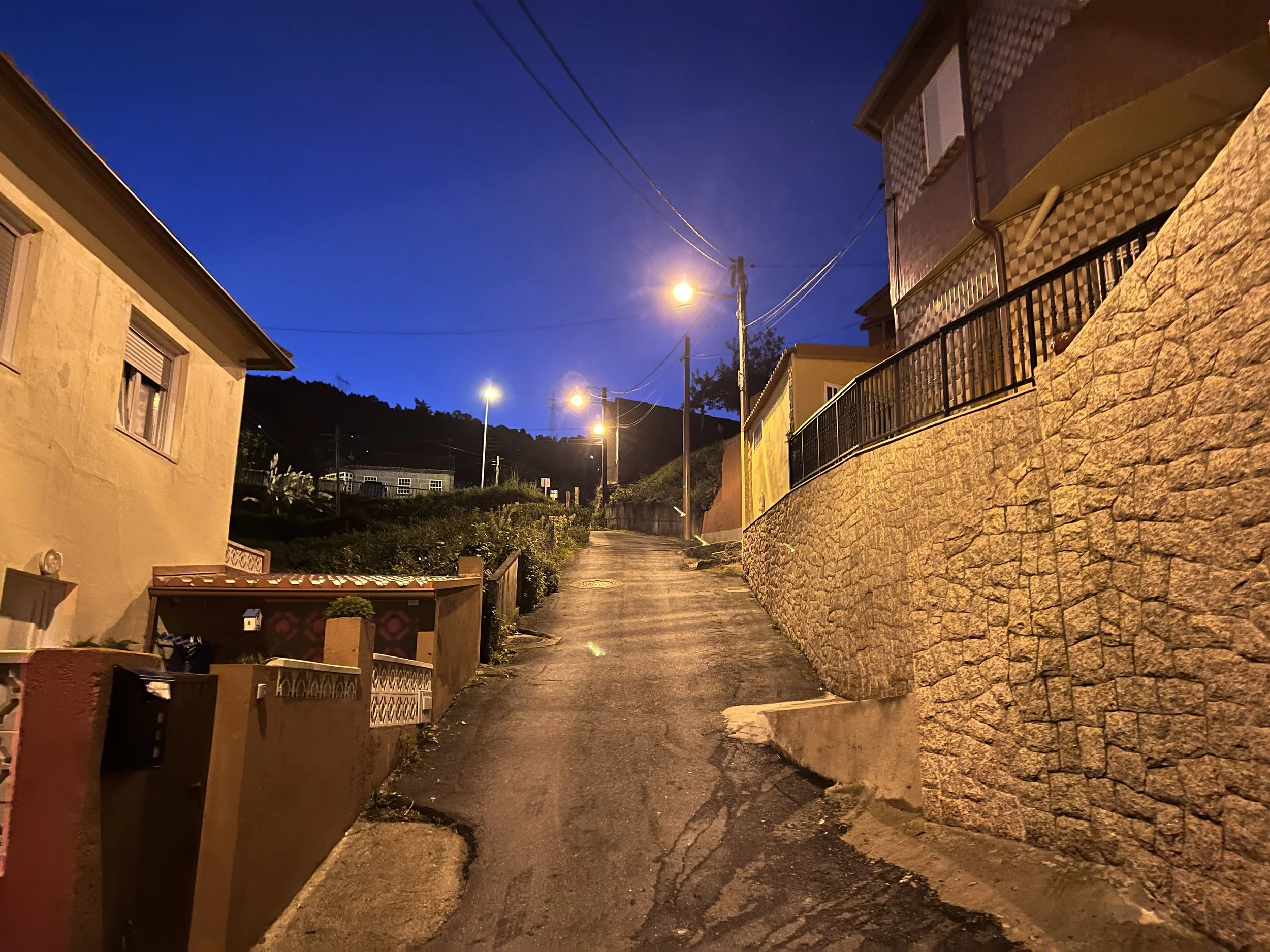
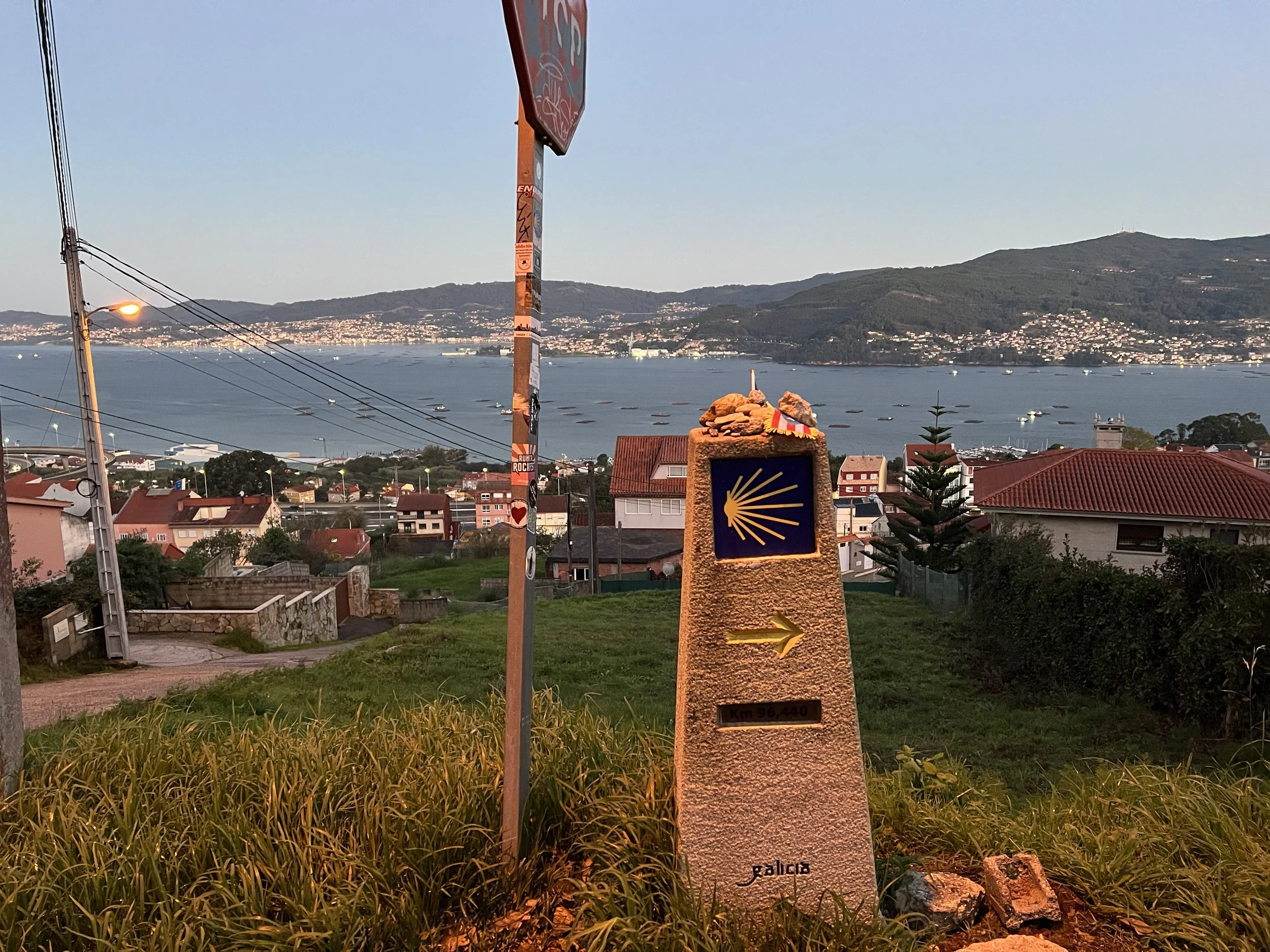
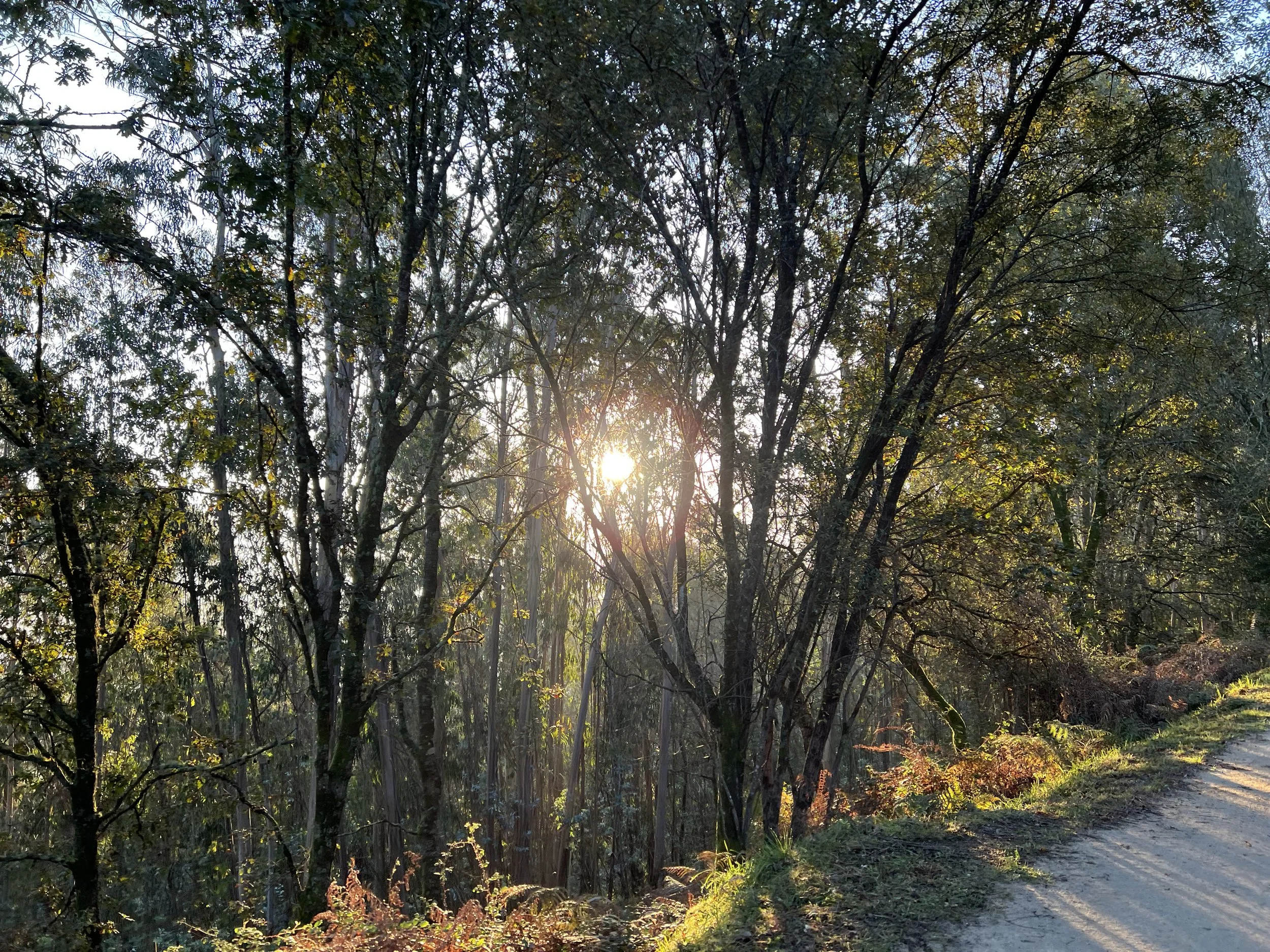
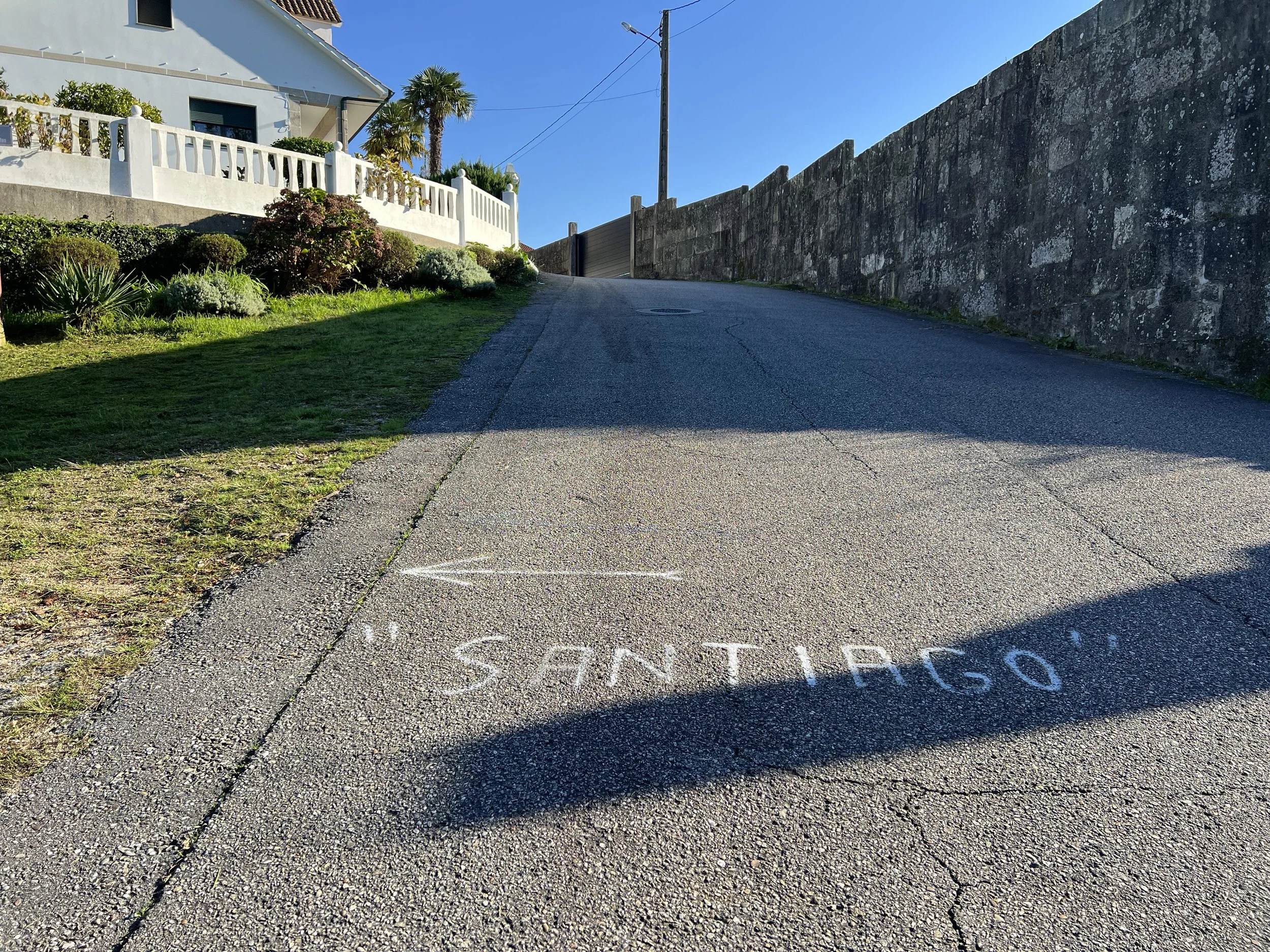
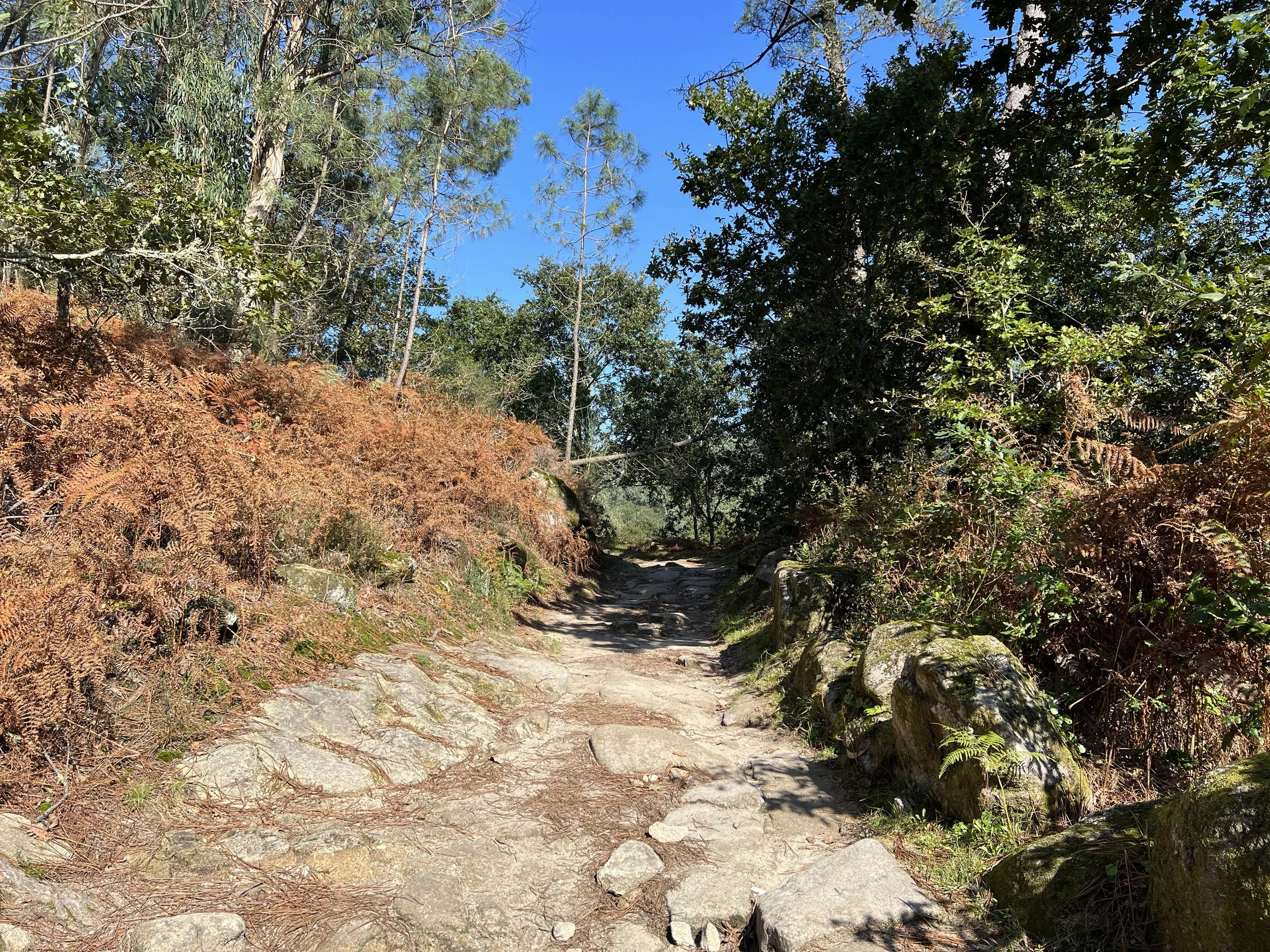
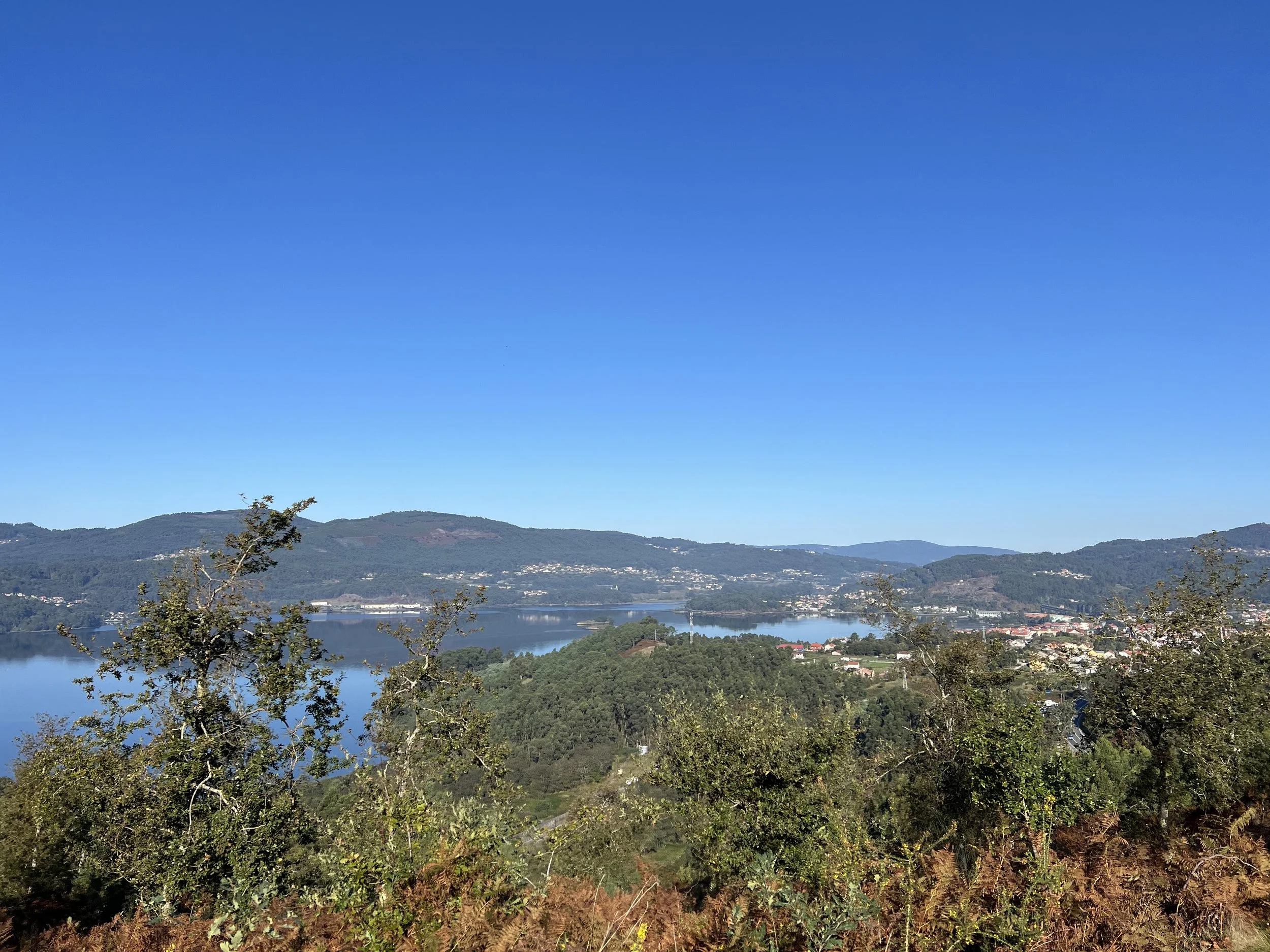
I didn’t expect the steep ascent out of Vigo to be so brutal—it felt endless! The path was uneven, and the lack of solid footholds made every step a test of balance and patience. I muttered under my breath the whole way up, but once I reached the plateau section, the effort felt worth it. The sun broke through the clouds, warming my damp clothes, and I started spotting more pilgrims along the route.
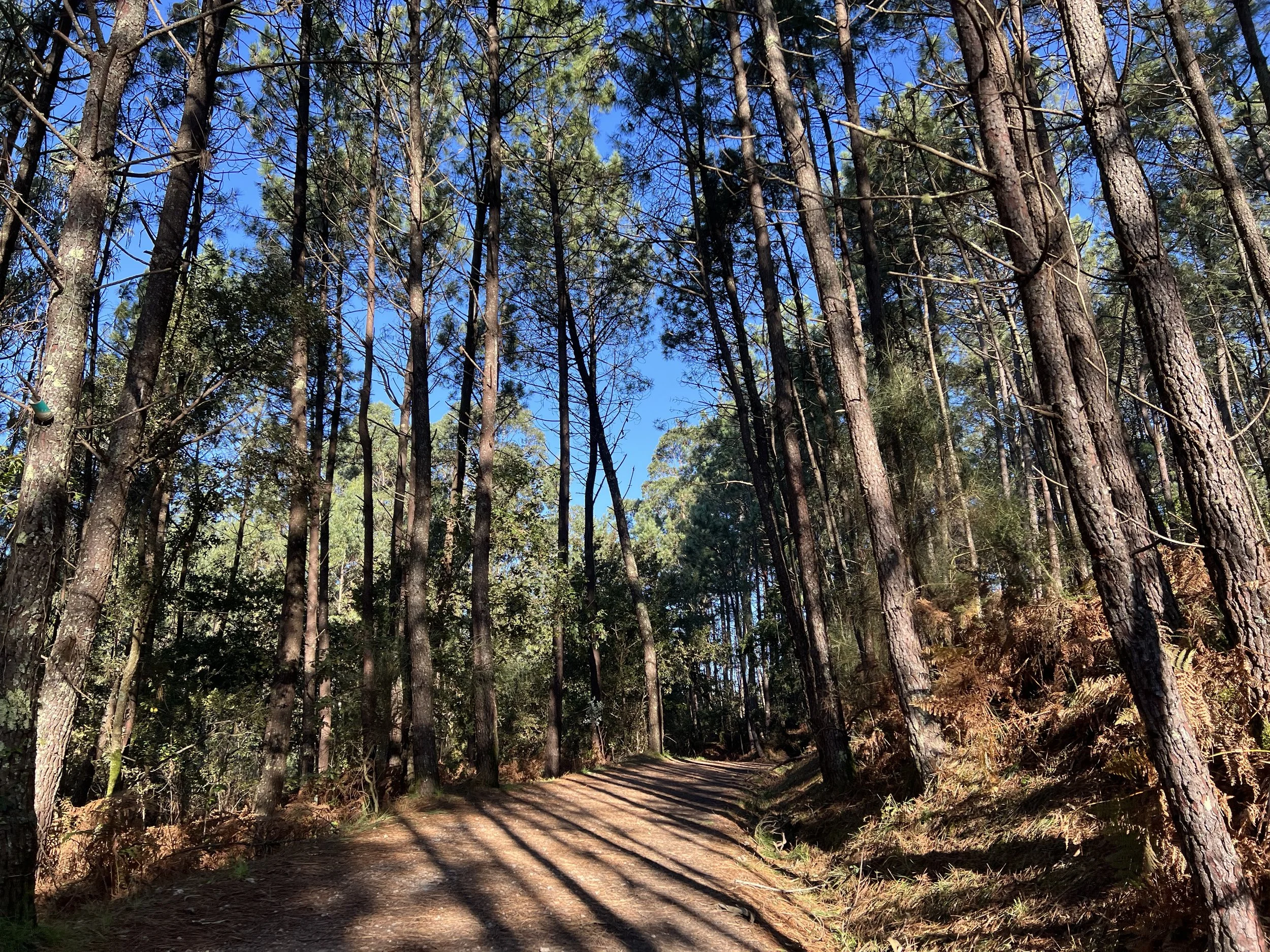
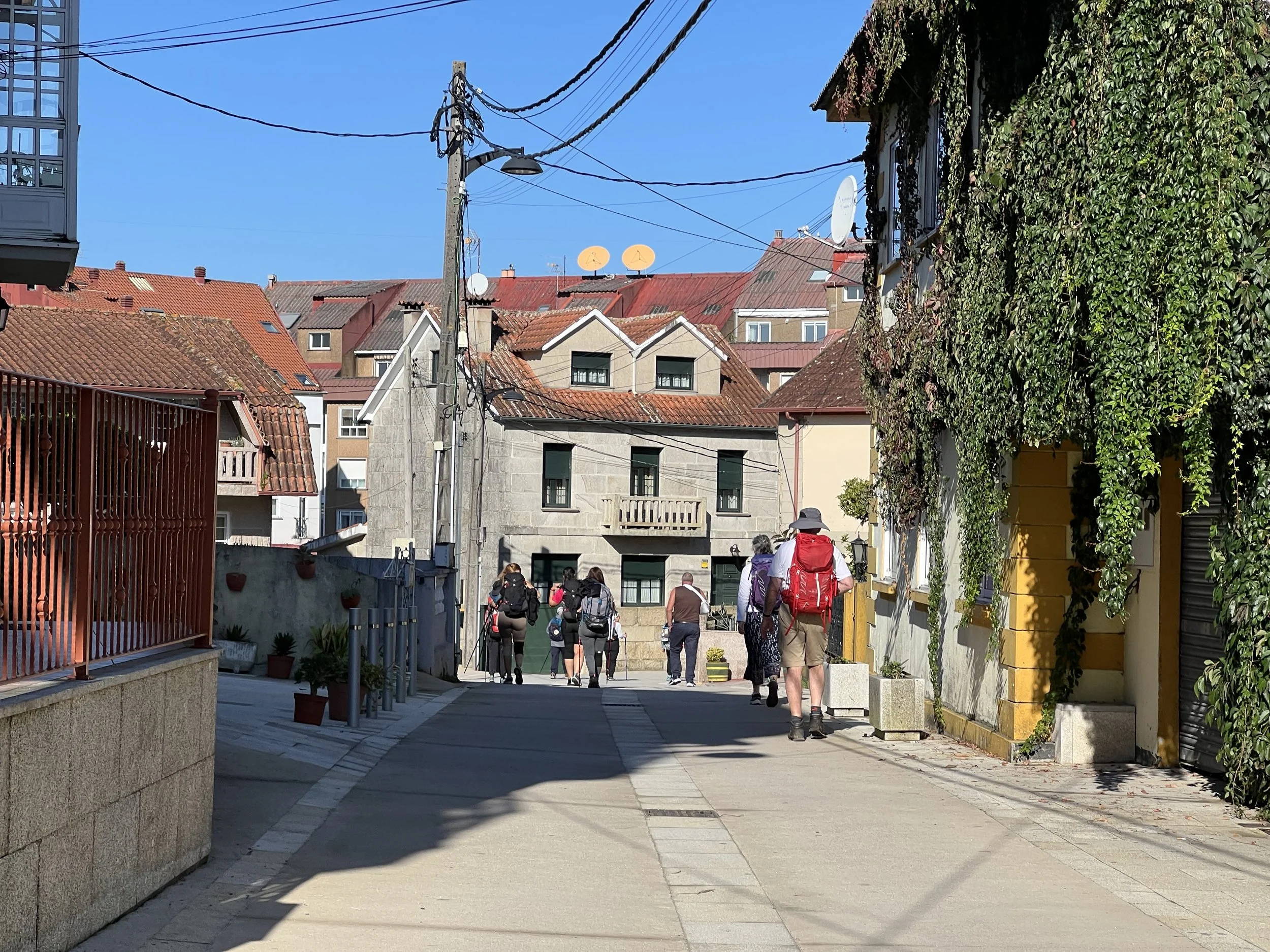
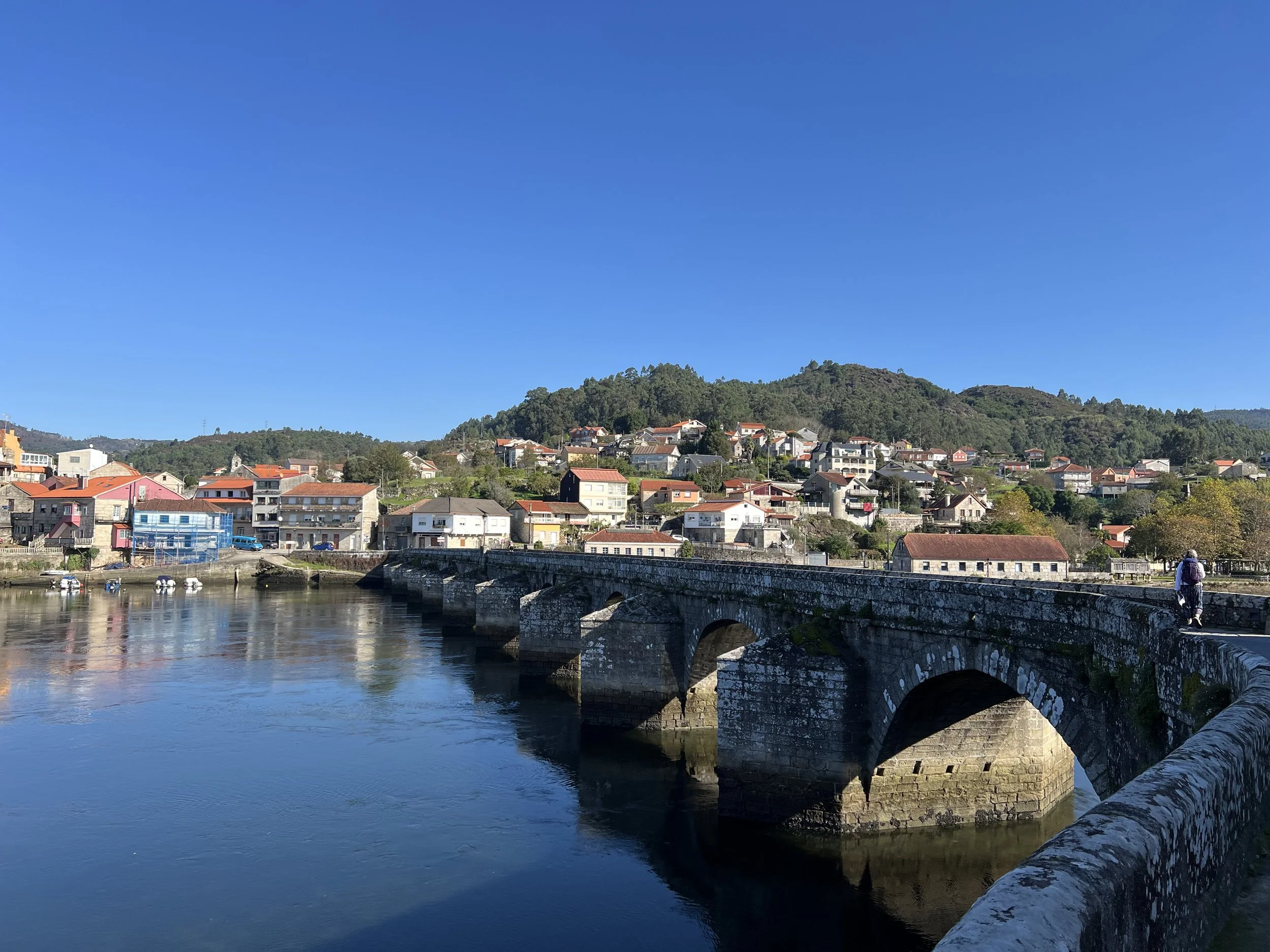
The trail to Pontevedra alternated between charming towns, quiet lanes, and scenic paths through the Galician countryside. One of the most memorable stops was Ponte Sampaio. I wandered into a tiny shop there, where the Camino stamp was enormous—it covered nearly two-thirds of my pilgrim credential page! Just around the corner stood a medieval stone bridge, its arches reflecting in the river below, an emblem of the region’s long history and connection to travellers like me. I paused for a short lunch before facing more undulating sections of the trail.
A few kilometres before Pontevedra, I noticed a riverside alternative on the marker, but a warning indicated it had flooded the day before. Not wanting to risk it, I stayed on the roadside path. It lacked the charm of the coastal and village scenery, and the sun beat down relentlessly, but I focused on putting one foot in front of the other. The perseverance paid off: I arrived in Pontevedra around 3 PM, checked into my albergue, grabbed a few essentials from a nearby supermarket, and let myself finally relax. It was a satisfying end to a physically demanding stage.
History & Background
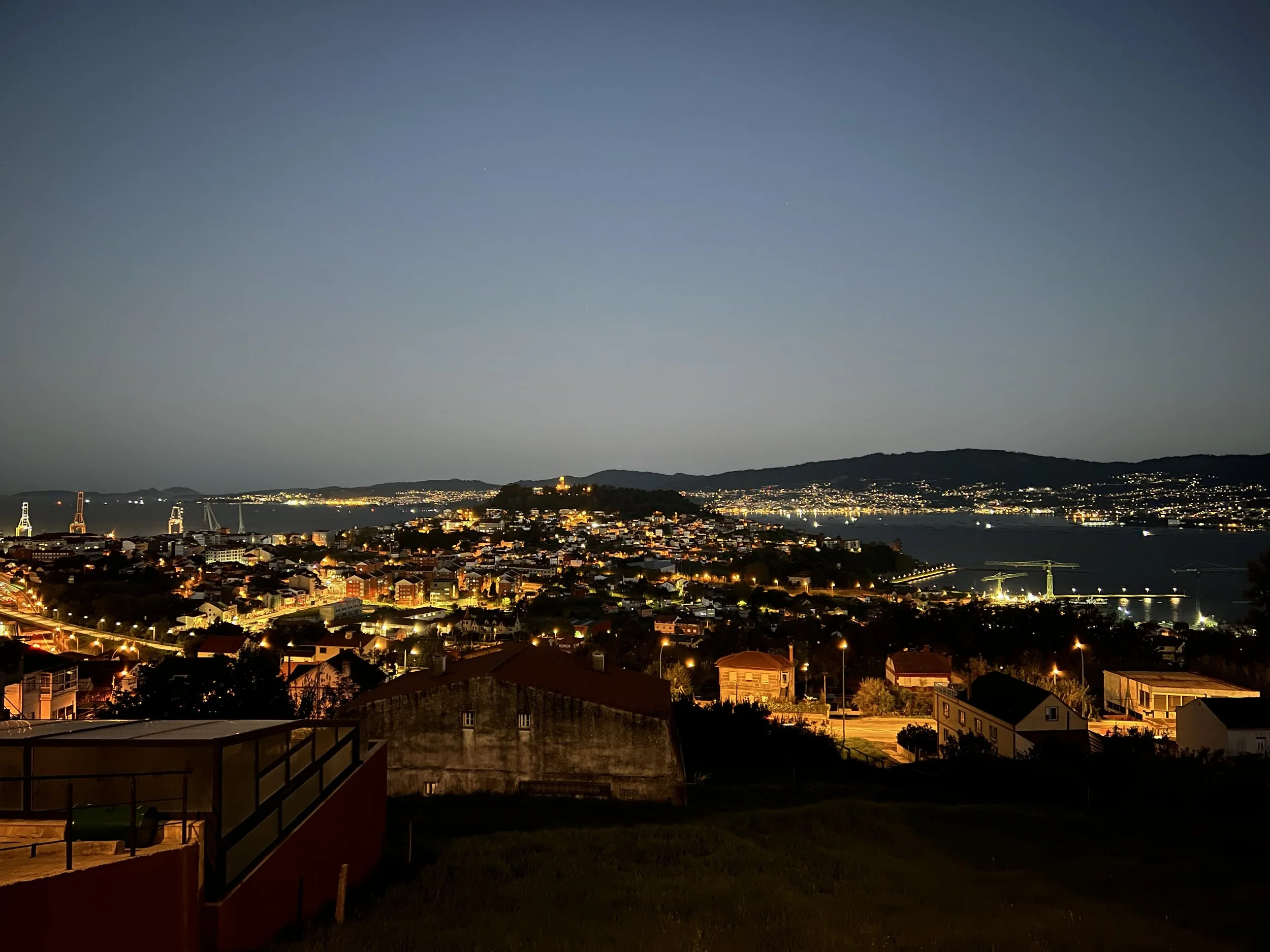
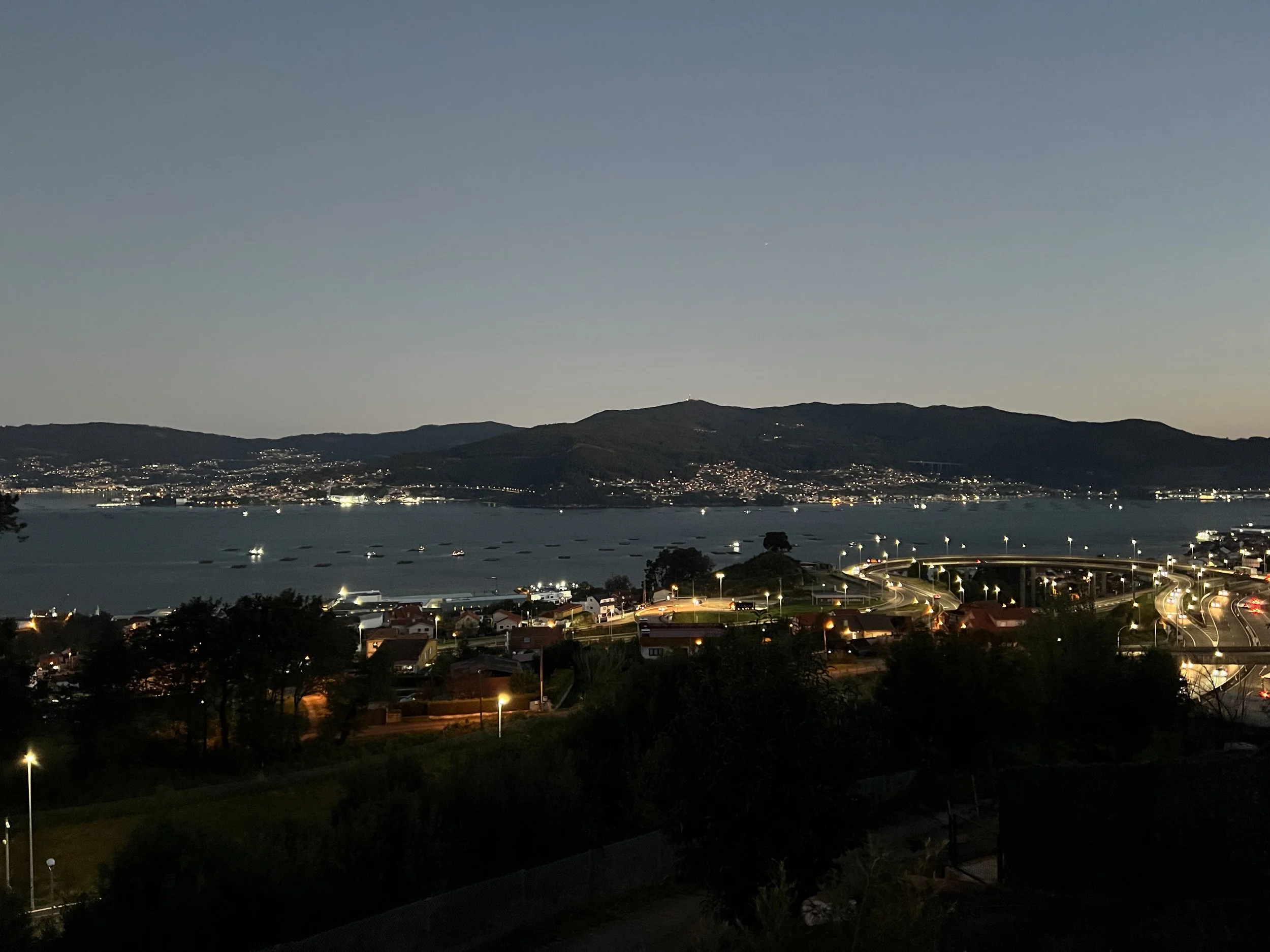
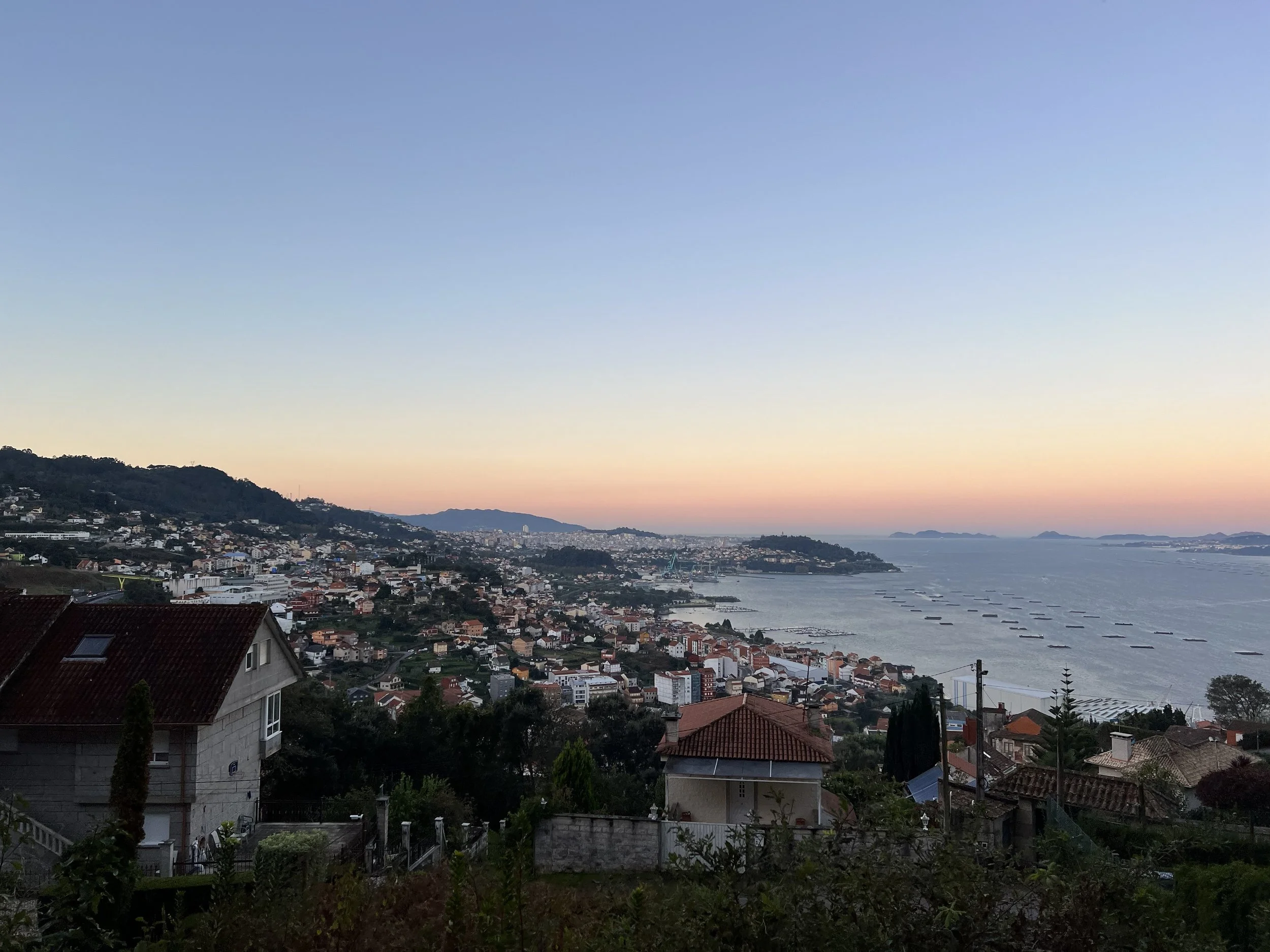
The Camino Portugués Coastal stage from Vigo to Pontevedra traverses Galicia’s verdant landscapes, alternating between urban areas, small villages, and rural paths. Historically, this route follows centuries-old pilgrim and trade paths connecting the port city of Vigo with the inland town of Pontevedra, an important commercial and religious centre during the medieval period.
Pontevedra itself is a city steeped in history. Its medieval old town, cobblestone streets, and stone plazas reflect centuries of prosperity as a hub for merchants and pilgrims alike. The nearby Ponte Sampaio bridge is famous for its role in the 1809 Battle of Ponte Sampaio during the Peninsular War, when local forces resisted Napoleonic troops—a testament to the resilience of this region. Today, Pontevedra serves as a major waypoint for pilgrims, blending historical significance with modern conveniences, including accommodations, cafes, and services for walkers continuing north toward Santiago de Compostela.
Getting There
The walk from Vigo to Pontevedra covers approximately 35–36 kilometres. Terrain varies from urban streets and paved roads to rural trails, with several significant ascents contributing to a total elevation gain of over 600 metres. Weather near the Atlantic can be warm and sunny, but coastal fog and sudden showers are also common, so preparation is key.
Vigo is connected to Pontevedra by frequent regional trains and buses, providing options for pilgrims who wish to shorten this stage. Pontevedra itself is well-served by public transport, making it easy to continue north along the Camino or reach Santiago de Compostela from the city.
Route Overview
Distance: 35.52 km (Hotel Panton → Dpaso, Urban Hotel)
Total elevation gain: 655 m
Duration: 6 hr 33 min (with breaks 7 hr 39 min)
Difficulty: Hard
For the full day-by-day route breakdown, including distances and duration, see my complete Camino Portugués Coastal route guide.
Cost Breakdown
Accommodation: Dpaso, Urban Hotel (Reserved via Agoda) — €21
Food: €21.56