Camino Portugués Coastal - Day 6: Baiona to Vigo
Today, we reached Vigo—the destination Sujin and I had planned for this stage of our Camino. The walk was relatively easy, with gentle ups and downs, but finding food proved challenging. We didn’t come across an open restaurant until San Miguel, about 16 kilometres in. Exhausted and hungry—especially Sujin—we took a long, restorative break there, refuelling, stretching, and enjoying a few quiet moments before continuing.
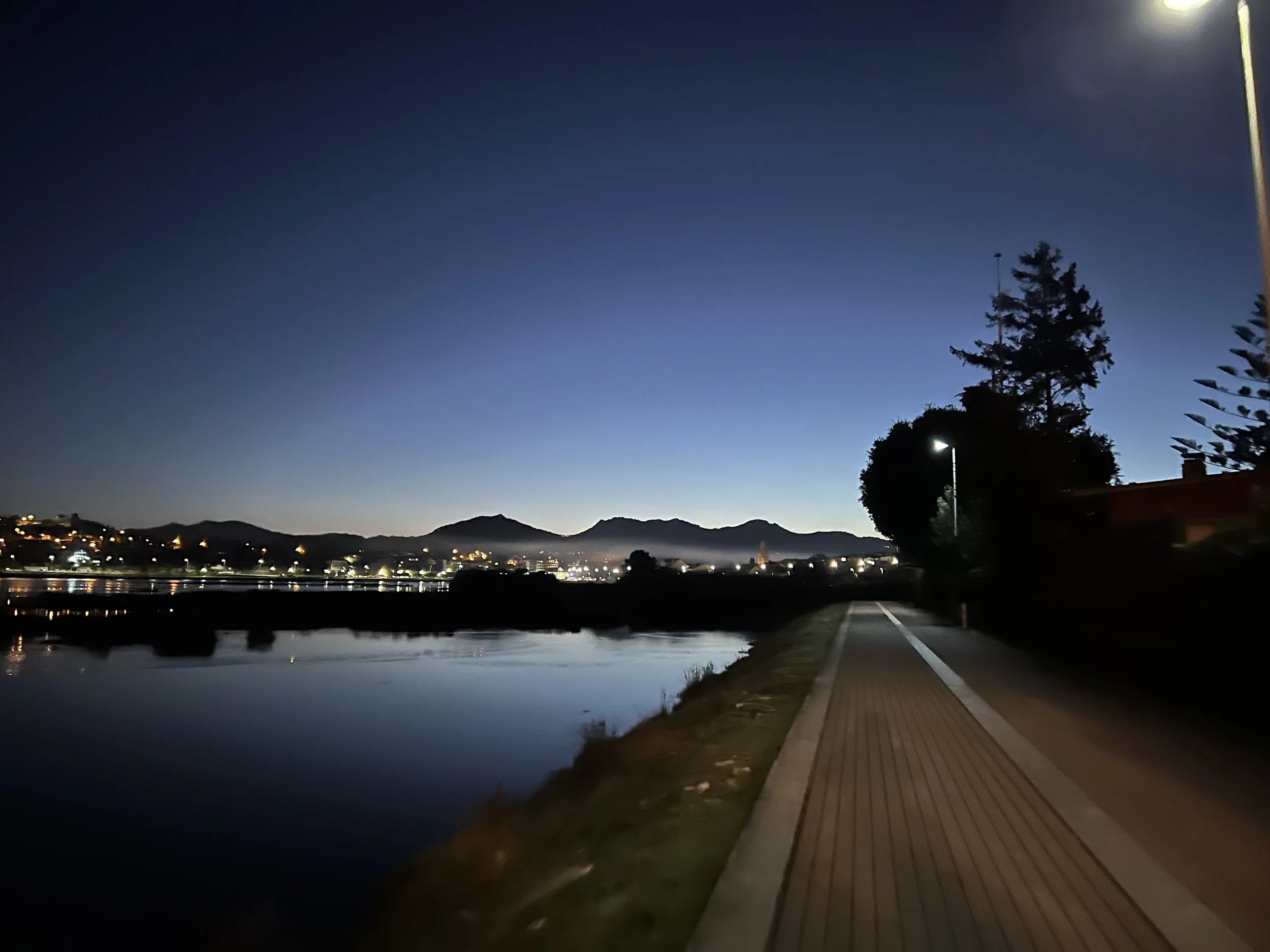
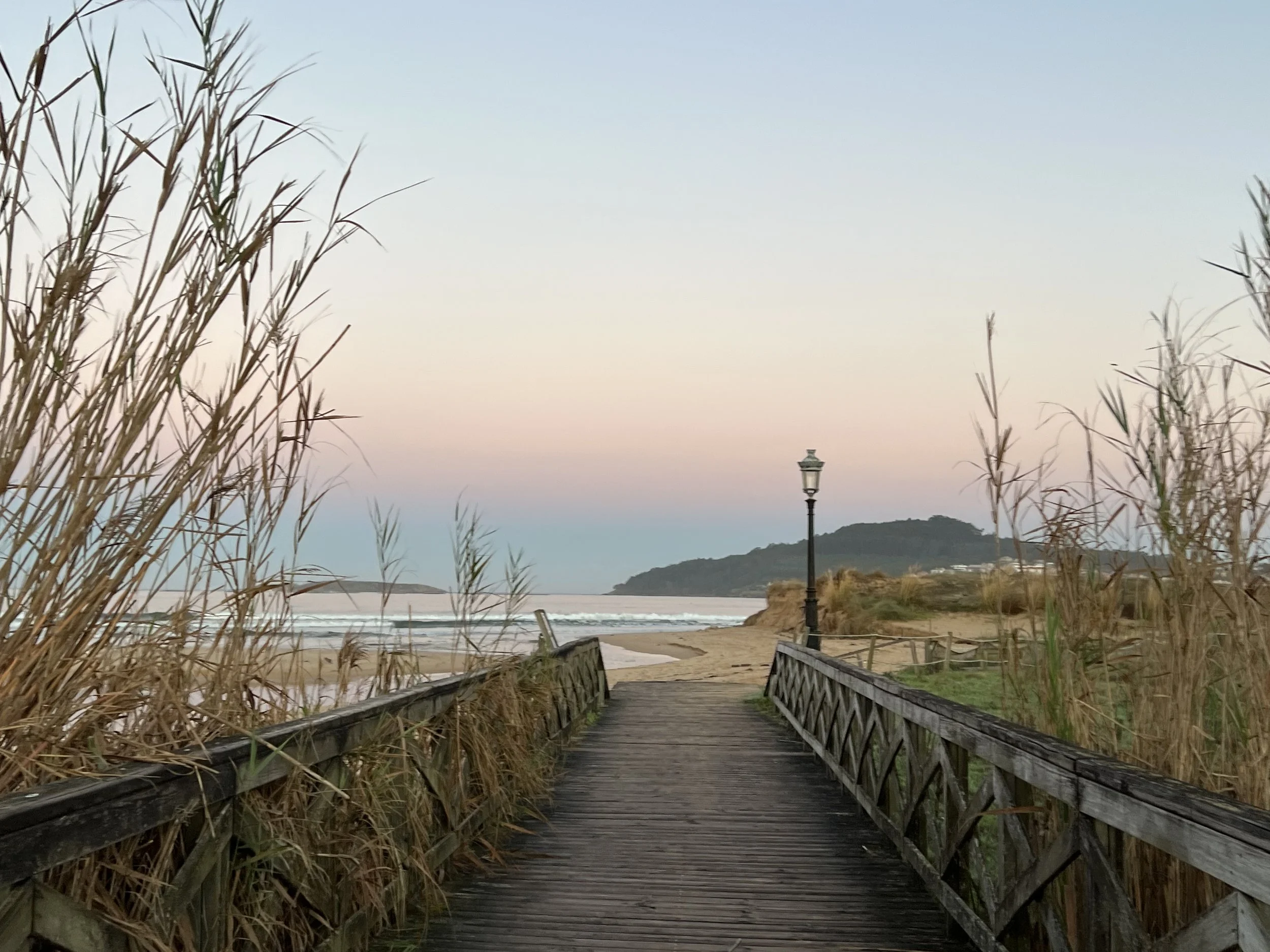
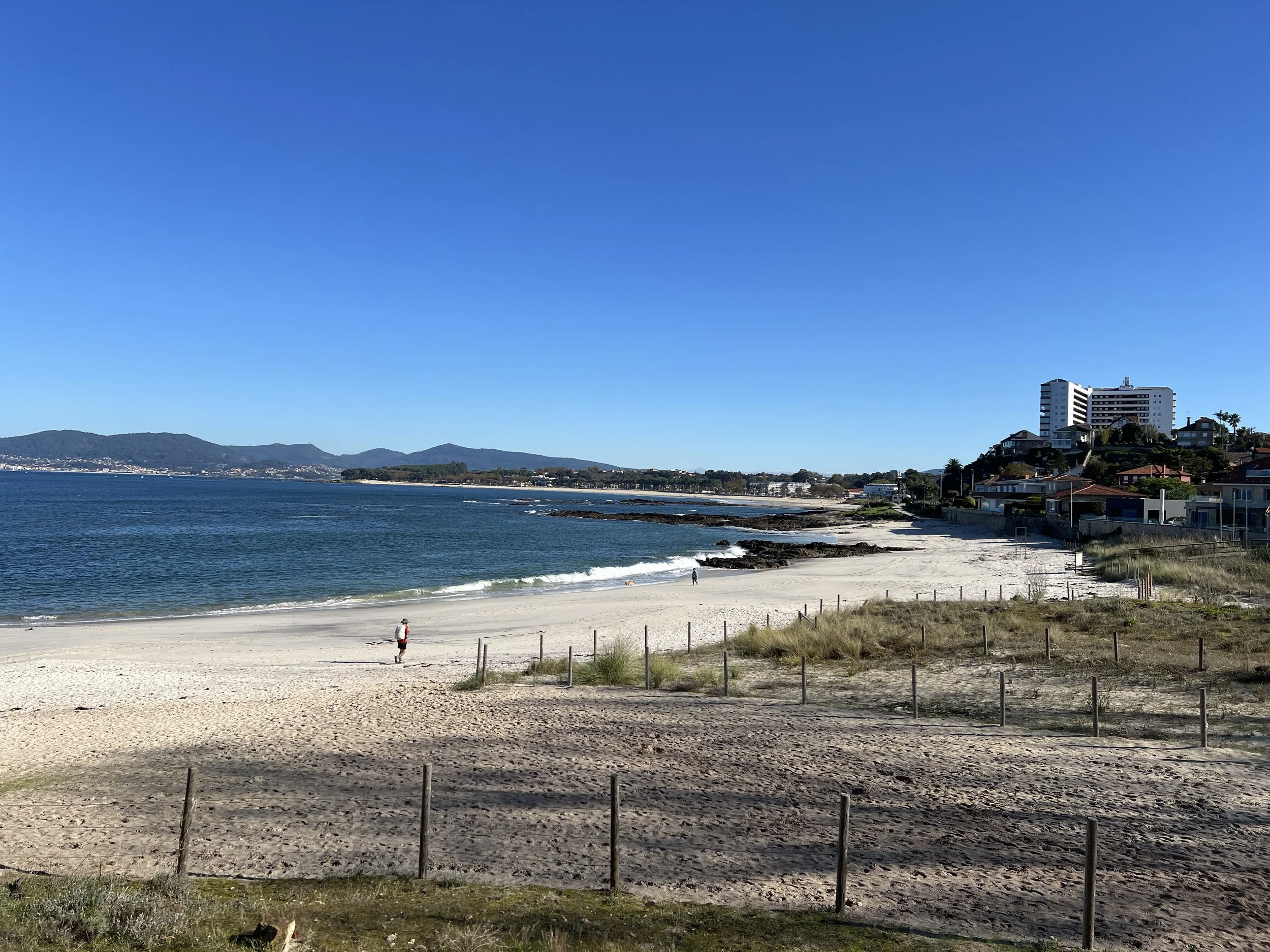
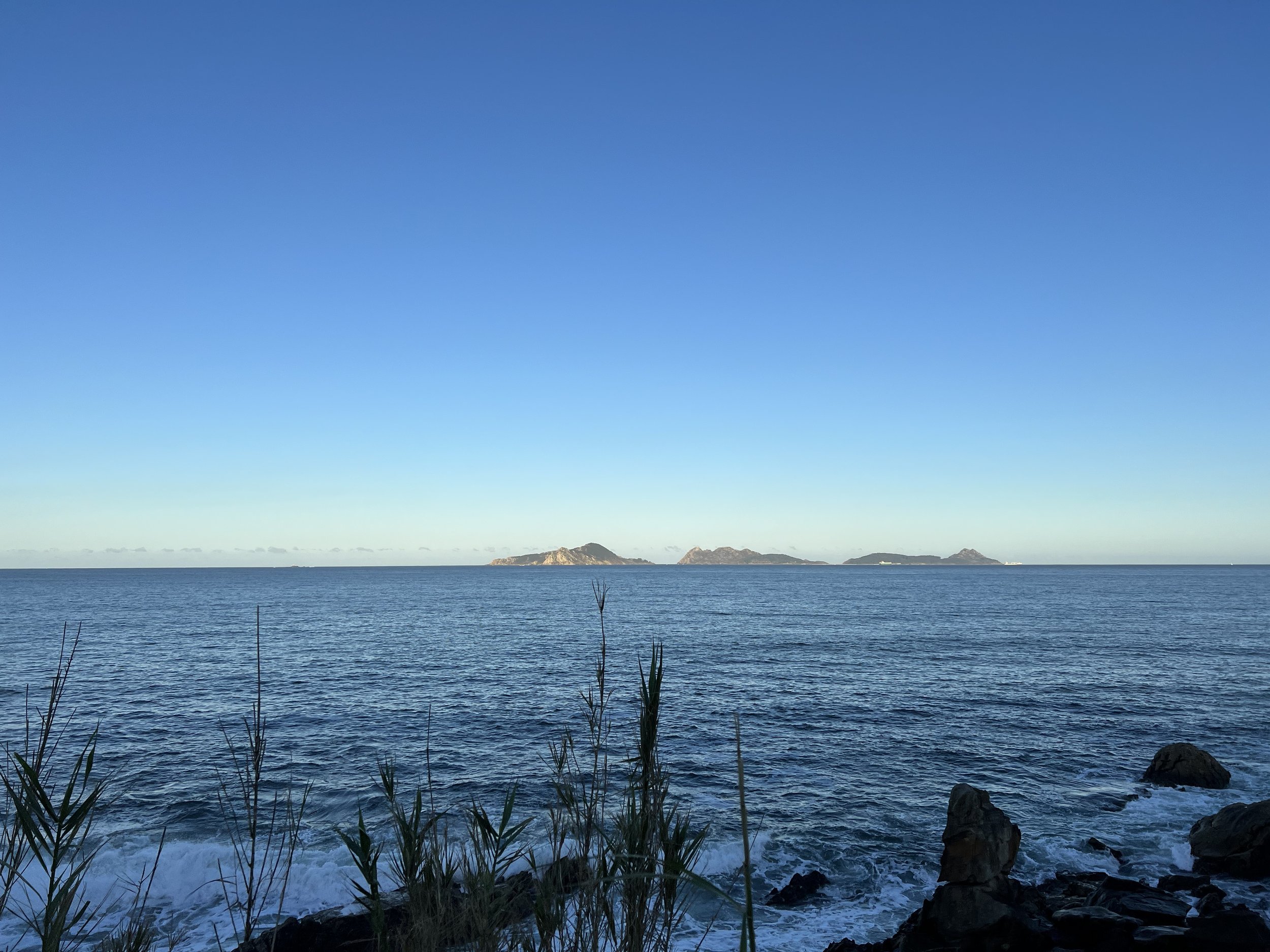
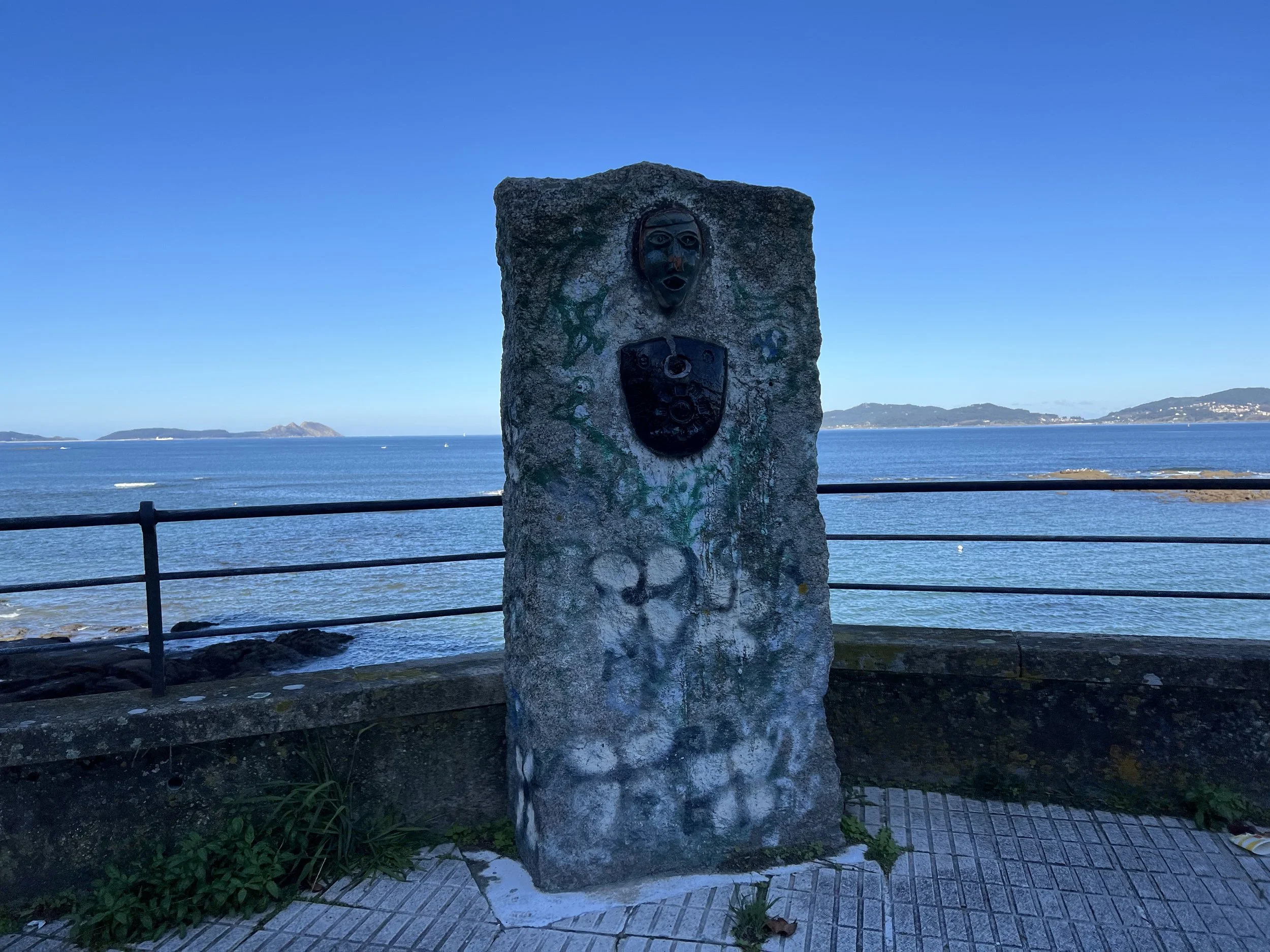
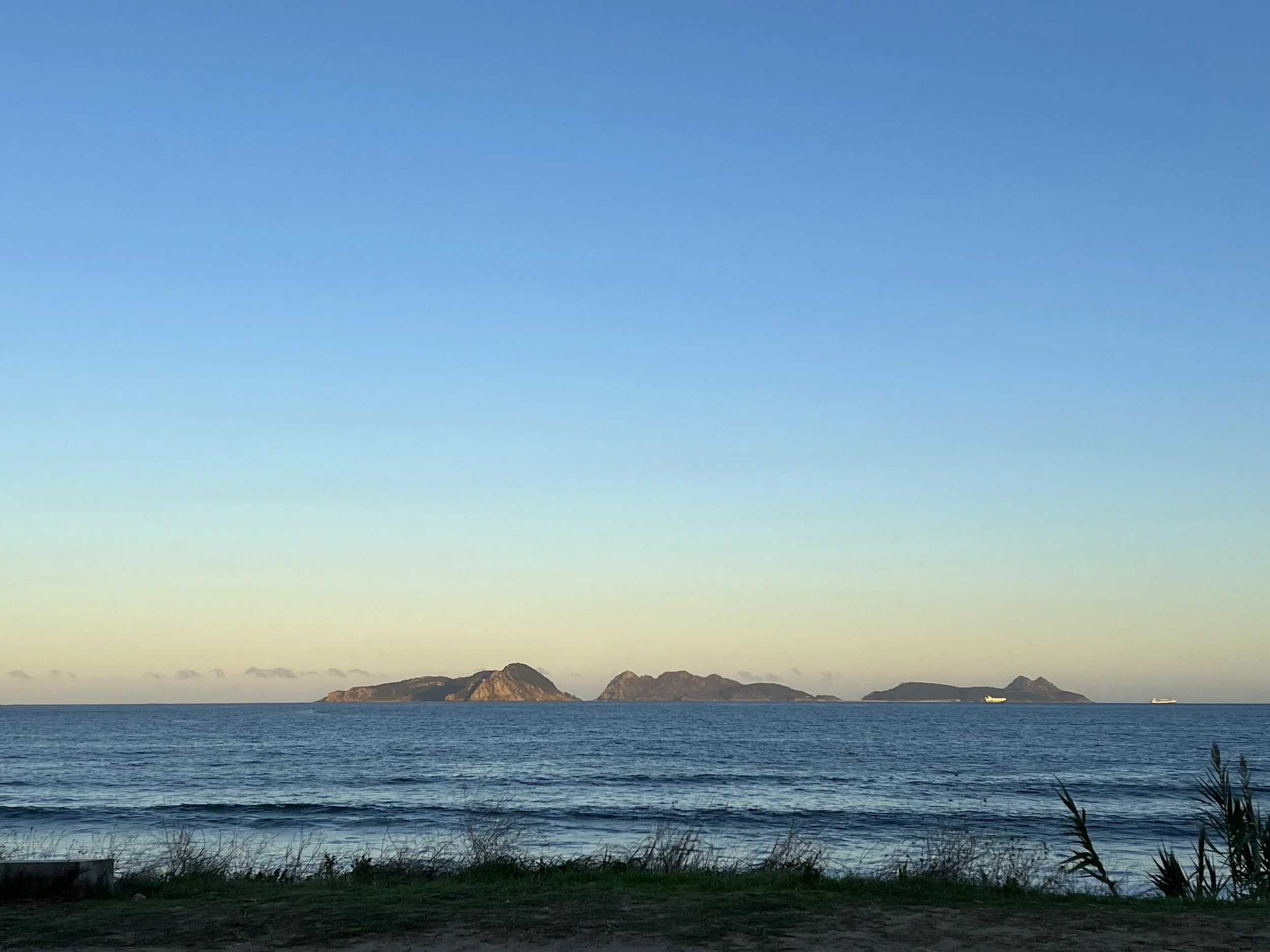
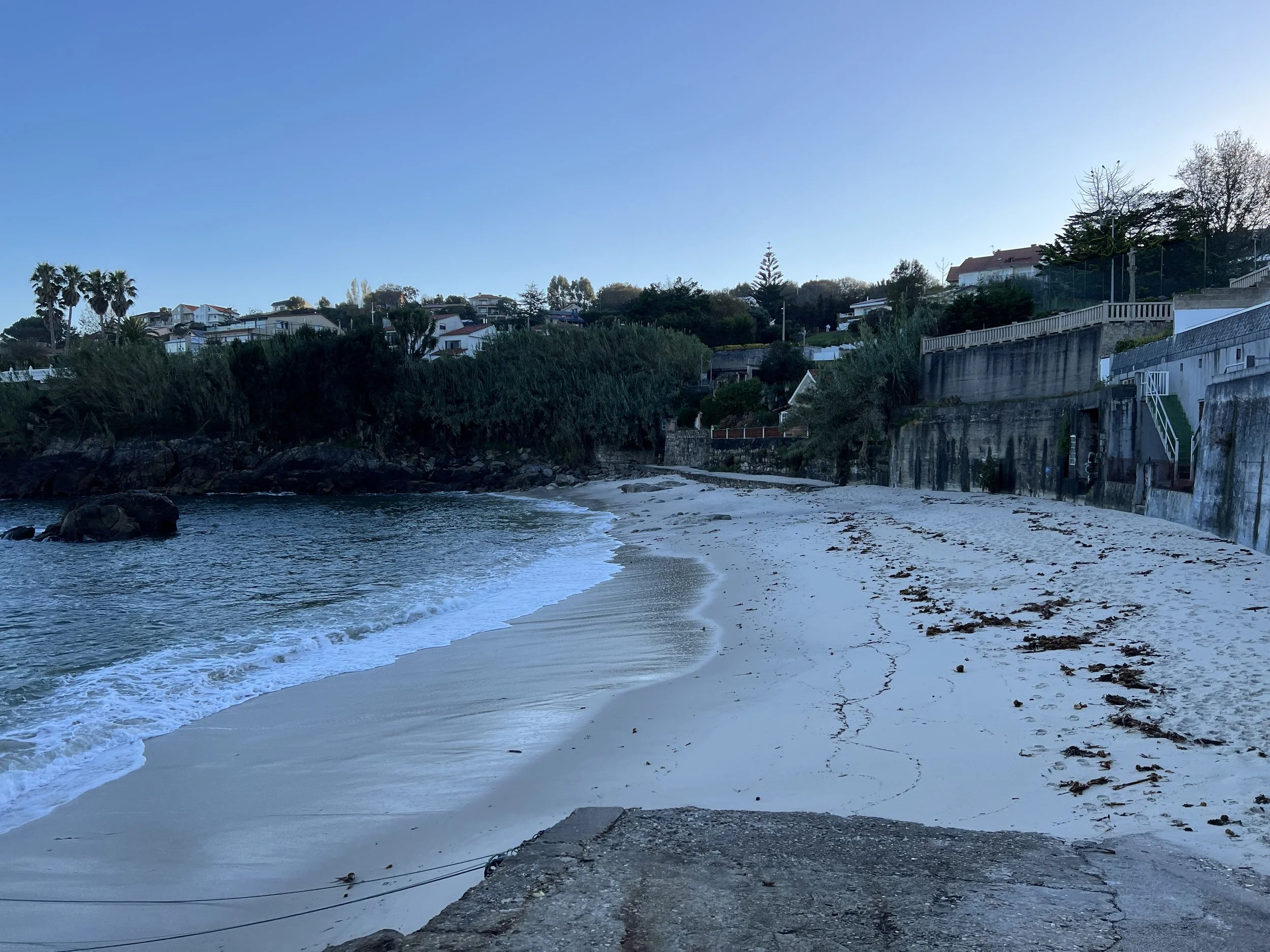
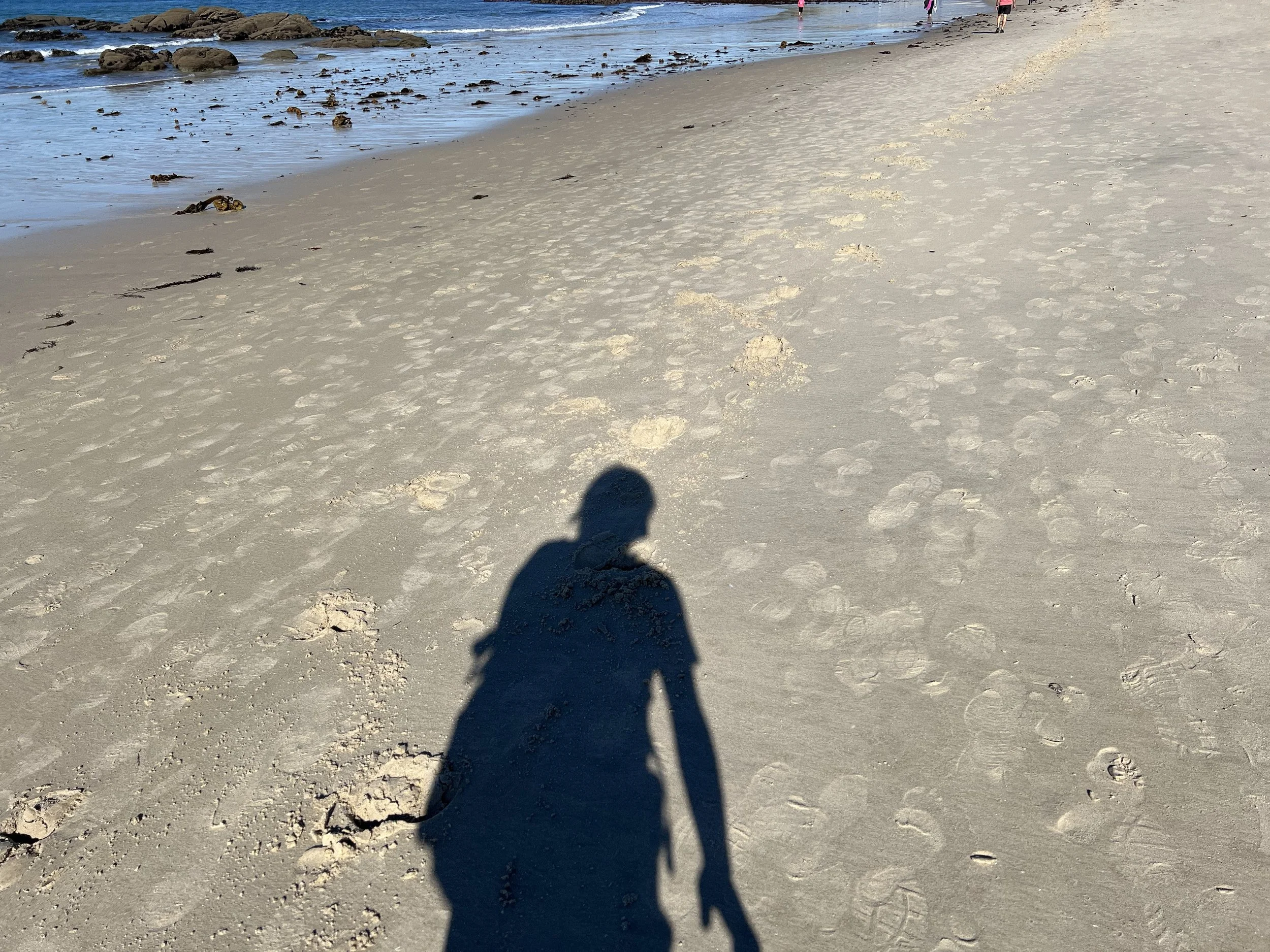
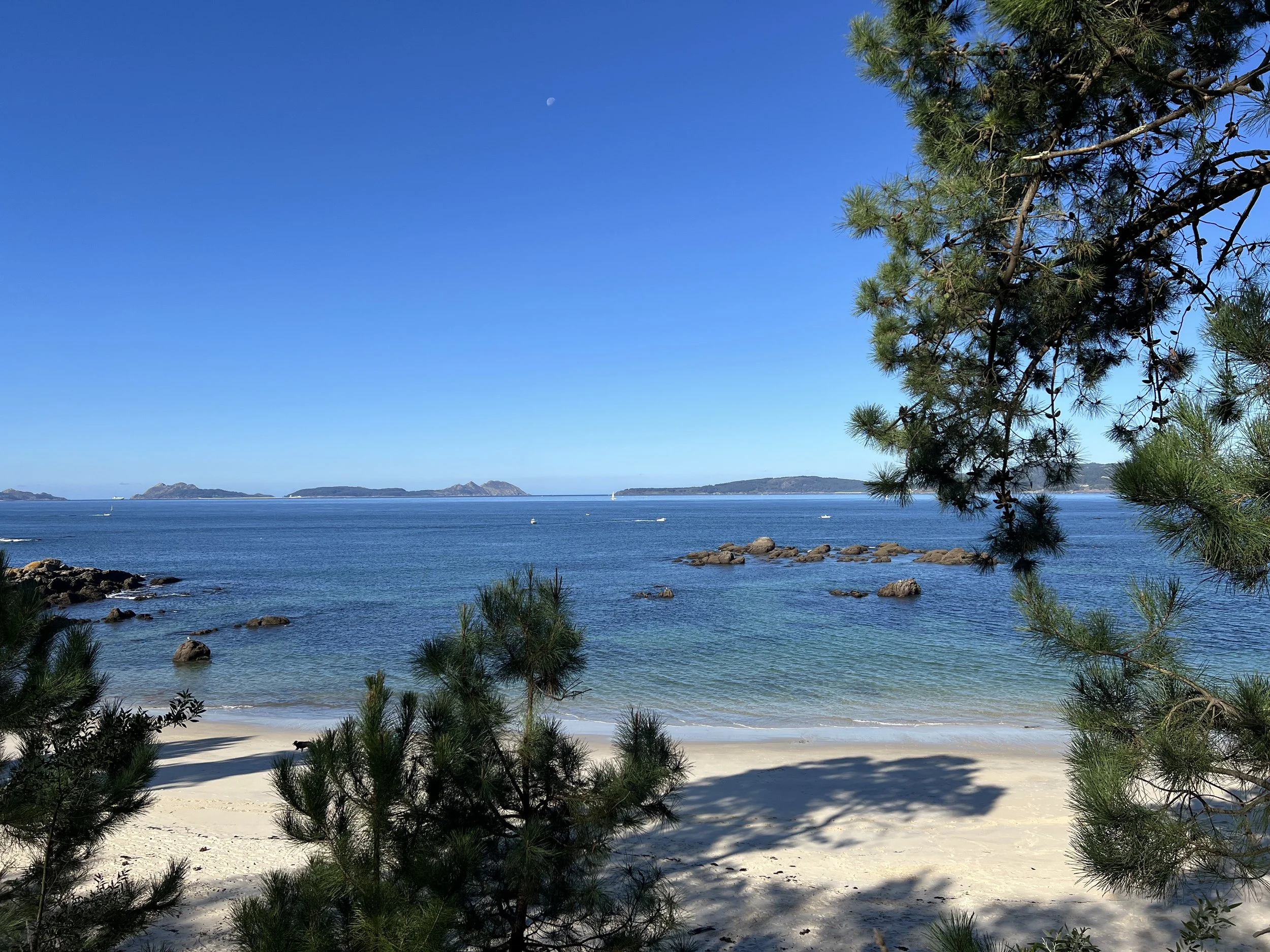
The route from Baiona to Vigo was stunning at first. A soft pink sunrise bathed the waves in warm light, and the early morning ocean air felt fresh and invigorating. We even walked along a stretch of beach, feeling the sand shift under our boots and listening to the rhythmic crash of the Atlantic. For a while, it felt like a classic coastal Camino stage: open, peaceful, and full of freedom.
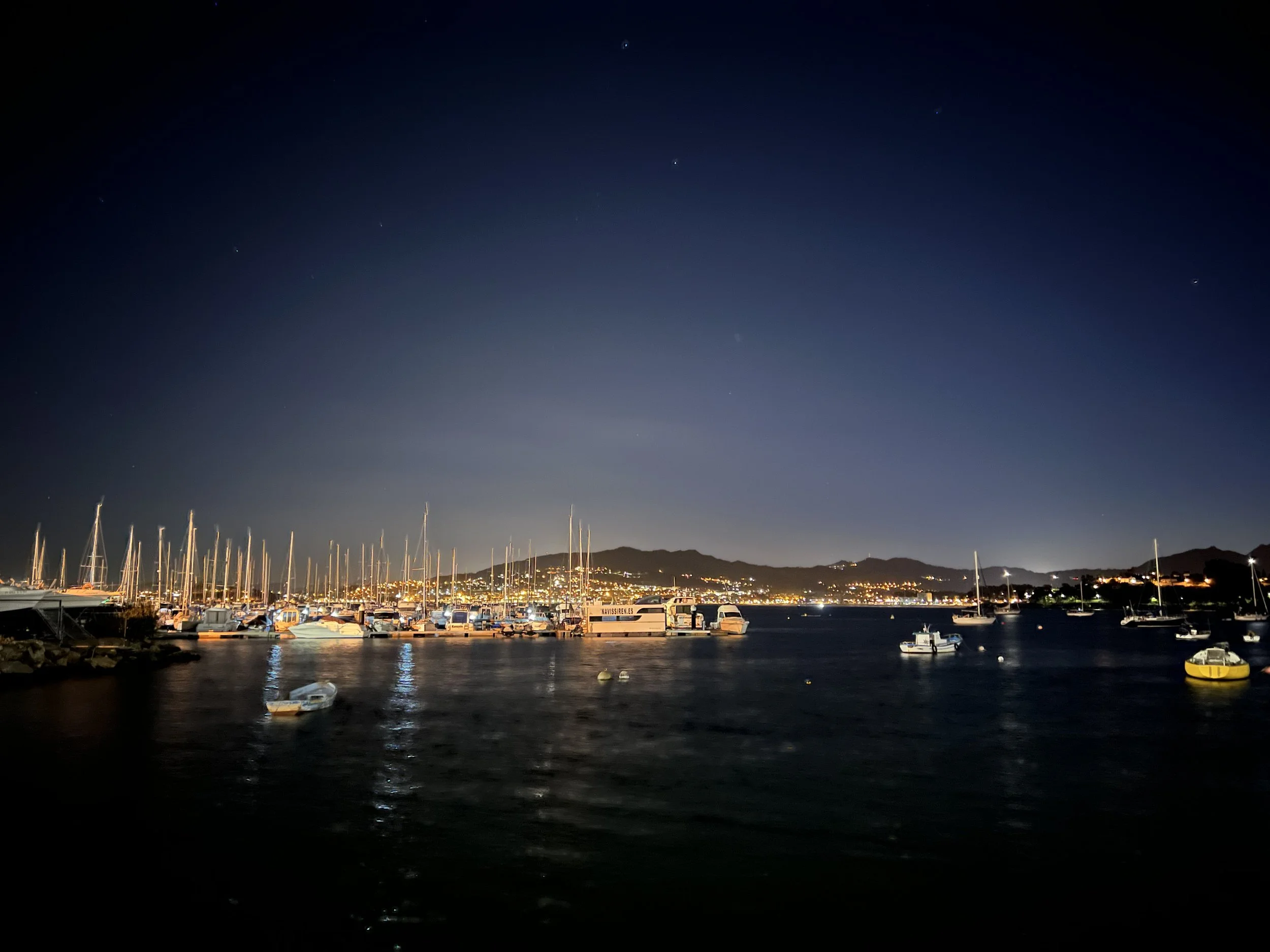
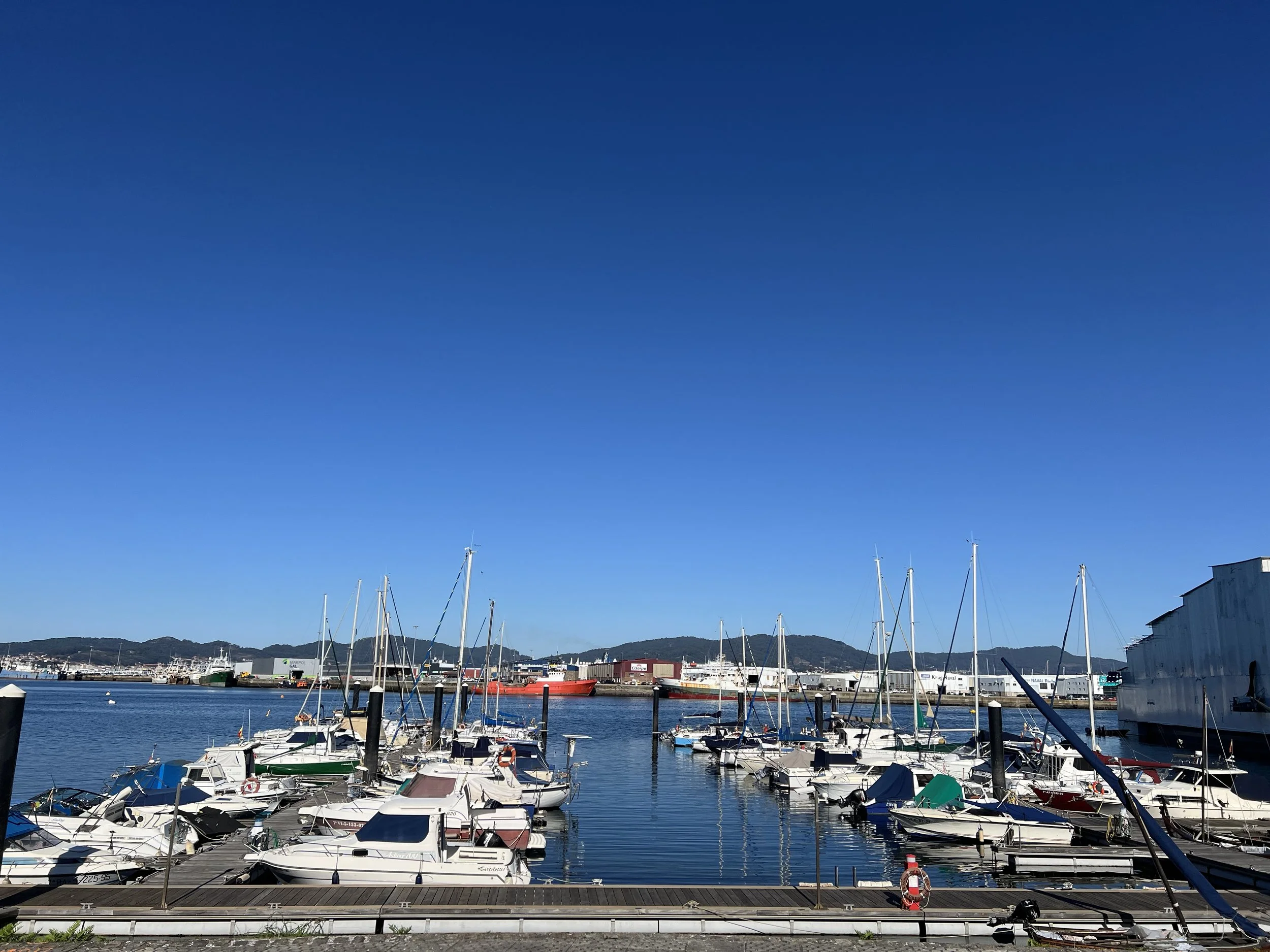
However, as we neared Vigo, the scenery shifted dramatically. The coastline gave way to construction zones, industrial areas, and busy city streets. Vigo is the most industrial city I’ve encountered on the Camino, a sharp contrast to the tranquil coastal villages we’d passed in the previous days. The bustling city brought a new energy, reminding me of the contrast between pilgrimage solitude and urban life.
Since it was Sujin’s last day, we treated ourselves to a hotel near the train station for convenience. For lunch, we indulged in some comfort “junk” food to celebrate the completion of her journey on this route, and later enjoyed a healthier dinner. Initially, I had planned to stop in Vigo as well, but seeing that Santiago de Compostela was only a few days away, I decided to continue. I also visited a pharmacy to restock allergy medicine—mosquito bites had been giving me severe reactions, and I wanted to be prepared for the next stages.
By evening, after checking into the hotel and resting, I reflected on the day: a stage of contrasts, from serene coastal paths to urban streets, with moments of beauty, challenge, and small indulgences along the way. Despite the cityscape, the day carried the unmistakable rhythm of the Camino—walking, pausing, reflecting, and moving forward.
History & Background
The Camino Portugués Coastal stage from Baiona to Vigo passes through the Rías Baixas region, known for its Atlantic coastline, fishing communities, and maritime trade. Historically, Vigo has been one of Galicia’s most important port cities, serving as a hub for shipbuilding, sardine fishing, and maritime commerce. Pilgrims travelling north along the coast often stopped here for provisions before continuing toward Santiago de Compostela.
Vigo’s urban landscape contrasts sharply with the surrounding villages. While industrial growth over the 20th century transformed the city, its maritime heritage remains visible in the port, shipyards, and bustling seafood markets. For modern pilgrims, Vigo represents both a practical waypoint—offering accommodations, services, and transport connections—and a reminder of Galicia’s long-standing relationship with the sea and trade.
Getting There
The walk from Baiona to Vigo covers approximately 28–29 kilometres. The terrain alternates between coastal paths, forest tracks, and urban streets, with moderate elevation changes. Weather near the Atlantic can be unpredictable, with sudden rain and gusty winds possible even in autumn.
Baiona is connected to Vigo by regional buses and trains, offering options for pilgrims who wish to shorten the stage. Vigo itself is a major transport hub, with train, bus, and ferry connections to Santiago de Compostela, Porto, and other Galician cities.
Route Overview
Distance: 28.39 km (Hostel Albergue Baionamar → Hotel Panton)
Total elevation gain: 228 m
Duration: 5 hr 9 min (with breaks 6 hr 25 min)
Difficulty: Hard
For the full day-by-day route breakdown, including distances and duration, see my complete Camino Portugués Coastal route guide.
Cost Breakdown
Accommodation: Hotel Panton (Reserved via Agoda) — €40
Food: €35.86
Pharmacy: €18.89