Camino Portugués Coastal - Day 5: A Guarda to Baiona
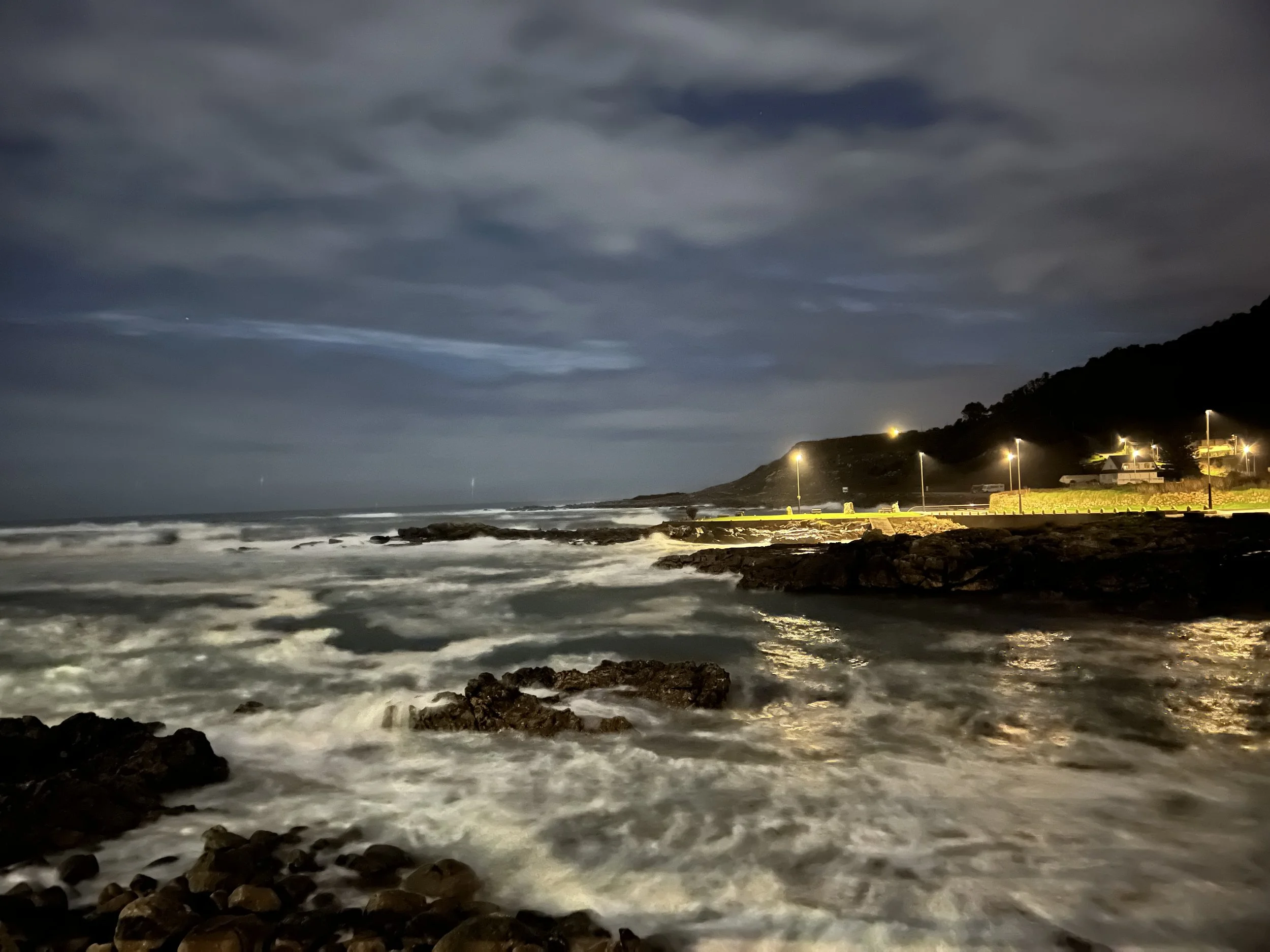
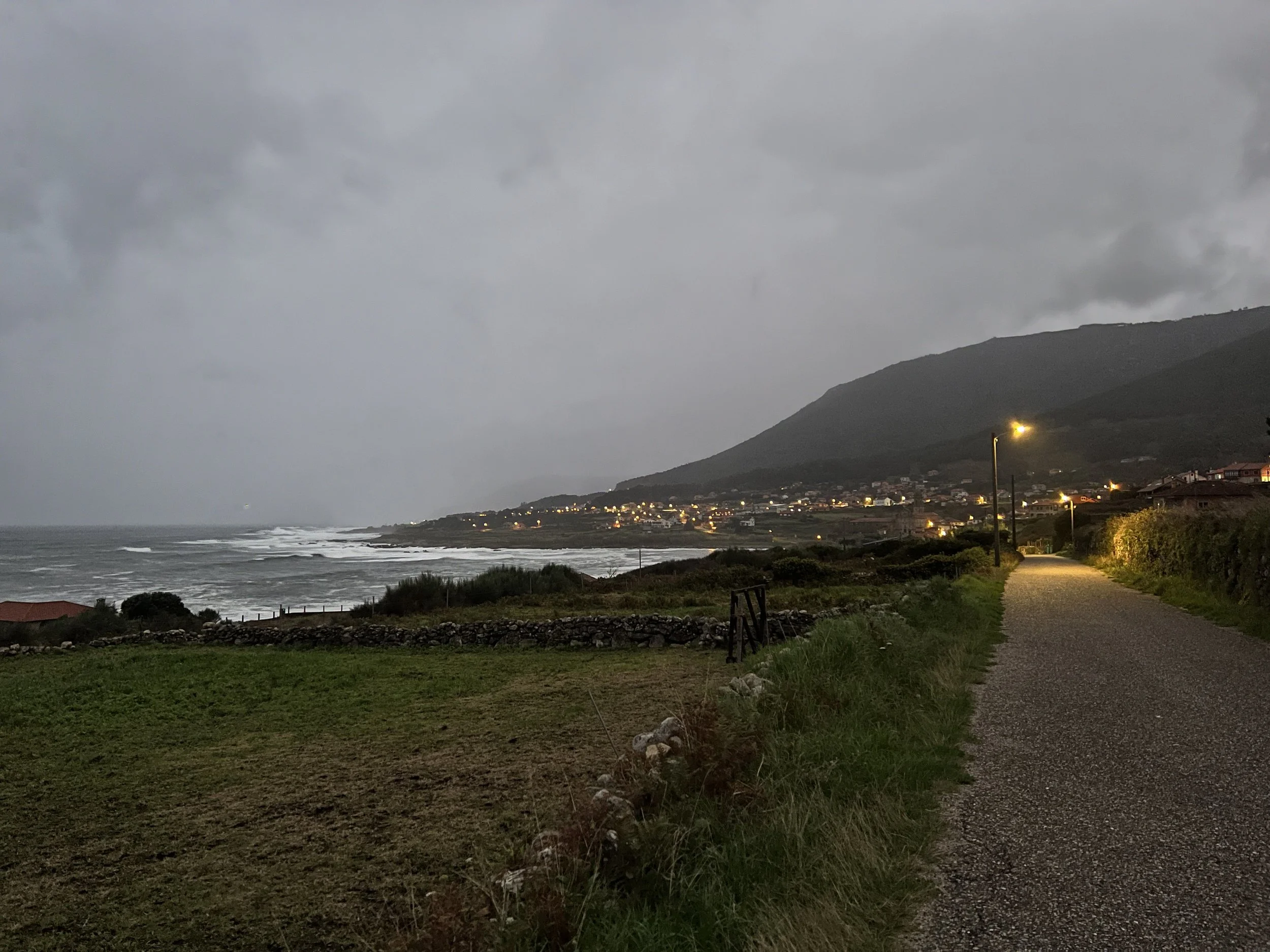
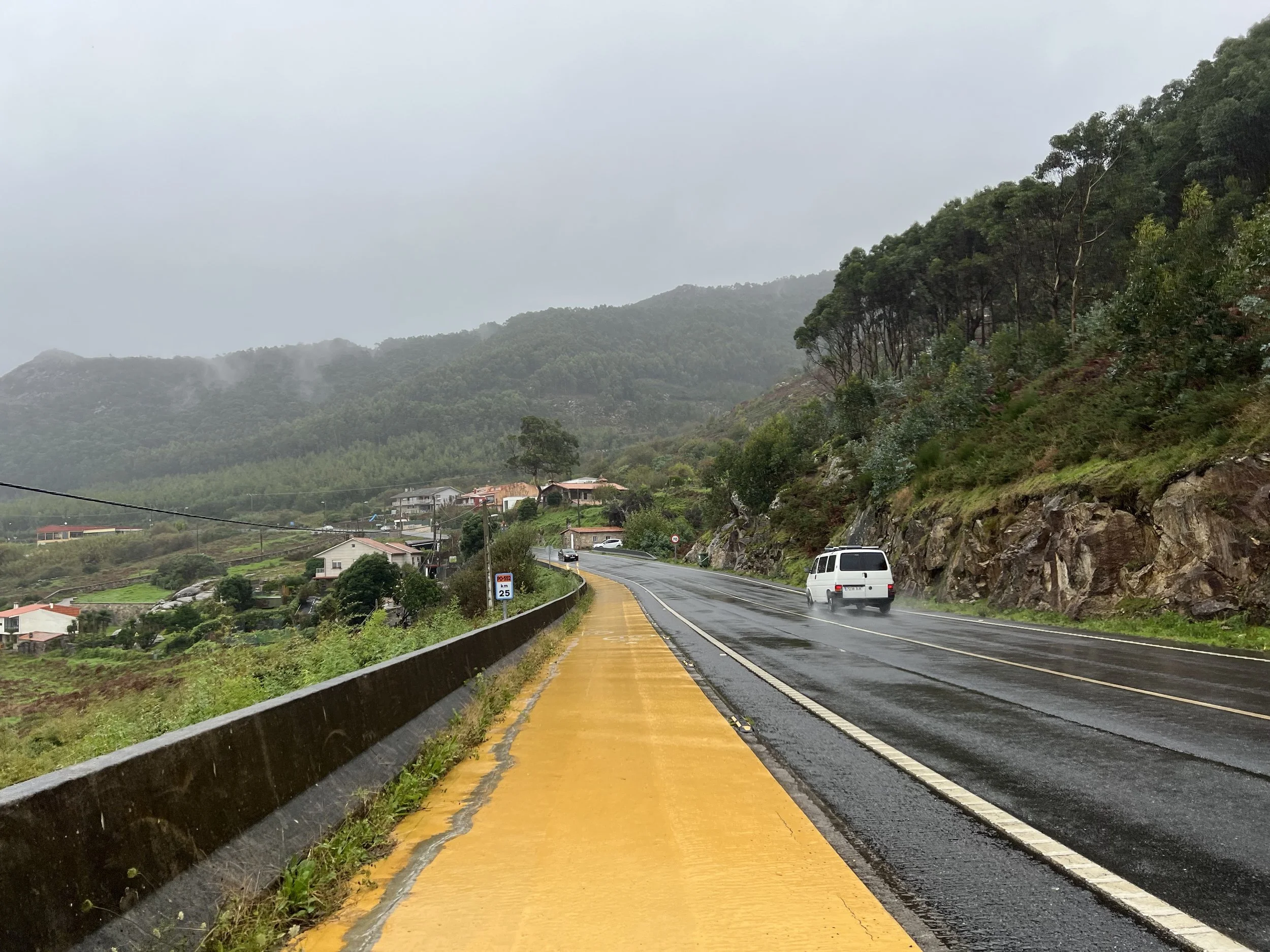
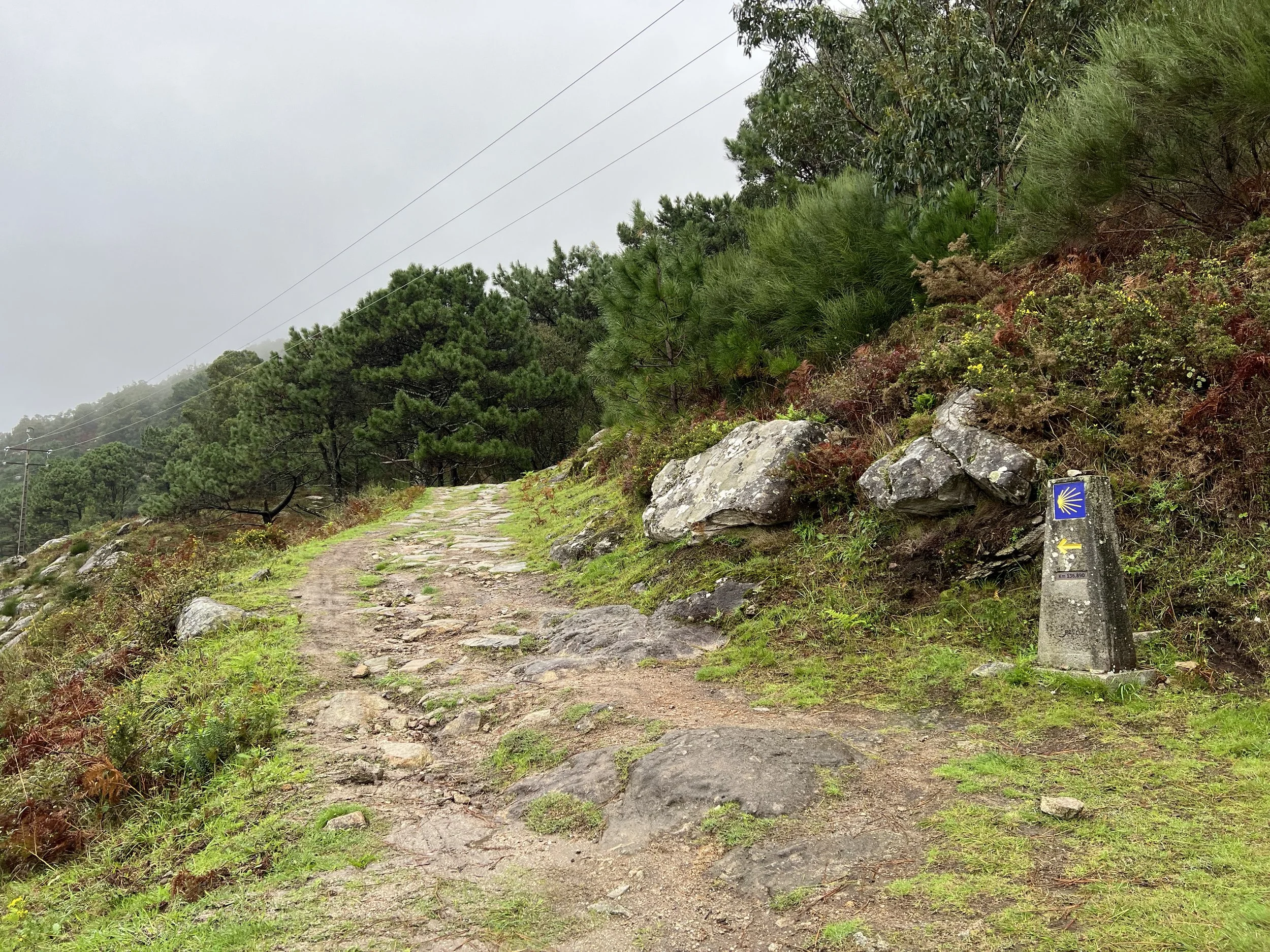
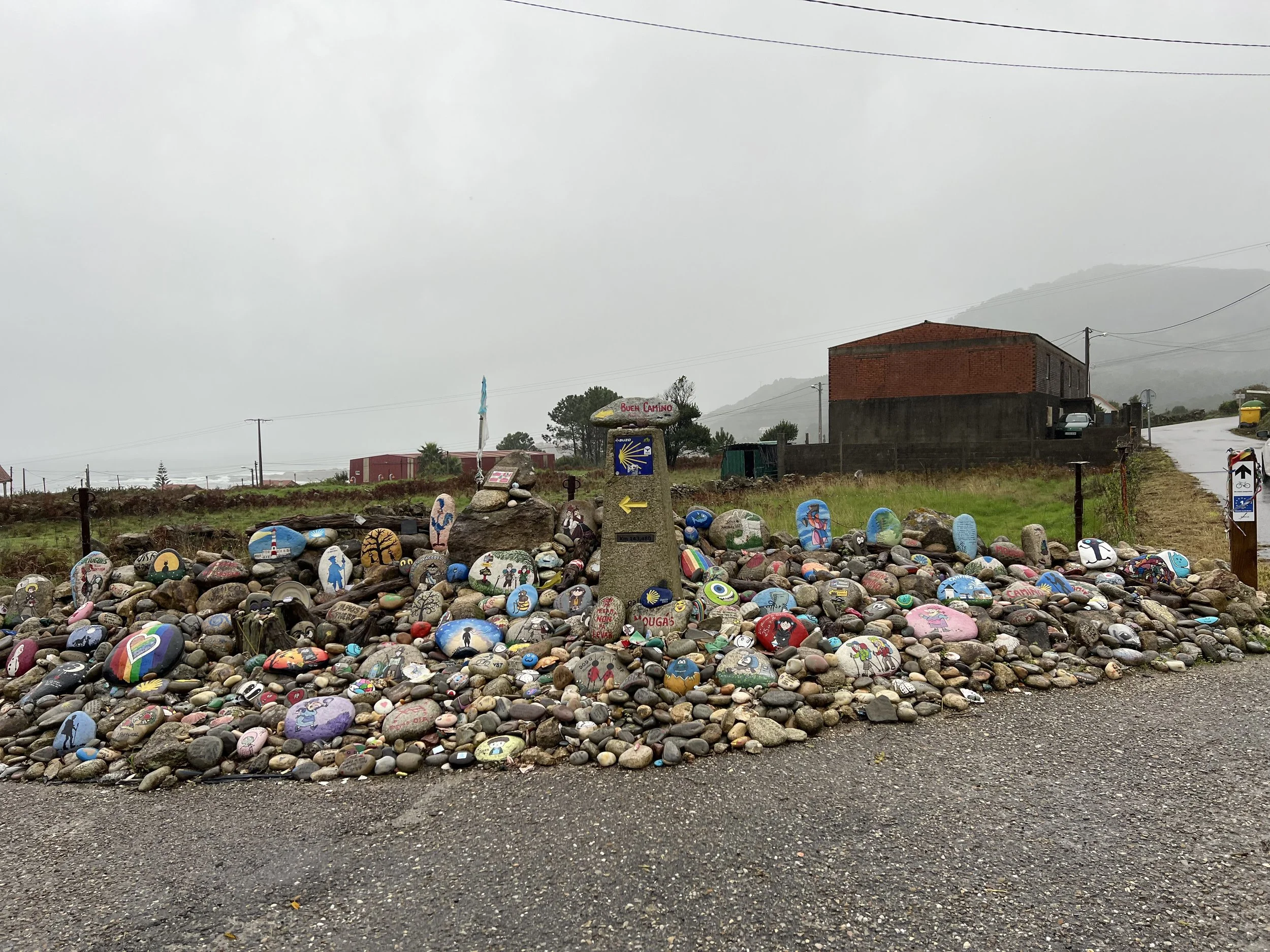
We left the albergue under heavy grey clouds, following the “blue” coastal route before reconnecting with the main Camino. For once, the trail markers in Spain were clear and reliable — bright yellow arrows and kilometre posts guided us steadily along the path, so we didn’t have to rely on our phones as much as we had in Portugal.
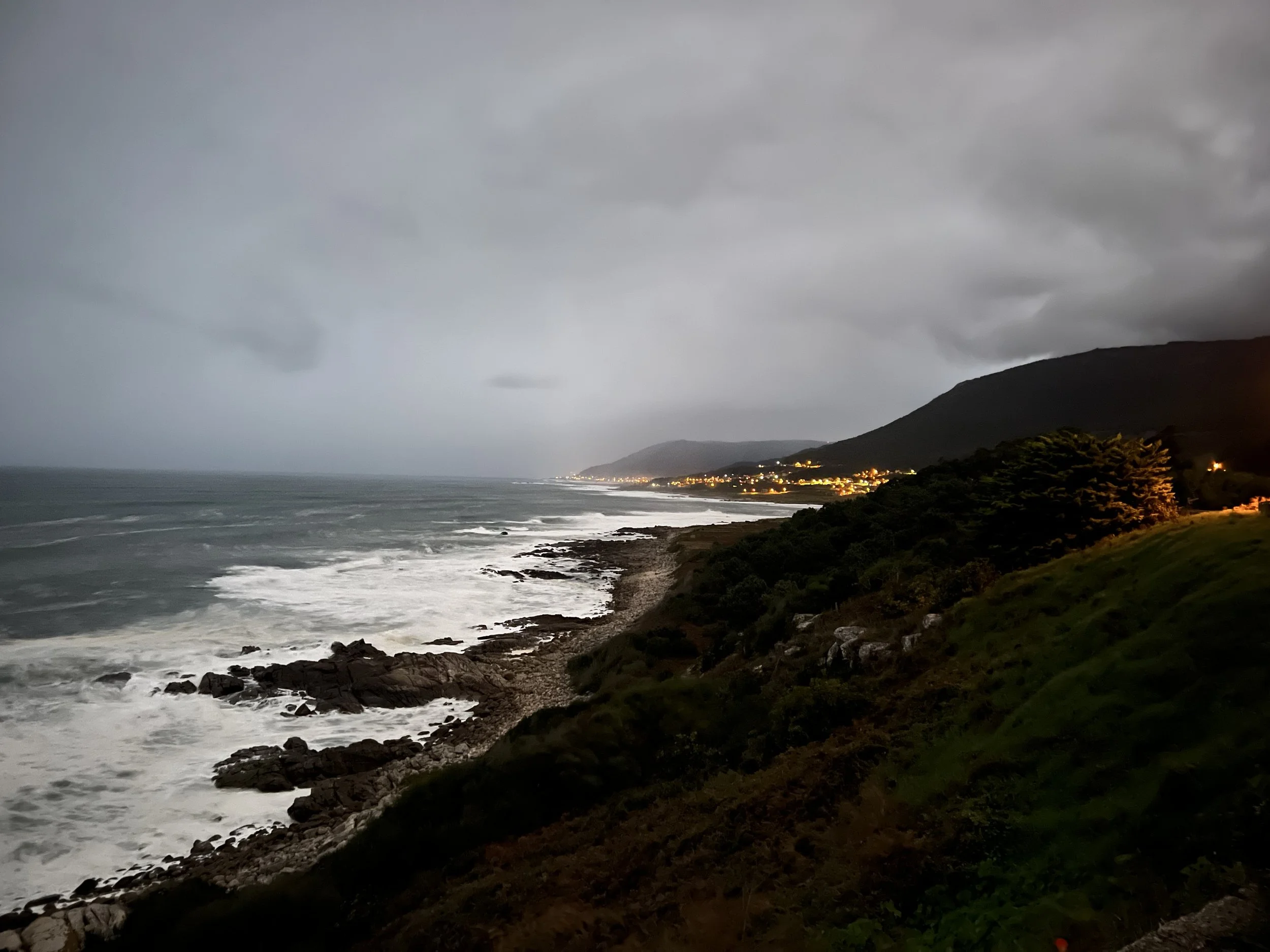
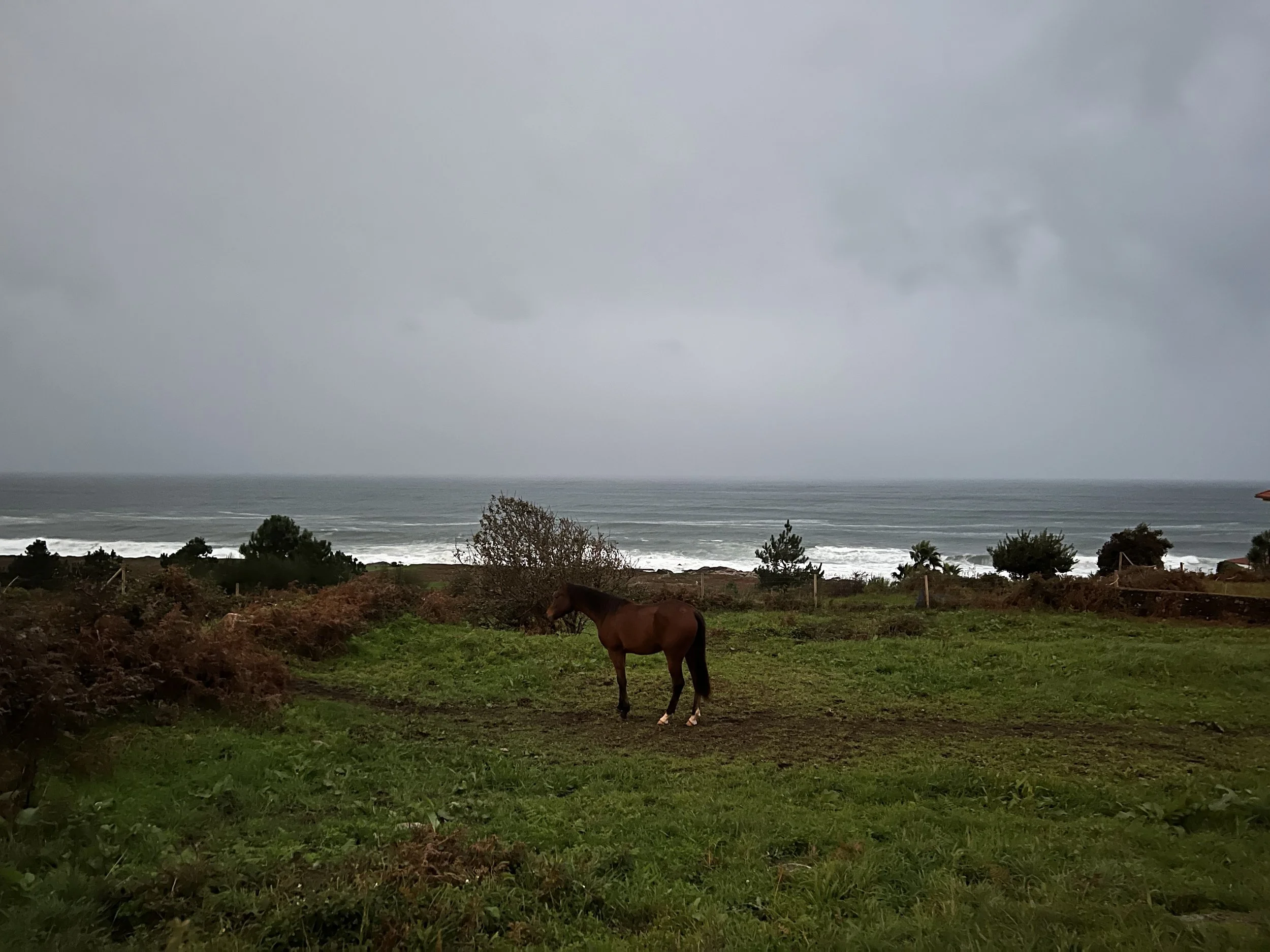
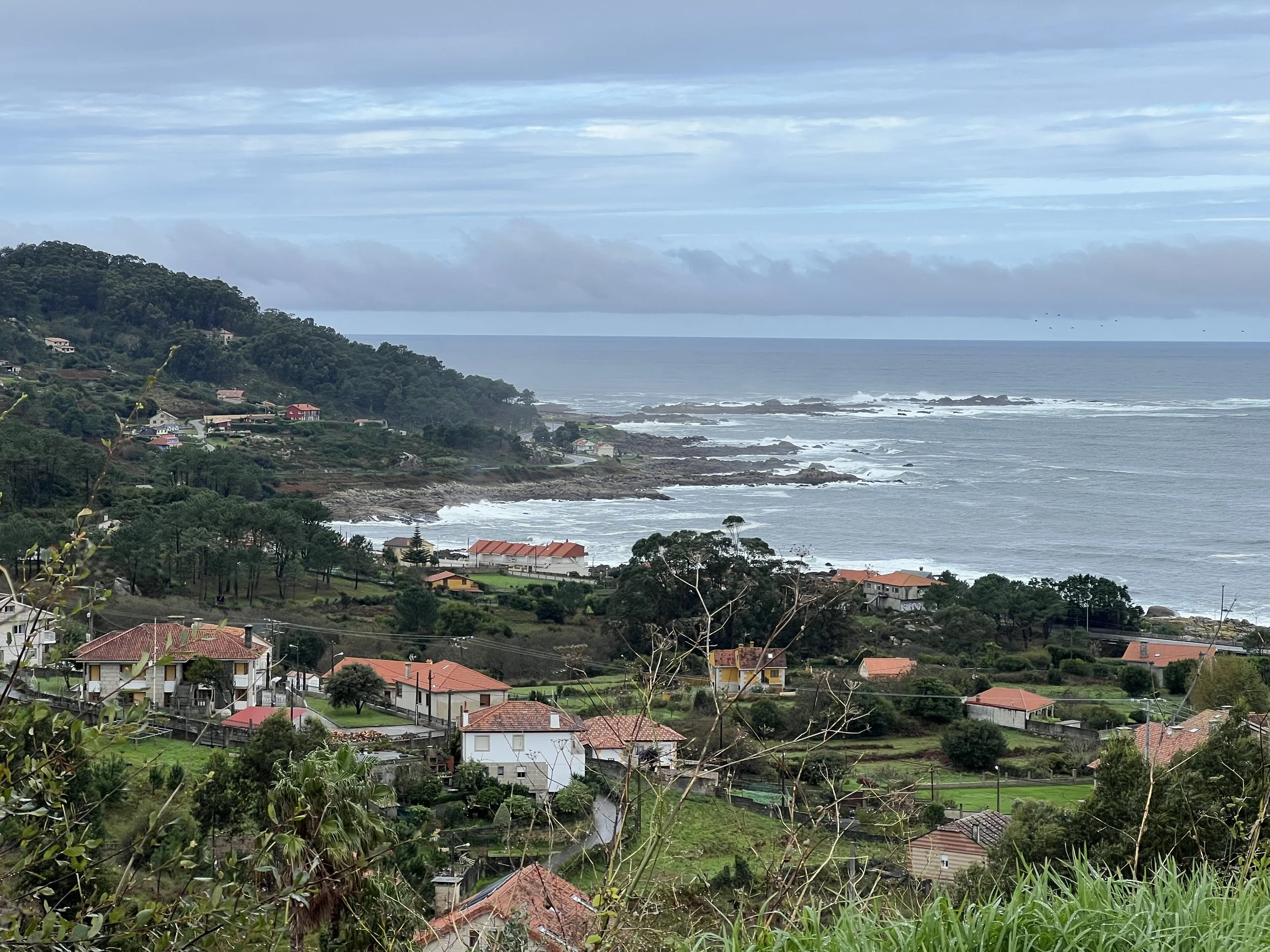
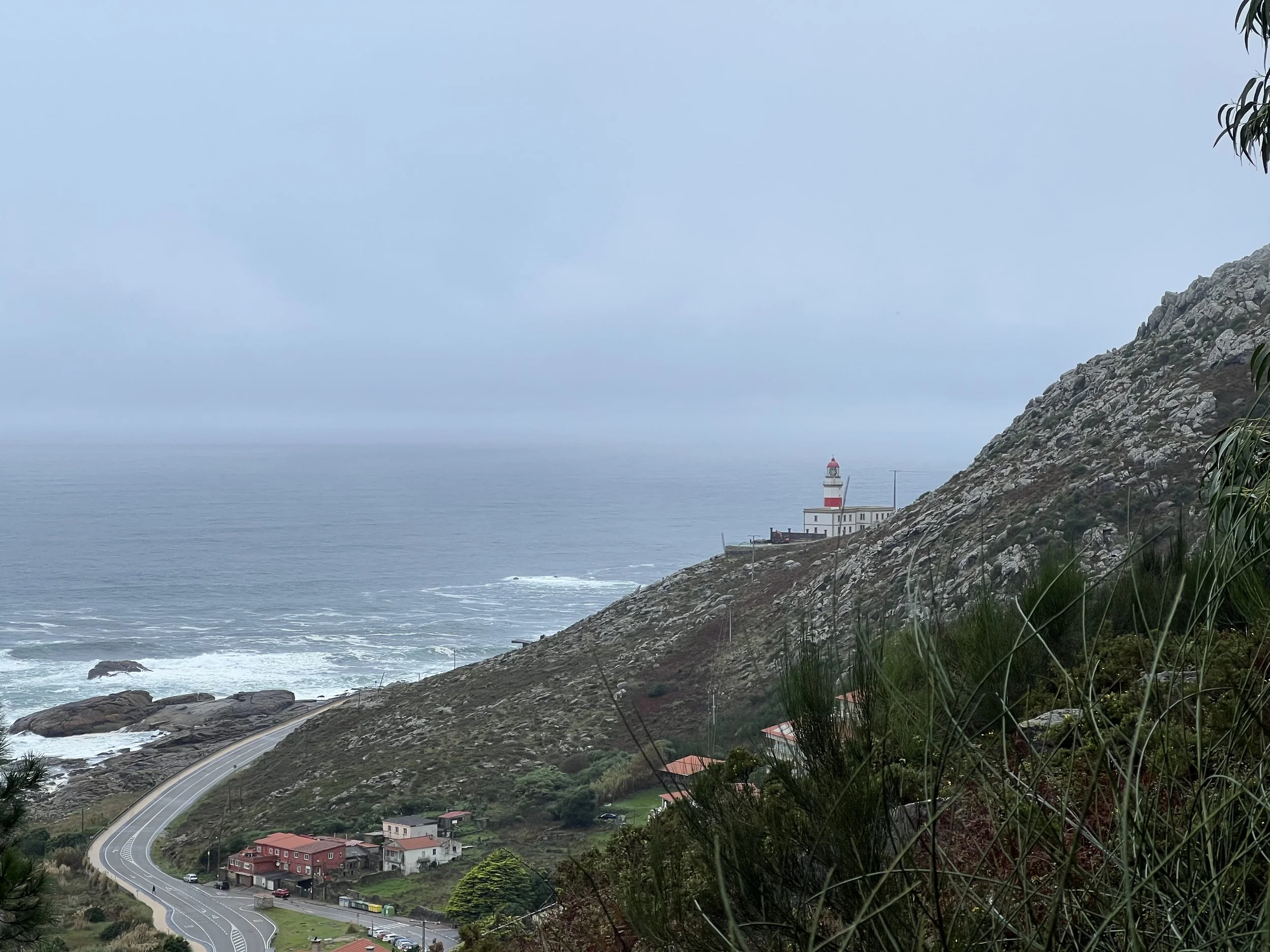
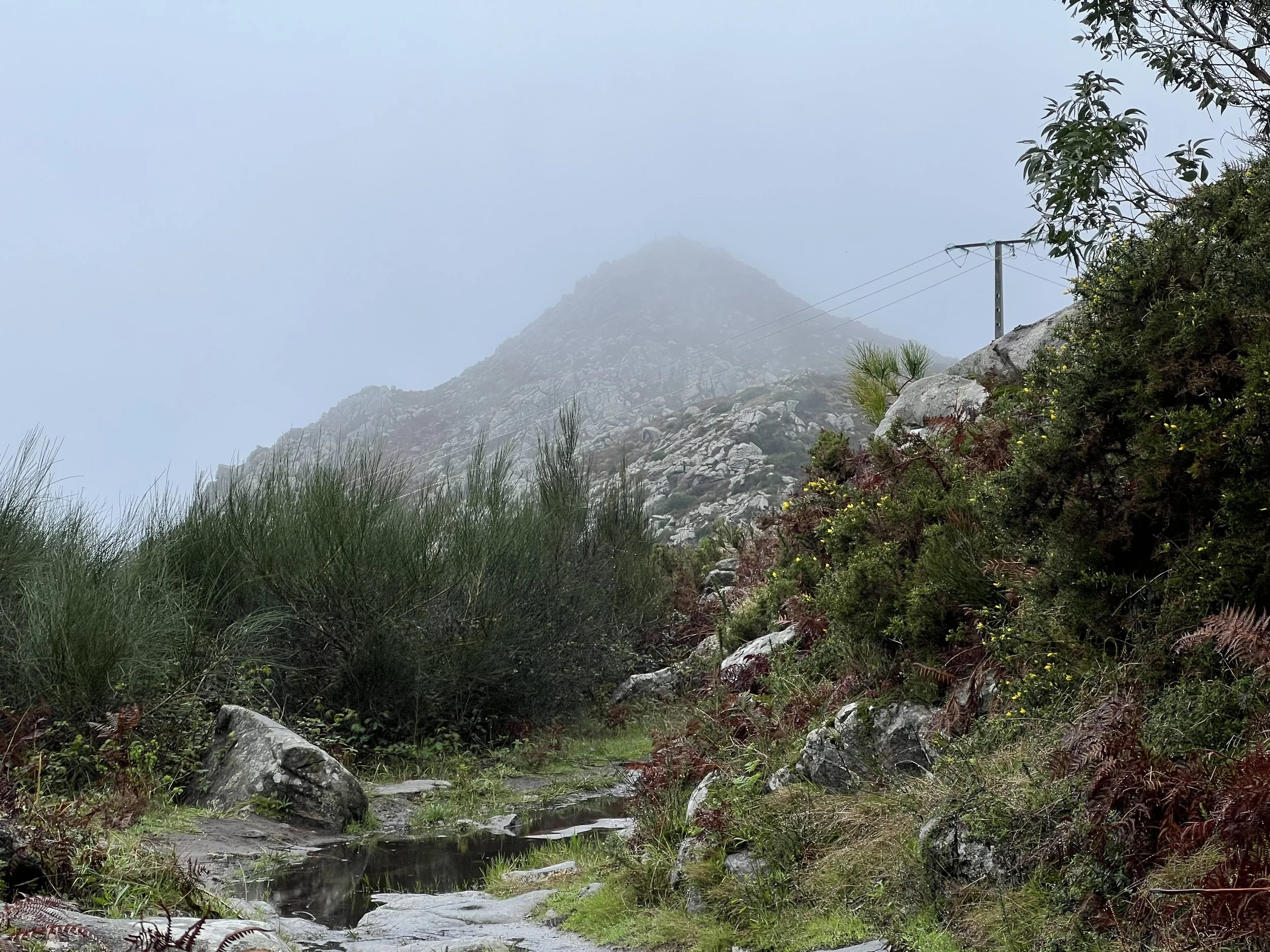
The route alternated between quiet coastal trails and stretches of road, offering glimpses of the rugged Galician coastline. Not long after reaching Oia, the wind picked up and the rain began to pour. Battling strong headwinds, we ducked into a small café about five minutes off the Camino for breakfast, grateful for the warmth, dry seating, and a hot coffee.
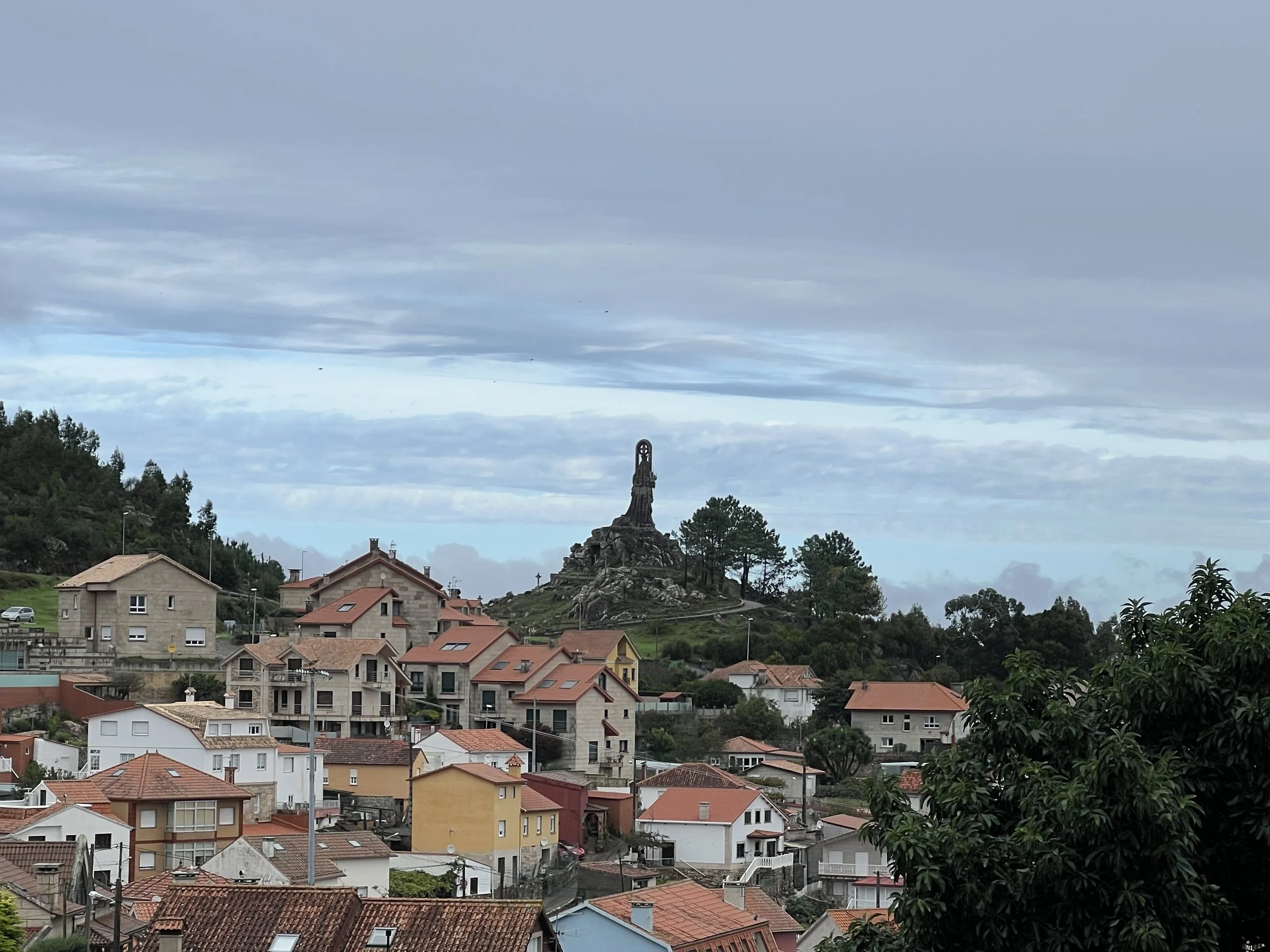
Unfortunately, the rain persisted throughout the day. Much of the walk was along a busy road, which made it less scenic than previous days, though occasional coastal viewpoints offered relief from the monotony. By the time we reached Baiona, the skies had begun to ease, and the final stretch near the water reminded me why this route is so beloved. Despite the weather, my pack had stayed dry, and I felt grateful for that small victory after a challenging day.
Arriving at the albergue, I followed the familiar routine of unpacking, drying clothes, and preparing a simple meal. Even in wet and windy conditions, the satisfaction of completing another stage carried its own quiet joy—the kind of calm that makes all the effort worthwhile.
History & Background
This stage of the Camino Portugués Coastal links A Guarda with Baiona, following a historic path along Galicia’s northern Atlantic coast. The region has long been shaped by maritime trade, fishing, and pilgrimages, with trails connecting coastal villages to the larger ports of Baiona and Vigo.
Baiona itself is a town rich in history. In 1493, the Pinta, one of Christopher Columbus’s ships, arrived in Baiona carrying news of the discovery of the Americas, and the town’s Parador and historic district commemorate this event. Over the centuries, Baiona served as a fortified fishing port, strategically positioned along the coast for both trade and defence. Its medieval walls, castles, and watchtowers still stand as reminders of the town’s maritime significance.
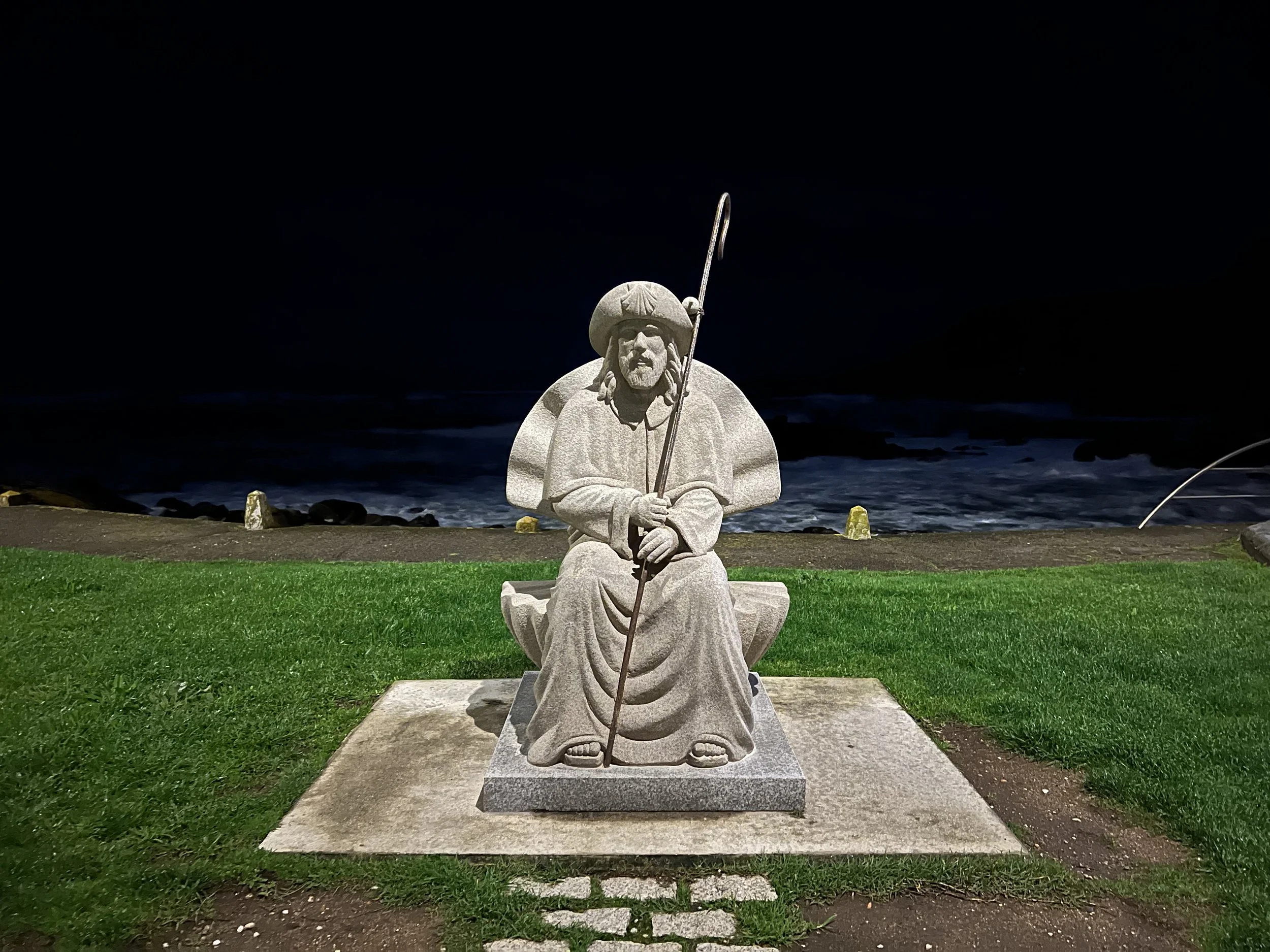
For pilgrims, Baiona offers a scenic stop before continuing north toward Vigo and reconnecting with the main Portuguese route into Galicia. The town combines cultural history with ocean views, providing both rest and inspiration for weary walkers.
Getting There
The walk from A Guarda to Baiona covers approximately 31 kilometres, with mixed terrain including coastal paths, paved roads, and small inland trails. Elevation changes are moderate but frequent, and weather near the Atlantic can be unpredictable.
A Guarda is connected by regional buses and trains to Vigo and other Galician towns. From Porto, pilgrims can reach A Guarda via the Minho River ferry crossing to Spain and then continue north along the Camino. Baiona is also served by regional buses and taxis, and its train station connects to Vigo and the wider Galician network.
Route Overview
Distance: 31.29 km (Albergue O Peirao → Hostel Albergue Baionamar)
Total elevation gain: 411 m
Duration: 5 hr 49 min (with breaks 6 hr 27 min)
Difficulty: Hard
For the full day-by-day route breakdown, including distances and duration, see my complete Camino Portugués Coastal route guide.
Cost Breakdown
Accommodation: Hostel Albergue Baionamar (Reserved via Agoda) — €15
Food: €17.09