Camino Portugués Coastal - Day 4: Vila Praia de Âncora to A Guarda
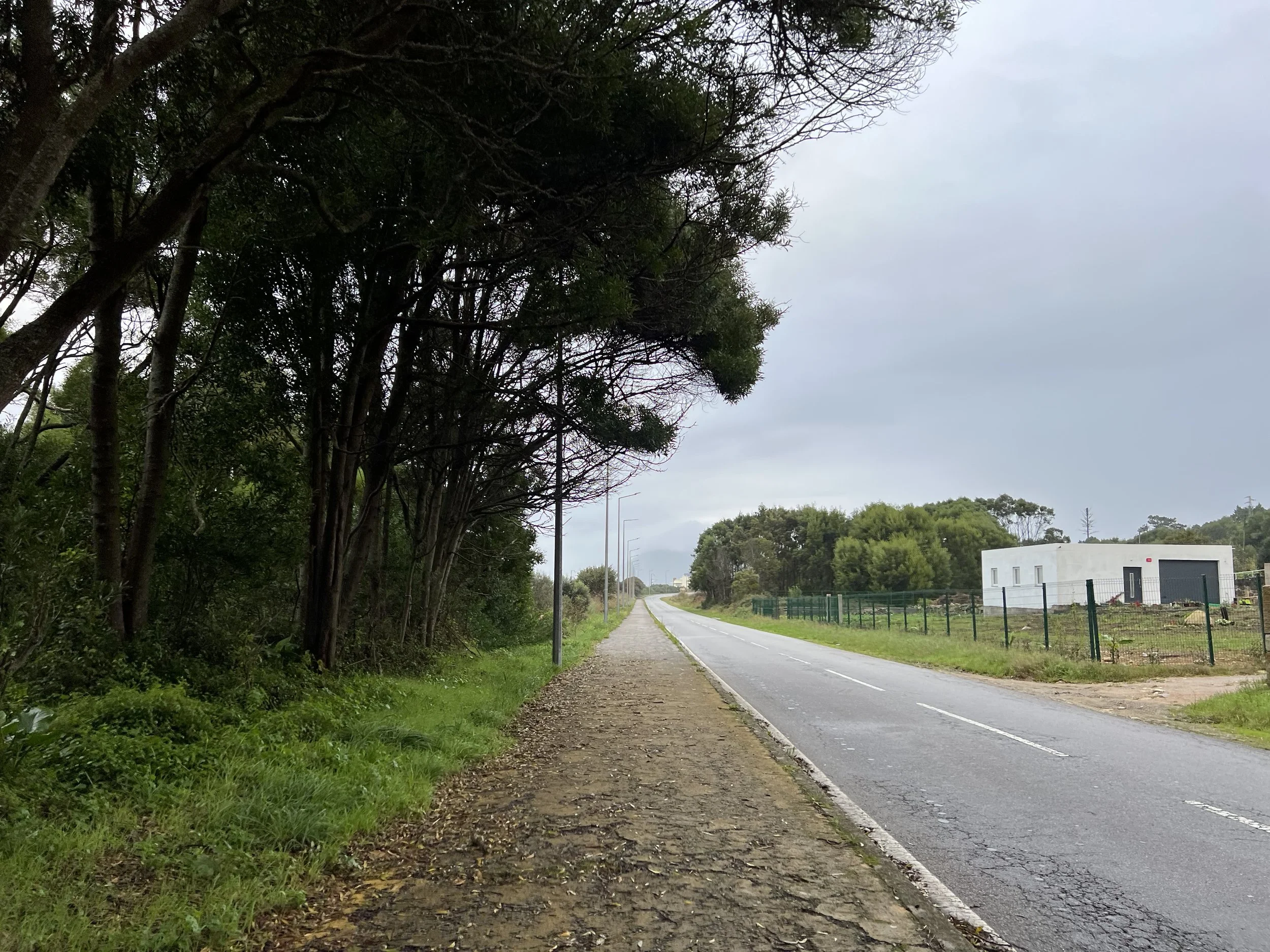
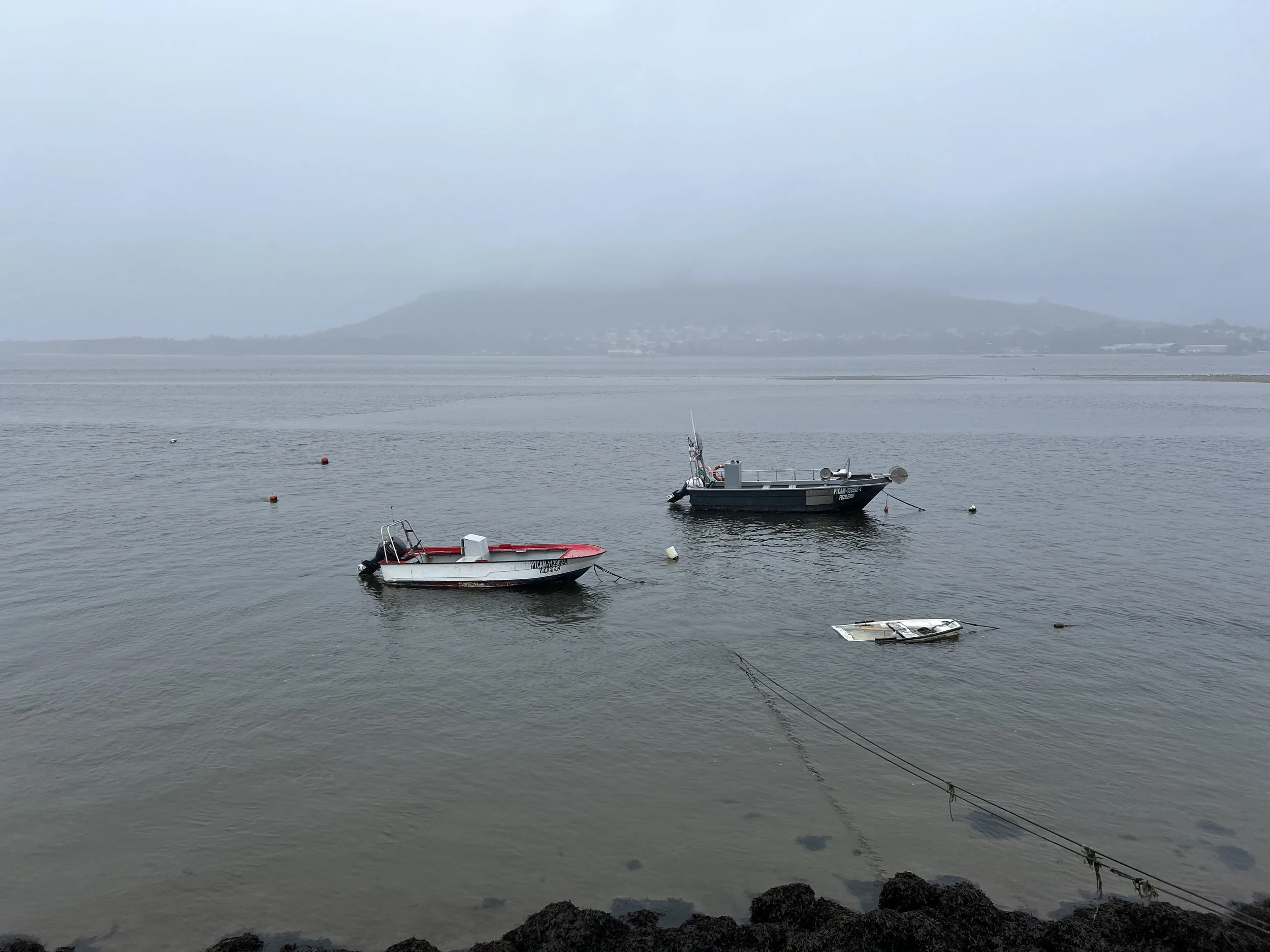
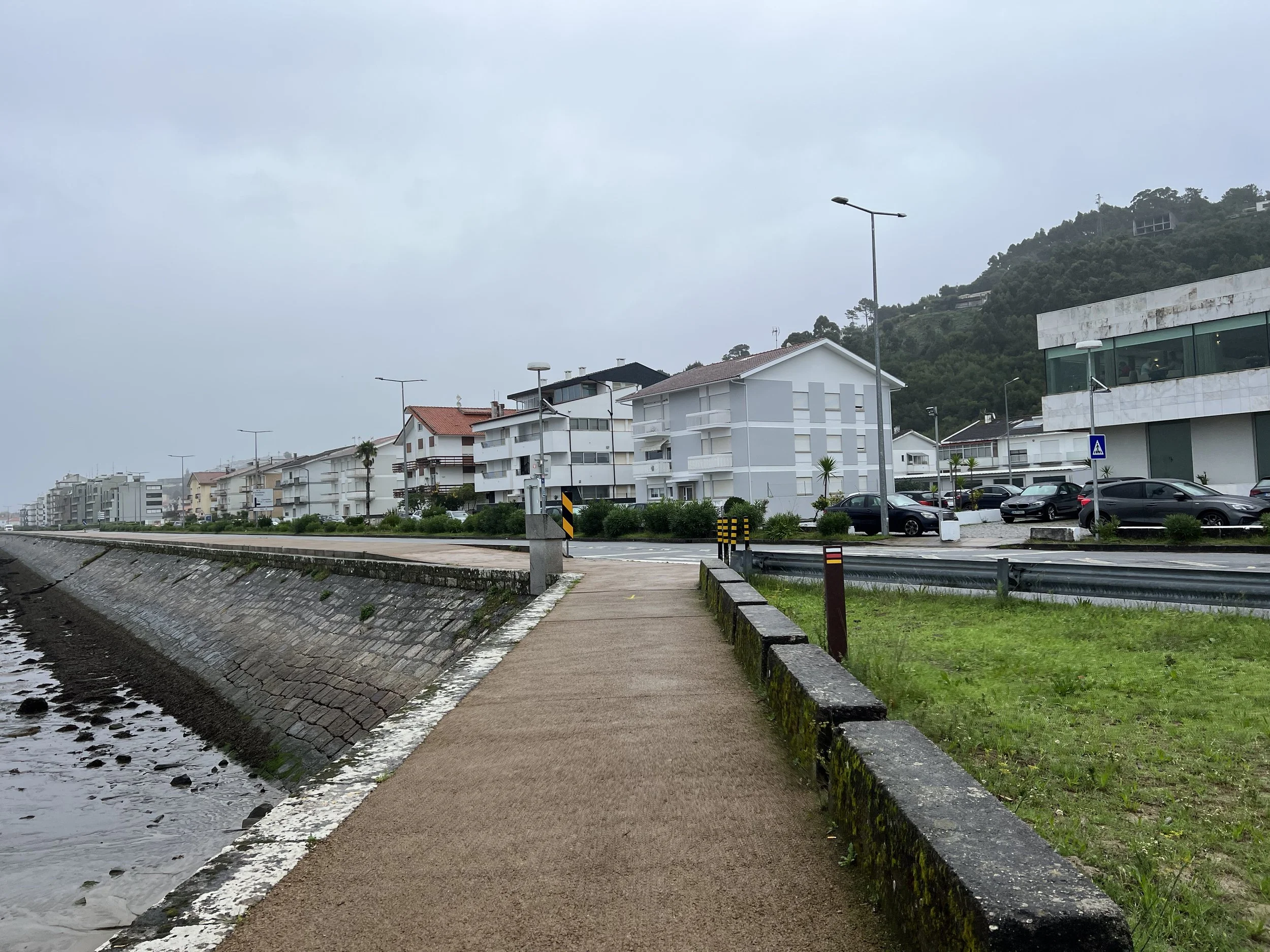
We started later than usual this morning, knowing it would be a shorter walking day. The air was heavy with low clouds, and a light drizzle lingered as we left Vila Praia de Âncora behind. For a while, we followed the train tracks—not part of the official Camino, but the easiest way forward until we could safely rejoin the trail.
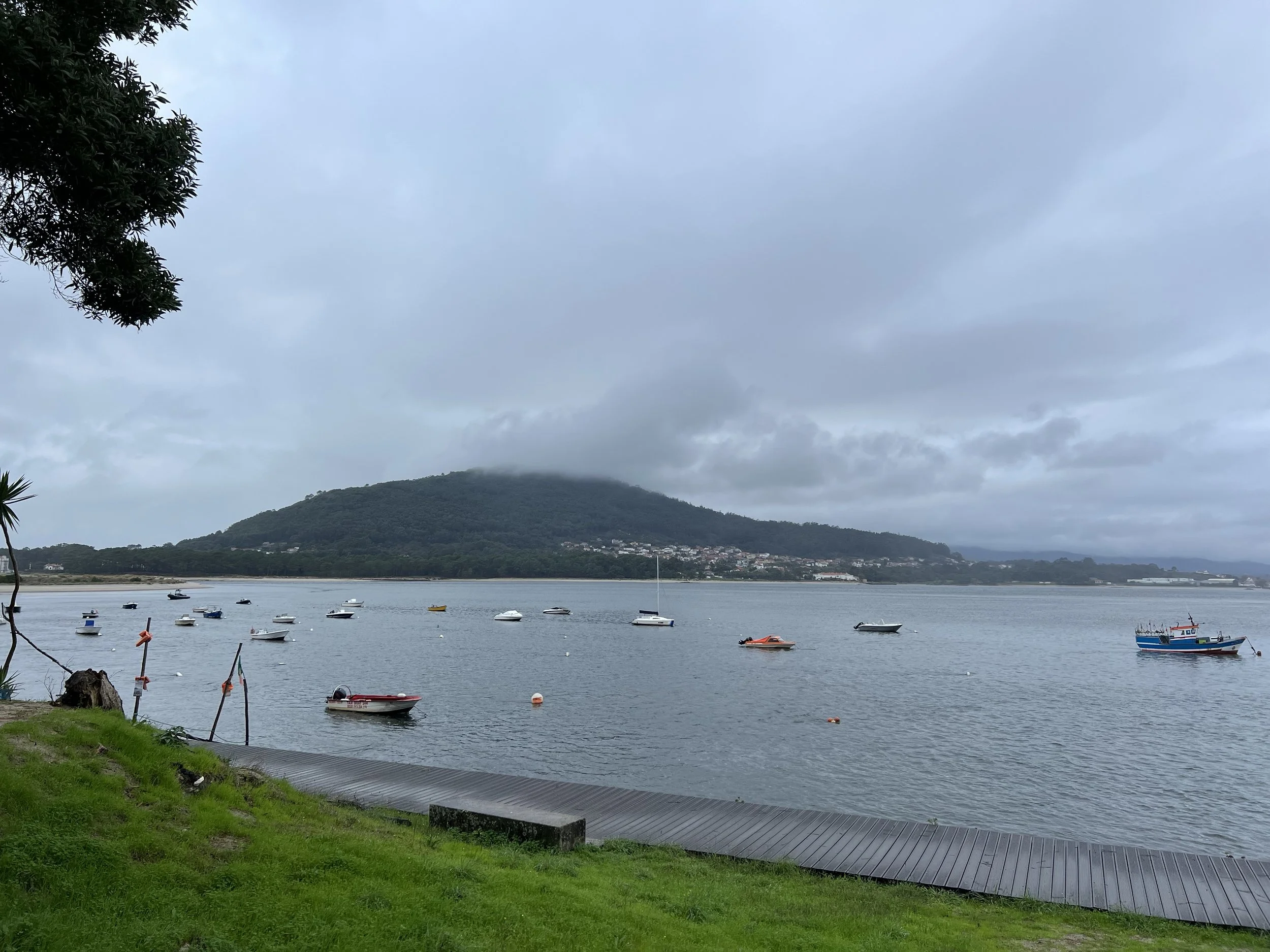
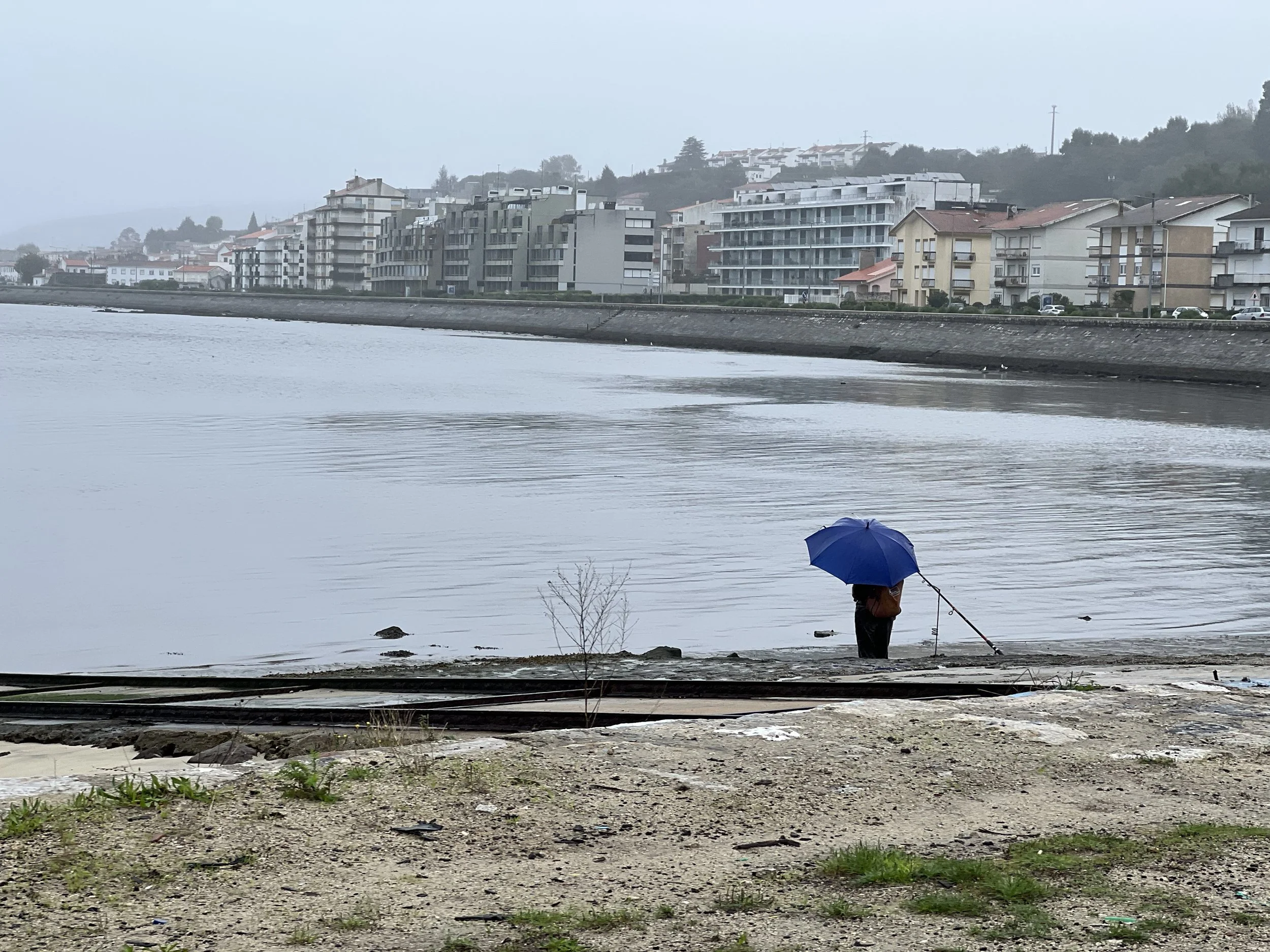
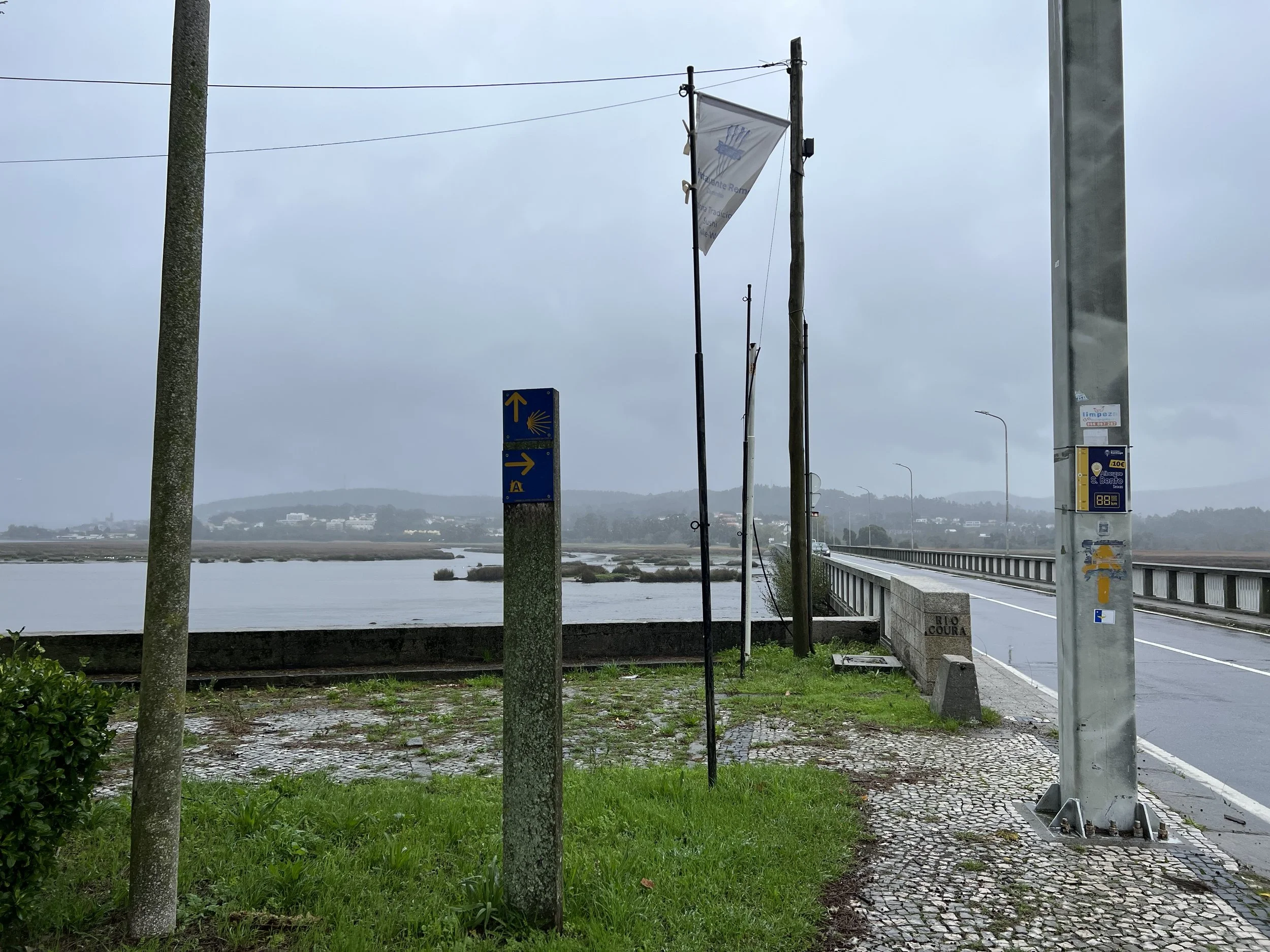
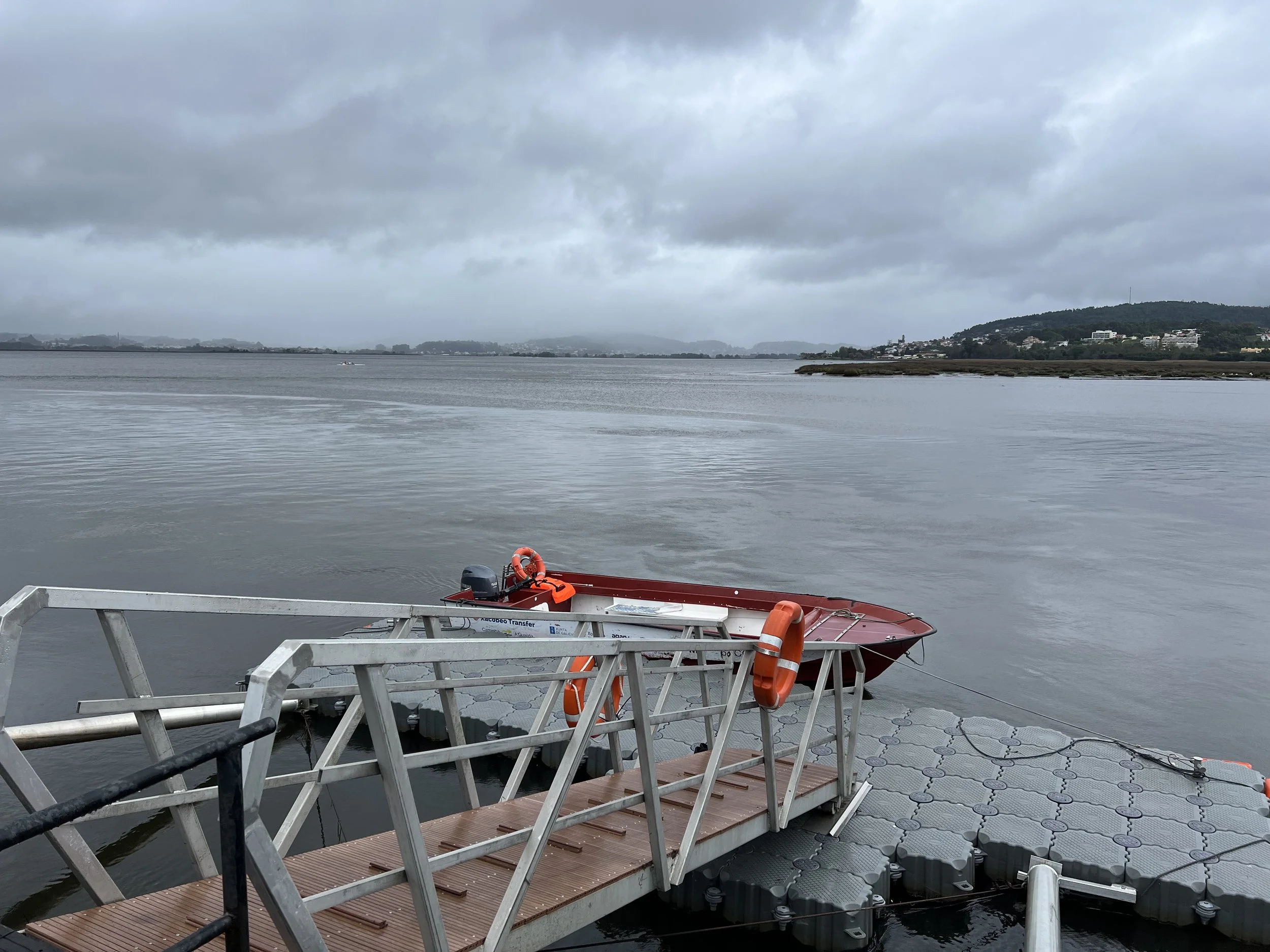
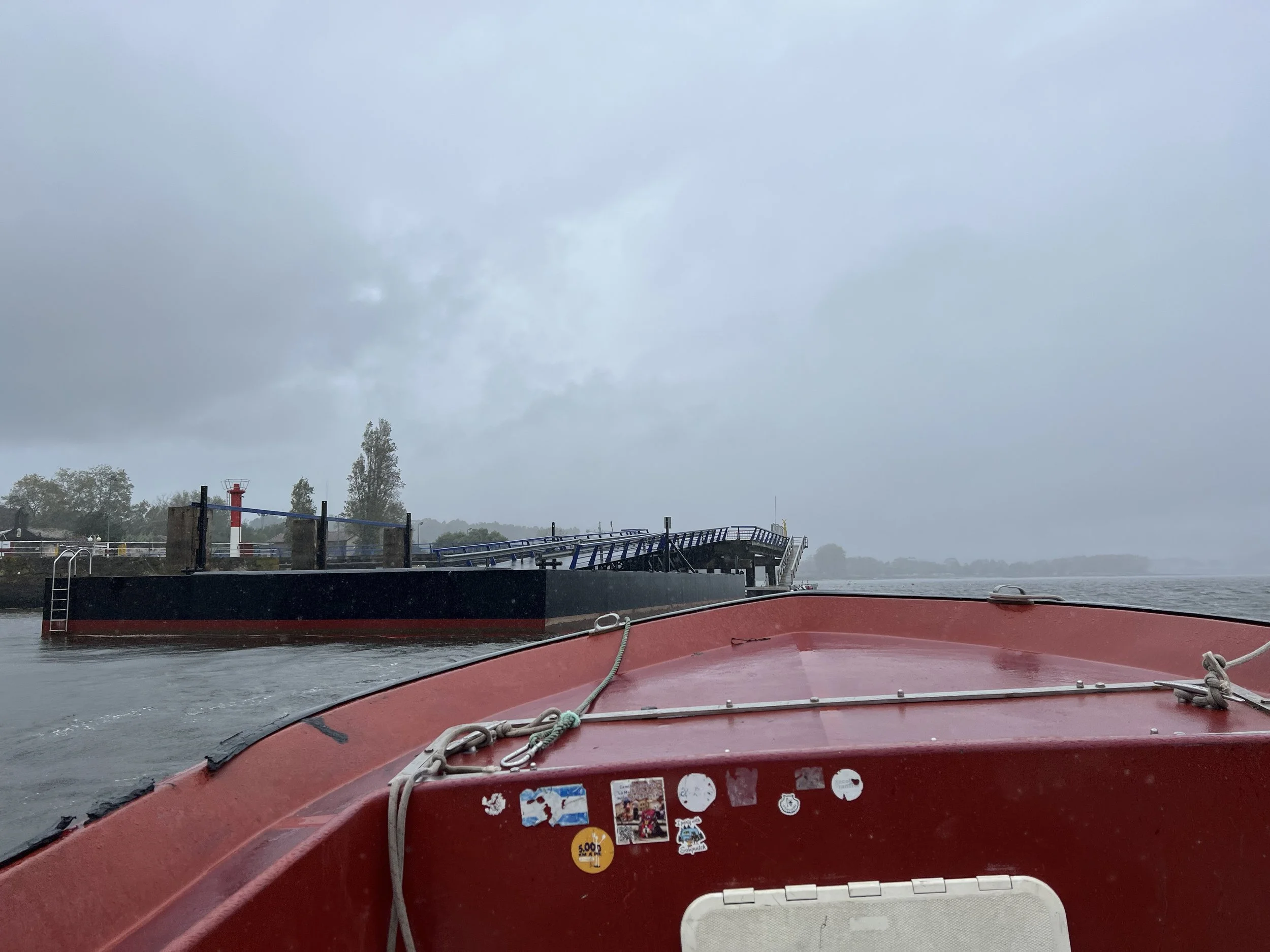
The weather wasn’t ideal, but anticipation carried me forward. Crossing from Portugal into Spain felt like a milestone. I’d been looking forward to the boat ride across the Minho River, the natural divide between the two countries. We had pre-booked online, though several local operators were waiting in Caminha offering crossings. Some pilgrims mentioned that not all were licensed or insured, which made me grateful we’d arranged ours ahead of time.
With extra time before departure, we wandered through a small second-hand market near the waterfront. Locals chatted over stalls of old books, handmade crafts, and vintage kitchenware—a small but lively glimpse of weekend life. When it was finally time to board, the rain eased just enough for the short crossing. The ride itself lasted barely eight minutes, but it was exhilarating. Waves slapped against the side of the small boat, the wind cool against our faces. Sujin laughed nervously; it was her first time on a boat, and she couldn’t believe it was happening in the middle of the Camino.
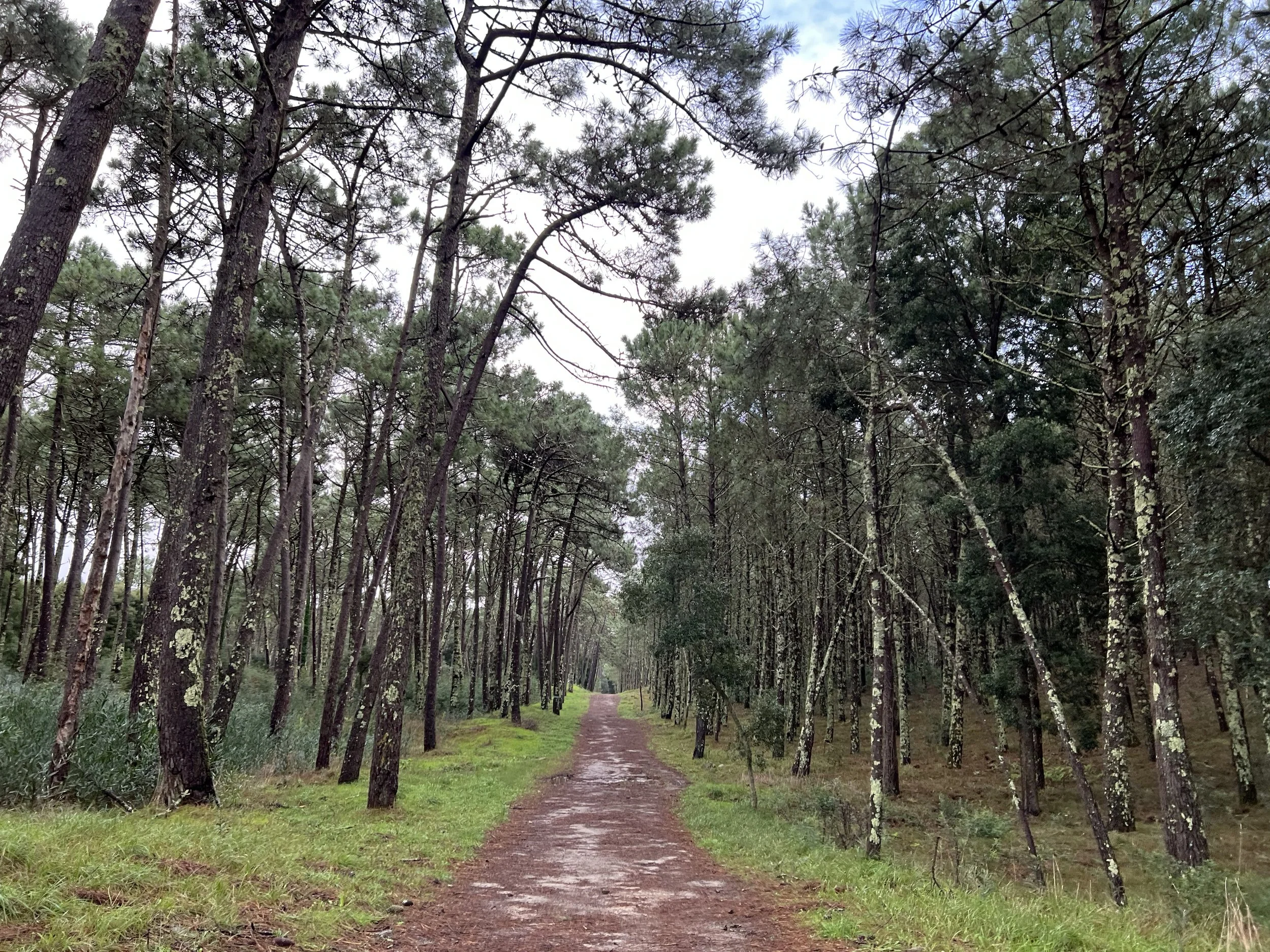
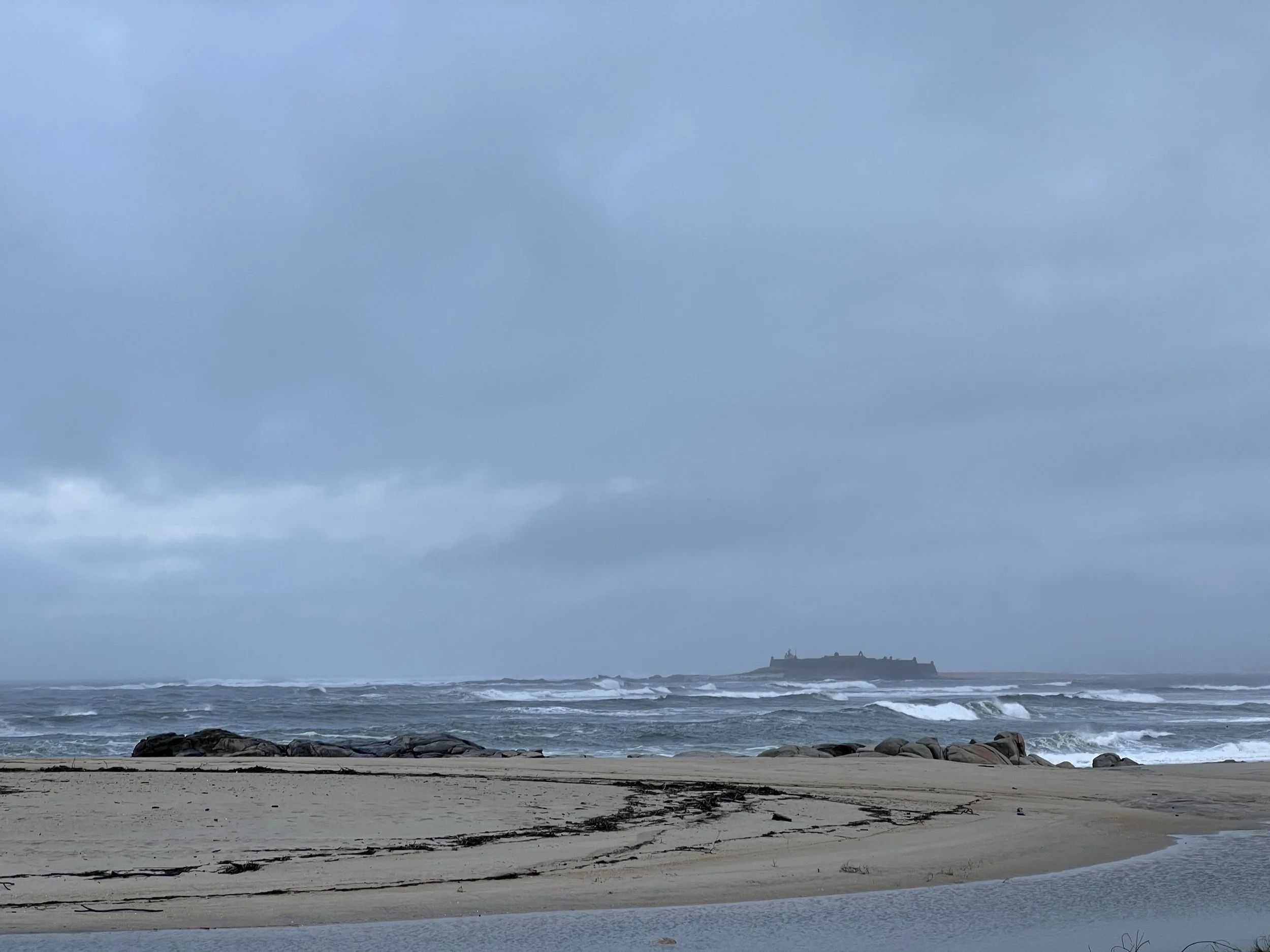
We landed on Spanish soil in A Pasaxe and stepped onto the dock with a quiet sense of achievement. From there, we had two route options to reach A Guarda: a shorter inland route or a longer, scenic coastal path. Since we were walking the Camino Coastal, the choice was obvious. We followed the ocean, where waves crashed against rocky cliffs and the wind picked up as we climbed gentle rises. Despite the grey skies, the sea looked wild and beautiful.
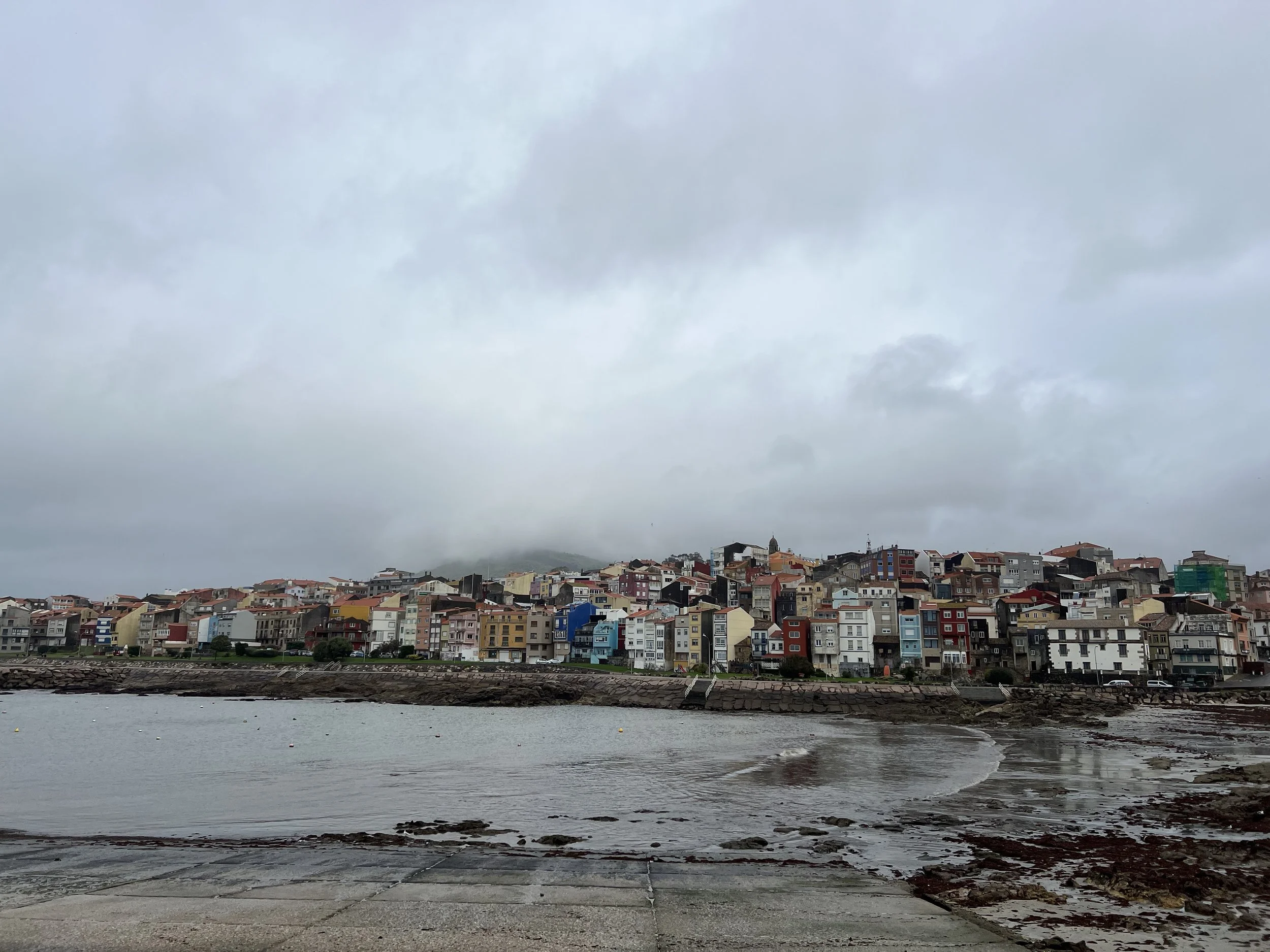
Heavy rain returned just as we entered A Guarda, soaking our shoes through. We arrived well before check-in, so we found shelter in a local seafood restaurant near the harbour. The meal—paella—was one of the best yet, perfectly timed after the wet walk. When we finally checked into the albergue, the owner welcomed us warmly and shared a helpful tip: take the “blue” route tomorrow instead of the official path—it’s more scenic and rejoins the main trail later on.
That evening, the rain drummed softly outside as we unpacked and dried our clothes. It felt like the perfect rhythm of the Camino again—simple comforts, small discoveries, and a quiet satisfaction in crossing into a new country on foot.
History & Background
This stage of the Camino Portugués Coastal marks a symbolic turning point—the crossing from Portugal into Spain. The route links Vila Praia de Âncora with A Guarda, separated by the broad estuary of the Minho River (Rio Minho in Portuguese, Río Miño in Spanish), one of the Iberian Peninsula’s great natural borders.
Historically, the Minho has been both a barrier and a bridge. For centuries, it served as a trade corridor between northern Portugal and Galicia, with fishing boats and ferries transporting goods, people, and ideas. Pilgrims walking to Santiago de Compostela have crossed here since medieval times, often waiting for favourable tides or relying on local fishermen to row them across.
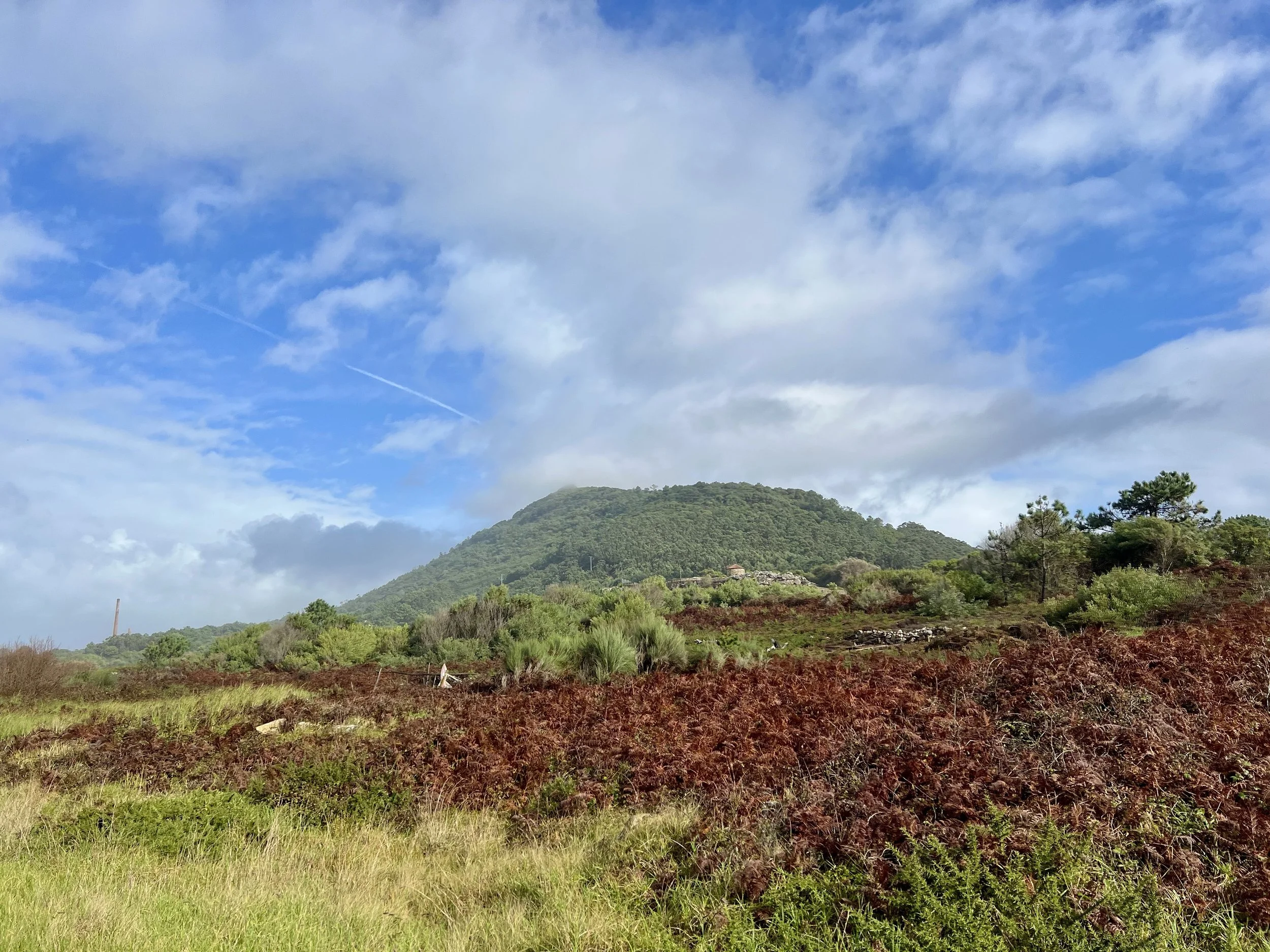
The town of Caminha on the Portuguese side developed around shipbuilding, trade, and defence, with fortifications dating back to the 15th century. Across the river, A Guarda (known in Galician as A Guarda and in Spanish as La Guardia) has ancient roots. Archaeological remains from the Castro de Santa Trega, a Celtic hillfort overlooking the town, reveal a settlement dating back over two thousand years. From its high vantage point, pilgrims today can still see sweeping views of the Atlantic Ocean and the mouth of the Minho—a reminder of the area’s deep connection to both land and sea.
Modern A Guarda remains a fishing town at heart, famous for its lobster and its annual Festa da Langosta (Lobster Festival). For pilgrims, it’s both a gateway into Galicia and a place to rest, reflect, and enjoy Spain’s first coastal town along this northern Camino stretch.
Getting There
The walk from Vila Praia de Âncora to A Guarda covers approximately 17 kilometres, including the ferry crossing. The terrain is mostly flat, alternating between paved roads, dirt trails, and coastal paths. Weather can shift quickly near the Atlantic, with wind and rain common even in autumn.
Pilgrims typically take a ferry or small boat across the Minho River from Caminha (Portugal) to A Pasaxe (Spain). Services operate seasonally and depend on tide and weather conditions. Tickets can be purchased online or directly at the Caminha pier.
To reach the starting point in Vila Praia de Âncora, regional trains (Comboios de Portugal) connect from Porto via Viana do Castelo. On the Spanish side, A Guarda is linked by local buses to Oia, Baiona, and Vigo.
Route Overview
Distance: 17.1 km (Villa Ribeiro → Albergue O Peirao)
Total elevation gain: 63 m
Duration: 3 hr 7 min (with breaks 4 hr 30 min)
Difficulty: Intermediate
For the full day-by-day route breakdown, including distances and duration, see my complete Camino Portugués Coastal route guide.
Cost Breakdown
Transport: Xacobeo Transfer Ferry & Taxi Portugal-Spain — €6
Accommodation: Albergue O Peirao (Reserved via Agoda) — €18
Food: €26.95