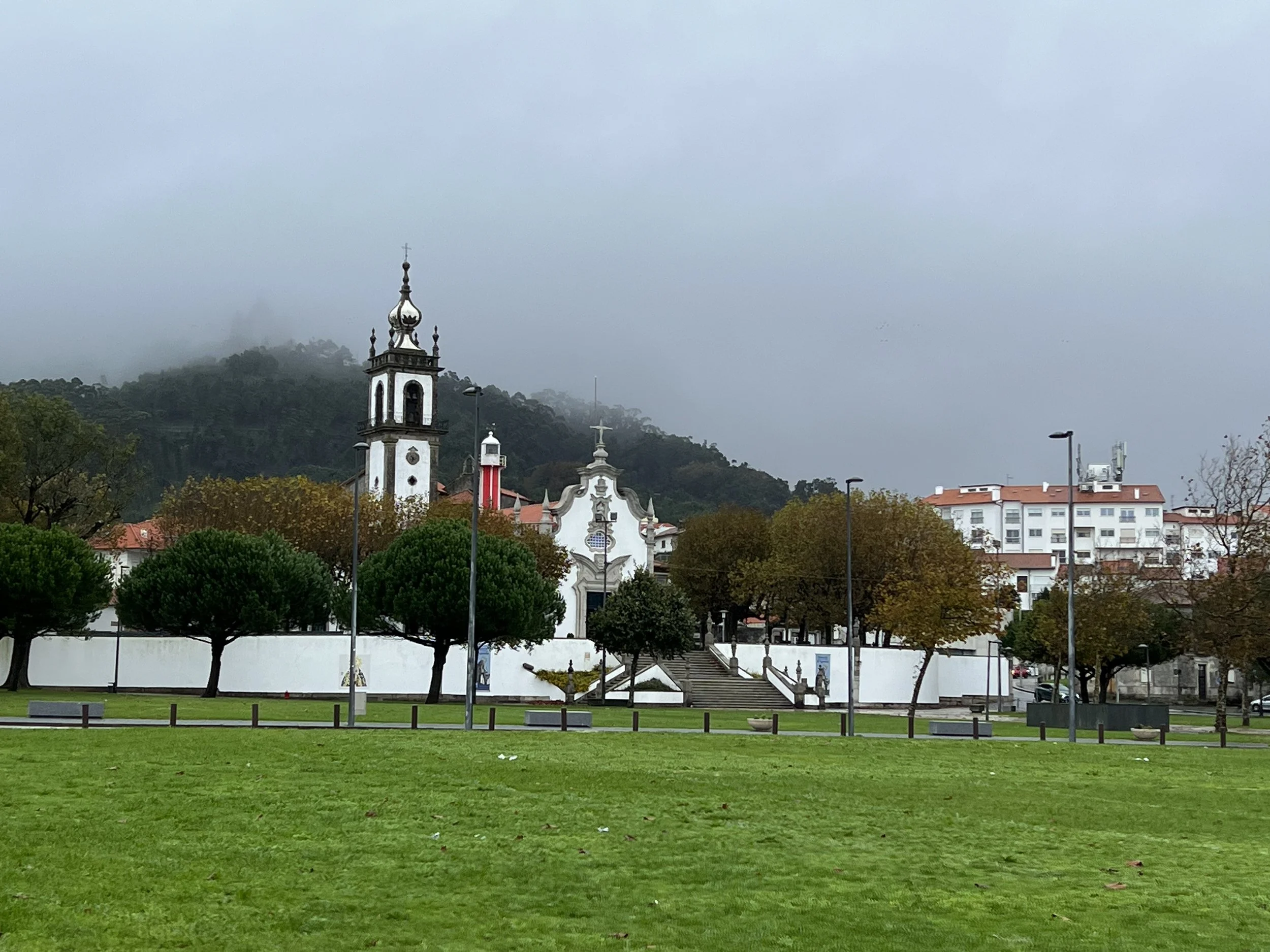
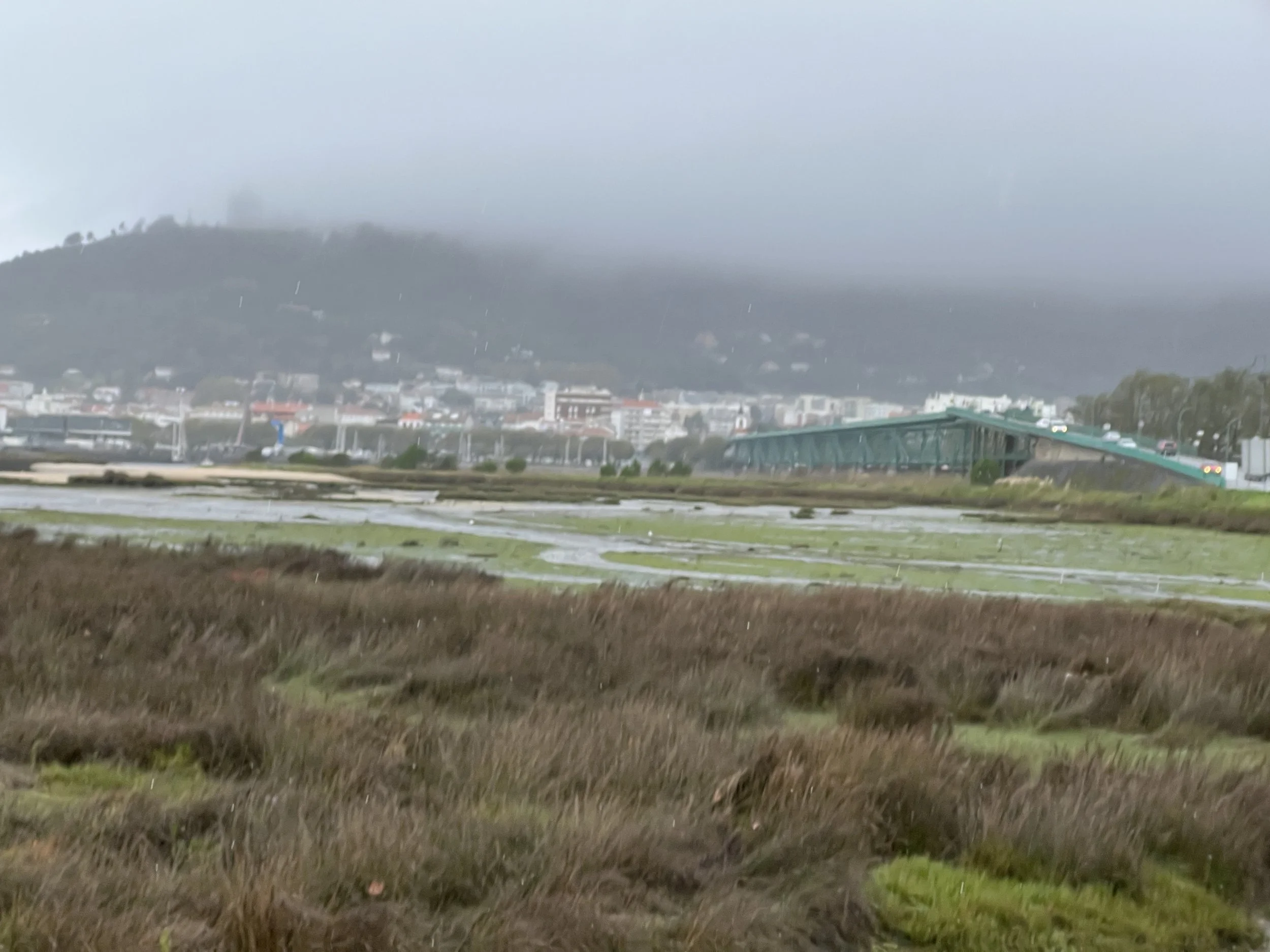
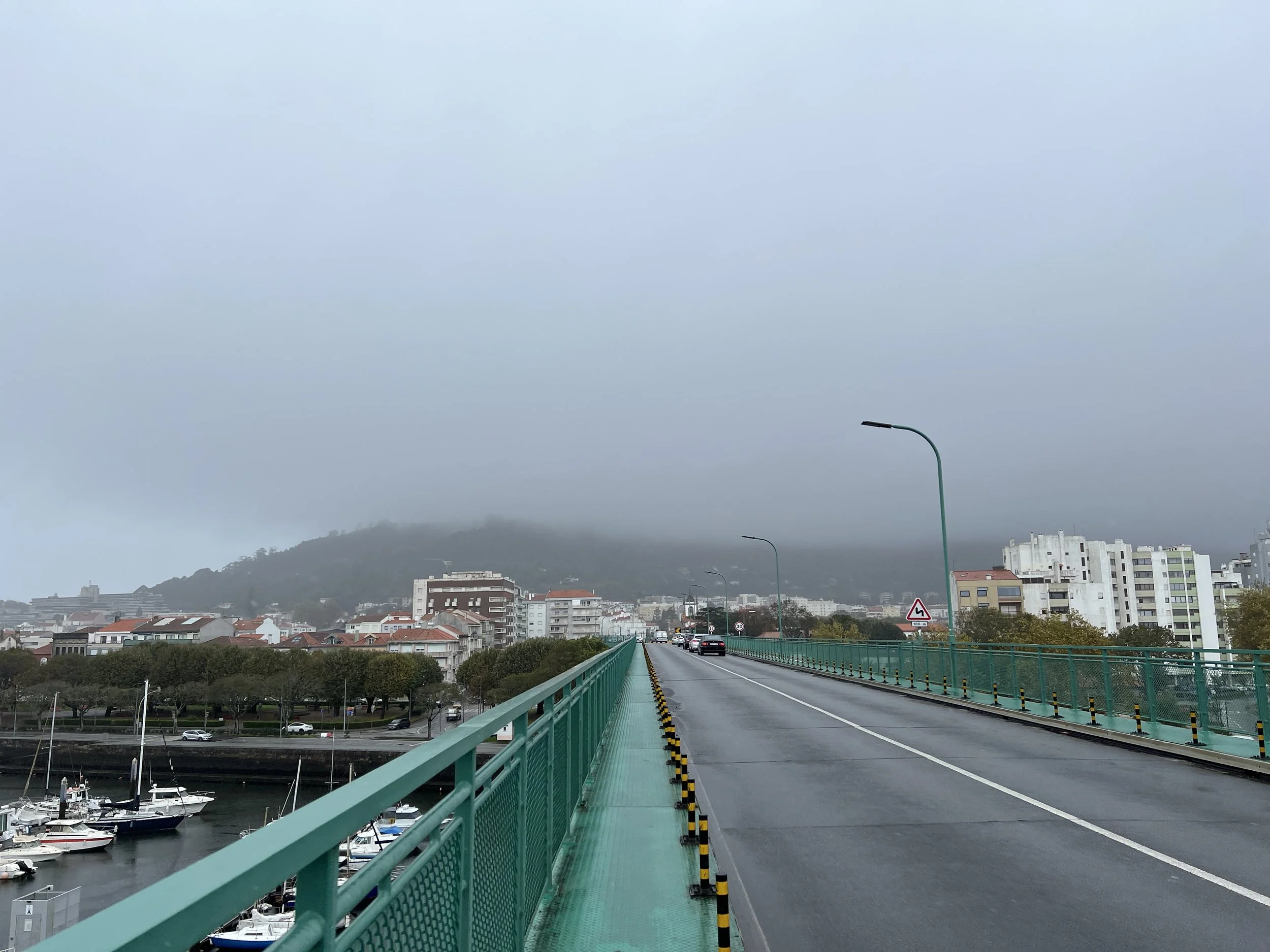
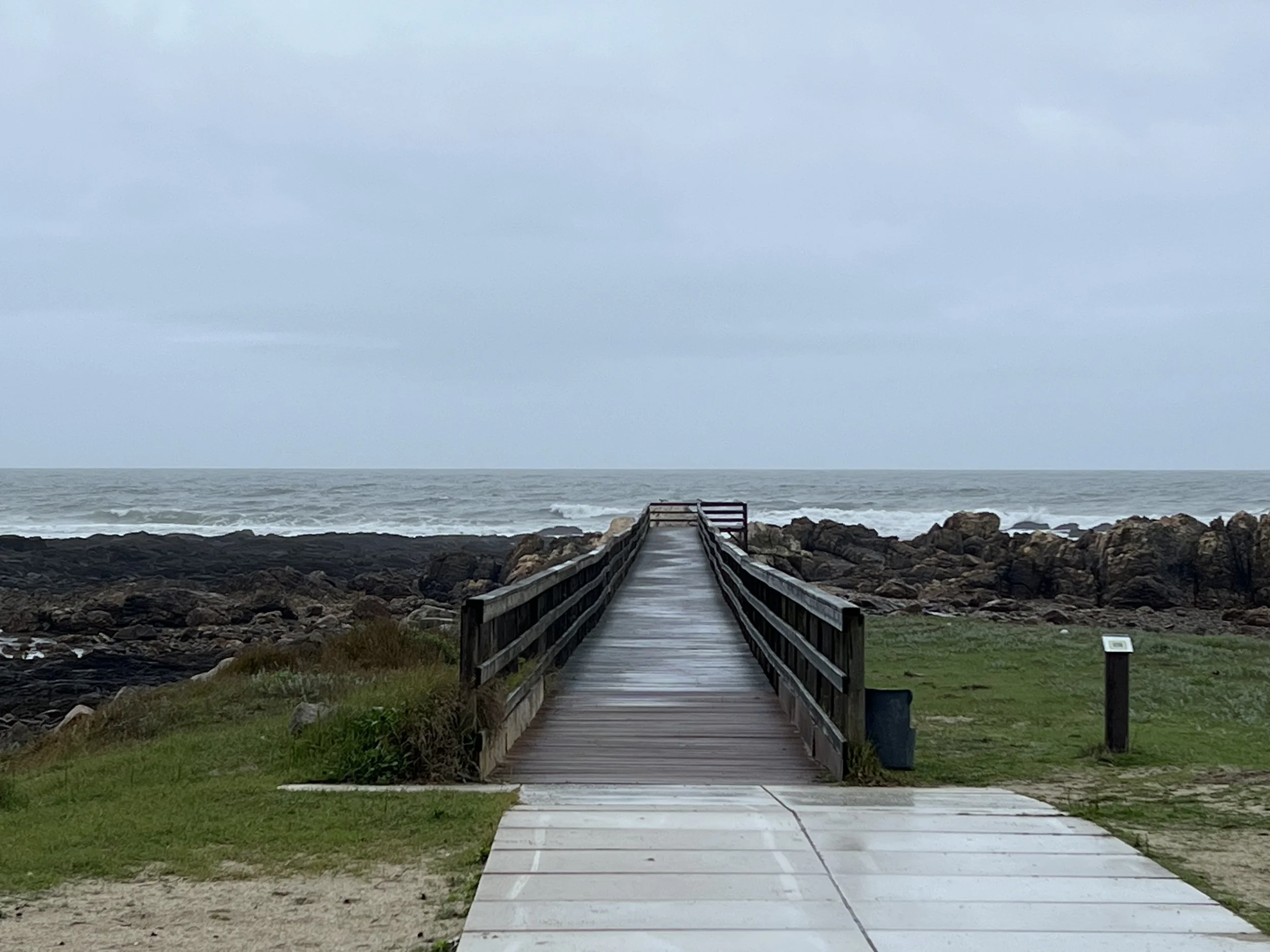
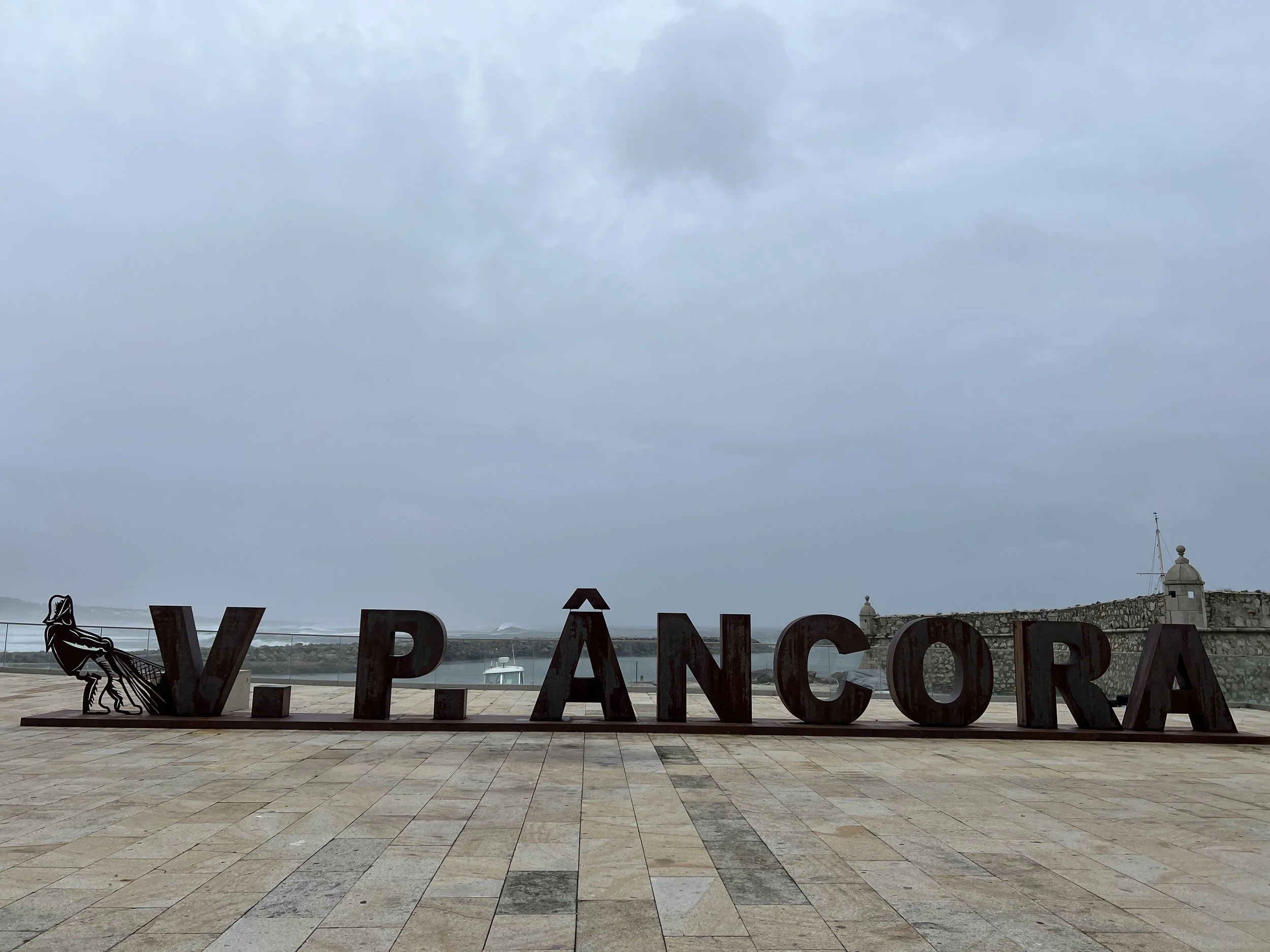
Camino Portugués Coastal - Day 3: Amorosa to Vila Praia de Âncora
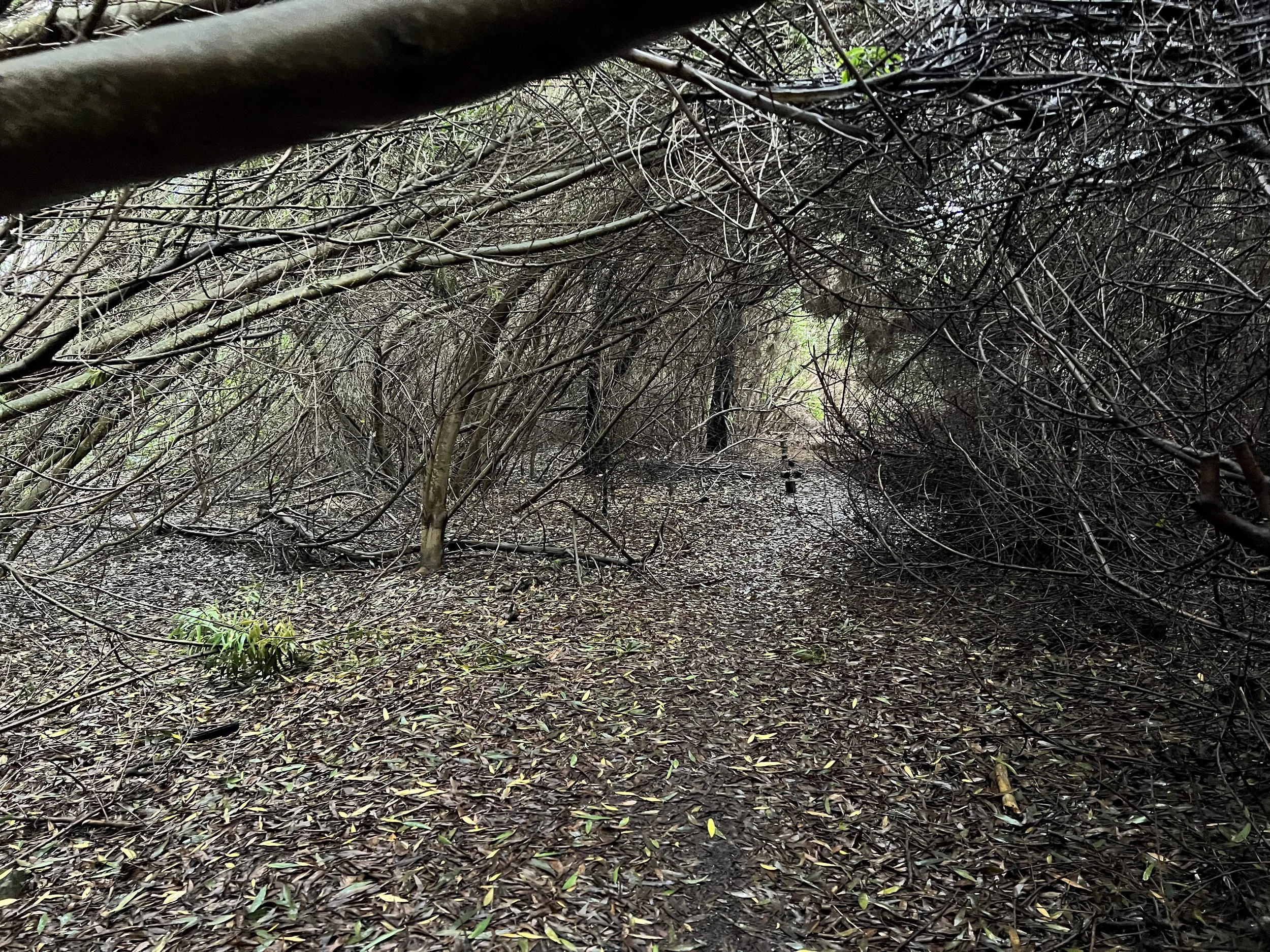
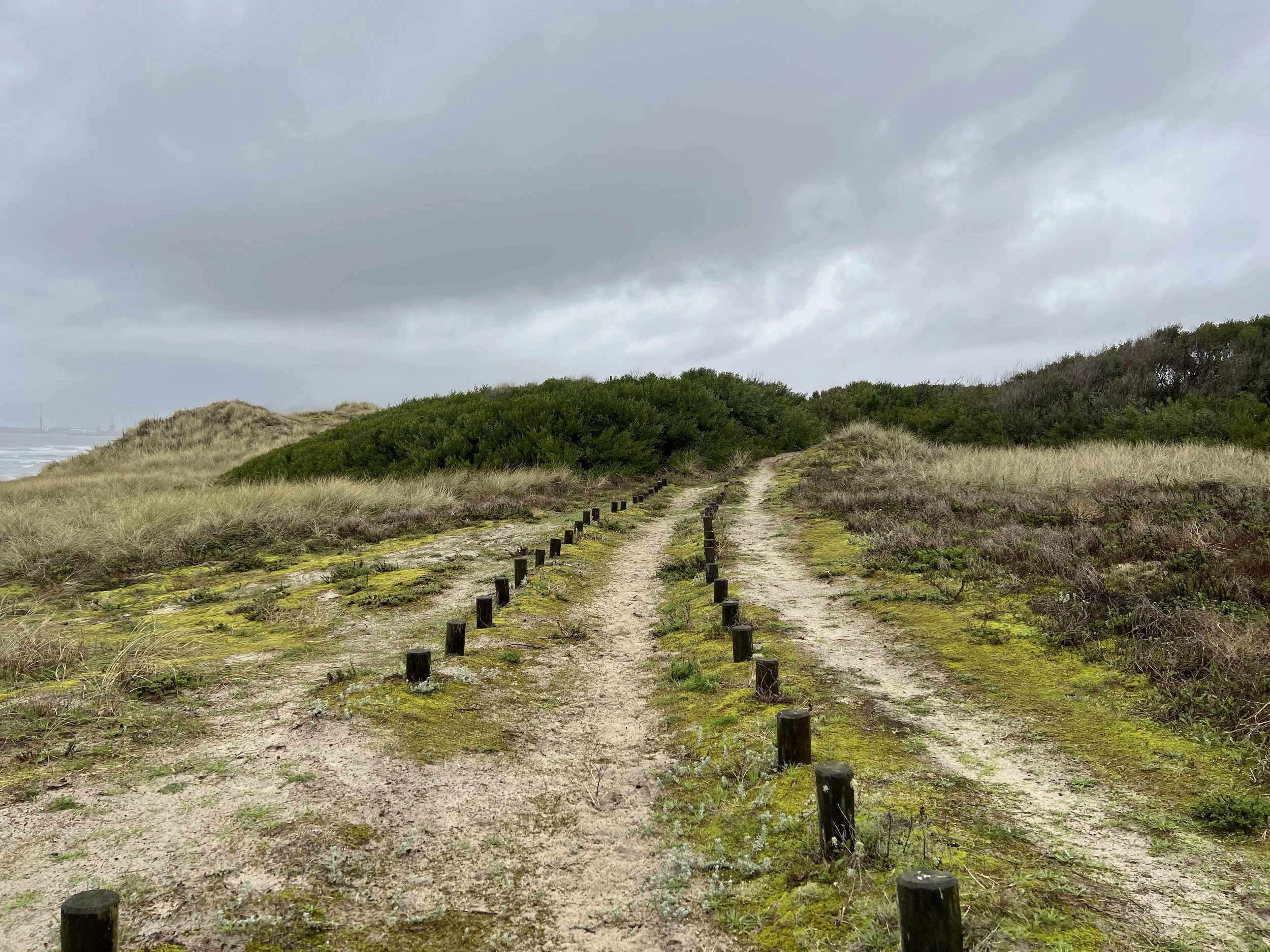
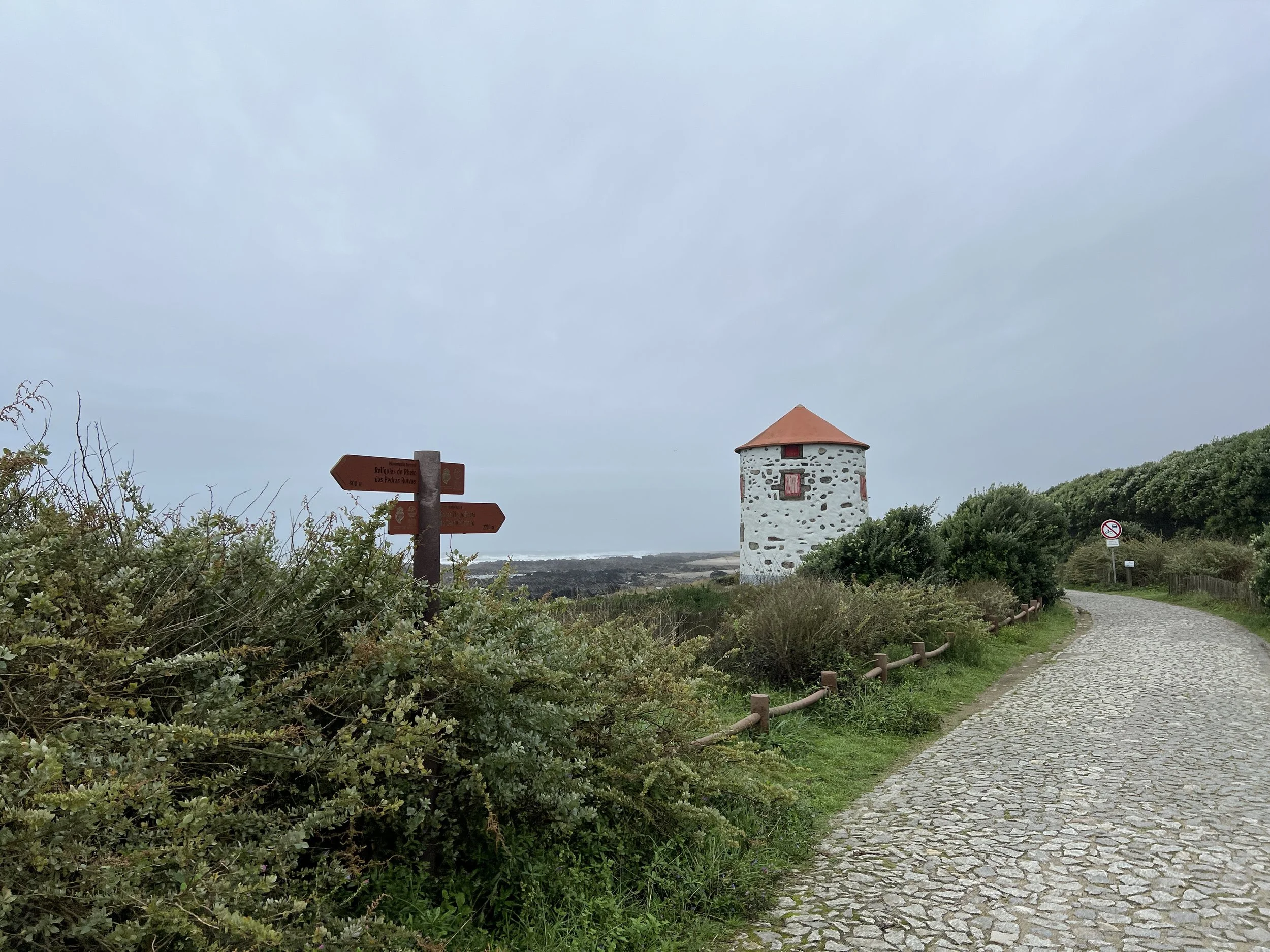
The day began in confusion. Following the Camino Ninja app, we ended up walking along the beach, unsure where the trail actually continued. The map pointed us inland, but the entryway was blocked by overgrown shrubs and fallen branches. For a few minutes, I wondered if we’d missed something entirely. It took several false starts—and a bit of bushwhacking—before I finally spotted the narrow, hidden trail tucked behind the trees. It was one of those moments that remind you the Camino is rarely straightforward, even when you think you’ve learned its rhythm.
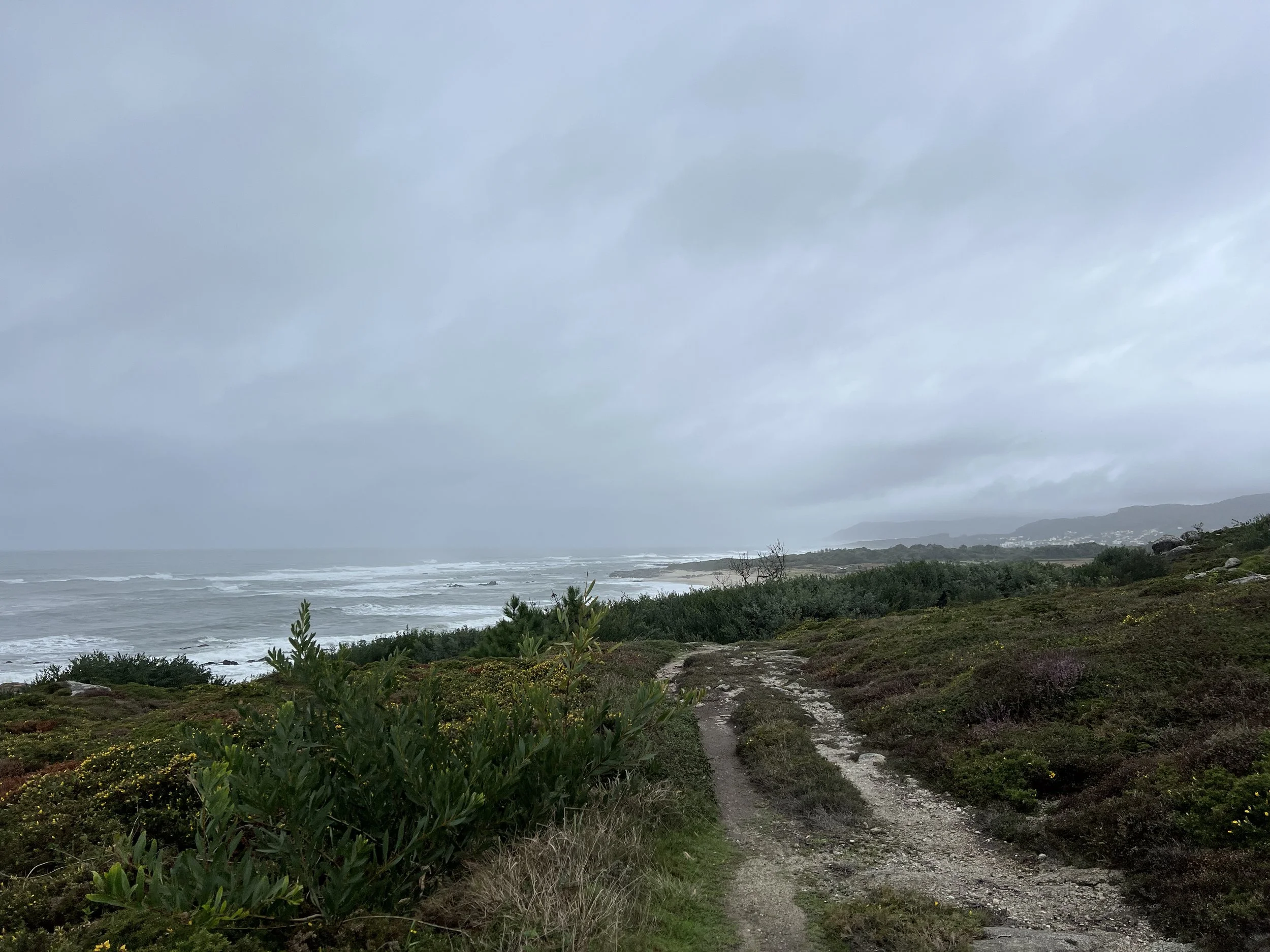
The morning air was cool and heavy with mist, and the sound of the waves followed us faintly even as we moved inland. Thankfully, today’s distance was shorter than the past two days, though the elusive trail and recurring downpours made it feel longer. Several times the skies opened without warning, and we trudged through puddles and muddy patches, rain dripping from our hoods. My legs were already beginning to protest from the previous days’ mileage, and each uphill stretch on slick cobblestones demanded focus and patience.
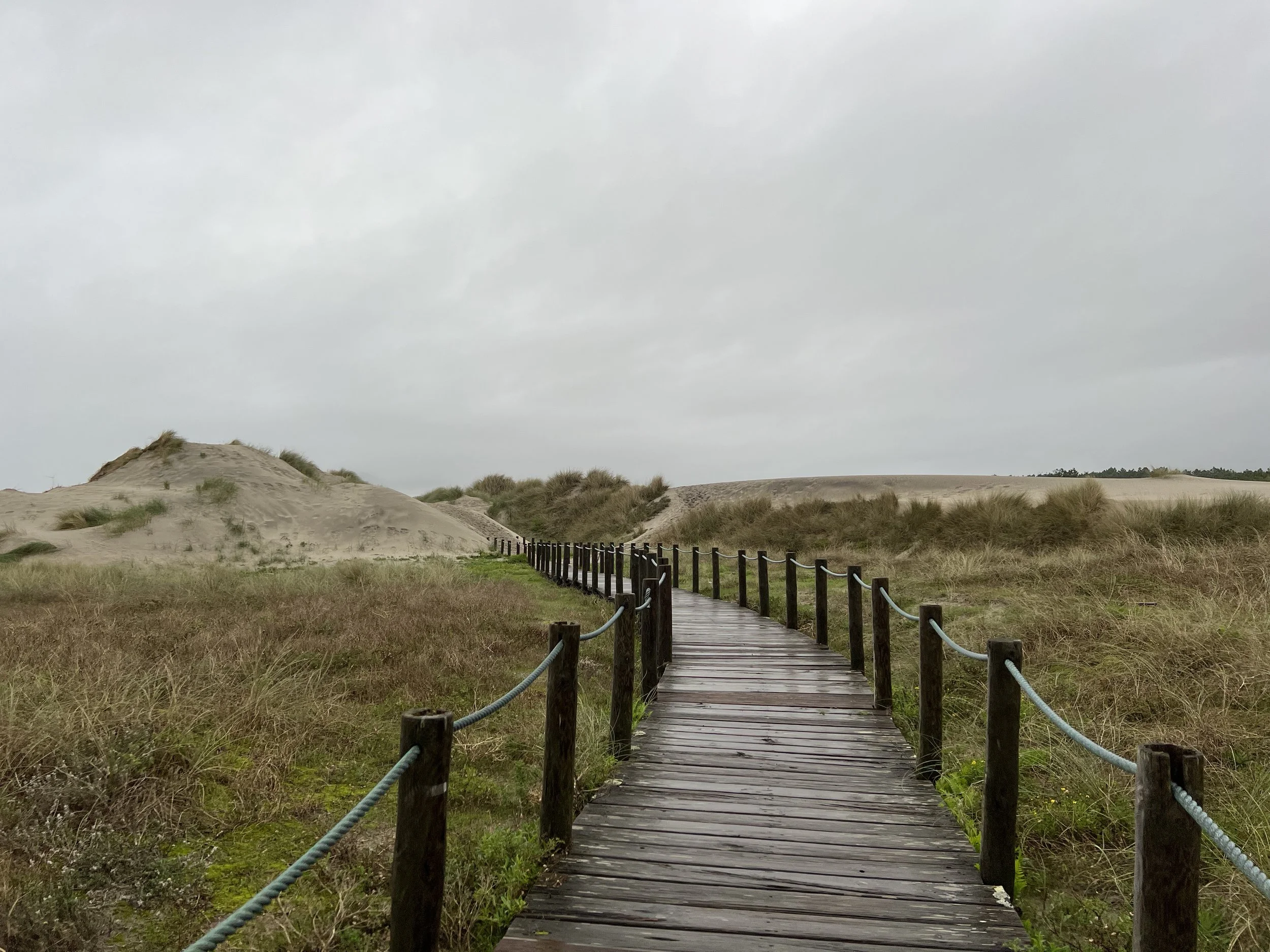
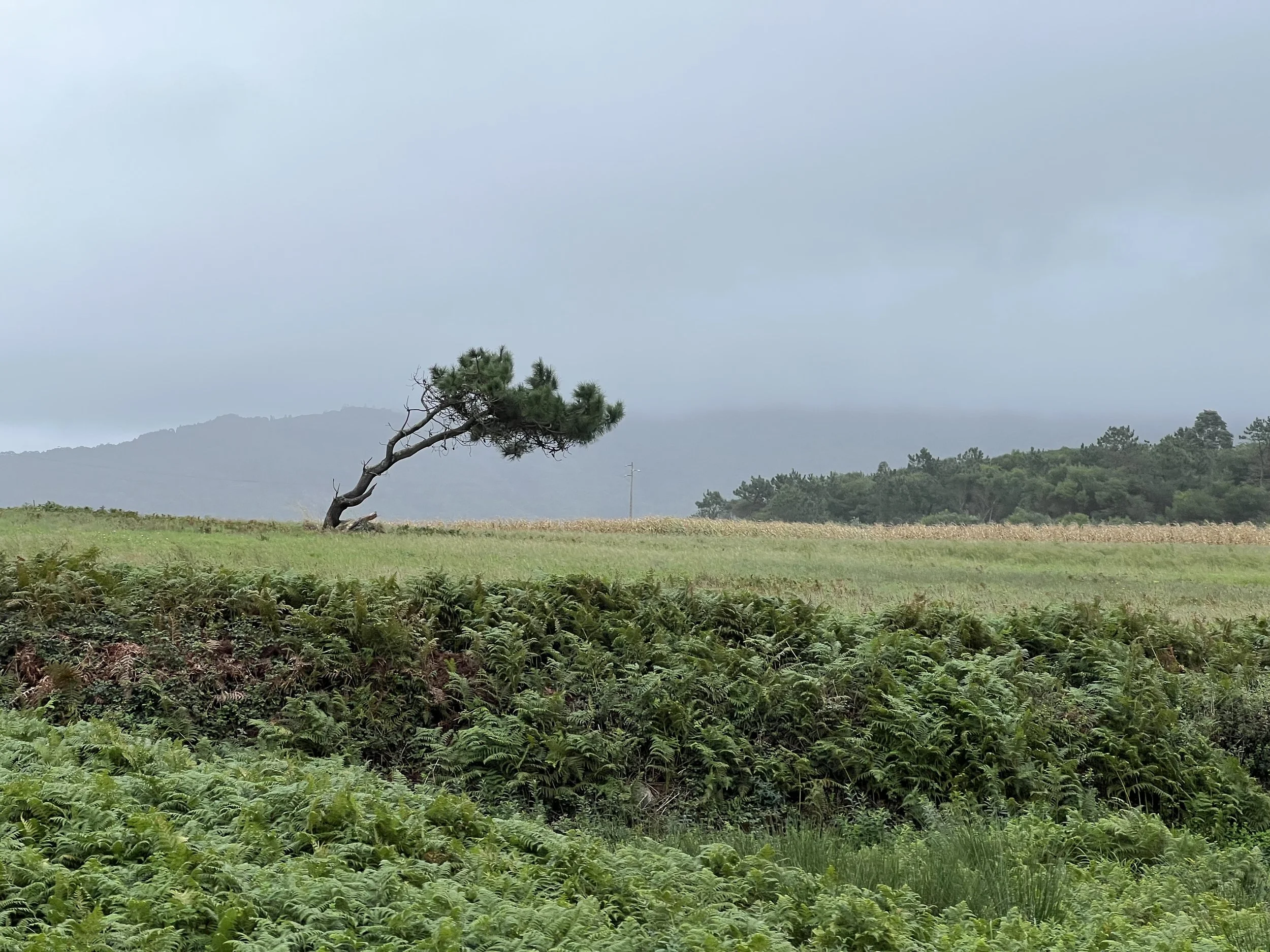
By midday, the rain eased, giving way to softer light and the scent of wet earth. The route passed through quiet neighbourhoods and small towns—it was less dramatic than the coastal boardwalks but held its own quiet charm: everyday life unfolding around us, simple and steady. We stopped briefly for coffee at a local café, shaking out our damp gear and savouring the warmth of a real cup between our hands.
The final stretch into Vila Praia de Âncora felt both familiar and new—the kind of tired that settles deep but carries satisfaction with it. The cobblestone streets, beautiful but uneven, tested my feet after hours of walking. When we finally reached our accommodation, we almost walked right past it. The guesthouse looked like an ordinary home, with a small handwritten sign beside the door. Inside, check-in was self-serve, and even the pilgrim credential stamp sat waiting for us on the table.
We lucked out that night—no other guests had arrived, so we had the entire house to ourselves. After hanging our wet clothes and warming a quick meal in the large kitchen, the exhaustion began to fade. The sound of rain outside softened into a steady lull. Sitting in the quiet living room, I felt a deep sense of gratitude—for the shelter, the solitude, and the simple comfort of being dry again. It wasn’t the most scenic day, but it carried that unmistakable Camino rhythm: moments of confusion, effort, and, finally, calm.
History & Background
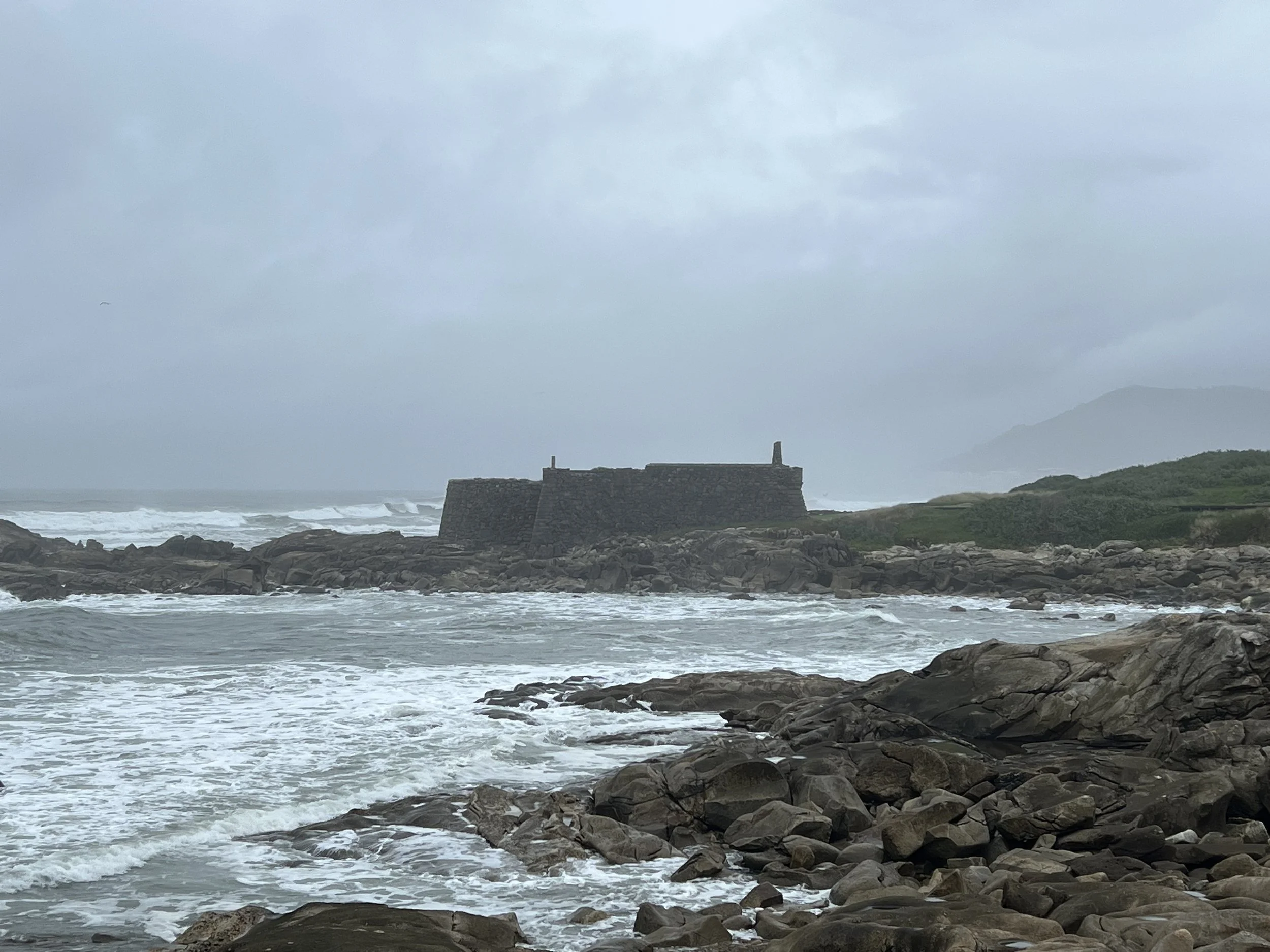
This stage of the Camino Portugués Coastal Route connects Amorosa with Vila Praia de Âncora, tracing a path that alternates between inland villages and coastal glimpses near the Minho region. Historically, this portion of the Camino followed a network of local tracks used by fishermen, traders, and farmers transporting goods between Viana do Castelo and Âncora.
Vila Praia de Âncora has deep maritime roots dating back to Roman times, when the area was known for its fishing settlements and salt production. Archaeological remains—including ancient fish-salting tanks and Roman inscriptions—suggest the region played a modest but consistent role in coastal trade routes. By the Middle Ages, it had grown into a working fishing village, with locals relying on both the sea and small-scale agriculture.
In the 18th and 19th centuries, Vila Praia de Âncora became an important stop along Portugal’s northern coast thanks to its natural harbour—a safe refuge for sailors navigating between Porto and Galicia. The town’s shipyards produced traditional wooden fishing boats, many of which can still be seen moored near the river today. The Âncora River, which flows gently into the Atlantic, gave the town both its name and its lifeblood.
Modern-day Vila Praia de Âncora remains a relaxed seaside destination known for its long beaches, surf-friendly waves, and seafood restaurants serving freshly caught fish. For pilgrims, it marks a point where the Camino Coastal Route begins to merge again with the rhythm of the Atlantic—quiet, timeless, and filled with traces of the past.
Getting There
The walk from Amorosa to Vila Praia de Âncora covers approximately 29–30 kilometres, depending on the chosen route. The terrain alternates between paved lanes, cobblestone streets, forest paths, and short stretches of beach. Although the elevation gain is modest, uneven terrain and unpredictable weather can make this day more challenging than it appears.
From Porto, pilgrims can reach Amorosa via regional train or bus to Viana do Castelo, then continue by local transport or taxi to the starting point. Vila Praia de Âncora is served by Comboios de Portugal (CP) regional trains that connect south to Viana do Castelo and Porto, and north toward Caminha and the Spanish border.
Route Overview
Distance: 29.46 km (Hotel Areias Claras → Villa Ribeiro)
Total elevation gain: 190 m
Duration: 5 hr 31 min (with breaks 6 hr 30 min)
Difficulty: Hard
For the full day-by-day route breakdown, including distances and duration, see my complete Camino Portugués Coastal route guide.
Cost Breakdown
Accommodation: Villa Ribeiro (Reserved via Agoda) — €25
Food: €22.77