Camino Francés - Day 4: Zubiri to Pamplona
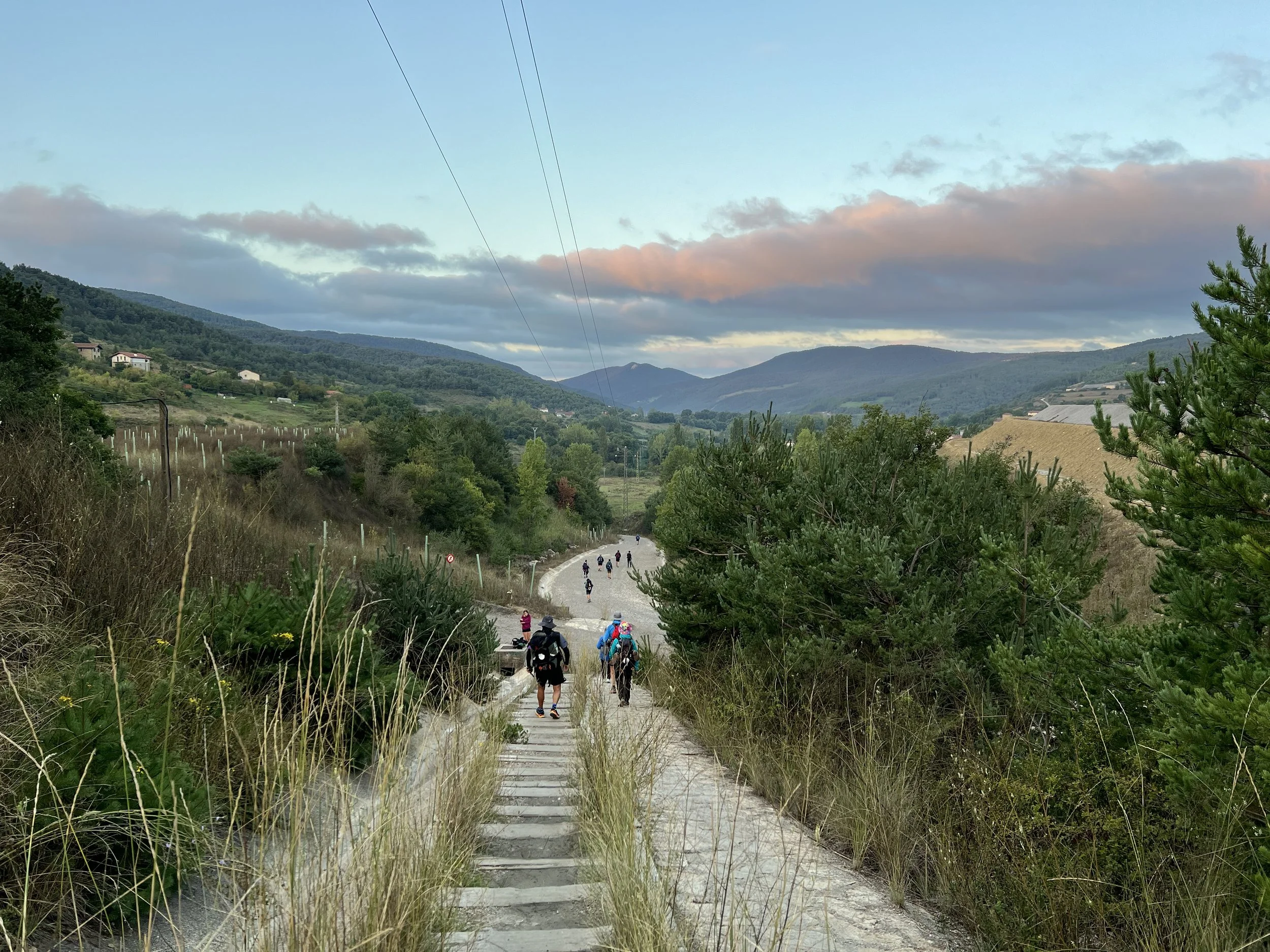
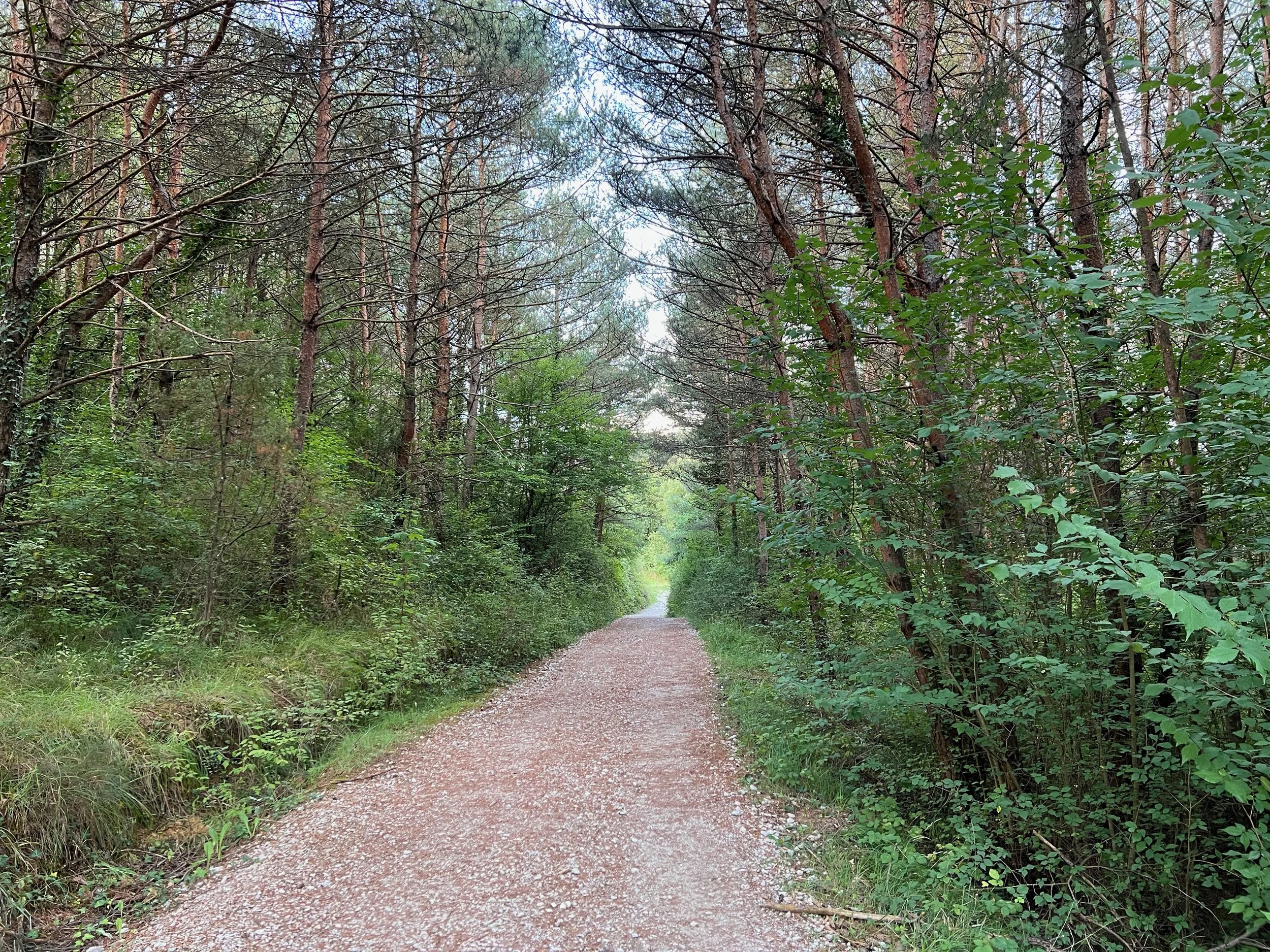
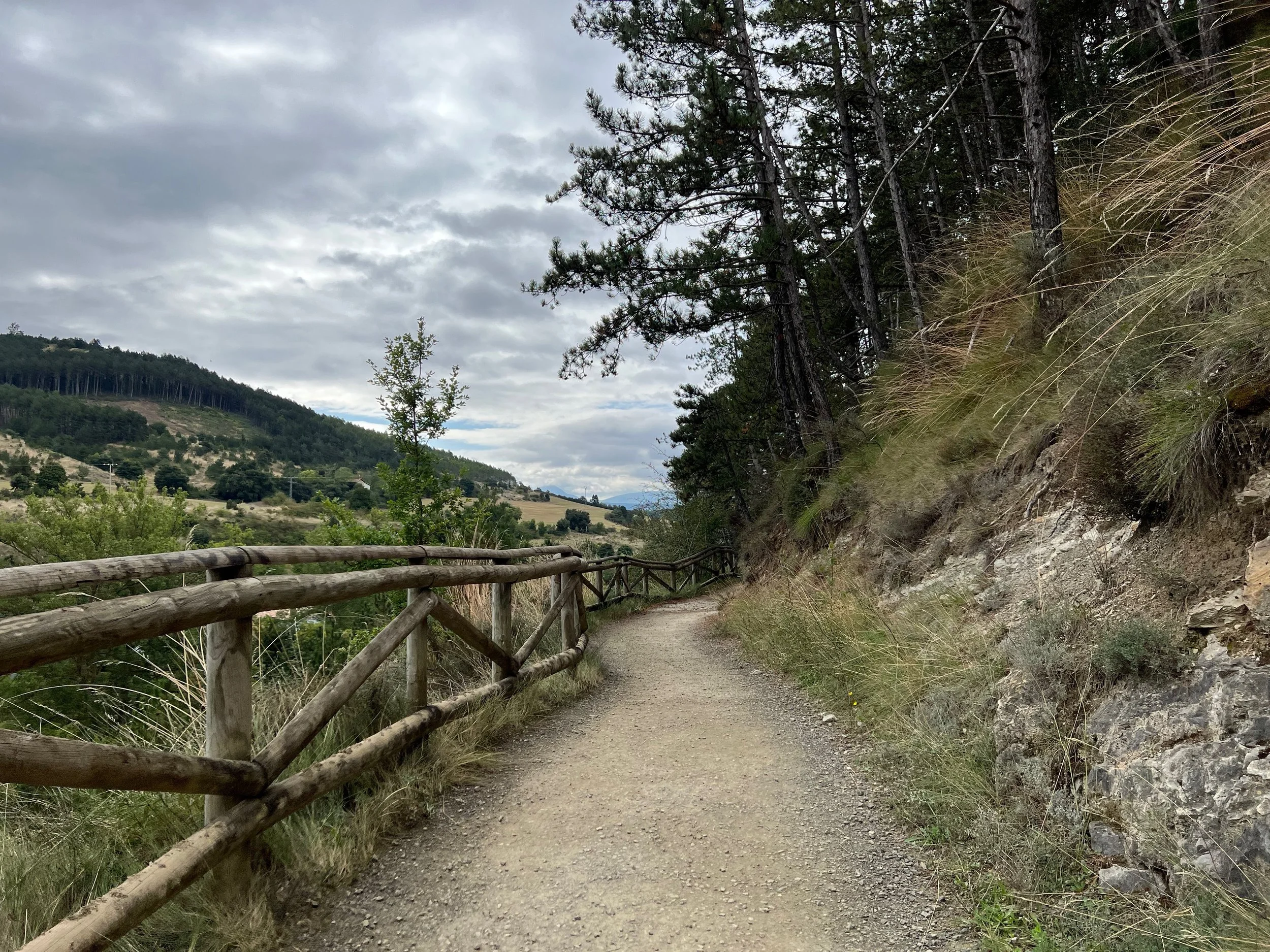
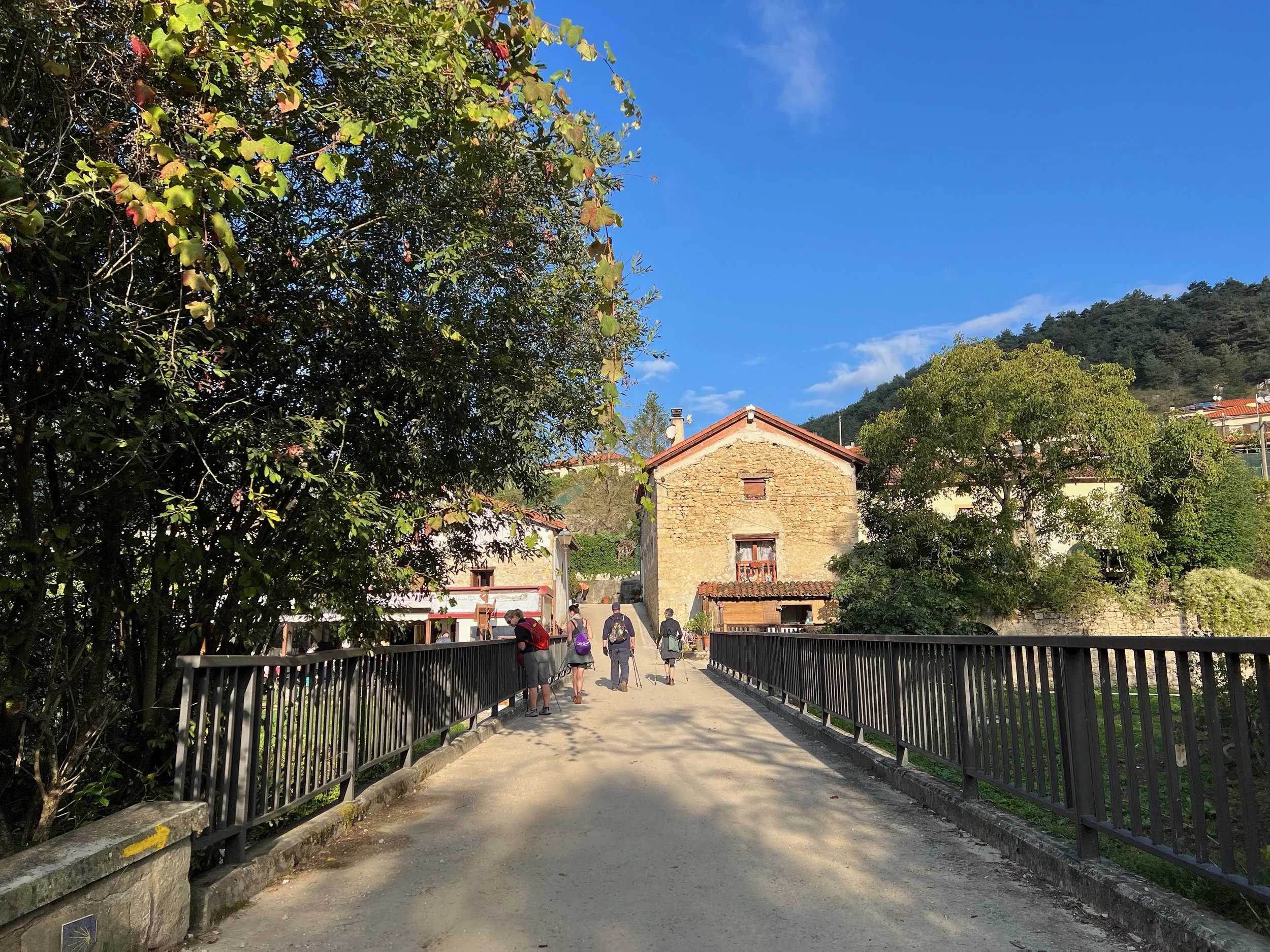
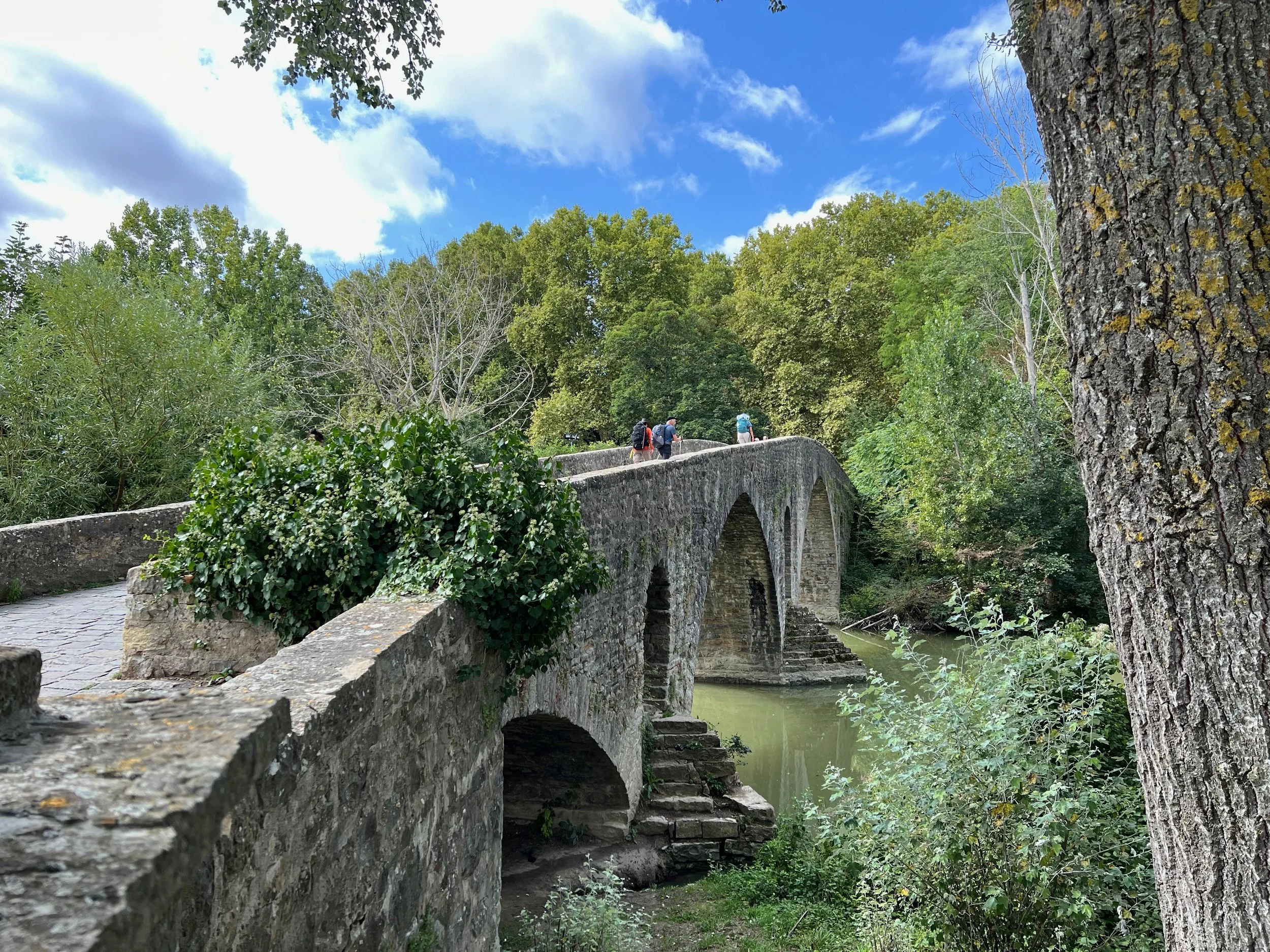
I left Zubiri around 7:20 a.m., greeted by a stunning sunrise painting the sky in shades of pink and orange. The day’s path was mostly downhill and flat—a welcome reprieve after the climbs of the previous days. Walking early along the forest trails was particularly pleasant, with cool, shaded paths and the gentle rustling of leaves accompanying each step.
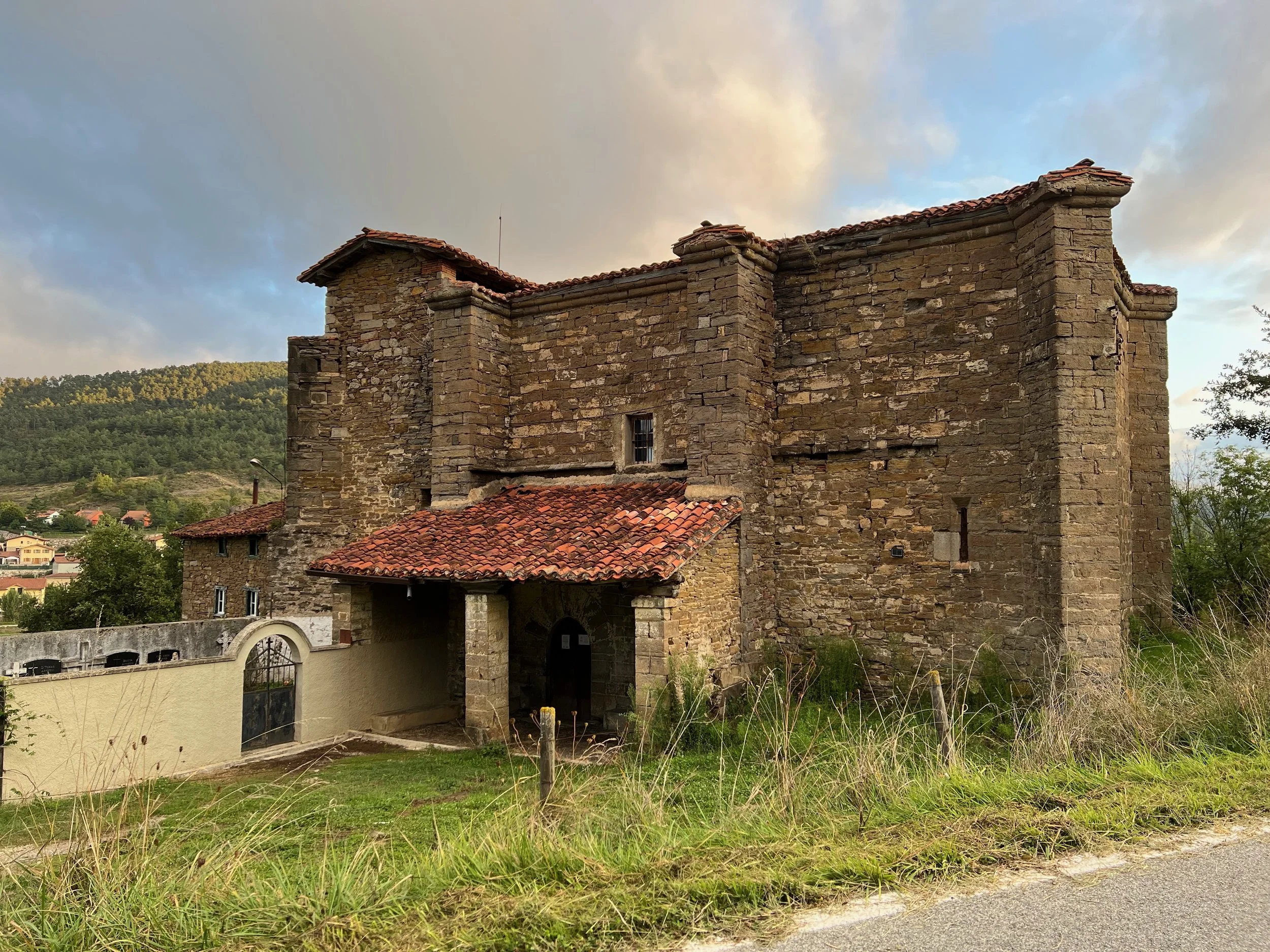
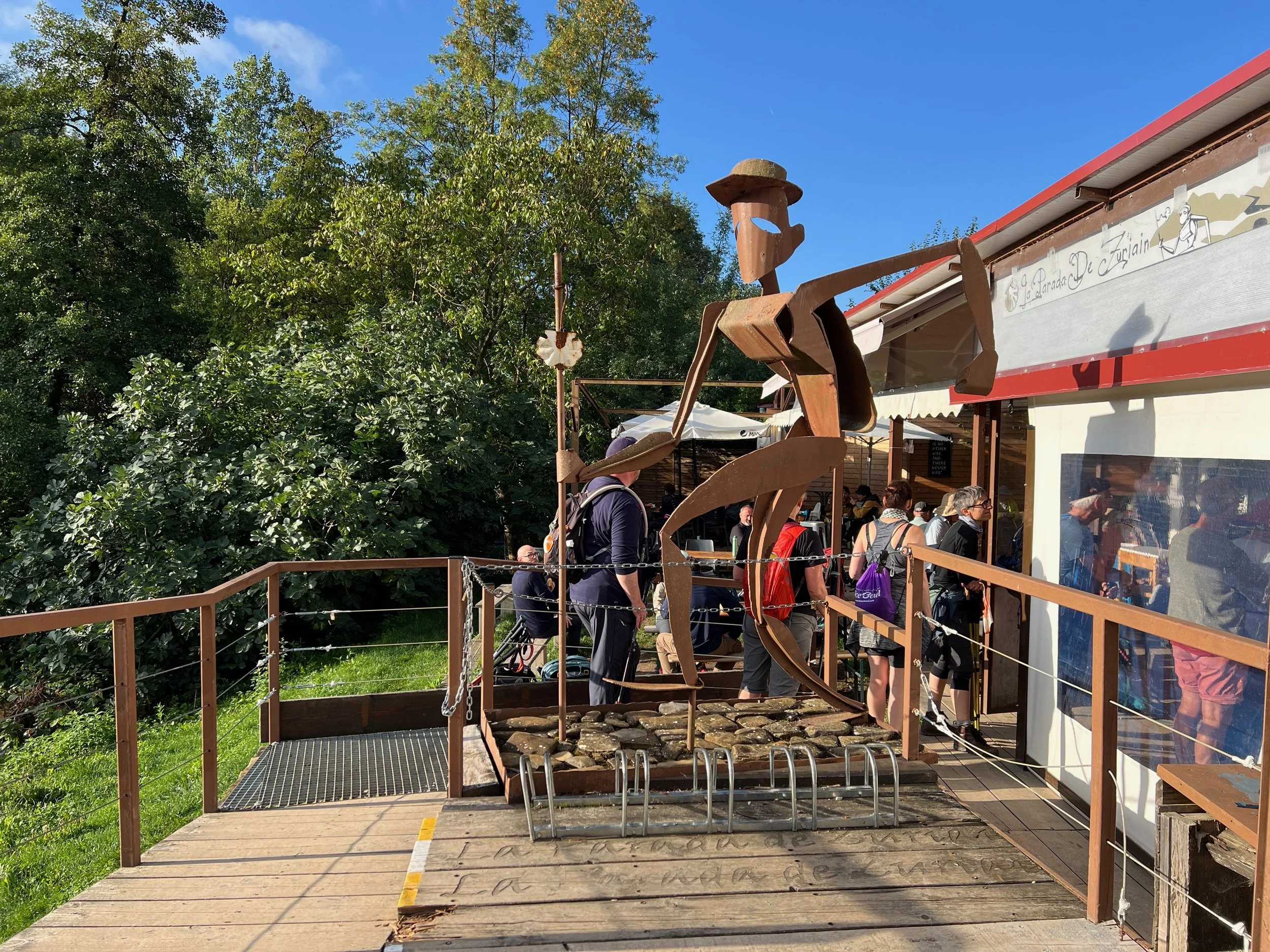
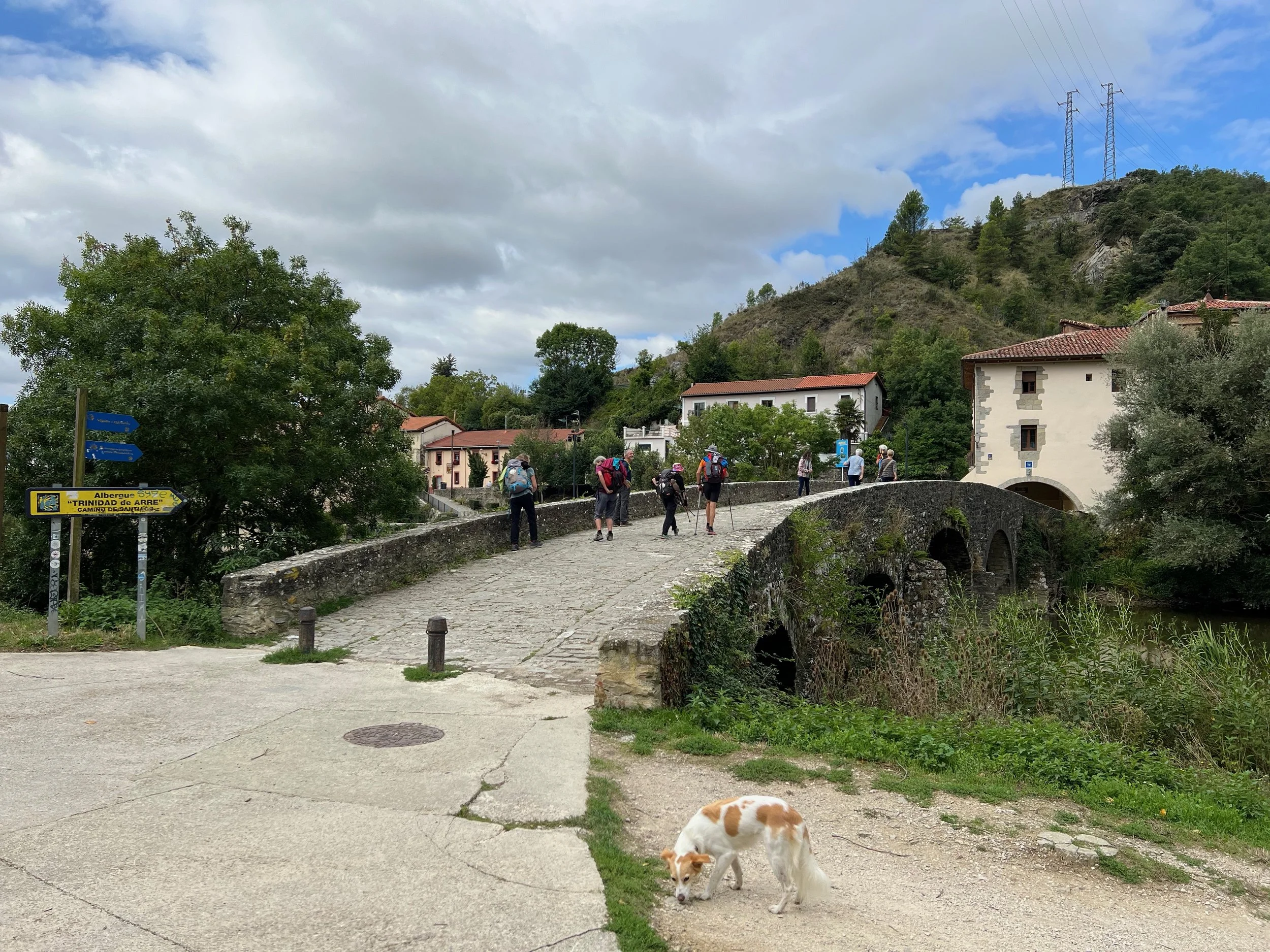
About 10 kilometres from Zubiri, there was only one bar along this section of the route. Most pilgrims stopped there for a coffee and a short rest, exchanging stories and stretching tired legs. After this brief break, the trail passed through a few small towns and villages, offering glimpses of rural Navarra life.
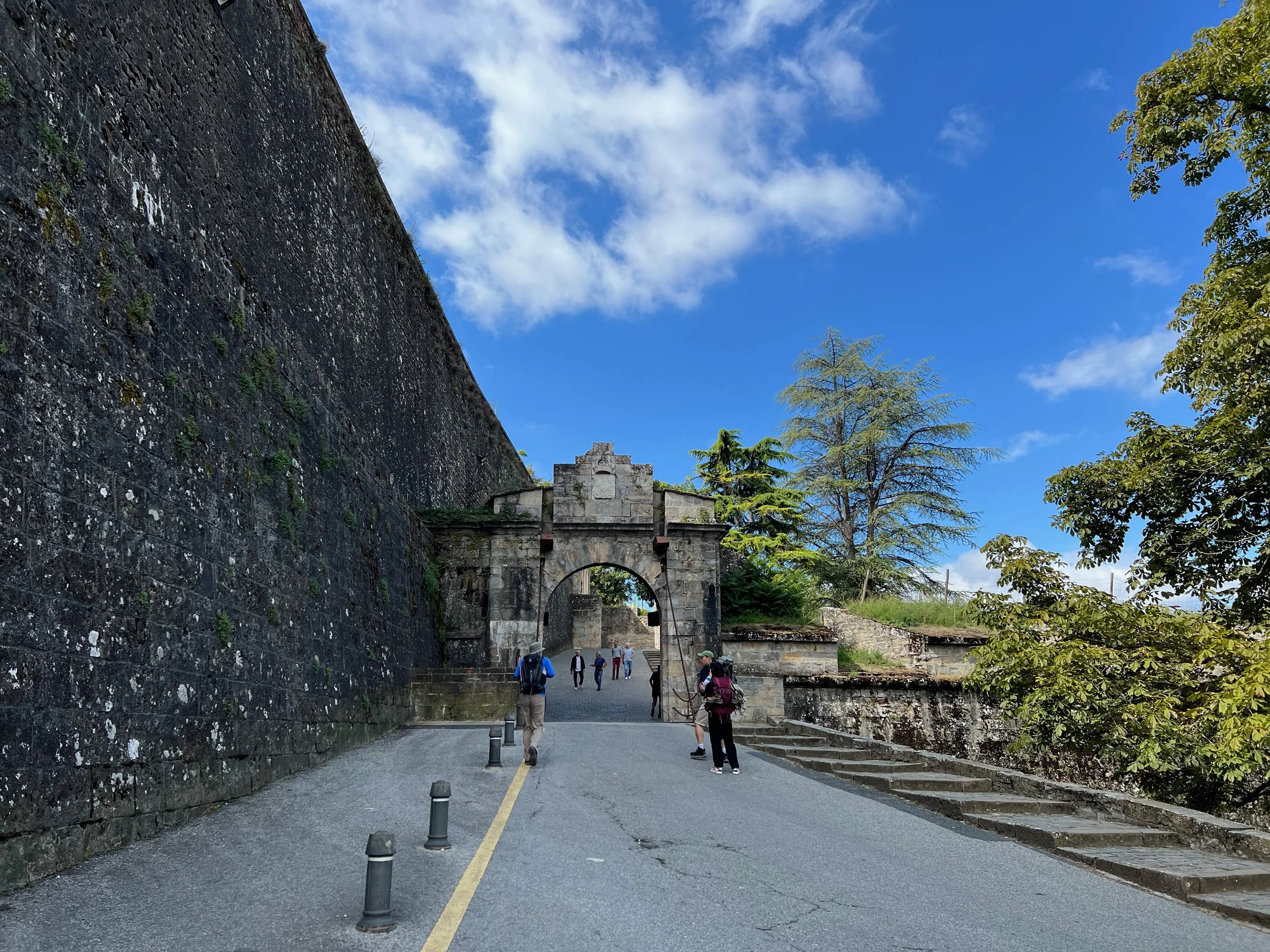
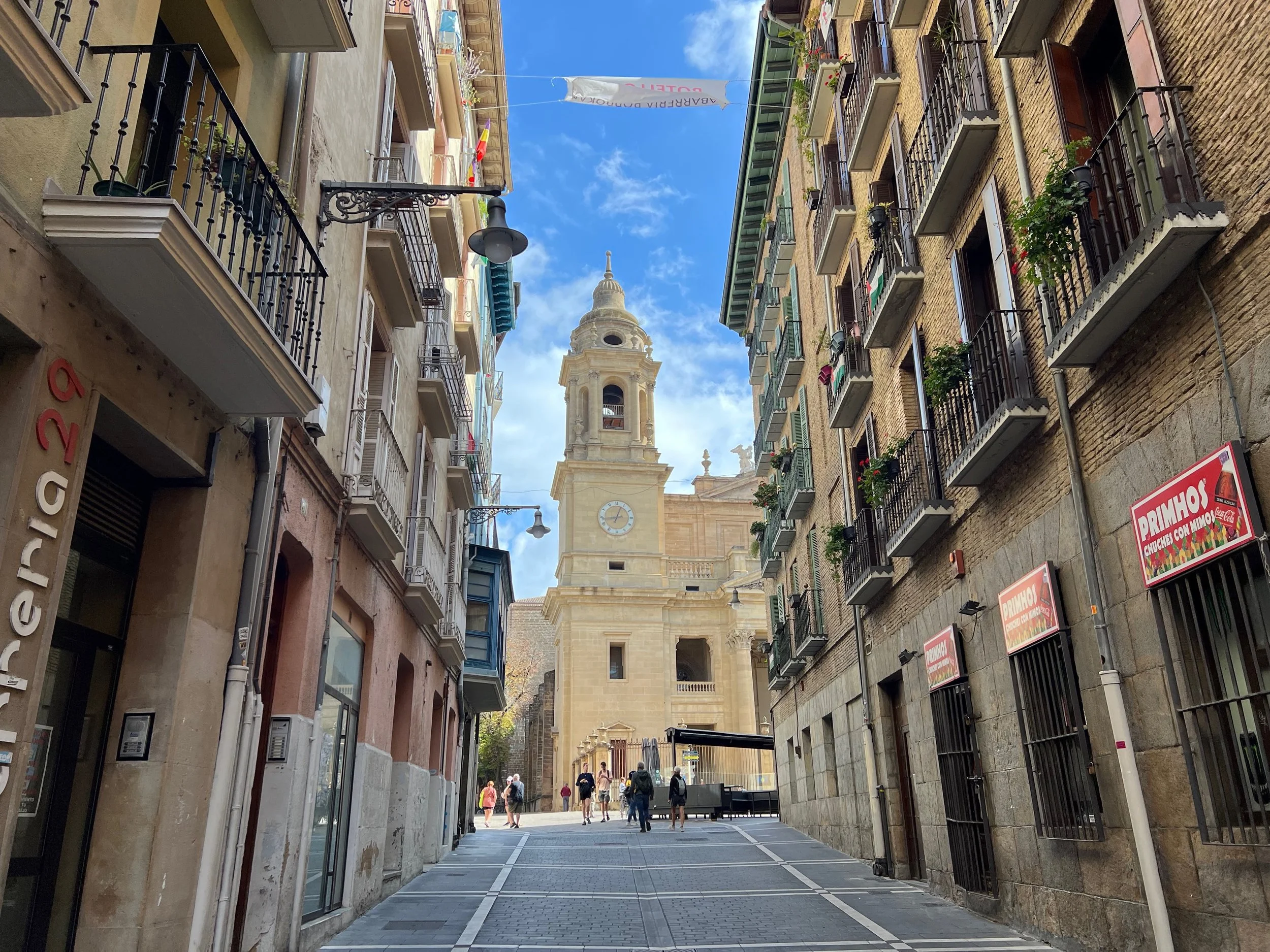
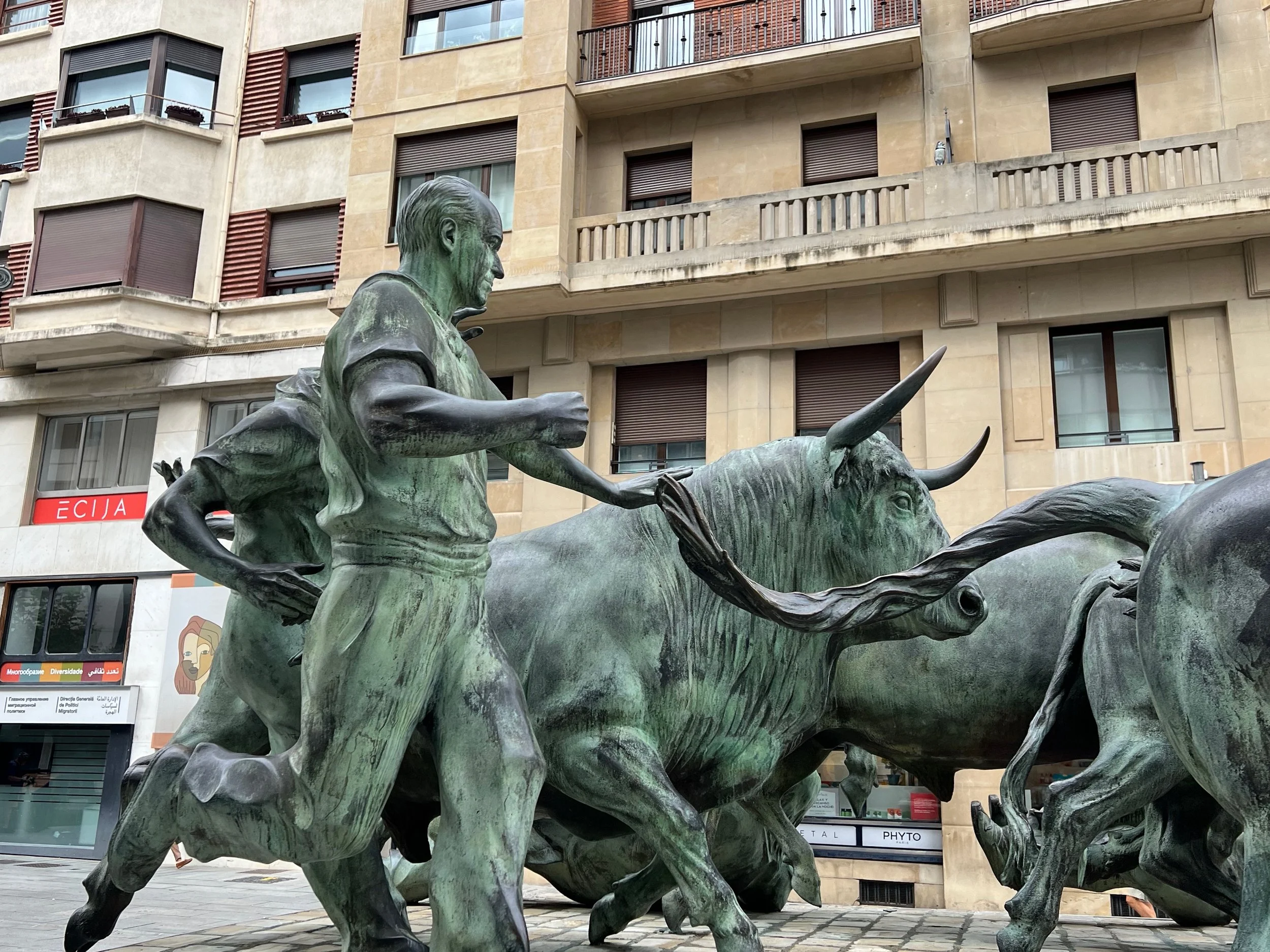
I arrived in Pamplona around 12:45 p.m. The city greeted me with a mix of medieval charm and vibrant urban life. I visited the cathedral, admired the impressive bullring from the outside (though it was closed), and took photos with the iconic bull-running statue. As a bonus, I ran into a couple of Korean pilgrims I had met on earlier stages, and we shared a casual lunch of gyros, laughing about our experiences so far.
Despite being a city day, the Camino rhythm persisted: moments of quiet reflection, stretches of challenge, and social encounters with fellow pilgrims, all blending seamlessly into the flow of the journey.
History & Background
This stage of the Camino Francés connects Zubiri to Pamplona, a city famed for its rich history and vibrant cultural heritage. Known as Iruña in Basque, Pamplona is perhaps best known internationally for the Running of the Bulls (San Fermín festival), held every July. The city’s medieval core features cobbled streets, fortified walls, and a Gothic cathedral that has welcomed pilgrims for centuries.
Historically, Pamplona was a key stop along the Camino Francés, providing rest, medical care, and supplies to pilgrims travelling from Saint-Jean-Pied-de-Port and other early starting points. Beyond the festival lore, the city’s importance stems from its strategic location in Navarra, bridging northern Spain and the Basque region. Churches, convents, and albergues along the route reflect centuries of pilgrim hospitality, while the surrounding countryside preserves the tranquil charm that pilgrims seek.
Getting There
The walk from Zubiri to Pamplona covers approximately 21 km along a mix of forested trails, rural lanes, and small village streets. The route features moderate elevation changes early on before leveling out as it approaches the city.
Walking is the traditional and most rewarding way to experience this stage, allowing pilgrims to enjoy the scenic countryside and maintain the rhythm of the Camino. For those needing an alternative, buses or taxis connect Zubiri with Pamplona, and the city itself is well served by regional trains, buses, and flights via Pamplona Airport.
Route Overview
Distance: 21.25 km (Hostel Suseia → Hostel Plaza Catedral)
Total elevation gain: 378 m
Duration: 4 hr 40 min (with breaks 5 hr 23 min)
Difficulty: Hard
For the full day-by-day route breakdown, including distances and duration, see my complete Camino Francés route guide.
Cost Breakdown
Accommodation: Hostel Plaza Catedral (booked direct) — €19
Food: €21.45