Camino Francés - Day 3: Roncesvalles to Zubiri
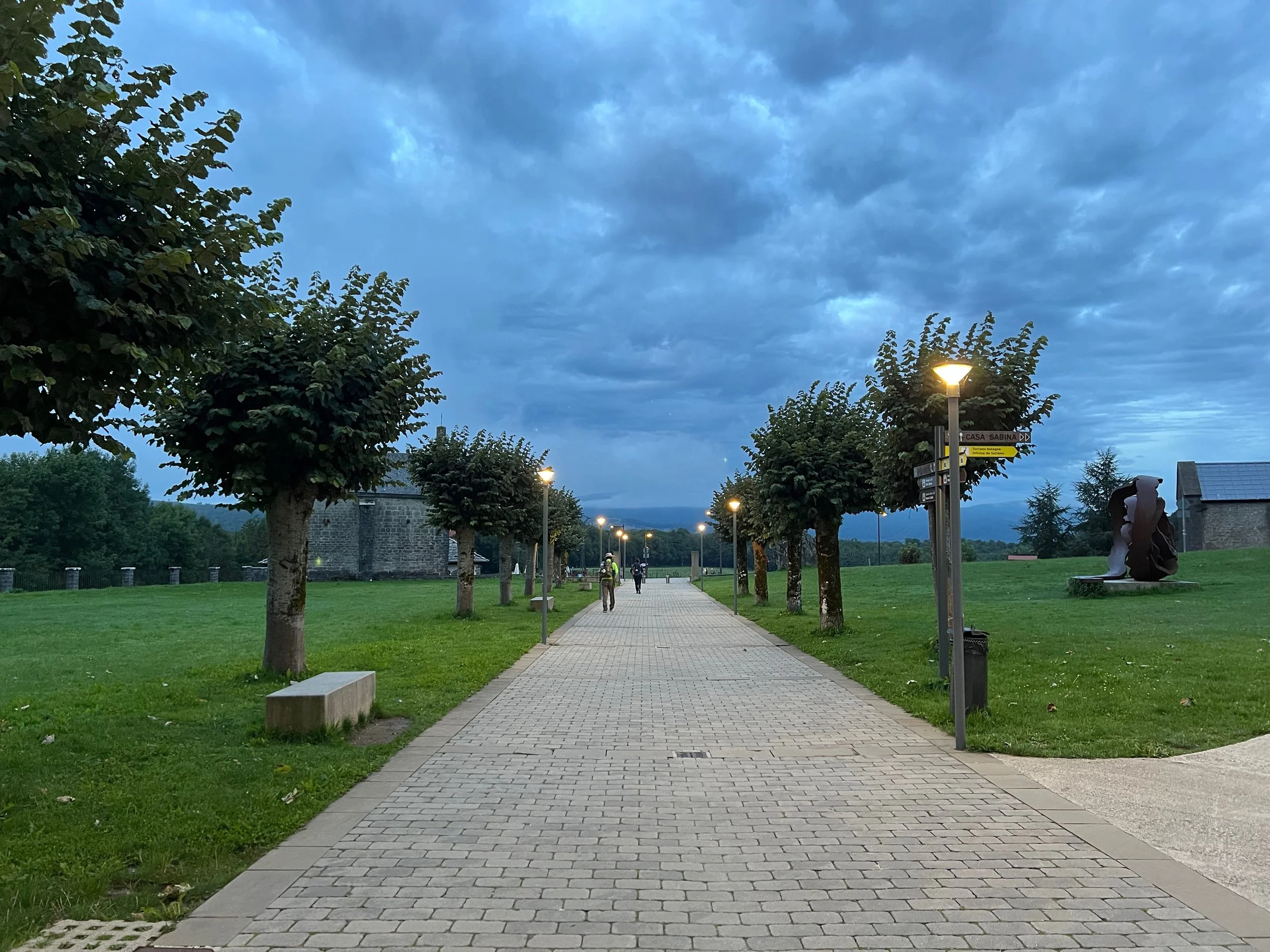
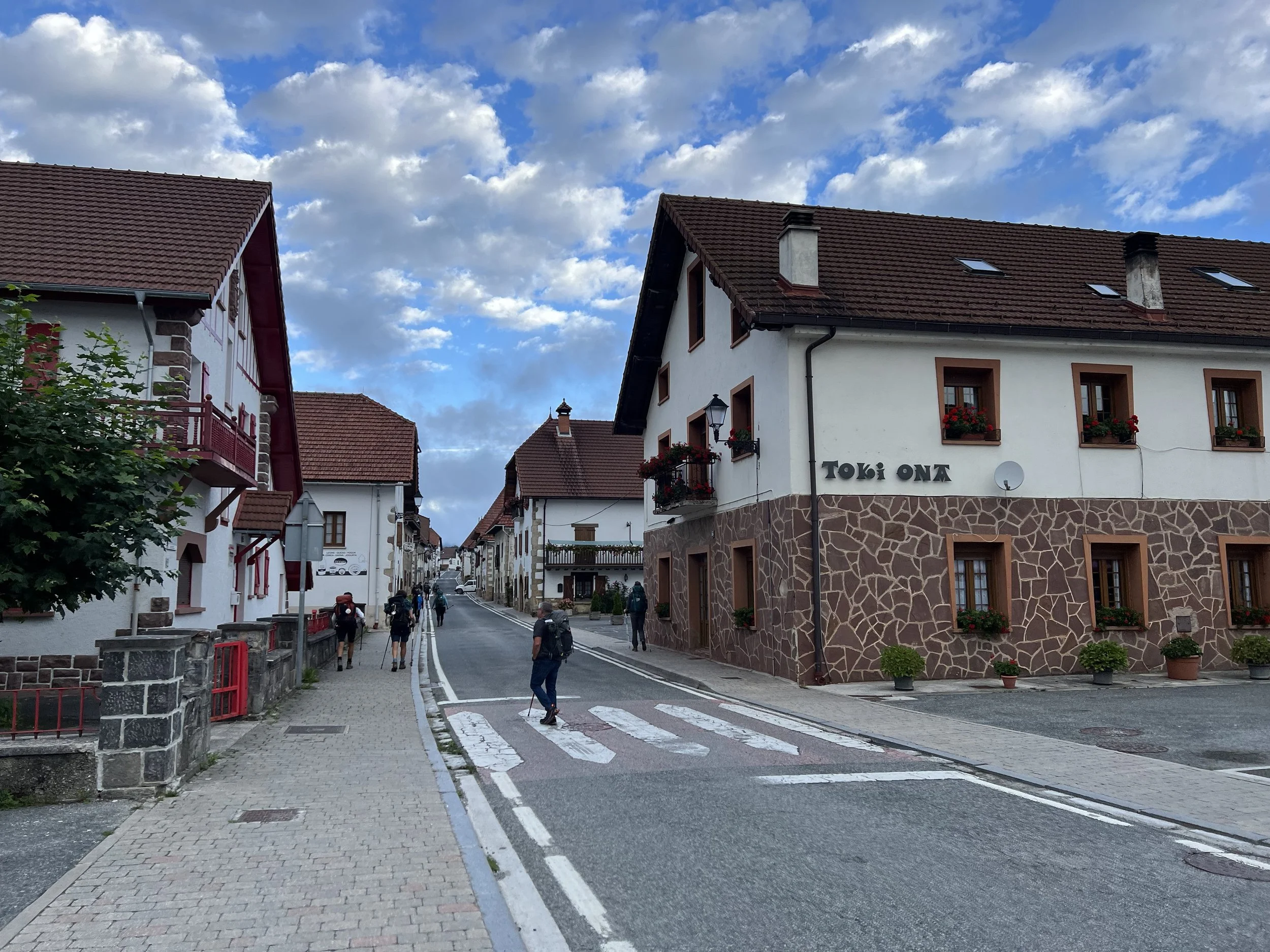
I woke up with some sore muscles, but nothing too severe. After a quick warm-up, I left the albergue with Jun, the friend I had hiked with yesterday. Before departing Roncesvalles, we took a few photos of the monastery and surrounding streets—yesterday, we had been too tired to explore.
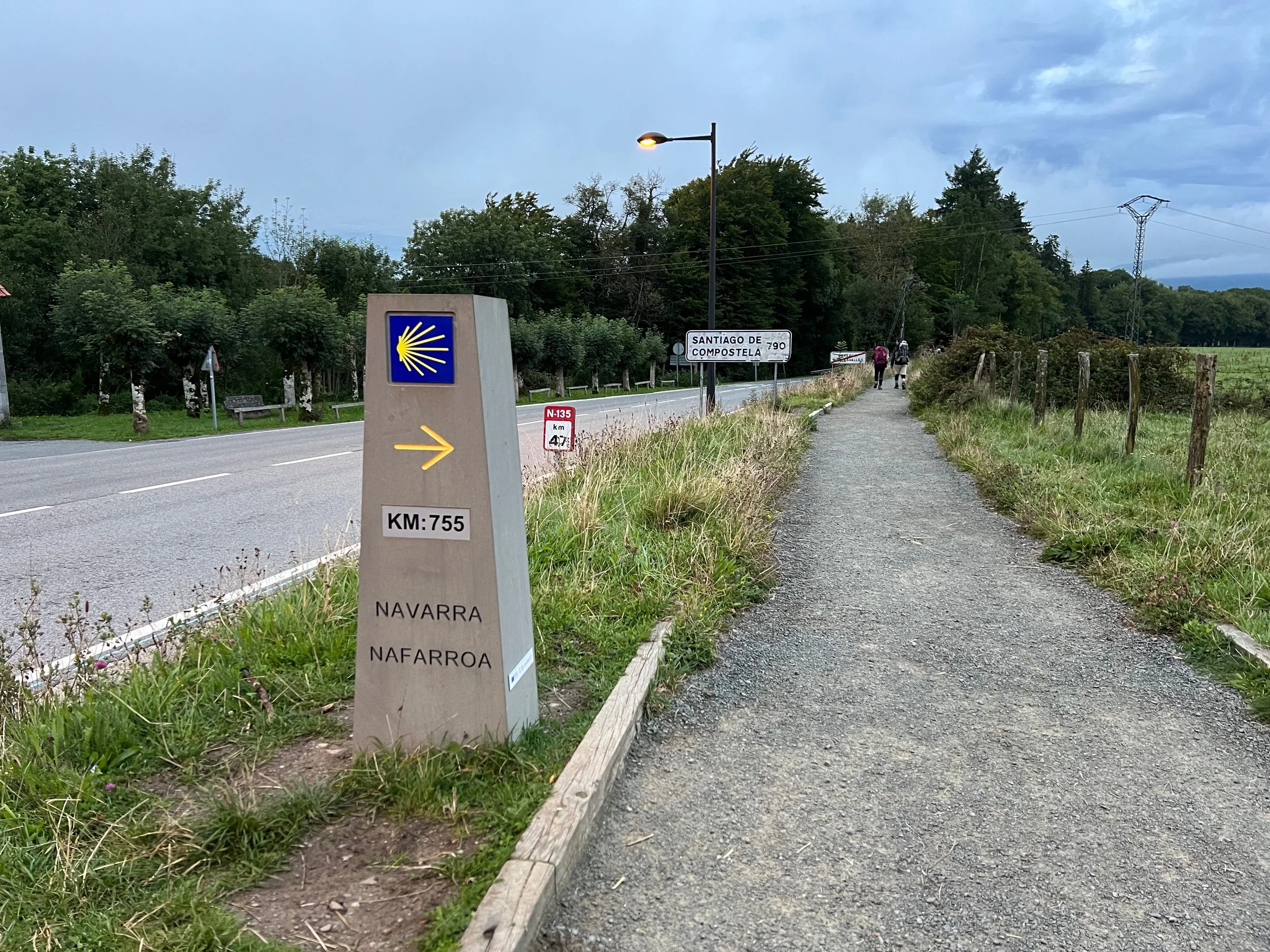
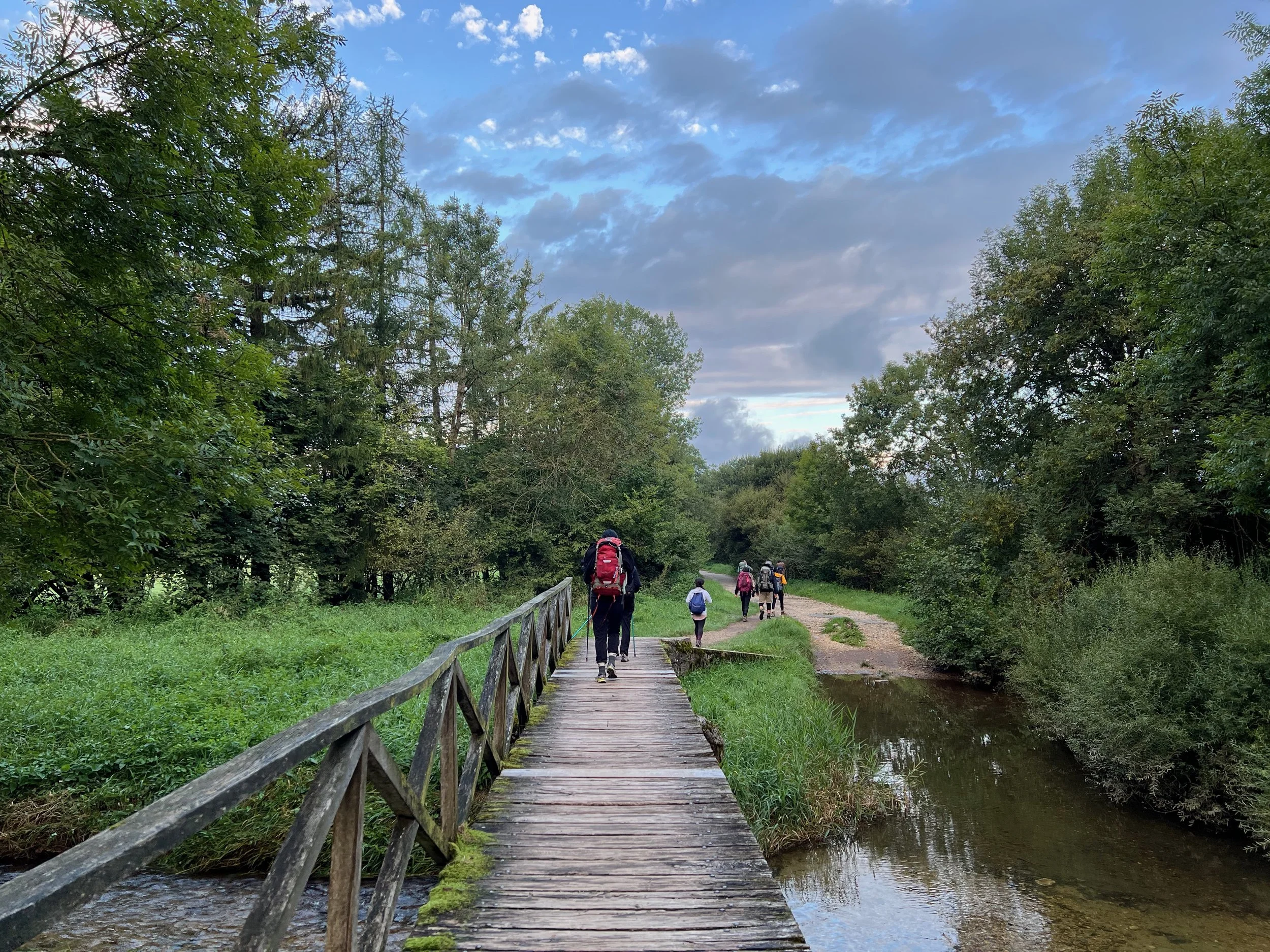
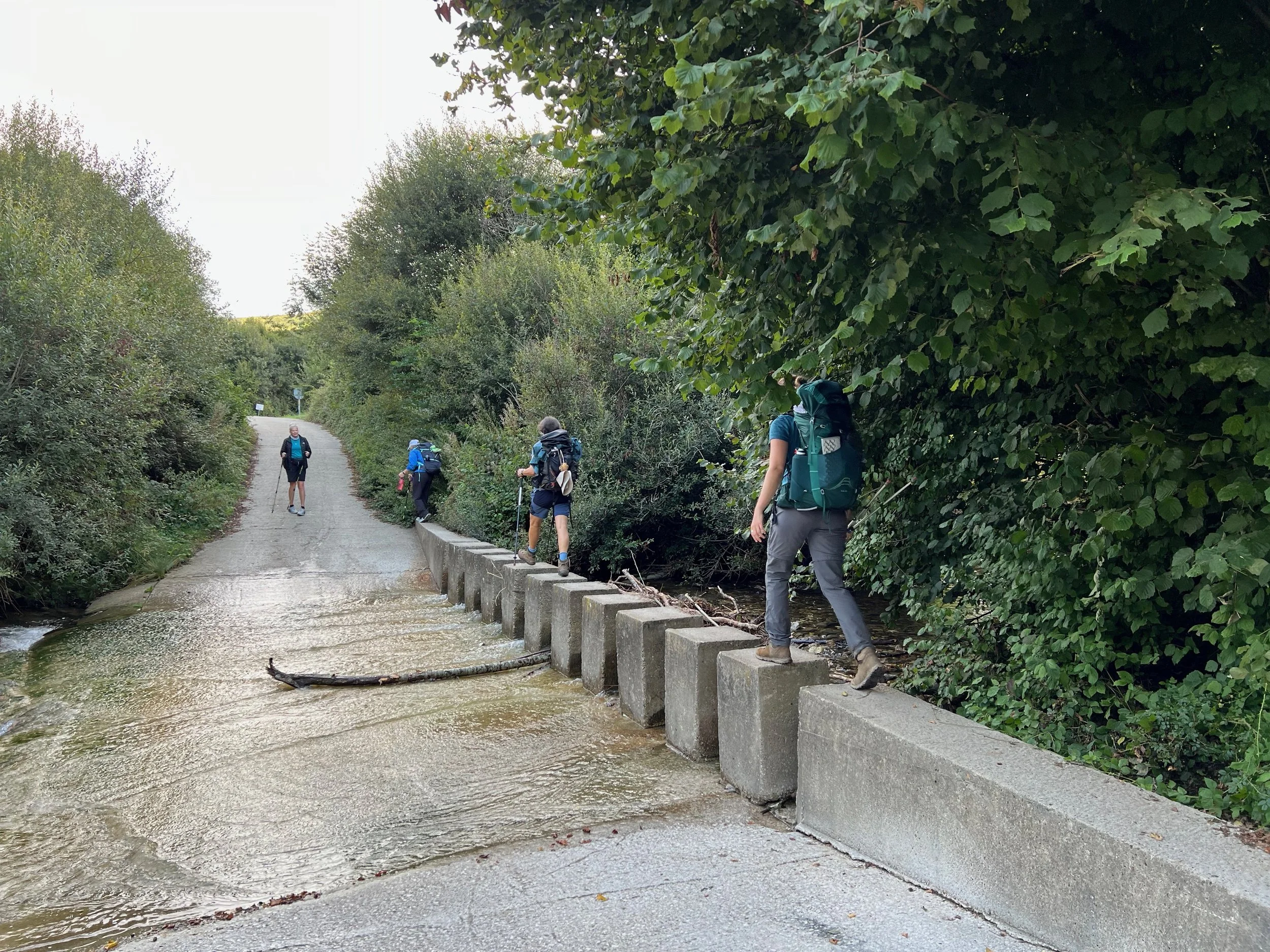
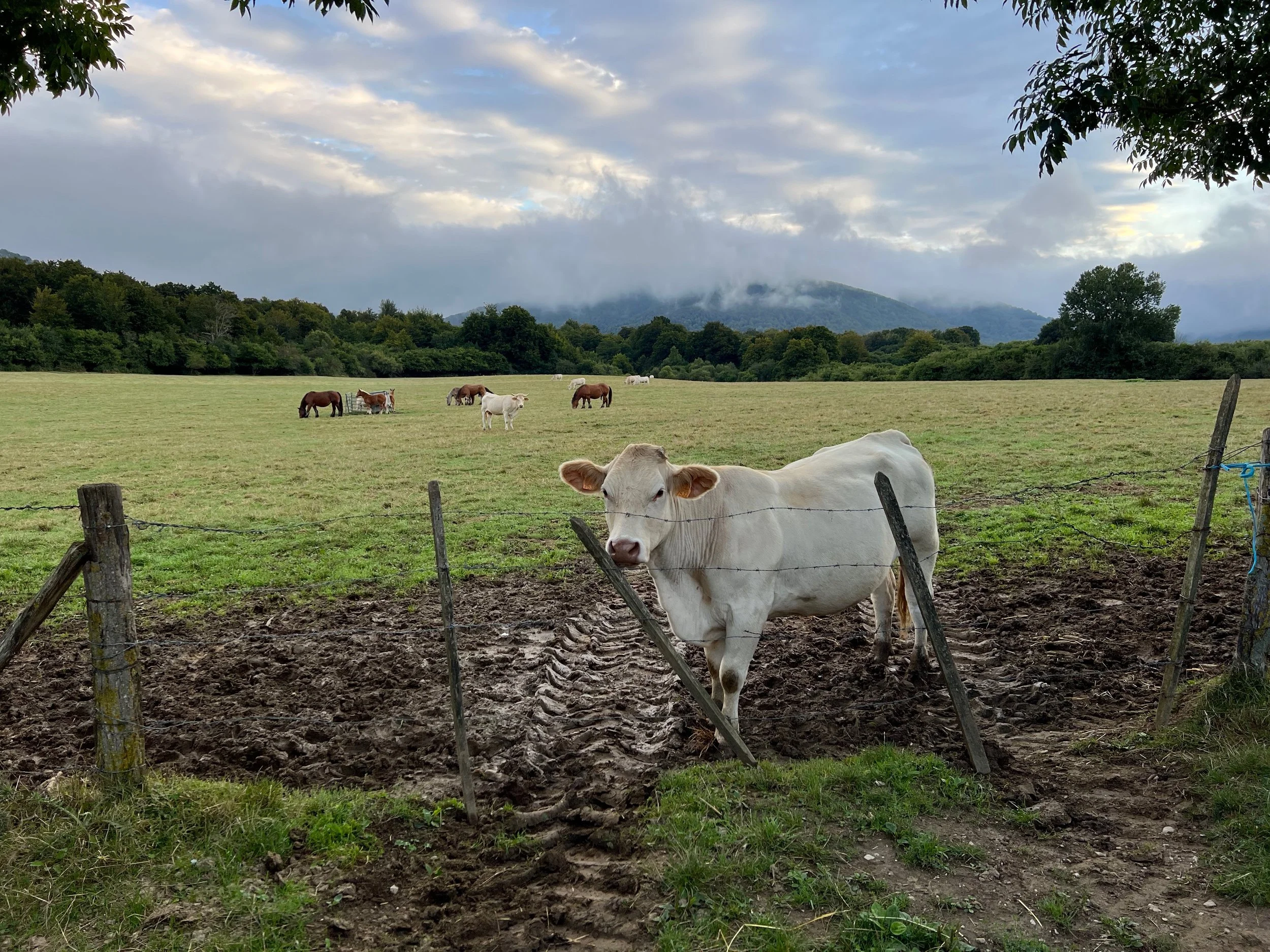
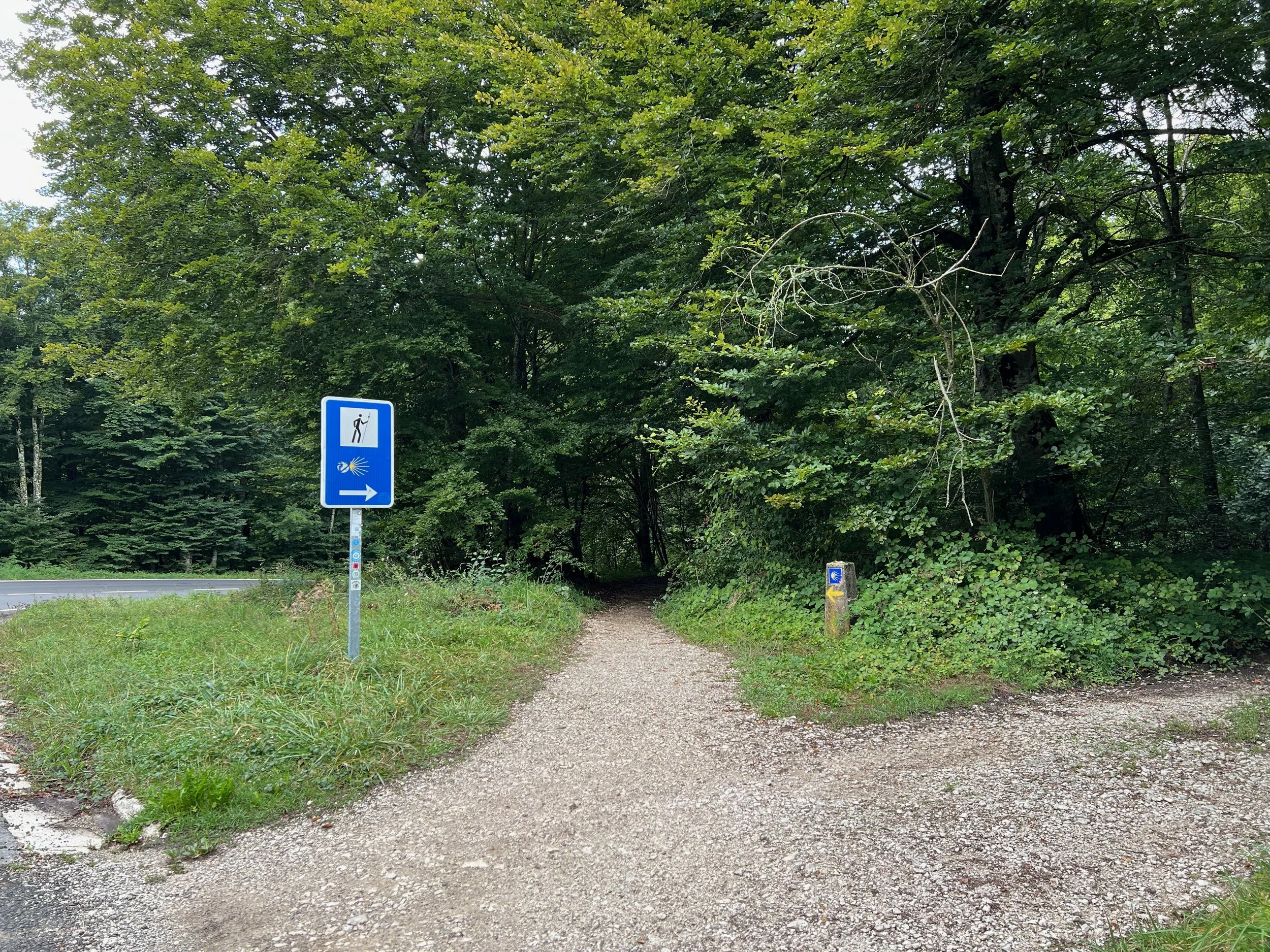
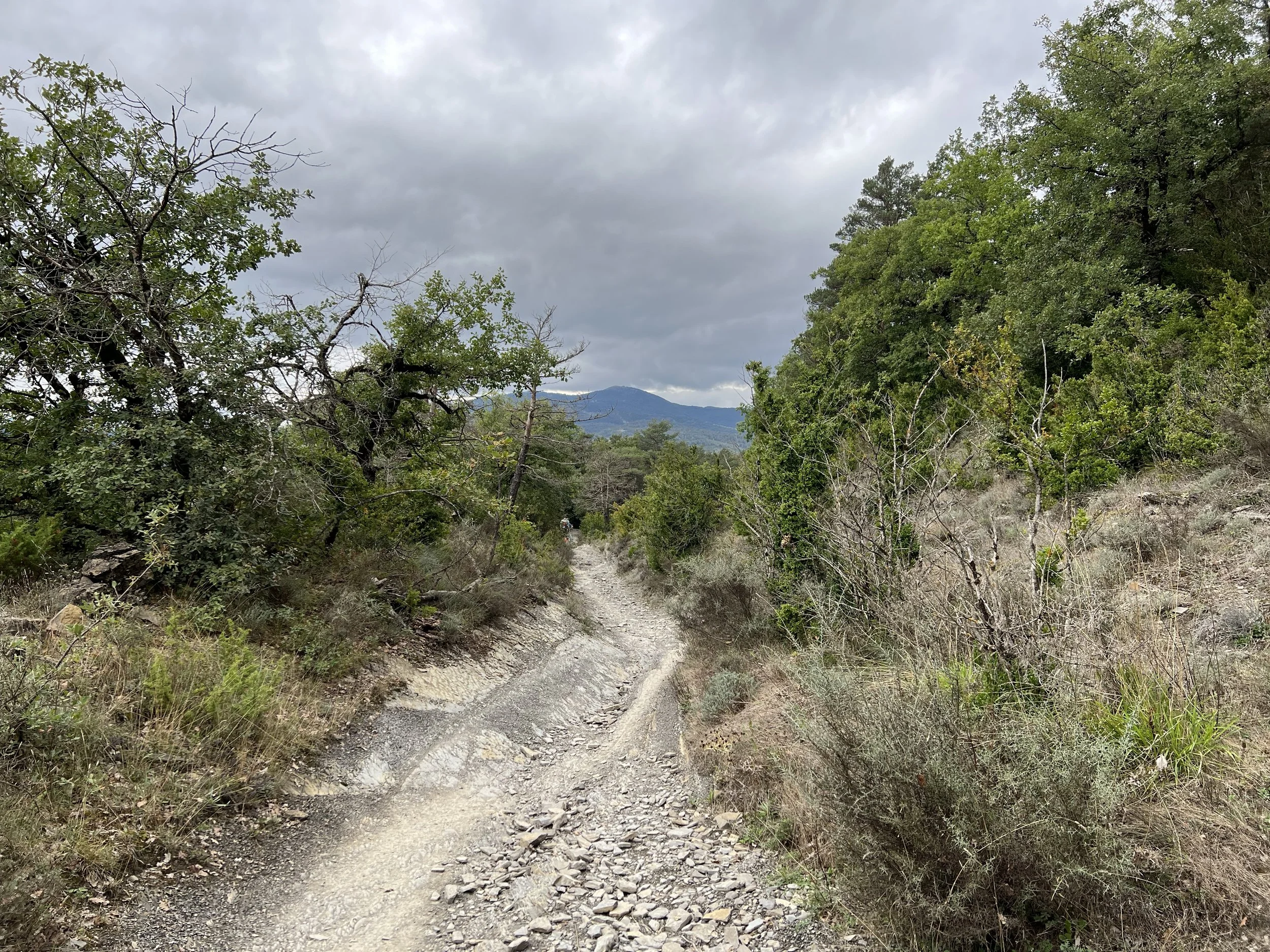
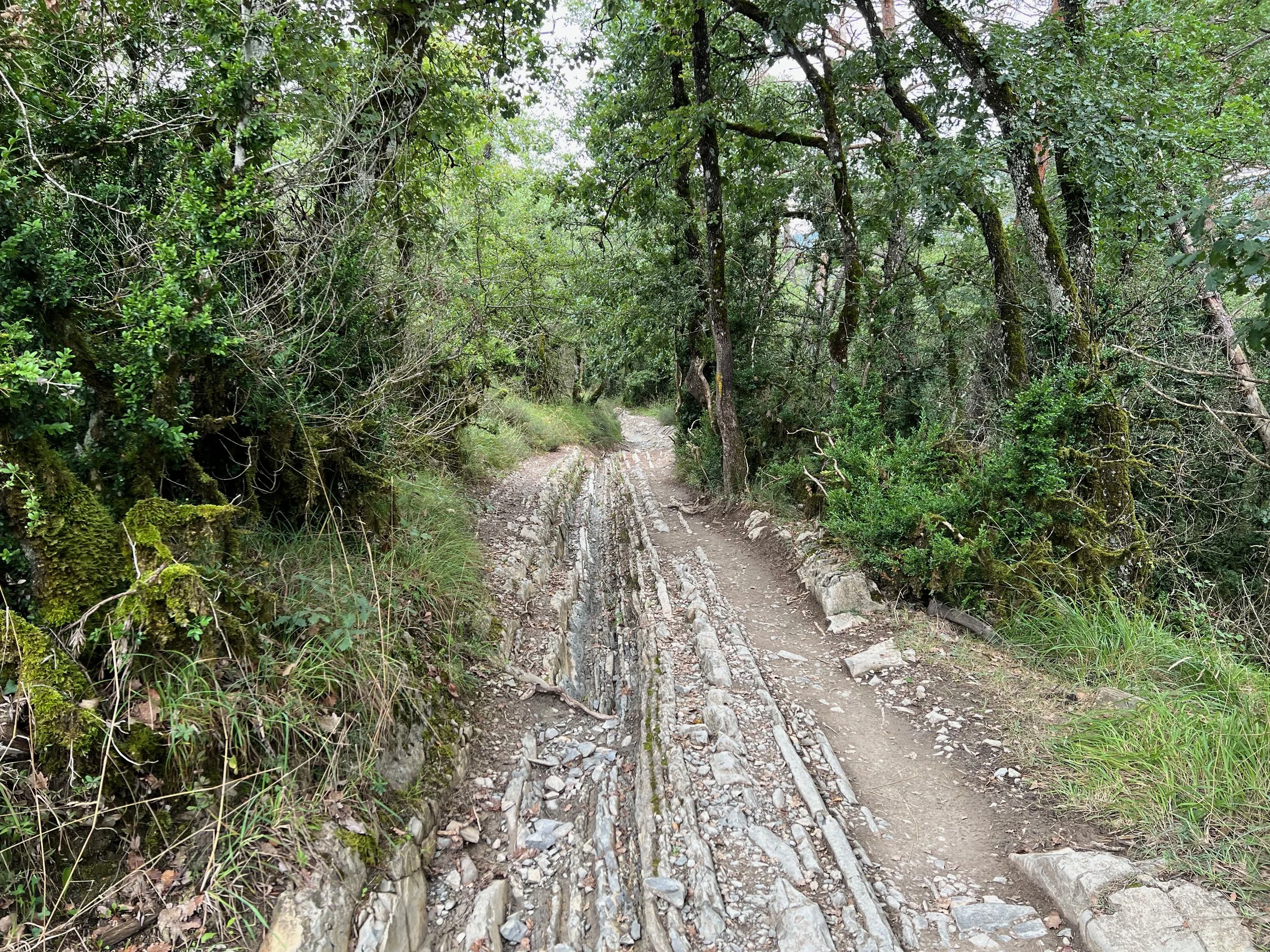
I had heard the route to Zubiri involved a lot of downhill walking, with the final few kilometres being particularly challenging due to jagged rocks and uneven paths. With that in mind, we set off as the sun rose, passing through picturesque Basque towns, rolling farms, and lush forests. The morning air was crisp, and the light filtered through the trees, creating a calm, almost magical atmosphere. Along the way, we encountered many fellow pilgrims and stopped for a short break at a roadside food truck before tackling the rocky descent.
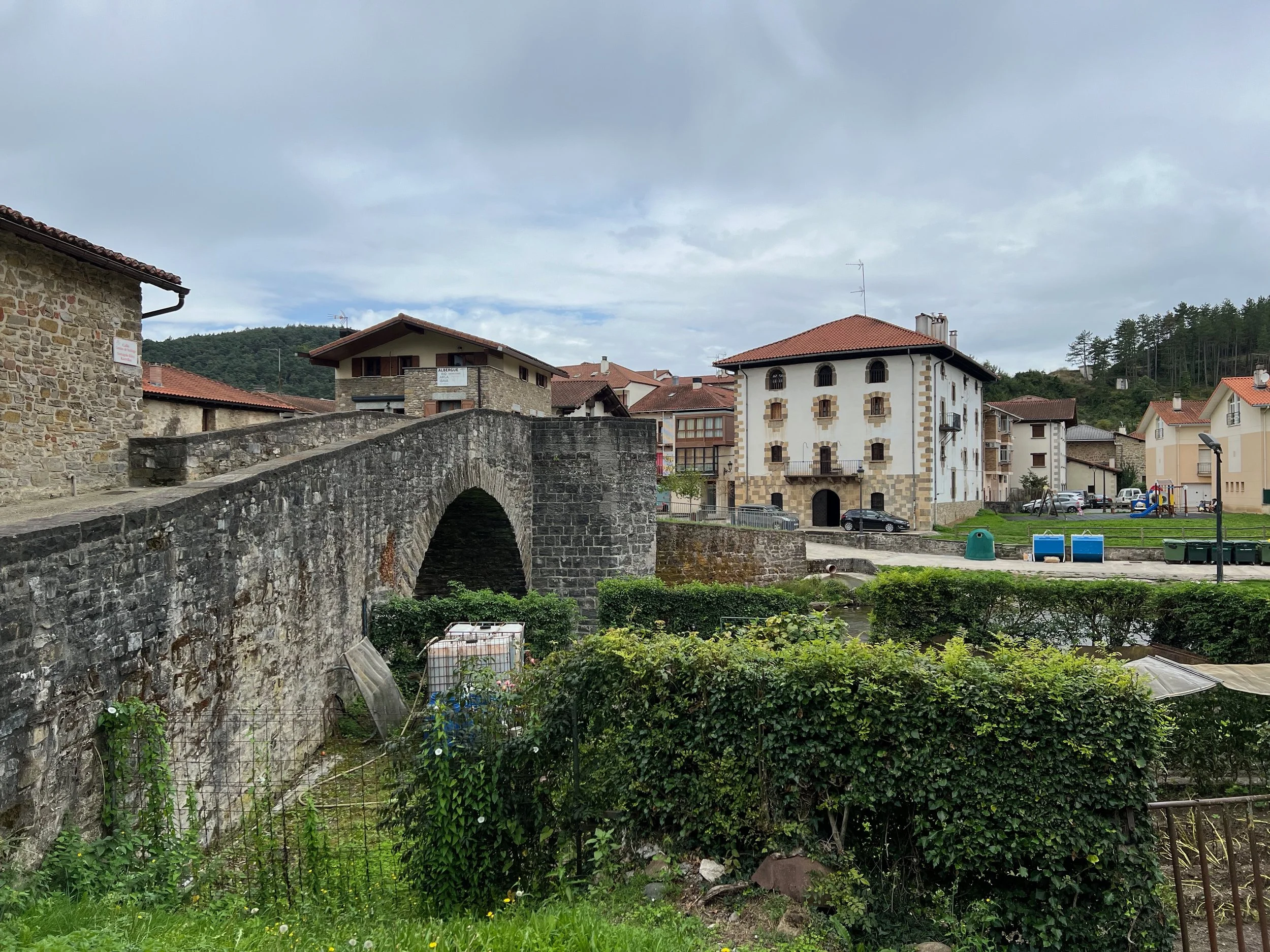
I arrived in Zubiri around 1:30 p.m., where Jun and I parted ways—her accommodation was another 5 km further along. We exchanged contact information, wished each other a heartfelt “Buen Camino,” and I headed to my albergue. After checking in at Hostel Suseia, I wandered through the town with Florence, a pilgrim from France. Together, we admired the medieval bridge and the small riverside paths that make Zubiri so charming.
I ran into many familiar faces from the previous days and learned that most accommodations in Zubiri were fully booked, forcing some pilgrims to continue walking to the next town. I felt grateful that I had pre-booked my first five nights—it was a relief not to have to walk another 5 km today!
History & Background
Zubiri is a small, picturesque village in the Navarre region of northern Spain. Its name means “bridge” in Basque, reflecting the village’s most famous landmark, the Medieval Bridge over the Rio Arga, which has welcomed pilgrims for centuries. The town has long served as an important stop along the Camino Francés, offering shelter and sustenance to travellers crossing the foothills of the Pyrenees. Walking through Zubiri gives a glimpse into traditional Basque rural life, complete with historic stone houses and riverside paths.
Getting There
Pilgrims usually reach Zubiri on foot along the Camino Francés, departing from Roncesvalles. The route is mostly downhill, passing through forests, farms, and small villages. While the descent is scenic, the rocky terrain in the final kilometres requires careful footing, so sturdy shoes and a steady pace are recommended.
Walking is the traditional and most rewarding way to experience this stage, allowing pilgrims to fully enjoy the pastoral scenery and the gentle rhythms of the trail. For those needing an alternative, buses and taxis occasionally connect Roncesvalles with Zubiri, providing flexibility while still arriving ready to continue the Camino.
Route Overview
Distance: 22.49 km (Roncesvalles Pilgrim’ Hostel → Hostel Suseia)
Total elevation gain: 405 m
Duration: 5 hr 17 min (with breaks 6 hr 6 min)
Difficulty: Hard
For the full day-by-day route breakdown, including distances and duration, see my complete Camino Francés route guide.
Cost Breakdown
Accommodation: Hostel Suseia (booked direct) — €39
Food: €8.5