Camino Francés - Day 33: Lavacolla to Santiago de Compostela
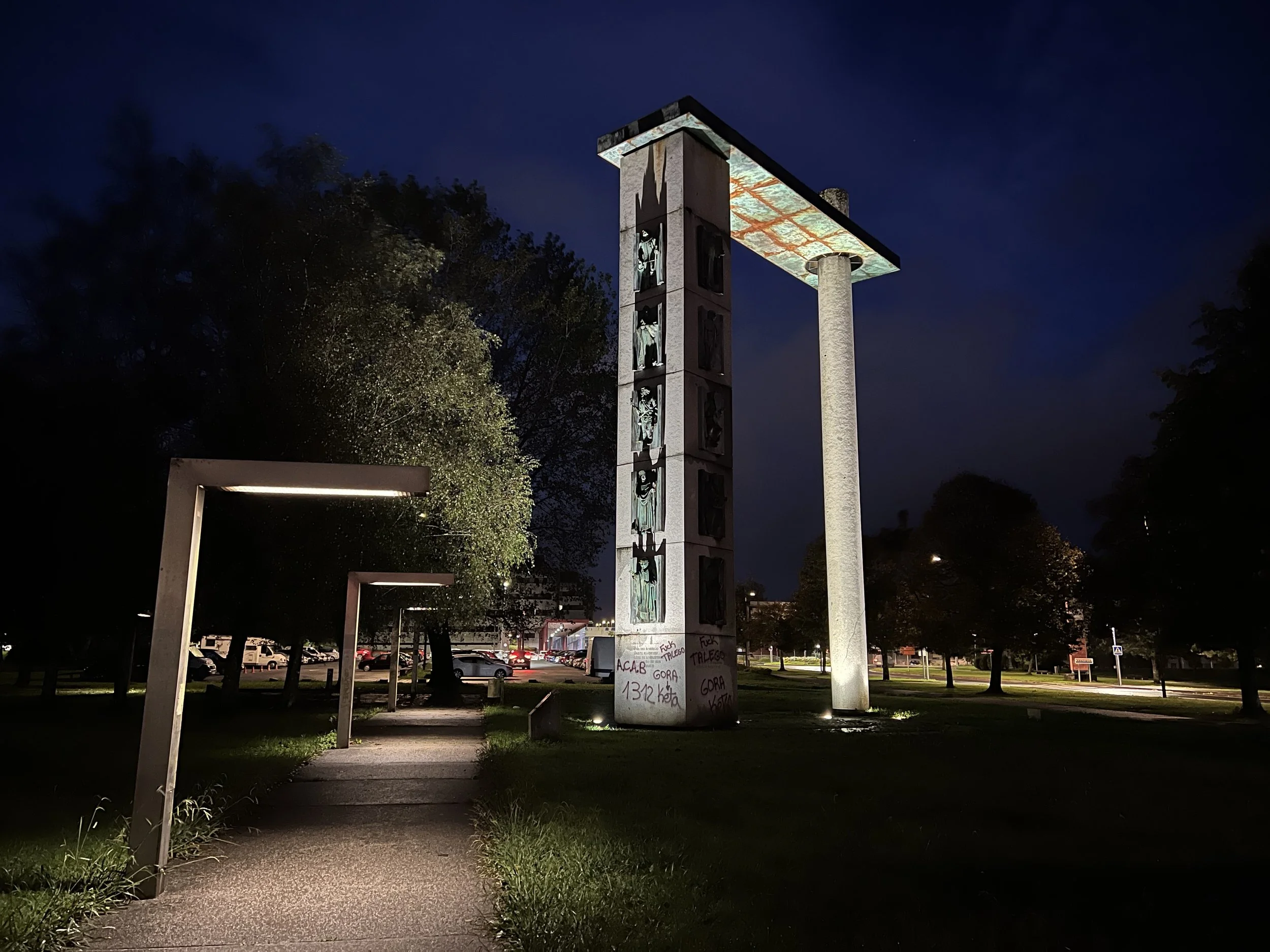
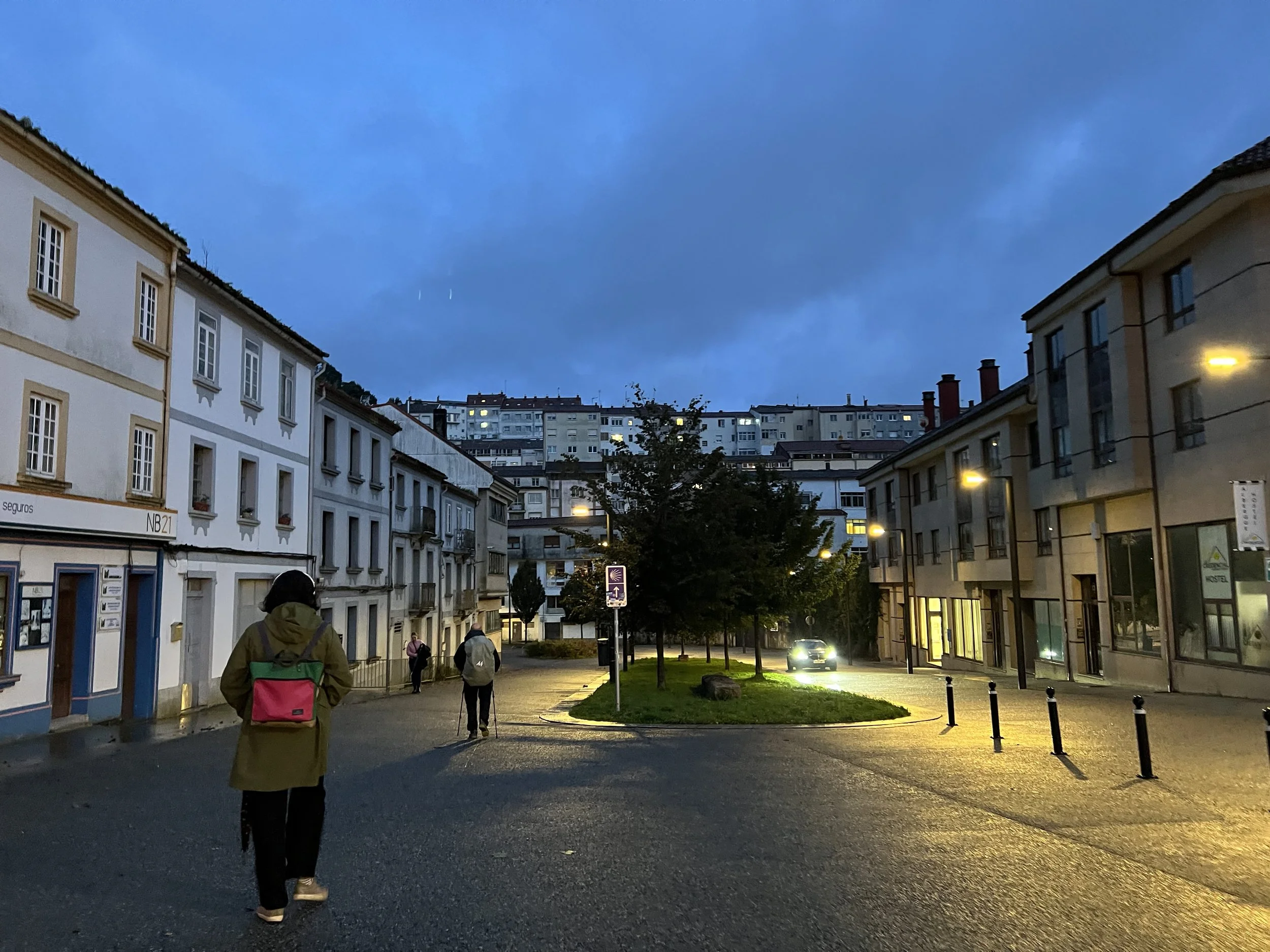
I woke up buzzing with excitement and left the albergue at 6:30 a.m., ready to walk the final stretch toward Santiago de Compostela. After more than 30 days on the Camino Francés, this was the moment I had been anticipating. Crossing the busy highway outside Lavacolla, I couldn’t help grinning — every step brought me closer to the cathedral, the end point of a journey that had transformed from a simple adventure into a deeply personal pilgrimage.
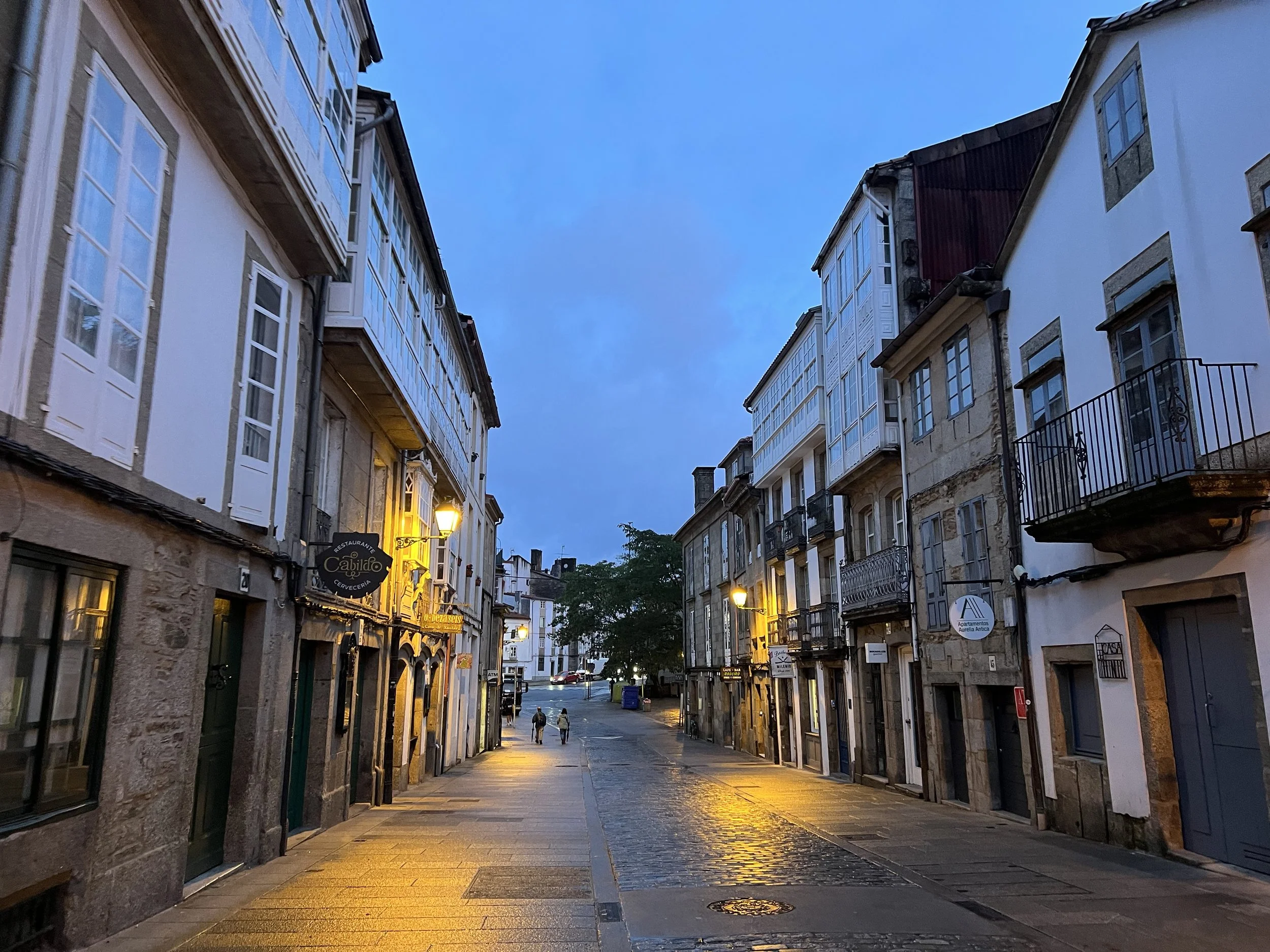
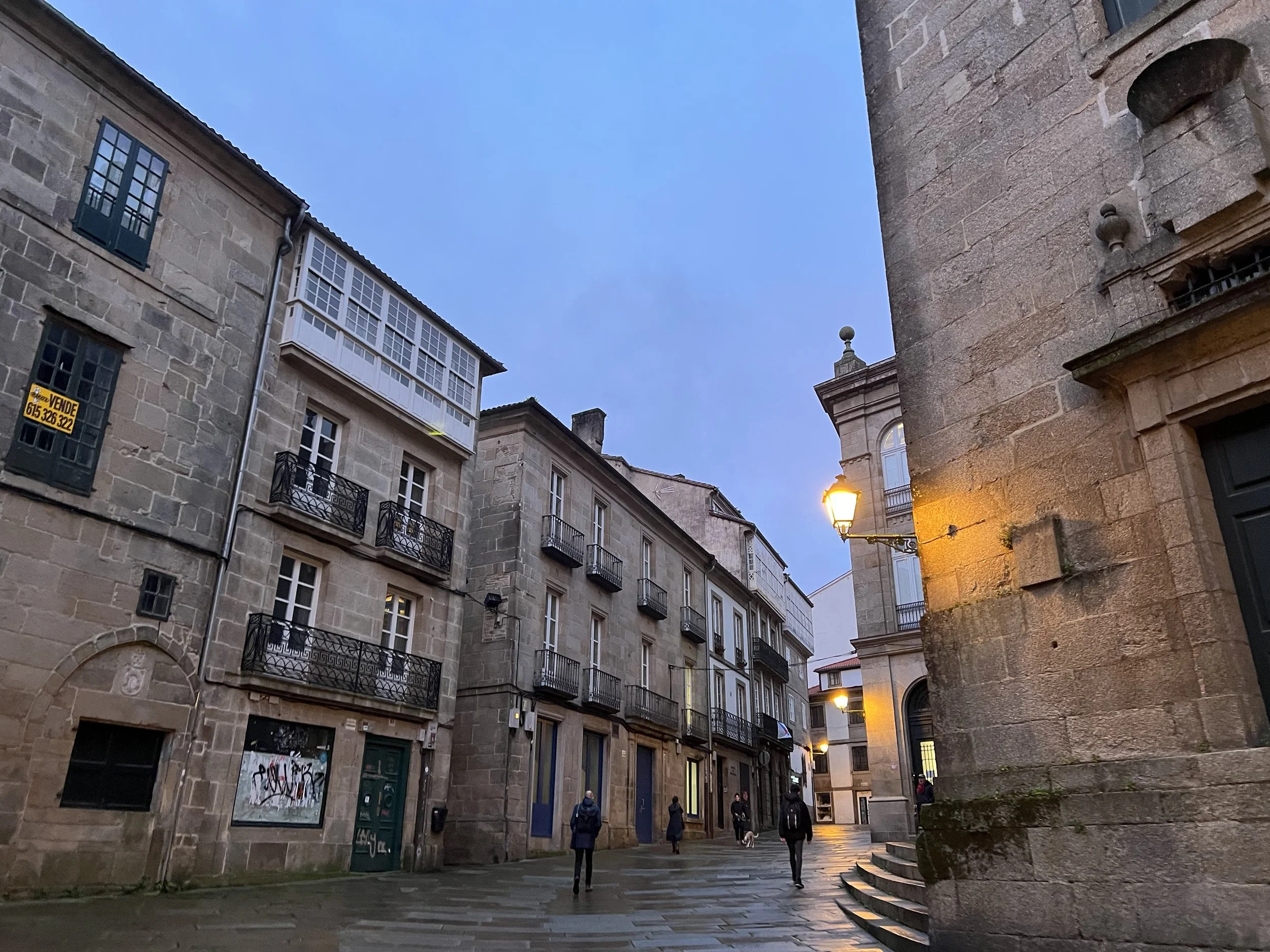
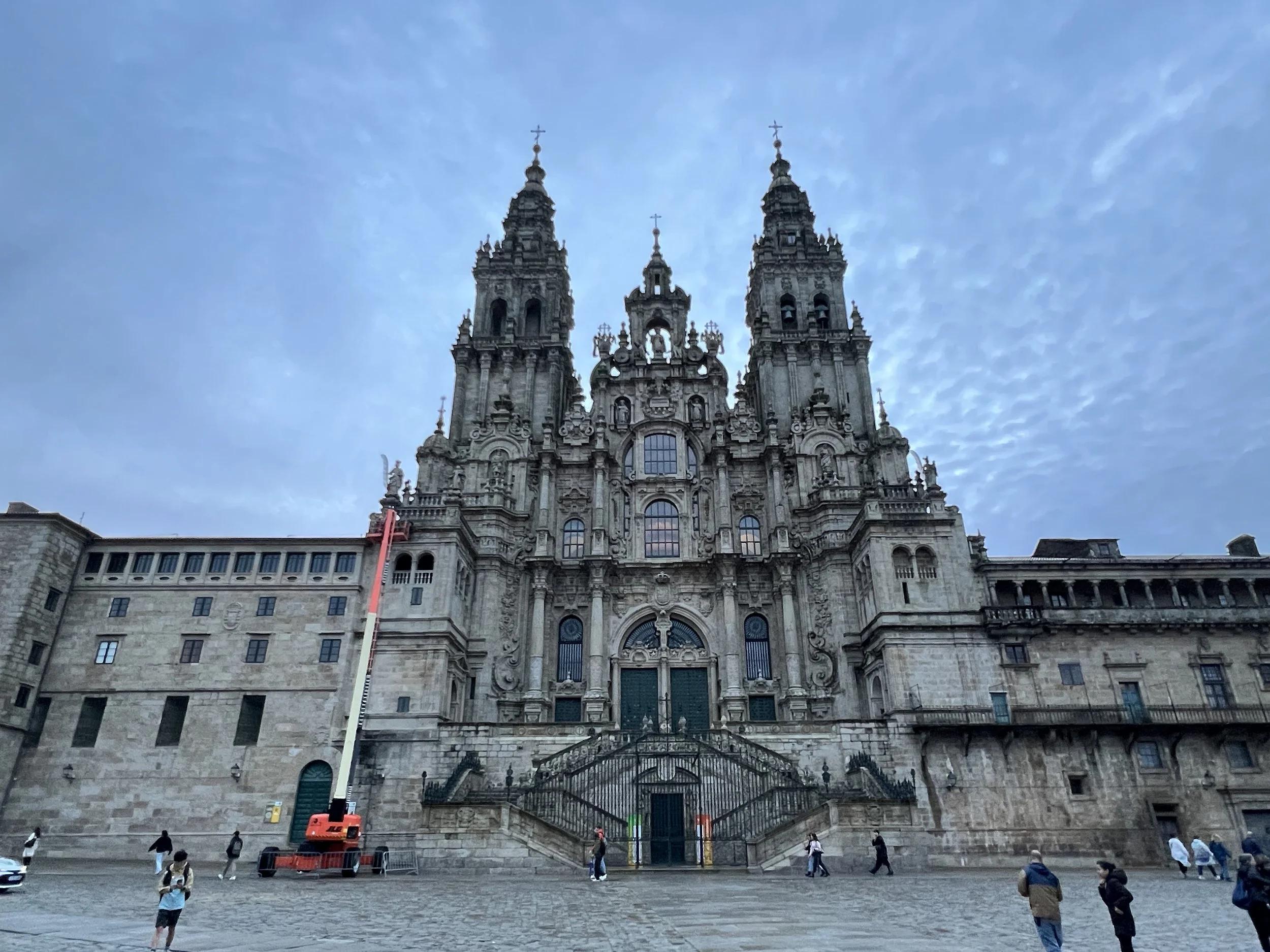
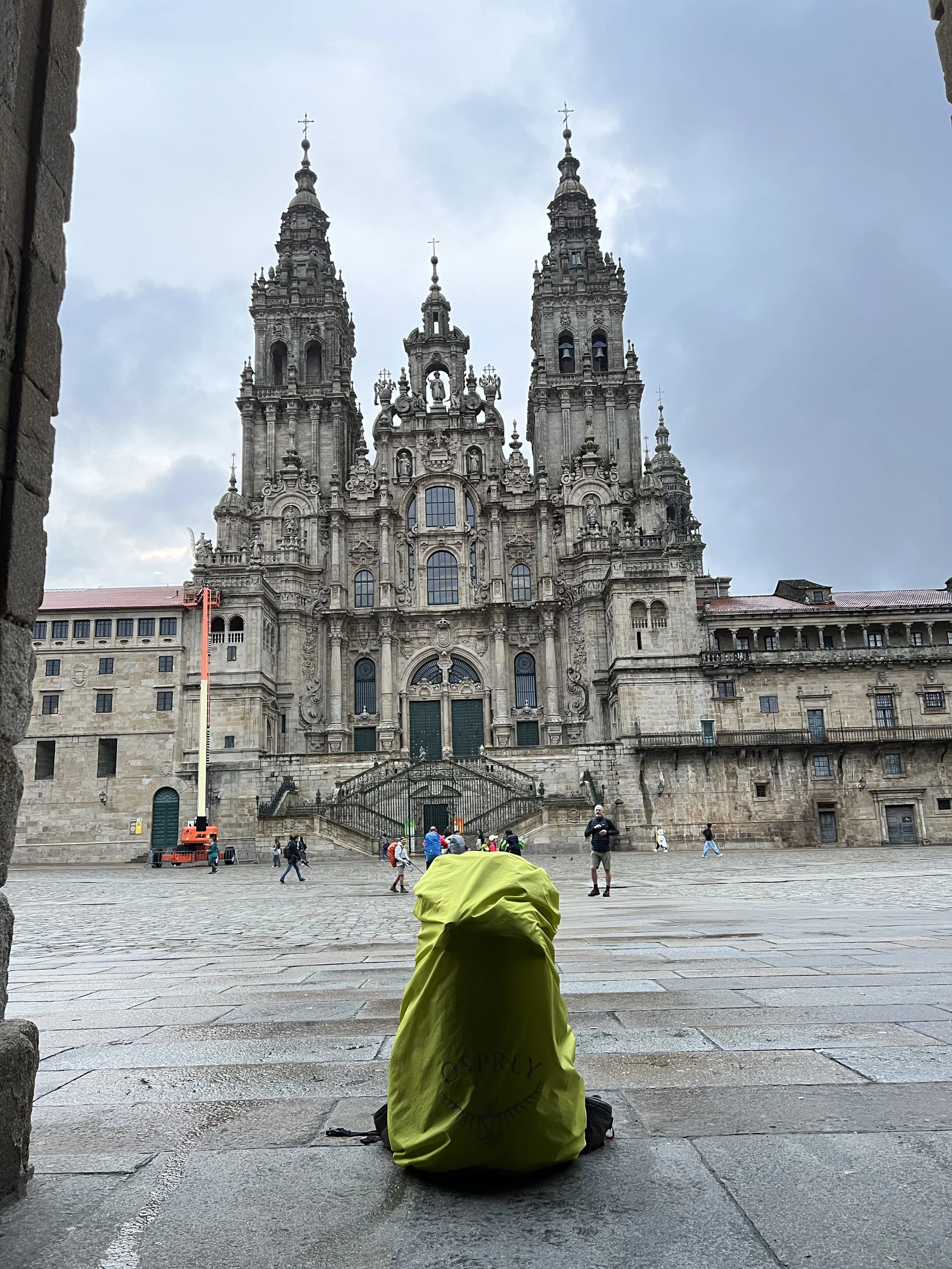
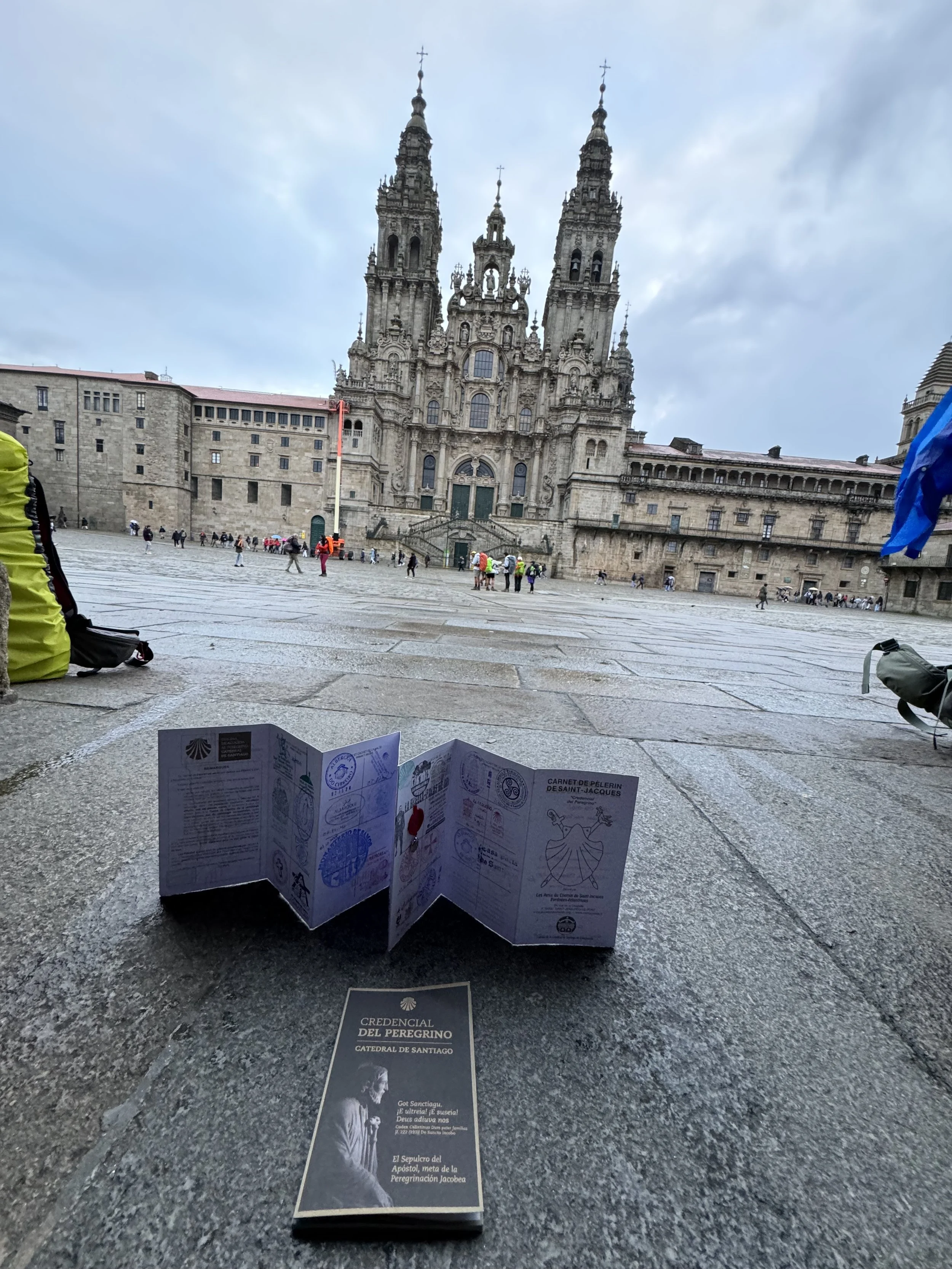
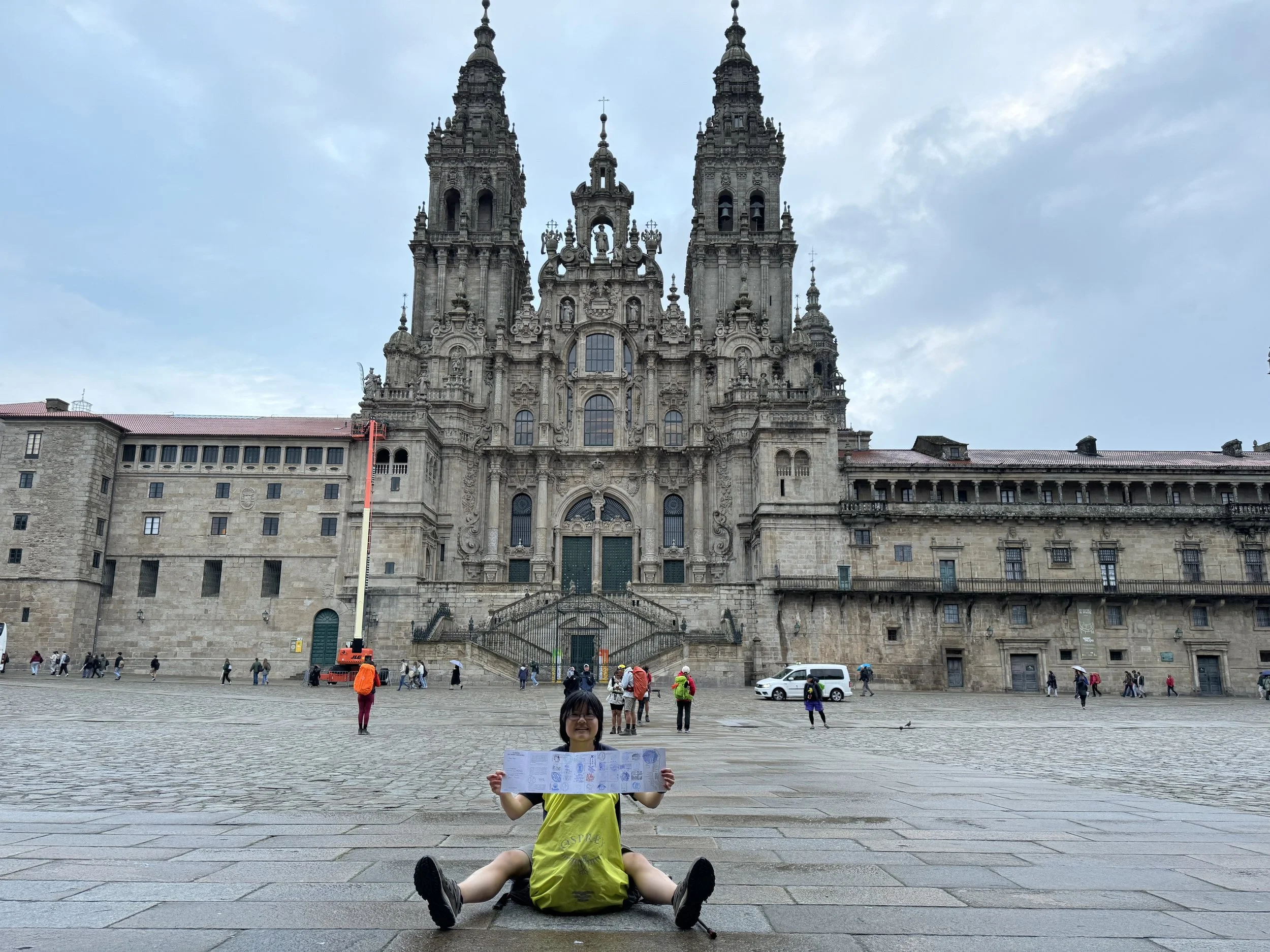
By 9 a.m., we arrived at the Cathedral of Santiago de Compostela, just before the crowds. The sun shone gently on the plaza, and for the first time in days, the weather was perfectly cooperative. We took plenty of photos — with our packs, credentials, and of course, in front of the cathedral itself. The excitement, relief, and joy were palpable.
The night before, we had obtained a QR code for our Compostela certificate, so we went straight to the office. With no lines, our credentials were checked, and we received our certificates — one for completing the Camino Francés, and one for the distance walked. The sense of achievement was overwhelming. What began as a journey for fun and adventure had evolved into something far richer: lifelong friendships, perseverance, and deep self-discovery.
Rather than staying in Santiago, my two friends from Taiwan and I decided to continue to Fisterra, known as the “end of the world.” After collecting new credentials at the tourism office and enjoying a quick breakfast, we set off for the next leg of our adventure, ready to continue exploring the Camino’s magic beyond the city.
History & Background
Santiago de Compostela has been the spiritual culmination of the Camino Francés for centuries. The city grew around the Cathedral of Santiago, believed to house the remains of Saint James the Apostle. Pilgrims have travelled to this site since the 9th century, and the tradition of the Compostela certificate recognizes those who have walked at least the final 100 km.
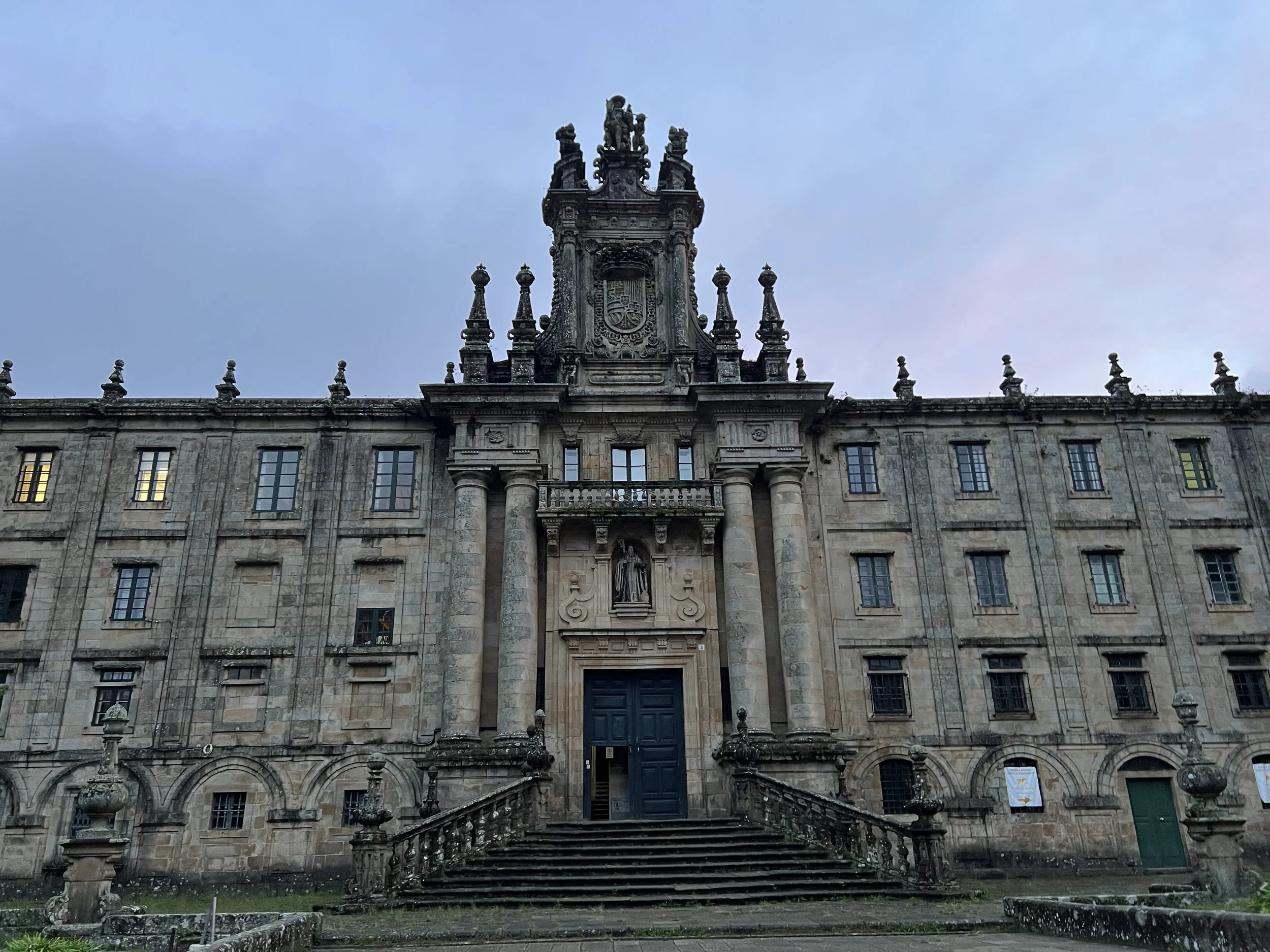
The city’s historic centre, a UNESCO World Heritage site, is filled with narrow streets, historic churches, and plazas alive with pilgrims, locals, and the aroma of Galician cuisine. Reaching Santiago marks the end of the physical journey but the beginning of reflection, celebration, and, for many, new adventures beyond the Camino.
Getting There
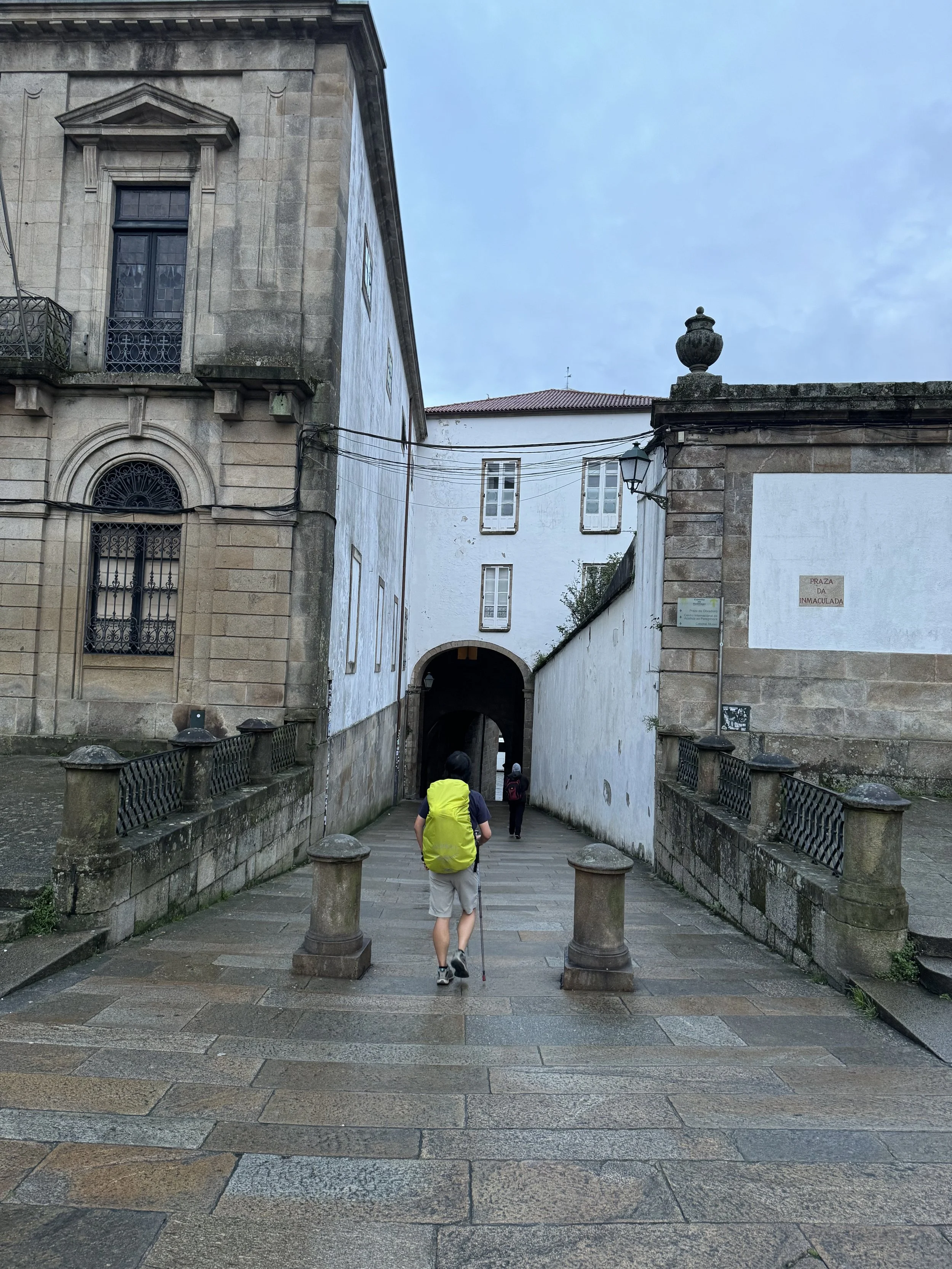
The final stage from Lavacolla to Santiago is a gentle descent of approximately 10 km along the Camino Francés, passing through rolling Galician countryside, small hamlets, and forested sections before entering the city. Signage is clear, and the route is heavily trafficked by pilgrims, making it easy to follow.
For those not walking, Santiago de Compostela is accessible via train, bus, or taxi from Lavacolla or nearby towns. Pilgrims often plan to arrive early to avoid crowds at the cathedral and Compostela office.
Route Overview
Distance: 10.40 km (Albergue Lavacolla → Cathedral of Santiago de Compostela)
Total elevation gain: 150 m
Duration: 2 hr 20 min (with breaks 2 hr 34 min)
Difficulty: Intermediate
For the full day-by-day route breakdown, including distances and duration, see my complete Camino Francés route guide.
Cost Breakdown
Food: €9.5
Certificate: Compostela (Tube and distance certificate) — €5