Camino Francés - Day 2: Saint Jean-Pied-de-Port to Roncesvalles
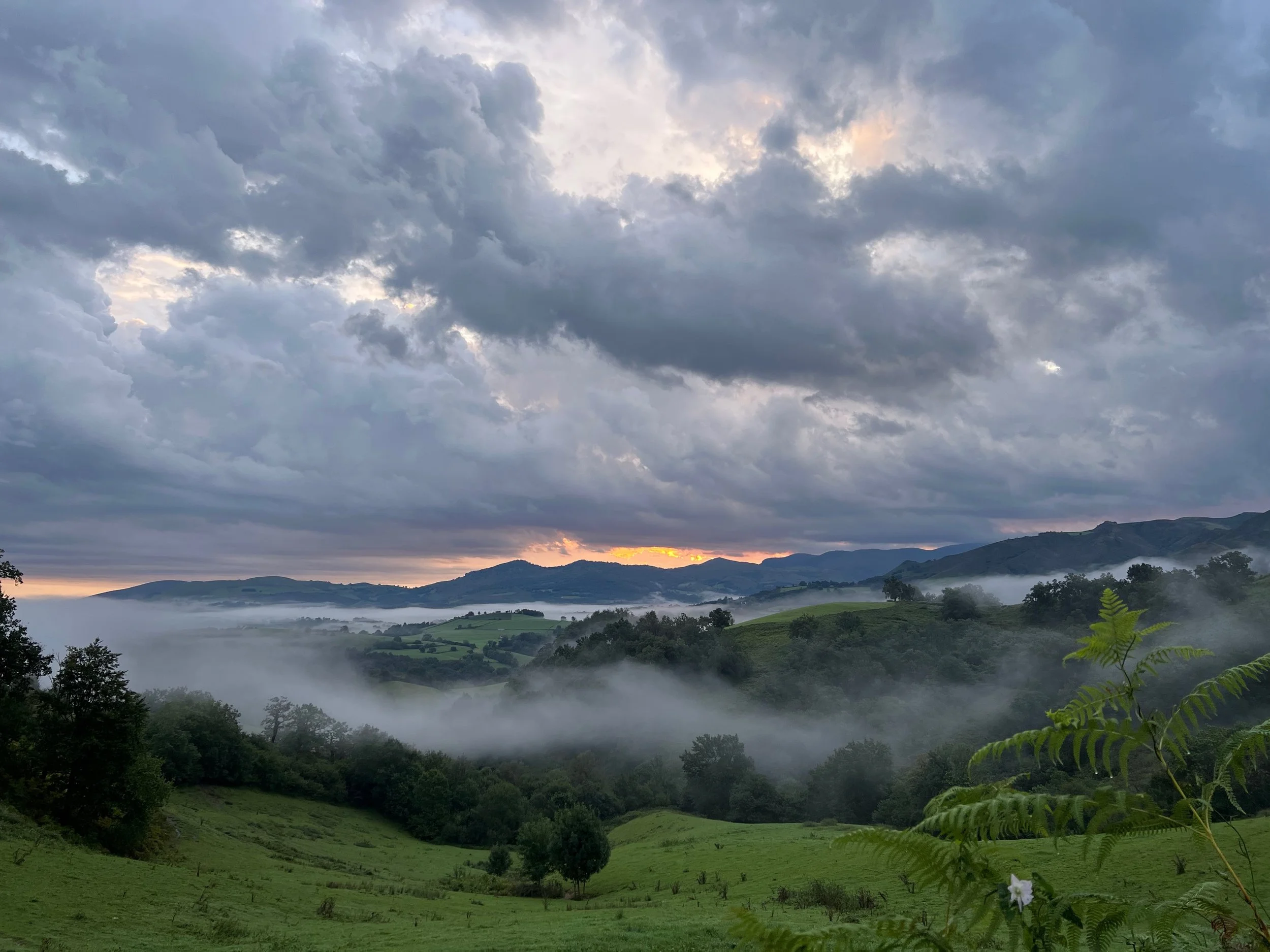
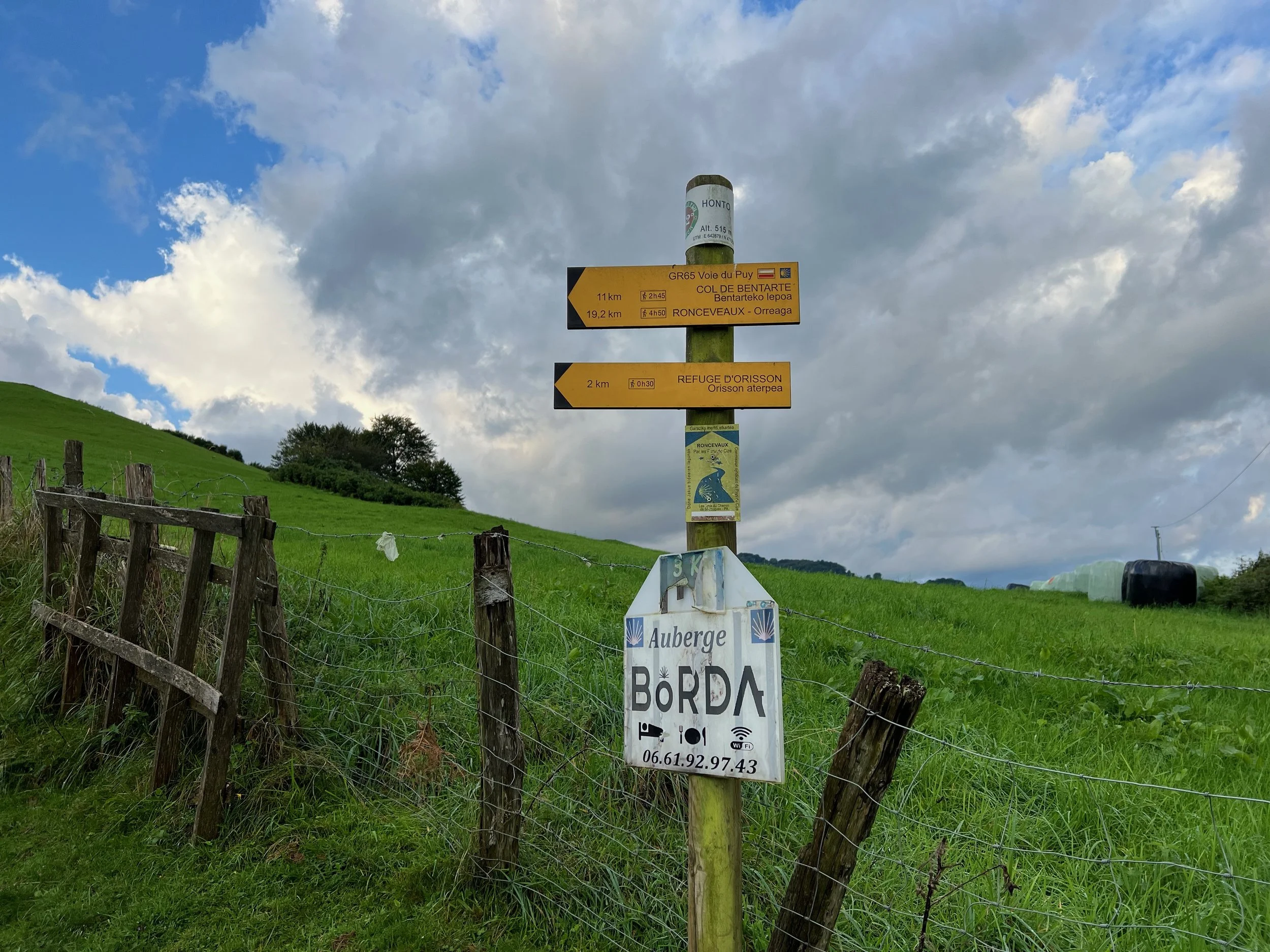
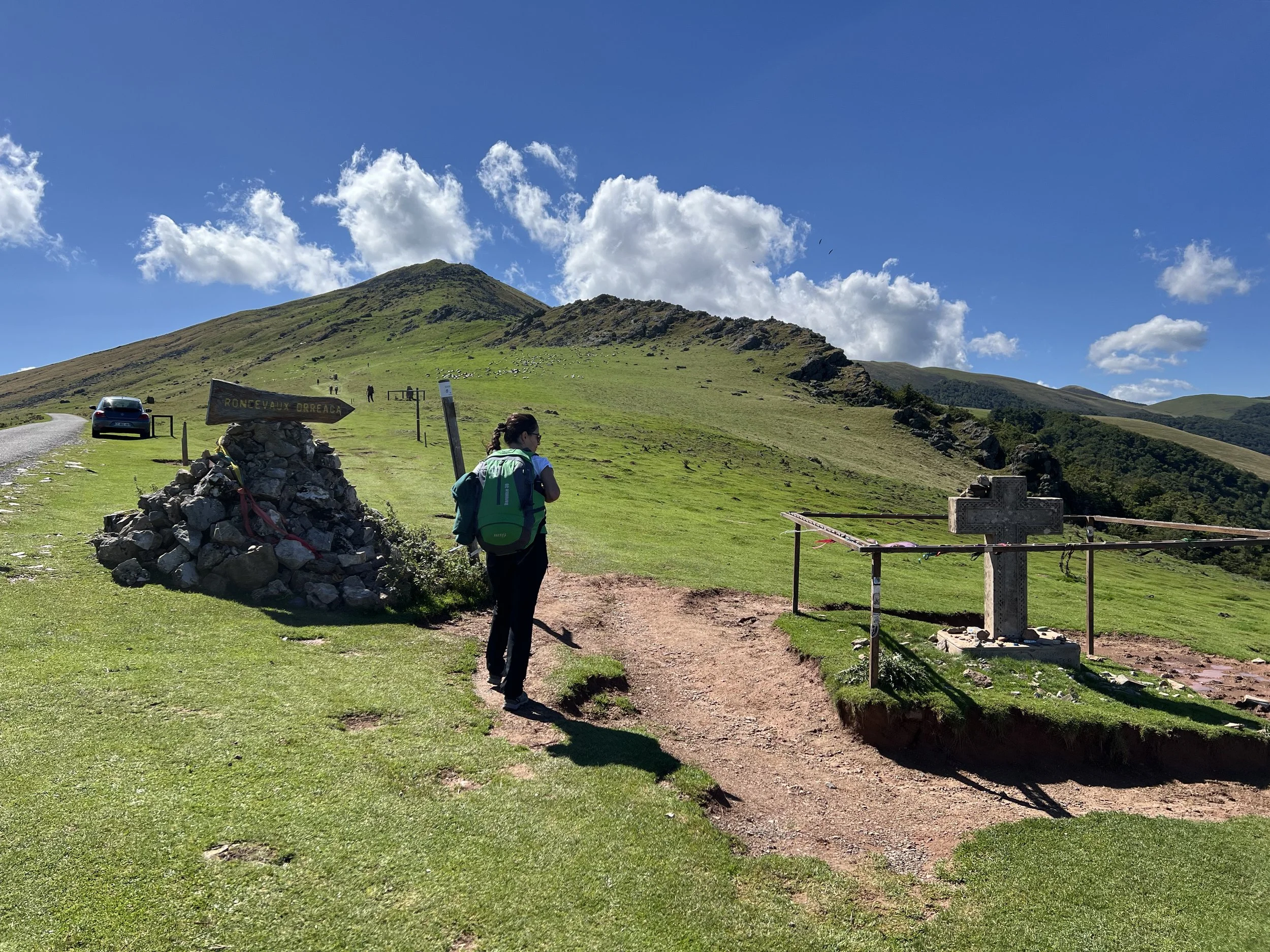
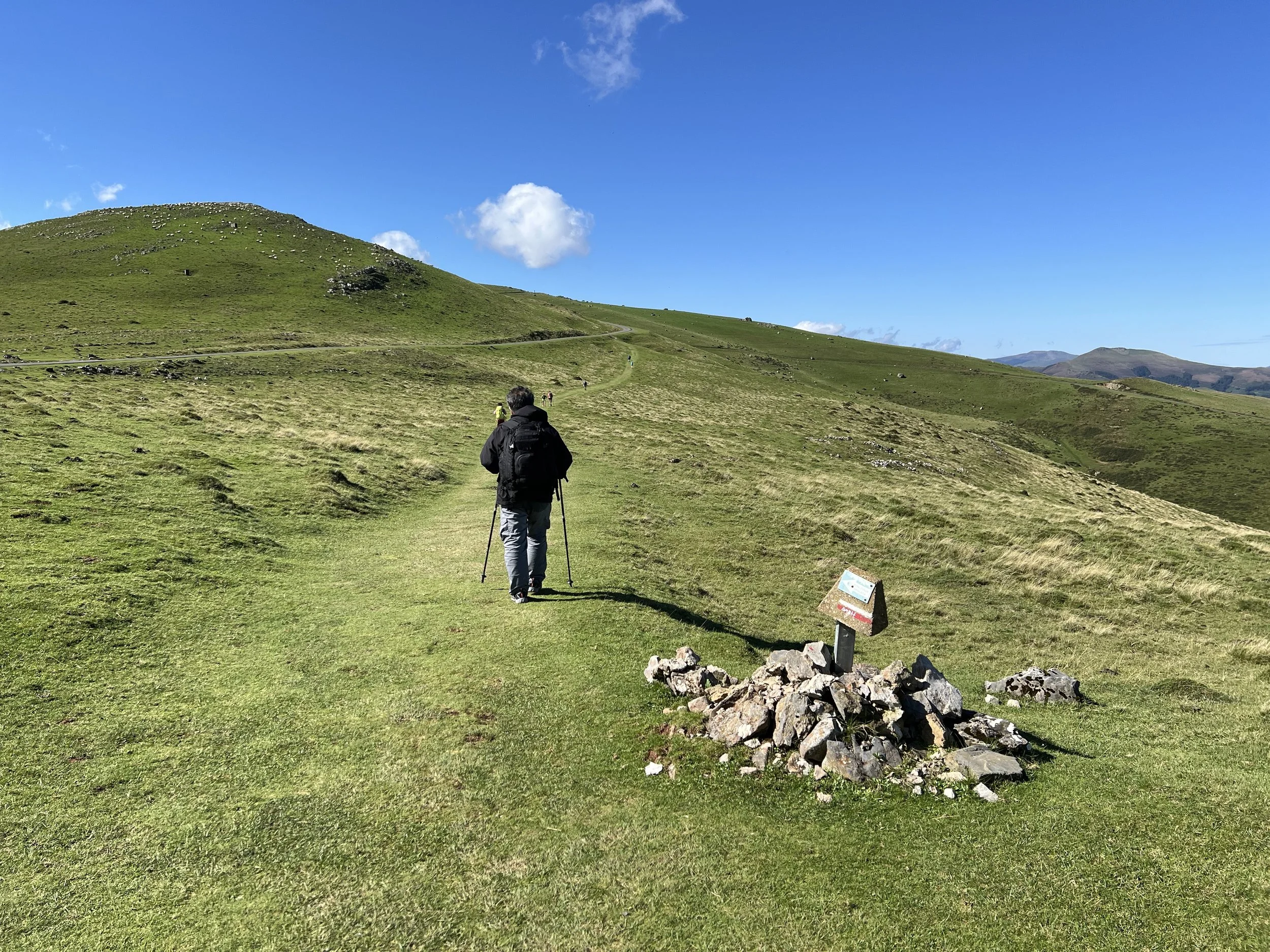
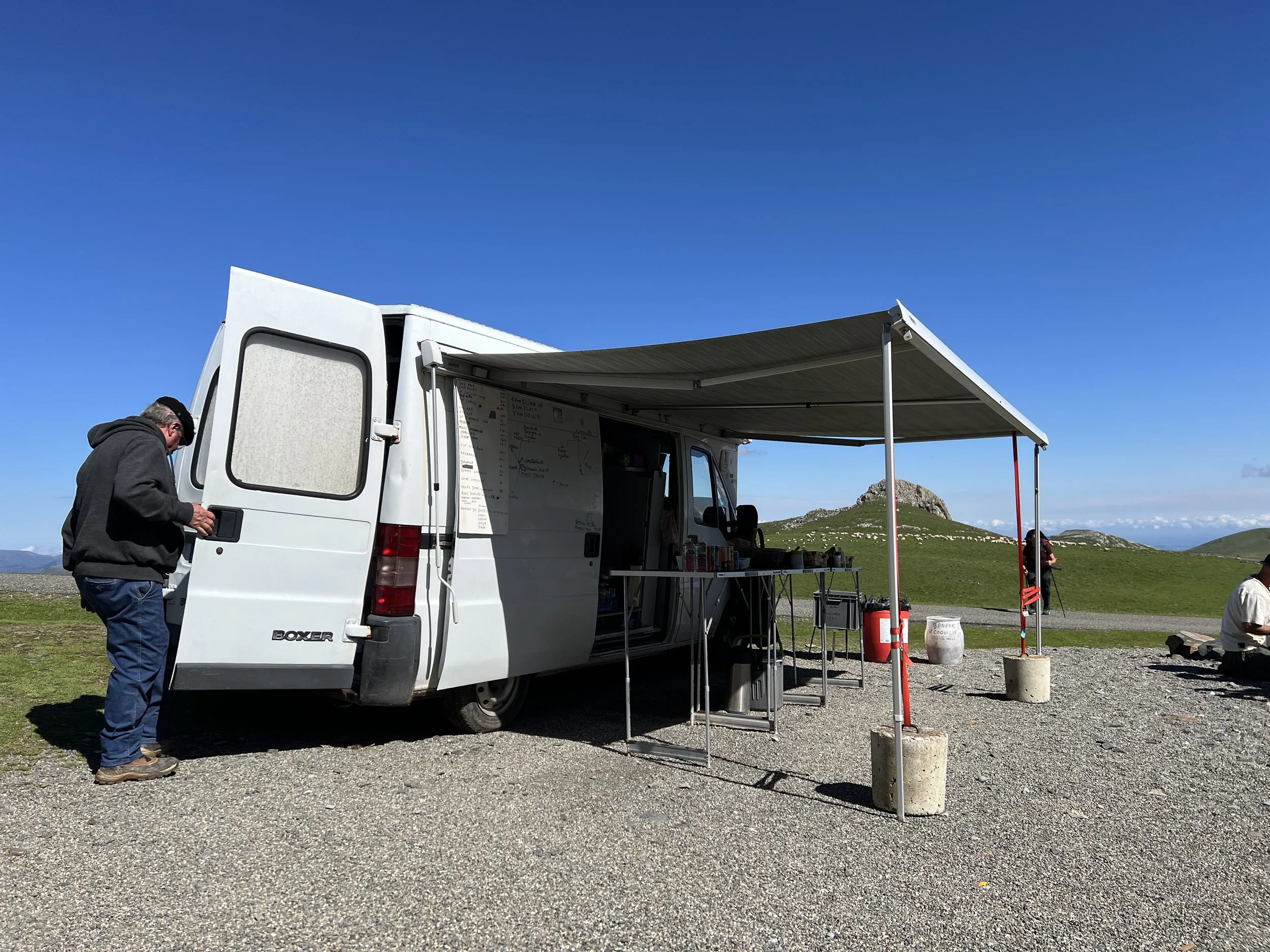
I left my gîte at 7 a.m. with my friend, full of anticipation for the climb into the Pyrenees. The first 8 km were a steady uphill stretch, made tougher by the lingering humidity from last night’s rain. Drenched in sweat, I was relieved to reach Orisson after about two hours, taking a short break to cool off and refuel with some water and snacks.
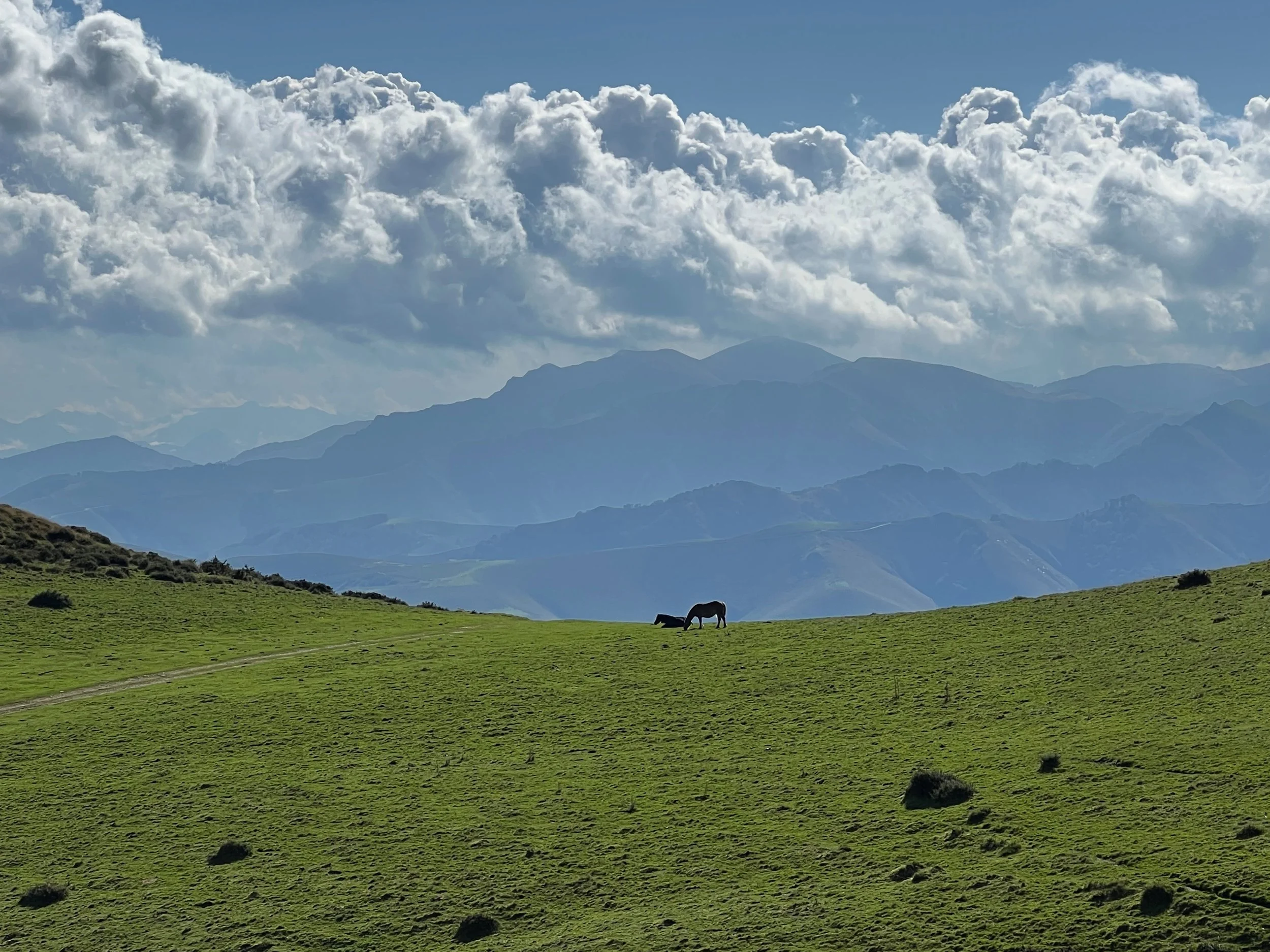
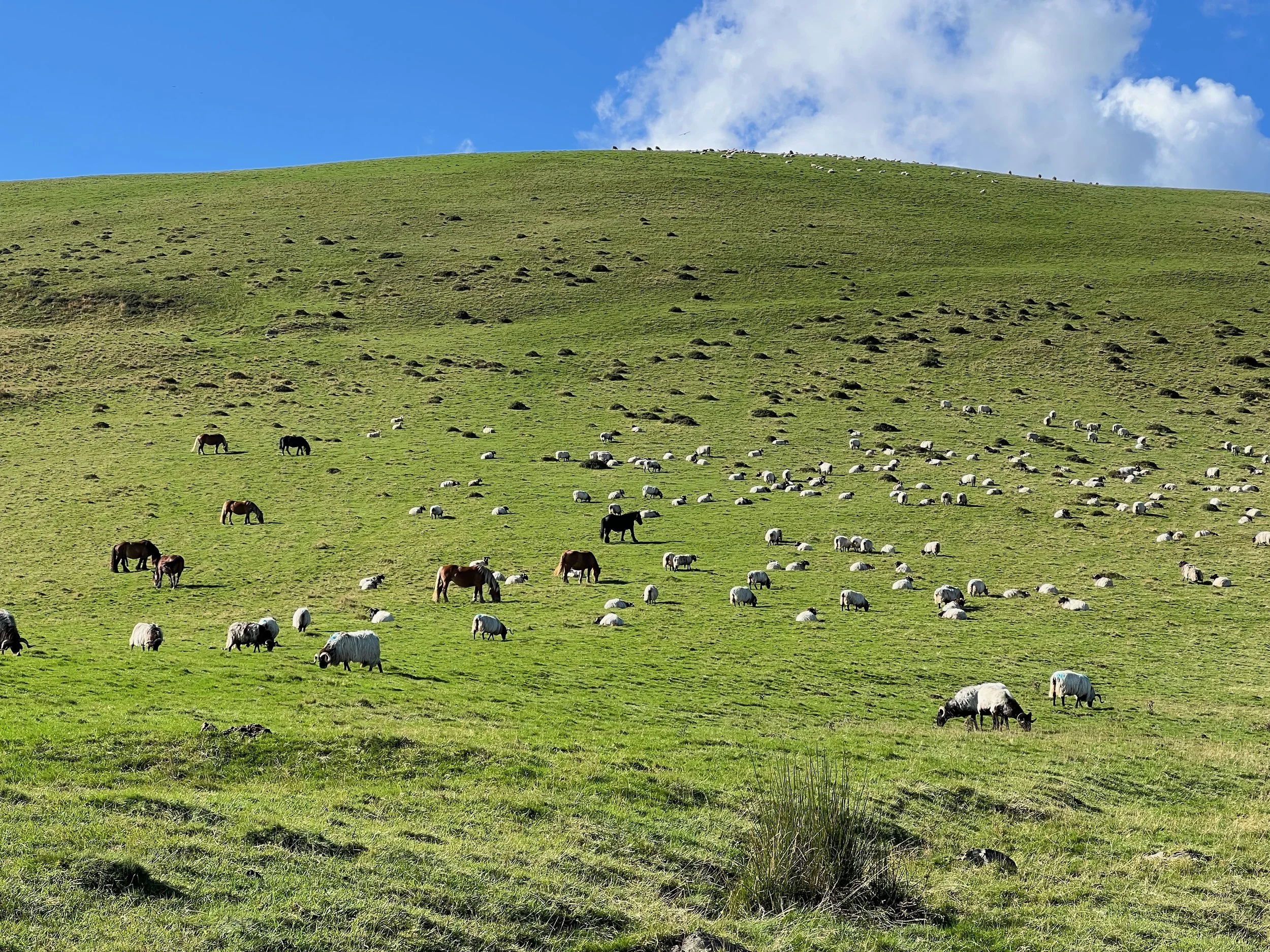
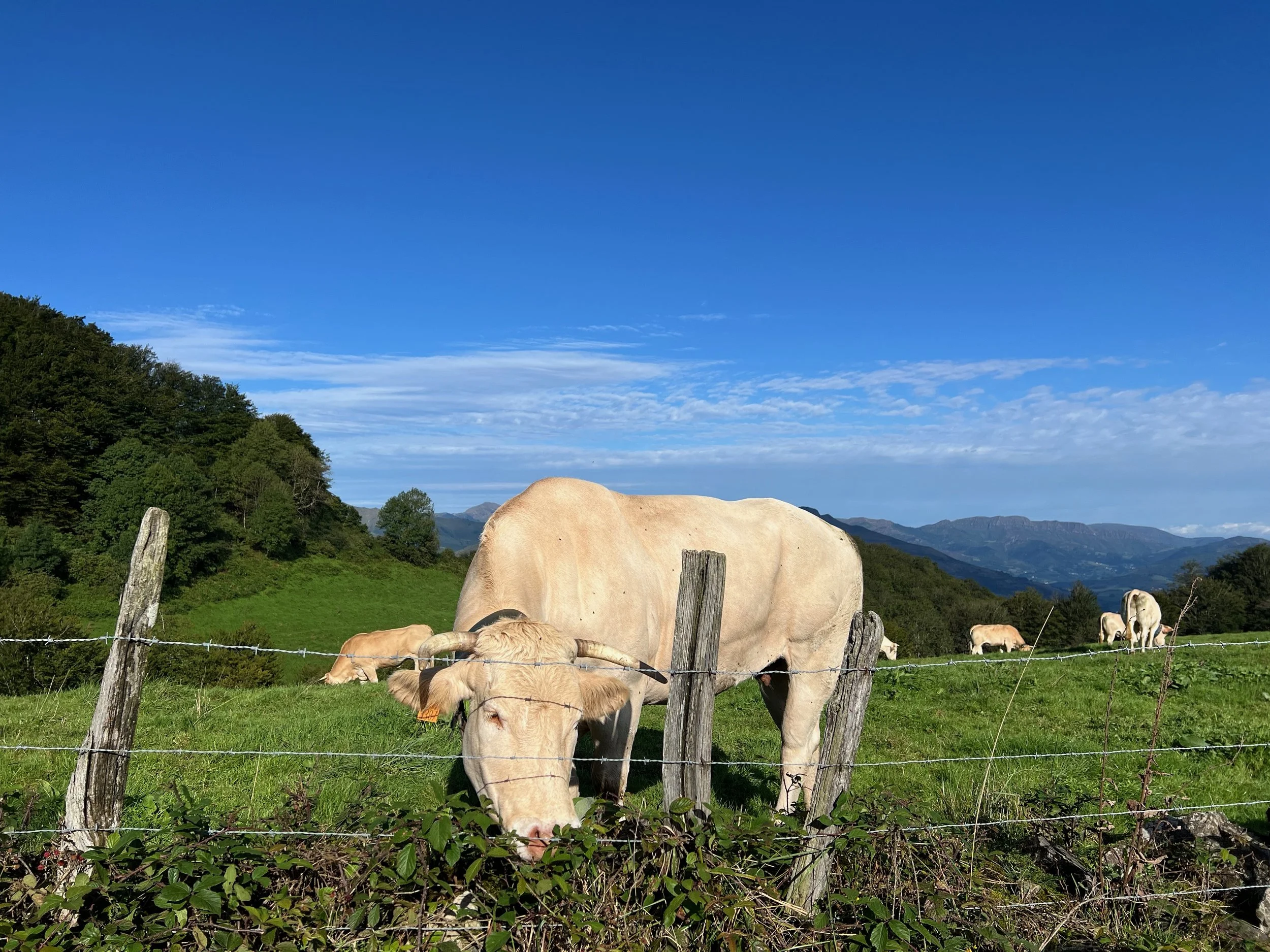
From there, the walk to Roncesvalles felt noticeably easier. The sun broke through the clouds, casting light over open fields where cows, horses, sheep, and even a few pigs grazed quietly. The combination of fresh mountain air and the serene landscape made the challenging climb feel worthwhile.
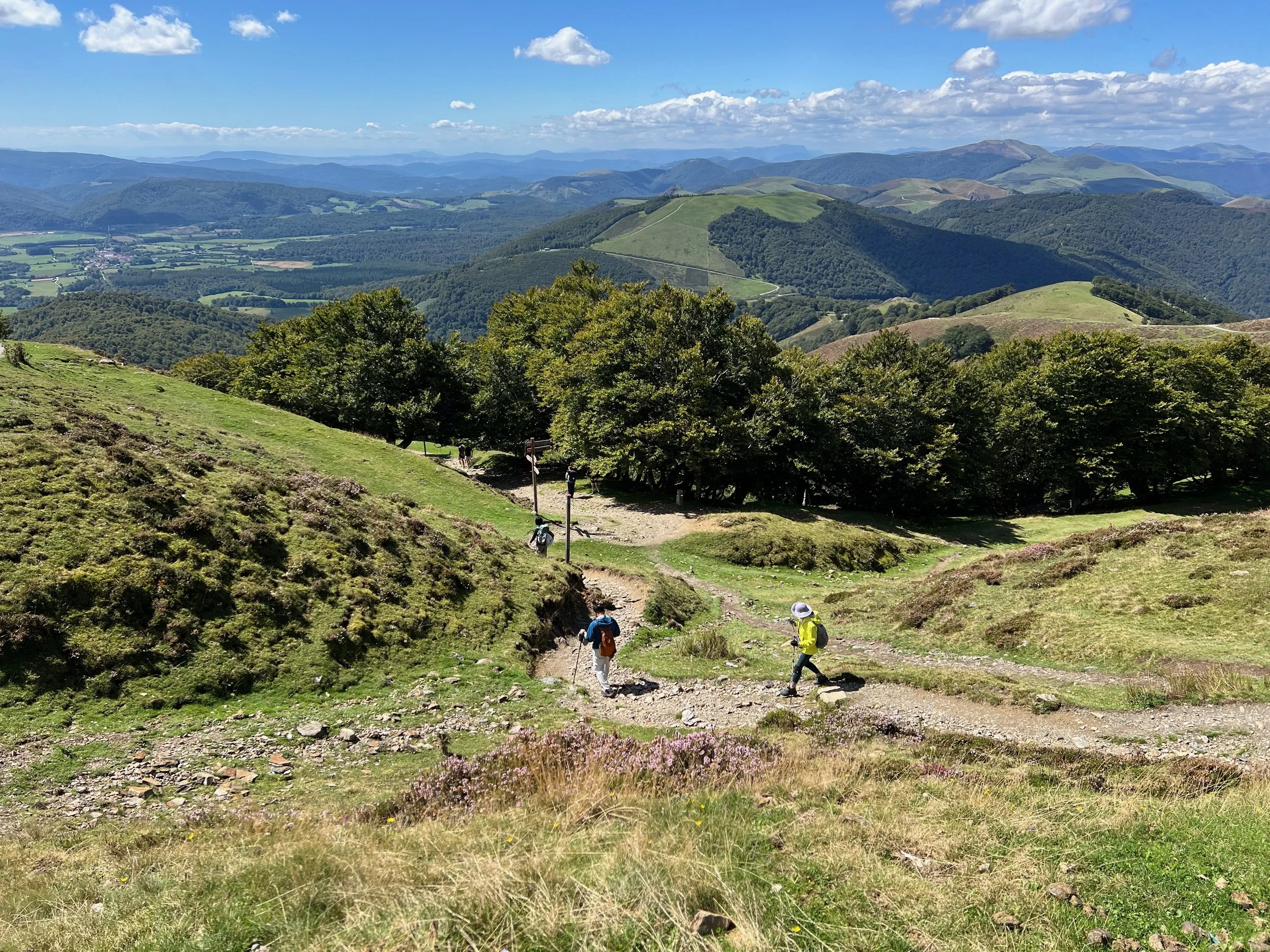
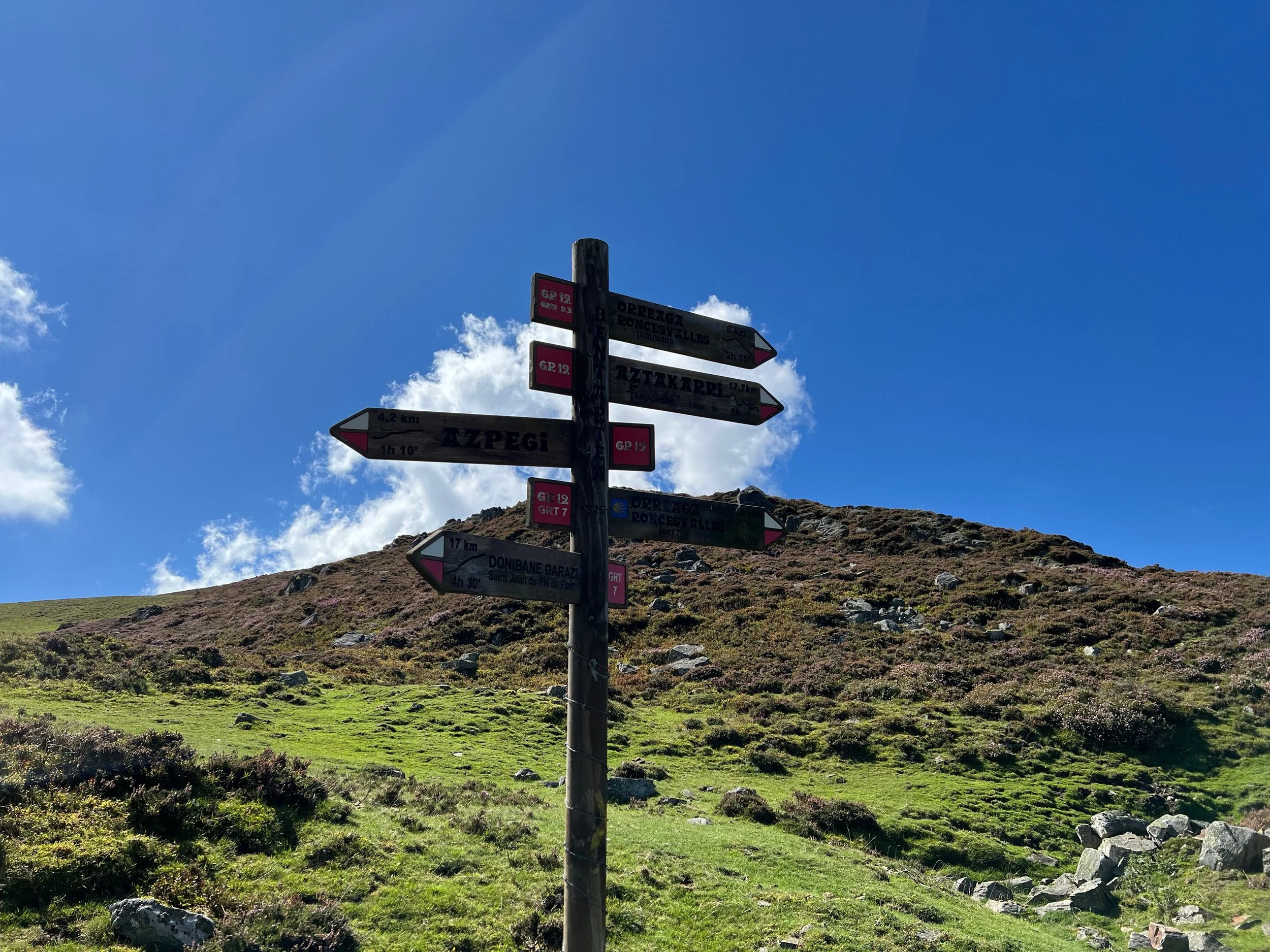
For the descent, I opted for the right-hand path instead of the steeper forest trail on the left, following advice from the pilgrims’ office. This route added roughly 400 metres to the distance but was gentler on my knees. Later, chatting with fellow pilgrims at the albergue, I was glad I’d made that choice—someone on the steeper path had fallen and injured their knee.
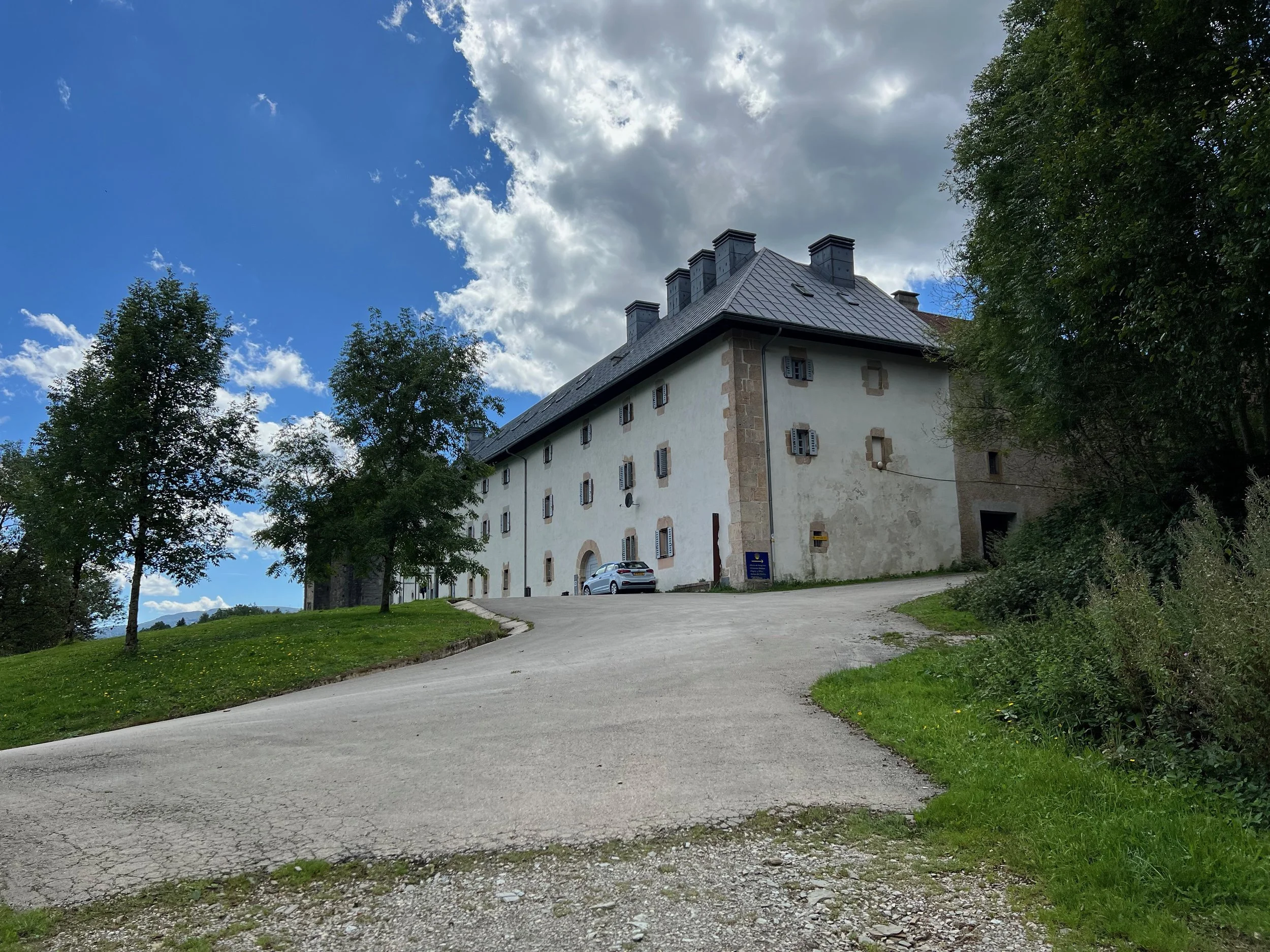
Arriving at Roncesvalles Pilgrims’ Hostel, I felt a mix of exhaustion and accomplishment. The albergue buzzed with fellow travellers sharing stories, tips, and laughter, creating a warm sense of community that made even a tough day feel rewarding.
History & Background
Roncesvalles is a historic village in the Navarre region of northern Spain, renowned for its monastery and role as the traditional starting point for the Camino Francés in Spain. The monastery dates back to the 12th century and has provided shelter and spiritual support to pilgrims for centuries. Nestled in the Pyrenees, Roncesvalles has been a key waypoint for pilgrims crossing from France since medieval times, offering both cultural significance and breathtaking scenery.
Getting There
From Saint-Jean-Pied-de-Port, pilgrims have two main ways to reach Roncesvalles. The traditional and most meaningful option is to walk the Camino Francés, which involves a steady climb into the Pyrenees. This iconic stage passes through small villages and isolated gîtes like Orisson before descending into Roncesvalles. Pilgrims are advised to start early, carry sufficient water, and be prepared for rapid weather changes, as mountain conditions can be unpredictable.
For those seeking a transportation alternative, buses and taxis run from Saint-Jean-Pied-de-Port to Roncesvalles, allowing travellers to skip the climb or adjust for difficult weather. This can be useful for pilgrims who want to pace themselves, avoid injury, or start the Spanish leg of the Camino fresh and rested. Both options end in the historic village of Roncesvalles, known for its monastery and centuries-old pilgrim hospitality.
Route Overview
Distance: 25.19 km (Gîte Bidean → Roncesvalles Pilgrim’ Hostel)
Total elevation gain: 1,339 m
Duration: 7 hr 7 min (with breaks 8 hr 8 min)
Difficulty: Challenging
For the full day-by-day route breakdown, including distances and duration, see my complete Camino Francés route guide.
Cost Breakdown
Accommodation: Roncesvalles Pilgrim’ Hostel (booked direct) — €33
Food: €2