Camino Francés - Day 29: Samos to A Pena
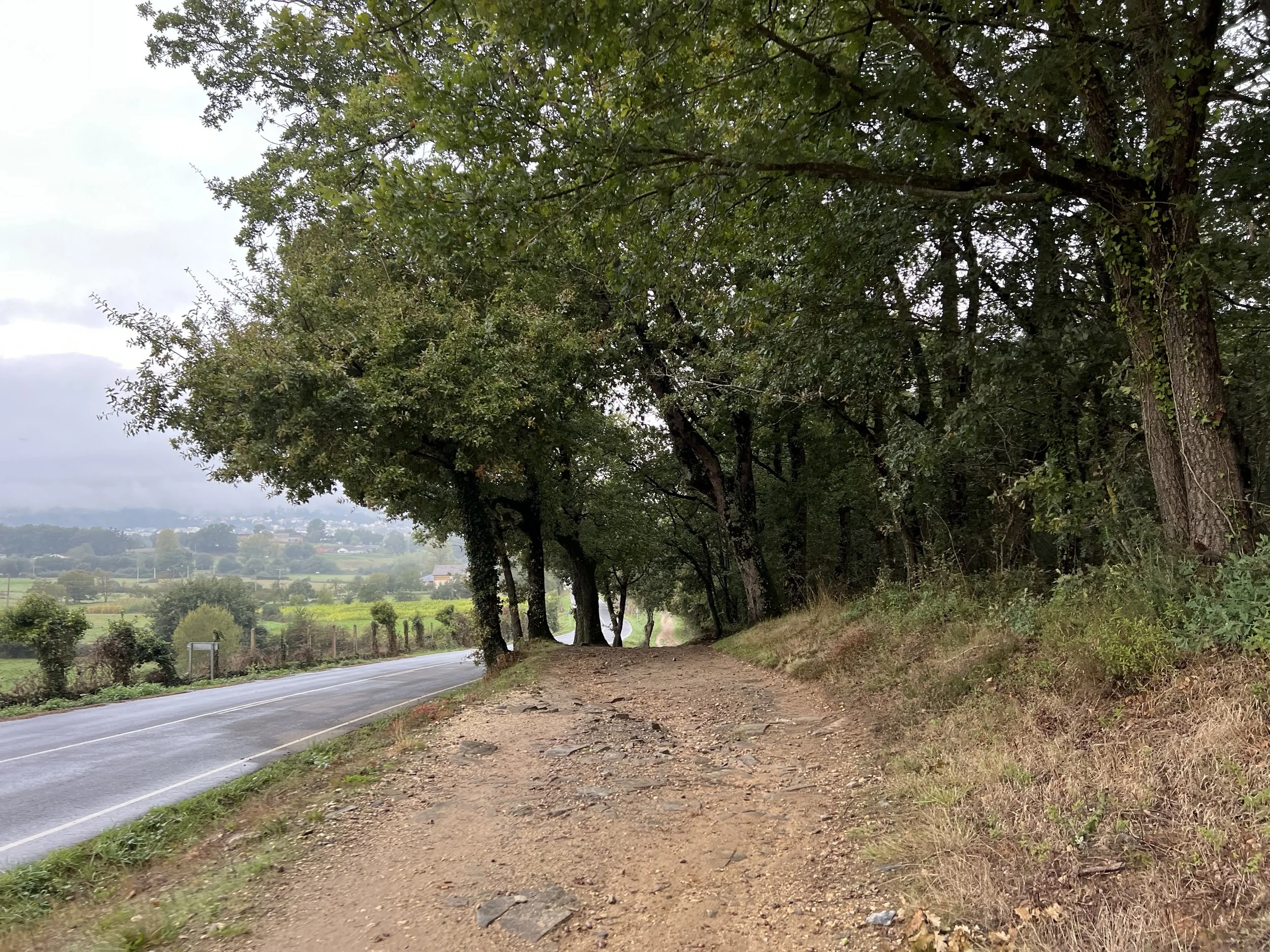
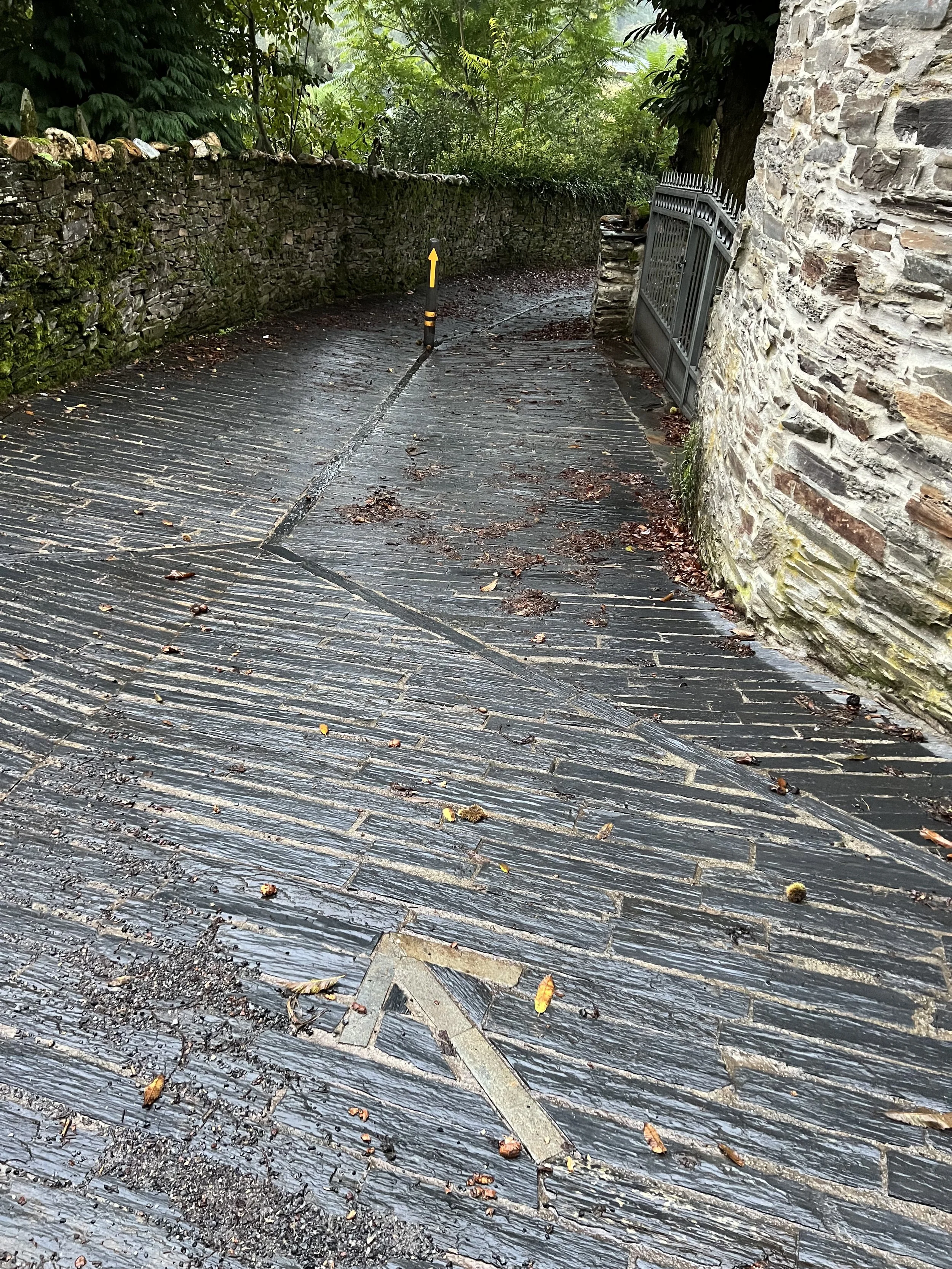
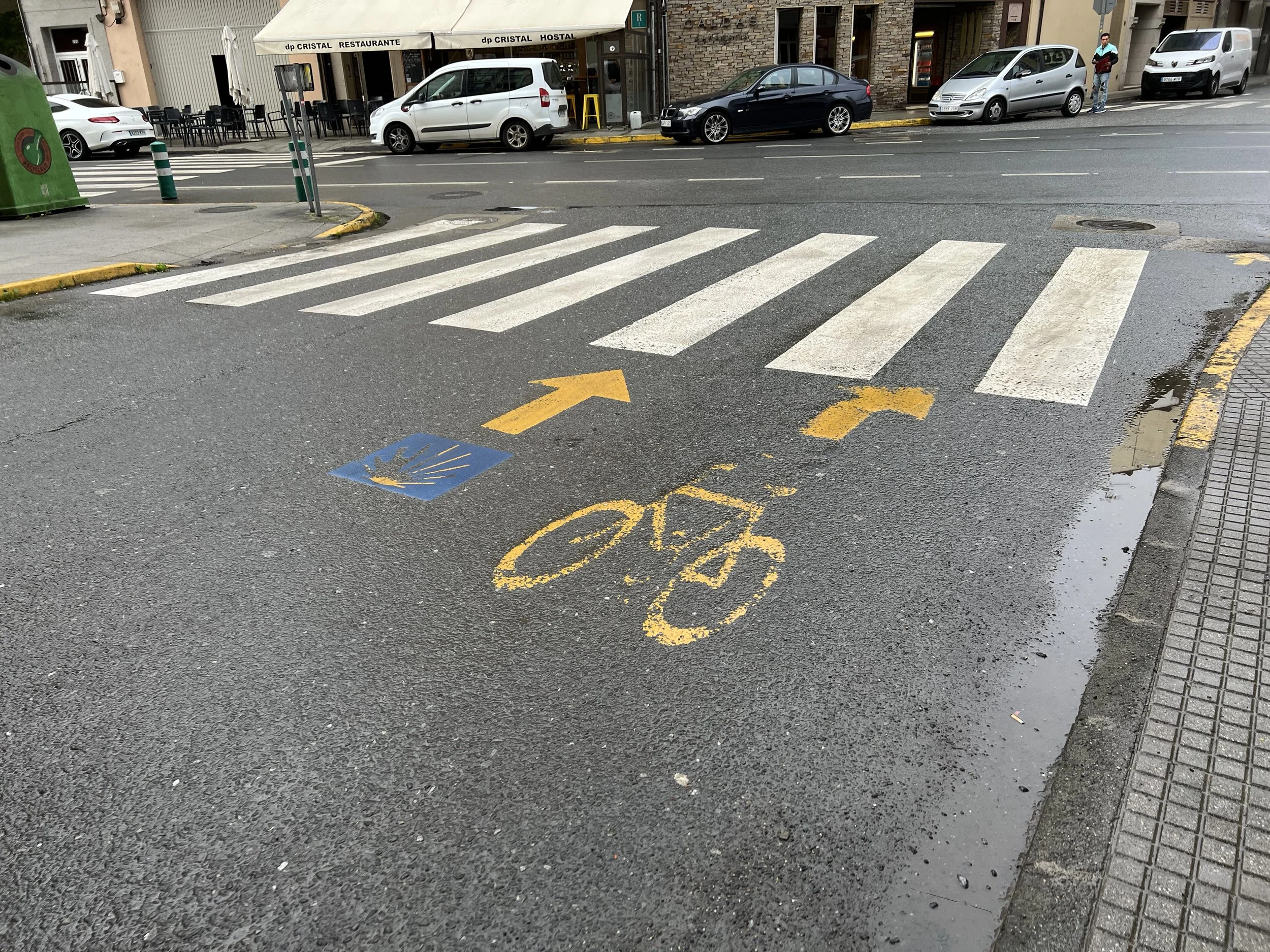
We left Samos early, following the familiar yellow arrows out of town and onto what quickly became a poorly maintained, overgrown path. The trail was uneven and muddy, forcing us to watch our footing carefully until it eventually joined the main road leading toward Sarria. It wasn’t the most scenic start, but after the peaceful quiet of Samos, the return to busier routes felt like a re-entry into the world.
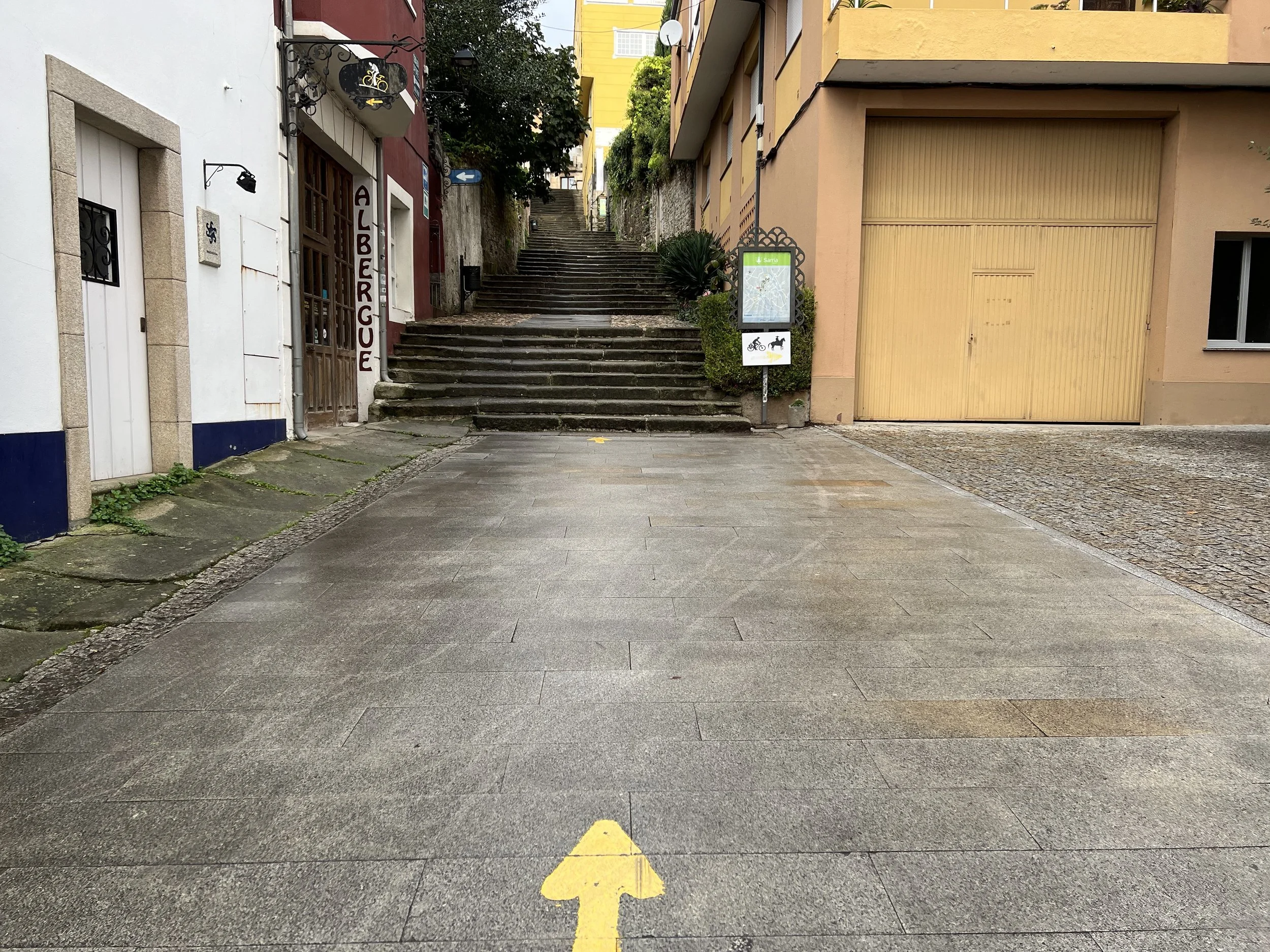
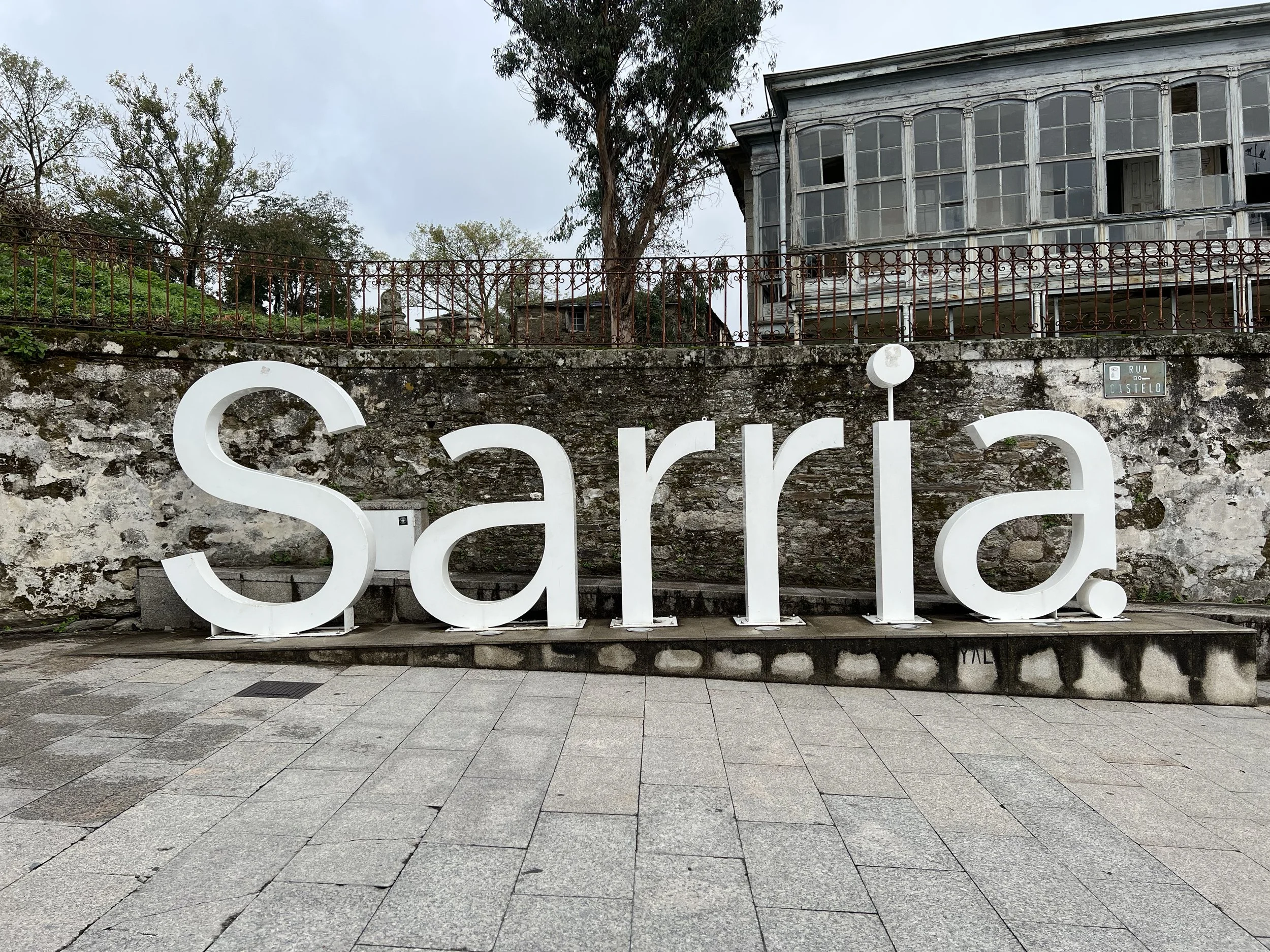
Today marked a major milestone — we planned to reach the 100 km mark to Santiago de Compostela. Spirits were high, but as we entered Sarria, I was struck by how much had changed. The Camino suddenly felt alive with energy — and people. Tour buses dropped off large groups of new pilgrims, school groups passed by chatting and laughing, and the once-solitary trail was now filled with voices and motion. It was both exciting and overwhelming, a vivid reminder of how the final stretch attracts pilgrims of all kinds.
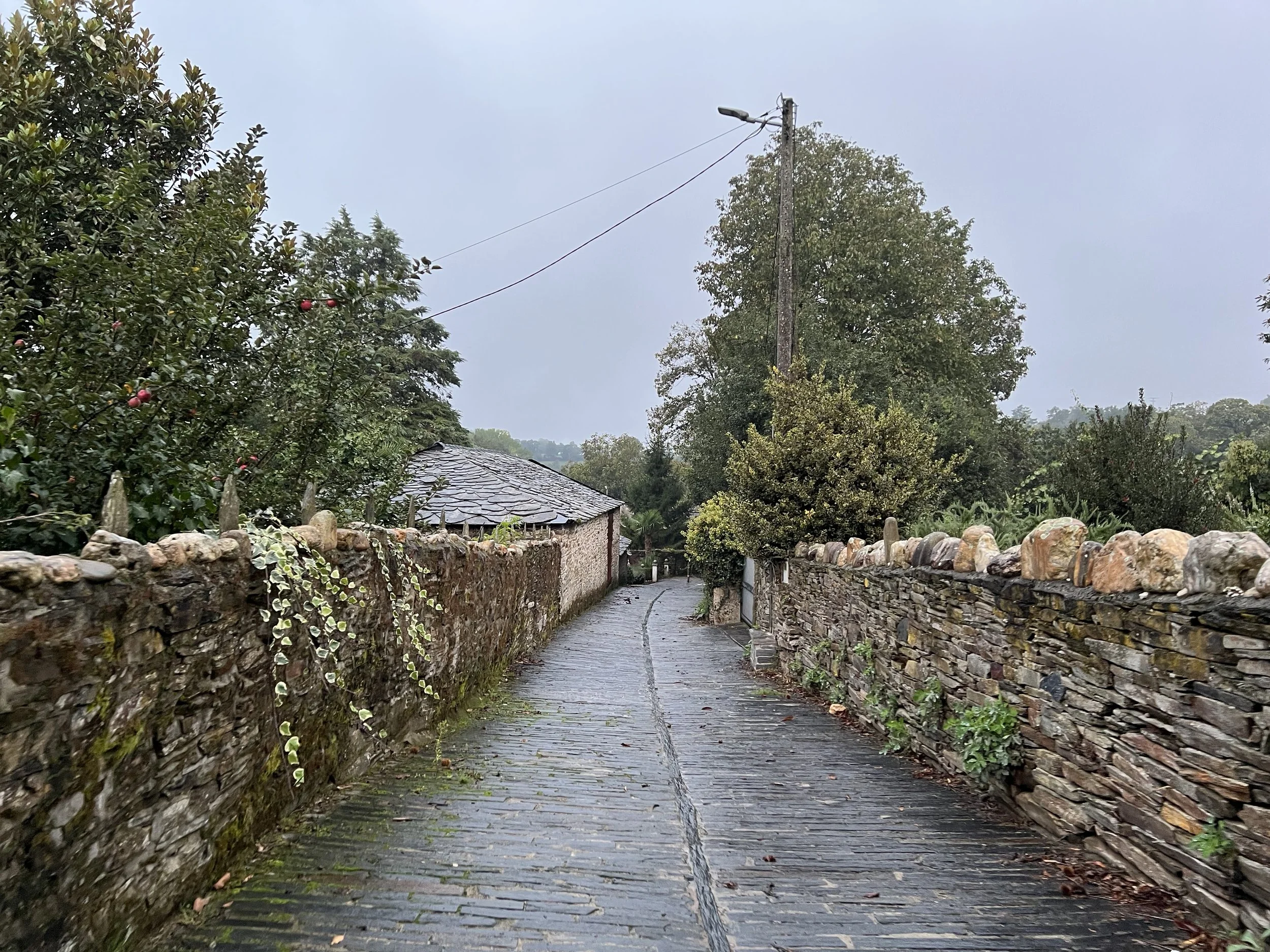
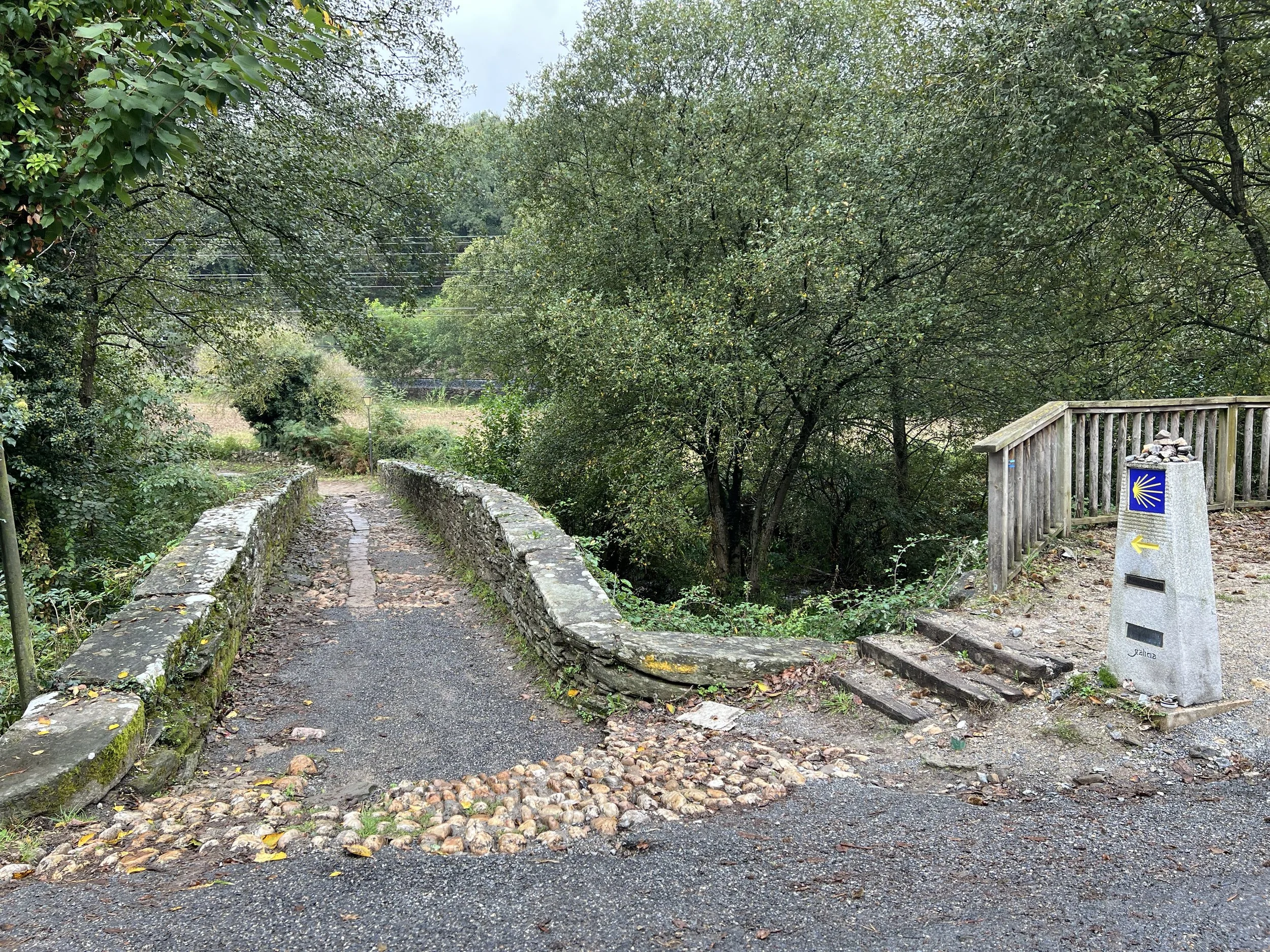
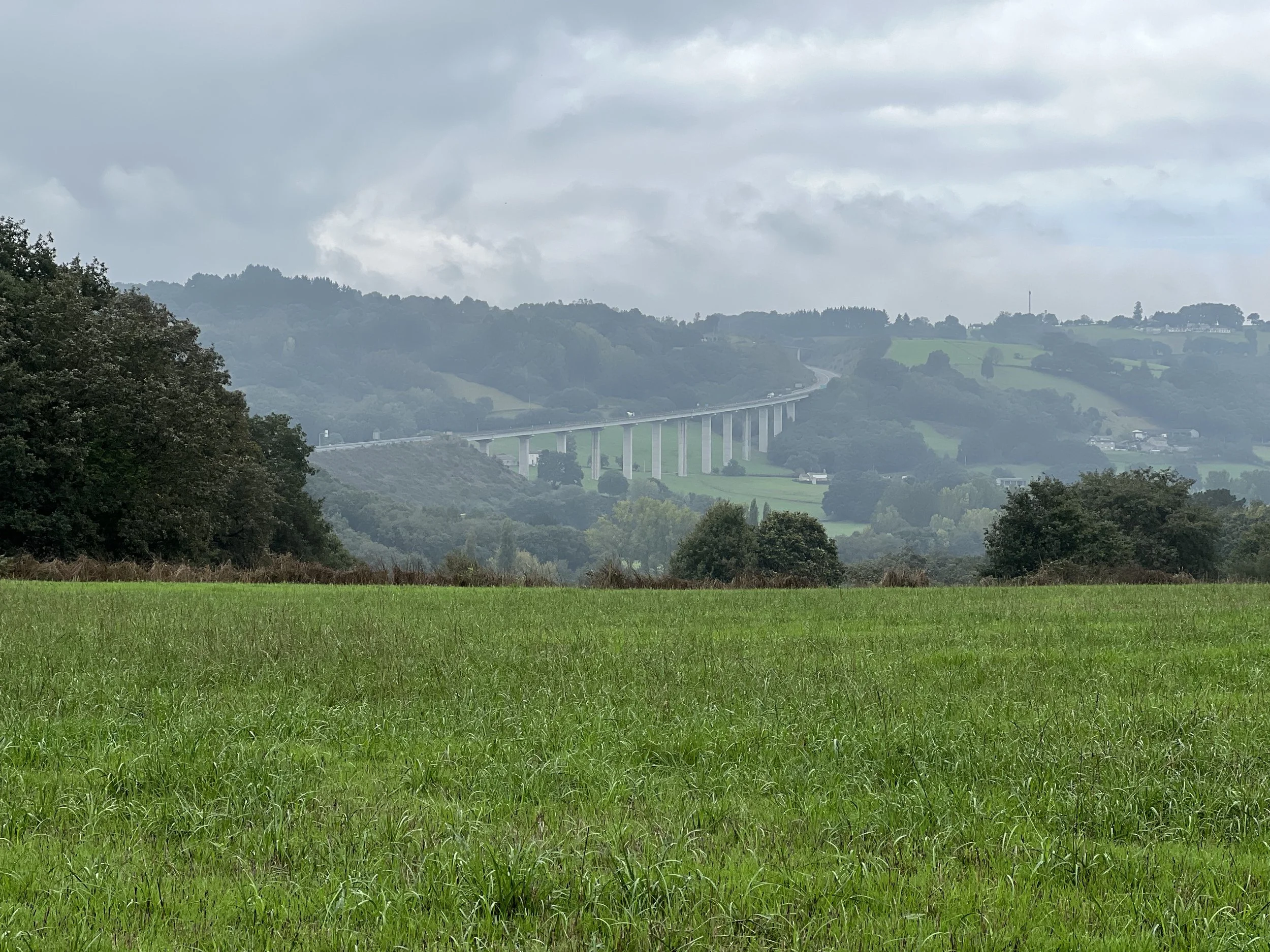
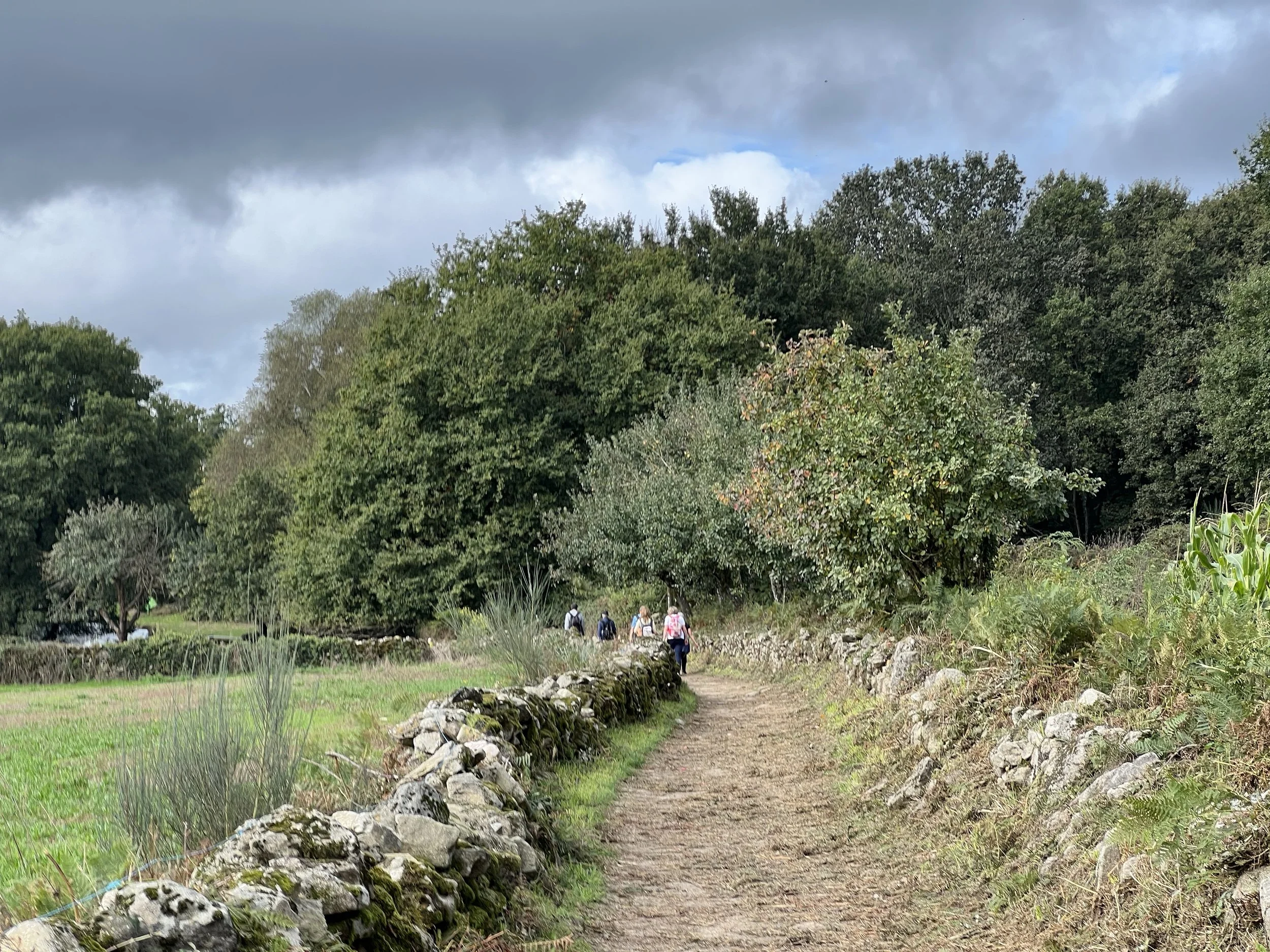
We lingered in Sarria for breakfast, taking a long break to enjoy coffee, eggs, and pastries before setting out again. The path beyond town rolled gently through Galicia’s green countryside, dotted with stone walls, chestnut trees, and farms. The weather, for once, was on our side — clear skies and warm air made it a perfect day for drying out shoes and laundry at our albergue.
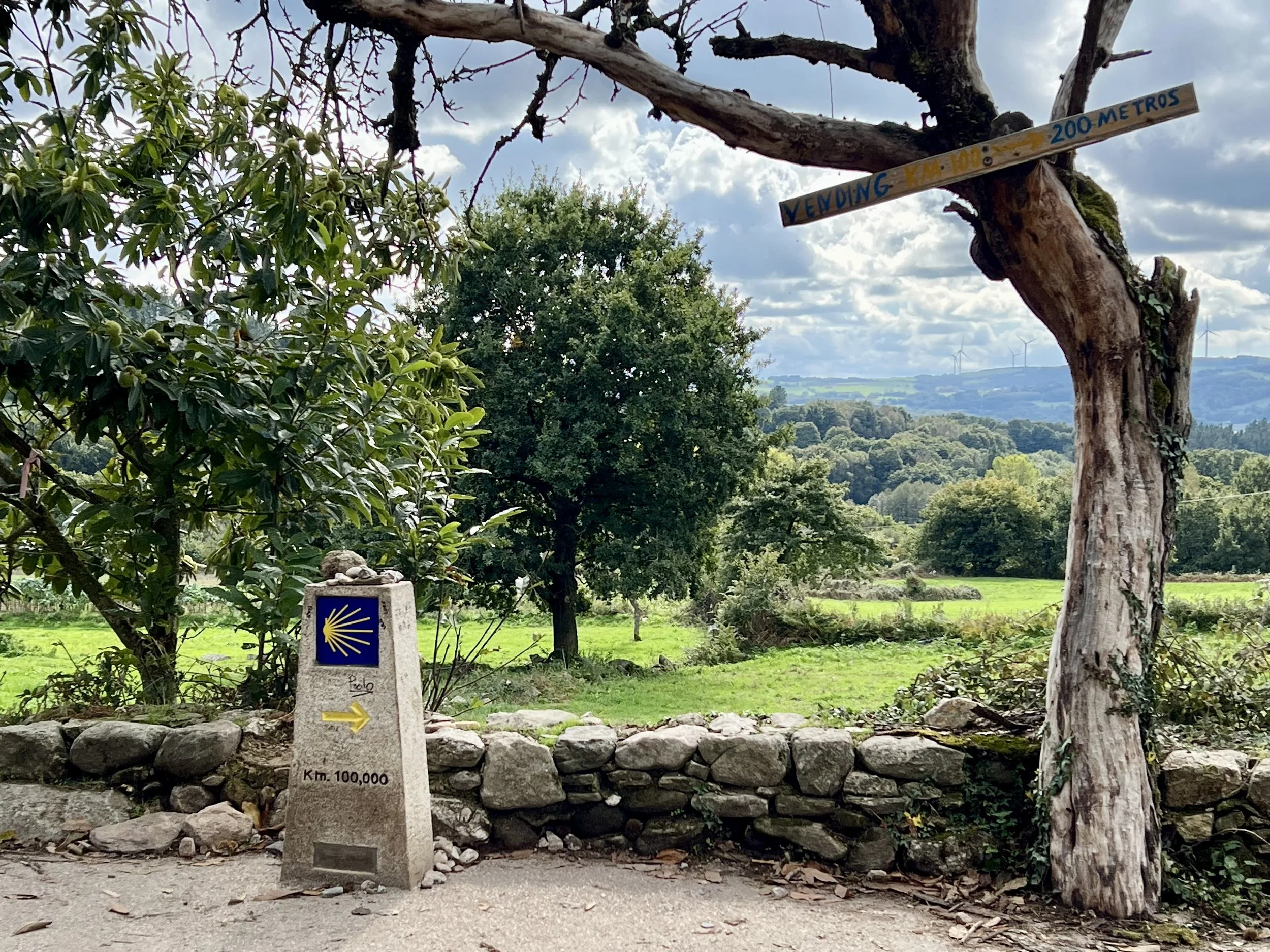
Reaching the 100 km marker felt surreal. It’s a milestone many pilgrims look forward to — the point where the finish line begins to feel real. Standing there with my friends, smiling for photos, I felt both pride and disbelief that Santiago was now just days away.
History & Background
The stage from Samos to A Pena passes through Sarria, one of the most significant towns on the Camino Francés. Located at the 100 km mark from Santiago, Sarria is where many pilgrims begin their journey, since walking at least the final 100 km is required to earn the Compostela certificate. As a result, the section beyond Sarria often feels like a new beginning — lively, crowded, and full of anticipation.
Sarria itself dates back to medieval times and played an important role in supporting pilgrims en route to Santiago. The town’s highlights include the Monastery of La Magdalena, the Iglesia de Santa Mariña, and remnants of a 13th-century tower that once guarded the old quarter. Beyond Sarria, the Camino weaves through rural Galicia, where stone houses, mossy walls, and rolling hills define the landscape. The mix of long-term pilgrims and newcomers gives this stage a unique energy — a blend of reflection, excitement, and renewed determination.
Getting There
The route from Samos to A Pena follows the Samos variant as it merges back with the main Camino at Sarria. From there, the well-marked path continues northwest through Barbadelo and small hamlets toward A Pena, just beyond the 100 km milestone.
For those joining or departing the Camino here, Sarria is one of the most accessible starting points, with direct train and bus connections to Santiago de Compostela, Lugo, León, and Madrid. Taxis and local transfers are available to smaller nearby towns such as Samos and A Pena. The area is well-serviced, making it an ideal place for rest or for new pilgrims beginning their final stretch to Santiago.
Route Overview
Distance: 29.21 km (Albergue Val de Samos → Km 100 Casa do Rego)
Total elevation gain: 632 m
Duration: 6 hr 9 min (with breaks 8 hr)
Difficulty: Hard
For the full day-by-day route breakdown, including distances and duration, see my complete Camino Francés route guide.
Cost Breakdown
Accommodation: Km 100 Casa do Rego (Reserved via email) — €15
Food: €34.8