Camino Francés - Day 28: O Cebreiro to Samos
After a restless night filled with coughing, snoring, and the lingering smell of damp socks, I left the albergue around 6:25 a.m. My shoes were still soaked from the previous day, and stepping into them on a chilly mountain morning was far from pleasant.
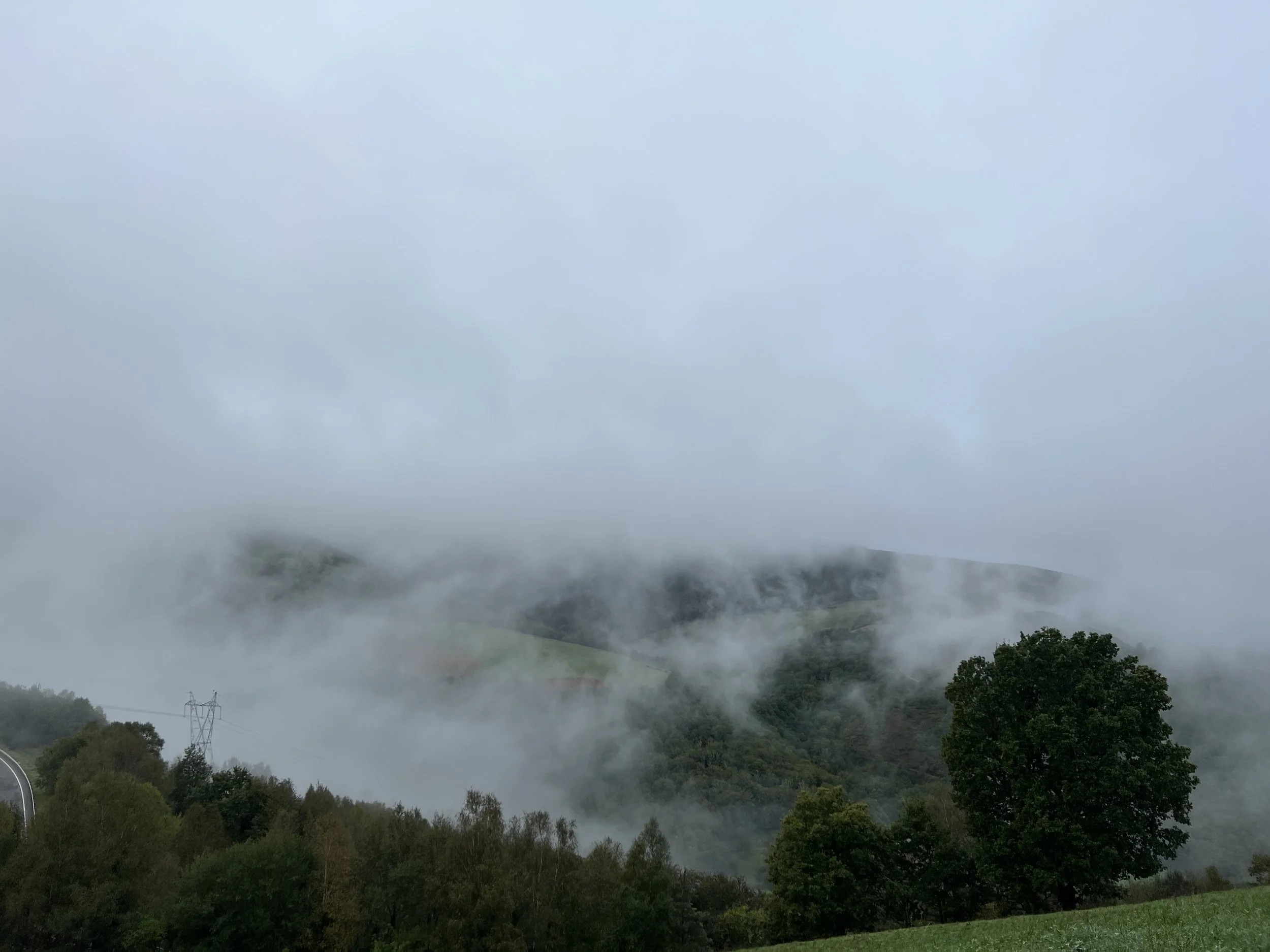
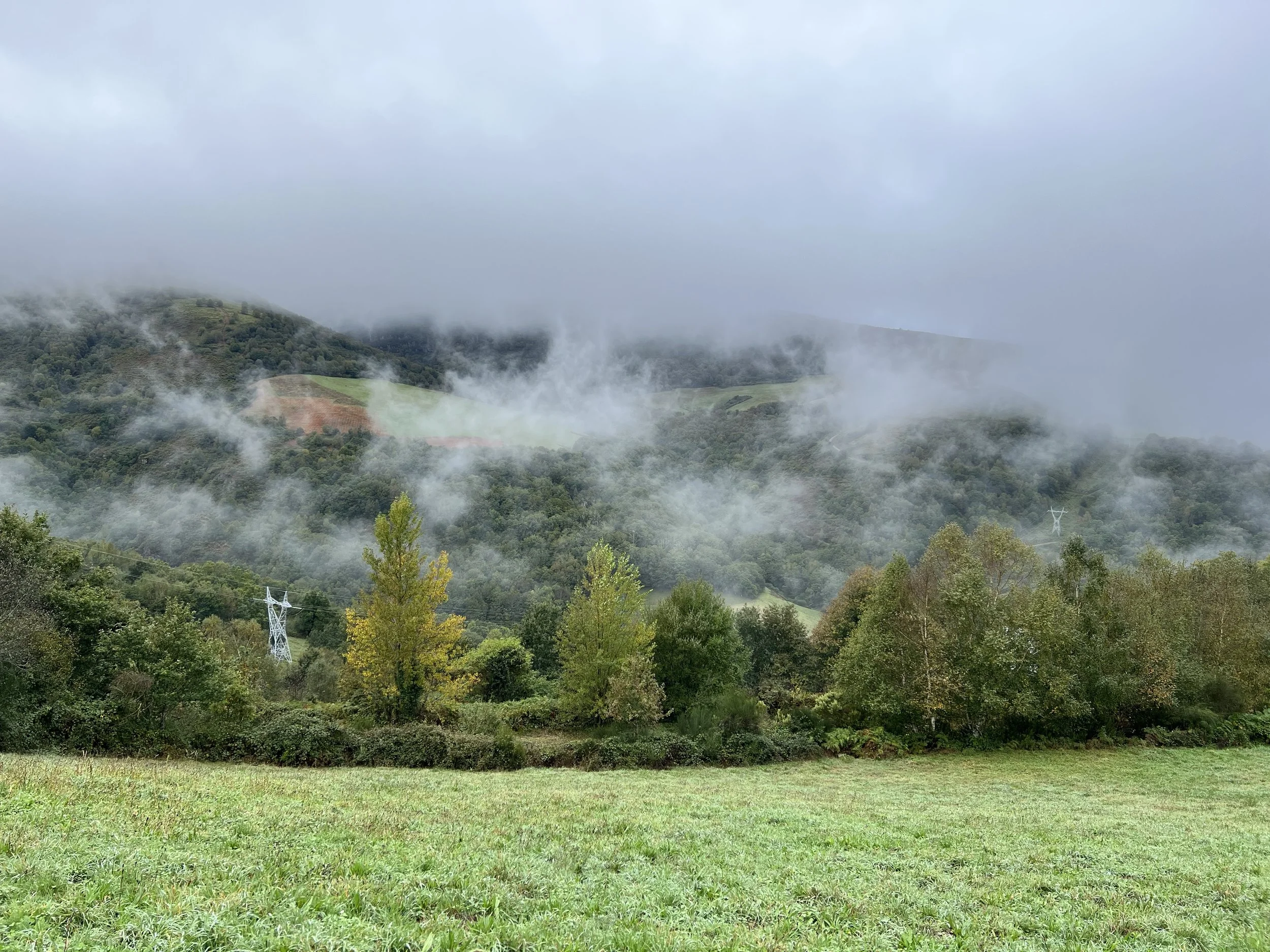
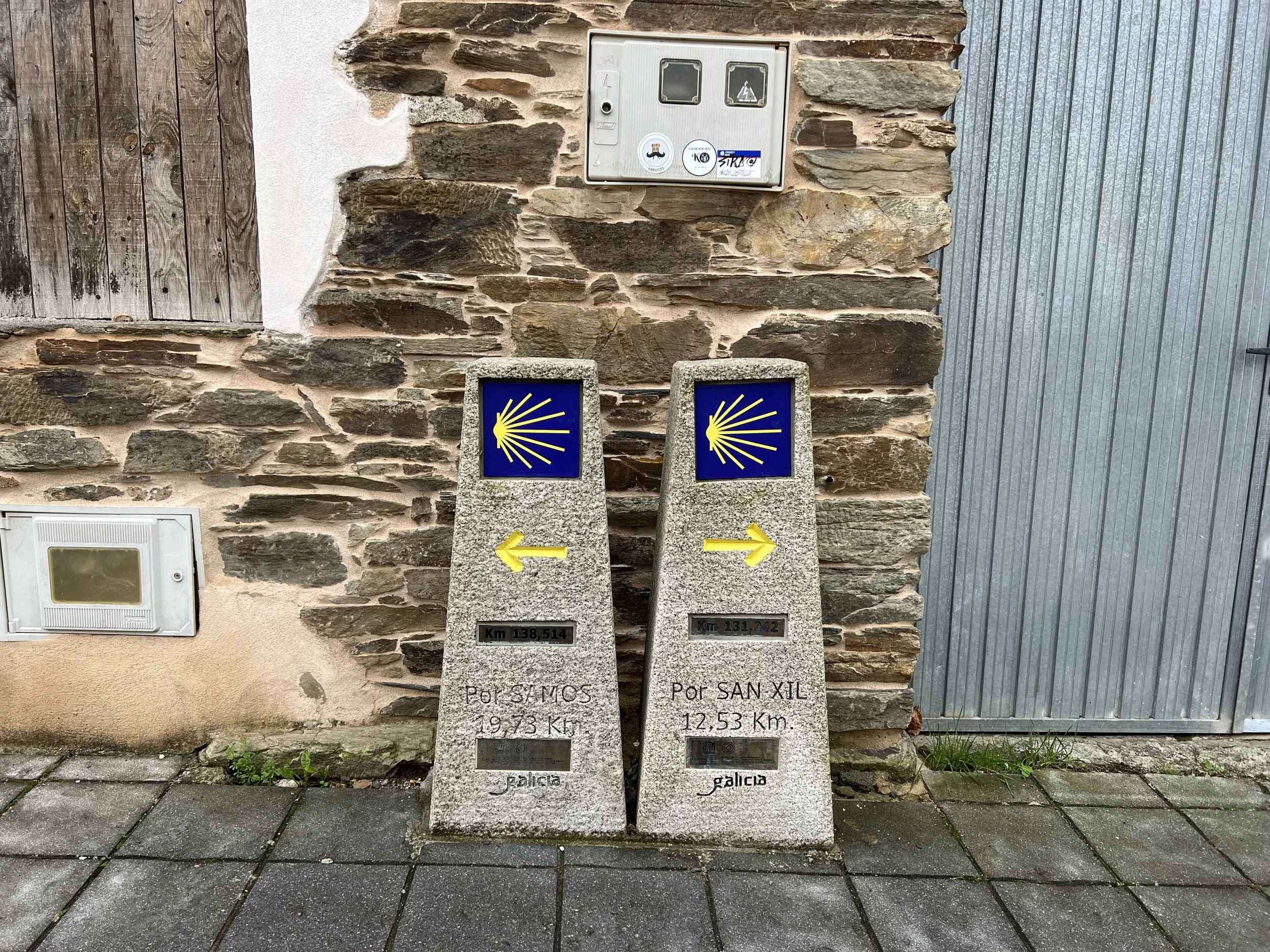
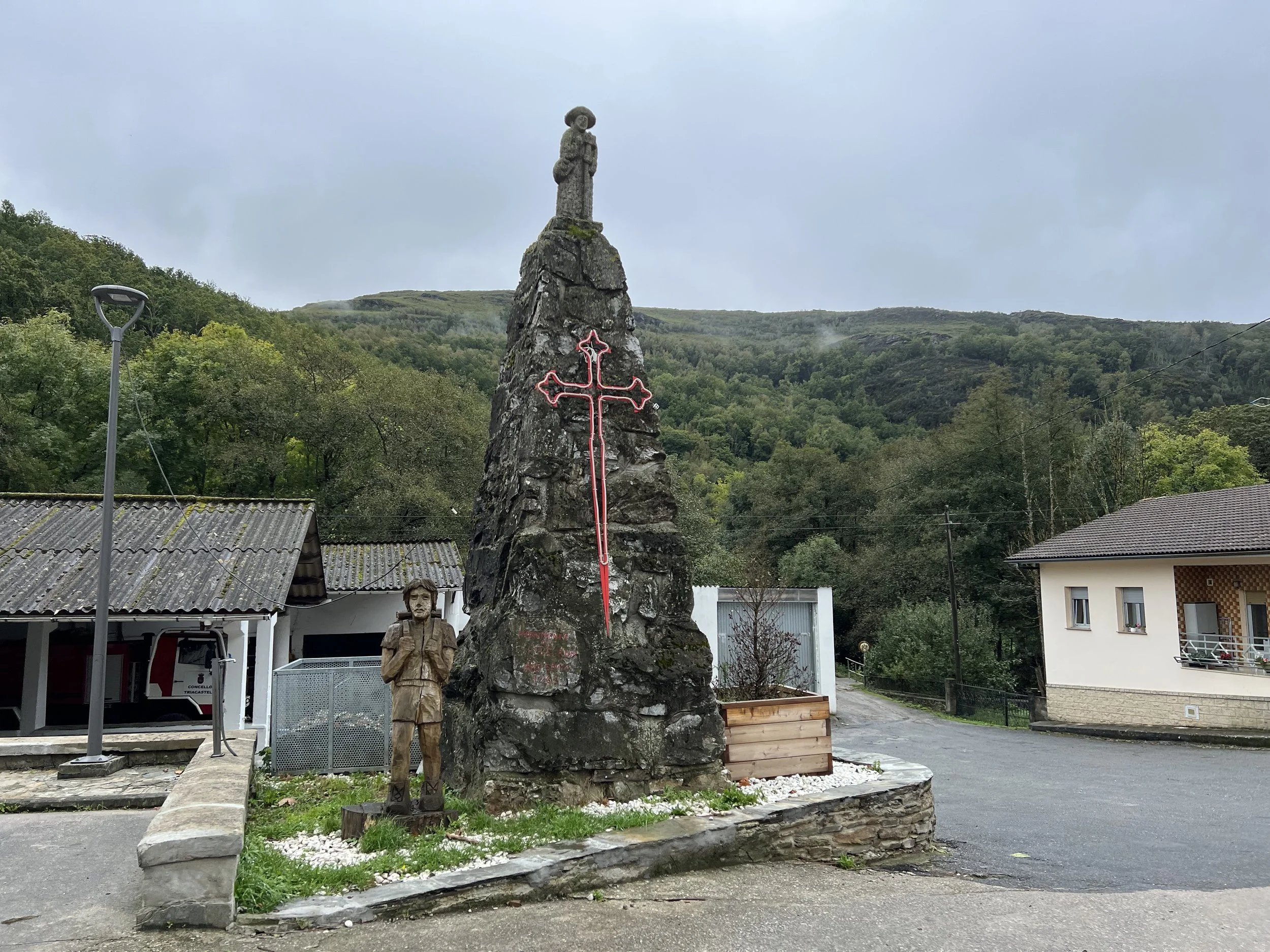
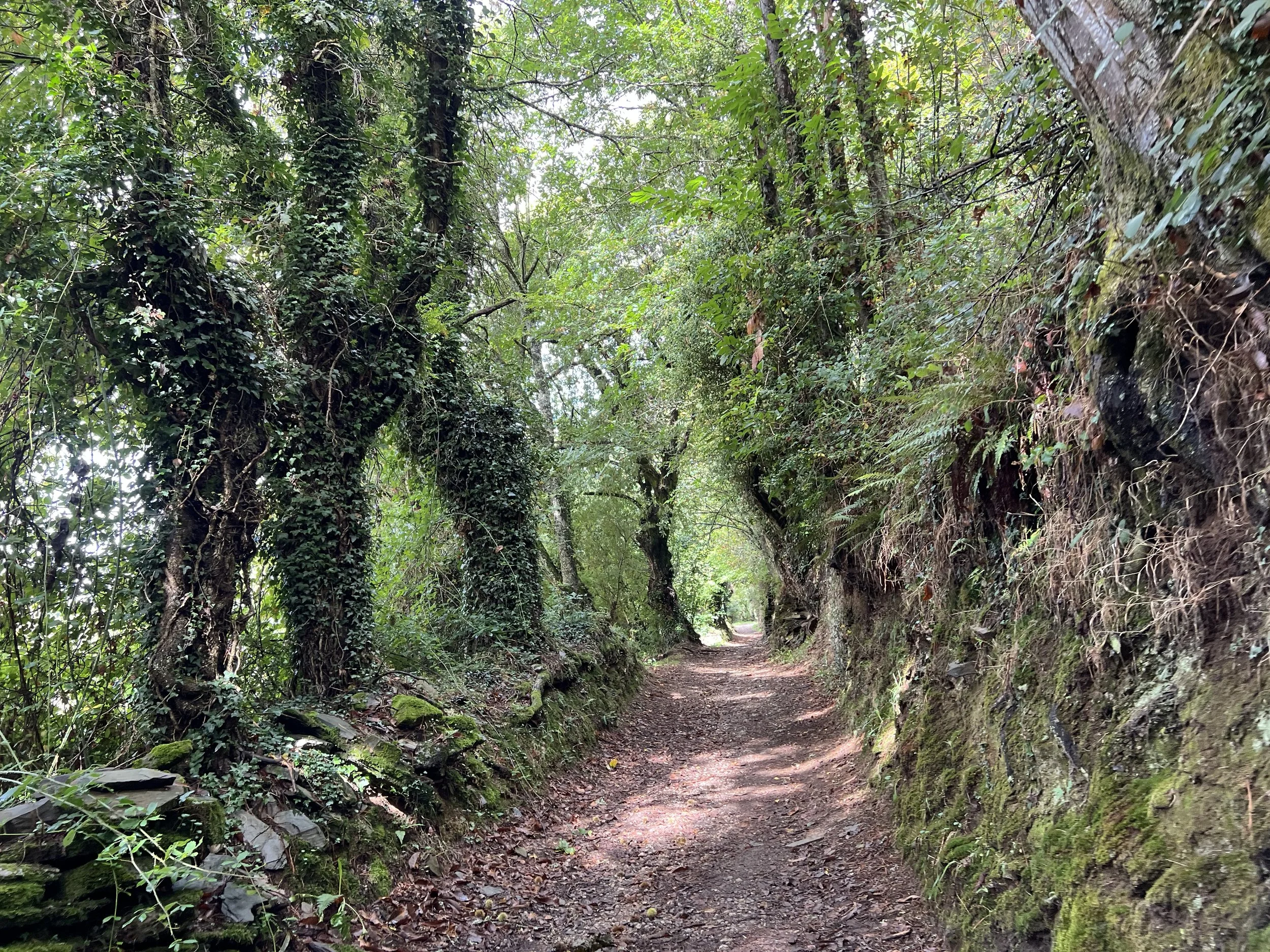
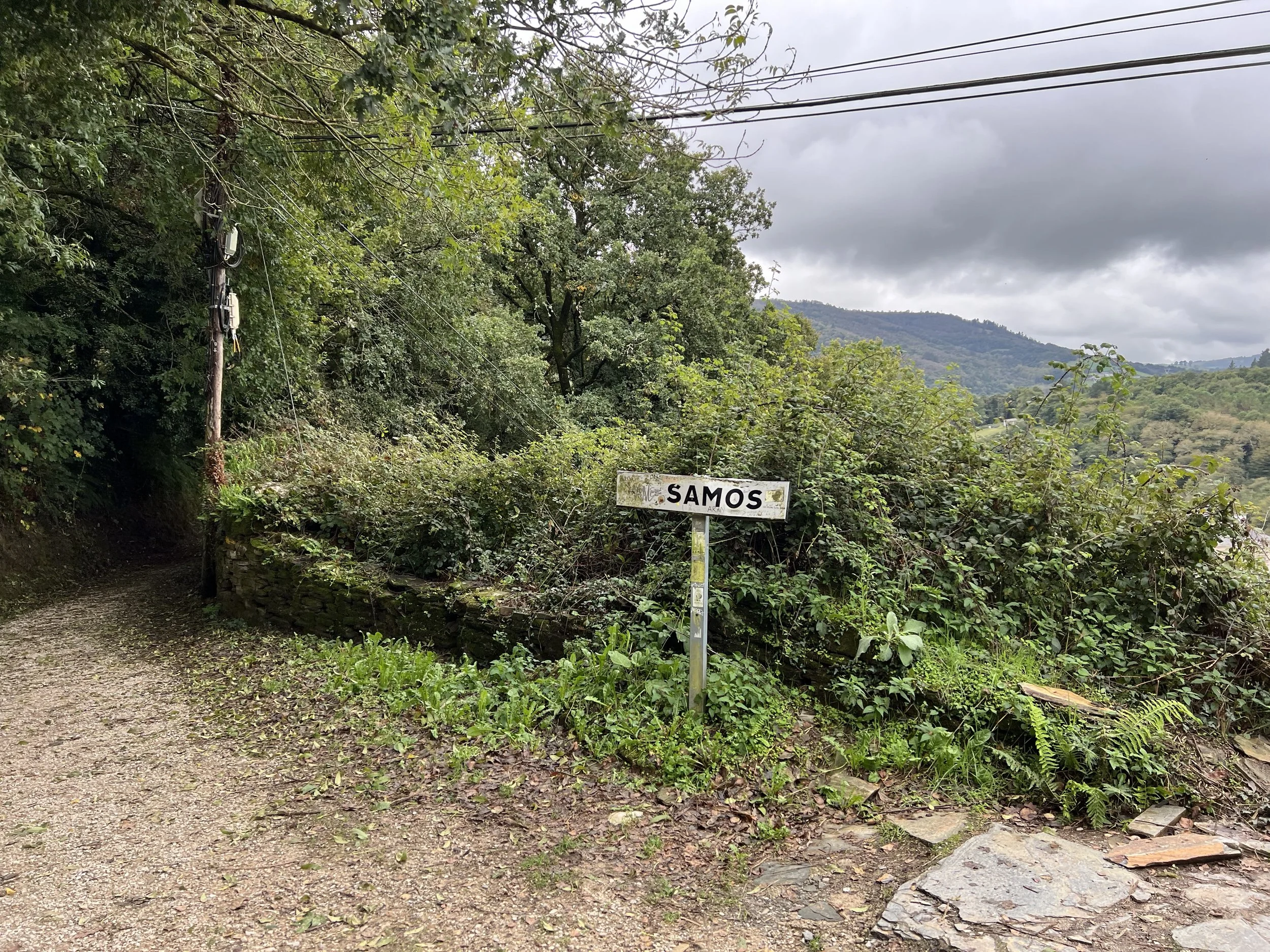
Two friends from Taiwan, whom I’d first met back in Molinaseca, joined me on the walk. The three of us had planned the night before to take the Samos route instead of the standard path through San Xil. The morning started quietly, the sky soft with mist, as we followed a mostly flat trail that gradually descended after Fonfría. From there, it was mostly downhill, except for one final climb before reaching Samos. Thankfully, the rain stayed light, and as the day warmed, my shoes slowly began to dry out — a small but much appreciated comfort.
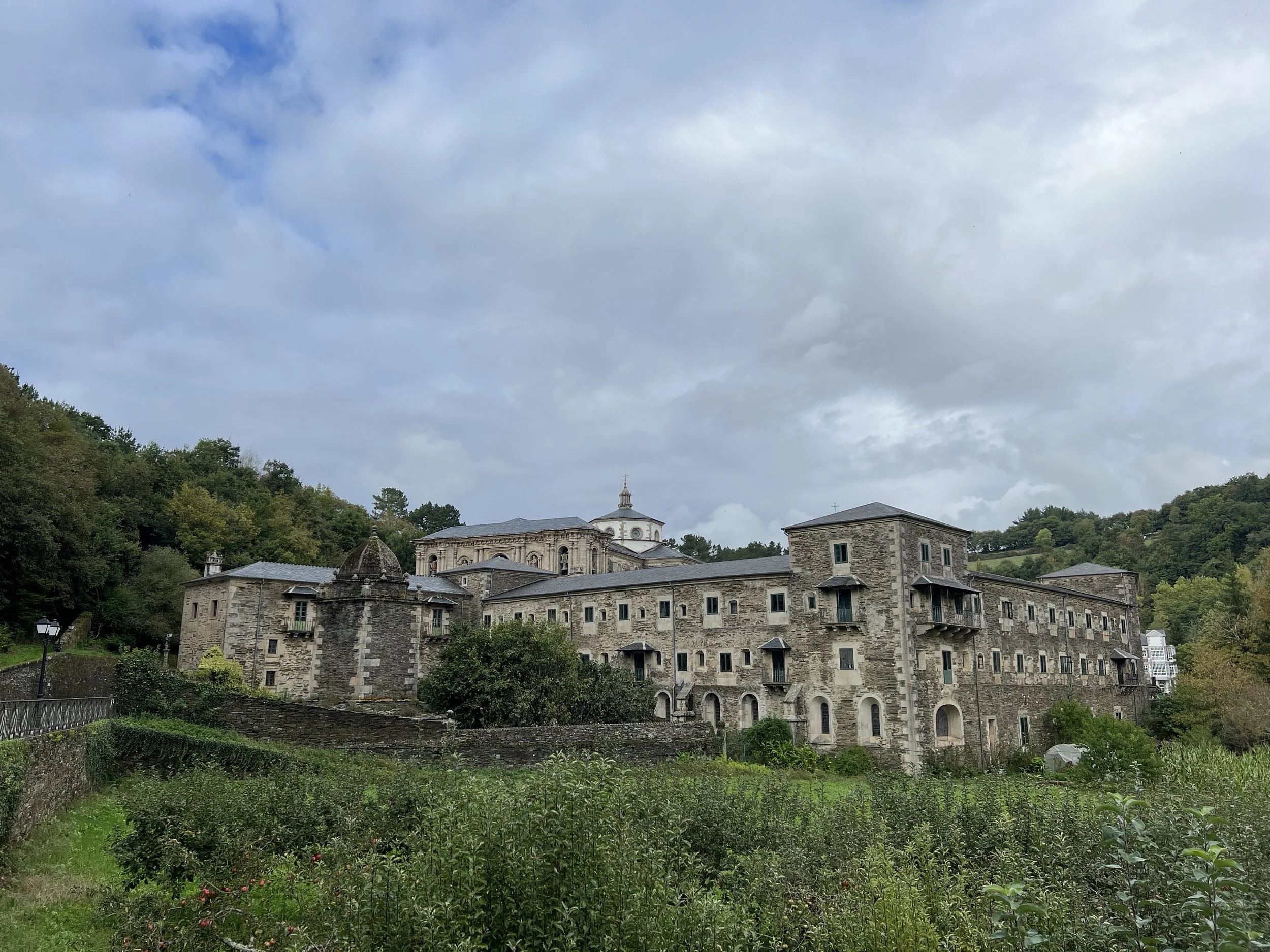
When we arrived in Samos, the first sight was the impressive monastery complex nestled beside the river. We’d originally planned to stay at the Monasterio de Samos, one of the oldest monastic sites in Spain, but it was bustling with pilgrims. Wanting a quieter evening, we decided to check into a nearby albergue instead. It turned out to be the perfect choice — calm, spacious, and equipped with a large kitchen where we could cook together and unwind. After days of long climbs and damp weather, it was exactly the kind of peaceful stop we all needed.
History & Background
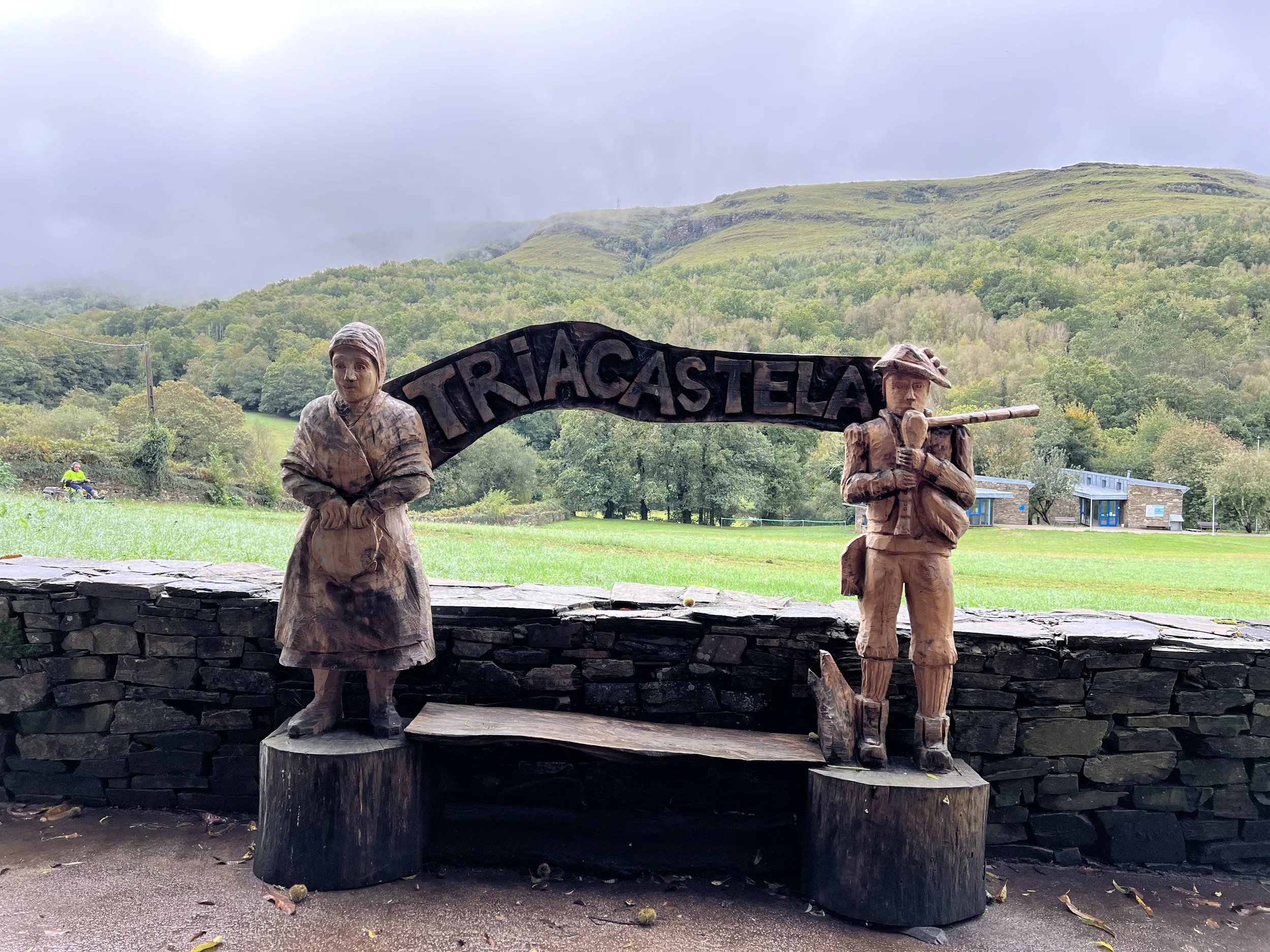
The route from O Cebreiro to Samos offers both scenic beauty and deep historical resonance. After the mountain passes of O Cebreiro, the trail gradually descends into Galicia’s verdant valleys, where misty forests and stone hamlets define the landscape. Pilgrims choosing the Samos variant diverge from the main route after Triacastela, following a tranquil valley road that leads to one of the Camino’s most significant landmarks — the Monastery of San Julián de Samos.
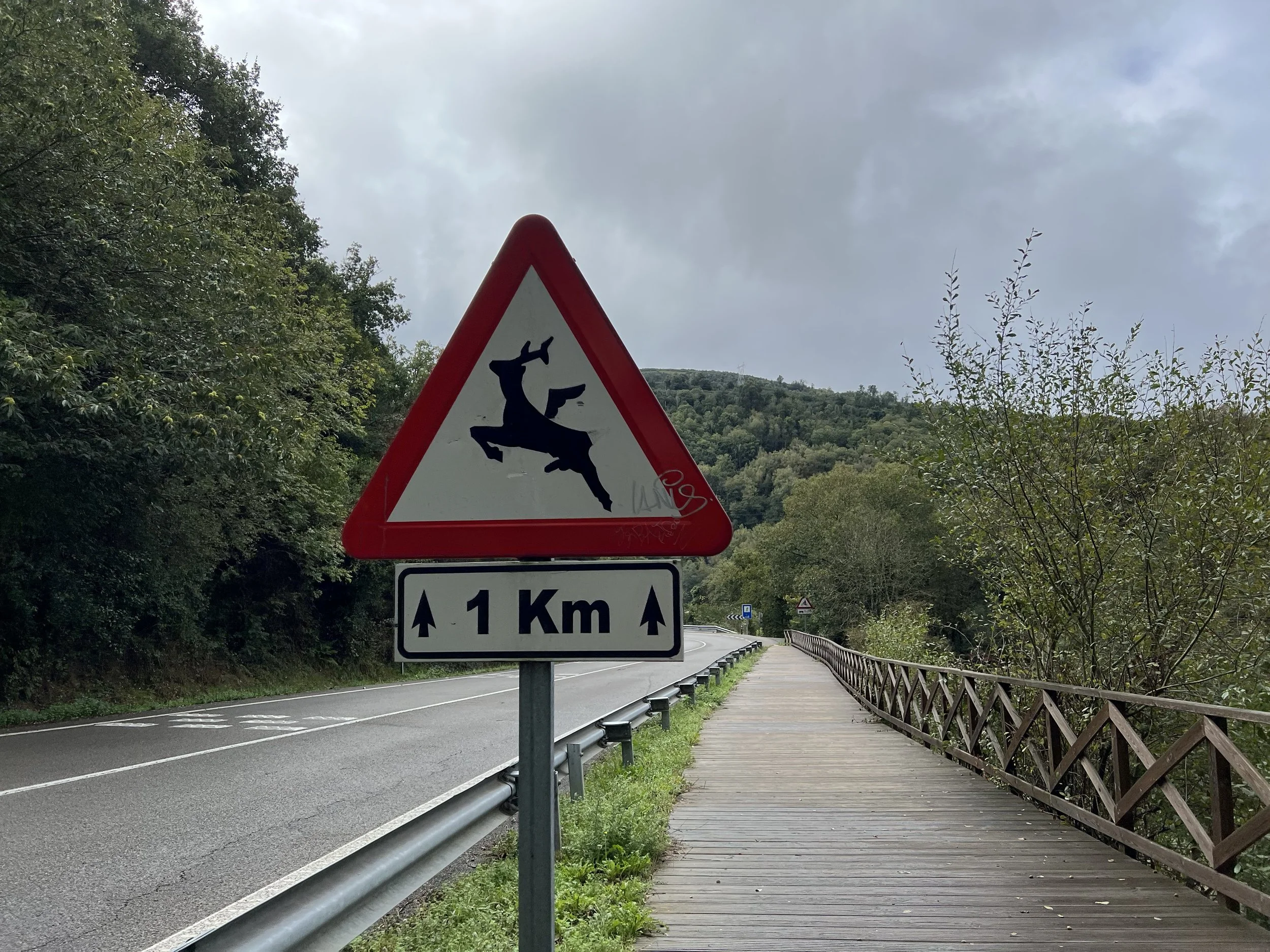
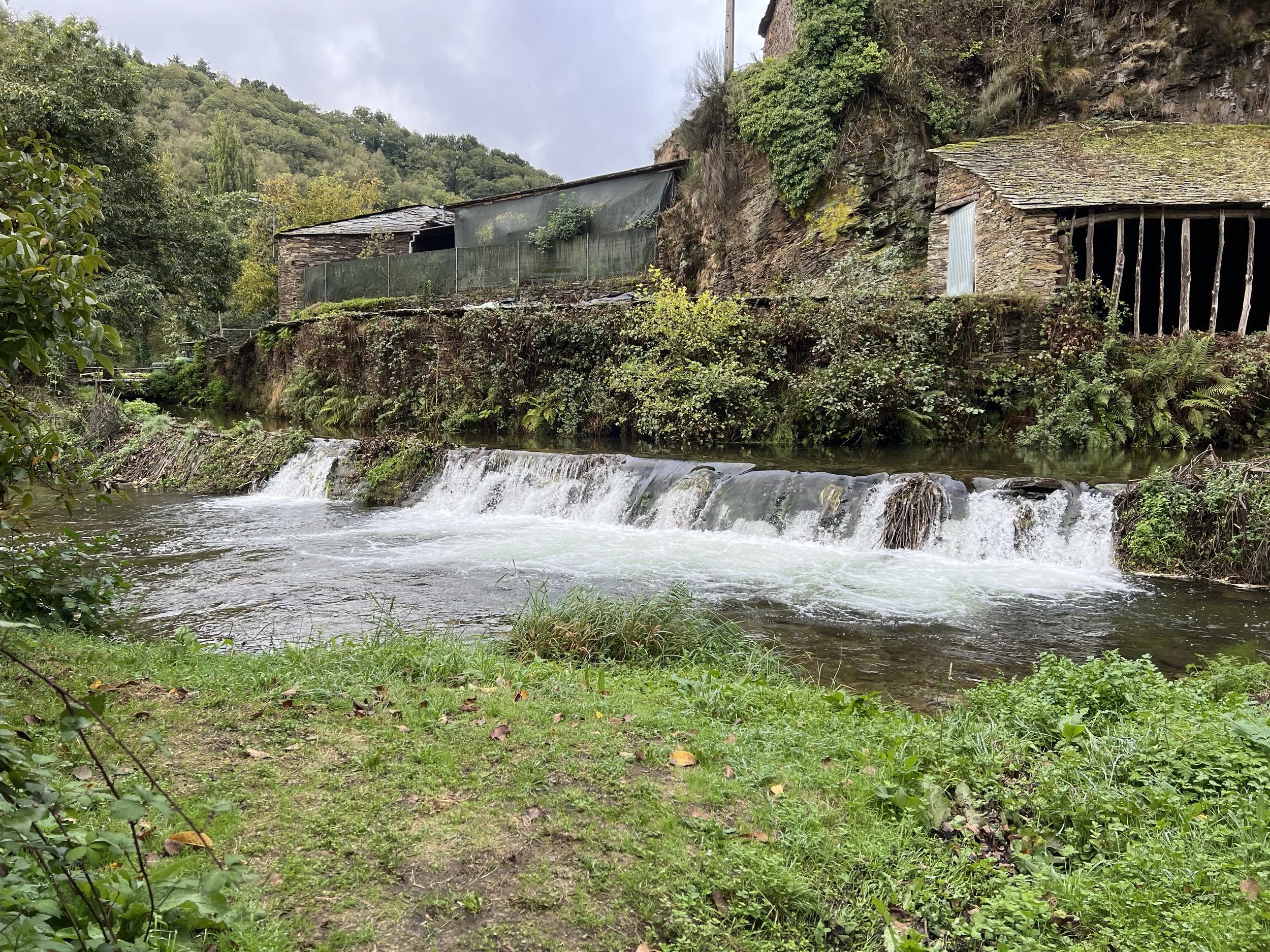
Founded in the 6th century and later expanded during the Middle Ages, the monastery has been a centre of learning, hospitality, and spiritual guidance for centuries. Its grand cloisters, library, and Baroque church reflect centuries of architectural evolution. Although the main route through San Xil is shorter and hillier, the Samos path offers a quieter, more contemplative journey through forested hills and along the River Sarria.
Getting There
The trail to Samos begins directly from O Cebreiro, descending westward through Liñares, Hospital da Condesa, and Triacastela, where the path divides — one way toward San Xil, the other toward Samos. The Samos route is slightly longer but gentler in elevation and well worth the detour for its scenic and cultural value.
For travellers joining the Camino in this region, Samos is accessible by taxi or local bus from Sarria, which serves as a major transport hub for the final 100 km of the Camino Francés. Sarria connects by train and bus to Santiago de Compostela, Lugo, and Madrid.
Route Overview
Distance: 31.14 km (Albergue Municipal de O Cebreiro → Albergue Val de Samos)
Total elevation gain: 413 m
Duration: 6 hr 22 min (with breaks 7 hr 22 min)
Difficulty: Hard
For the full day-by-day route breakdown, including distances and duration, see my complete Camino Francés route guide.
Cost Breakdown
Accommodation: Albergue Val de Samos (Walked in) — €15
Food: €21.4