Camino Francés - Day 14: Burgos (Rest Day)
Even on my rest day, I woke up early—my body was still on Camino time. After two weeks of pre-dawn departures, sleeping in past 6 a.m. felt almost impossible. We made a big breakfast, watched TV, and played some music while slowly packing up for checkout. It felt good to move at an easy pace for once.
That night, we planned to stay at the municipal albergue in Burgos, so we headed over early to line up for beds. When we arrived, a few pilgrims were already waiting at the door, chatting quietly with their backpacks resting beside them. The familiar routine of lining up, checking in, and claiming a bunk felt comforting in its own way—a reminder that even rest days still carry a bit of the Camino rhythm.
Once we were settled, we decided to walk to Decathlon, about two kilometres from the city centre. Instead of taking the bus, we made it another mini adventure. I didn’t actually need anything, but browsing through the gear aisles has become one of my Camino pastimes. It’s funny how the longer you walk, the more obsessed you get with socks and trekking poles.
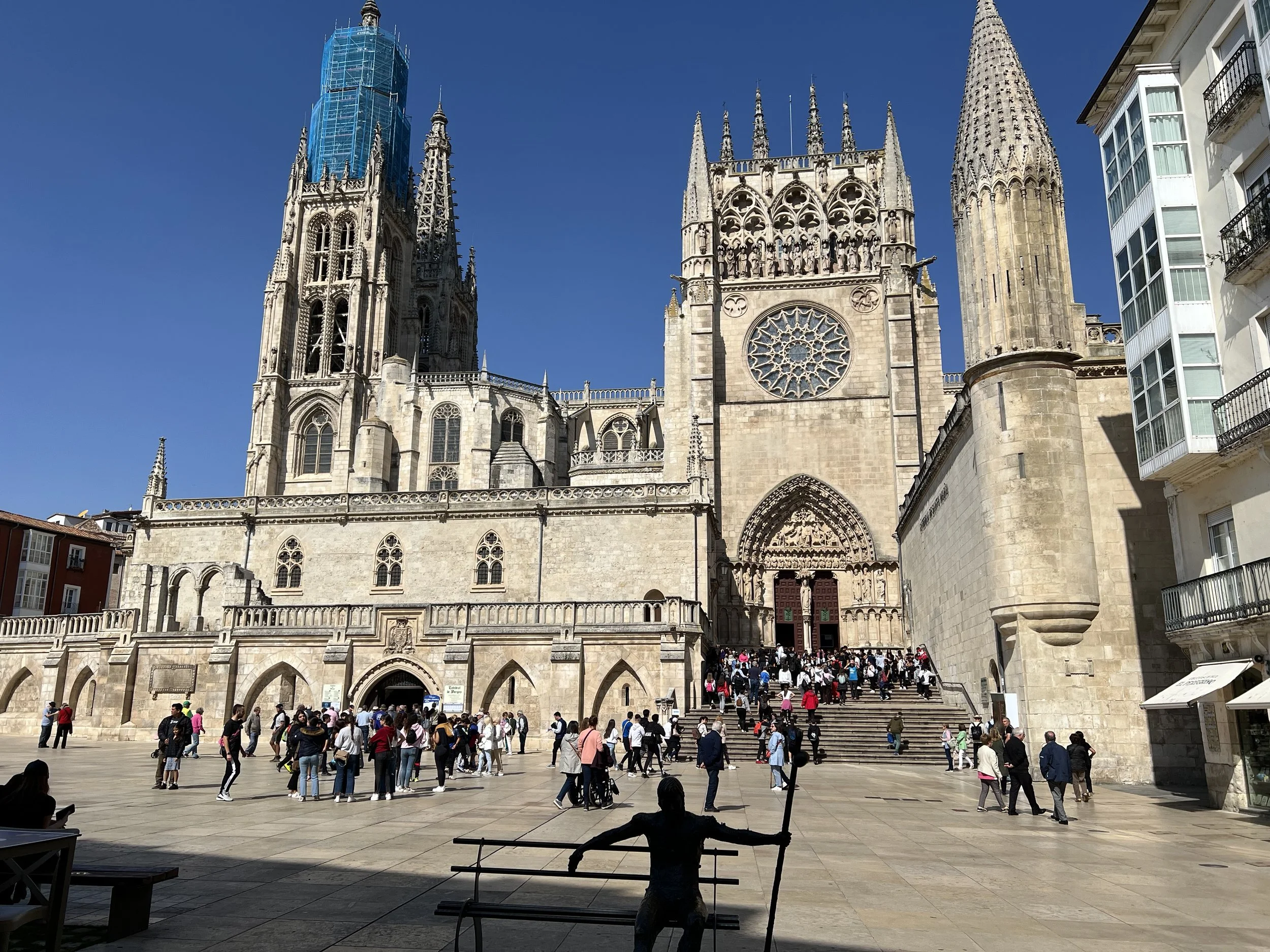
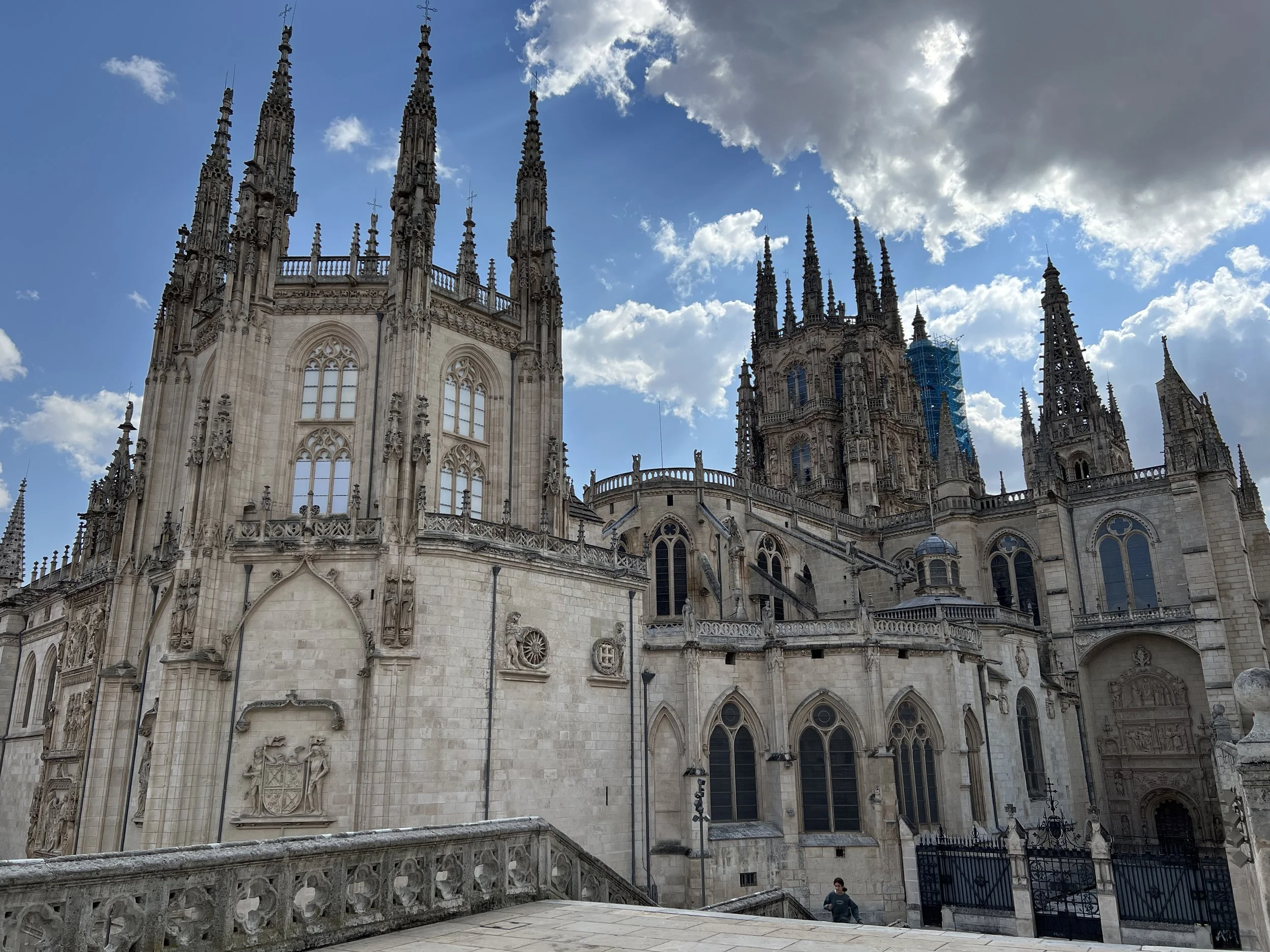
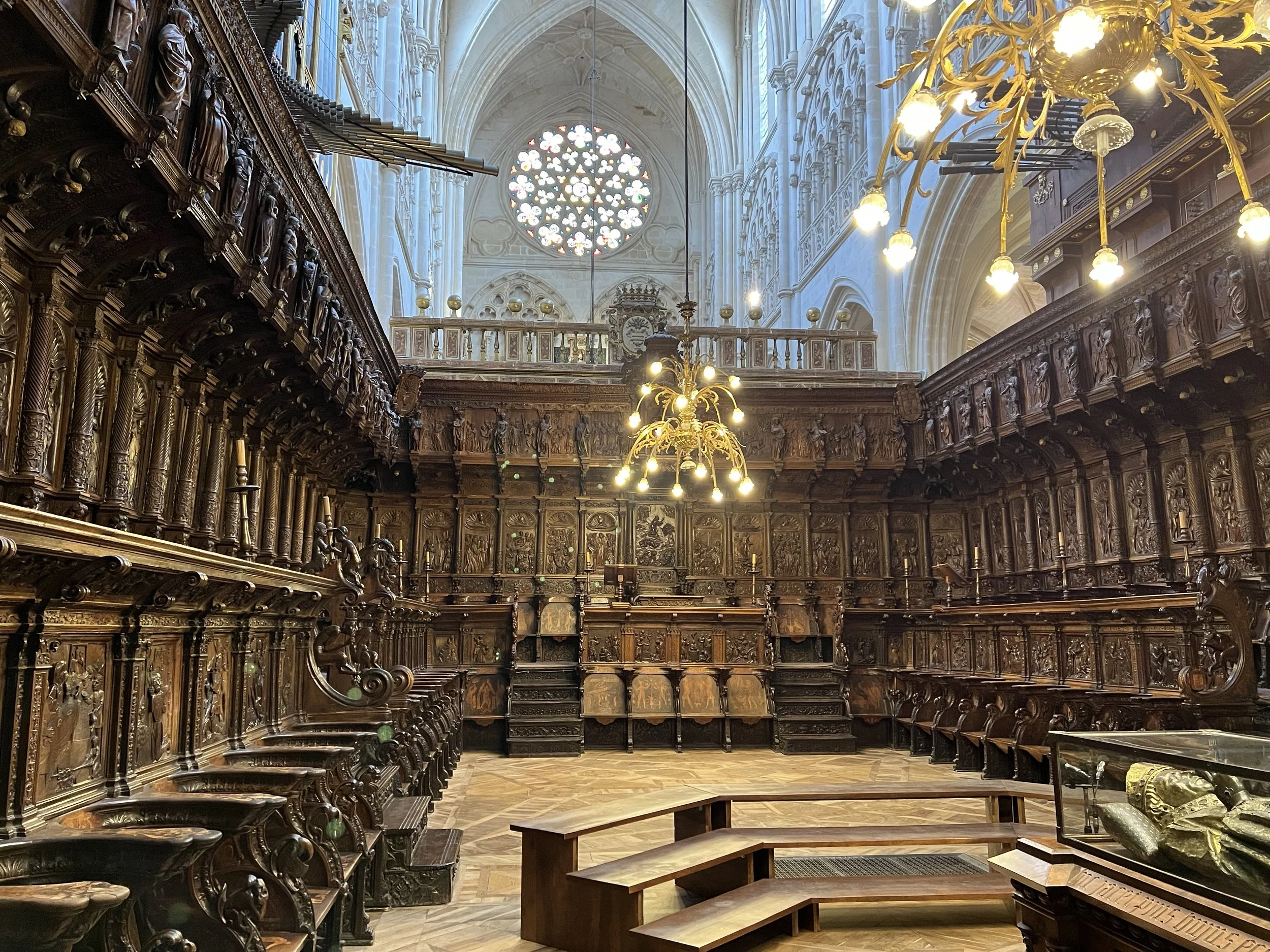
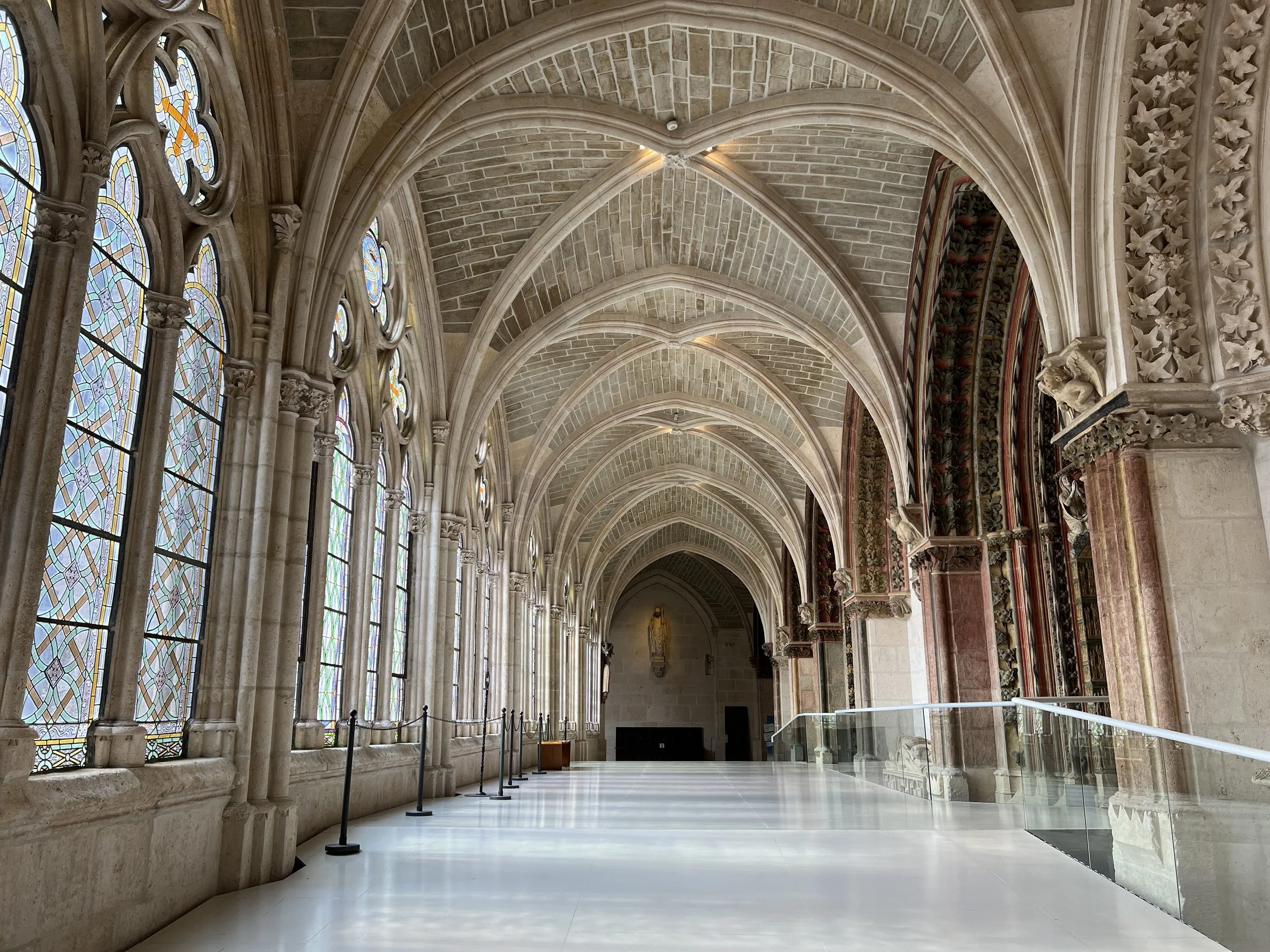
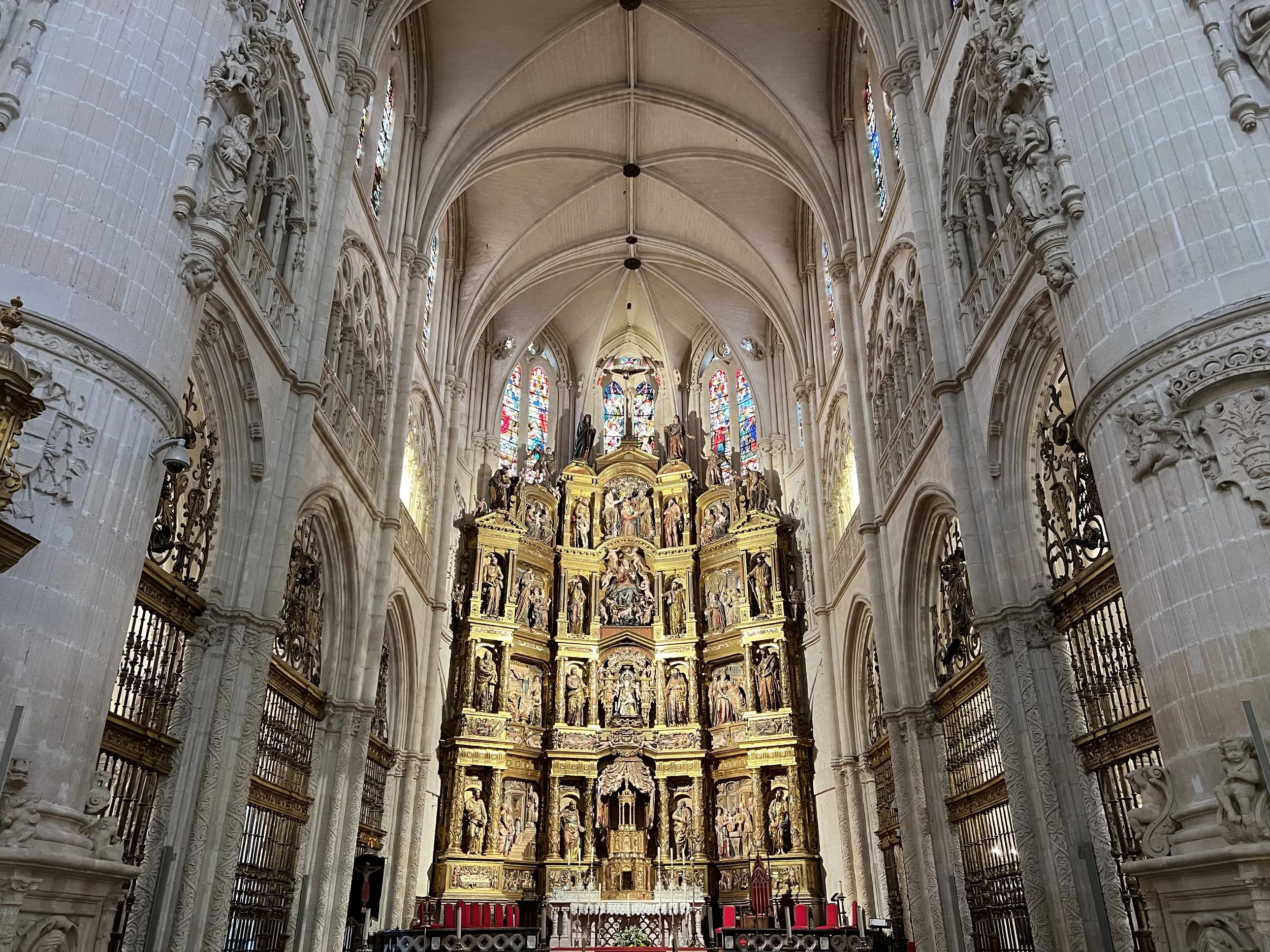
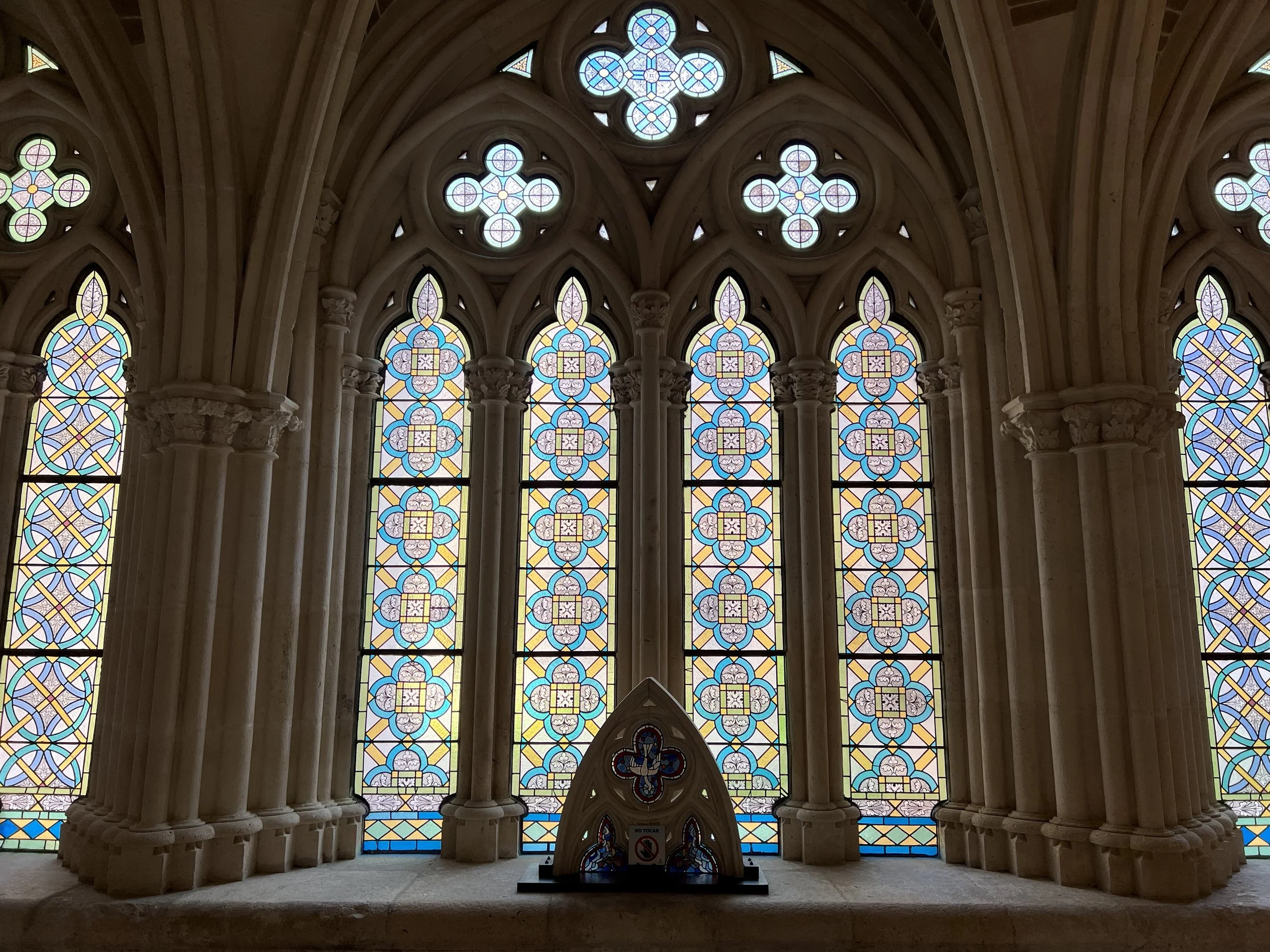
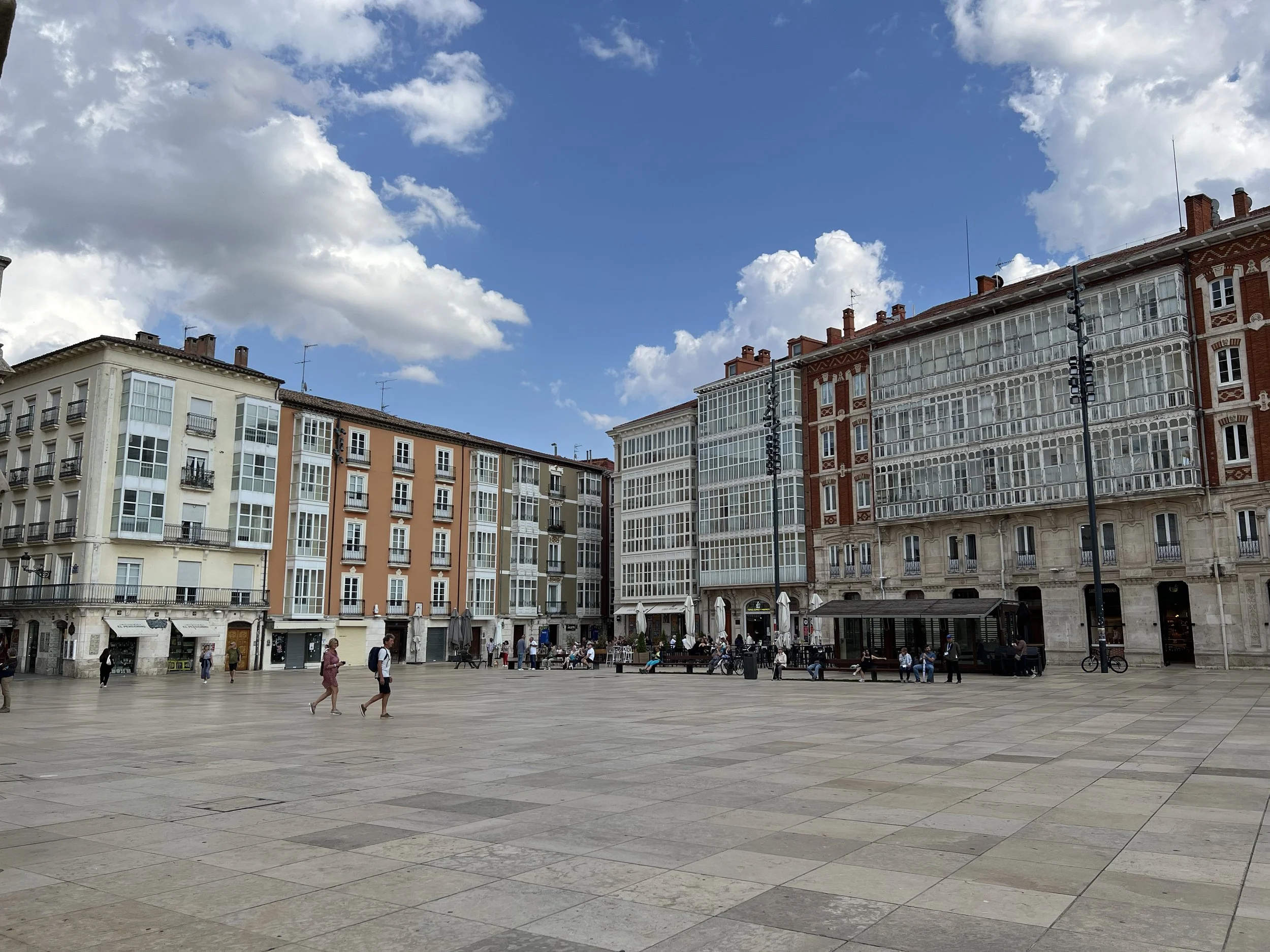
Back in the historic centre, we treated ourselves to ice cream and finally visited the Burgos Cathedral—an absolute masterpiece of Gothic architecture. Inside, the soaring ceilings, detailed carvings, and golden altars left me speechless. It’s one of those places that truly captures the scale and spirit of centuries of devotion.
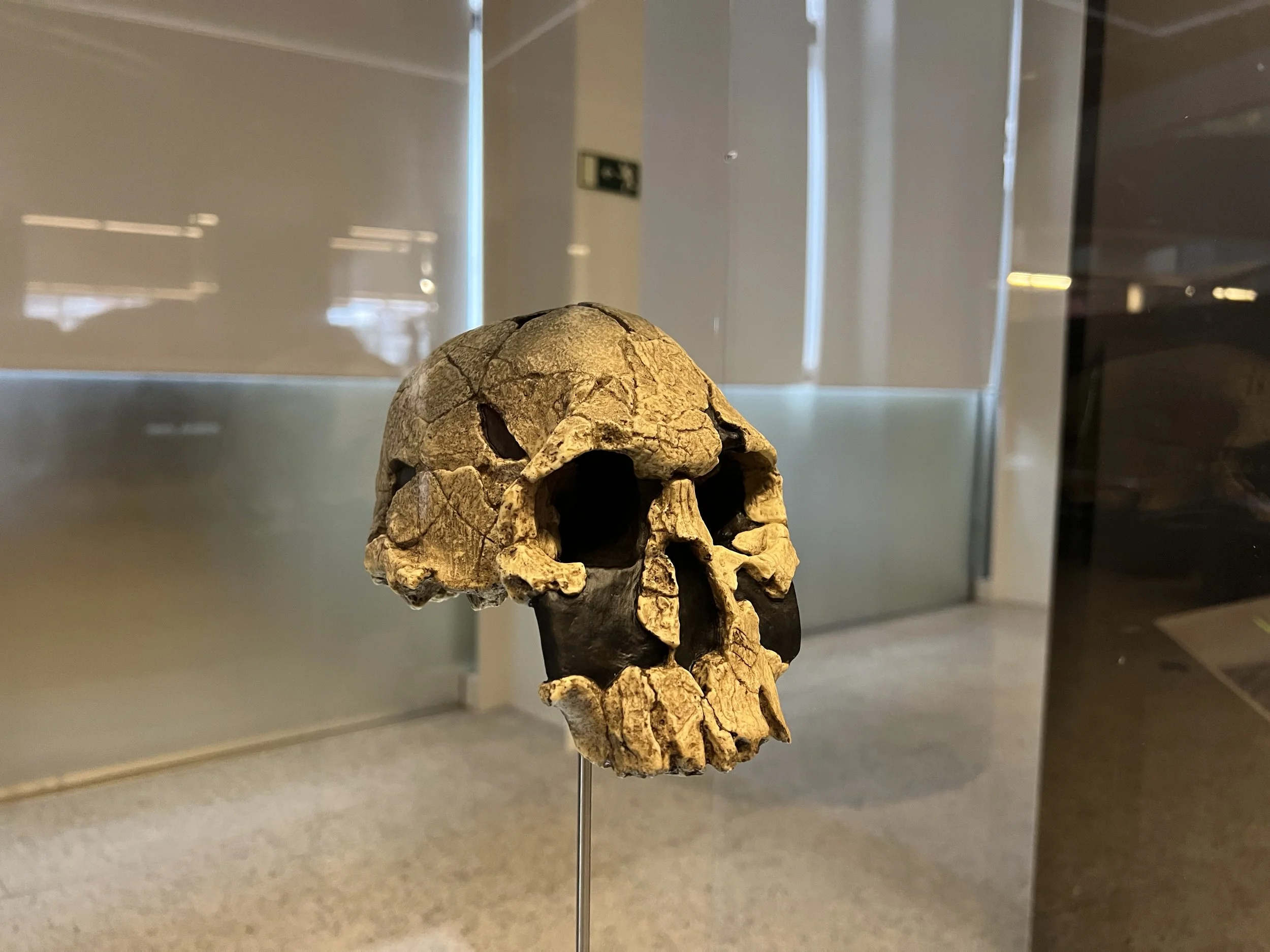
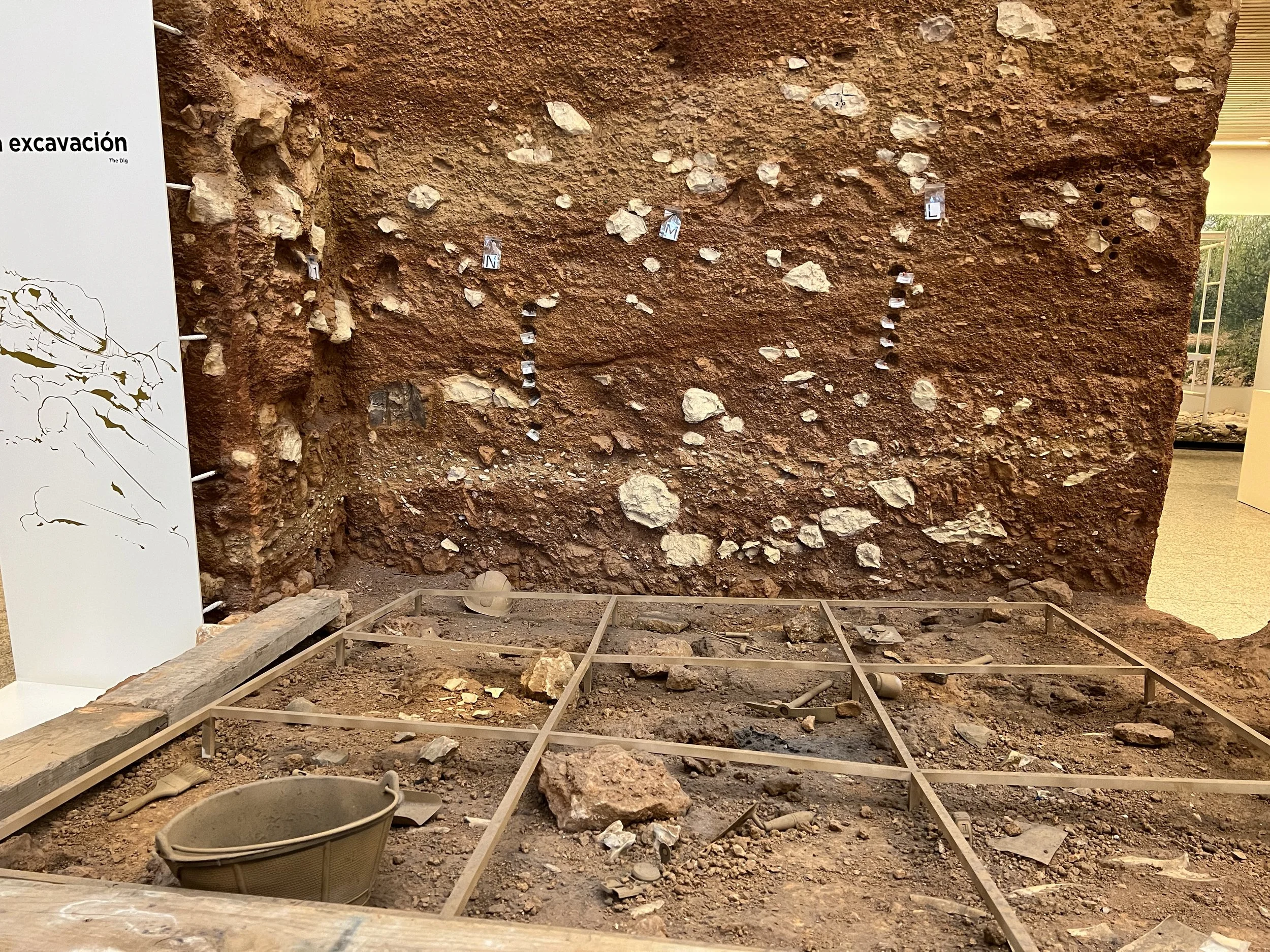
Before dinner, we discovered that the Museum of Human Evolution offered free admission during the last hour of the day, so we decided to make the most of it. The exhibits were fascinating, especially since many of the fossils came from Atapuerca, the archaeological site we had toured just the day before. Seeing that connection between what we’d walked past and what was displayed in the museum gave the visit a deeper meaning.
It was a full but restful day—a nice balance of errands, exploration, and quiet moments of appreciation. Burgos felt like the perfect place to pause, reflect, and recharge before stepping into the Meseta ahead.
History & Background
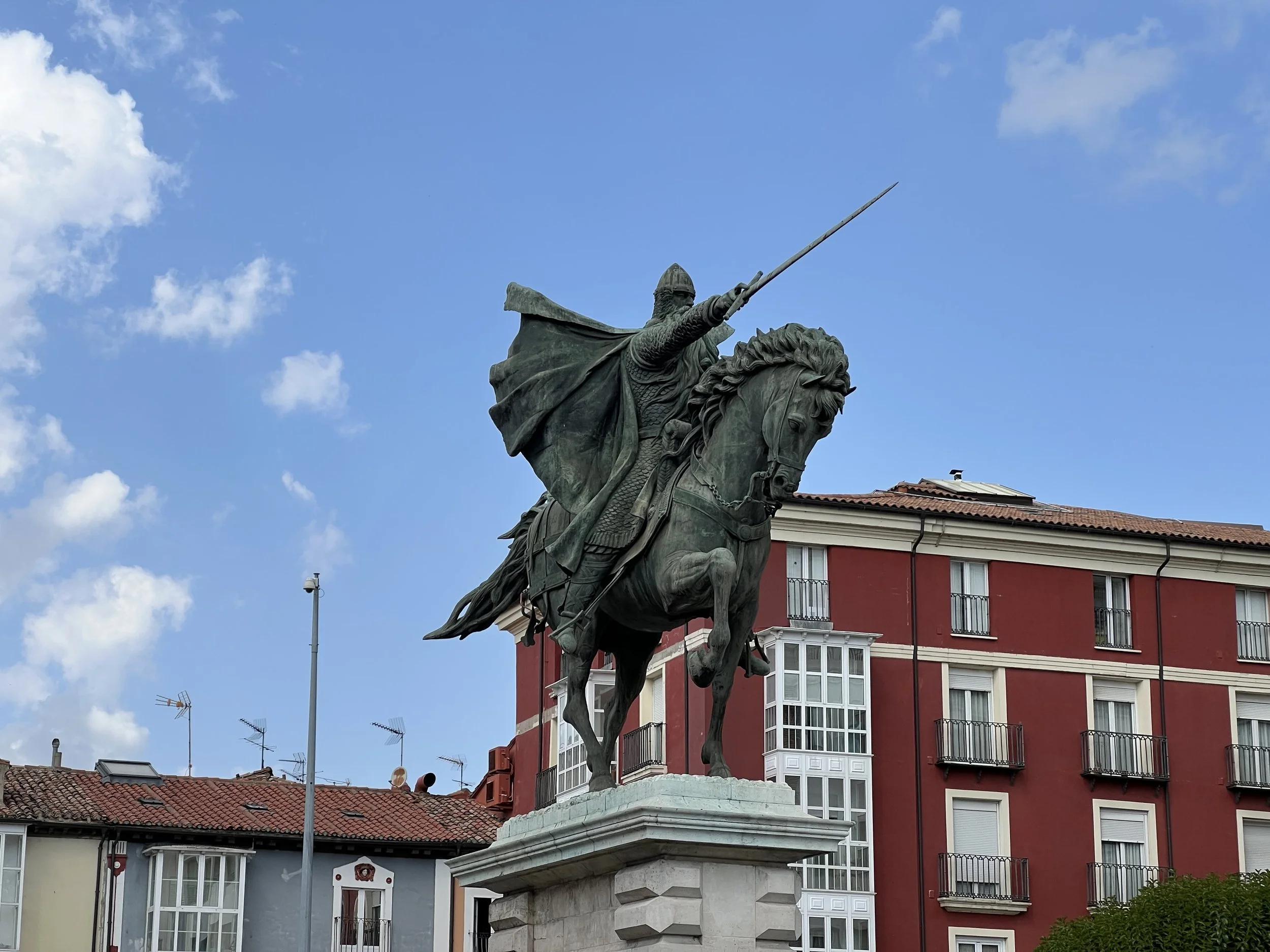
Burgos is one of the most significant cities on the Camino Francés, renowned for its impressive Gothic cathedral and deep historical roots. Founded in the 9th century, Burgos became the capital of the Kingdom of Castile and later a key medieval trading and religious hub.
Its Cathedral of Saint Mary, a UNESCO World Heritage Site, stands as one of Spain’s most remarkable examples of Gothic architecture, featuring spires, rose windows, and royal tombs. The city also houses the Museum of Human Evolution, showcasing archaeological discoveries from the Atapuerca region—home to some of Europe’s oldest human remains.
Today, Burgos offers pilgrims a perfect mix of cultural depth and modern comfort, making it an ideal place for a rest day before continuing westward.
Getting There
Burgos is a major stop along the Camino Francés, typically reached after two weeks of walking from Saint-Jean-Pied-de-Port. It’s well connected by train and bus to Madrid, León, and other major Spanish cities, making it a common start or rest point for pilgrims.
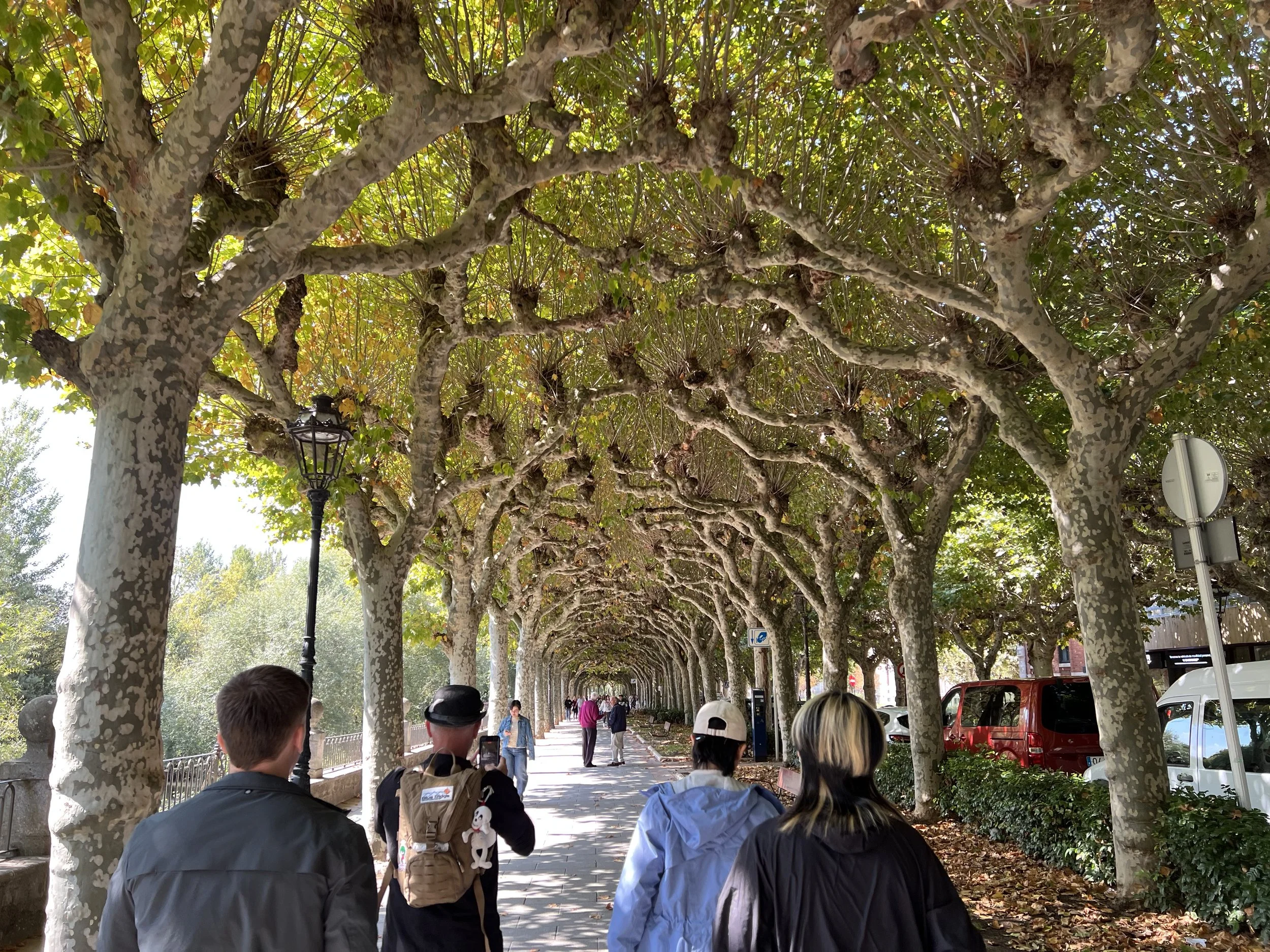
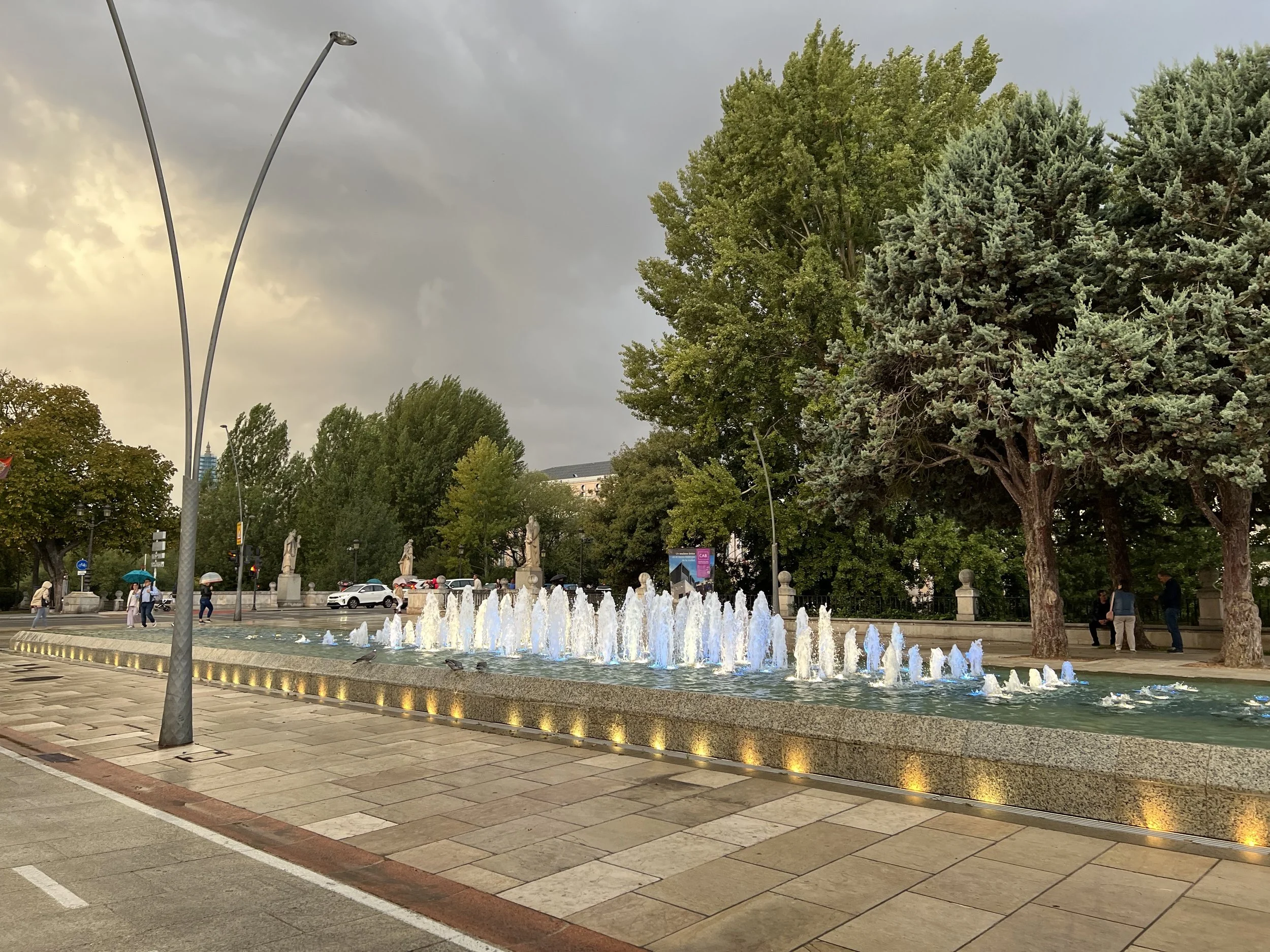
Within the city, most attractions—including the cathedral, river promenade, and shopping areas—are within walking distance, allowing pilgrims to explore easily on foot.
Route Overview
Distance: 8.27 km (Burgos City Centre)
Total elevation gain: 77 m
Difficulty: Easy
For the full day-by-day route breakdown, including distances and duration, see my complete Camino Francés route guide.
Cost Breakdown
Accommodation: Albergue de Peregrinos Casa del Cubo de Burgos (lined up) — €10
Food: €24.46
Pharmacy: €30.85