Camino Francés - Day 13: Atapuerca to Burgos
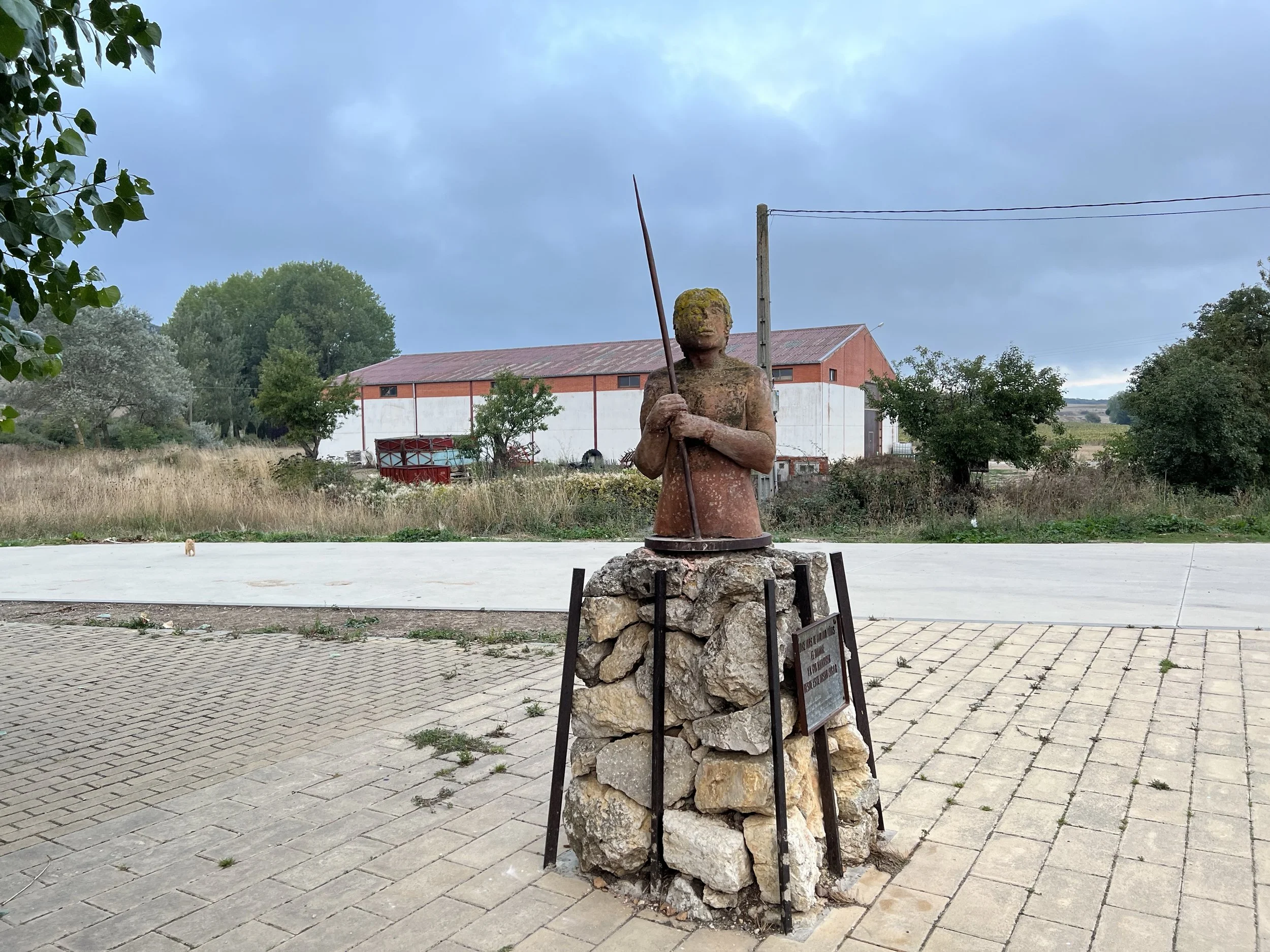
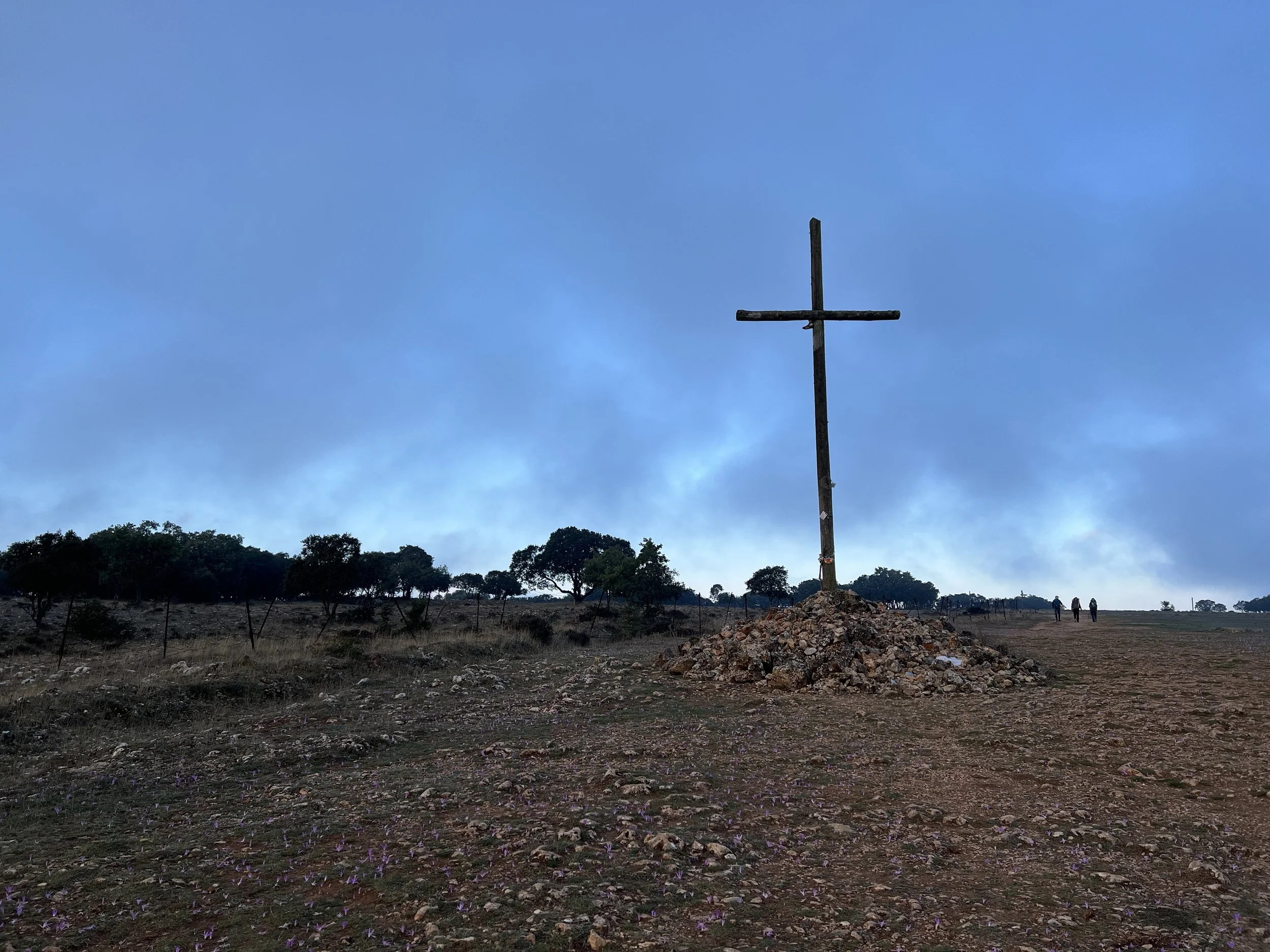
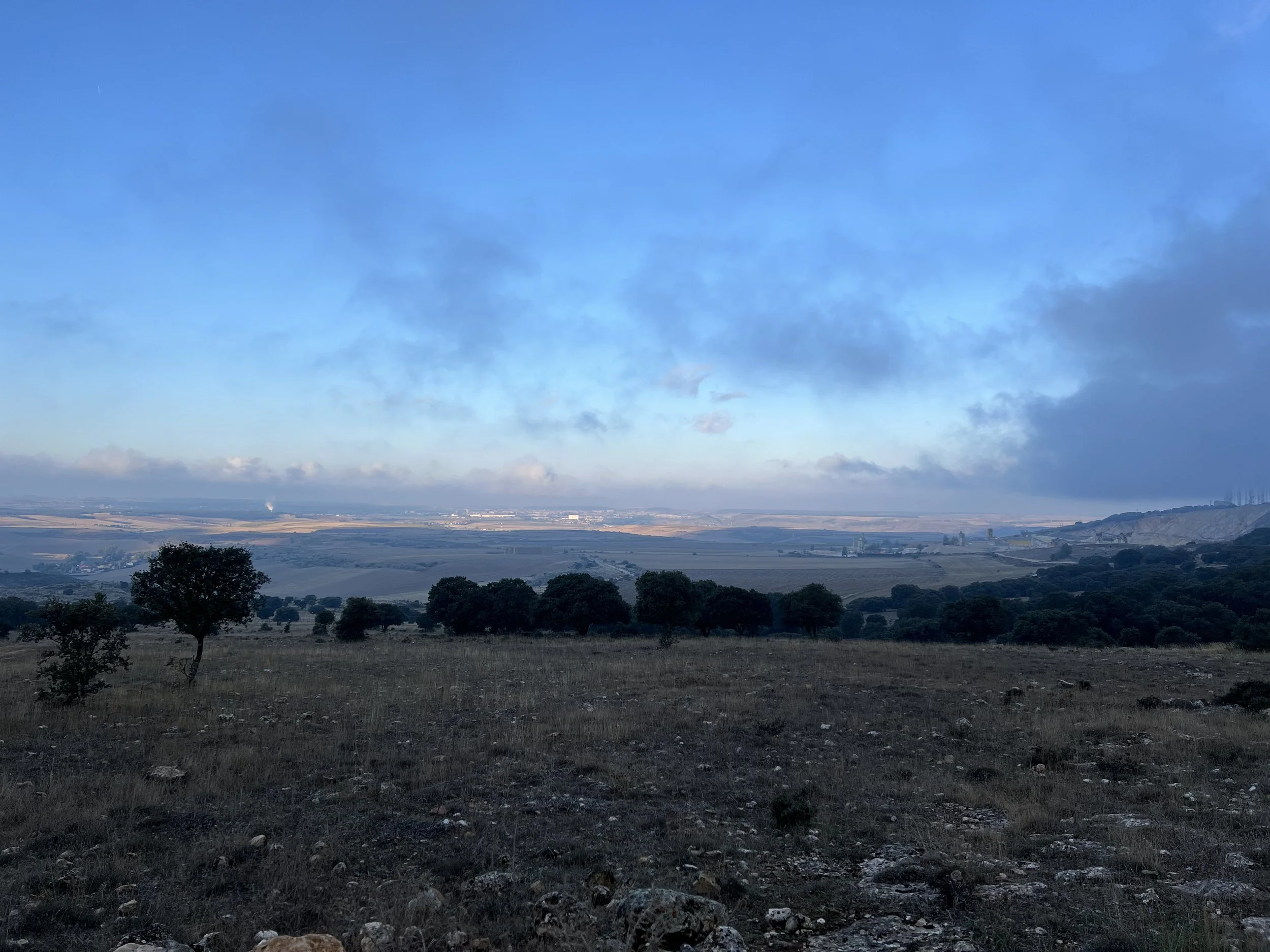
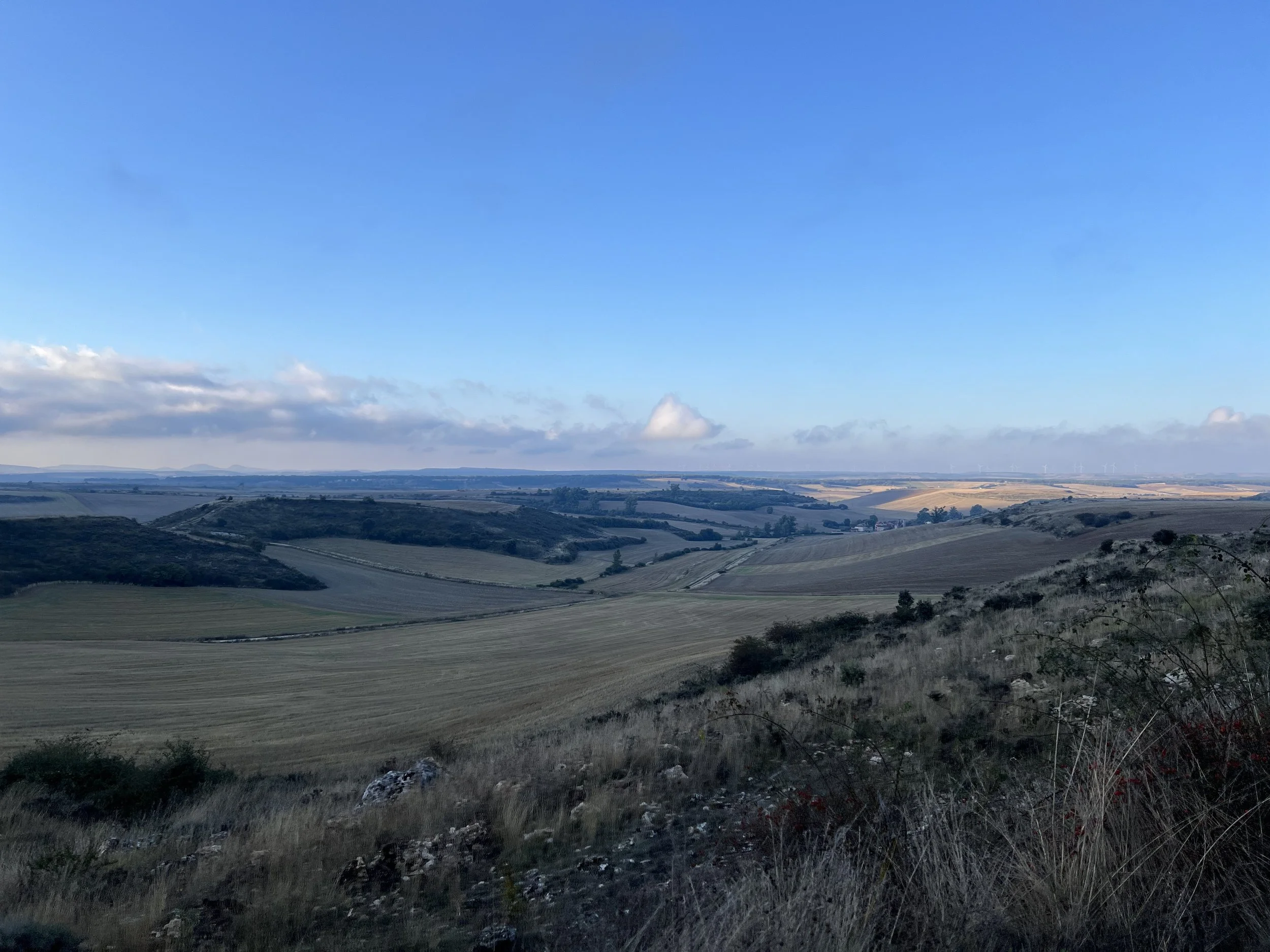
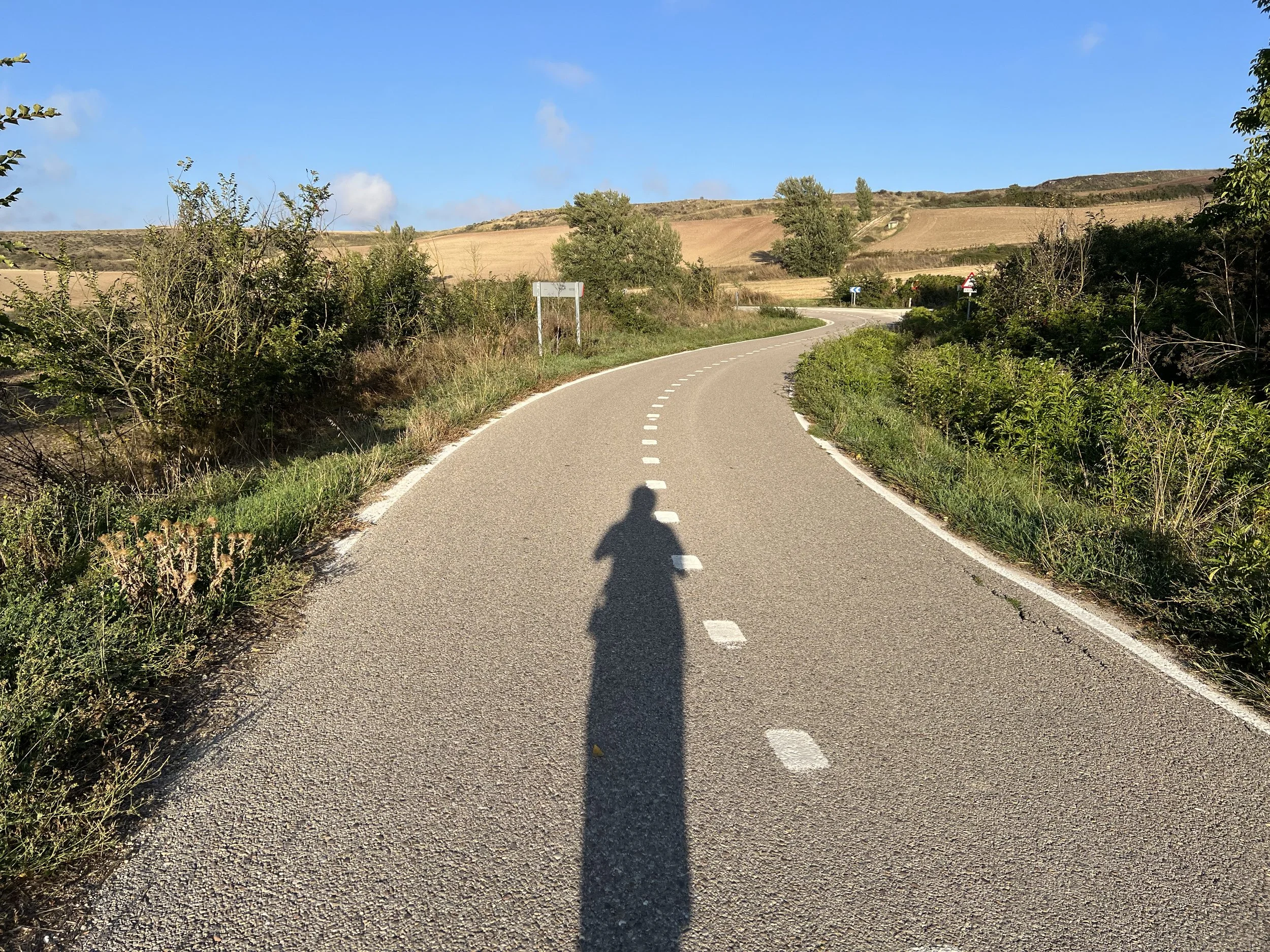
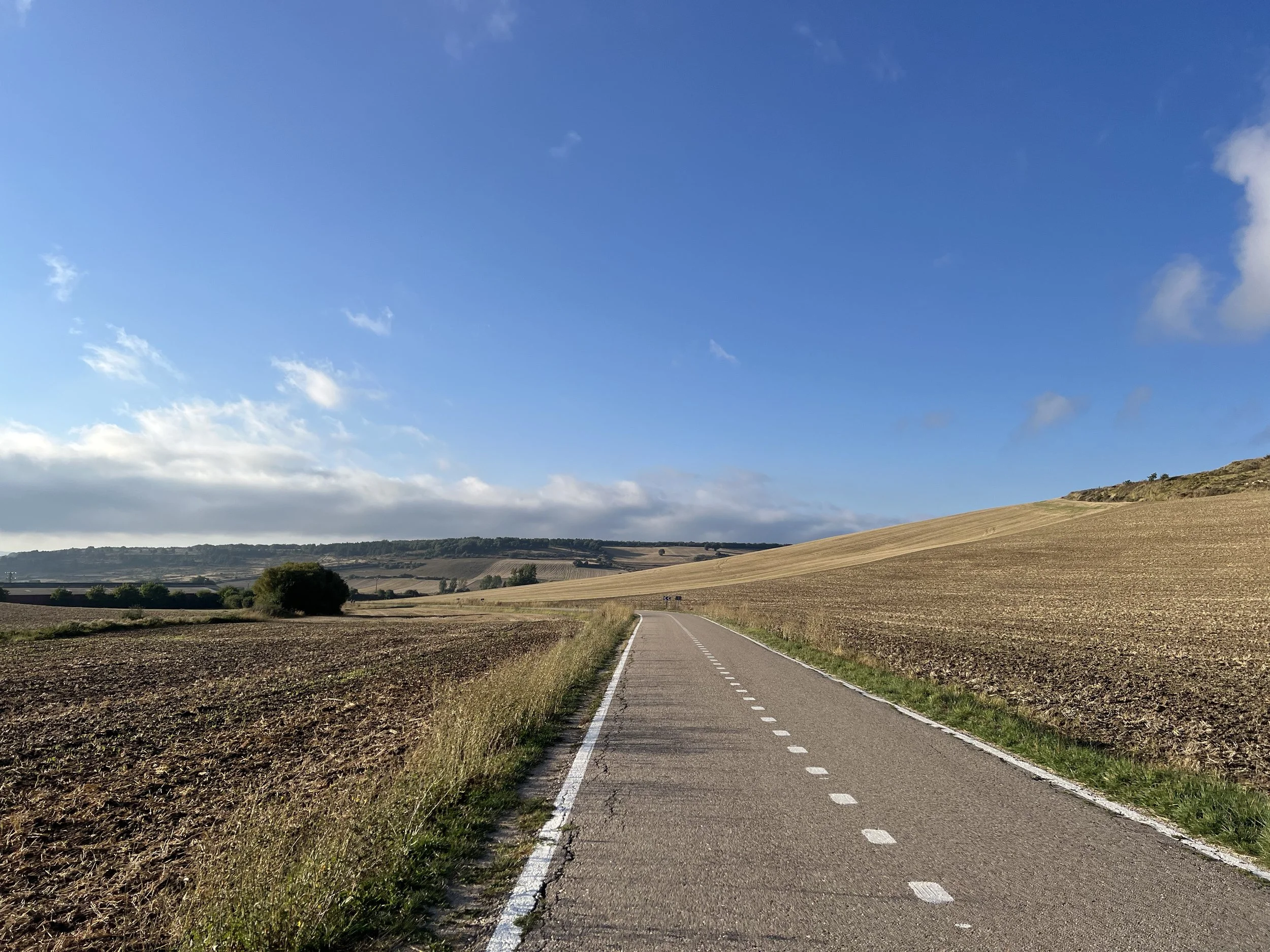
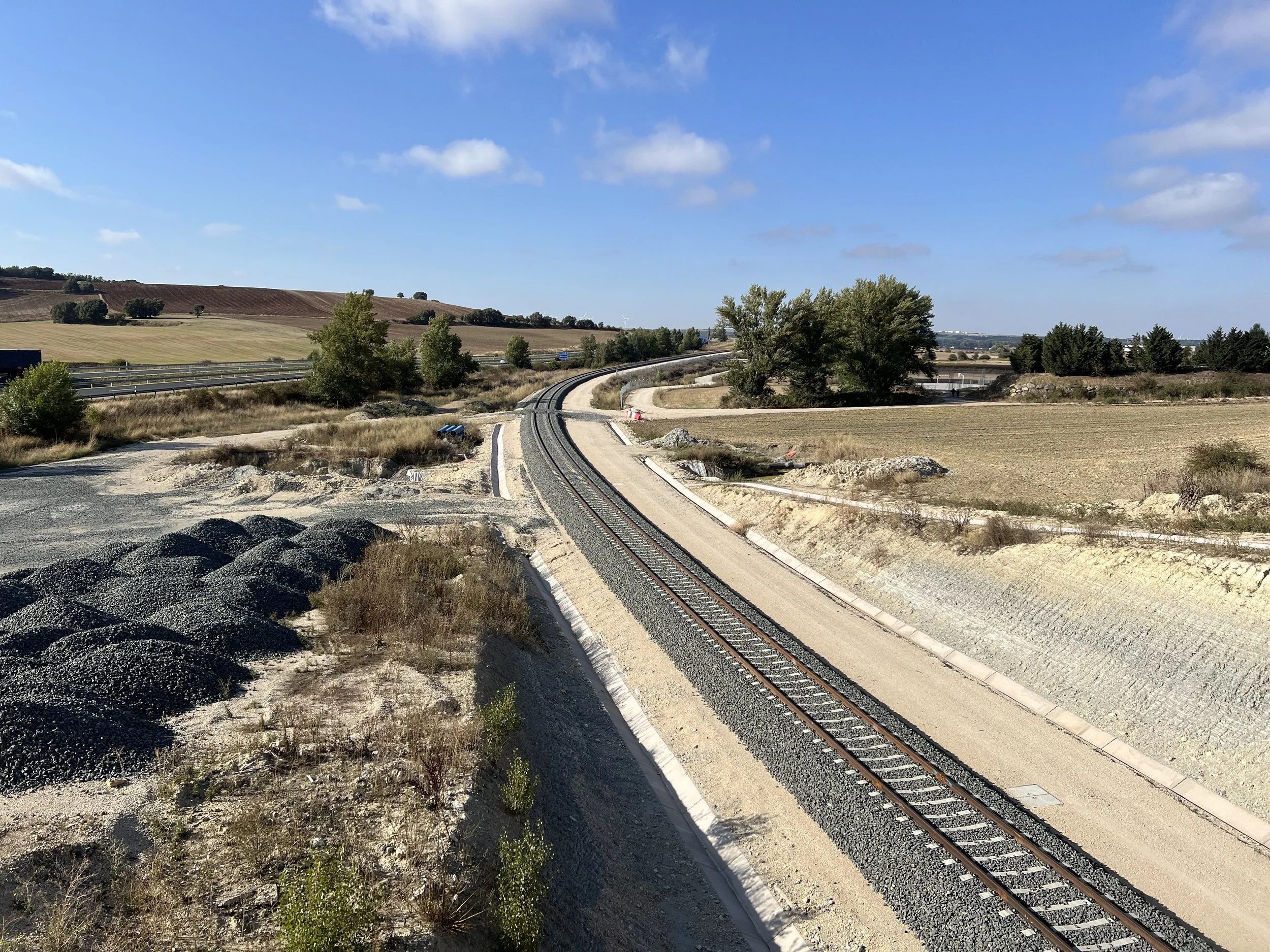
The walk from Atapuerca to Burgos started with a steep but short climb out of town, followed by mostly flat terrain for the rest of the day. The early morning air was cool and fresh, and the trail passed through open countryside dotted with wind turbines before gradually descending toward the outskirts of the city.
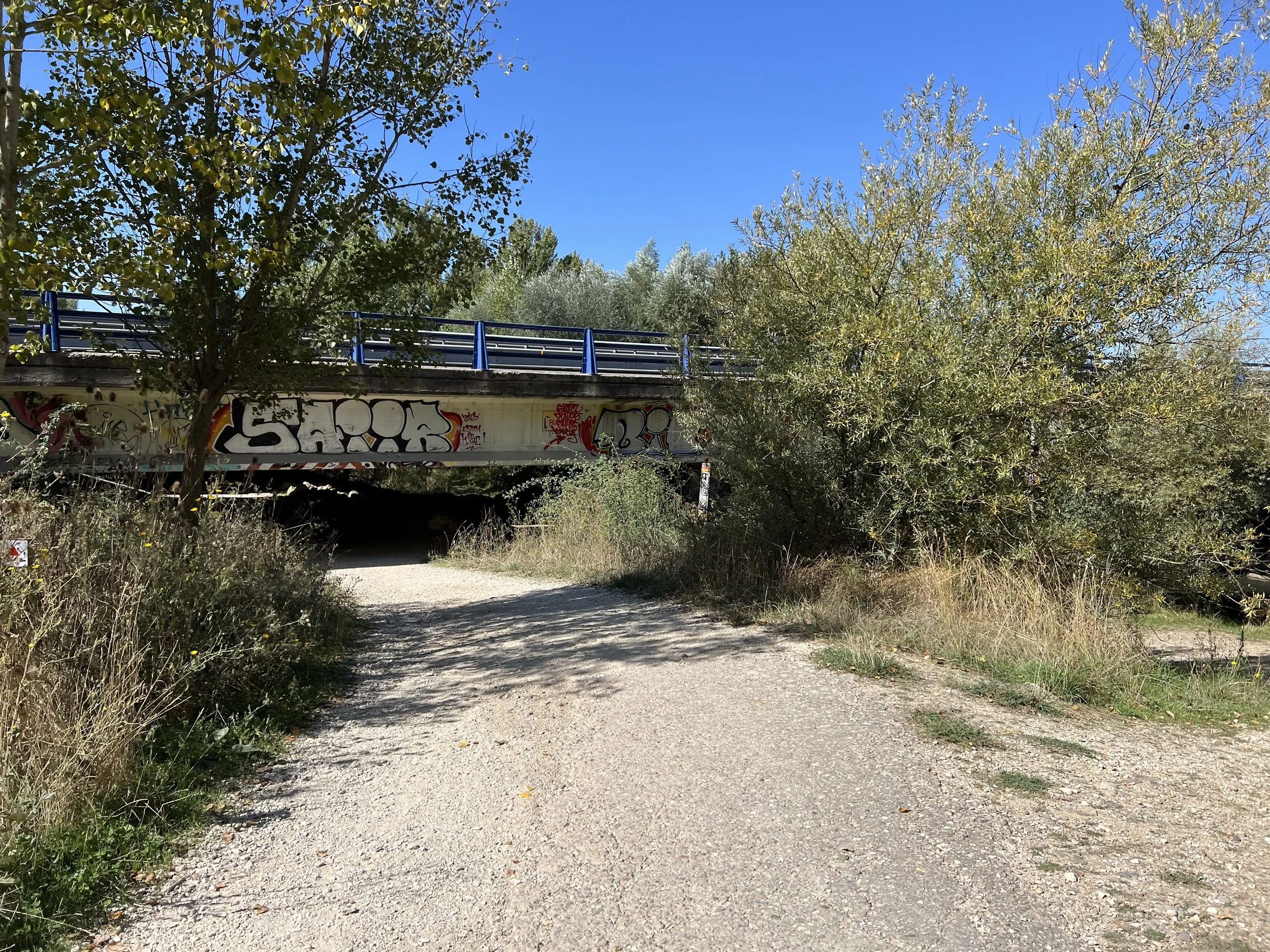
There were two main route options heading into Burgos: one that passed through industrial areas and busy roads, and a quieter alternative along the Arlanzón River, which offered a more scenic approach. My Camino family and I initially chose the river path, but we couldn’t resist a small detour—rumour had it that the McDonald’s in Burgos gave out pilgrim stamps. We just had to check for ourselves!
After nearly two weeks of simple Camino meals, that first bite of junk food tasted surprisingly satisfying. We laughed about how it had become a mini pilgrimage destination of its own. The weather was warm but pleasant, and we took our time walking the final stretch into Burgos, chatting and soaking up the energy of the city.
Once inside Burgos, the familiar yellow arrows became harder to spot, so we used our navigation app to find our way through the winding streets. Instead of staying in an albergue, we had planned a rest day and booked an Airbnb together—a well-deserved break after nearly two weeks on the road.
After checking in, we fell into an easy rhythm: some of us tackled the laundry, others went grocery shopping, and by evening, we gathered for a relaxed homemade dinner. Knowing I didn’t have to wake up early the next morning felt like such a luxury. Tomorrow, I’d have time to rest, recharge, and explore Burgos properly.
History & Background
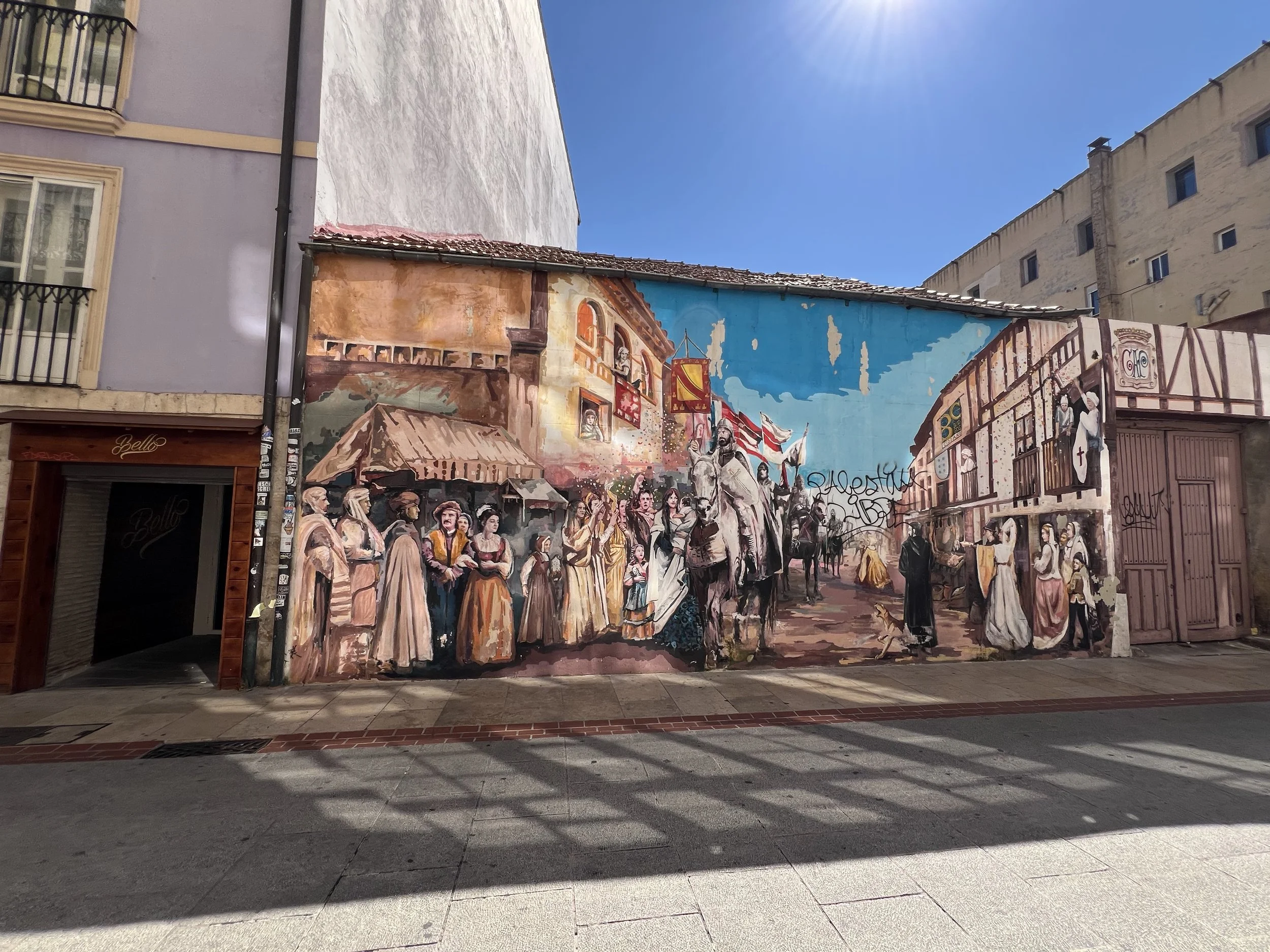
This stage marks the transition from rural Navarra and La Rioja into Castile and León, one of the most historic regions along the Camino Francés. The city of Burgos, founded in the 9th century, was once the capital of the Kingdom of Castile and played a central role in Spain’s medieval history.
Burgos is perhaps best known for its magnificent Gothic cathedral, a UNESCO World Heritage Site and one of Spain’s most stunning architectural masterpieces. Construction began in 1221, and the cathedral remains a highlight for pilgrims arriving from Atapuerca. The city’s old quarter still preserves its medieval charm, with narrow cobbled streets, elegant plazas, and lively cafés filled with locals and travellers alike.
Getting There
The route from Atapuerca to Burgos covers approximately 23 km, beginning with a short climb out of Atapuerca before levelling out across the plateau. Pilgrims can follow either the industrial route, which is more direct but less scenic, or the river route, a longer and quieter path that follows the Arlanzón River through parks and tree-lined paths.
Walking is the traditional and most rewarding way to experience this stage, allowing pilgrims to enjoy the choice of route, changing scenery, and the approach into the historic city of Burgos. For those needing an alternative, buses and trains connect Burgos with major Spanish cities such as Madrid, León, and Pamplona, providing flexibility for those starting or finishing the Camino here.
Route Overview
Distance: 22.68 km (Albergue El Peregrino Atapuerca → Burgos Air B&B)
Total elevation gain: 145 m
Duration: 4 hr 31 min (with breaks 6 hr 26 min)
Difficulty: Hard
For the full day-by-day route breakdown, including distances and duration, see my complete Camino Francés route guide.
Cost Breakdown
Accommodation: Burgos Air B&B (booked via Air B&B) — €25.75
Food: €24.84