Camino Francés - Day 12: Tosantos to Atapuerca
Today’s goal was to reach Atapuerca early enough to join an afternoon tour of the archaeological site—home to some of Europe’s oldest human remains. Knowing the walk was about 26 kilometres, I booked the last available tour online the night before to give myself enough time to arrive without rushing.
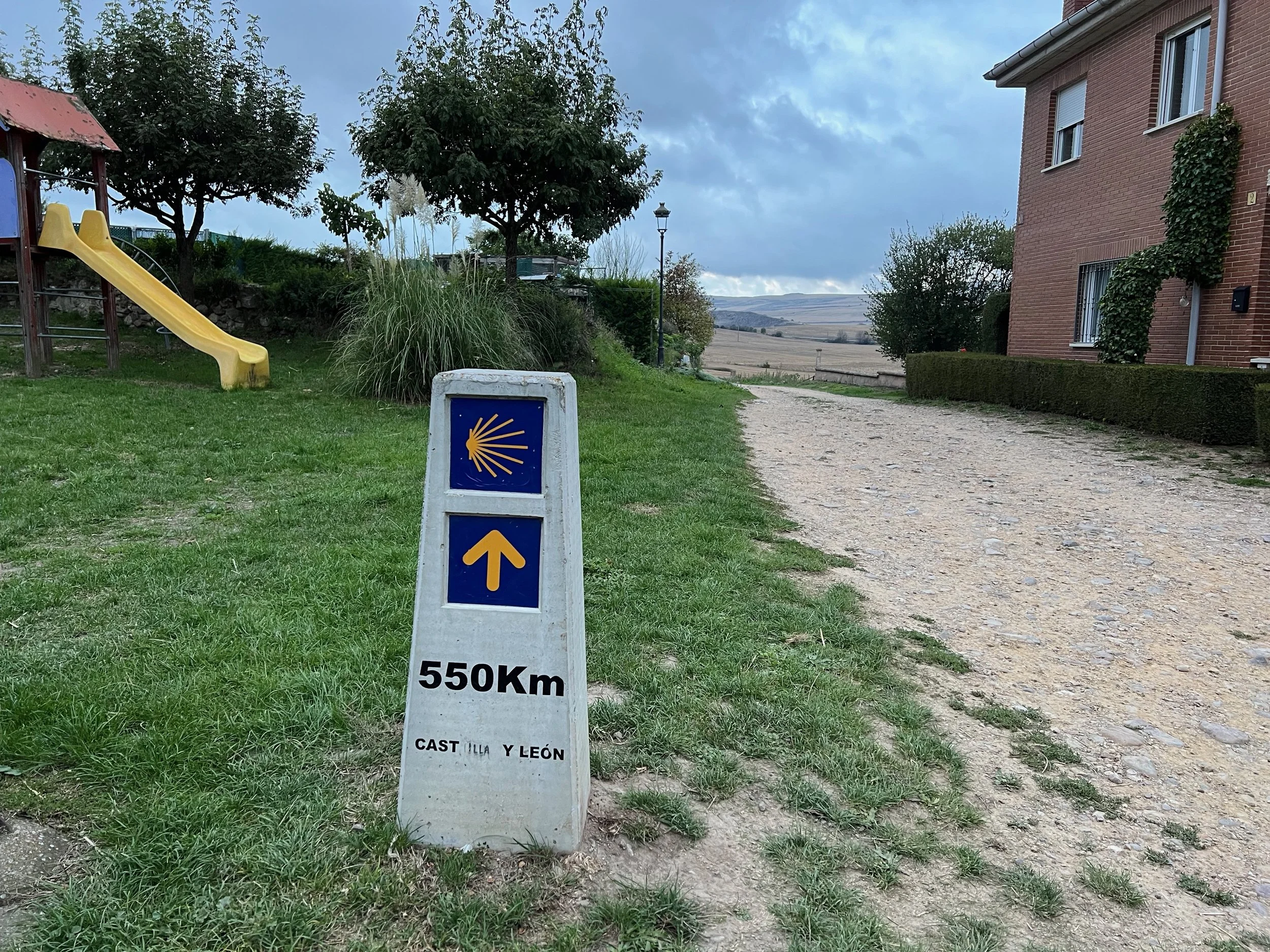
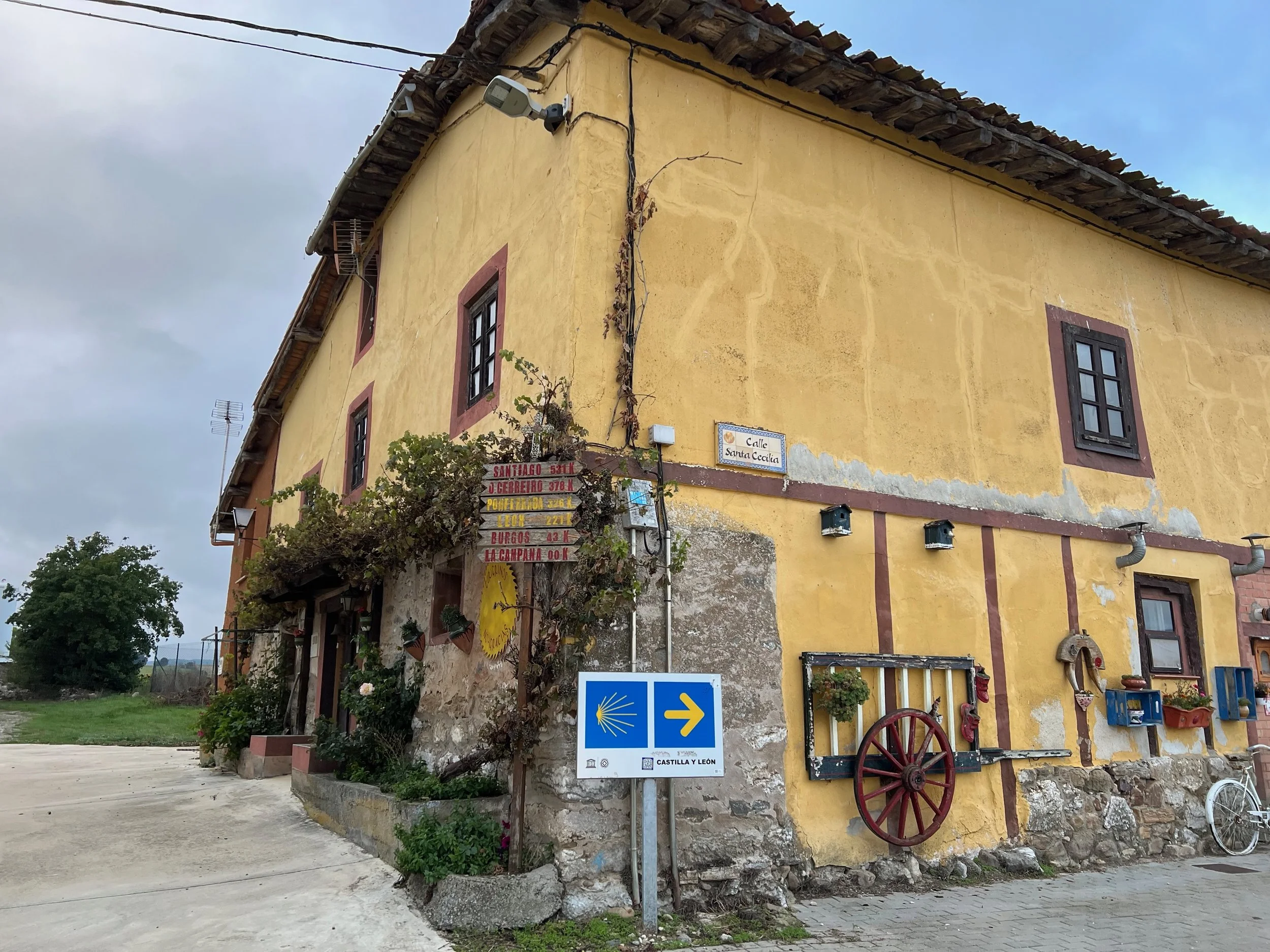
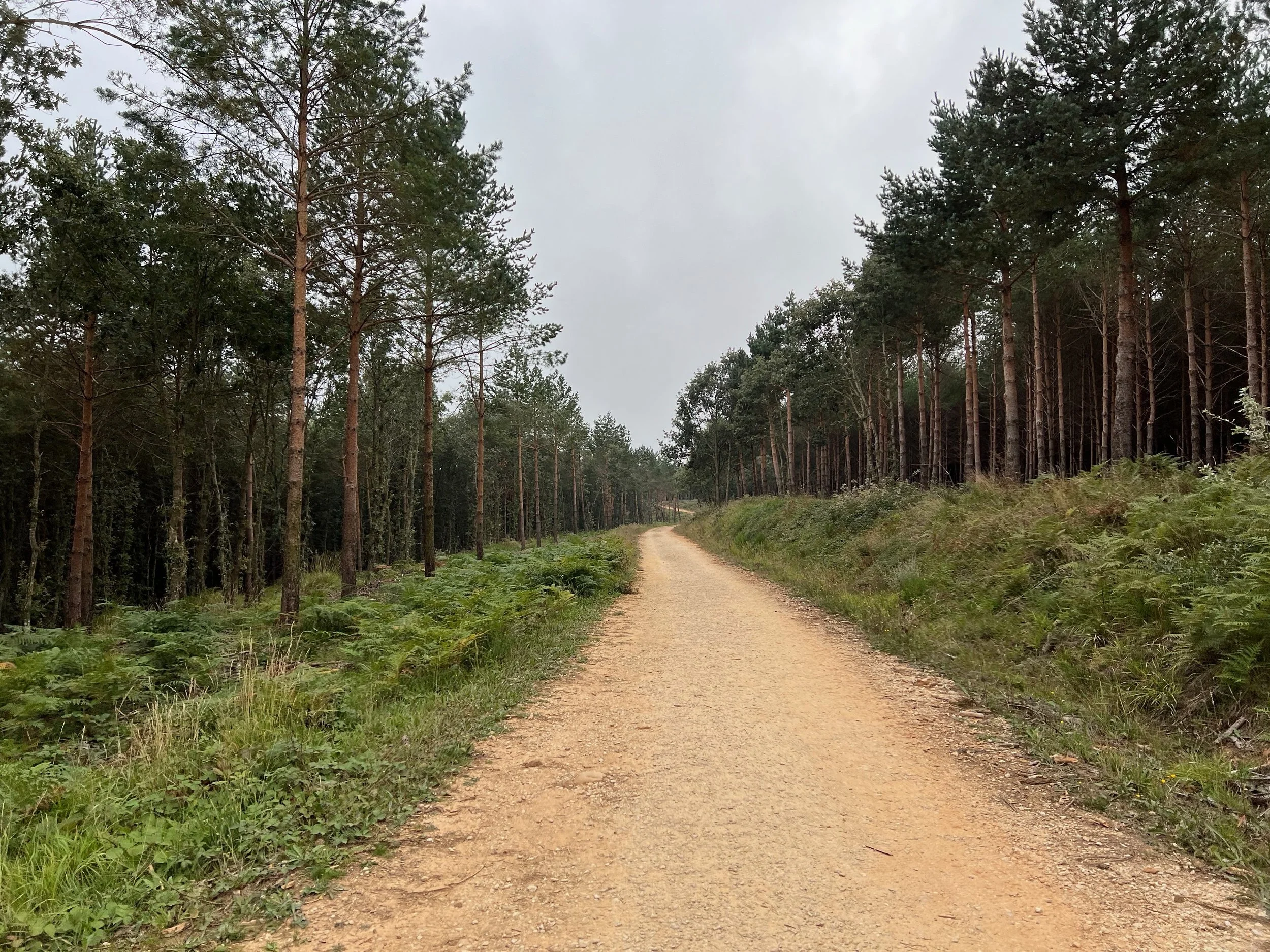
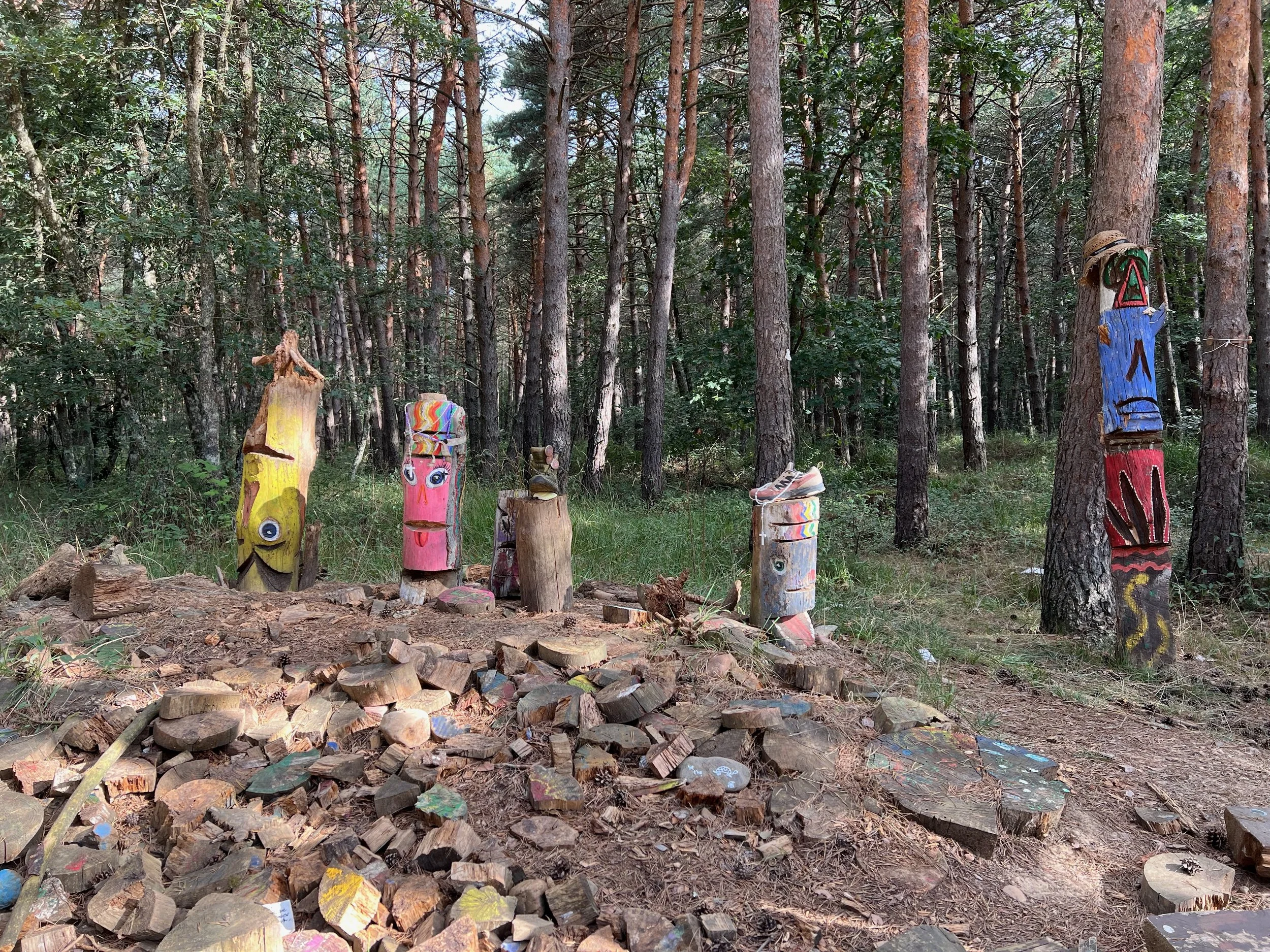
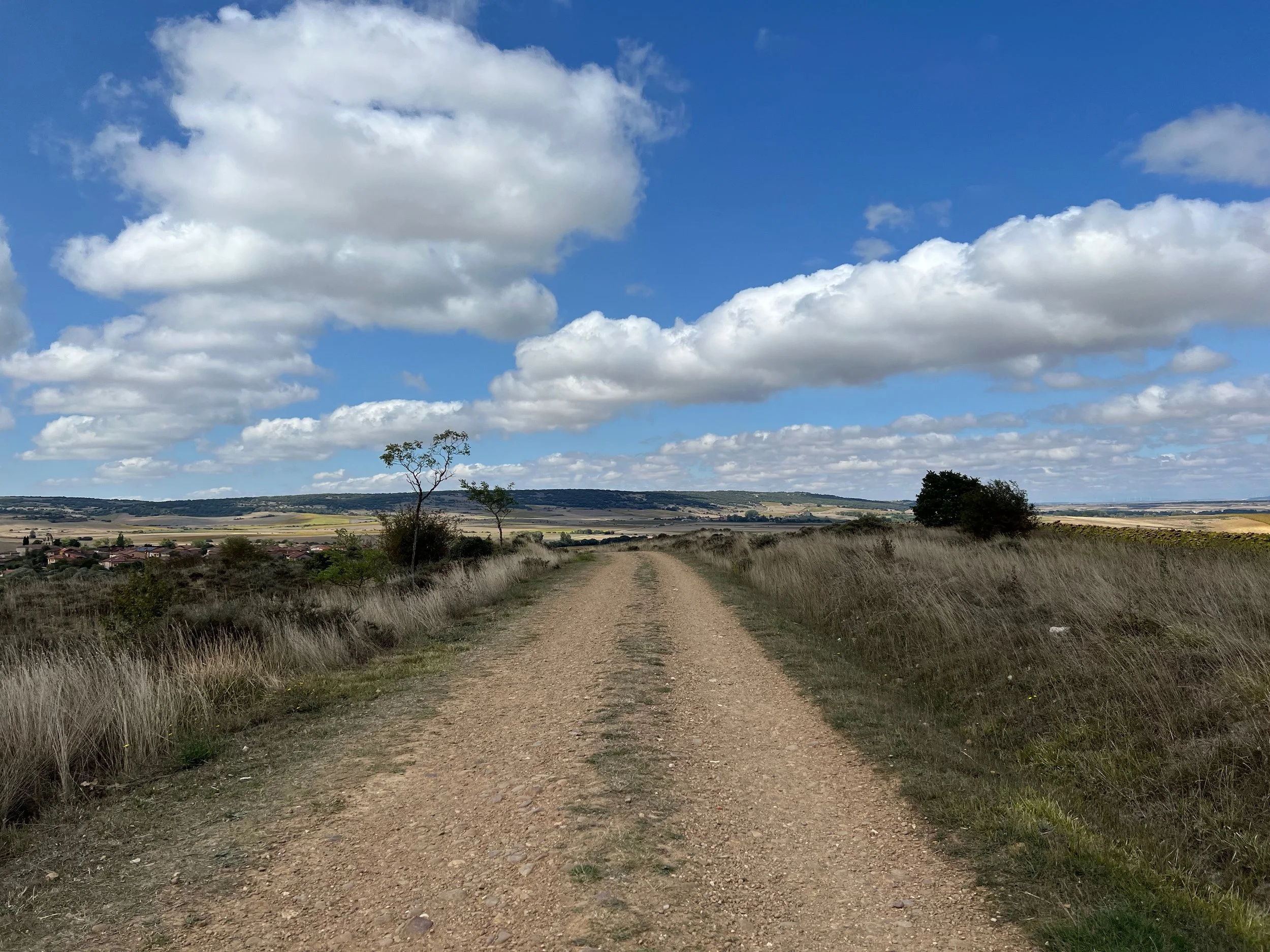
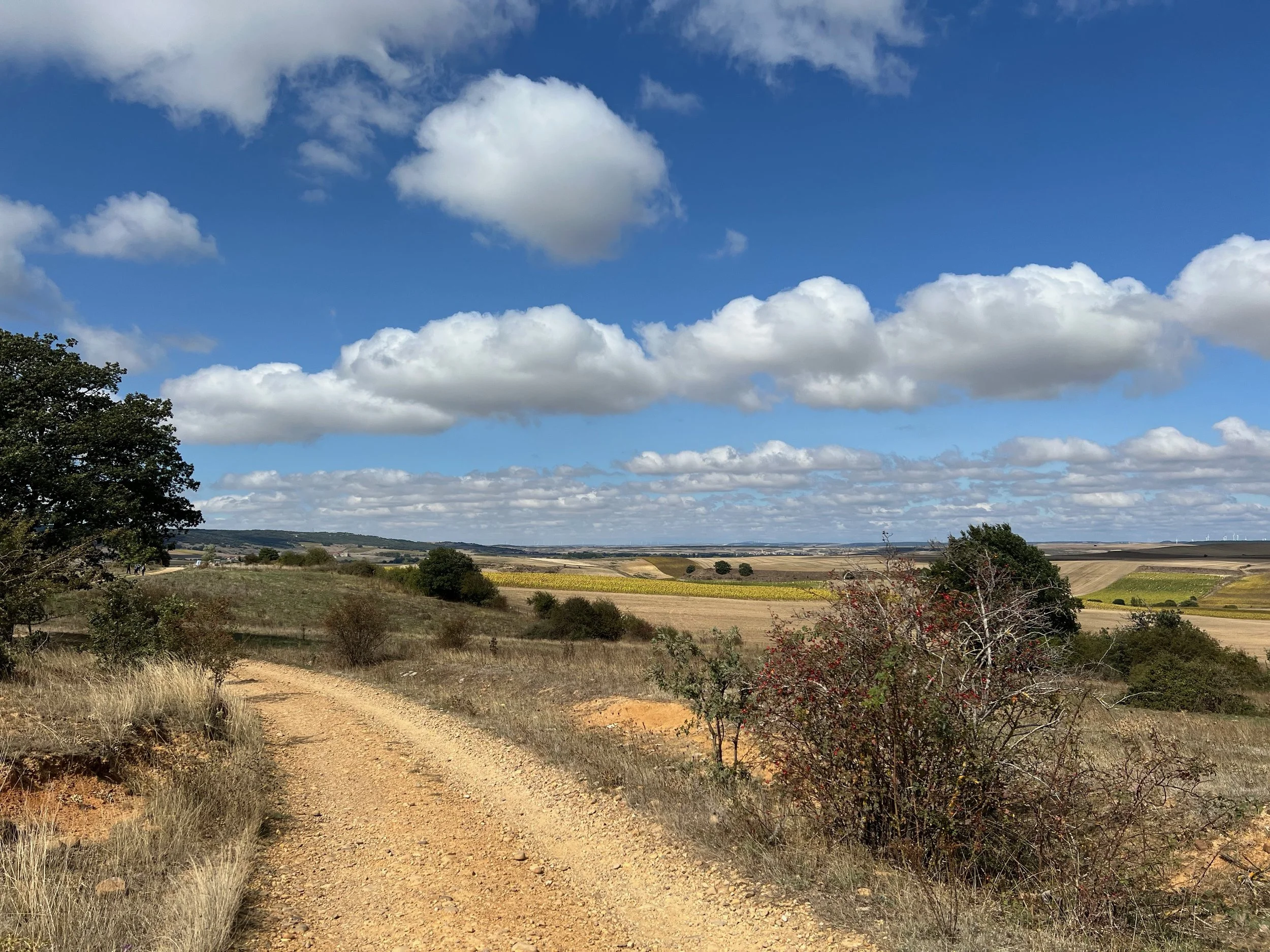
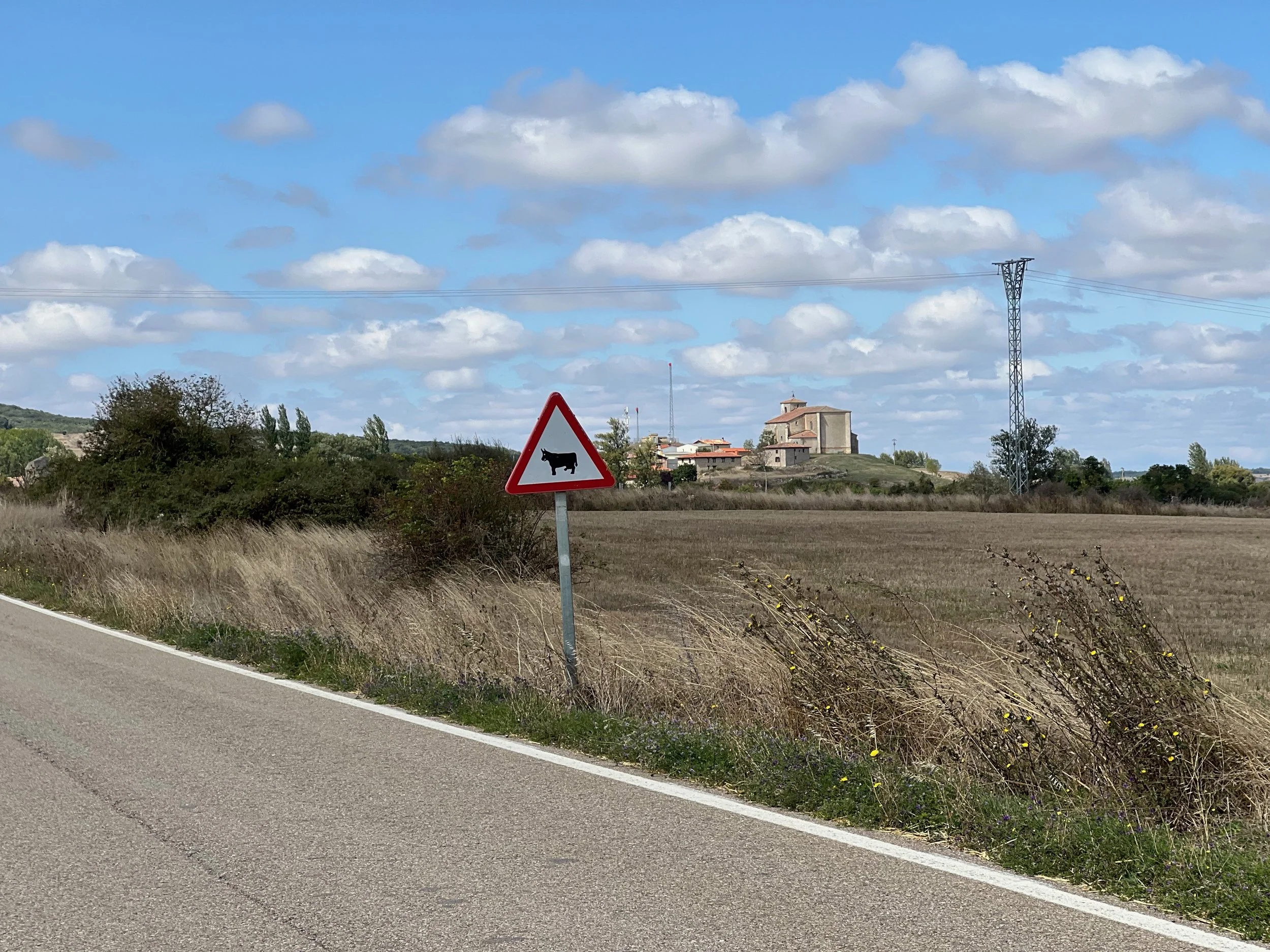
We set out just after sunrise, the air crisp and cool as we crossed quiet farmland and small stone villages. The path had a few steep sections, especially near Villafranca Montes de Oca, but overall it was a steady, straightforward day. The landscape grew wilder after the village, with long forested stretches that offered a nice break from the sun.
Since none of us had booked a place to stay, our plan was to reach Atapuerca early and line up for the municipal albergue. We arrived around 1:40 p.m., tired but in good spirits, and were thrilled to find spots available. Even better—the hospitalero showed us to a private room with five single beds, not bunks. With four of us sharing, it felt like a small luxury. It ended up being one of the nicest municipal albergues I’ve stayed in so far.
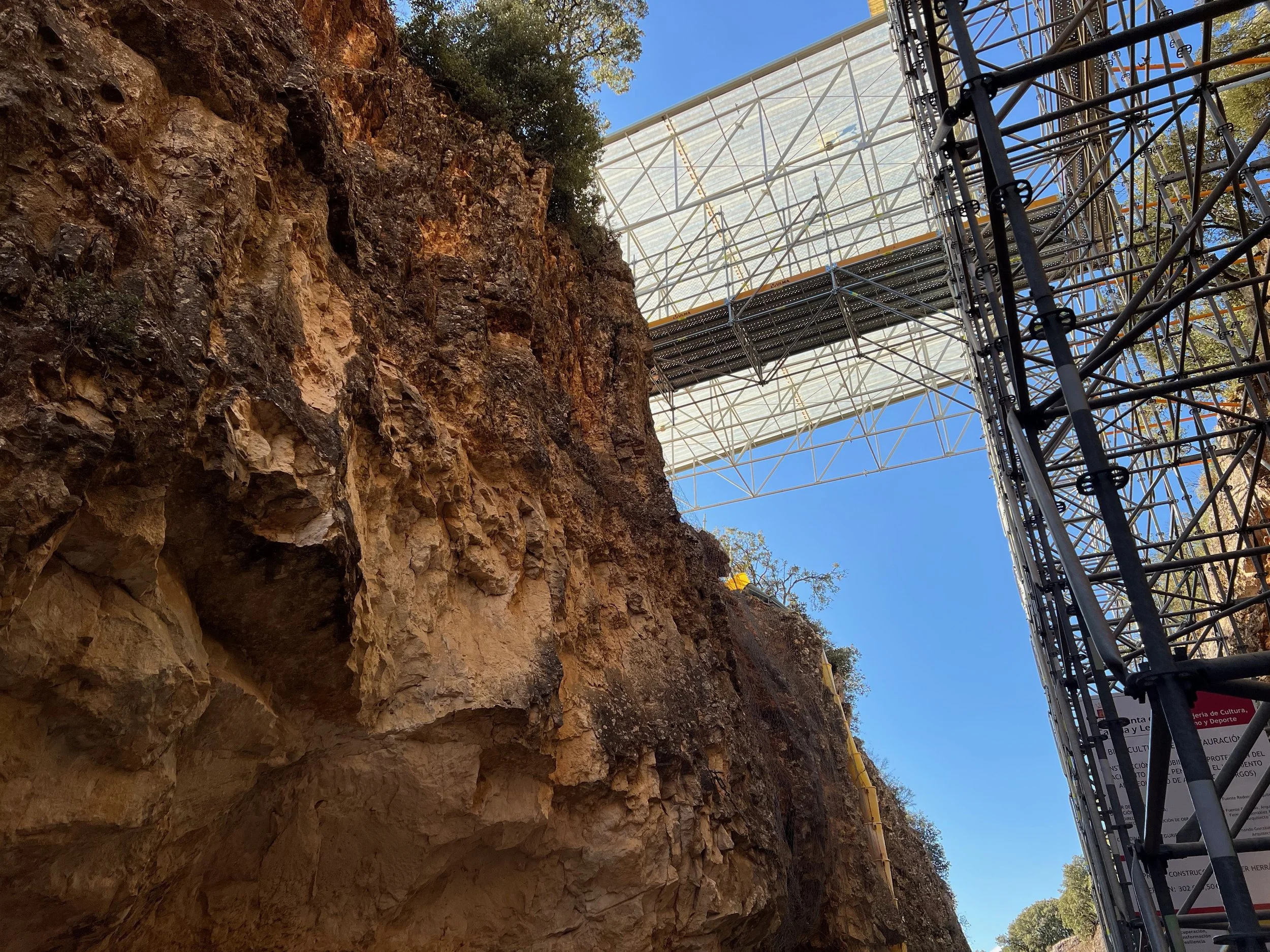
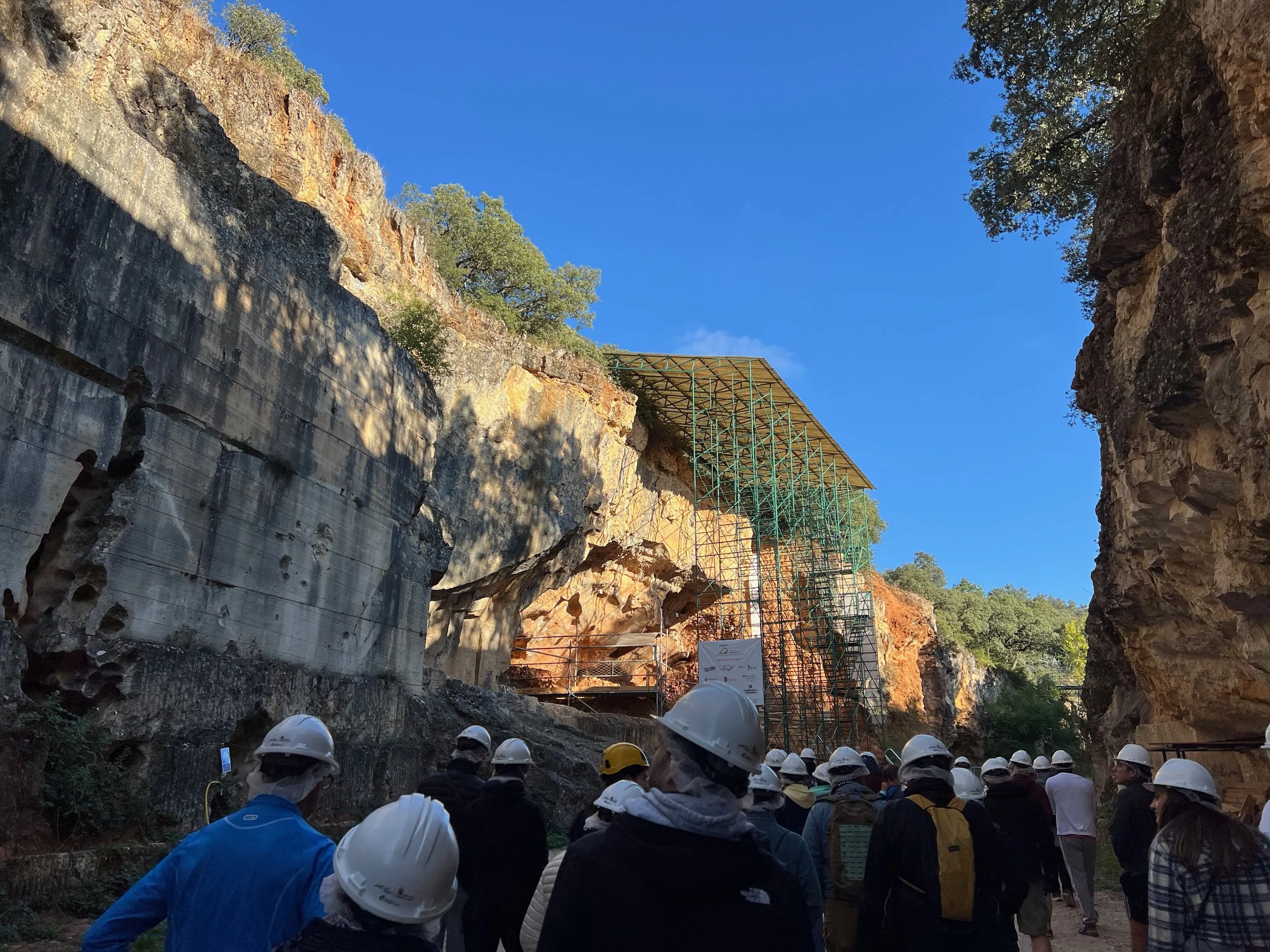
After a quick grocery stop for dinner supplies (the town only had one small shop), we caught the shuttle bus to the Atapuerca archaeological site. The guided tour led us through the excavation zones, where fossils dating back nearly a million years were discovered. Although the tour was entirely in Spanish, I followed along with Google Translate and still found it fascinating—standing in the very place where traces of Europe’s earliest humans were unearthed felt surreal.
Back at the albergue, we cooked dinner together, shared stories from the day, and turned in early. It was one of those days that perfectly captured what I loved about the Camino—moments of history, community, and quiet satisfaction after a long walk.
History & Background
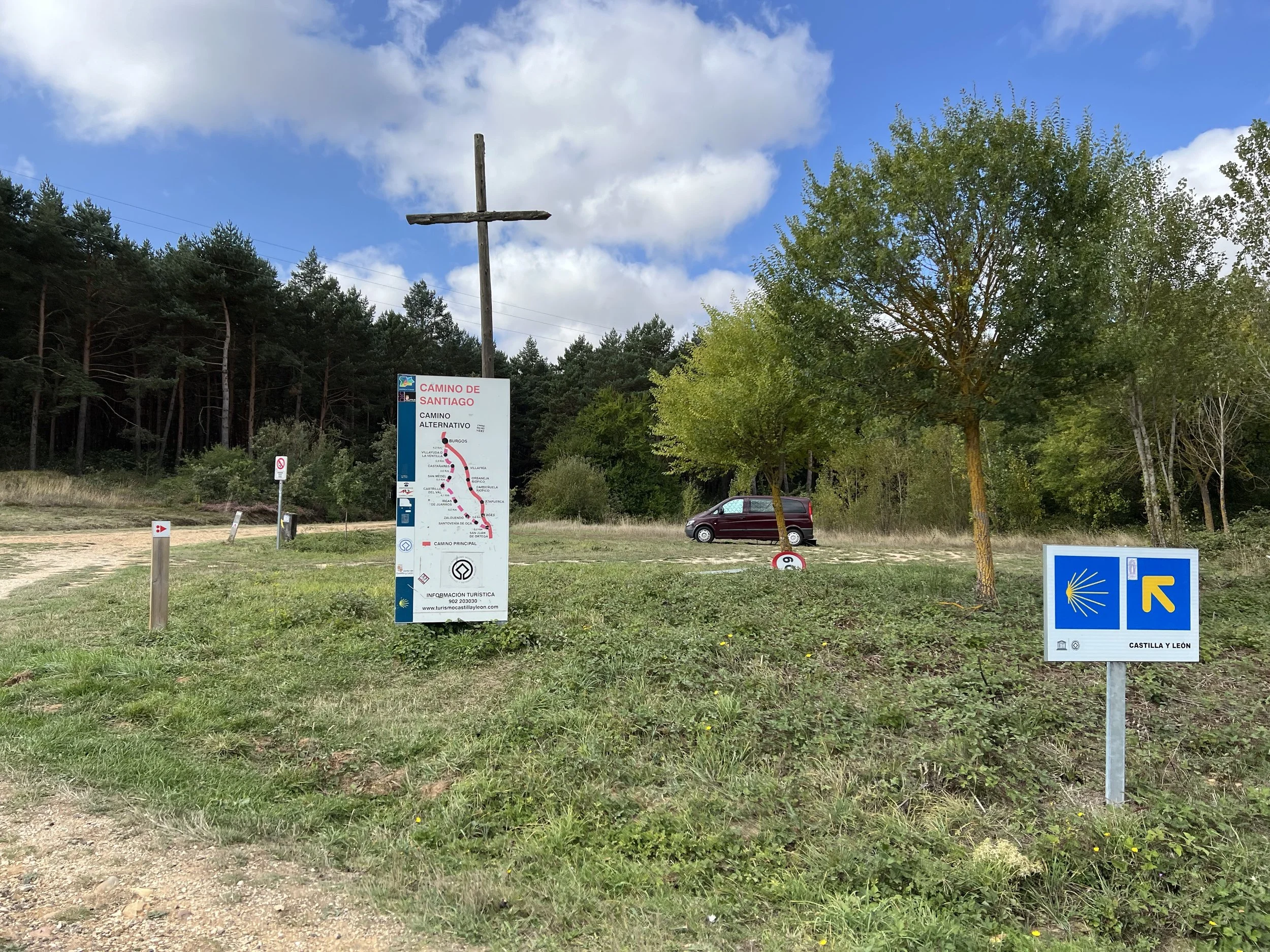
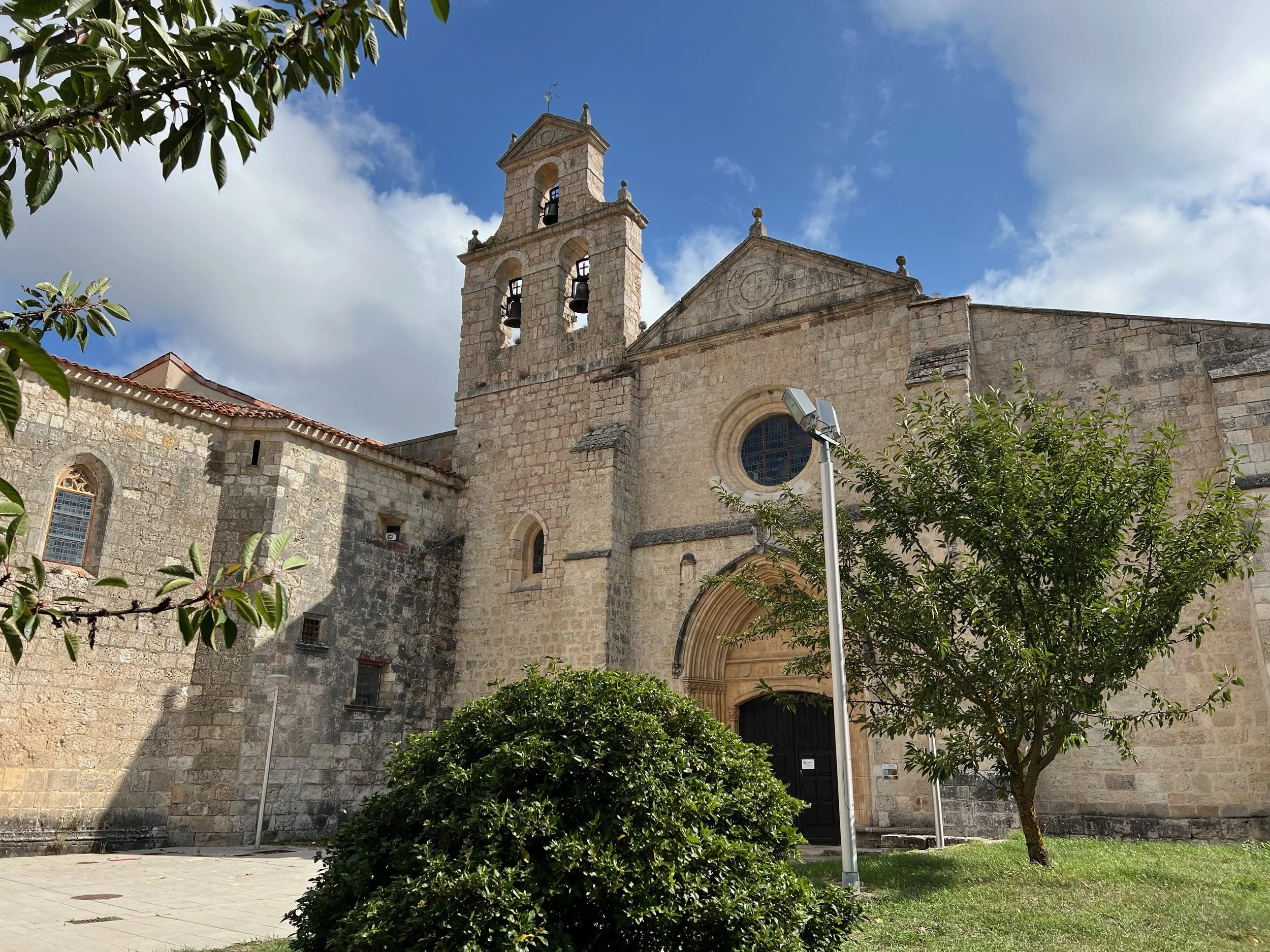
This stage takes pilgrims from Tosantos to Atapuerca, weaving through the Sierra de Atapuerca, a low mountain range east of Burgos. The route passes through medieval villages like Villafranca Montes de Oca, once a significant pilgrim stop in the Middle Ages, and San Juan de Ortega, where the monastery founded by the saint himself still offers shelter and reflection to travellers.
Atapuerca is best known for the Archaeological Site of Atapuerca, a UNESCO World Heritage site where remains of early hominids—Homo antecessor—were discovered. These findings, dating back over 800,000 years, have provided crucial insight into early human evolution in Europe. Today, visitors can explore the site through guided tours that bring the prehistoric past vividly to life.
Getting There
The trail from Tosantos to Atapuerca covers approximately 26 km along the Camino Francés, with moderate climbs and a gradual descent toward the end. The route is well-marked and consists of dirt paths, forest tracks, and quiet rural roads, with the steepest section between Villafranca Montes de Oca and San Juan de Ortega through forested hills before levelling out.
Walking is the traditional and most rewarding way to experience this stage, allowing pilgrims to enjoy the forested scenery, small villages, and historic landmarks along the route. For those needing an alternative, buses or taxis connect Burgos with Atapuerca, providing flexibility and the opportunity to visit the archaeological site without carrying a pack.
Route Overview
Distance: 25.72 km (Albergue Parroquial Tosantos → Albergue “El Peregrino” Atapuerca)
Total elevation gain: 453 m
Duration: 4 hr 53 min (with breaks 6 hr)
Difficulty: Hard
For the full day-by-day route breakdown, including distances and duration, see my complete Camino Francés route guide.
Cost Breakdown
Accommodation: Albergue “El Peregrino” Atapuerca (Walked in) — €12
Food: €29.42
ntrance Fee: Carex Experimental Archeology Center — €5