Camino Finisterre - Day 3: Lago to Cee
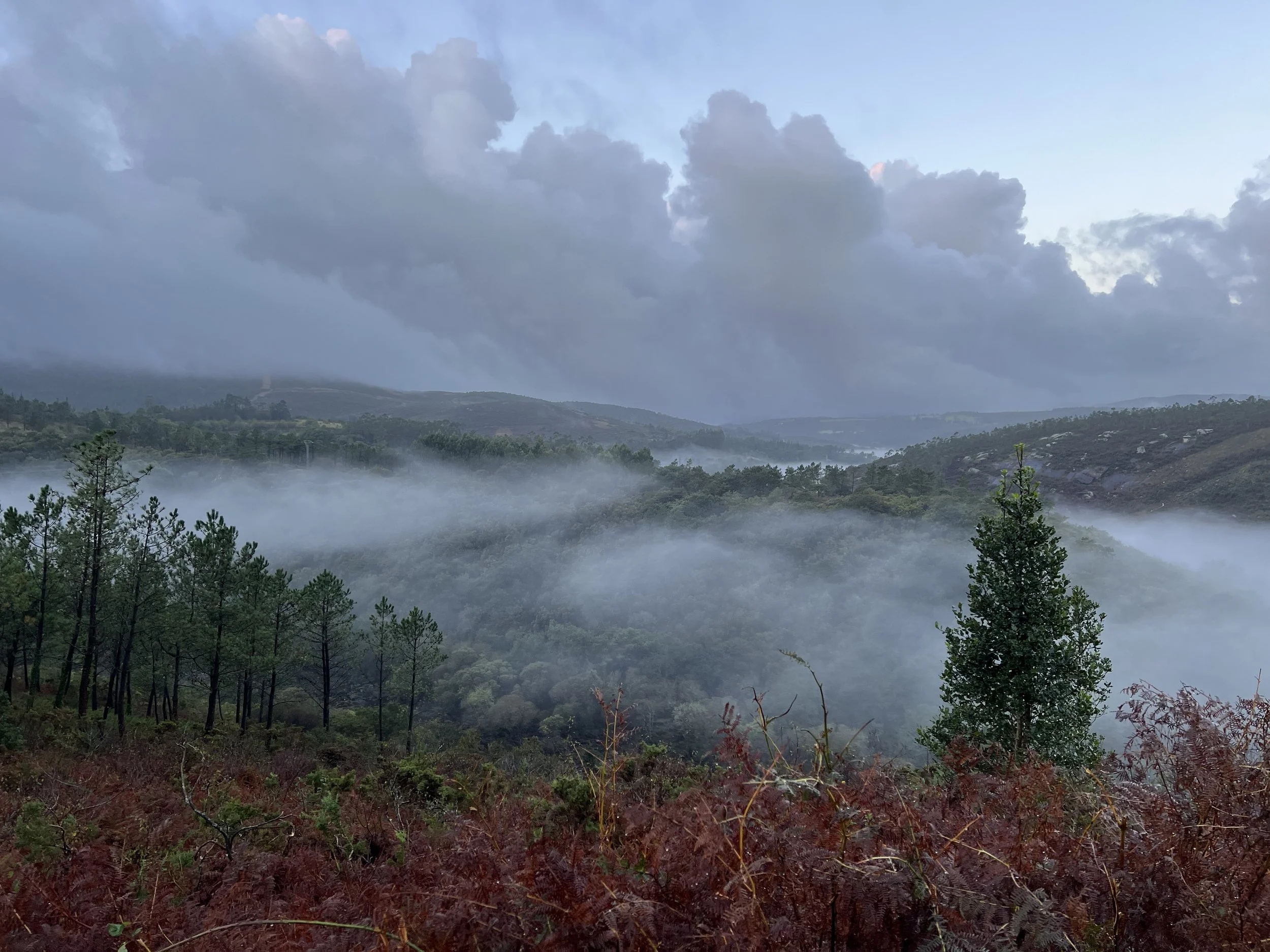
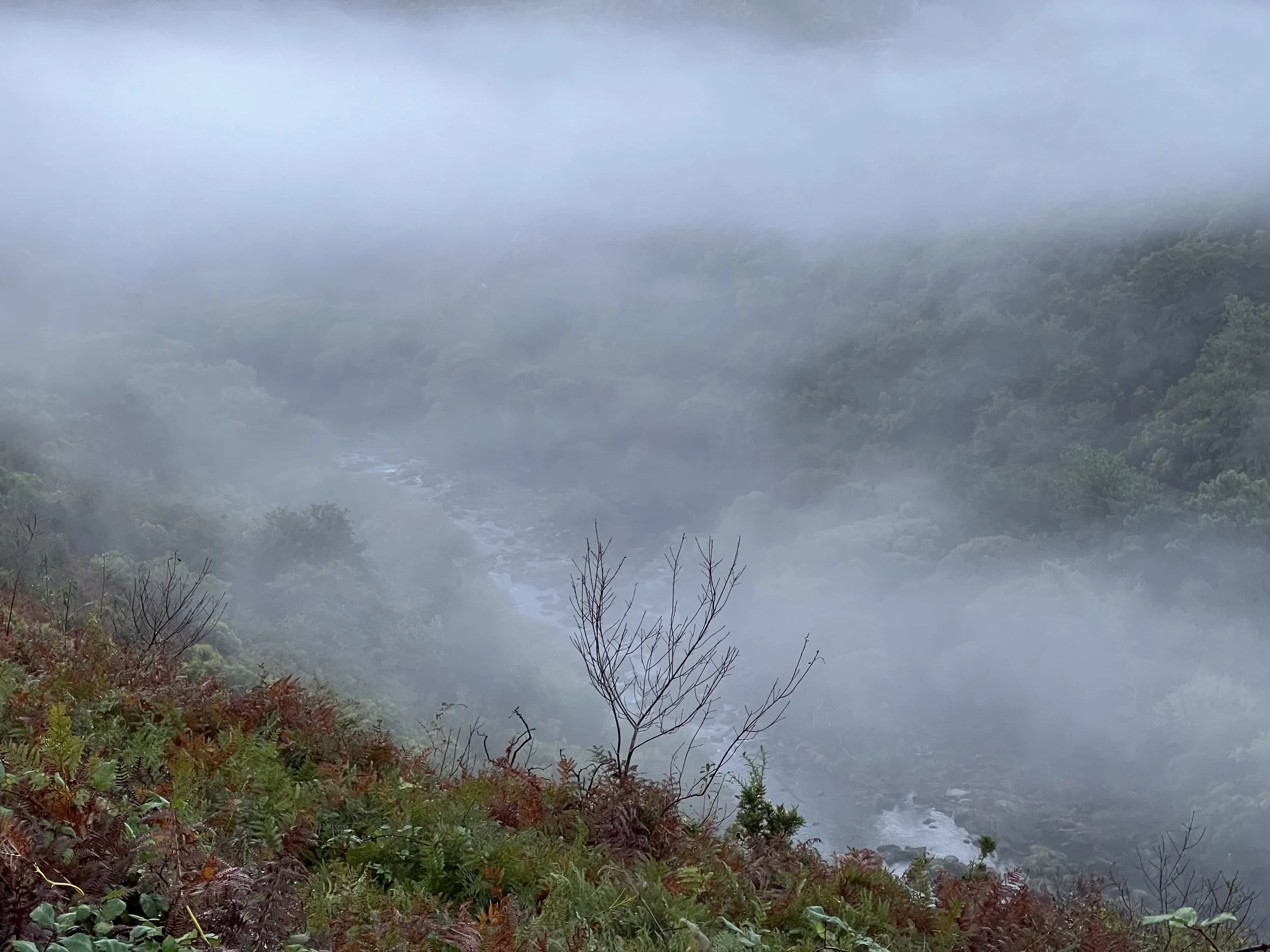
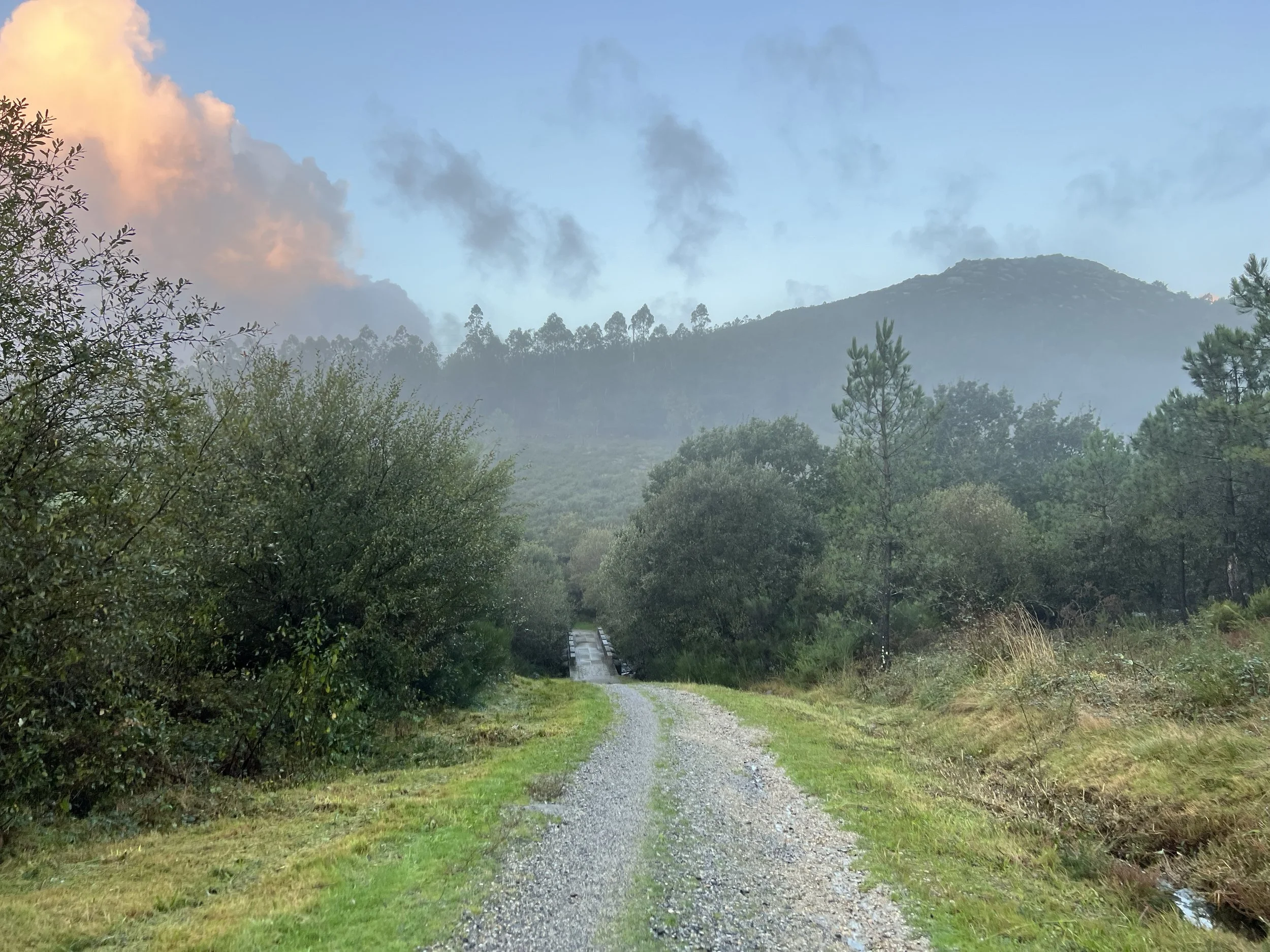
I woke up in a much better mood today—the storm had passed, and the forecast looked promising. It rained briefly after we left Lago, but the rest of the walk was filled with sunshine and fresh air. Spirits were high as we set out, feeling as though the new day marked a fresh start after yesterday’s relentless downpour.
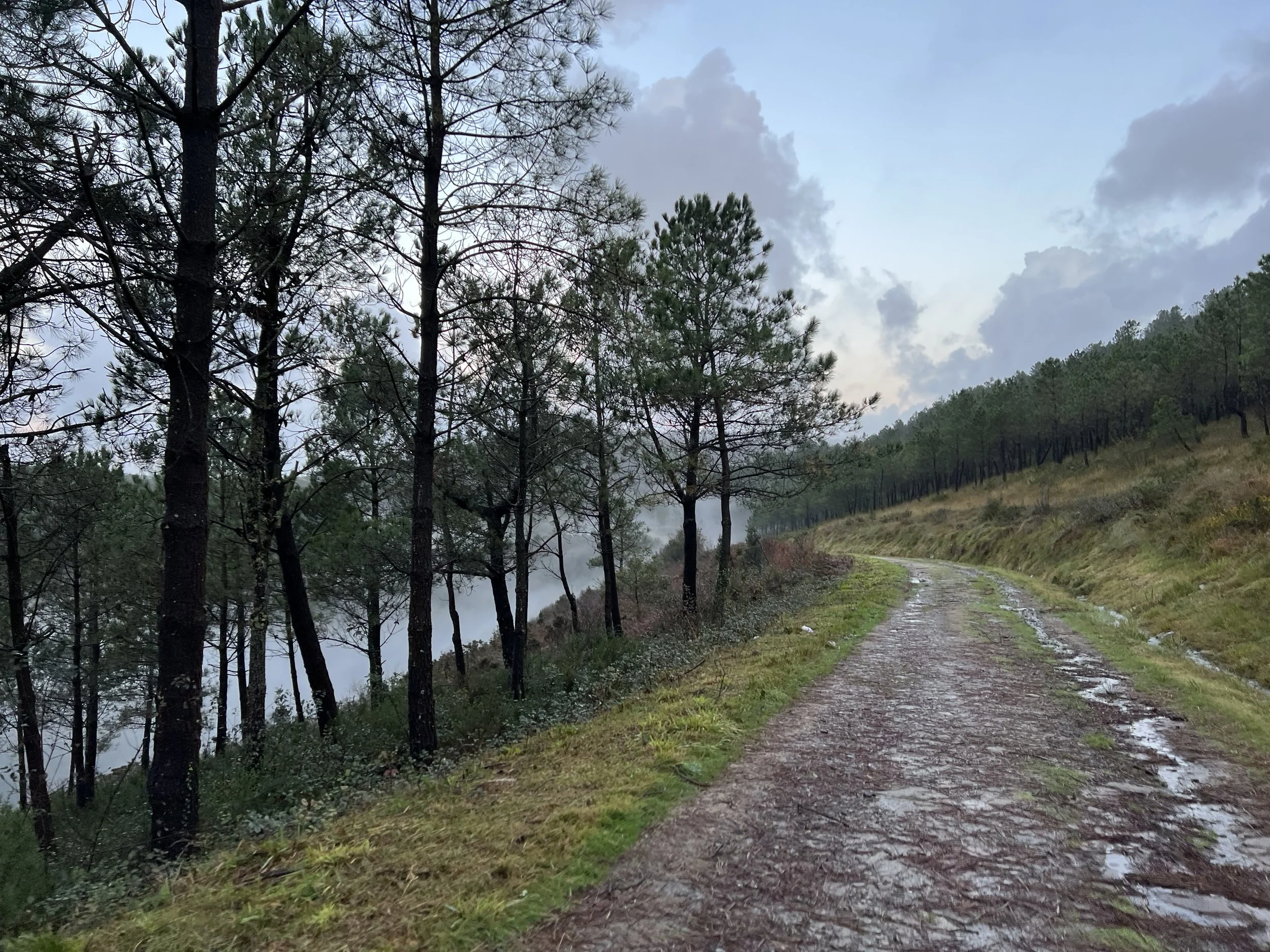
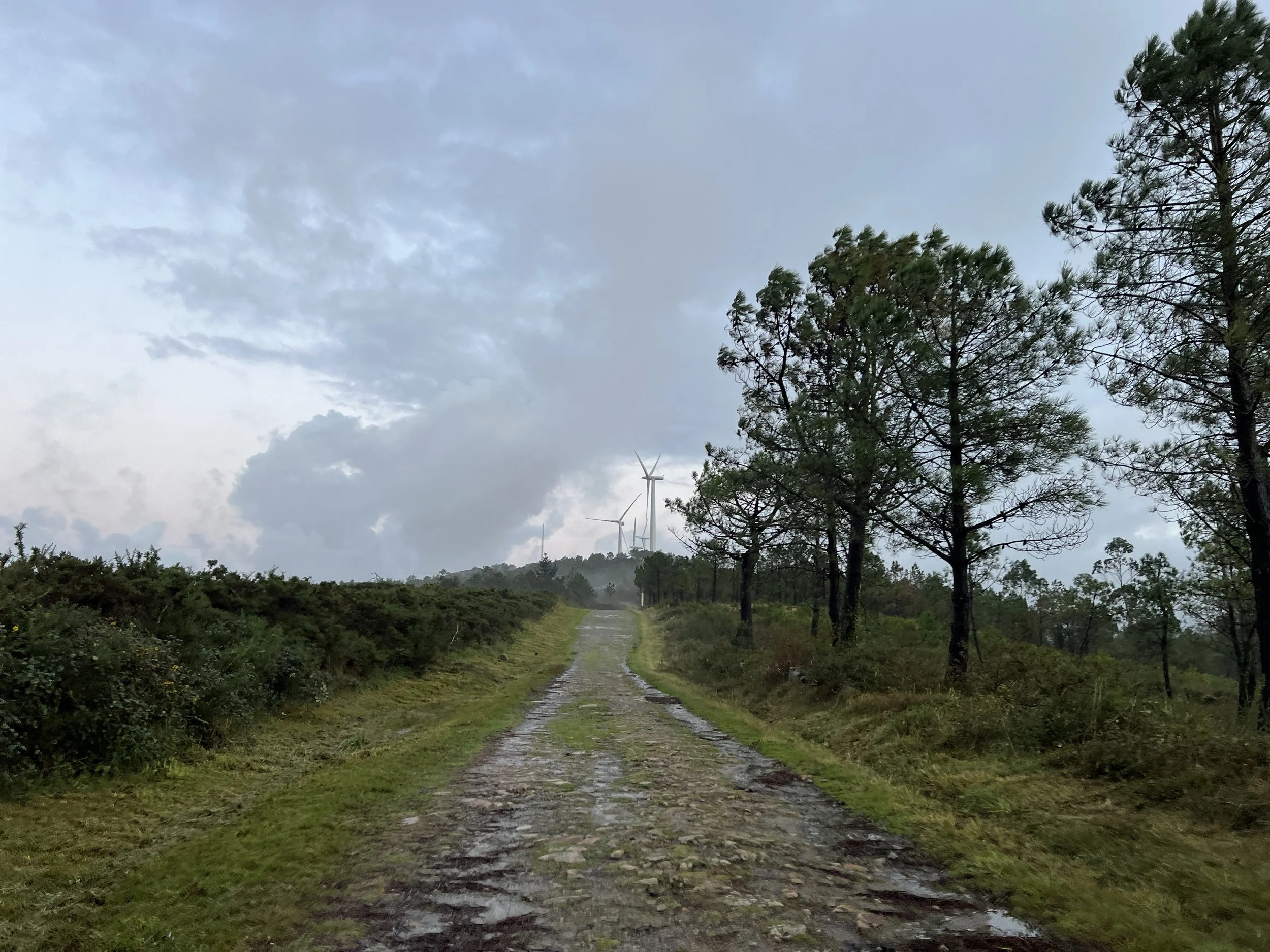
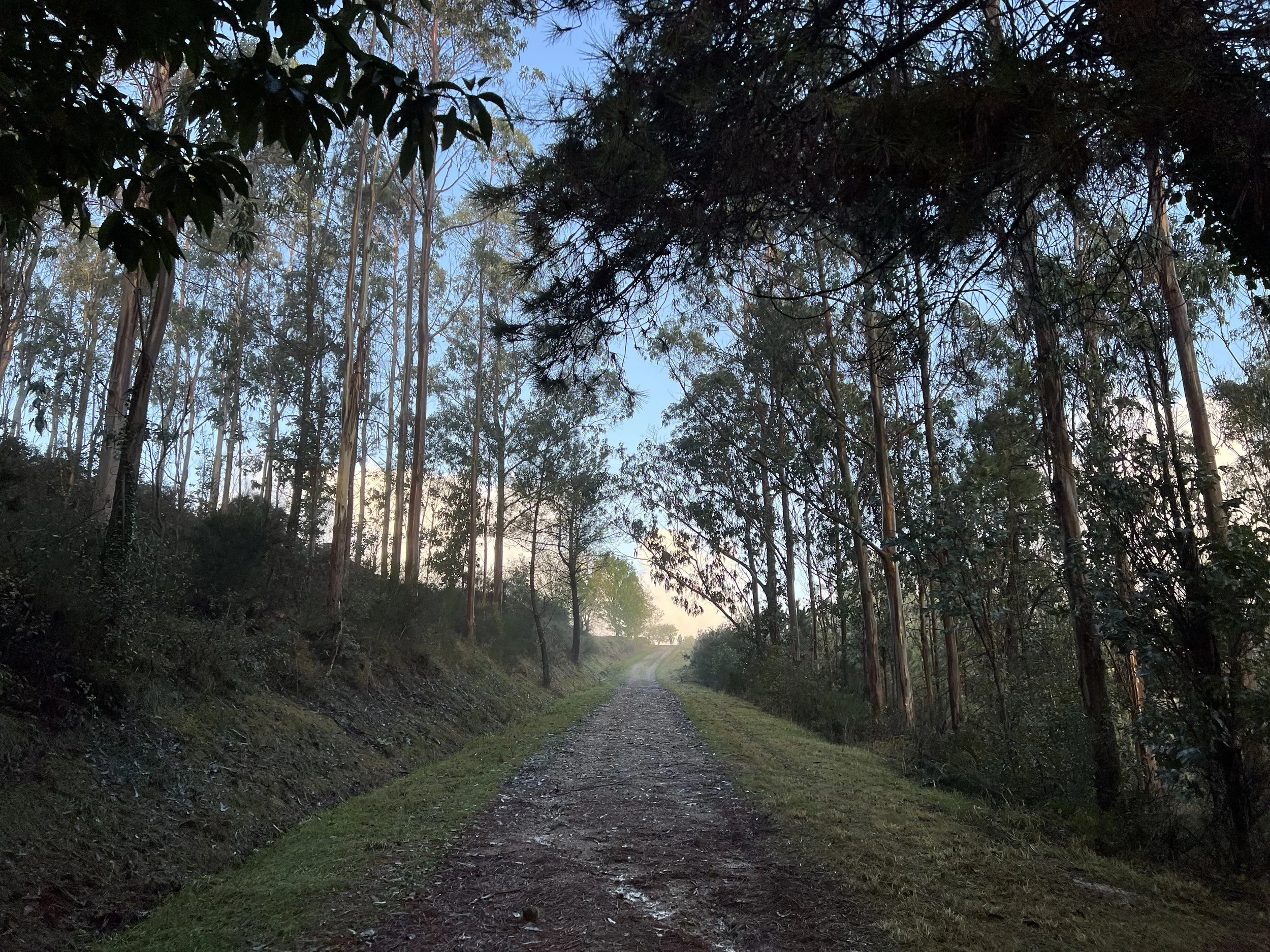
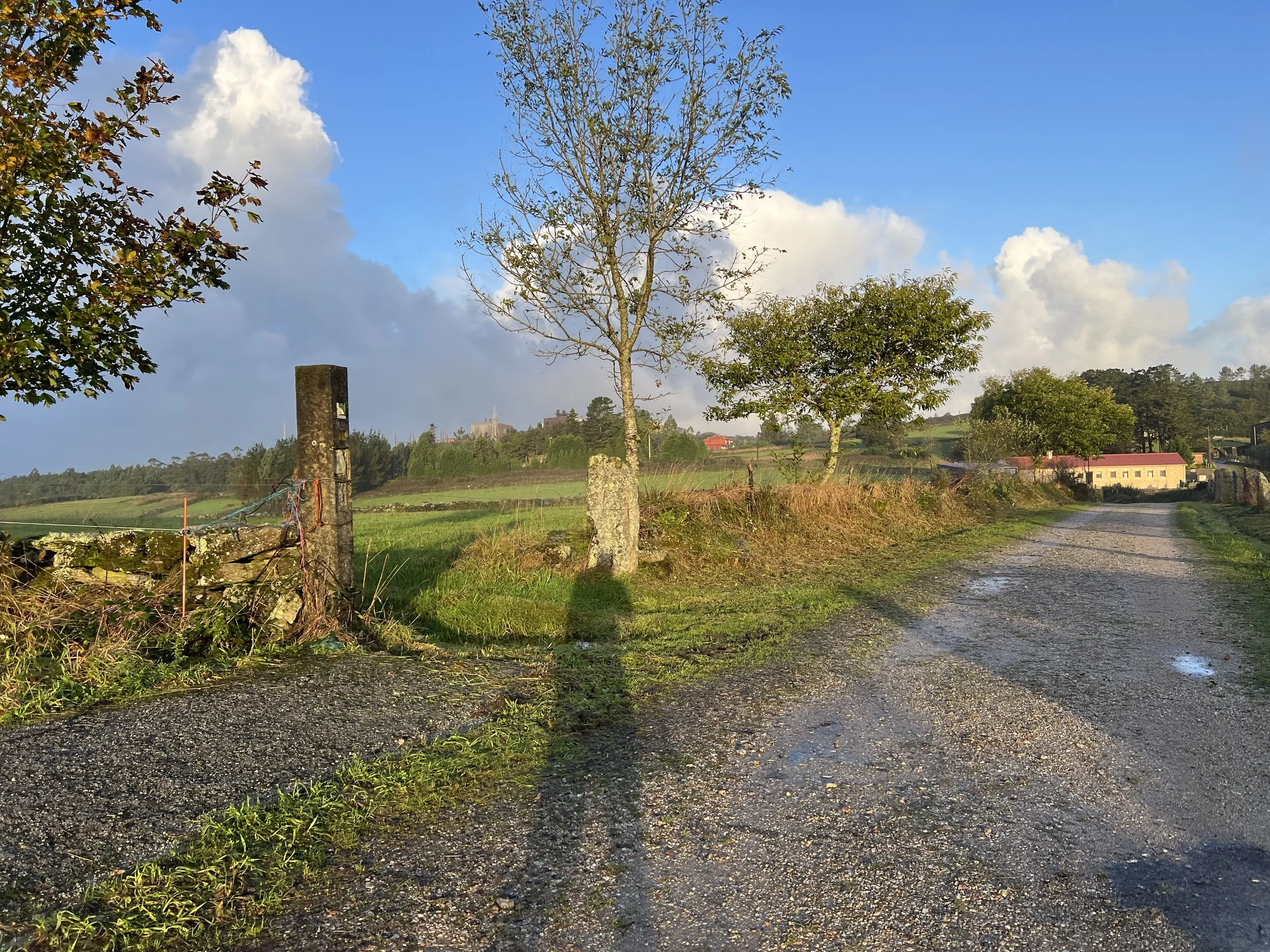
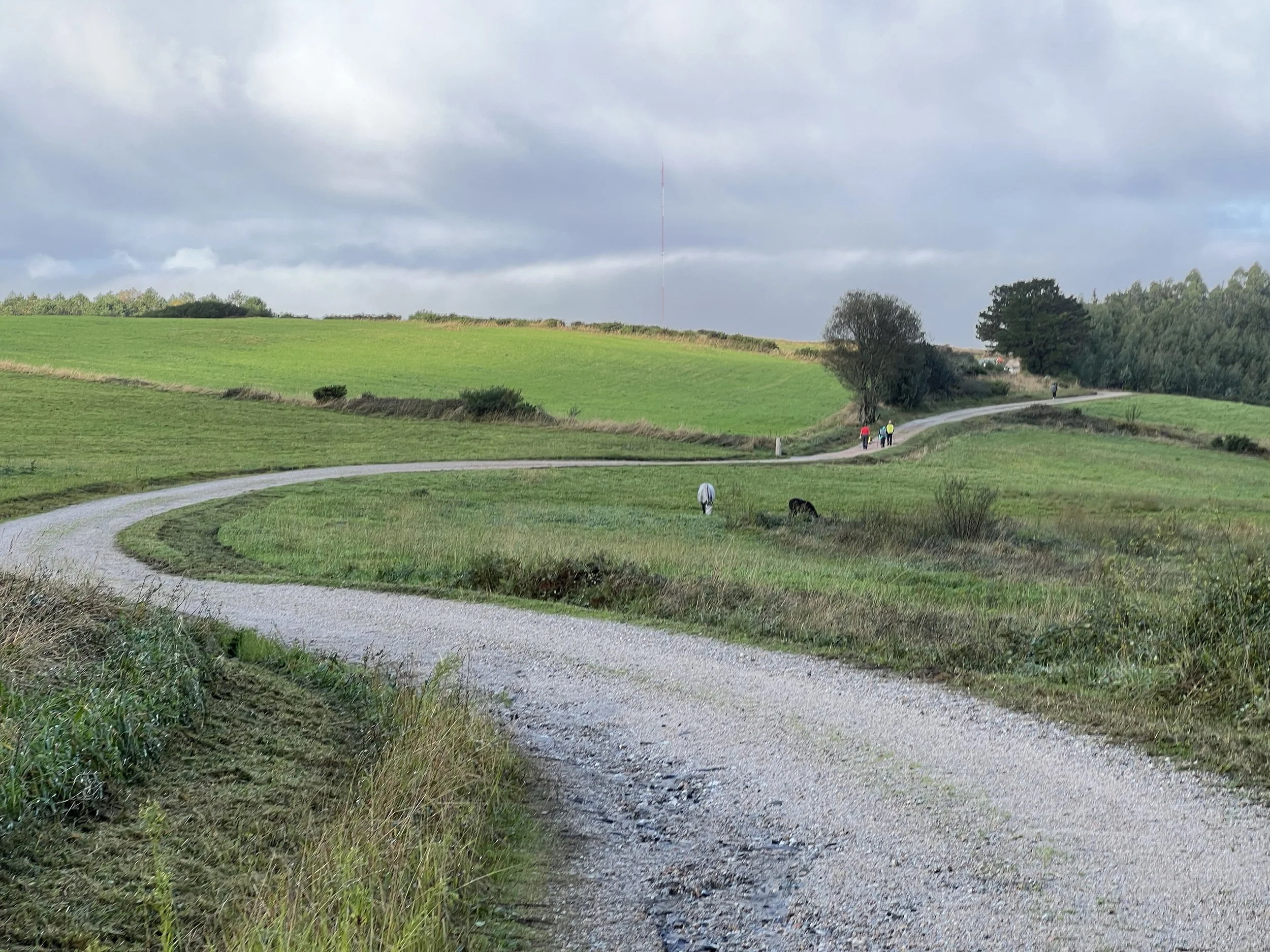
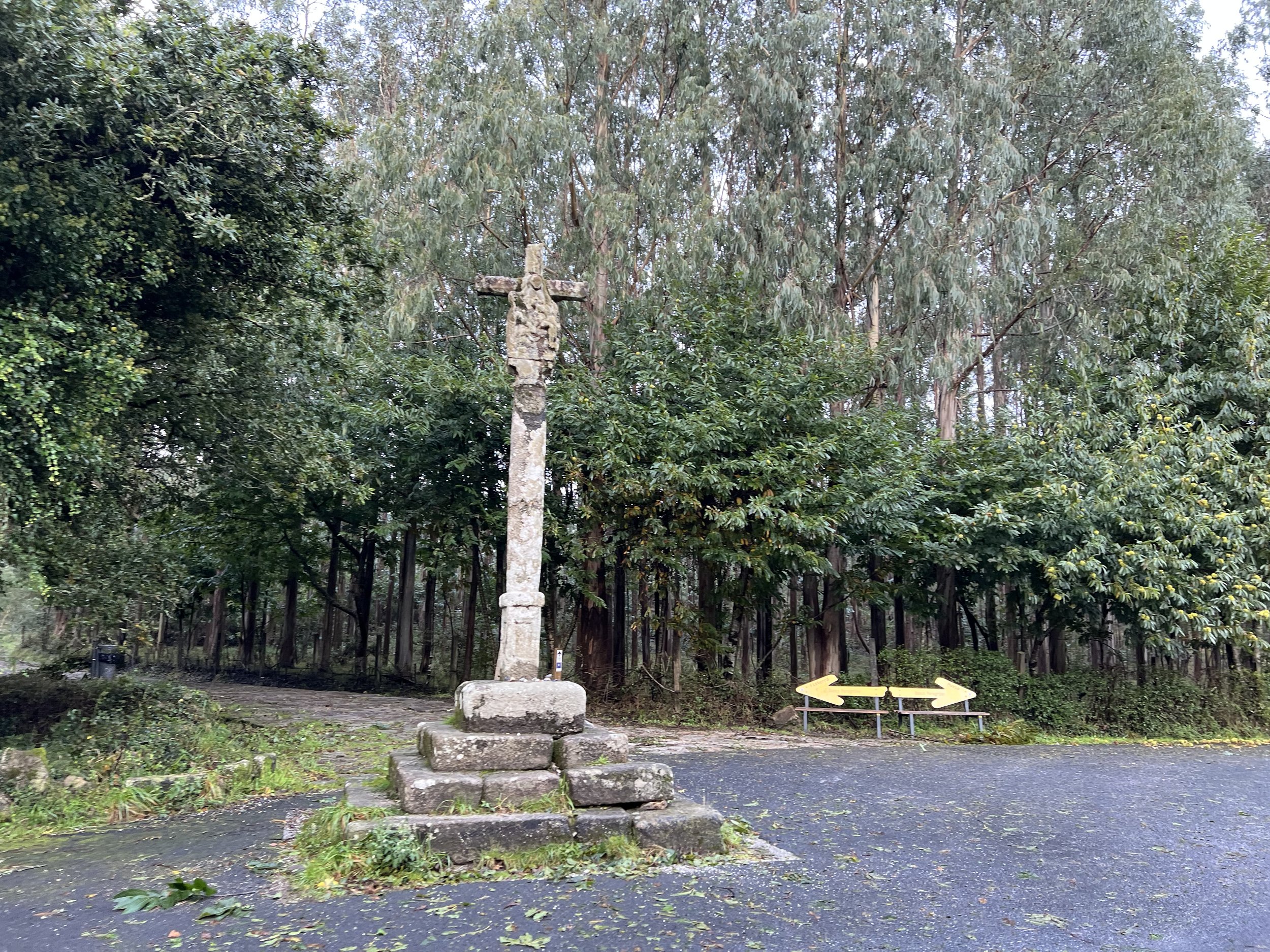
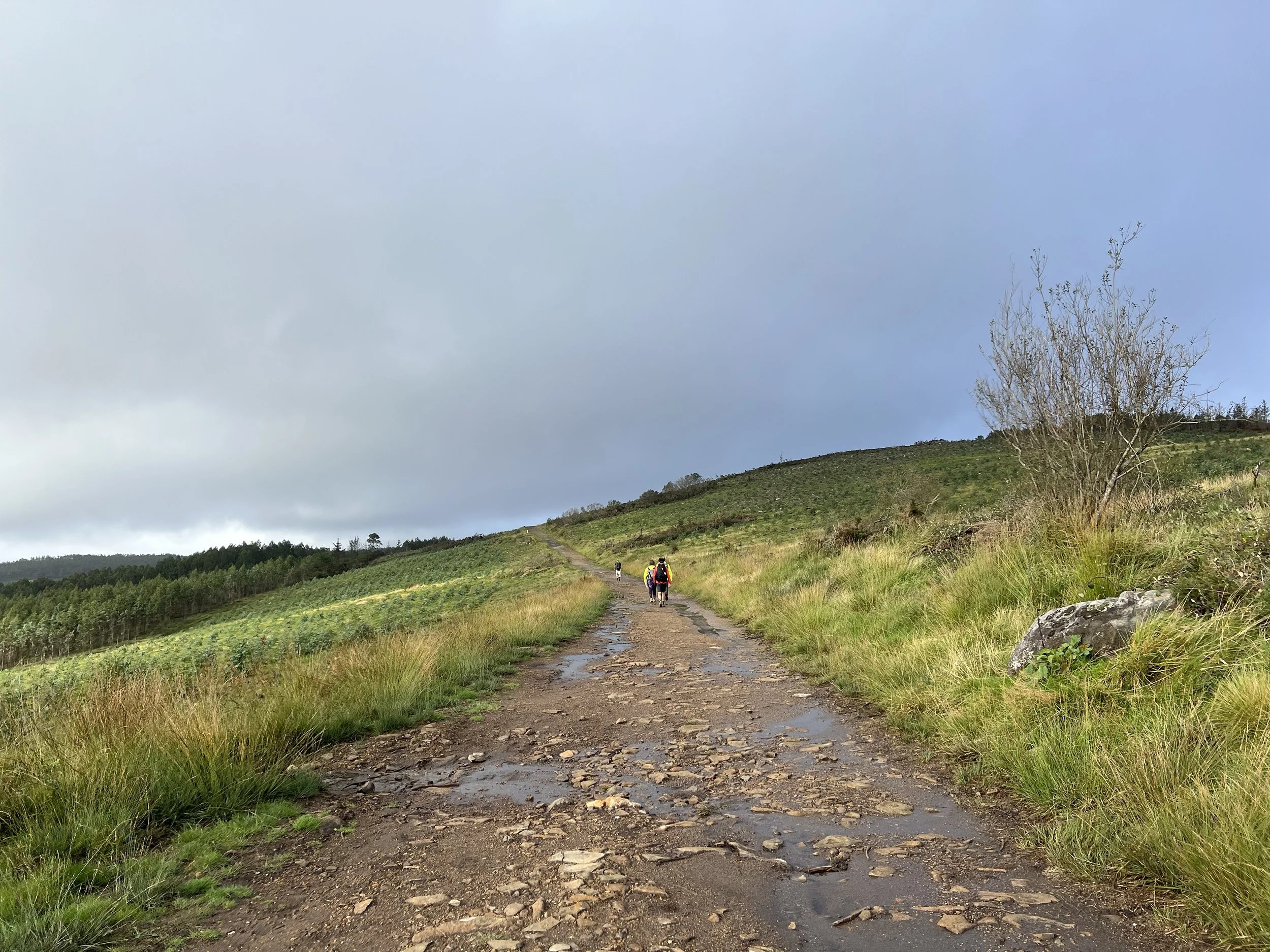
Today brought a symbolic milestone on the Camino Finisterre: the route divides, offering pilgrims a choice between Finisterra and Muxía. We turned left toward Finisterra, the fabled “end of the world.” The trail rolled gently through the Galician countryside, alternating between farmland, forest paths, and small stone villages. There were several steep ascents and descents, especially as we neared Cee, where the path dropped sharply toward the coast.
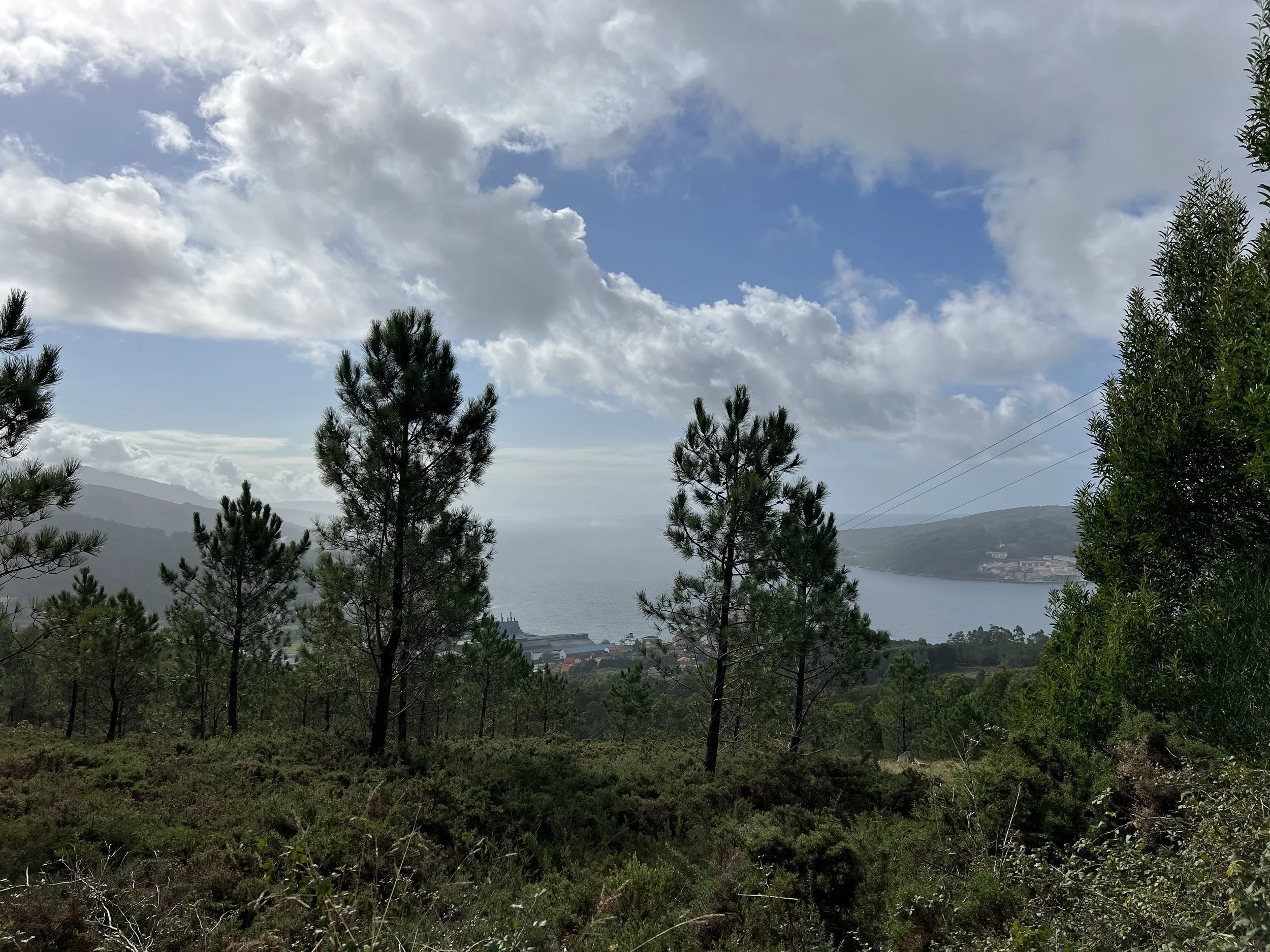
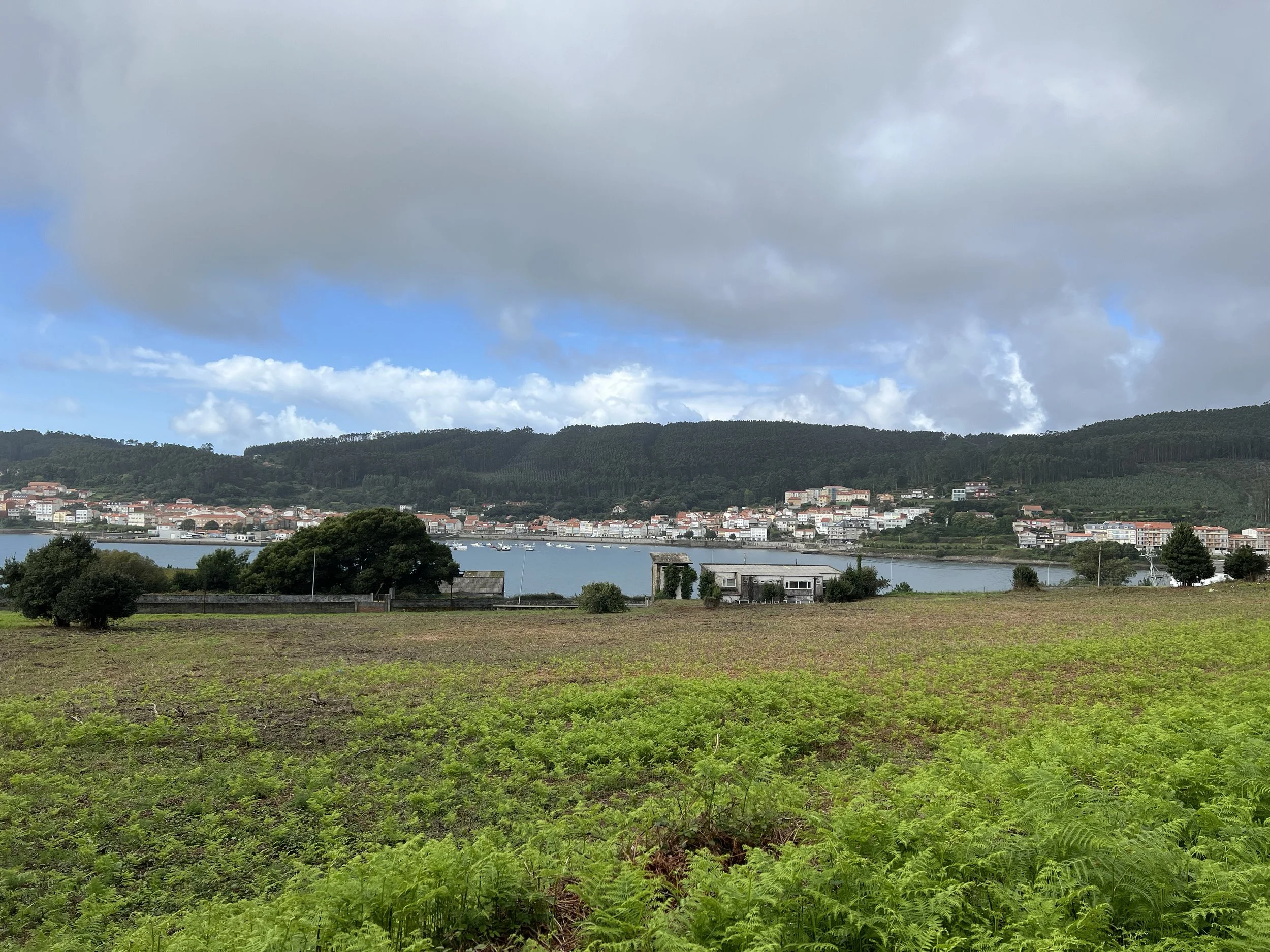
We took our time descending the final hill—partly to stay safe on the slick, steep trail, but mostly to savour the view. As the forest opened up, the Atlantic Ocean appeared in the distance—an unforgettable sight after days of walking inland. Seeing the sea for the first time filled us with excitement and relief; our destination finally felt within reach.
Rain returned soon after we checked into the albergue, but we were grateful it had held off until then. We made dinner, did laundry, and watched the storm pass from the comfort of the warm common room. With only a few other pilgrims staying the night, the atmosphere was quiet and reflective—a peaceful pause before the final push to Finisterra.
History & Background
The stage from Lago to Cee marks one of the most memorable transitions on the Camino Finisterre—the first moment pilgrims catch sight of the Atlantic Ocean. Historically, this section followed ancient trade and pilgrimage routes linking inland Galicia with the fishing ports of Cee and Corcubión.
At the small hamlet of Hospital, the route divides: one path continues to Muxía, home to the Sanctuary of the Virgin of the Boat, while the other leads to Finisterra, long believed to be the westernmost point of Europe—the “end of the world.” The descent into Cee, once a bustling fishing town and now a quiet coastal community, offers sweeping views of the ocean and rugged cliffs. For centuries, this stretch has marked a spiritual turning point where pilgrims, after days of walking inland, first glimpsed the vast Atlantic—an enduring symbol of both completion and renewal.
Getting There
Pilgrims walk from Lago to Cee, covering approximately 26 km along a mix of rolling inland trails and coastal paths. The route features several steep climbs and descents, particularly as the trail approaches the coast. Waymarking is excellent, and services are more frequent than on previous stages, with occasional cafés and rest stops in small villages. The final descent into Cee offers spectacular ocean views, one of the highlights of the entire Camino Finisterre.
Walking is the traditional and most rewarding way to reach Cee, allowing pilgrims to experience the combination of inland countryside and dramatic coastal scenery. For those preferring transportation, regular buses connect Cee with Santiago de Compostela (approximately 2.5 hours) and Finisterre (about 15 minutes), providing an alternative for those wishing to shorten the stage.
Route Overview
Distance: 25.88 km (Albergue Monte Aro → Albergue “A Casa da Fonte”)
Total elevation gain: 340 m
Duration: 4 hr 57 min (with breaks 5 hr 40 min)
Difficulty: Hard
For the full day-by-day route breakdown, including distances and duration, see my complete Camino Finisterre route guide.
Cost Breakdown
Accommodation: Albergue “A Casa da Fonte” (Reserved via WhatsApp) — €15
Food: €18.67