Camino Finisterre - Day 1: Santiago de Compostela to Negreira
After receiving my Compostela certificate in Santiago, I set out for what pilgrims have long called “the end of the world.” It was a long first day on the Camino Finisterre, but I wanted to cover as much distance as possible before resting in Negreira.
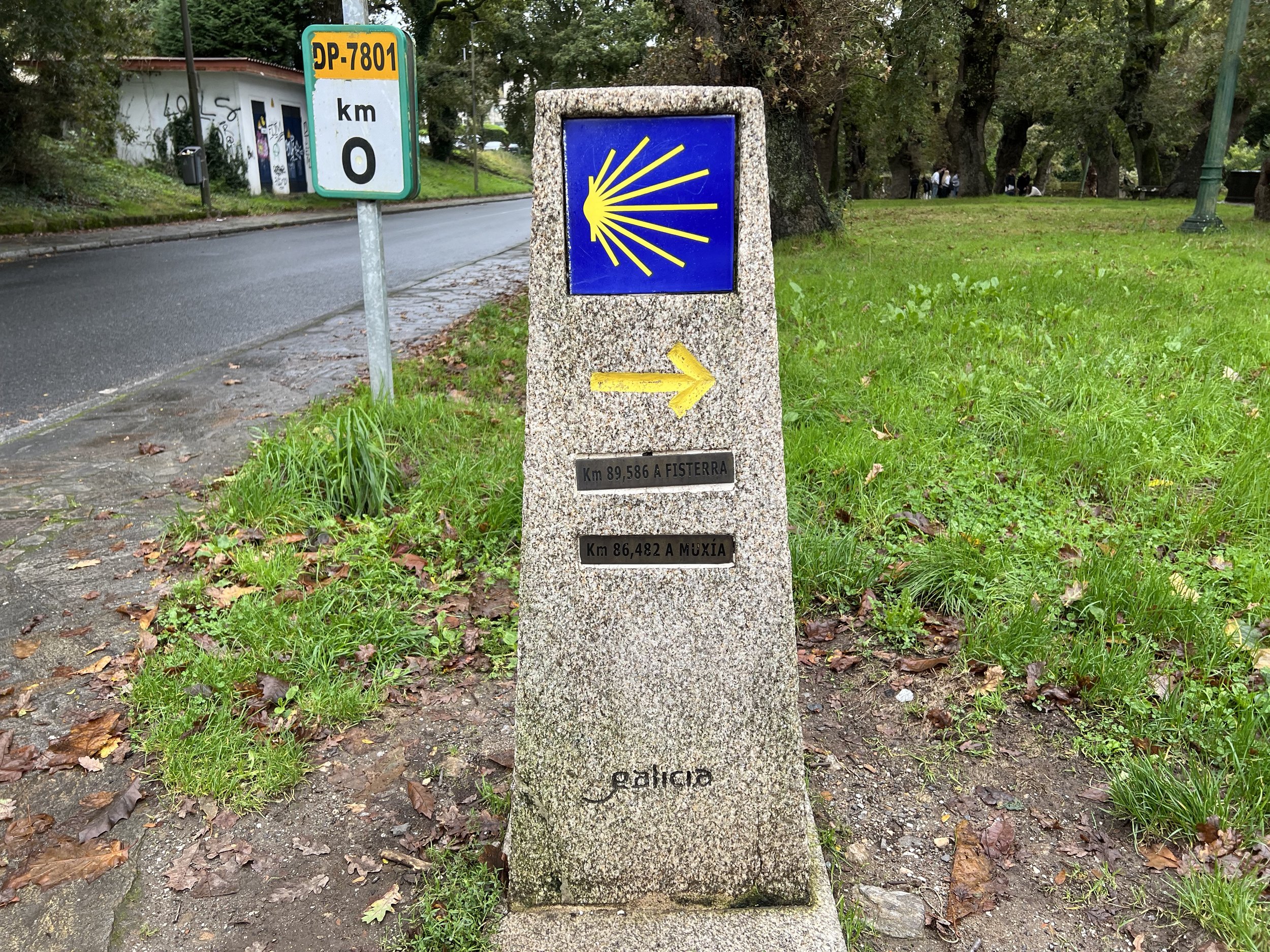
Walking this stretch felt different—perhaps because I had already reached my main goal, the Cathedral of Santiago de Compostela. The sense of pilgrimage shifted from one of completion to quiet reflection. The path toward Fisterra was beautifully marked, with stone kilometre markers counting down the distance to the Atlantic coast.
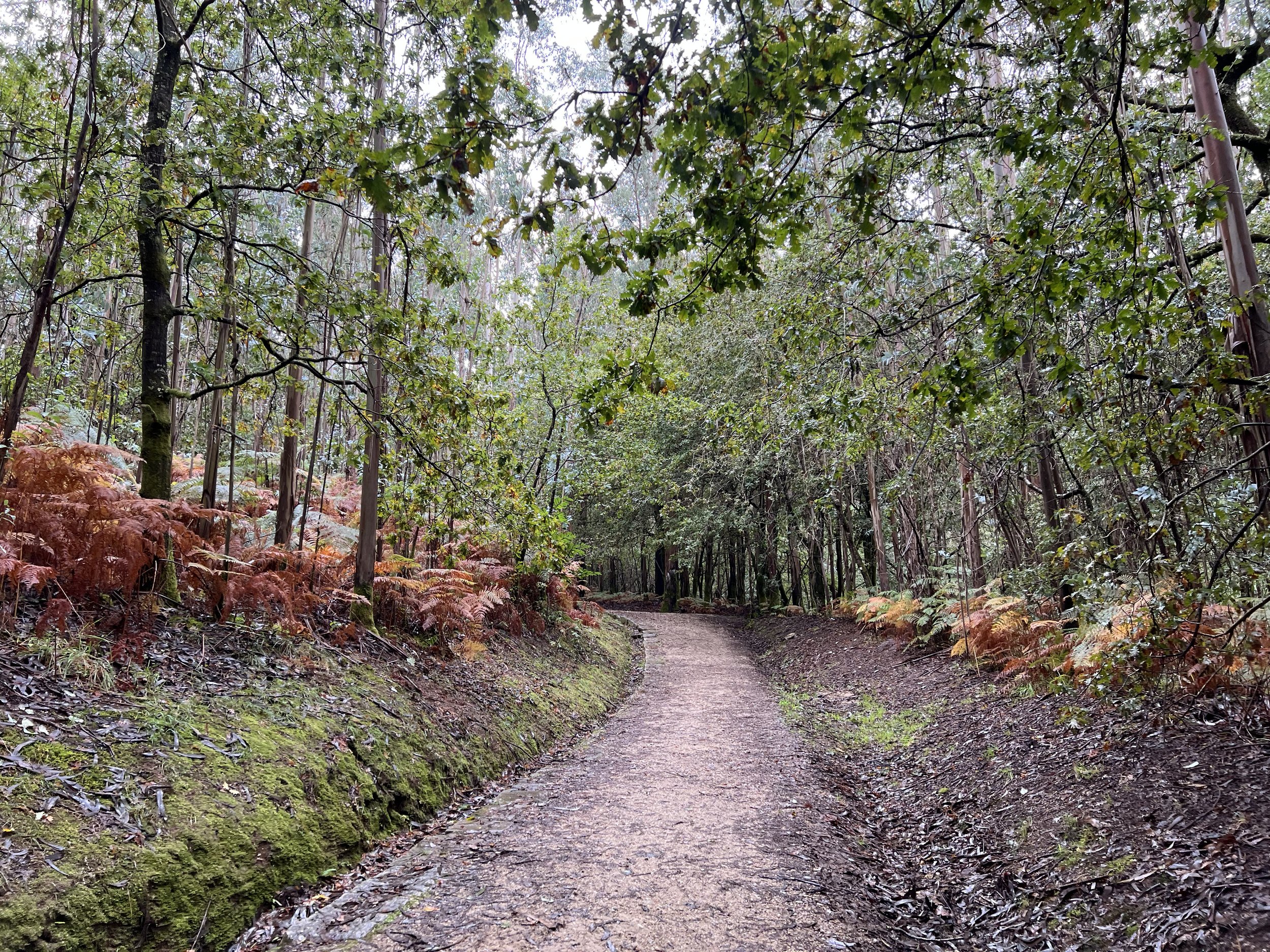
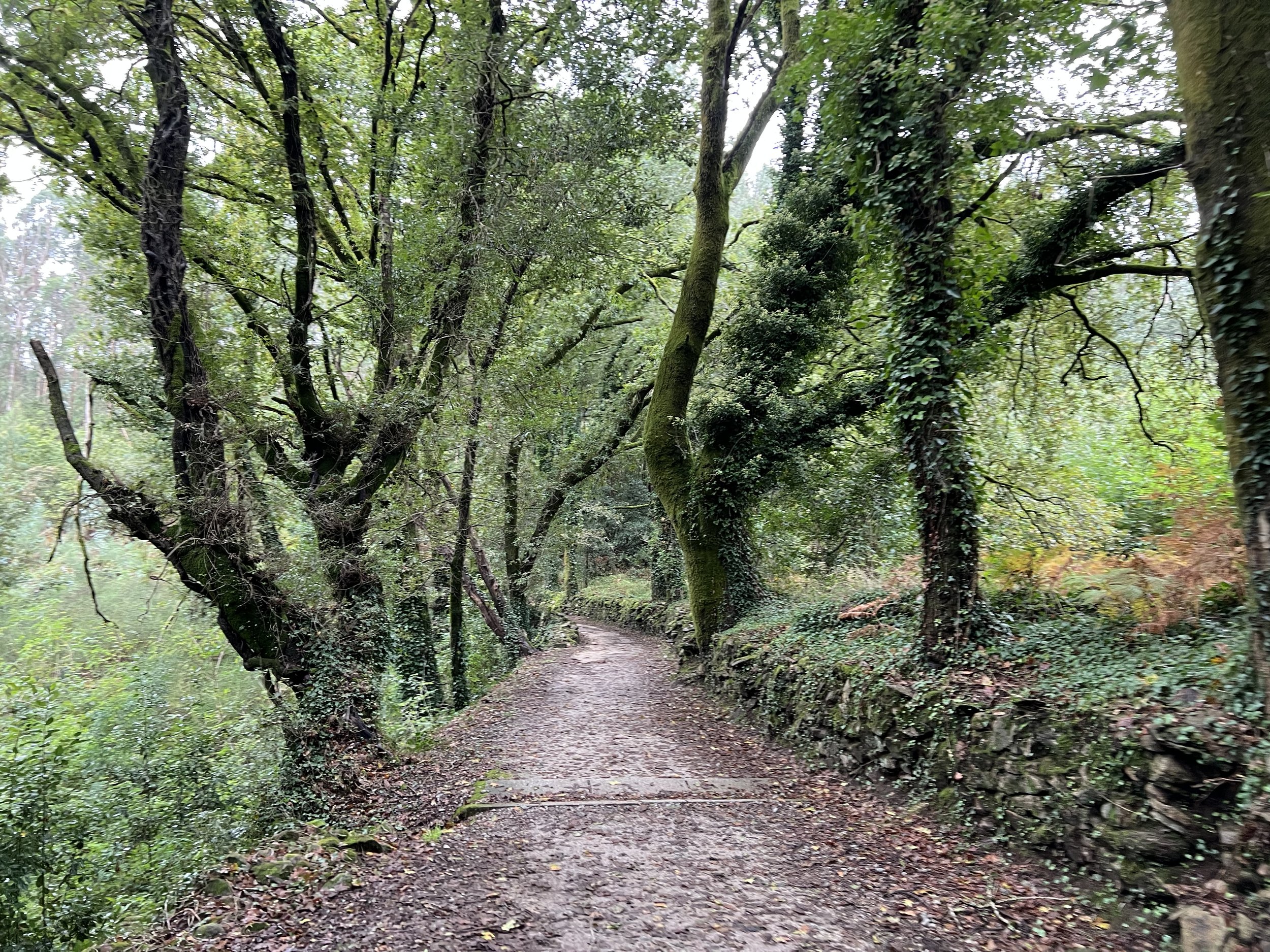
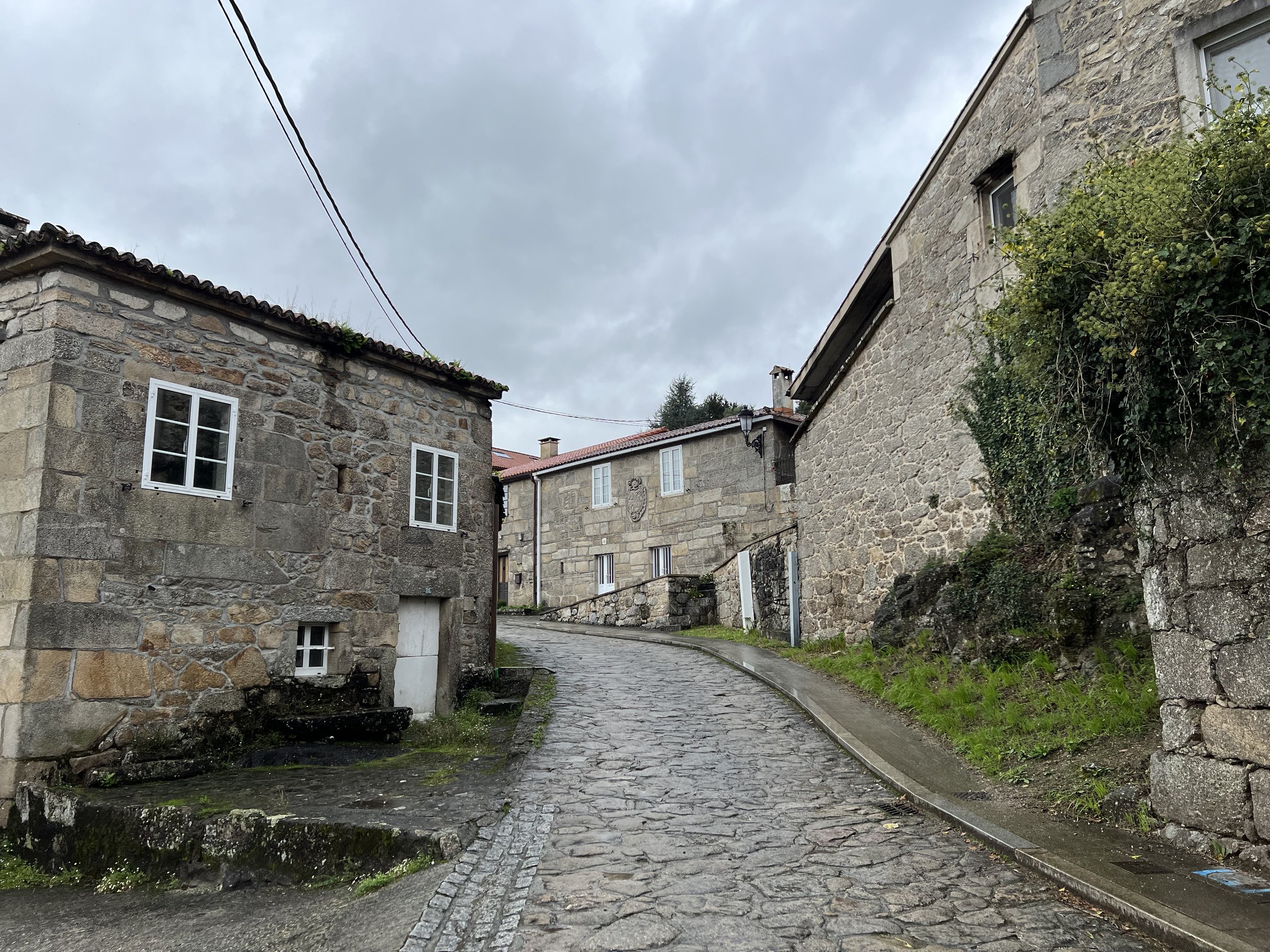
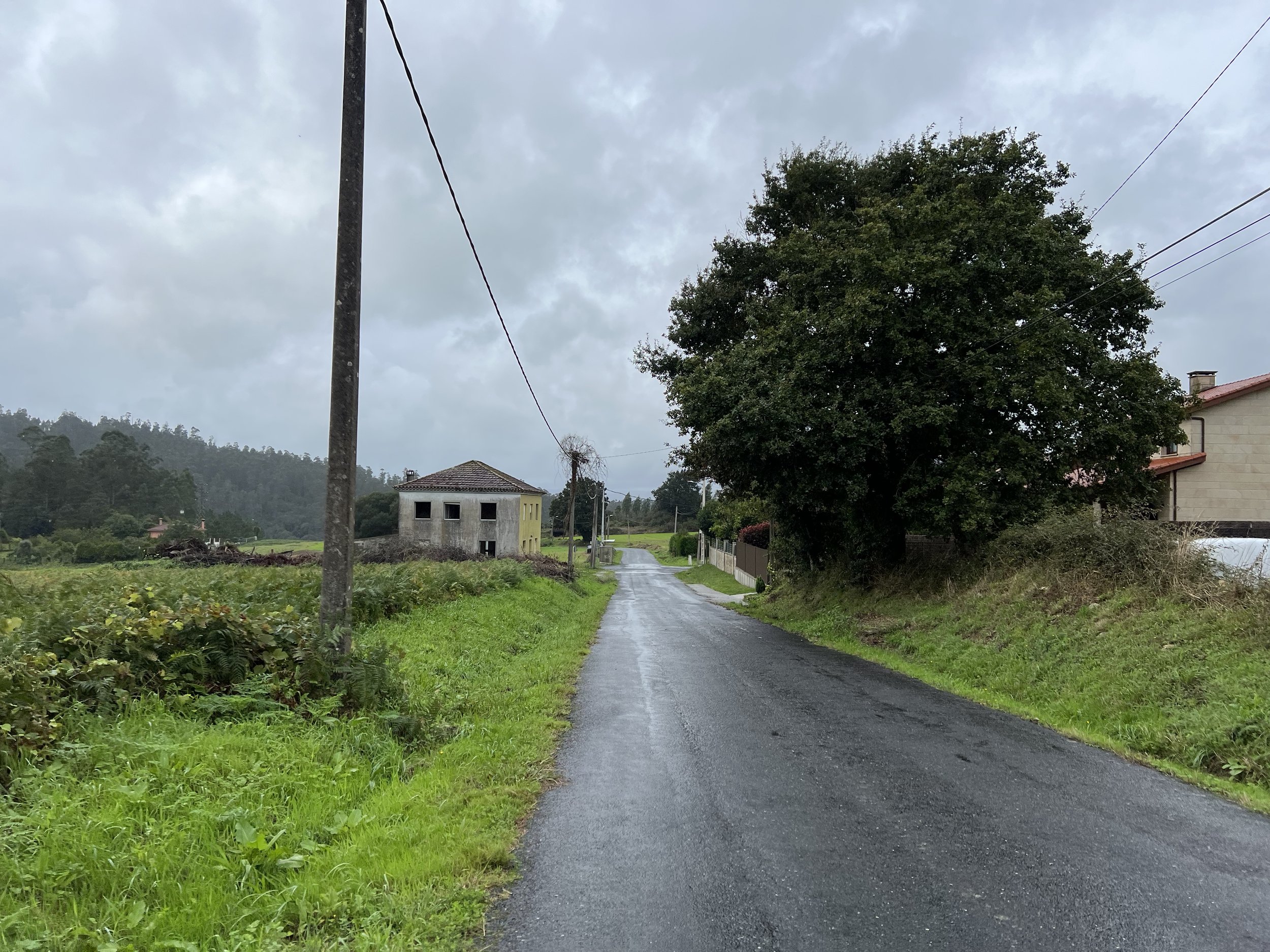
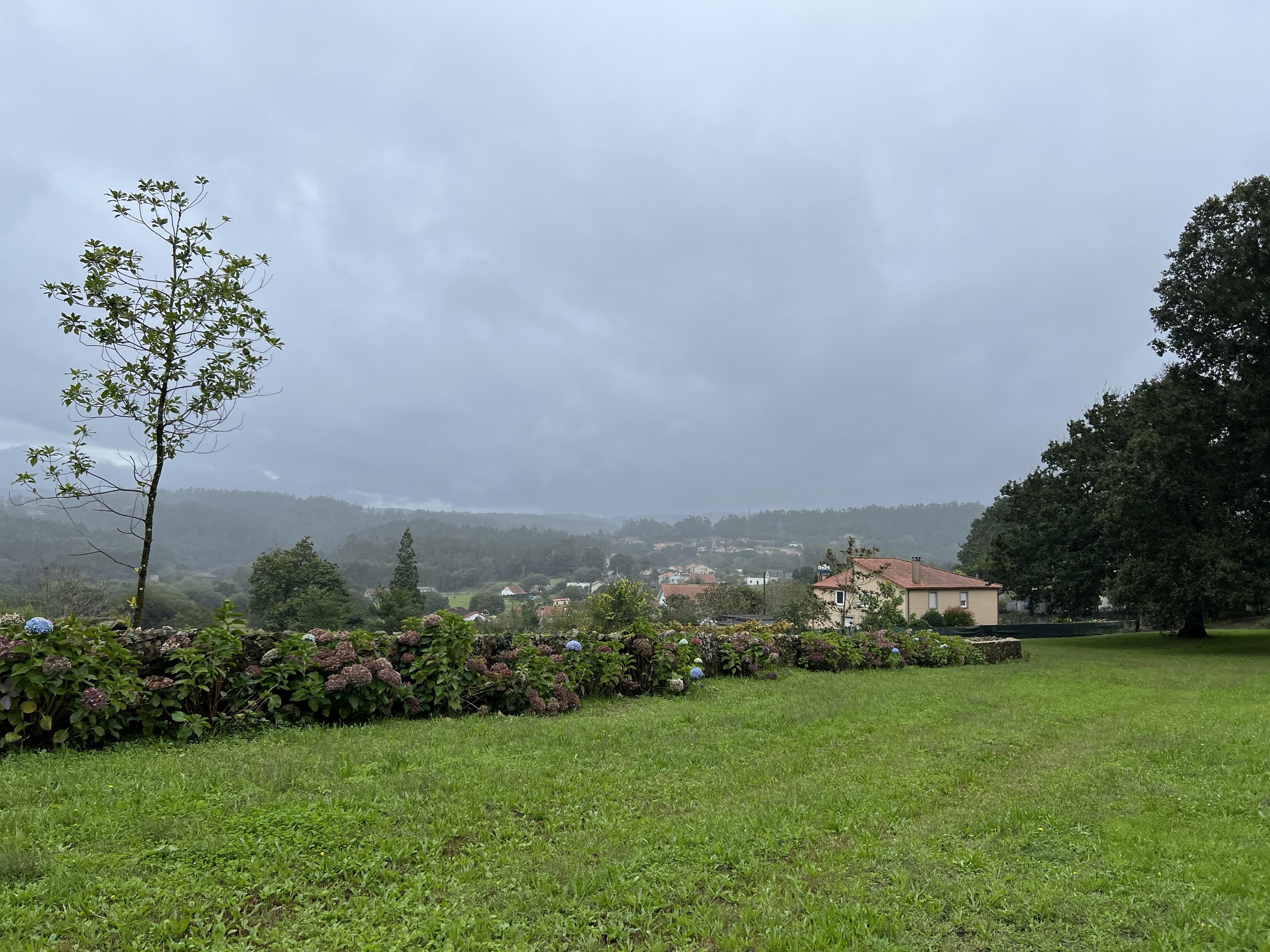
Unlike the crowded final stages leading into Santiago, this route was peaceful and solitary. I saw only a handful of other pilgrims throughout the day. The trail offered more climbs than expected, but it was well maintained and varied, winding through forests, small Galician villages, and open countryside. Despite walking 10 km into Santiago that morning and another 22 km beyond, I felt surprisingly strong—perhaps carried by the excitement of beginning a new chapter rather than ending one.
As we reached the outskirts of Negreira, we followed signs for our albergue. The path veered off into the woods, away from the main Camino route. For a moment, we hesitated, wondering if we had gone the wrong way—but it turned out to be a shortcut that led directly to our accommodation. A fitting end to a long, satisfying day of walking.
History & Background
The Camino Finisterre is unique among pilgrimage routes—it begins, rather than ends, in Santiago de Compostela. For centuries, pilgrims who completed the main Camino continued westward to the Atlantic coast, believing it to be the edge of the known world. “Finisterre” comes from the Latin Finis Terrae, meaning “end of the earth.”
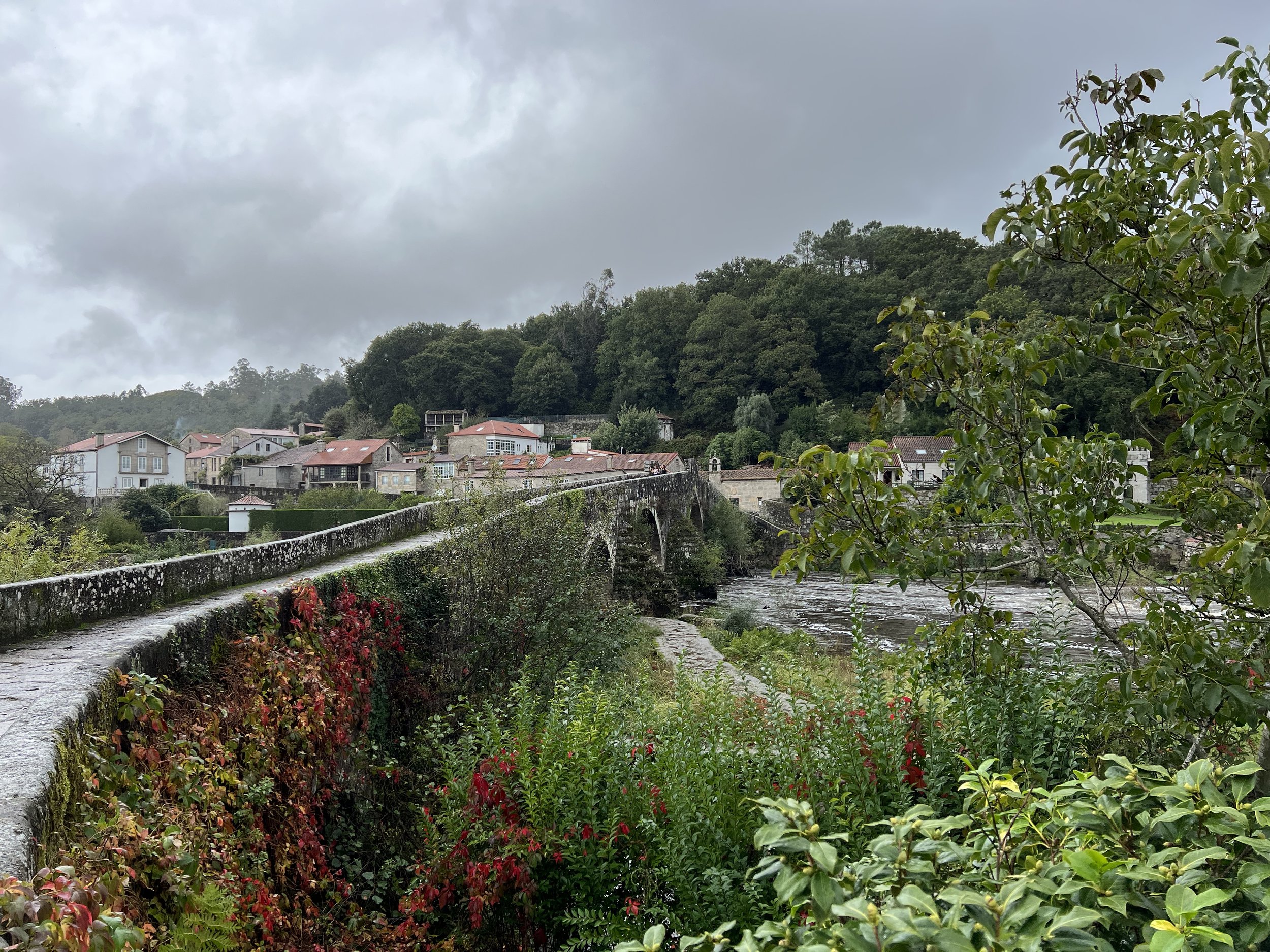
The route to Negreira, the first major stop after Santiago, follows ancient paths once used by traders, fishermen, and pilgrims traveling to the coastal shrine of San Guillermo and the lighthouse at Cape Fisterra. Today, this stage remains one of the most scenic, blending medieval bridges, quiet Galician hamlets, and forested trails that reflect the introspective nature of this post-Santiago pilgrimage.
Getting There
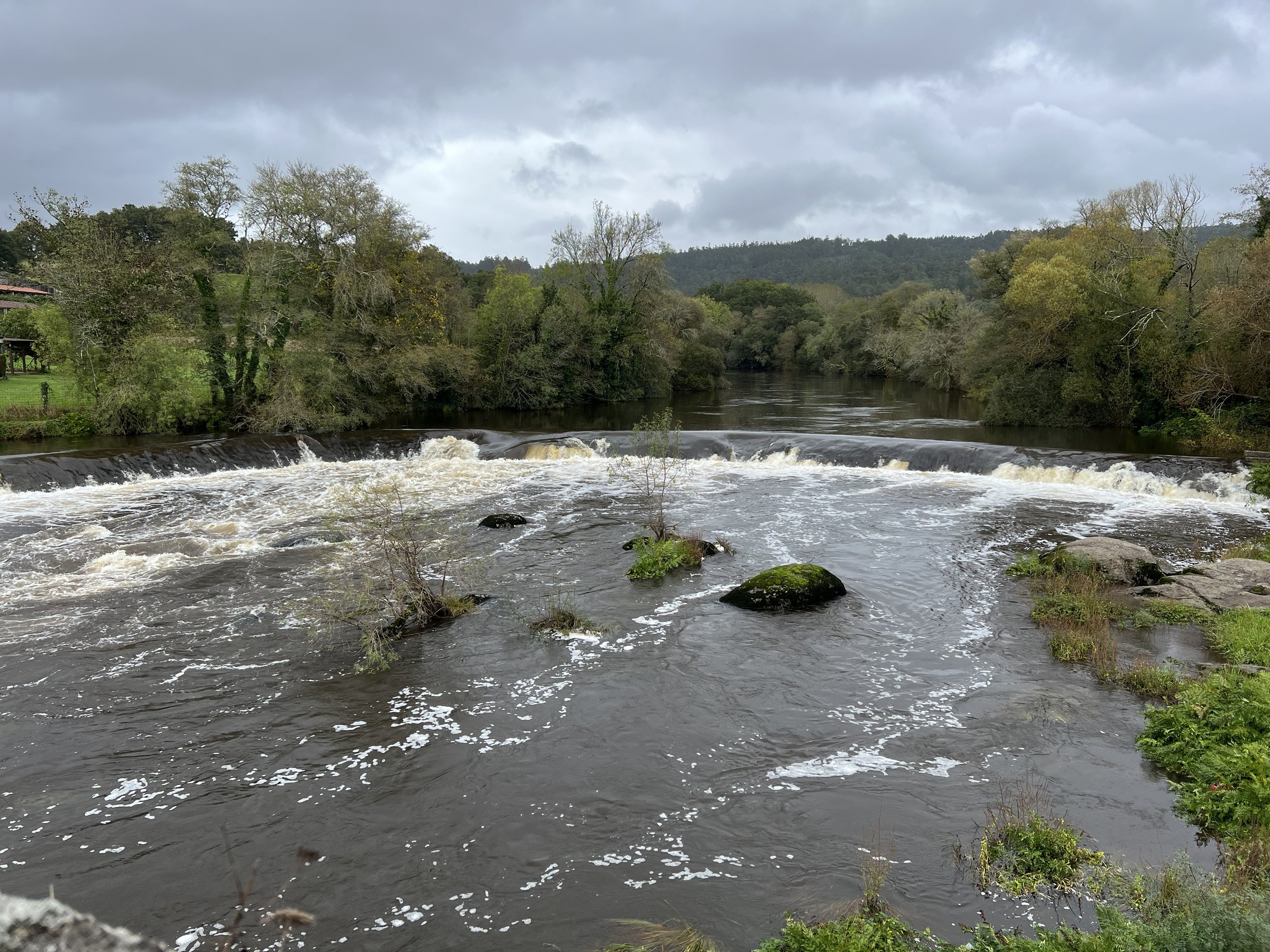
Pilgrims typically walk from Santiago de Compostela to Negreira, covering approximately 22 km along the Camino Finisterre. The route begins near Praza do Obradoiro in front of Santiago Cathedral and passes through small villages such as Quintáns and Ponte Maceira, famous for its medieval stone bridge over the Tambre River. The trail is gently undulating, with well-marked paths and occasional shaded areas, though carrying food, water, and rain gear is recommended.
Walking is the traditional and most rewarding way to reach Negreira, allowing pilgrims to leave the city behind and immerse themselves in the peaceful Galician countryside. For those preferring an alternative, regular buses run between Santiago de Compostela and Negreira (about 30–40 minutes), providing a flexible option to start the Camino from Negreira without missing the experience.
Route Overview
Distance: 22.26 km (Cathedral of Santiago de Compostela → Albergue San José)
Total elevation gain: 512 m
Duration: 4 hr 24 min (with breaks 4 hr 53 min)
Difficulty: Hard
For the full day-by-day route breakdown, including distances and duration, see my complete Camino Finisterre route guide.
Cost Breakdown
Accommodation: Albergue San José (Reserved via WhatsApp) — €15
Food: €10.25