Aso Shrine - Kumamoto, Japan
Aso Shrine has existed for so long that its exact origins remain uncertain, though it is believed to date back nearly two thousand years. With limited time in the area, I decided to visit the shrine after finishing my hike in the Mount Aso region.
I took a bus from Aso Station that dropped me just around the corner from the shrine. As the bus made its way there, the rain started coming down heavily. With only a rain jacket and no real shelter in sight, I wasn’t particularly looking forward to walking around in the downpour, but by that point, there was no turning back.
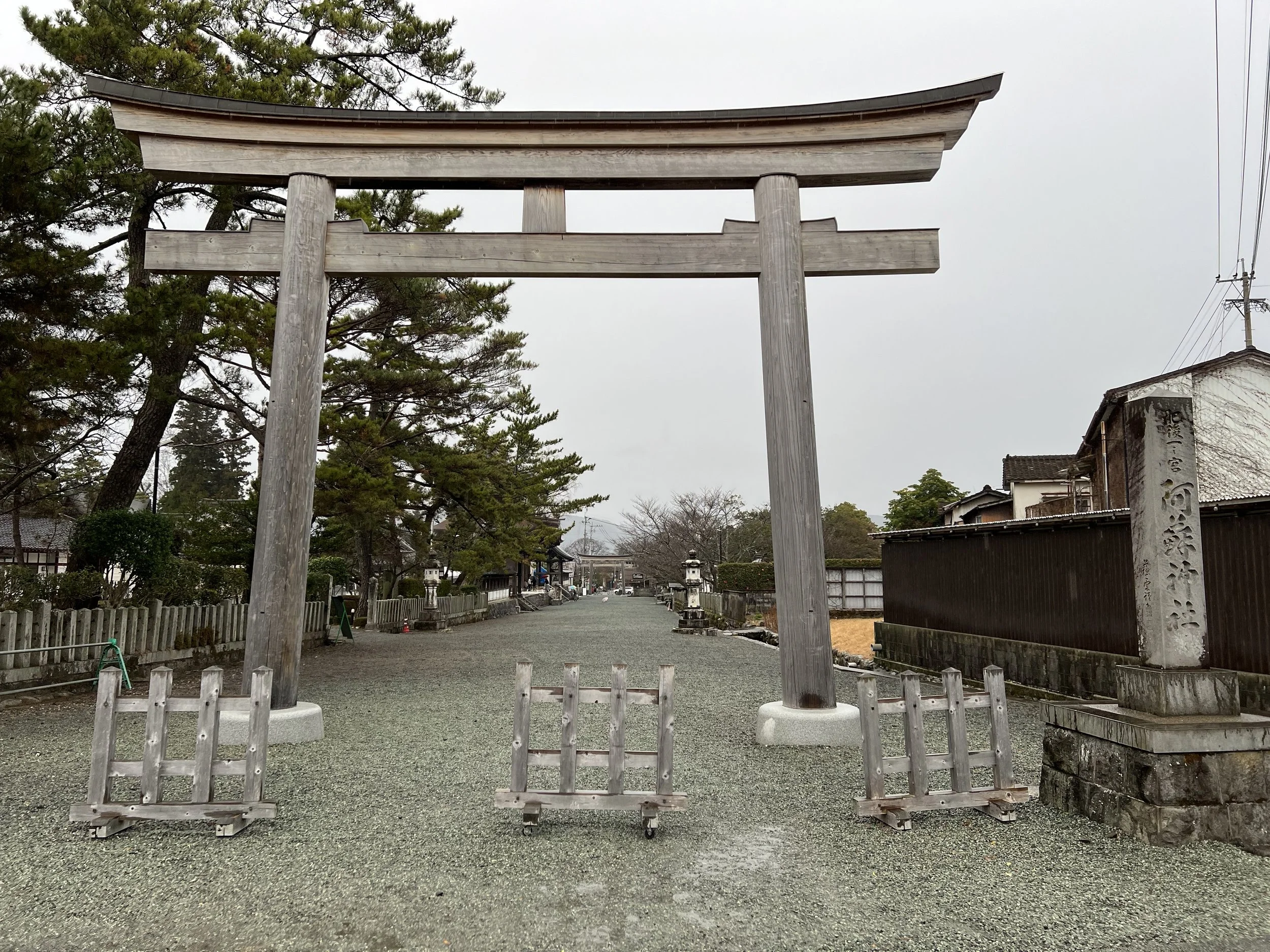
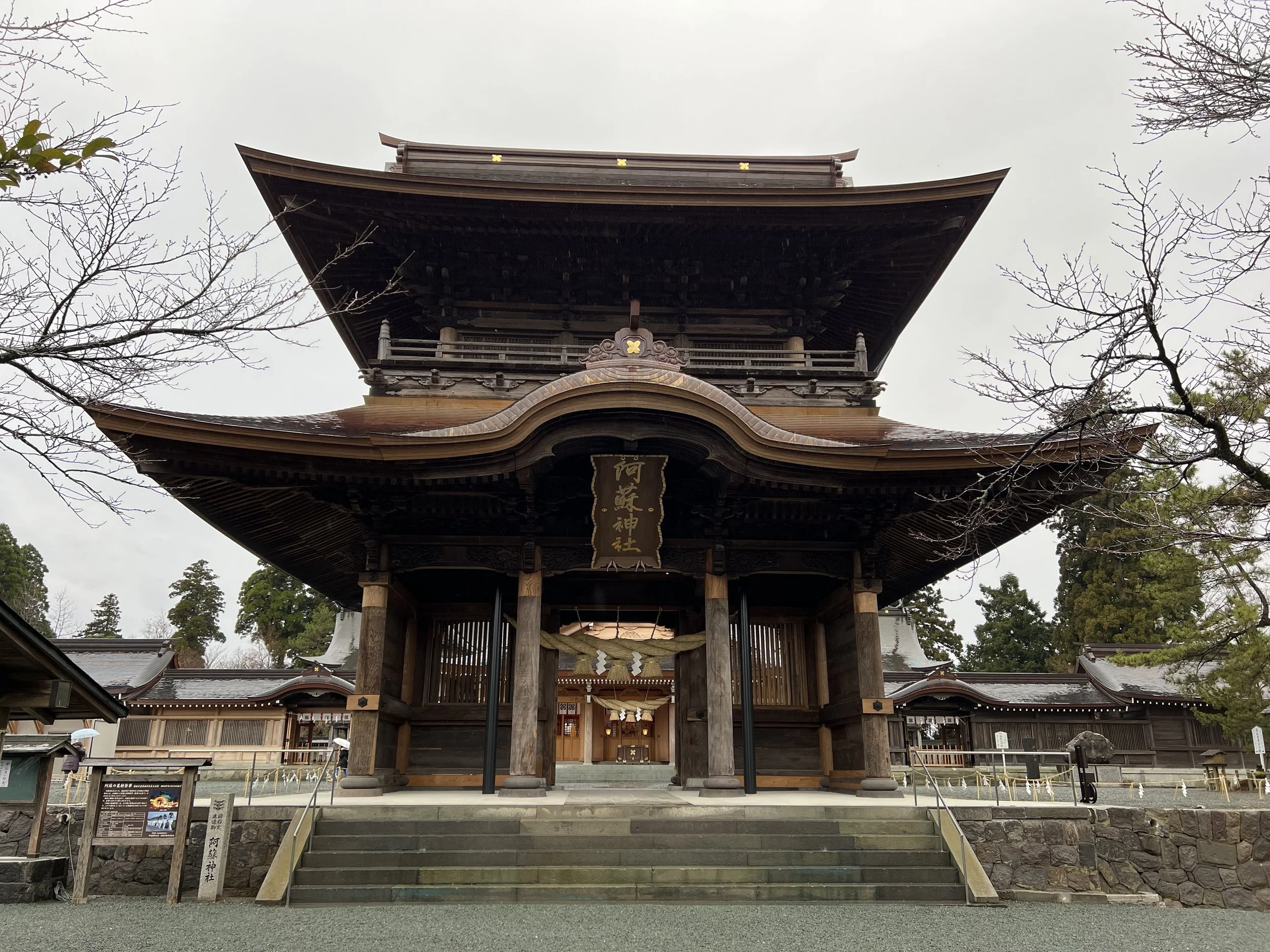
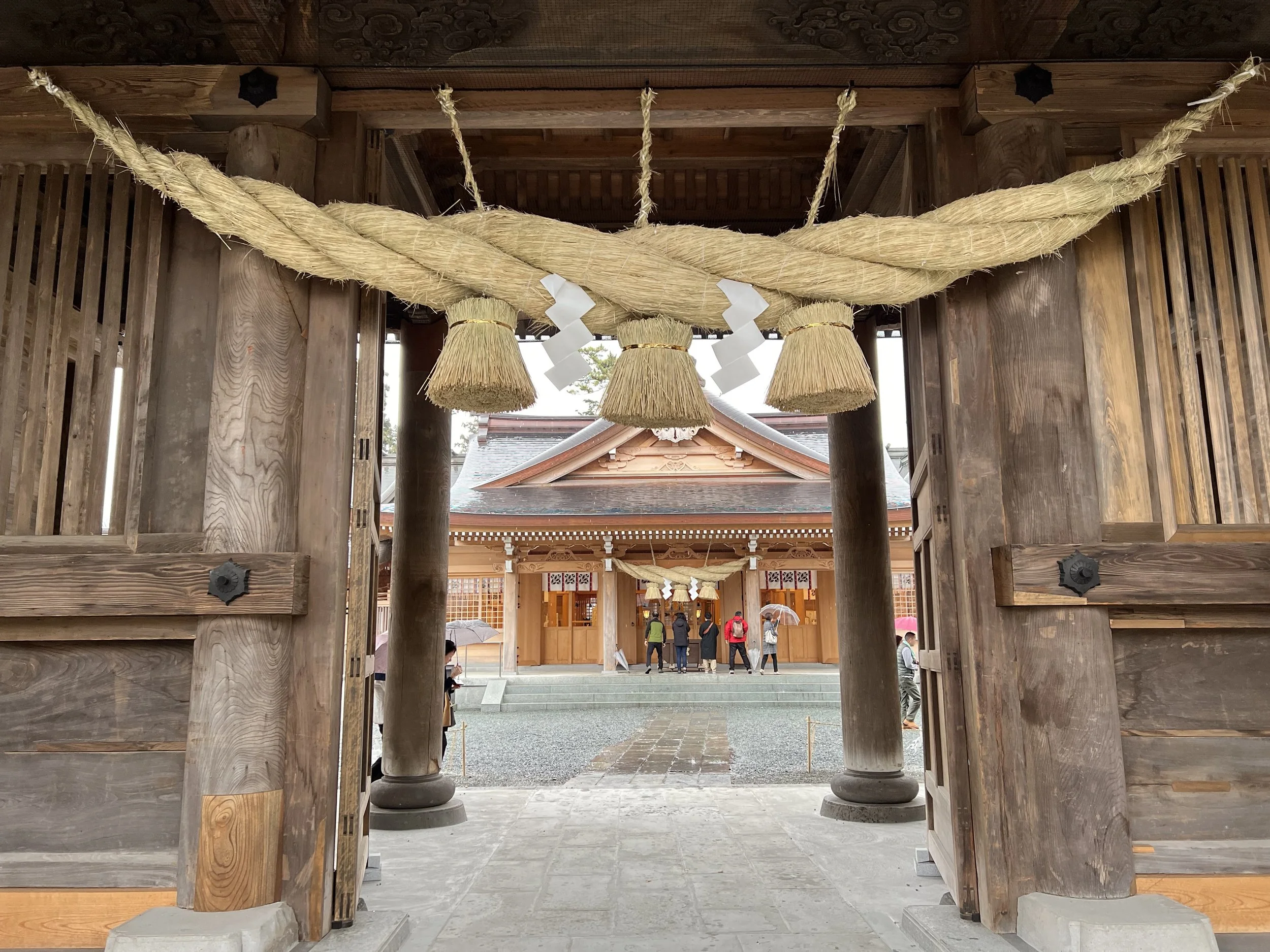
I entered the shrine grounds from the side, and as I looped toward the main approach, the two-storey gate immediately stood out. The Romon Gate is one of the largest of its kind in Japan. The thick shimenawa—sacred straw ropes—hanging across the gate were especially striking. I stopped to take a few photos from a distance before bowing and crossing the threshold.
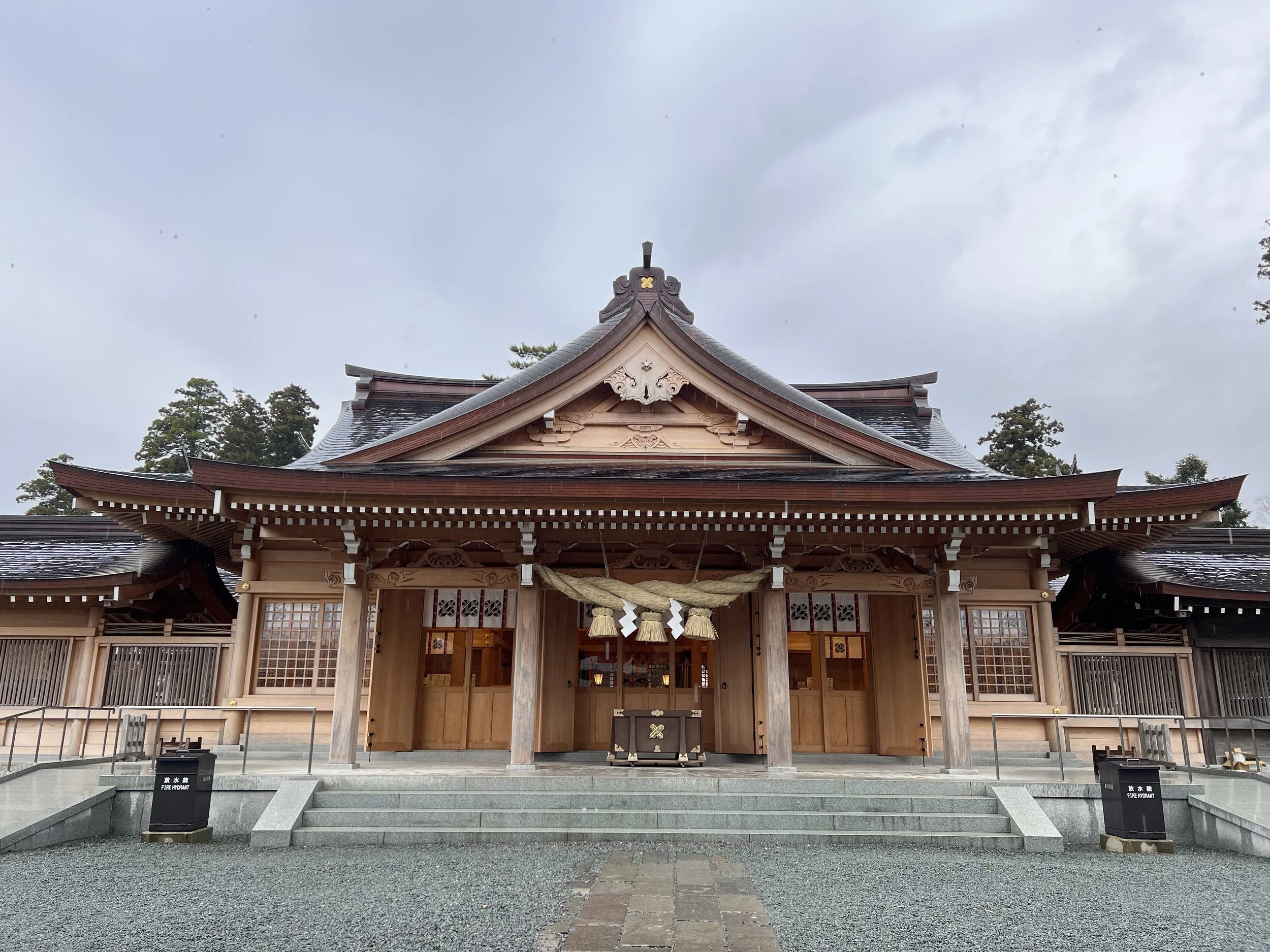
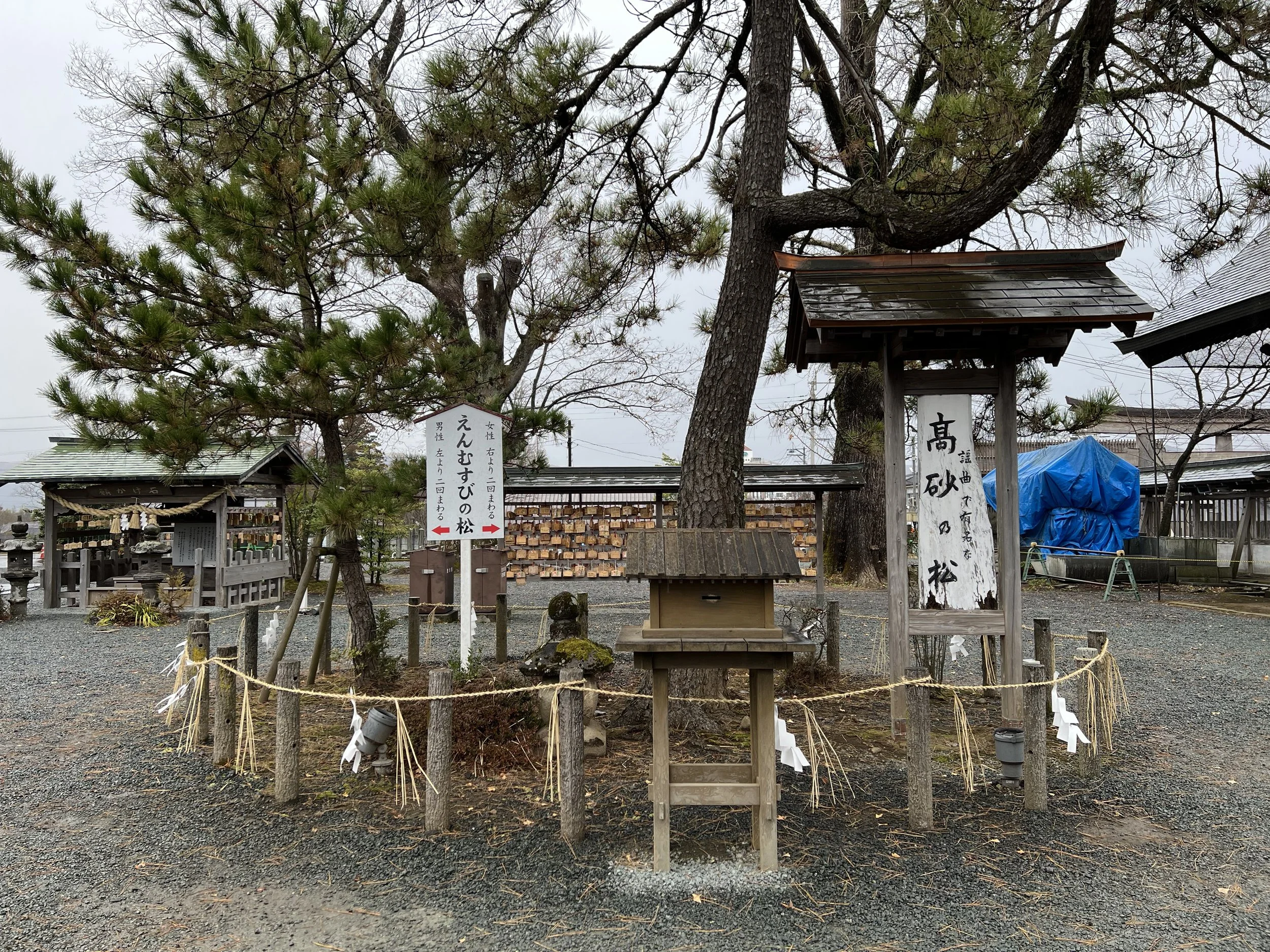
The main shrine hall sits directly ahead. A total of twelve deities are enshrined here, one of whom is believed to have played a role in the creation of the Aso region itself. Nearby stands a pine tree said to bring good fortune in marriage. The shrine grounds are relatively compact, making it easy to explore all of the buildings in a short amount of time.
Much of what stands today is reconstructed. Both the Romon Gate and the main shrine hall collapsed during the 2016 earthquake that caused widespread damage in the area. The restoration took more than seven and a half years, and the result is a careful rebuilding that respects the shrine’s original form.
After my walk around the grounds, I checked the bus schedule and realized I had about thirty minutes to wait. I found a sheltered seating area near the information centre, which made the wait far more comfortable than standing out in the rain.
Aso Shrine may be small, but given its deep history and cultural significance, it’s well worth a visit if you’re passing through the area.
History & Background
Aso Shrine (阿蘇神社) is one of the oldest Shinto shrines in Kyushu and is closely tied to the mythology and settlement of the Aso region. It enshrines twelve deities, with Takemikazuchi-no-Mikoto believed to be instrumental in the formation and development of the area.
The shrine has endured numerous natural disasters over the centuries, including fires and earthquakes. The most recent destruction occurred during the 2016 Kumamoto earthquakes, which caused the collapse of key structures such as the Romon Gate and the main worship hall. Their reconstruction, completed after several years of restoration work, symbolizes both resilience and continuity in the region.
Getting There
Aso Shrine can be reached via the JR Hohi Main Line. From Kumamoto Station, take the train to Aso Station (about 90 minutes) and transfer to a local bus, or disembark at Miyaji Station and continue on foot or by bus. Local buses from Aso Station serve the shrine area, with the Sakae Dori stop just a short walk from the shrine entrance.
Route Overview
Distance: 500 m out & back (Sakae Dori Bus Stop)
Total elevation gain: 2 m
Duration: 10 min (with breaks 20 min)
Difficulty: Easy
Cost Breakdown
Bus: Aso Station → Sakae Dori Bus Stop — ¥300