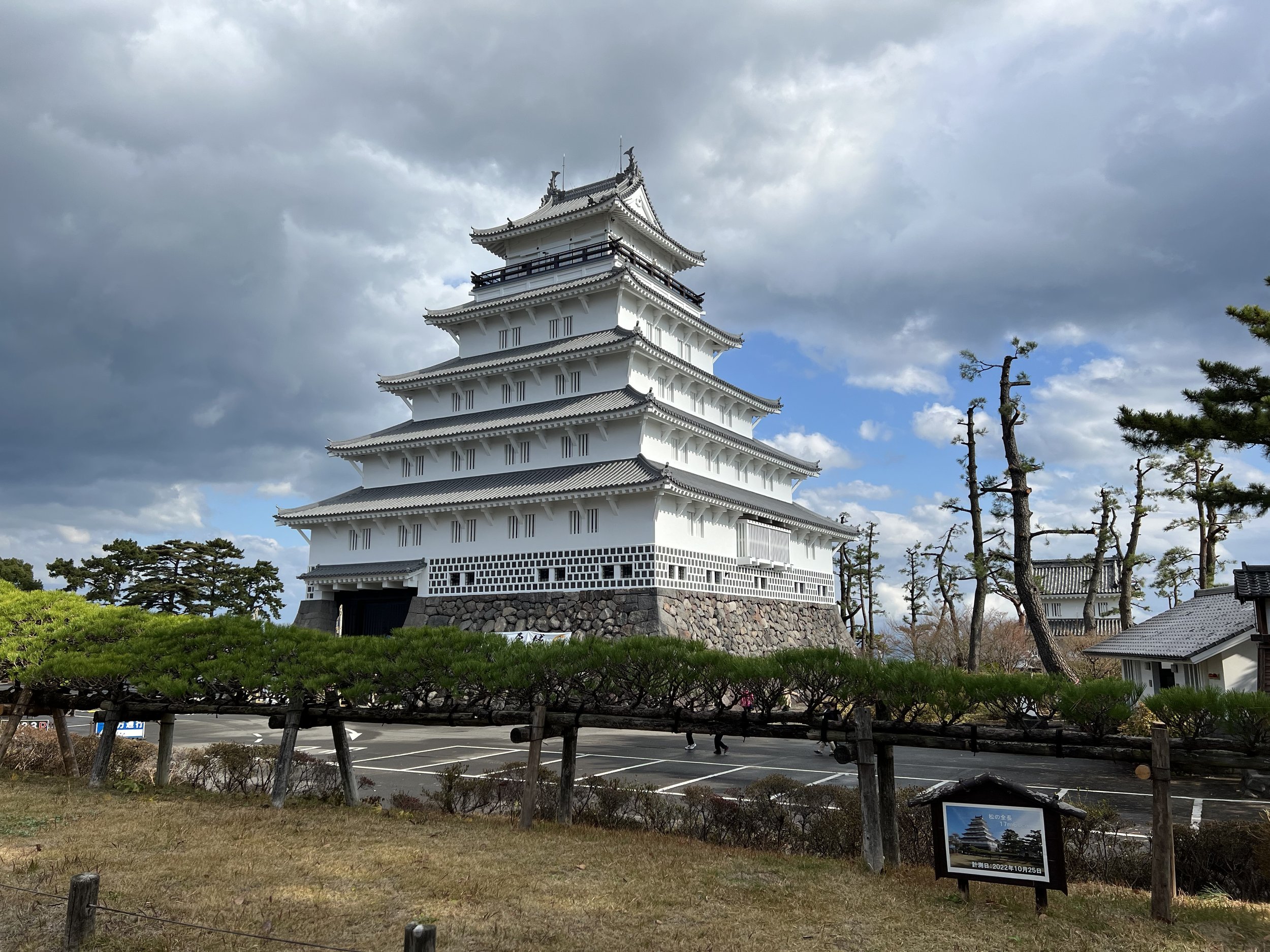
Shimabara Castle - Nagasaki, Japan
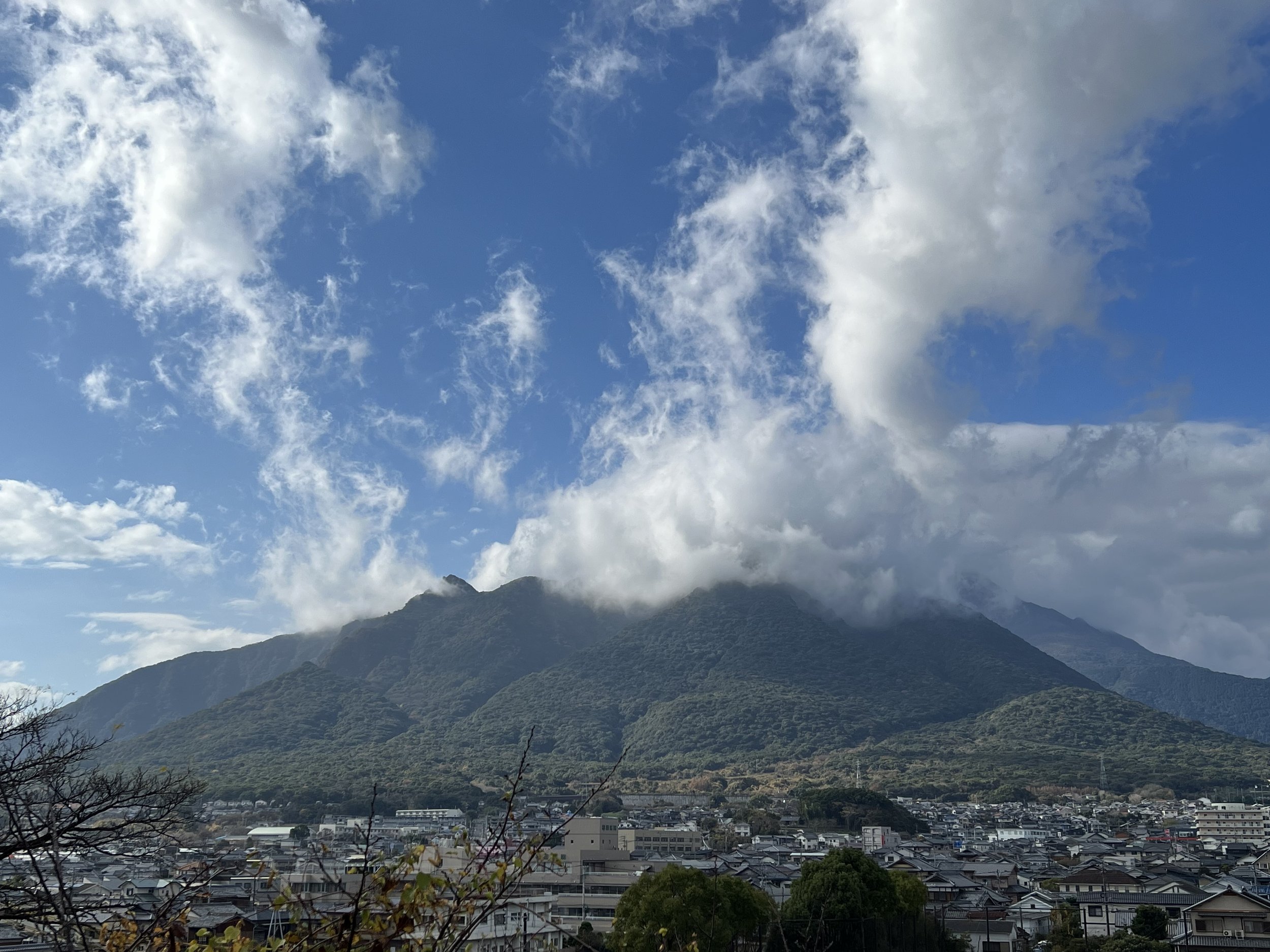
My original plan for the Shimabara area was to hike near Mount Unzen. When I left Kumamoto, the weather was already looking uncertain, with heavy fog hanging in the air. Hiking in rain and low visibility didn’t sound particularly appealing, but I decided to head out anyway and see how things unfolded.
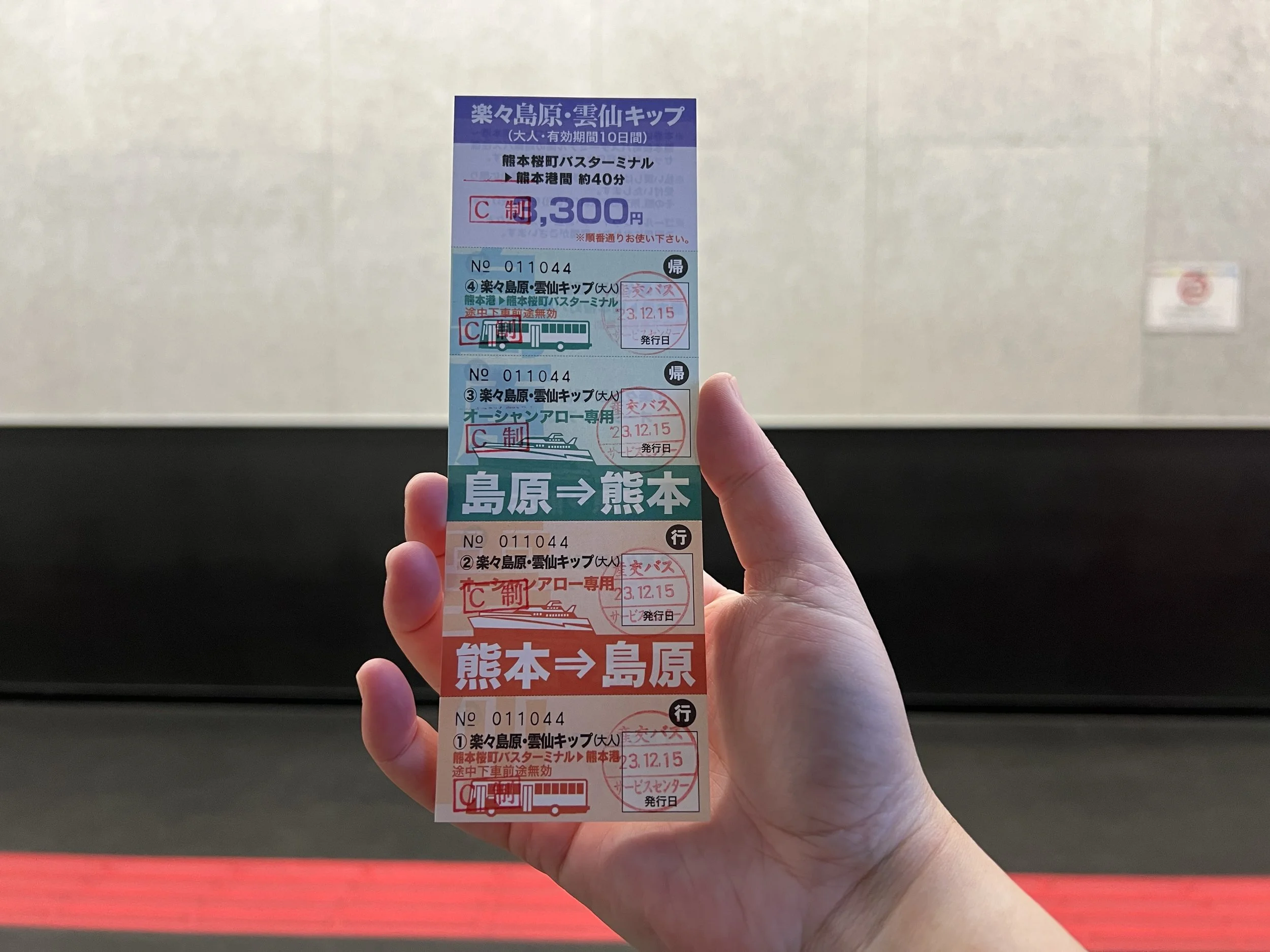
I stopped at Sakuramachi Bus Terminal to purchase a transportation combo ticket called 楽々島原・雲仙キップ. I wasn’t able to find an official English name for it, but the ticket is offered by local transportation companies and combines a bus ride from Sakuramachi Bus Terminal to Kumamoto Ferry Terminal with a ferry crossing to Shimabara. Purchasing the legs separately would have cost around ¥4,420, while the combo ticket was ¥3,300, making it a worthwhile saving.
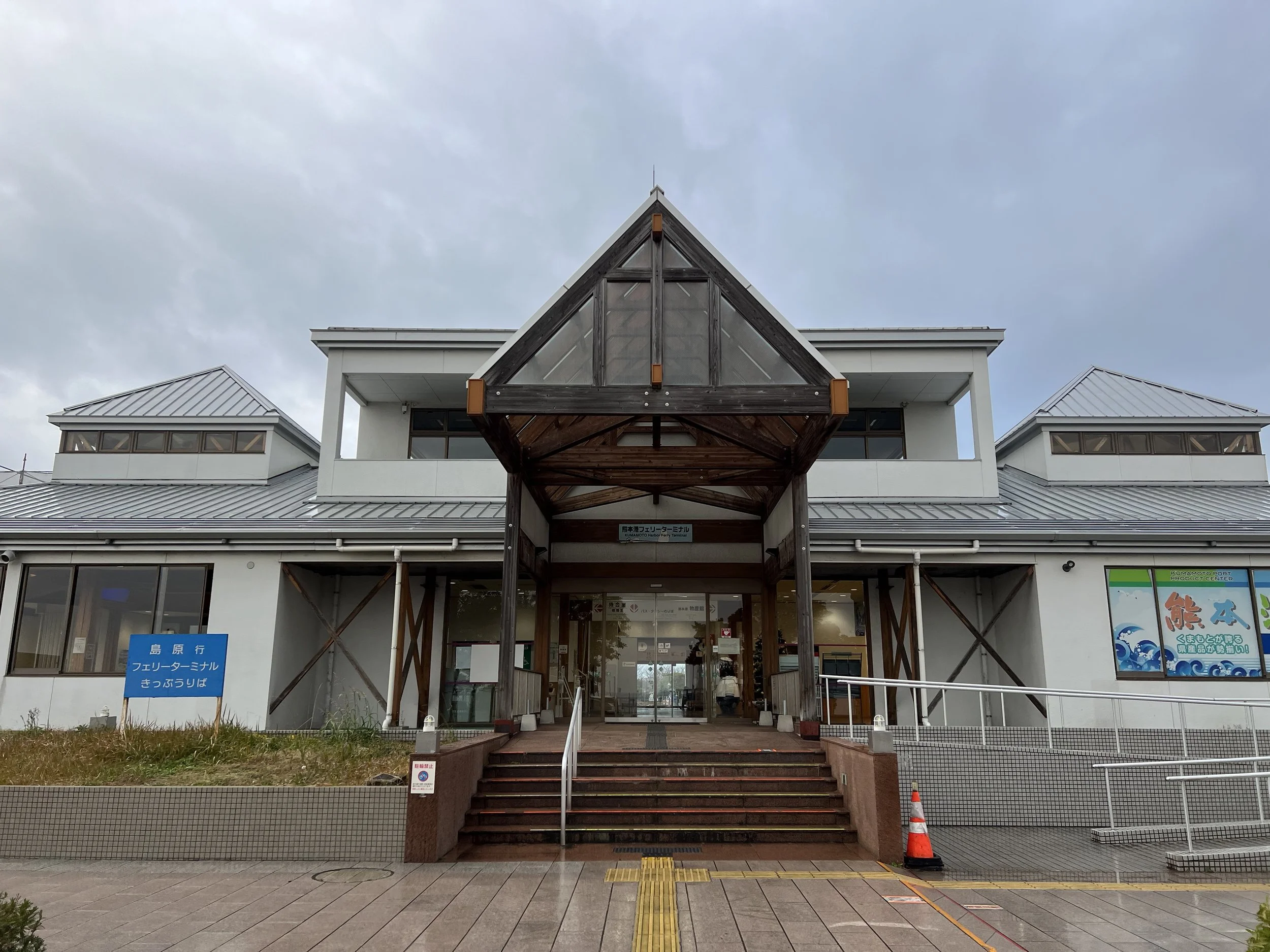
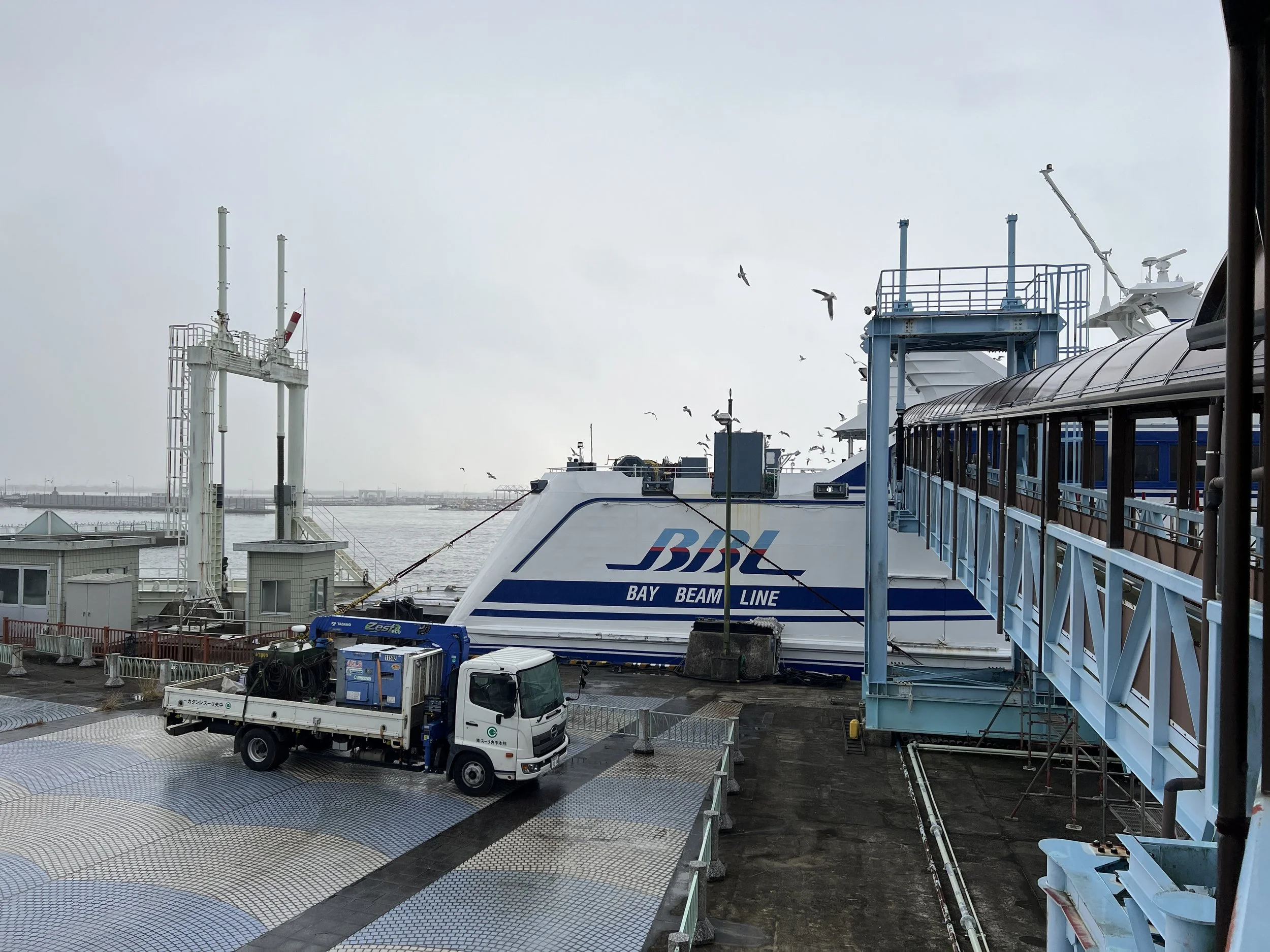
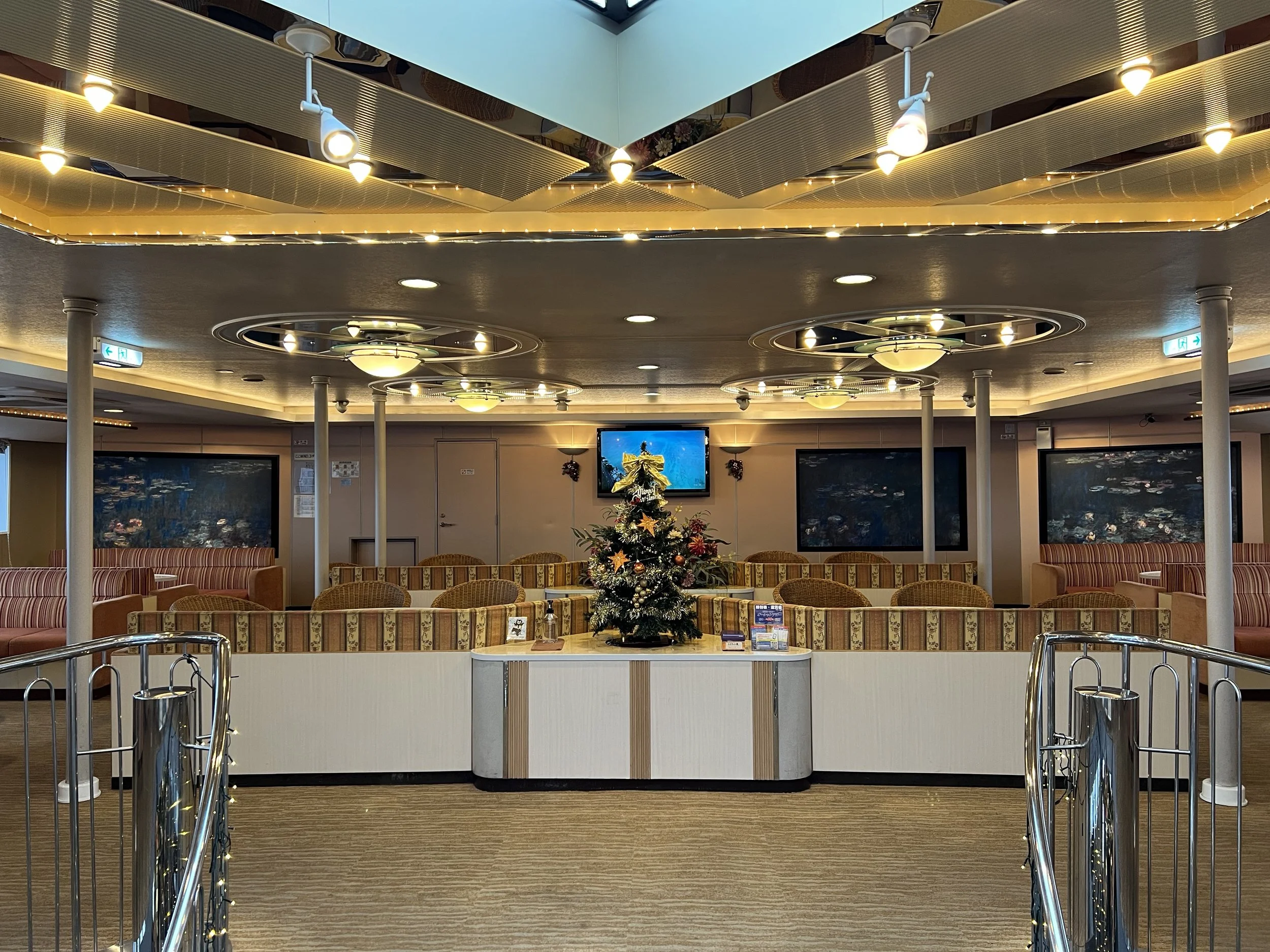
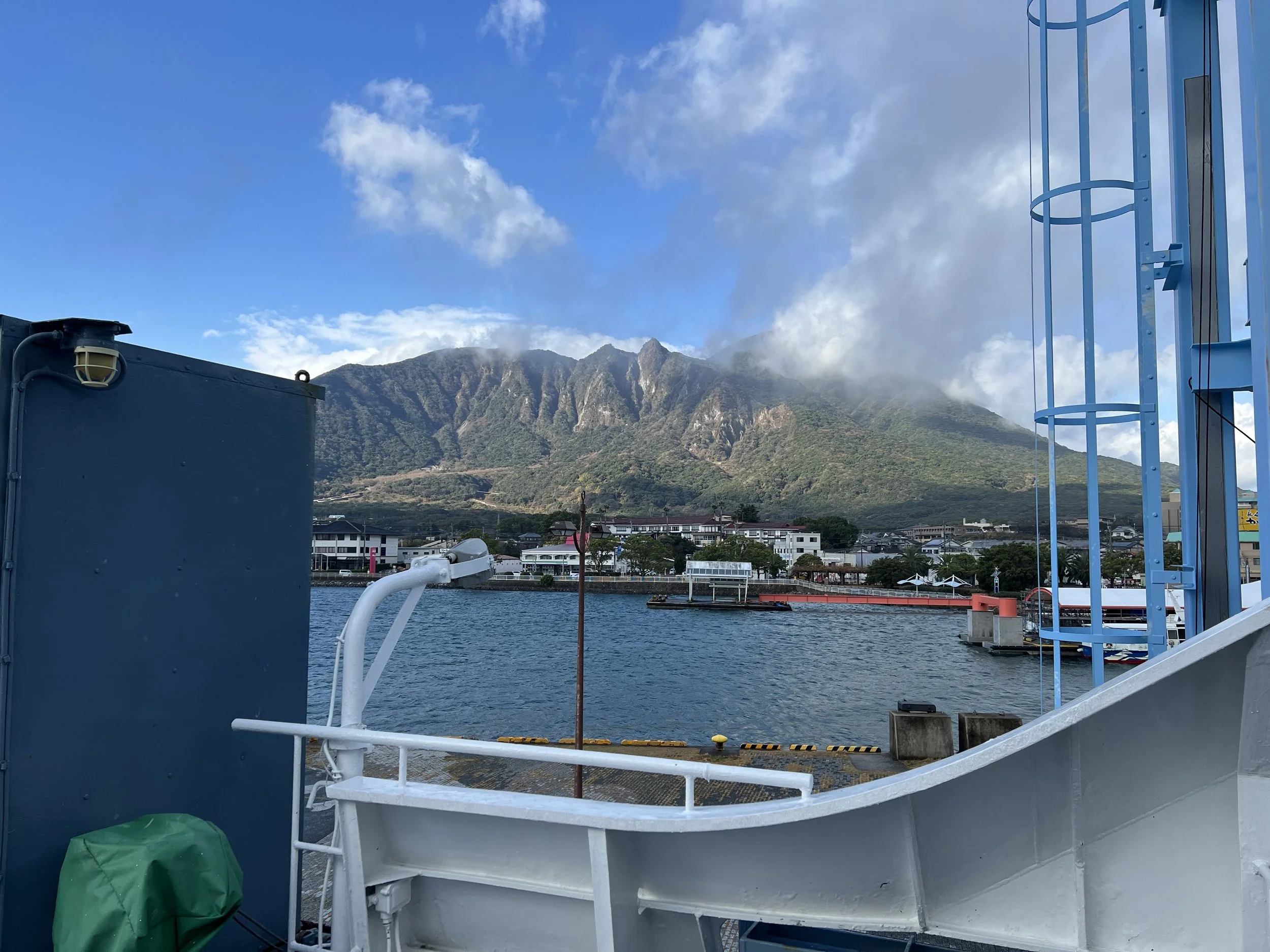
After confirming the correct bus stop—Sakuramachi Bus Terminal is quite large—I made my way to the ferry terminal. At the port, I exchanged the ferry portion of the ticket at the counter before boarding. The ferry ride itself takes about 32 minutes. As the boat approached Shimabara, Mount Unzen came into view in the distance. The clouds were beginning to lift slightly, though much of the mountain remained covered in fog, which kept my hopes for hiking alive.
Once I disembarked, I stopped by the tourist information centre at the ferry terminal to ask about trail conditions. The staff were kind enough to make enquiries on my behalf and confirmed that the trails had been closed for the day due to persistent fog in the forecast. It wasn’t the news I had hoped for, but I was glad to find out early.
I then asked about Shimabara Castle and learned that the castle itself was also closed for maintenance. However, visitors were still able to walk around the castle grounds and the surrounding park, which meant the trip wasn’t a complete loss.
Public transportation is available between the ferry terminal and the castle, but since my original plan involved hiking, I decided to walk instead. The route was straightforward and easy to follow, though the humidity made it feel more taxing than expected.
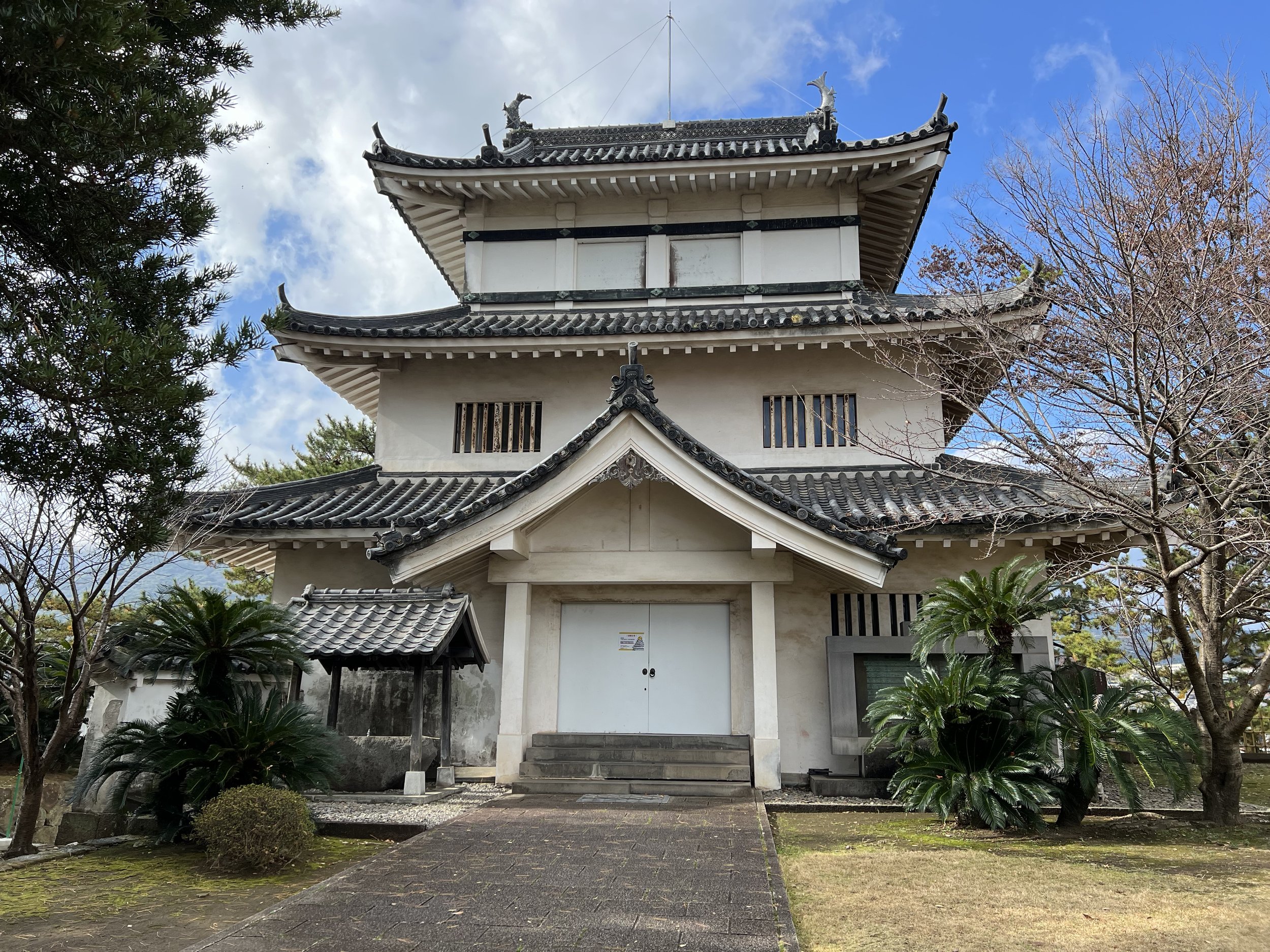
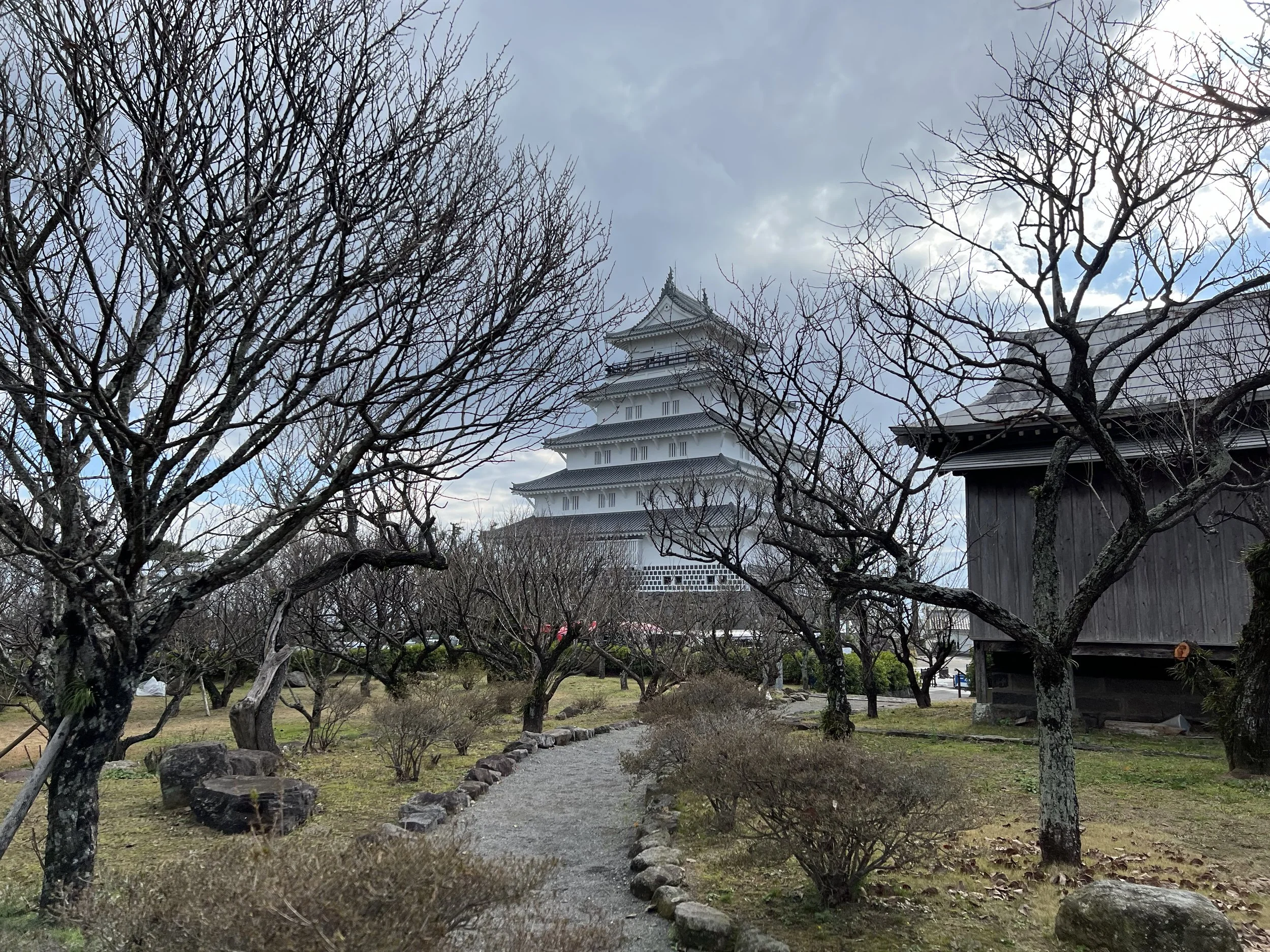
Reaching the castle requires a short uphill walk. Shimabara Castle, with its white walls and black tiled roofs, was built in the early Edo period and served as the grand seat of the local feudal lord. Its construction was funded through heavy taxation, which, combined with the persecution of local Christians, eventually contributed to the Shimabara Rebellion.
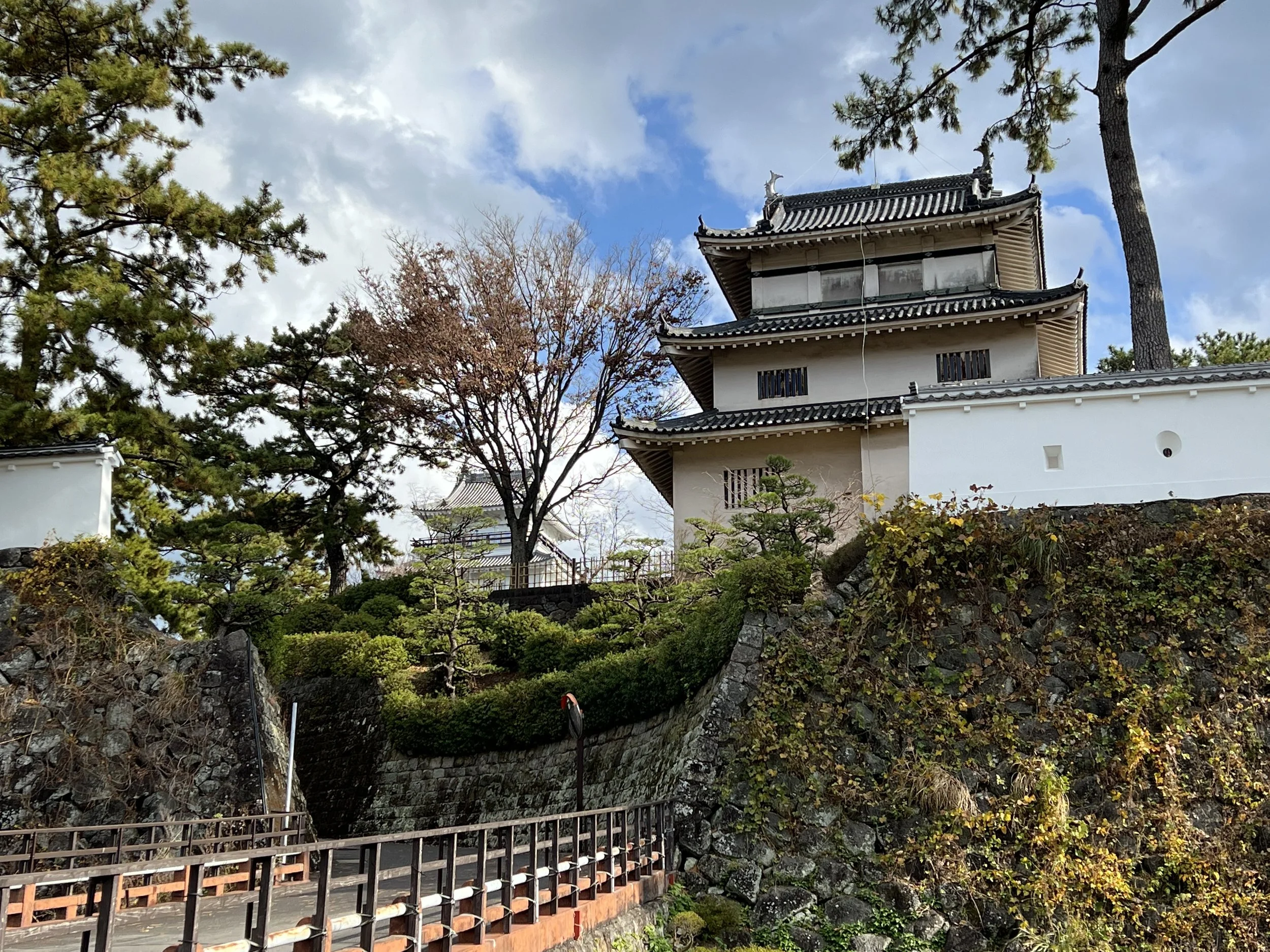
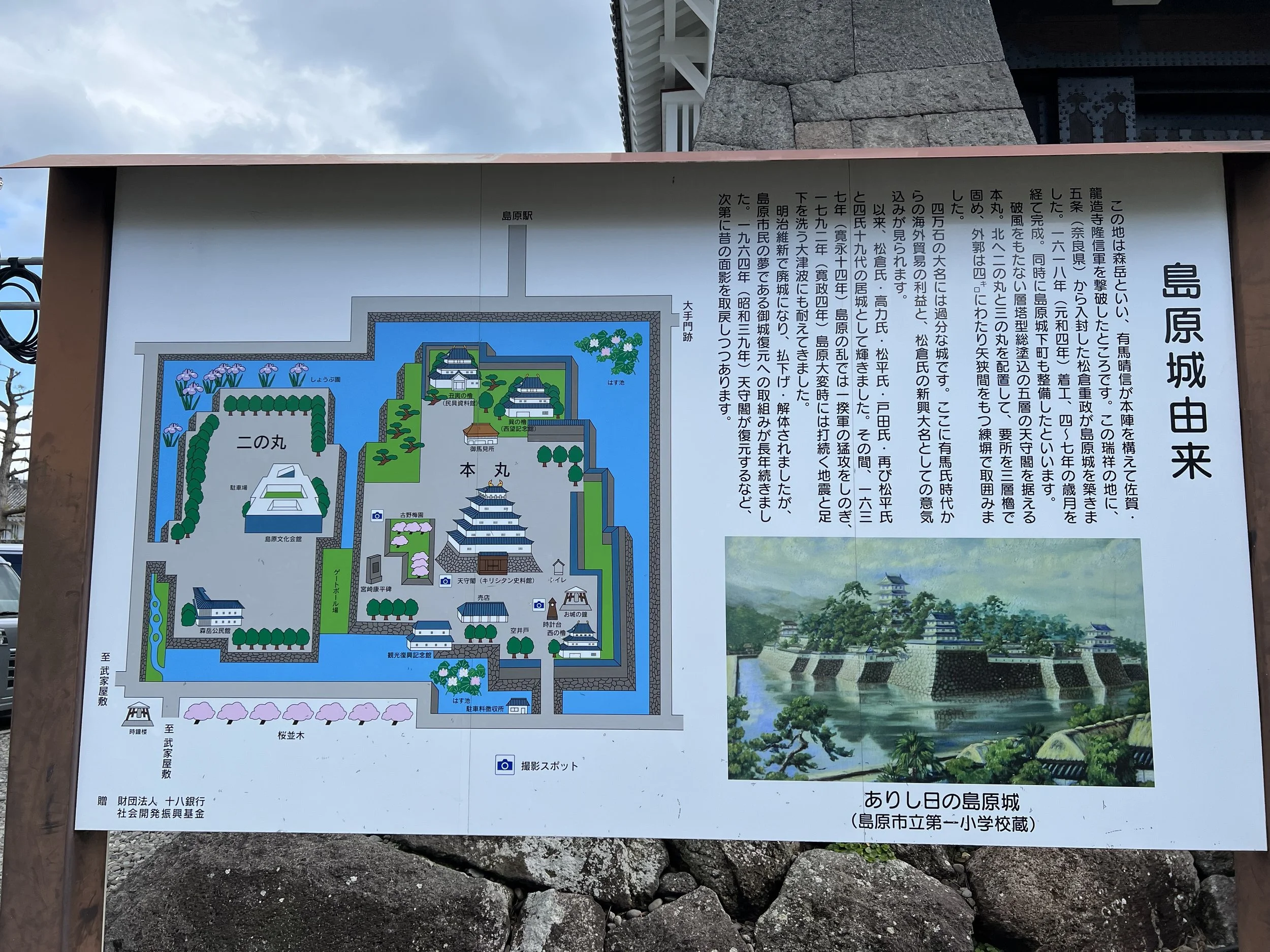
Like many castles across Japan, Shimabara Castle was destroyed during the Meiji period and later reconstructed in 1964. Today, the interior functions primarily as a museum. Although I couldn’t go inside due to the maintenance closure, walking through the surrounding park still offered plenty to see. The grounds are not big, but with turrets, gardens, and numerous statues scattered across the area.
Many of these statues are the work of Kitamura Seibo, a renowned sculptor best known for his contributions to the Nagasaki Peace Park. After spending some time resting in a nearby gazebo and taking in the garden, I stopped by the souvenir shop before making my way back toward the ferry terminal.
The day didn’t turn out quite as I had planned, but that’s part of travelling. Even without the hike or museum access, I was still able to experience a small but meaningful part of what Shimabara has to offer.
History & Background
Shimabara Castle (島原城) was originally constructed in the early 17th century during the Edo period as the seat of the local daimyo. Its construction placed a heavy financial burden on the local population through increased taxation.
These economic pressures, combined with the persecution of Christians in the region, eventually led to the Shimabara Rebellion of 1637–1638, one of the most significant uprisings of the Edo period. The rebellion had lasting effects on national policy, reinforcing Japan’s restrictions on Christianity and foreign influence.
The original castle was dismantled during the Meiji period as feudal structures were abolished. The current reconstruction, completed in 1964, stands on the original site and serves as a museum and cultural landmark.
Getting There
Shimabara is accessible from Kumamoto via ferry. From Sakuramachi Bus Terminal in Kumamoto, buses operate to Kumamoto Ferry Terminal. From there, ferries provide regular service to Shimabara Ferry Terminal, with a crossing time of approximately 30 minutes. Shimabara Castle is located about three kilometres from the ferry terminal and can be reached on foot or by local bus.
Route Overview
Distance: 7.51 km out & back (Shimabara Ferry Terminal)
Total elevation gain: 64 m
Duration: 1 hr 27 min (with breaks 1 hr 39 min)
Difficulty: Easy
Cost Breakdown
Bus: Sakuramachi Bus Terminal → Kumamoto Ko Ferry Terminal — ¥0 (Included in combo ticket)
Ferry: Kumamoto Ko Ferry Terminal → Shimabara Ferry Terminal — ¥0 (Included in combo Ticket)
Combo Ticket: 楽々島原・雲仙キップ — ¥3,300