Tsuwano - Shimane, Japan
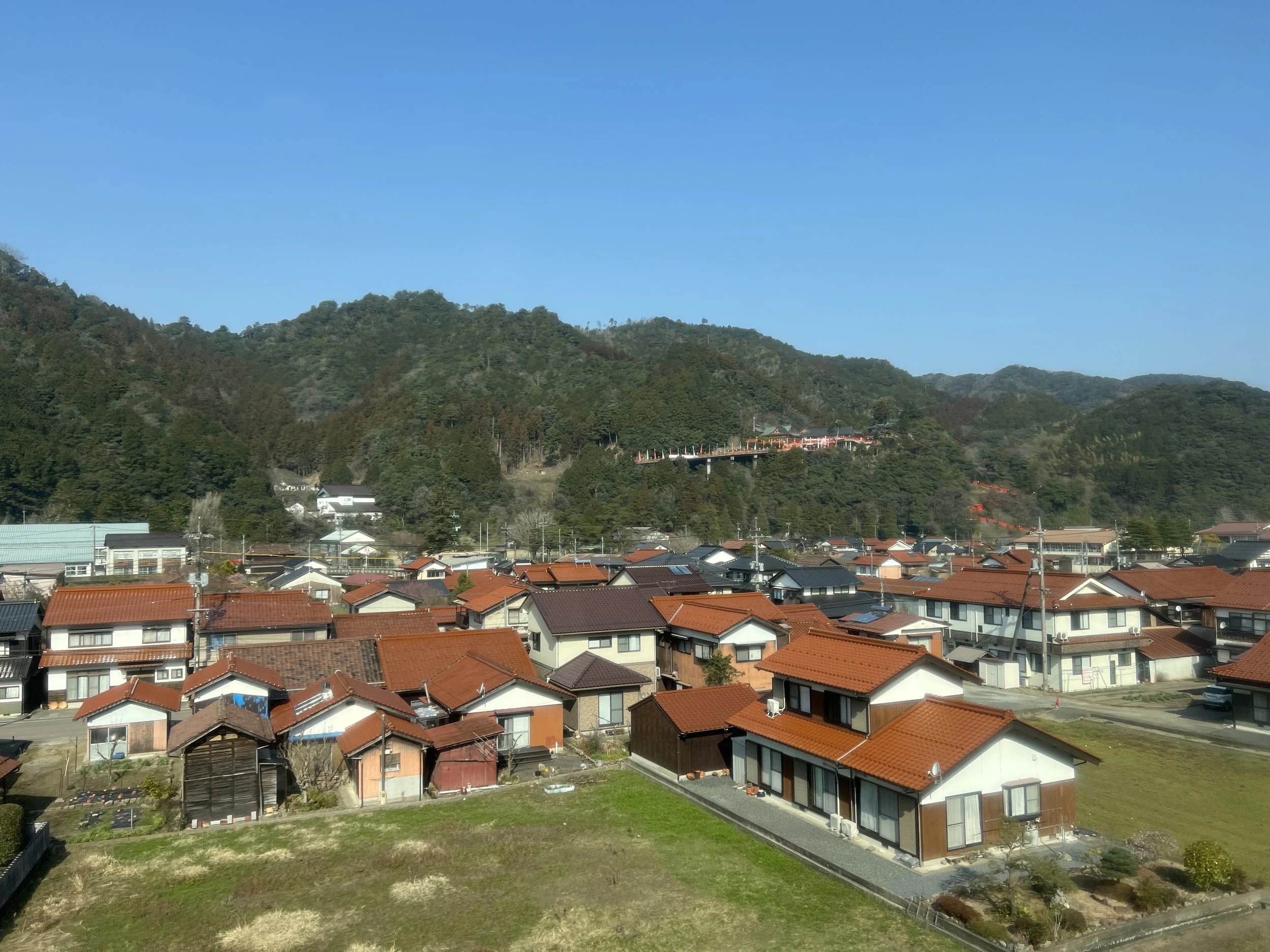
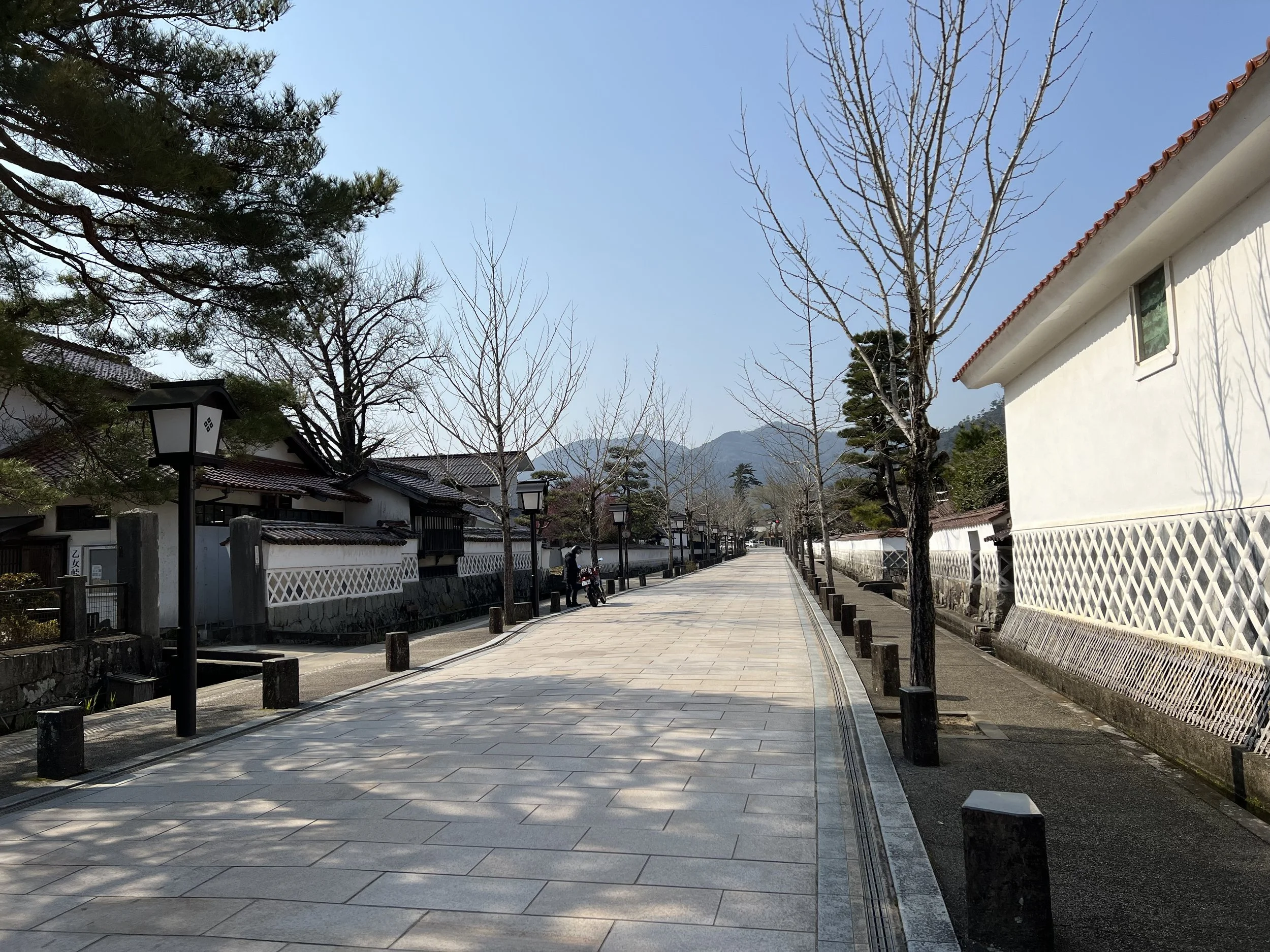
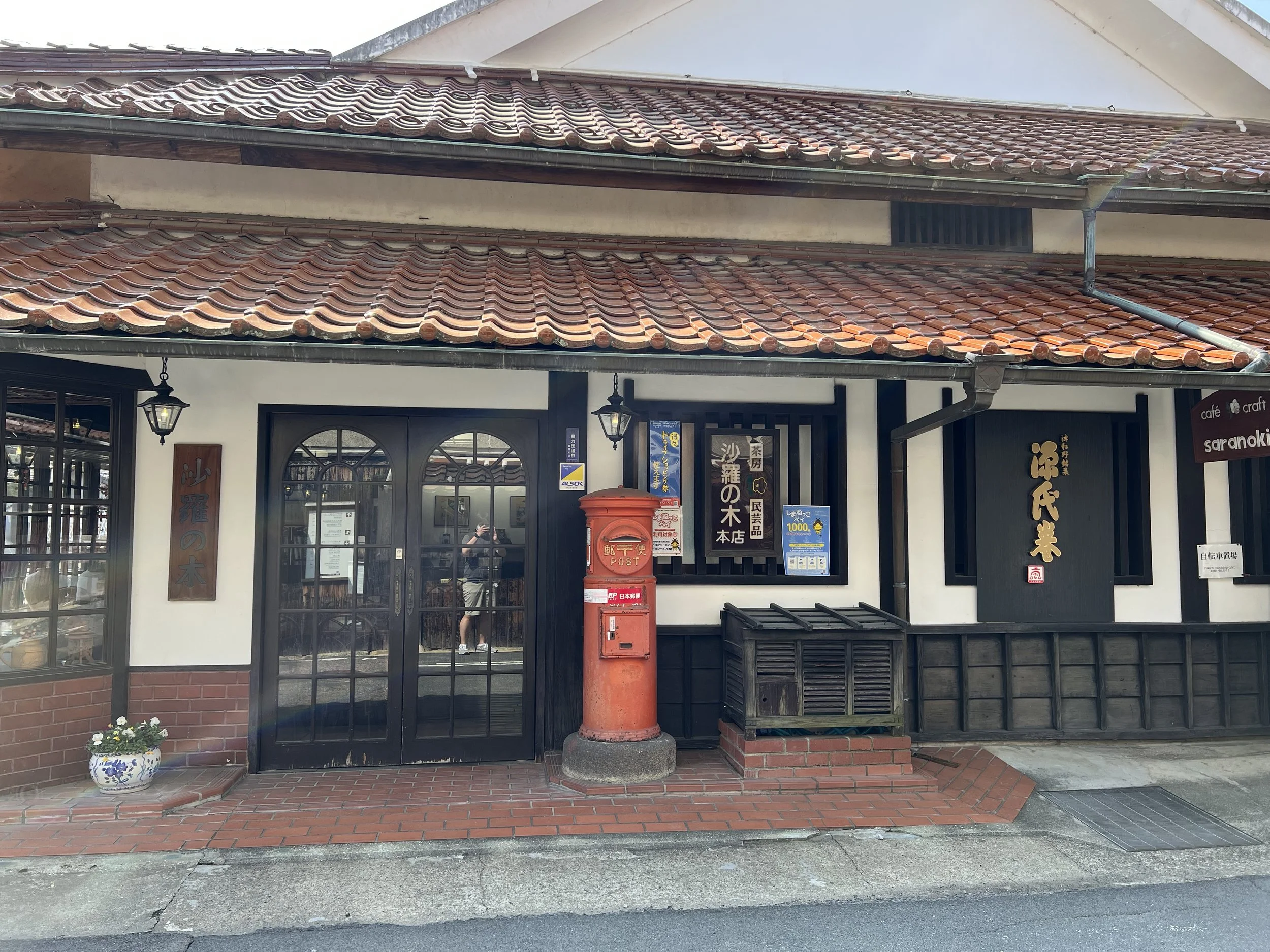
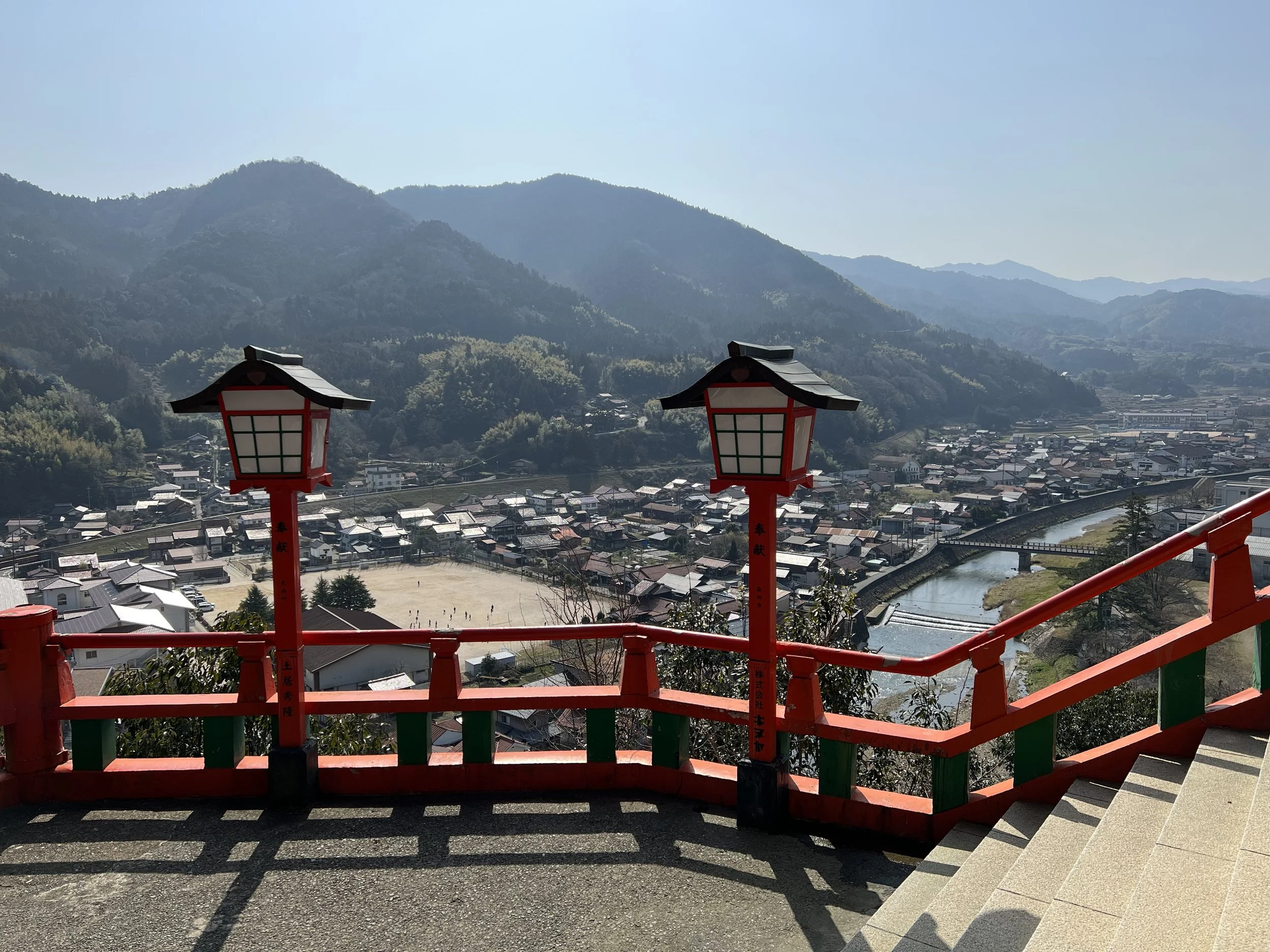
Tsuwano is a former castle town nestled along the Tsuwano-gawa River and is often referred to as “Little Kyoto.” Surrounded by mountains and filled with well-preserved traditional streets, the town feels like a quieter, more intimate version of Kyoto—without the crowds. The heart of Tsuwano runs along Tonomachi-dori, the main street once reserved for samurai. Old residences line the road, and narrow canals run alongside it, reinforcing the town’s timeless atmosphere.
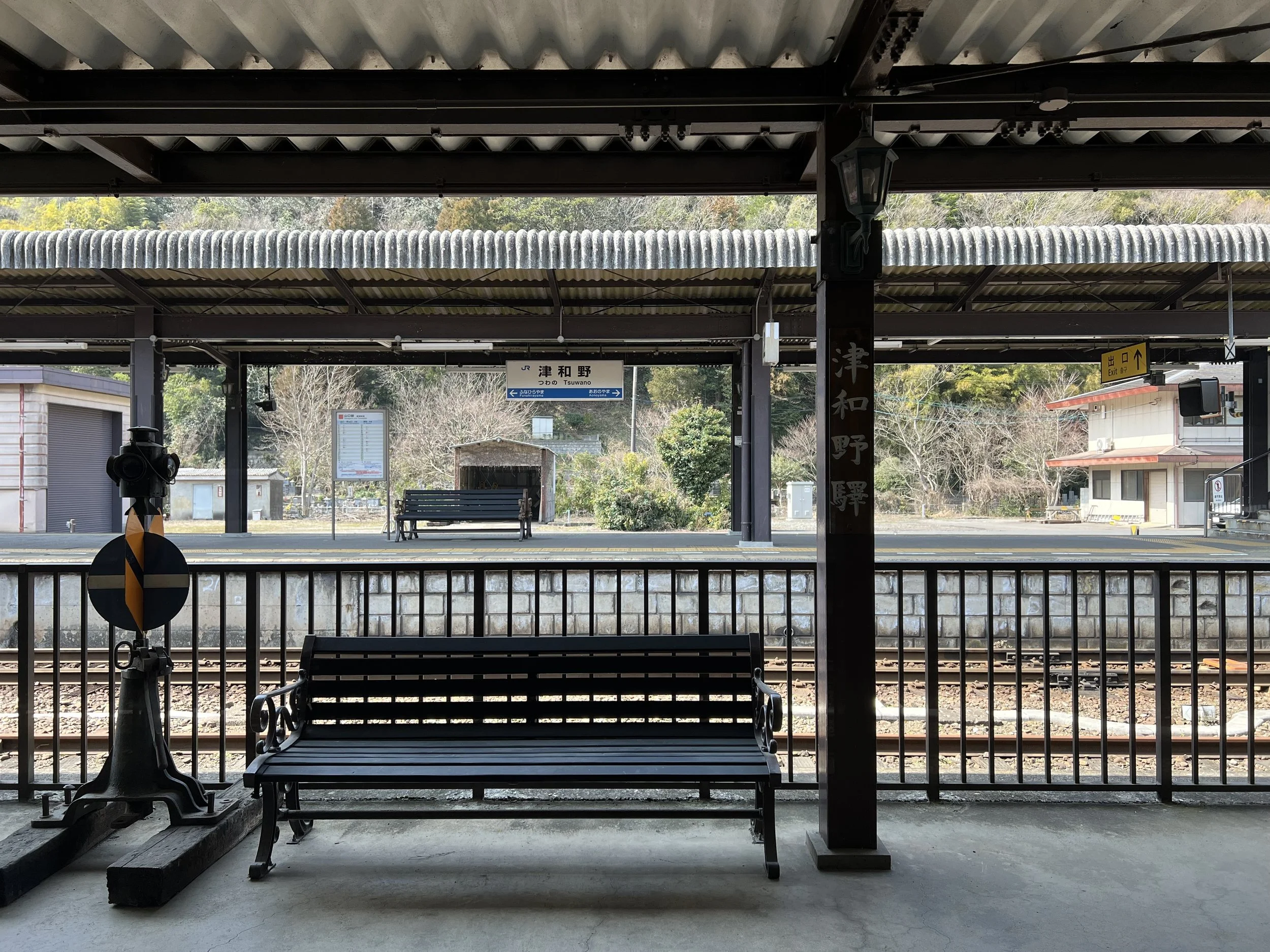
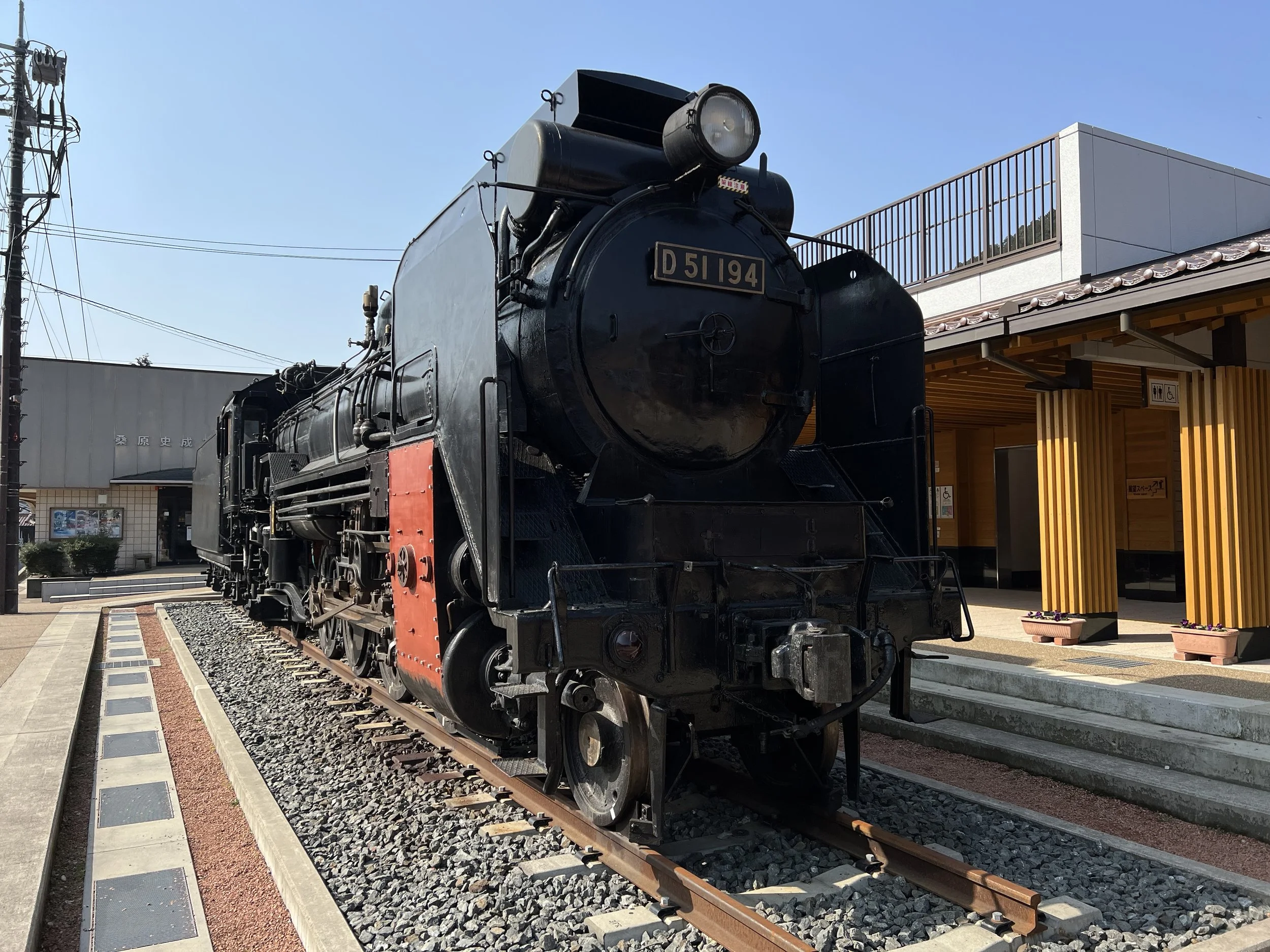
Arriving from Shin-Yamaguchi Station, the first thing that caught my attention was a steam locomotive displayed just outside Tsuwano Station. I later learned about the SL Yamaguchi, a historic steam train that operates on weekends and holidays between Shin-Yamaguchi and Tsuwano. Unfortunately, my visit fell on a weekday, so I missed the chance to ride it. Still, the station featured informative displays about the train’s history, which gave a glimpse into how important rail travel once was to this rural region.
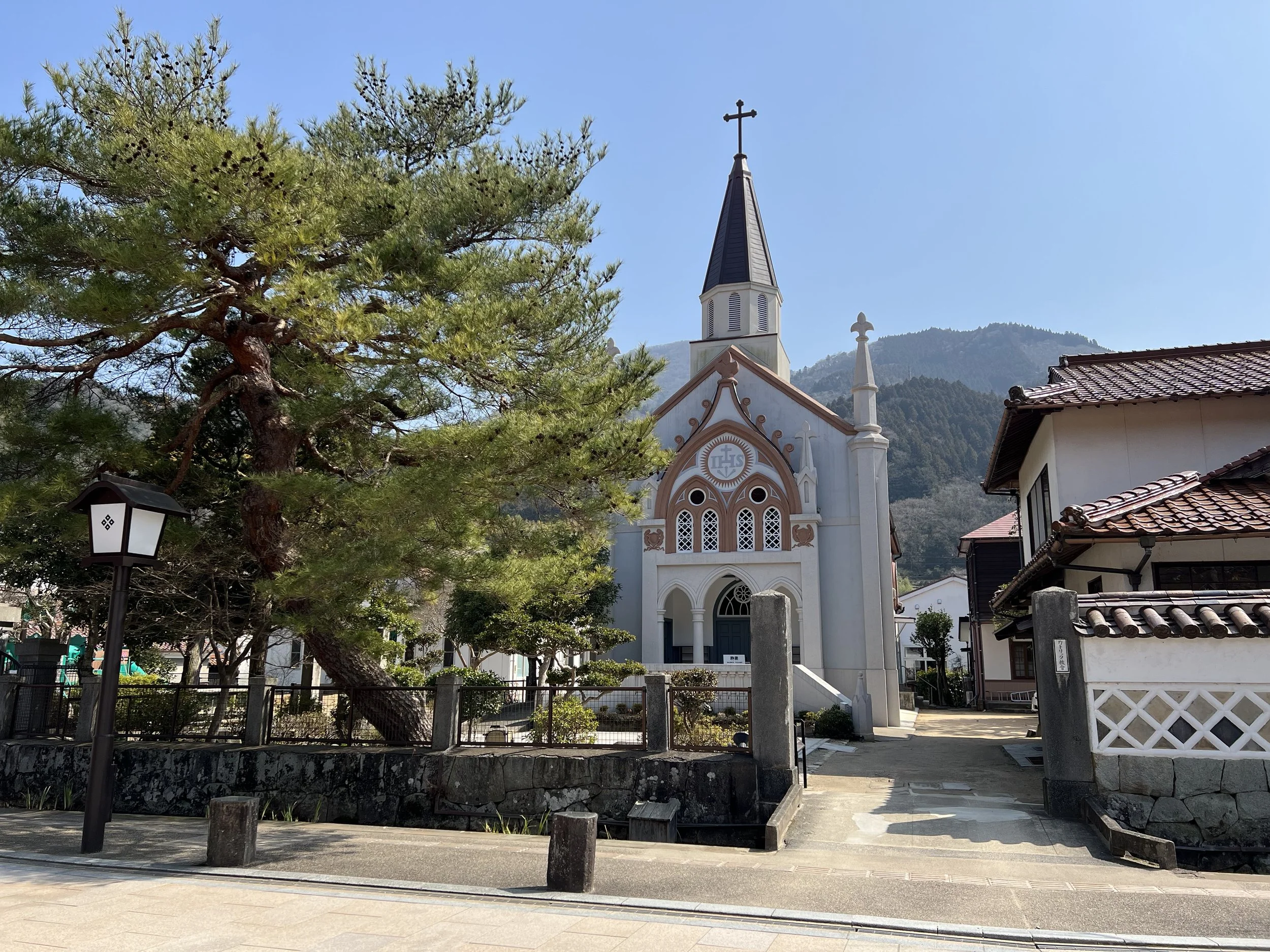
As I made my way toward Tonomachi-dori, I passed several former samurai residences, small museums, and traditional restaurants. One unexpected sight stood out—a Catholic church. The contrast between a Gothic-style church and an Edo-period townscape felt surreal. Curious, I stepped inside and learned that the church was established in 1931 by Father Schafer, a German priest. Even more surprising was the interior: tatami mats lined the floor, creating a uniquely Japanese interpretation of Western religious architecture.
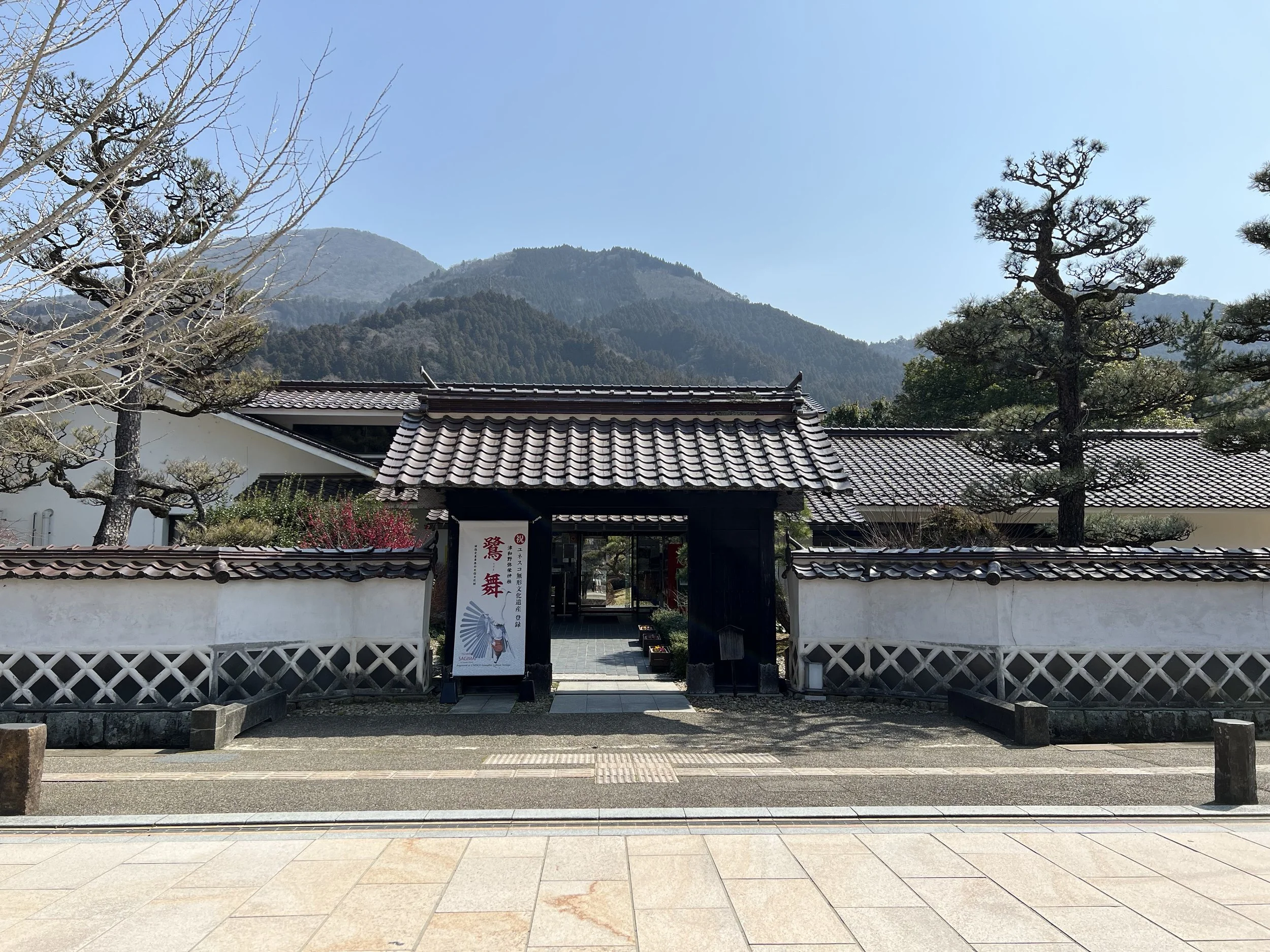
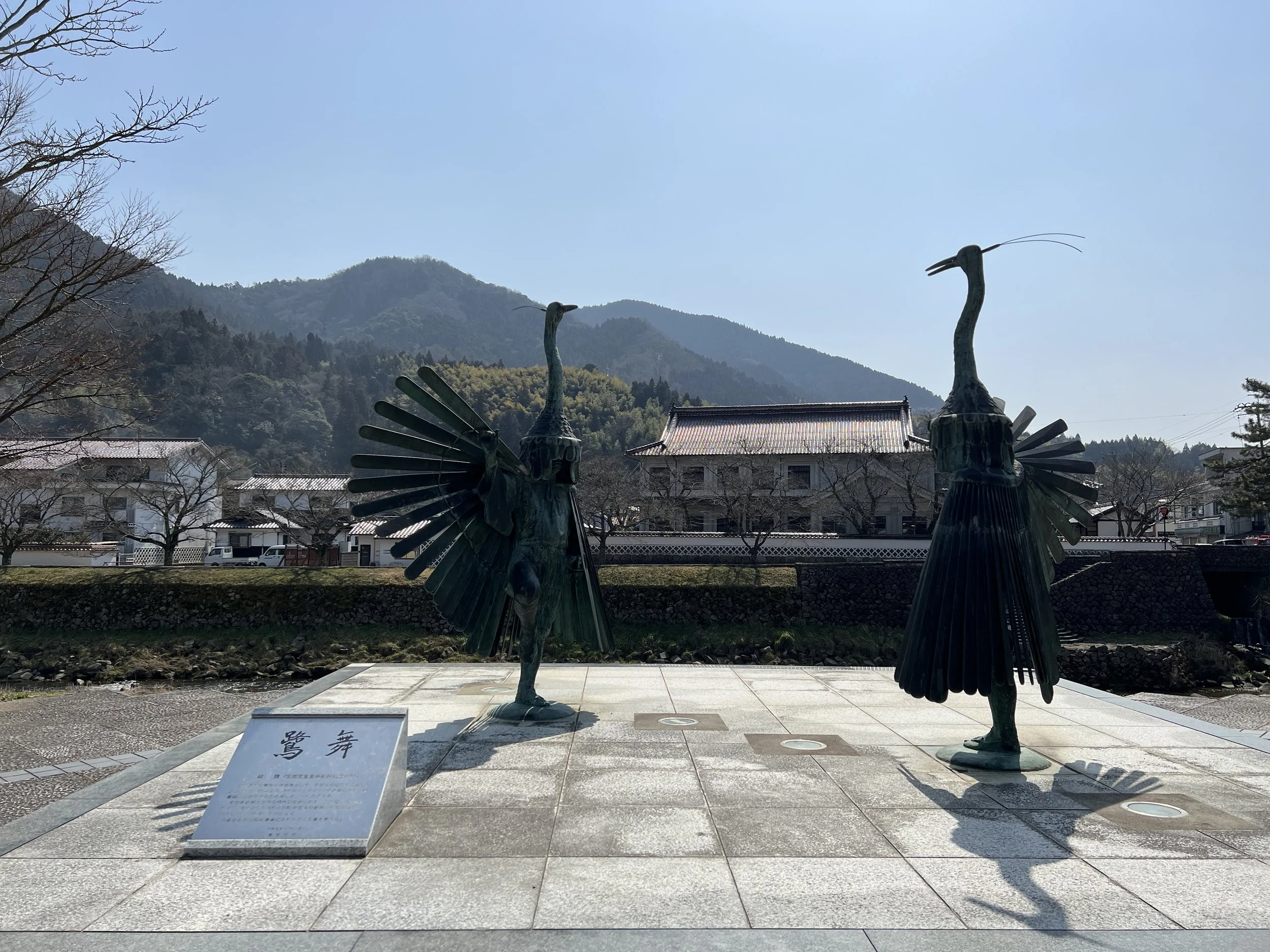
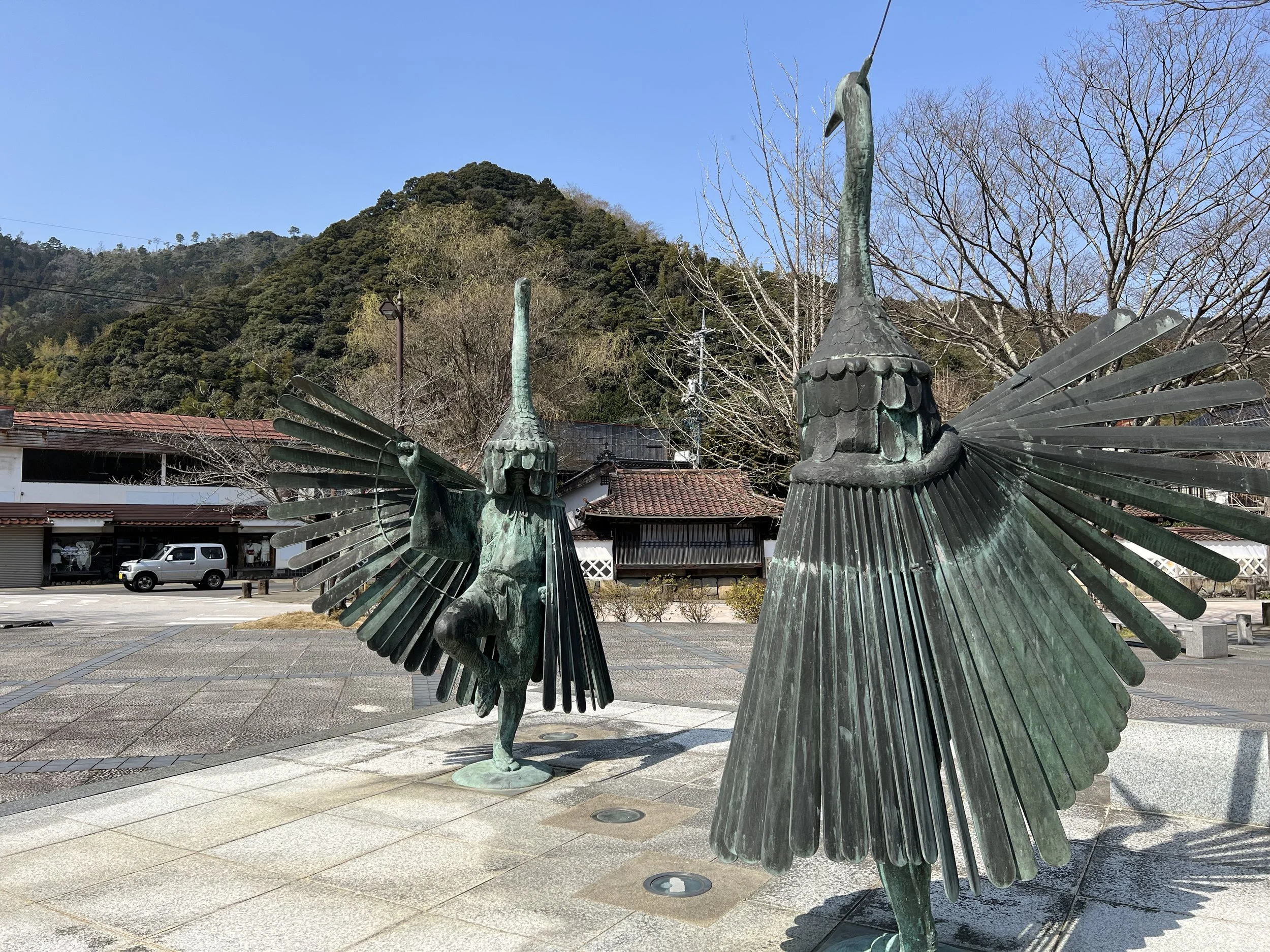
Toward the end of Tonomachi-dori, I came across statues depicting the Sagimai, or Heron Dance. Originally performed at Kyoto’s Gion Festival, the dance was brought to Tsuwano in 1542. Today, Tsuwano is the only place in Japan where this ritual dance is still preserved. Sagimai features two herons—one male and one female—accompanied by musicians playing flutes and drums. The dancers spread their wings and circle one another, mimicking the mating ritual of real herons. The performance takes place every July and remains one of Tsuwano’s most important cultural traditions.
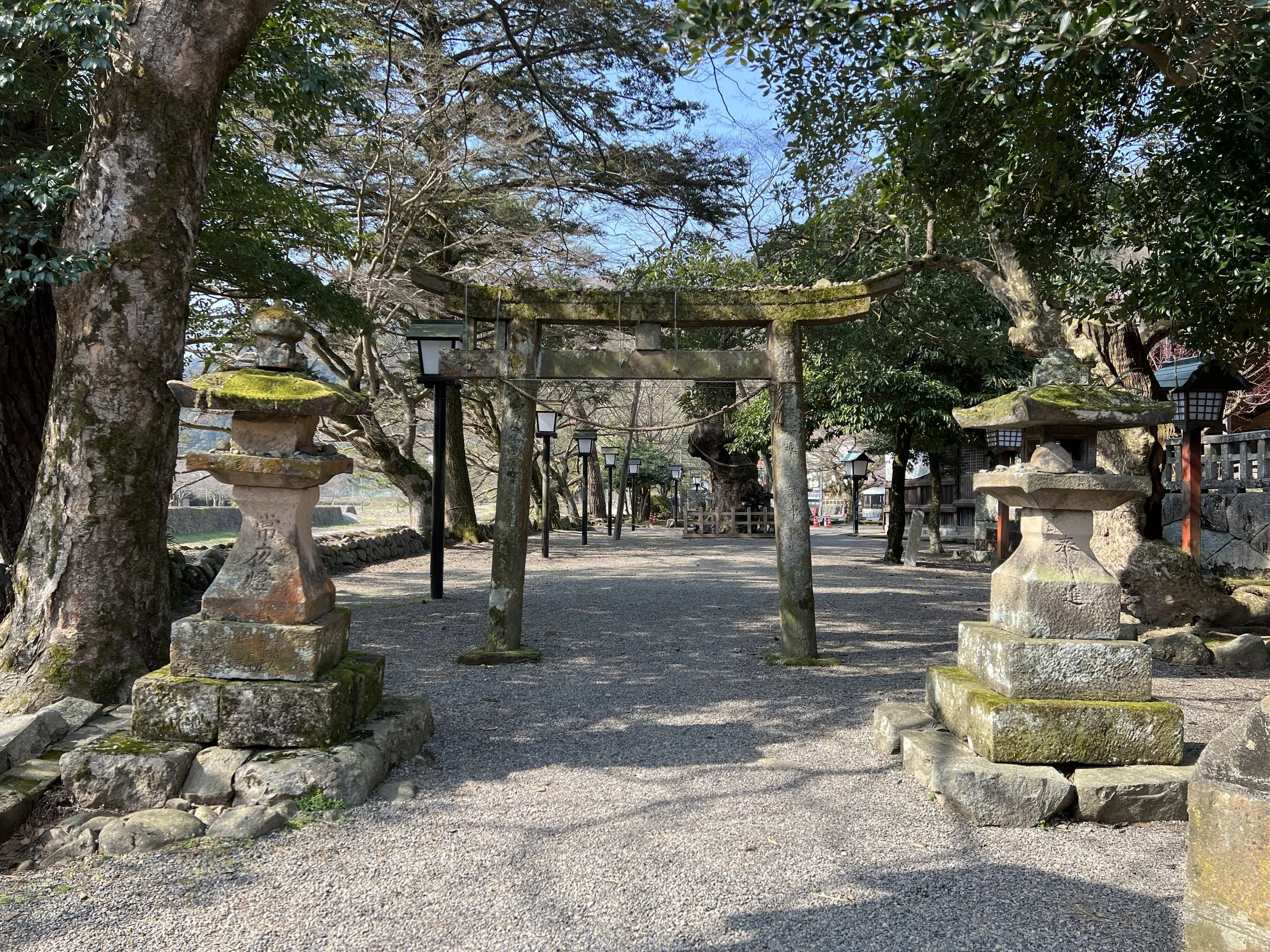
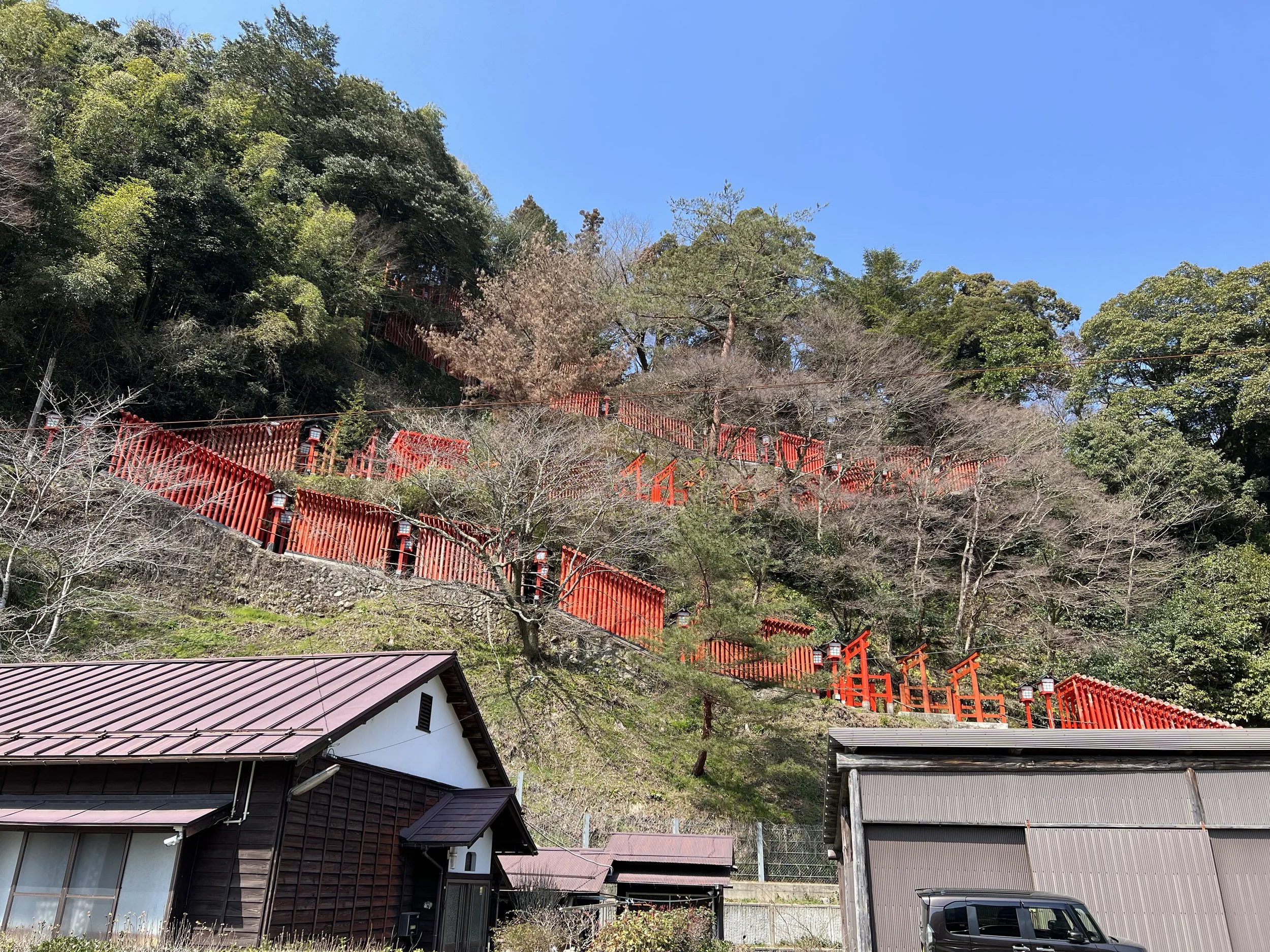
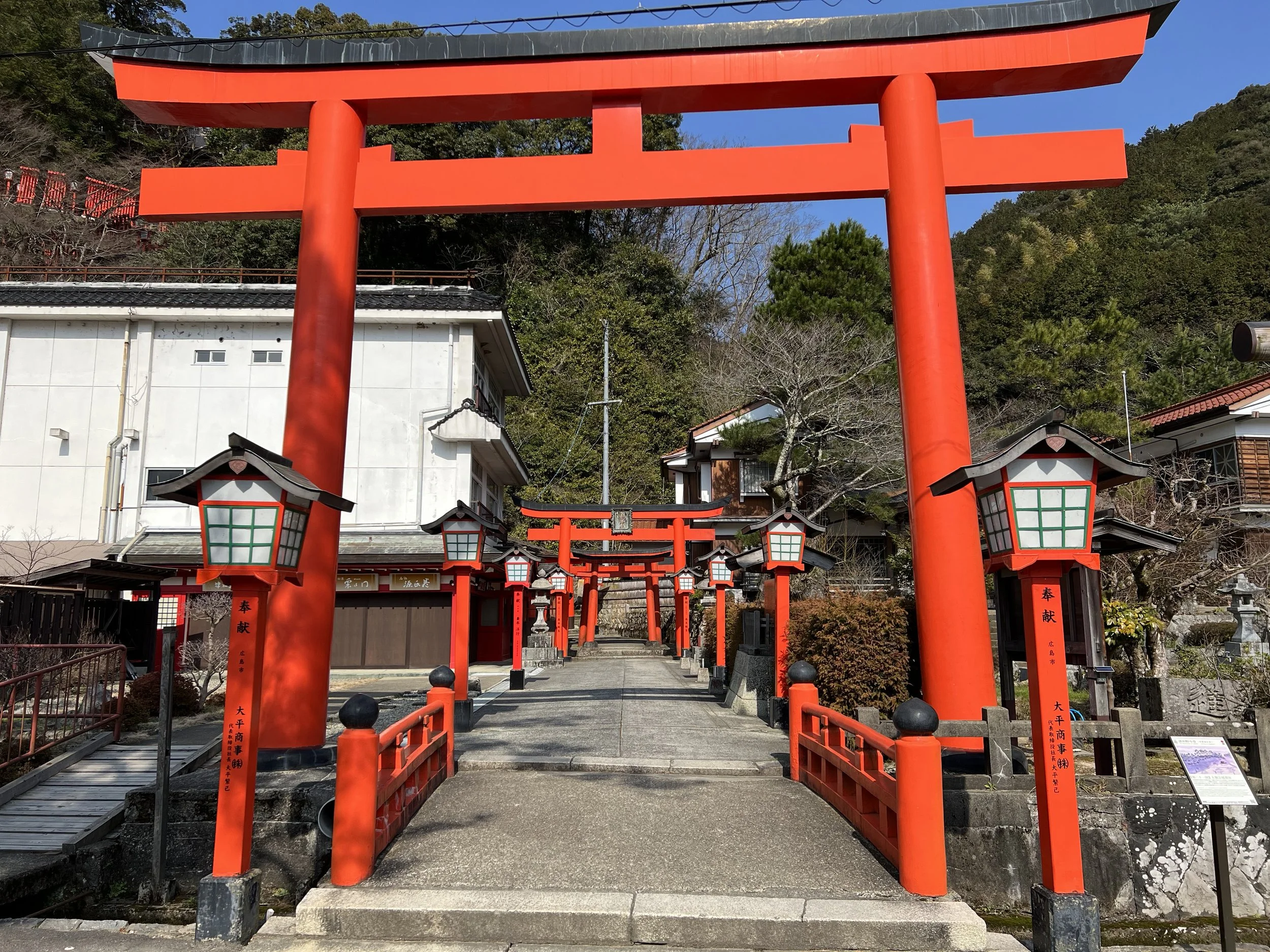
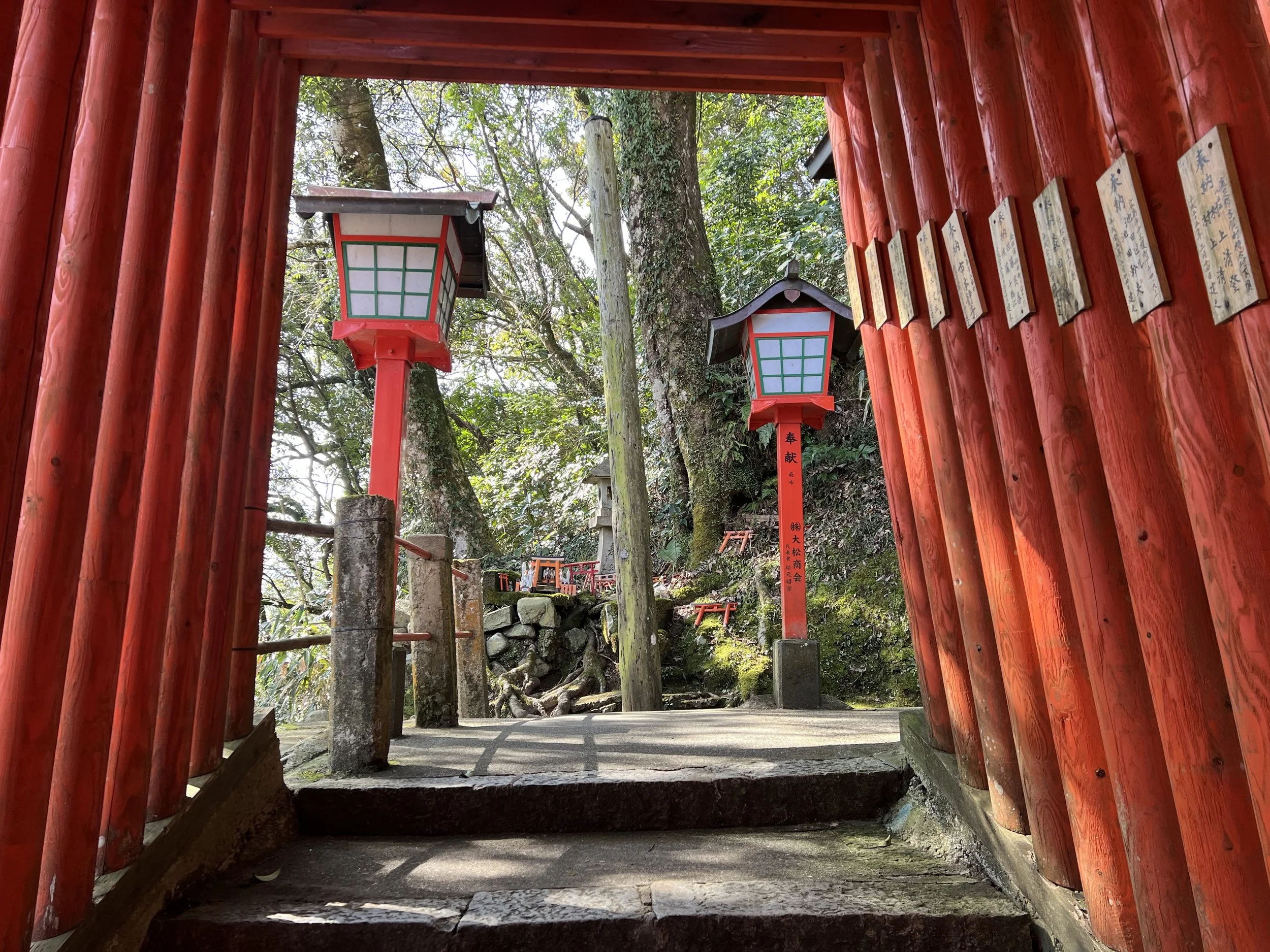
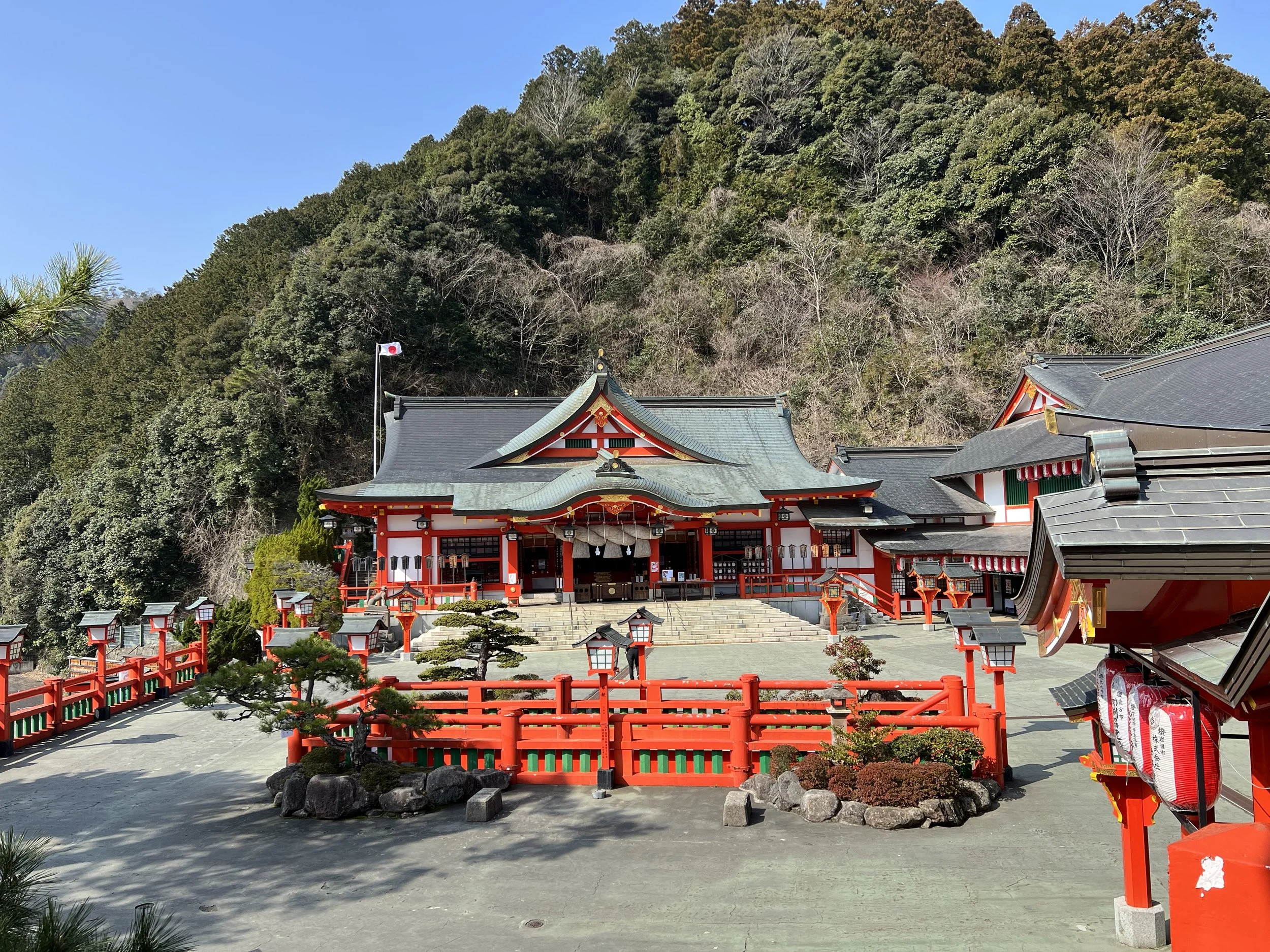
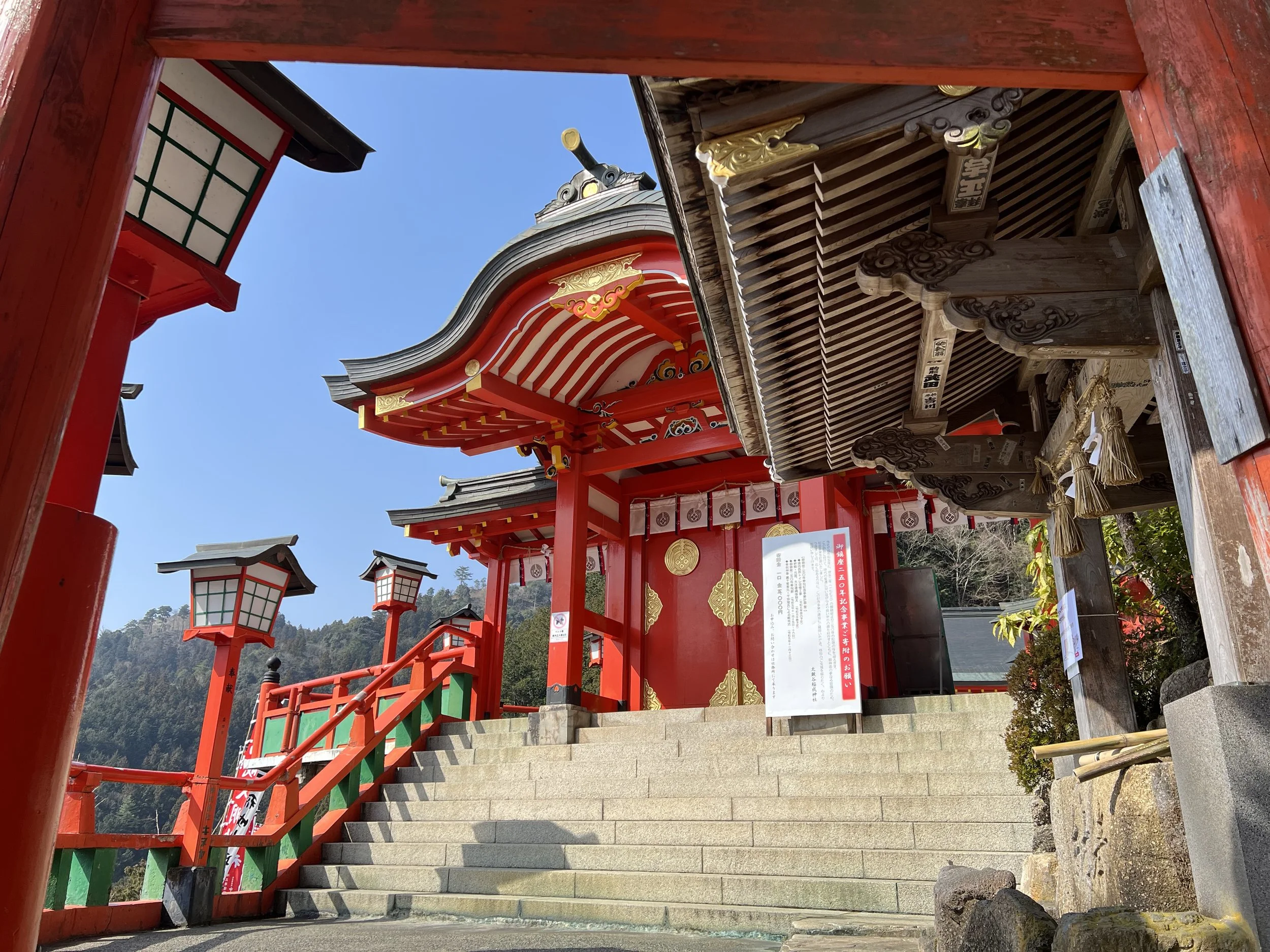
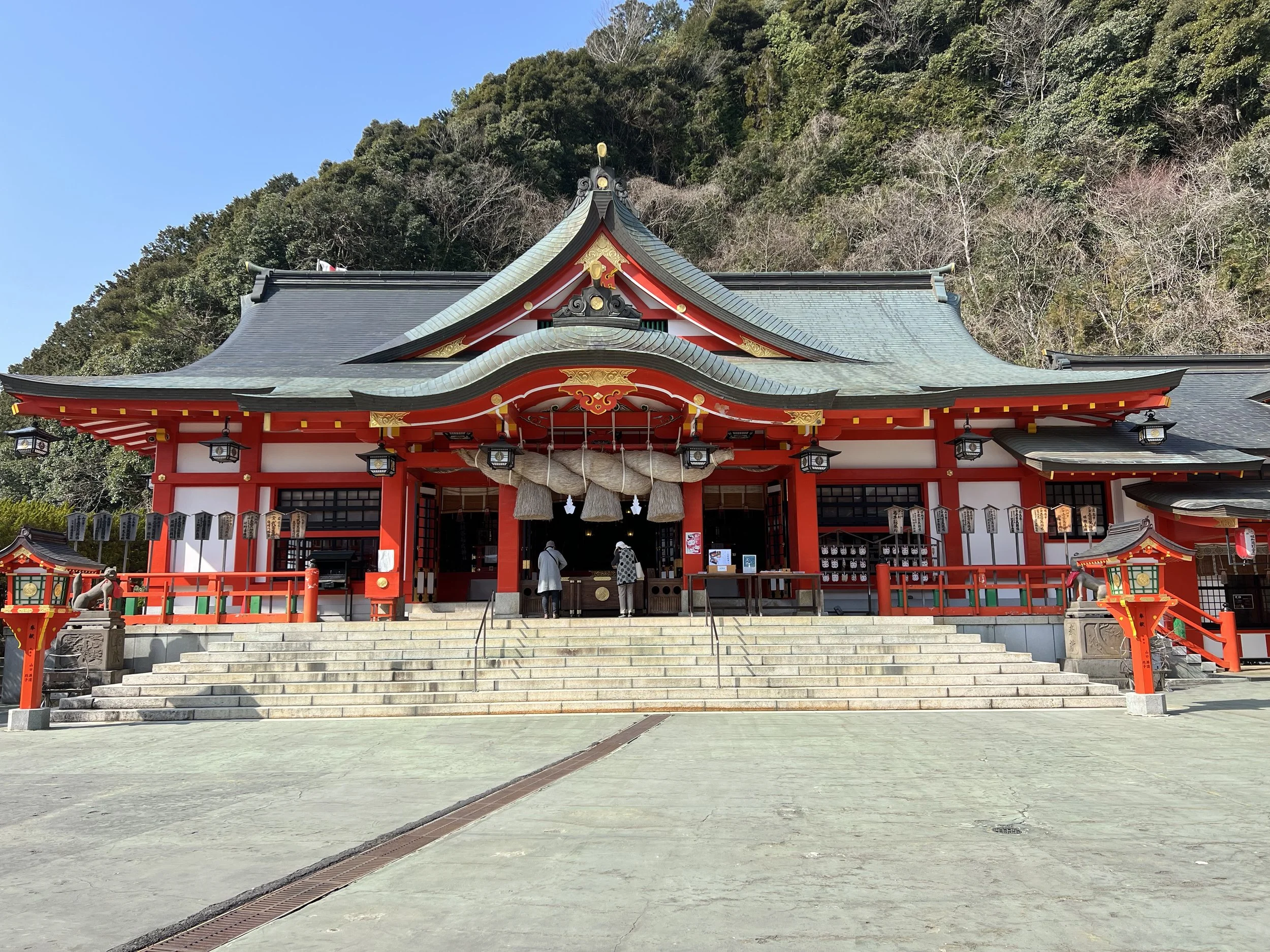
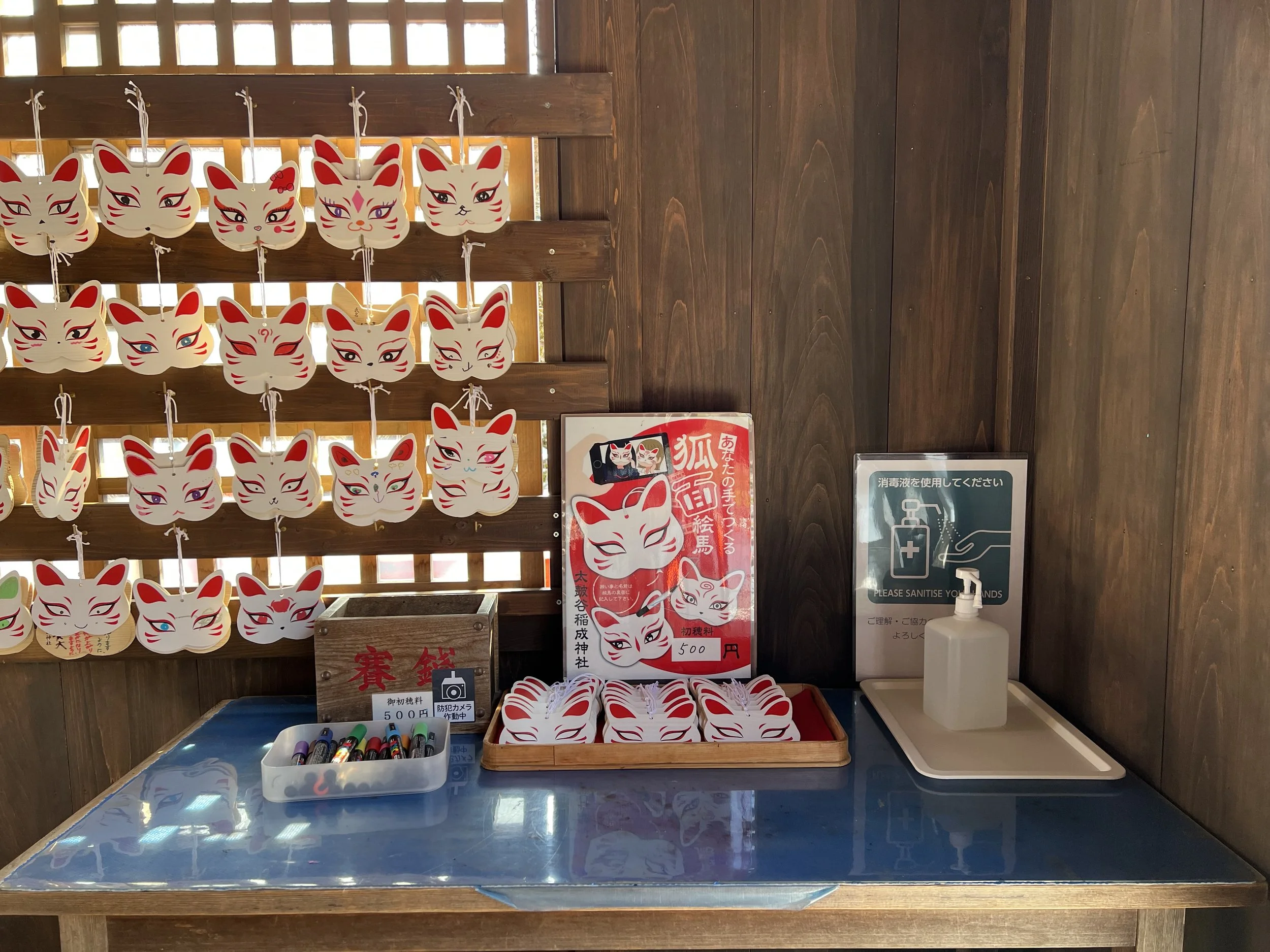
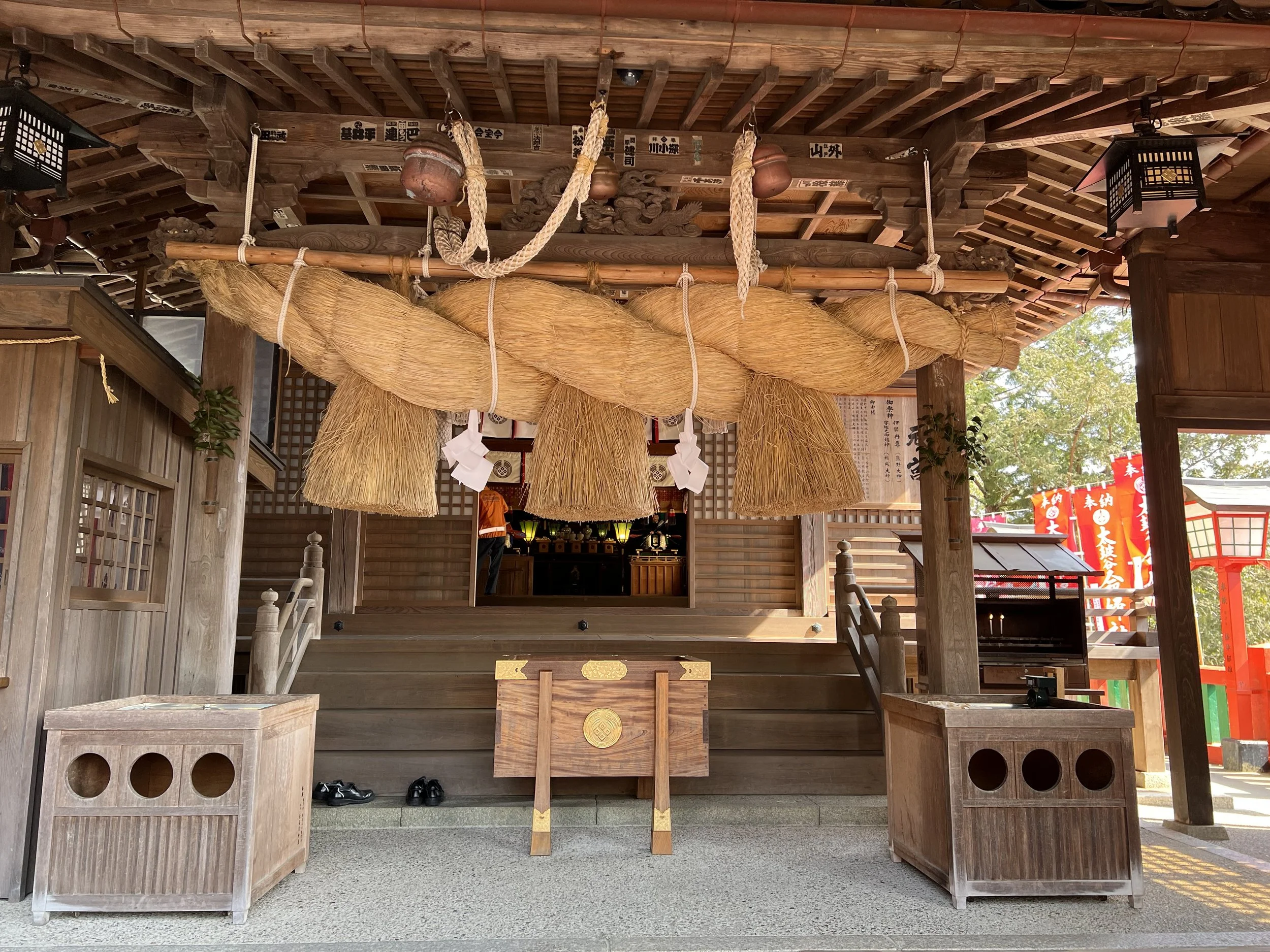
From there, I continued on to Taikodani Inari Shrine, located on a hillside just beyond town. Built in the 18th century to protect nearby Tsuwano Castle from evil spirits, the shrine is now visited for prayers related to good harvests, prosperity, and fortune. More than 1,000 vermilion torii gates line the path up the hill, creating a striking visual as they contrast against the surrounding greenery. The vivid red of the shrine buildings stood out beautifully against the forested mountainside, making it one of the most memorable sights of my visit. Afterward, I continued onward toward the Tsuwano Castle Ruins, accessible via a short hike.
For a town of its size, Tsuwano is remarkably rich in history and culture. Every turn reveals another layer of its past, and the best part is being able to experience it without the overwhelming crowds found in larger cities like Kyoto.
History & Background
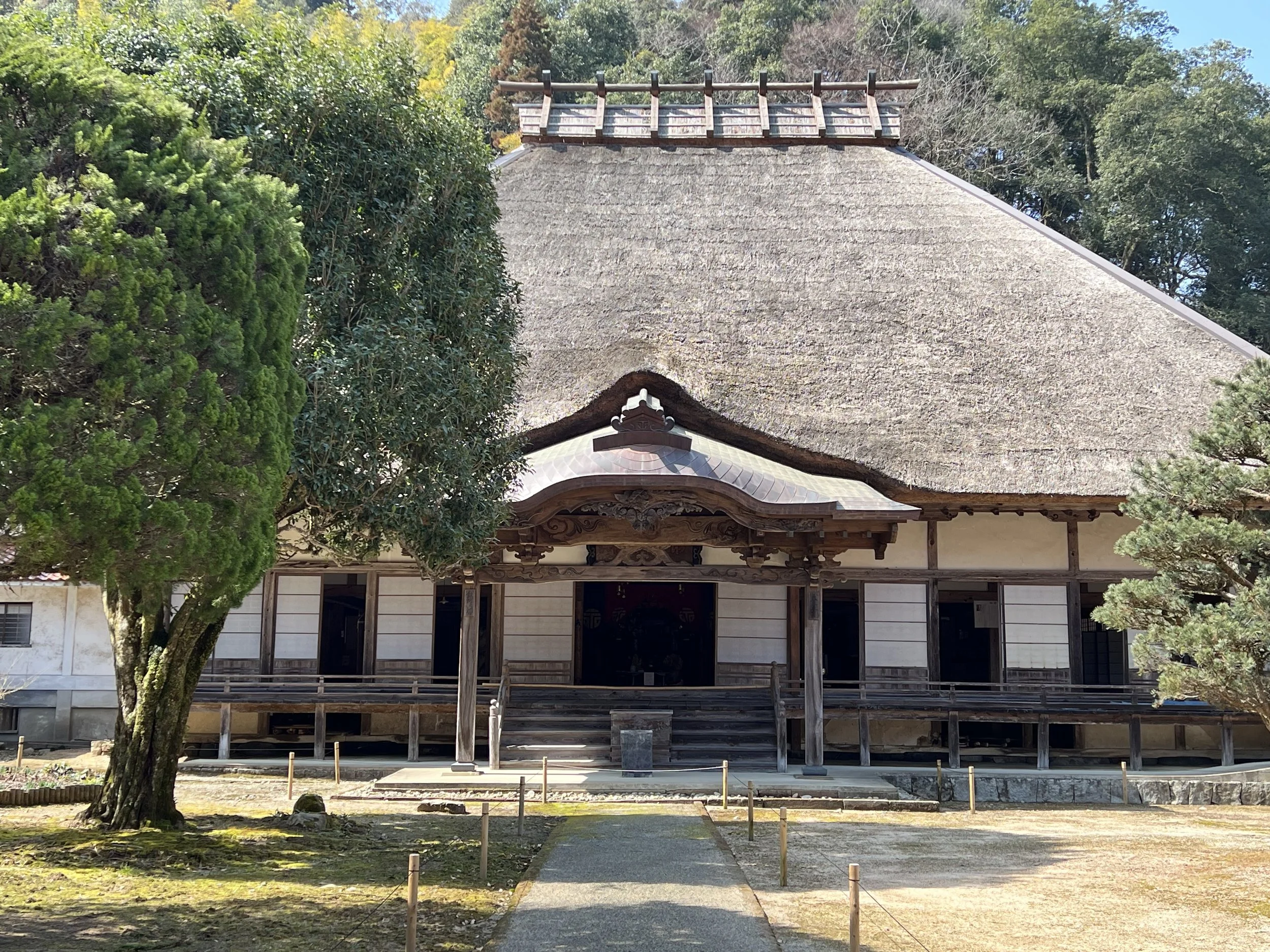
Tsuwano (津和野) developed as a castle town during the Edo Period and served as the political and cultural centre of the region. Its strategic location along river routes and surrounding mountains helped preserve its historical layout. Today, Tsuwano is known for its samurai district, traditional architecture, cultural festivals, and blend of Shinto, Buddhist, and even Christian heritage—an uncommon combination in rural Japan.
Getting There
Tsuwano is accessible by train via the JR Yamaguchi Line from Shin-Yamaguchi Station. The journey is scenic and takes approximately 90 minutes. Tsuwano Station is located within walking distance of the town’s main attractions, making it easy to explore on foot.
Route Overview
Distance: 4.6 km out & back (Tsuwano Station)
Total elevation gain: 60 m
Duration: 1 hr 04 min (with breaks 1 hr 20 min)
Difficulty: Easy
Cost Breakdown
Train: Shin-Yamaguchi Station → Tsuwano Station — ¥2,700