Yabakei – Oita, Japan
To explore the more remote parts of Oita Prefecture, I decided to rent a car out of Nakatsu. This area isn’t the easiest to get around by public transportation, and there were a few spots I had in mind that simply weren’t accessible otherwise. Having the flexibility to drive made all the difference.
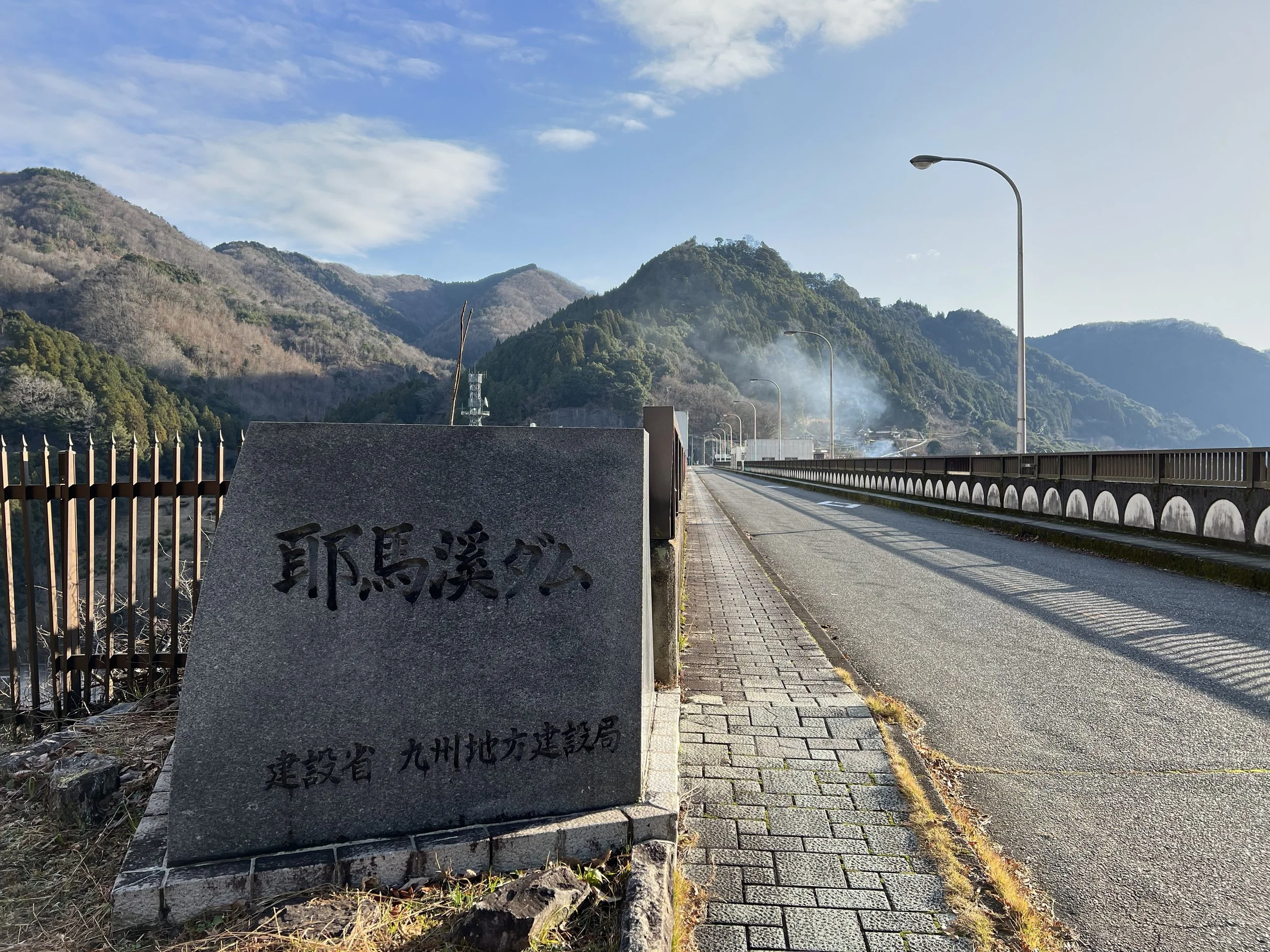
My first stop of the day was Yabakei Dam. Built in 1987 as part of the Yamakuni River Comprehensive Development Project, the dam creates a large artificial lake and is especially well known for its autumn foliage. It took me a bit longer than expected to find the right access point—the GPS wasn’t entirely accurate, and I ended up circling the area before finally spotting a small parking area. But once I stepped out of the car, it was immediately worth it.
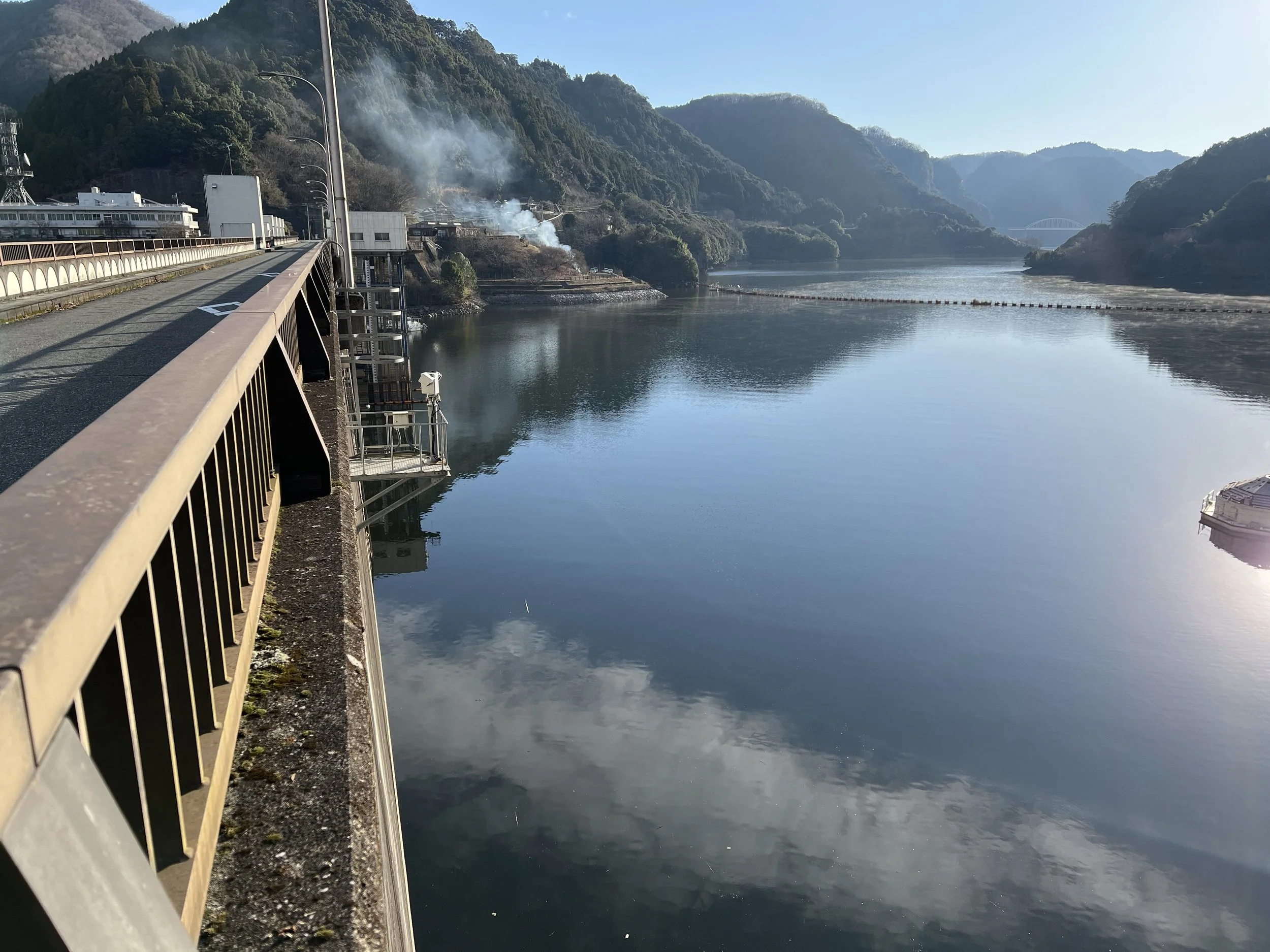
The lake was calm, with a layer of mist hovering just above the surface, and mountains rising in the background. Even without the autumn colours, the scenery had that quiet, almost cinematic quality to it. After spending some time walking around the dam, I got back on the road and headed toward Mabayashikyo Gorge.
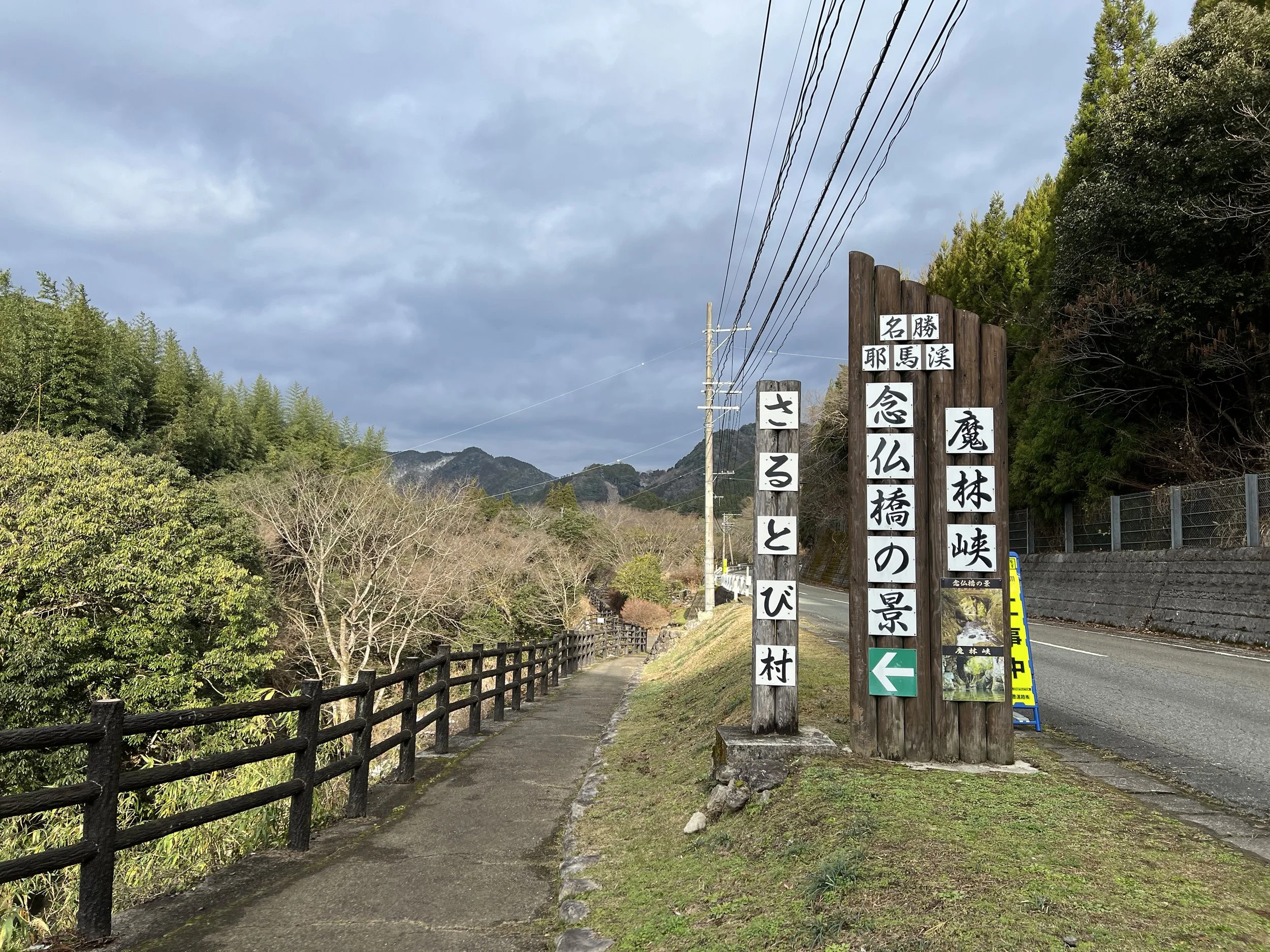
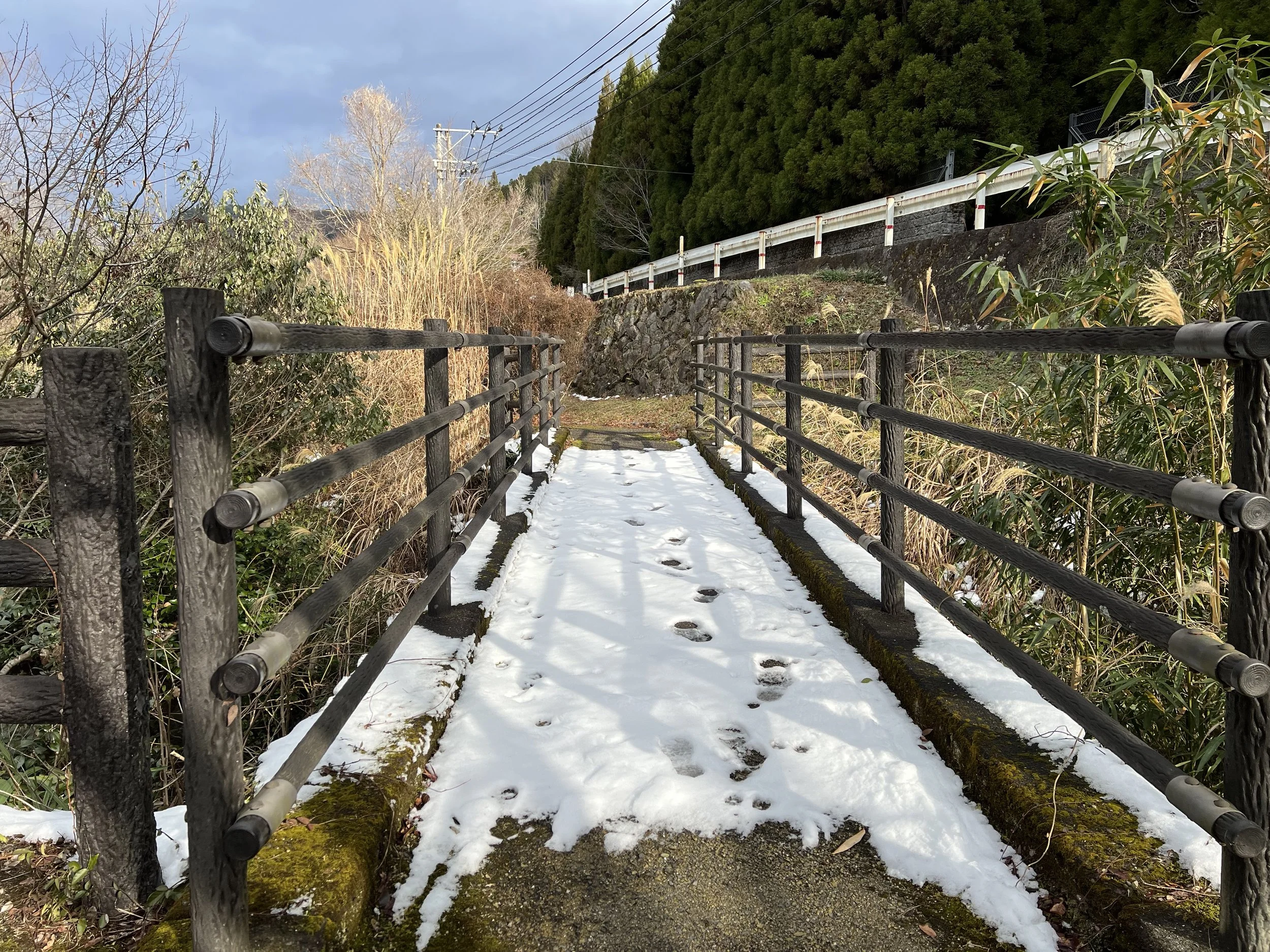
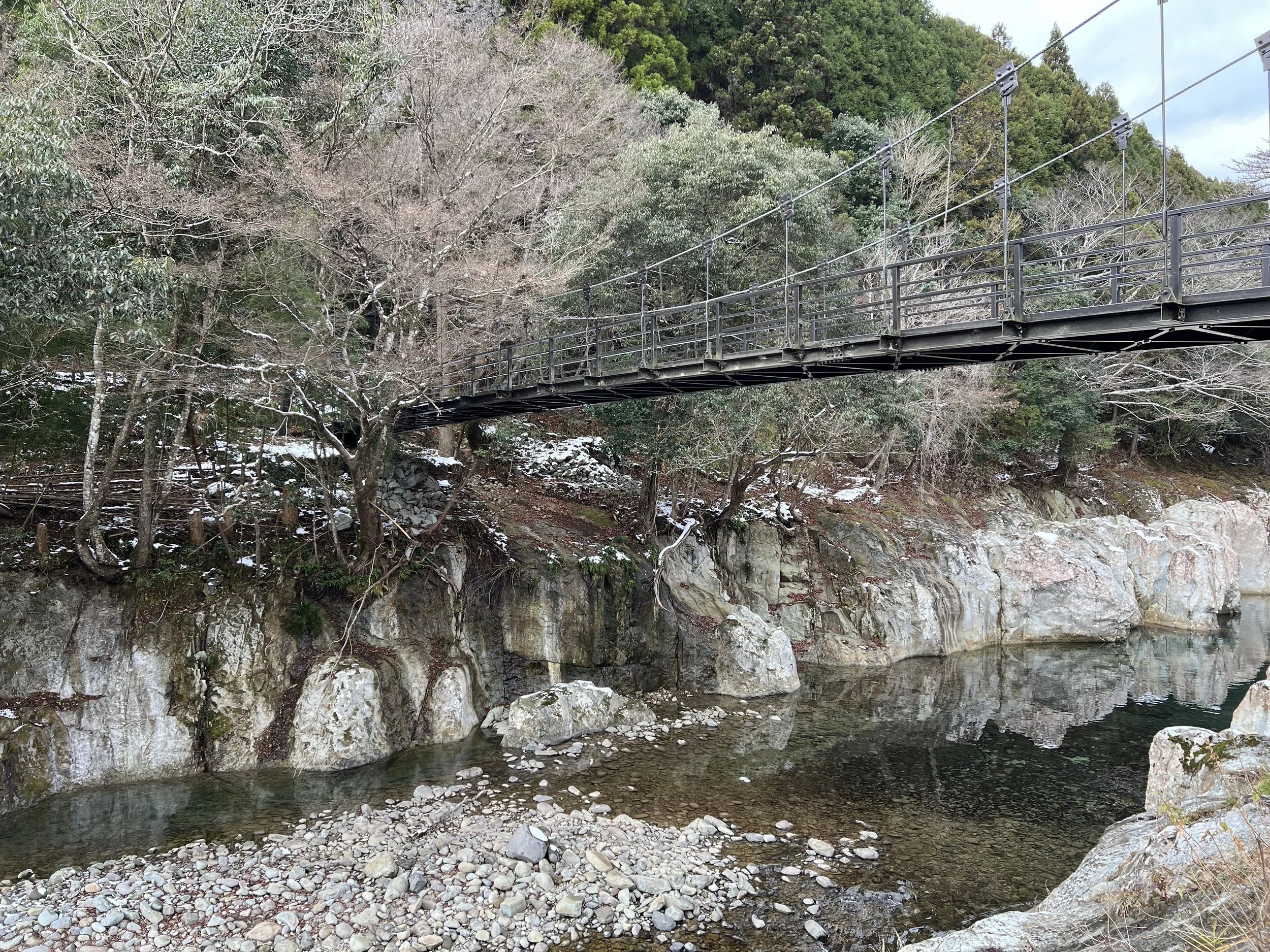
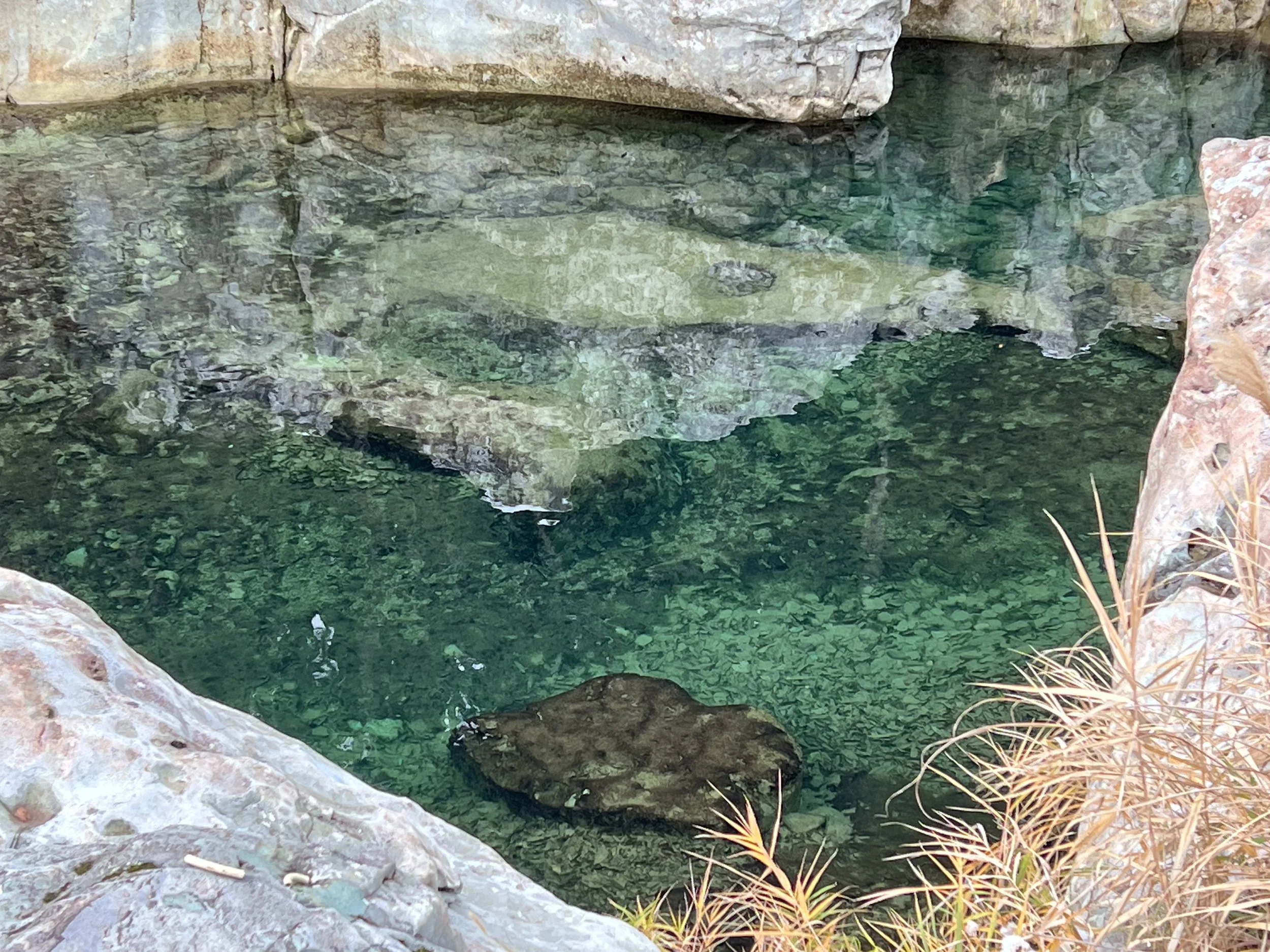
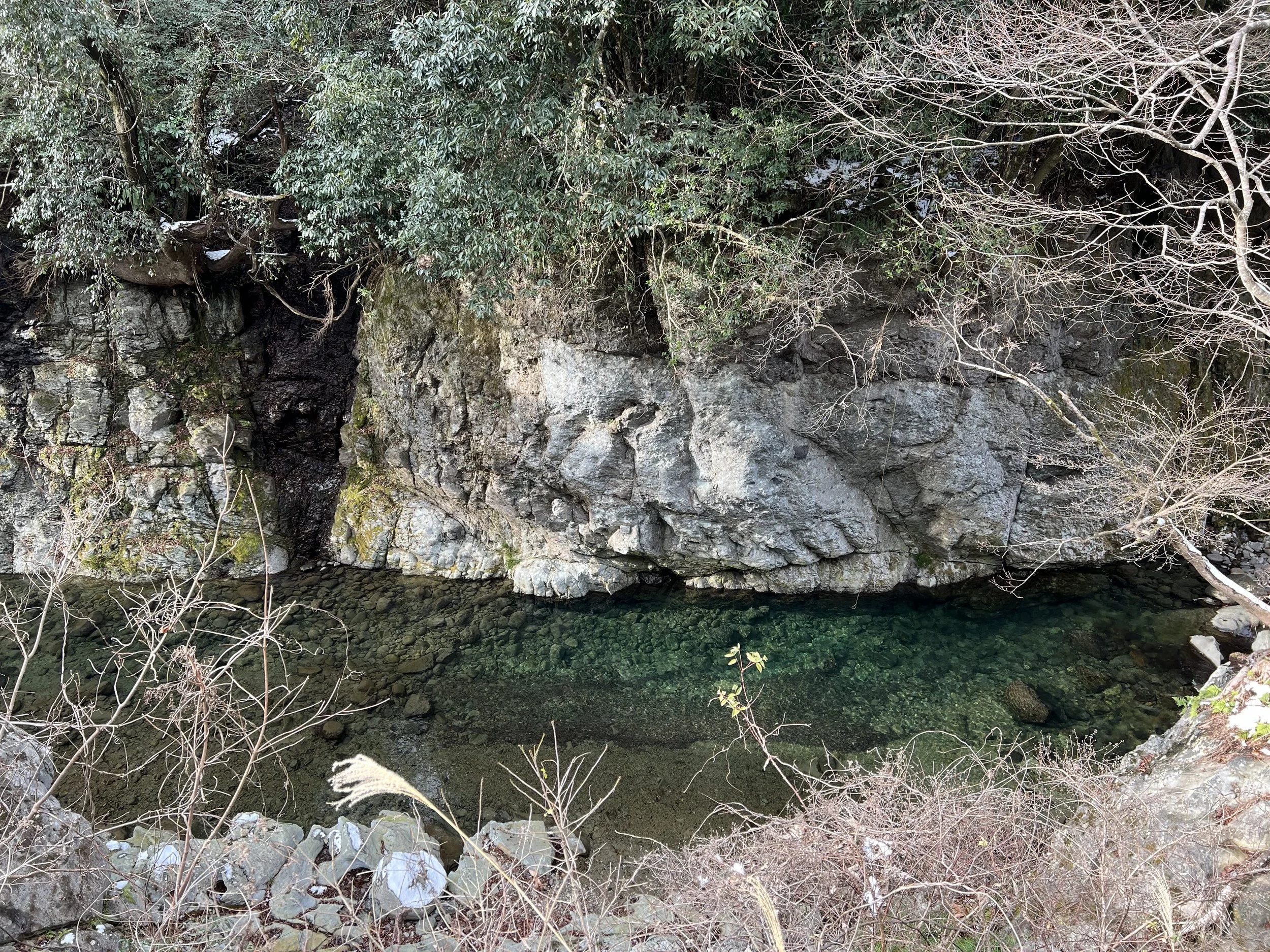
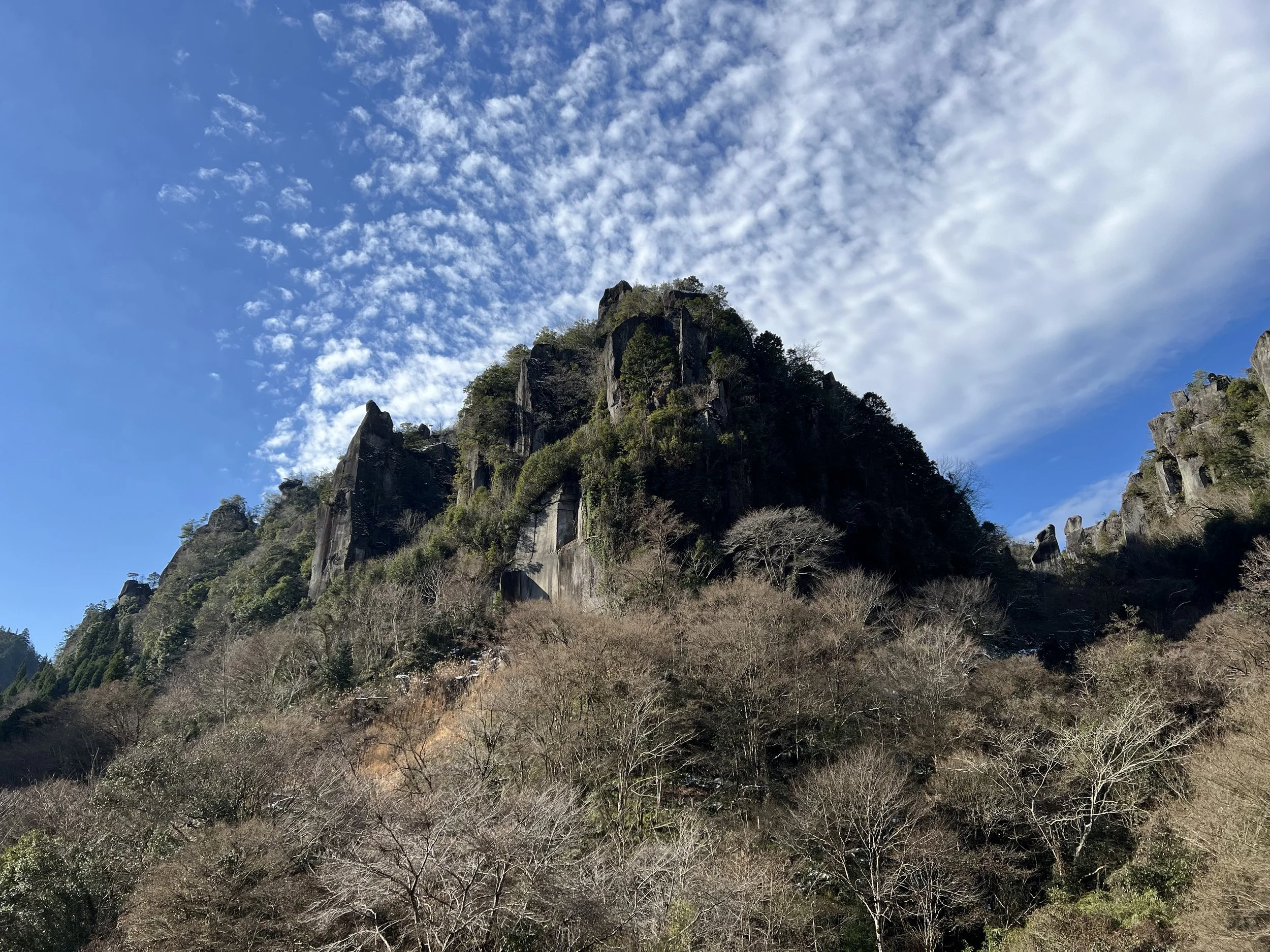
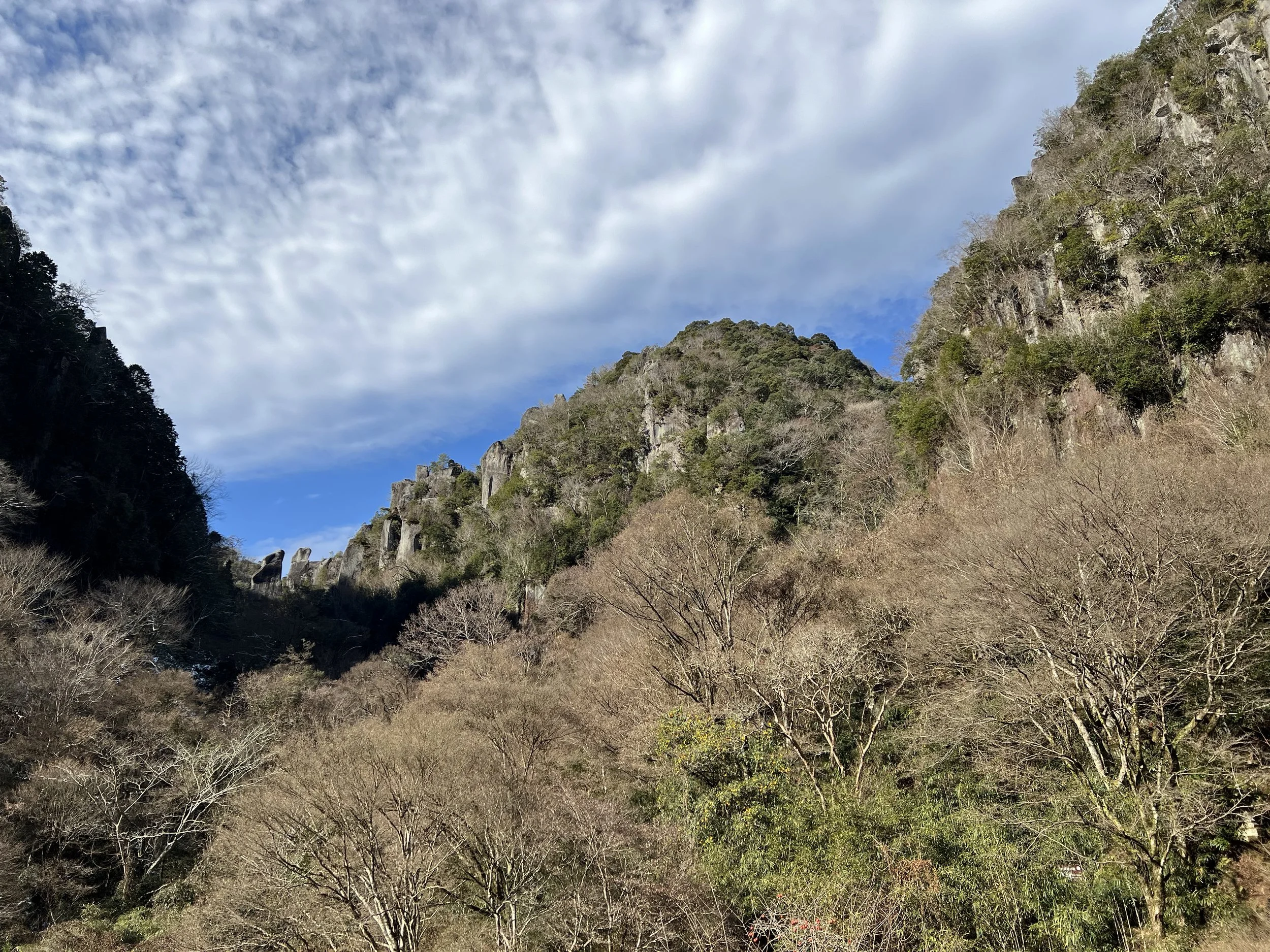
This gorge is known for its dramatic valley views and natural rock formations, but it also carries a deeper cultural history tied to Buddhist, Shinto, and even samurai traditions in the region. I parked in a small lot nearby and started along the trail leading toward Sarutobi Sentsubo Gorge. Despite the snow and patches of ice along the path, I decided to continue. It slowed me down a bit, but it also added something to the experience. The contrast between the white snow, the dark rock formations, and the clear water of the Yamakuni River made the scenery feel even more striking.
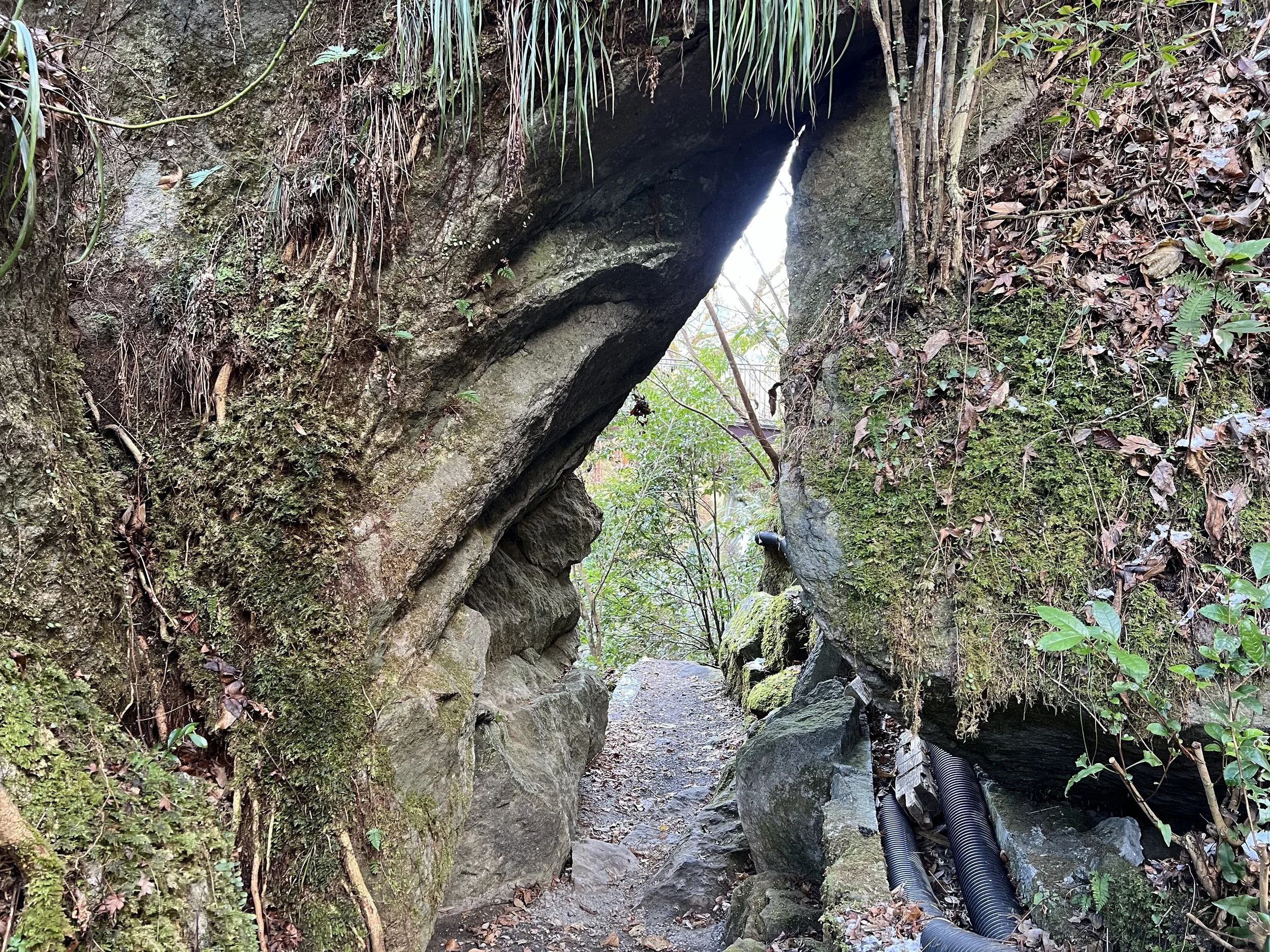
The name Sarutobi—meaning “monkey jump”—comes from the idea that wild monkeys once leapt between the rocks here. Looking at the narrow formations and the spacing between them, it’s easy to imagine how the name came about. Like many places in Yabakei, this area is also famous during autumn, but even in winter conditions, it felt just as rewarding.
From there, I continued on to Hitome Hakkei Observation Deck. The drive itself was beautiful, winding through the landscape along the river. I stopped briefly at the Yabakeimachi Information Centre, hoping to learn a bit more about the area, but it was closed at the time. So I continued on foot.
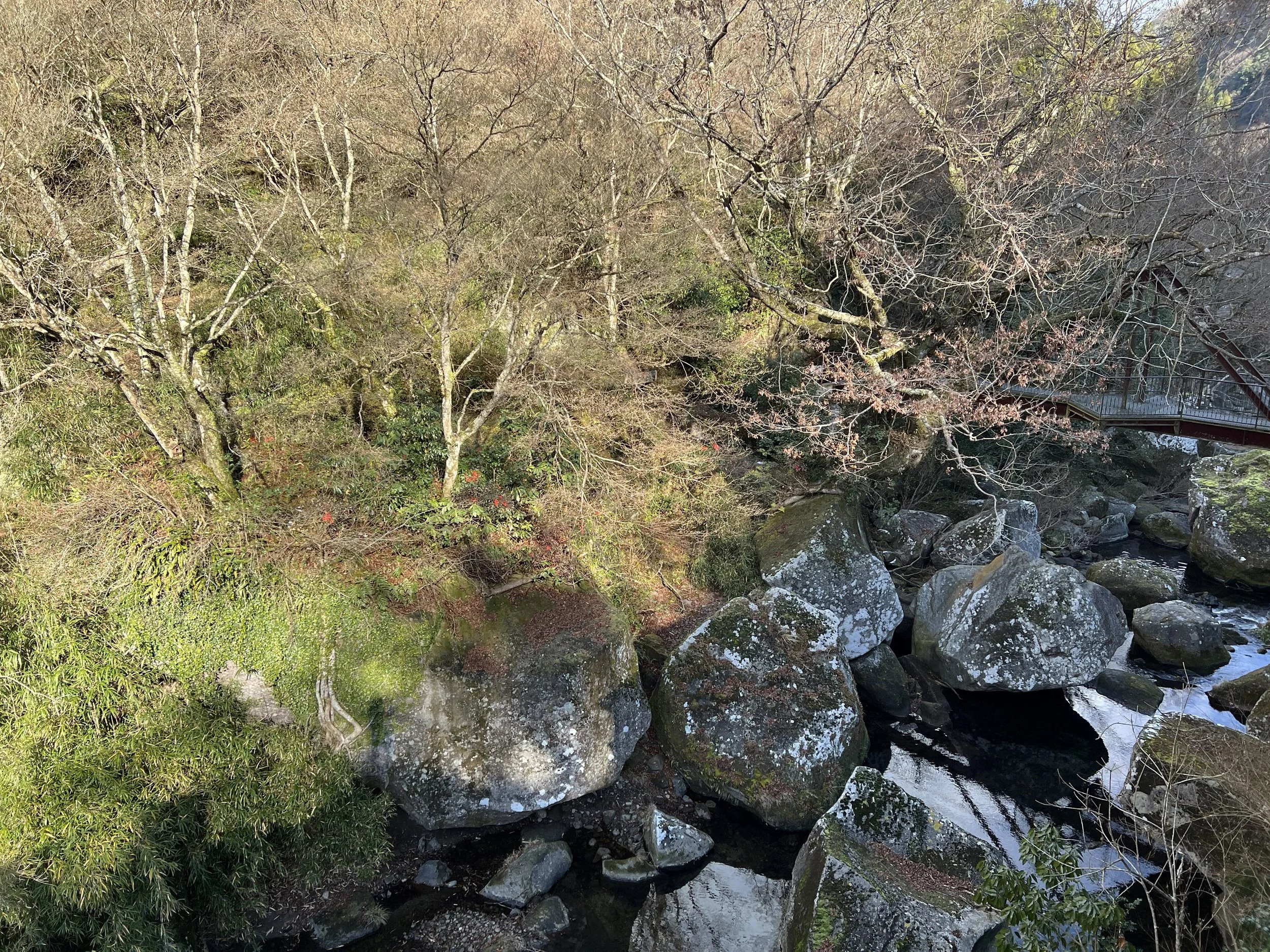
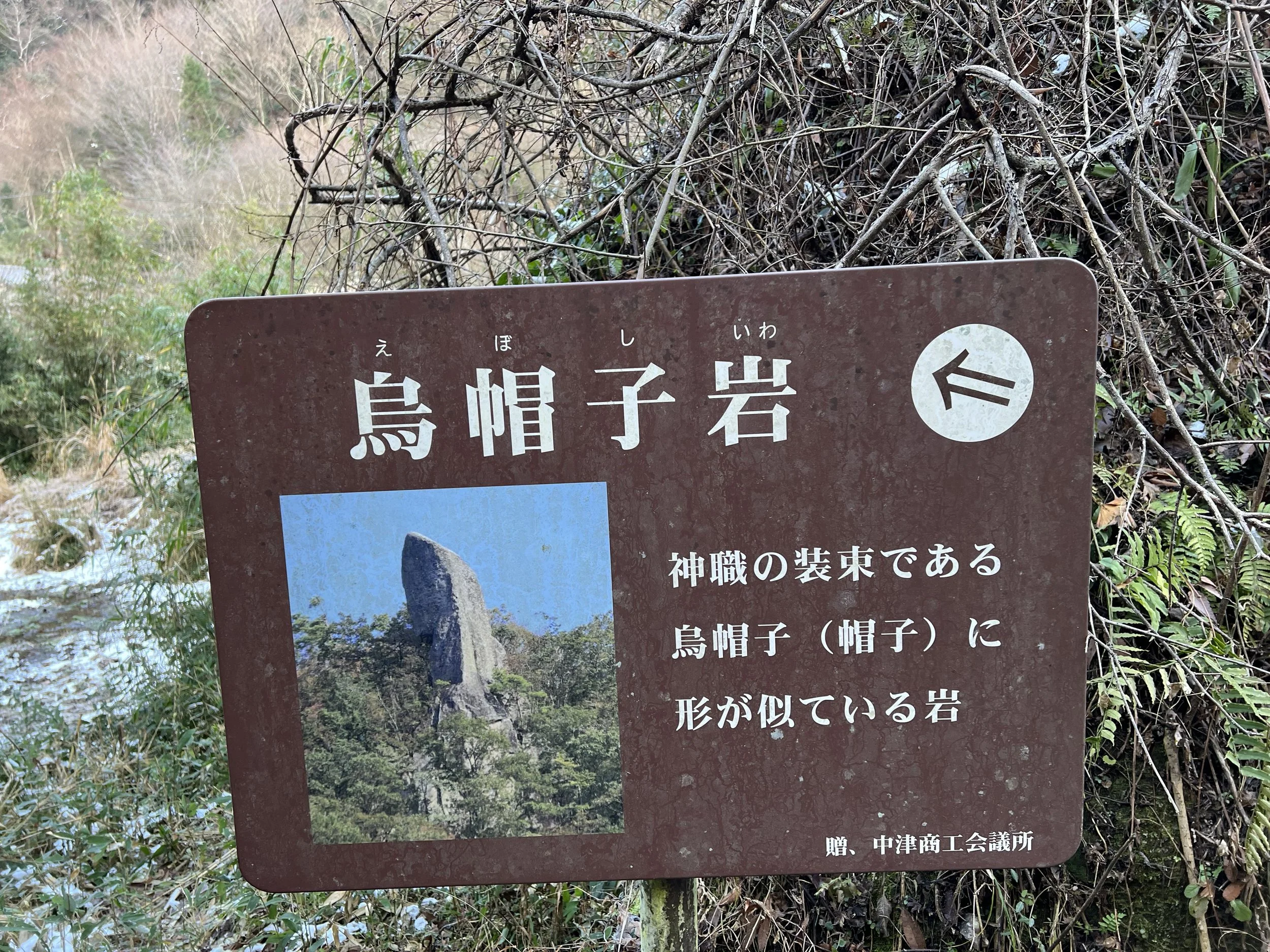
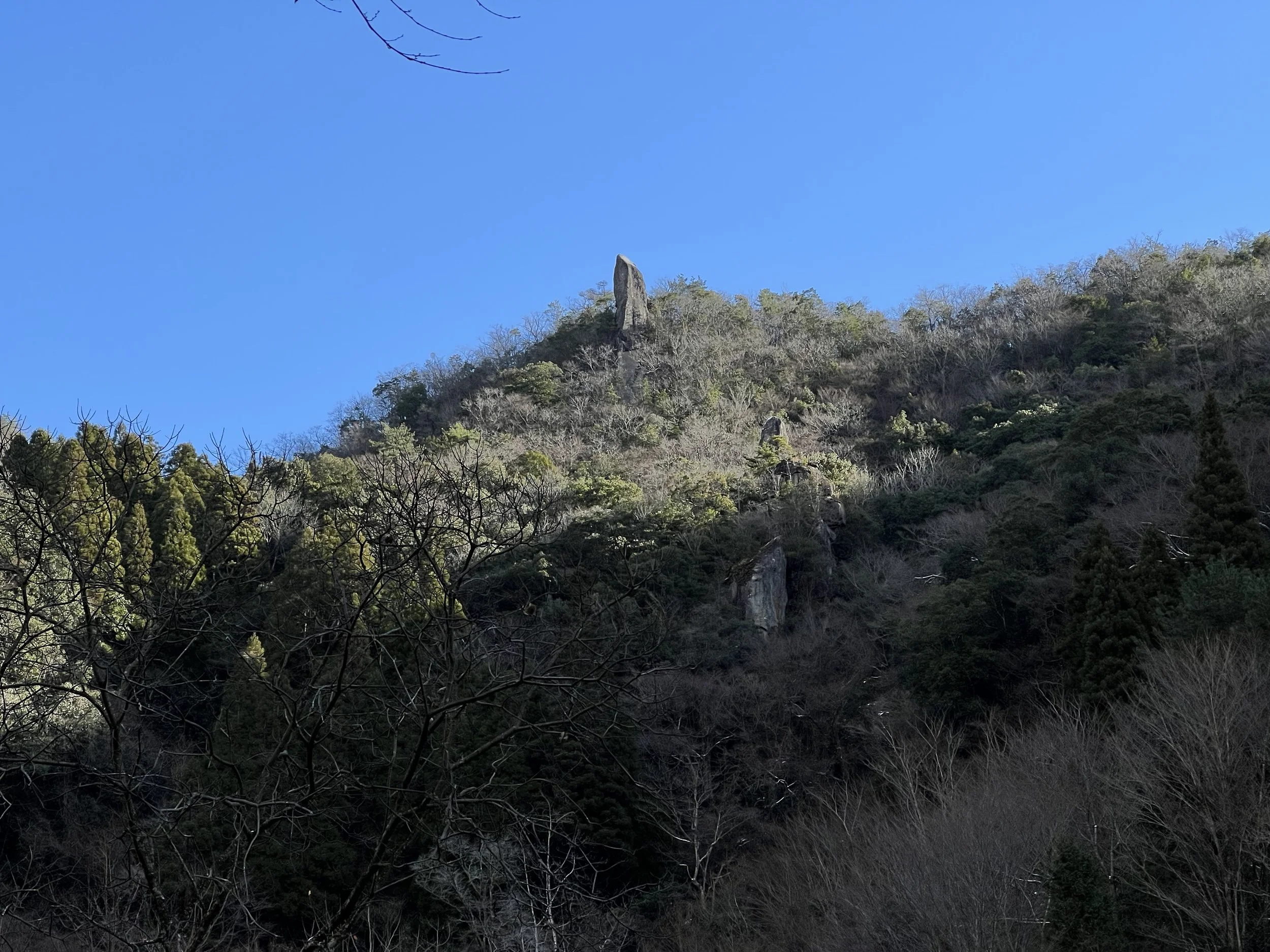
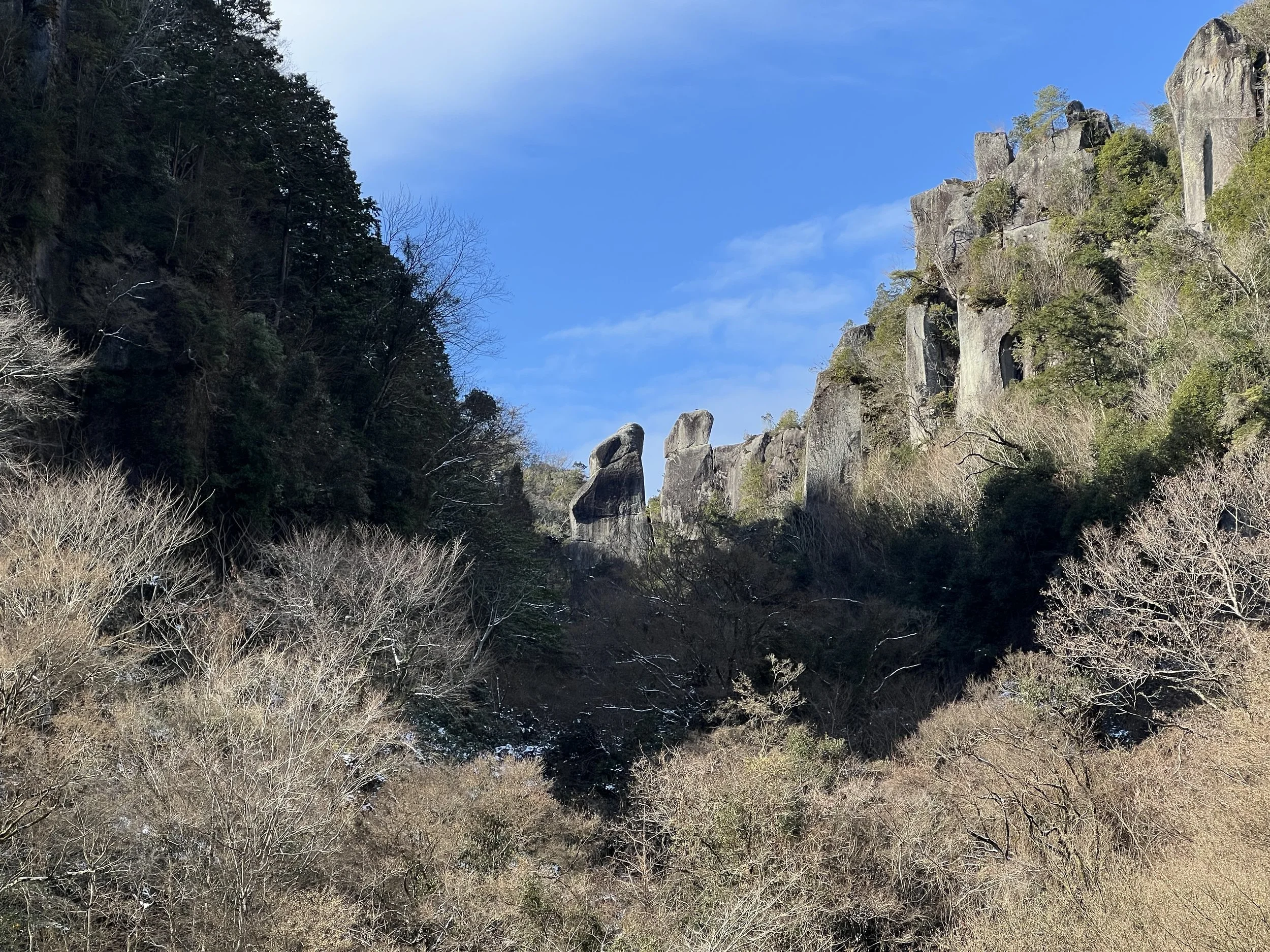
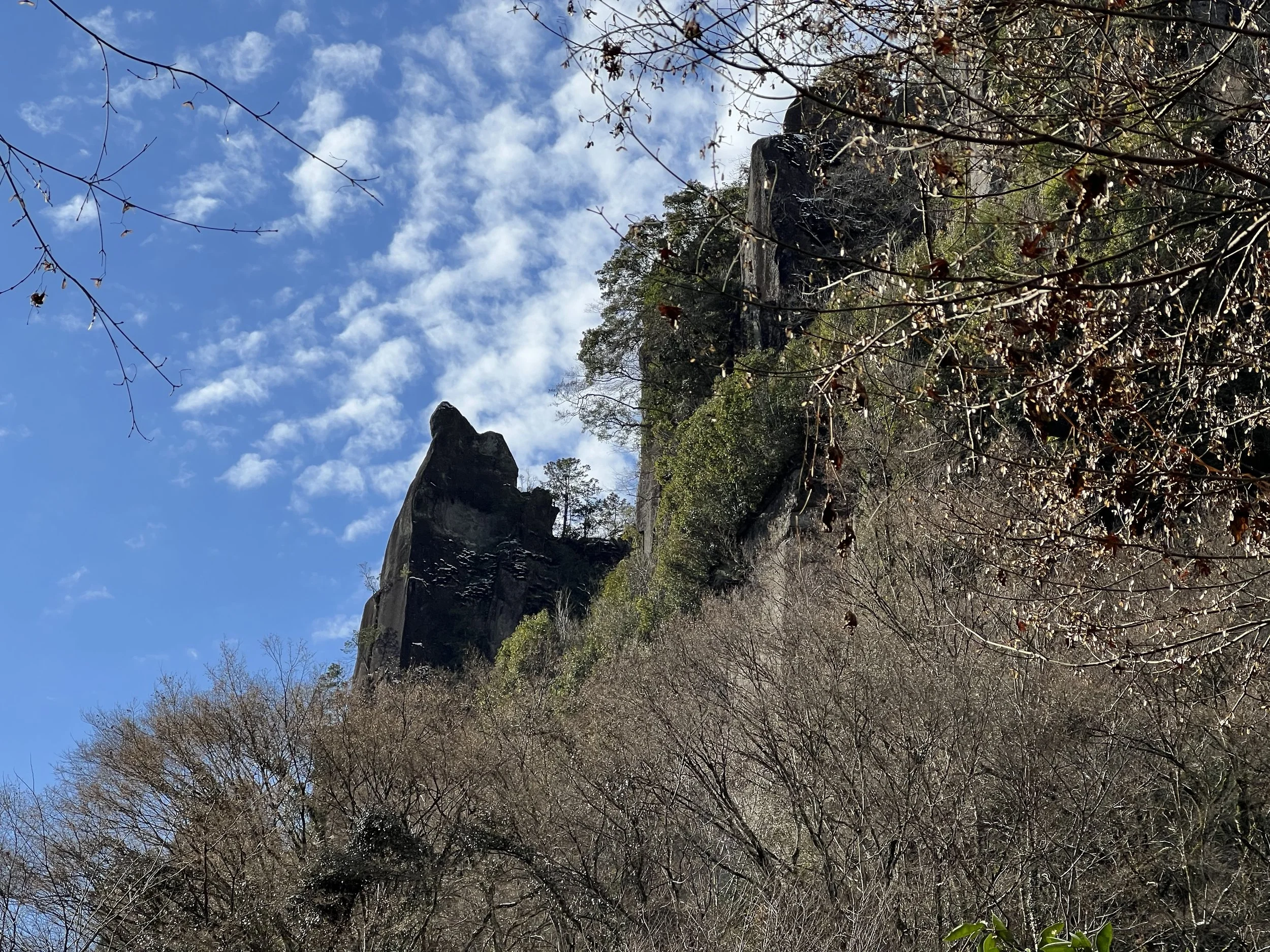
The trail to the observation deck follows the river and is dotted with signs pointing out various rock formations along the way. Many of these rocks are named based on what they resemble, which made the walk feel a bit like a natural scavenger hunt. It didn’t take long before I reached a small roadside area with shops—most of them closed during my visit—but just beyond that was the observation deck itself.
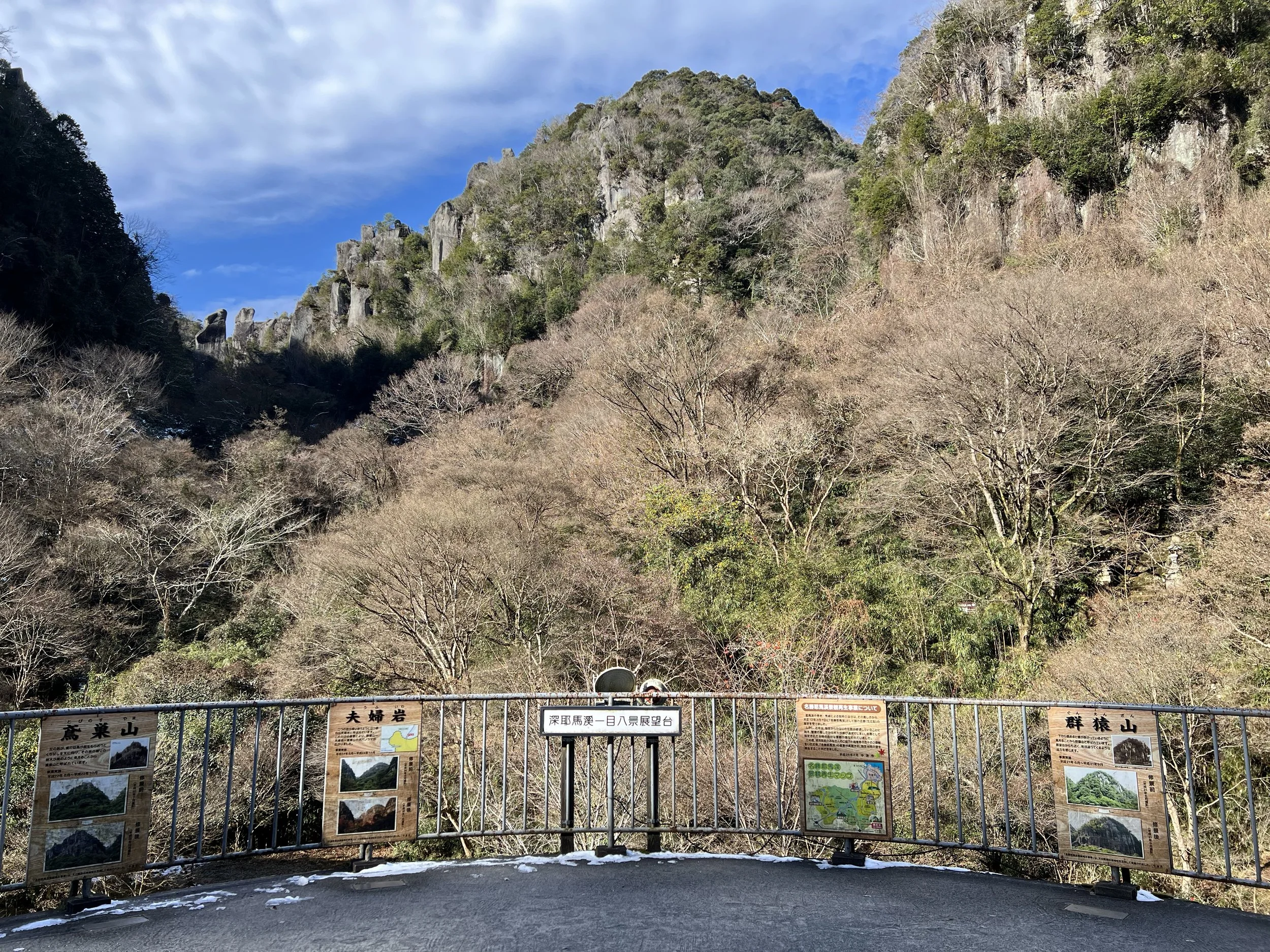
“Hitome Hakkei” roughly translates to “eight views at a glance,” and from this single viewpoint, you can see eight distinct rock formations and peaks. Standing there, with the signage pointing out each feature, I took my time scanning the landscape—matching what I saw in front of me with the names and shapes described. It was one of those spots where you could easily stay longer than planned.
After that, I returned to my car and took a short break to map out the rest of the day. From here, I continued on to Futagoji Temple and Matama Coast—both of which deserve their own time and are covered in separate posts.
By the end of the day, I made my way back to Nakatsu to return the car. If there’s one takeaway from exploring Yabakei, it’s this: the area is full of incredible natural scenery—but having a car makes it infinitely easier to experience it all.
History & Background
Yabakei (耶馬溪) is one of Japan’s most renowned scenic regions, famous for its dramatic rock formations, deep gorges, and seasonal beauty—particularly during autumn foliage.
The area developed historically as both a natural retreat and a cultural landscape, with influences from Buddhism, Shinto, and local traditions. Many of its rock formations have been named and celebrated for centuries.
Yabakei Dam, completed in 1987, plays a role in flood control and water management while also contributing to the area’s scenic appeal.
Nearby gorges such as Mabayashikyo Gorge and Sarutobi Sentsubo Gorge highlight the region’s geological features, shaped over time by the Yamakuni River.
Getting There
The most practical way to explore the area is by car. From Nakatsu, key sights such as Yabakei Dam and Hitome Hakkei can be reached within 30–60 minutes by driving.
Public transportation options are limited and do not efficiently connect the various viewpoints and gorges. For flexibility and access to multiple locations in a single day, renting a car is strongly recommended.
Parking is available at major viewpoints and trailheads.
Route Overview
Itinerary: Toyota Car Rental → Yabakei Dam 耶馬渓ダム → Mabayashikyo Gorge 魔林峡 → Sarutobi Sentsubo 猿飛千壺峡 → Hitome Hakkei Observation Deck 一目八景展望台 → Futagoji 両子寺 → Matama Beach 真玉海岸 → Toyota Car Rental
Distance: 183 km out & back (Toyota Rent-a-car Nakatsu)
Duration: 7 hr (Driving time + Sightseeing)
Difficulty: Easy
Cost Breakdown
Car Rental: Toyota Rent-a-Car Nakatsu — ¥7,920
Gas: Allostation Sunshine Nakatsu — ¥1,453
Food: ¥1,250