Futagoji Temple – Oita, Japan
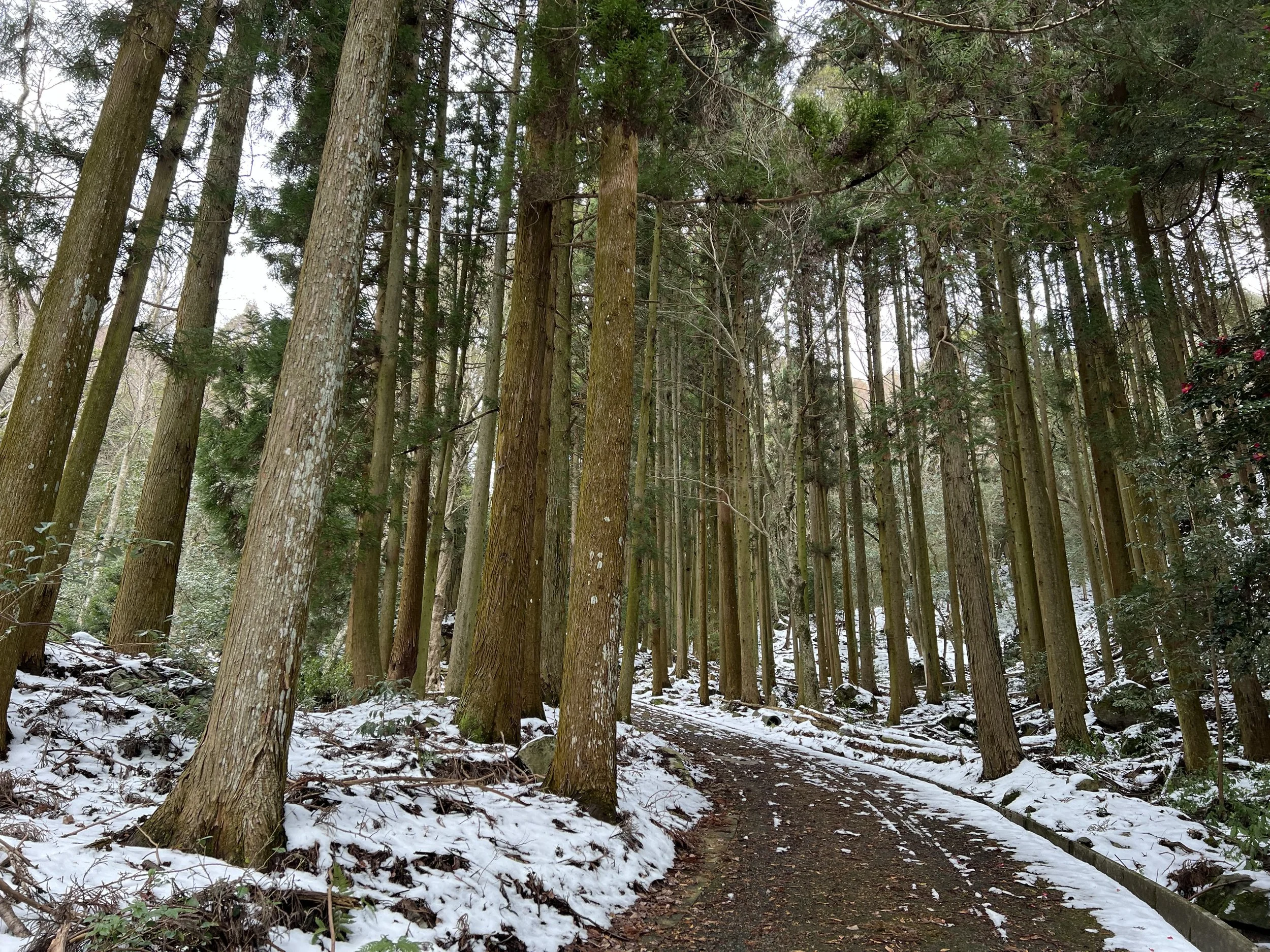
To explore some of the more remote parts of Oita Prefecture, I rented a car—because out here, public transportation is almost non-existent. One of the places I had been wanting to visit for a while was Futagoji Temple, tucked away in the mountains of the Kunisaki Peninsula. The drive itself set the tone. Quiet roads, small rural villages, and stretches of forest that felt completely removed from the more urban parts of Japan. This region is known for its deeply rooted spiritual history, where temples and shrines are scattered across the landscape.
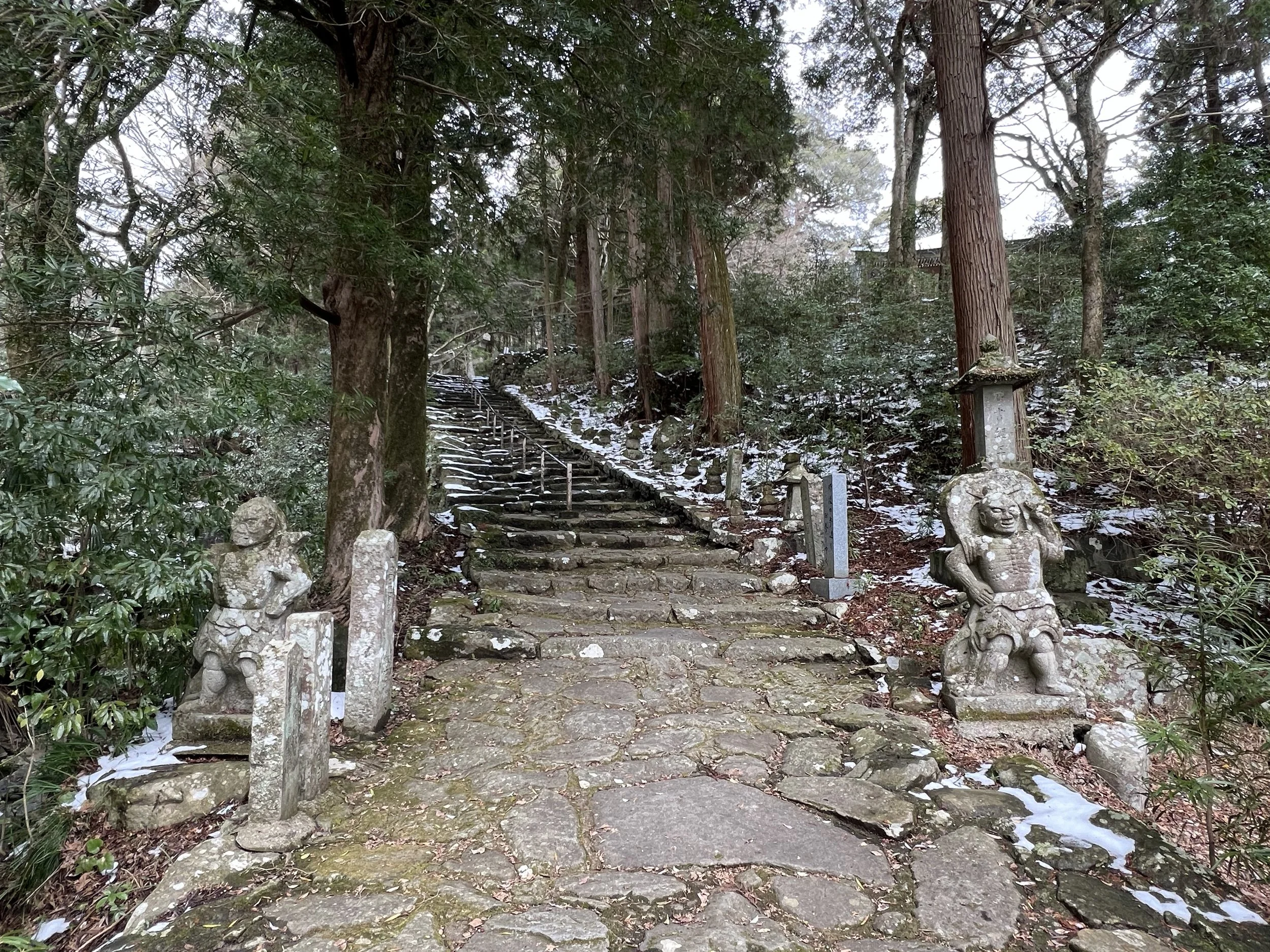
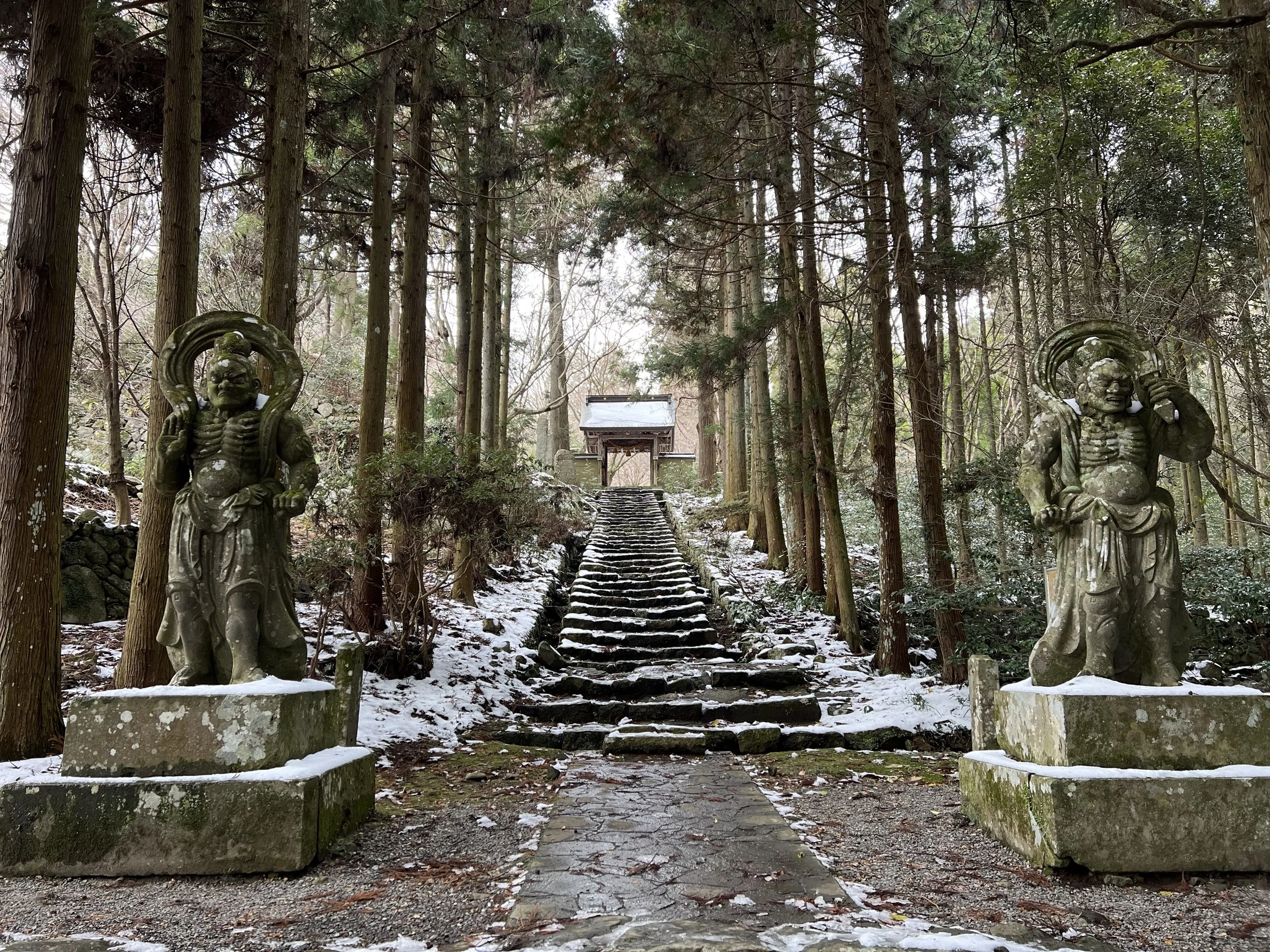
Futagoji sits on the slopes of Mount Futago, surrounded by dense forest. The area is part of what’s known as Rokugo Manzan—a unique religious tradition that blends Buddhism, Shinto, and mountain worship. One of the main things that drew me here was the pair of stone Nio guardians standing at the entrance—massive, weathered figures guarding the stone steps leading up into the temple grounds.
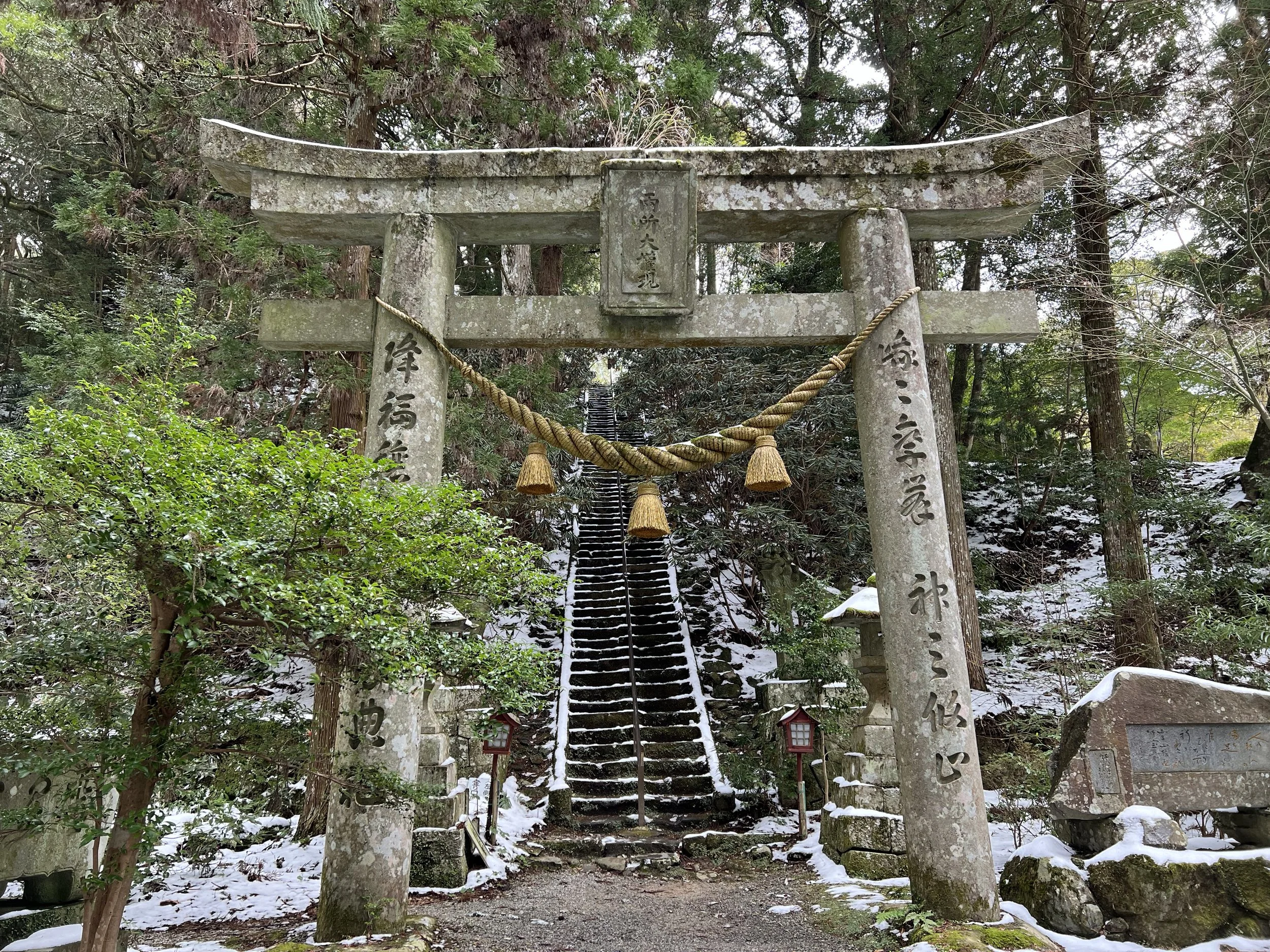
Originally, I had planned to hike up Mount Futago after exploring the temple grounds. The trailhead continues beyond the main complex, and I was looking forward to extending the visit into a proper hike. But once I got there, reality hit. The conditions were worse than I expected. It wasn’t just snow—large sections of the ground and steps were covered in ice. And without proper gear, it didn’t feel like a smart decision to push forward.
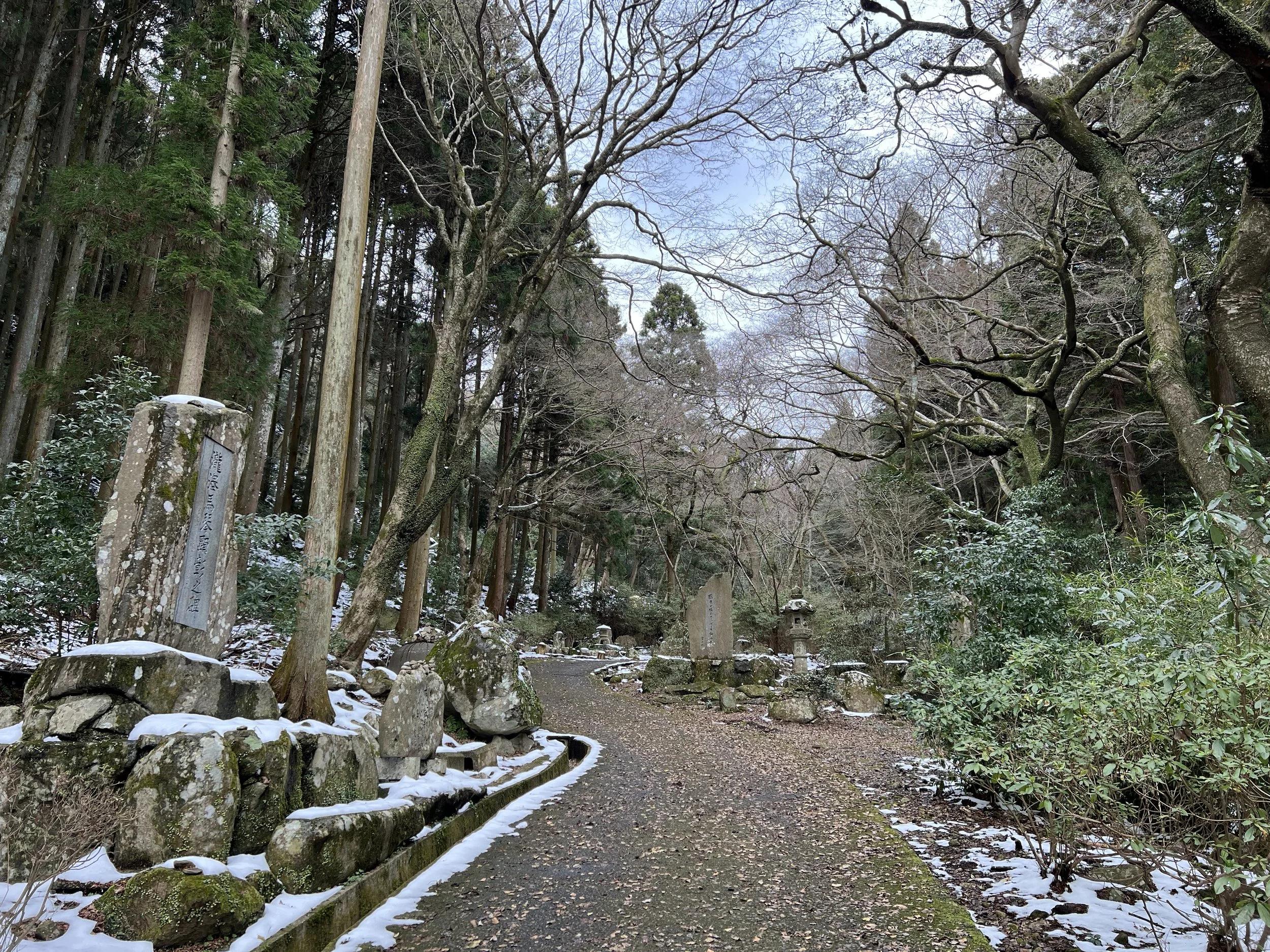
After purchasing my entrance ticket, I stood there for a moment, debating. In the end, I decided to explore as much of the temple grounds as I safely could and leave the mountain hike for another time. And honestly, that decision didn’t take away from the experience. The atmosphere was incredibly quiet. Walking through the temple grounds, surrounded by forest and the soft crunch of ice underfoot, it felt almost meditative.
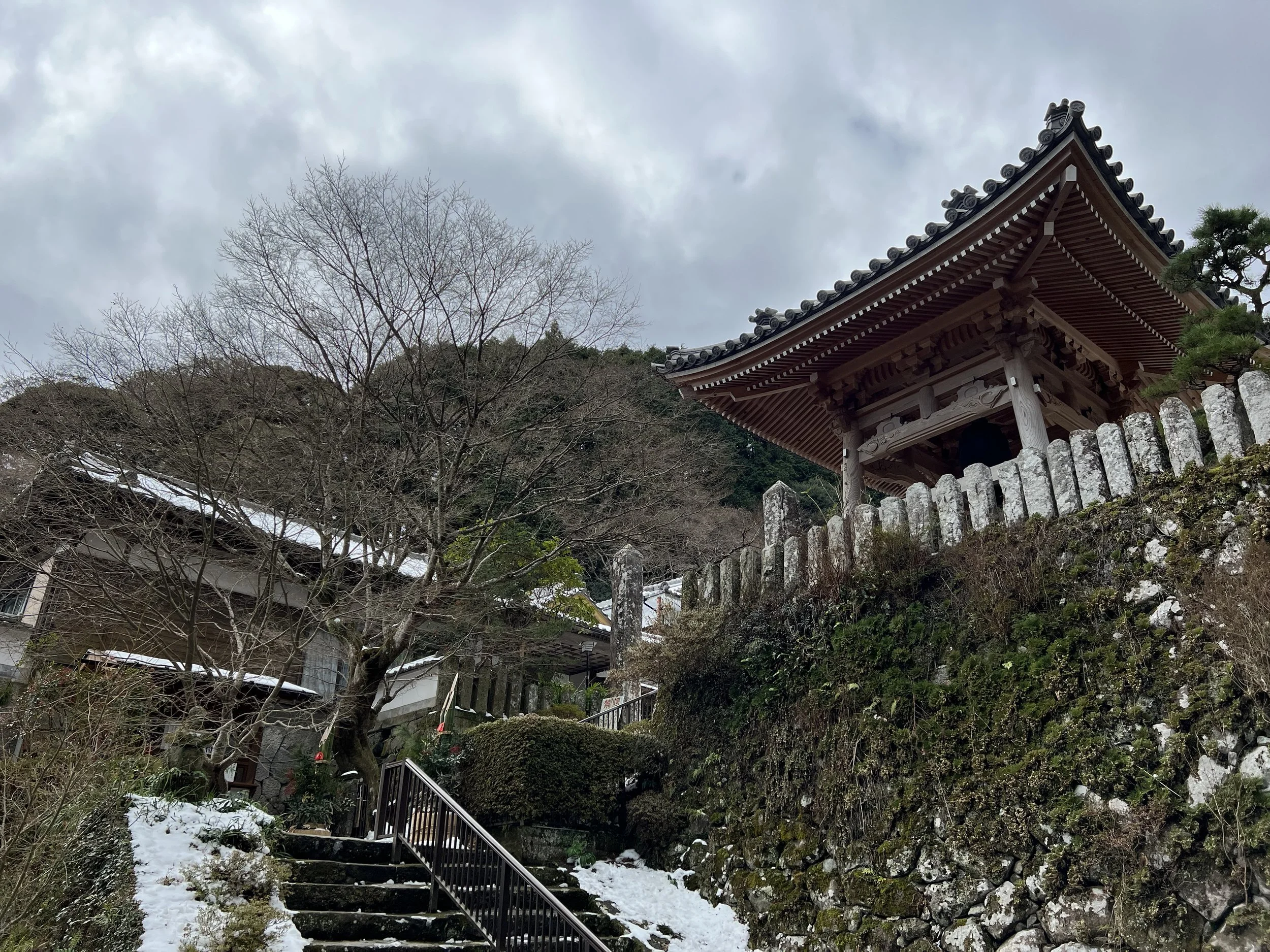
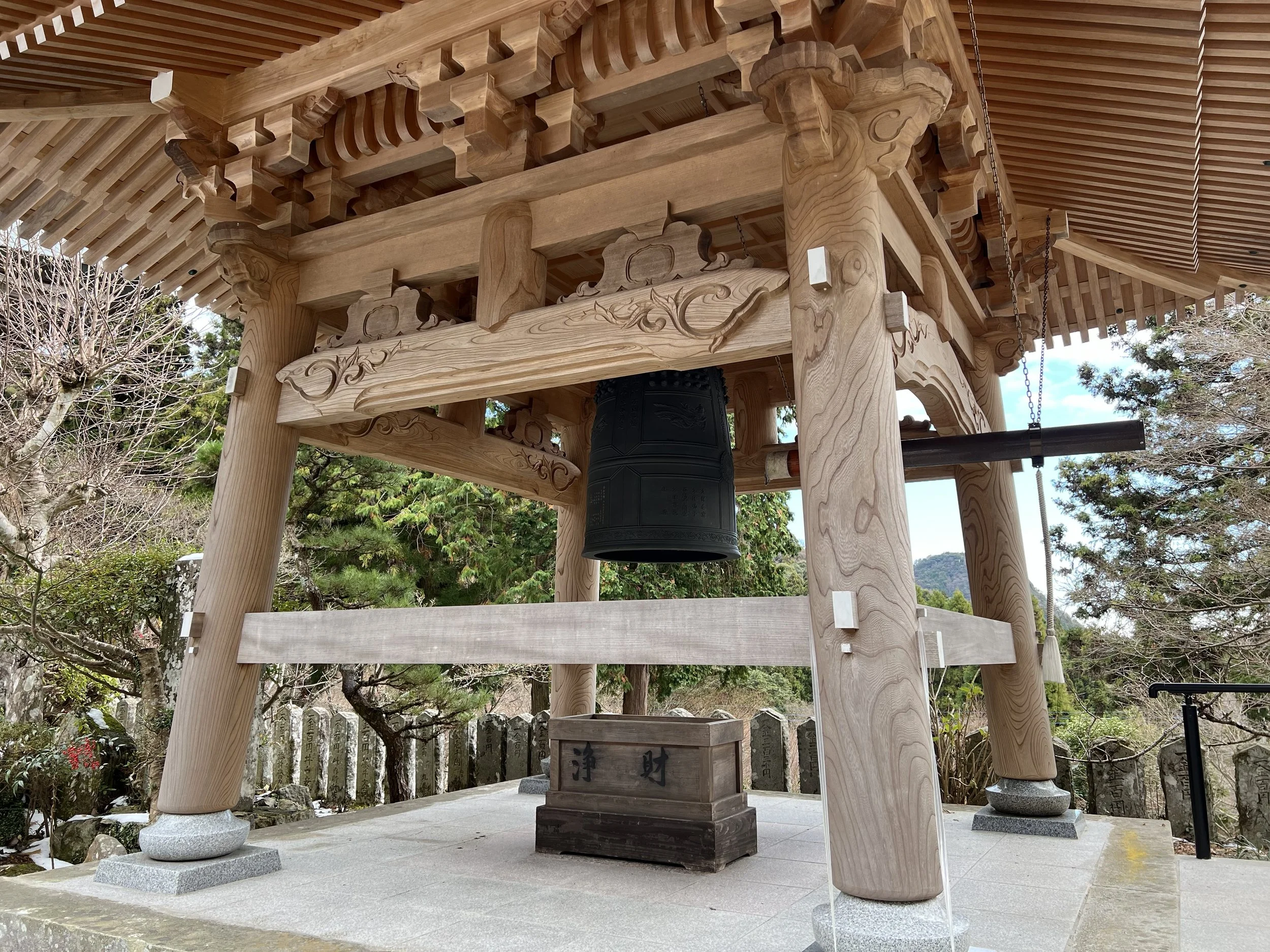
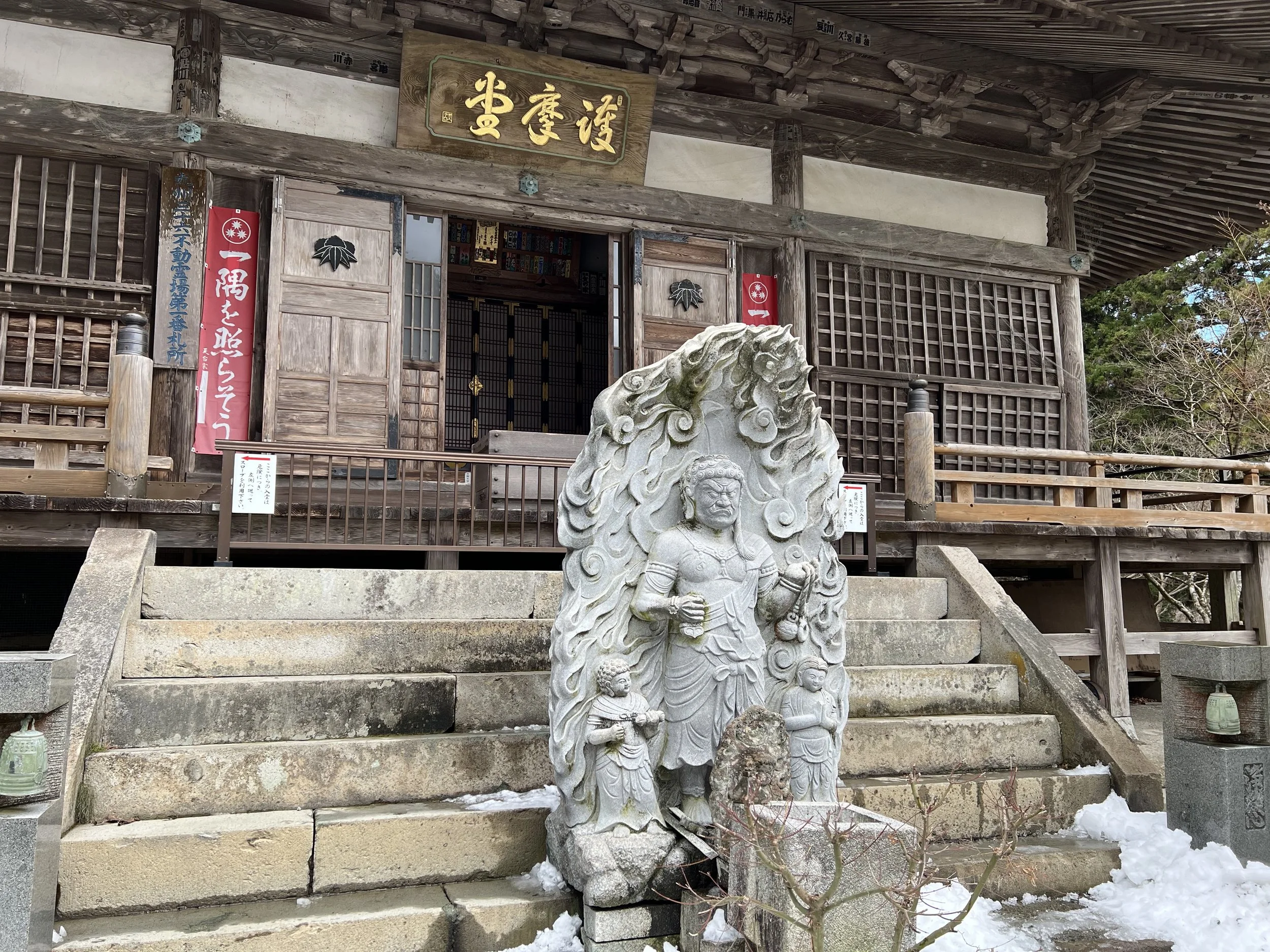
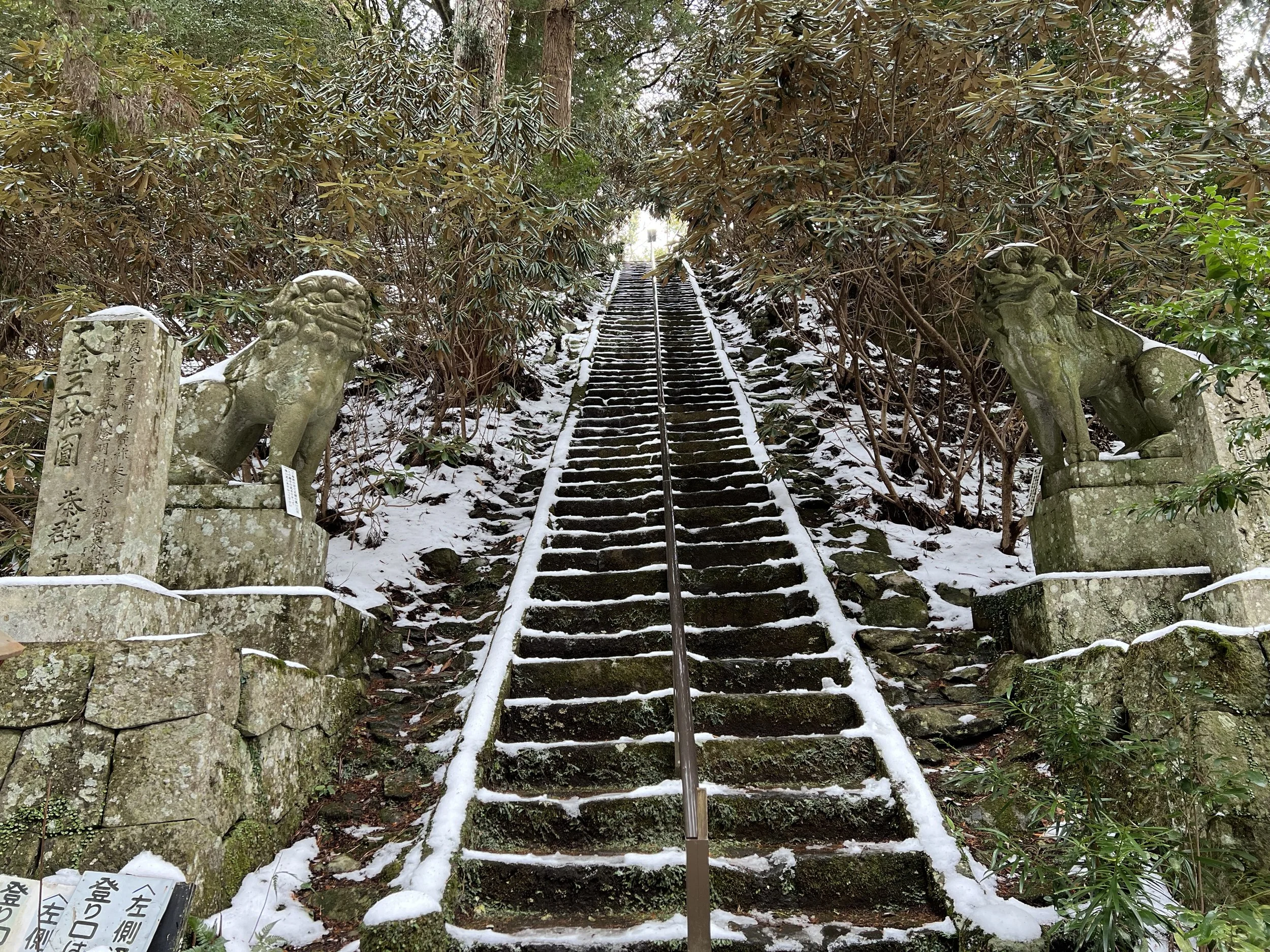
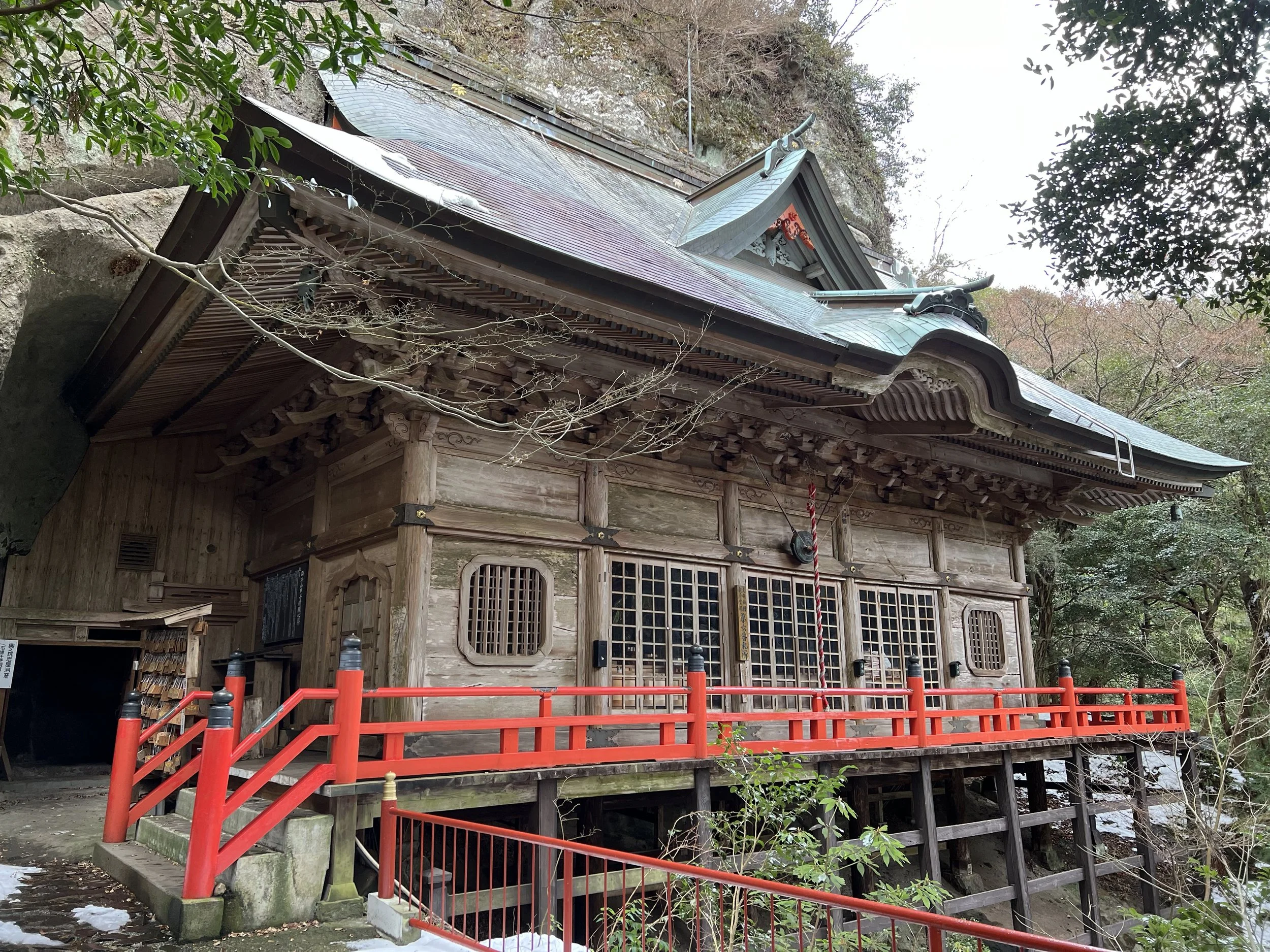
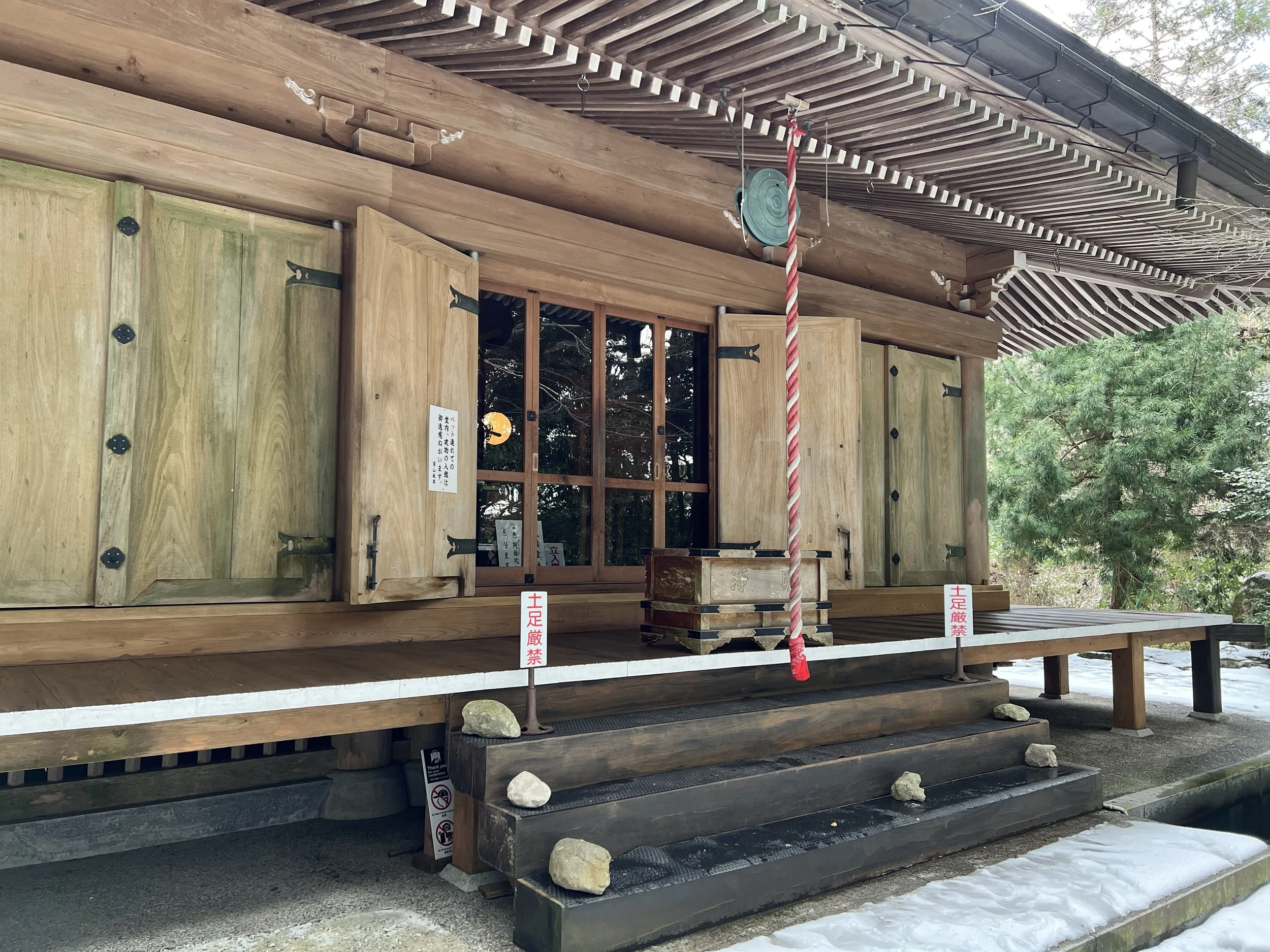
The first structure I came across was the Gomado Hall, dedicated to Fudo Myoo—a fierce protector deity in Buddhism. The presence here felt strong, even without fully understanding all the symbolism. From there, I carefully made my way up the stone steps toward the Okunoin Hall. The steps were covered in ice, and I found myself moving slowly, relying heavily on the handrails. It was one of those moments where you’re fully aware of every step you take.
The Okunoin Hall is dedicated to the thousand-armed Kannon, the Bodhisattva of compassion. Surrounded by trees and overlooking the forested slopes, I spent some time there, taking in the surroundings, before making my way back down. Going down those icy steps was honestly more nerve-wracking than going up. Without the handrails, it would’ve been a completely different story.
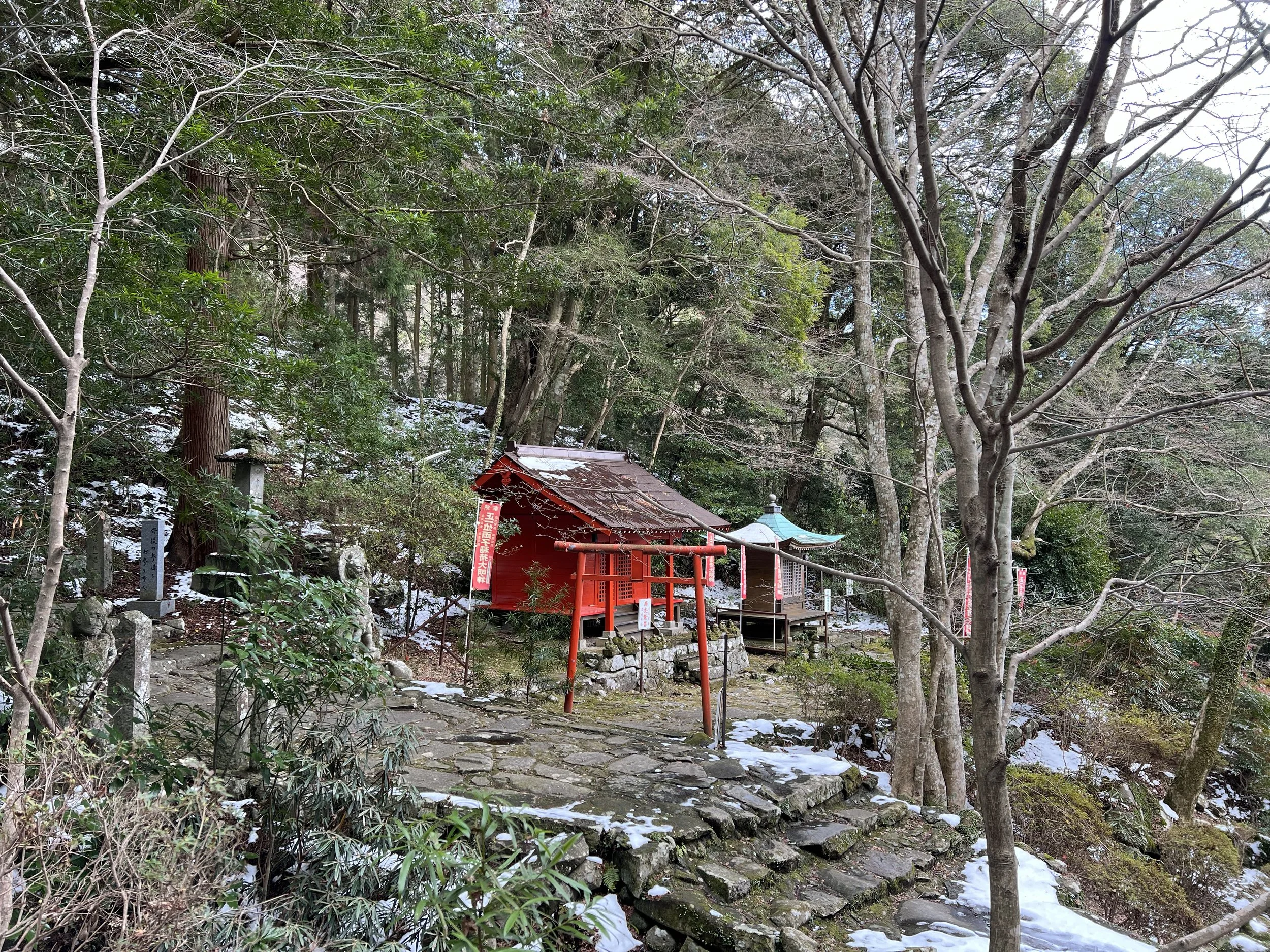
Once I was back on more stable ground, I continued exploring some of the smaller shrines scattered throughout the area. But eventually, I reached a point where the ice made it too risky to continue any further. That was my cue to turn back. I slowly made my way toward the entrance.
Even though I didn’t get to complete the hike up Mount Futago, I still felt like I got a meaningful glimpse into what makes this place special. And if anything, it just gave me a reason to come back—better prepared next time.
History & Background
Futagoji Temple (両子寺) was founded in 718 and is one of the most significant temples in the Kunisaki region. It sits on the slopes of Mount Futago, the highest peak on the Kunisaki Peninsula.
The temple is part of the Rokugo Manzan tradition, a unique spiritual culture that blends elements of Buddhism, Shinto, and ancient mountain worship. This syncretic belief system developed in the region over centuries, making Kunisaki one of Japan’s most distinctive religious landscapes.
Futagoji serves as a central temple within this tradition and historically functioned as a training ground for ascetic monks practising mountain worship. One of its most iconic features is the pair of Niō guardian statues at the entrance, symbolizing protection and marking the threshold between the physical and spiritual worlds.
Getting There
Futagoji Temple is located on the Kunisaki Peninsula in a rural mountainous area with limited public transportation access.
From Oita, travellers can drive to the temple in approximately 1.5 to 2 hours. Renting a car is the most practical and efficient way to reach the site and explore other temples in the region. Public transportation options are limited and typically involve multiple bus transfers with infrequent schedules, making it less convenient for day trips. Parking is available near the temple entrance.
Route Overview
Distance: 1.26 km out & back (Futagoji Parking Lot)
Total elevation gain: 65 m
Duration: 20 min (with breaks 25 min)
Difficulty: Easy
Cost Breakdown
Car Rental: Toyota Rent-a-Car — ¥7,920
Entrance Fee: Futagoji Temple — ¥300