Usa Shrine - Oita, Japan
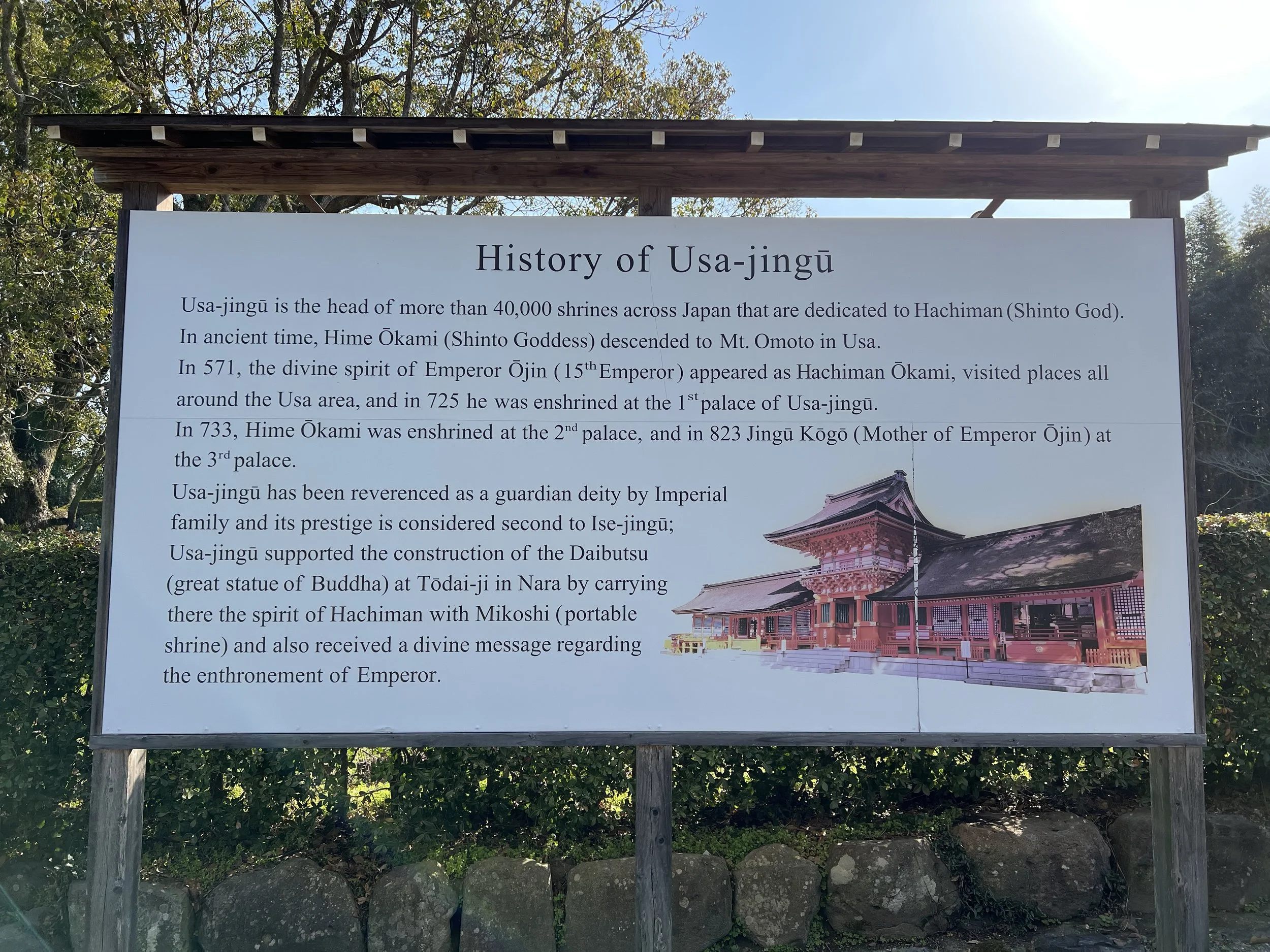
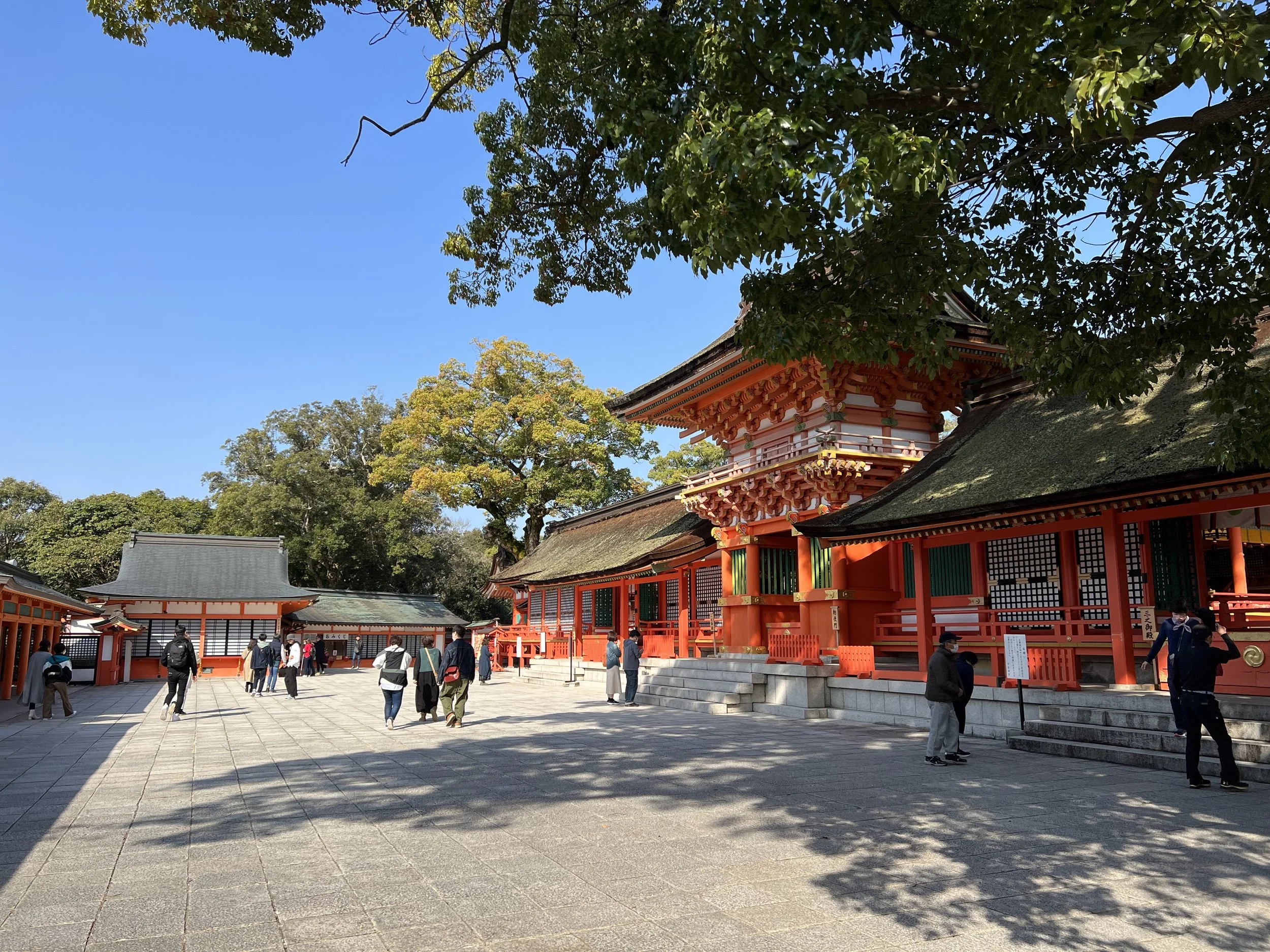
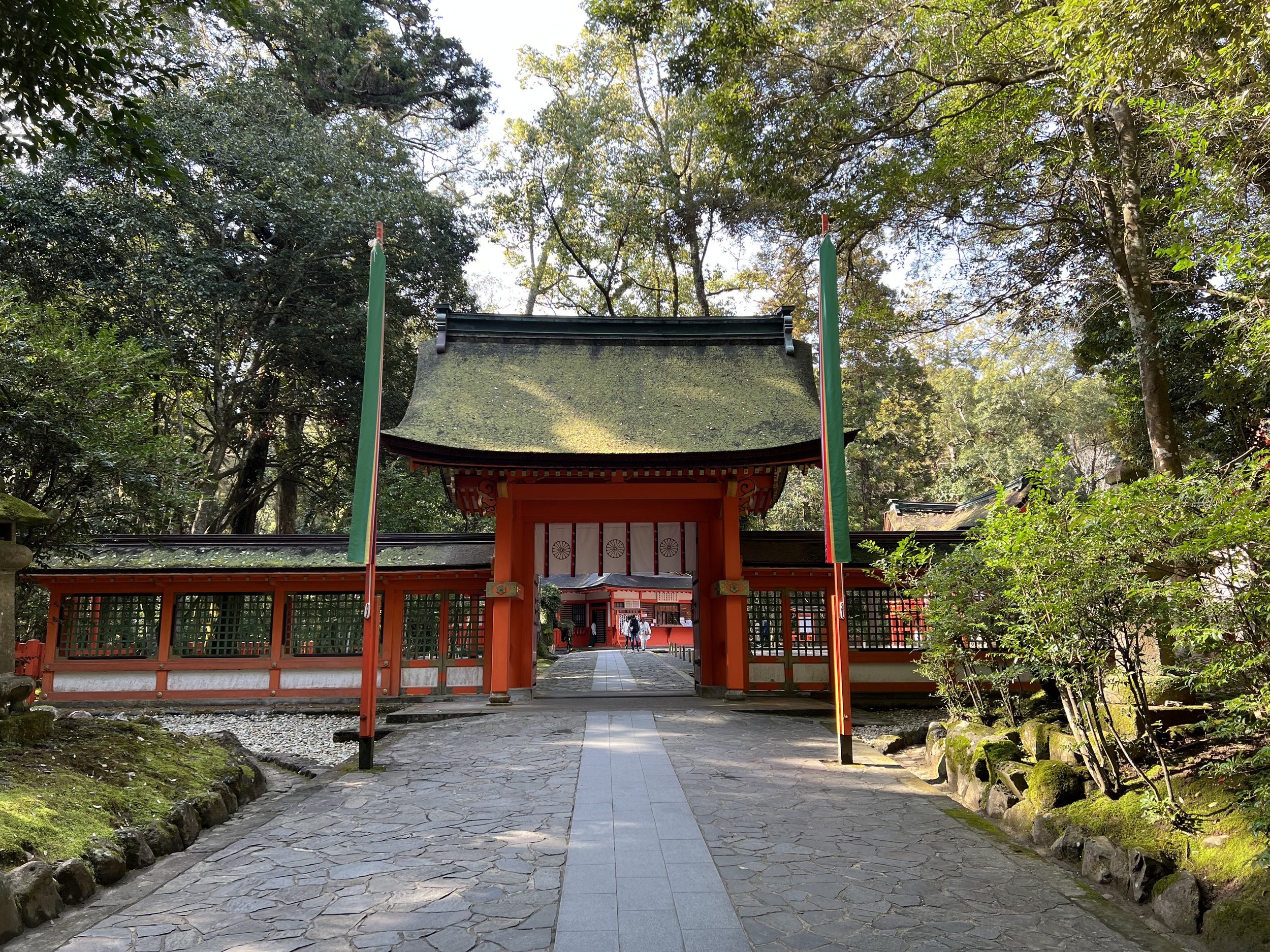
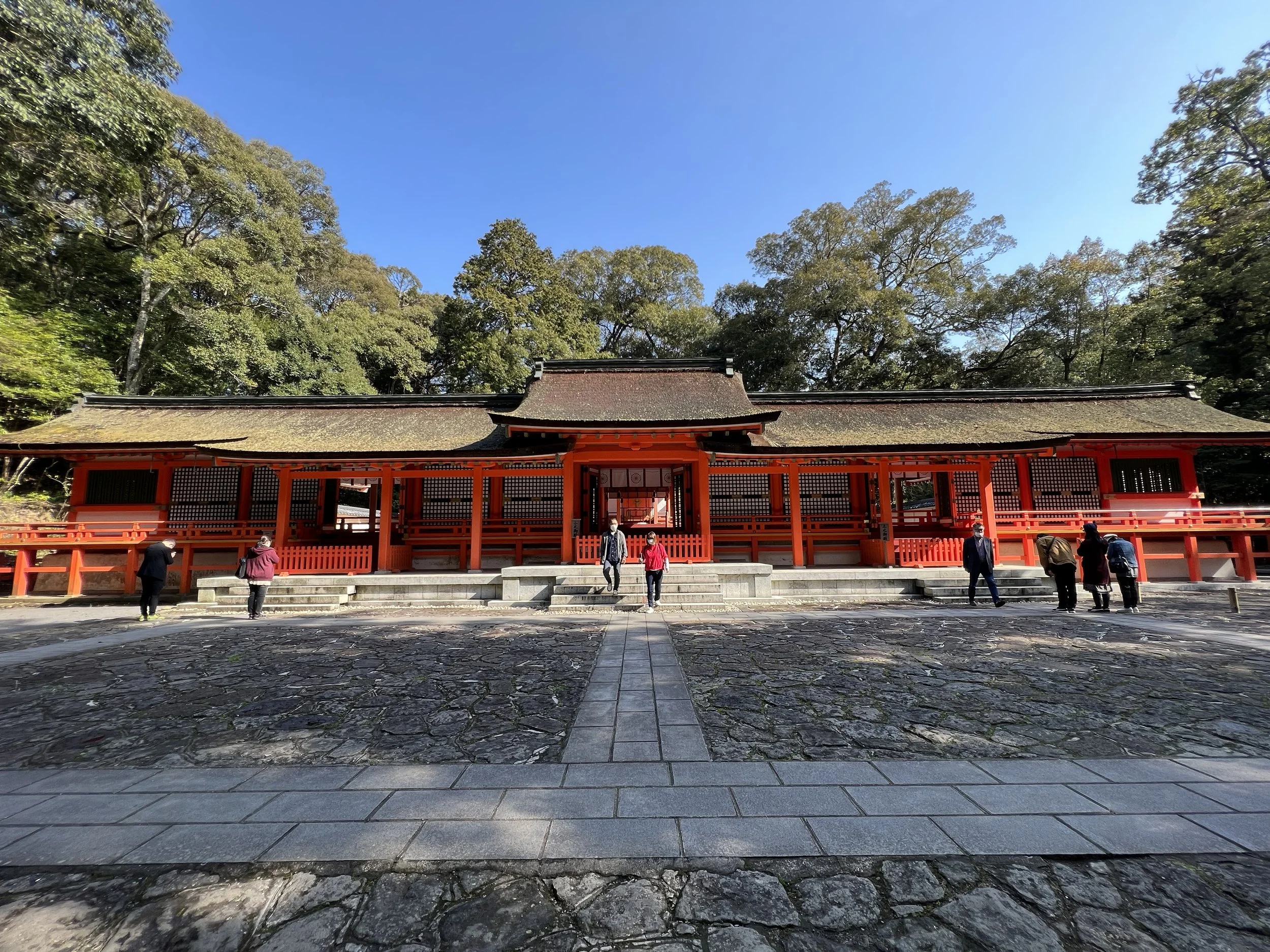
With more than 40,000 shrines across Japan bearing the name Hachiman, Usa Shrine stands apart as the head shrine of them all. Founded in 725, it carries over 1,300 years of history and is widely regarded as a powerful spiritual site. Dedicated to the deity Hachiman, the shrine has long been associated with protection, warfare, and the imperial family. The grounds are expansive, deeply forested, and divided into upper and lower shrine areas, both enshrining the same three deities.
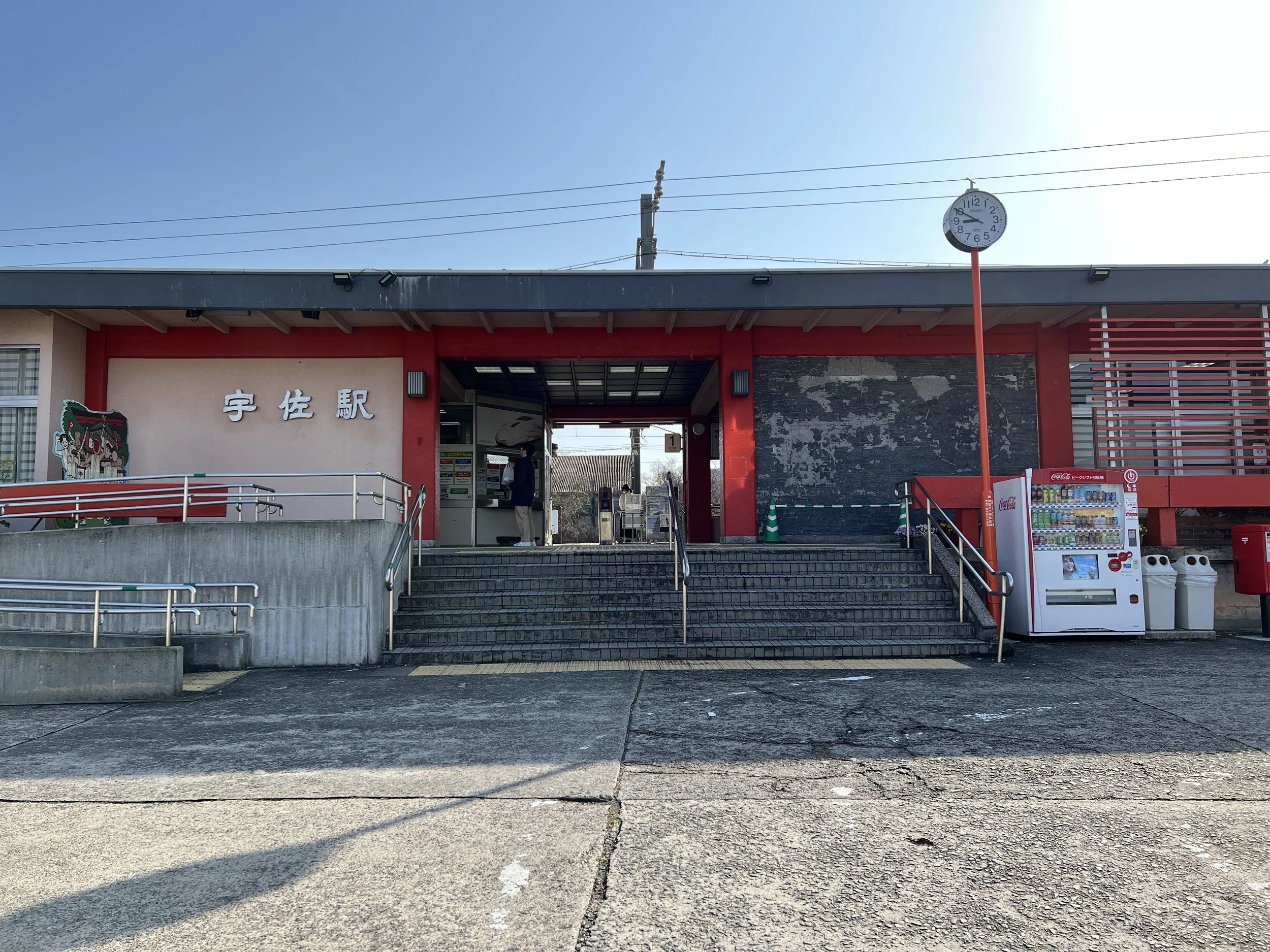
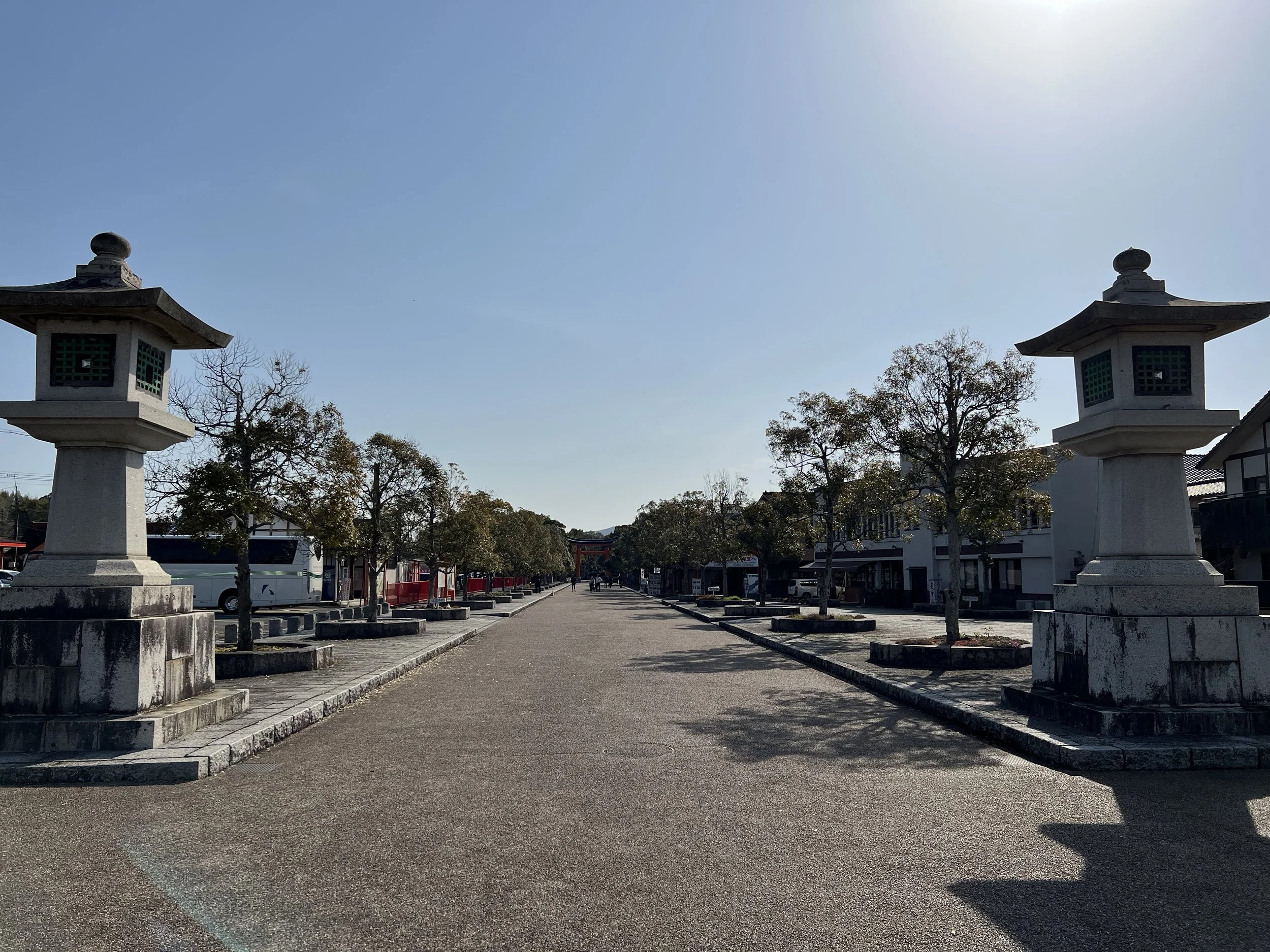
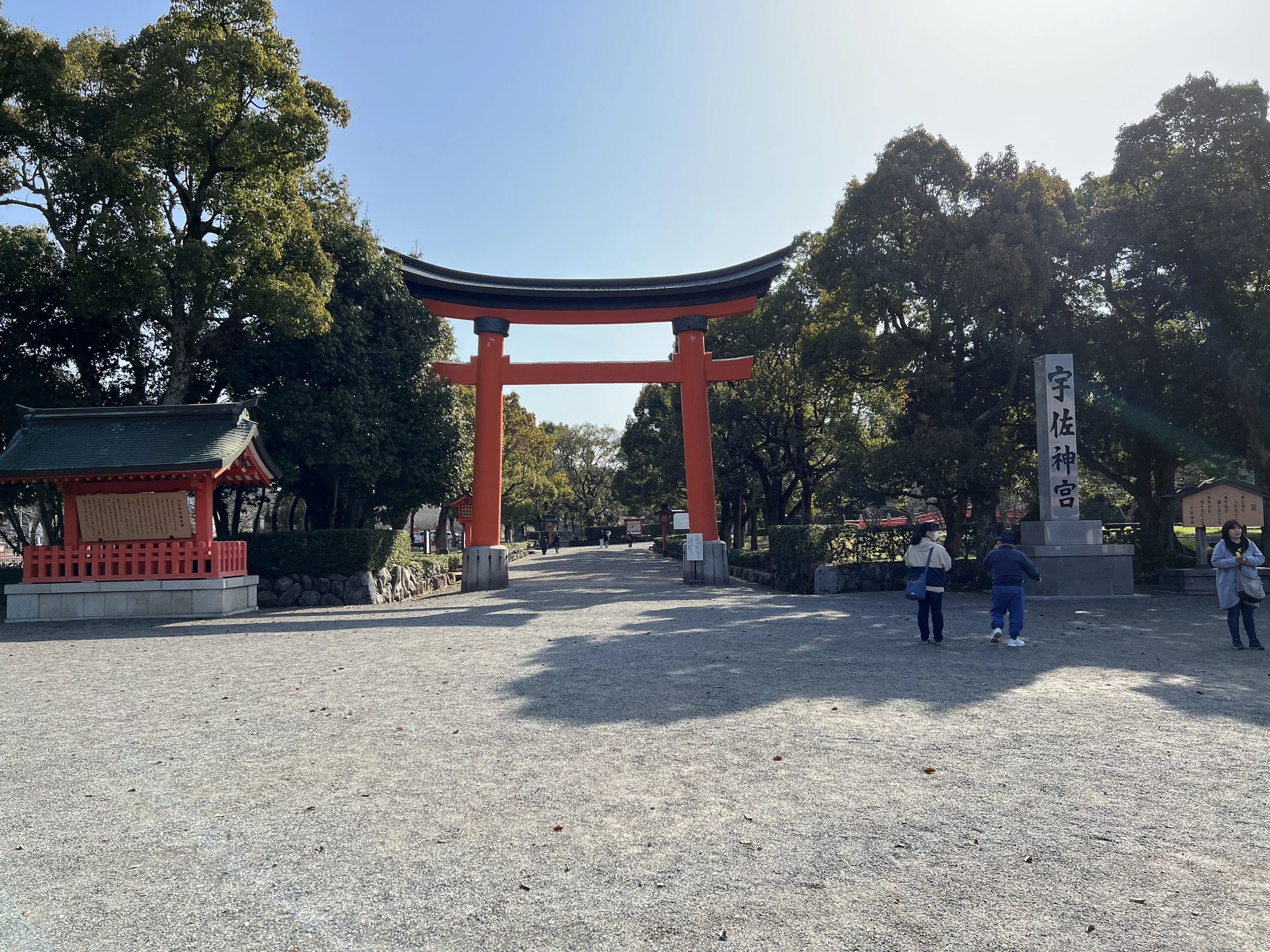
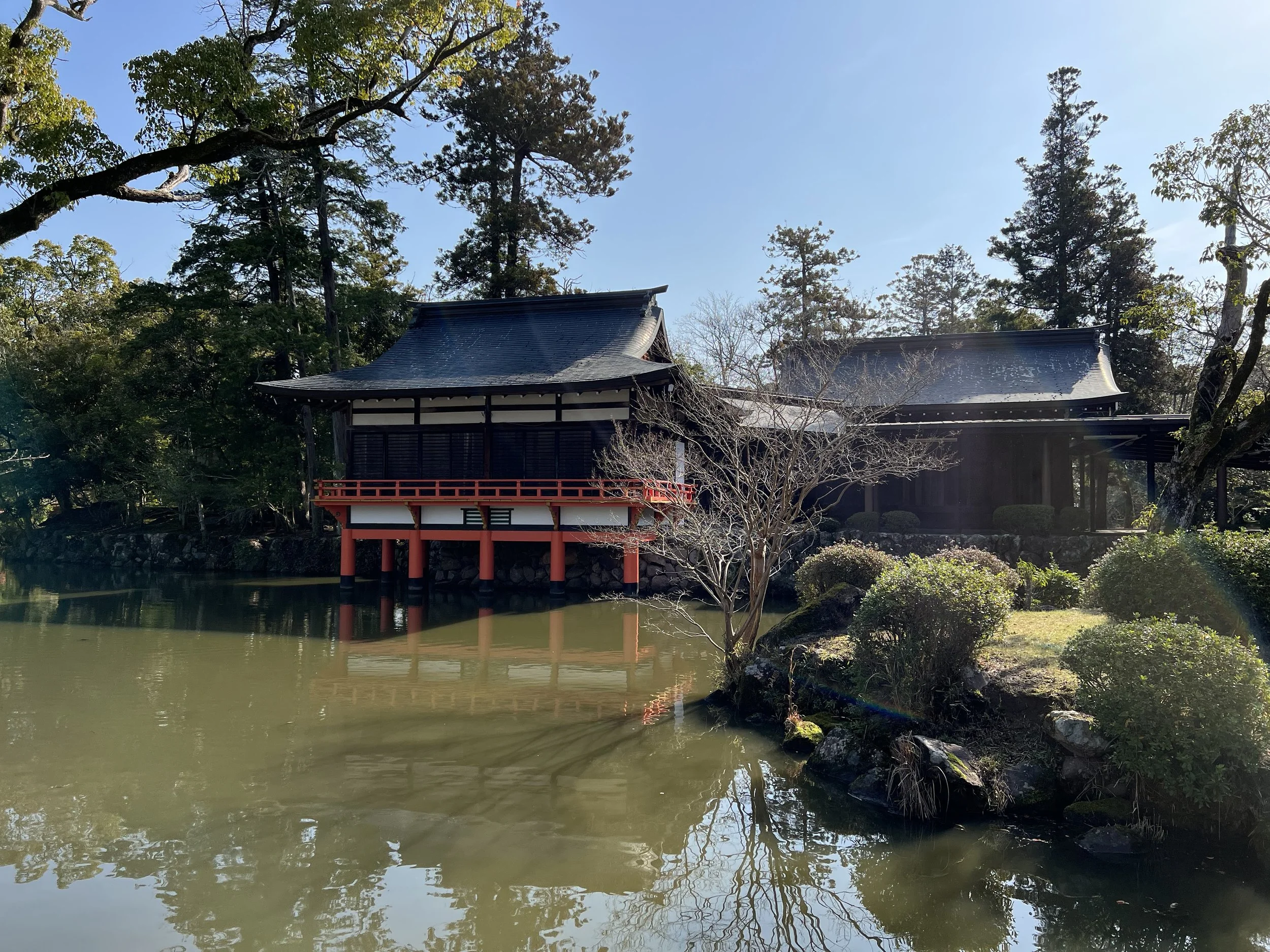
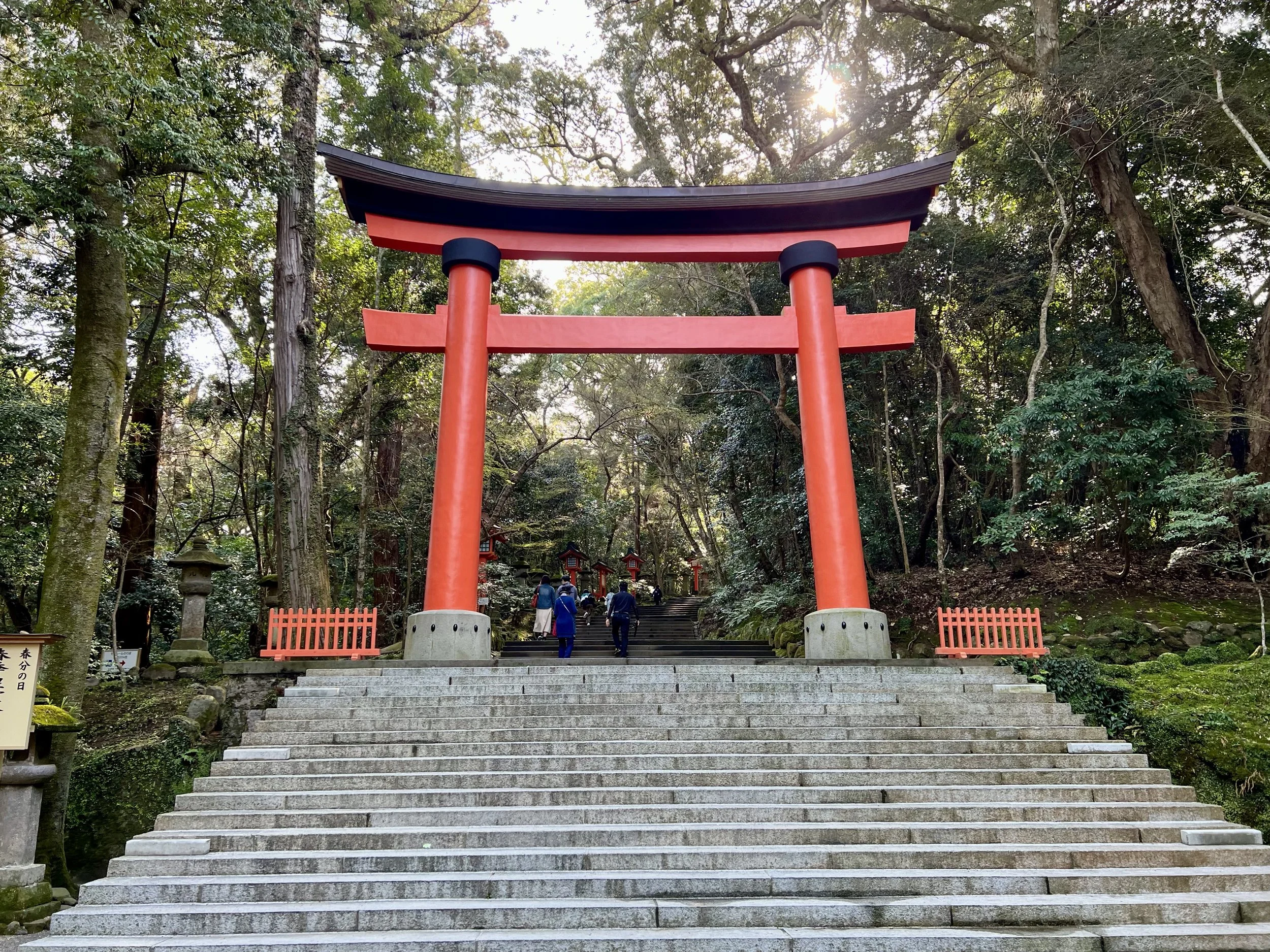
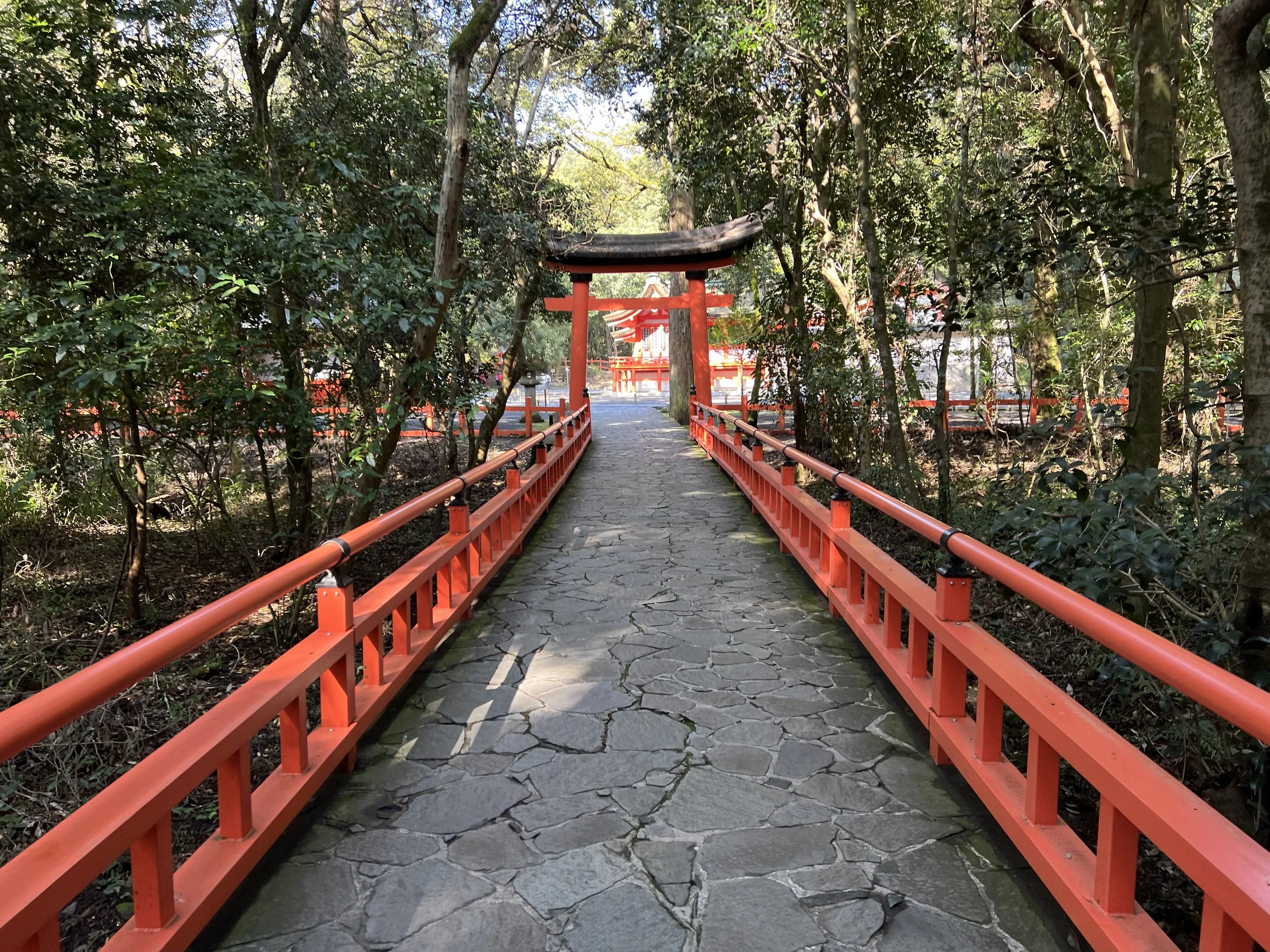
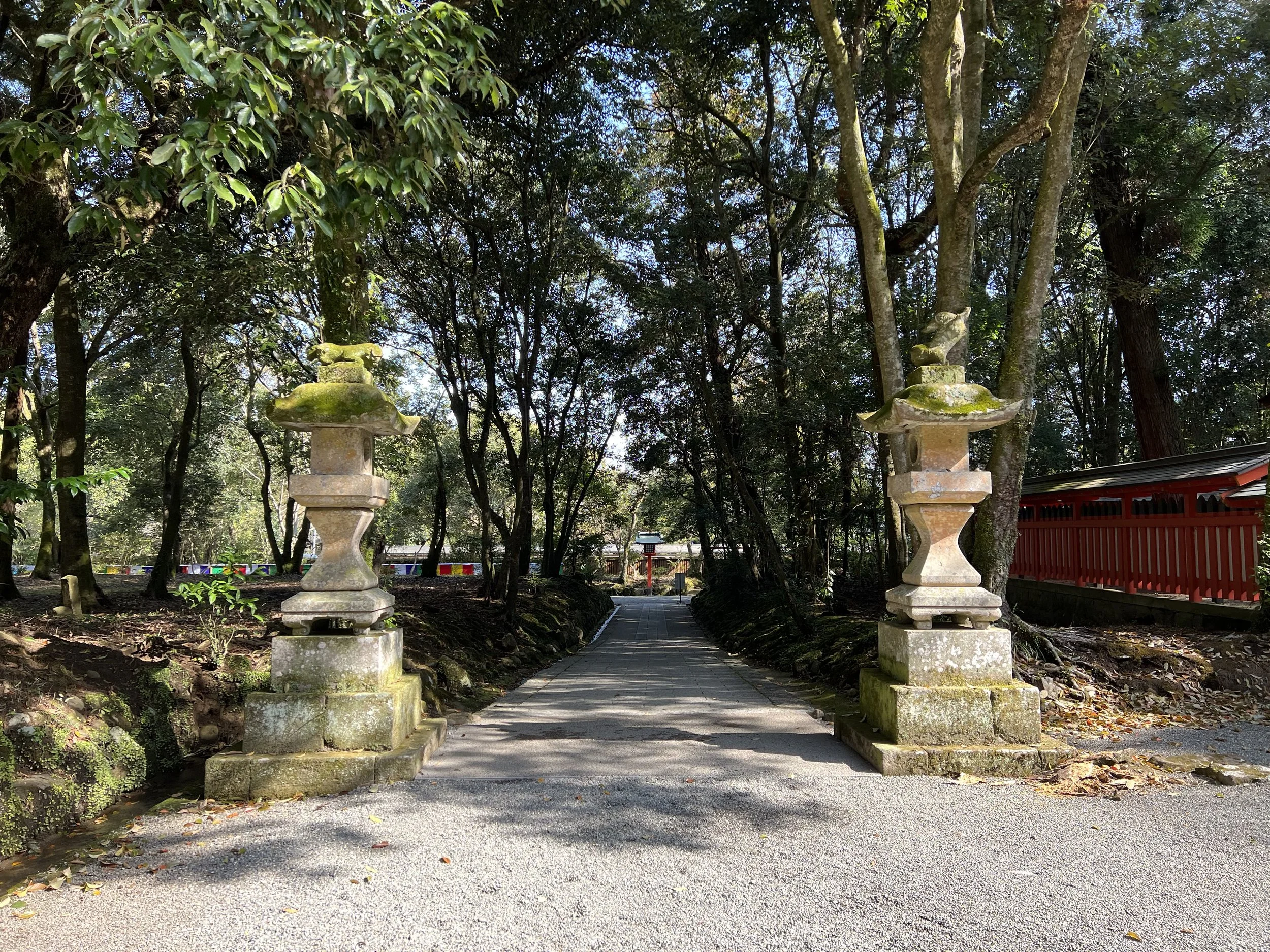
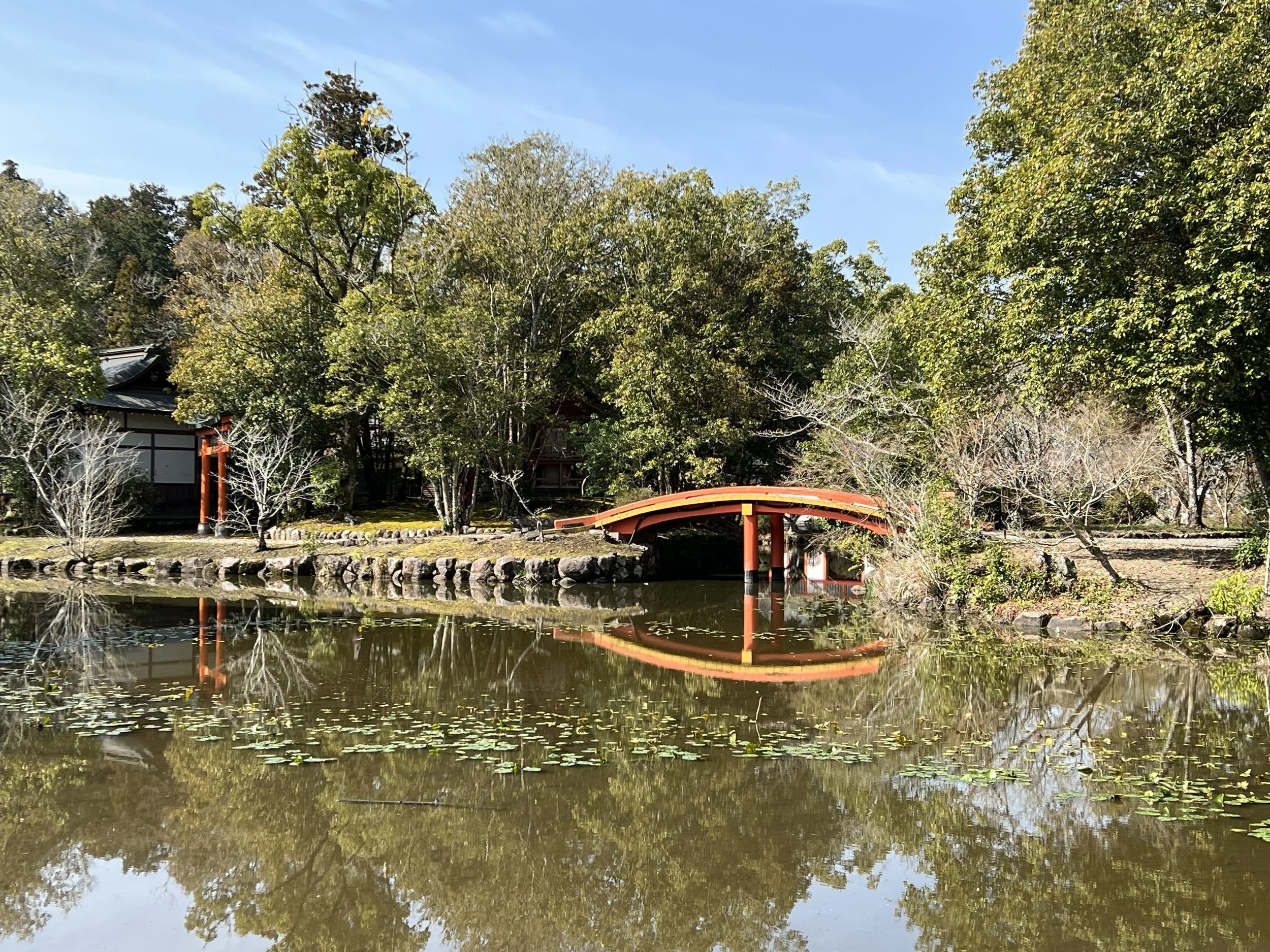
Usa Shrine is a bit out of the way from Usa Station, and while I had prepared myself for the roughly 4 km walk, I was fortunate that the bus schedule aligned well with my arrival. Once dropped off near the shrine, the scale of the grounds was immediately apparent. Even reaching the first torii gate required a short walk, and from there, the paths continued to unfold deeper into the forest. As I wandered through the wide, tree-lined grounds, I came across Hishigata Pond. In summer, this pond is famously covered in lotus flowers, drawing many visitors, but even in winter it was calm and atmospheric.
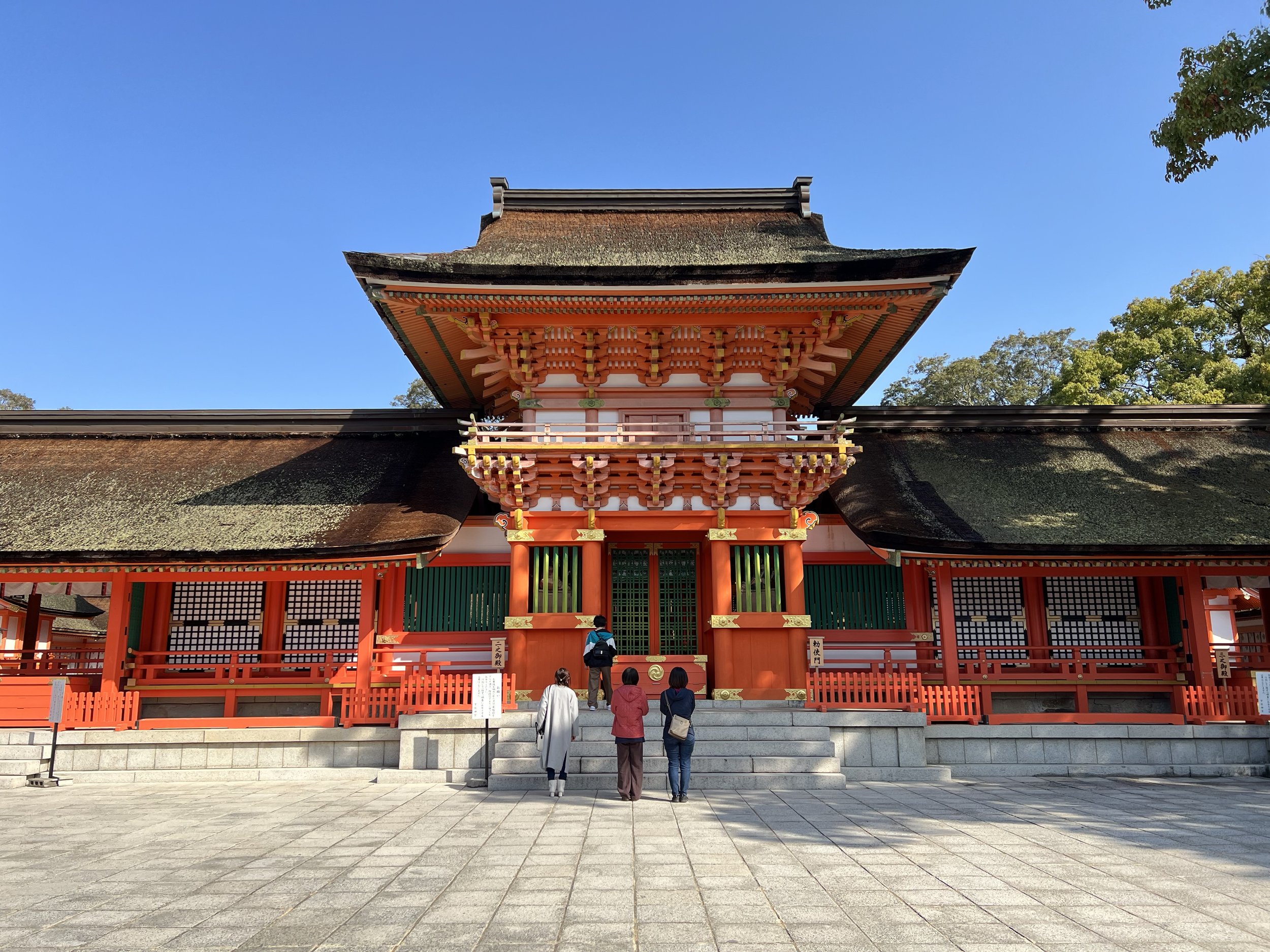
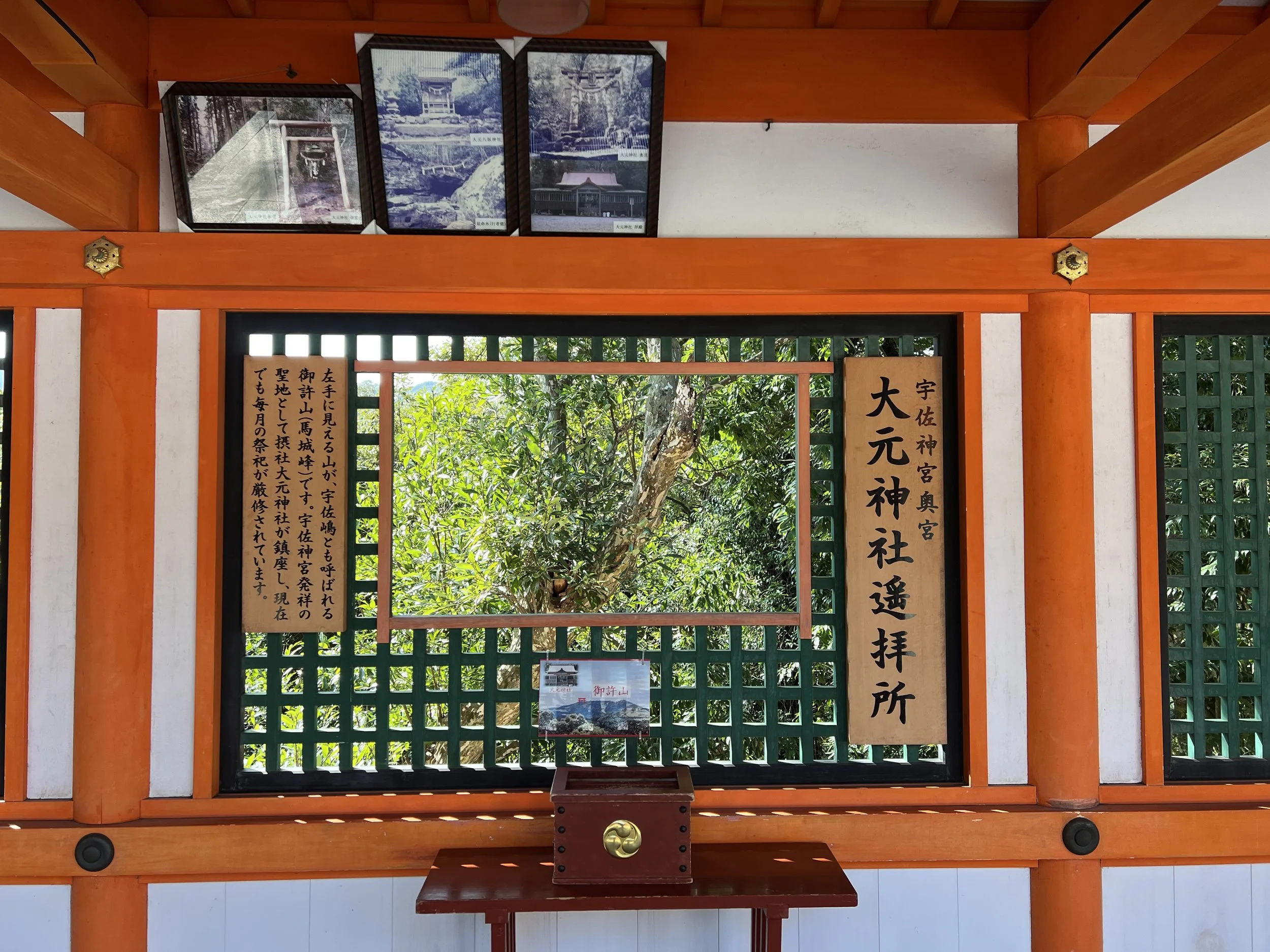
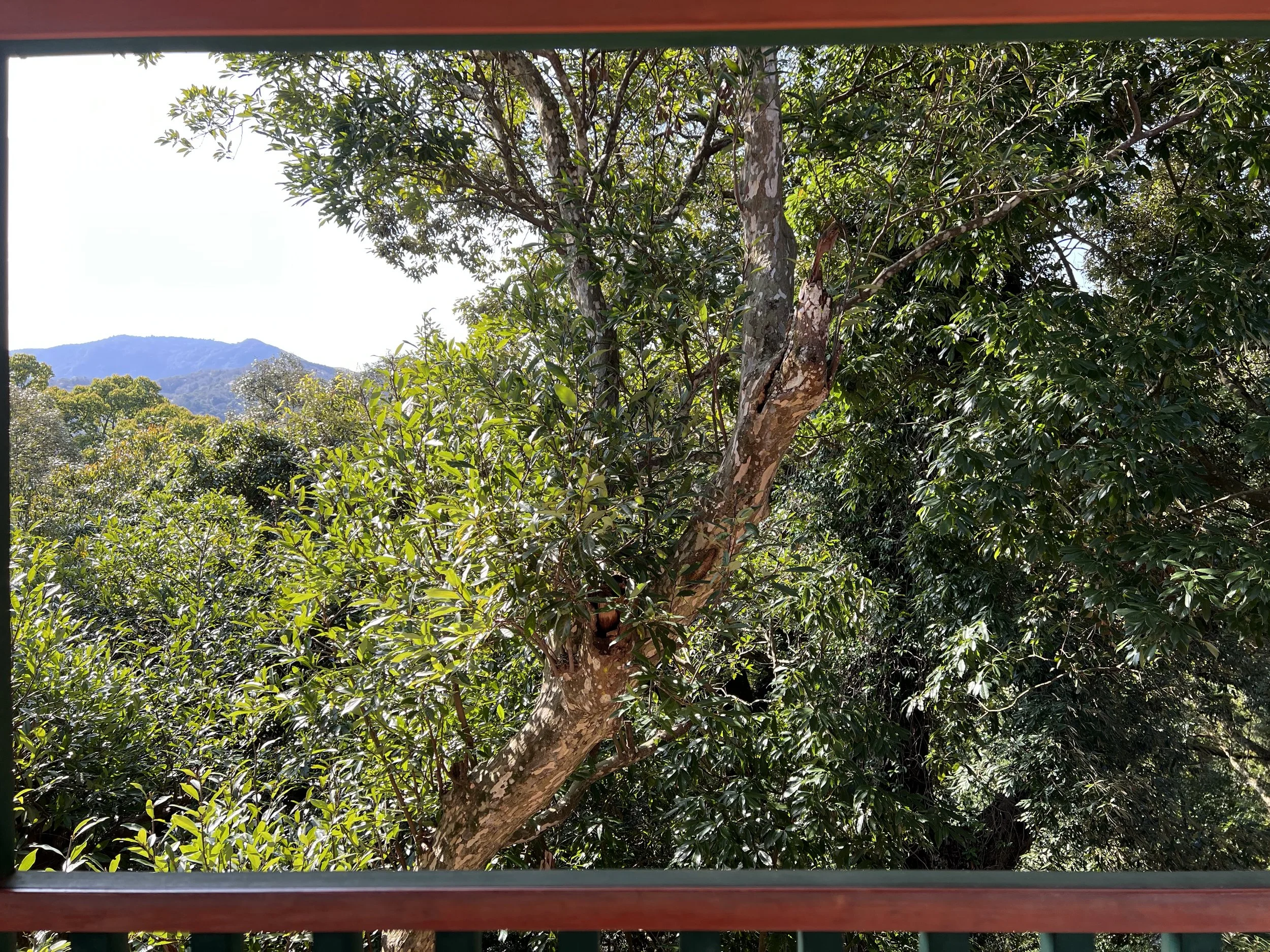
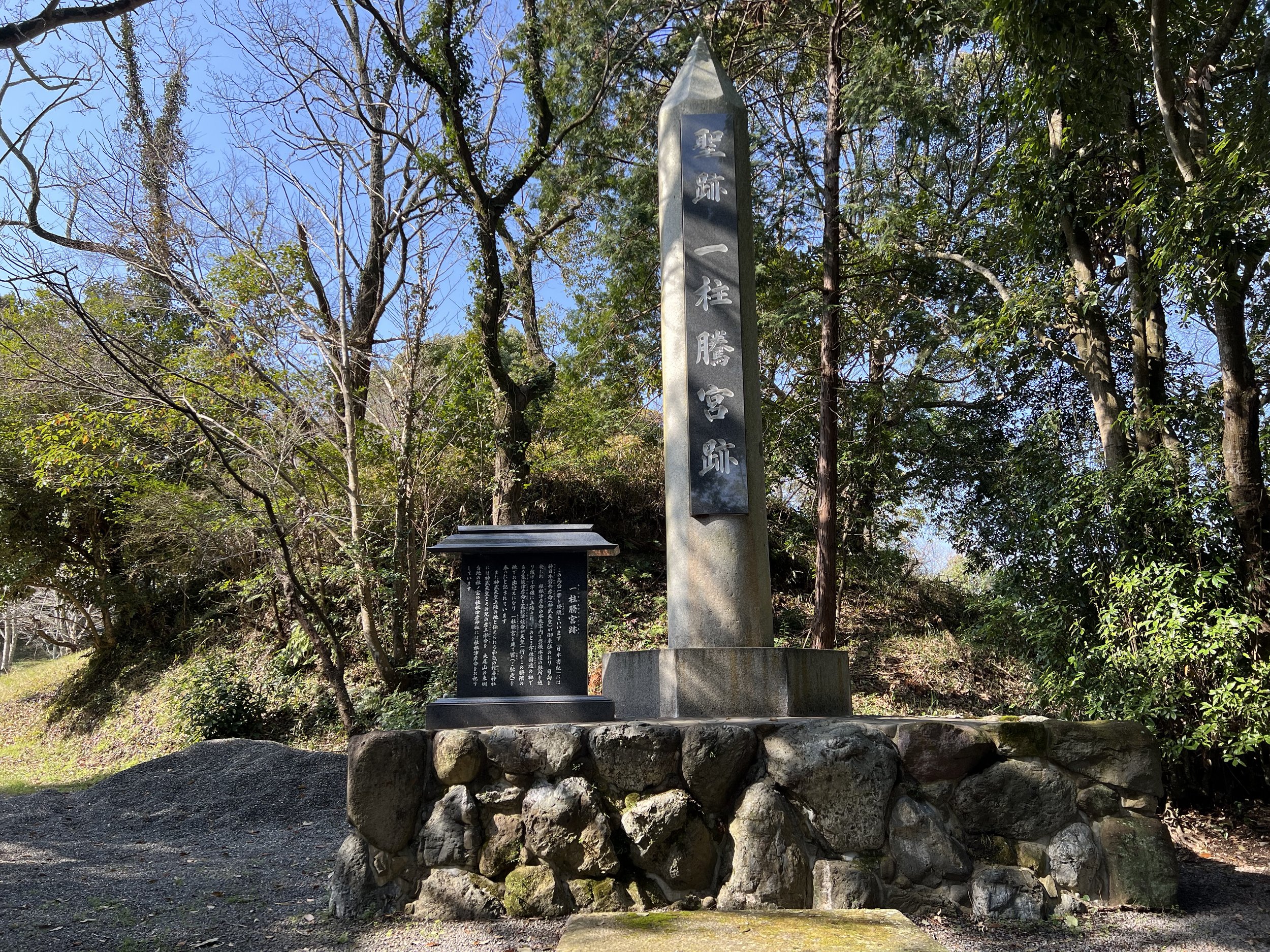
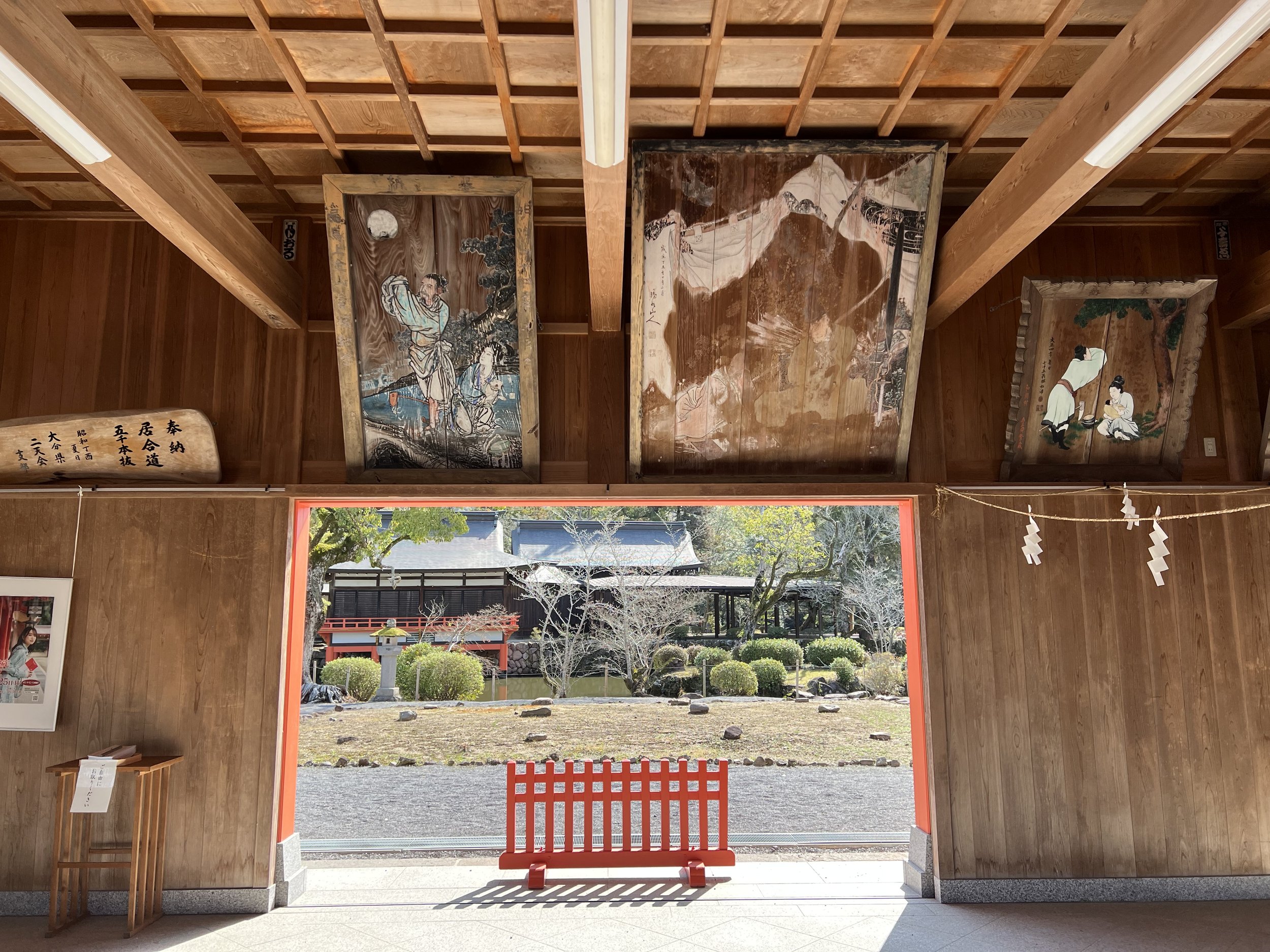
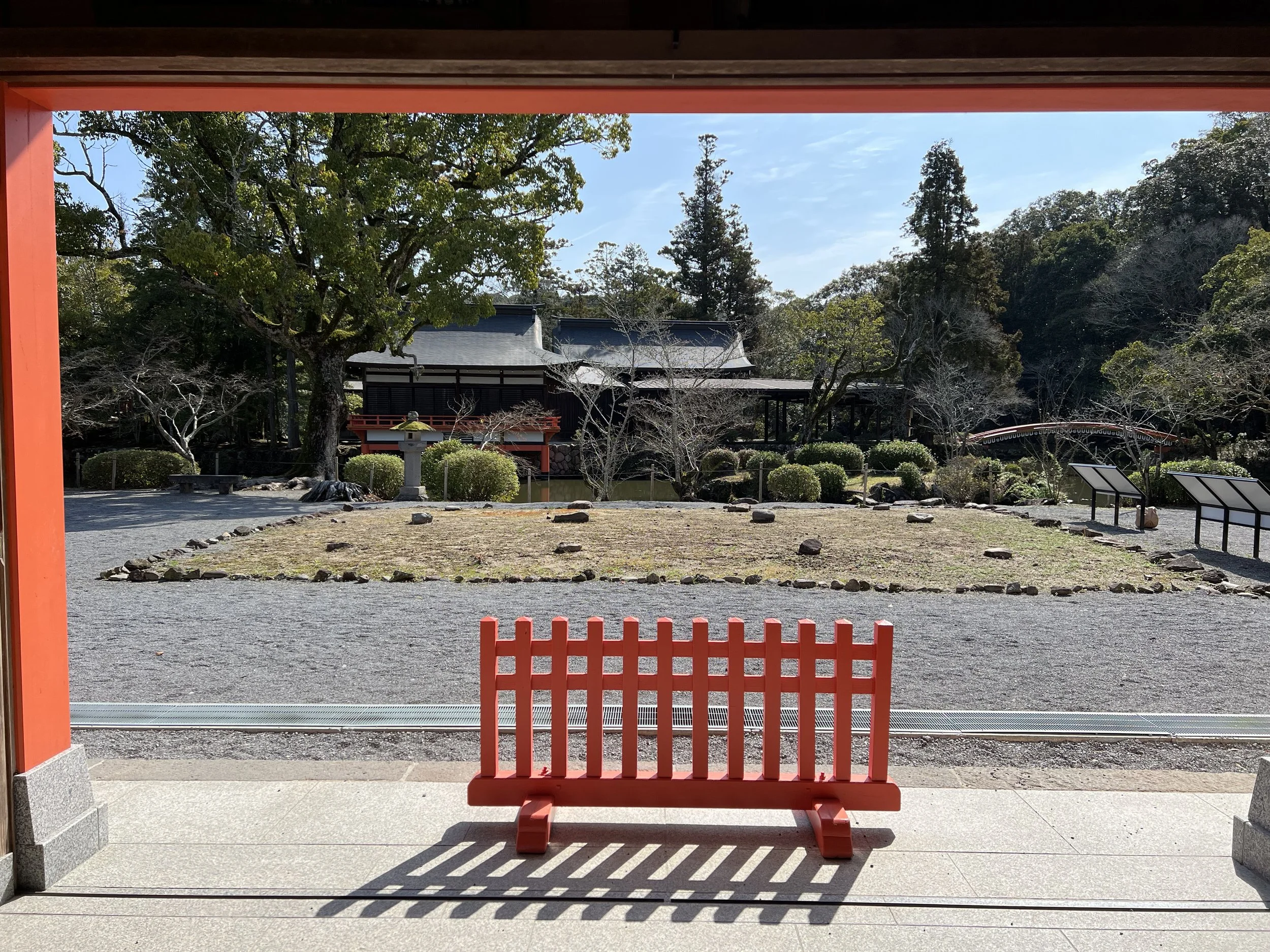
I made my way up the stone steps toward the upper shrine, surrounded by towering trees that made the ascent feel both serene and solemn. The climb would certainly be challenging for elderly visitors, wheelchair users, or those with strollers, though I learned that a monorail operates to assist visitors—though I didn’t encounter its lower station along the main approach. At the top, several prayer areas are arranged across the grounds. One spot that stood out to me was the remote prayer area for Omoto Shrine. The actual shrine lies deep within the forested mountains and usually requires a proper hike to reach. This area is also known as a training ground for monks. From the designated window frame at the prayer spot, I tried to glimpse the distant shrine, even though I was told it’s not usually visible.
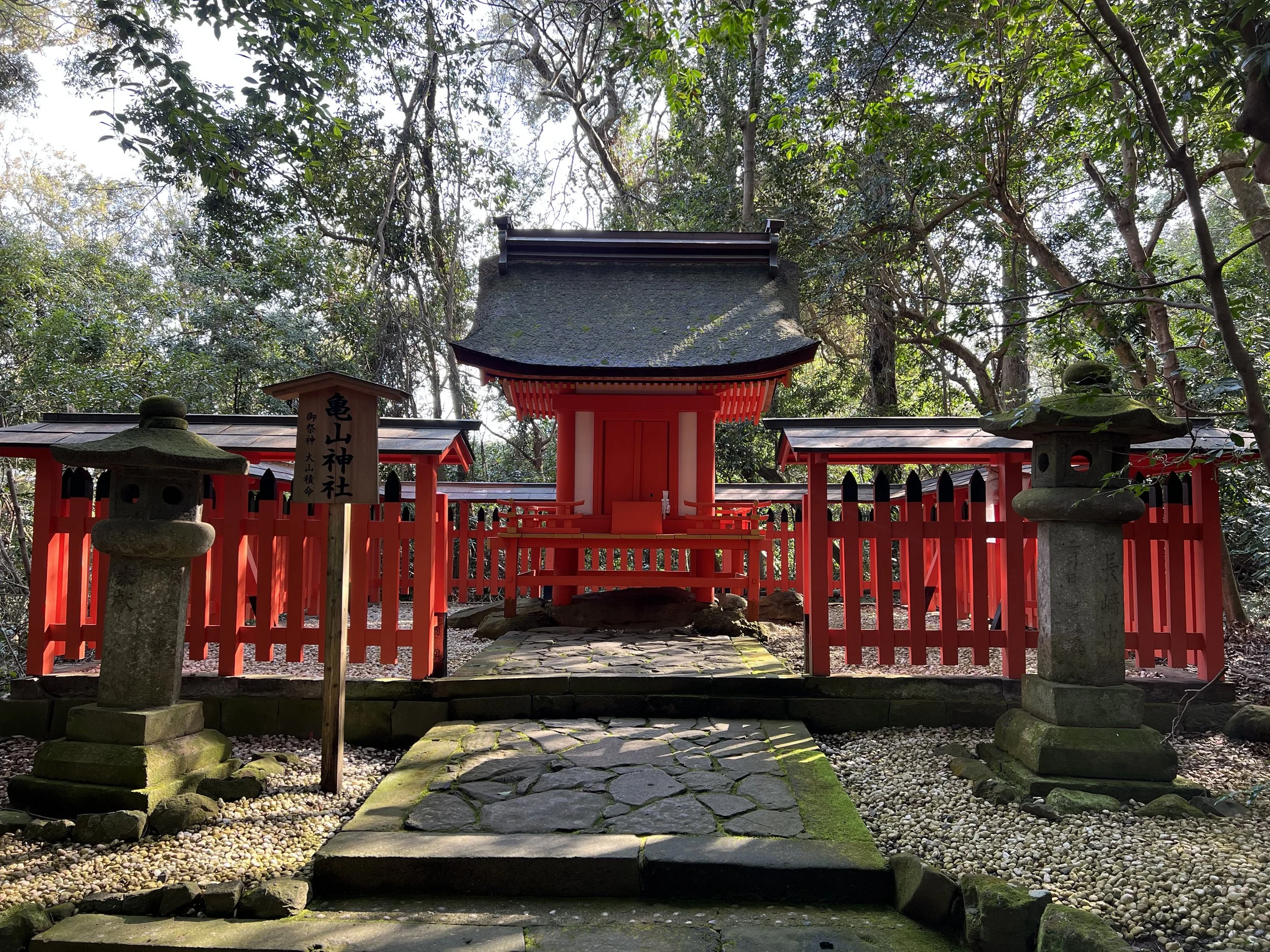
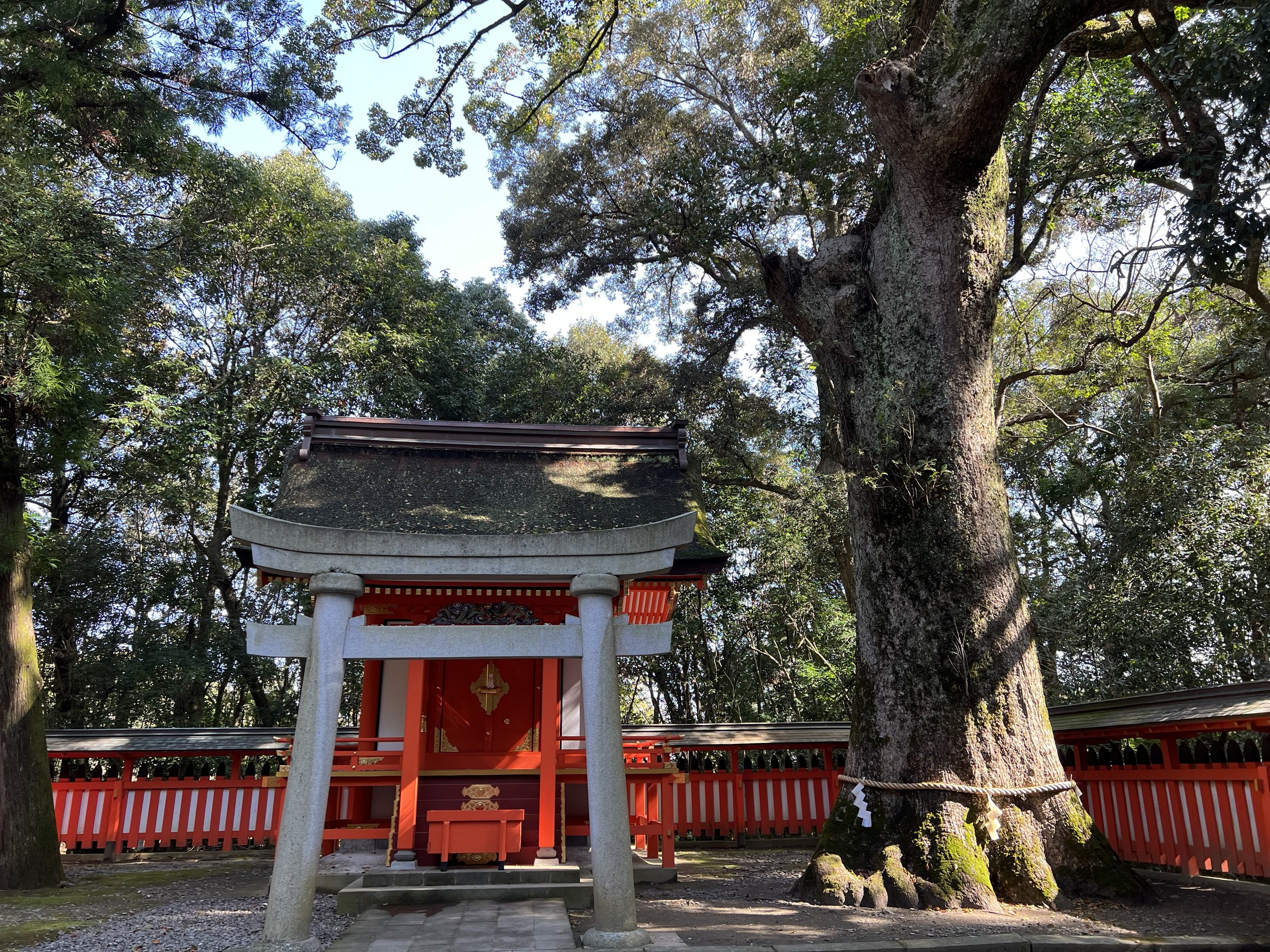
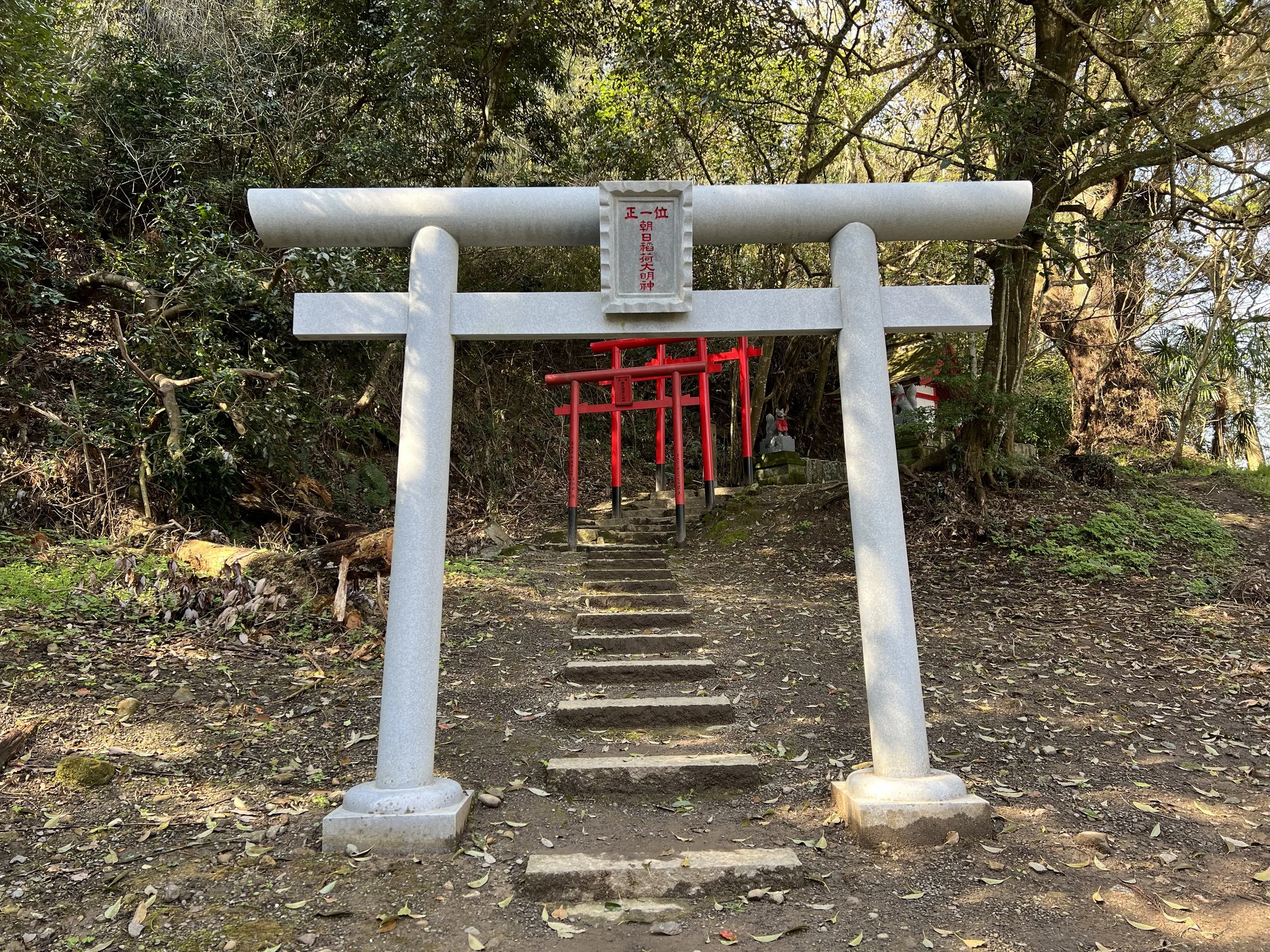
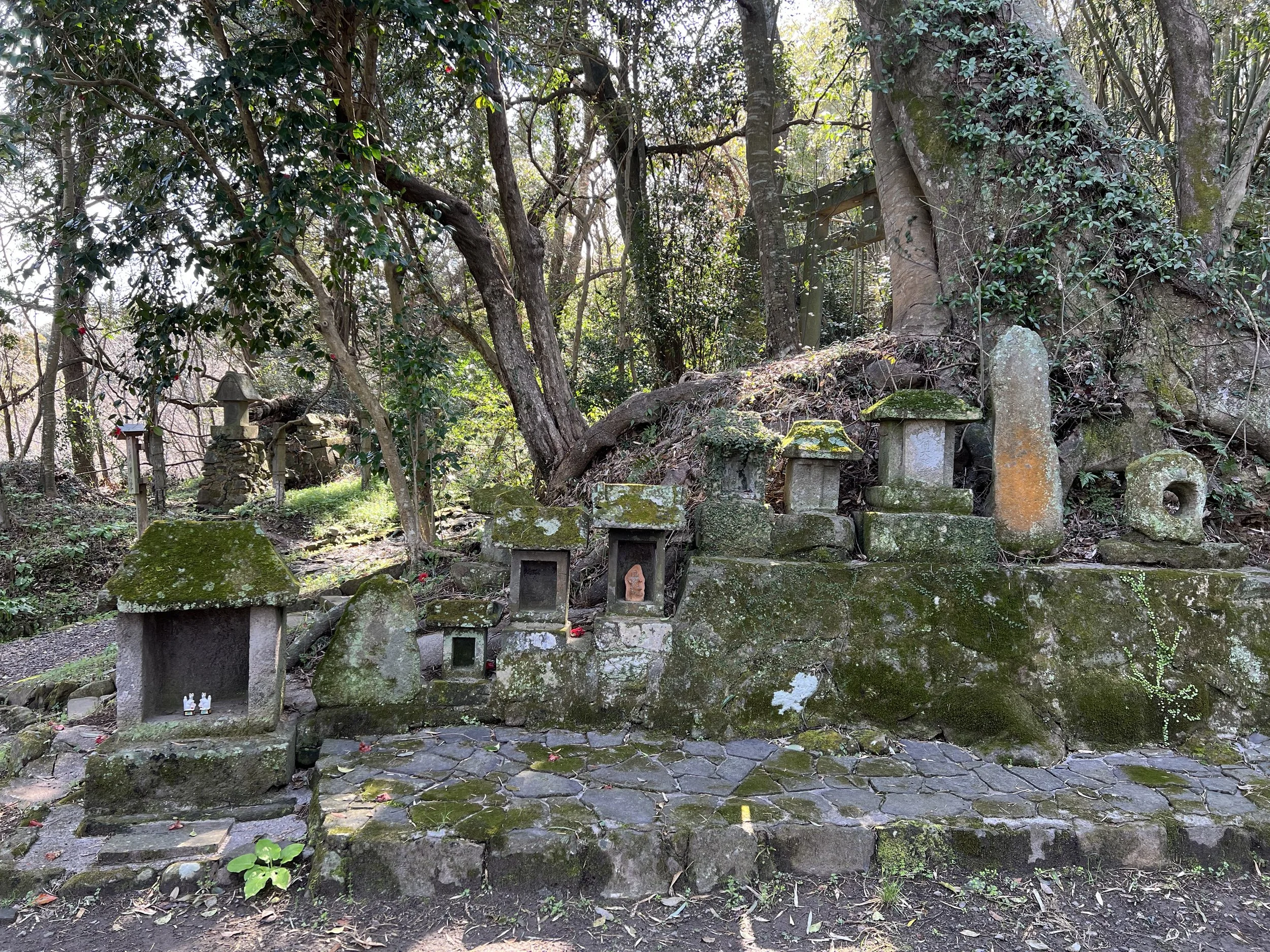
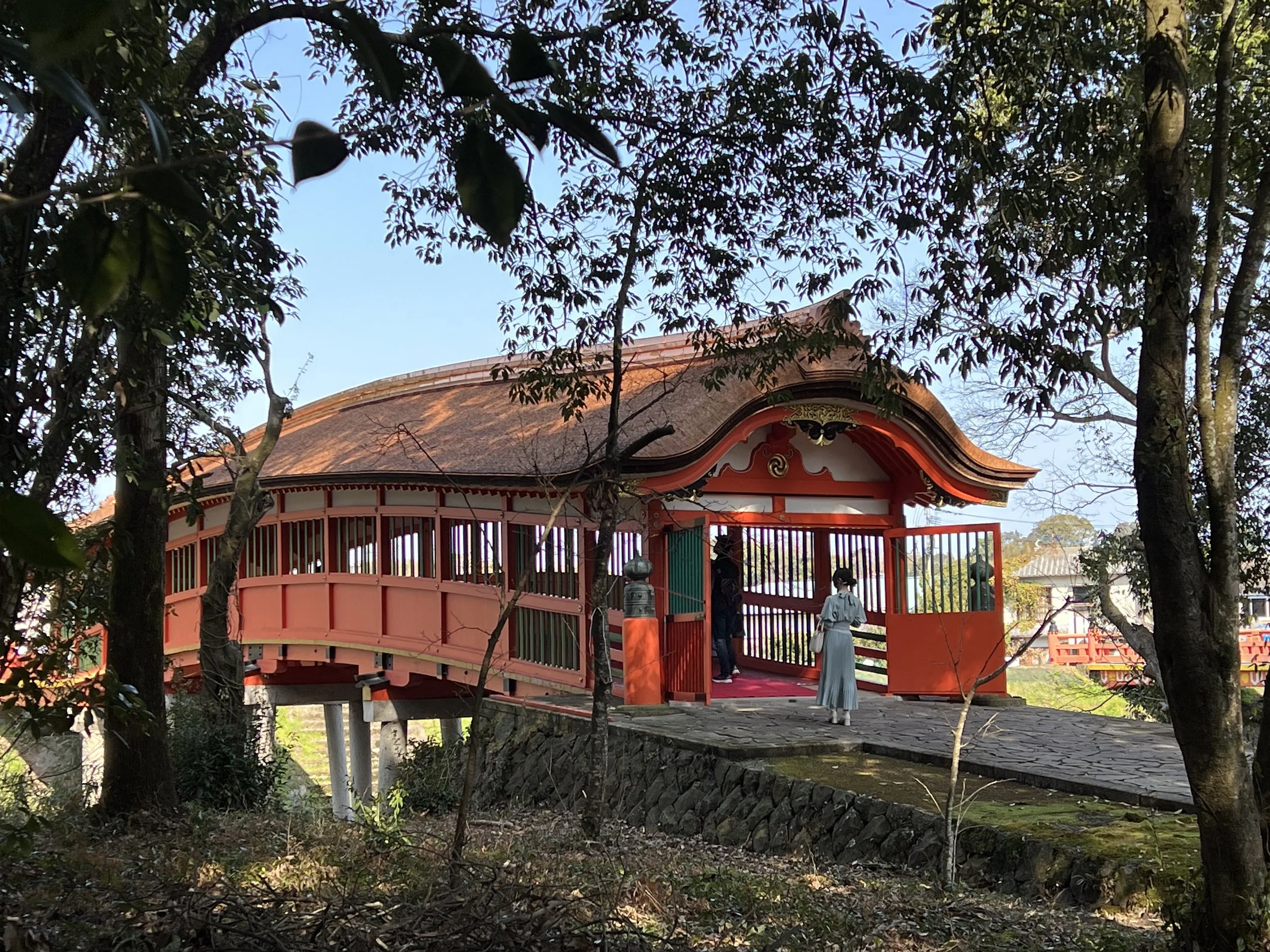
After paying my respects at the upper shrine, I followed the path downward toward the lower shrine. The route passed smaller subsidiary shrines and remnants of old temple structures, making the walk feel like a journey through layers of history. Eventually, I reached Kure Bridge—a striking wooden bridge with a thatched roof. Originally dating back to the Kamakura period (1185–1333), the bridge has been rebuilt multiple times, most notably in 1622, and again during the 1930s and 1950s. It’s normally closed to foot traffic and only opened during special festivals, typically once every decade. I spent some time circling the area, taking photos from different angles.
I eventually wandered back toward Hishigata Pond and followed the trails nearby. Sitting by the water for a while, I watched visitors feeding the koi, tossing feed from side to side as the fish darted eagerly after it. It was a simple, peaceful moment that contrasted nicely with the grandeur of the shrine itself. When I checked the bus schedule and saw that the next bus wouldn’t arrive for another 45 minutes, I decided to walk back to Usa Station instead, enjoying one last quiet stretch through the town.
History & Background
Usa Shrine (宇佐神宮) is the principal shrine of the Hachiman faith, which venerates Hachiman as the god of war, protection, and the guardian deity of Japan. Established in 725, the shrine played a significant role in both religious and political history, particularly through its close ties to the imperial family and samurai class. The shrine complex is divided into upper and lower sections, an uncommon layout that reflects its ancient origins. Over centuries, Usa Shrine has been regarded as a spiritual power spot and a centre for religious training, with its surrounding mountains historically used by monks for ascetic practice.
Getting There
Usa Shrine can be reached from JR Usa Station by local bus, with services stopping near the shrine entrance. While buses are the most convenient option, schedules can be infrequent, so it is worth checking departure times in advance. Walking from Usa Station is also possible and takes approximately one hour at a relaxed pace, passing through quiet town streets before reaching the shrine grounds. For a faster and more comfortable alternative, taxis are readily available outside JR Usa Station and can reach the shrine in about 10 minutes, making them a practical choice for travelers with limited time, heavy luggage, or those visiting outside peak bus hours.
Route Overview
Distance: 7.4 km (Usa Shrine → Usa Station)
Total elevation gain: 68 m
Duration: 1 hr 39 min (with breaks 1 hr 47 min)
Difficulty: Easy
Cost Breakdown
Train: Oita Station → Usa Station — ¥3,030
Bus: Usa Station → Usa Jingu — ¥240
Food: ¥385