Kitsuki Castle - Oita, Japan
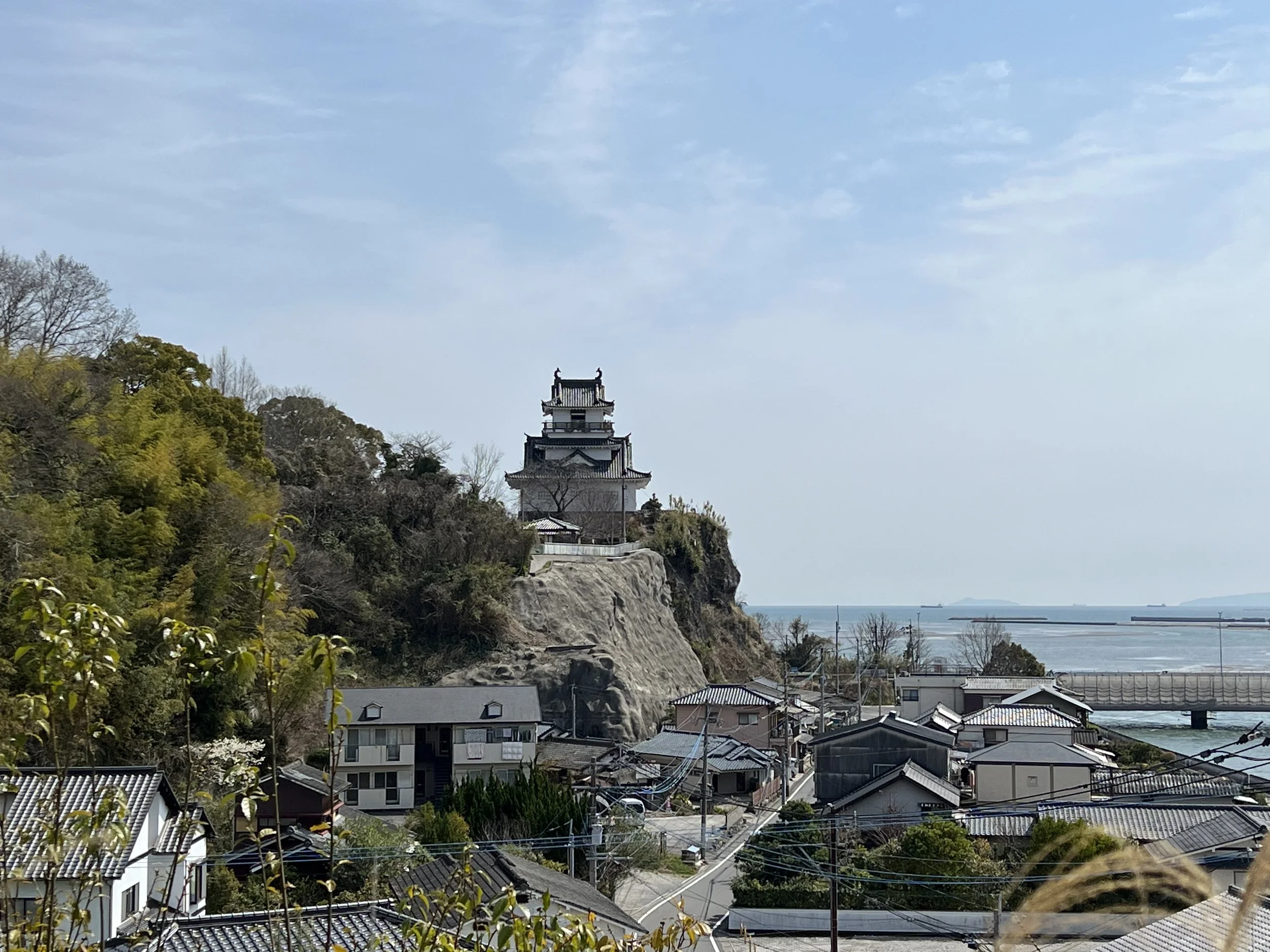
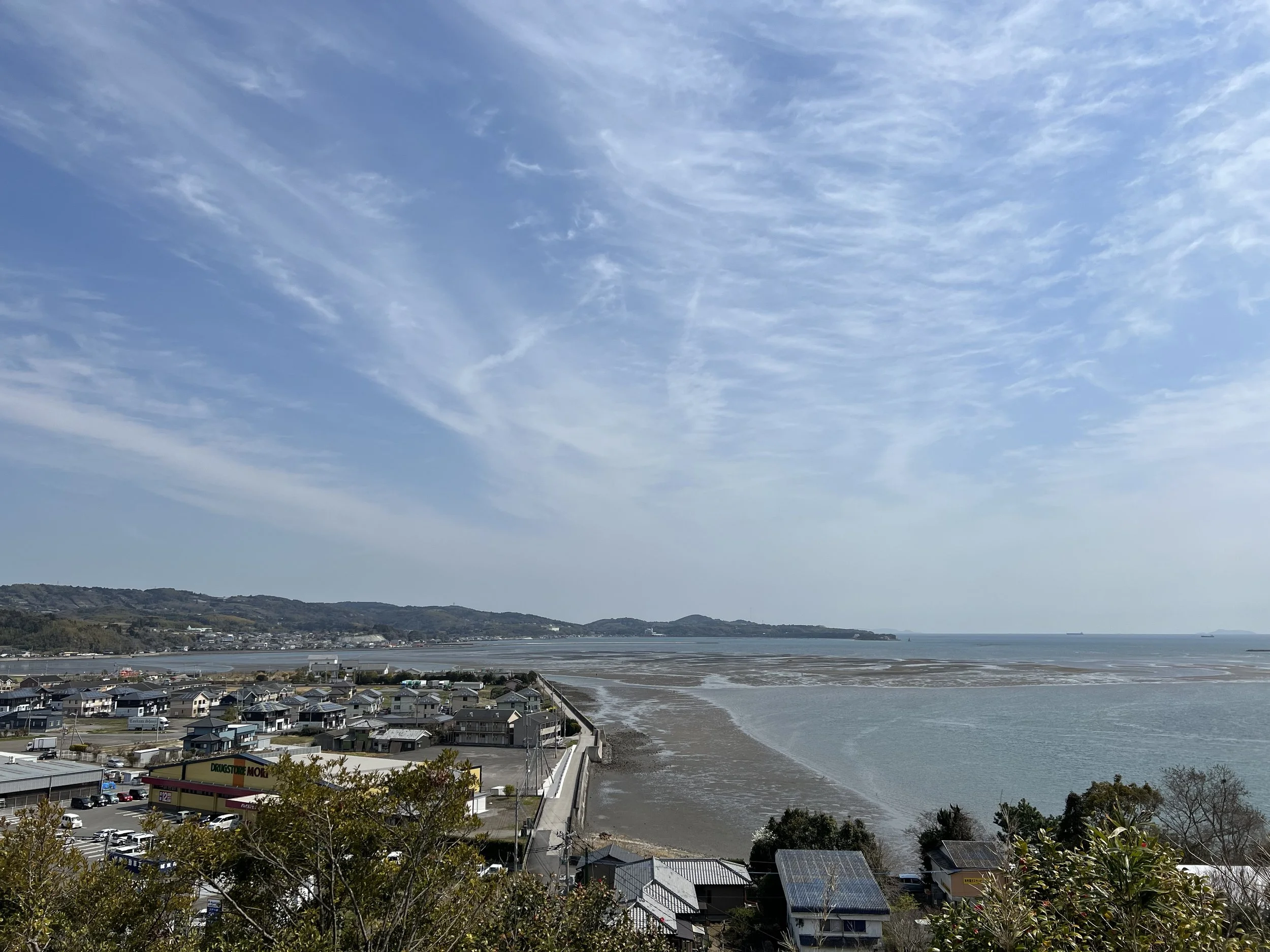
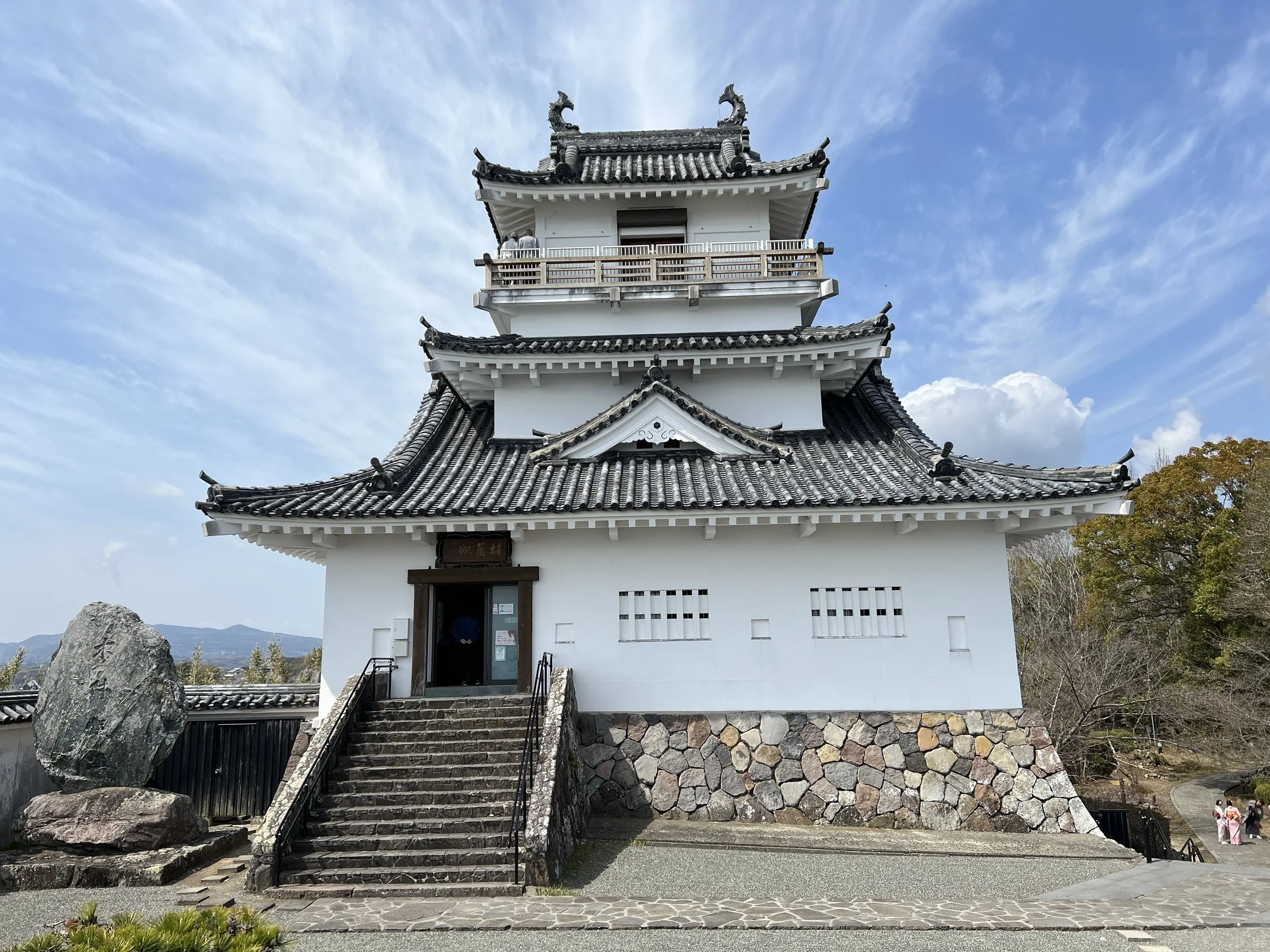
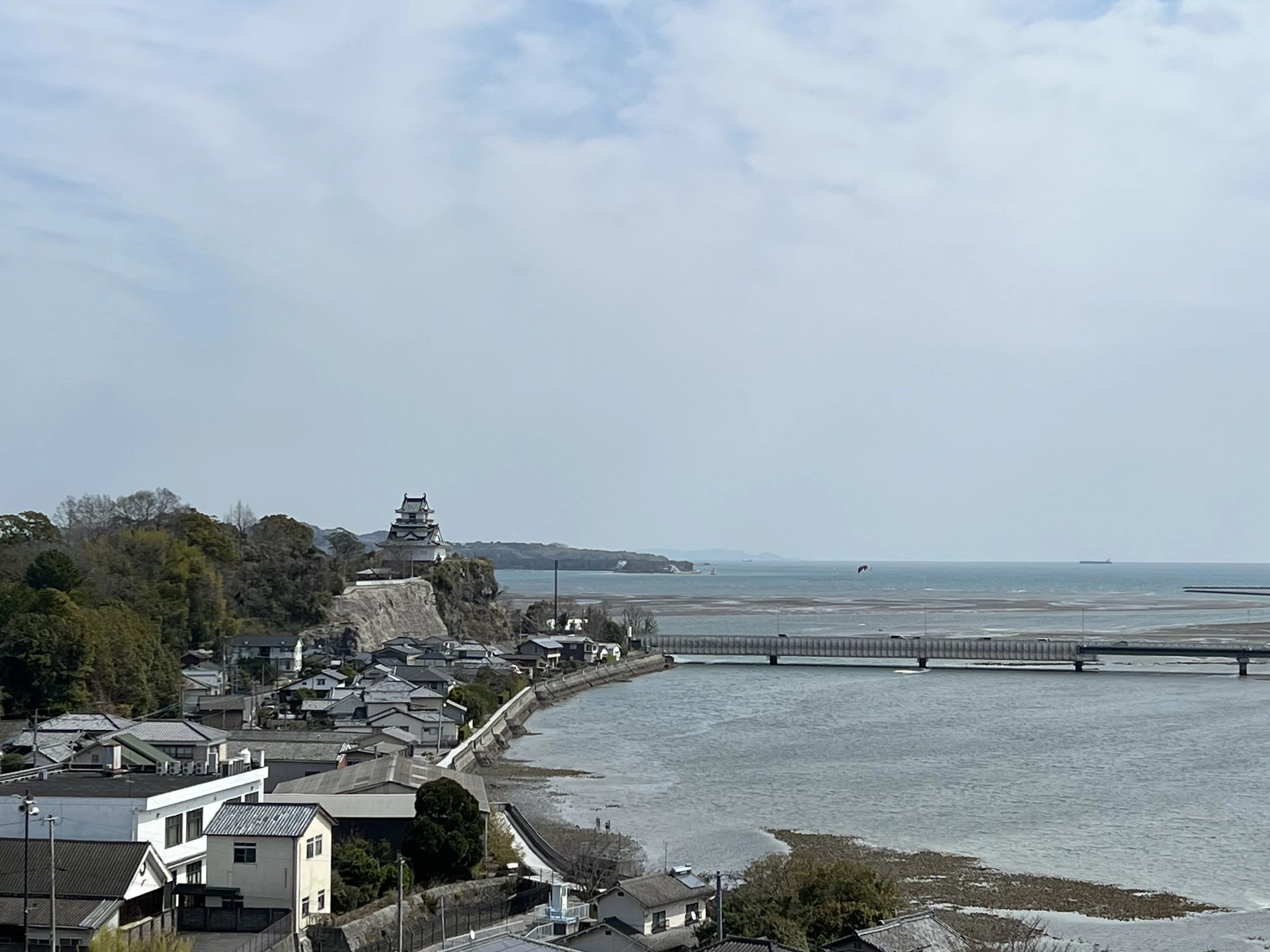
Kitsuki Castle sits on a small hill between the Yasaka River and the Koyama River, overlooking a town that feels quietly suspended in time. I made the trip here as part of a wider effort to explore more of Oita Prefecture, and Kitsuki immediately stood out—not just for its castle, but for its remarkably well-preserved castle town atmosphere.
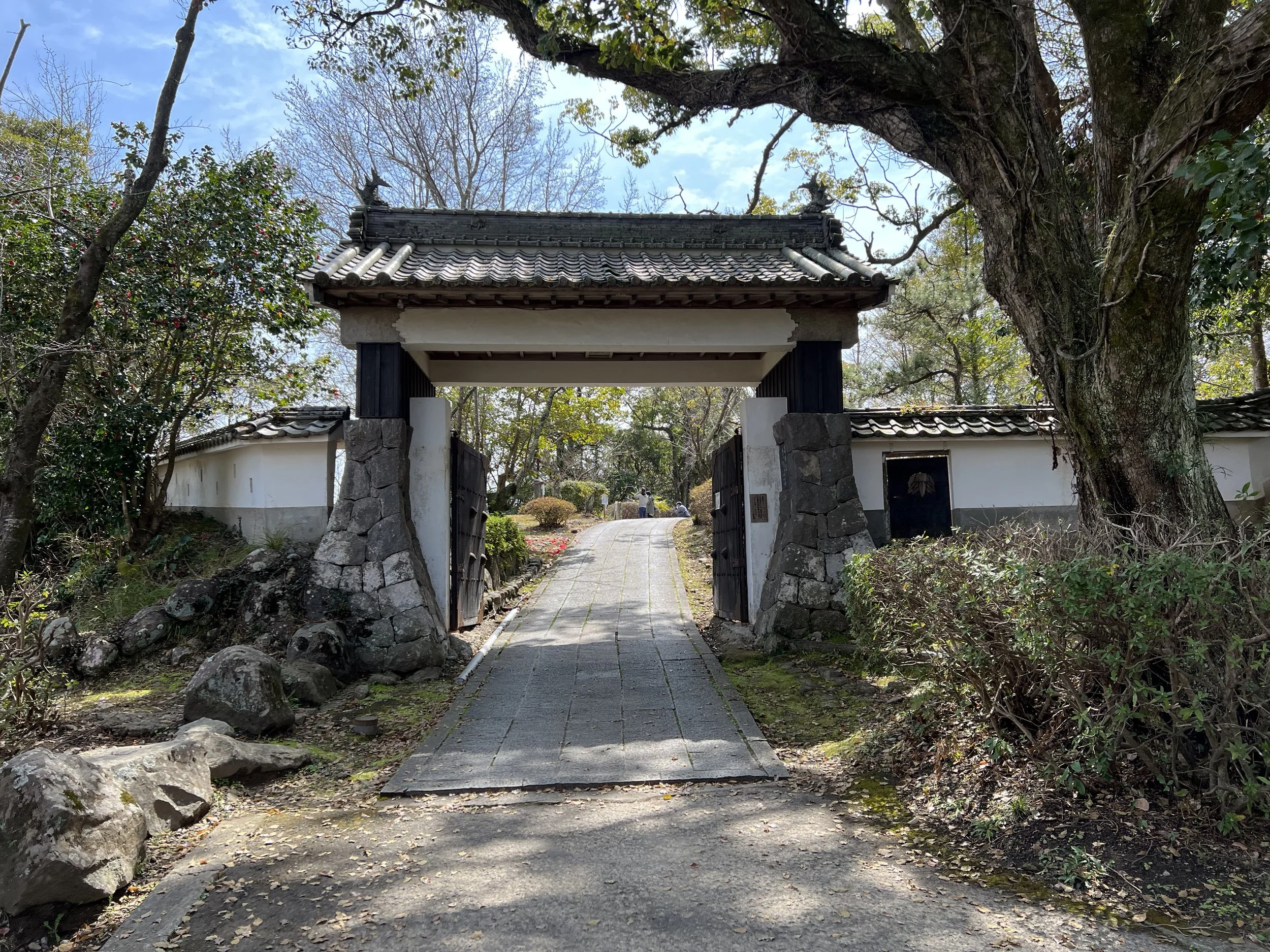
From the Kitsuki Bus Terminal, I walked toward the castle through Shiroyama Park. The path gently slopes upward, and as I climbed, the view gradually opened up to reveal the castle above and the rivers below. It was a peaceful approach, framed by trees and open space, and stone statues. I took my time wandering around the exterior, taking photos and soaking in the view before heading inside.
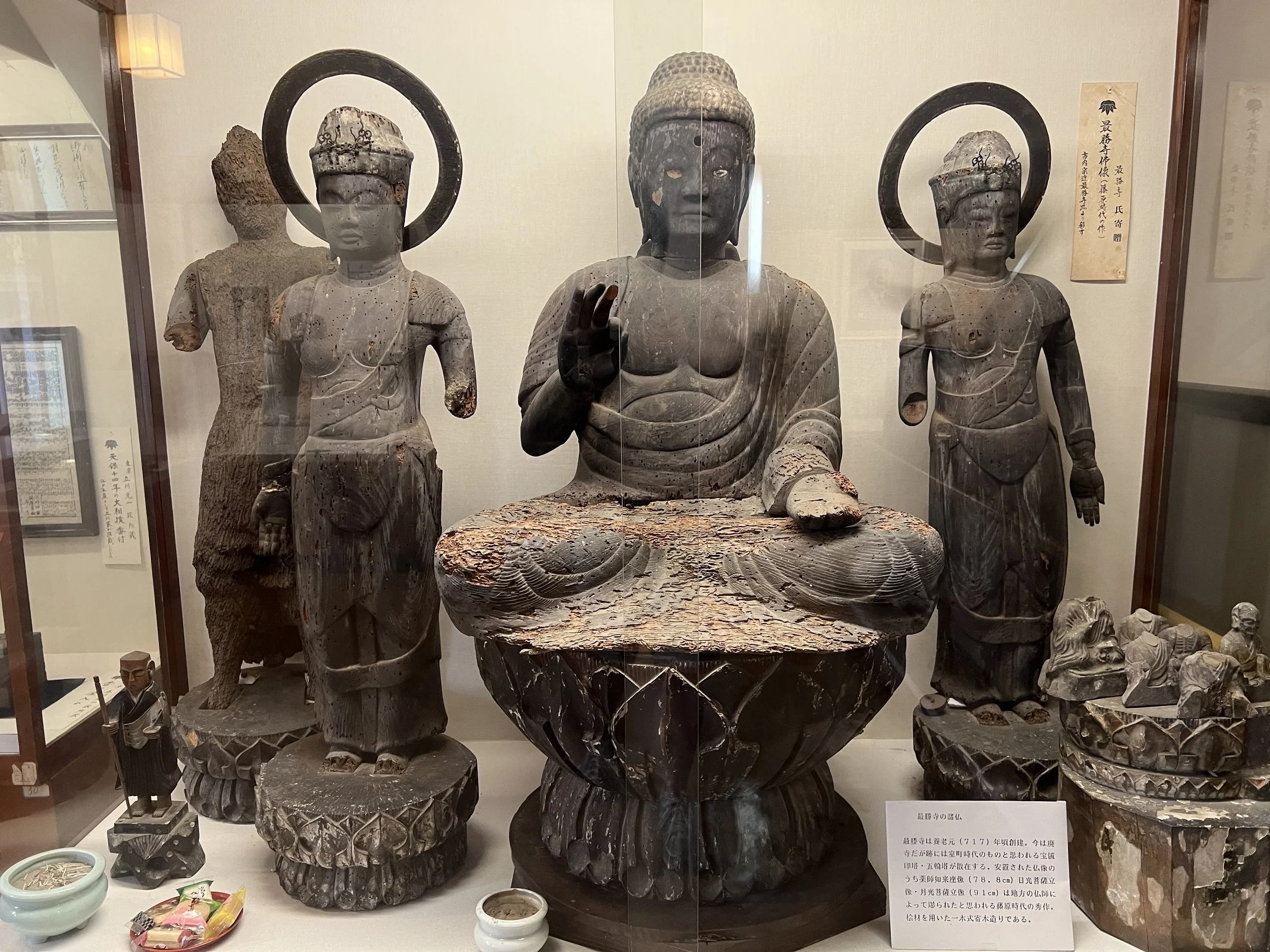
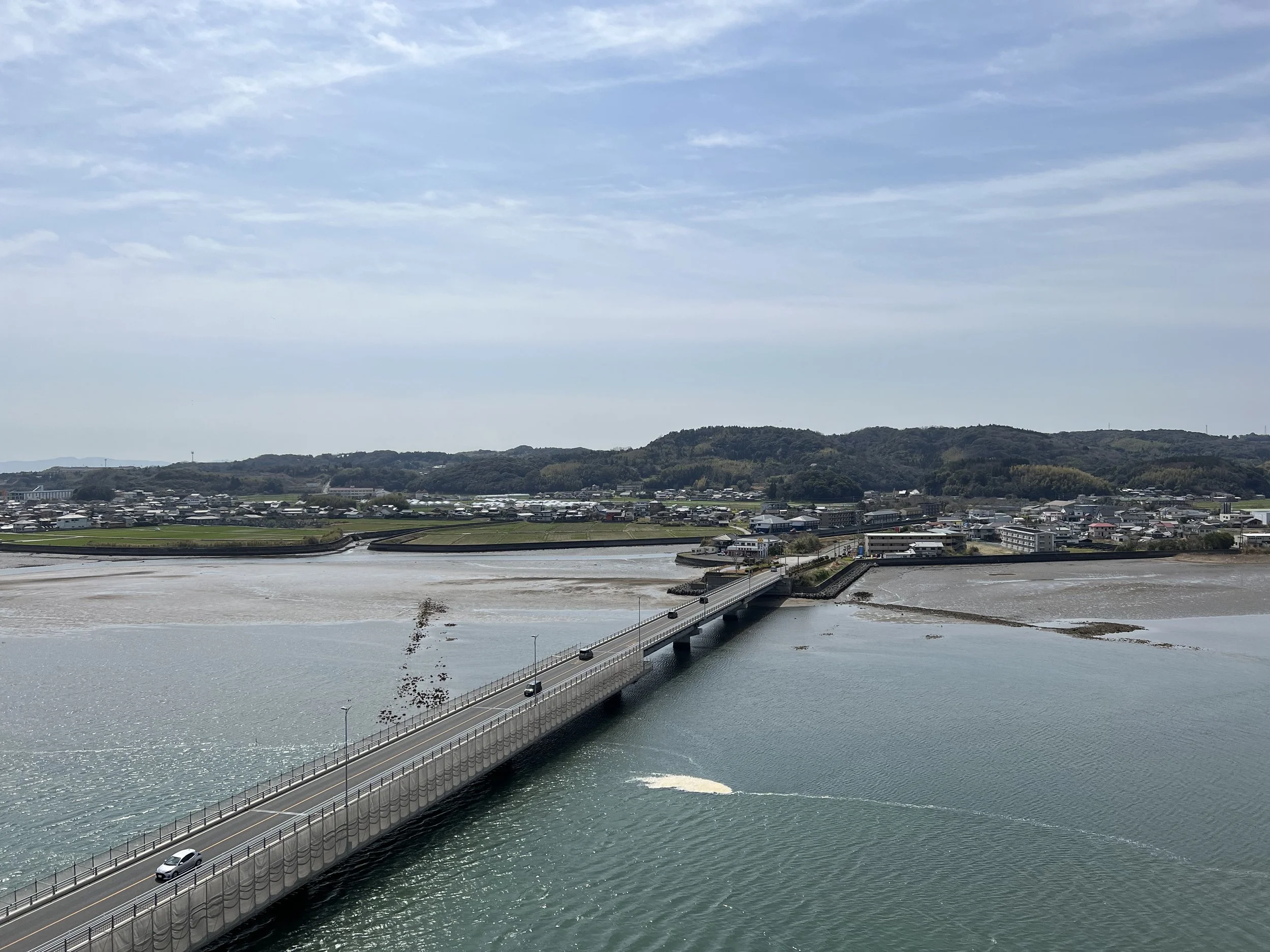
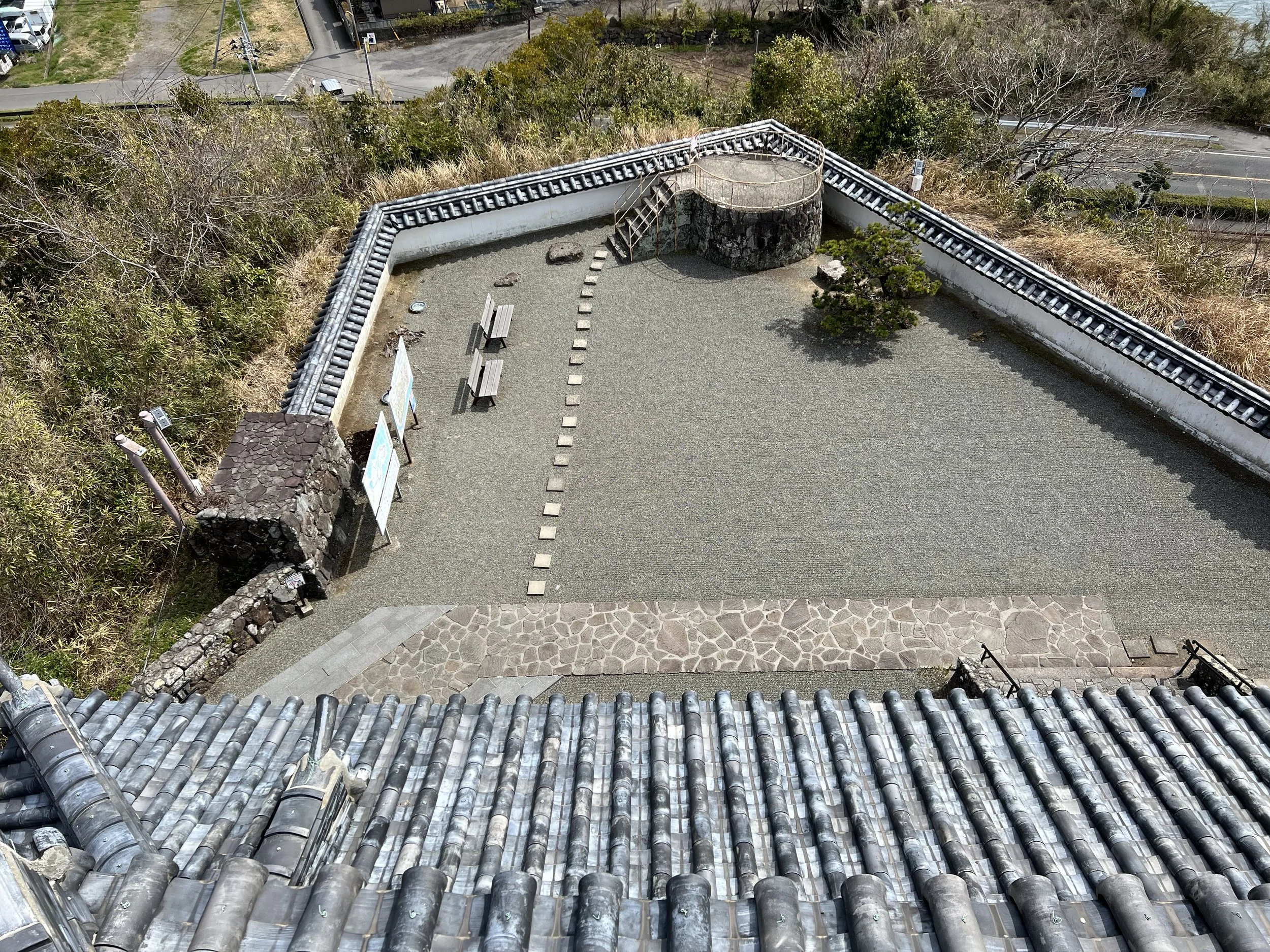
The interior of Kitsuki Castle functions as a small museum. Inside, I found displays of samurai armour, historical artifacts, Buddhist statues, and old maps detailing the layout of the castle town and surrounding area. There were no other visitors during my visit, which gave me the freedom to linger and study the details—especially the craftsmanship of the armour and the hand-drawn maps that showed how the town once functioned. Making my way up to the observation deck, I was rewarded with sweeping views of the rivers below and Kitsuki Bridge. From above, I could even see people kite surfing near the water, making it an unexpectedly lively scene from such a historic setting.
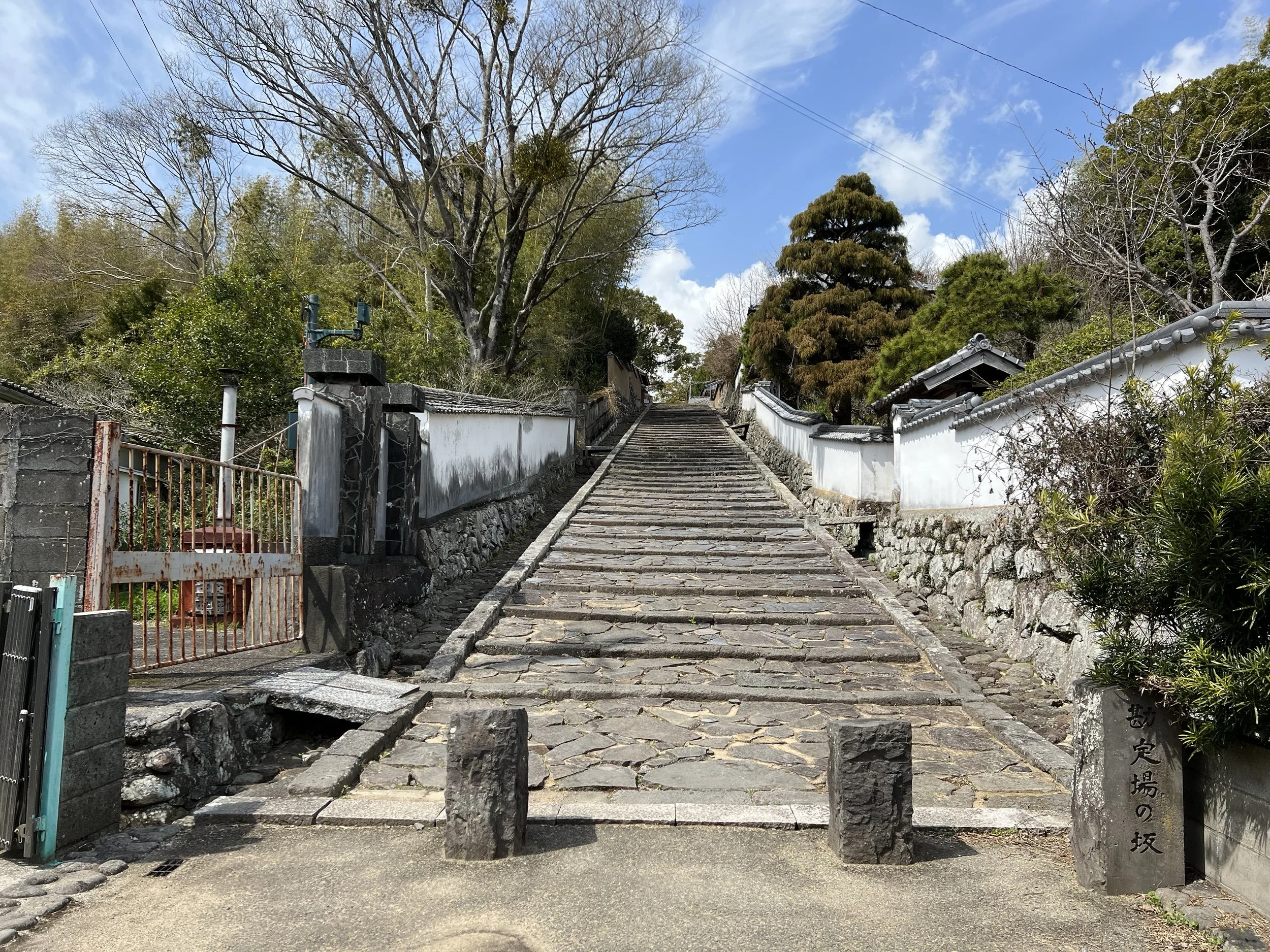
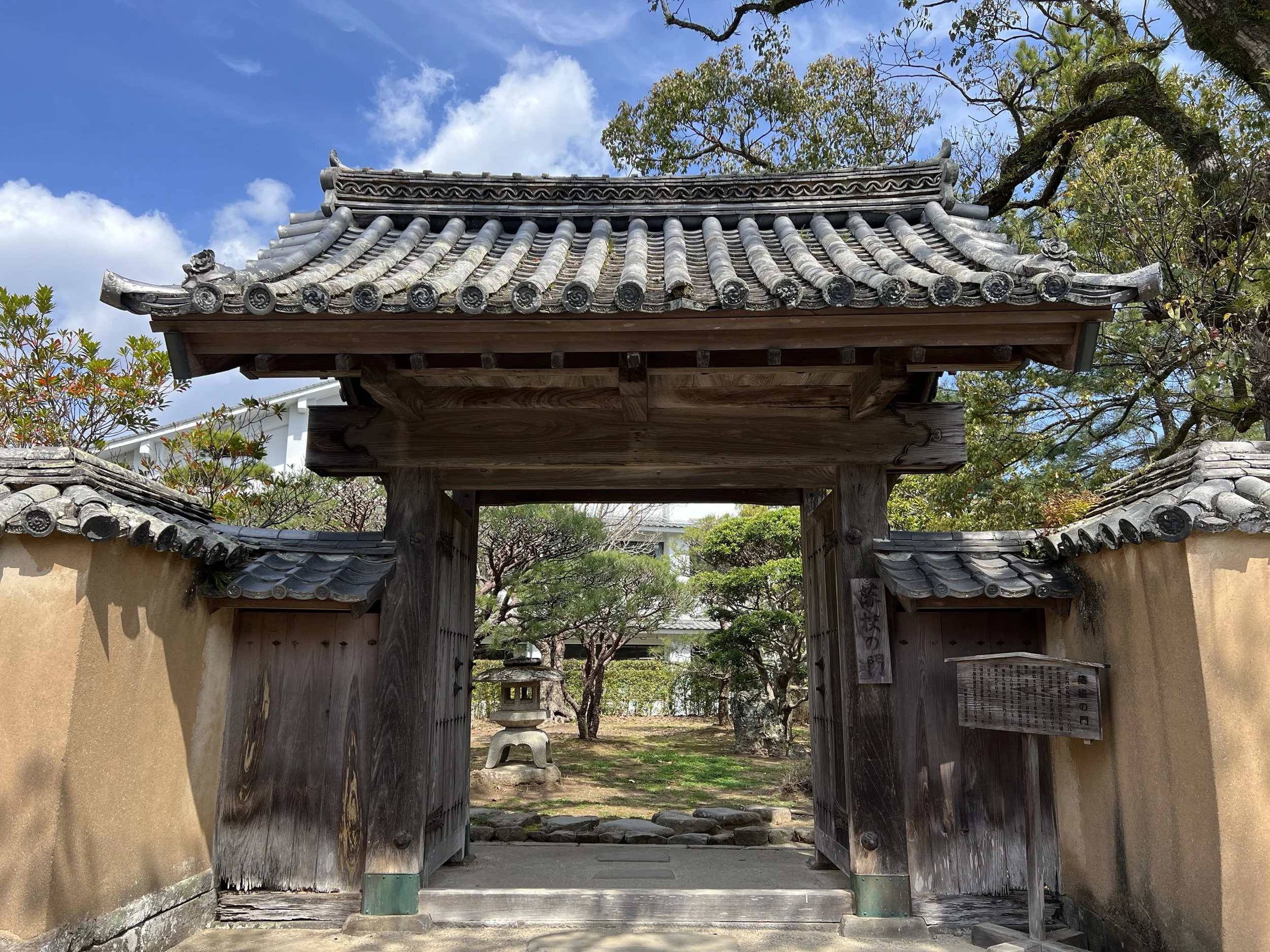
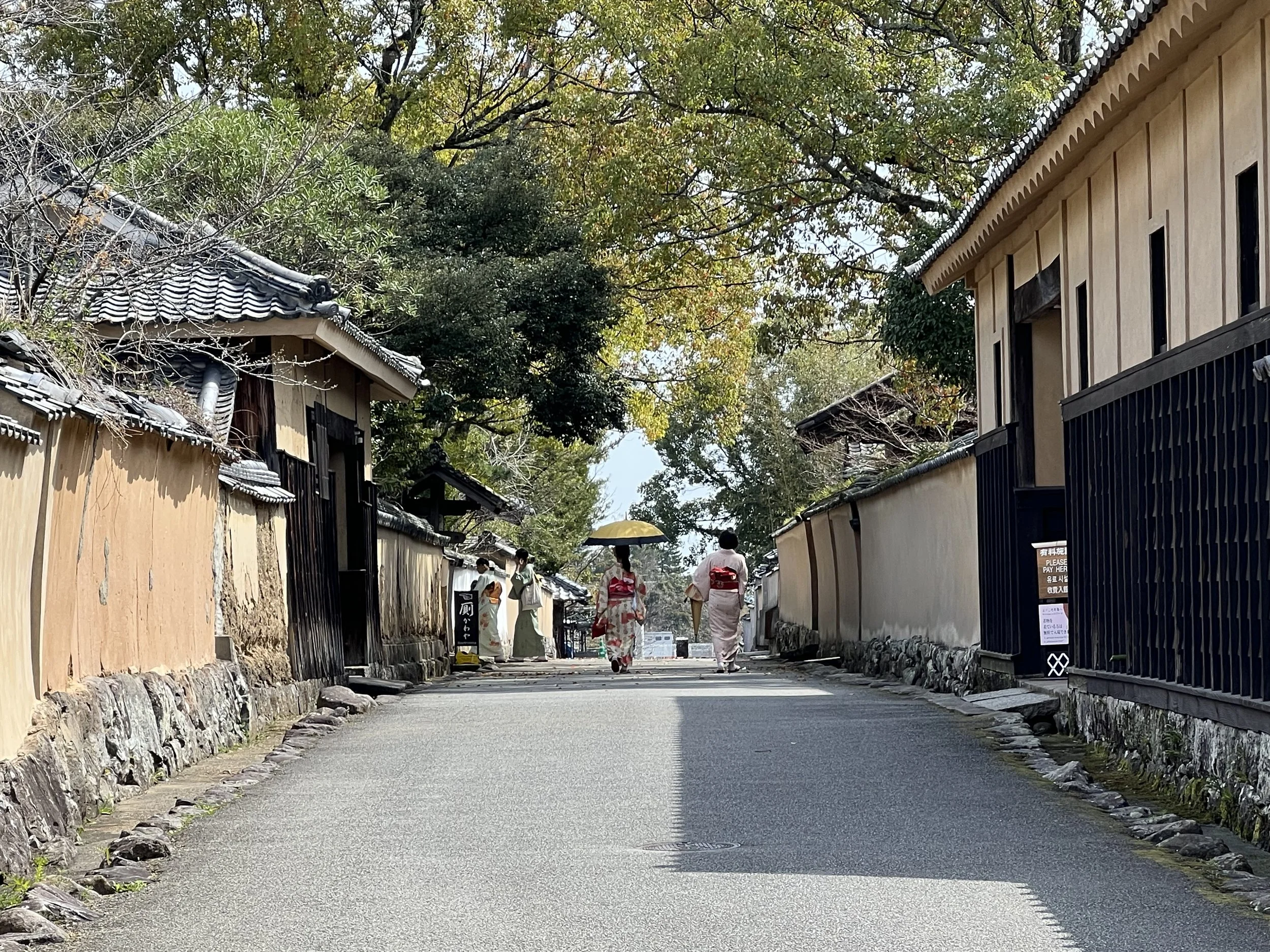
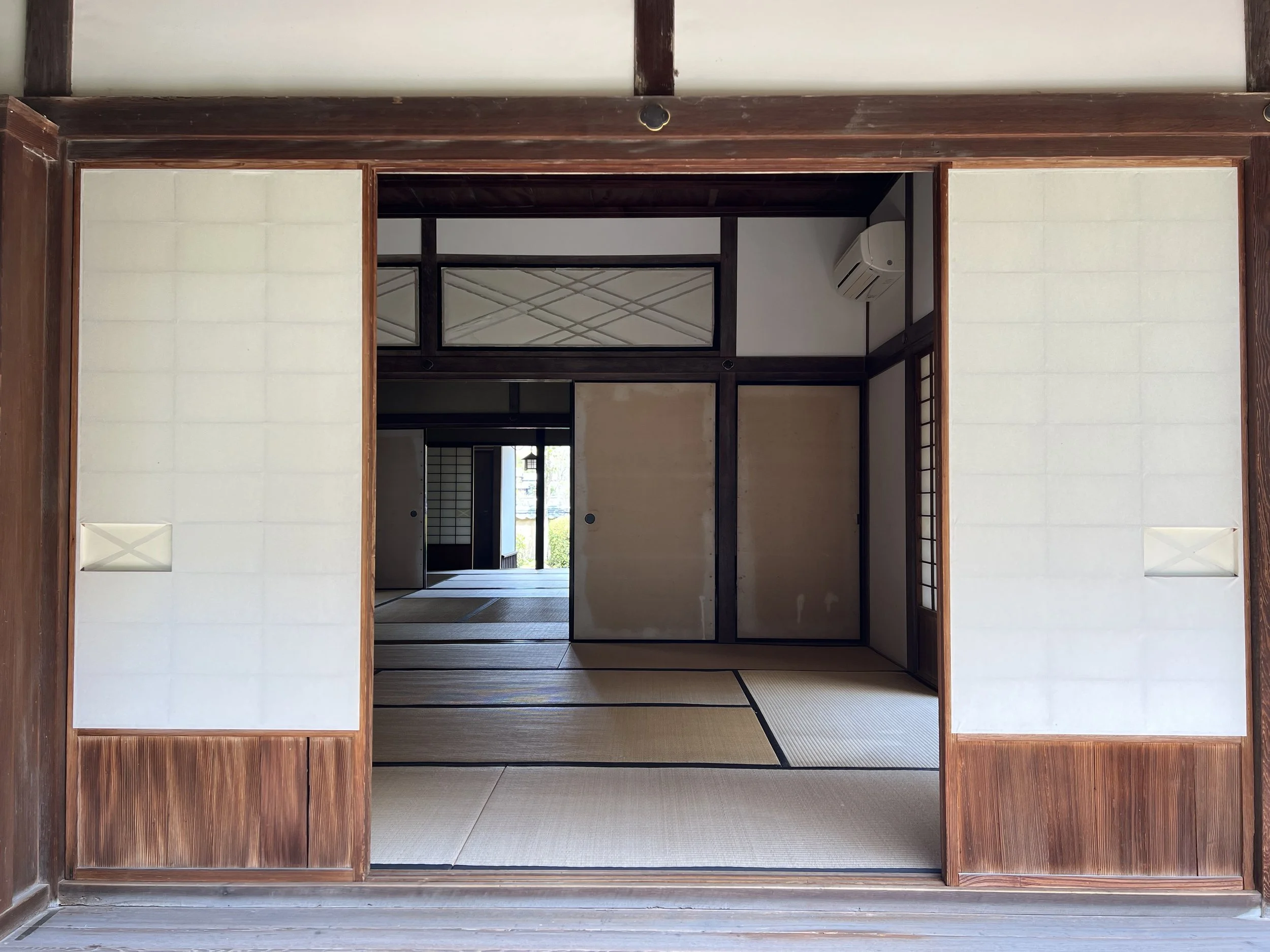
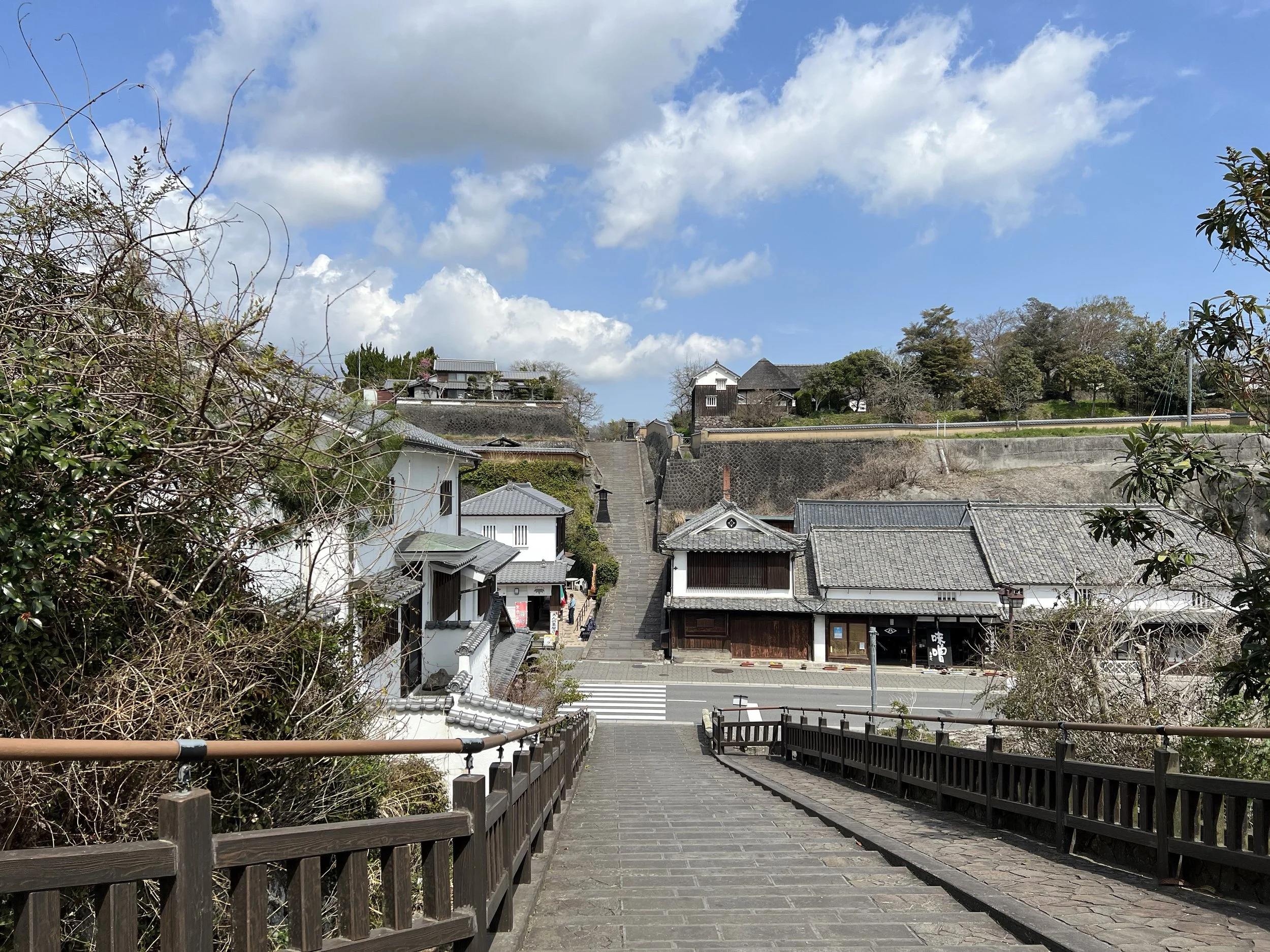
After finishing my visit to the castle, I headed back down into the castle town itself. Kitsuki is often described as one of Japan’s smallest castle towns, but what it lacks in size it more than makes up for in character. The town still retains samurai residences, merchant streets, and museums, all arranged along a series of steep slopes. These slopes weren’t accidental—the design served defensive purposes, widening toward the top and narrowing at the bottom to make it harder for attackers to advance.
Walking through these sloped streets, lined with Edo-period architecture on either side, felt incredibly photogenic. At one point, I crossed paths with two women dressed in kimono, carrying traditional umbrellas as they walked uphill. It felt like a perfectly timed scene, adding even more charm to the setting. I continued exploring, stopping at various viewpoints and side streets, before eventually settling into a small café. There, I enjoyed a traditional Japanese sweet and a drink, which somehow felt especially fitting in such a well-preserved historical town.
History & Background
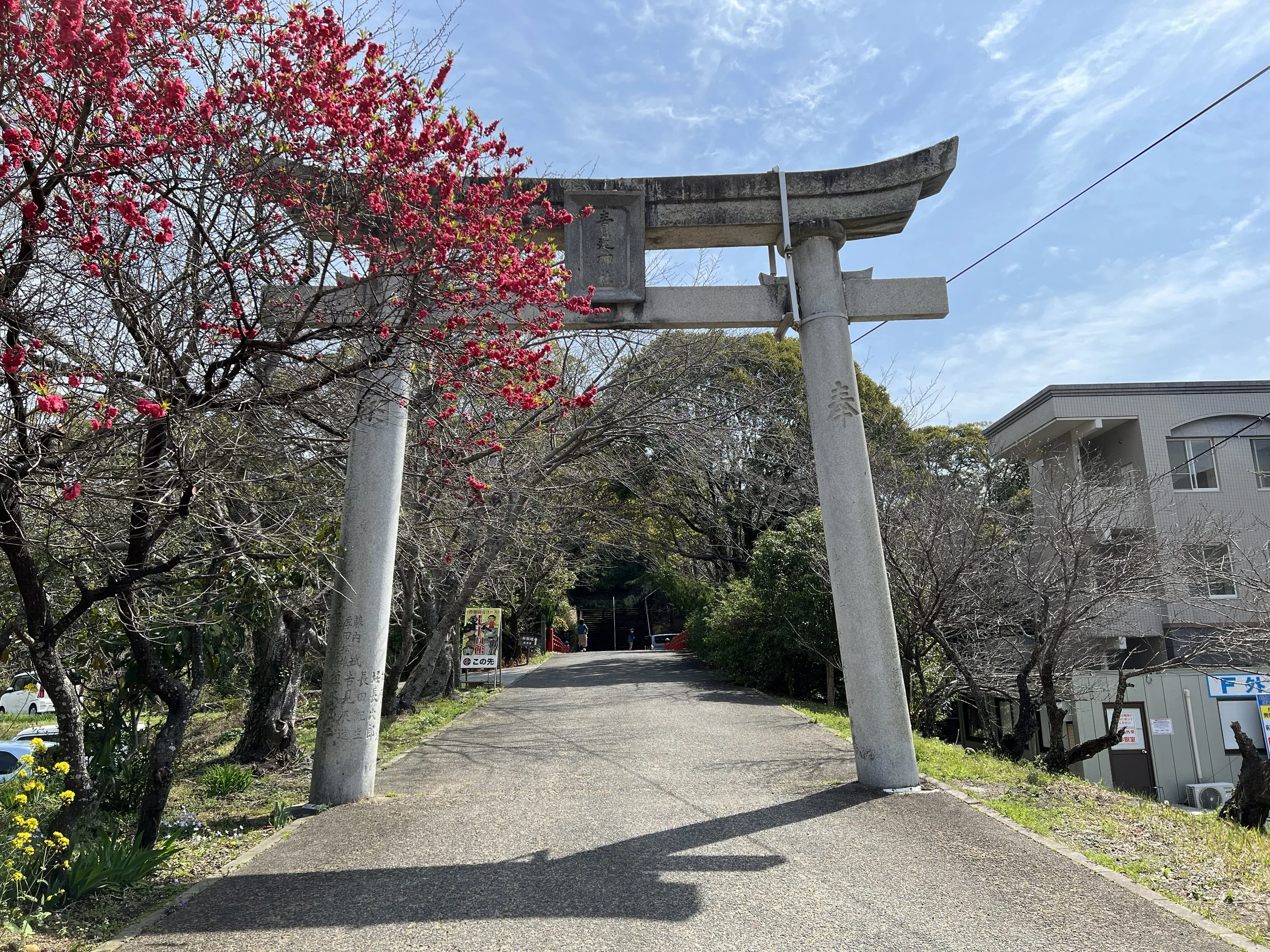
Kitsuki Castle (杵築城) was originally built in 1394 and served as a strategic stronghold at the river mouth between the Yasaka and Koyama rivers. Like many castles in Japan, it was dismantled in 1615 following the Tokugawa shogunate’s policies to limit the power of regional lords. The site later became Shiroyama Park, and the current three-storey castle was reconstructed in 1970. Today, the castle functions as a museum and observation deck and is also known as a popular cherry blossom viewing spot in spring. Kitsuki itself remains notable for preserving its Edo-period town layout, making it one of the most atmospheric small castle towns in Japan.
Getting There
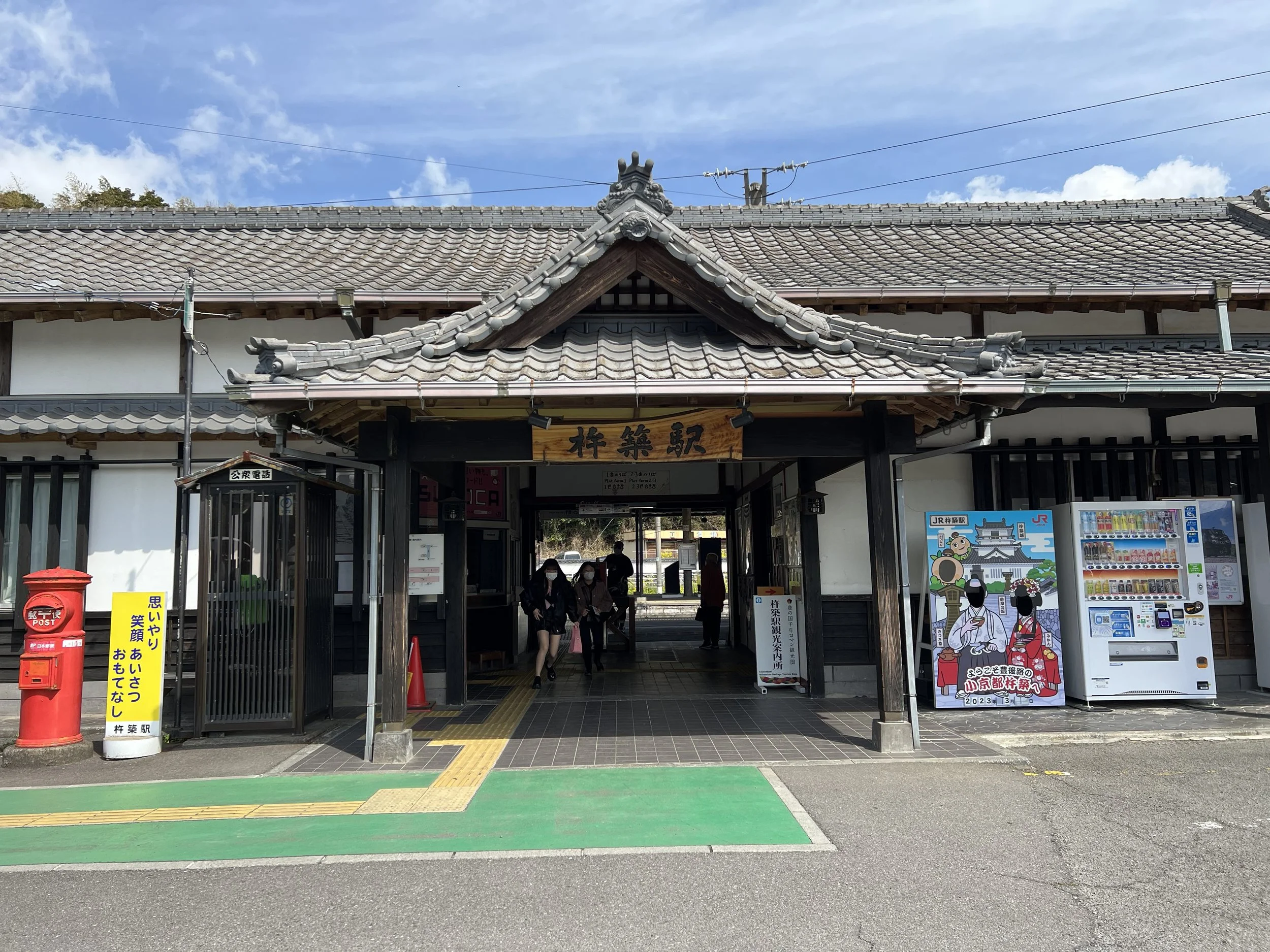
Kitsuki is accessible by train via JR Kitsuki Station. From there, local buses run to the Kitsuki Bus Terminal, which is the most convenient starting point for exploring the castle and castle town. From the bus terminal, Kitsuki Castle and the historic streets are easily explored on foot.
Route Overview
Distance: 3.94 km out & back (Kitsuki Bus Terminal)
Total elevation gain: 65 m
Duration: 54 min (with breaks 1 hr 25 min)
Difficulty: Easy
Cost Breakdown
Train: Usa Station → Kitsuki Station — ¥560
Bus: Kitsuki Station → Kitsuki Bus Terminal — ¥290
Entrance Fee: Kitsuki Castle — ¥400
Food: ¥990