Tsuruga - Fukui, Japan
Tsuruga is a port town in the southern part of Fukui Prefecture, best known for its long maritime history and its role as a gateway connecting Japan with Asia and Europe, particularly during the Meiji Era. Even today, Tsuruga Port remains active, serving ferry and cargo routes. While it’s not a common first stop for many travellers to Japan, the city is quietly rich in history, culture, and walkable sights.
I came across Tsuruga while researching ferry routes from Honshu to Hokkaido. Although I ultimately didn’t take the ferry from here, my curiosity stuck. Since I was based in Kanazawa for a few days and the Hokuriku Shinkansen now connects directly to Tsuruga, it felt like the perfect opportunity to explore a lesser-visited city. The journey from Kanazawa Station took under an hour, making it an easy day trip.
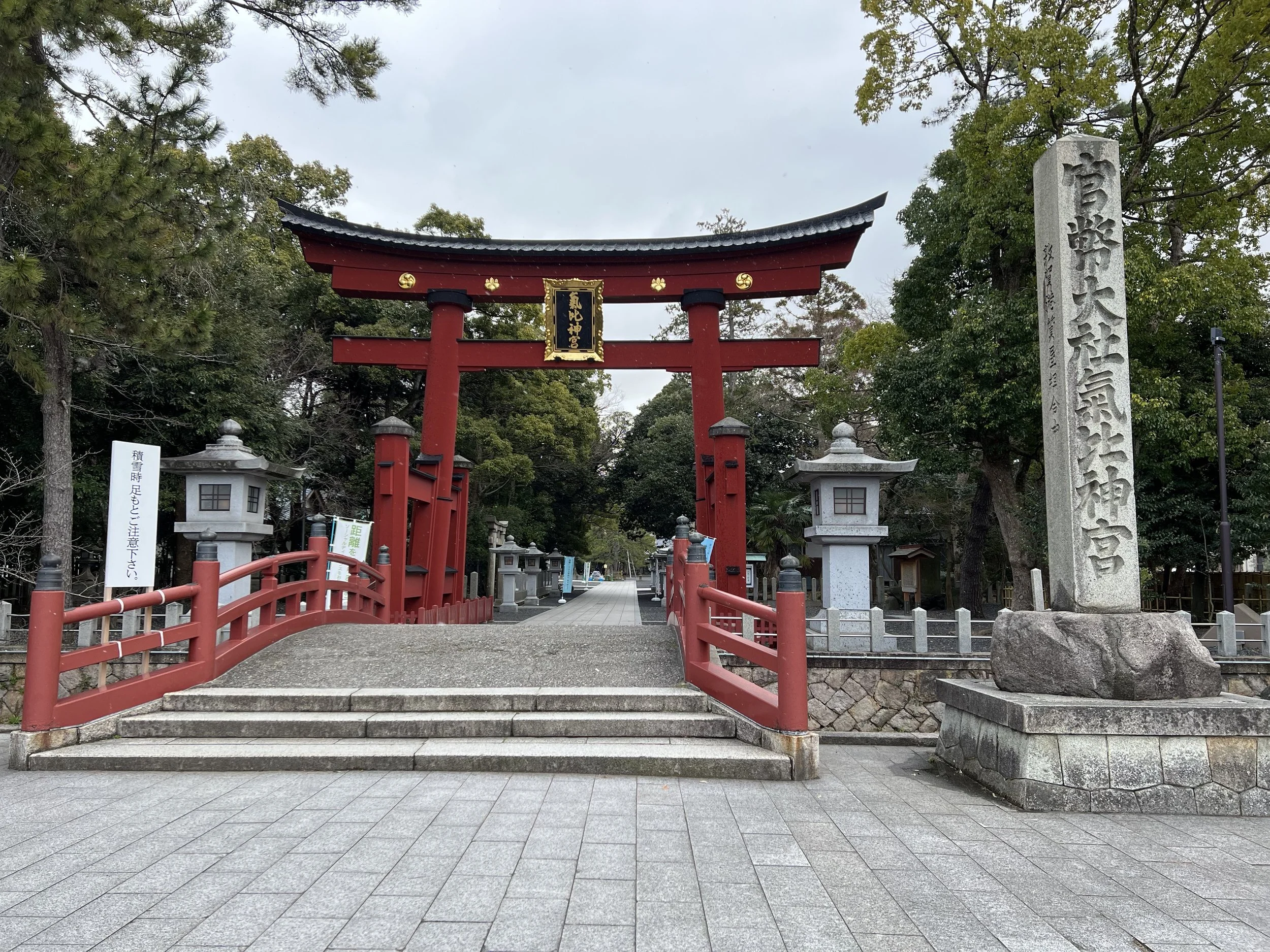
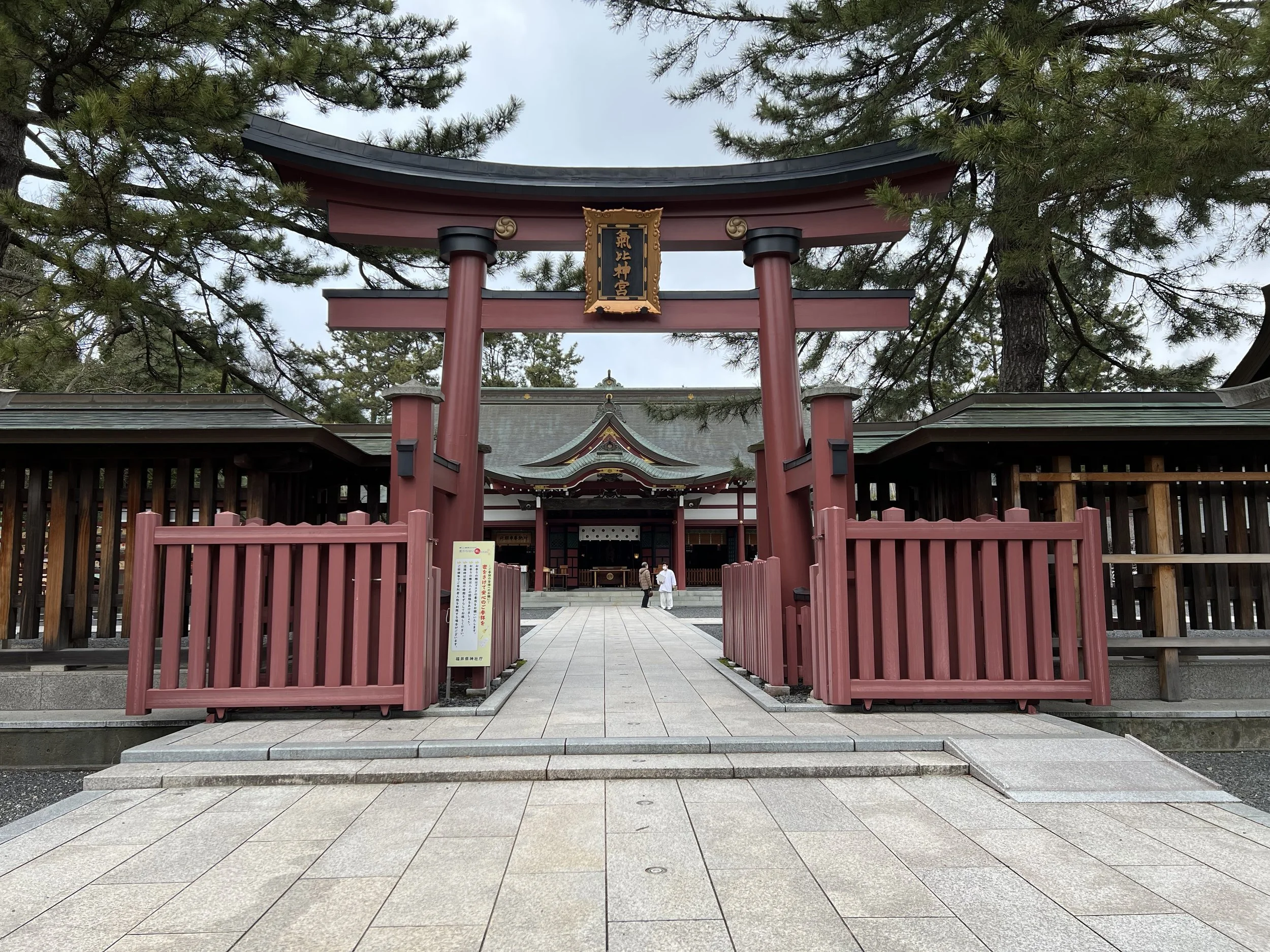
After arriving at Tsuruga Station, I decided to explore the city entirely on foot. My first stop was Kehi-jingu Shrine, one of the most important shrines in the Hokuriku region. Founded in 702, it serves as the guardian shrine of the area. I entered from the rear entrance and walked through the calm shrine grounds, where only a handful of visitors were present. Eventually, I made my way to the front, where the massive torii gate came into view. Standing at 11 metres tall, it is designated as an Important Cultural Property and is considered one of Japan’s three great wooden torii gates, alongside those at Kasuga Taisha in Nara and Itsukushima Shrine in Hiroshima. I had to step well back to take it all in. I learned that Kehi-jingu hosts several festivals each year, with the Tsuruga Festival being the largest, featuring ornate floats paraded through the city.
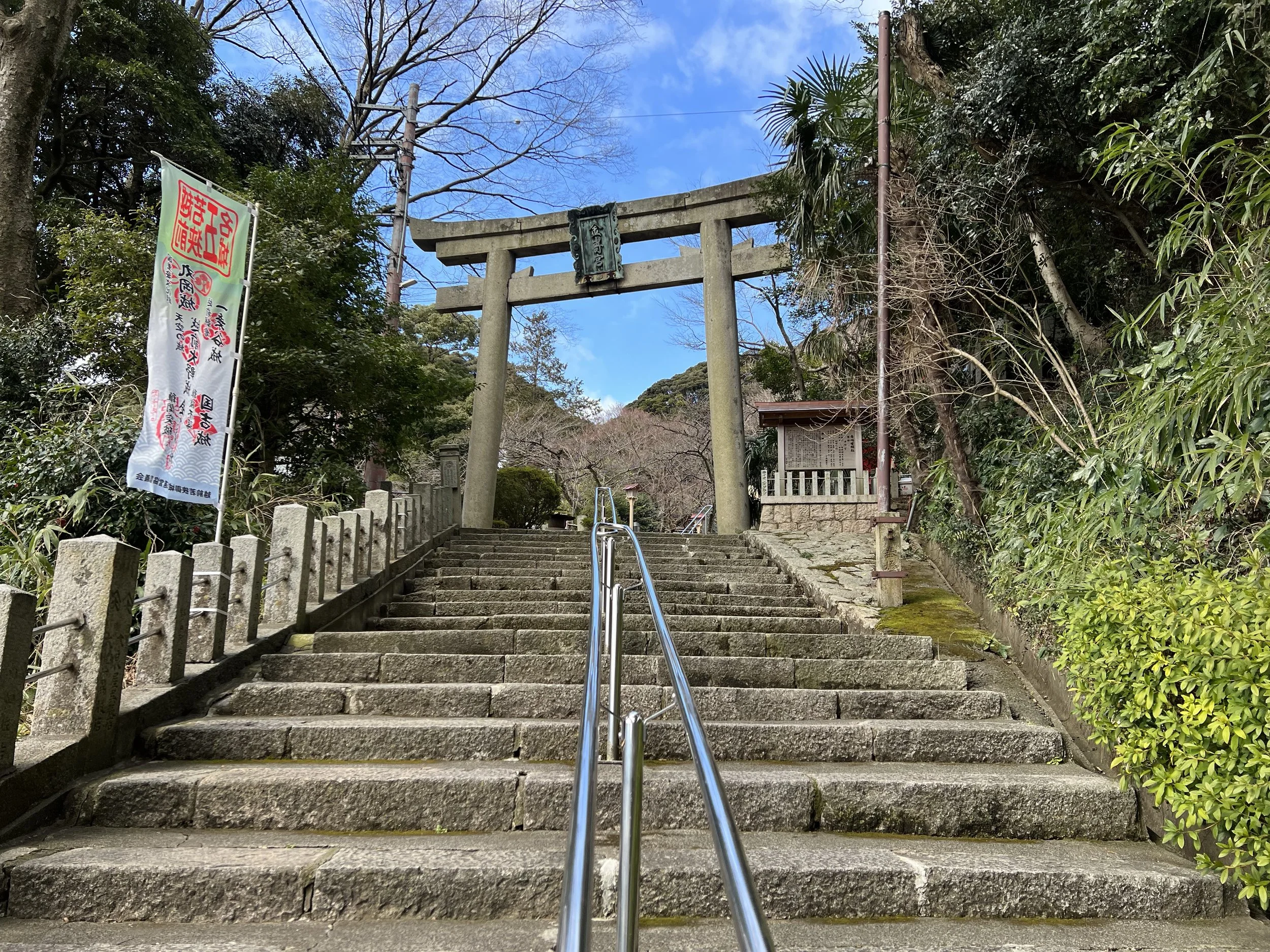
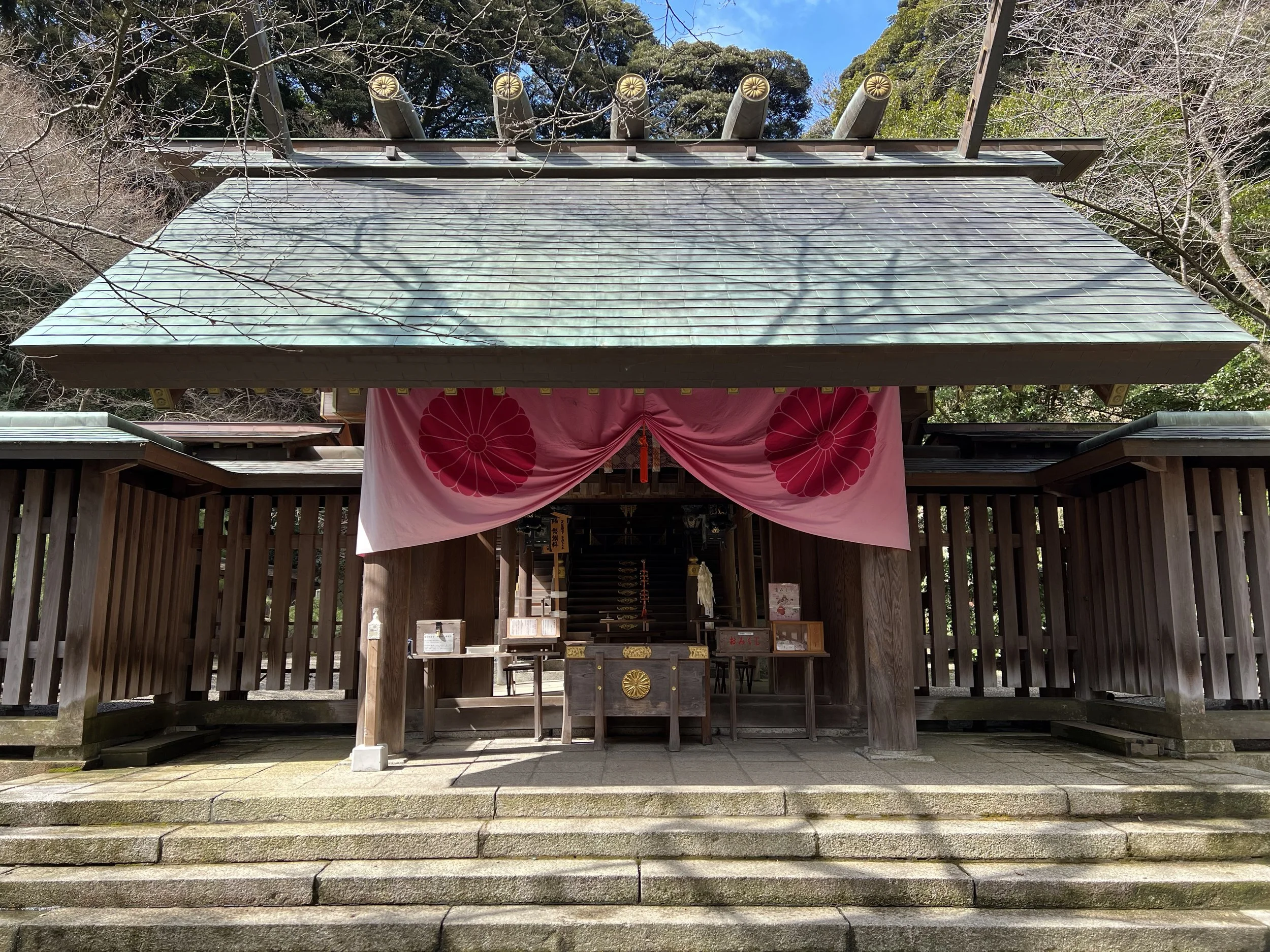
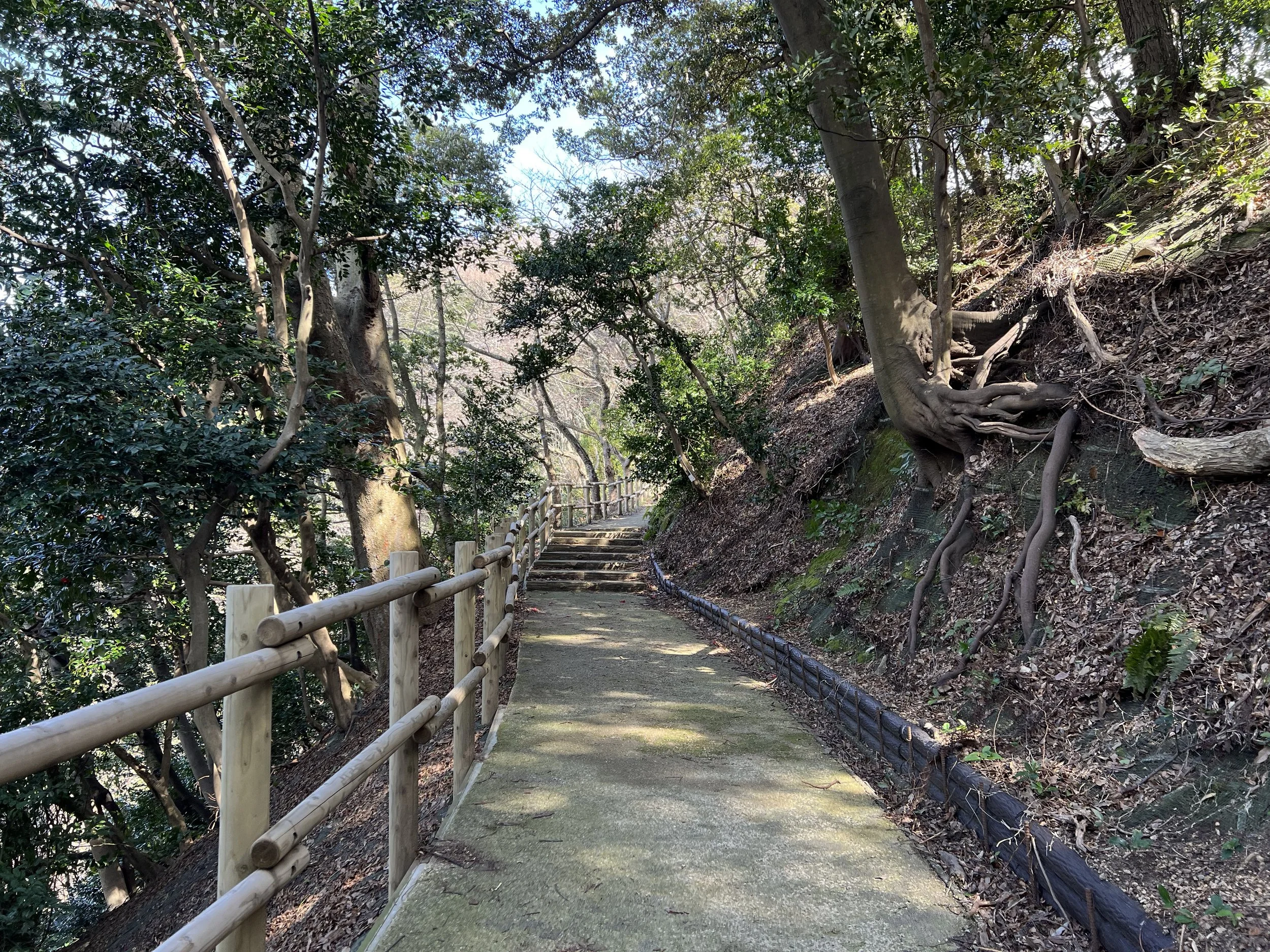
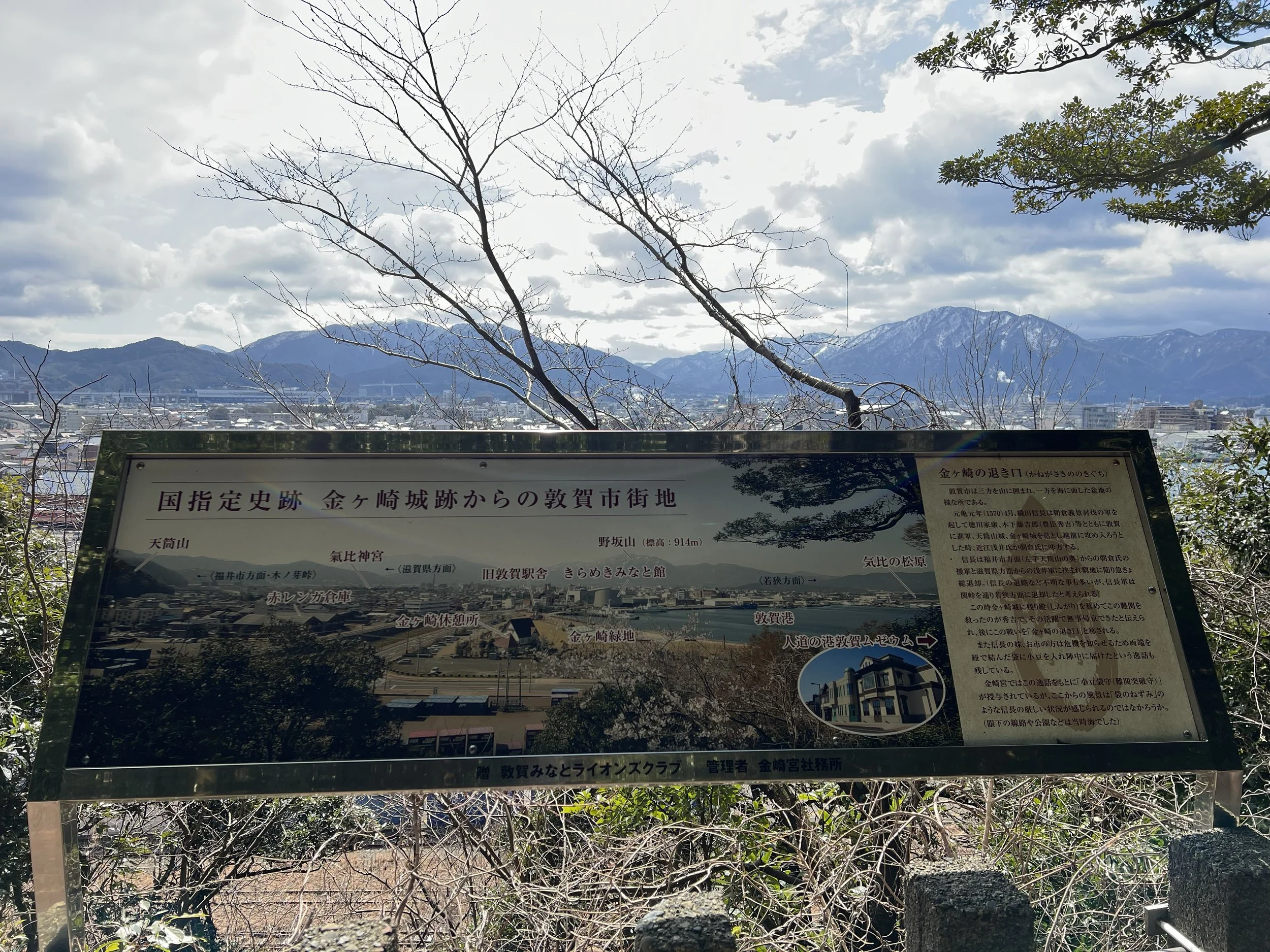
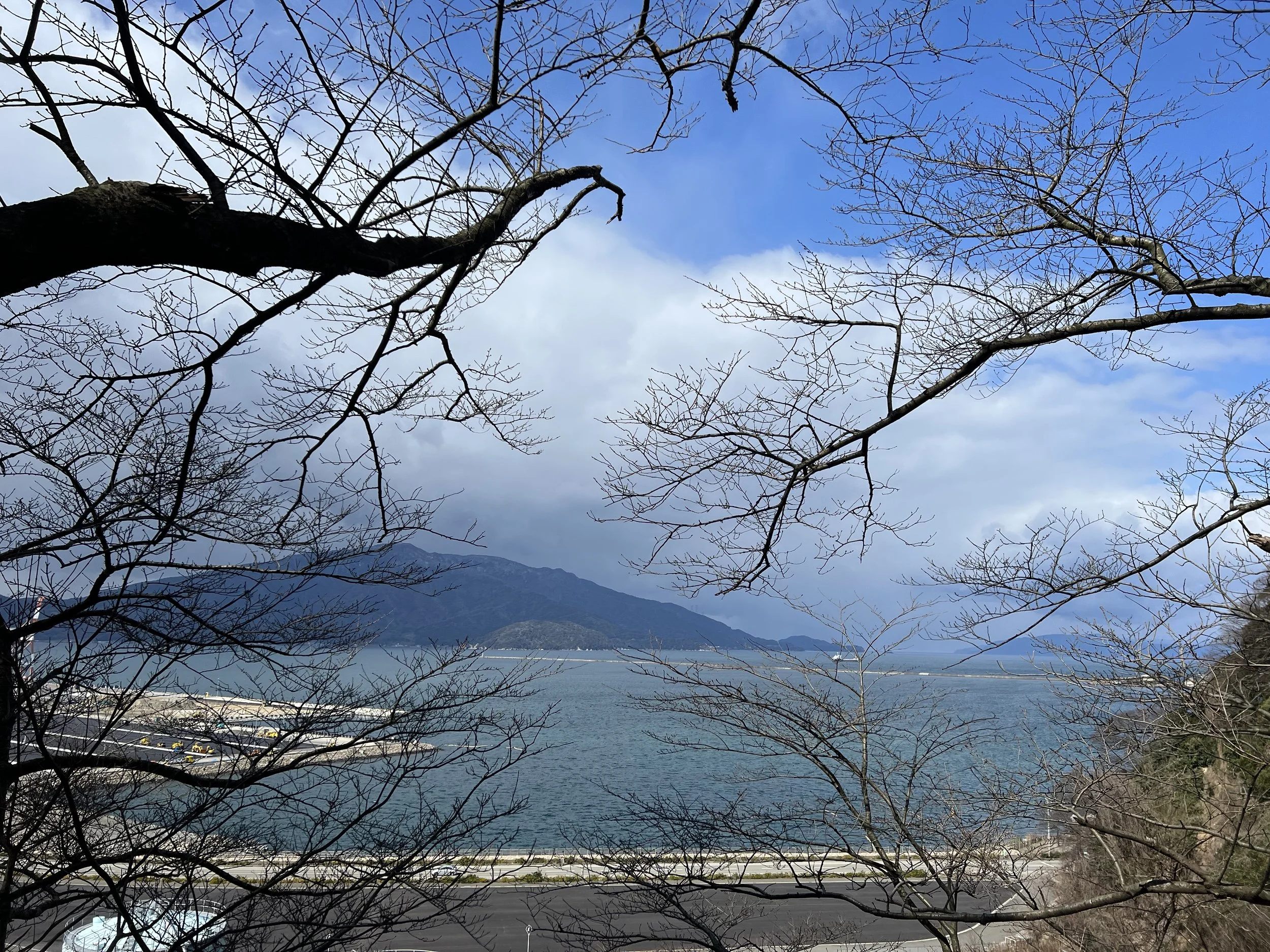
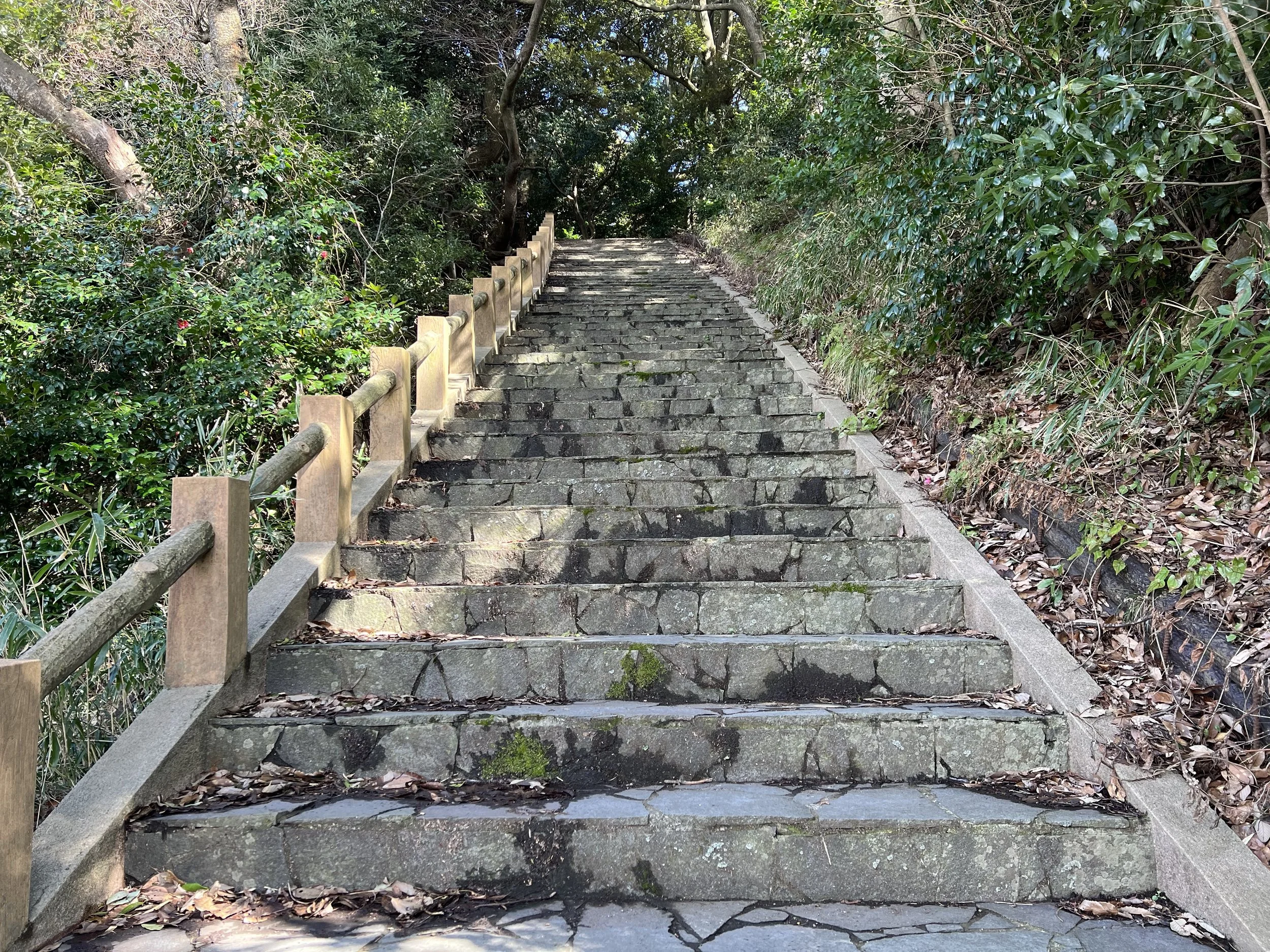
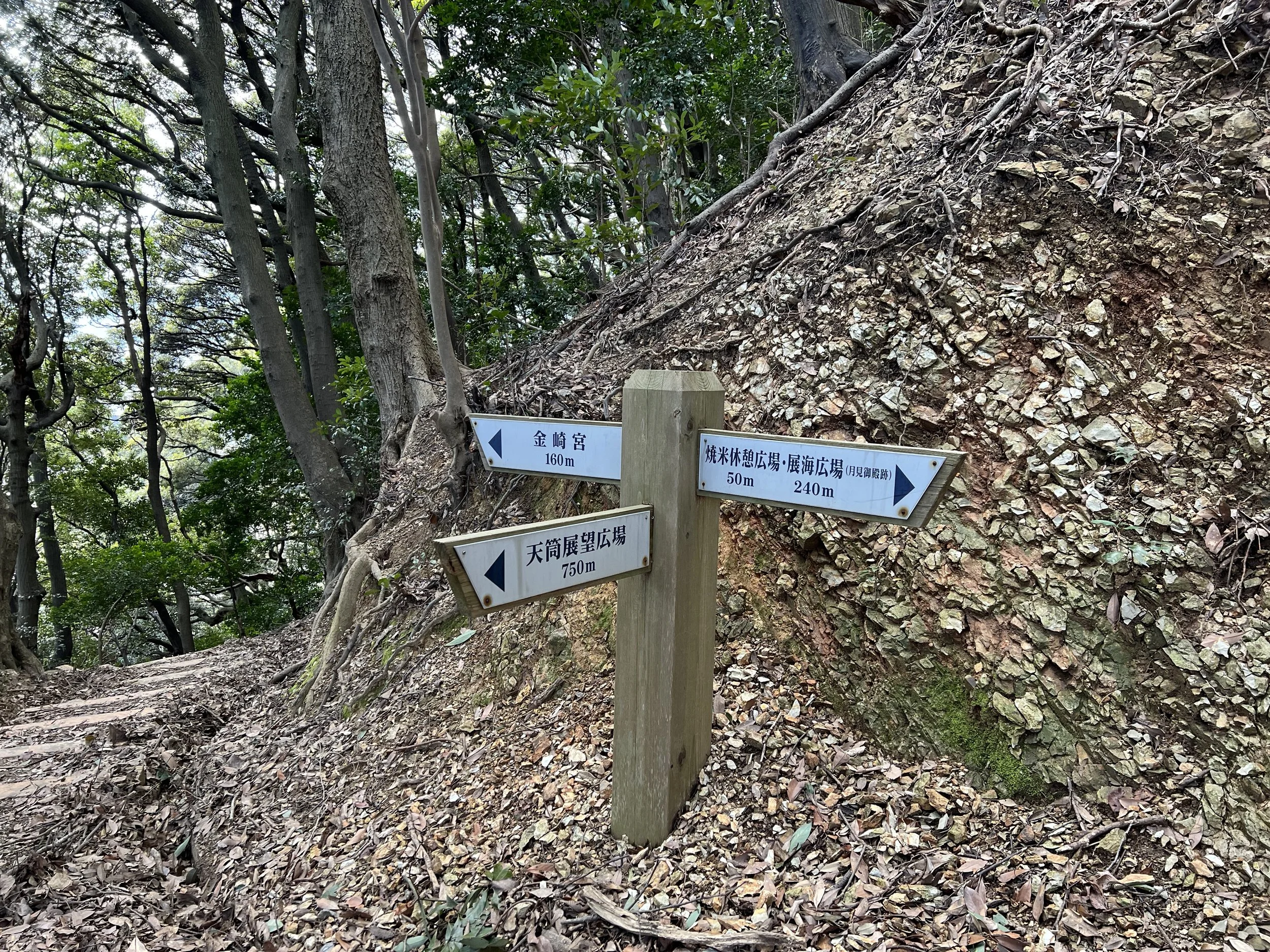
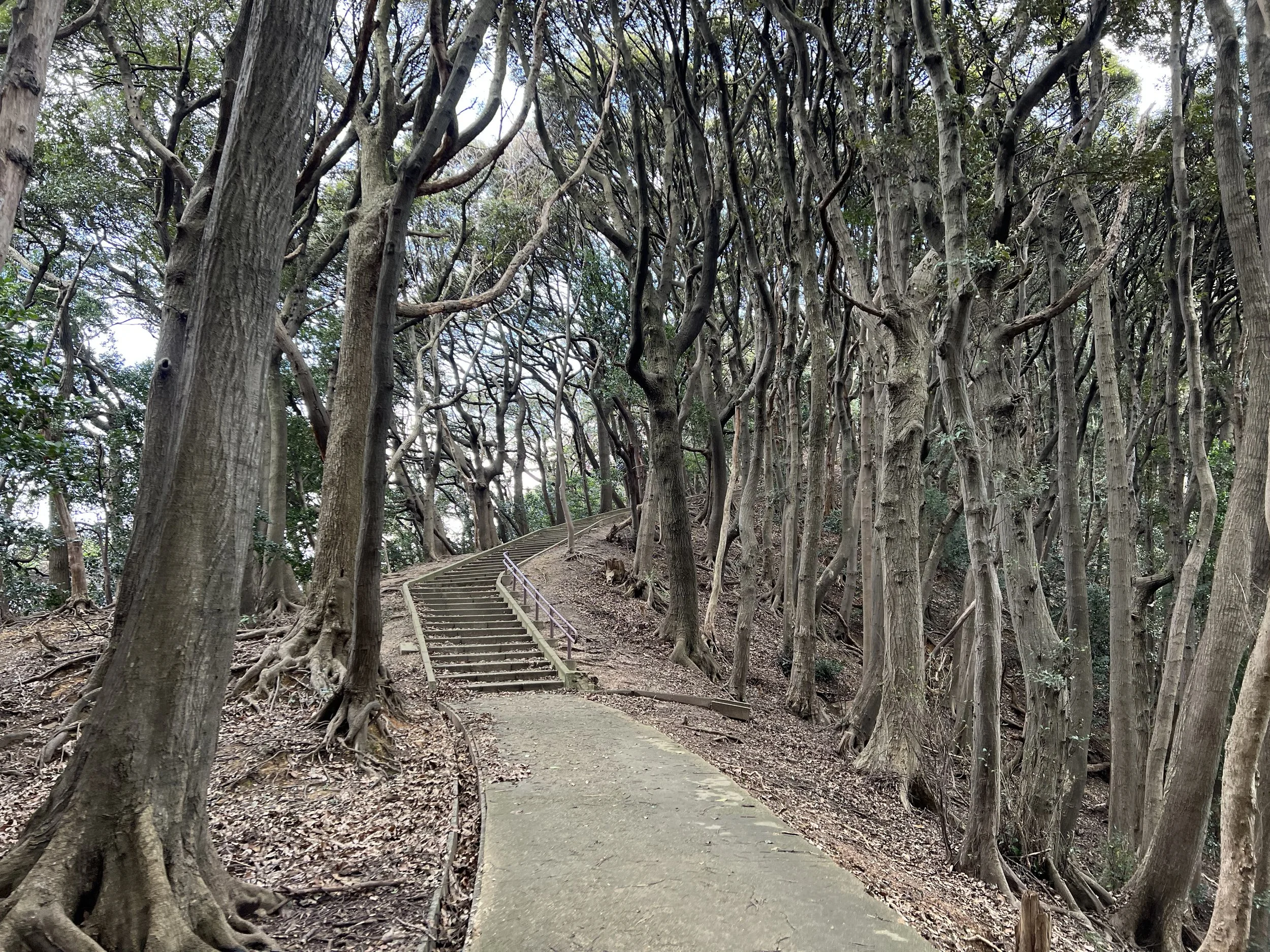
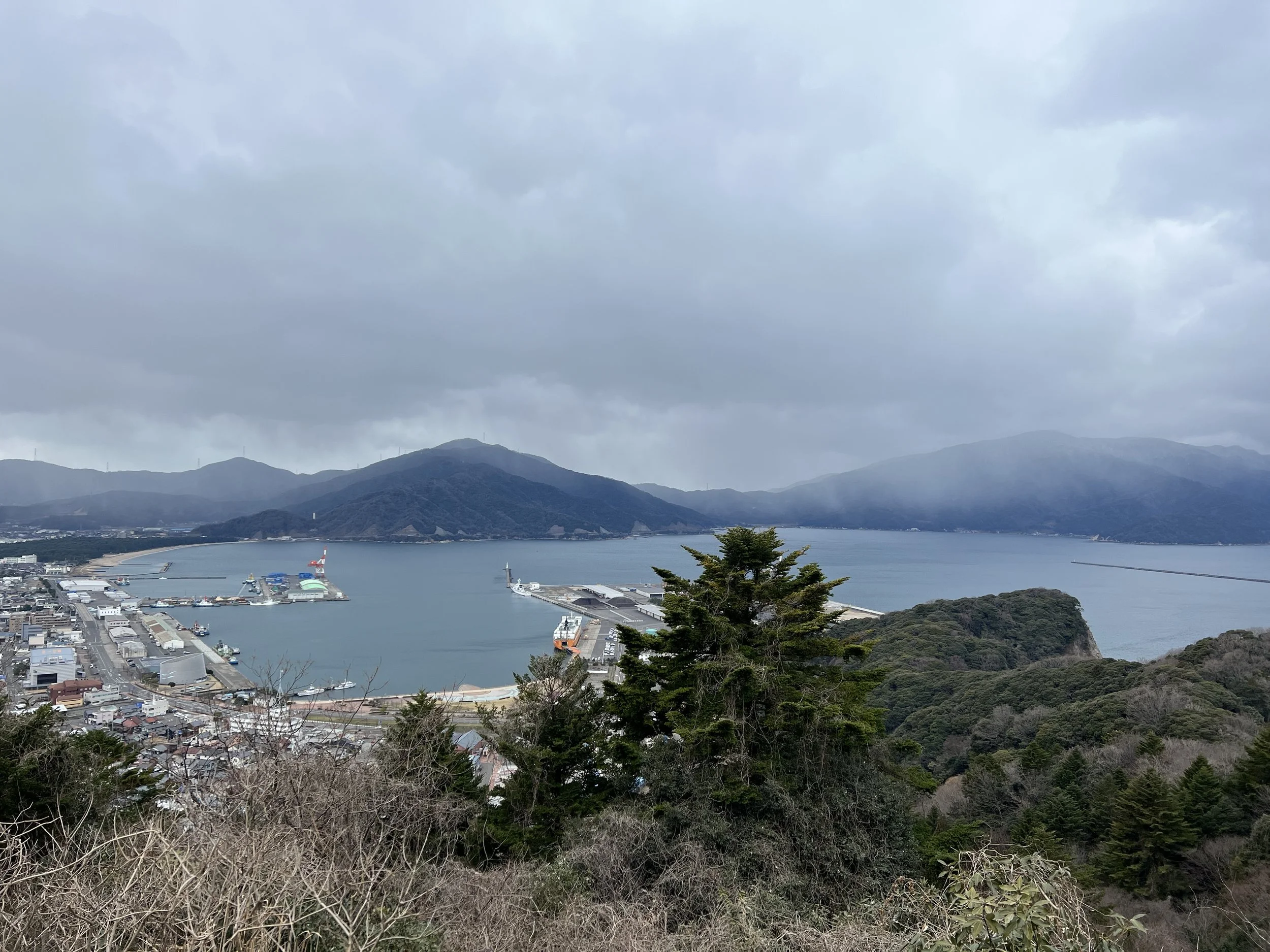
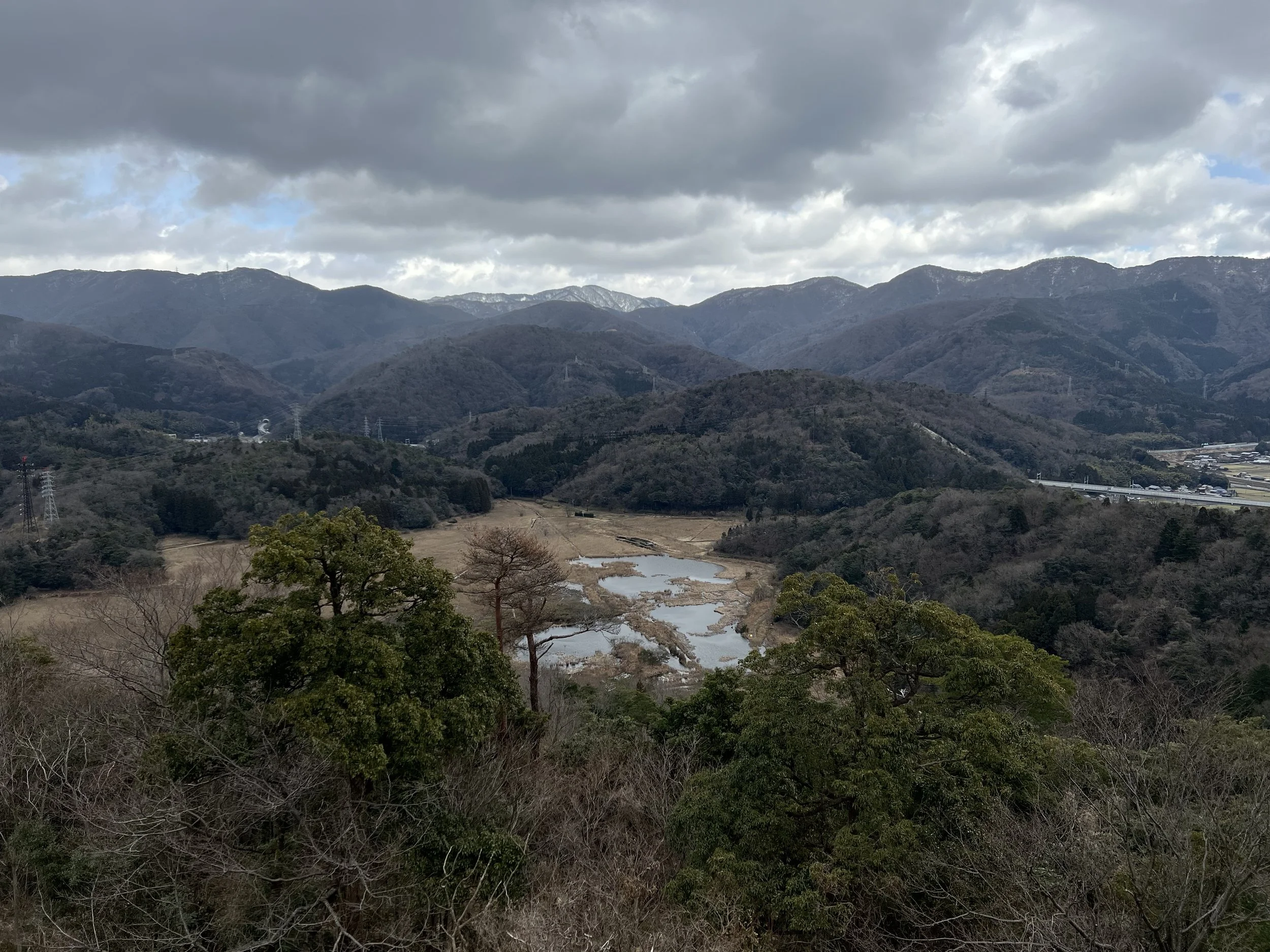
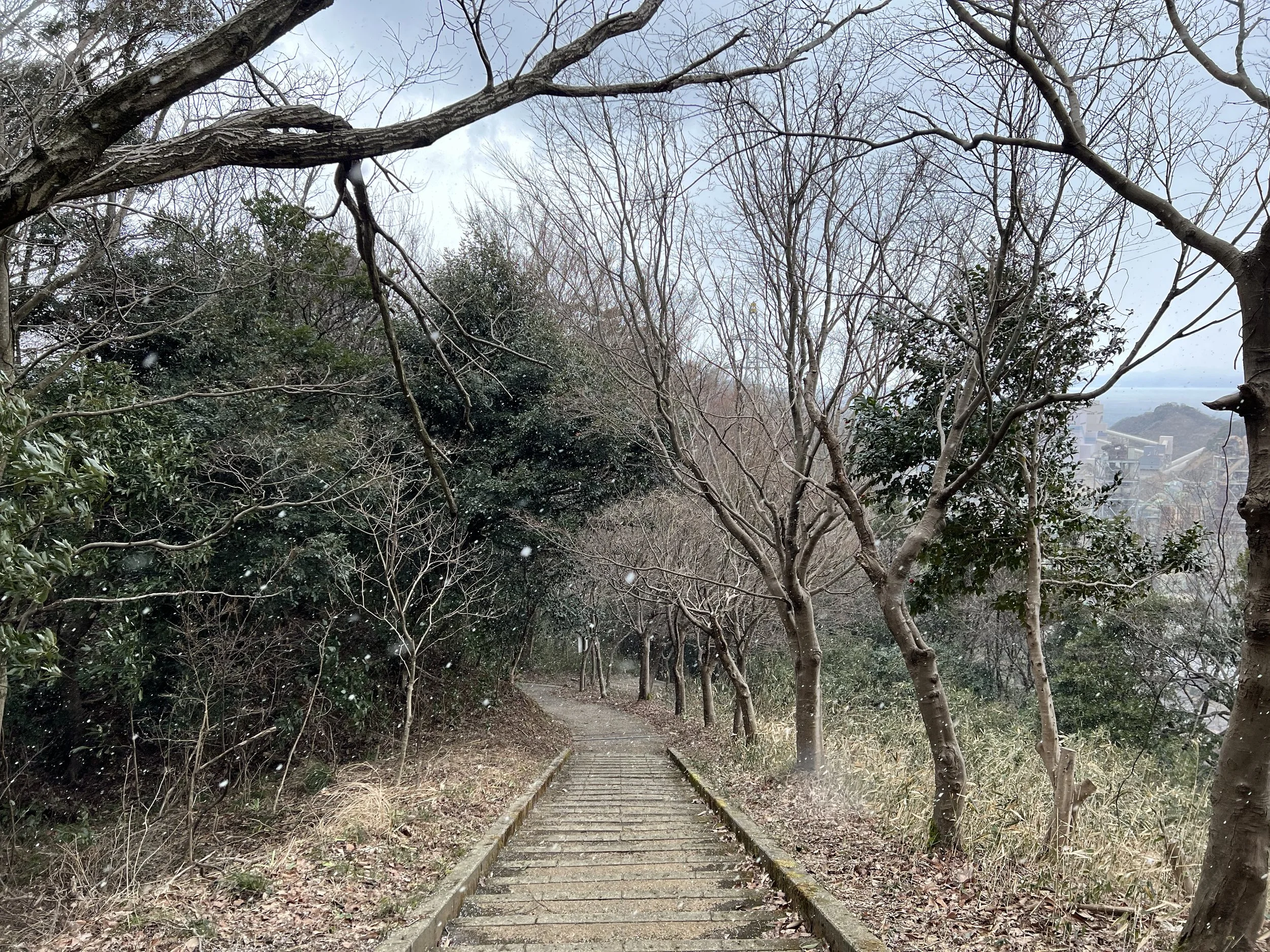
From Kehi-jingu, I continued on to Kanegasaki-gu Shrine, located at the base of the former Kanegasaki Fort ruins. The shrine is famous for its cherry blossoms in spring, but visiting in winter meant bare branches and a quieter atmosphere. Because of its elevated location, I was rewarded with open views over Tsuruga Port and the bay. From there, I followed the trail up toward the Kanegasaki Fort ruins and onward to Mount Tezutsuyama. As I climbed, the wind picked up and light snow flurries began to fall. The trail was wide, paved, and clearly marked, making for an easy ascent despite the weather. Near the observation deck, I caught glimpses of what appeared to be Japanese macaques moving through the trees.
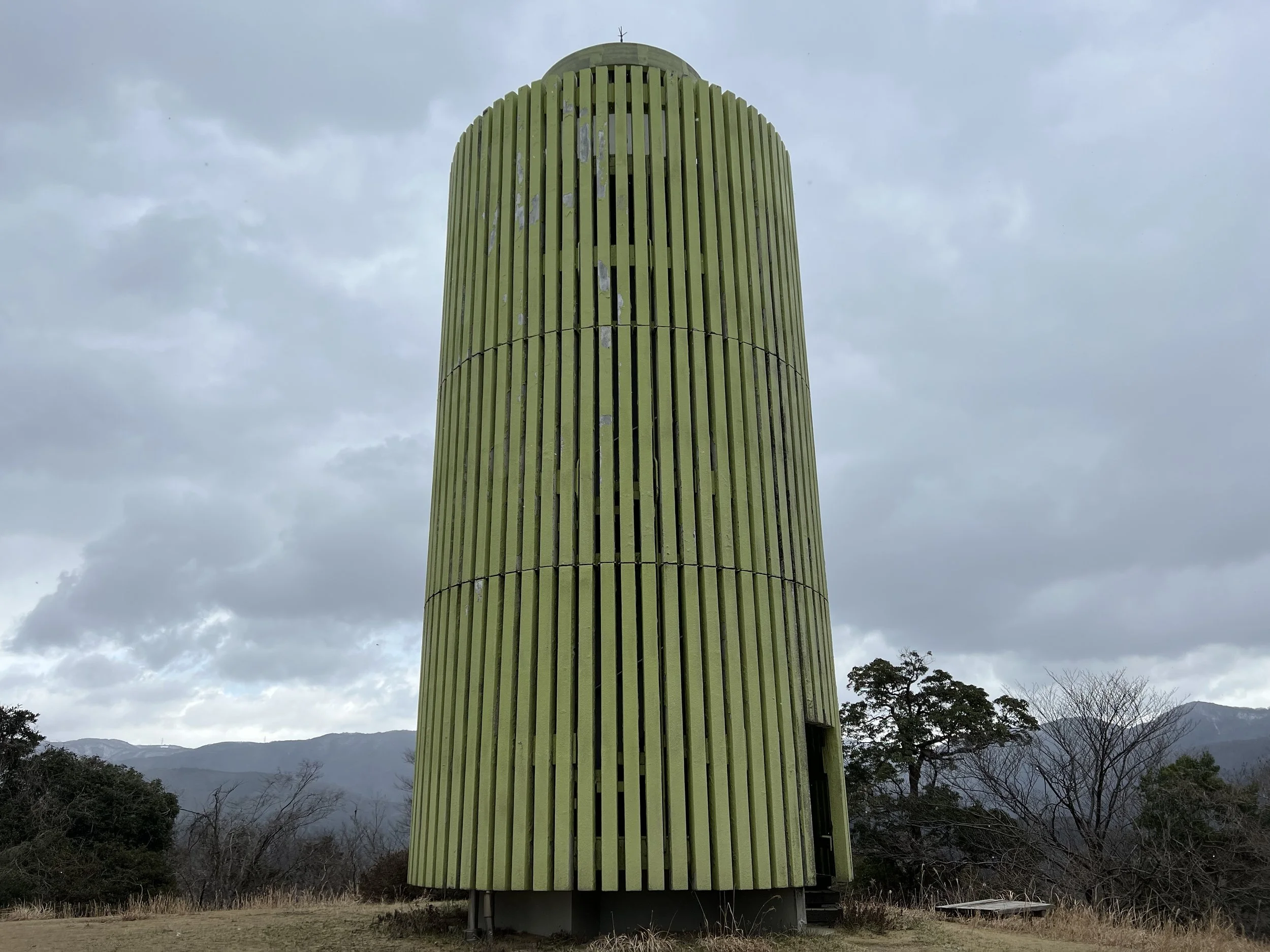
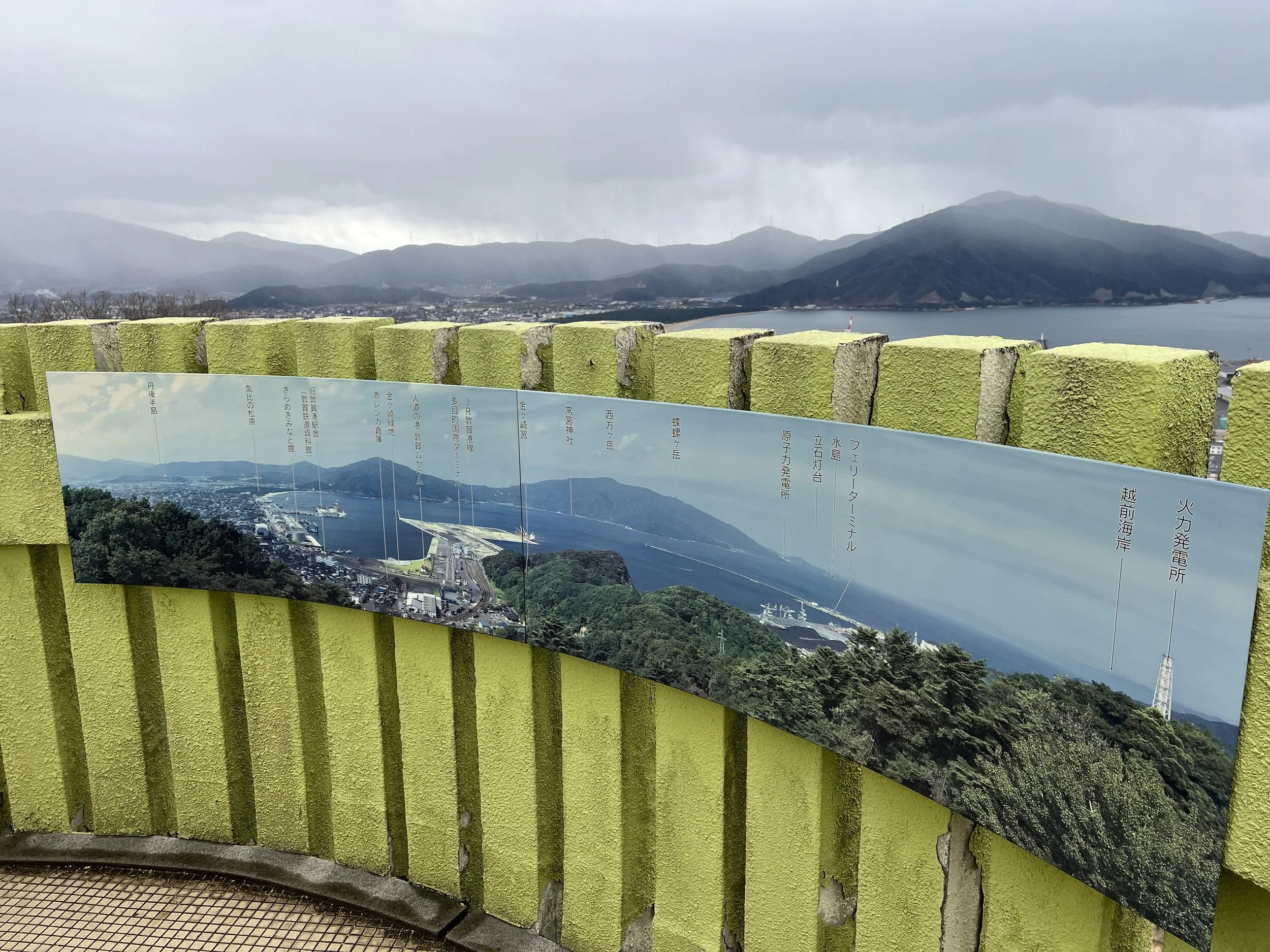
The Tezutsuyama Observation Deck stood out immediately, resembling a colourful silo from a distance. At the top, I was treated to a panoramic view of Tsuruga city, the port, and the surrounding bay. I could even spot the Hokuriku Shinkansen speeding past in the distance. Informational signage helped identify landmarks and explain the area’s history. This spot was once part of a strategic fortification with trenches and defensive structures; today, it has been transformed into a public park known for seasonal flowers and scenic views.
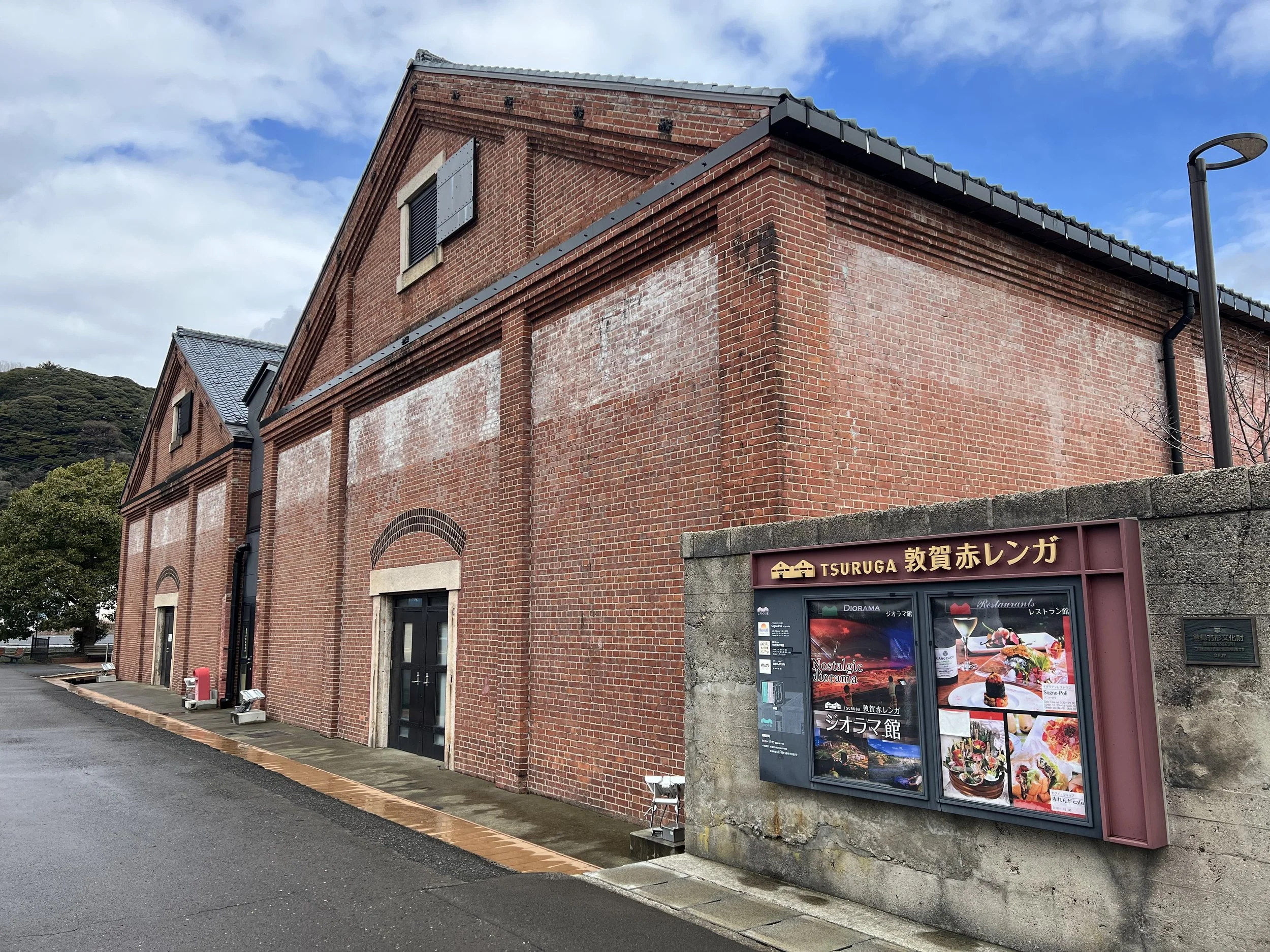
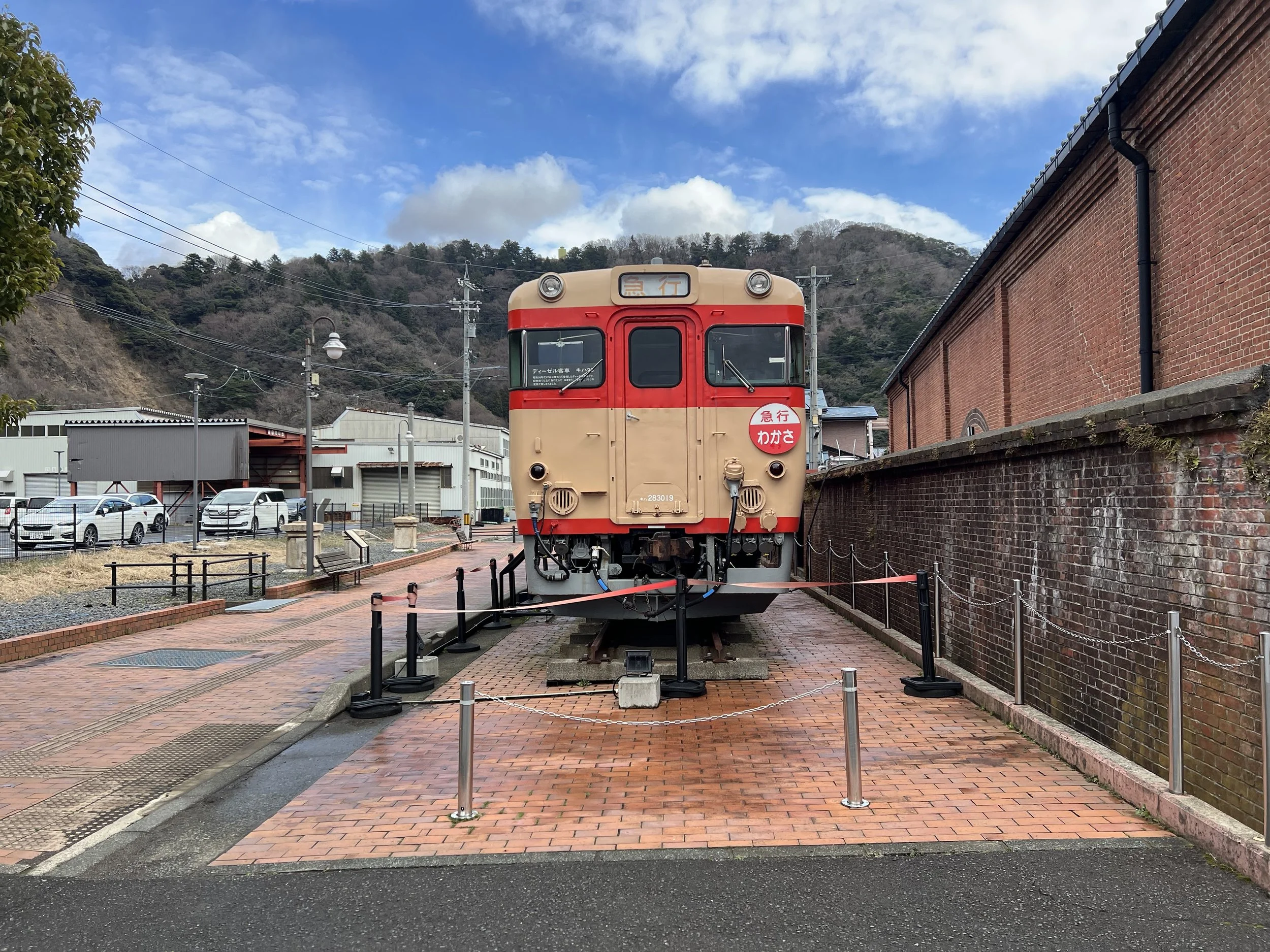
As the snowfall intensified, I didn’t linger long and began my descent toward the Tsuruga Red Brick Warehouse. Built in 1905, these buildings were once used to store petroleum arriving at the port. Approaching from the mountainside, the first thing I noticed was a historic train car displayed beside the warehouse. I then circled around to the front, where the red brick façade stood out against the surrounding structures.
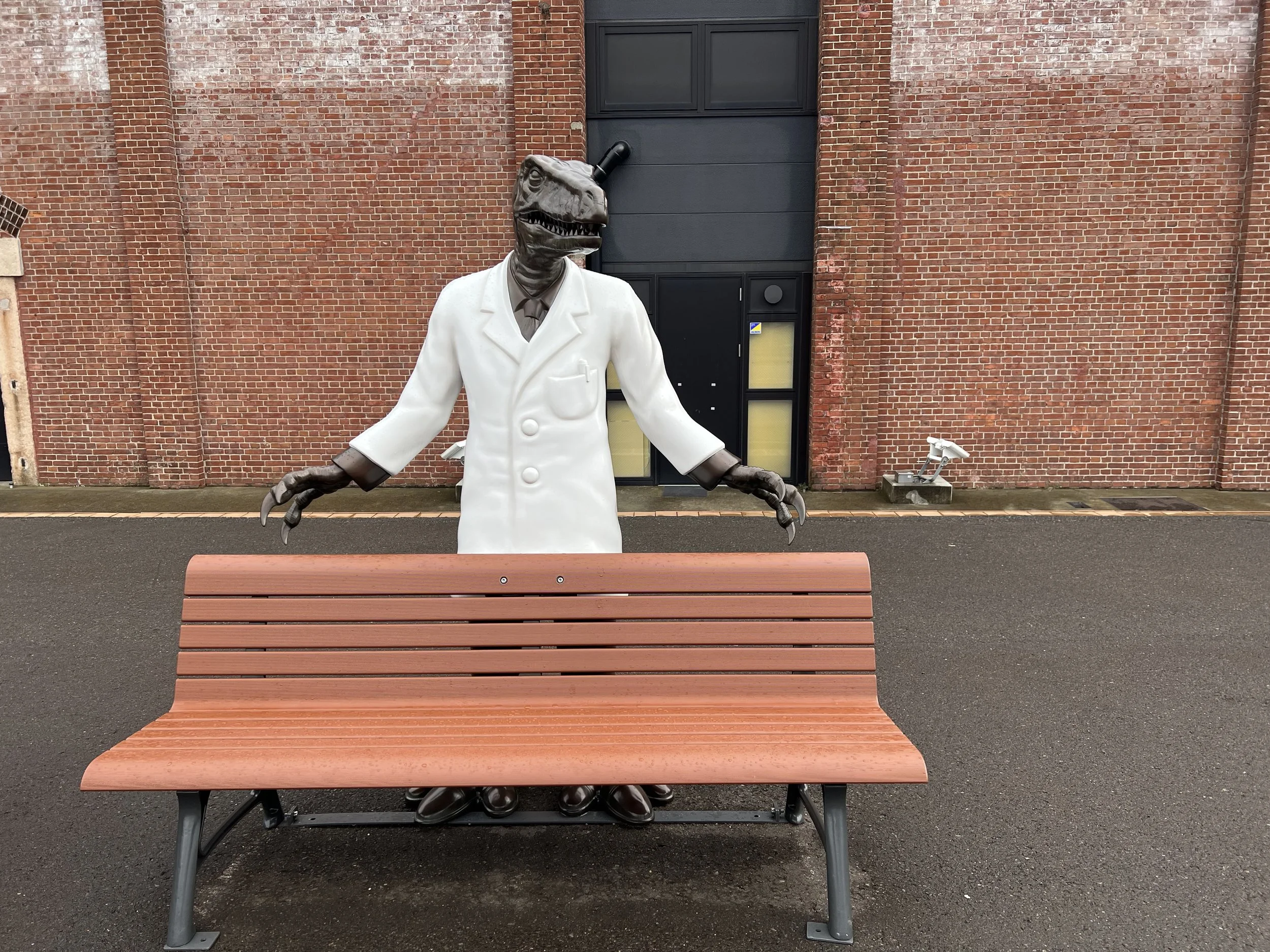
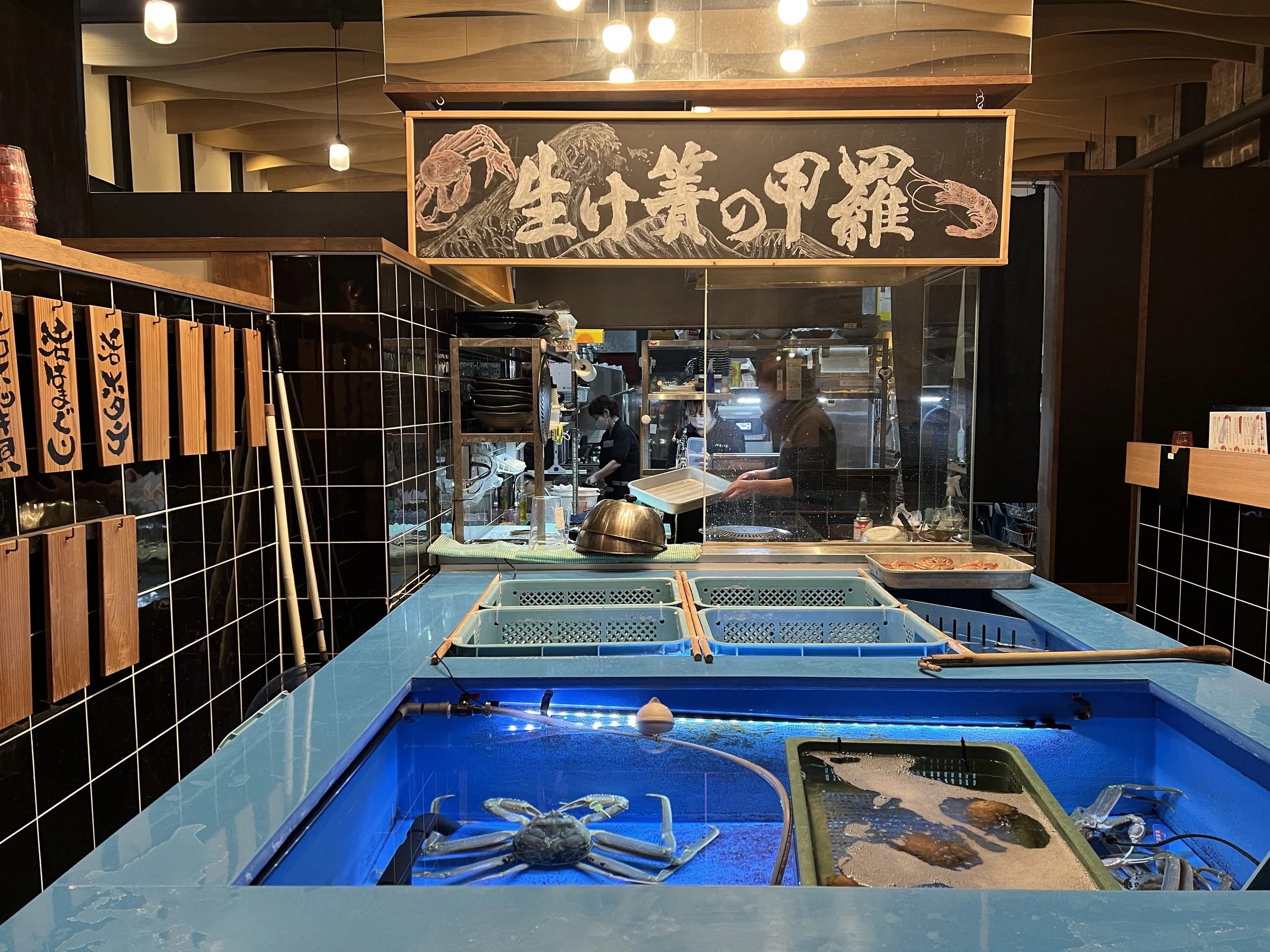
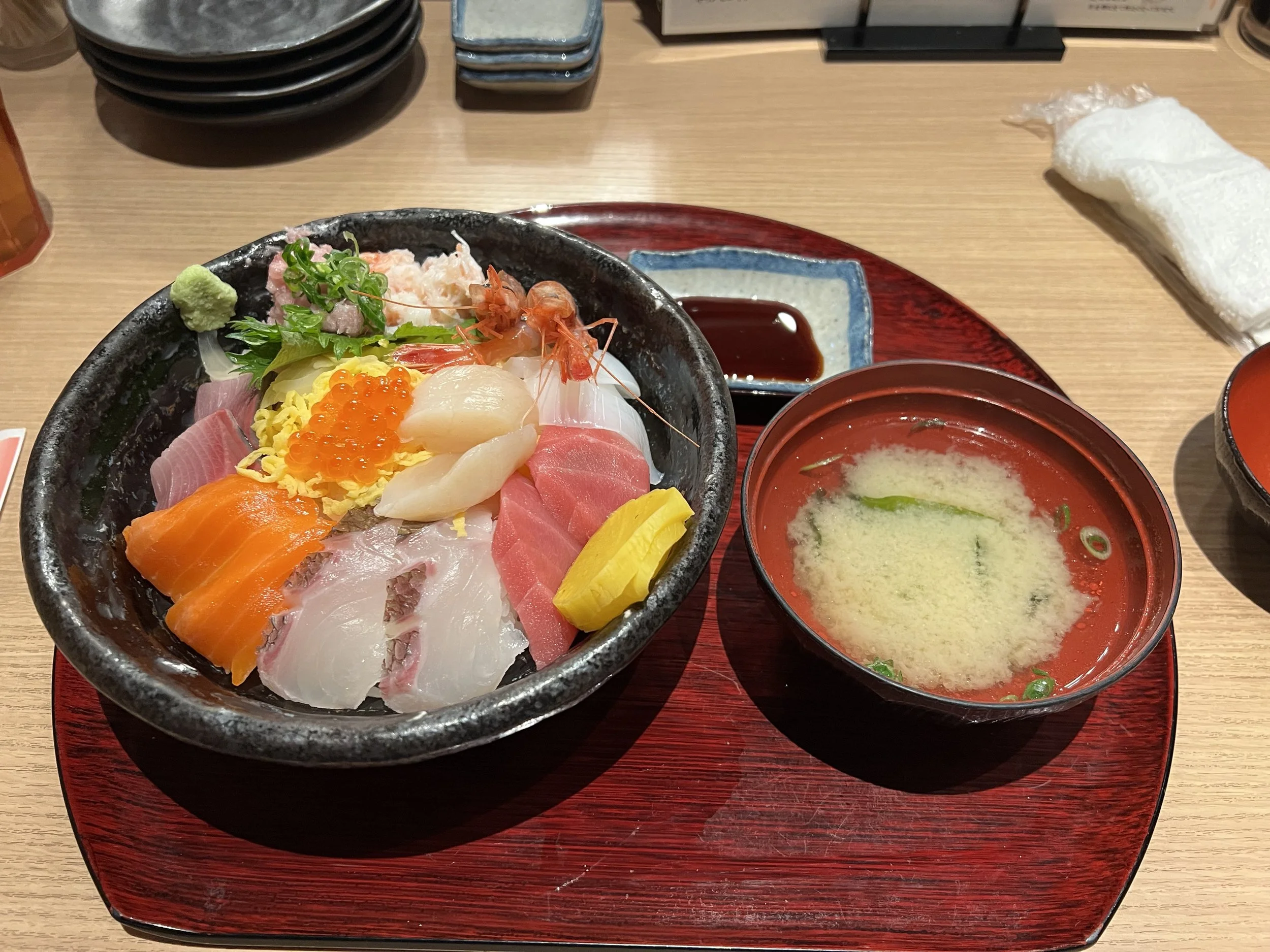
Before reaching the restaurant area, I came across a dinosaur sculpture known as “Dinosaur Professor.” Dinosaurs appear frequently throughout Fukui Prefecture, as around 80 percent of Japan’s dinosaur fossils have been discovered here. Inside the warehouse complex, I chose a restaurant and ordered a seafood rice bowl. A large tank of live fish and crabs sat at the centre of the dining area, and while waiting for my meal, I watched a crab repeatedly attempt an escape. The seafood was incredibly fresh, easily living up to Fukui’s reputation.
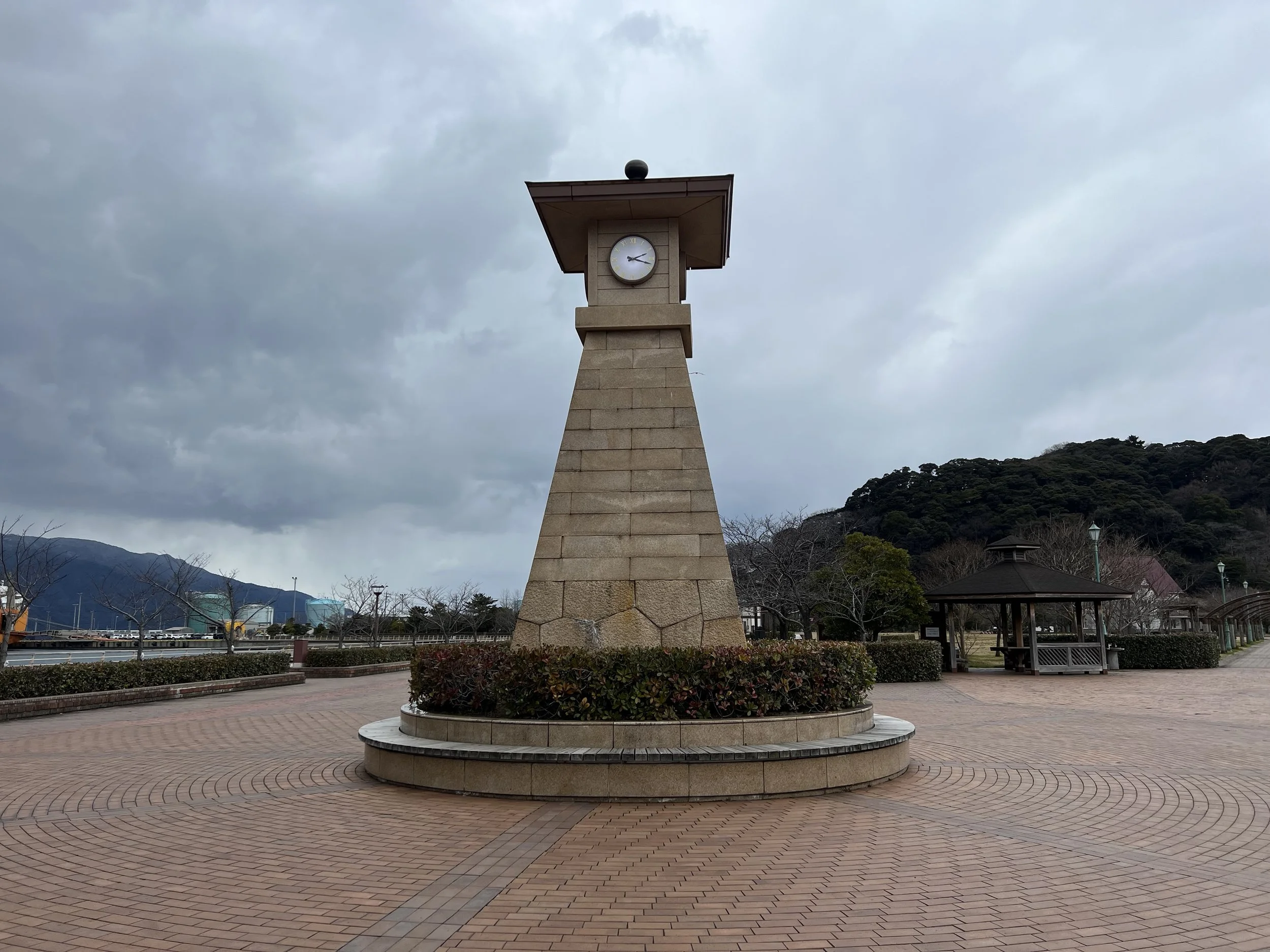
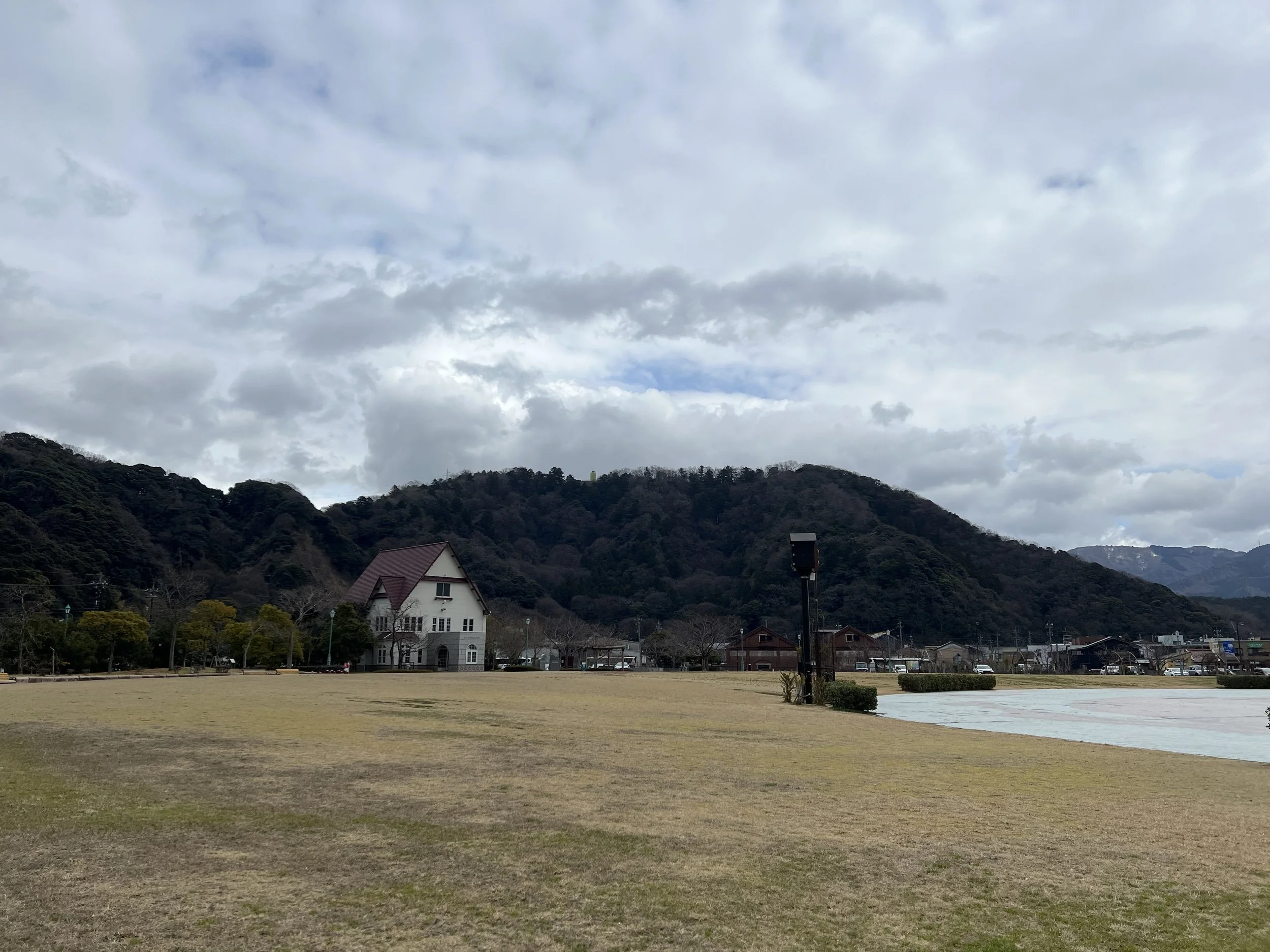
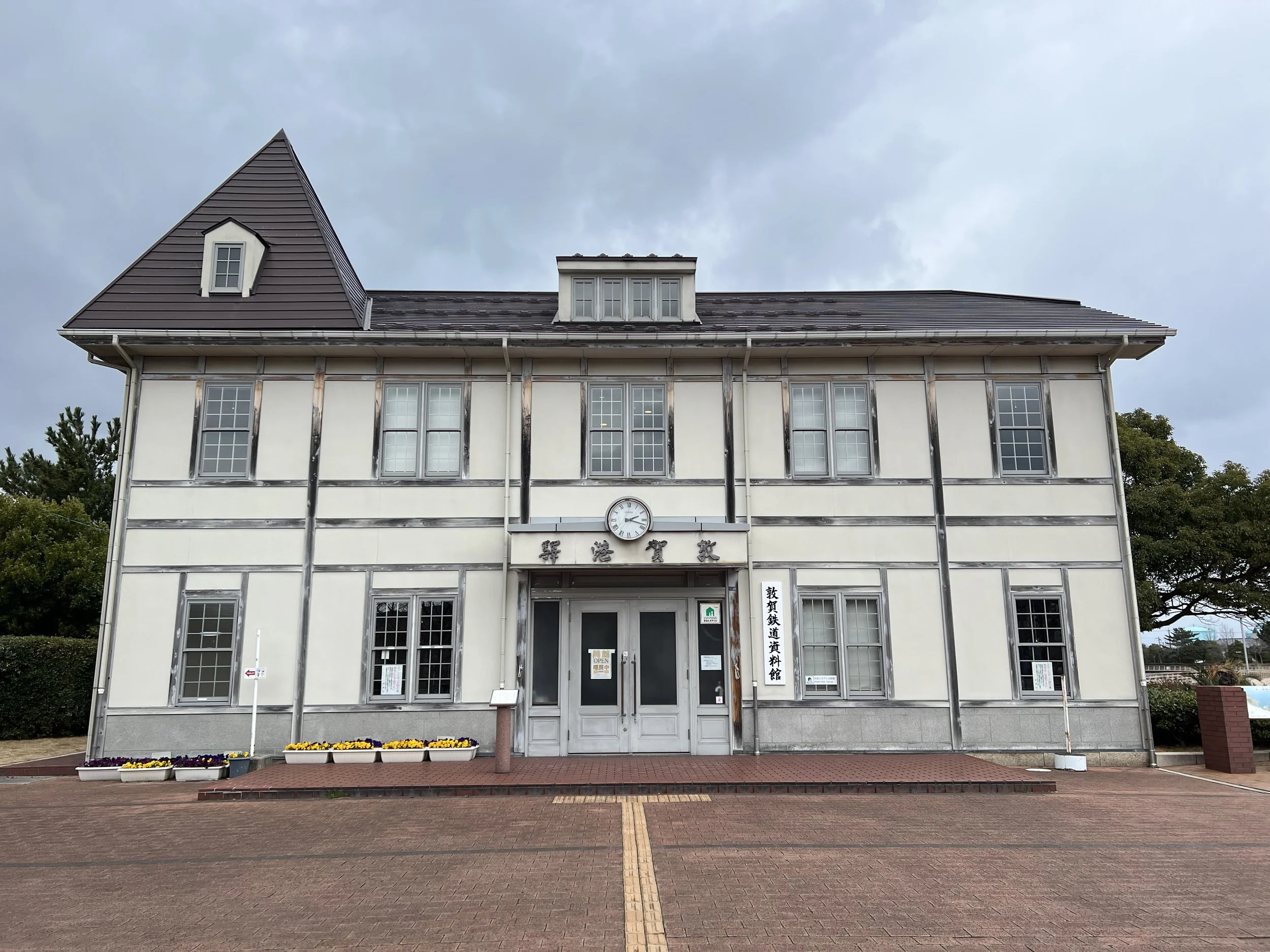
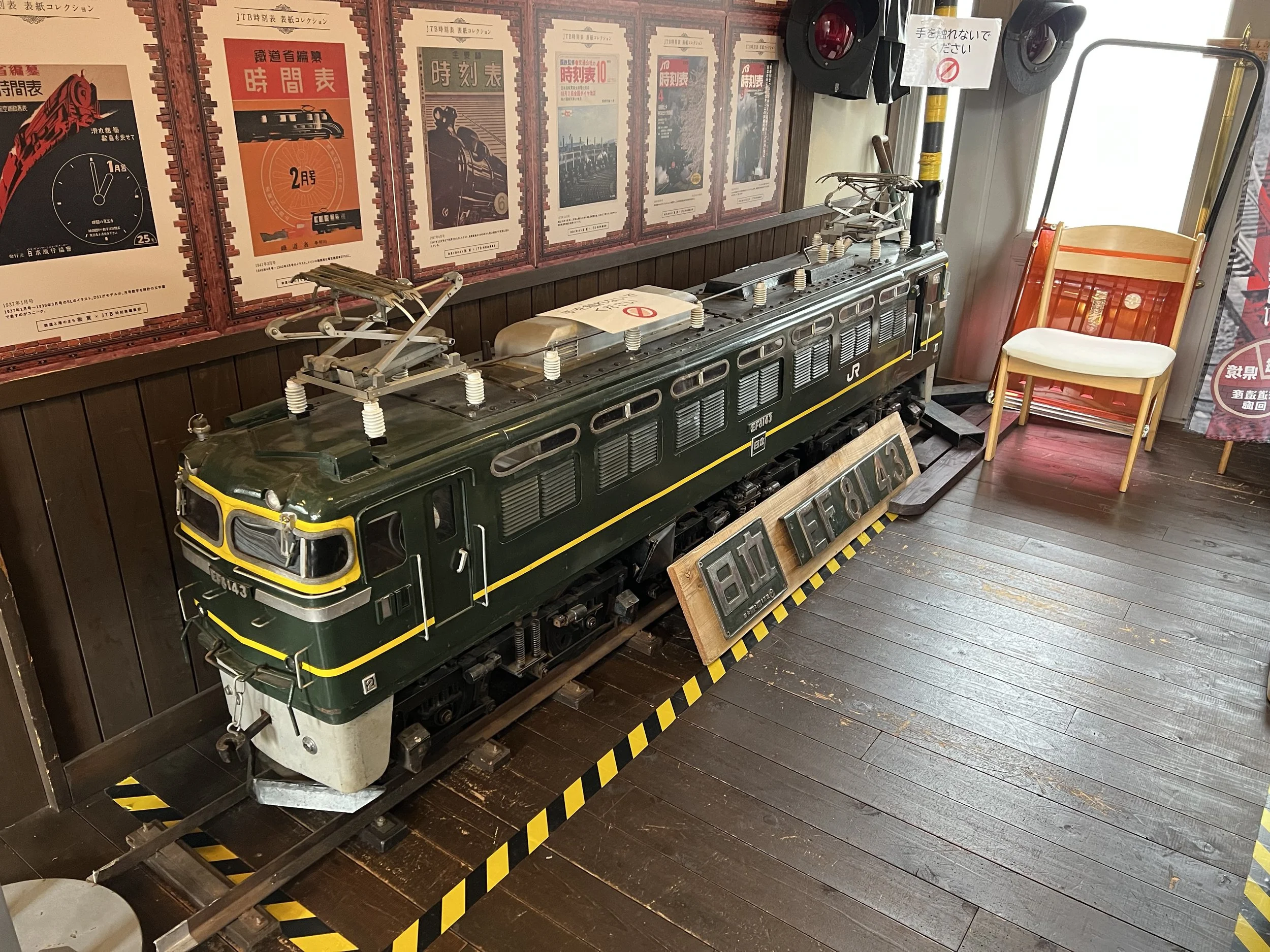
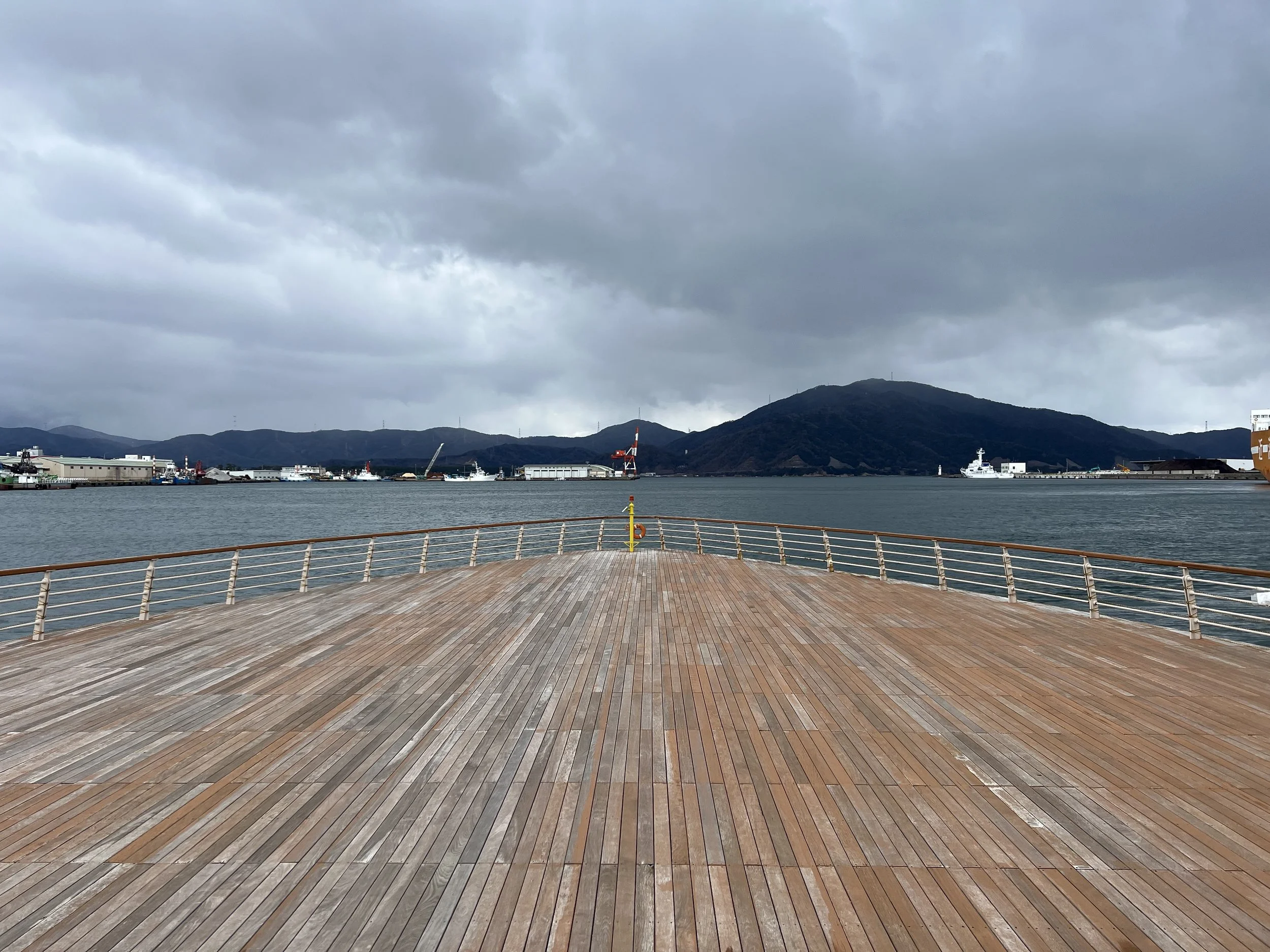
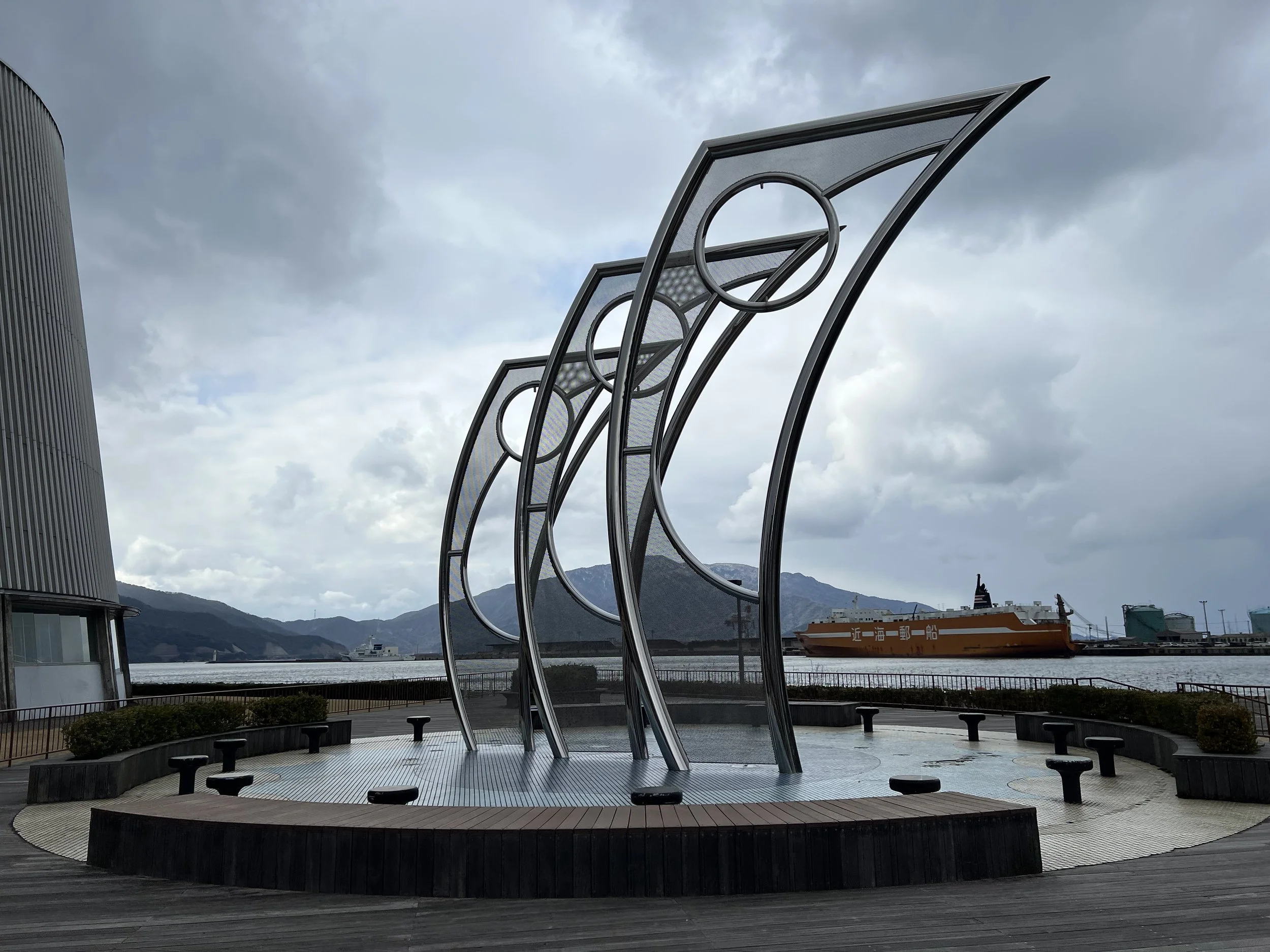
After lunch, I headed toward the Port of Humanity Tsuruga Museum, which tells the story of Tsuruga as a port that welcomed refugees during World War II. Unfortunately, it was closed on the day of my visit, so instead I walked through the adjacent park, enjoying unobstructed views of the harbour. At the far end of the park stood the Clocktower and the Tsuruga Railway Museum. With free admission, it was an easy stop, and I spent some time browsing railway memorabilia and learning about the region’s rail history.
From there, I made my way back to Tsuruga Station. Tsuruga may fly under the radar, but it offers a rewarding mix of history, scenery, and local character. I’m glad I visited.
History & Background
Tsuruga (敦賀) has long been one of Japan’s most important ports, with a history stretching back over a thousand years. Its strategic position along the Sea of Japan made it a key maritime hub, particularly during the Meiji Era, when it served as a gateway linking Japan to continental Asia and Europe via shipping routes. In the early 20th century, Tsuruga also played a humanitarian role, welcoming Polish orphans and Jewish refugees fleeing persecution during World War II. Today, remnants of its port history, shrines, forts, and railway infrastructure remain woven throughout the city, offering insight into its layered past.
Getting There
Tsuruga is easily accessible by rail, especially since the extension of the Hokuriku Shinkansen. From Kanazawa Station, the journey to Tsuruga Station takes under an hour. The city itself is compact and well suited for exploration on foot, with most major sights reachable directly from the station or via gentle climbs into the surrounding hills.
Route Overview
Itinerary: Tsuruga Station 敦賀駅 → Kehi-jingu Shrine 氣比神宮 → Kanegasaki-gu Shrine 金崎宮 → Tezutsuyama 天筒山 → Tsuruga Red Brick Warehouse 敦賀赤レンガ倉庫 → Tsuruga Railway Museum 敦賀鉄道資料館 → Tsuruga Station
Distance: 10.57 km out & back (Tsuruga Station)
Total elevation gain: 265 m
Duration: 2 hr 40 min (with breaks 3 hr 33 min)
Difficulty: Intermediate
Peak: Mt Tezutsuyama 天筒山 171 m
Cost Breakdown
Train: Kanazawa Station → Tsuruga Station — ¥4,950
Food: ¥2,380