Tojinbo Cliffs - Fukui, Japan
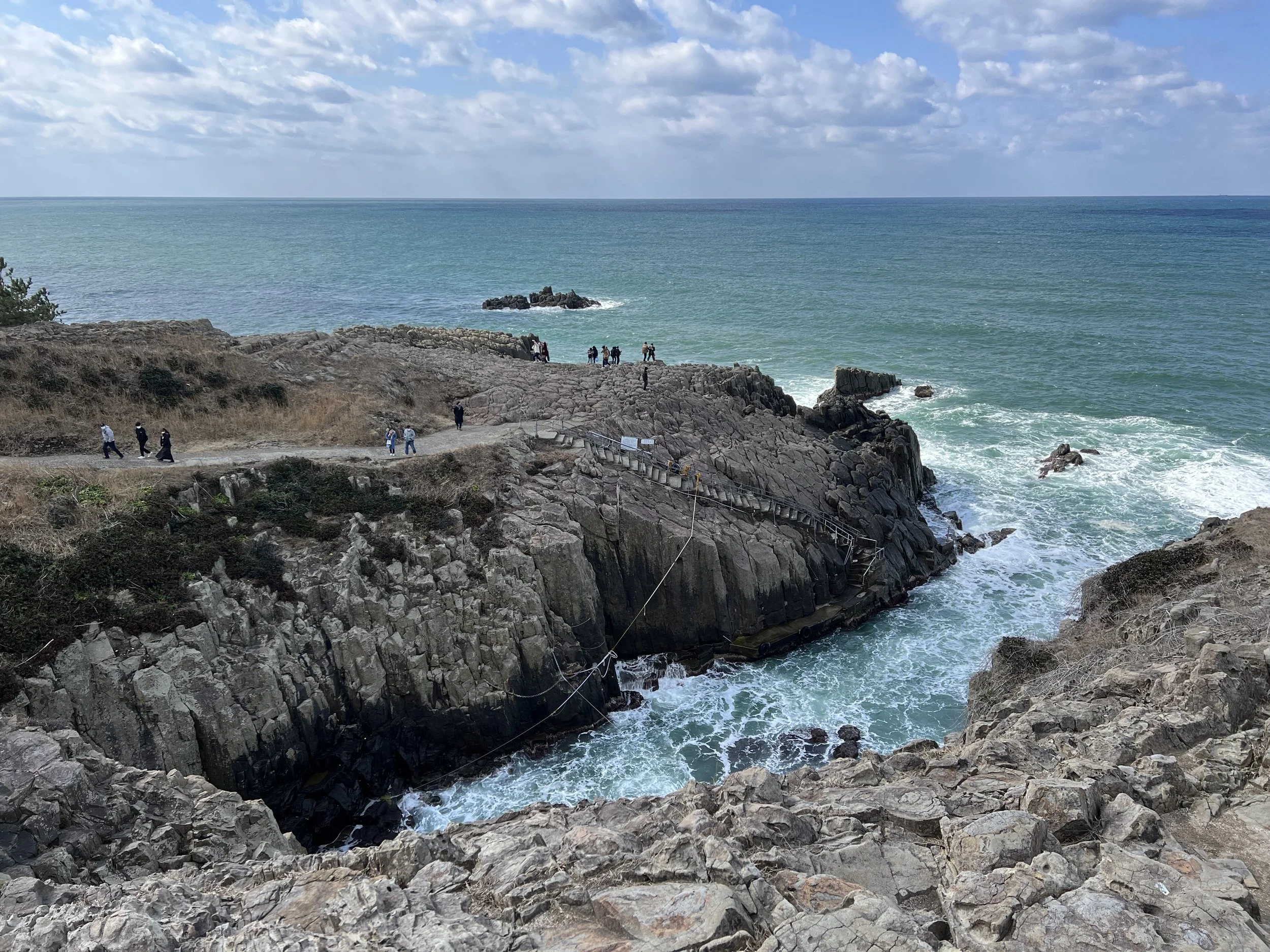
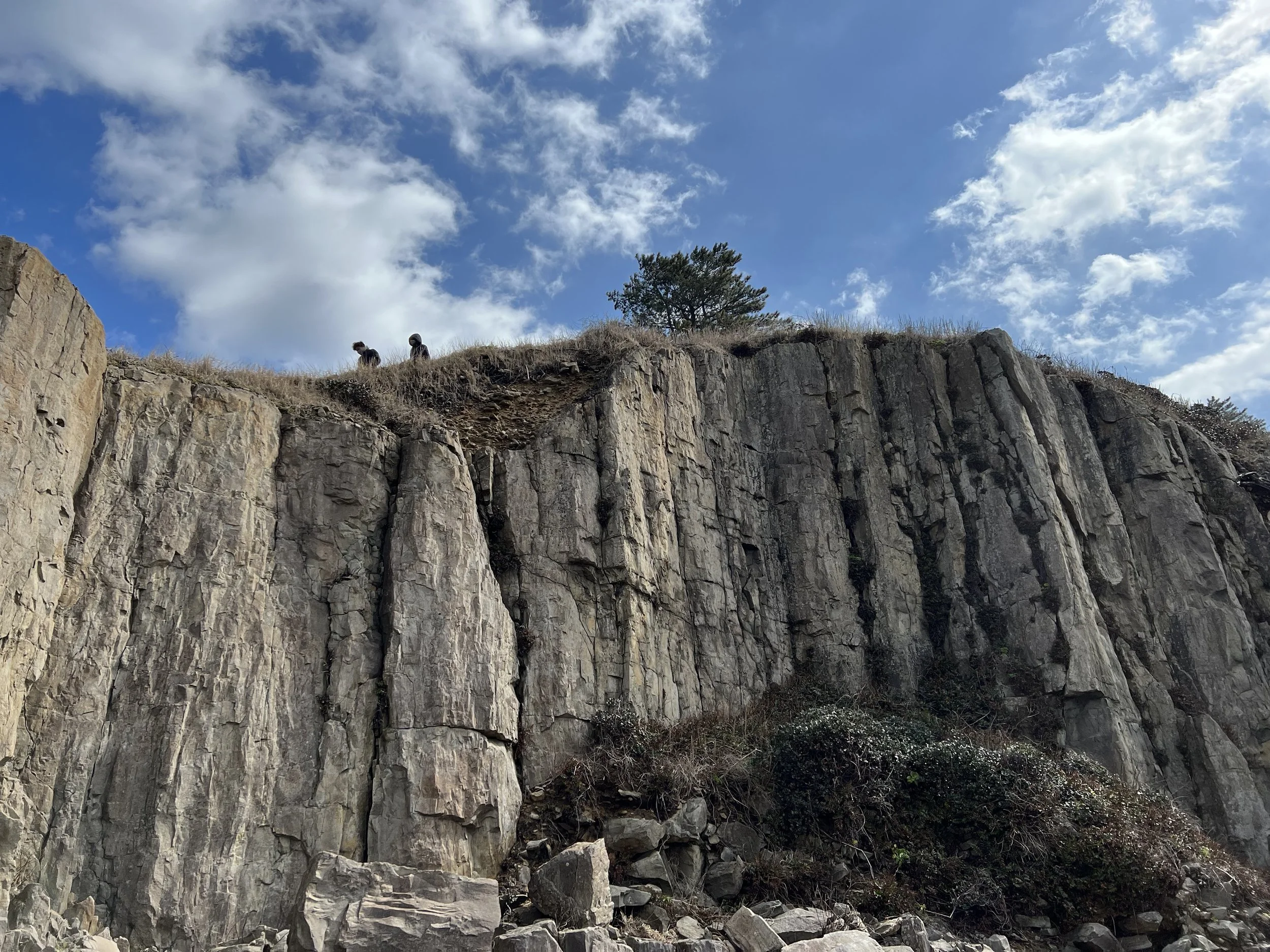
Tojinbo, located in Fukui Prefecture, is considered one of the three most scenic coastal landscapes in the world thanks to its striking geological formations. Situated within the protected Echizen-Kaga Kaigan Quasi-National Park, the area is designated both a National Place of Scenic Beauty and a Natural Monument. Its most famous feature is a dramatic one-kilometre stretch of towering columnar cliffs formed by ancient volcanic activity. Although this wasn’t my first visit to Tojinbo, the scenery remains just as awe-inspiring every time.
I was staying in the Kanazawa area, which made for a longer journey, but I had the time and figured it was the perfect opportunity to revisit Tojinbo and also explore nearby Oshima Island. The train ride itself was part of the experience—watching Japan’s countryside roll past the window is always calming and beautiful. Once I arrived at Awaraonsen Station, I transferred to a bus, but before boarding, I stopped by the ticket counter to purchase a Tojinbo Area bus pass. Since I planned to travel round trip, it was the most economical option.
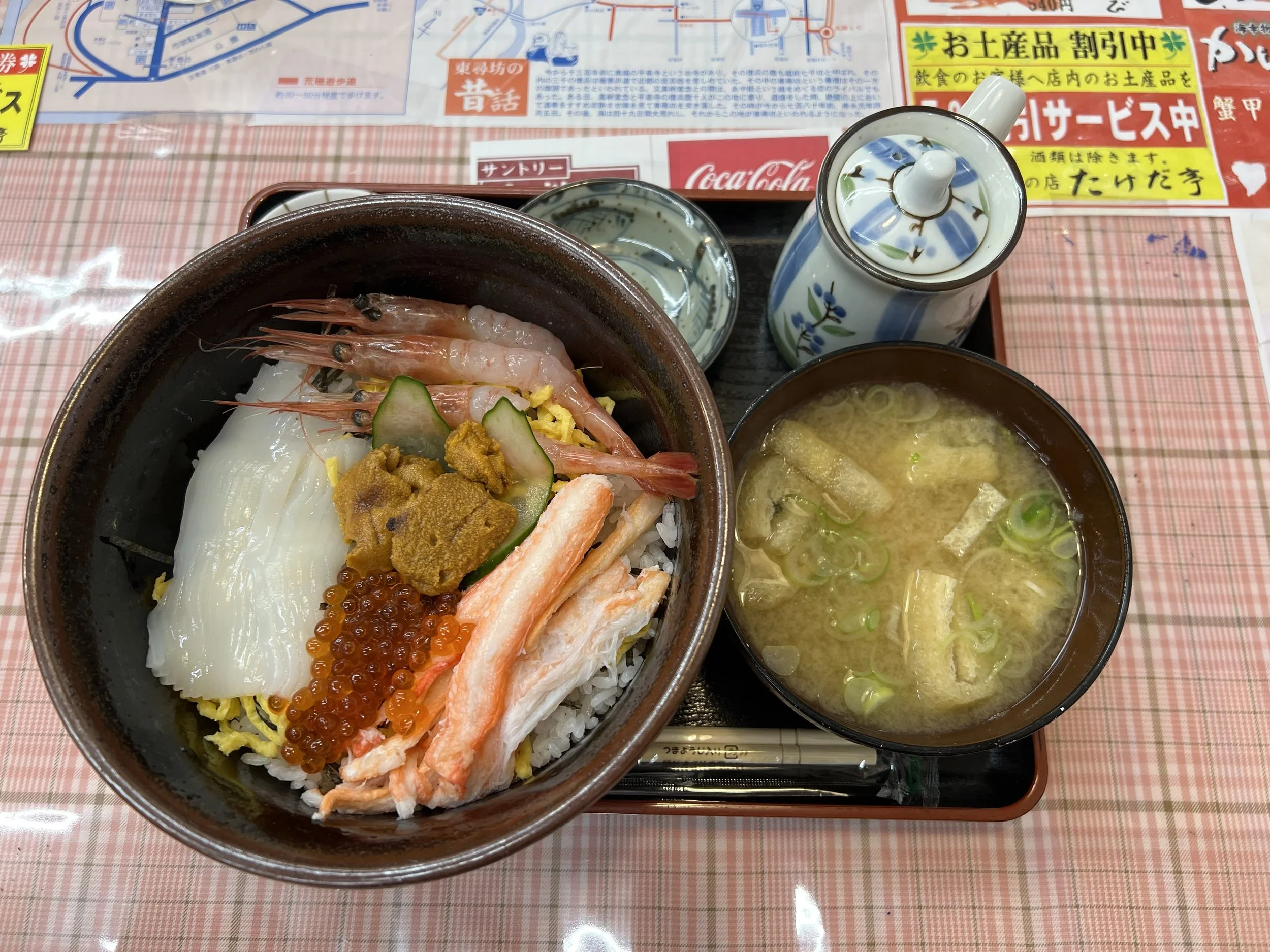
After boarding the bus, I was dropped off at the start of the shopping street that leads directly to the cliffs. Because it was winter and the off-season, many of the shops were closed, but those that were open still offered a good selection of souvenirs. The restaurants that remained open showcased Fukui Prefecture’s seafood specialties—most notably Echizen Snow Crab, which the region is famous for. I decided to have an early lunch before heading out to the cliffs and ordered a seafood and crab rice bowl at one of the restaurants. It was absolutely delicious—the freshness was exceptional, and the price was very reasonable. The staff even explained how to identify authentic Fukui snow crab by the distinctive yellow tag attached to it, a detail I couldn’t help but look for afterward as I explored the area.
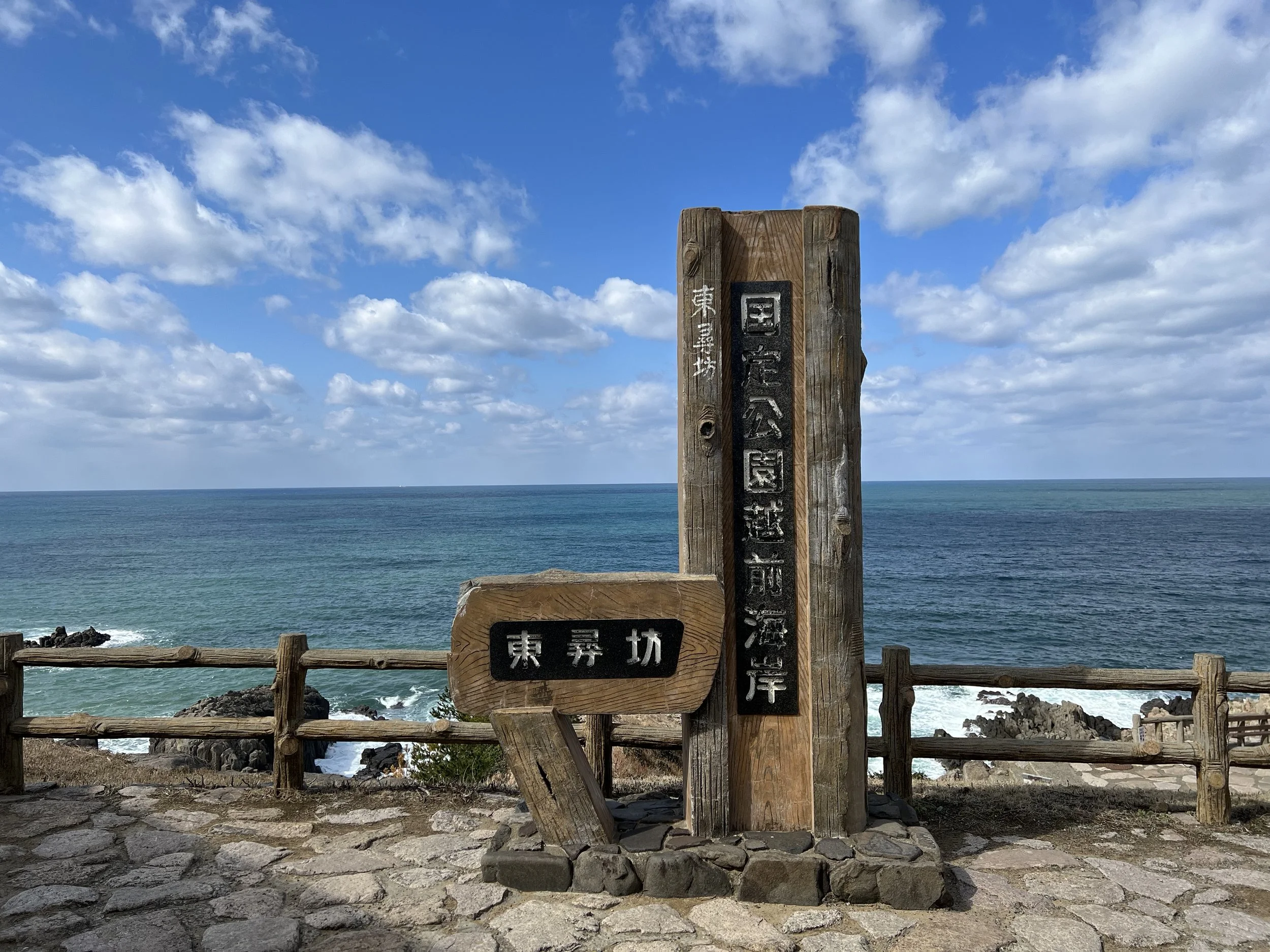
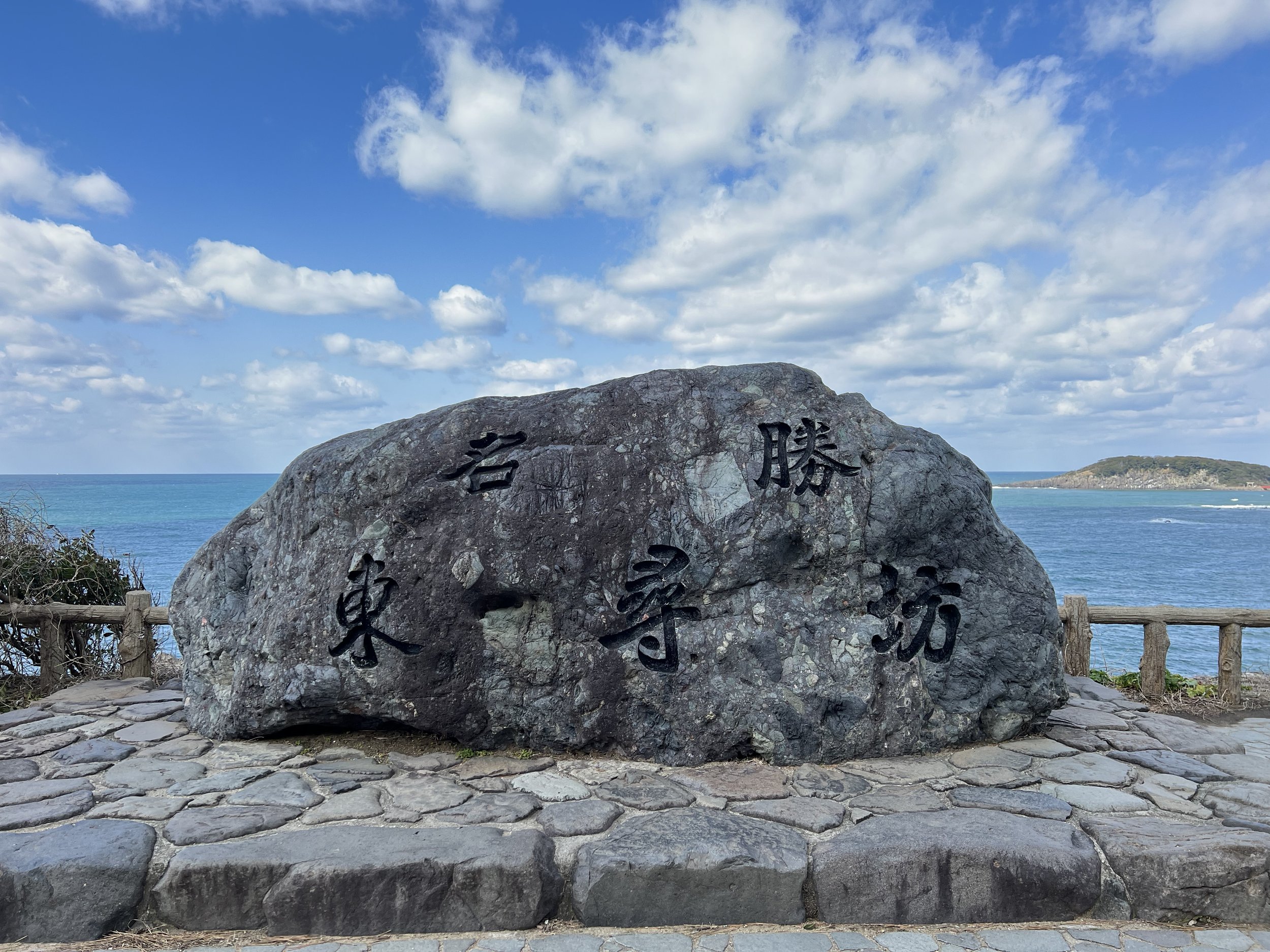
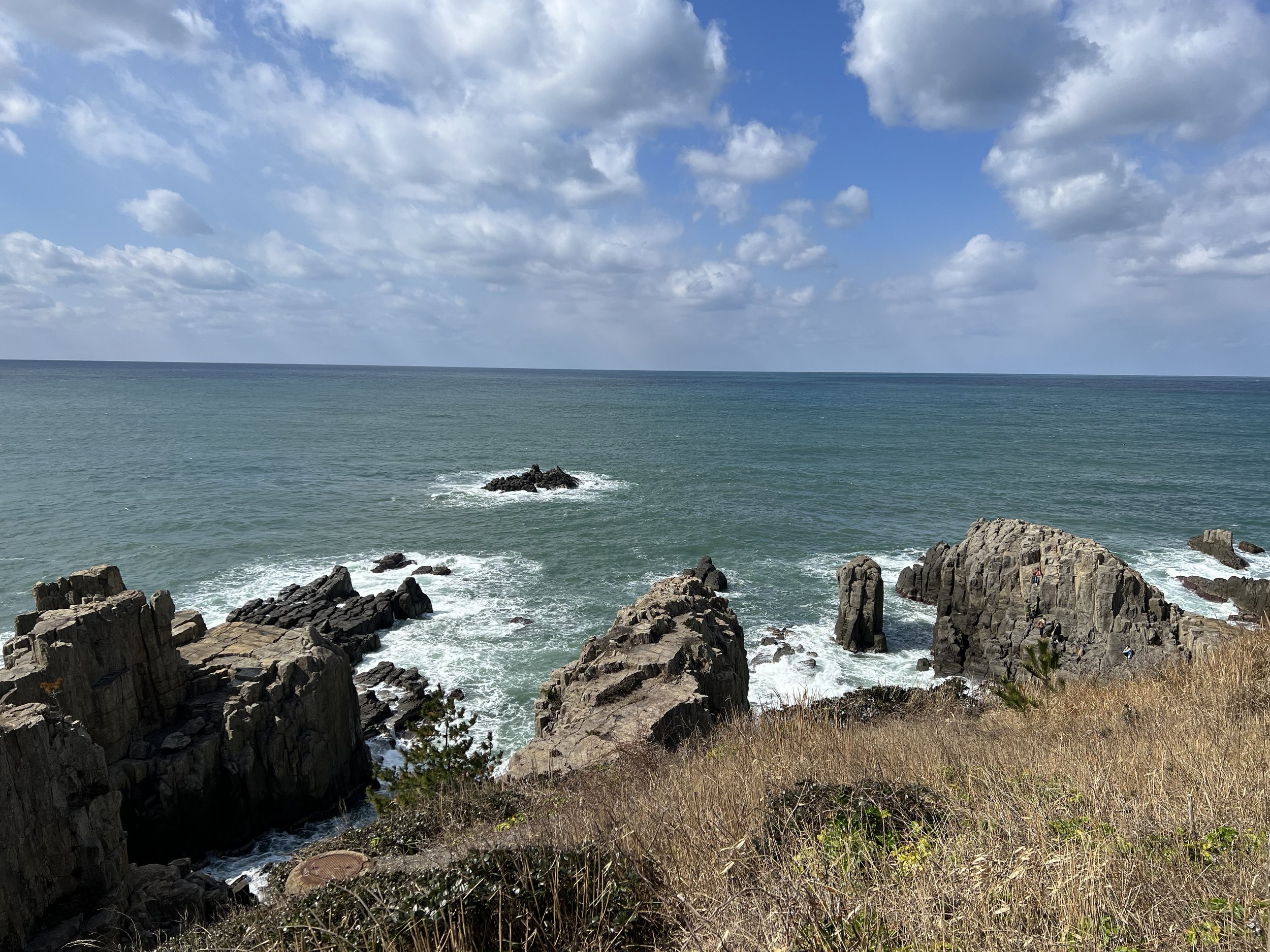
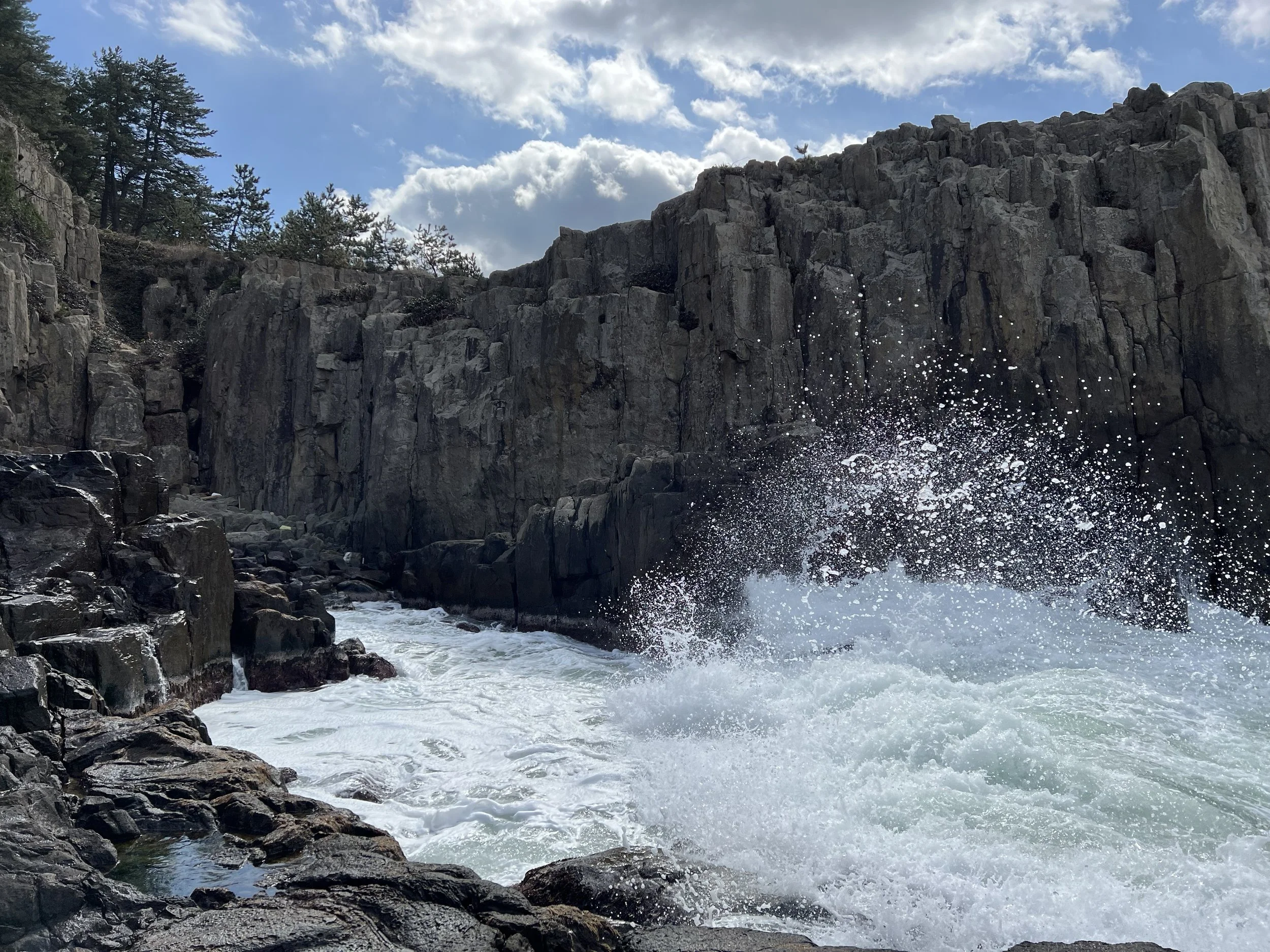
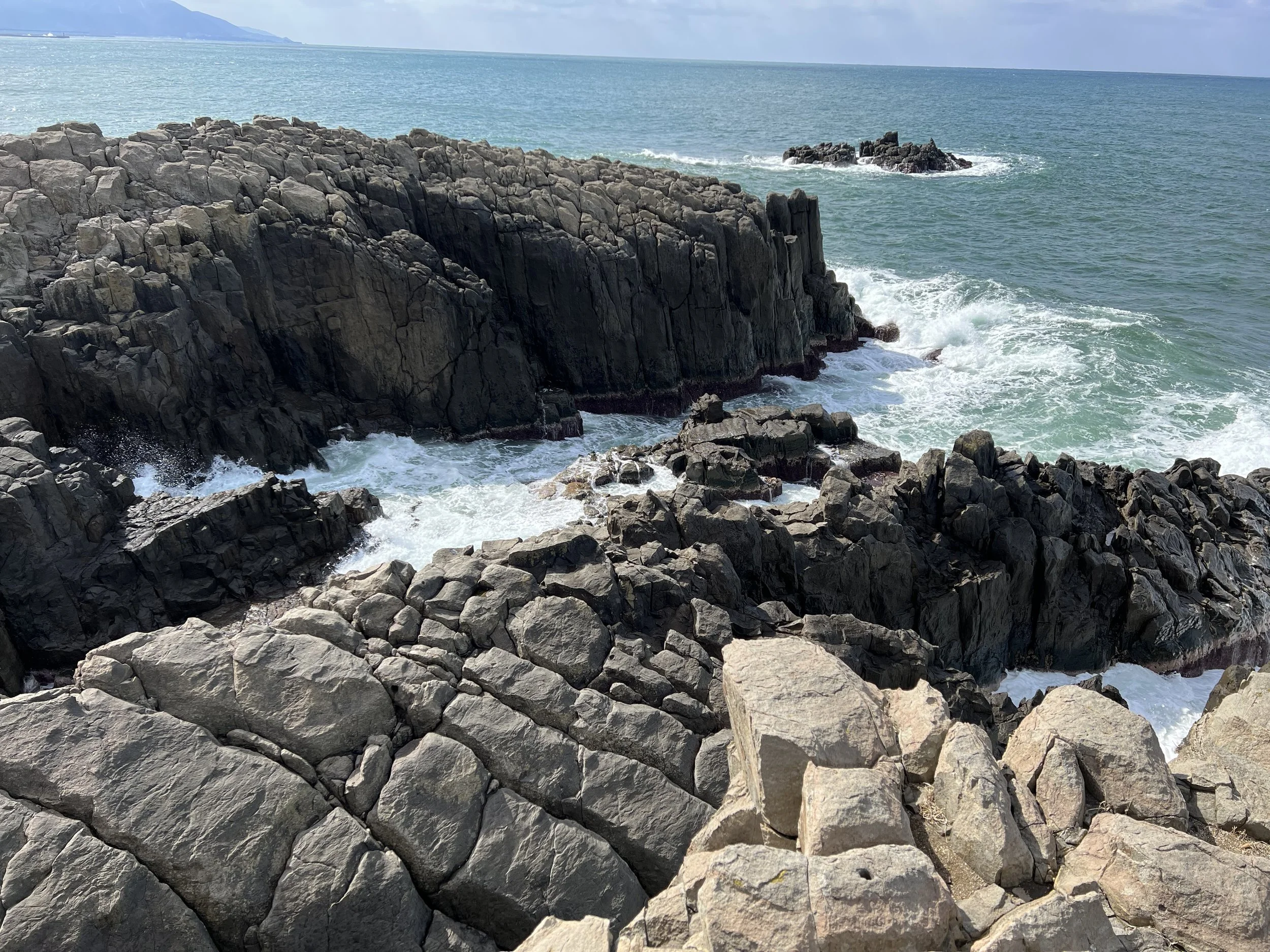
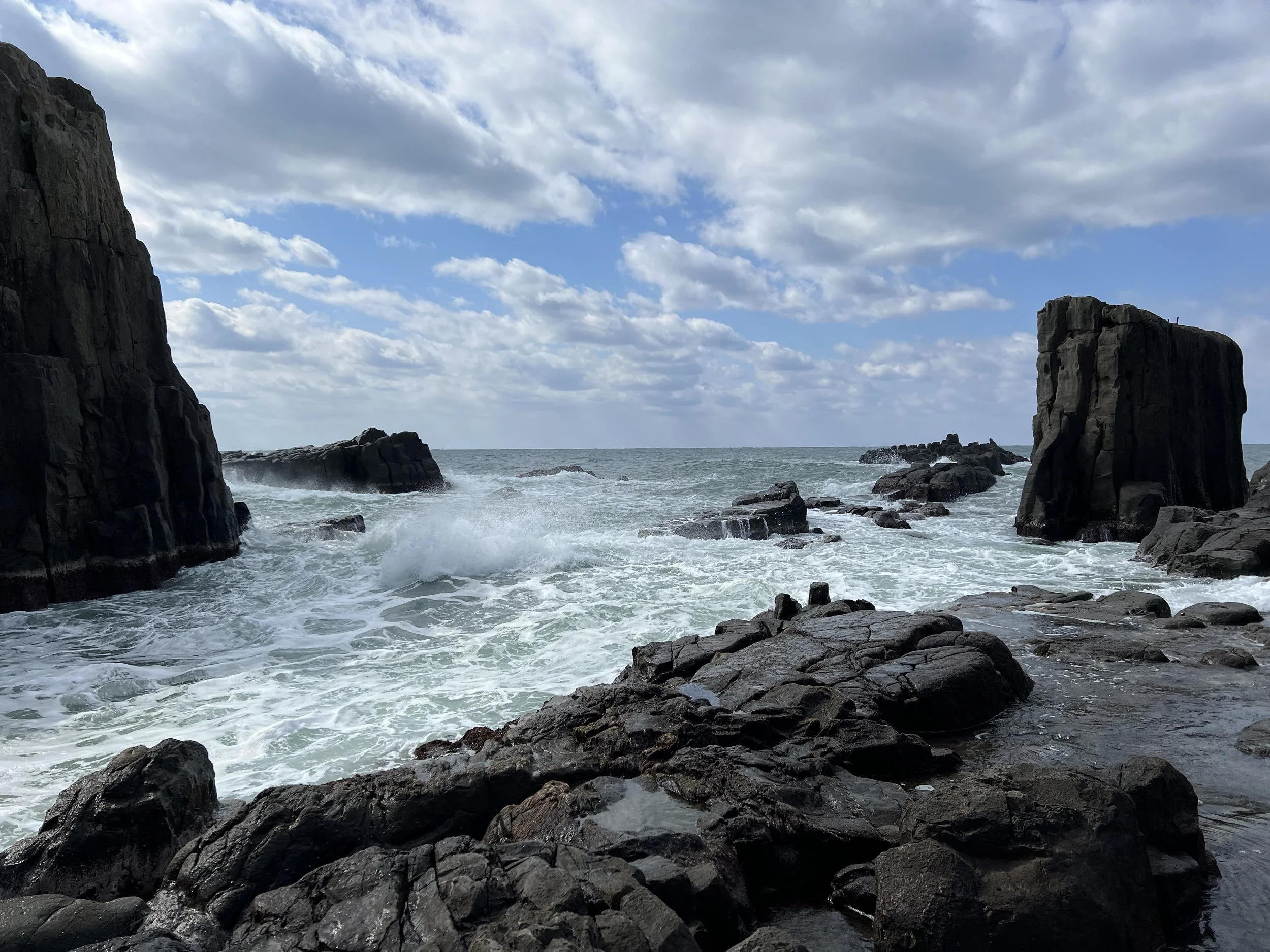
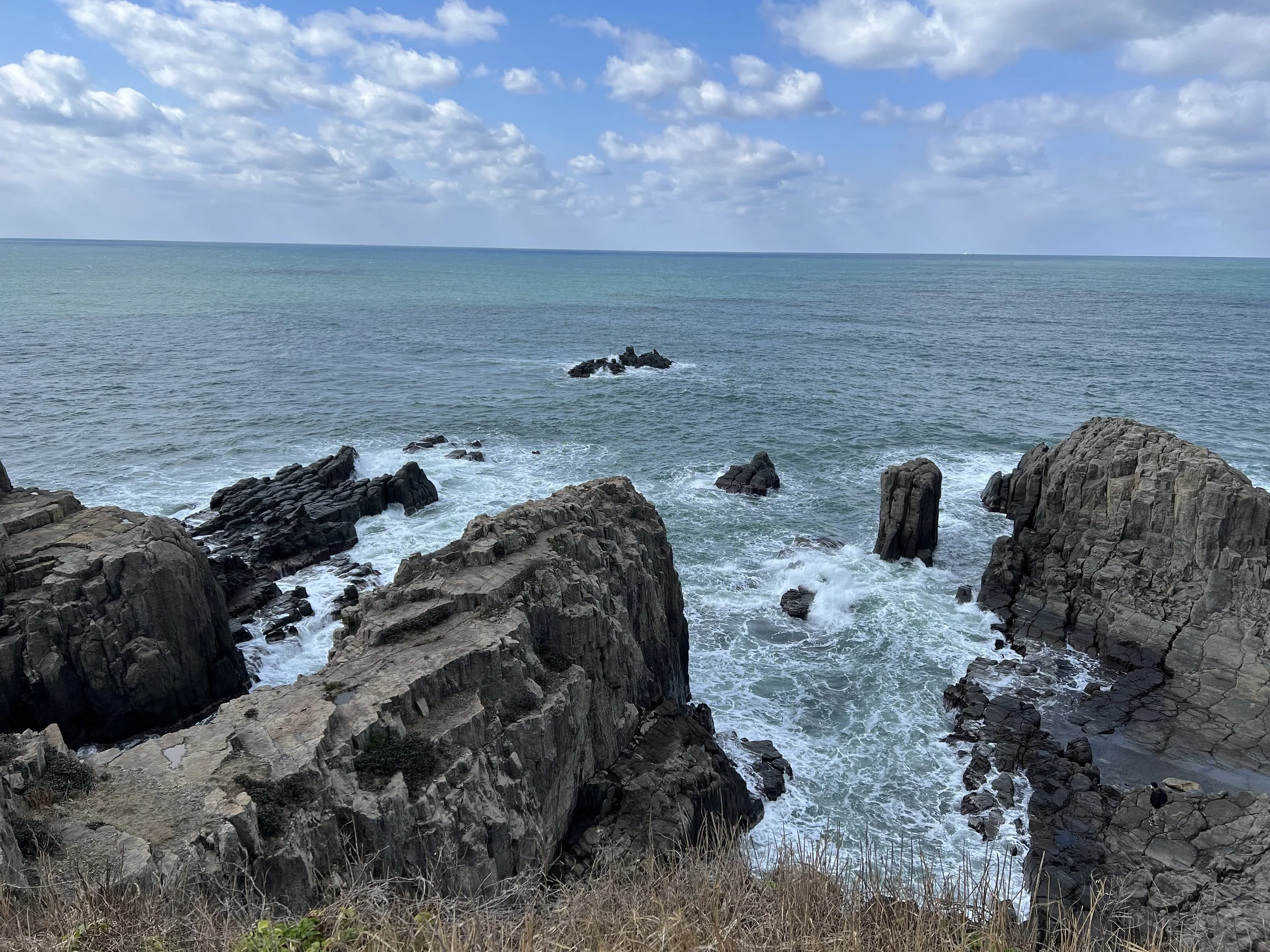
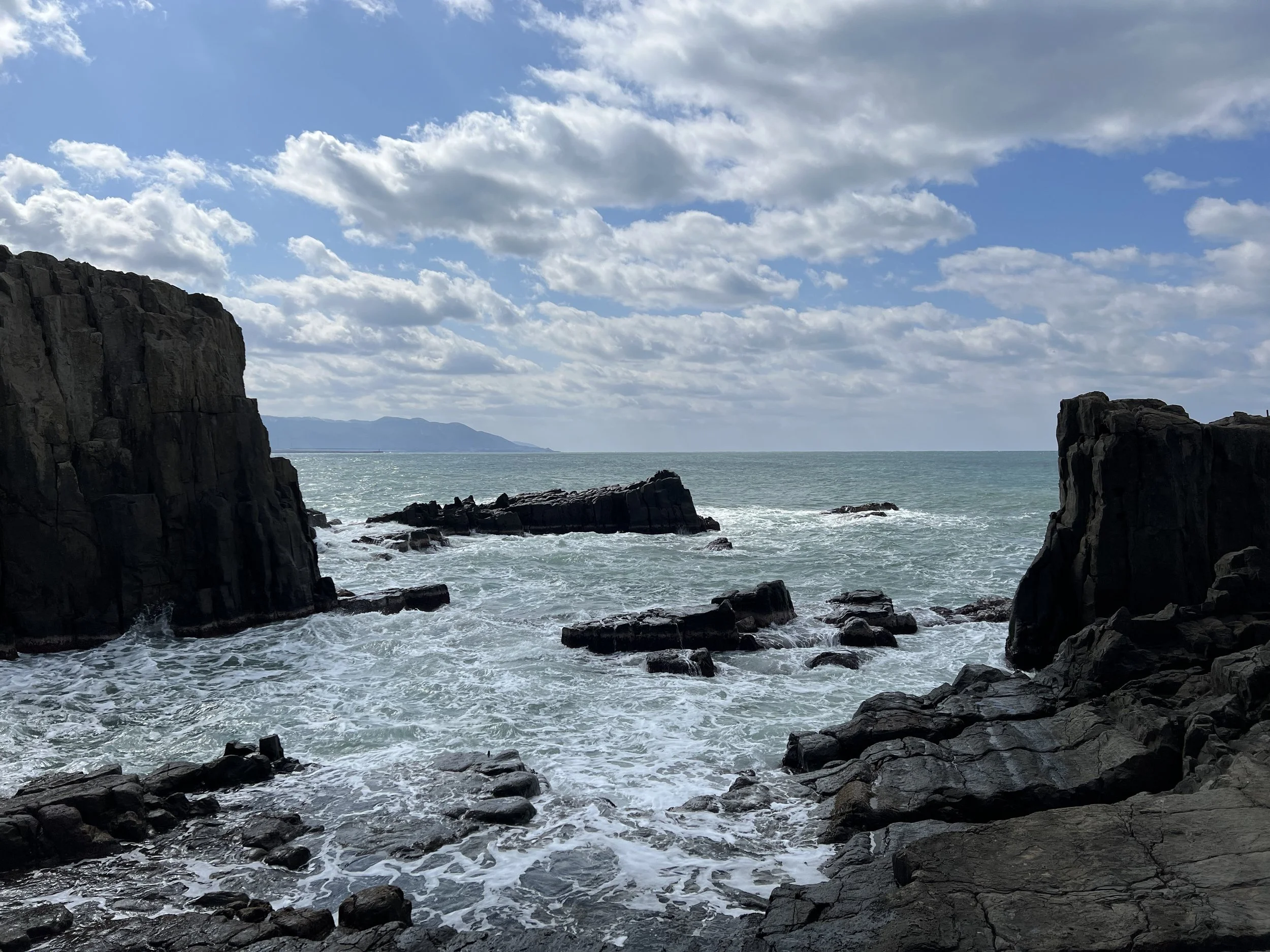
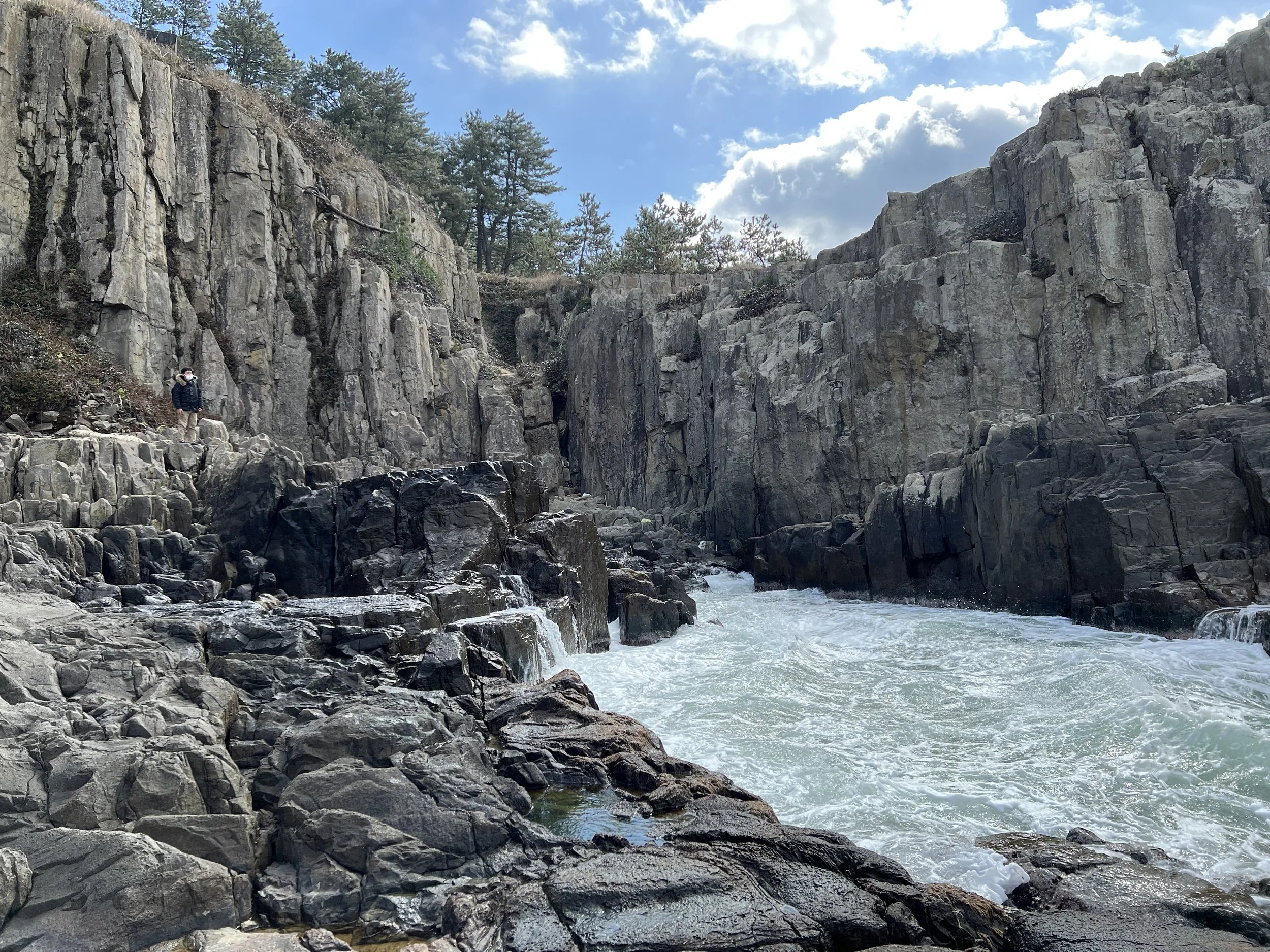
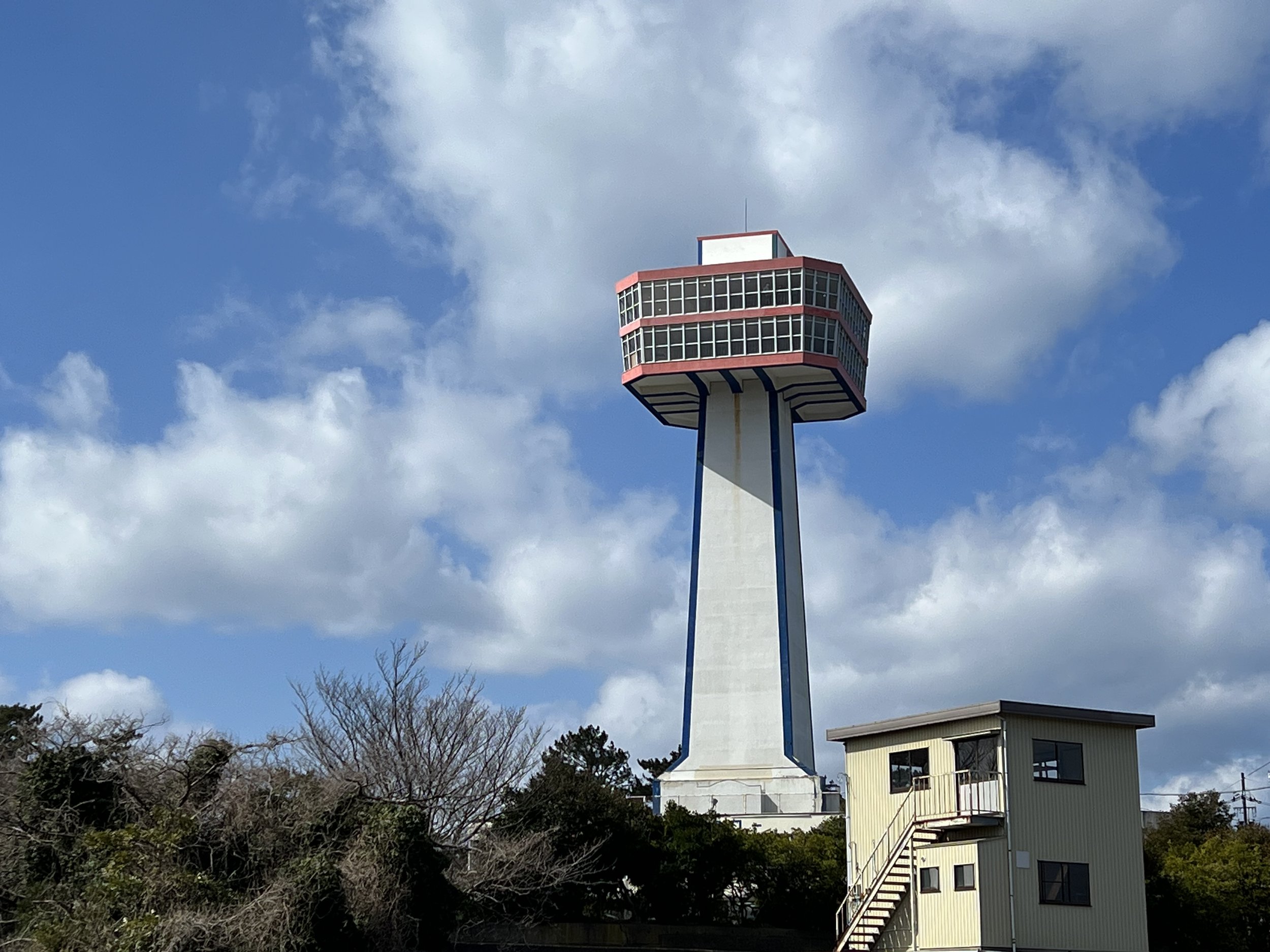
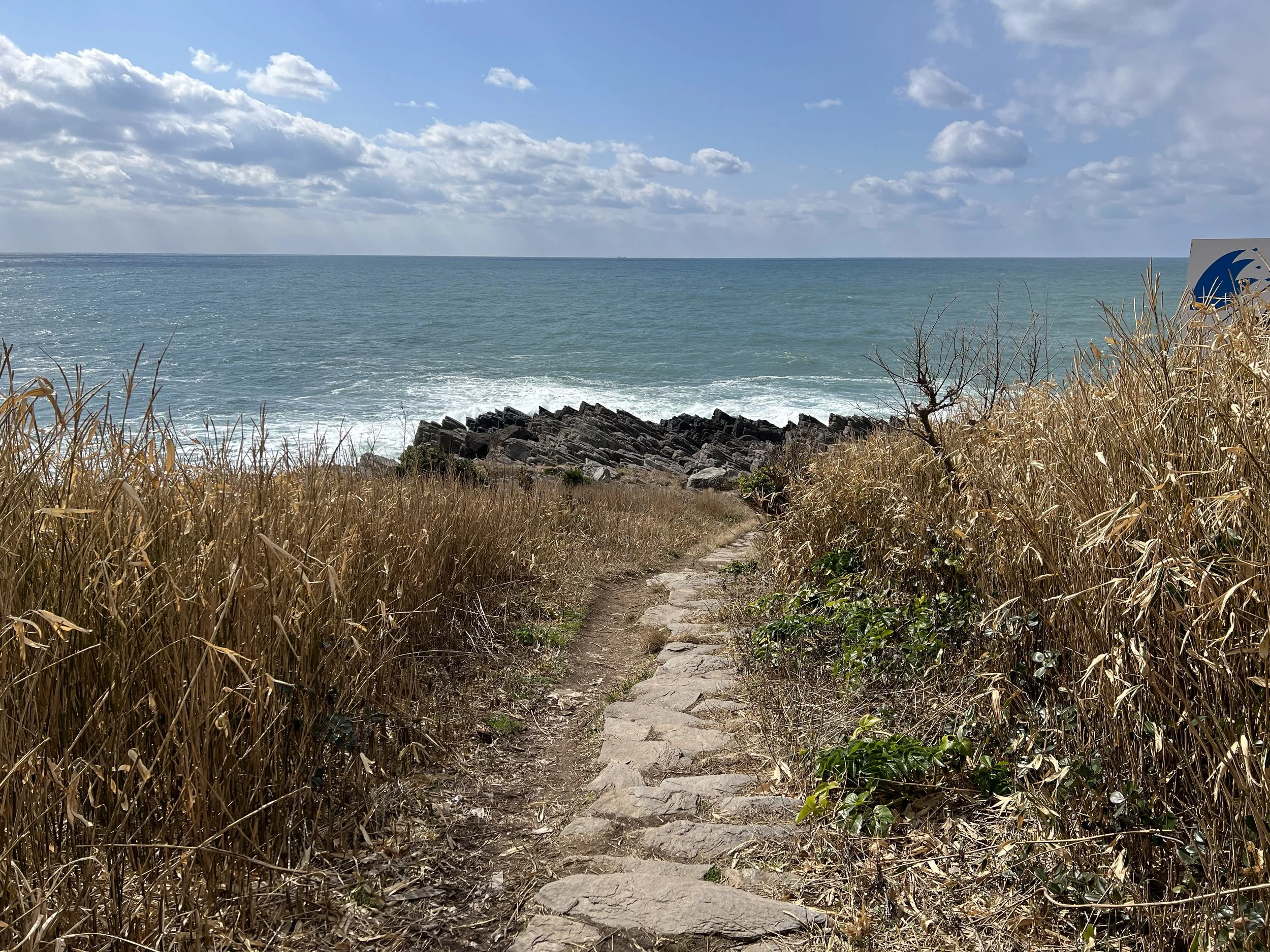
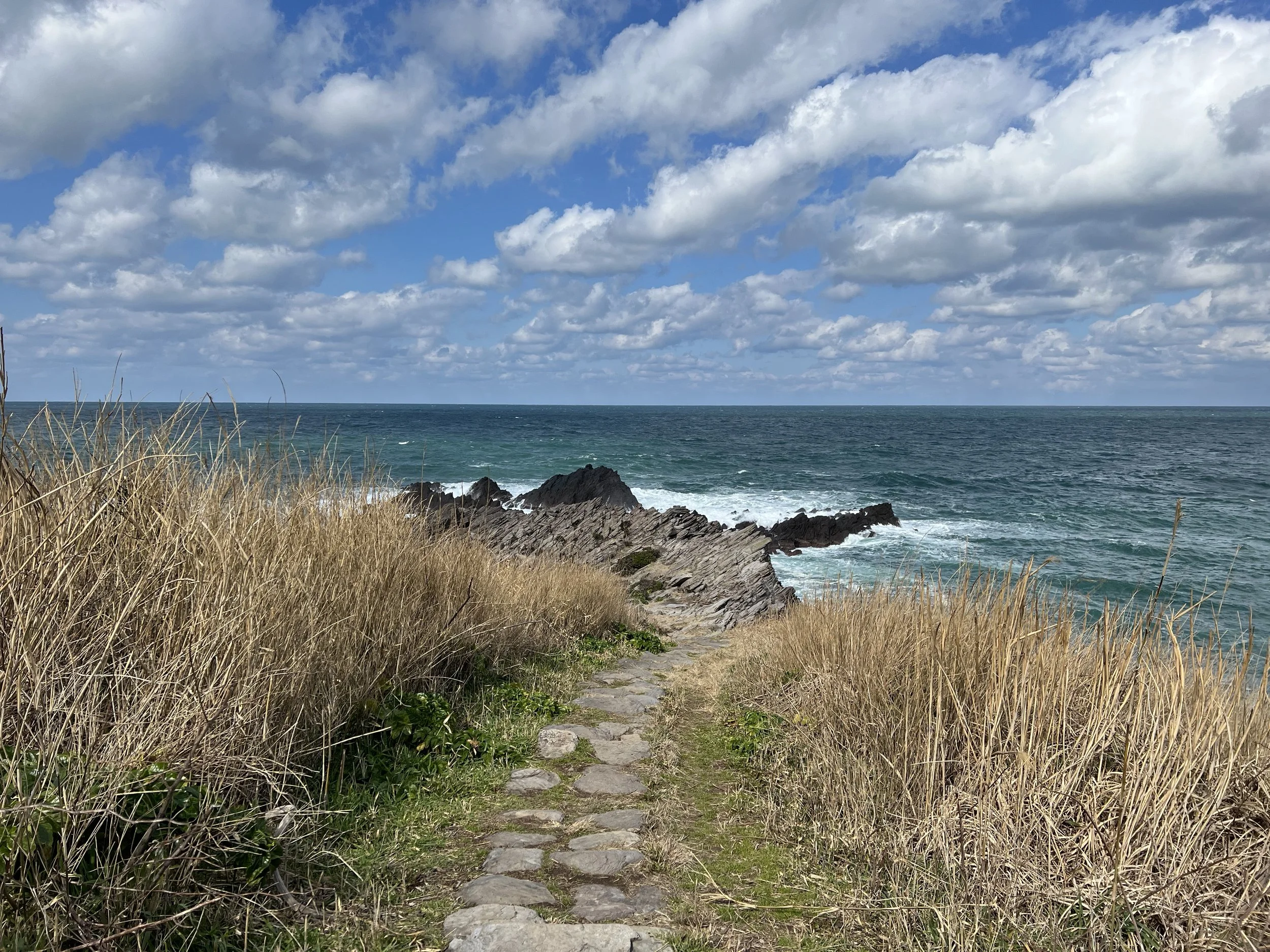
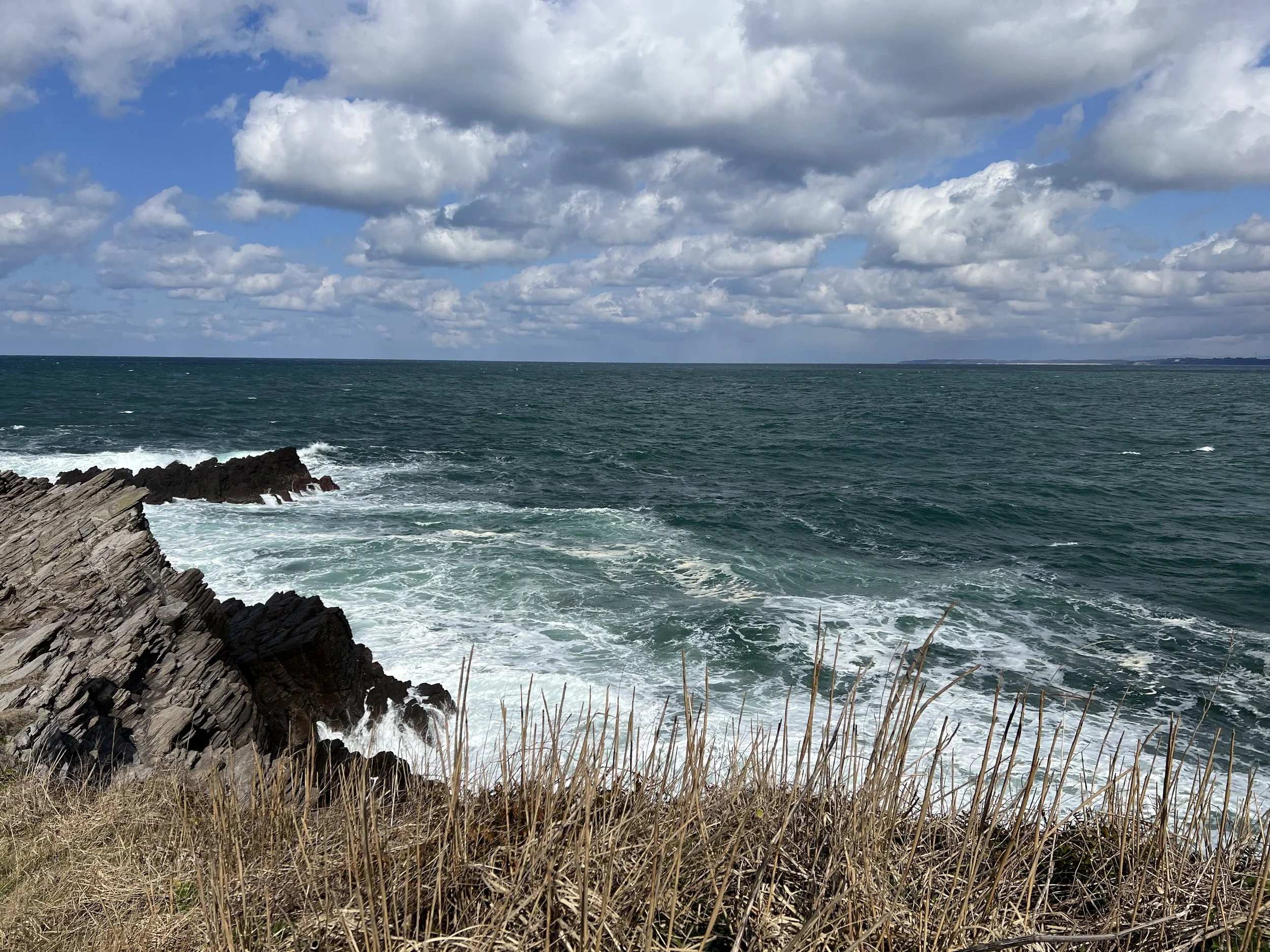
After lunch, I made my way toward the cliffside. With fewer visitors around due to the season, the area felt quiet and open, allowing me to take my time. I stopped to take photos at the Tojinbo sign before following the trail along the edge of the cliffs. From above, the massive stone columns are immediately visible, forming geometric patterns that look almost unreal. I also took the stairs down toward the water to see the formations up close. The towering rocks, combined with the sound of waves crashing against them, created a powerful and mesmerizing scene. The waves were quite high, so I made sure to keep a safe distance from the water’s edge.
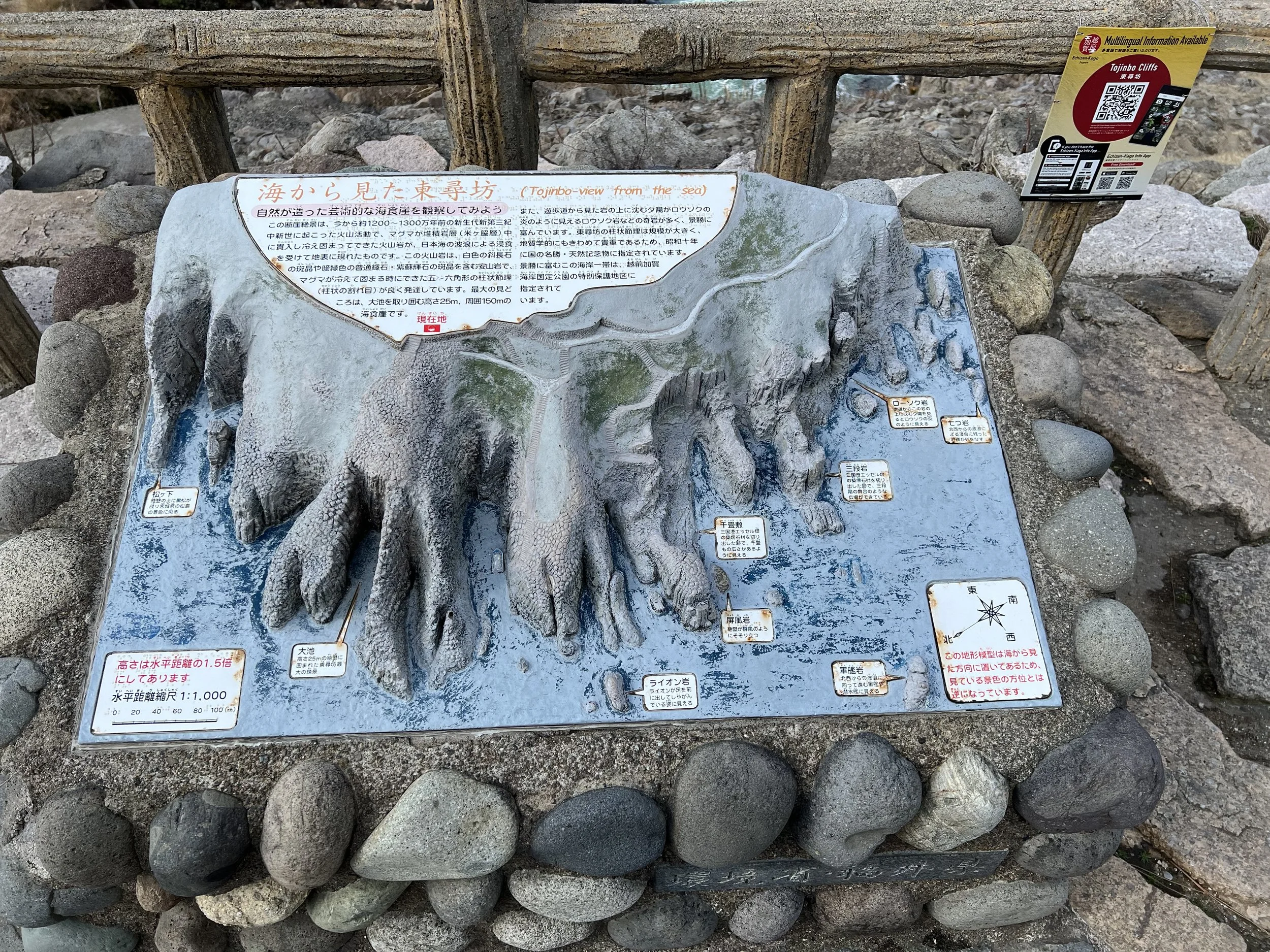
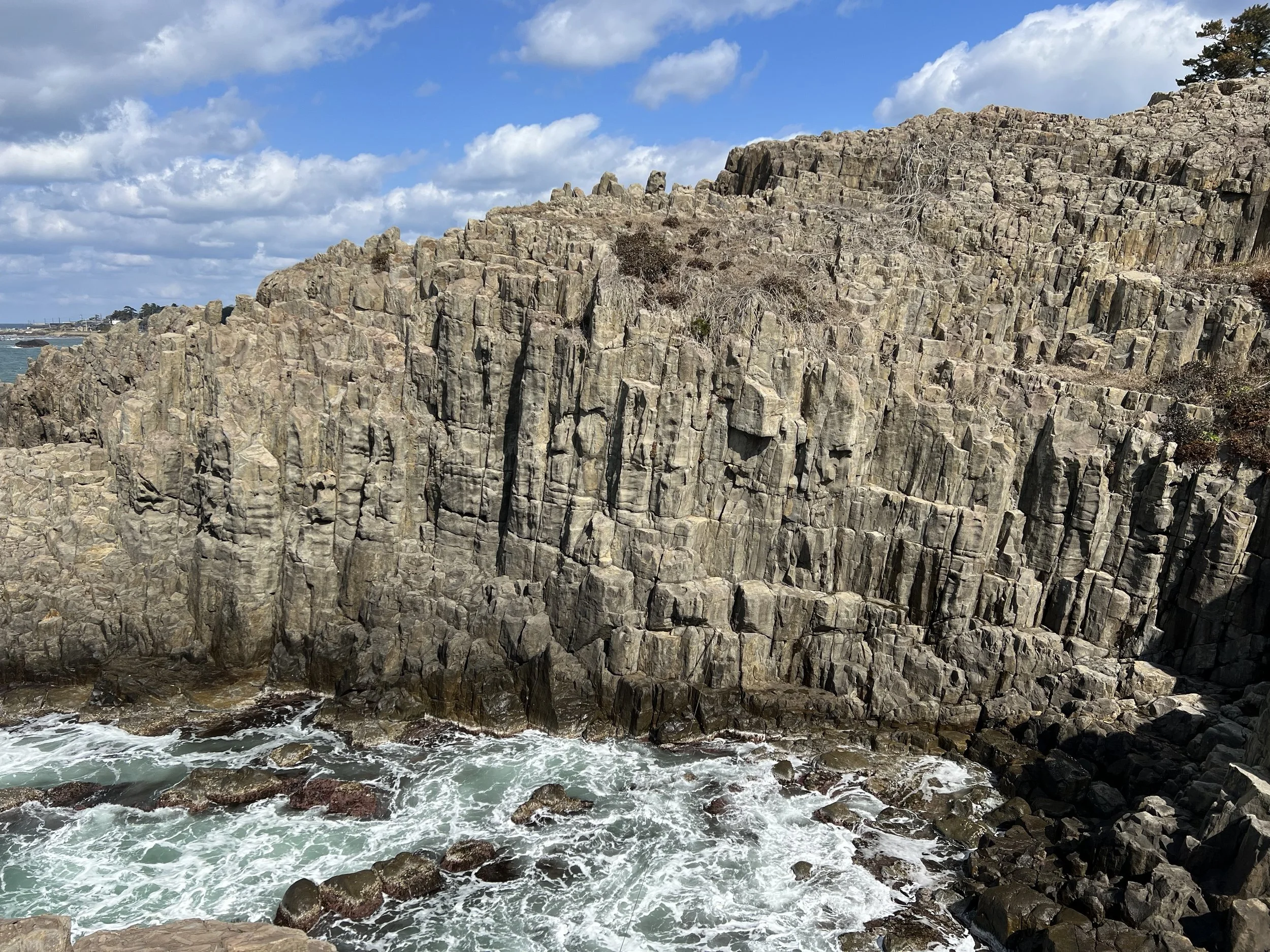
These columnar joints were formed when lava cooled and contracted, creating pentagonal and hexagonal rock shapes. The formations at Tojinbo date back approximately 13 million years, the result of volcanic eruptions during that period. Seeing them reminded me of the basalt columns at Reynisfjara Black Sand Beach in Iceland—another place where geology creates a dramatic natural spectacle.
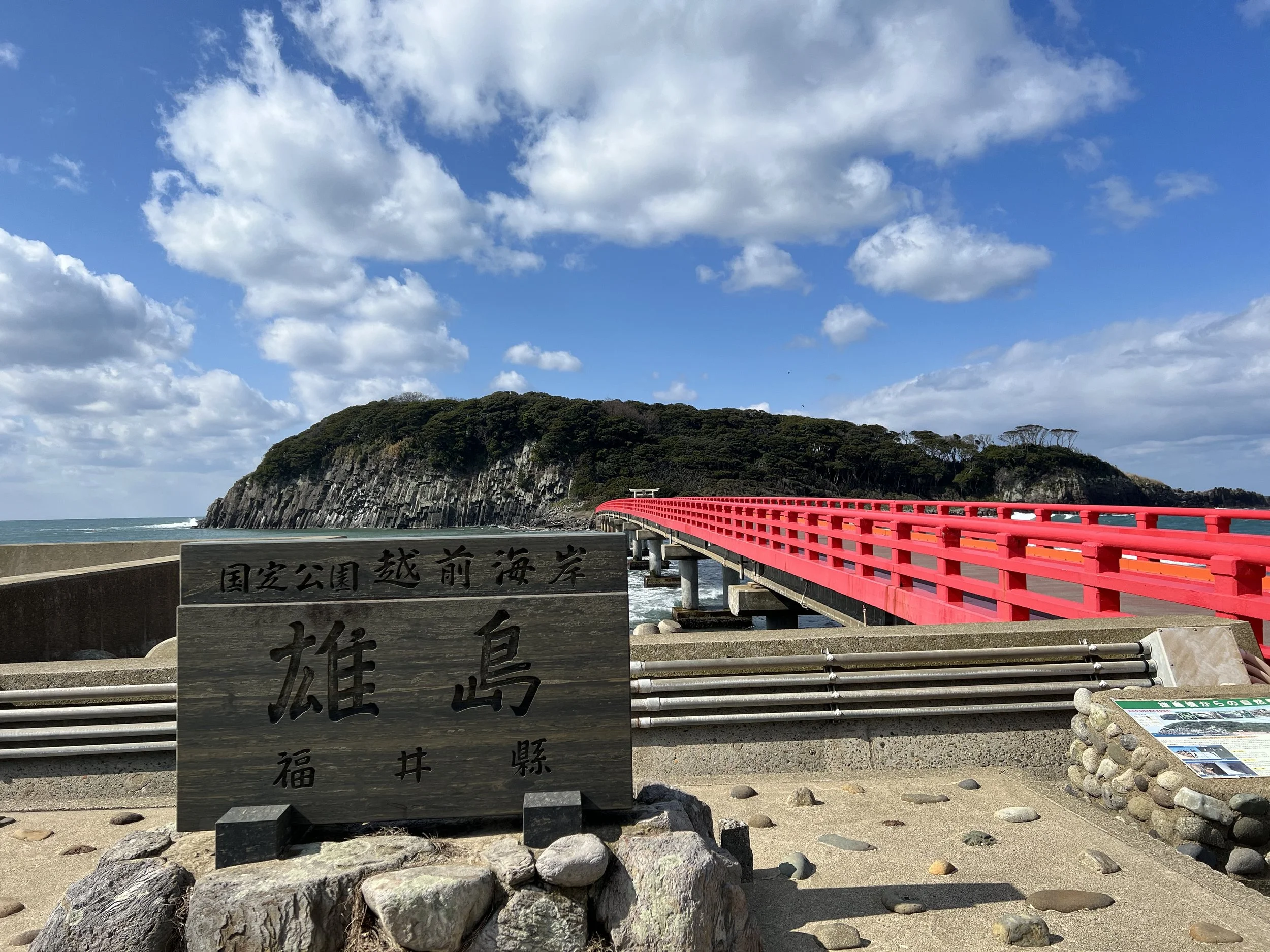
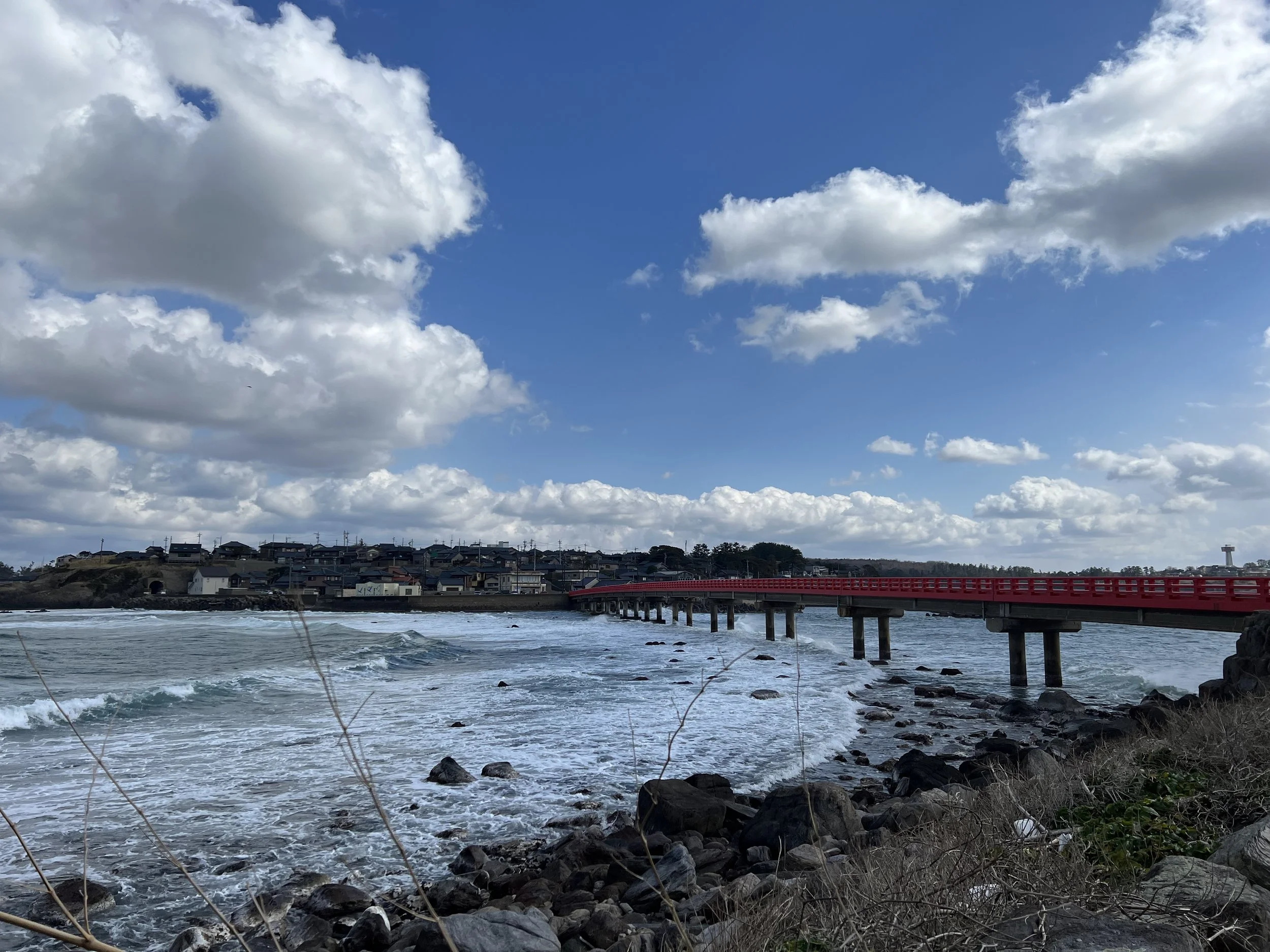
After exploring the various viewpoints along the cliffs, I continued on toward Ōshima Island. Located about 2.6 kilometres from Tojinbo, it’s accessible either by bus or on foot. I chose to walk along the coastal road, enjoying the fresh sea air and views along the way. Oshima is a small, uninhabited island formed by lava around the same time as Tojinbo and is connected to the mainland by a striking red bridge.
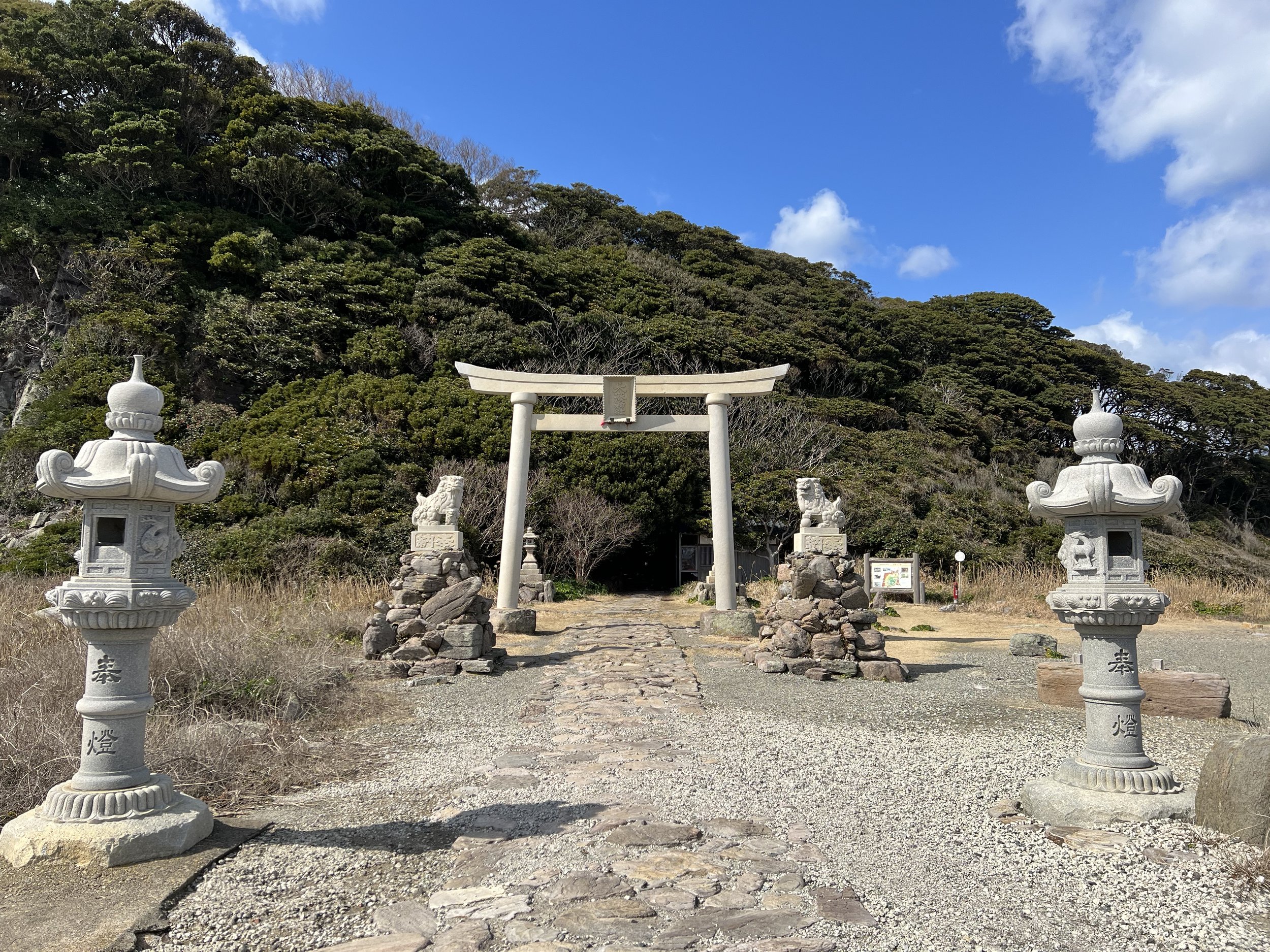
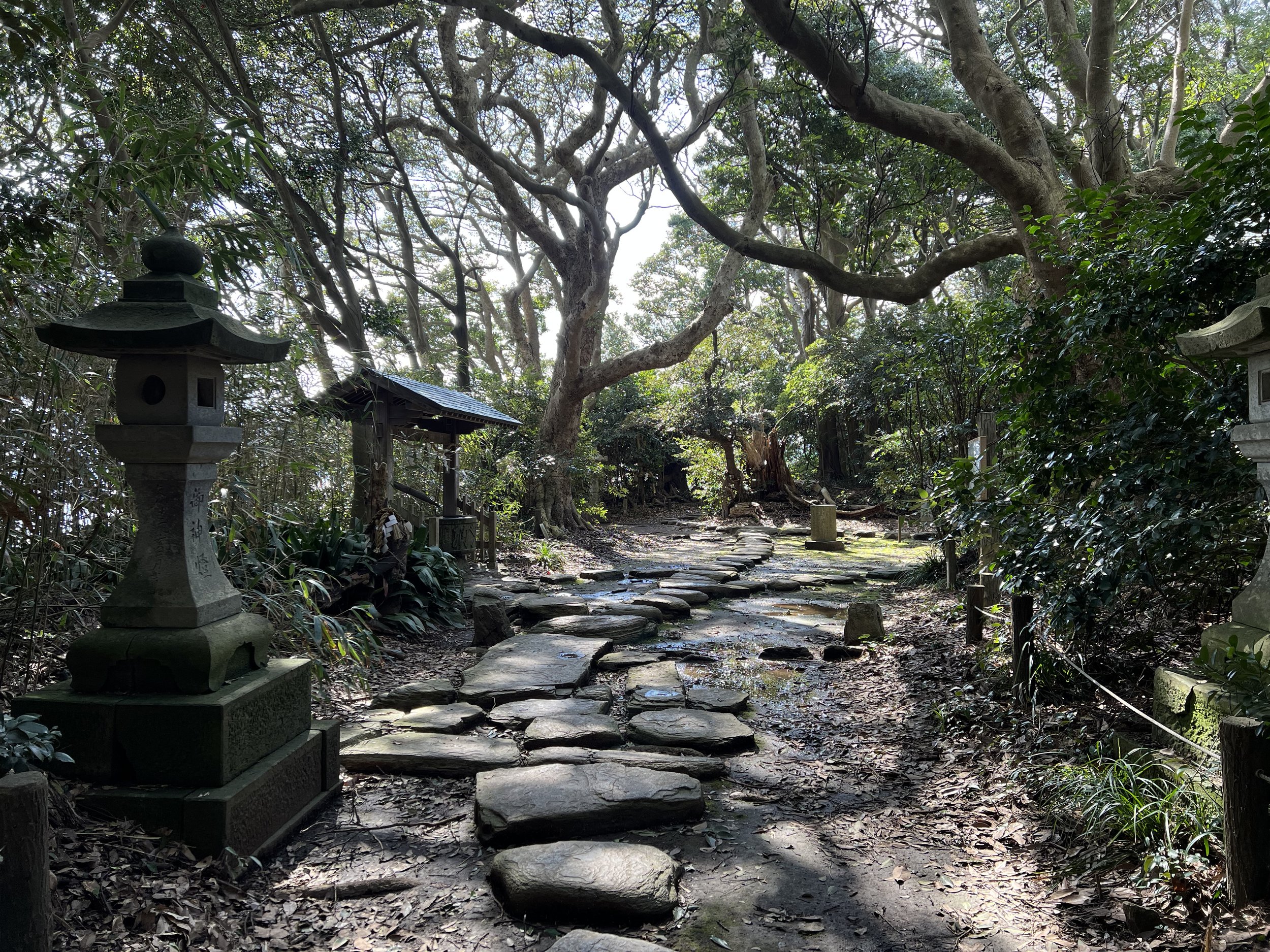
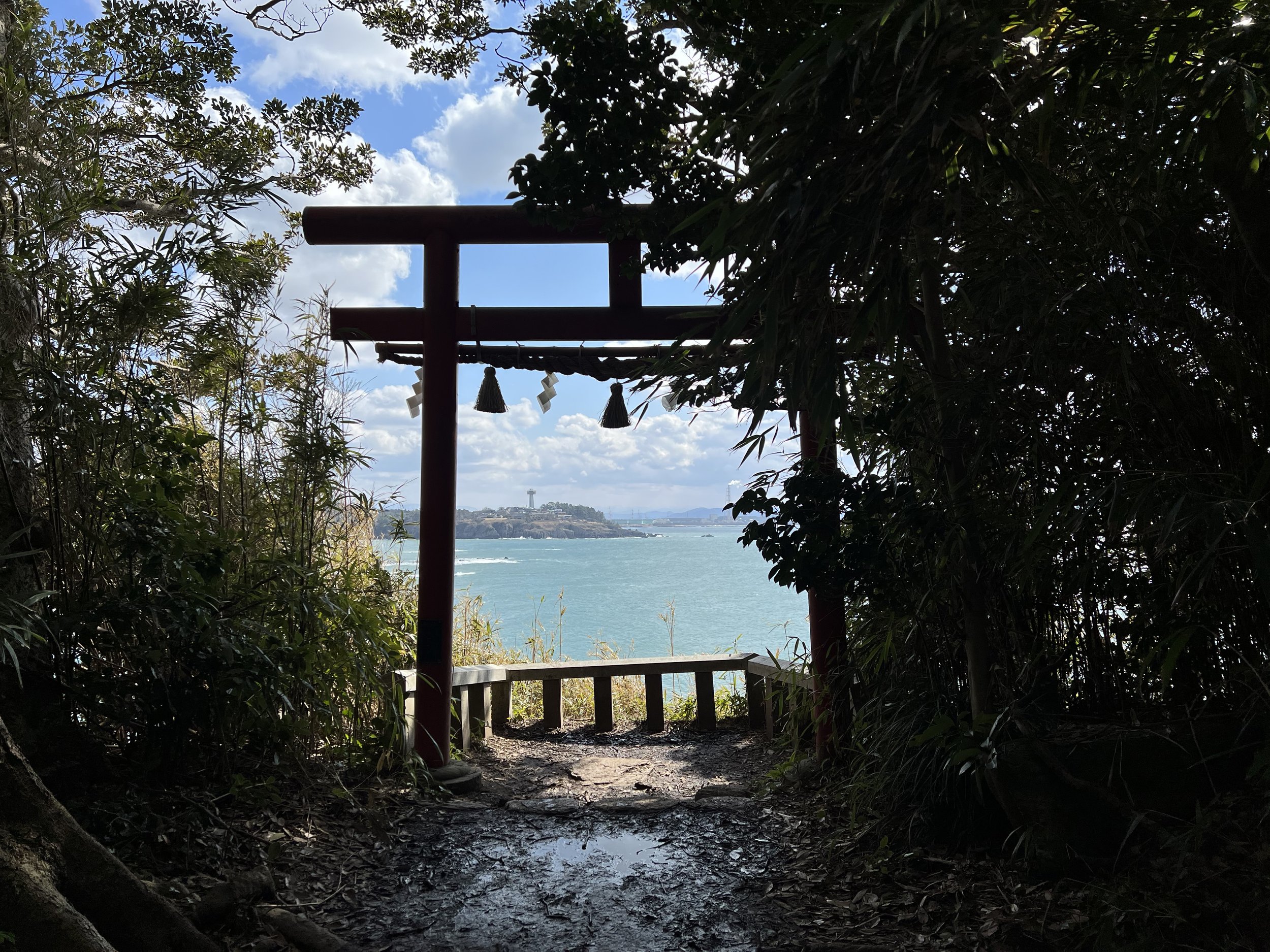
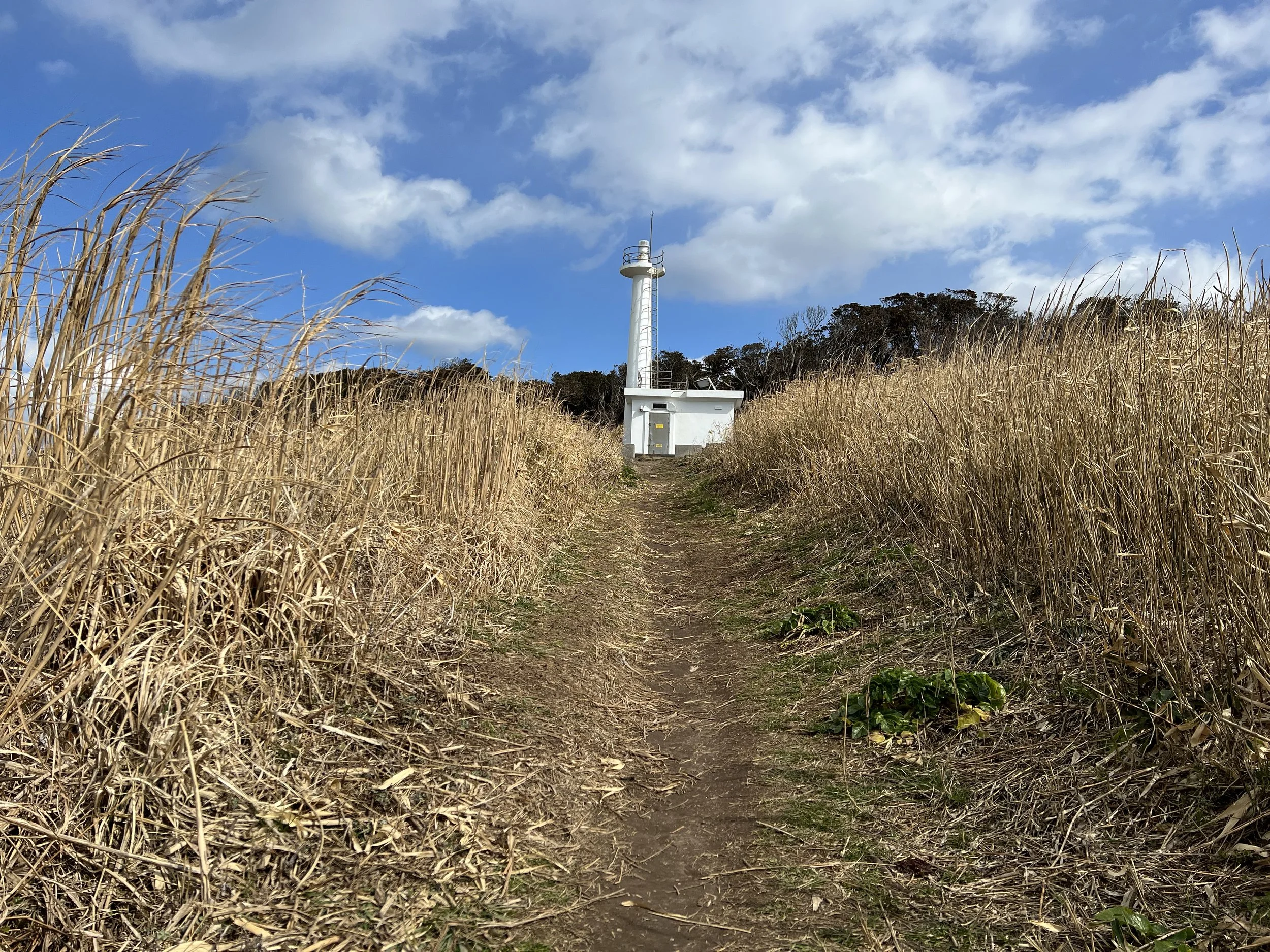
Crossing the bridge was an experience in itself. Once on the island, the first thing you see is a torii gate, though the shrine itself lies further along the trail. The shrine is dedicated to the protection of sailors and fishermen and is surrounded by quiet forest, giving the area a peaceful and almost secluded atmosphere. The trail loops around the island, connecting the shrine, lighthouse, and various viewpoints. The path was a bit muddy in places, so I had to watch my footing carefully. I learned that a festival is held here every April, when people gather to pray for safe voyages and abundant catches.
No matter where you stand along the trail, you’re rewarded with sweeping ocean views, and from certain points, you can even see the Tojinbo cliffs from across the water. After completing the loop and taking in the scenery from multiple angles, I crossed the bridge back to the mainland. Conveniently, the bus stop back to Awaraonsen Station is located right by the bridge, making the return trip easy. Tojinbo and Oshima together made for a rewarding and memorable day of coastal exploration.
History & Background
Tojinbo is one of Japan’s most striking coastal landscapes and is often cited as one of the three most scenic cliff formations in the world due to its rare geological features. Located in Fukui Prefecture, it lies within the Echizen-Kaga Kaigan Quasi-National Park and is officially designated both a National Place of Scenic Beauty and a Natural Monument.
The cliffs are composed of massive columnar joint formations created by volcanic activity approximately 13 million years ago. As lava cooled and contracted, it fractured into distinctive pentagonal and hexagonal columns—an extremely rare formation globally and the only place in Japan where such extensive columnar joints exist along the coast. Over time, relentless wave erosion sculpted these formations into the dramatic cliffs seen today.
Beyond its geology, Tojinbo has long been associated with maritime culture and folklore. Historically, the surrounding waters were important fishing grounds, and nearby Oshima Island became a spiritual site where sailors prayed for safe voyages and abundant catches. Today, the area is known not only for its natural beauty but also for its connection to Fukui’s seafood traditions, particularly Echizen Snow Crab, one of Japan’s most prized winter delicacies.
Getting There
From Kanazawa Station, take the JR Hokuriku Line to Awaraonsen Station. Upon arrival, purchase a Tojinbo Area bus pass at the bus ticket counter. Board the bus bound for Tojinbo; it stops at the entrance to the shopping street that leads directly to the cliffs.
From Fukui Station, take the Echizen Railway Mikuni-Awara Line to Mikuni Station or Mikuni-Minato Station. From either station, transfer to a local bus bound for Tojinbo. The bus drops passengers near the shopping street, which provides direct access to the cliff area.
Route Overview
Distance: 5.34 km (Tojinbo → Oshima Island)
Total elevation gain: 126 m
Duration: 1 hr 11 min (with breaks 1 hr 38 min)
Difficulty: Easy
Bus Info: Learn more about discount tickets on the official Tojinbo-area bus website.
Cost Breakdown
Train: Kanazawa Station → Awaraonsen Station — ¥3,390
Bus Pass: Tojinbo Free Ticket — ¥1,200
Bus : Awaraonsen Station → Tojinbo — ¥0 (included in bus pass)
Food: ¥2,766