Shikoku Henro - Cape Uno to Cape Ashizuri - Kochi, Japan
I wanted to visit Cape Ashizuri, the southernmost point of Shikoku, and since Temple #38 was nearby, I decided to combine it with a walk along part of the Shikoku 88 Temples Pilgrimage and sections of the Shikoku no Michi long trail.
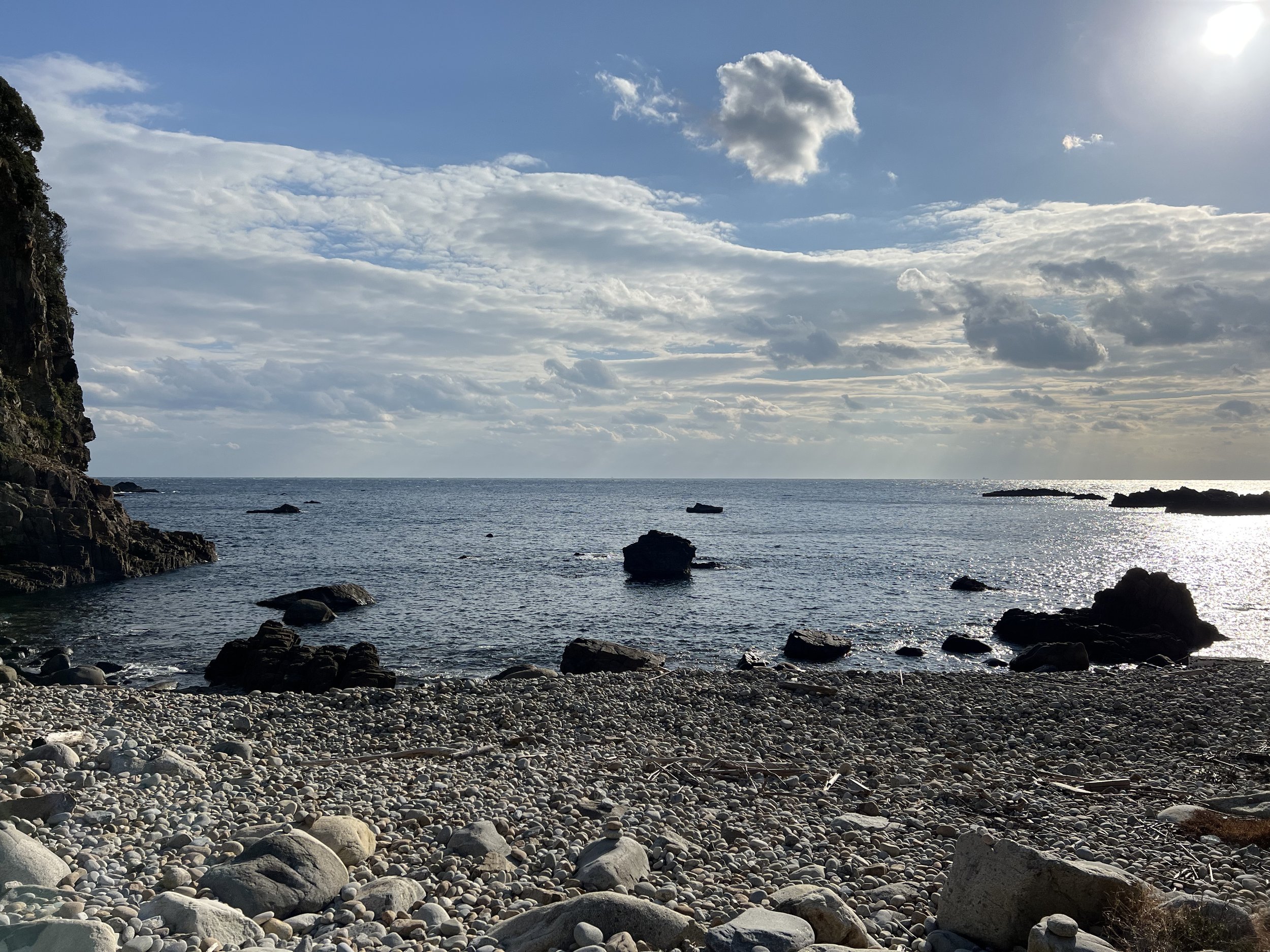
It was quite a journey to reach Cape Uno from Uwajima. I took a bus from Uwajima to Sukumo Station, transferred to a train to Nakamura Station, and then caught the final bus to Cape Uno. From there, I began walking toward Cape Ashizuri, making a few detours along the way to explore scenic spots.
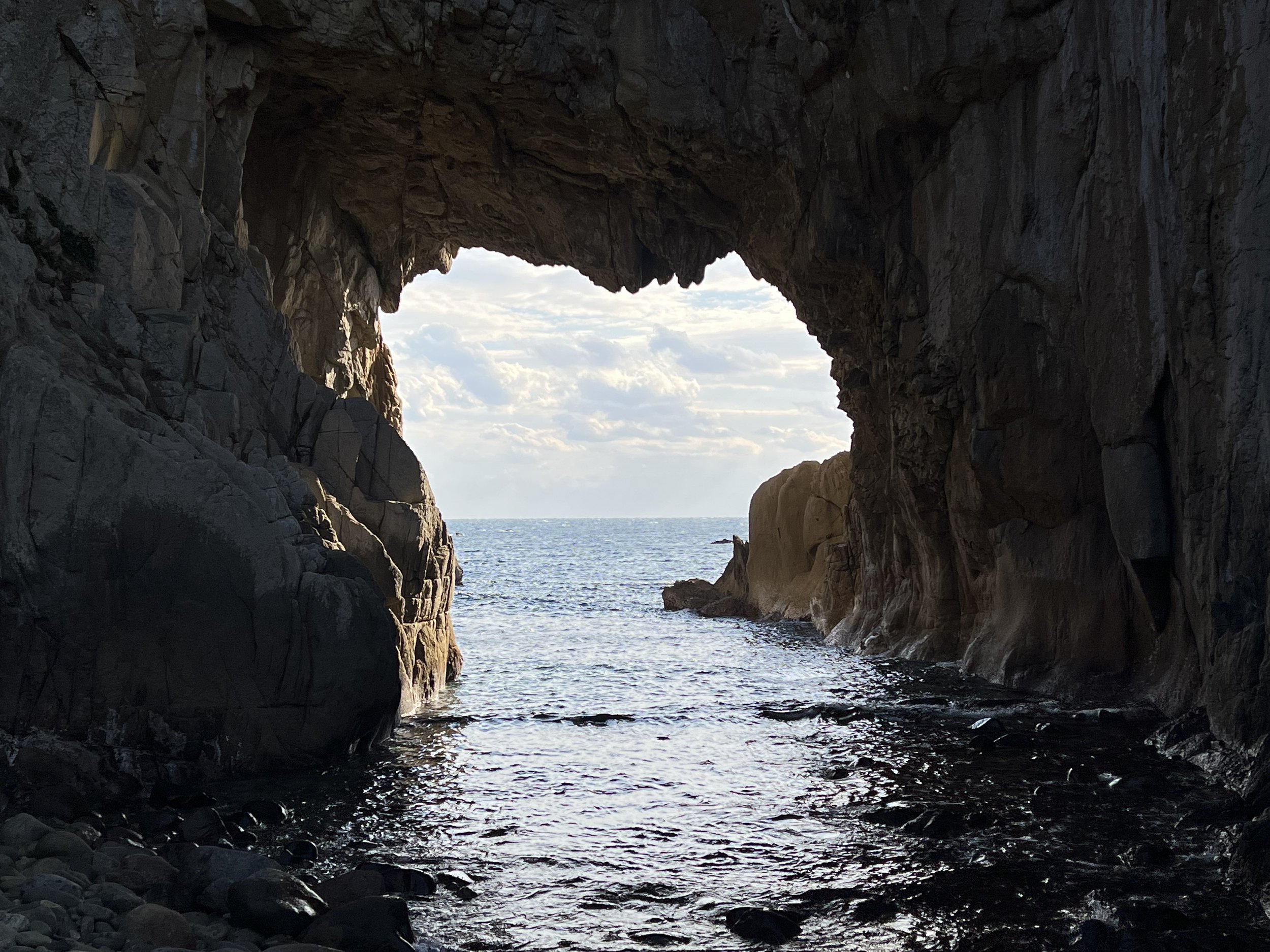
Two places especially stood out—the rock-eating tree and Hakusan Natural Arch. The rock-eating tree got its name because its roots grow around and lift up beach stones, enveloping them as it matures. The Hakusan Natural Arch was equally memorable—an elegant stone arch overlooking turquoise waters. From certain angles, it forms a heart shape, and when sunlight passes through at sunrise or sunset, the view is simply breathtaking.
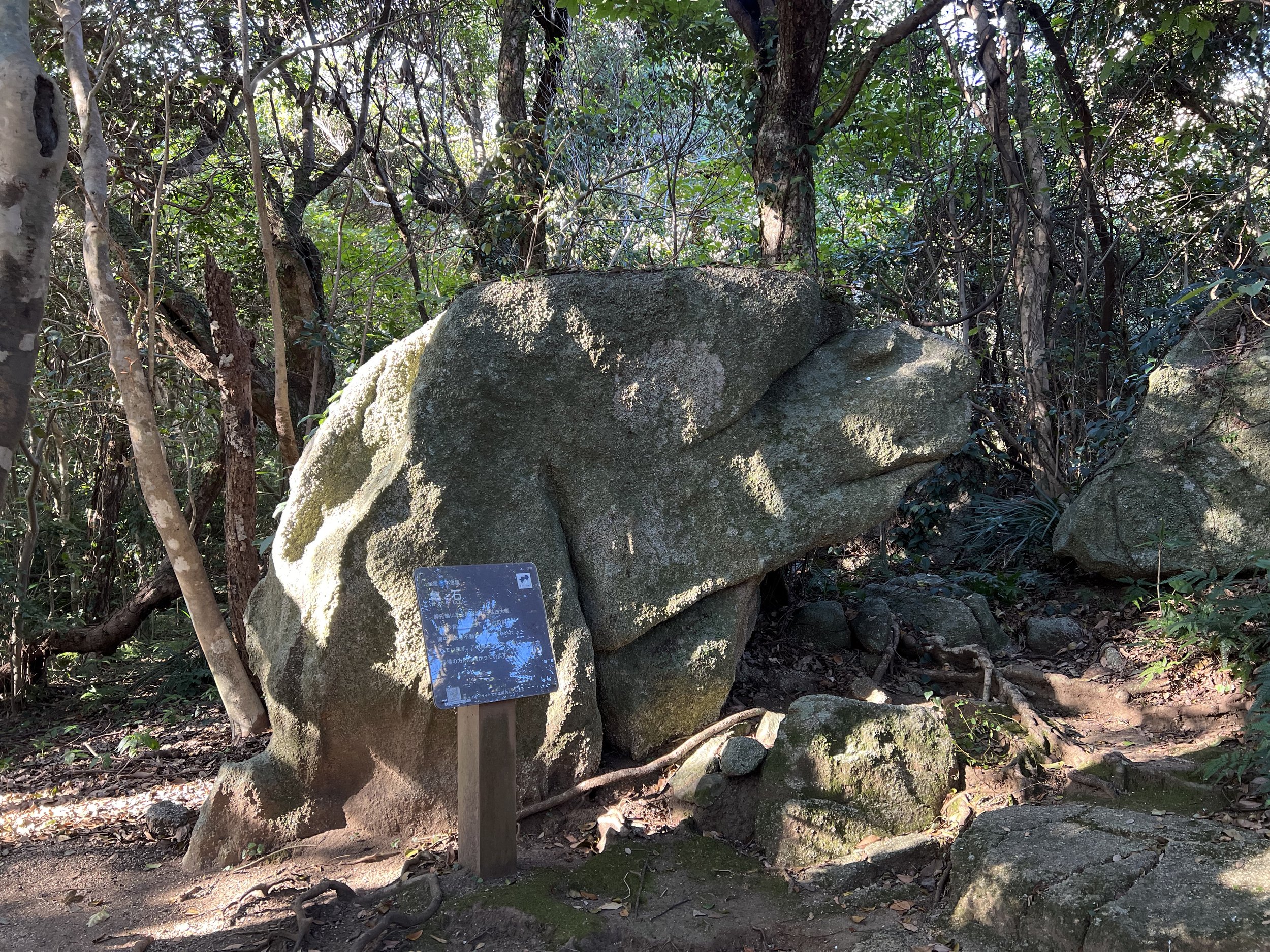
The trails were lined with mysterious legends tied to the monk Kukai (Kobo Daishi). One story says he once called out for help crossing the ocean, and a giant turtle appeared to carry him safely. Another site features a small hole in the ground—legend say if you drop a coin through it, the sound can be heard all the way at Kongōfukuji Temple nearby. Along the way, I even spotted boulders naturally shaped like turtles, as if nodding to that legend.
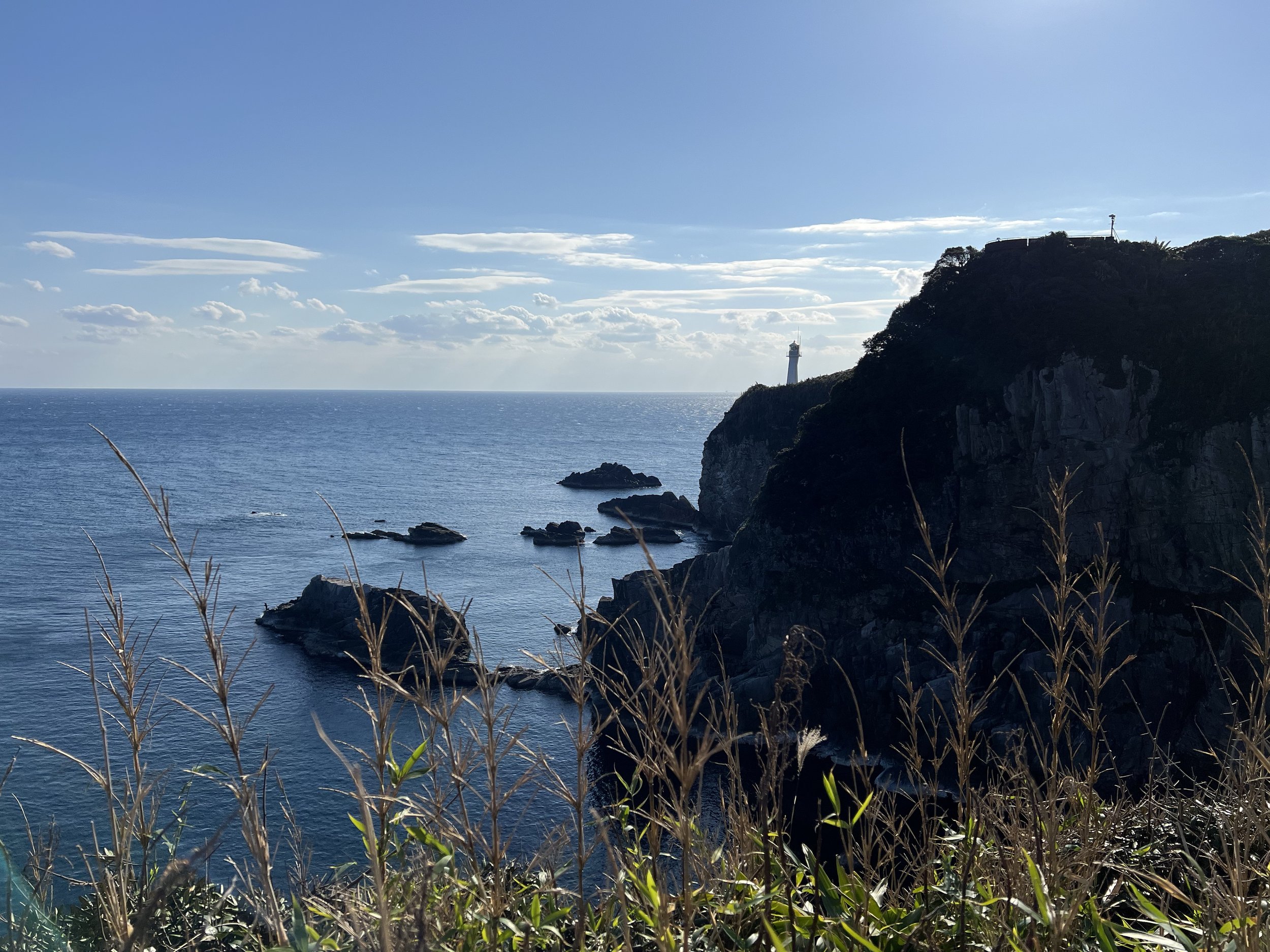
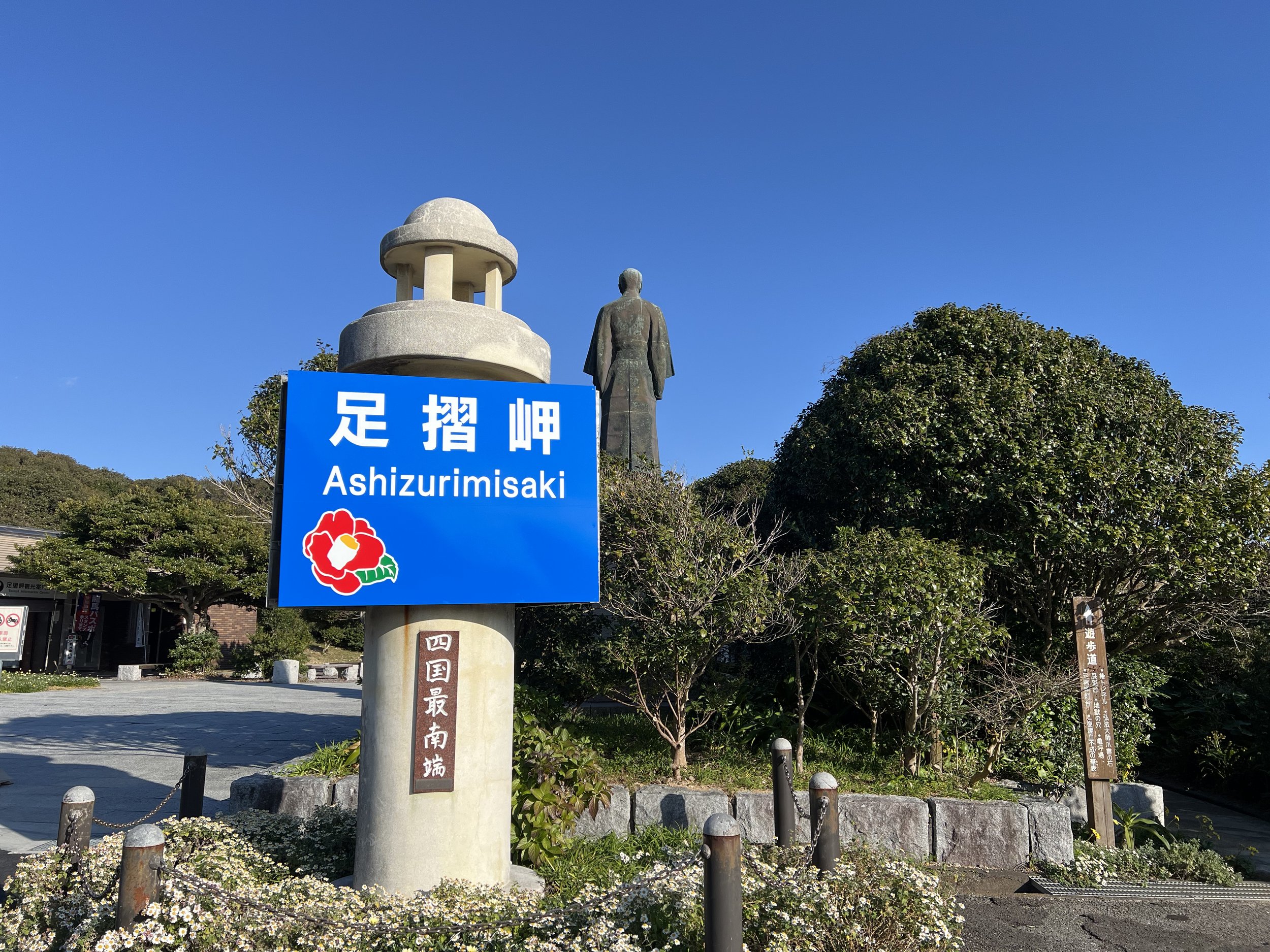
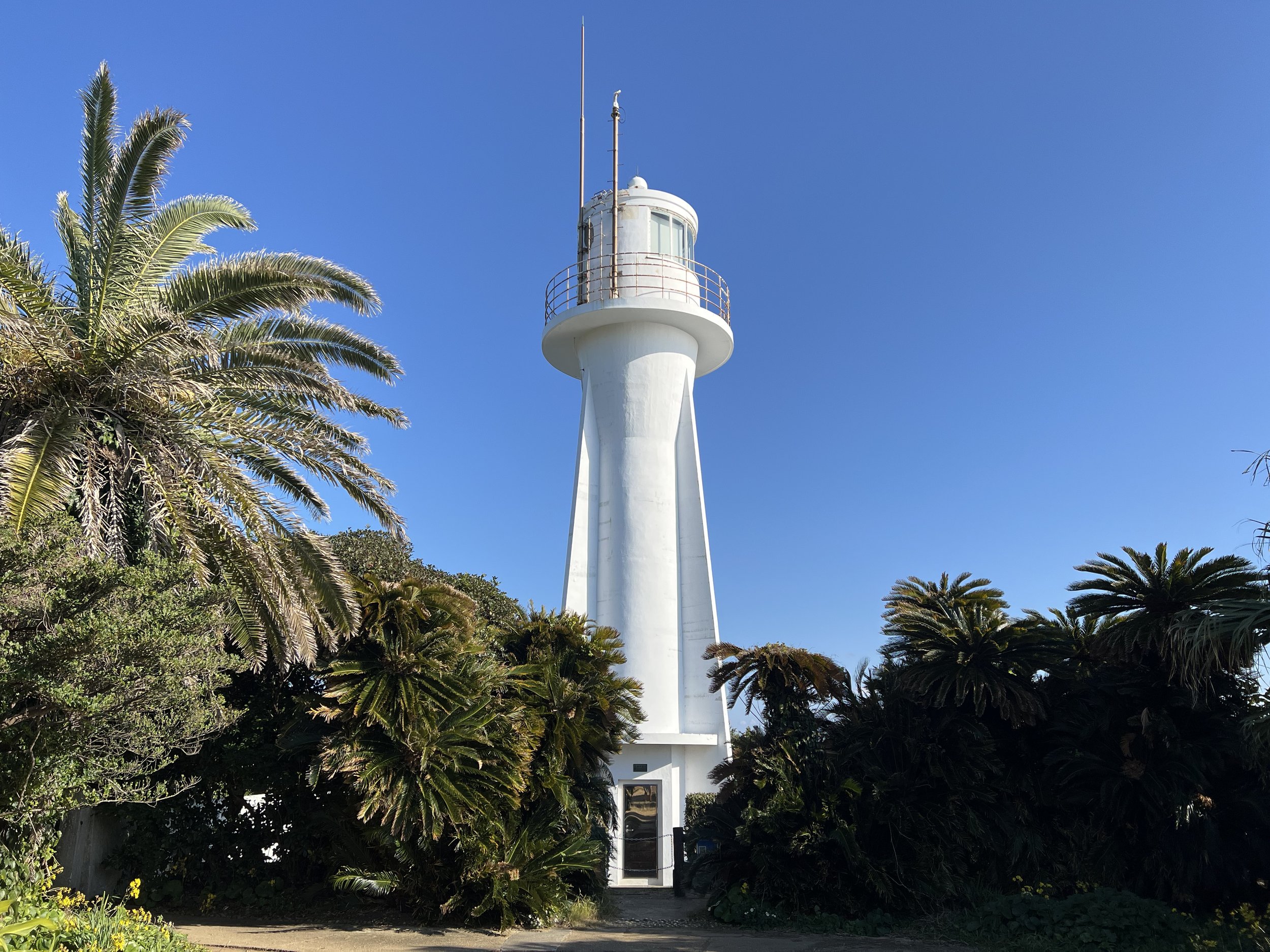
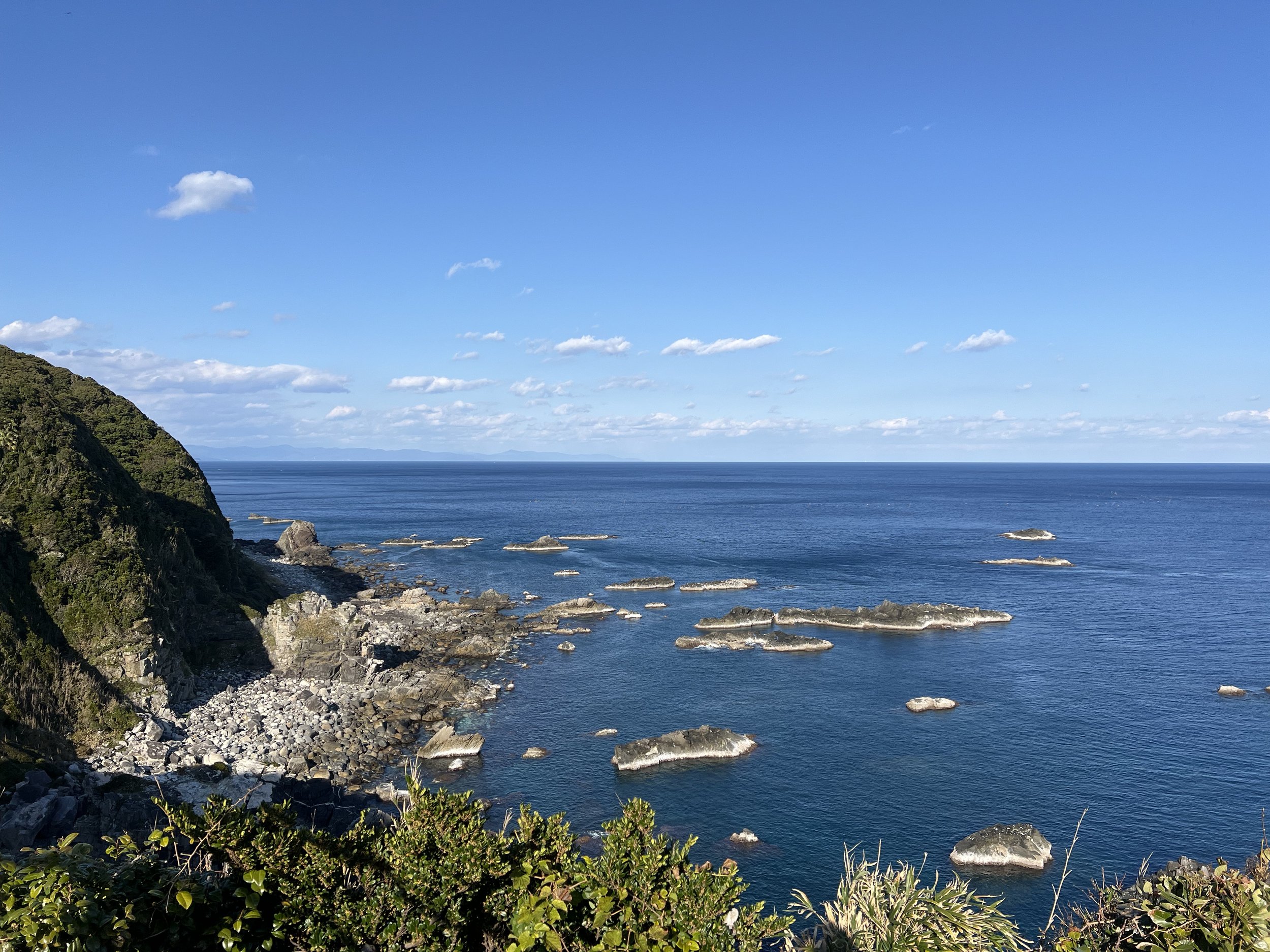
At Cape Ashizuri, I explored the iconic lighthouse, several lookout points, and the cape’s tip itself—where rugged cliffs meet the endless Pacific. Eventually, I made my way to Kongofukuji Temple, the pilgrimage’s southernmost temple.
No one else was there when I arrived. The temple grounds were expansive and peaceful, with manicured gardens, tranquil ponds, and intricate stone sculptures—including a massive turtle statue near the entrance. After walking the grounds and offering prayers, I began the final stretch toward my accommodation for the night.
The road followed the coast, with waves crashing below me on the left—a beautiful, rhythmic sound that stayed with me all the way. When I checked in, the hotel staff told me I could watch the sunset from the rooftop or along a short trail behind the hotel. I chose the trail, but just as I arrived, thick clouds rolled in and blocked the sunset completely. Even so, it was a quiet, reflective moment. Back at the hotel, I enjoyed a long soak in the onsen, a delicious dinner, and ended the day feeling deeply content.
History & Background
#38 Kongōfukuji Temple 金剛福寺 – Standing at the edge of Cape Ashizuri, this is the southernmost temple of the Shikoku Henro Pilgrimage. It was founded by Kūkai in 807 as a site of maritime prayer, facing the vast Pacific Ocean to symbolize the boundless nature of enlightenment. Sailors and travelers have long come here to pray for safe voyages, while pilgrims see it as a place of renewal and deep reflection at the “edge of the world.”
The temple’s main deity, Senju Kannon (the Thousand-Armed Kannon), embodies compassion extending in all directions, much like the ocean before it. Kongofukuji’s remote coastal setting, surrounded by wind-swept pines and cliffs, makes it one of the most striking and spiritually resonant stops along the entire pilgrimage.
To see my progress on the full Shikoku Henro Pilgrimage, visit my Shikoku Henro - Temple List & Progress.
Getting There
Before setting off along the coast, here’s how I got to Cape Uno. The journey from Uwajima turned out to be quite the adventure, involving three buses. First, I took a bus from Uwajima to Sukumo (about 2 hours). From there, I transferred to another bus heading to Nakamura Station (around 52 minutes). There’s also a train connecting Sukumo and Nakamura, but the timing has to be just right. Finally, from Nakamura, it’s another 1 hr 30 min by bus to Cape Uno. You can ride the bus all the way to the temple, but I decided to make a few detours along the coast to explore scenic spots.
Route Overview
Distance: 10.89 km (Cape Uno → Cape Ashizuri)
Total elevation gain: 251 m
Duration: 2 hr 31 min (with breaks 2 hr 51 min)
Difficulty: Intermediate
Cost Breakdown
Train: Sukumo Station → Nakamura Station — ¥630
Bus: Nakamura Station → Cape Uno — ¥1,900