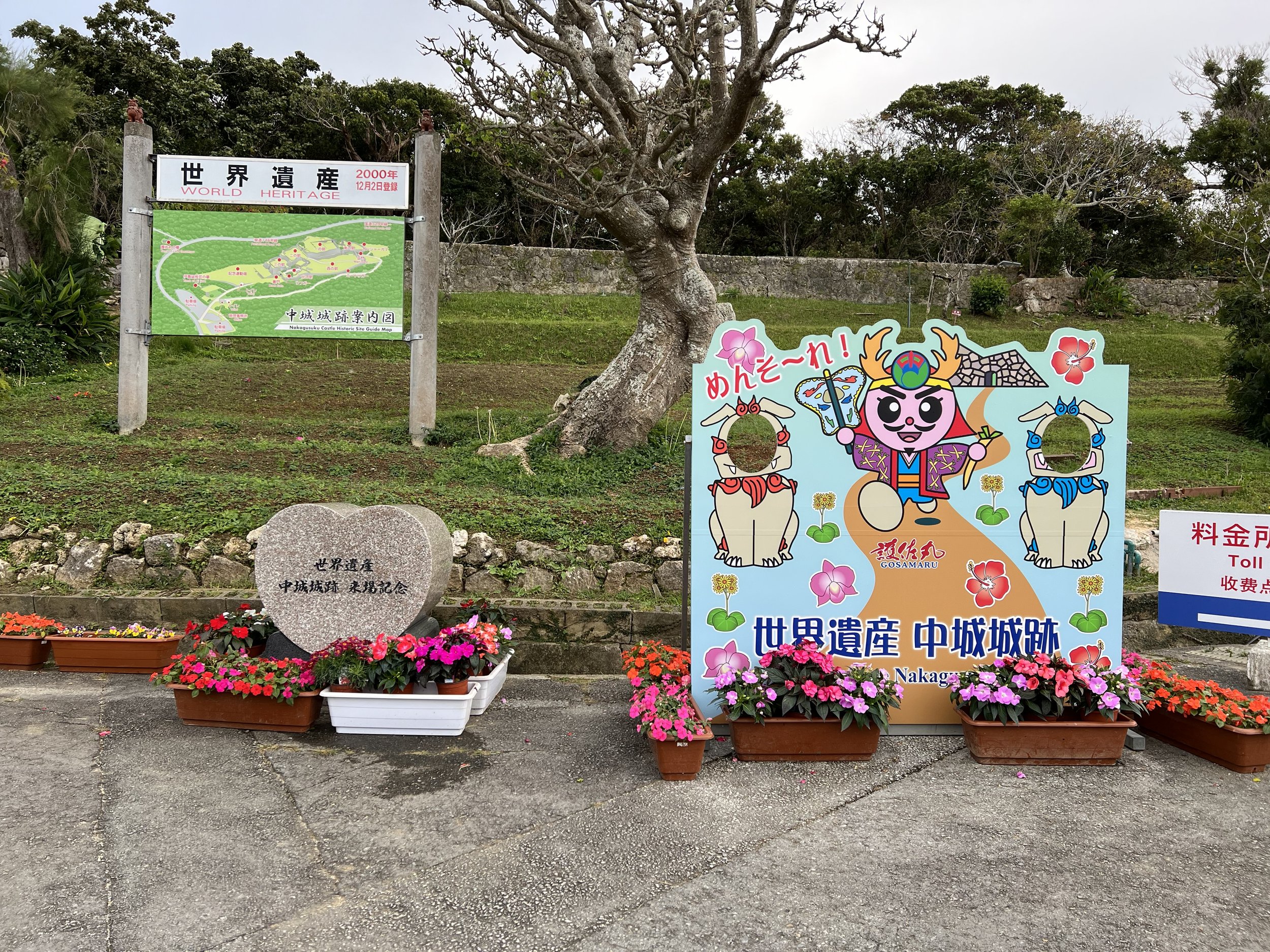
Nakagusuku Castle Ruins - Okinawa, Japan
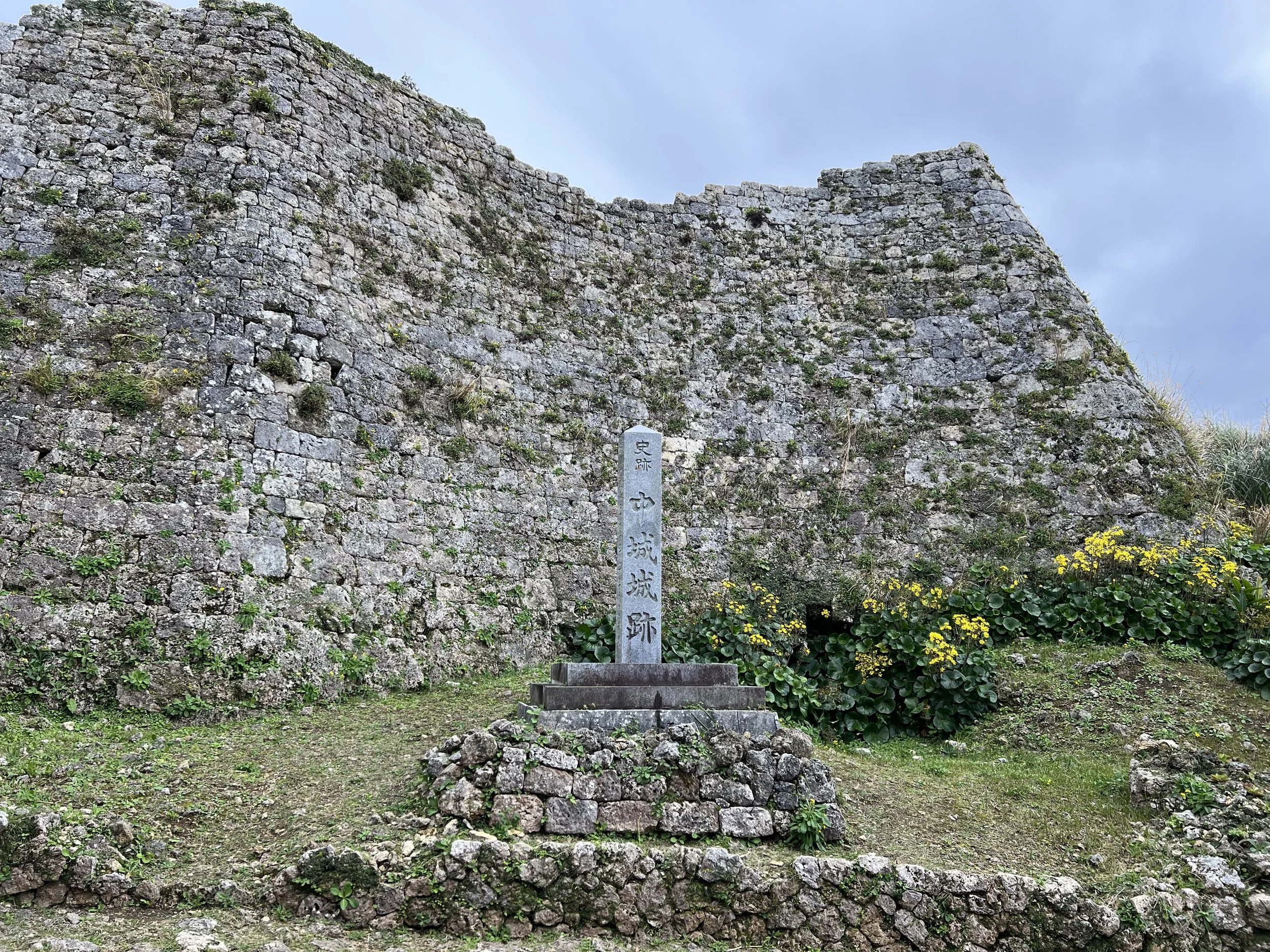
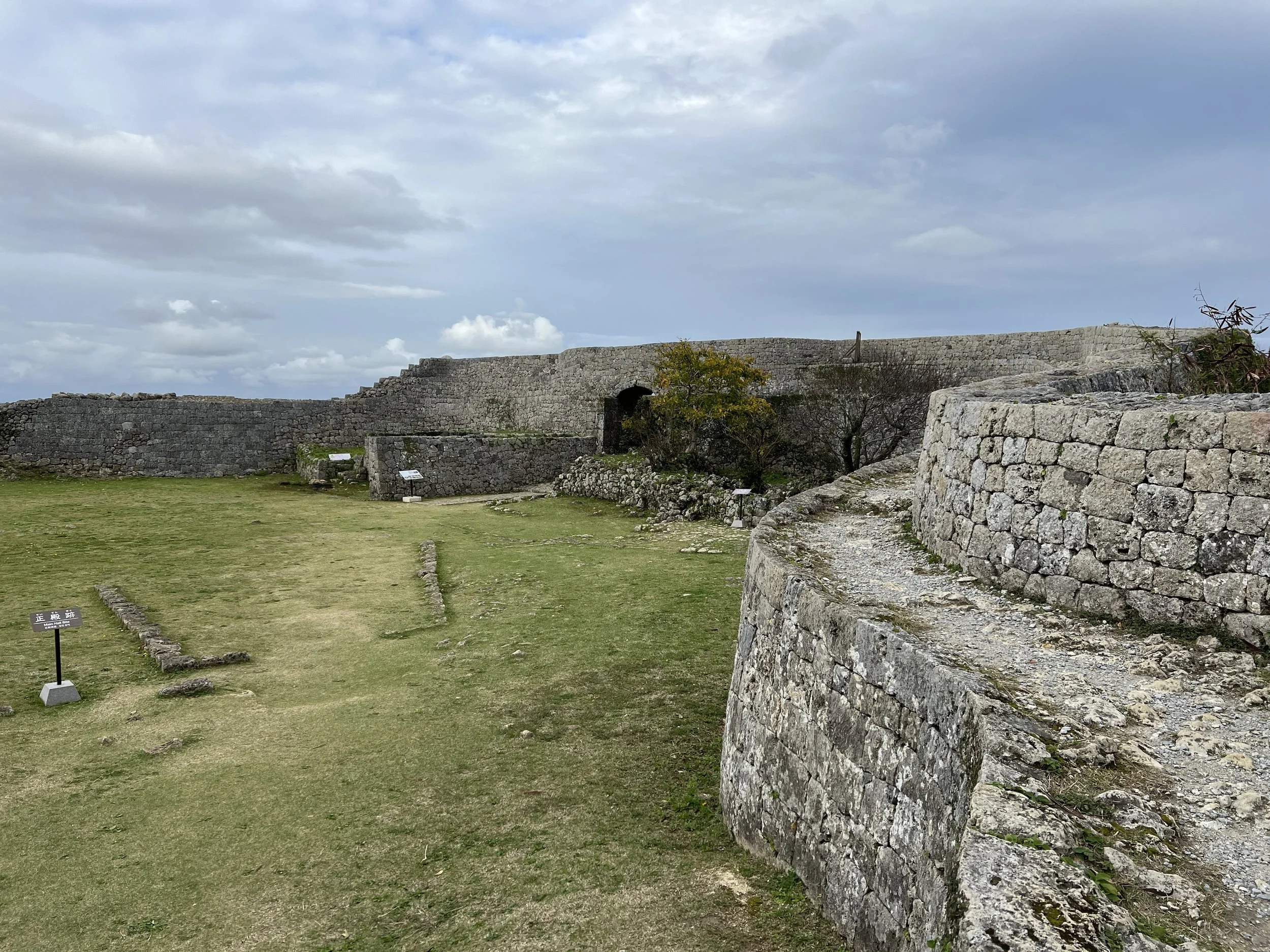
Nakagusuku Castle was built in the 14th century atop a 160-metre hill, strategically designed to use the natural cliffs as part of its defence system. Over time, it was expanded — particularly after the commander Gosamaru relocated from Zakimi Castle to Nakagusuku to monitor the growing power of Amawari of Katsuren Castle. Today, only the ruins remain, but the outlines of former buildings are still visible, offering a clear sense of how the castle once stood.
The parking lot here is smaller than some of the other Okinawan castles I visited, and I was relieved to find an available spot. From the parking area, there’s a short walk to the entrance, followed by a steady uphill climb toward the main ruins. Similar to other castle sites, staff provide golf cart-style rides partway up the hill to assist visitors, but I chose to walk and take my time.
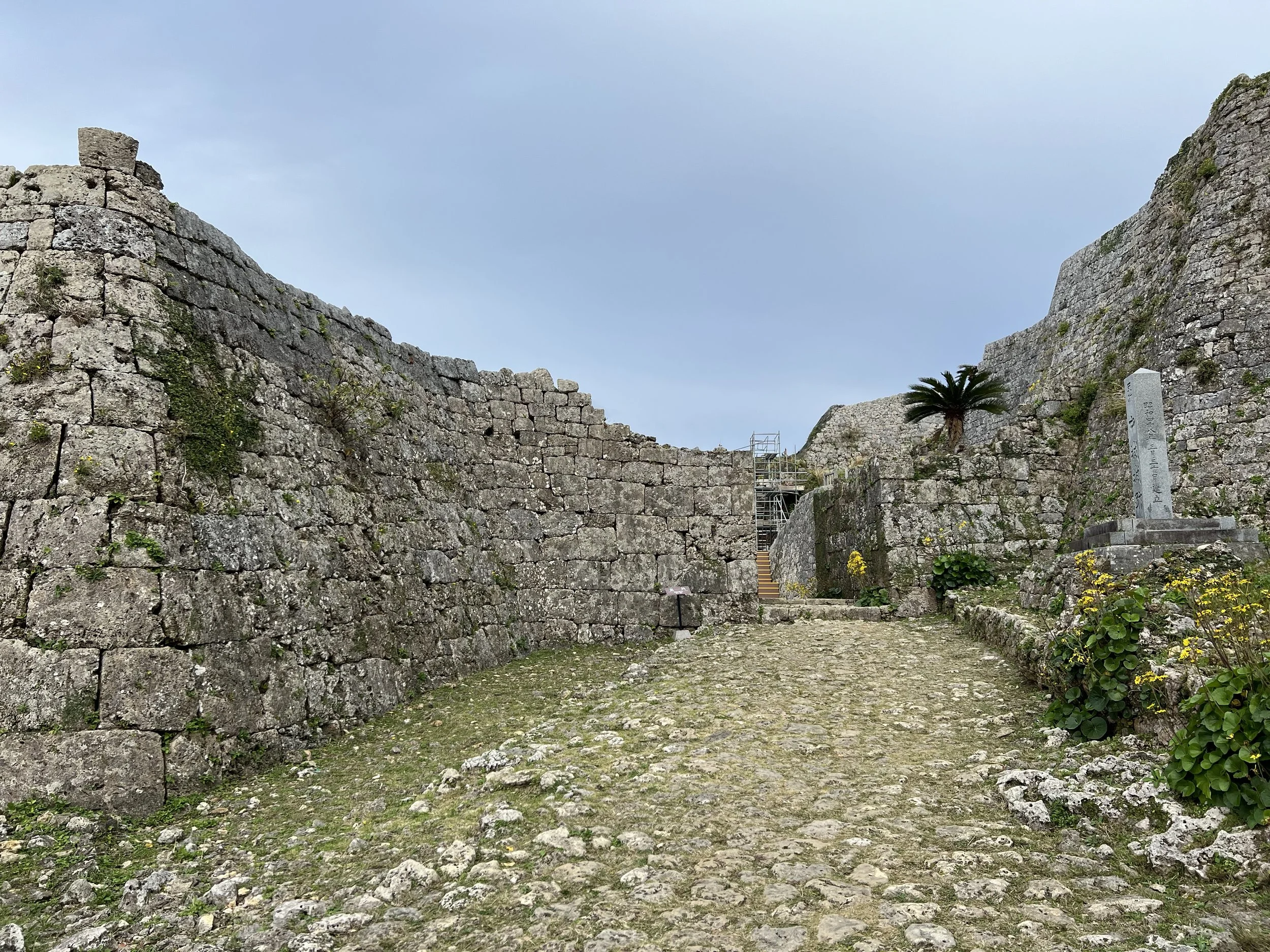
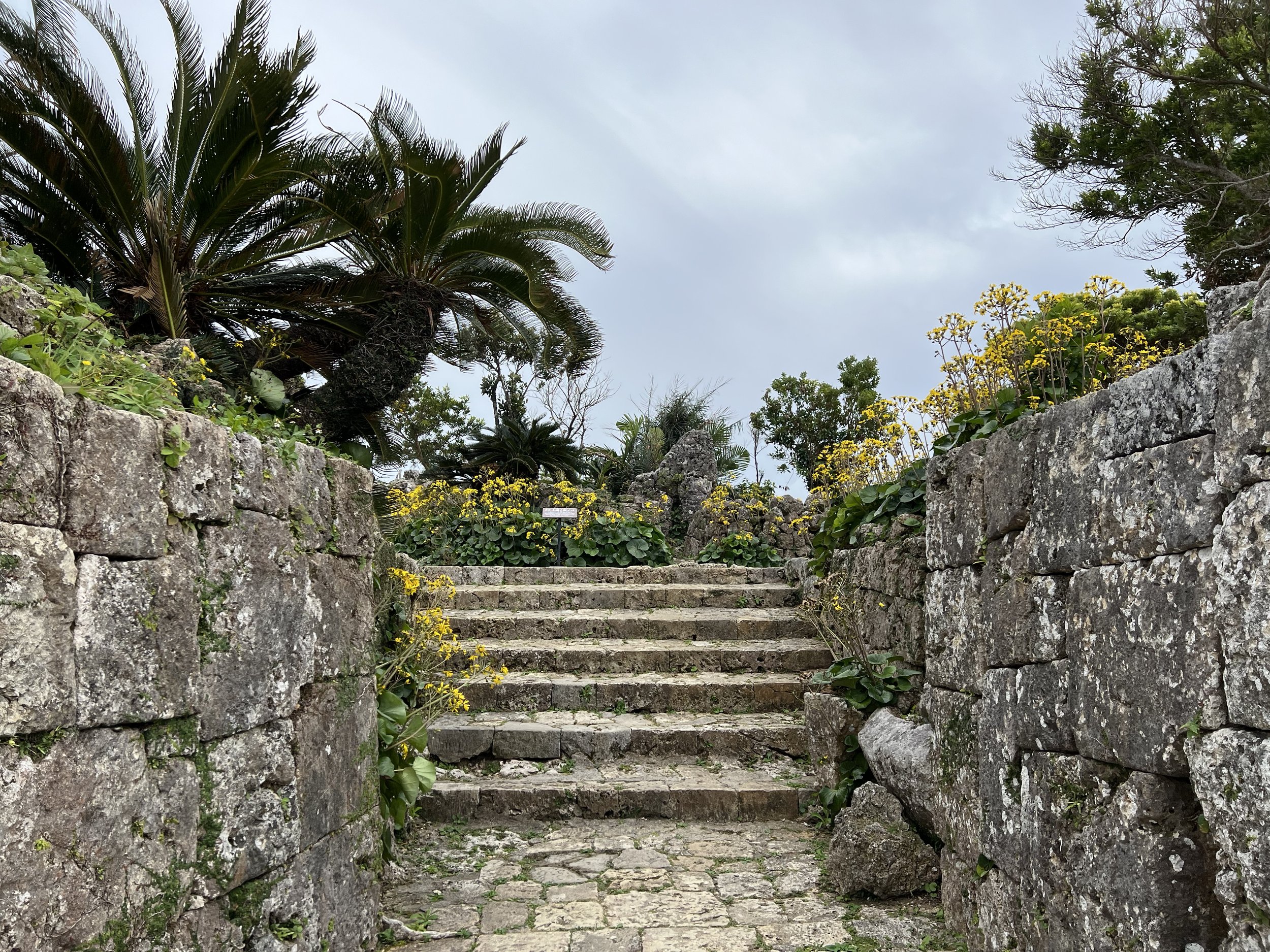
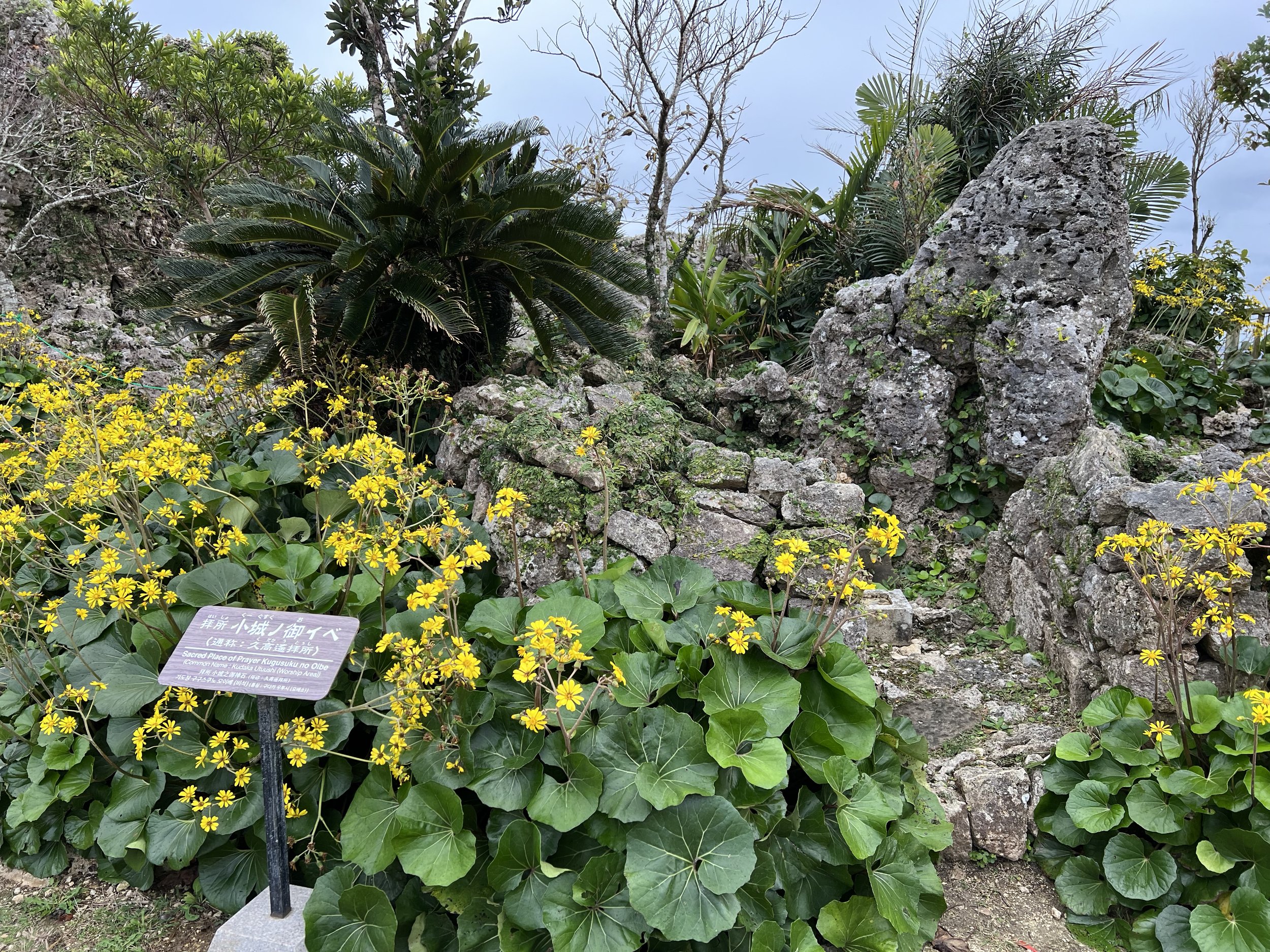
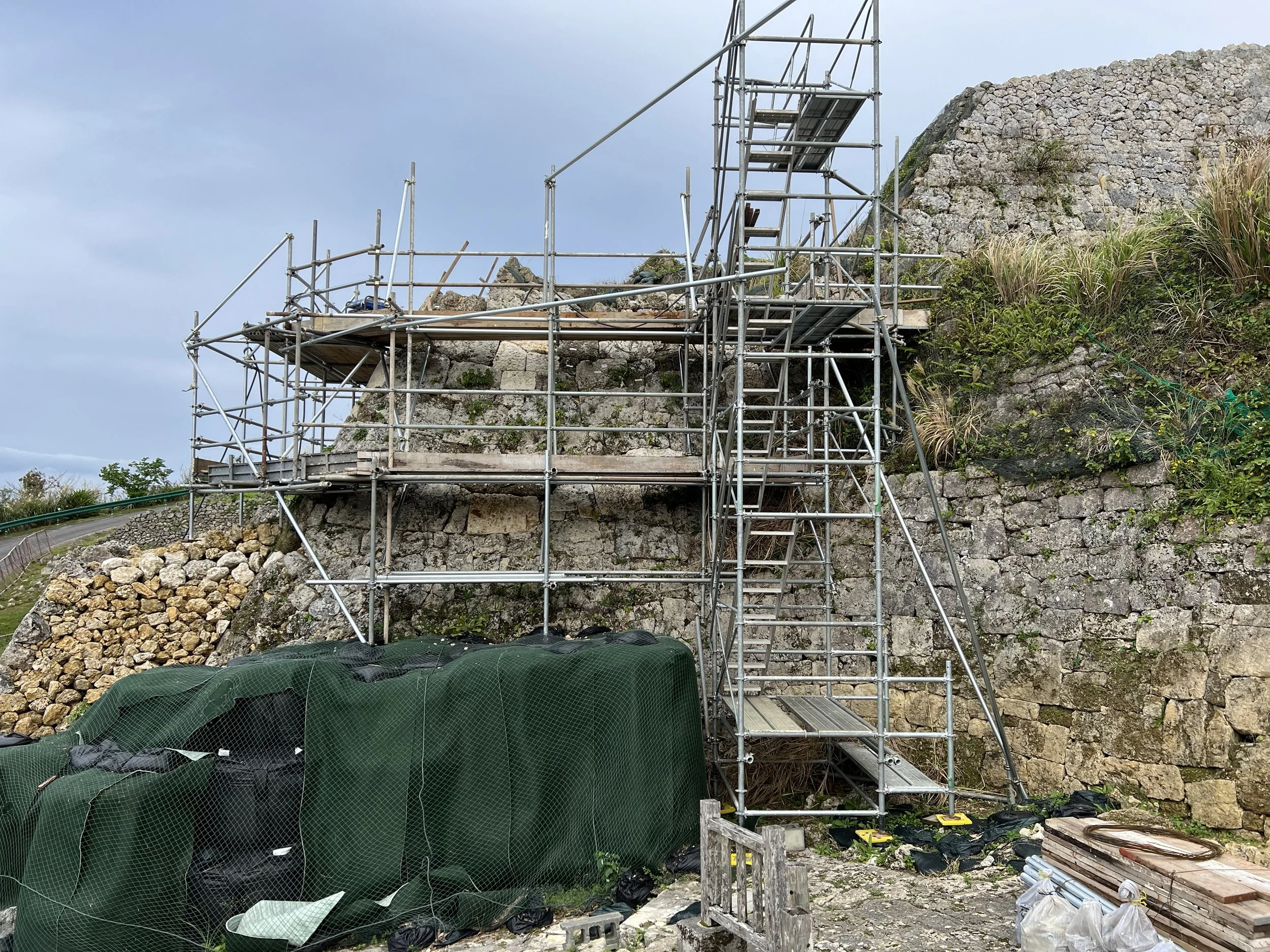
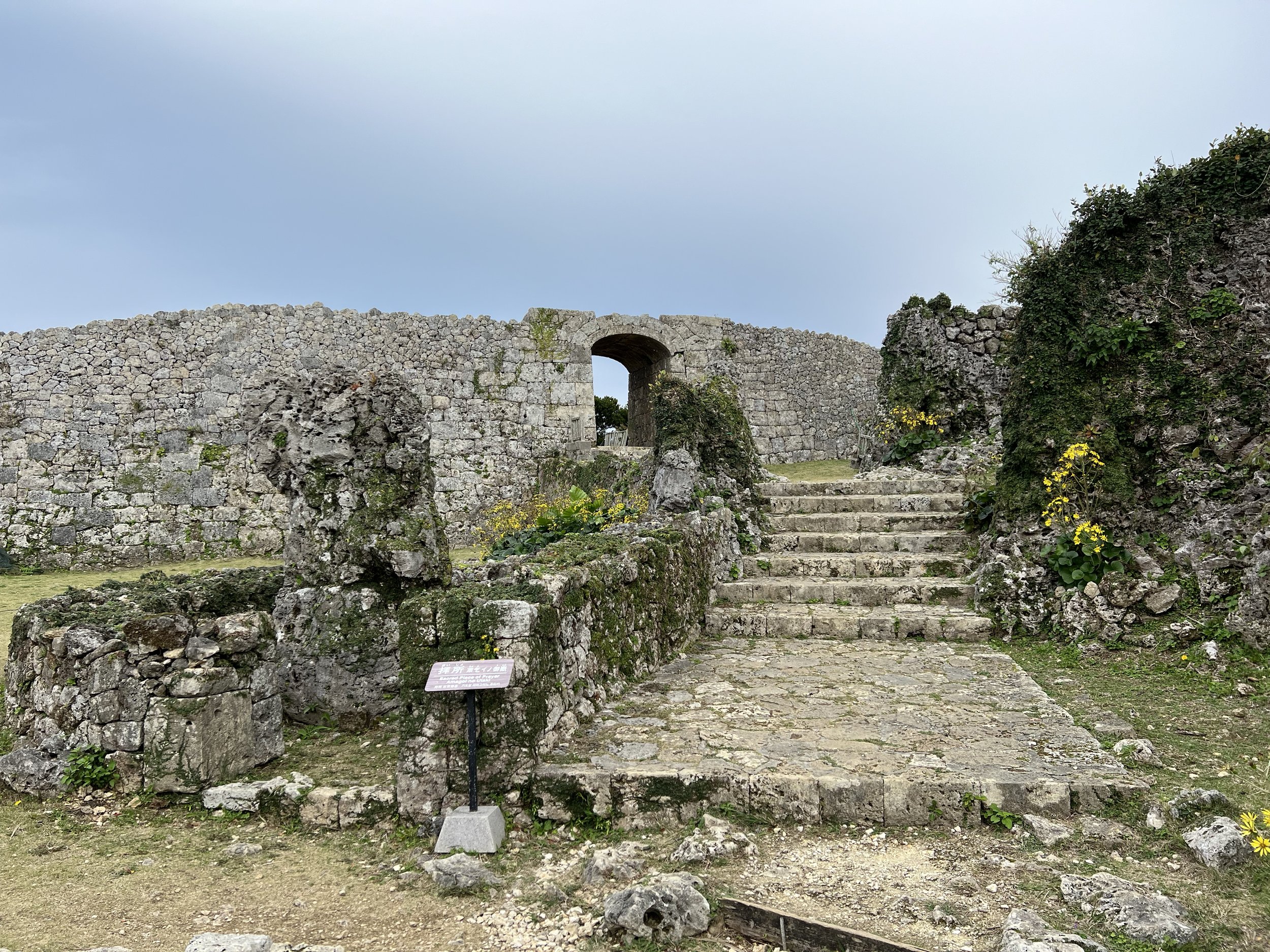
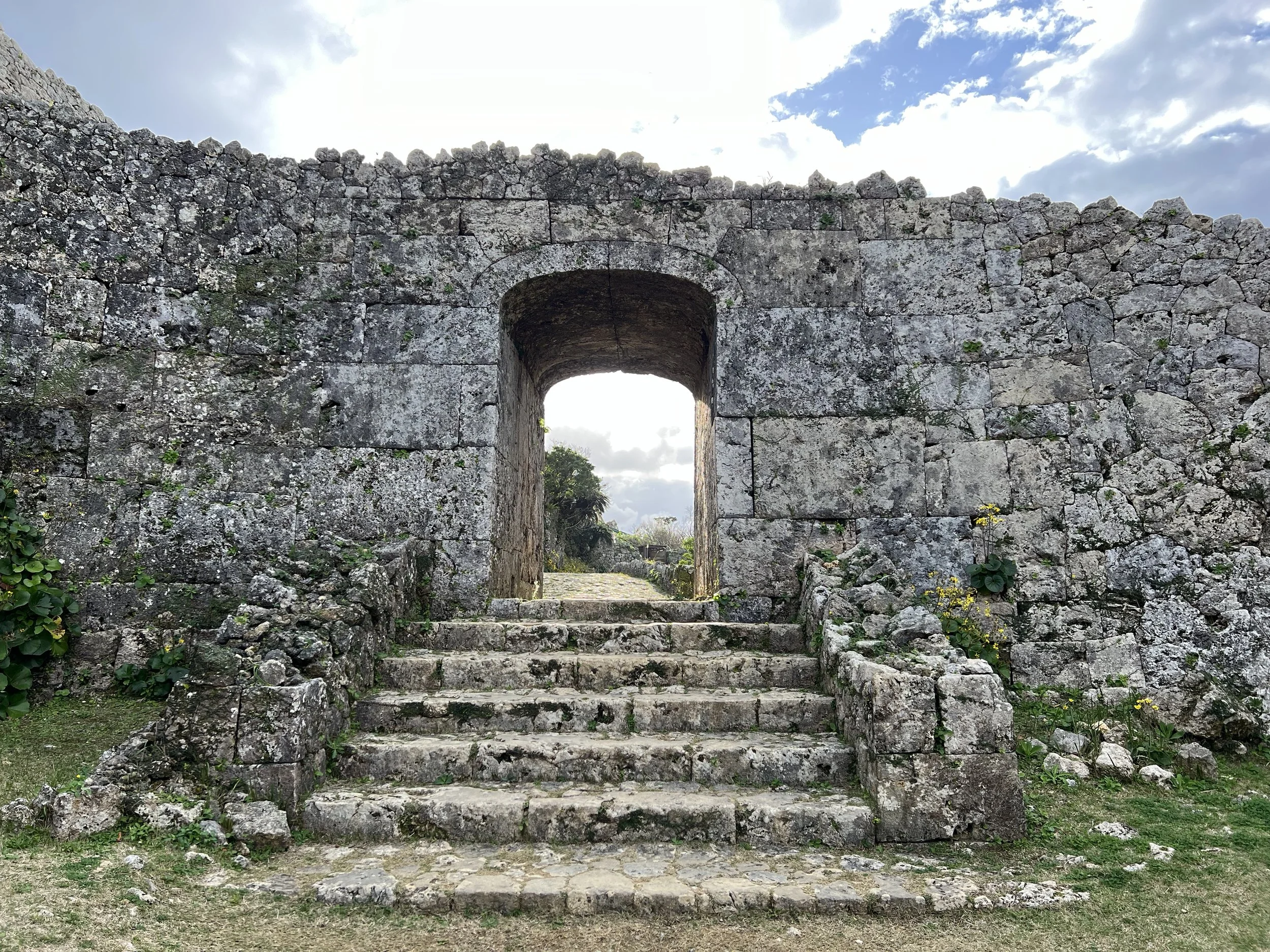
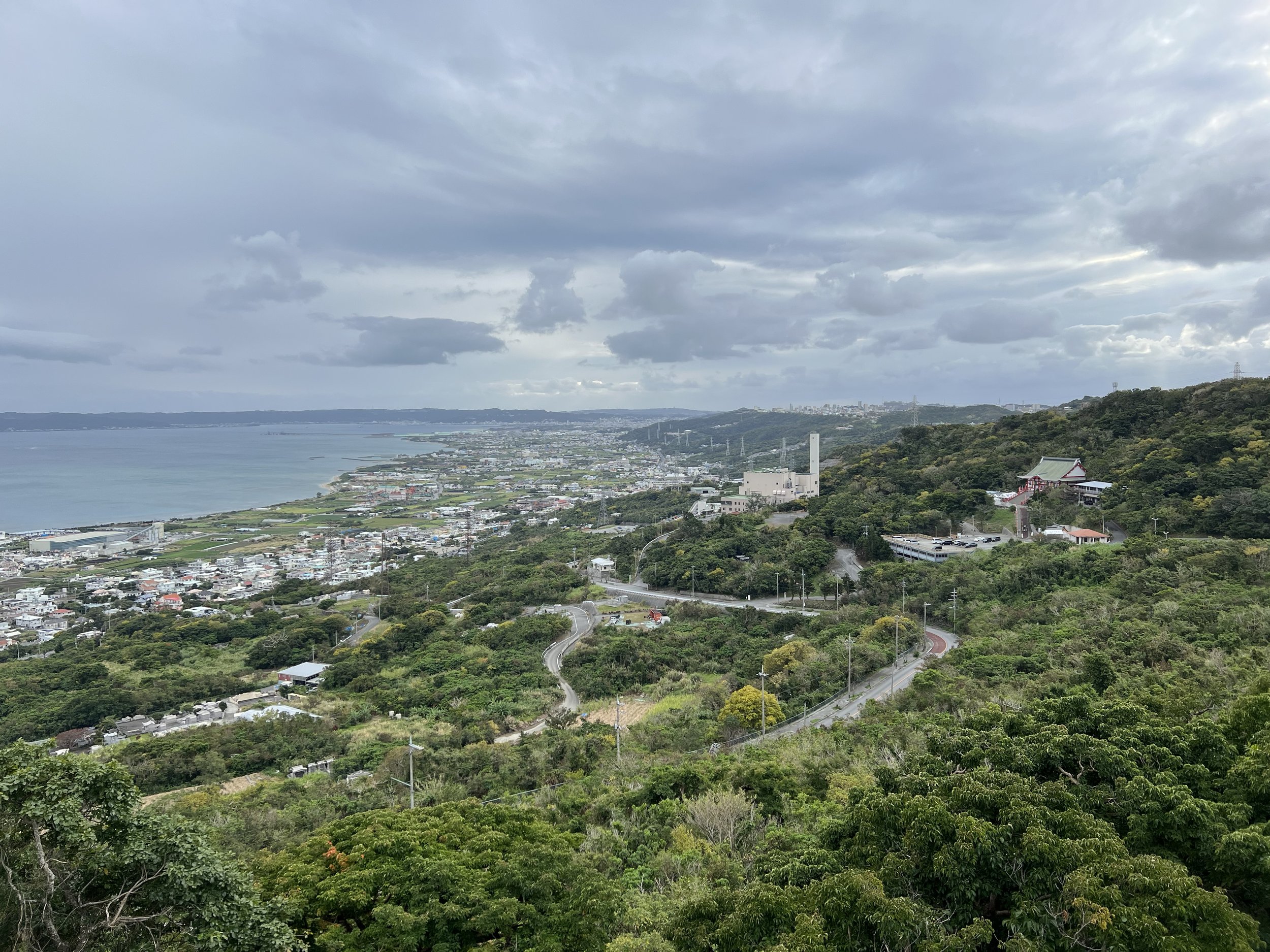
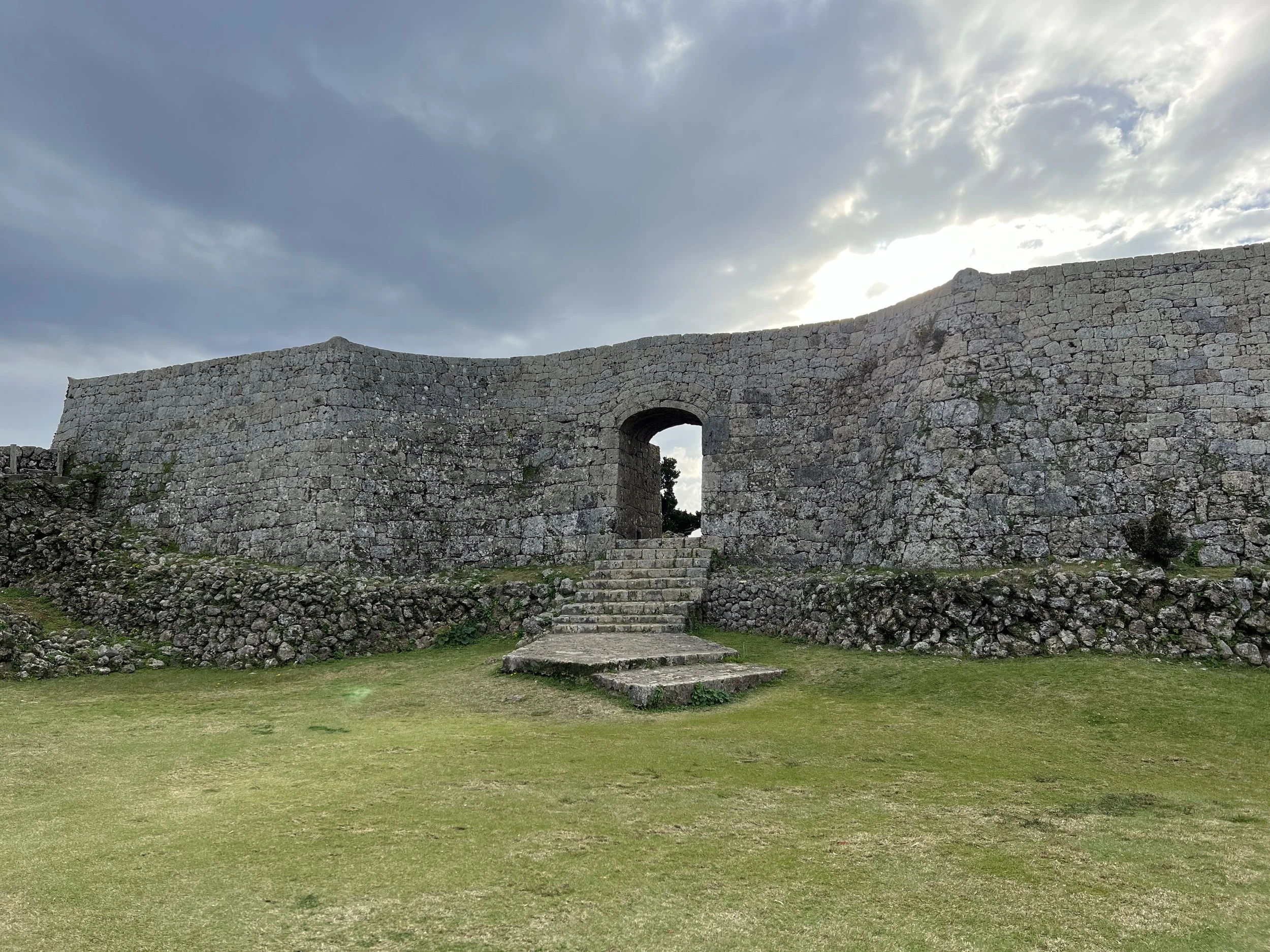
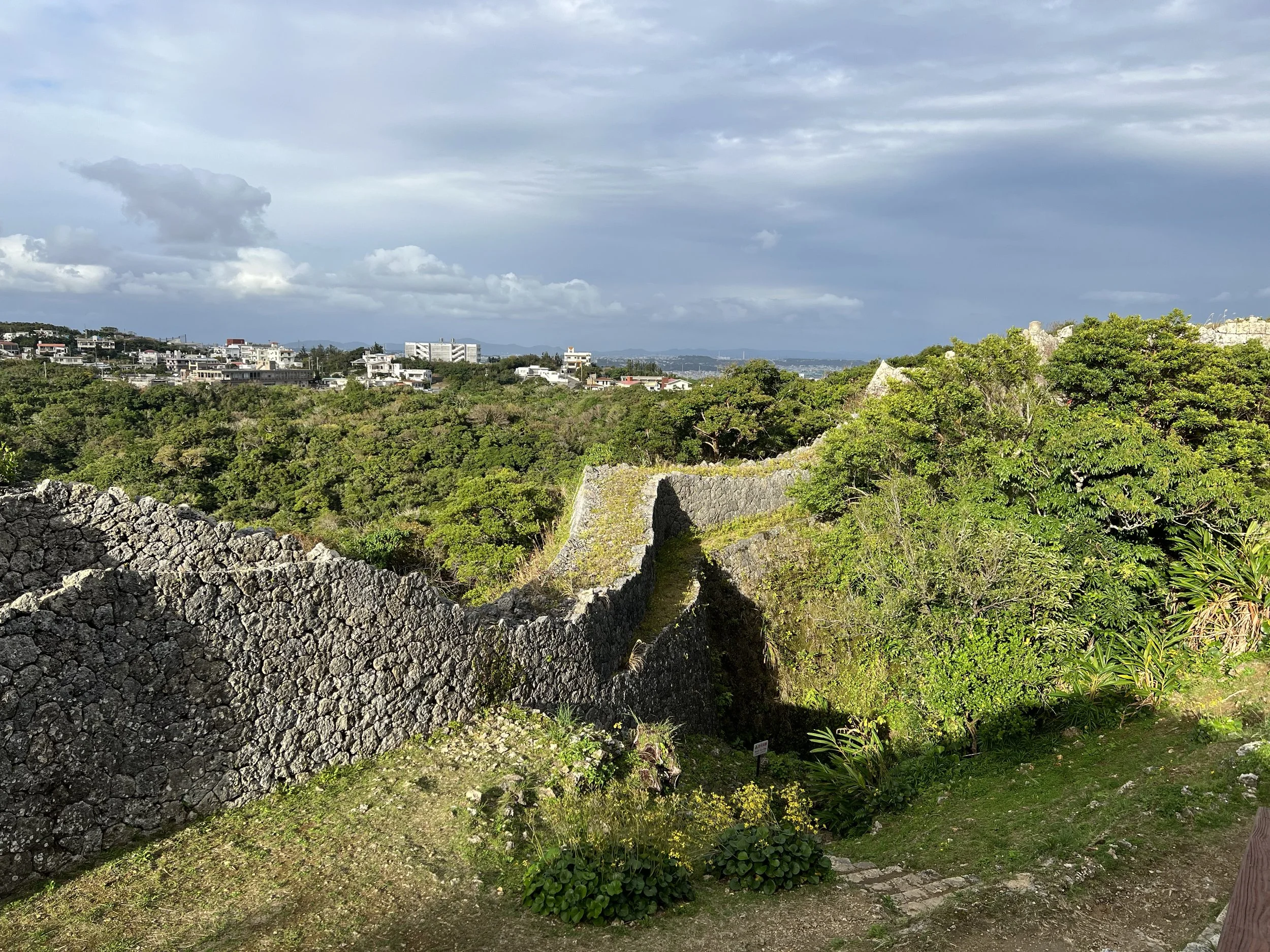
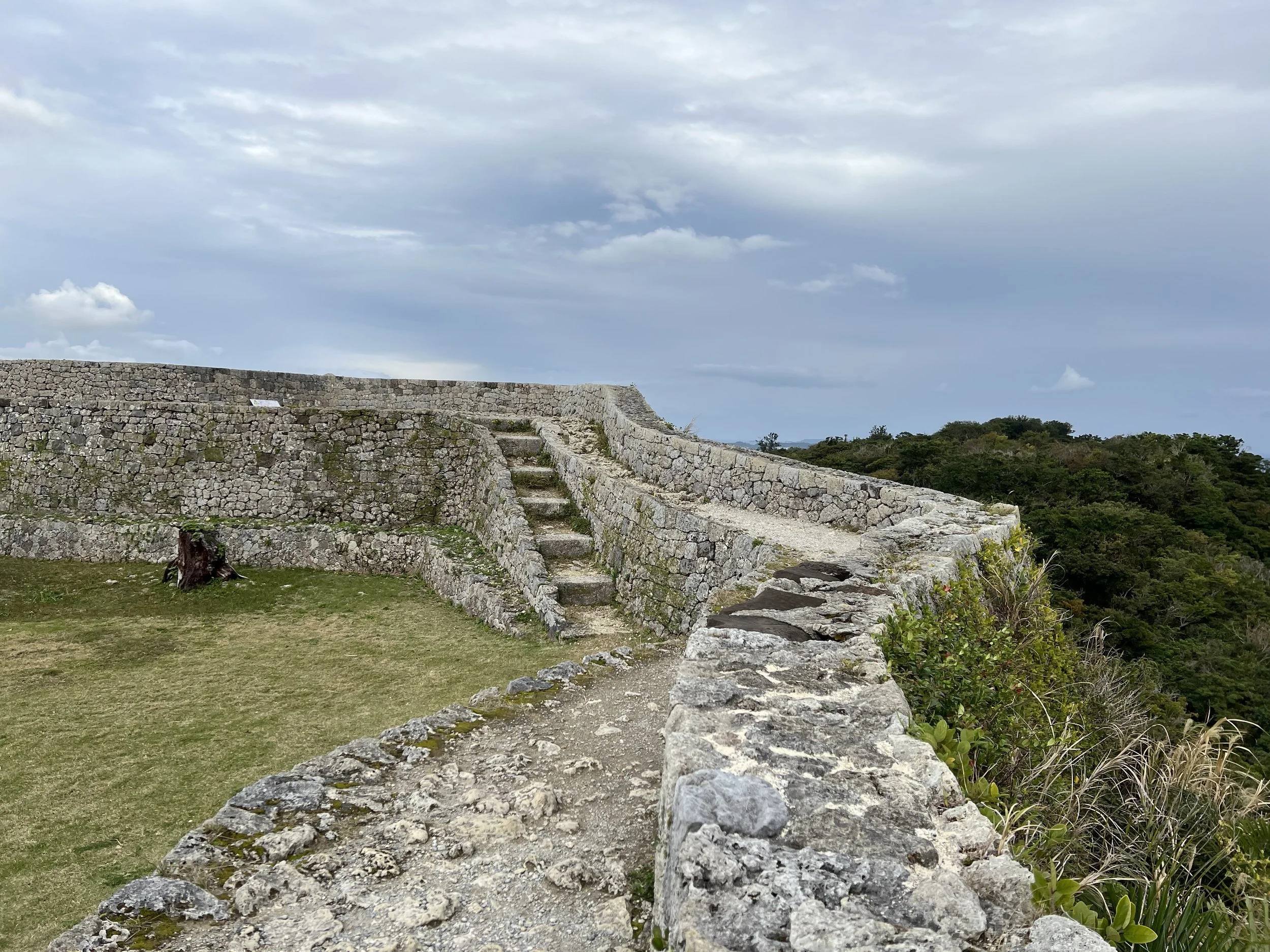
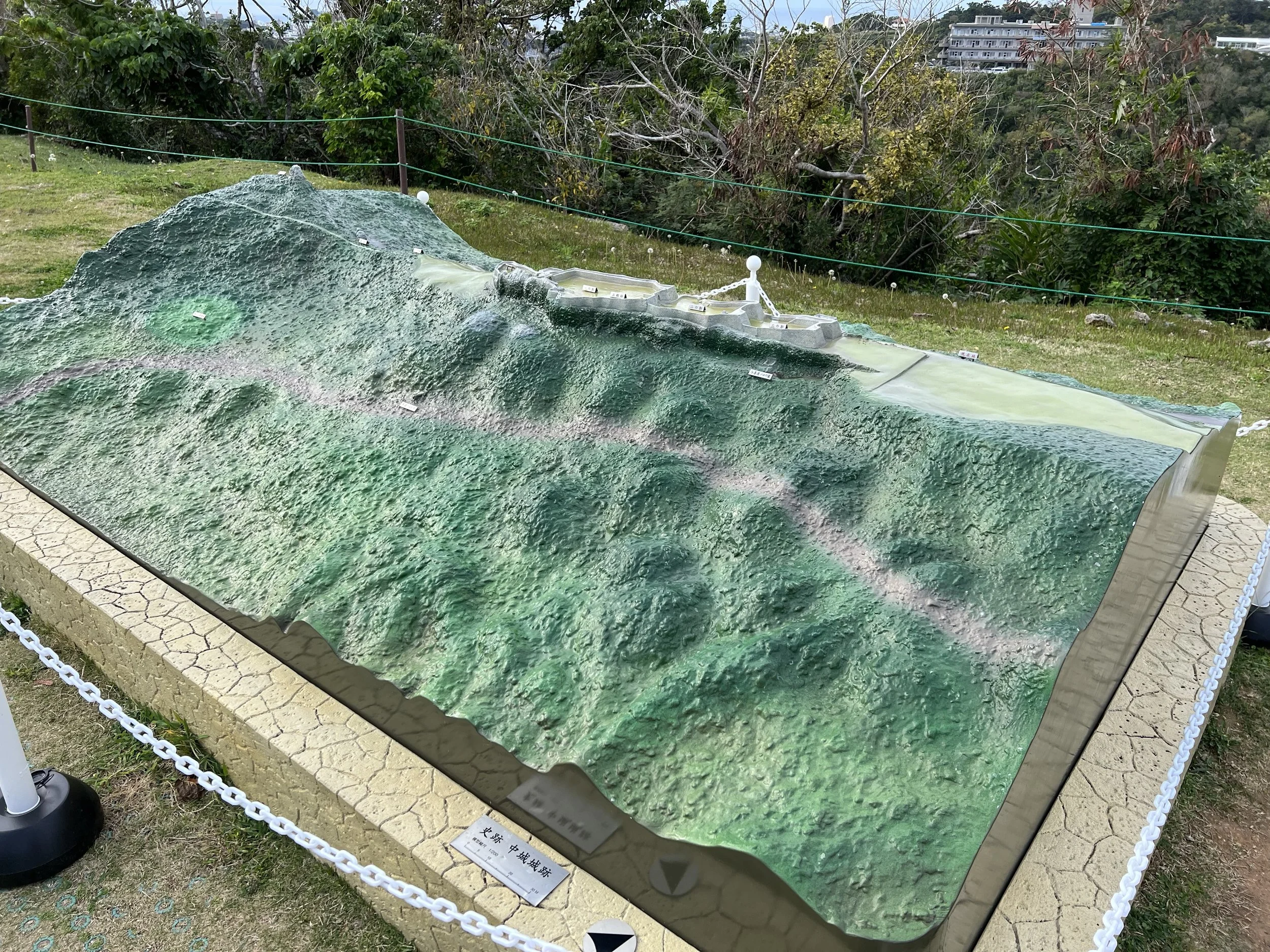
As I began making my way through the castle grounds, it was easy to imagine how grand this fortress must have been centuries ago. I climbed the stone steps, passed through layered stone walls, and looked out beyond the cliffs that formed part of its natural defence. Standing where the main keep once stood, the layout of the castle becomes apparent — terraces, enclosures, and defensive walls carefully integrated into the landscape. It was stunning. A few sections were undergoing maintenance during my visit, but overall, the preservation here is remarkable.
Walking through the site, I learned more about the castle’s dramatic history. In 1458, Amawari attacked Nakagusuku Castle. Gosamaru, falsely accused of treason, chose to take his own life rather than fight. Amawari seized the castle, though he was later defeated by the Shuri army. Following the 1609 Satsuma invasion, the castle functioned as a regional administrative post. In 1853, U.S. Commodore Matthew Perry visited and praised the castle’s engineering. After the Battle of Okinawa in 1945, Nakagusuku Castle suffered relatively little damage, making it one of the best-preserved gusuku sites in Okinawa.
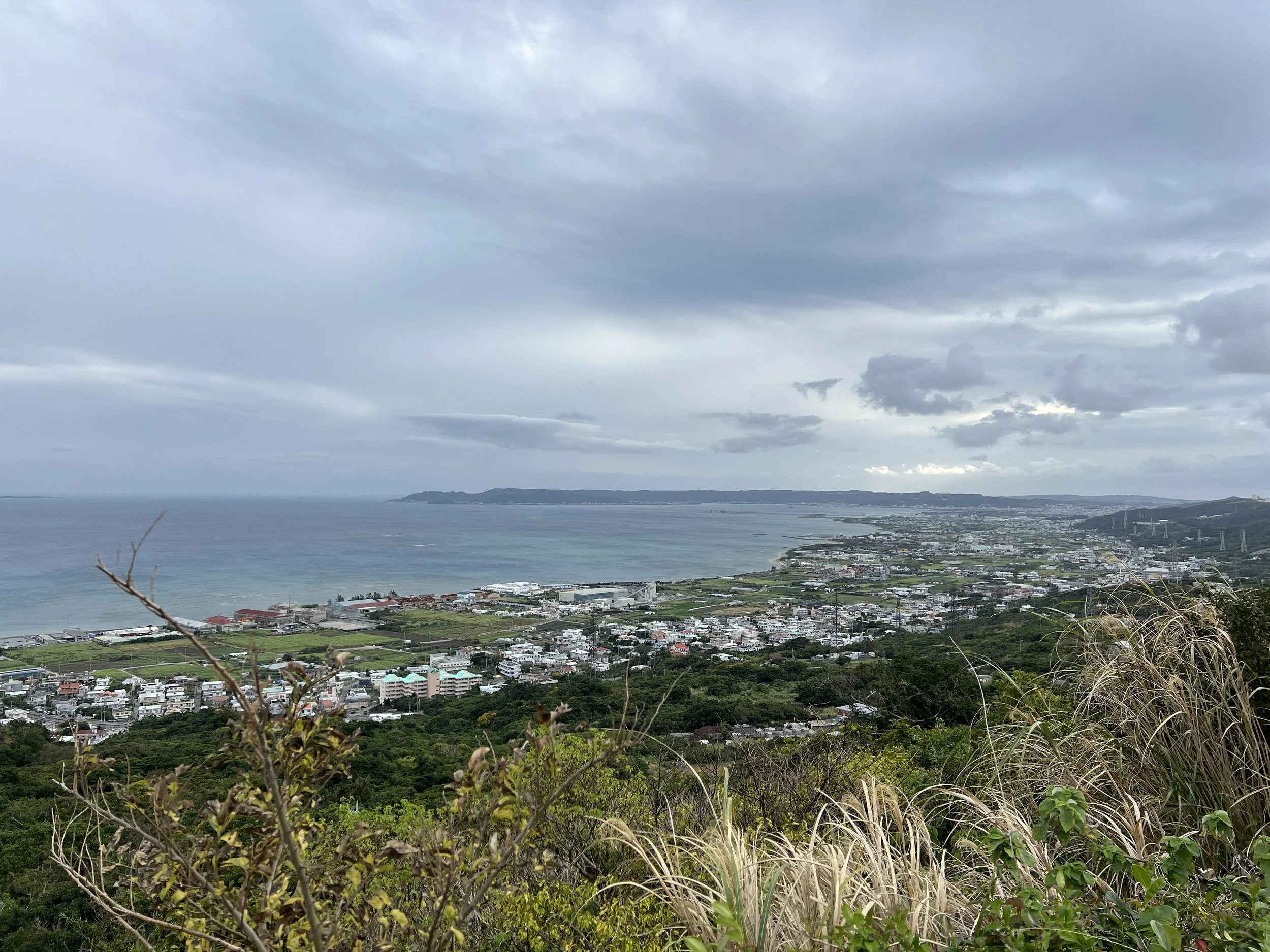
I took my time walking through the grounds, stopping often for photos — especially at the upper terraces where panoramic views stretch across the island. As I slowly made my way back down the hill, I reflected on how impressive this castle was. I still had a few more castles on my Okinawa list, but at this point, Nakagusuku was easily one of the most striking I had visited.
History & Background
Nakagusuku Castle (中城城) was constructed in the 14th century during the Gusuku period of the Ryukyu Kingdom. Its strategic hilltop location, approximately 160 metres above sea level, allowed the builders to incorporate natural limestone cliffs into its defensive design — a hallmark of Okinawan castle architecture.
The castle became a key stronghold under the commander Gosamaru, who moved from Zakimi Castle to reinforce the region and monitor the ambitions of Amawari of Katsuren Castle. In 1458, political intrigue led to Gosamaru’s tragic death after being falsely accused of treason. Amawari temporarily seized Nakagusuku but was soon overthrown by forces loyal to the royal court at Shuri Castle.
During the 1609 invasion by the Satsuma Domain of Japan, Nakagusuku transitioned into an administrative centre under new rule. In 1853, Commodore Matthew Perry visited Okinawa and commended the engineering of the castle’s stonework. Remarkably, the site sustained limited damage during the 1945 Battle of Okinawa, contributing to its reputation as one of the most intact gusuku ruins today.
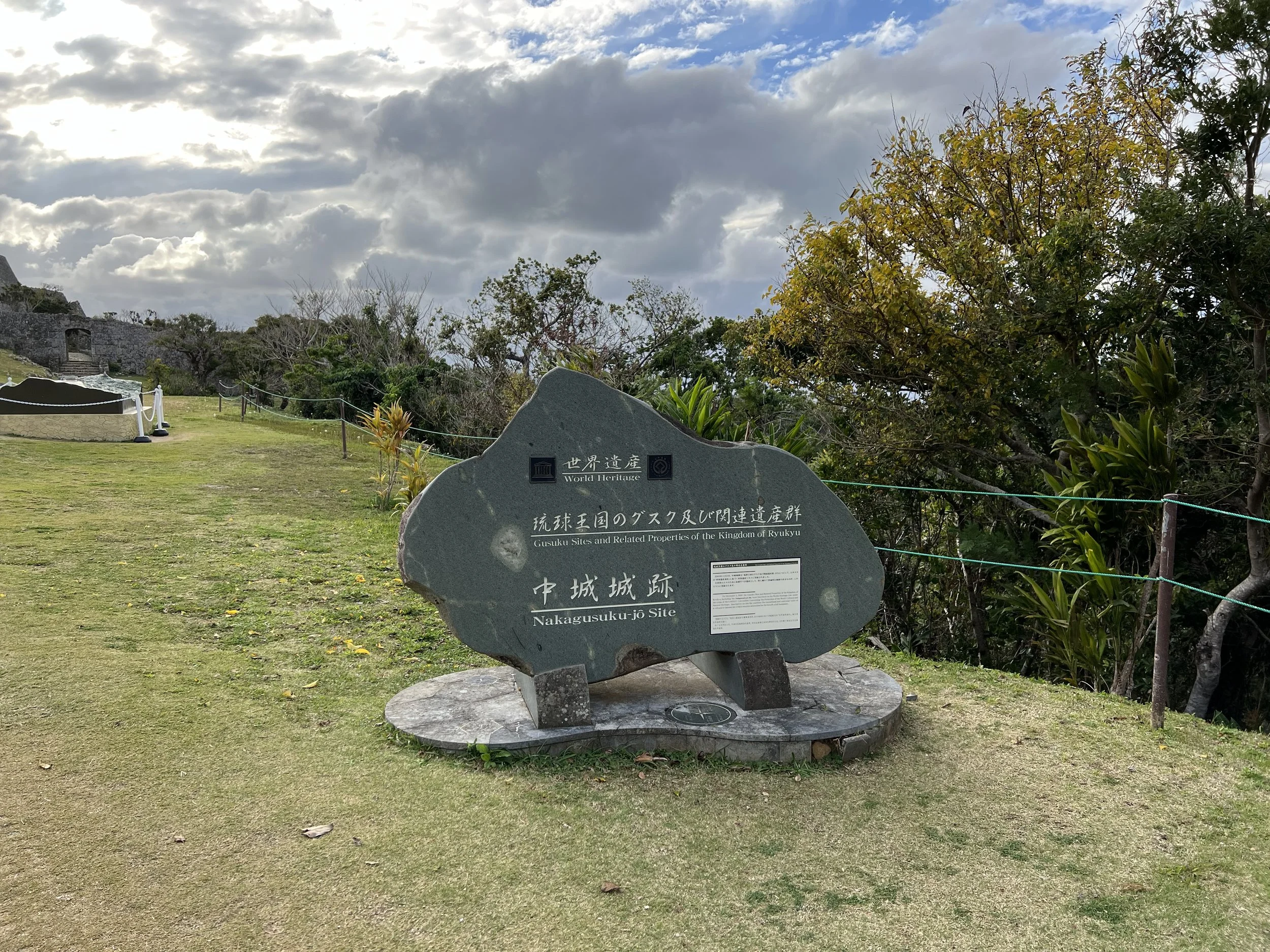
Nakagusuku Castle is now part of the UNESCO World Heritage Site “Gusuku Sites and Related Properties of the Kingdom of Ryukyu,” recognized for its architectural and cultural importance.
Getting There
Nakagusuku Castle Ruins is located in Nakagusuku Village, approximately 20 kilometres northeast of Naha. By car, the drive takes around 40–50 minutes from central Naha, depending on traffic. Parking is available on-site, though spaces are limited.
By public transportation, visitors can take a bus from Naha Bus Terminal toward Nakagusuku Village. From the nearest bus stop, it is approximately a 20–30 minute walk uphill to reach the castle entrance. Bus schedules can be infrequent, so planning ahead is recommended. Renting a car offers the most convenient access, especially when visiting multiple castle sites in one day.
Route Overview
Distance: 1.2 km out & back (Nakagusuku Castle Ruins Parking Lot)
Total elevation gain: 150 m
Duration: 30 min (with breaks 40 min)
Difficulty: Easy
Cost Breakdown
Entrance Fee: Nakagusuku Castle Ruins — ¥400