Ozu Castle - Ehime, Japan
After arriving at Iyo-Ozu Station from Matsuyama aboard the Iyonada Monogatari sightseeing train, I quickly realized that Ozu is a small, quiet town where most sights are spread out and best reached with a car or long walk on foot. While there are local buses that run close to the main attractions, the schedules are infrequent. I decided to walk everywhere instead, which turned out to be a great way to get a feel for the town.
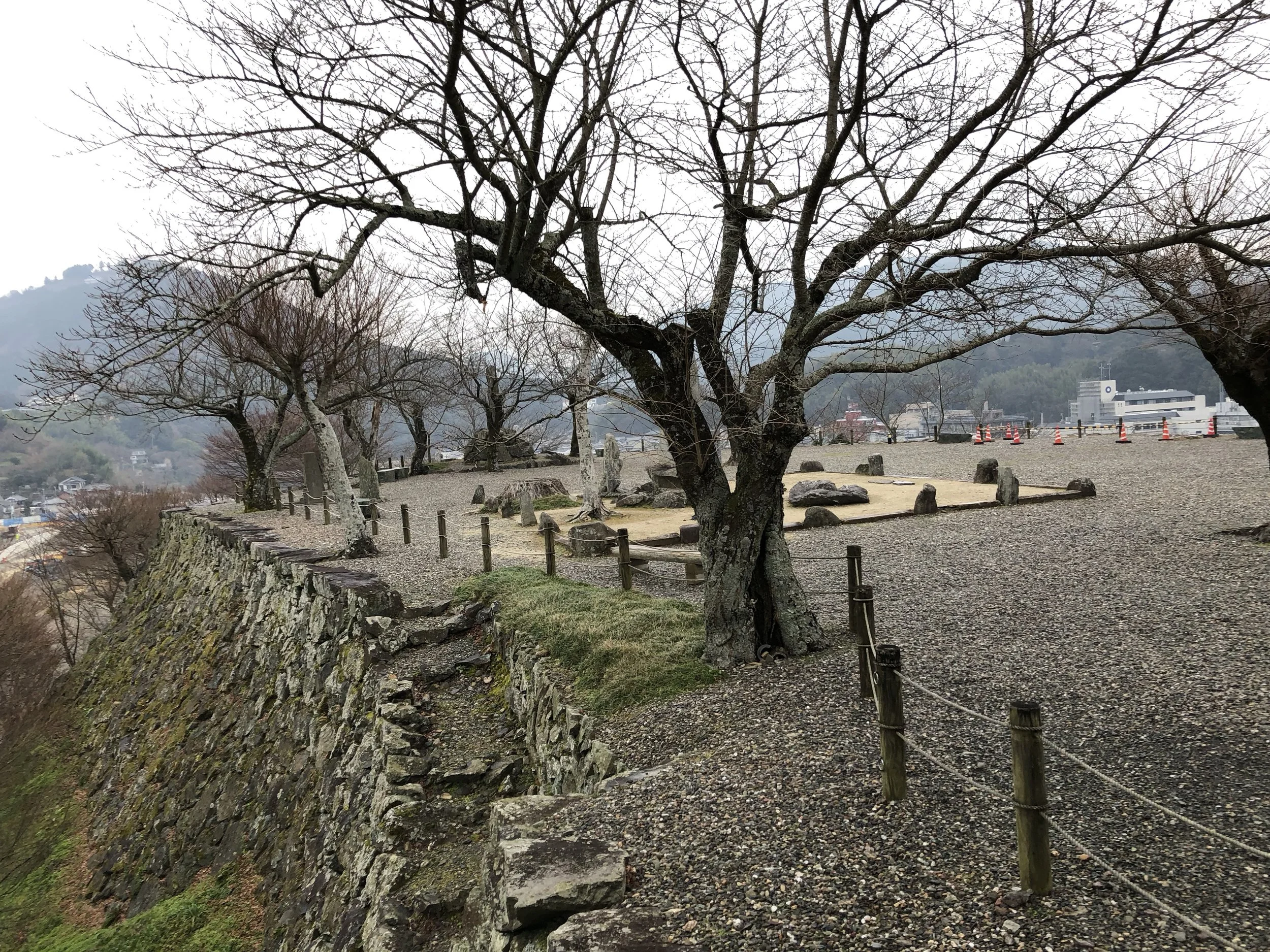
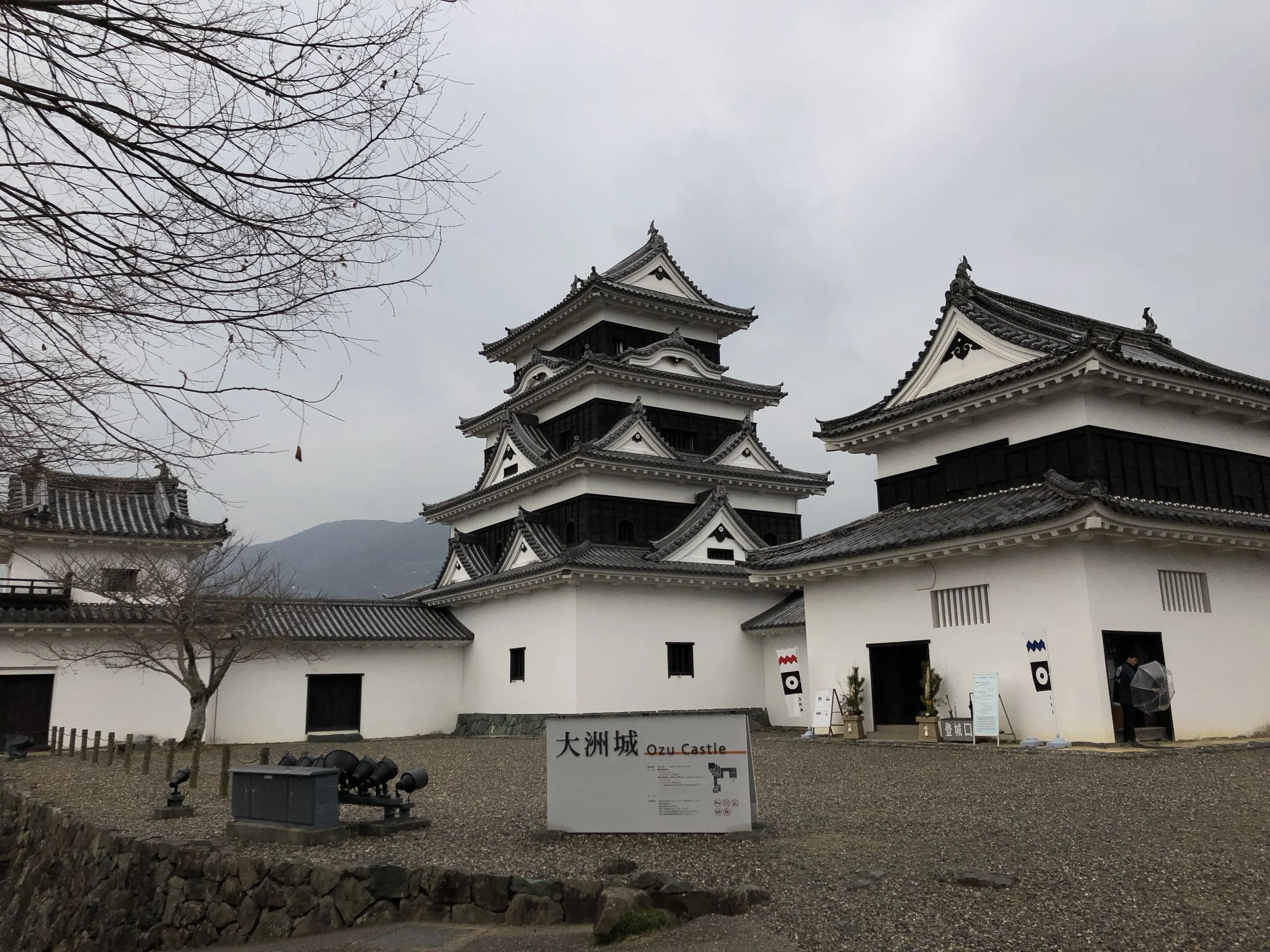
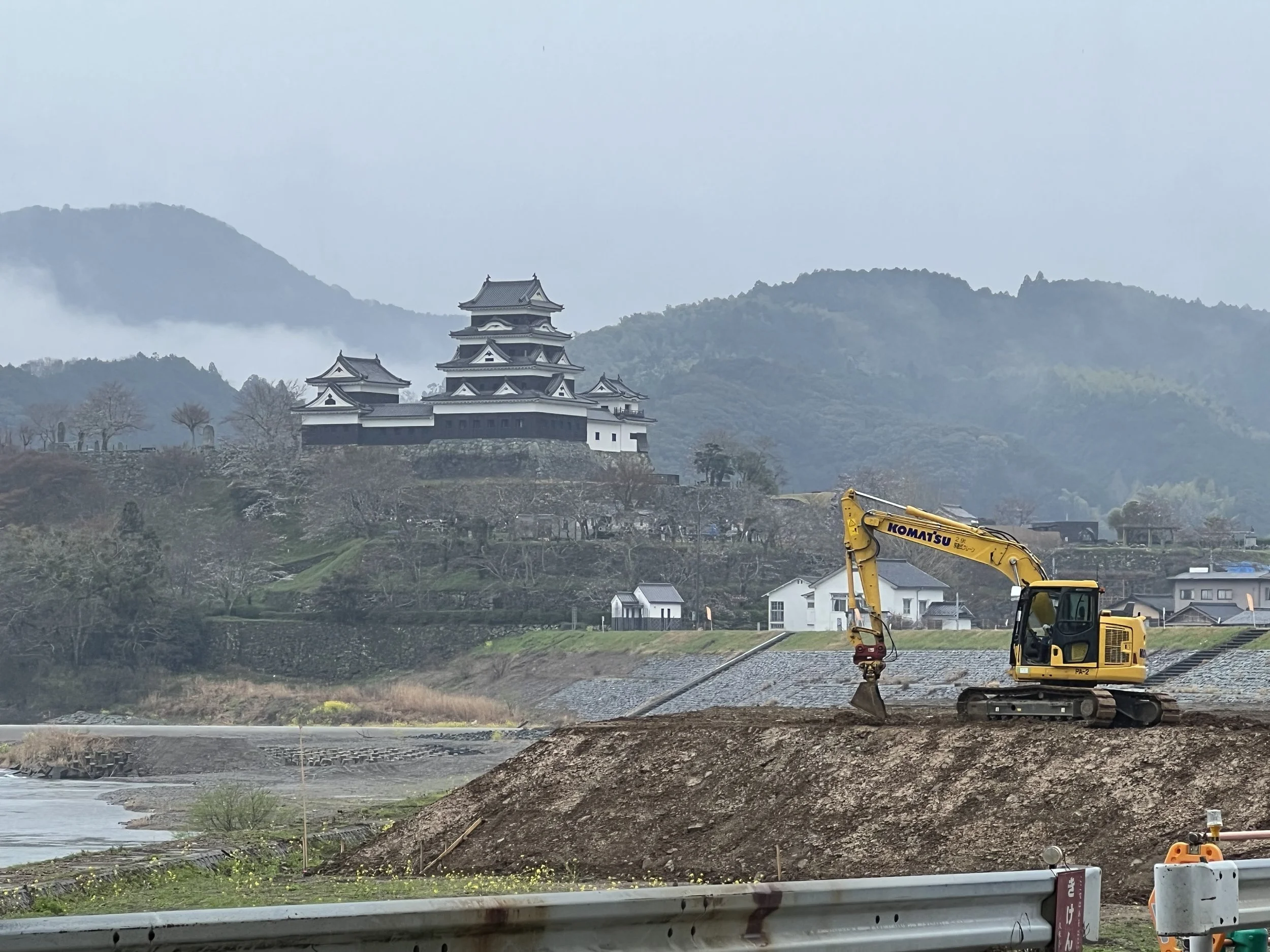
The walk from the station to Ozu Castle takes about 27 minutes and passes through residential streets, small shops, and quiet neighbourhoods. The castle itself sits atop a small hill, so the final stretch involves a gentle uphill climb. Ozu Castle was originally built in the 14th century and, like many castles in Japan, was destroyed and rebuilt multiple times due to fires, natural disasters, and conflict. The current main keep was reconstructed in stages, first in the 1950s and again in 2004. Unlike many postwar reconstructions that use reinforced concrete, Ozu Castle’s keep was rebuilt using wood and traditional construction techniques, giving it an appearance much closer to Japan’s remaining original castles.
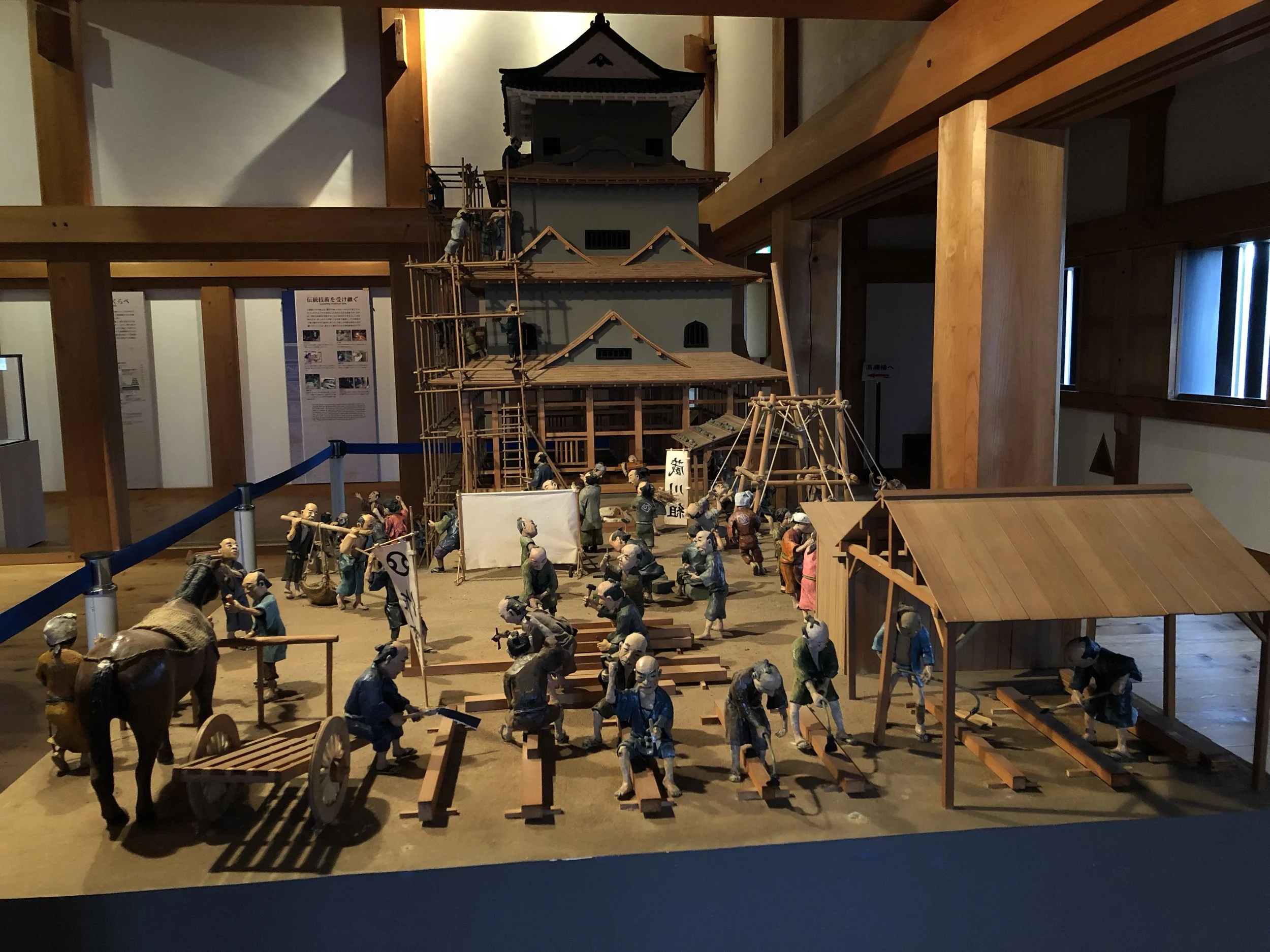
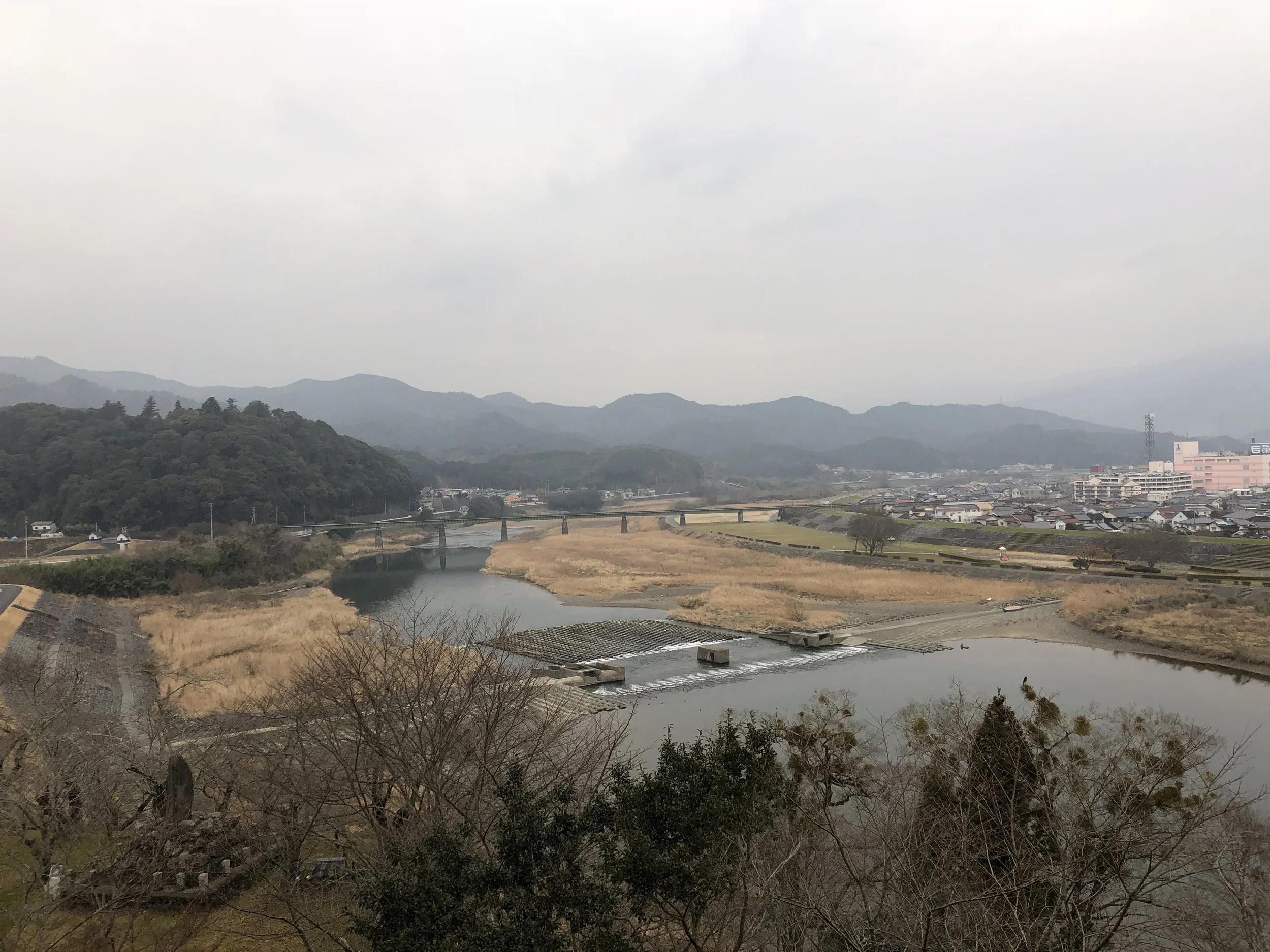
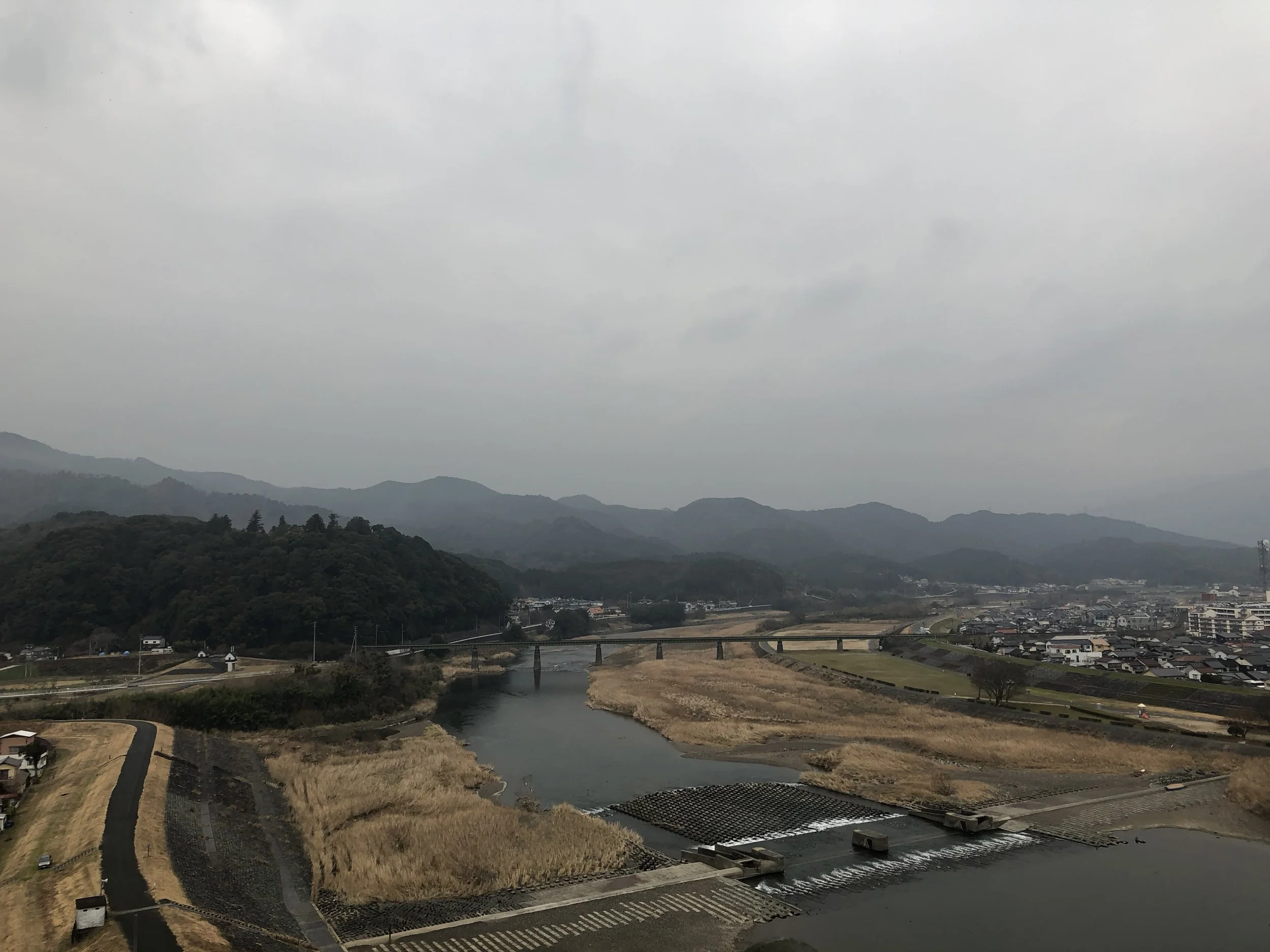
Inside, the castle is modest in scale. There are wooden scale models of the castle complex, a small display of samurai armour, and informational panels outlining its history. It didn’t take long to make my way through the interior and up to the top floor. From the observation level, I was rewarded with sweeping views of the Hijikawa River, the surrounding town, and the castle grounds below. I was told that in spring, when the cherry blossoms bloom, the view from here is especially beautiful, with the castle town tinted in soft shades of pink.
While visiting, I learned that Ozu Castle offers a rare castle stay experience, allowing guests to spend the night inside the keep. Staying in a reconstructed castle, complete with traditional meals and private access, sounds like an unforgettable experience. Had I known about it earlier, I would have planned my trip around it.
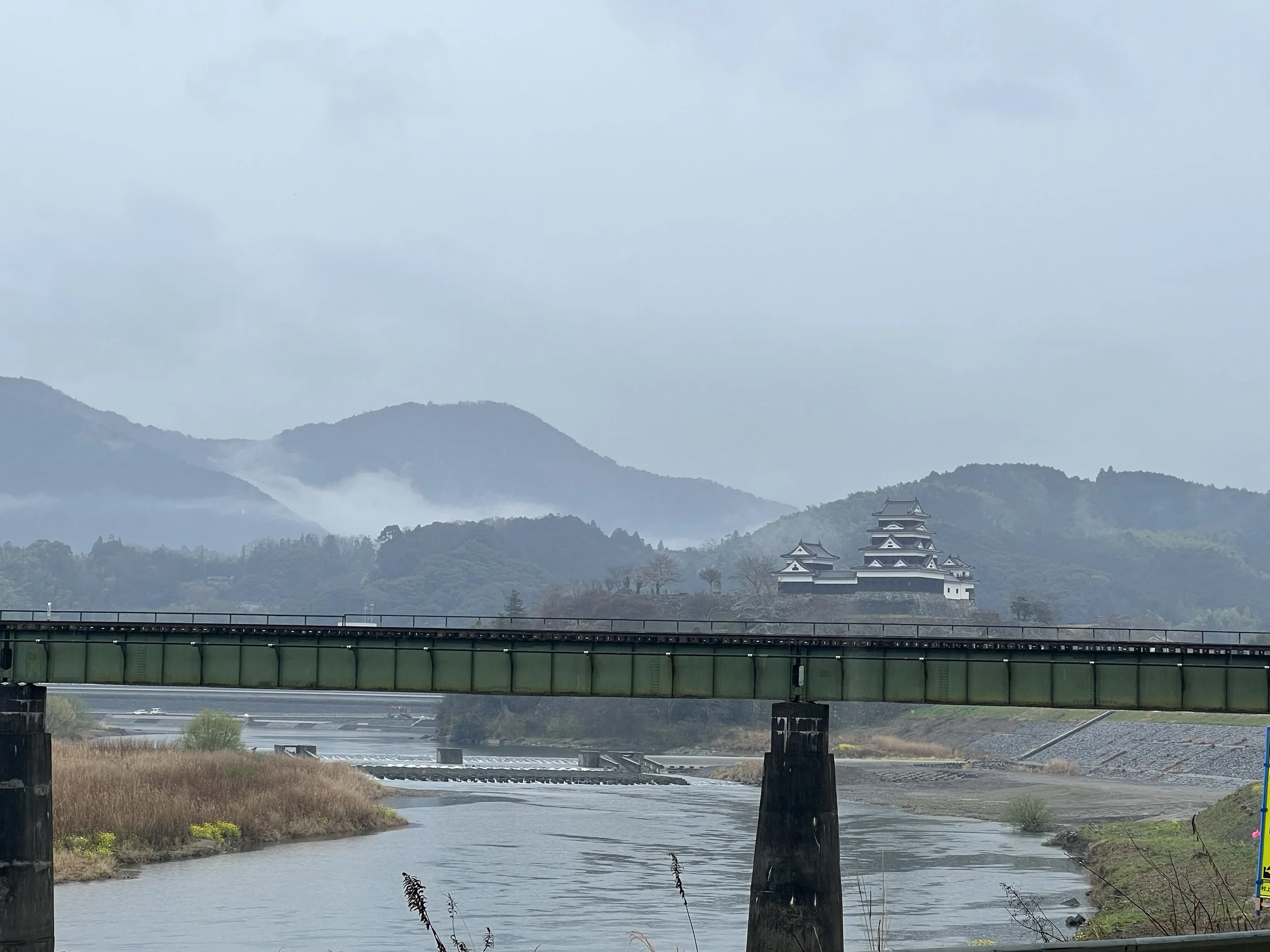
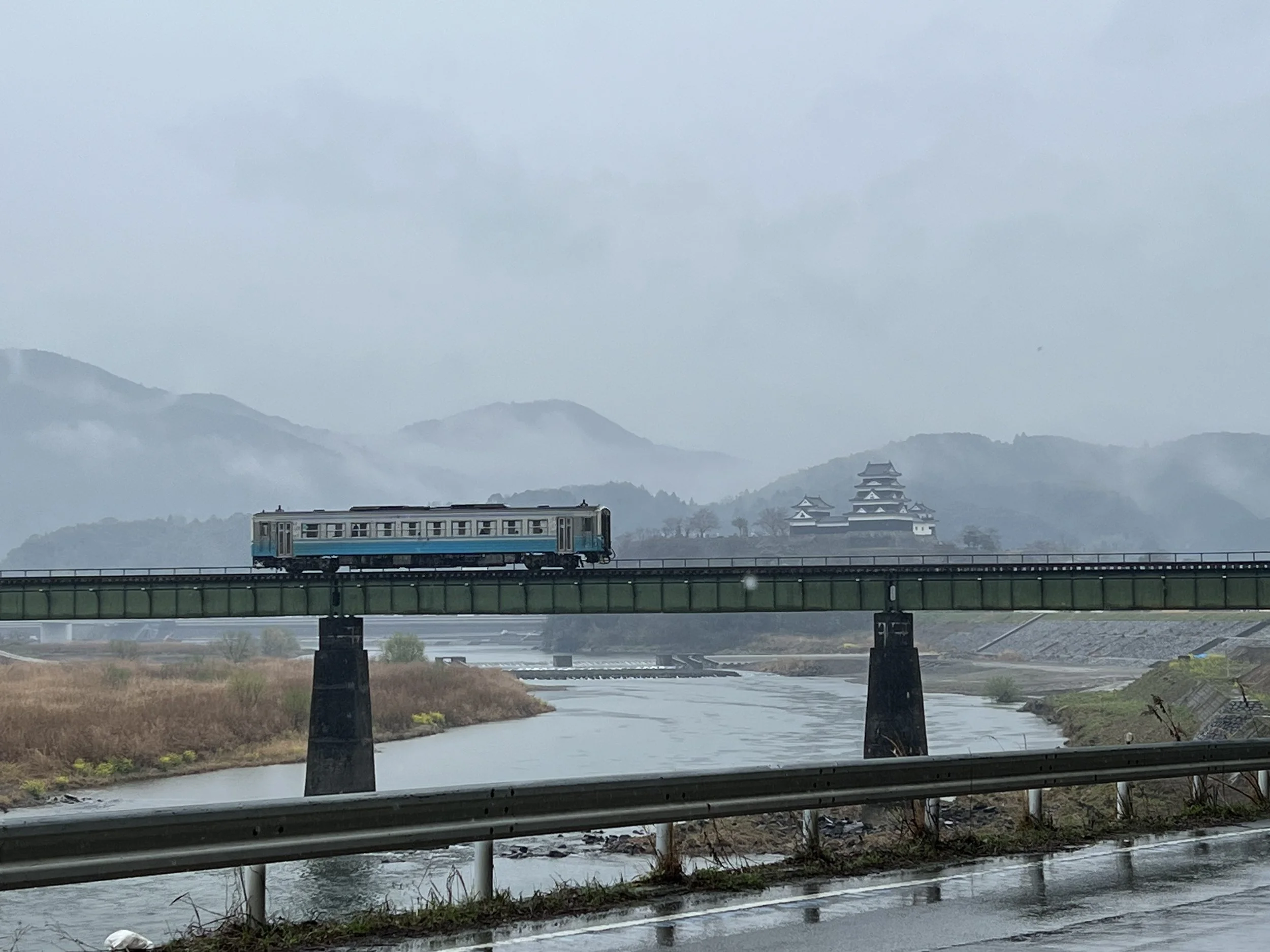
After leaving the castle grounds, I took some time to walk around the exterior and take more photos before heading to a nearby viewpoint known for capturing both the castle and passing trains in the same frame. It was a bit of a walk from the castle, and the rain was relentless, but I felt it was worth the effort. Once there, I checked the train schedule and found I had about ten minutes before the next train arrived. I scouted the area, set up my camera, and waited.
When the train finally passed through, the scene was incredibly atmospheric. The castle, river, railway, and drifting fog created a moody, almost cinematic view. While the rain was inconvenient, it added to the overall feel of the moment. I stayed long enough to see two different trains pass before making my way back to Iyo-Ozu Station to catch the return train to Matsuyama.
History & Background
Ozu Castle dates back to the Nanboku-chō period in the 14th century and played an important role in controlling river transport along the Hijikawa River. Over the centuries, the castle was repeatedly damaged and rebuilt, reflecting the turbulent history of the region. After the original keep was dismantled in the Meiji era, a concrete reconstruction was completed in the 1950s. In a rare move, the keep was later rebuilt again in 2004 using traditional wooden methods, restoring its historical appearance and craftsmanship. Today, Ozu Castle stands as a symbol of the town’s dedication to preserving its heritage.
Getting There
Iyo-Ozu Station is accessible via JR Shikoku services from Matsuyama. From the station, Ozu Castle is about a 27-minute walk. While local buses are available, services are limited, making walking the most reliable and flexible option. The route is mostly flat until the final uphill approach to the castle.
Route Overview
Distance: 5.93 km out & back (Iyo-Ozu Station)
Total elevation gain: 22 m
Duration: 1 hr 12 min (with breaks 1 hr 38 min)
Difficulty: Easy
Cost Breakdown
Entrance Fee: Ozu Castle — ¥550
Food: ¥162