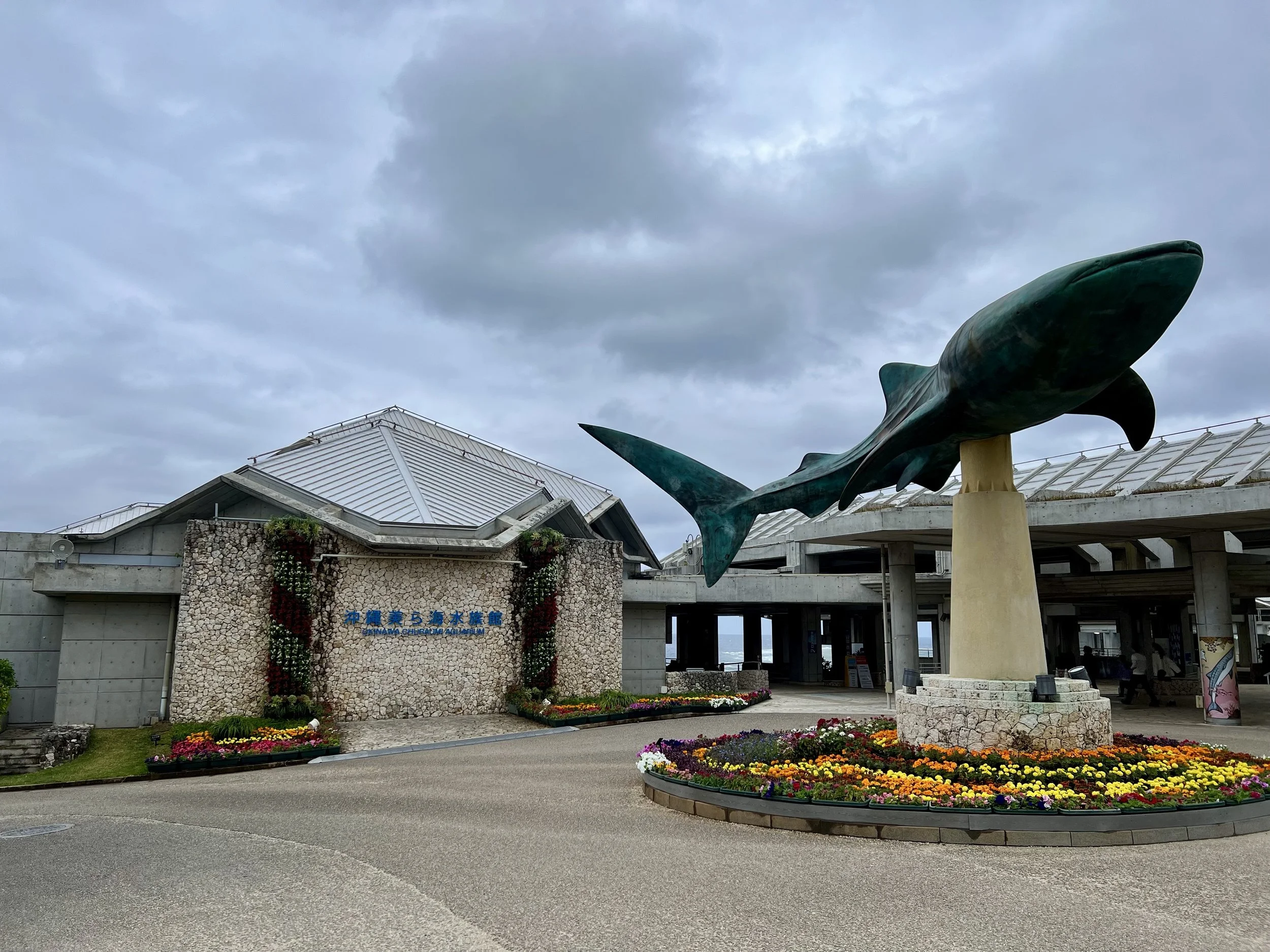
Okinawa Churaumi Aquarium - Okinawa, Japan
Of all the places I wanted to visit in Okinawa, Okinawa Churaumi Aquarium was at the very top of my list — and it was entirely because of the whale shark. I had seen photos for years, but nothing compares to standing in front of one in person. I made sure to arrive right at opening time since I had heard the aquarium complex isn’t just indoor exhibits — there are extensive outdoor areas, museums, and marine facilities to explore as well.
When I arrived, the parking lot was already quite full, which reassured me that I had made the right call coming early. I managed to find a spot close to the entrance. Since I had purchased my ticket online, entry was quick and straightforward. The first thing I wanted to check was the feeding schedule and dolphin show times so I could plan my visit accordingly. With that sorted, I began wandering through the exhibits.
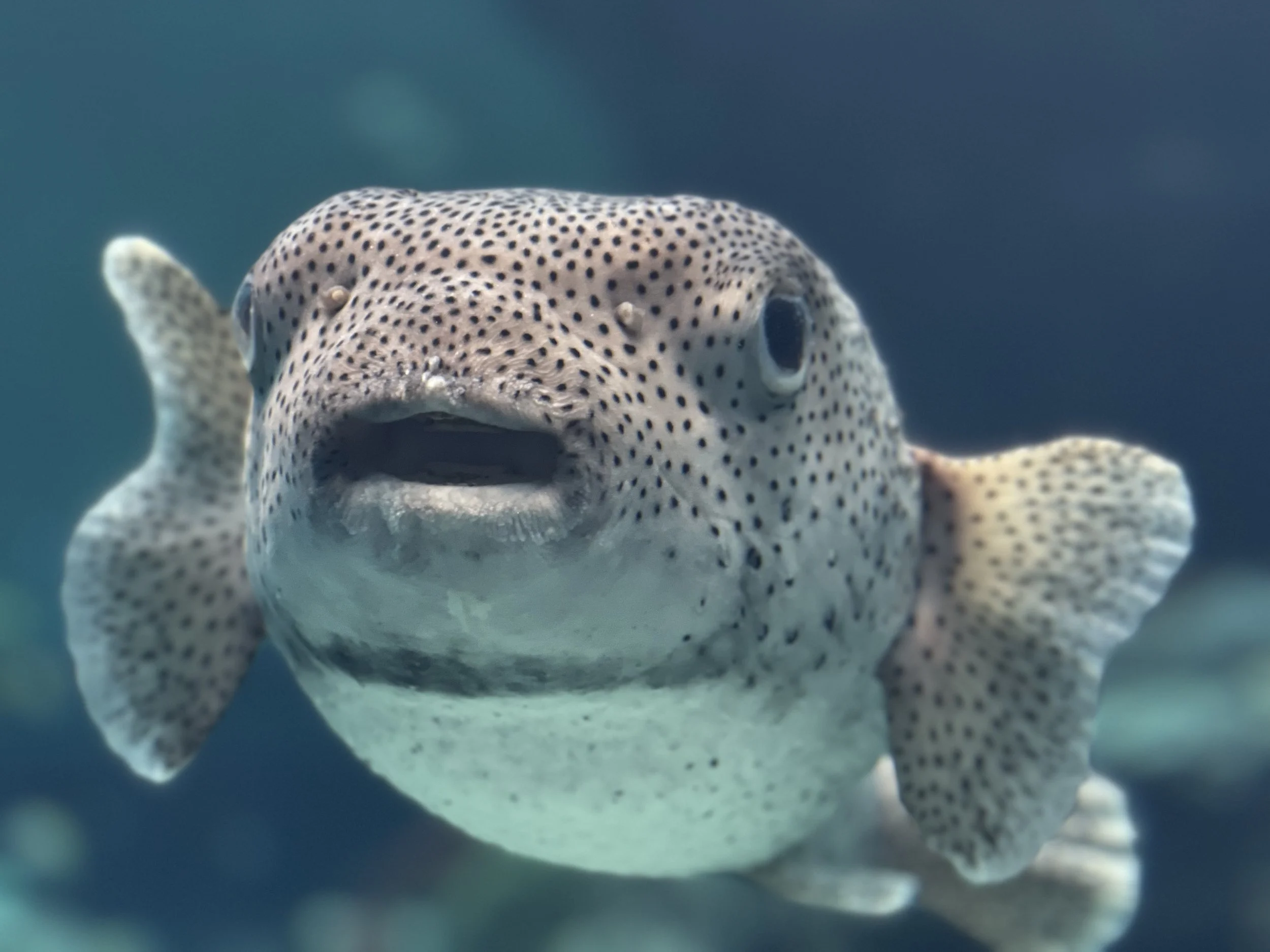
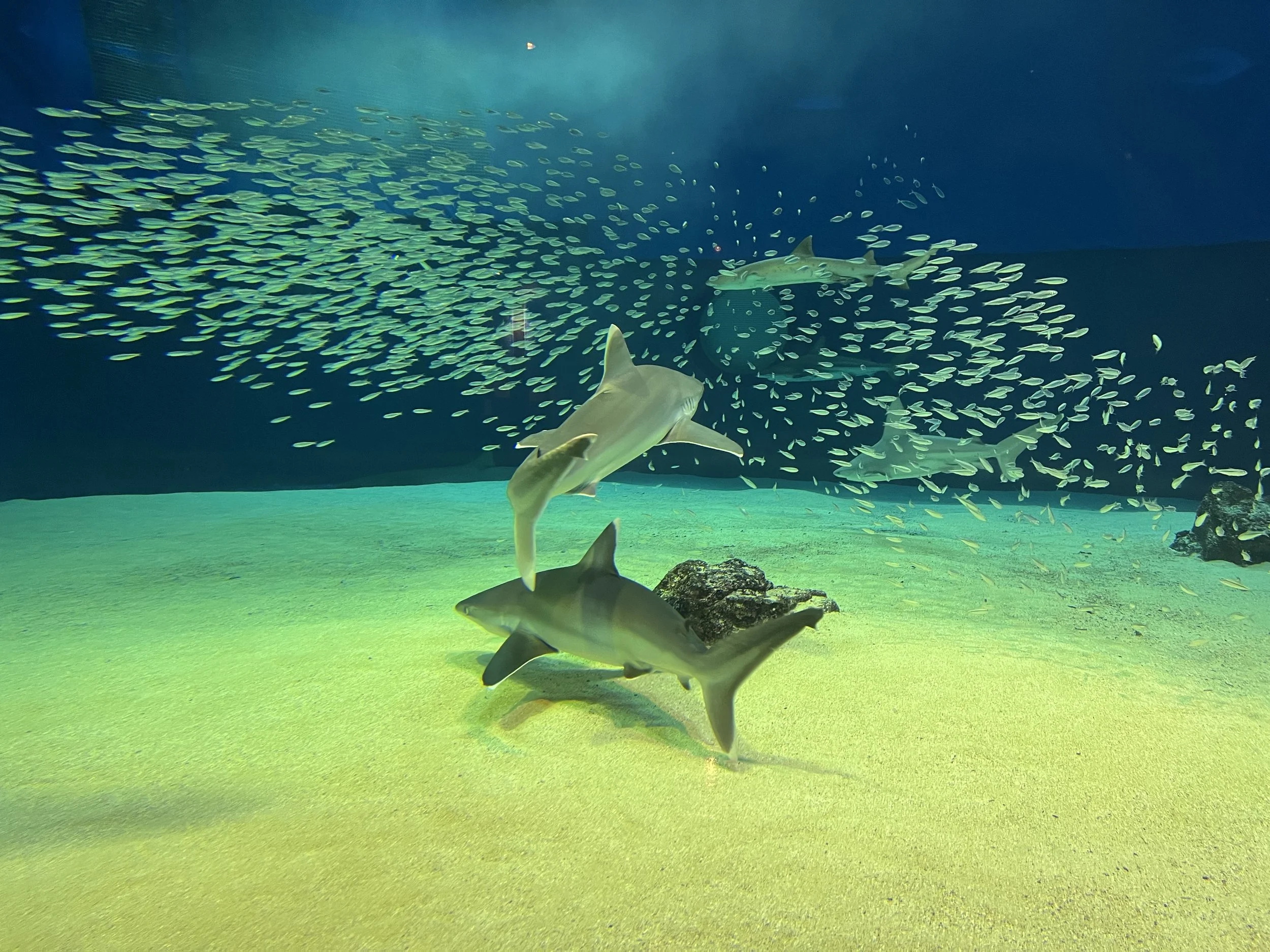
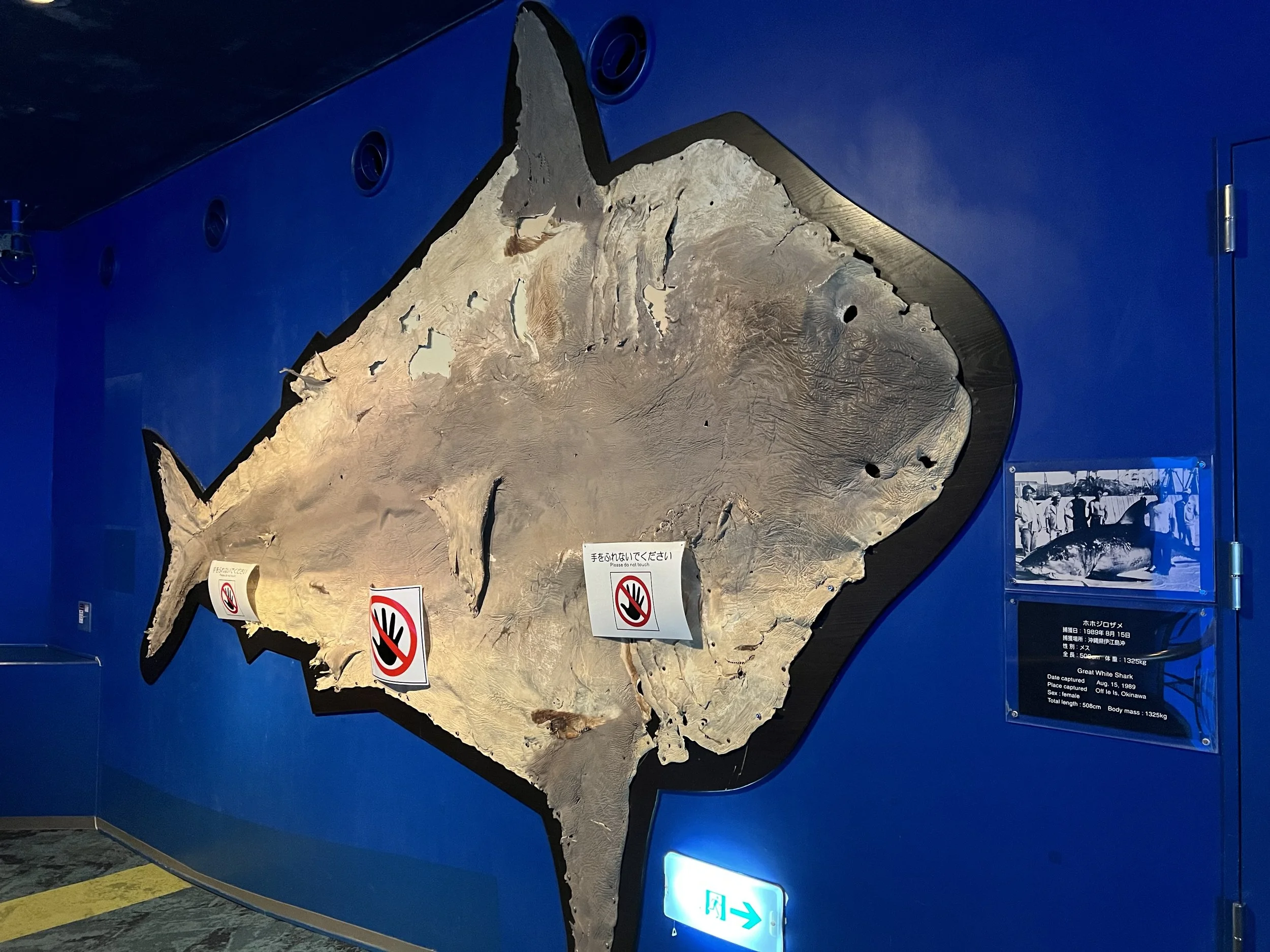
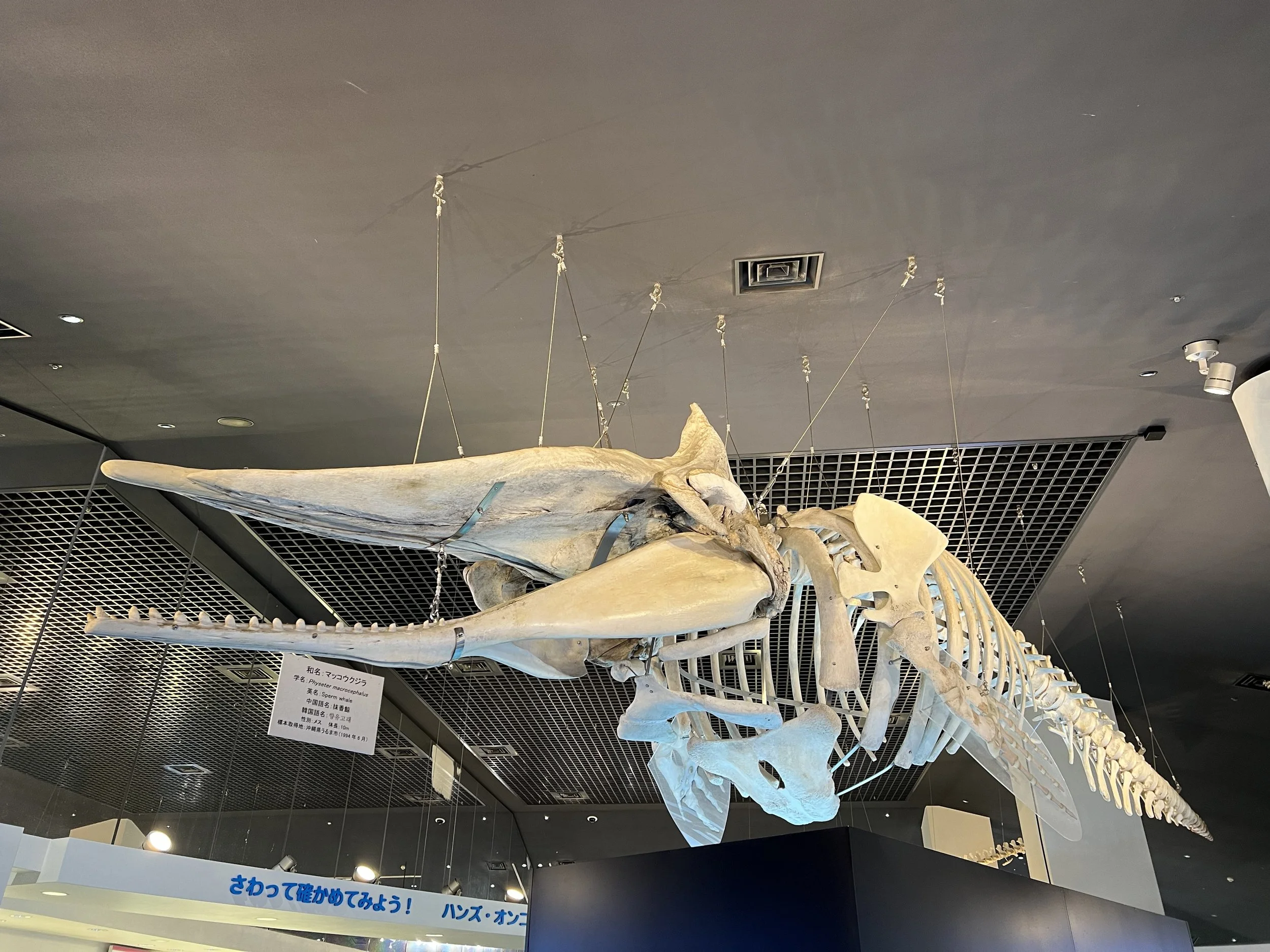
The aquarium is thoughtfully laid out, with dedicated sections for coral reefs, deep-sea environments, and marine education displays. I was genuinely in awe learning that many of the species here are native to Okinawa’s surrounding waters, particularly in the deep-sea exhibit. Seeing marine life that exists only in this region made the experience feel even more special and grounded in place.
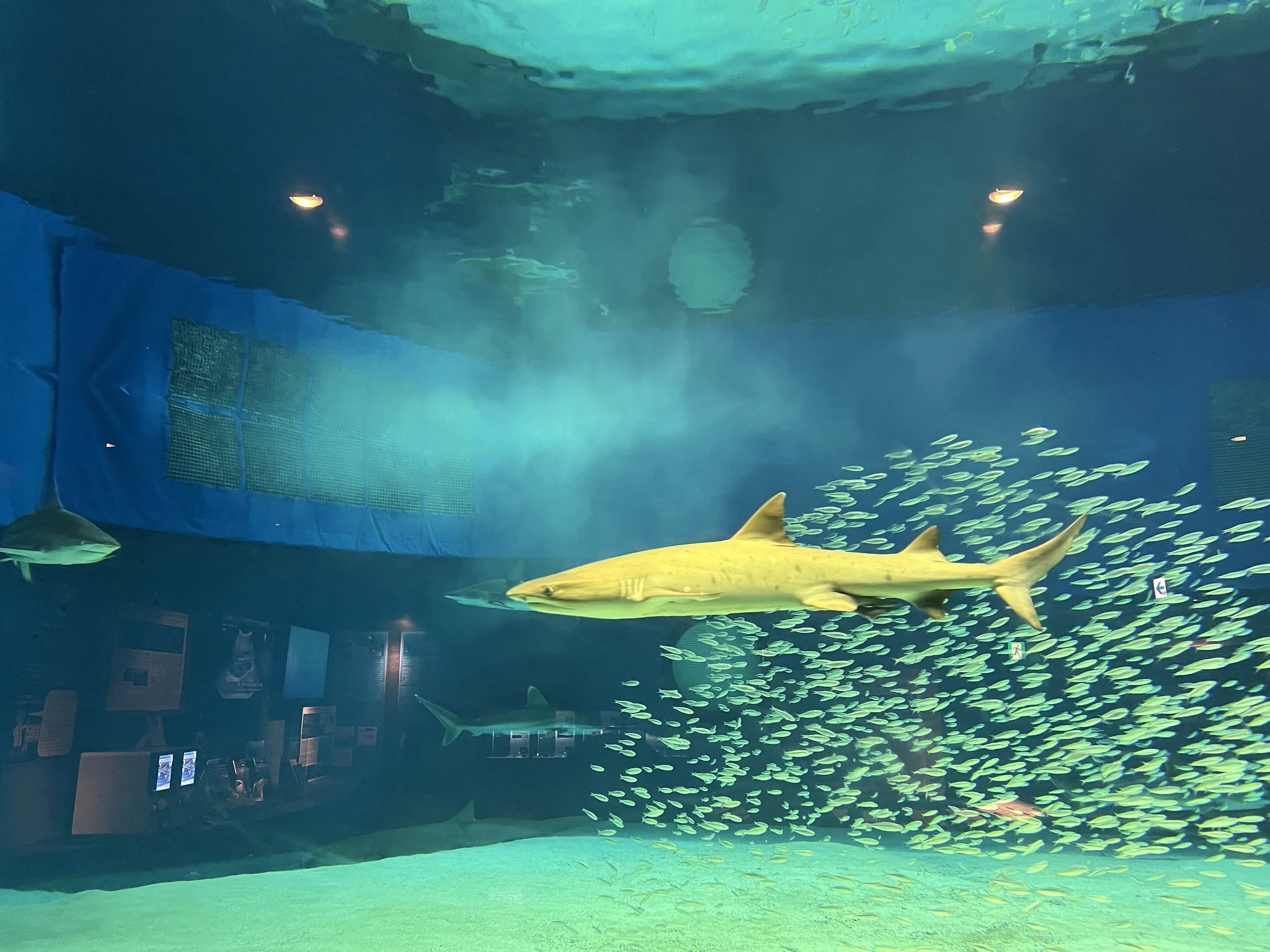
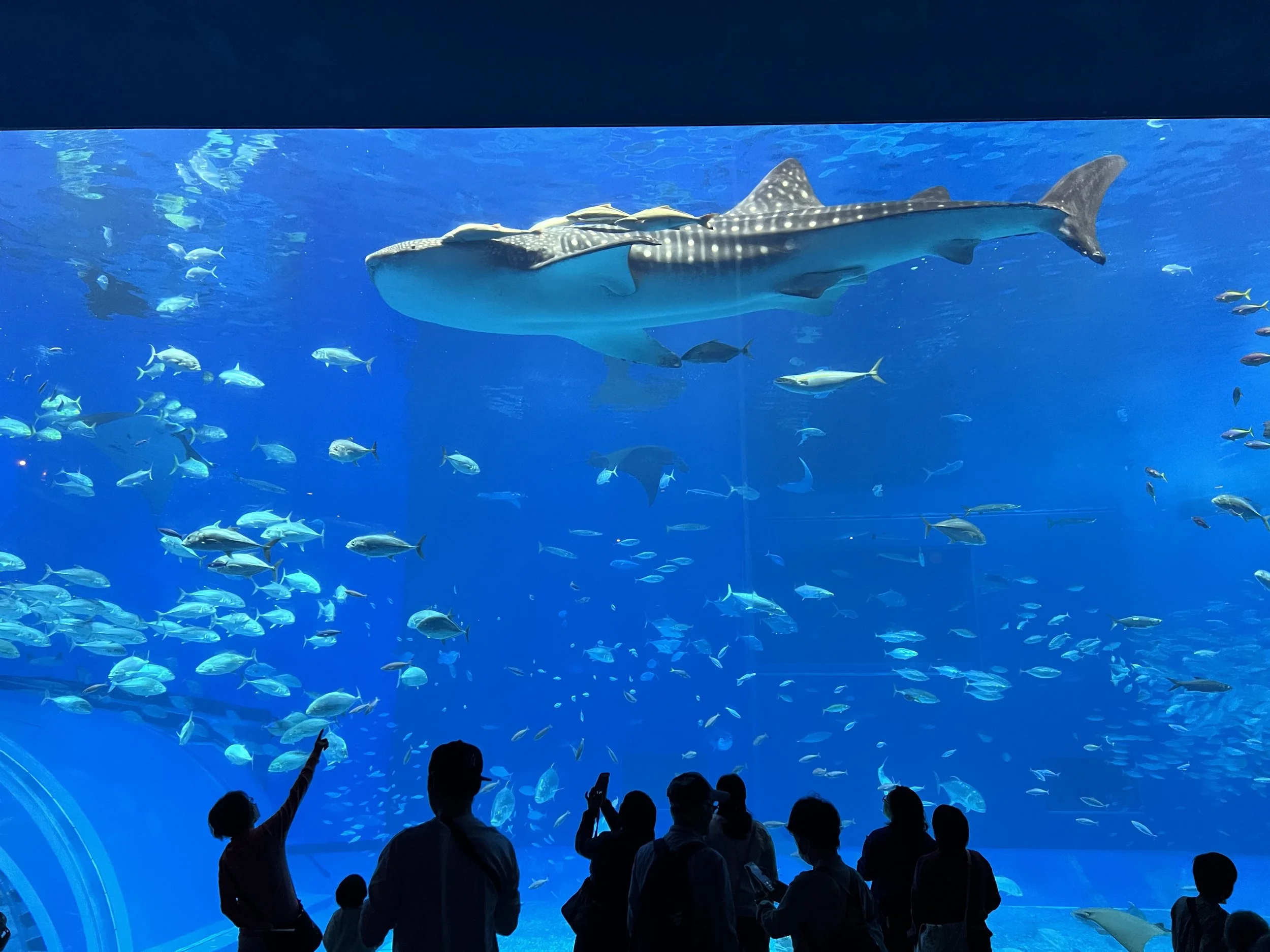
Then I reached the Kuroshio Sea Tank.
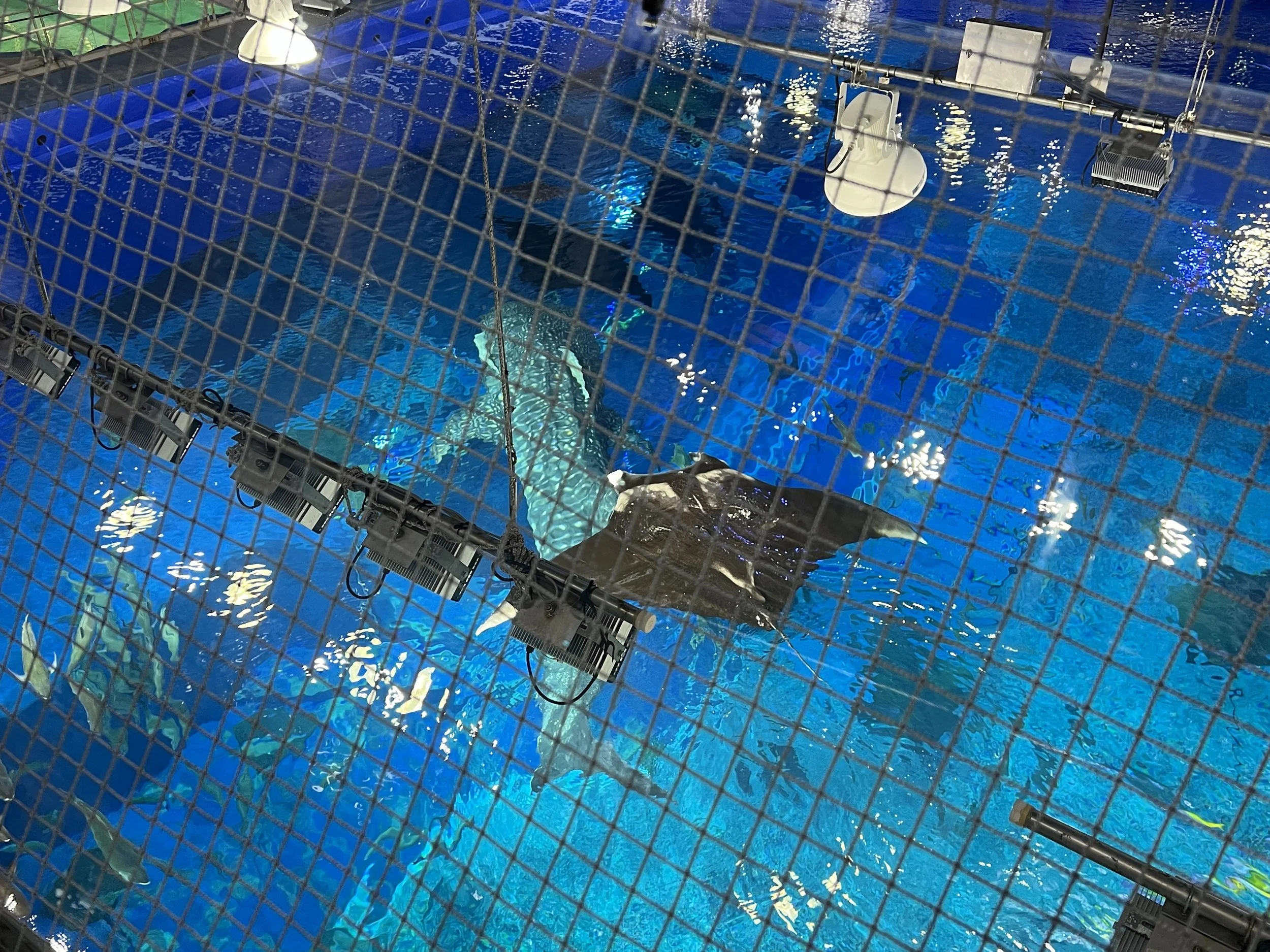
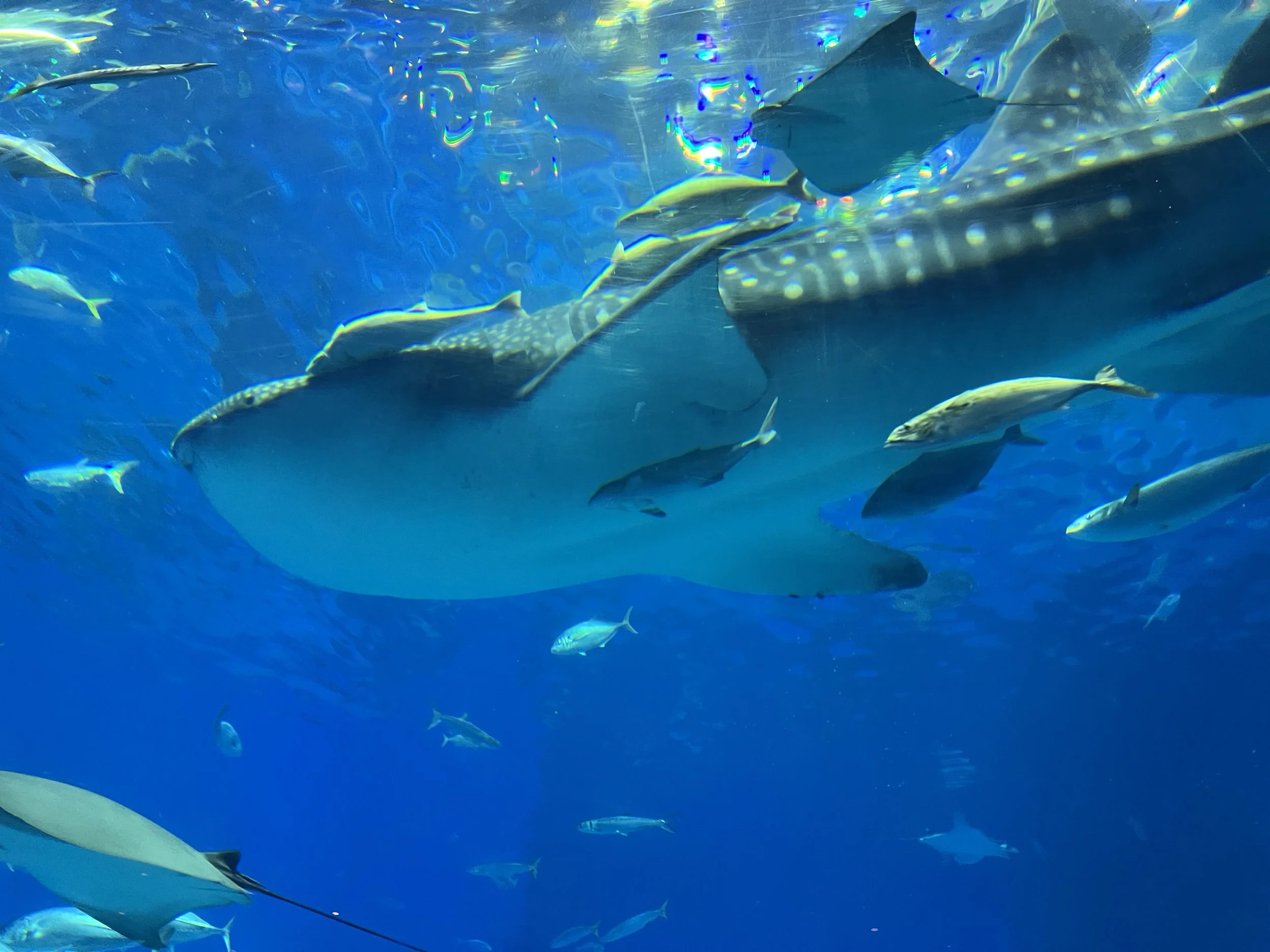
This massive tank holds 7,500 cubic metres of water, and it allows the whale shark to glide freely in a way that feels almost unreal. The largest whale shark, Jinta, has been at the aquarium since 1995 and measures over 8.8 metres in length. Standing in front of that enormous viewing panel, I instinctively craned my neck upward, trying to take in the scale of it all. Eventually, I stepped further back just to see the whale shark in full view. Around me, I could hear gasps, cheers, and excited whispers — I was definitely not the only one overwhelmed by the sight.
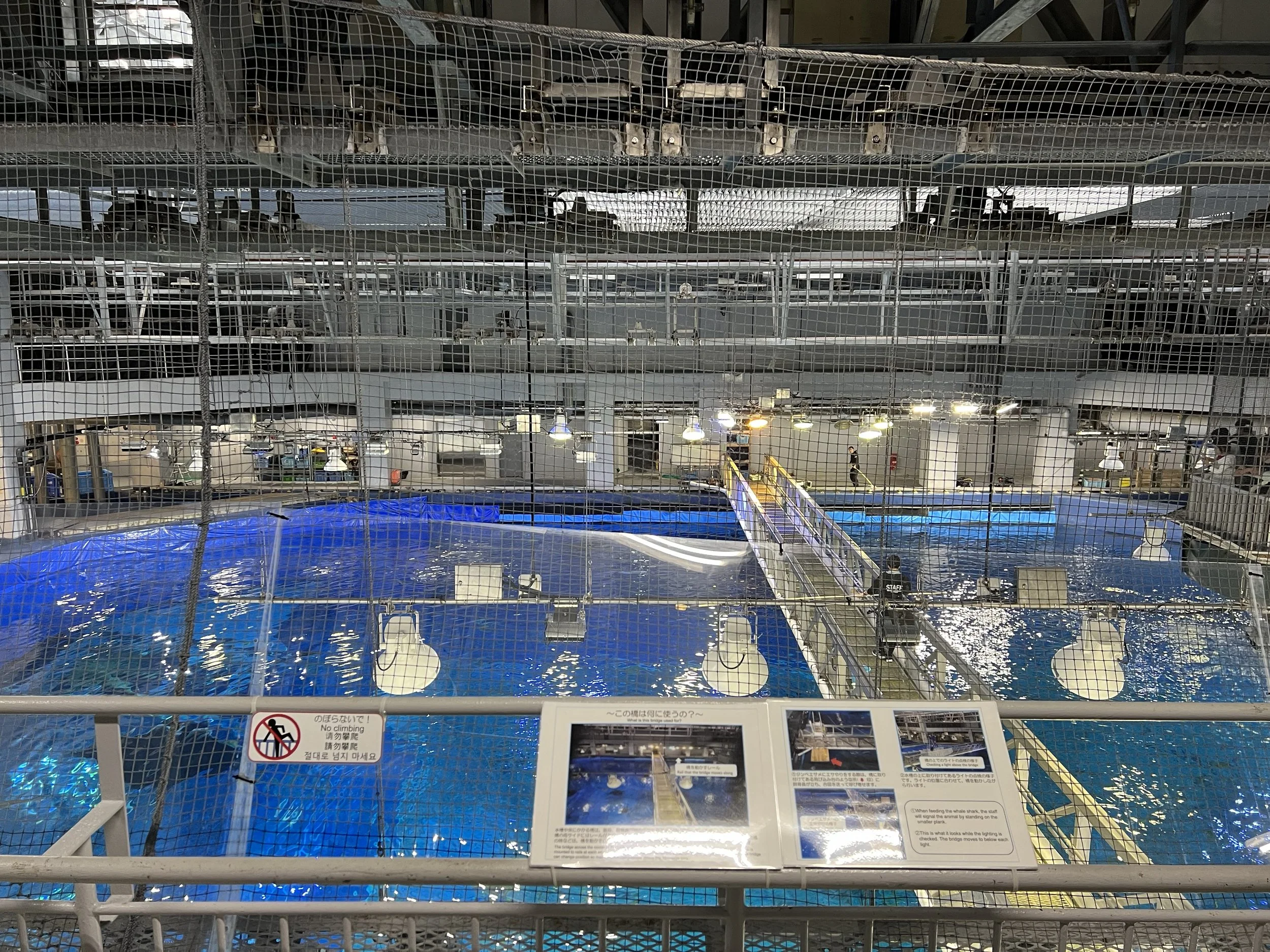
After spending a long while in front of the tank, I made my way up to the observation course above it. From here, you can look down into the tank and see a behind-the-scenes perspective of its scale and operation. This is also where the feeding takes place. I walked along the overhead viewing platform, reading through the information displays, then returned downstairs just in time to watch the feeding begin.
Watching the whale shark feed was something I won’t forget. Seeing it swim vertically, mouth open, filtering massive volumes of water to capture food was fascinating. It’s one thing to understand how they feed — it’s another to witness it happening right in front of you.
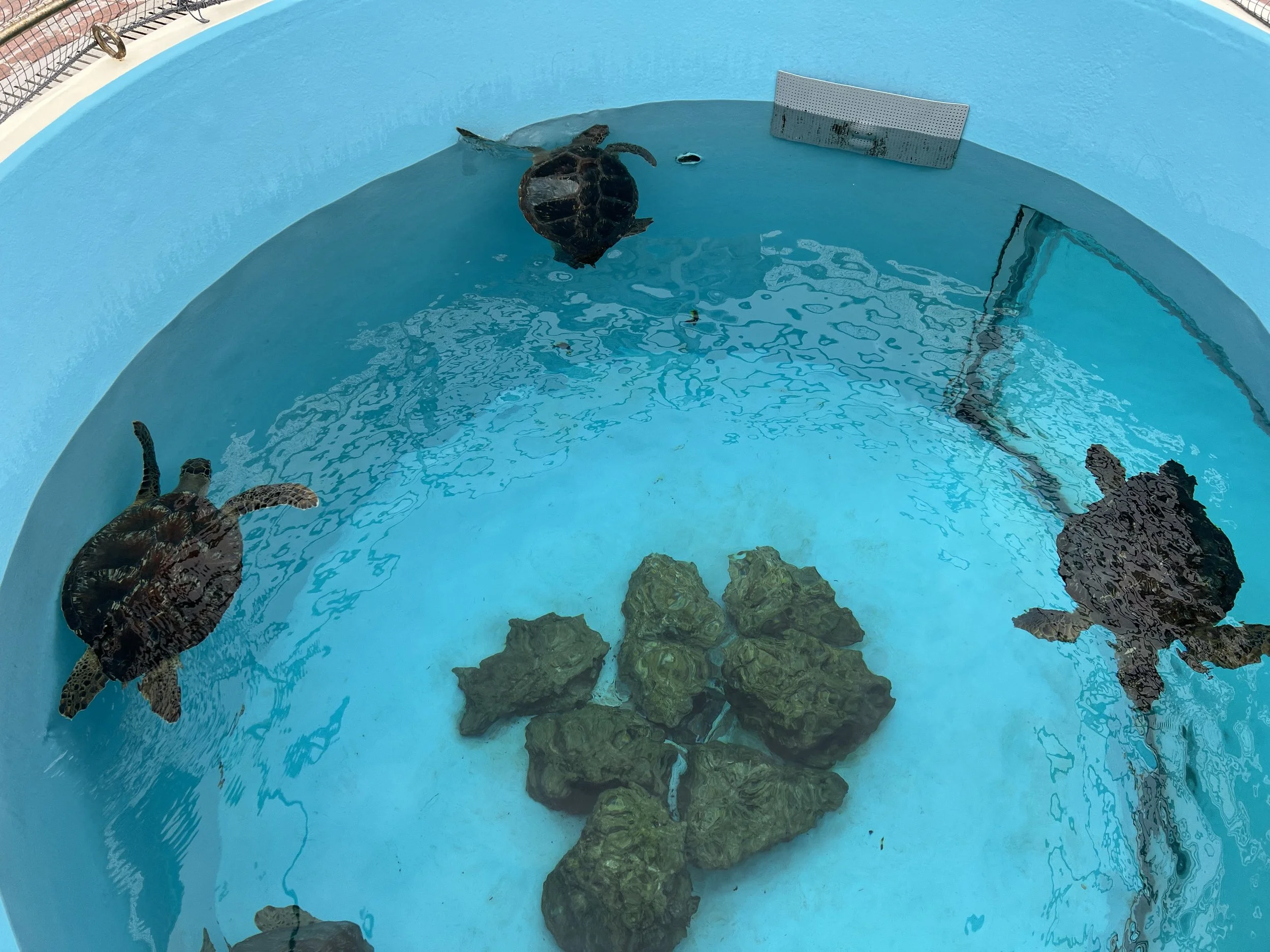
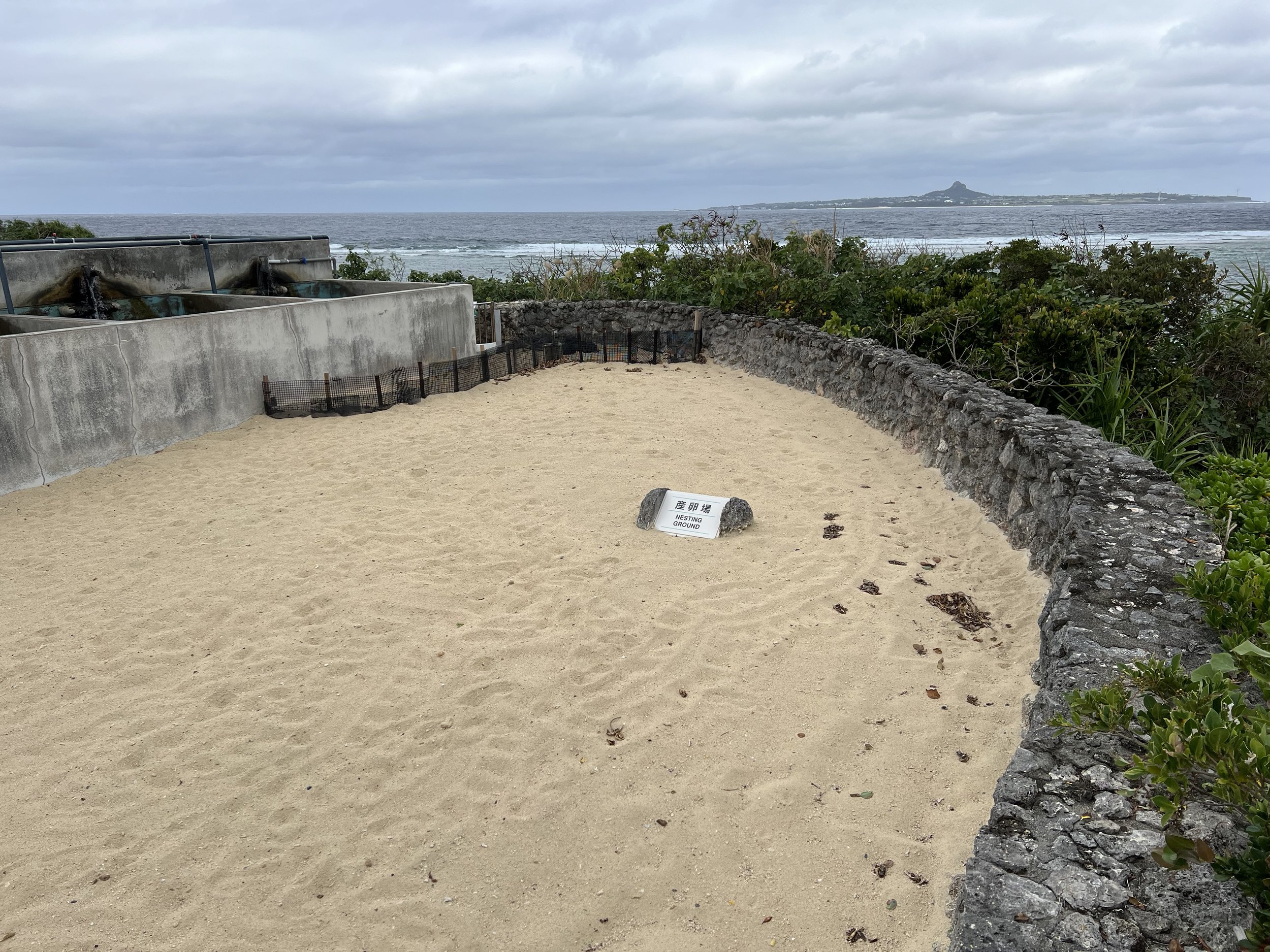
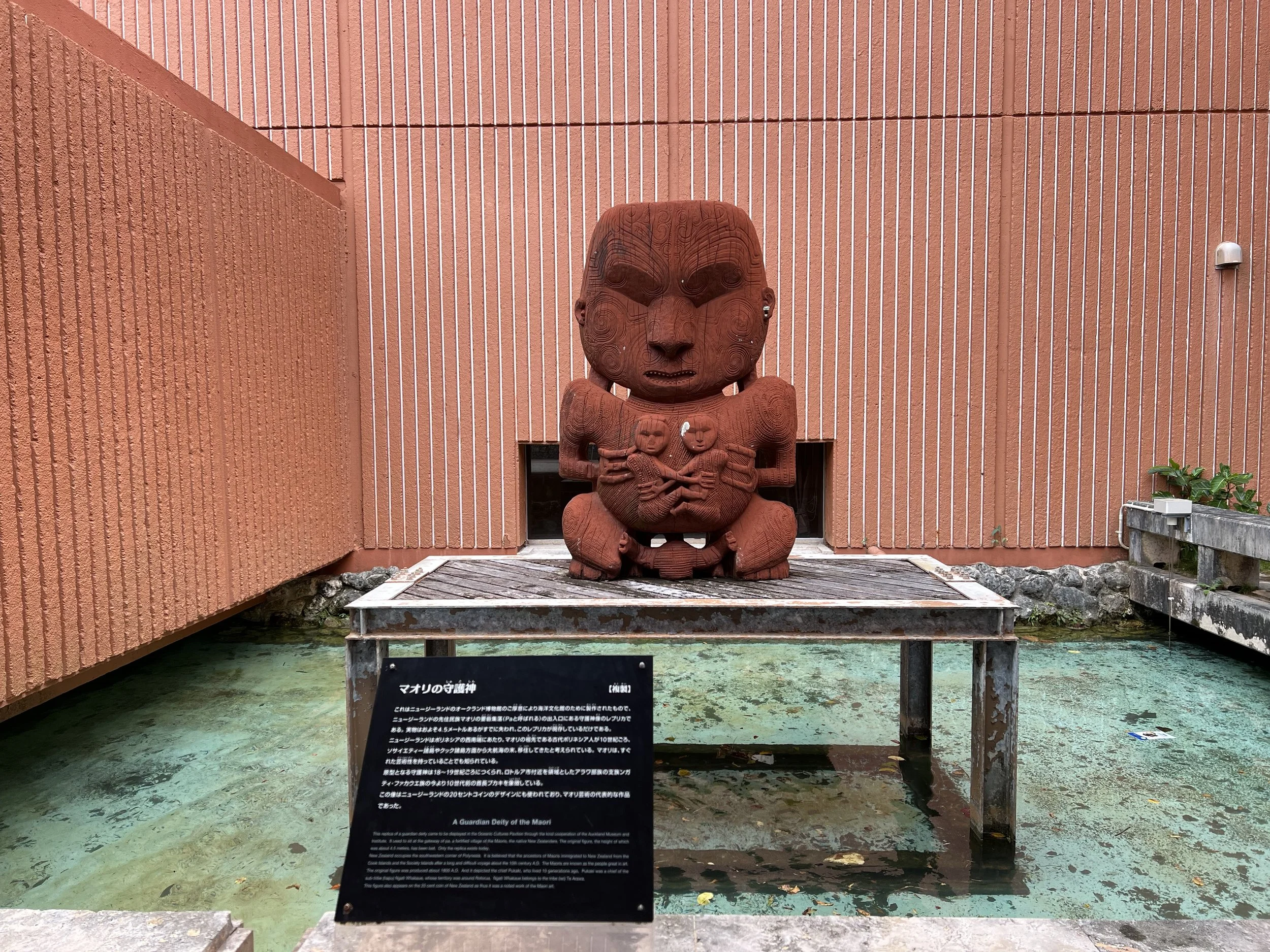
Once I had explored the indoor exhibits, I headed outside to discover the rest of the complex. The grounds are expansive and beautifully laid out along the coastline. There are sea turtle pools, a manatee facility, and a dolphin lagoon, along with additional museum spaces and walking paths. I visited the manatees and turtles first, then made my way to the dolphin lagoon just before the show started.
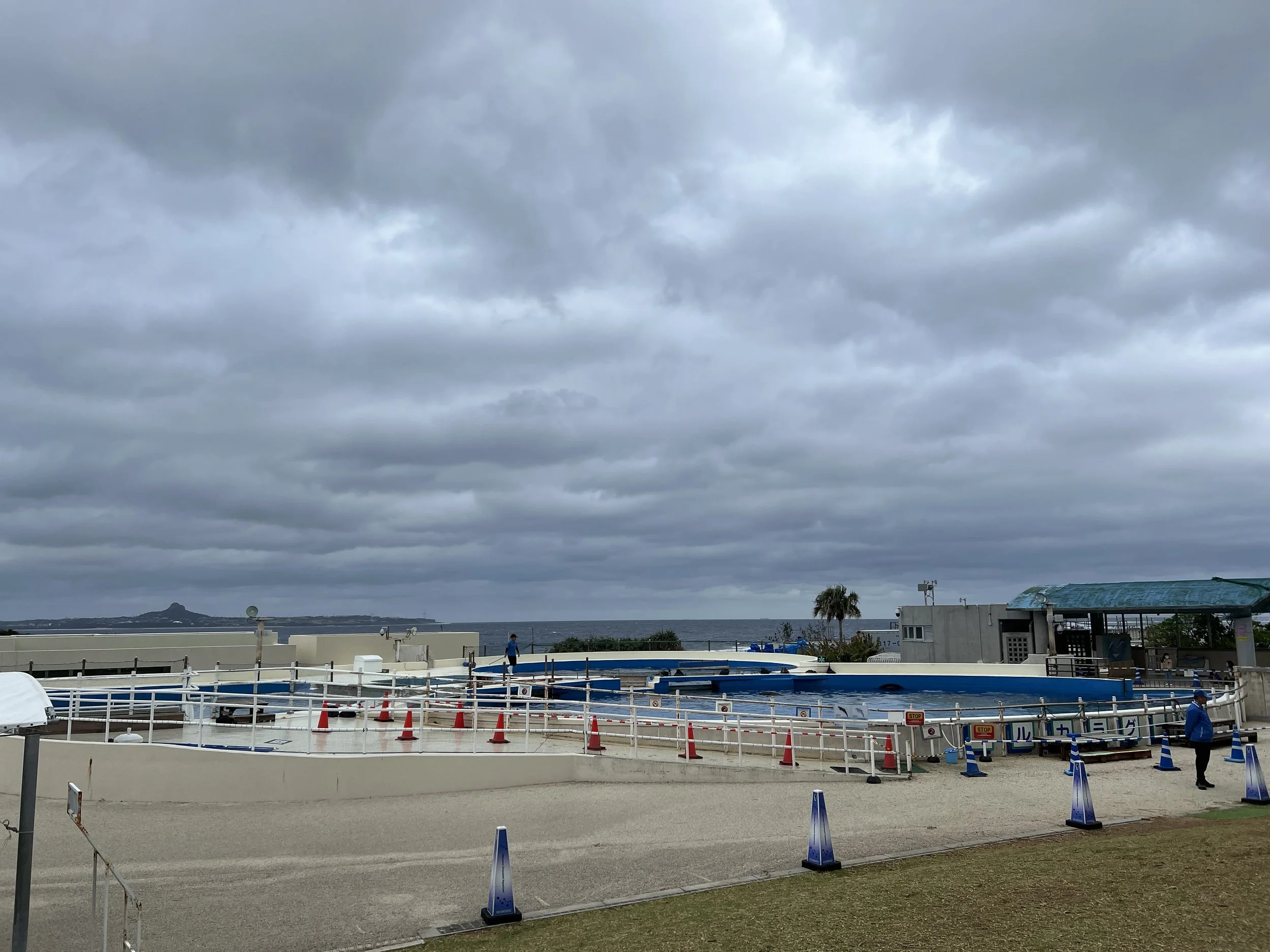
Staff had marked certain sections as splash zones to keep guests from getting unexpectedly soaked. I chose a seat slightly farther back but still with a clear view of the lagoon. The dolphins were impressive — agile, responsive, and clearly well-trained. Watching them perform in sync with their trainers, leaping and gliding through the water, was both entertaining and mesmerizing.
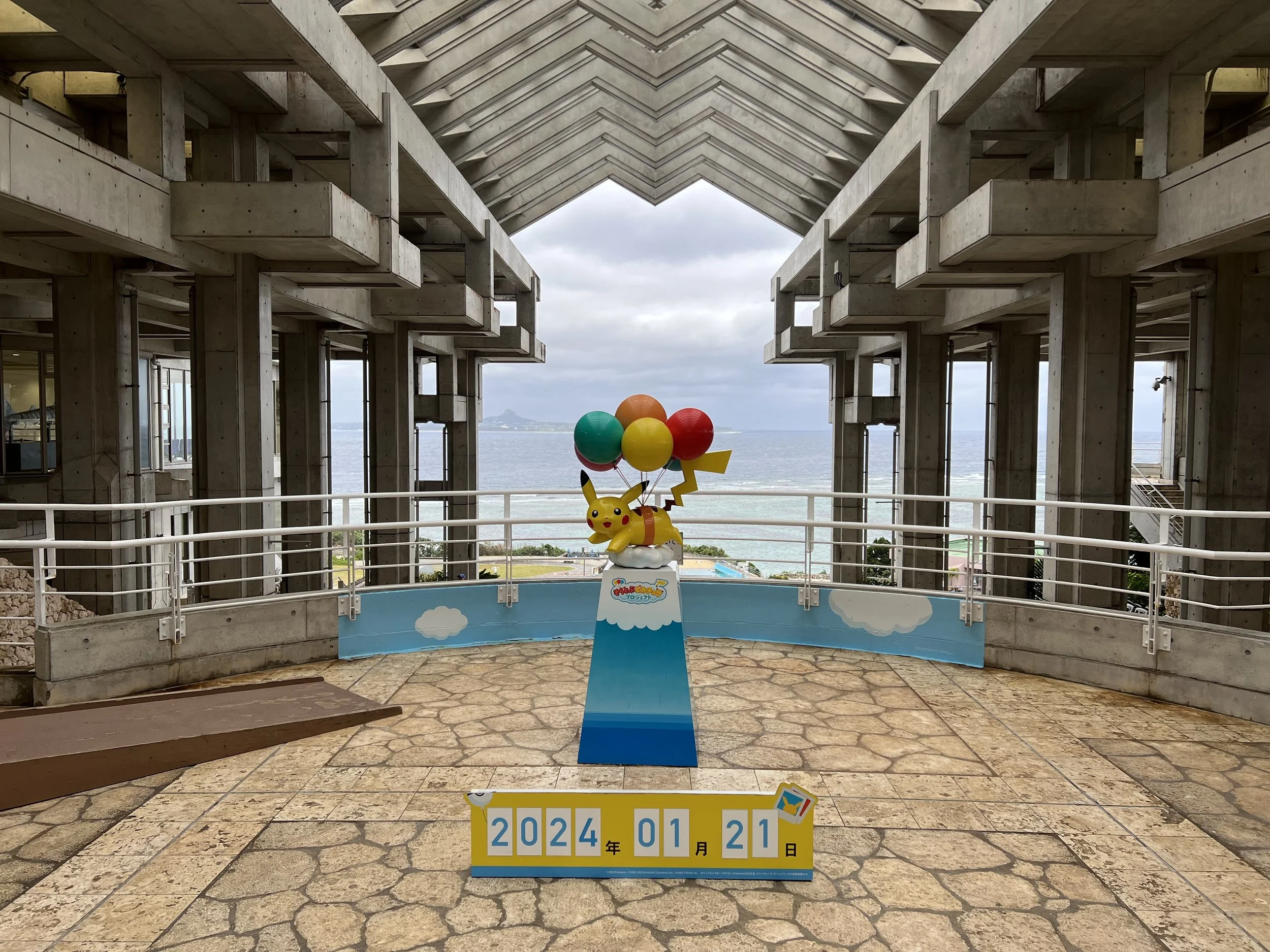
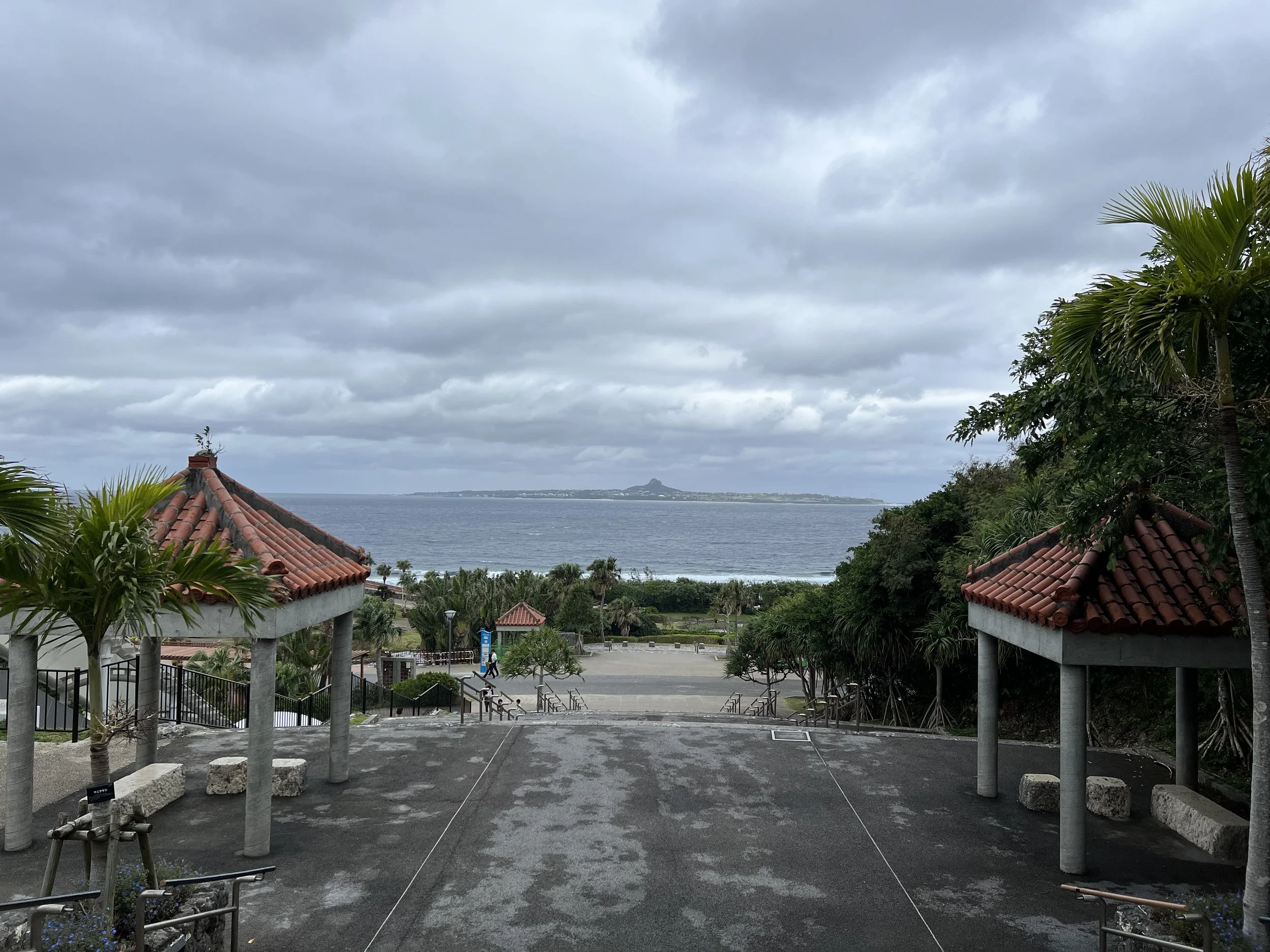
At the end of the show, visitors had the option to sign up for a dolphin feeding experience. Spots were limited, and they had already filled up by the time I reached the booth, which didn’t surprise me. Instead, I continued exploring the grounds, walking toward the Ocean Expo Park observatory to take in the surrounding coastal views.
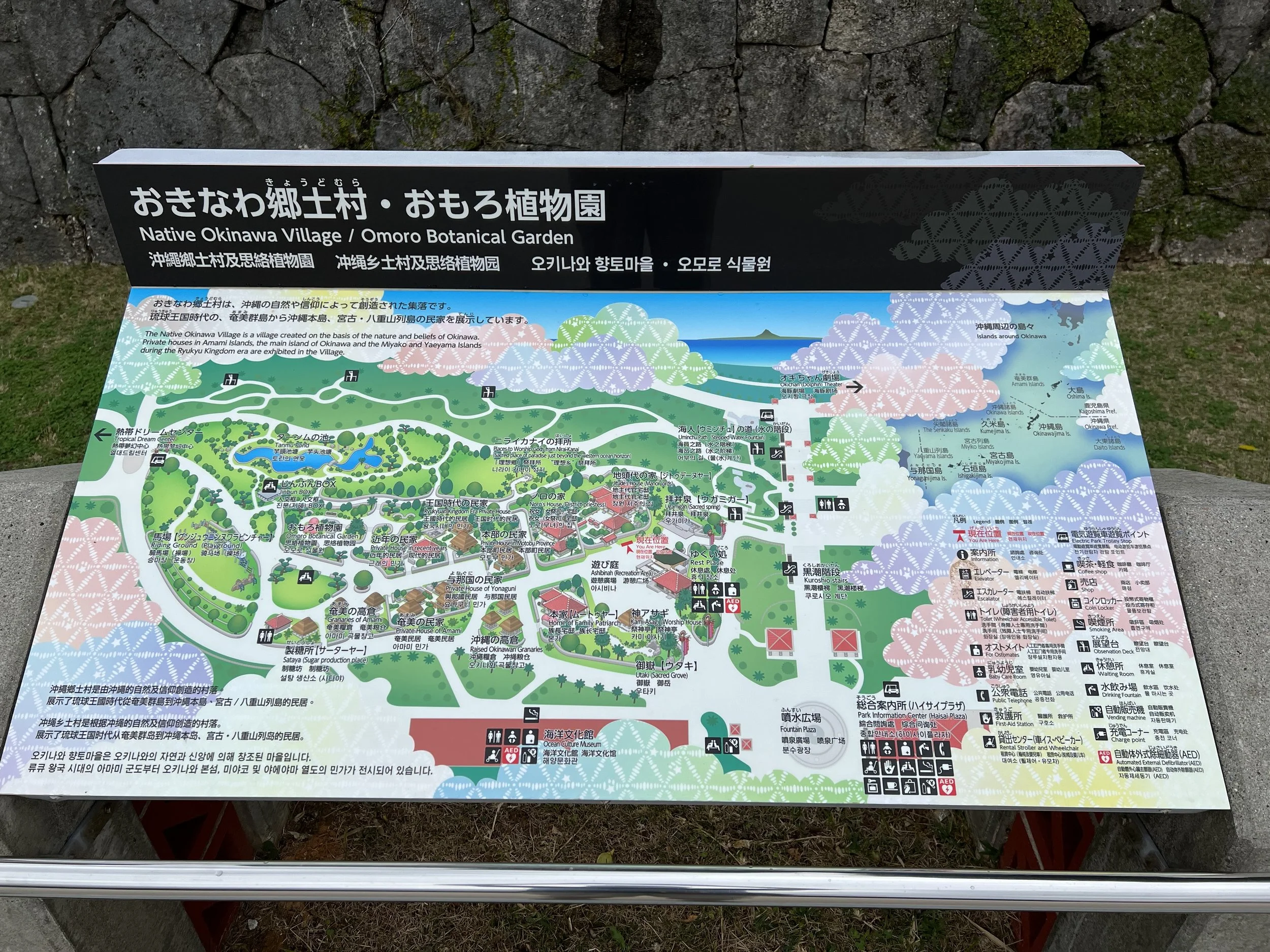
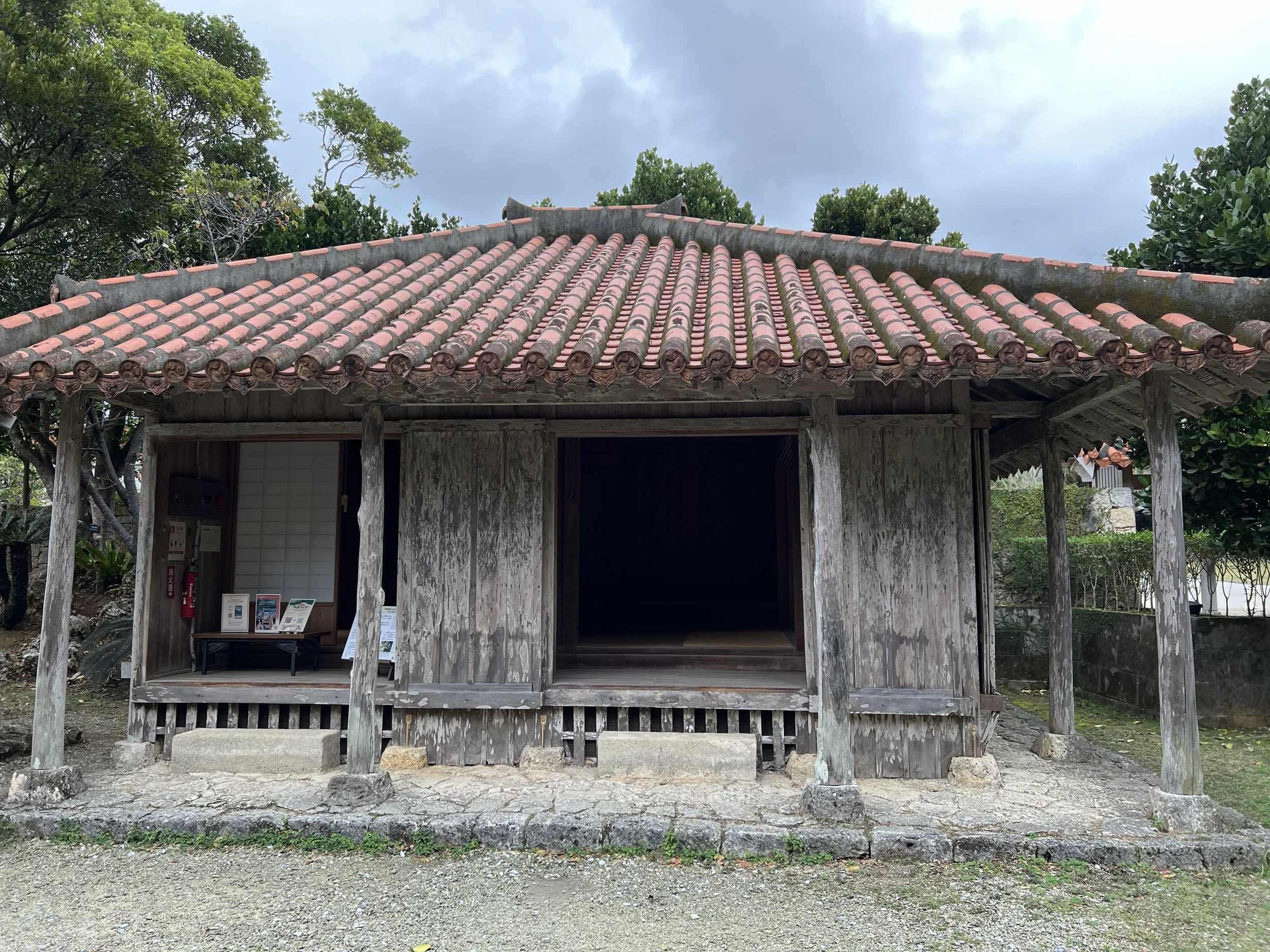
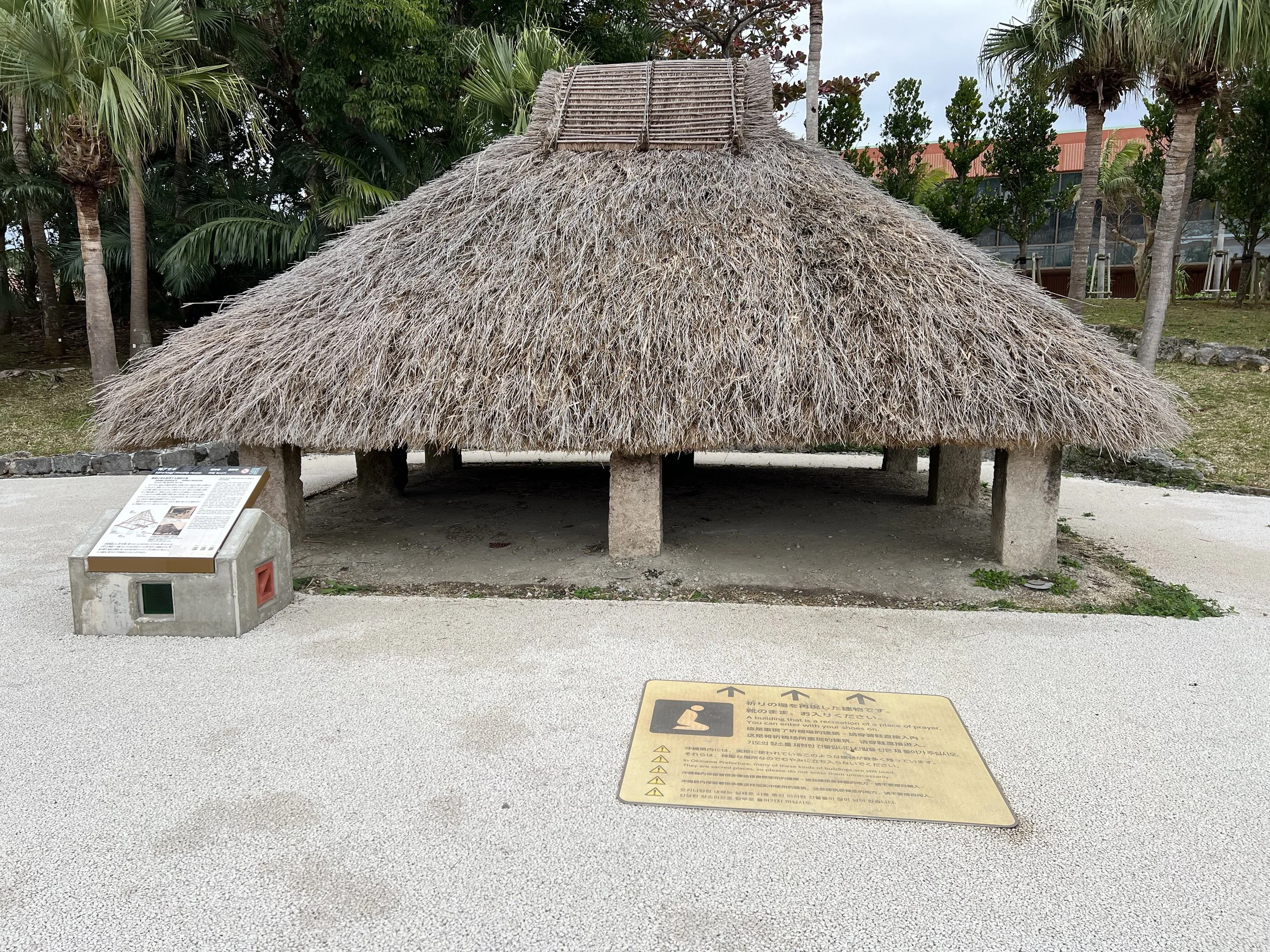
I also visited Okinawa Village, which features reconstructed traditional homes typical of Okinawa from the 17th to 19th centuries. It added a cultural layer to what could otherwise be just a marine-focused day. The botanical garden nearby featured carefully curated topiary shaped like marine animals — a charming detail that made the walk even more enjoyable.
Eventually, I stopped at one of the restaurants for a simple meal and some ice cream before making my way back toward the main building. Naturally, I couldn’t leave without picking up a small whale shark souvenir from the gift shop. It felt like the perfect memento from a place I had wanted to visit for so long.
Out of all the aquariums I’ve visited around the world, Okinawa Churaumi Aquarium is easily my favourite. The scale of the exhibits, the focus on regional marine life, and the unforgettable sight of the whale shark make it an experience that stays with you long after you leave.
History & Background
Okinawa Churaumi Aquarium (沖縄美ら海水族館) is one of Japan’s most famous aquariums and a key attraction within Ocean Expo Park in northern Okinawa. It was originally developed on the site of the 1975 International Ocean Exposition, an event that celebrated the relationship between Okinawa and the sea. The current aquarium building opened in 2002 and quickly gained international recognition for housing one of the largest aquarium tanks in the world.
The Kuroshio Sea Tank is the centrepiece of the aquarium and is named after the Kuroshio Current, a powerful ocean current that flows past Okinawa and supports an extraordinary diversity of marine life. The aquarium has been particularly notable for its long-term care and study of whale sharks, becoming one of the few facilities in the world to successfully maintain and research these gentle giants in captivity. Beyond the headline species, the aquarium also emphasizes Okinawa’s unique marine ecosystems, from coral reefs to deep-sea environments rarely seen elsewhere.
Getting There
Okinawa Churaumi Aquarium is located within Ocean Expo Park in Motobu, approximately two hours north of Naha by car. The drive is straightforward and well signposted, and parking areas around the park are extensive, though they can fill quickly during peak hours and holidays. While buses do operate from Naha and other major hubs, travel times can be long and may involve transfers, making a rental car the most practical option for visitors who want flexibility and efficiency. Once parked, the aquarium and surrounding attractions are easily accessible on foot within the park grounds.
Route Overview
Distance: 2.82 km out & back (Okinawa Churaumi Aquarium Parking Lot)
Total elevation gain: 40 m
Duration: 31 min (with breaks 50 min)
Difficulty: Easy
Cost Breakdown
Entrance Fee: Okinawa Churaumi Aquarium — ¥2,180
Souvenir: ¥1,320
Food: ¥850