Oka Castle Ruins - Oita, Japan
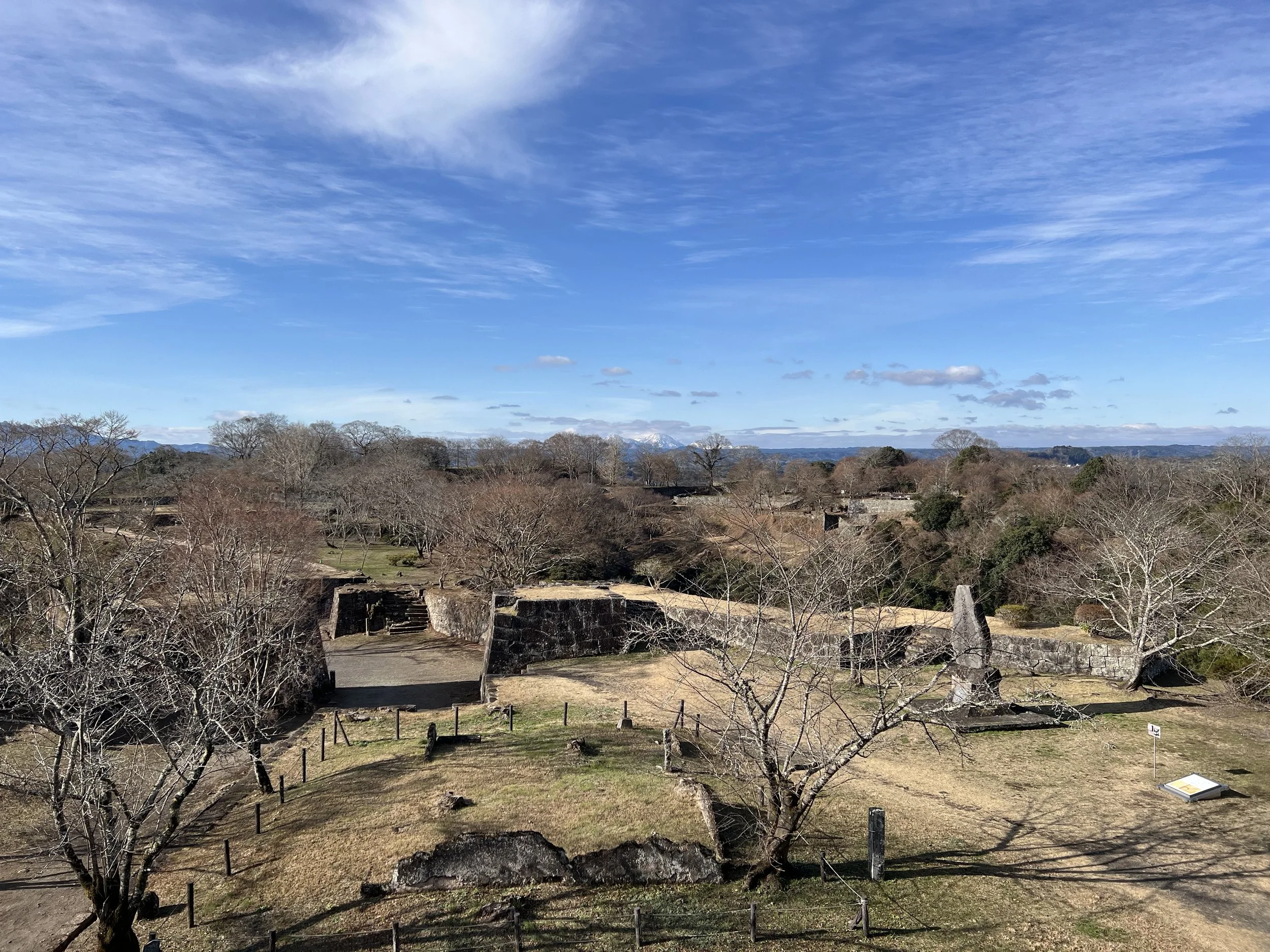
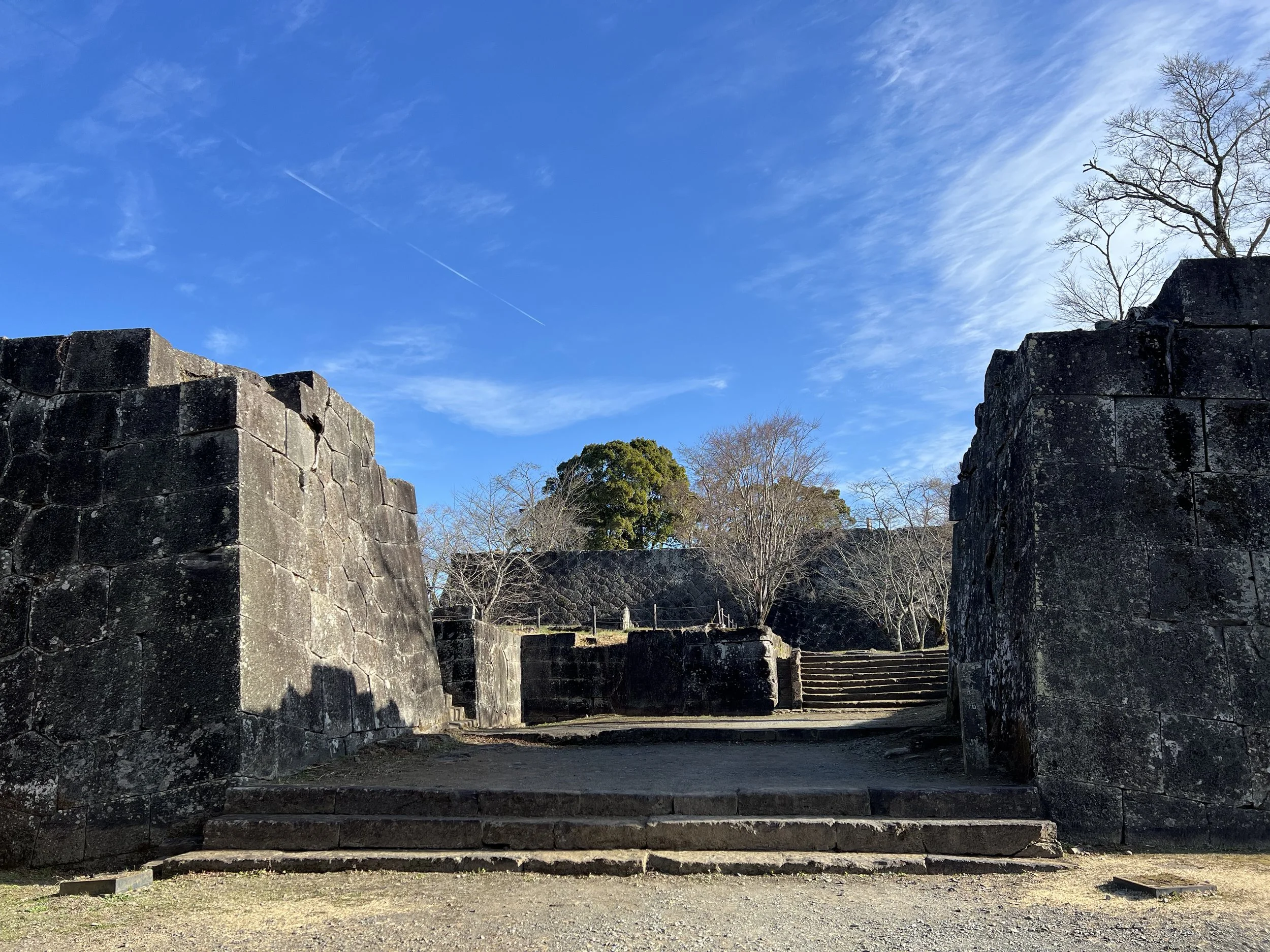
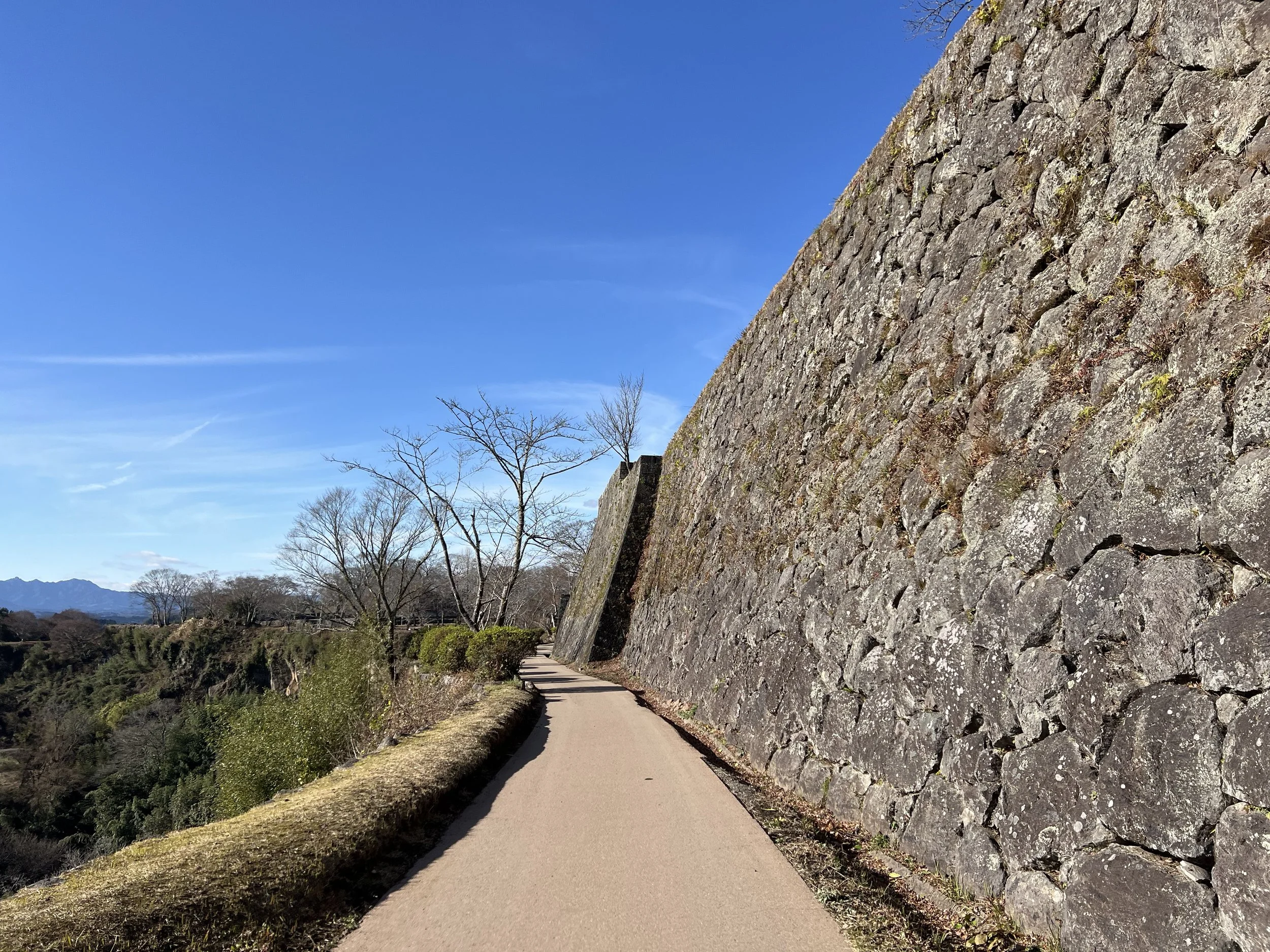
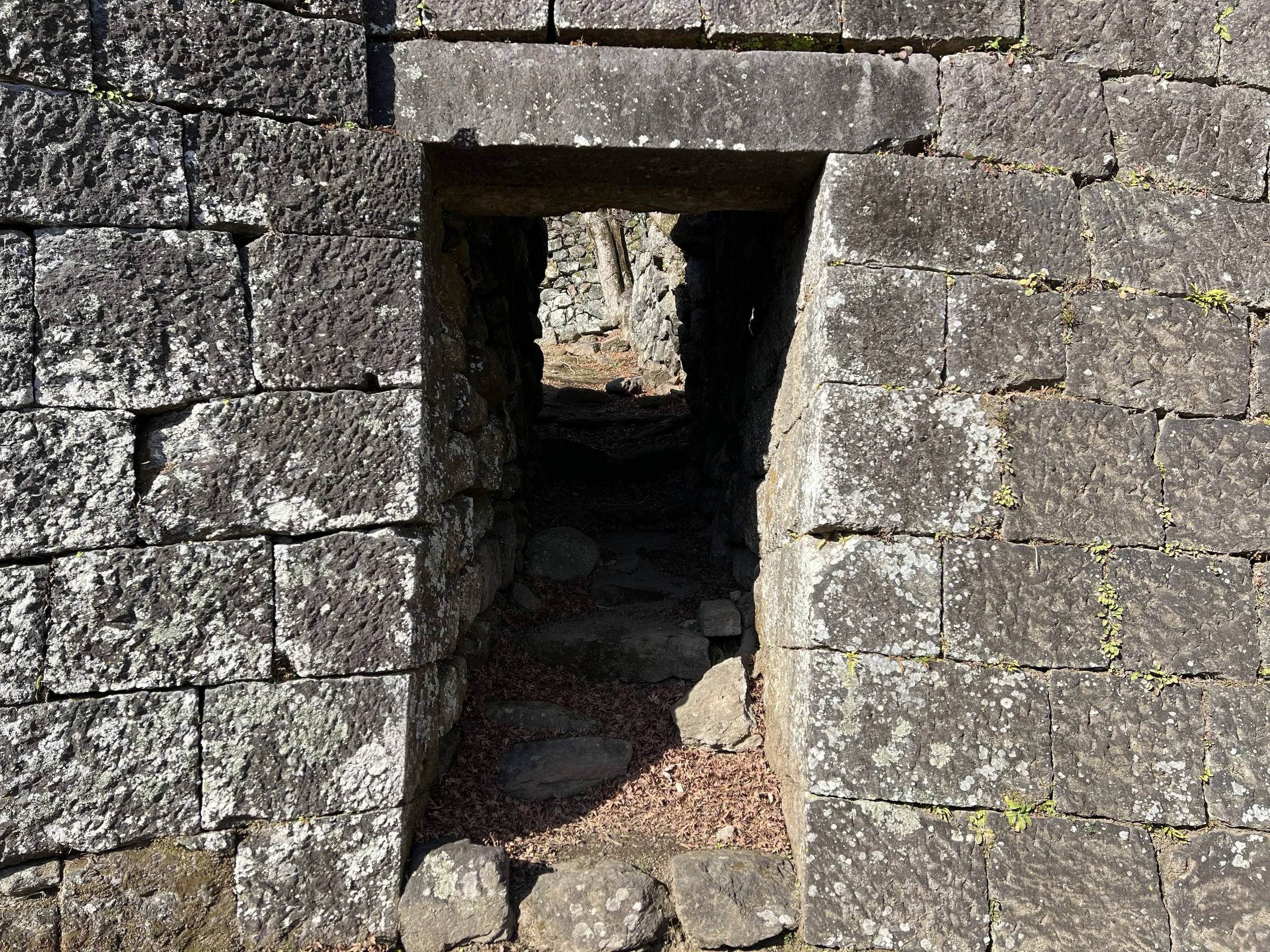
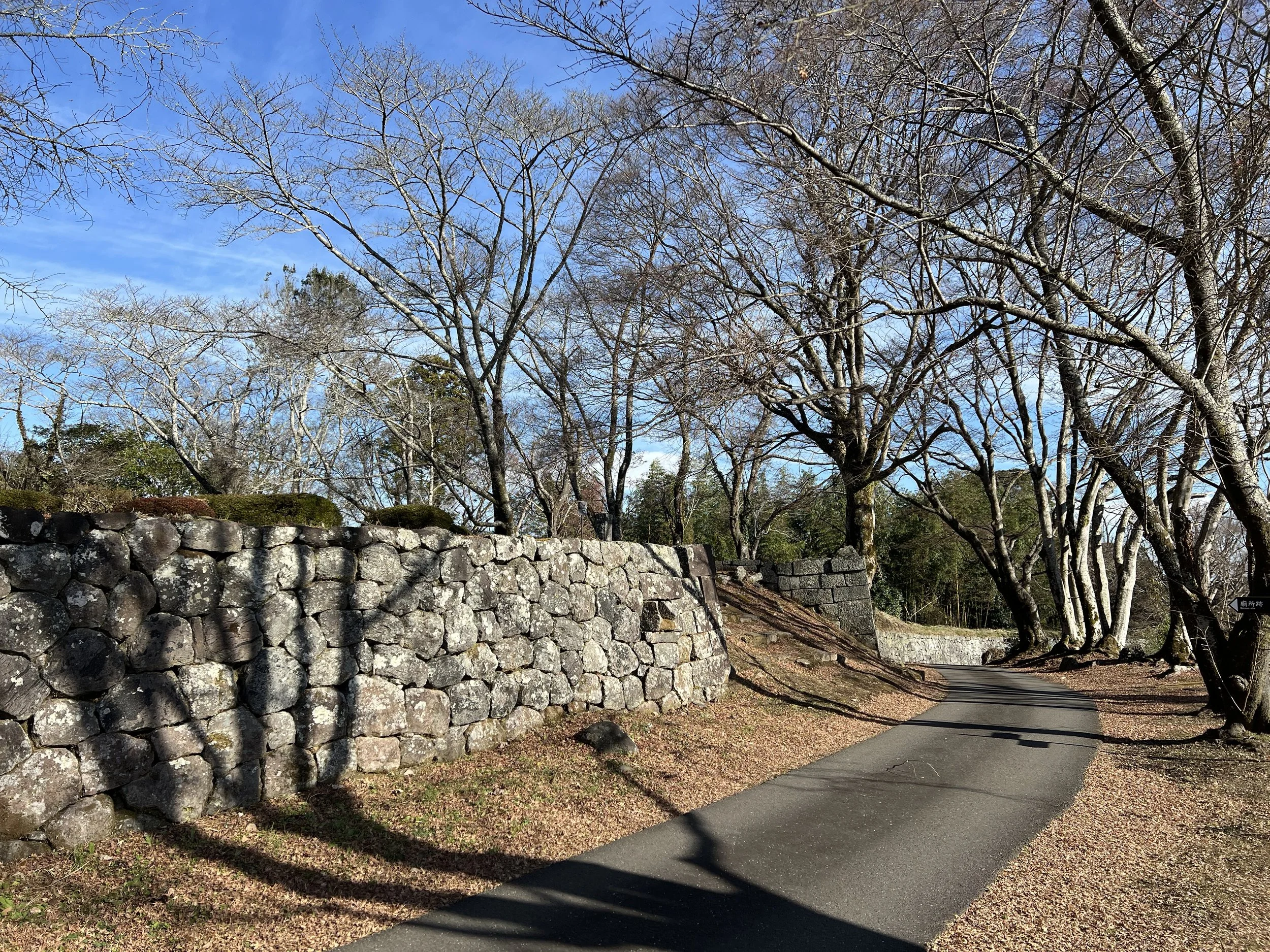
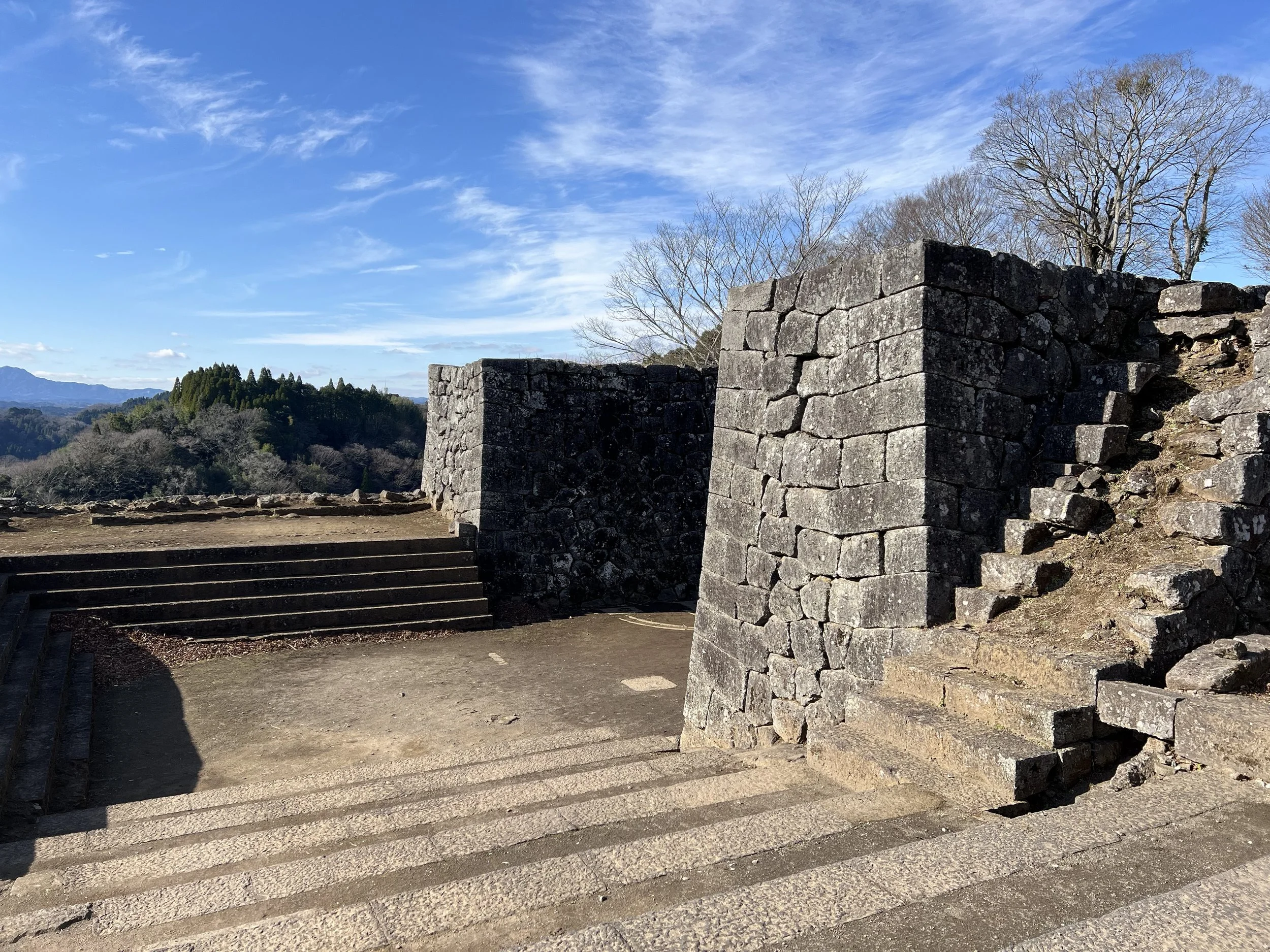
Oka Castle is easily one of the most impressive castle ruins I have visited in Japan. Originally constructed in the 12th century, the castle is famed for its dramatic stone walls built directly along steep cliffs, giving it a reputation as an impregnable fortress. Legend holds that the site was first established to shelter Minamoto no Yoshitsune, and in 1334, the Shiga clan fortified the area, transforming it into a key defensive stronghold against the Kikuchi clan. During the Sengoku period, the castle famously withstood a siege in which roughly 2,000 defenders held off an attacking force of about 30,000 troops.
This castle was not originally on my itinerary that day, but the Kyushu Olle Okubungo course I planned to follow passed directly through the ruins. Instead of starting at Asaji Station as originally intended, I began at Bungo-Taketa Station and walked the route in reverse. I skipped the final few kilometres of the trail and returned the same way to the station.
Walking through Bungo-Taketa, it felt as though I had stepped back in time. Many of the buildings are well preserved, and the town is known for its retro atmosphere, often referred to as Showa no Machi (Showa Town). It is a popular destination for visitors wanting a glimpse of everyday life in post-war Japan.
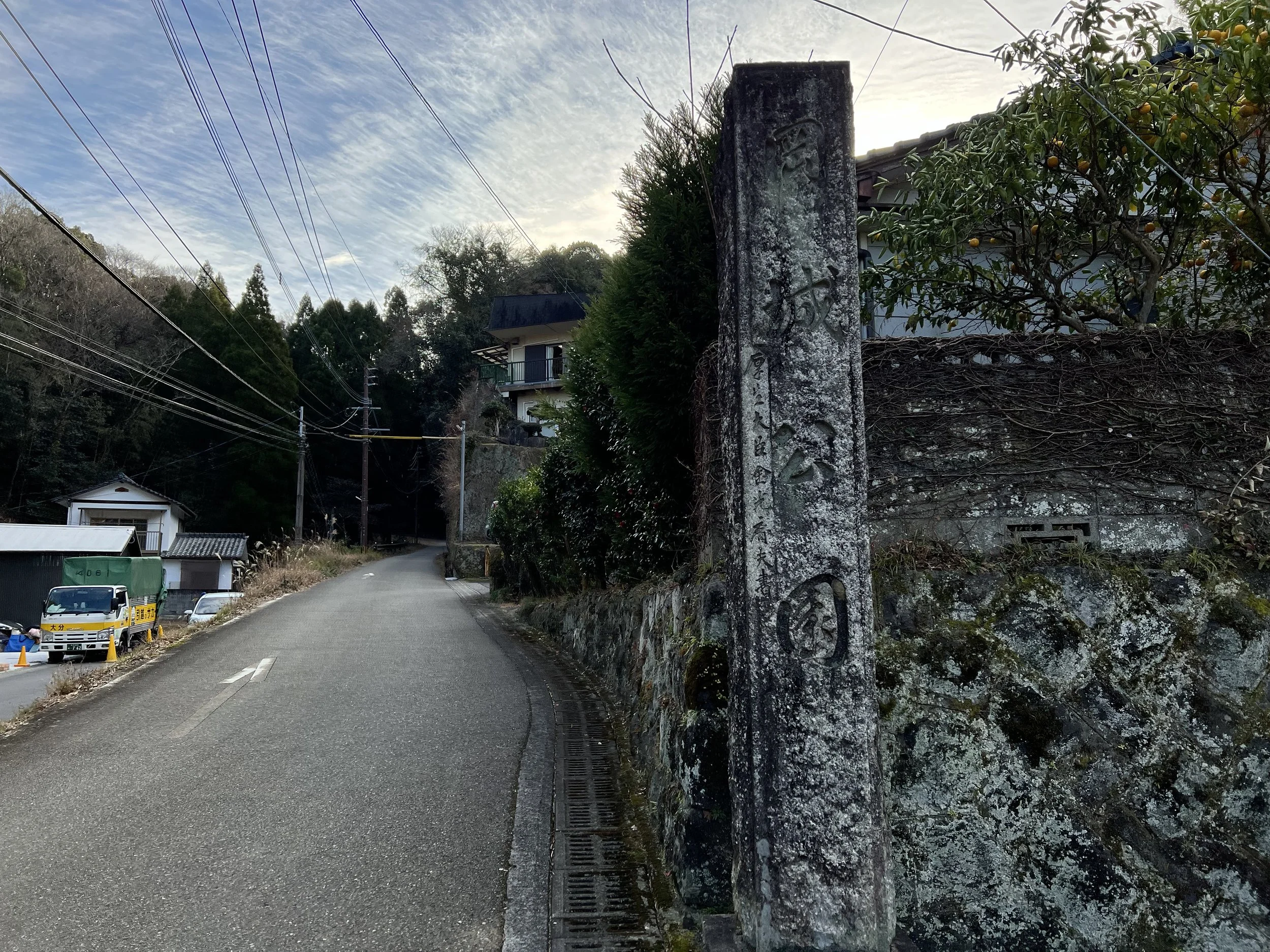
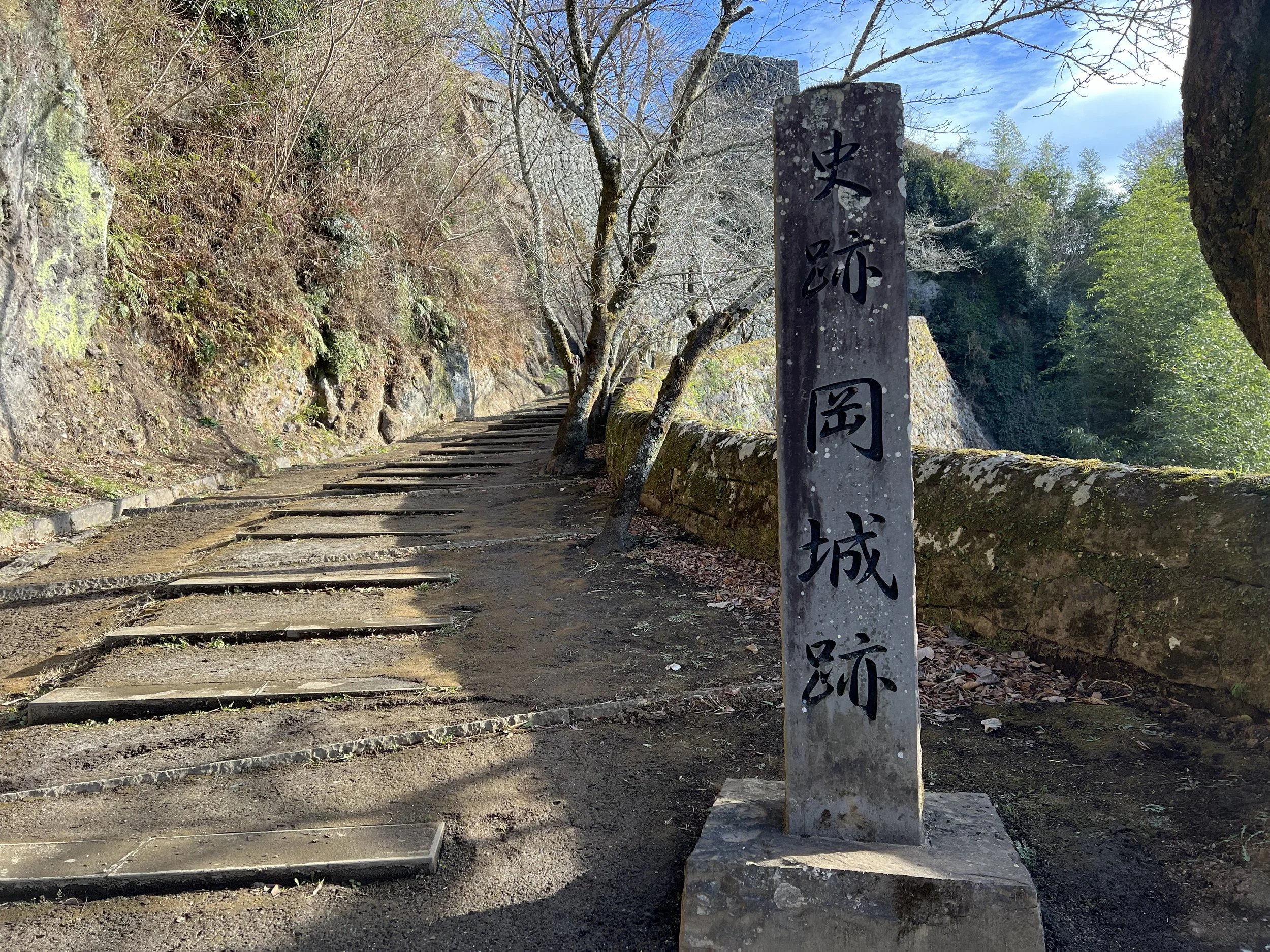
As I approached the castle grounds, the trail began to climb steadily uphill. It didn’t take long to reach the ticket booth, where the staff warned me that the first section of the trail was muddy and potentially slippery due to heavy rain the night before. She also mentioned that the intended descent route from the ruins was closed and advised me to make a full loop by returning the same way. I thanked her and continued upward.
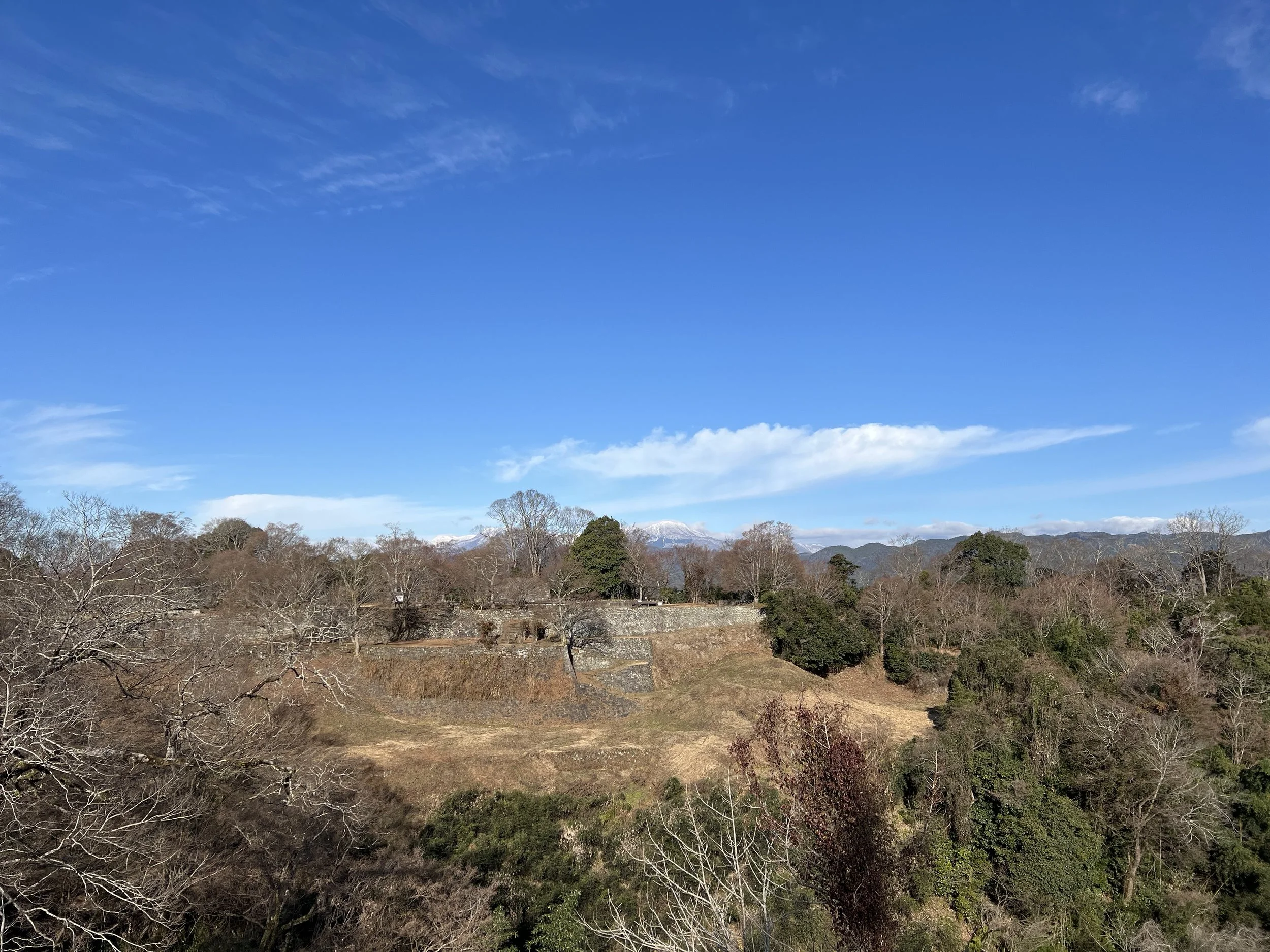
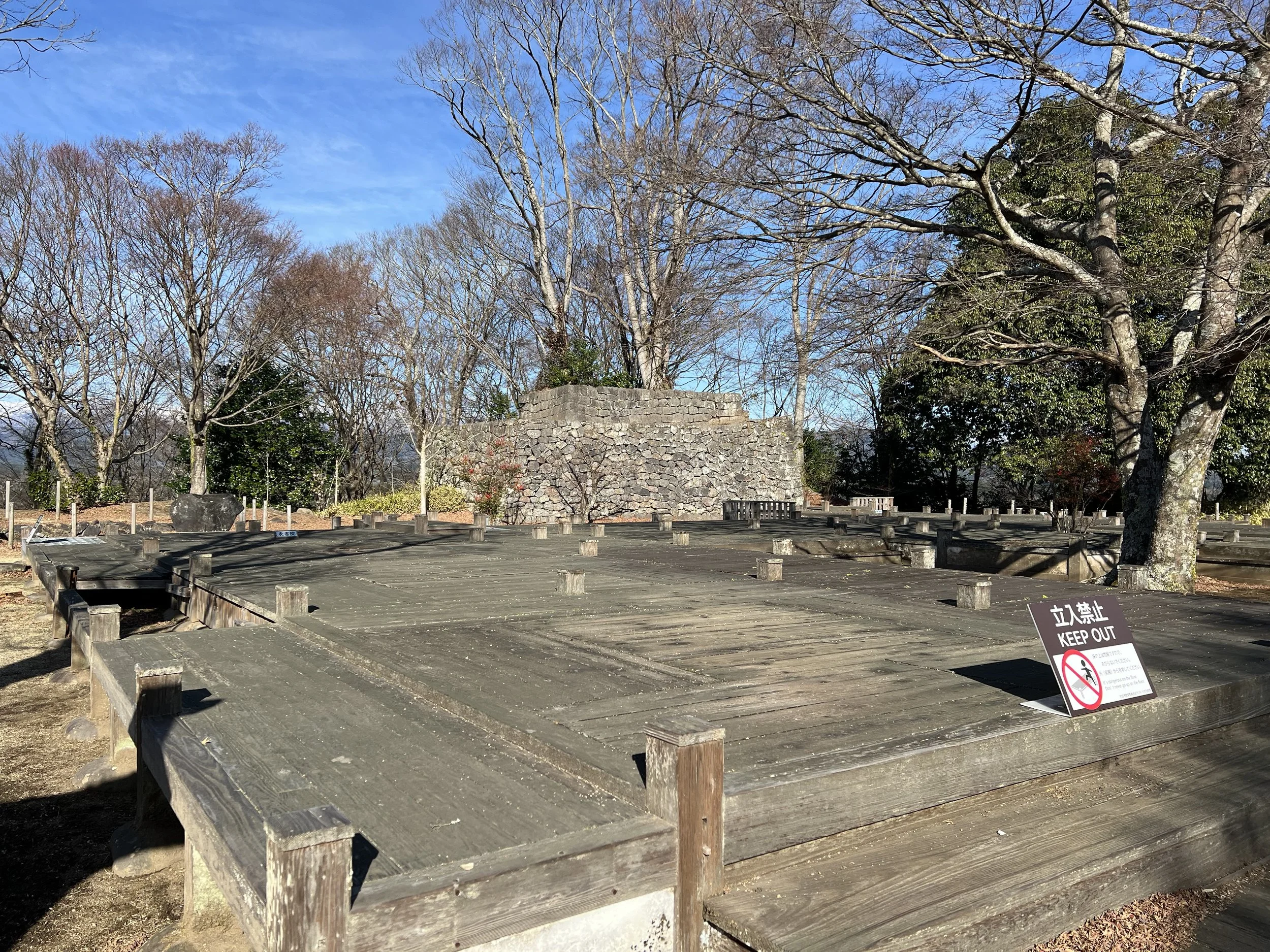
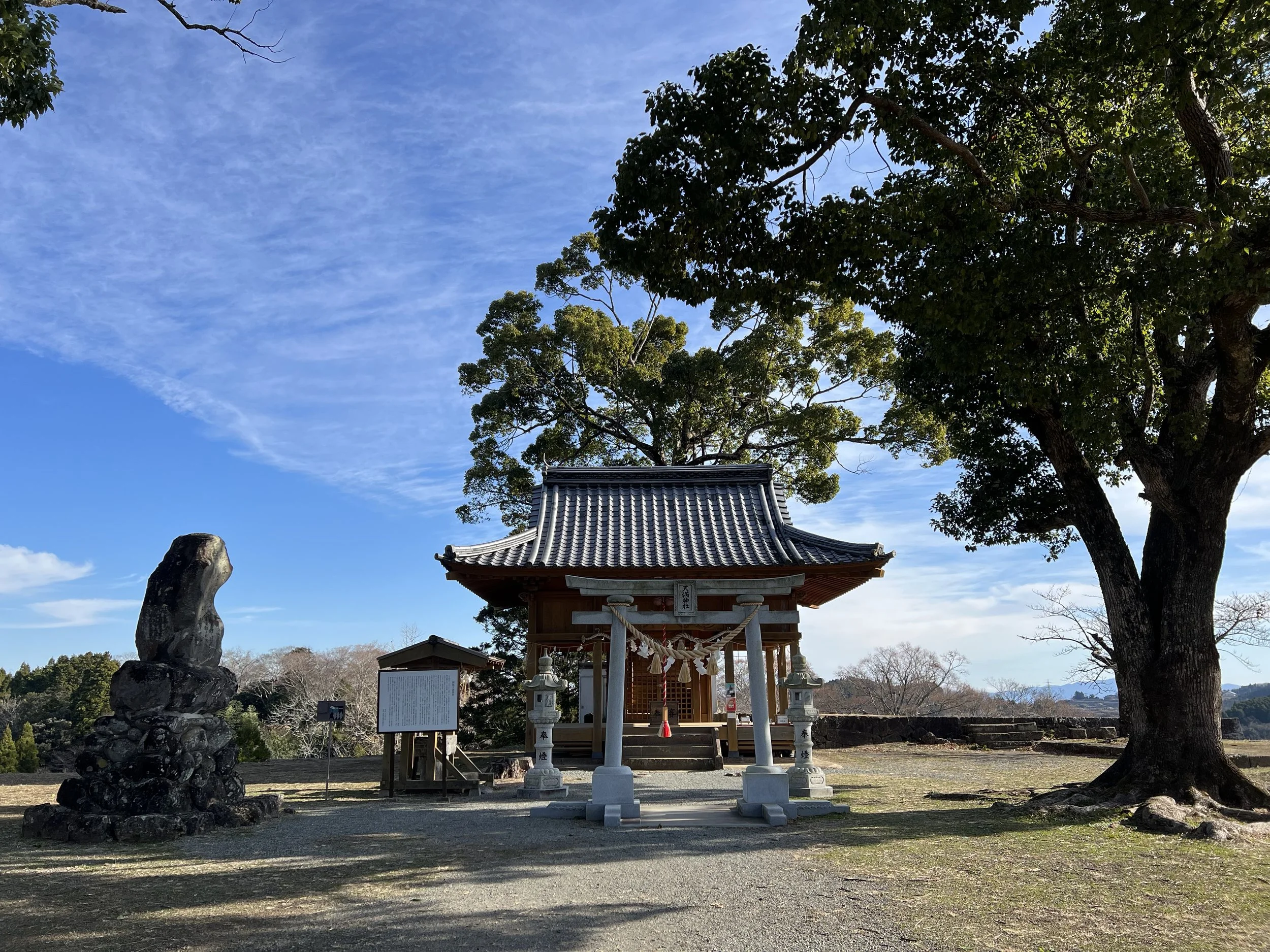
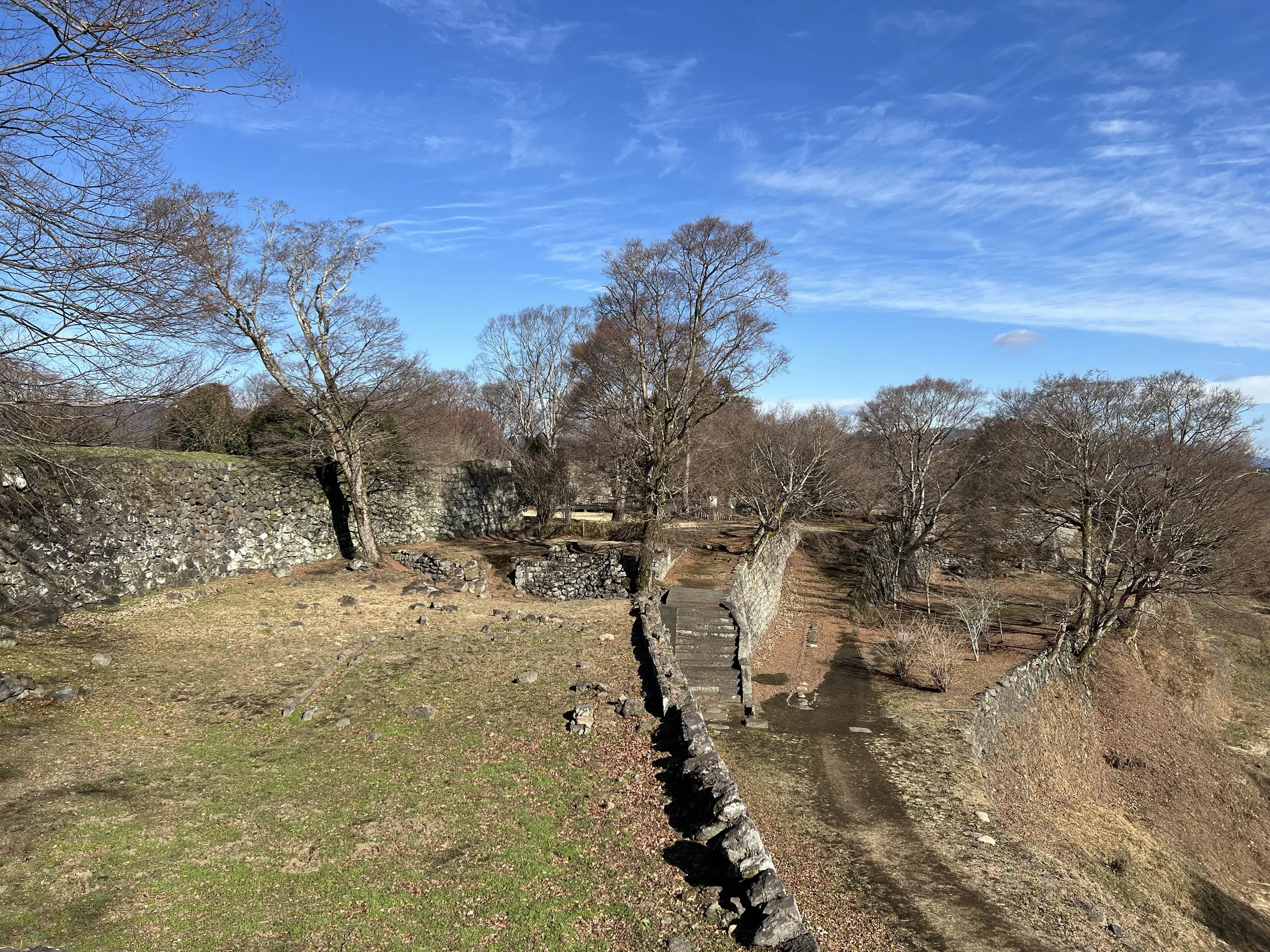
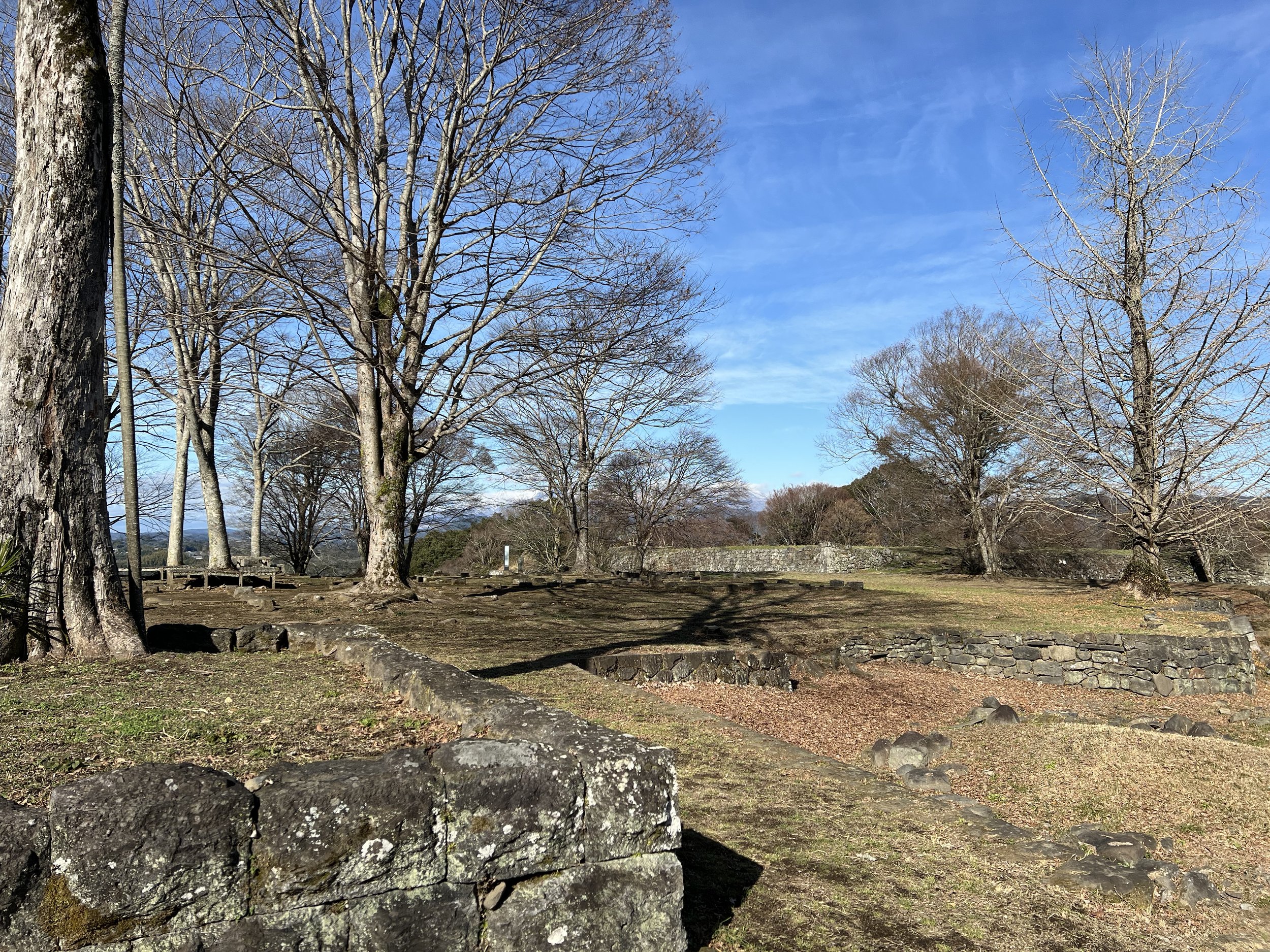
Her warning proved accurate. The initial stretch was extremely muddy, and progress was slow as I carefully navigated the slippery ground. That short section took far longer than expected, but once past it, the trail improved significantly. Reaching the castle ruins, I was immediately struck by their scale and restoration. Standing among the stone walls, perched dramatically along the cliff edge, it was easy to understand why Oka Castle was considered nearly impossible to conquer.
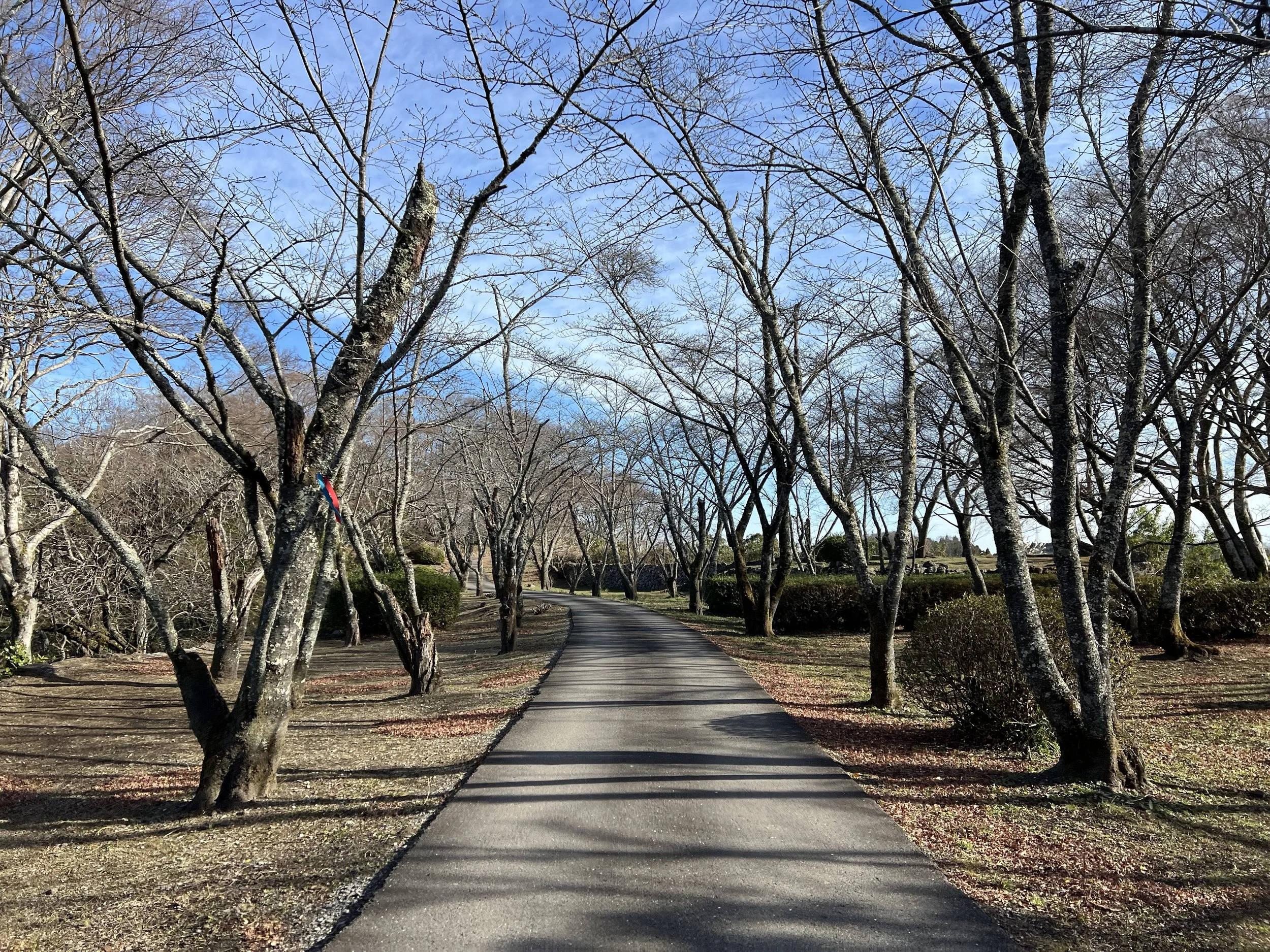
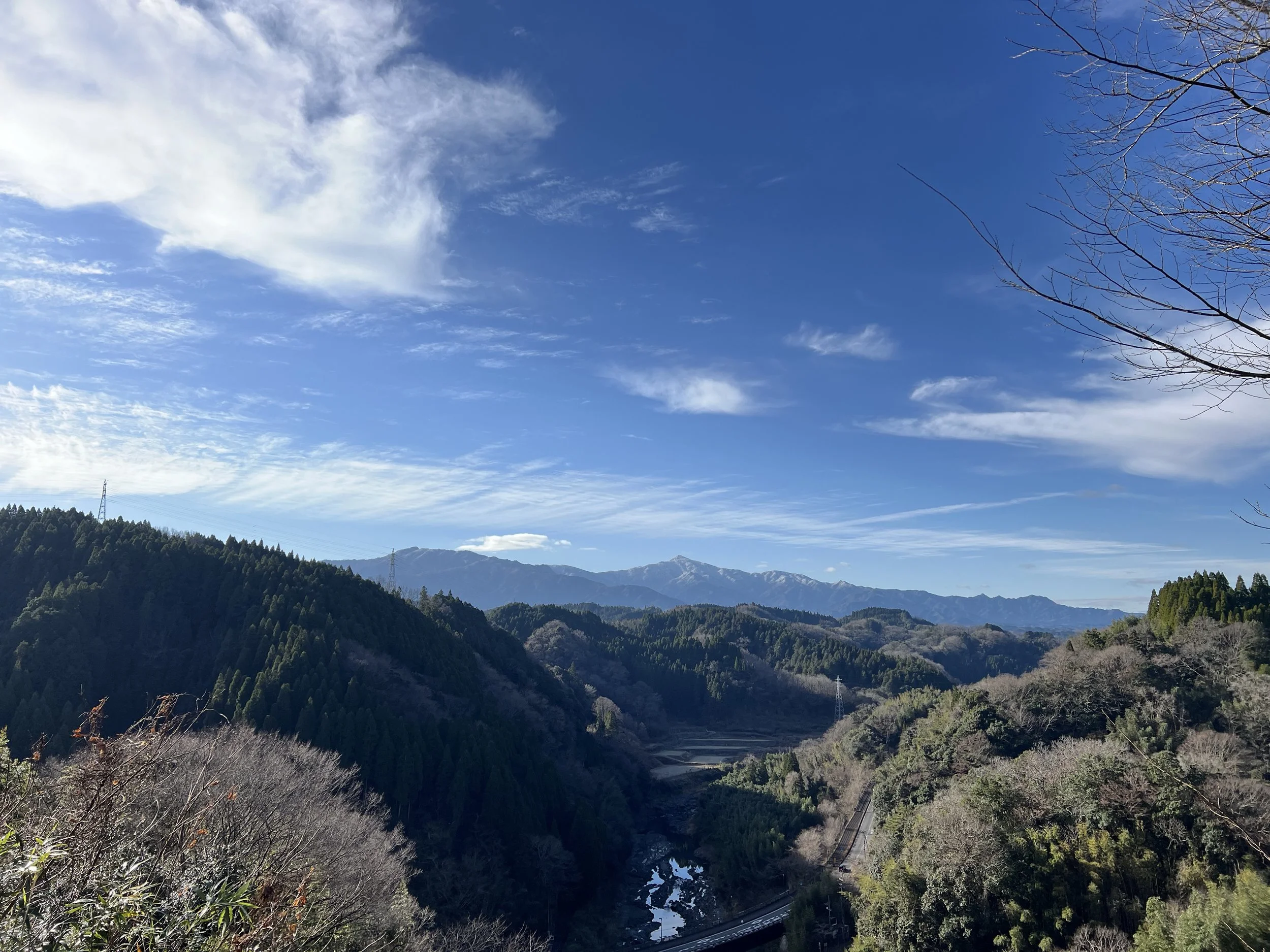
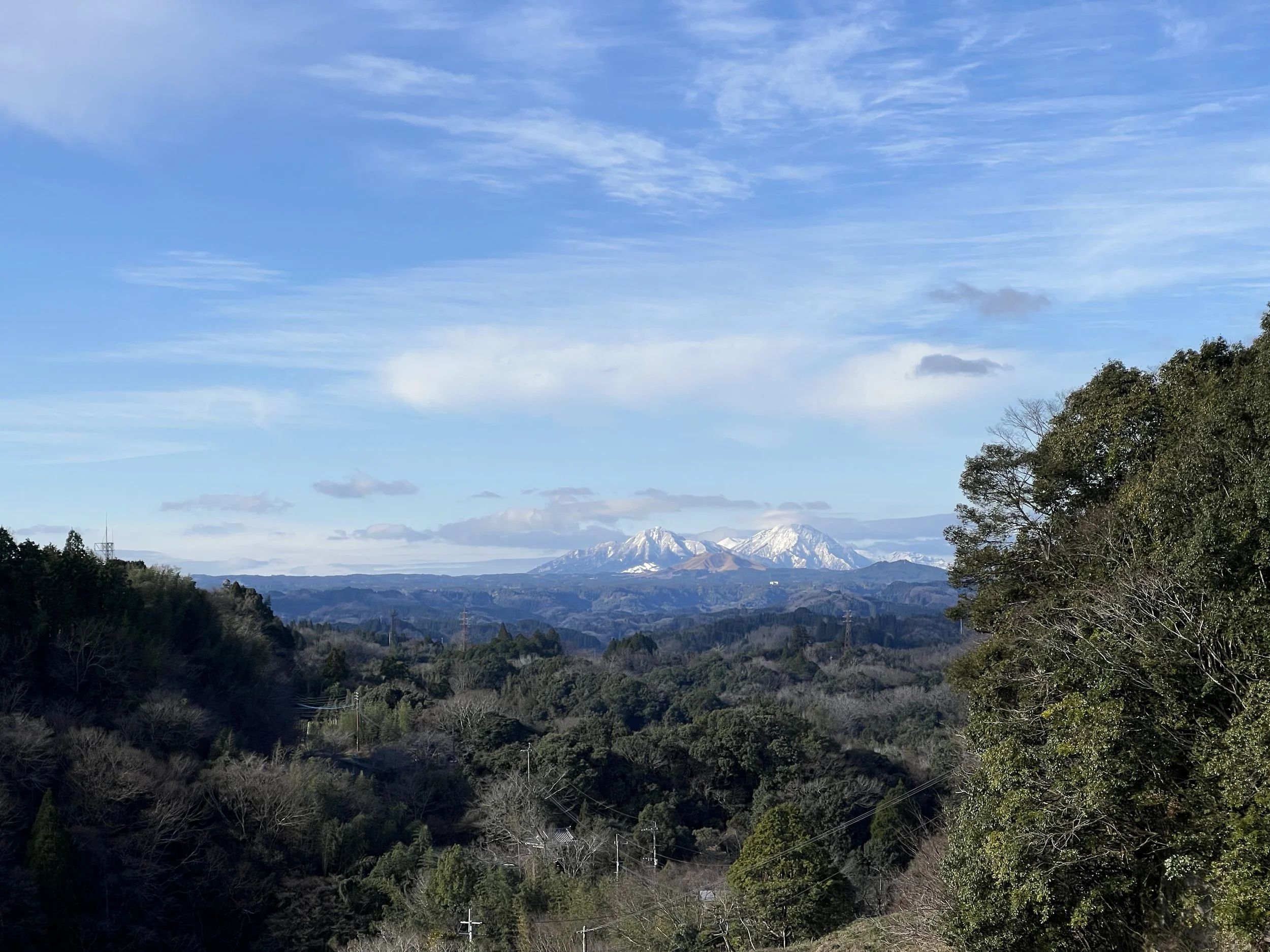
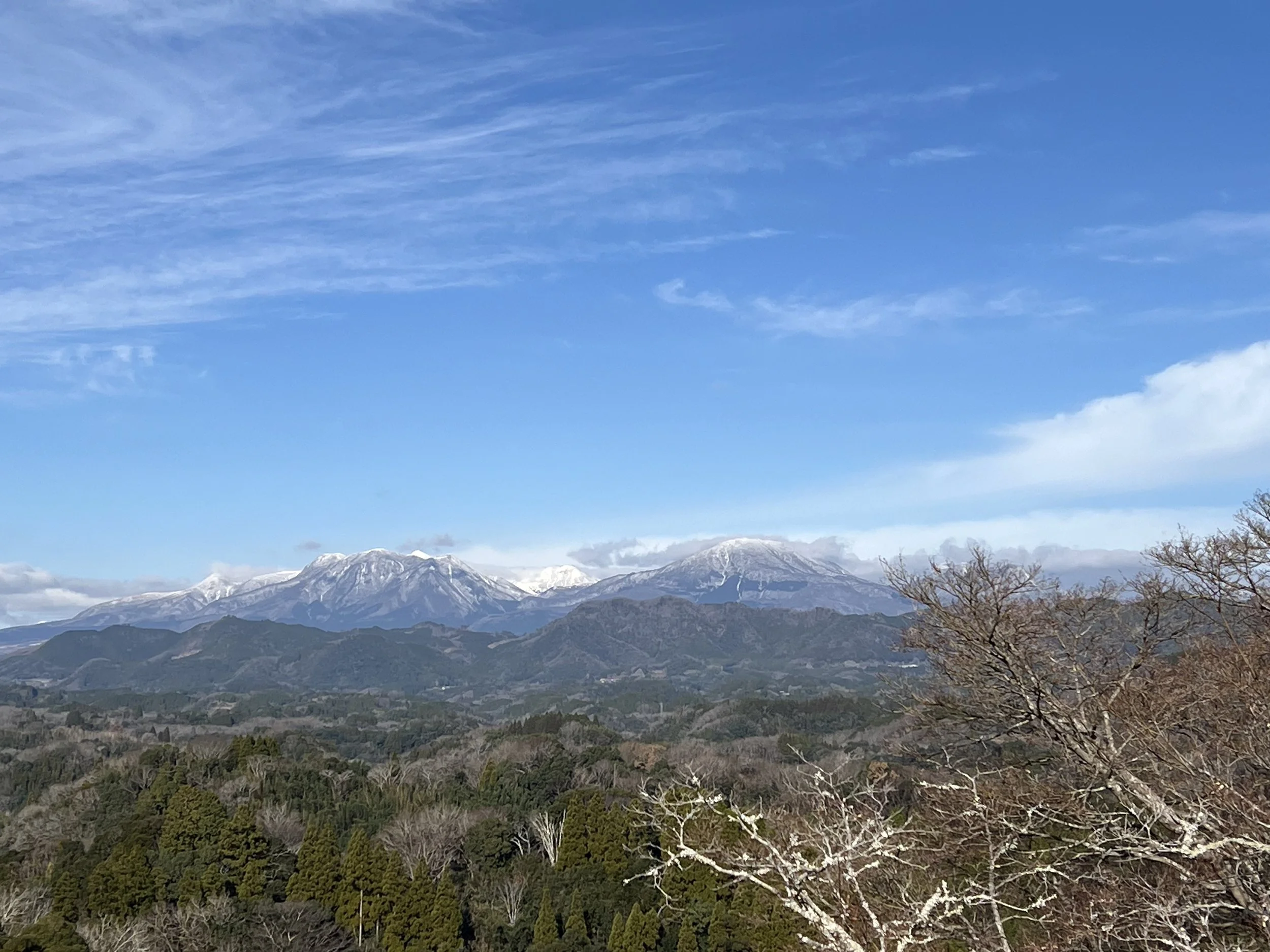
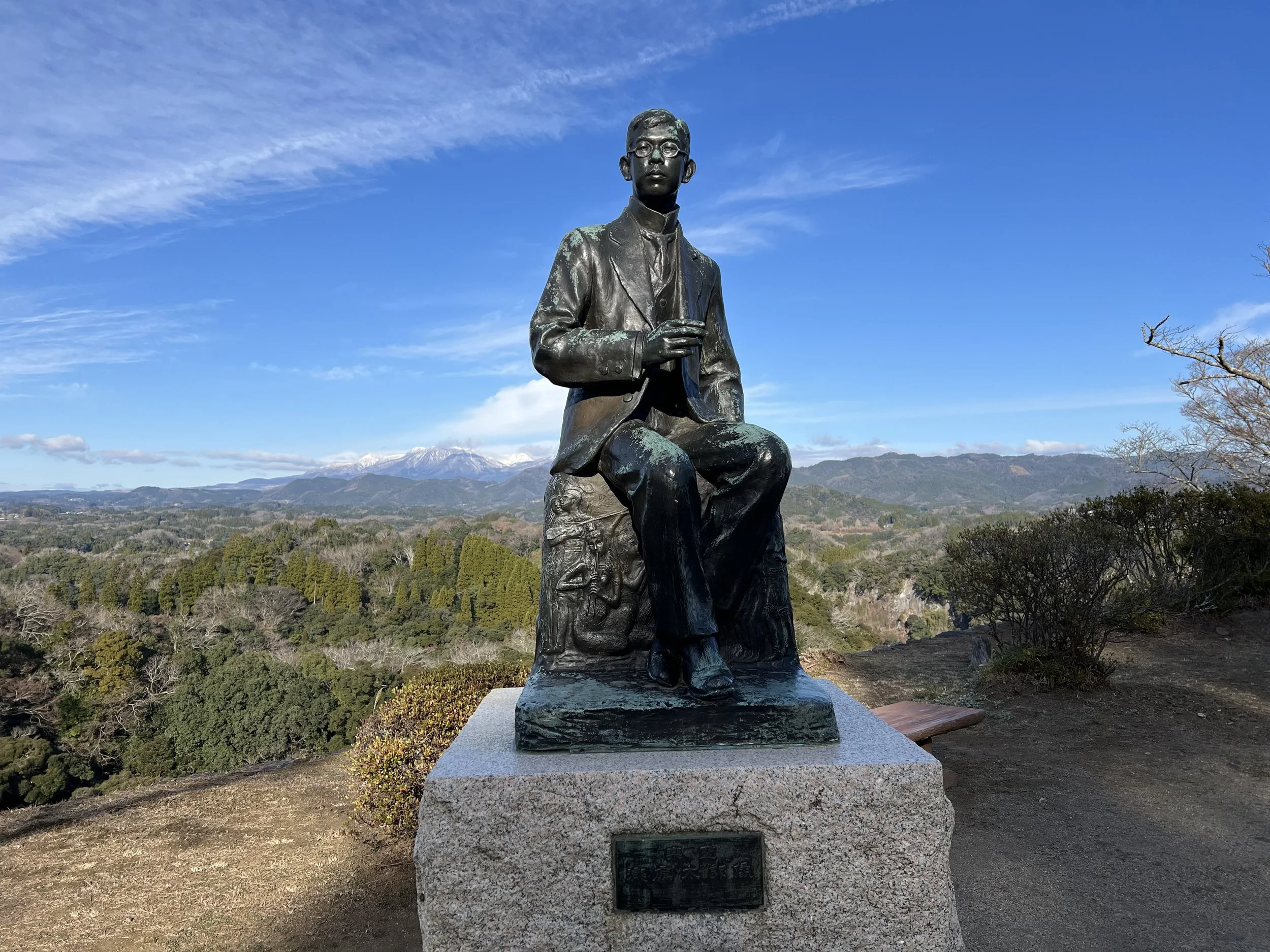
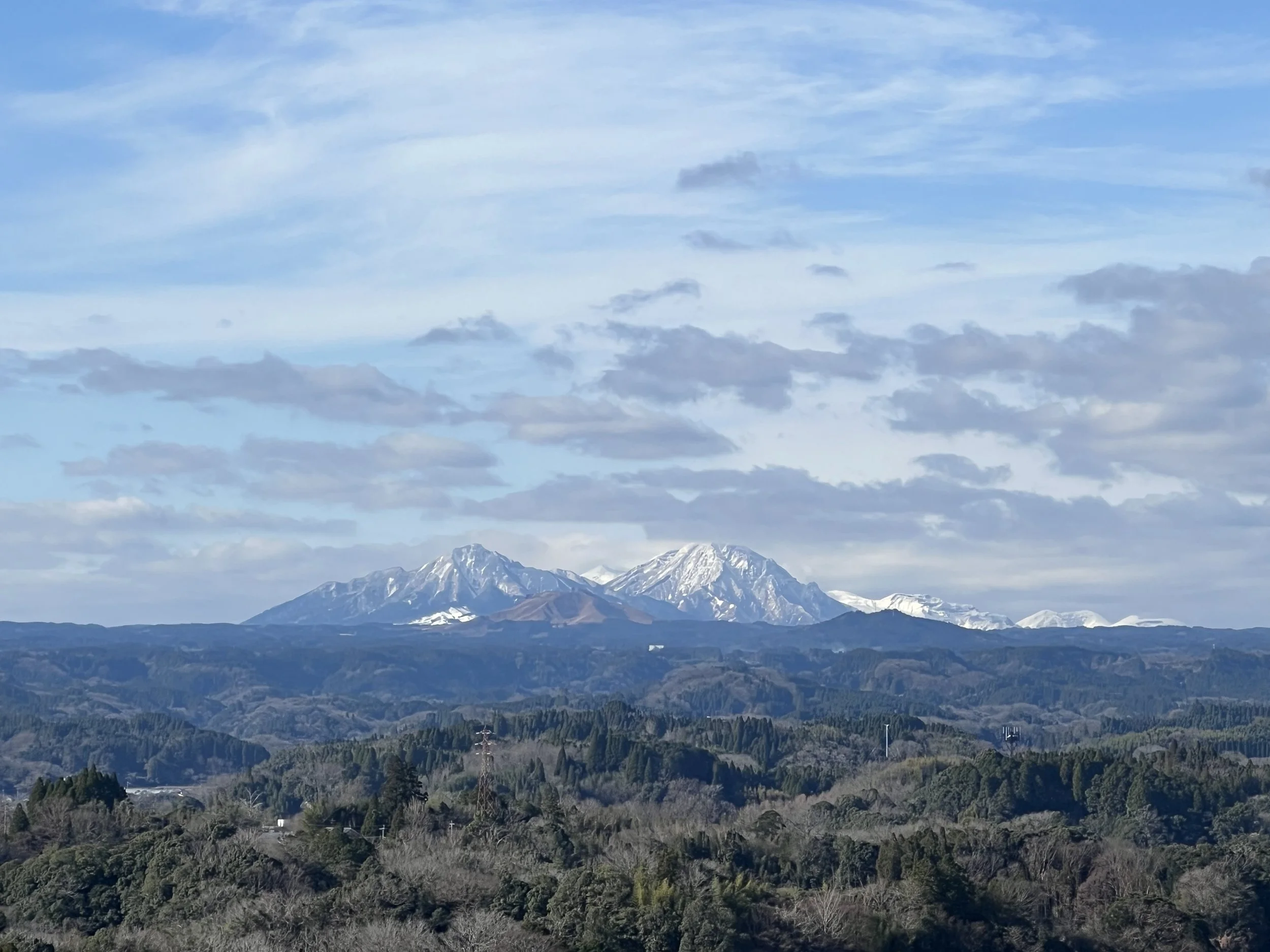
Exploring the ruins requires a fair amount of walking, as different sections are spread across the hilltop. I wandered along the stone walls, peered over the cliffs, and took in wide views of the surrounding landscape. On a clear day, Mount Aso can be seen in the distance, and I was lucky enough to spot its snow-capped peaks during my visit. The grounds are also filled with cherry trees, and I learned that Oka Castle hosts an annual Sakura Festival each April, when the ruins are surrounded by blooming blossoms.
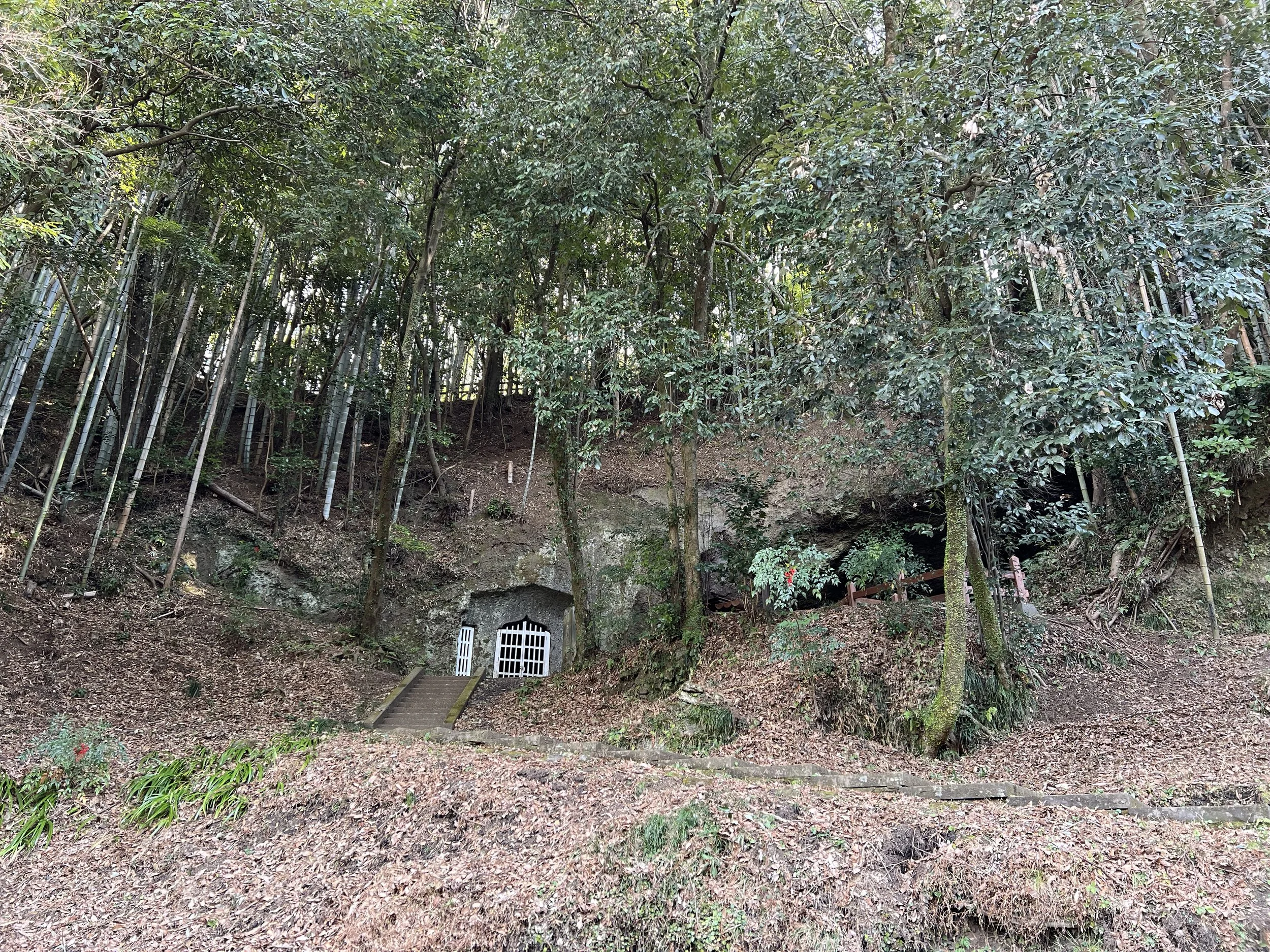
I lingered at one of the viewpoints to enjoy a snack before beginning my descent. Taking extra care on the muddy section, I made it down without issue—aside from slightly muddied shoes. From the castle ruins, I walked back toward Bungo-Taketa Station, making a short detour to visit the nearby Christian Cave Chapel.
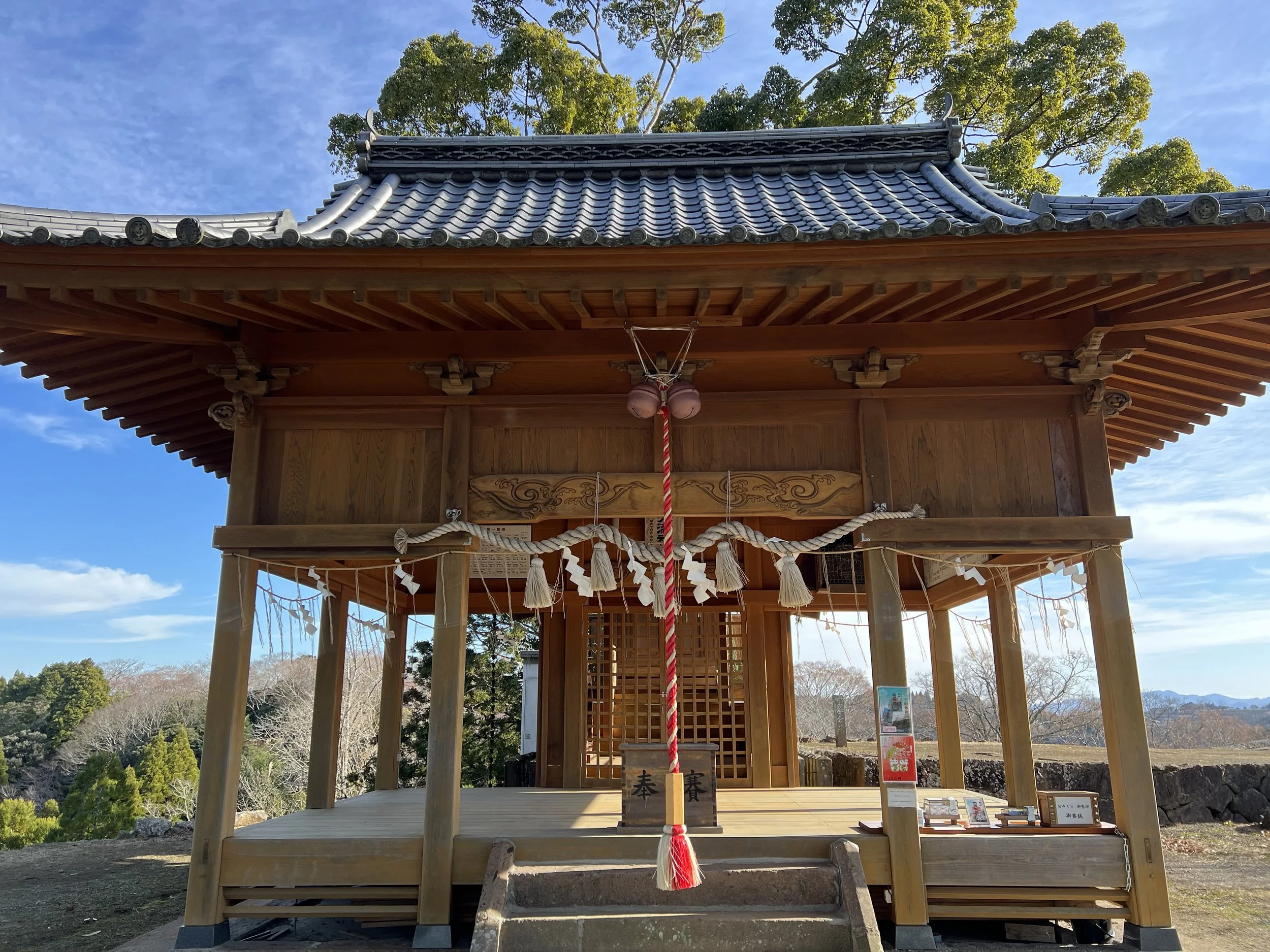
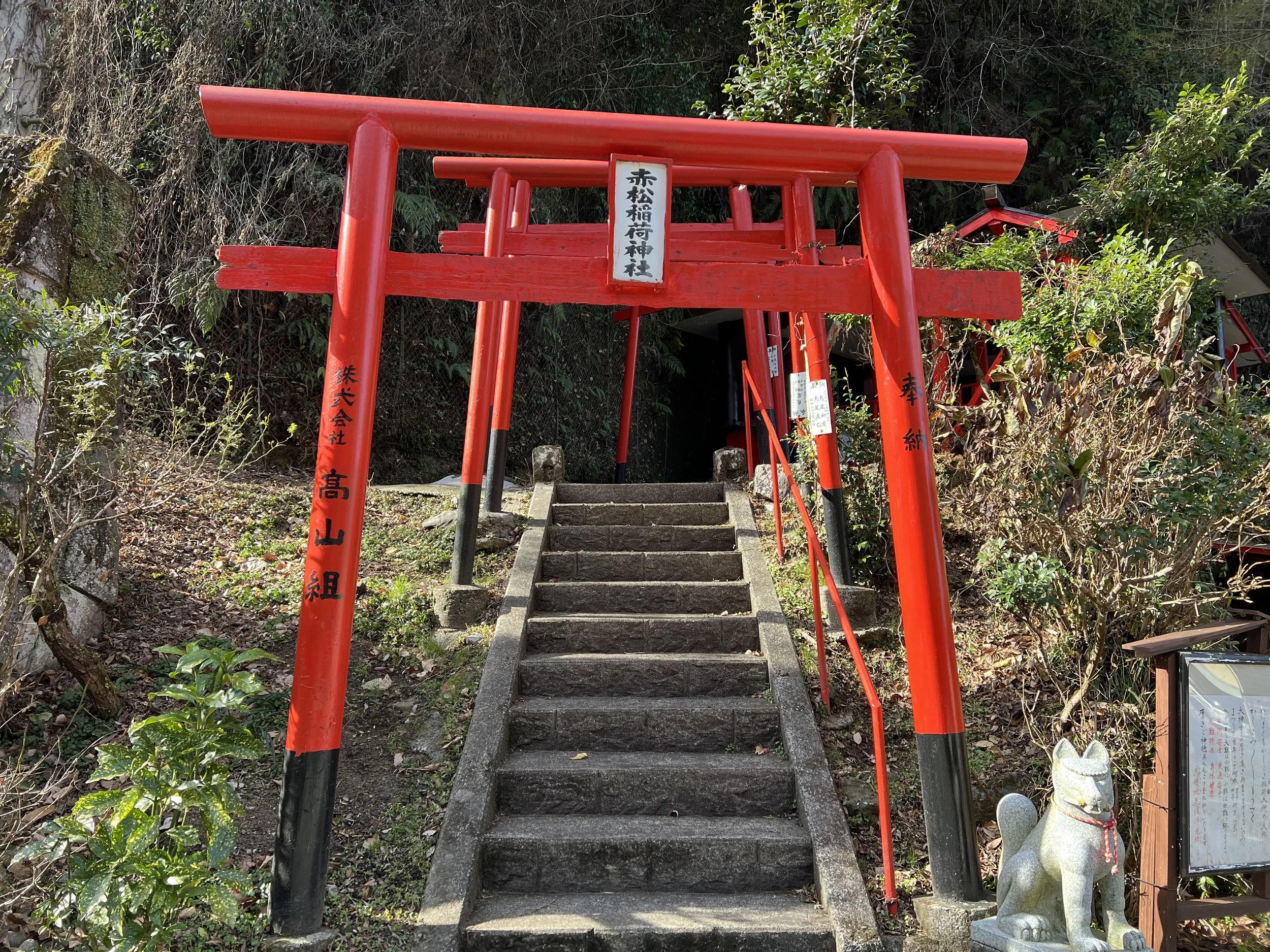
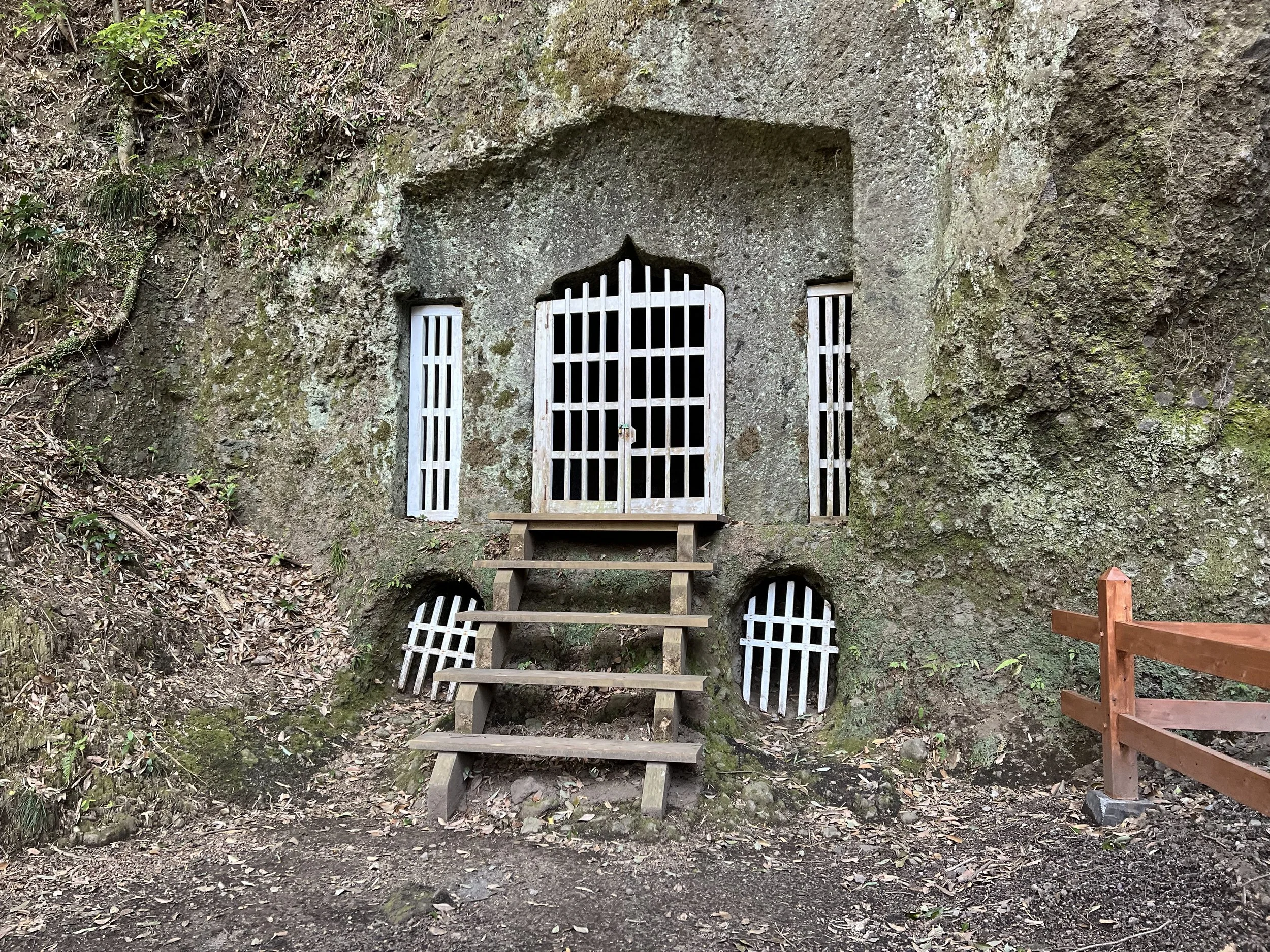
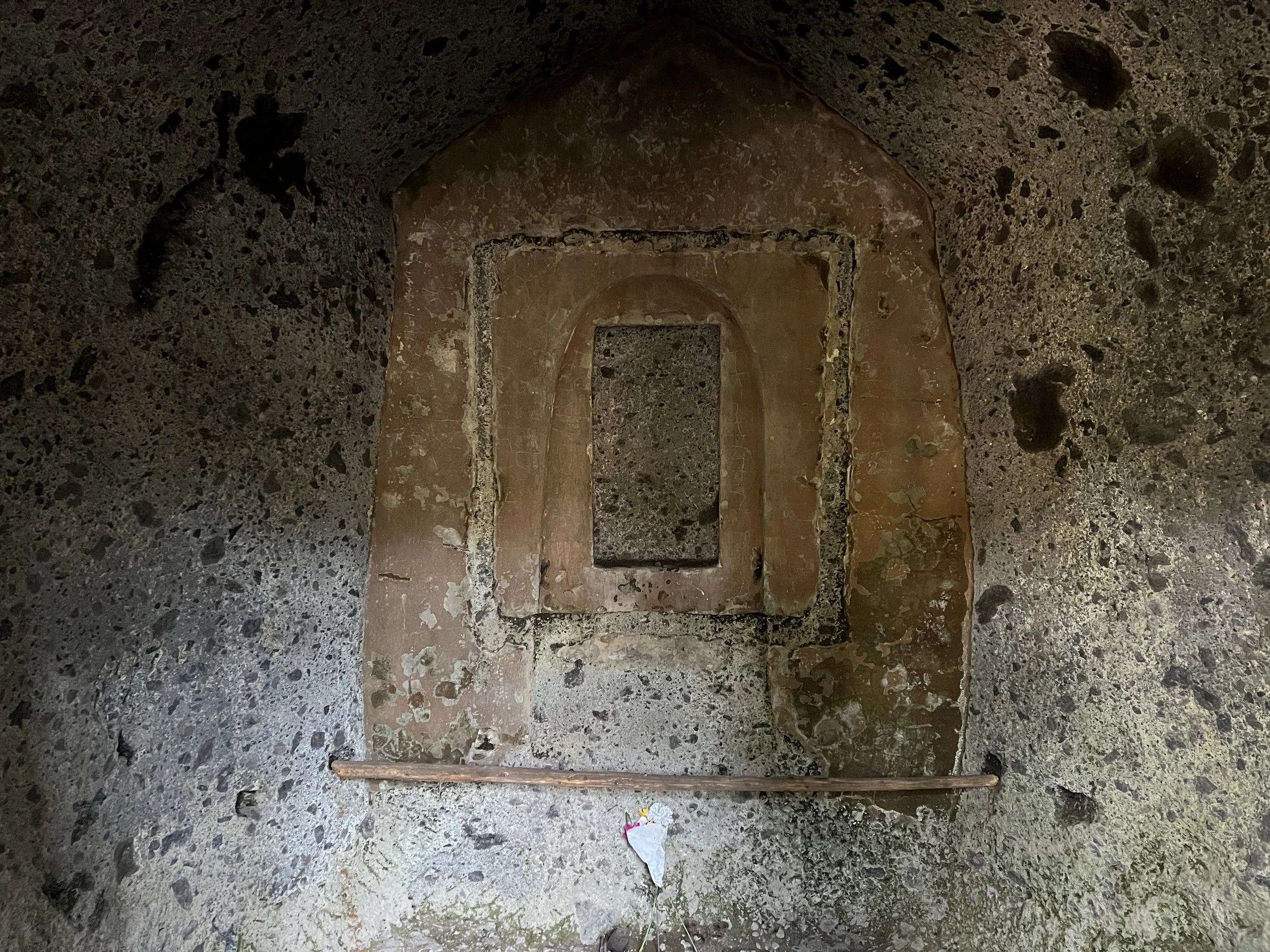
The cave chapel was once used by hidden Christians during periods of persecution in Japan, serving as a discreet place of worship. Directly across from it stands a Shinto shrine, creating a striking contrast between the two belief systems. I stood on the small steps leading into the cave and peered inside. The interior was modest and unassuming, intentionally so. Without prior knowledge, it would be easy to miss its historical significance entirely.
After the visit, I continued back to the station and caught my train just in time. The area surrounding Oka Castle is unexpectedly beautiful and layered with history, and I found myself wishing I had allowed more time to explore it fully.
History & Background
Oka Castle (岡城) occupies a strategic position atop a steep hill overlooking the Ono River basin. Its natural defences, combined with extensive stone walls, made it one of the strongest fortifications in central Kyushu. Over the centuries, the castle played a crucial role in regional power struggles, particularly during the Sengoku period.
Following the Meiji Restoration, Oka Castle, like many feudal castles in Japan, was dismantled, leaving behind only its stone foundations and walls. Despite this, the ruins have been carefully preserved and restored, offering valuable insight into medieval Japanese military architecture.
The surrounding town of Bungo-Taketa also holds cultural significance, known for its historic streets and connections to both Buddhist and Christian history, including sites linked to Japan’s hidden Christian communities.
Getting There
Oka Castle Ruins are accessible via Bungo-Taketa Station on the JR Hohi Main Line. From the station, the castle can be reached on foot, with the walk passing through the historic town centre before ascending to the ruins. The route is well signposted, though visitors should be prepared for a steady uphill climb near the castle entrance.
Route Overview
Distance: 8.59 km out & back (Bungo-Taketa Station)
Total elevation gain: 154 m
Duration: 1 hr 39 min (with breaks 1 hr 54 min)
Difficulty: Intermediate
Peak: Oka Castle ruins 325 m
Cost Breakdown
Train: Miemachie Station → Bungo-Taketa Station — ¥660
Entrance Fee: Oka Castle Ruins— ¥300
Food: ¥1,498