Harajiri Falls - Oita, Japan
I don’t remember exactly where I first read about this waterfall, but I do remember it being referred to as the “Niagara Falls of Japan” and listed among Japan’s Top 100 Waterfalls. That alone was enough to put it on my list.
I took the train from Oita to Ogata, the nearest station. After checking the bus schedule and realizing the timing didn’t line up, I decided to walk the remaining distance from the station.
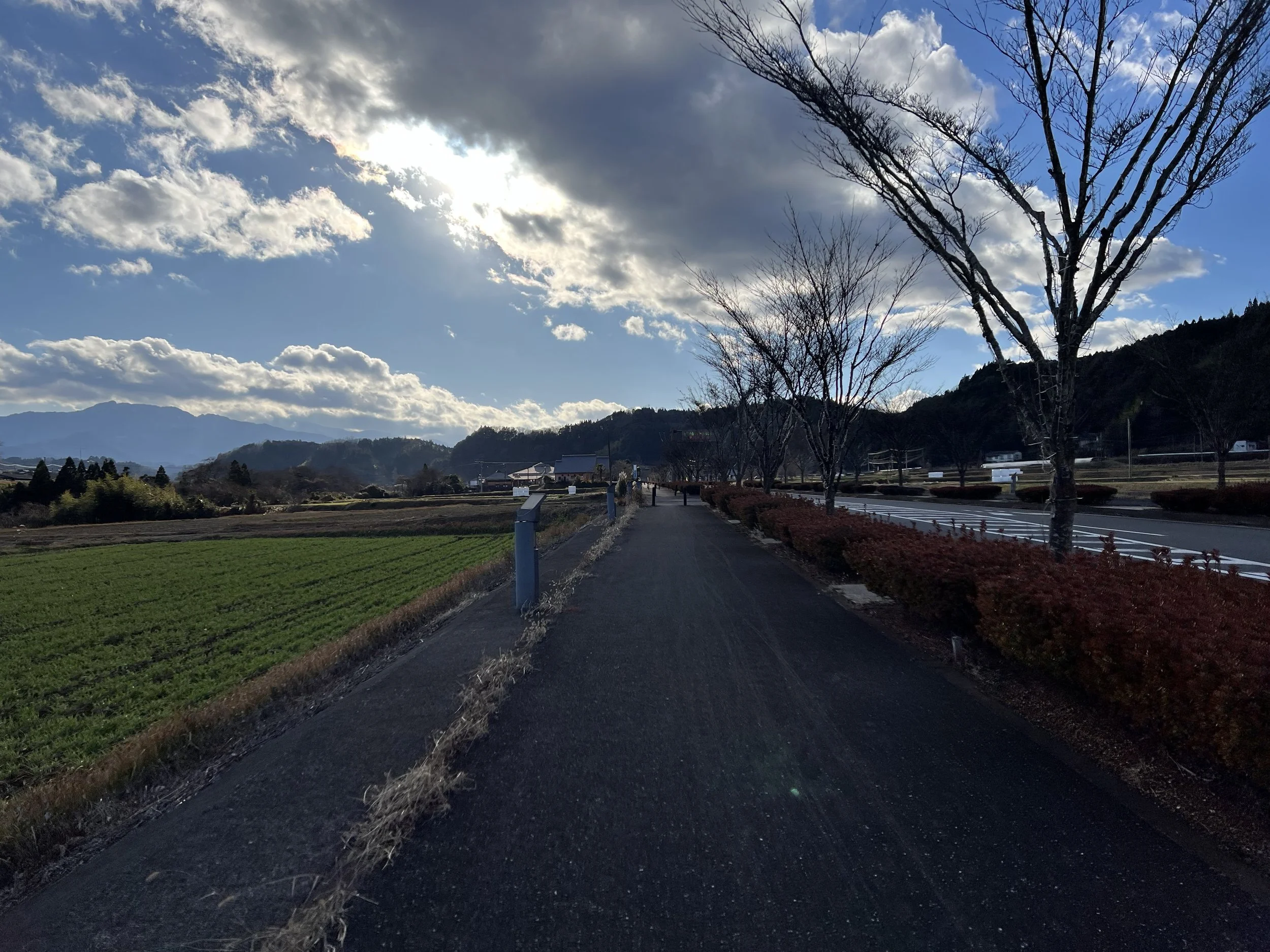
The walk to Harajiri Falls is roughly three kilometres and passes almost entirely through open farmland. On a calm day, it would probably be quite pleasant, but with strong winds and little shelter, it felt longer than expected. The falls area itself is developed as a roadside service station, with restaurants, cafés, and souvenir shops clustered nearby.
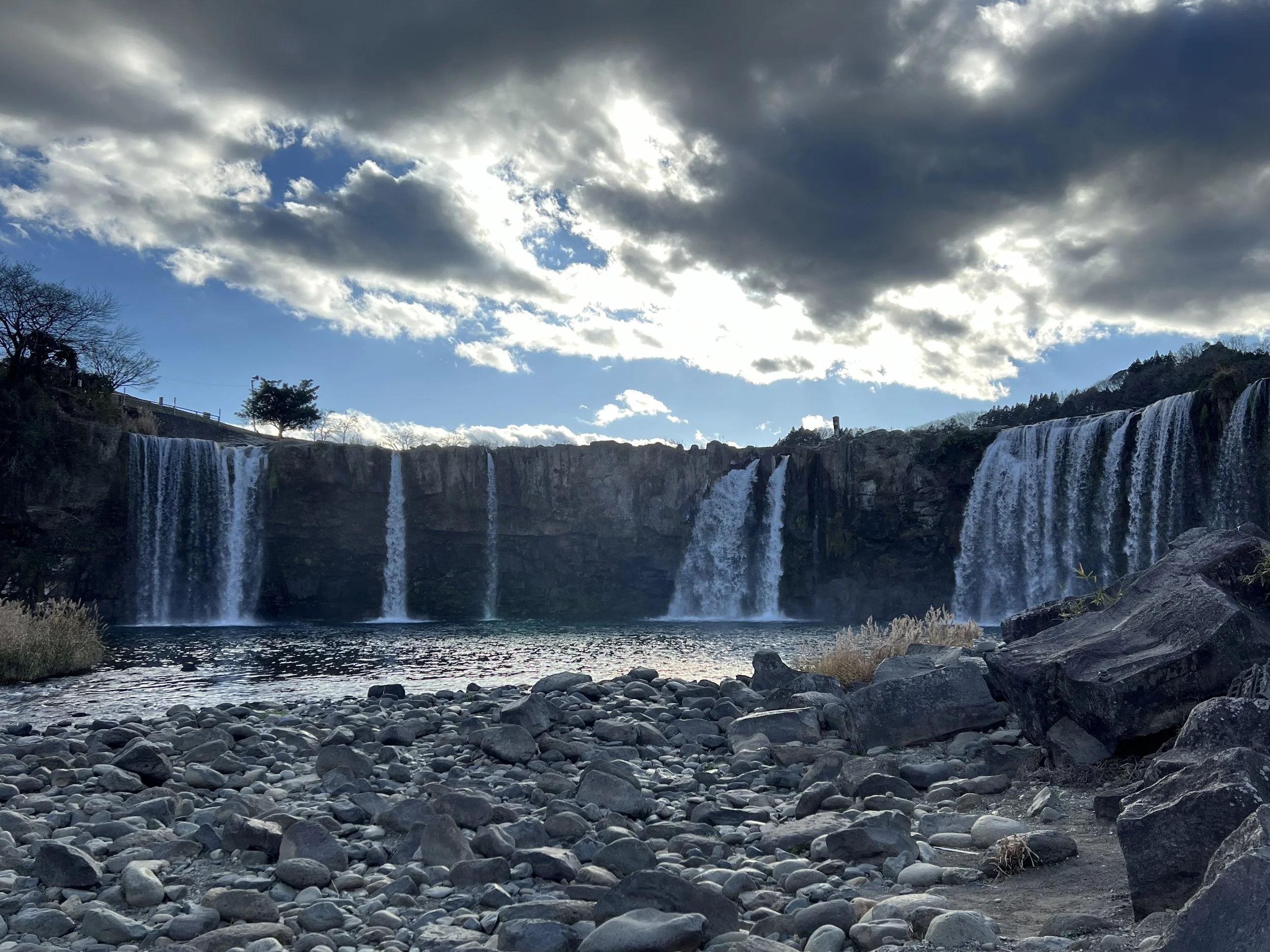
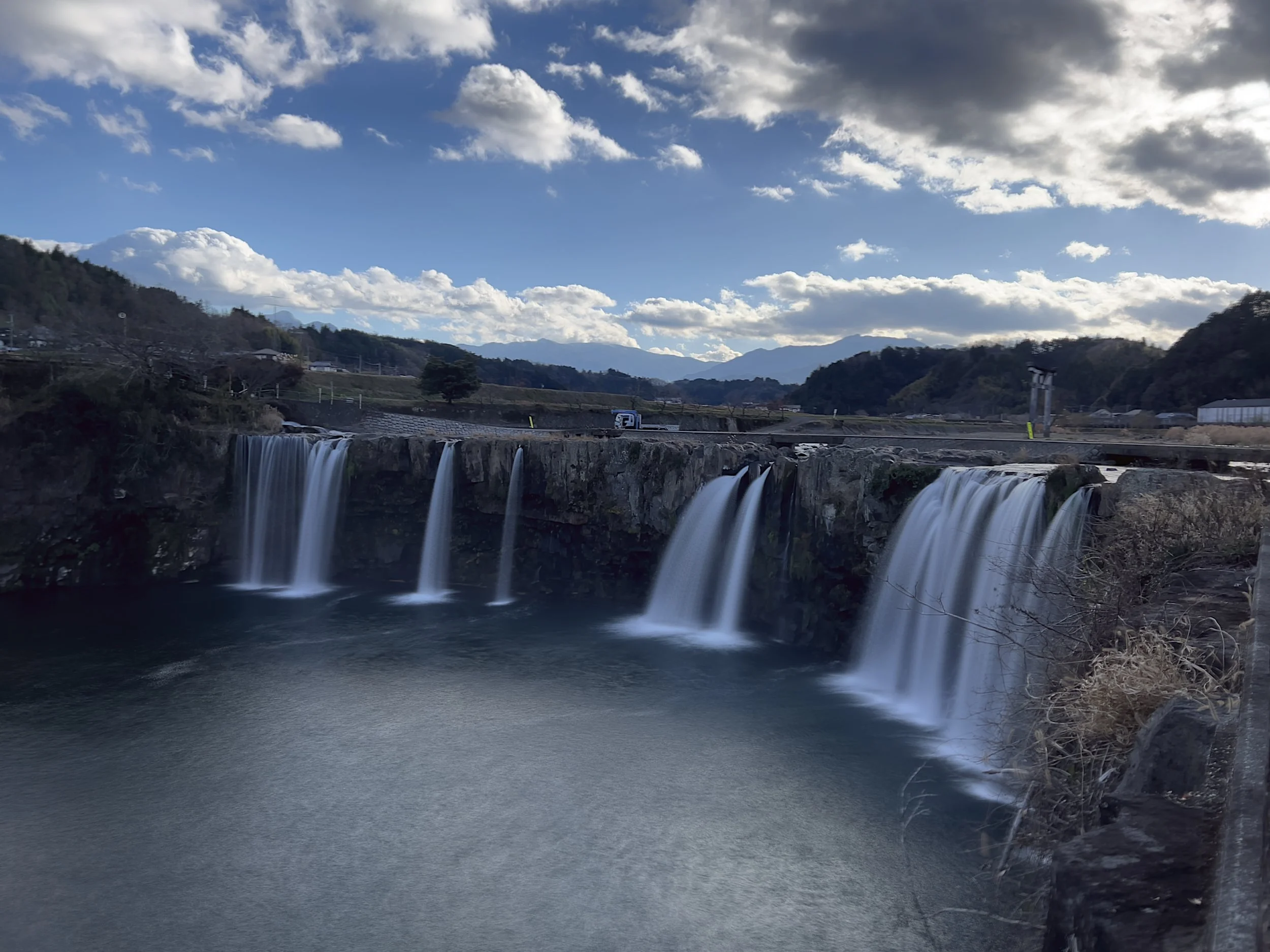
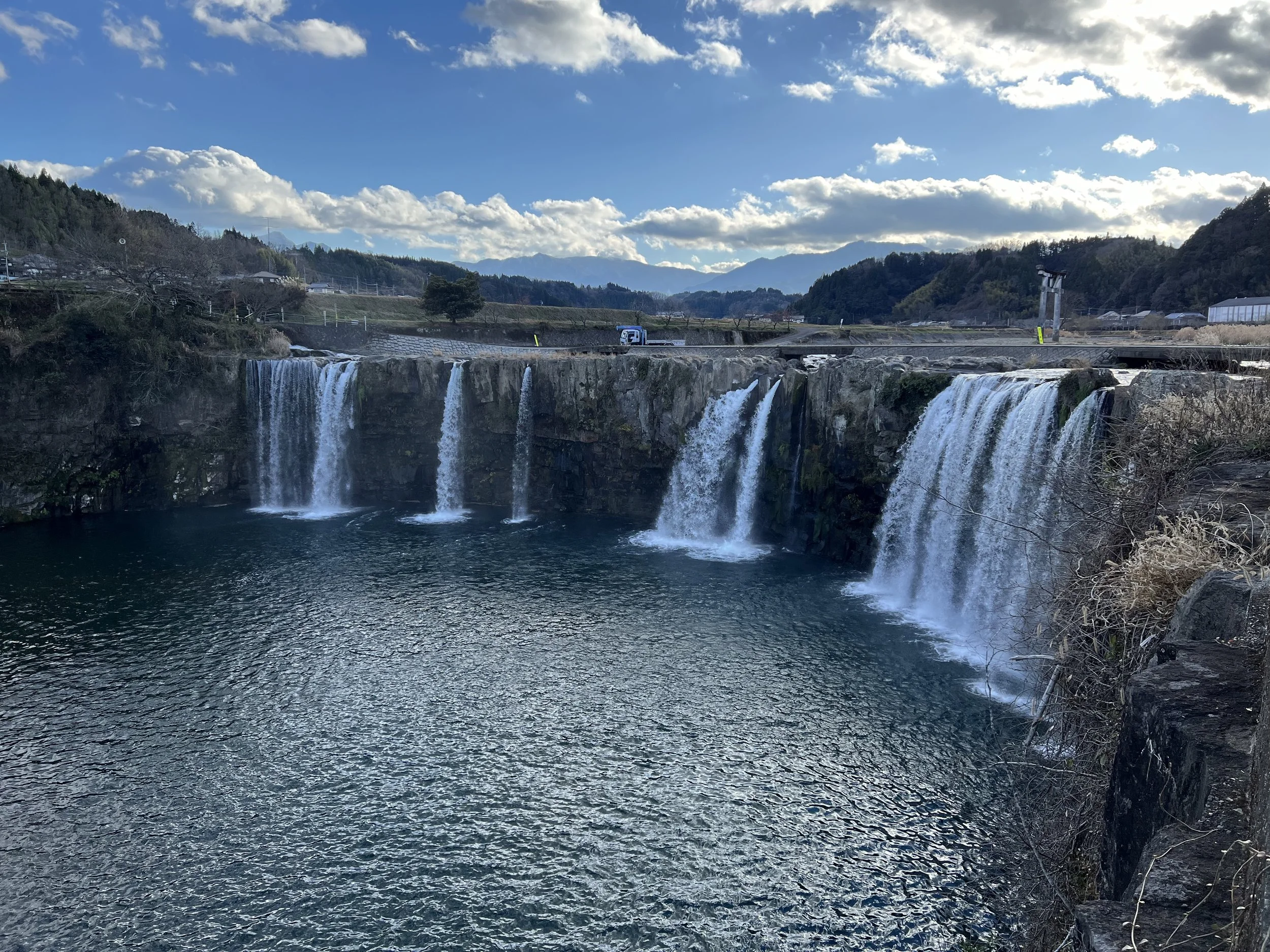
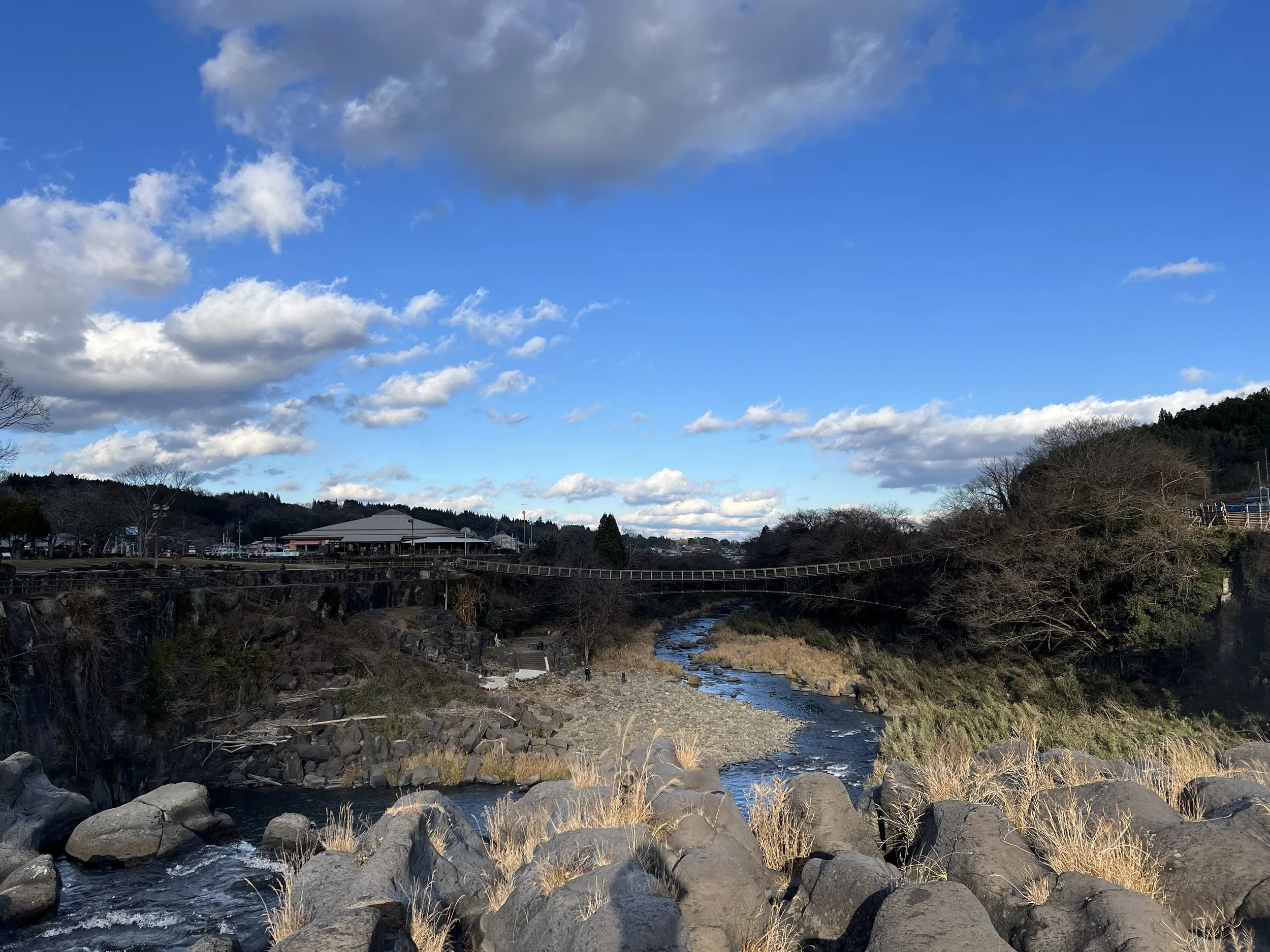
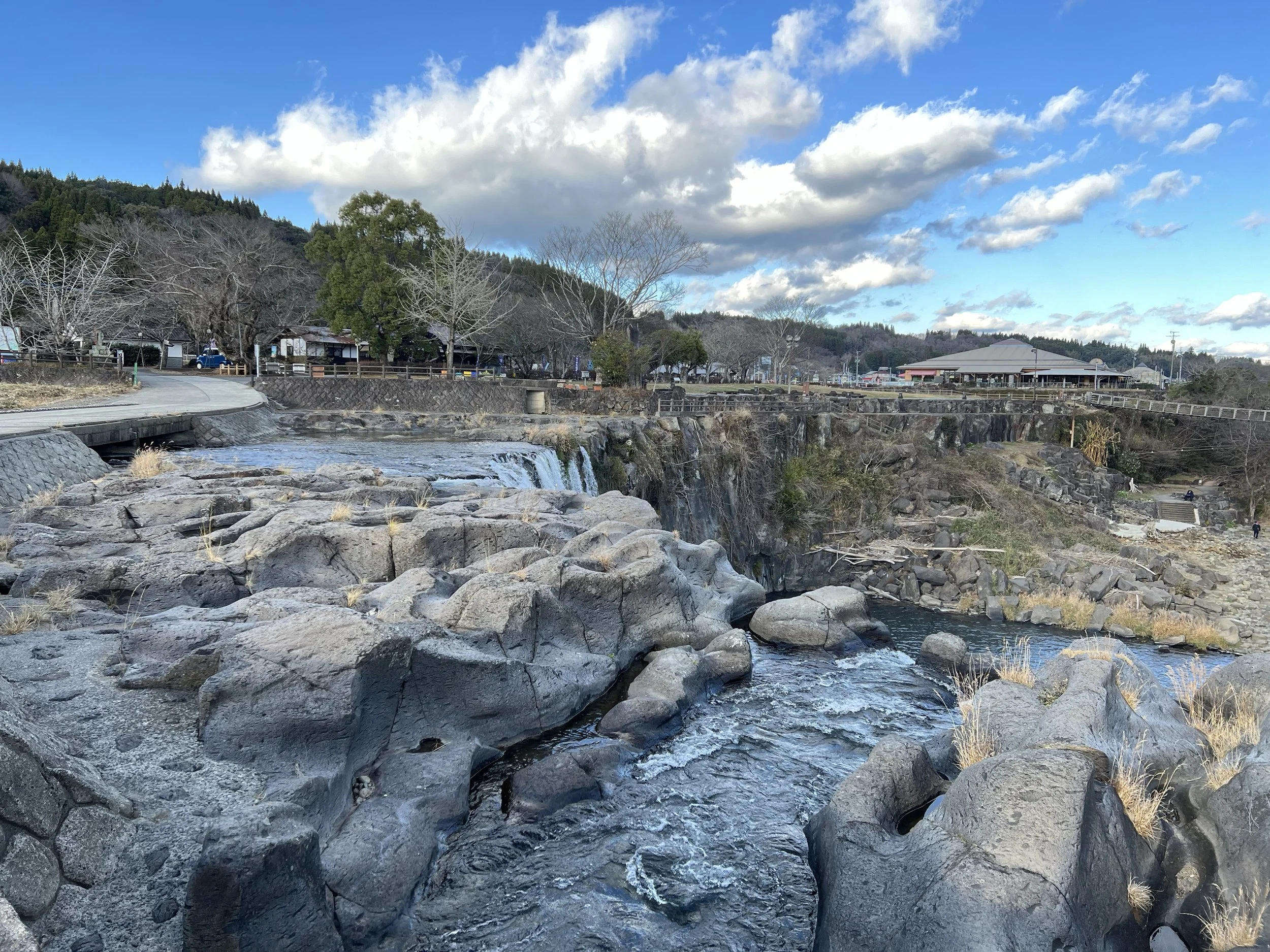
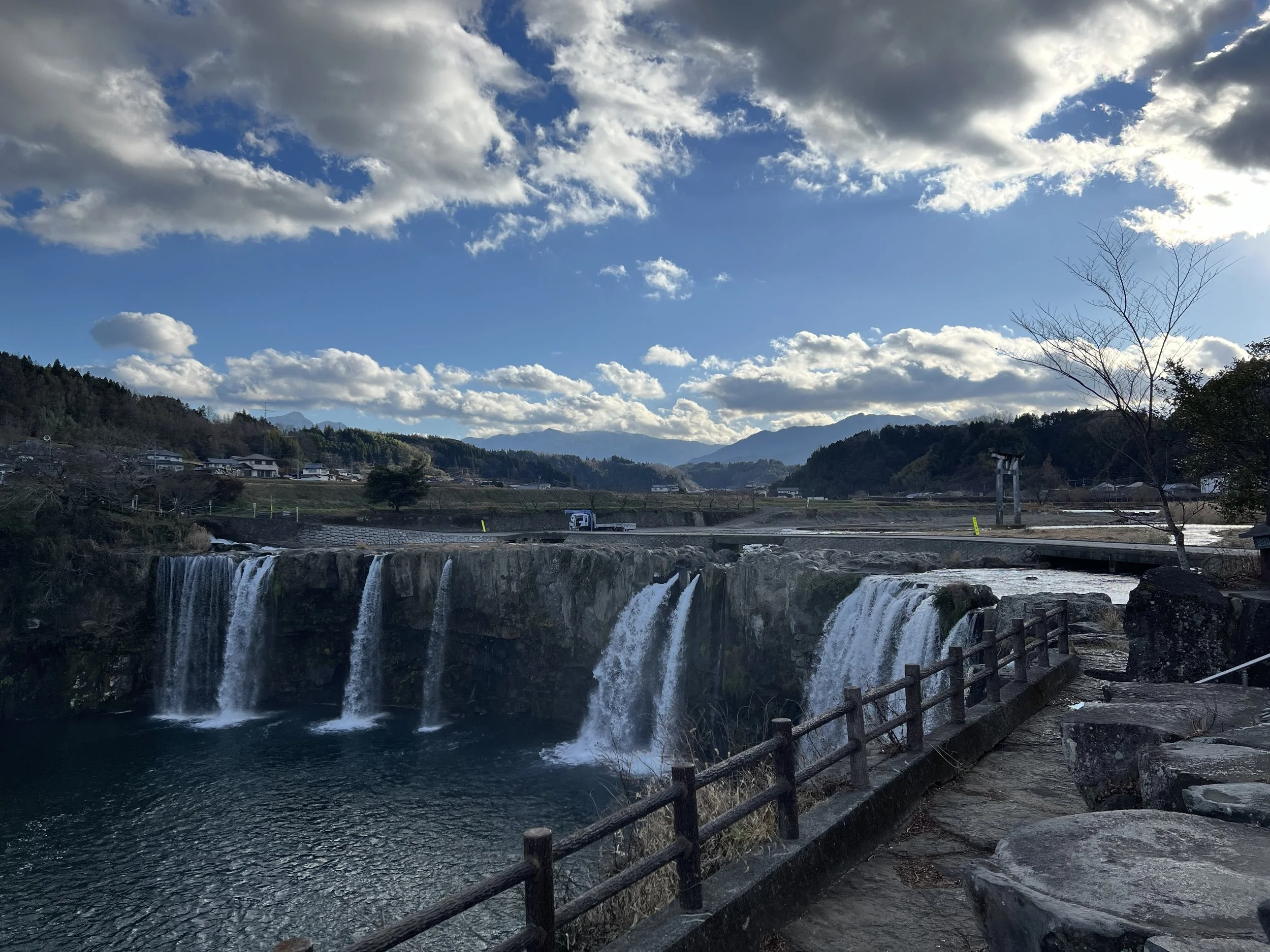
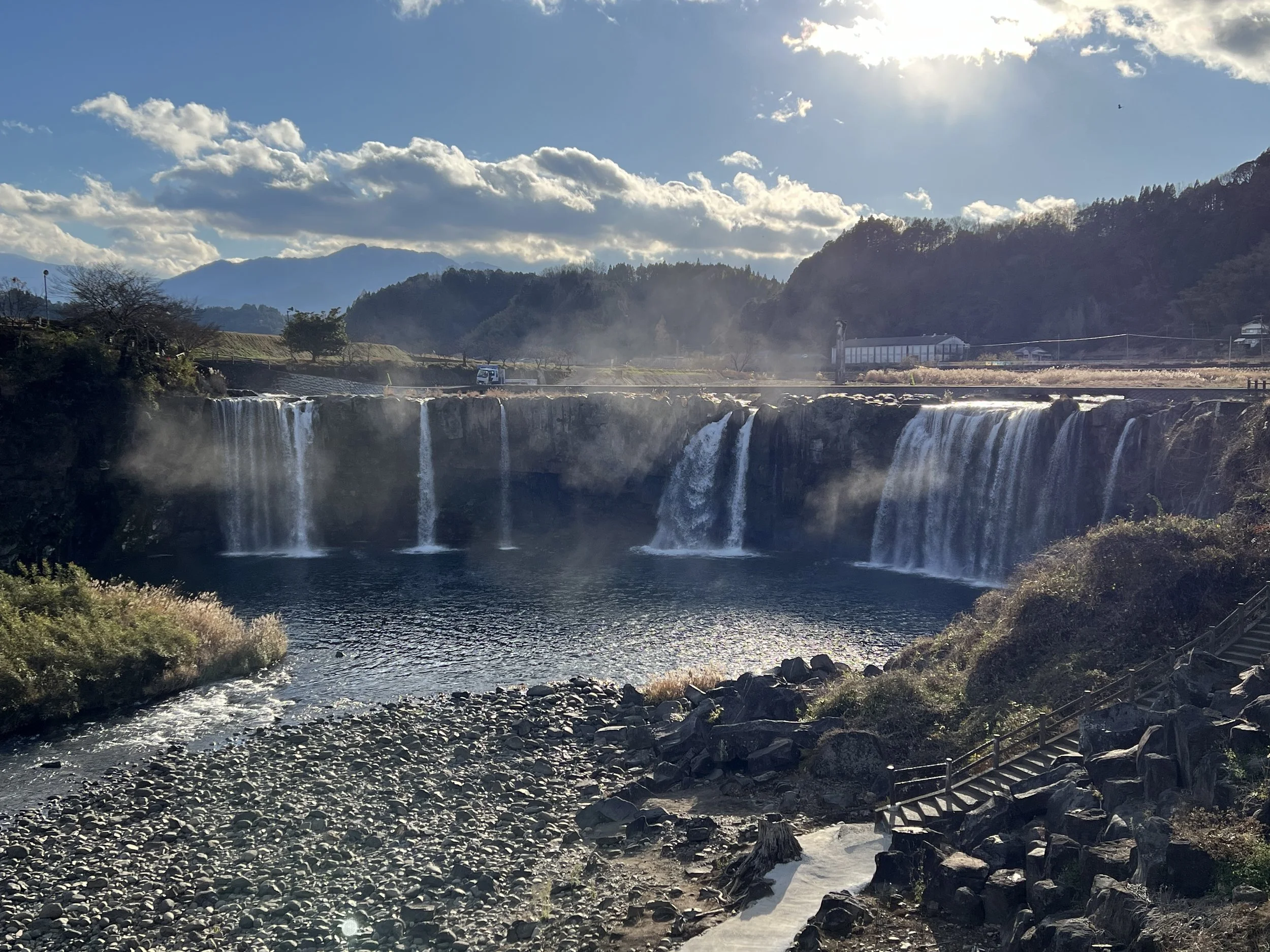
From the service station, the waterfall becomes visible almost immediately after a short walk. The horseshoe-shaped cascade isn’t nearly as powerful as Niagara Falls, but standing there, it’s easy to understand where the comparison comes from. Harajiri Falls measures approximately 20 metres in height and 120 metres in width, and because it is surrounded by flat agricultural land, it feels as though it appears out of no where.
The waterfall was formed by the massive eruption of Mount Aso around 90,000 years ago, which created the volcanic plateau over which the water now flows. I followed the paths to several viewpoints, gradually working my way down toward the riverbank before looping back up toward the suspension bridge.
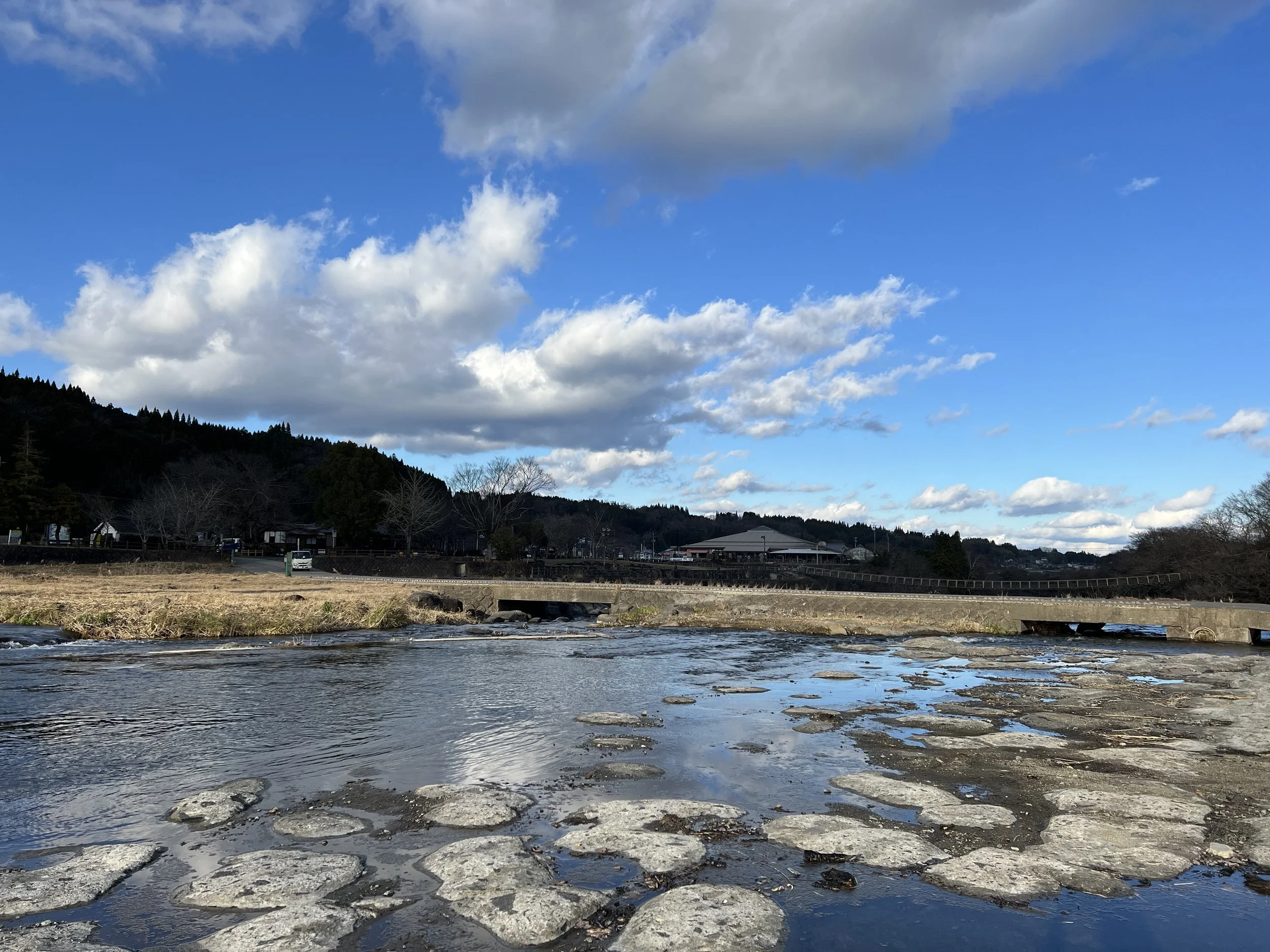
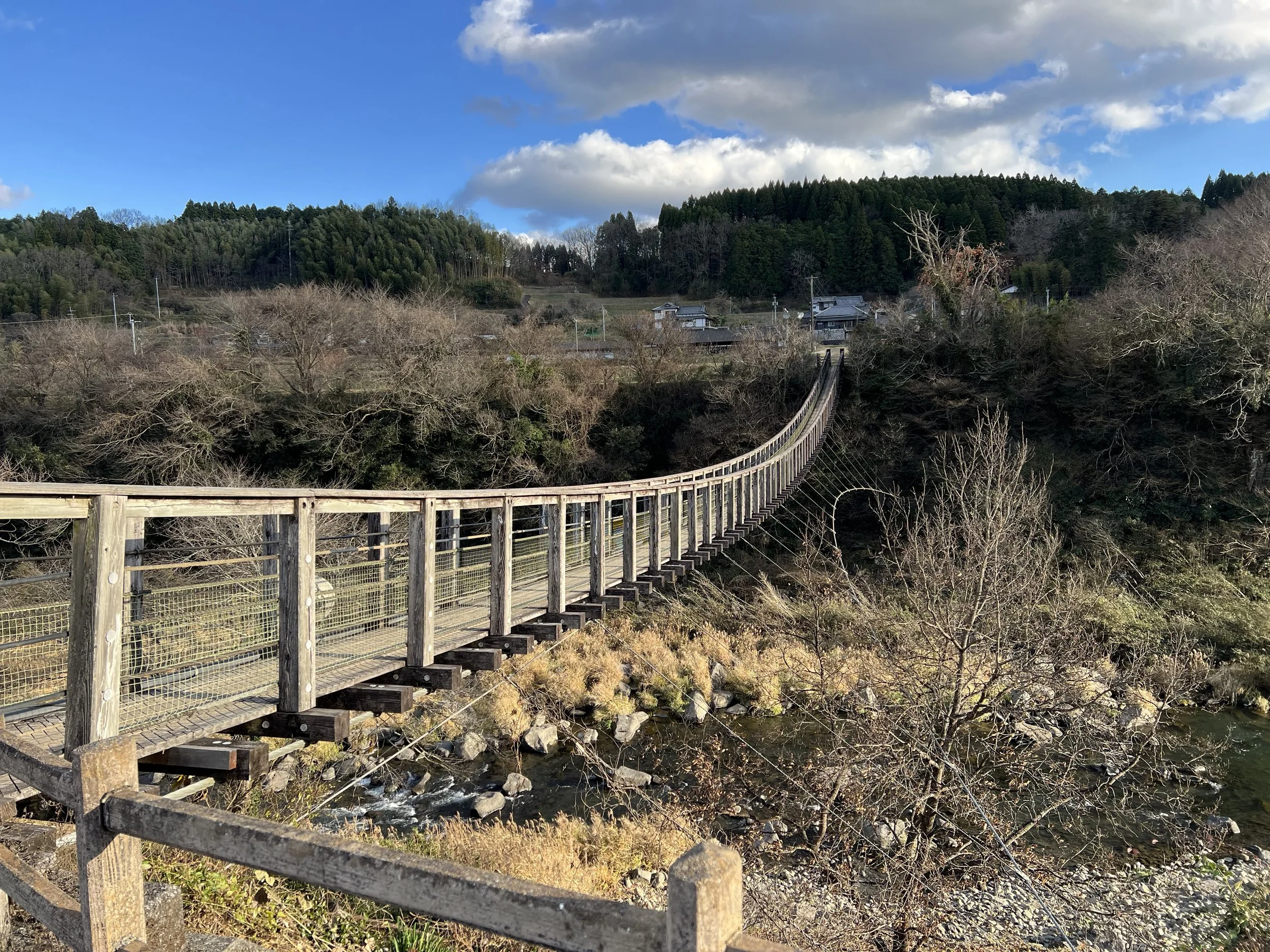
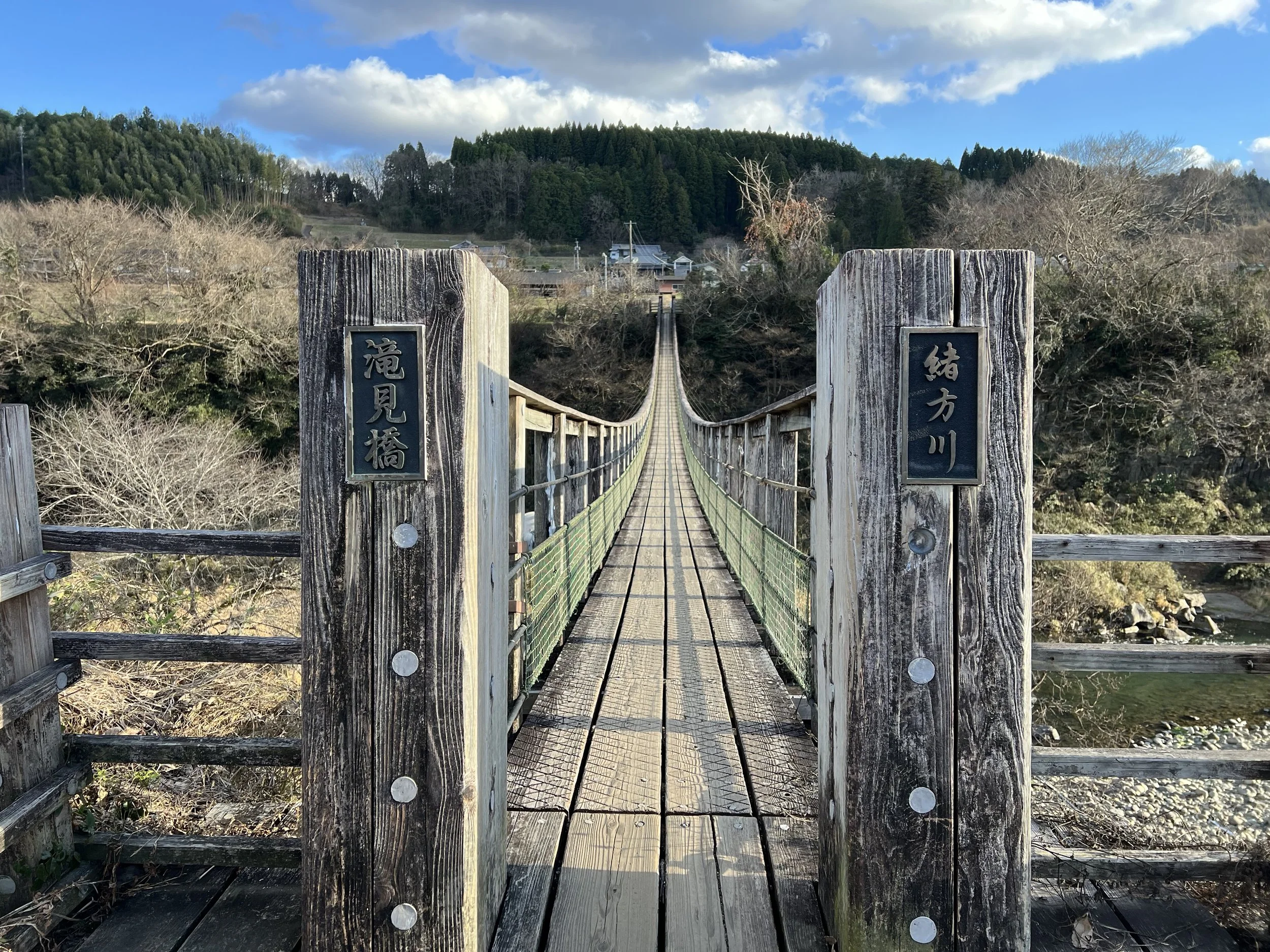
Under normal circumstances, the bridge is open and can be crossed freely, but during my visit it was closed for maintenance. Signs clearly indicated that access was not permitted, so I took photos from the viewpoints that were still accessible.
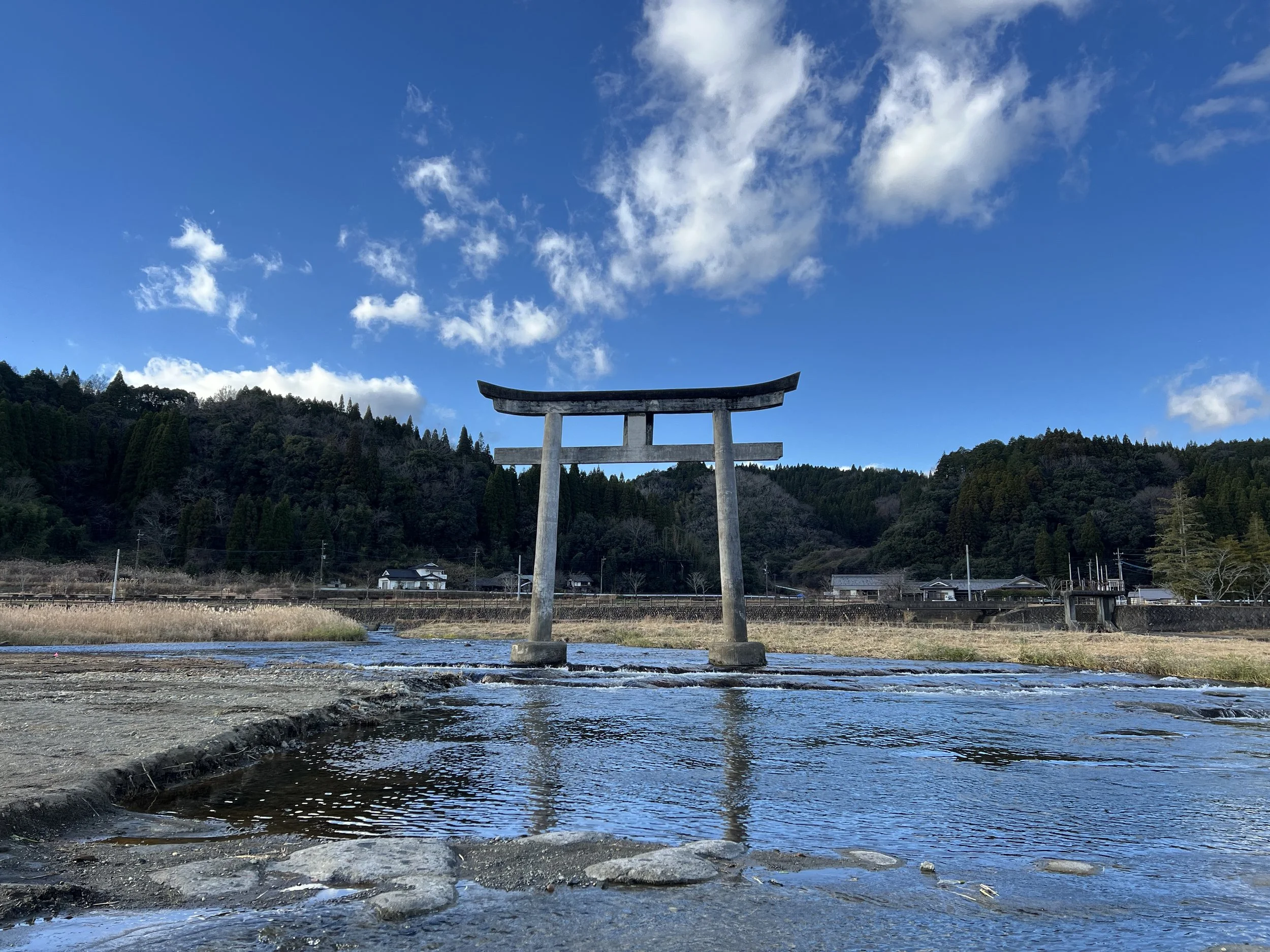
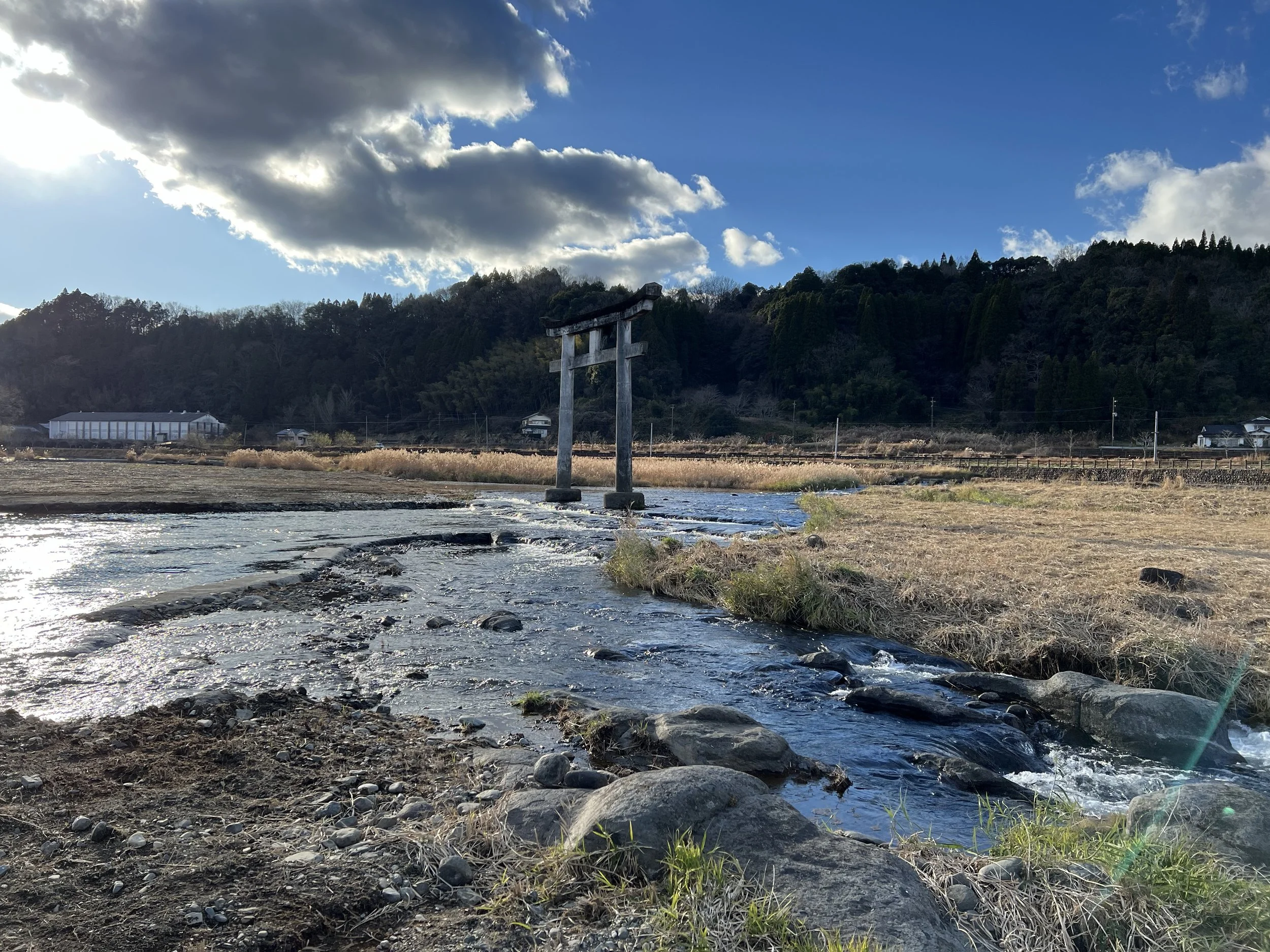
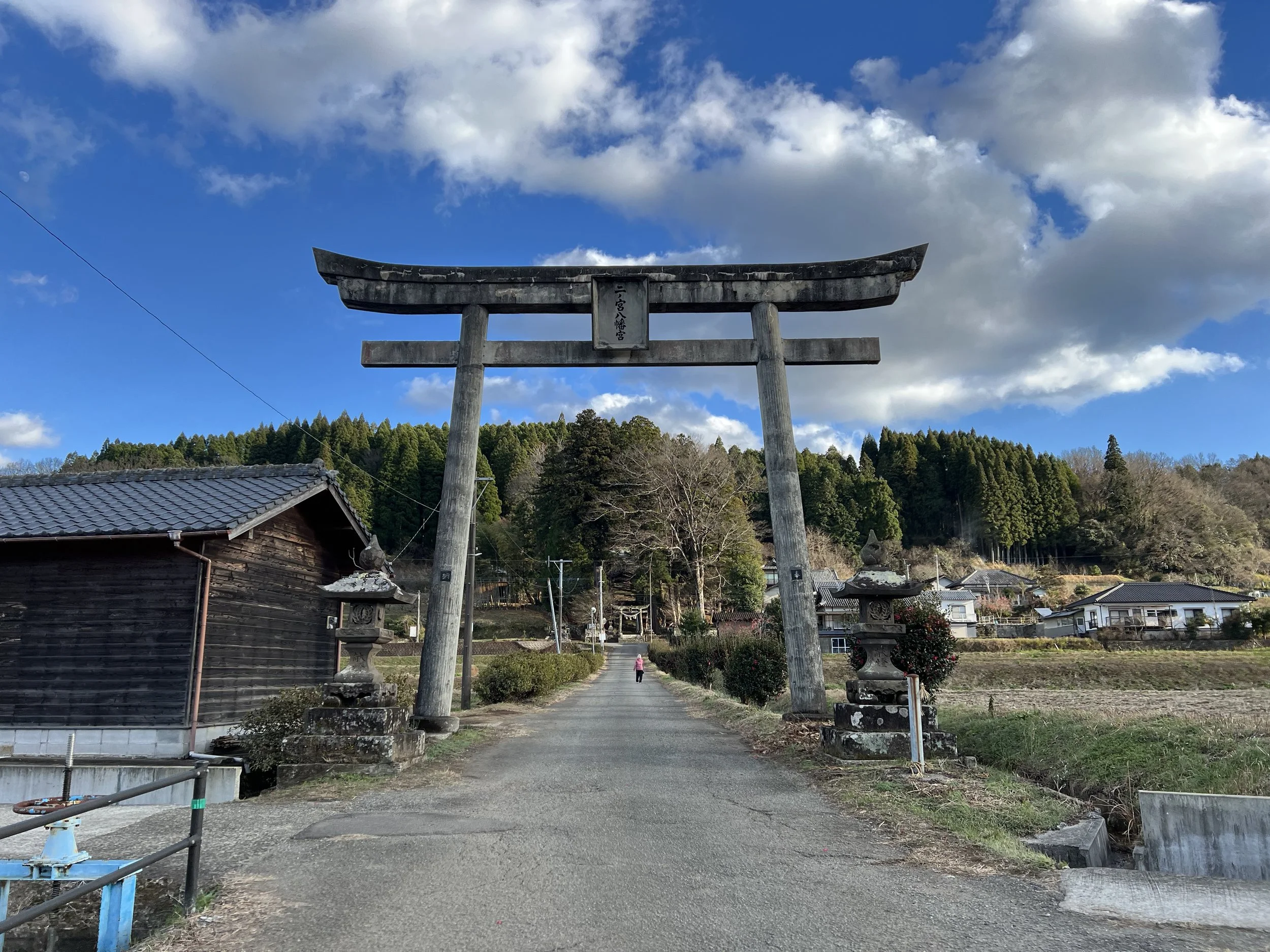
After finishing the loop around the falls, I walked a little upstream to see a torii gate standing directly in the middle of the river. It was an unexpected sight and made for a striking contrast against the flowing water. I didn’t linger for too long, as I wanted to continue on to another nearby site: the Ogata Miyazako East and West Buddha statues.
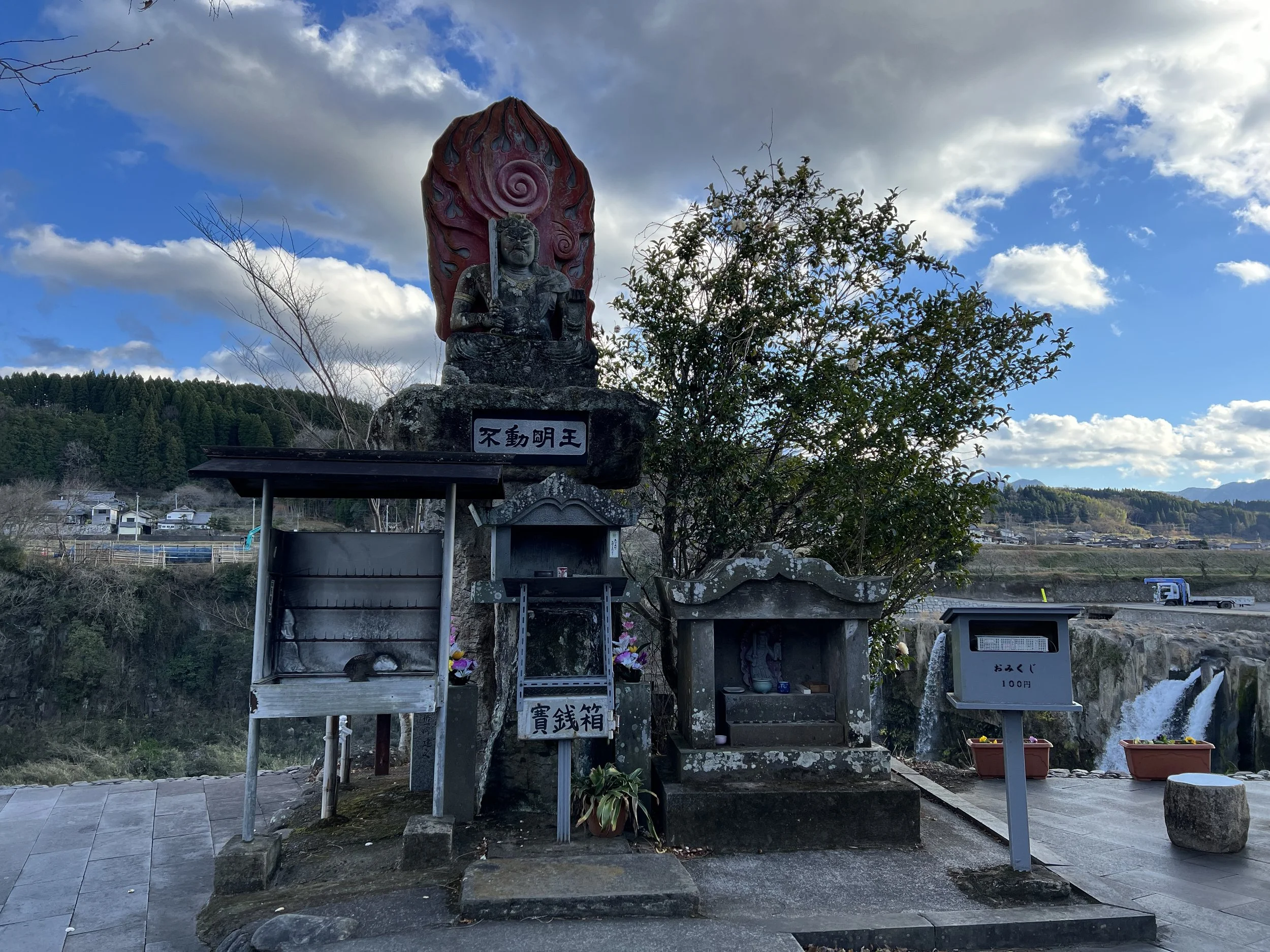
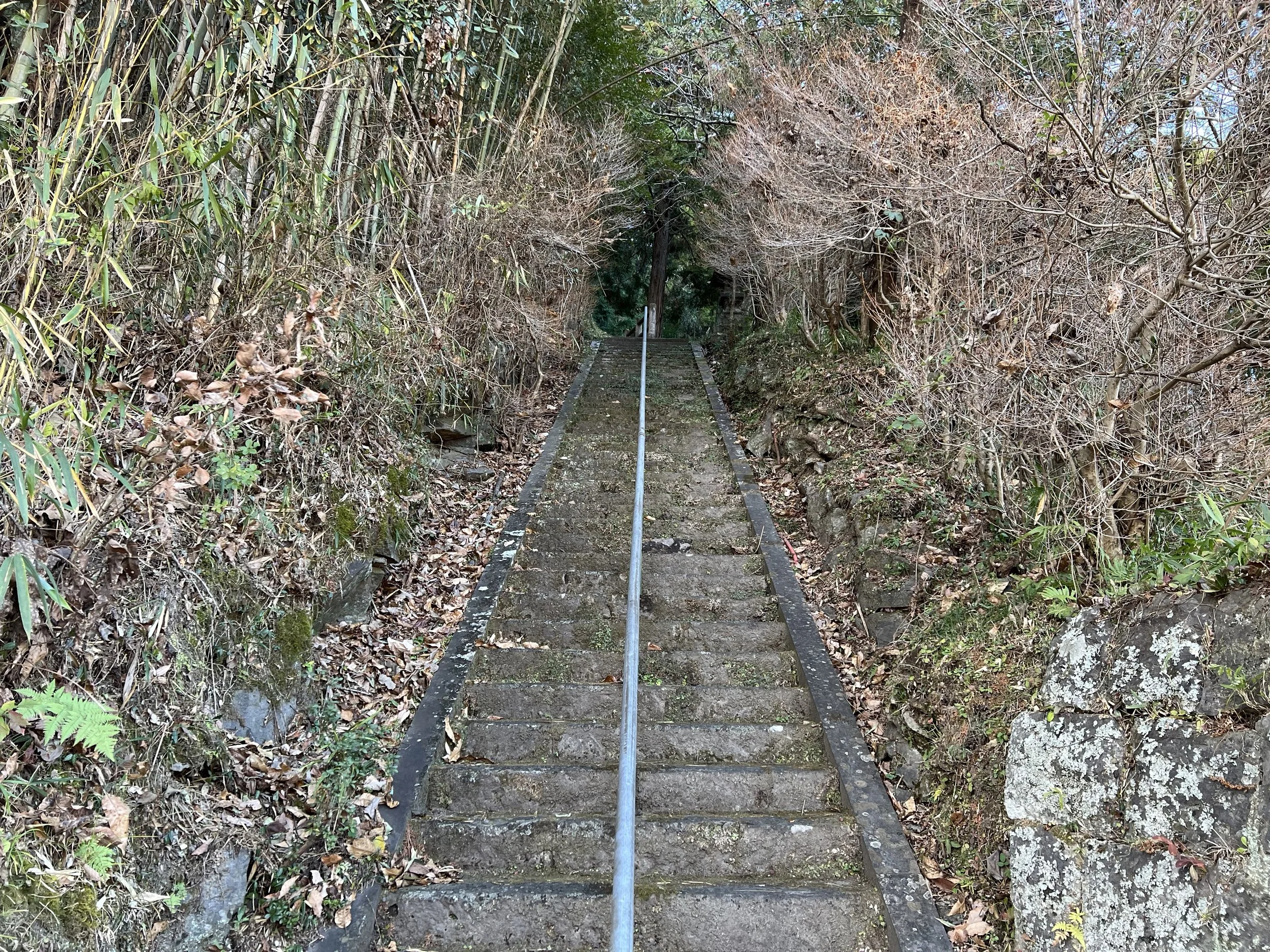
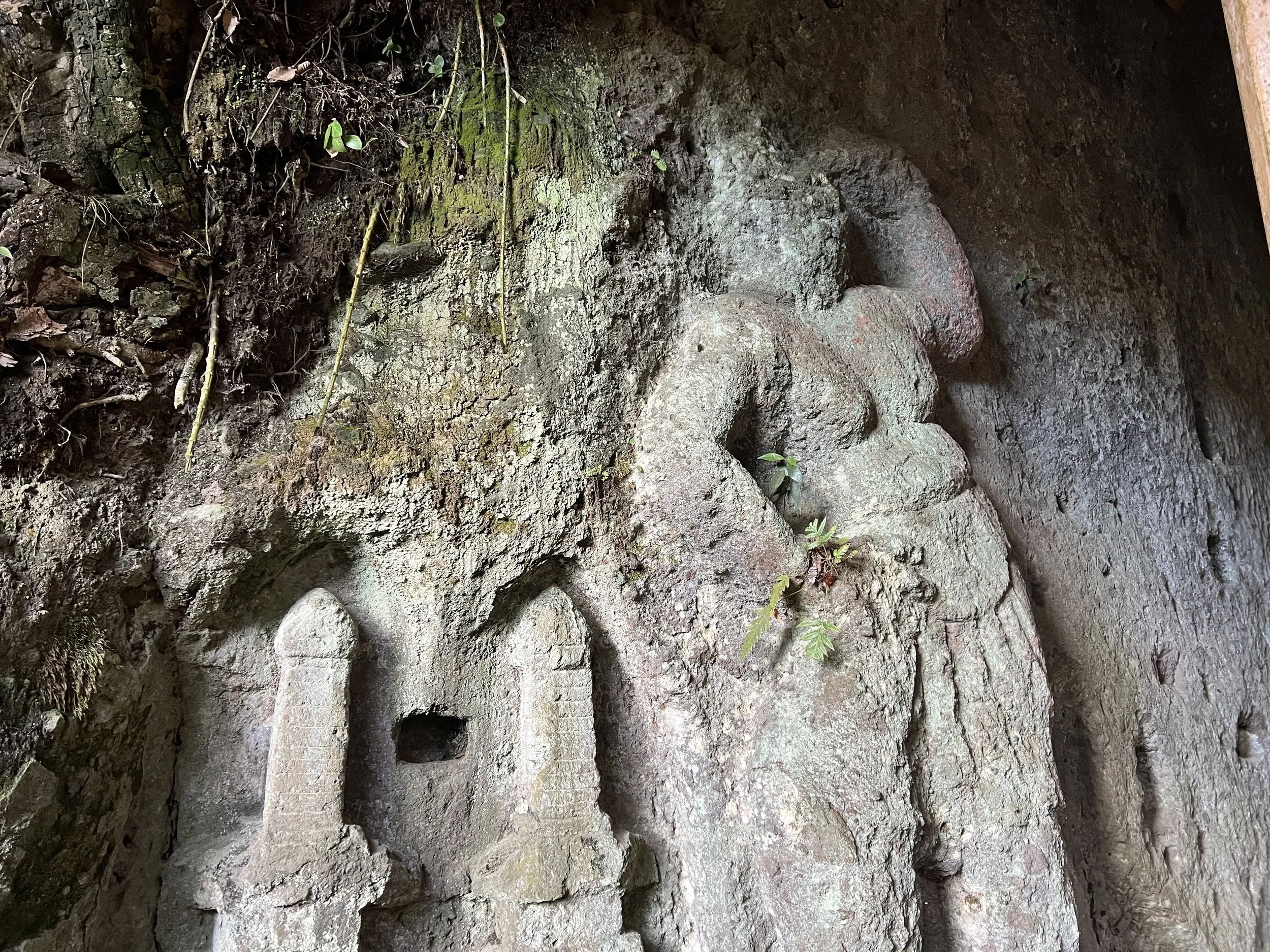
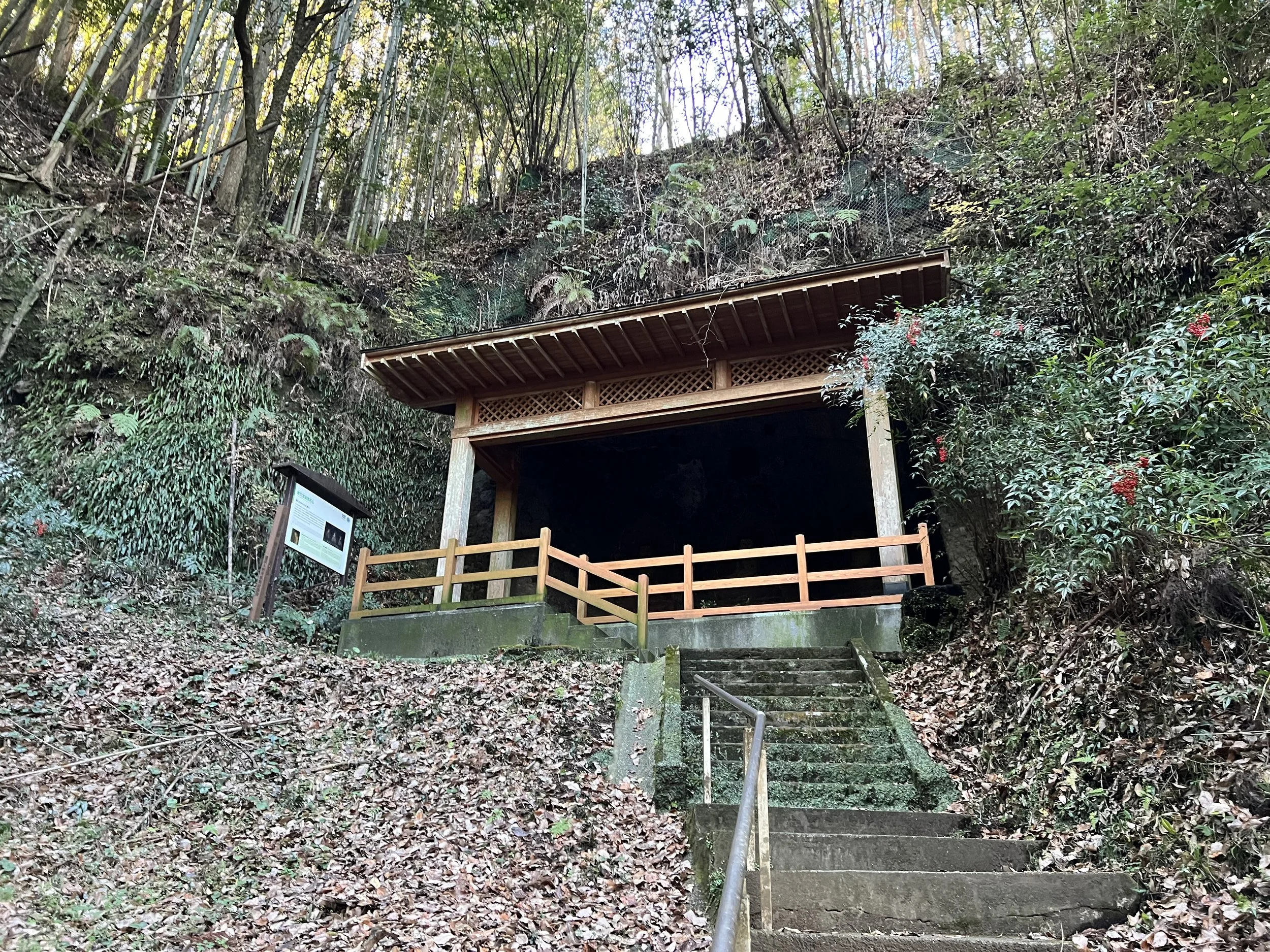
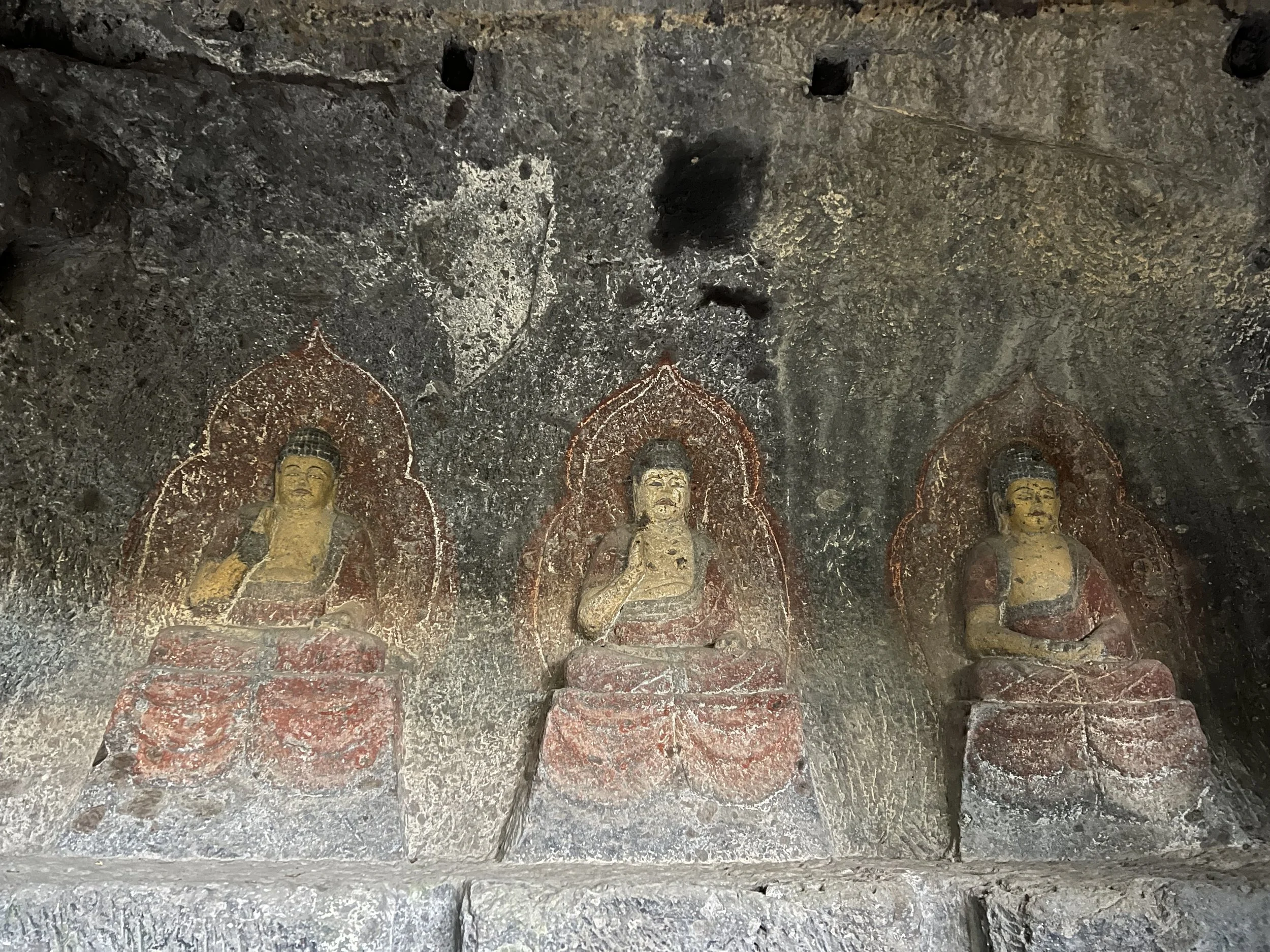
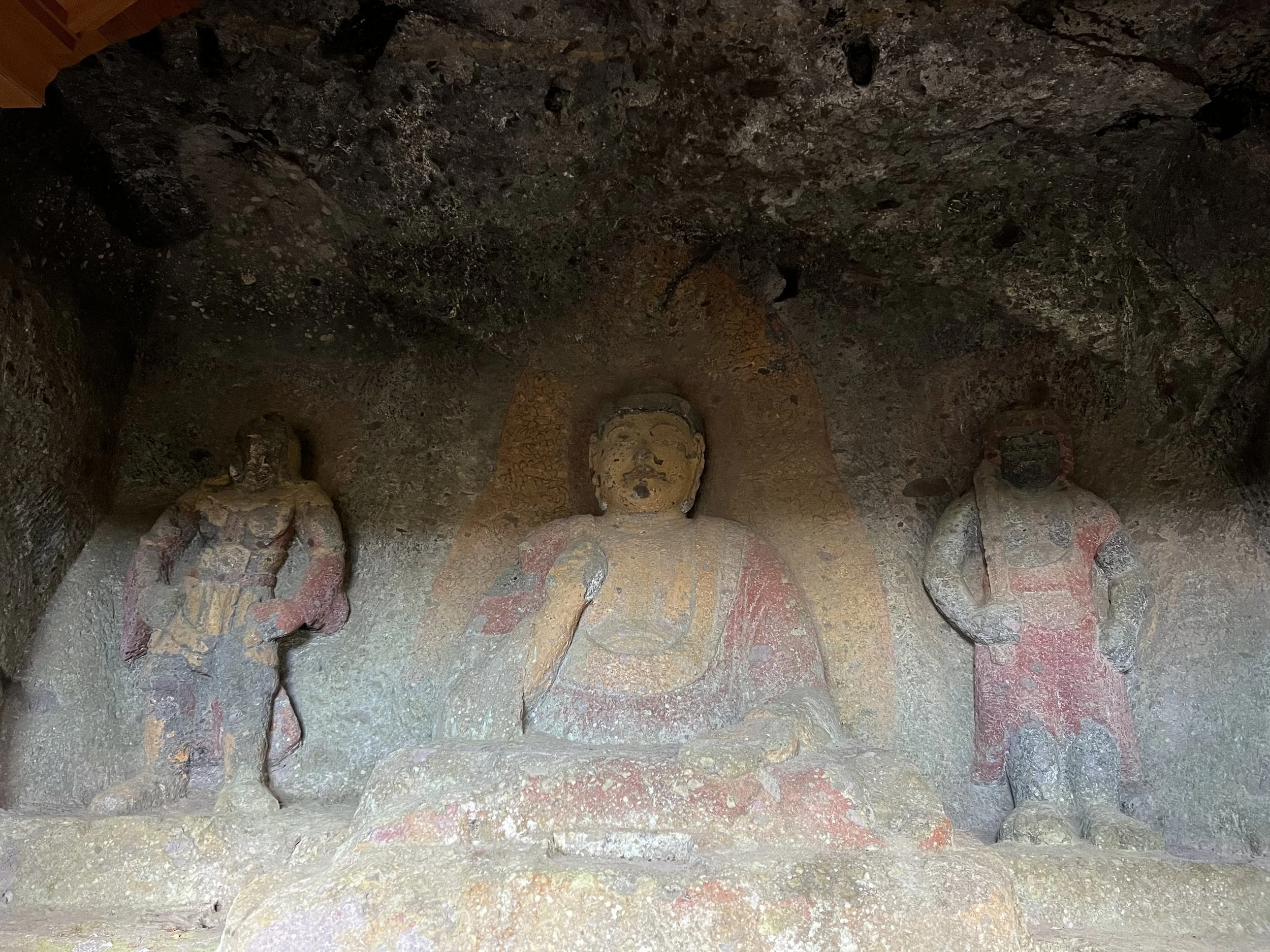
The detour only added a short distance to my walk back toward the station, so it felt natural to include it. Information about the statues is limited, but they are believed to have been carved directly into the cliff walls. There are two separate locations, referred to as the east and west statues. From Harajiri Falls, I reached the western site first, followed by a short climb up to the carvings.
A small structure shelters the statues and also serves as a place of worship. You can stand quite close to the carvings, and the details remain surprisingly clear despite their age. There wasn’t much else to see, so I didn’t stay long and continued along the trail toward the eastern statues, which were similar in scale and setting.
After finishing the visit, I checked the train schedule and realized I needed to move quickly. I ended up running the final 1.5 kilometres back to Ogata Station and just managed to catch the train in time.
History & Background
Harajiri Falls (原尻の滝) was formed as a result of volcanic activity from Mount Aso, one of Japan’s largest and most active volcanoes. The massive eruption approximately 90,000 years ago created a broad lava plateau, over which the Chikugo River now flows, forming the wide, horseshoe-shaped cascade seen today.
The waterfall’s unusual width and setting within flat farmland distinguish it from many of Japan’s more mountainous waterfalls. Its scale and shape have earned it the nickname “Niagara Falls of Japan,” and it has been officially recognized as one of Japan’s Top 100 Waterfalls.
Getting There
Harajiri Falls is accessed via Ogata Station on the JR Hohi Main Line. From Oita Station, take the JR Hohi Main Line to Ogata Station, with a travel time of approximately one hour. From Ogata Station, Harajiri Falls is located about three kilometres away and can be reached on foot or by local bus, though bus services are limited and schedules may not align with all arrival times.
Route Overview
Distance: 8.71 km out & back (Ogata Station)
Total elevation gain: 111 m
Duration: 1 hr 34 min (with breaks 1 hr 54 min)
Difficulty: Intermediate
Cost Breakdown
Train: Oita Station → Ogata Station — ¥1,300
Food: ¥380