Narusawa Ice Cave and Fugaku Wind Cave - Yamanashi, Japan
The Narusawa Ice Cave and Fugaku Wind Cave are two of three lava caves formed by past eruptions of Mount Fuji. The third, the Bat Cave, is less commonly visited, and I found myself more drawn to the Ice and Wind Caves for their unique features.
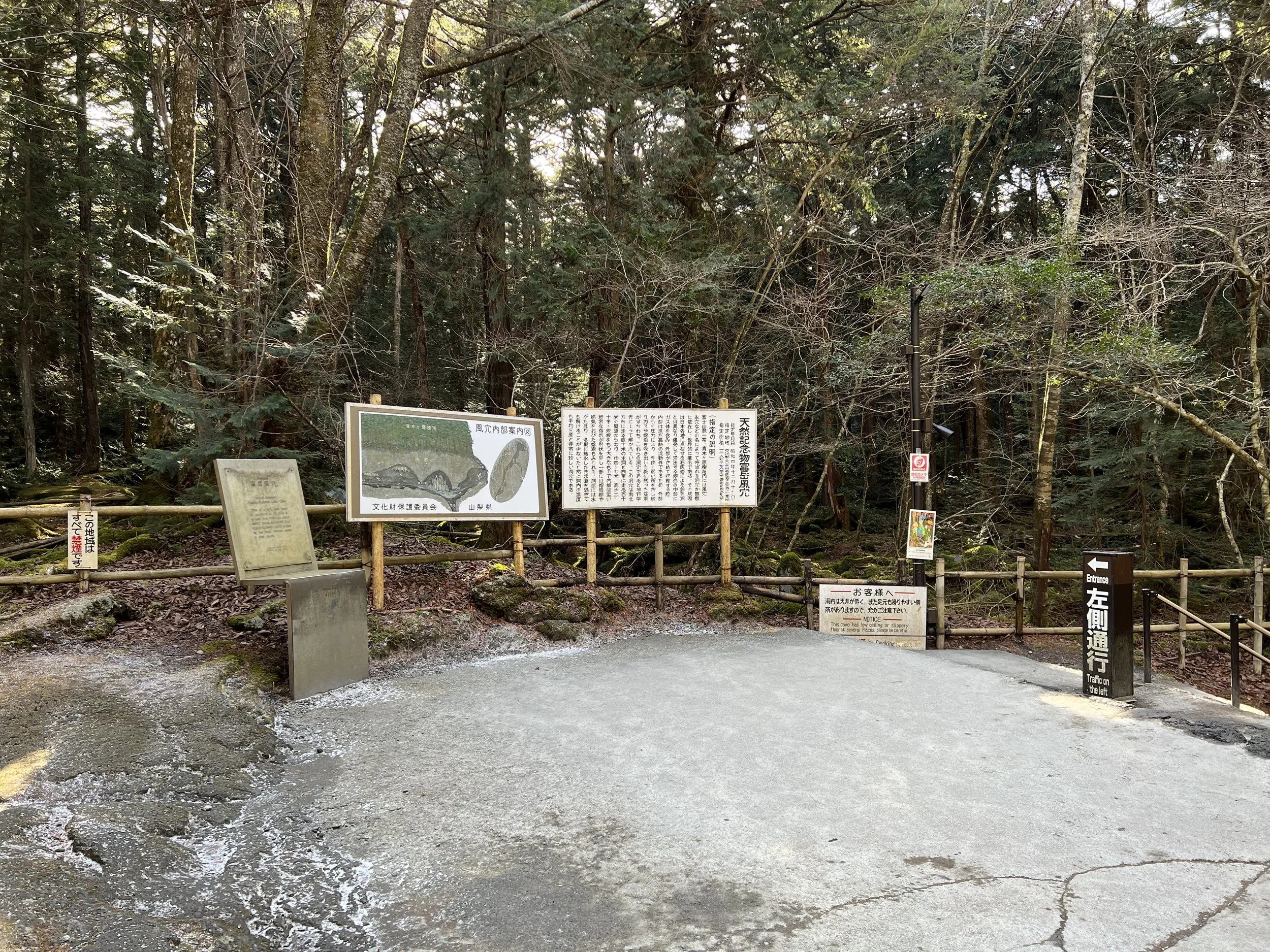
After visiting Saiko Iyashi-no-Sato Nenba, I took a short bus ride toward the Wind Cave. The ride was under 20 minutes, followed by about a 5-minute walk from the bus stop. When I arrived, it was surprisingly quiet—there were no other visitors around, which made the experience feel even more unique.
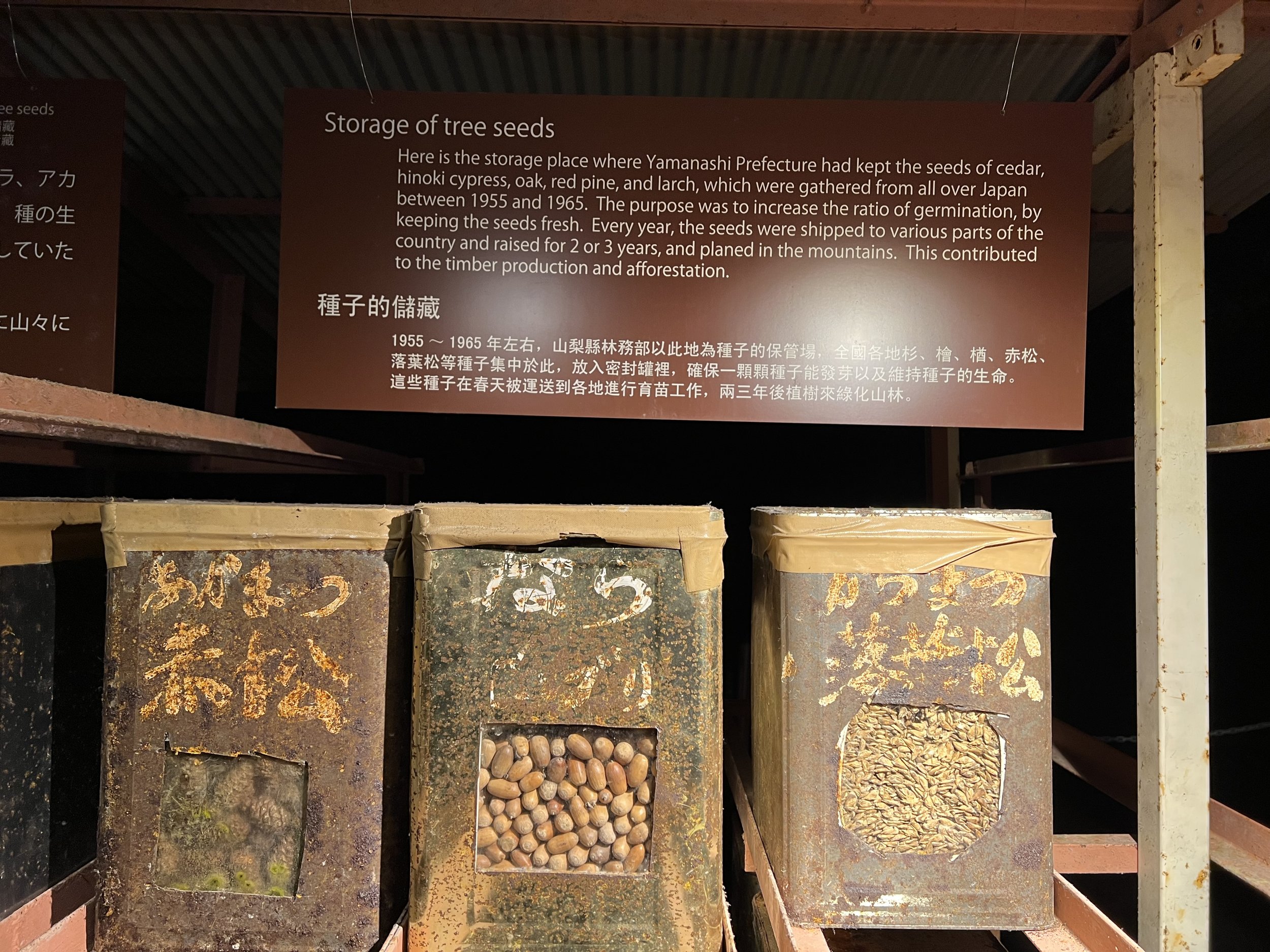
I bought my ticket and started with the Wind Cave. As the name suggests, the Fugaku Wind Cave is known for the natural cool airflow that circulates through it, originating from Mount Fuji. The temperature inside stays at a constant 3°C, effectively making it a natural refrigerator. Historically, the cave was used to store items like silkworm cocoons and acorns, and there are still displays showing how it was used in the past. Walking through the cave, you can actually feel the steady flow of cold air—it’s subtle but noticeable, and adds to the overall atmosphere.
After emerging back above ground, I followed the forest trail connecting the two caves. This path is part of the Tokai Nature Trail, and it turned out to be one of the highlights of the visit. Instead of walking along the main road, the trail winds through a quiet forest, offering a much more scenic and peaceful experience. The route is about 1.7 kilometres and mostly flat, making it an easy and enjoyable walk.
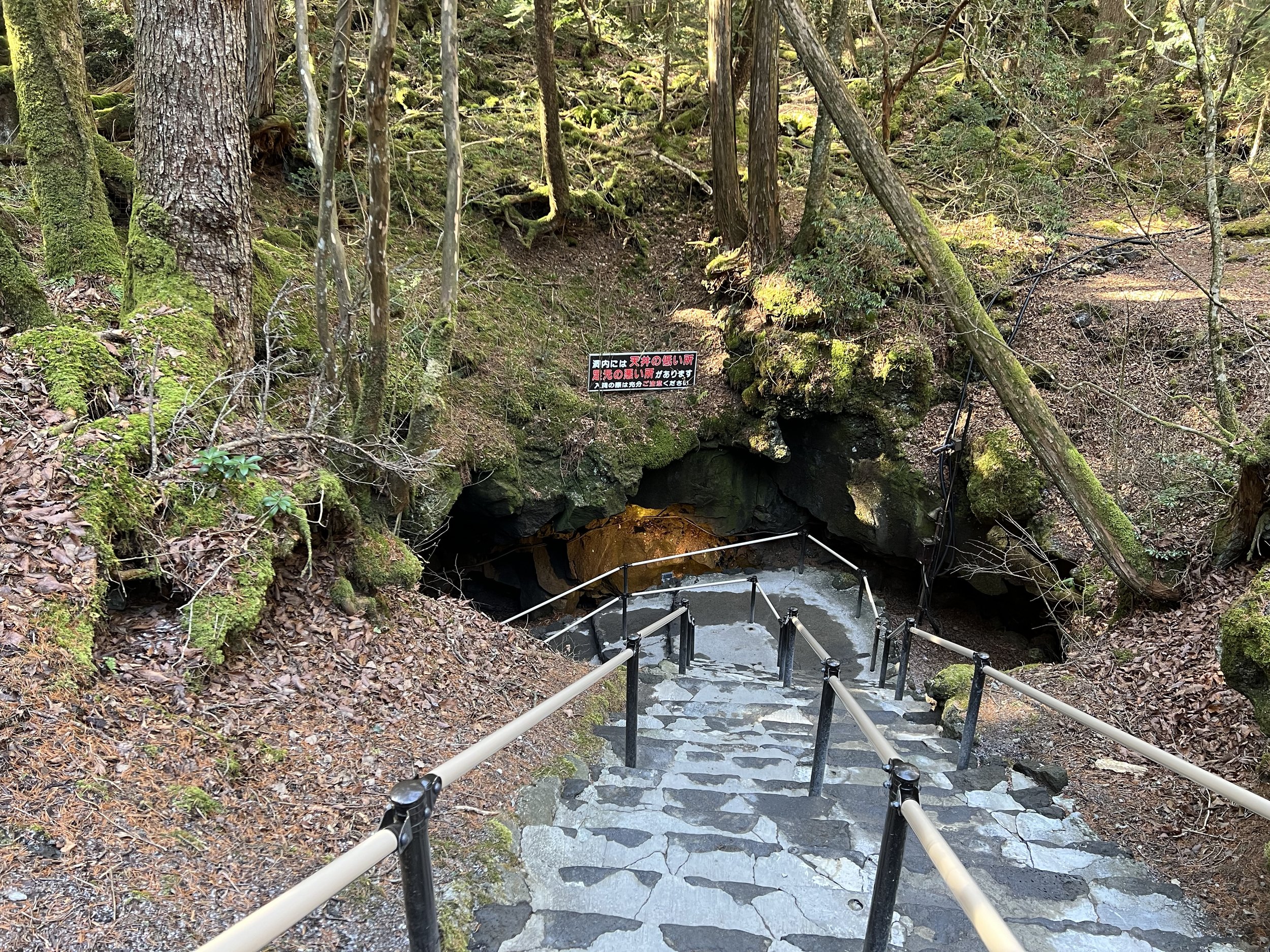
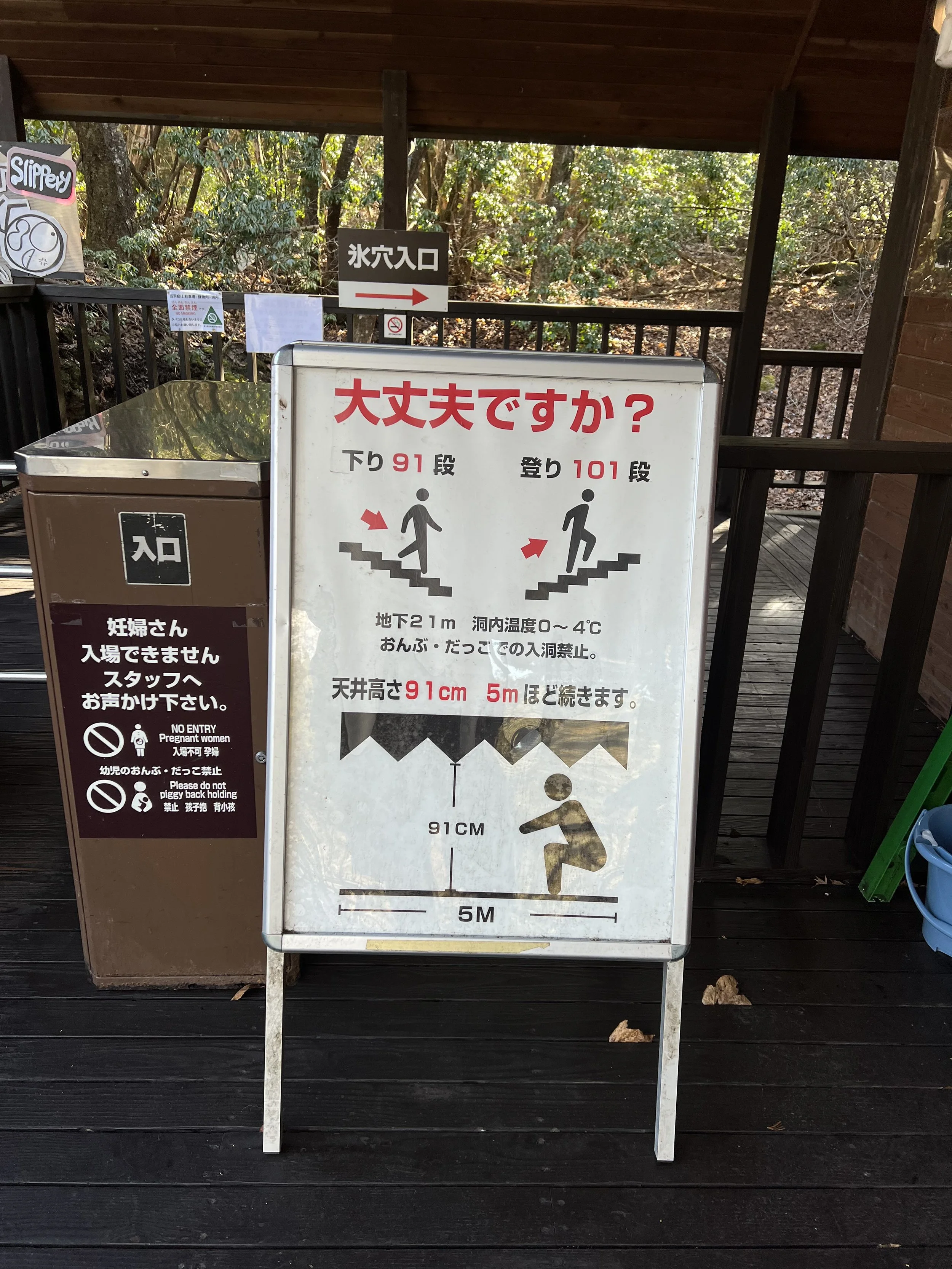
Before long, I arrived at the Ice Cave—and once again, there was barely anyone around. At the entrance, there were clear warnings about low ceilings and steep stairs, which gave me a sense that this cave would be a bit more challenging.
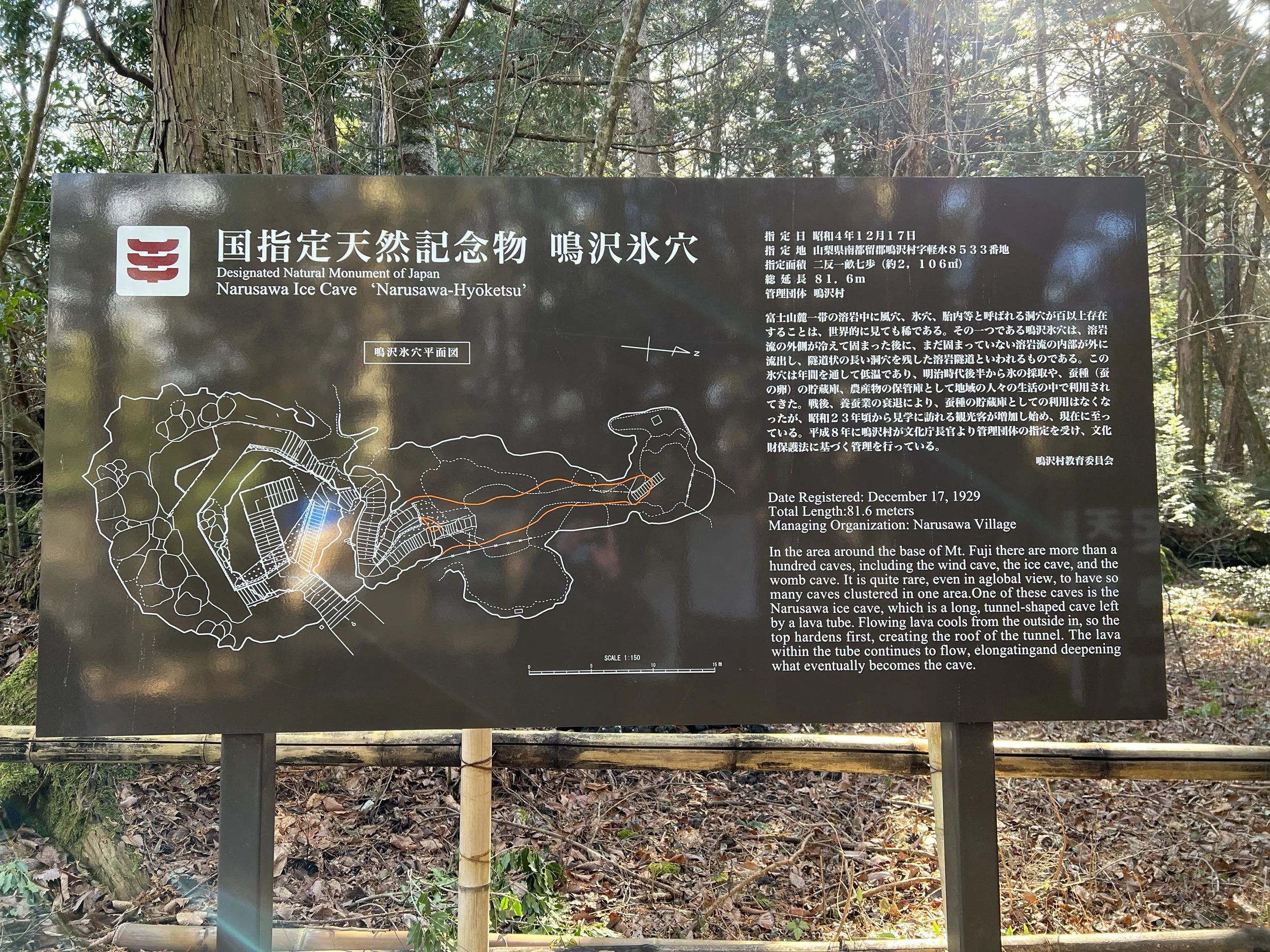
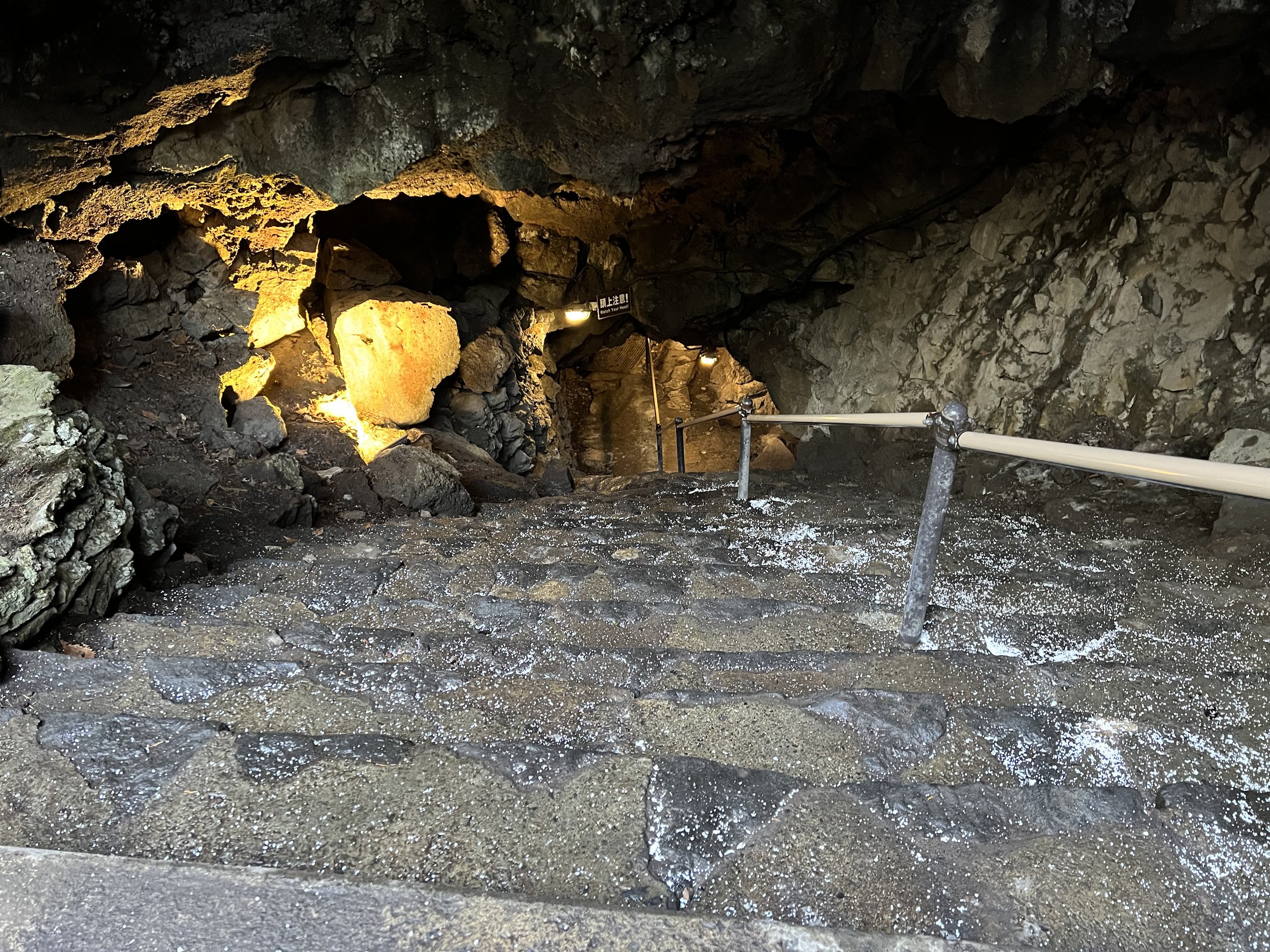
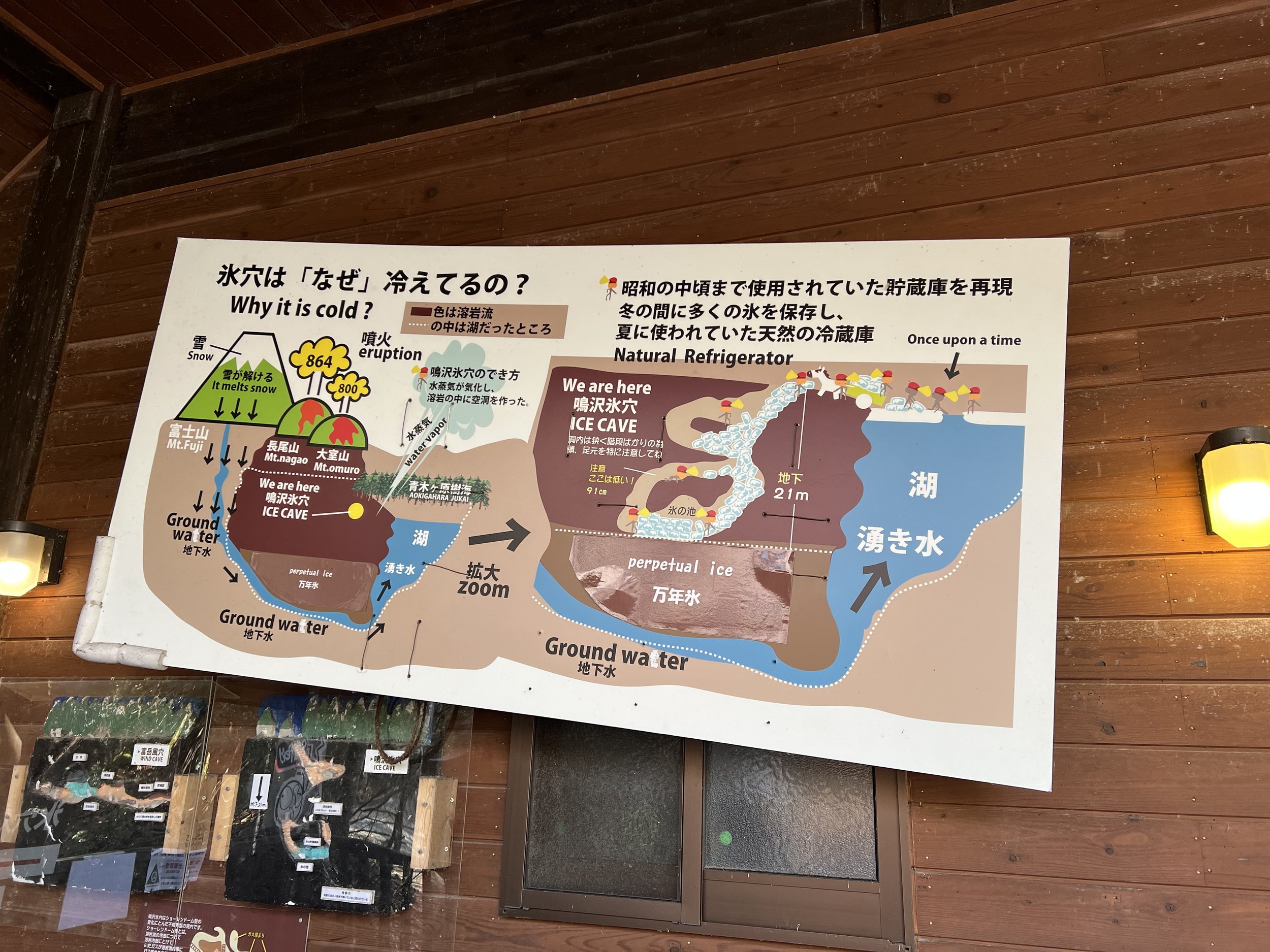
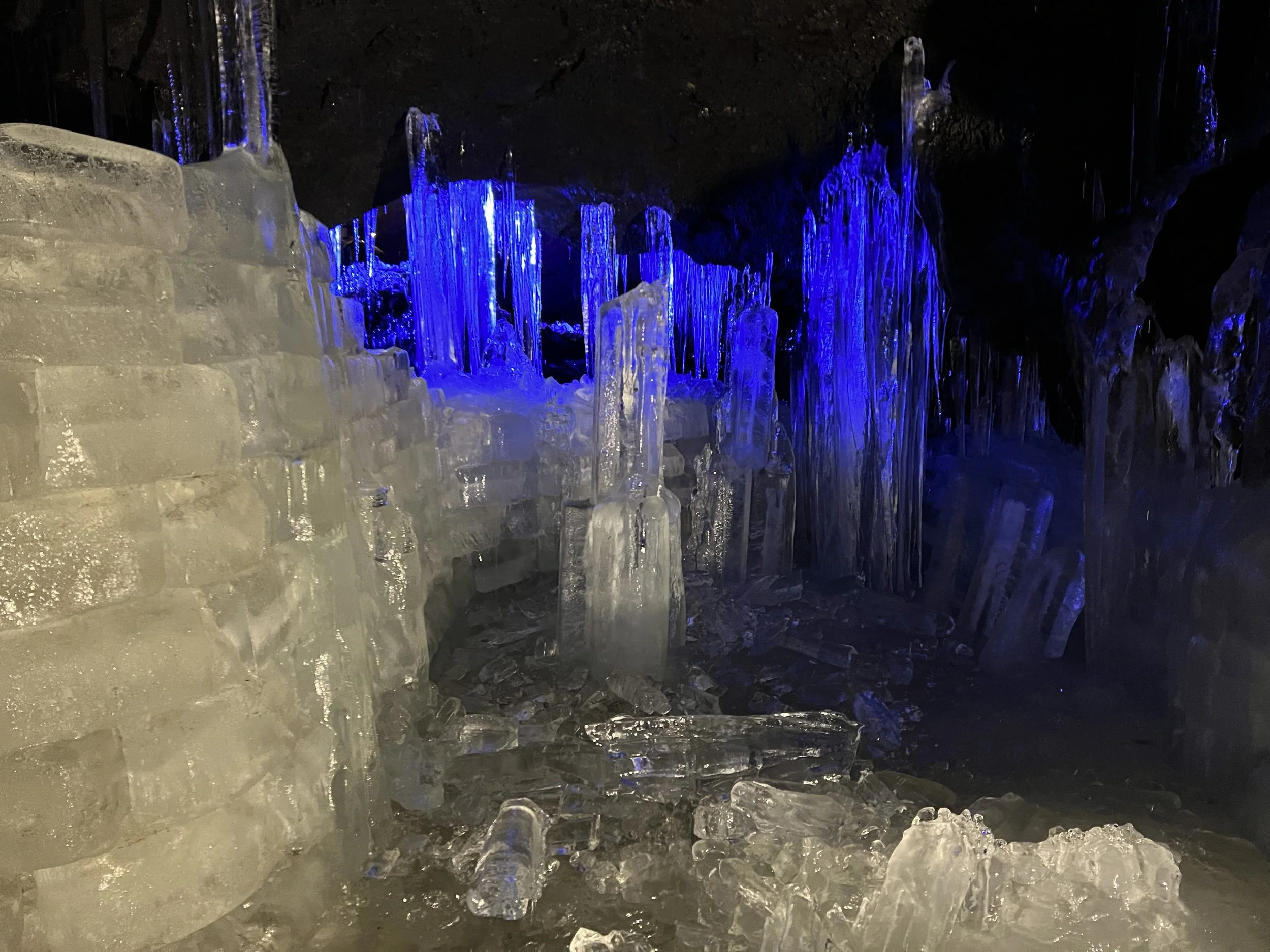
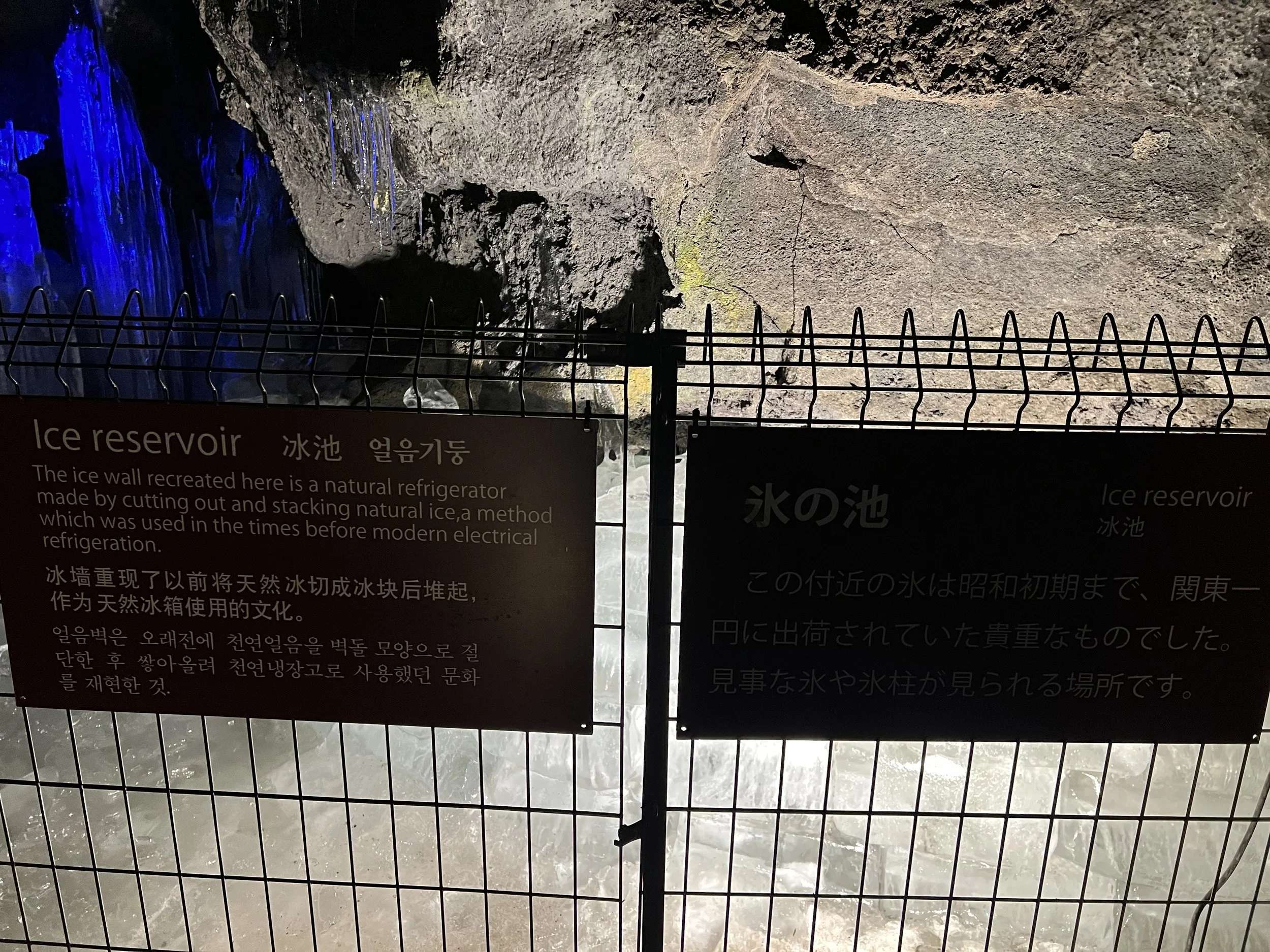
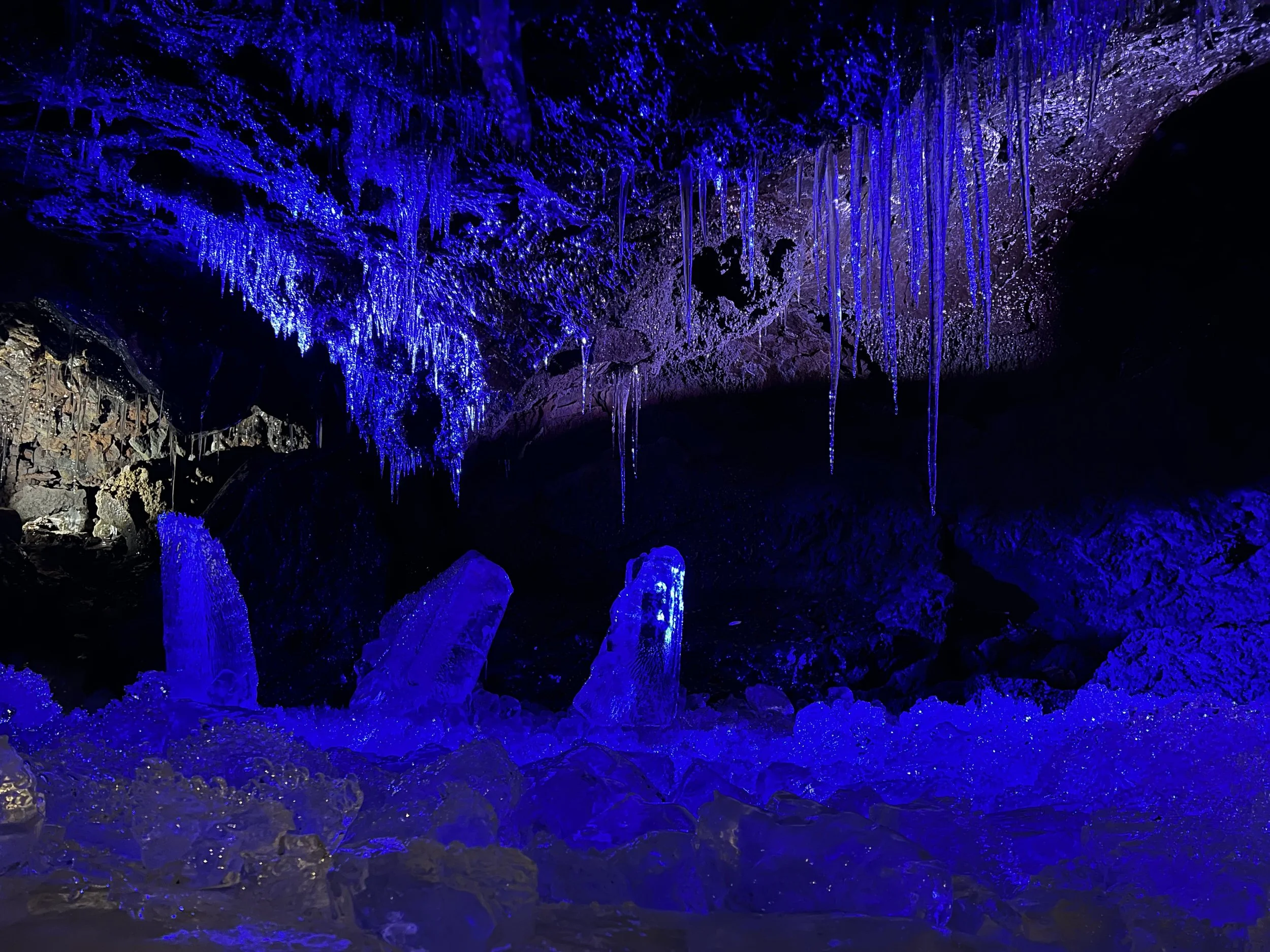
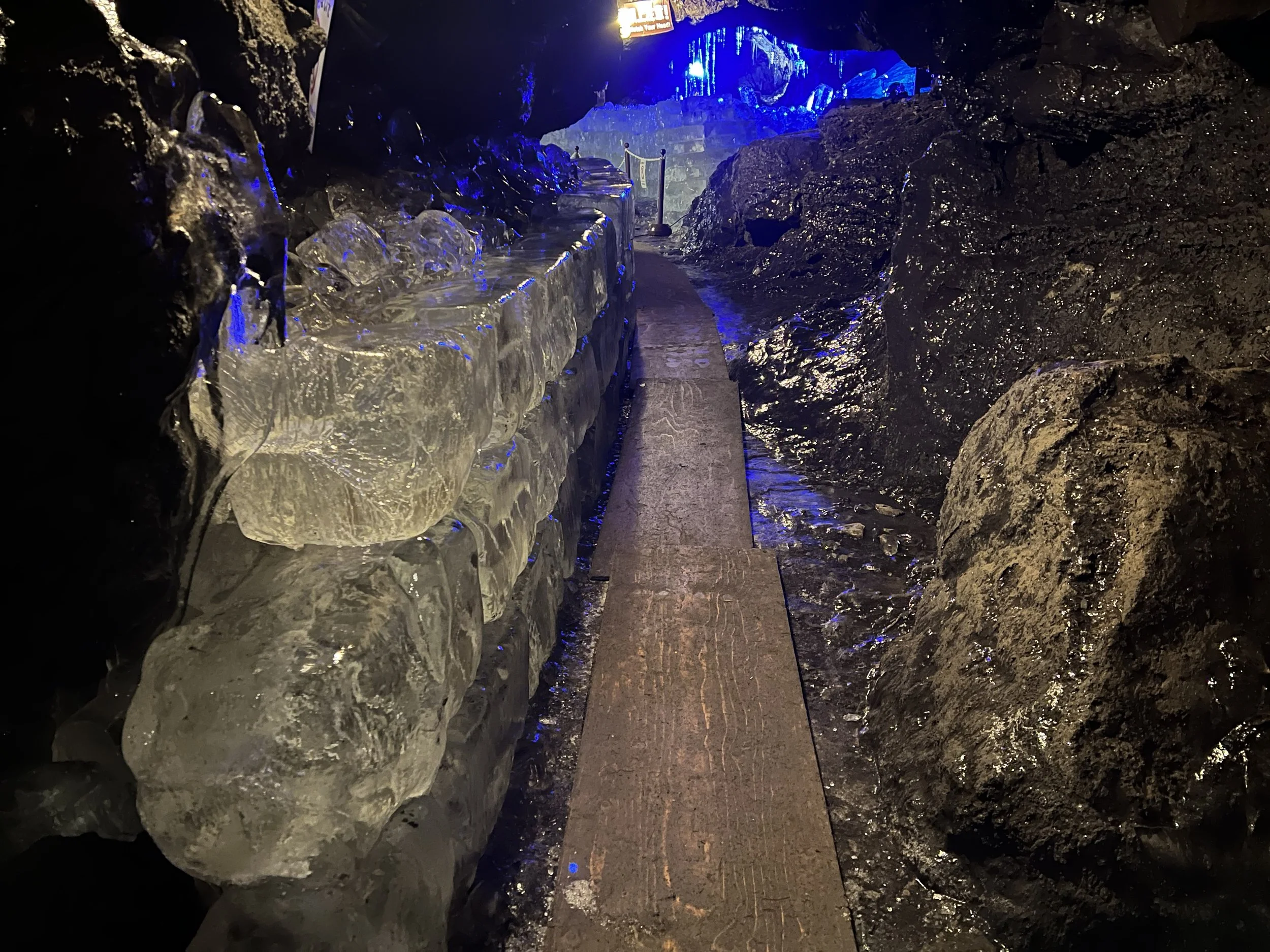
Inside the Narusawa Ice Cave, the temperature felt even colder than the Wind Cave, despite being similar on paper. This cave was historically used to store ice, which would then be preserved for use throughout the year. As I made my way through, I saw various formations including ice reservoirs, pillars, and blocks.
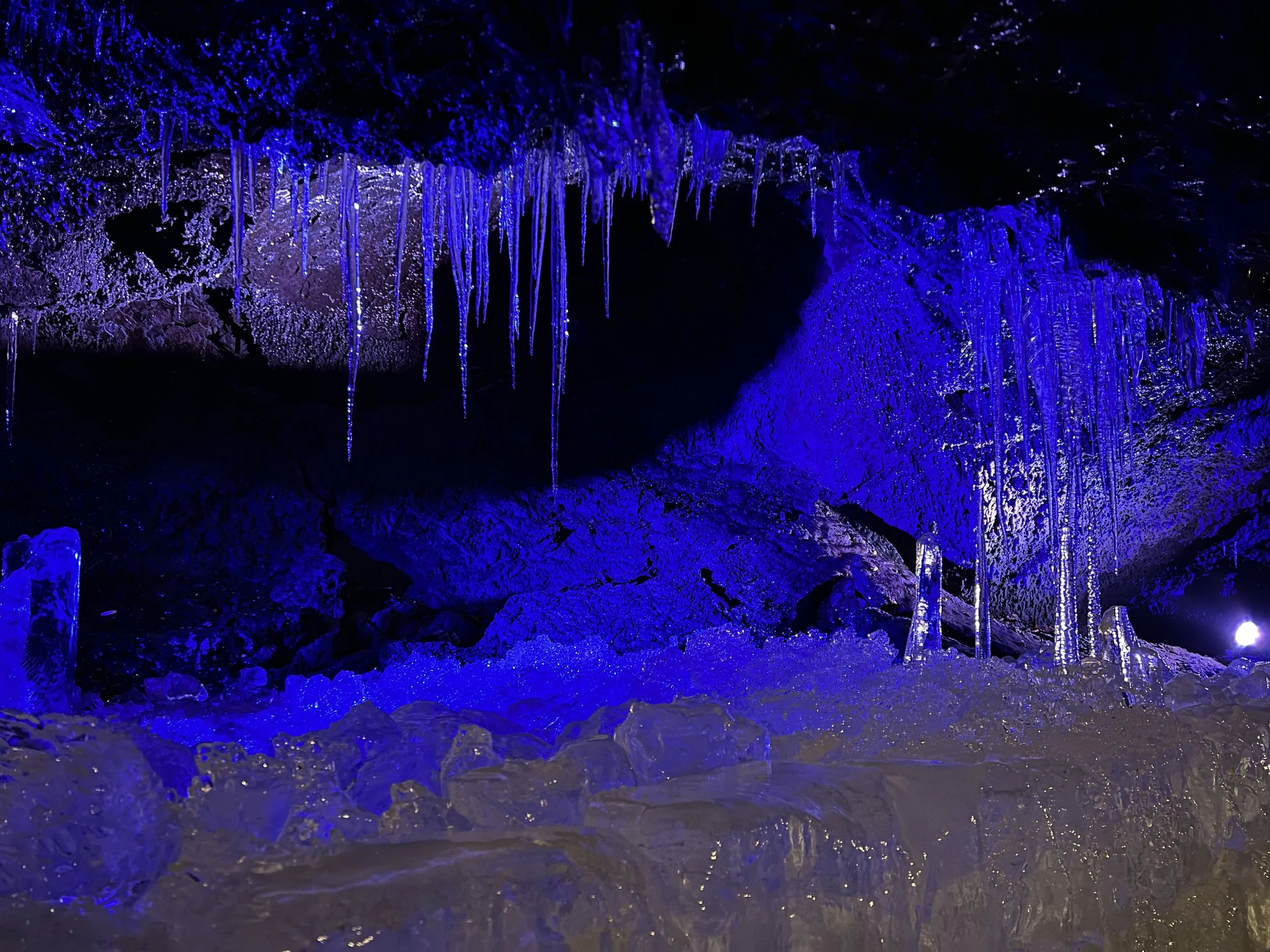
The experience here felt more immersive. The ceilings were low in sections, requiring some careful navigation, and parts of the path were slightly slippery. Water droplets seep from the ceiling and gradually form icicles, some growing impressively large—over 50 cm in diameter and up to 3 metres high. The cave is dimly lit, with lighting placed to highlight these icy formations, creating a surprisingly beautiful contrast against the dark interior.
After exploring the cave, I stepped back outside and noticed a few more visitors starting to arrive. Even so, it never felt crowded. Compared to other attractions in the area, this spot seemed a bit more under the radar, which made the experience even more enjoyable.
Overall, visiting both caves offered a different perspective on Mount Fuji’s volcanic history—one that goes beyond the usual viewpoints and into something more hidden and unexpected.
History & Background
The Narusawa Ice Cave (鳴沢氷穴) and Fugaku Wind Cave (富岳風穴) were both formed during eruptions of Mount Fuji over 1,000 years ago, when flowing lava cooled and hardened on the outside while still molten inside, eventually leaving behind hollow tunnels.
The Wind Cave became known for its natural refrigeration properties and was historically used to store agricultural goods like silkworm cocoons. The Ice Cave, on the other hand, was used for storing ice before modern refrigeration, taking advantage of its consistently low temperatures.
Today, both caves are preserved as natural monuments and are part of the Aokigahara Forest region, offering visitors insight into the geological processes that shaped the area.
Getting There
The Narusawa Ice Cave and Fugaku Wind Cave are located northwest of Lake Kawaguchi in the Fujikawaguchiko area. They are accessible by local sightseeing buses, including the Saiko Line (Green Line), which connects major attractions around the Fuji Five Lakes region.
Visitors can board the bus from Kawaguchiko Station and get off at Fuketsu Bus Stop for the Wind Cave. From there, it’s a short walk to the entrance. The Ice Cave is approximately a 20–25 minute walk away via a forest trail or can also be reached by bus. Driving is another convenient option, with parking available near both caves.
Route Overview
Distance: 2.84 km (Fuketsu Bus Stop → Narusawa Ice Cave)
Total elevation gain: 36 m
Duration: 20 min (with breaks 30 min)
Difficulty: Easy
Cost Breakdown
Bus: Saiko-Iyashinosato-nenba Bus Stop → Fuketsu Bus Stop — ¥270
Entrance Fee: Fugaku Wind Cave & Narusawa Ice Cave Combo Ticket — ¥600
Food: ¥1,500