Nakasendo Trail - Magome to Nagiso – Gifu/Nagano, Japan
I was excited for my hike on the Nakasendo Trail, one of the Edo-period trade routes connecting Tokyo and Kyoto. This historic trail passes through old post towns, many of which still retain their traditional charm.
I had planned an early start but ended up sleeping in. I first stopped by the tourist information centre next to the train station, unsure which bus bay to use. The staff explained the bus number and showed me the correct bay. The bus arrived shortly after, and just as it was about to depart, staff from the centre waved at the driver—the bus stopped, and a few more passengers hopped on.
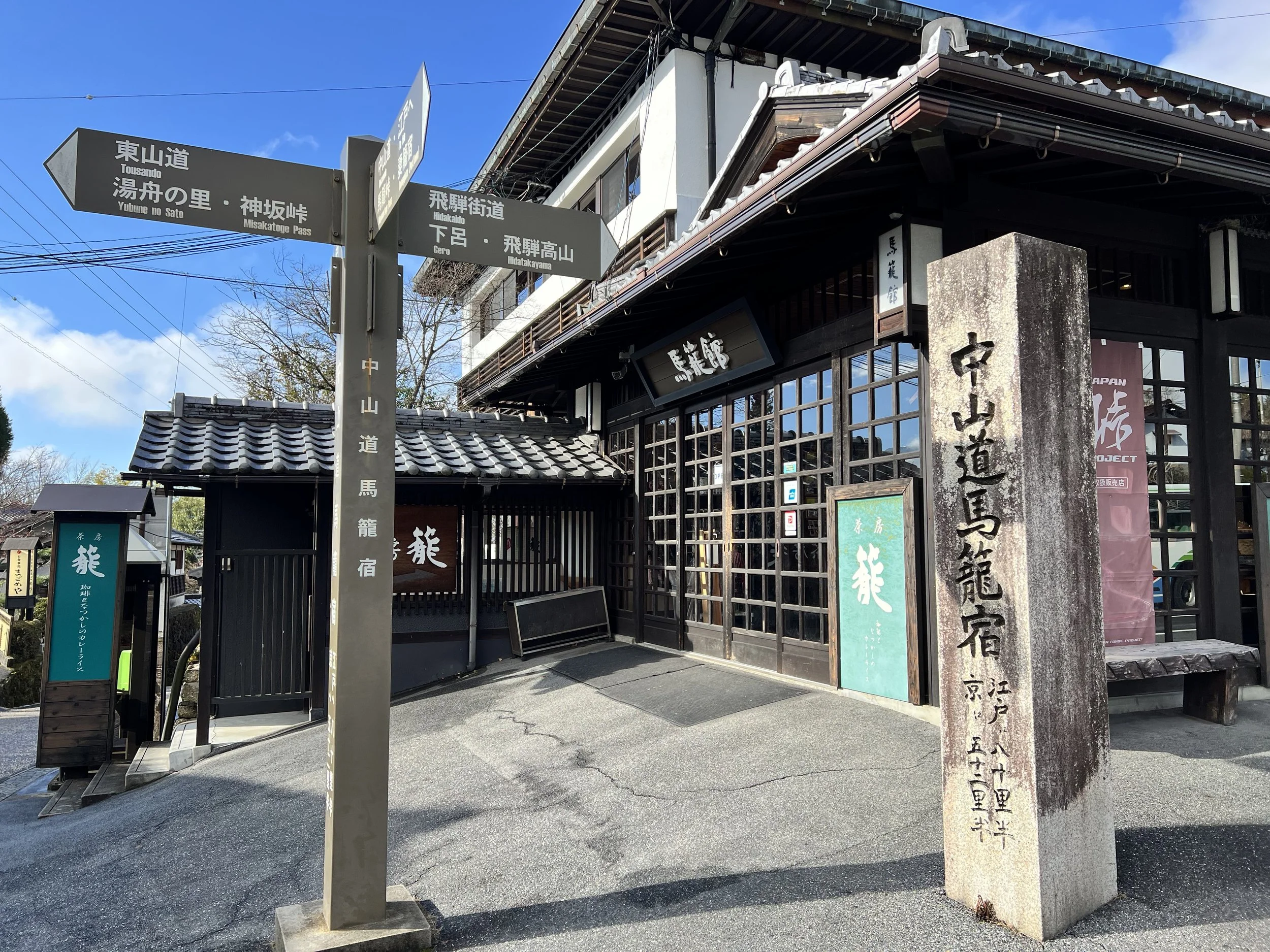
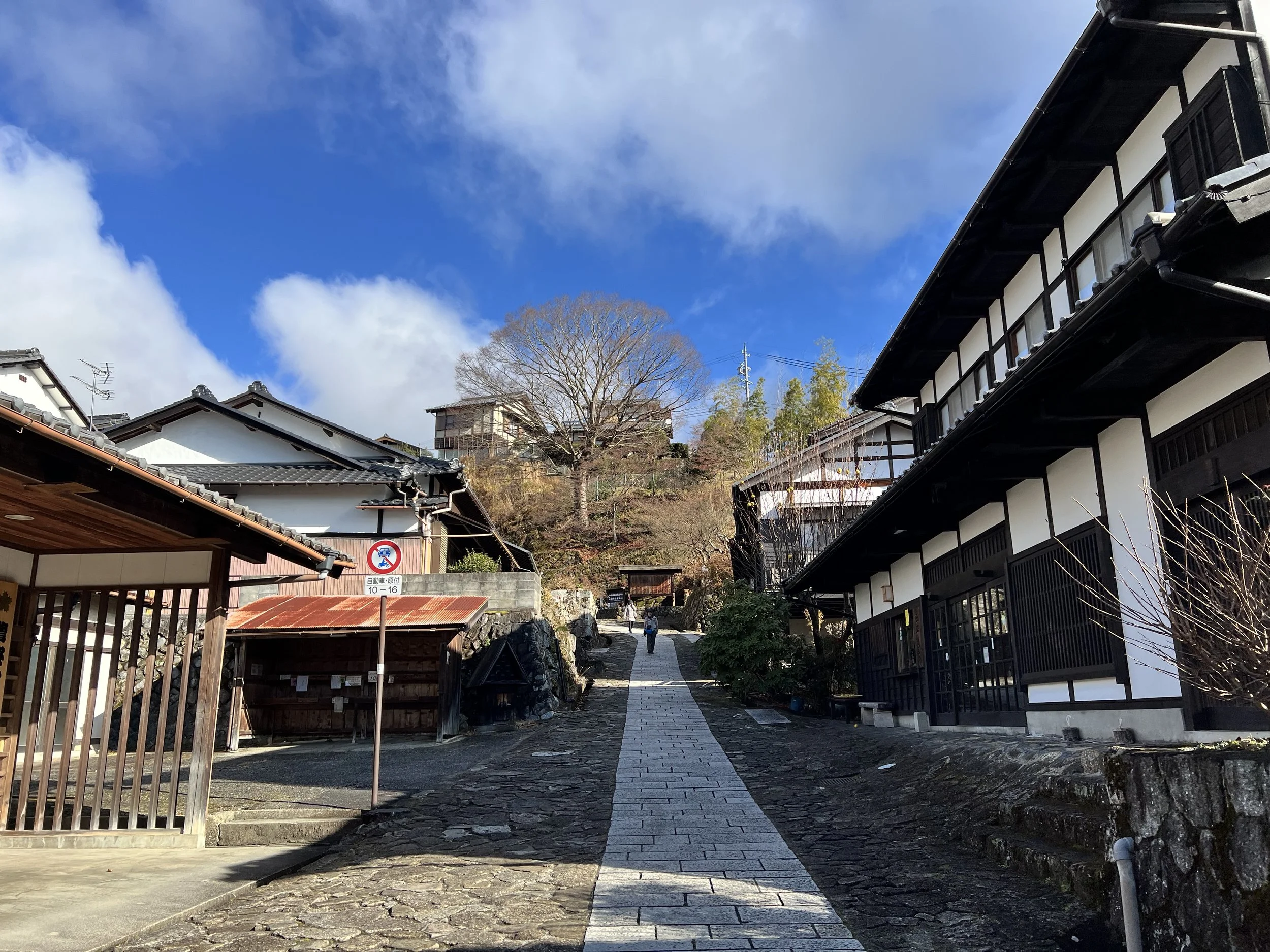
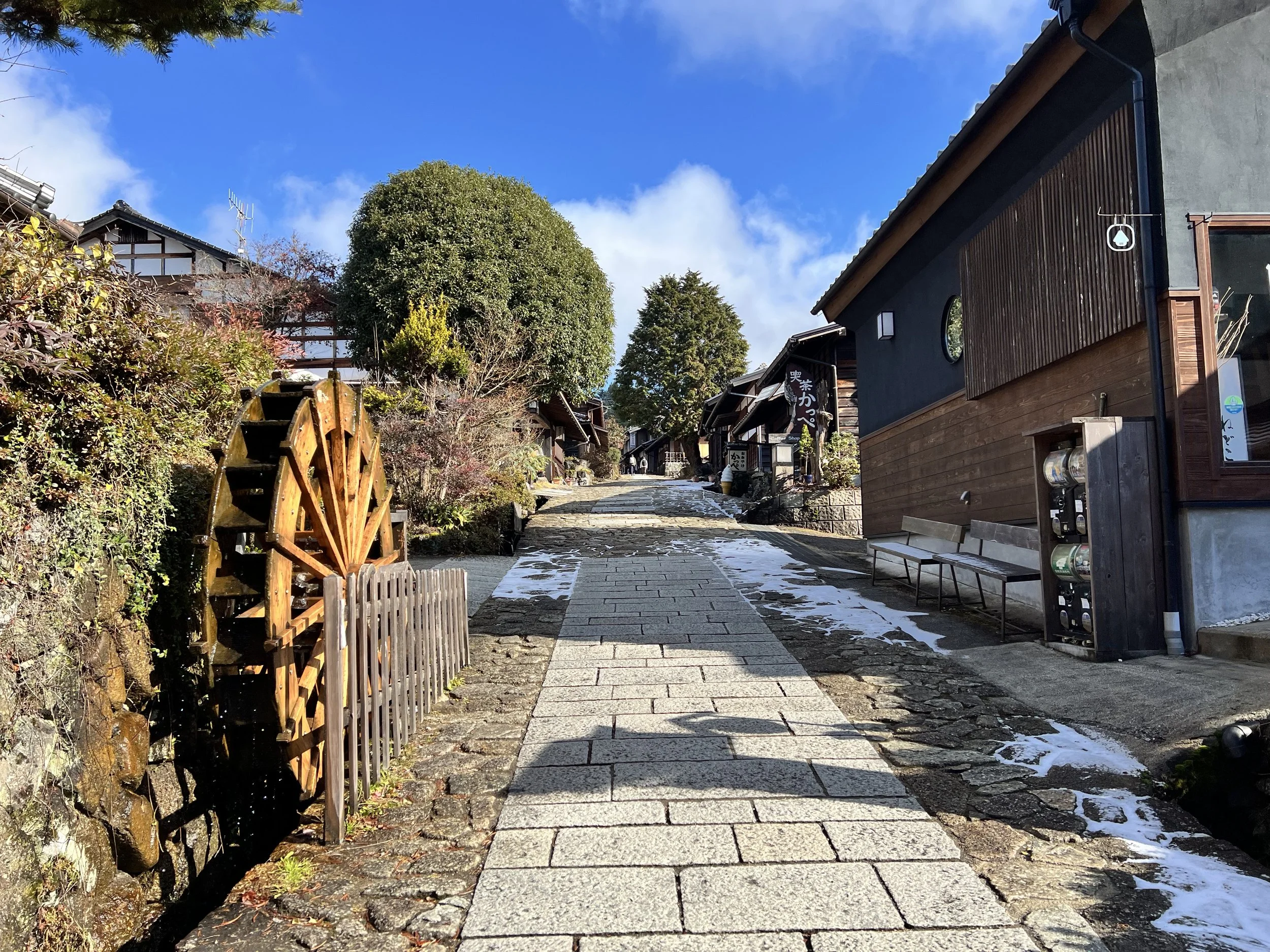
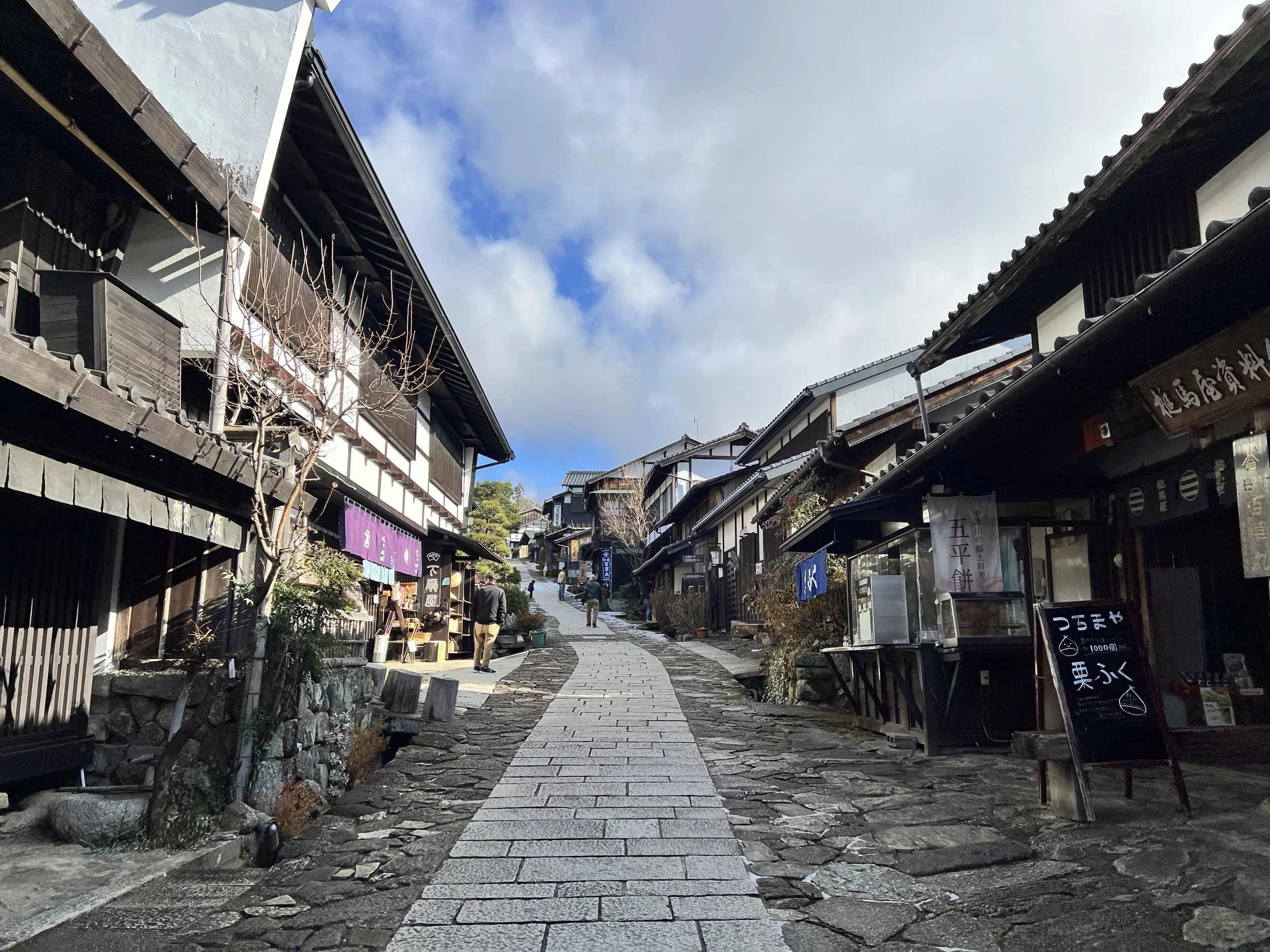
The ride took less than 15 minutes, dropping me at the trailhead. The information centre at Magome-juku was extremely helpful, sharing details about trail conditions. I used the facilities before setting off. Even before starting the hike, the streets radiated a nostalgic charm. Although not many shops were open, I admired the Edo-style architecture as I gradually descended the stone-paved slope.
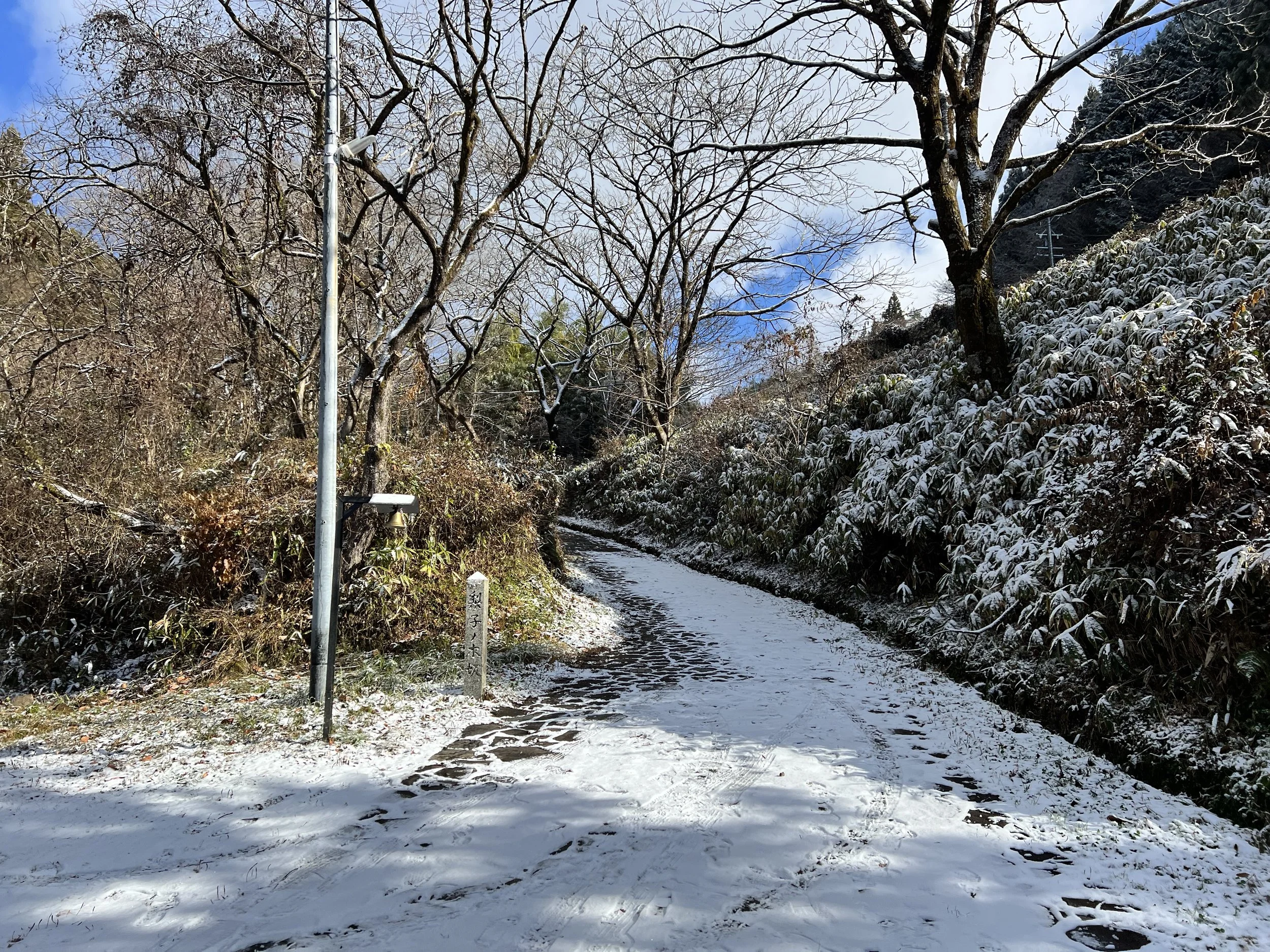
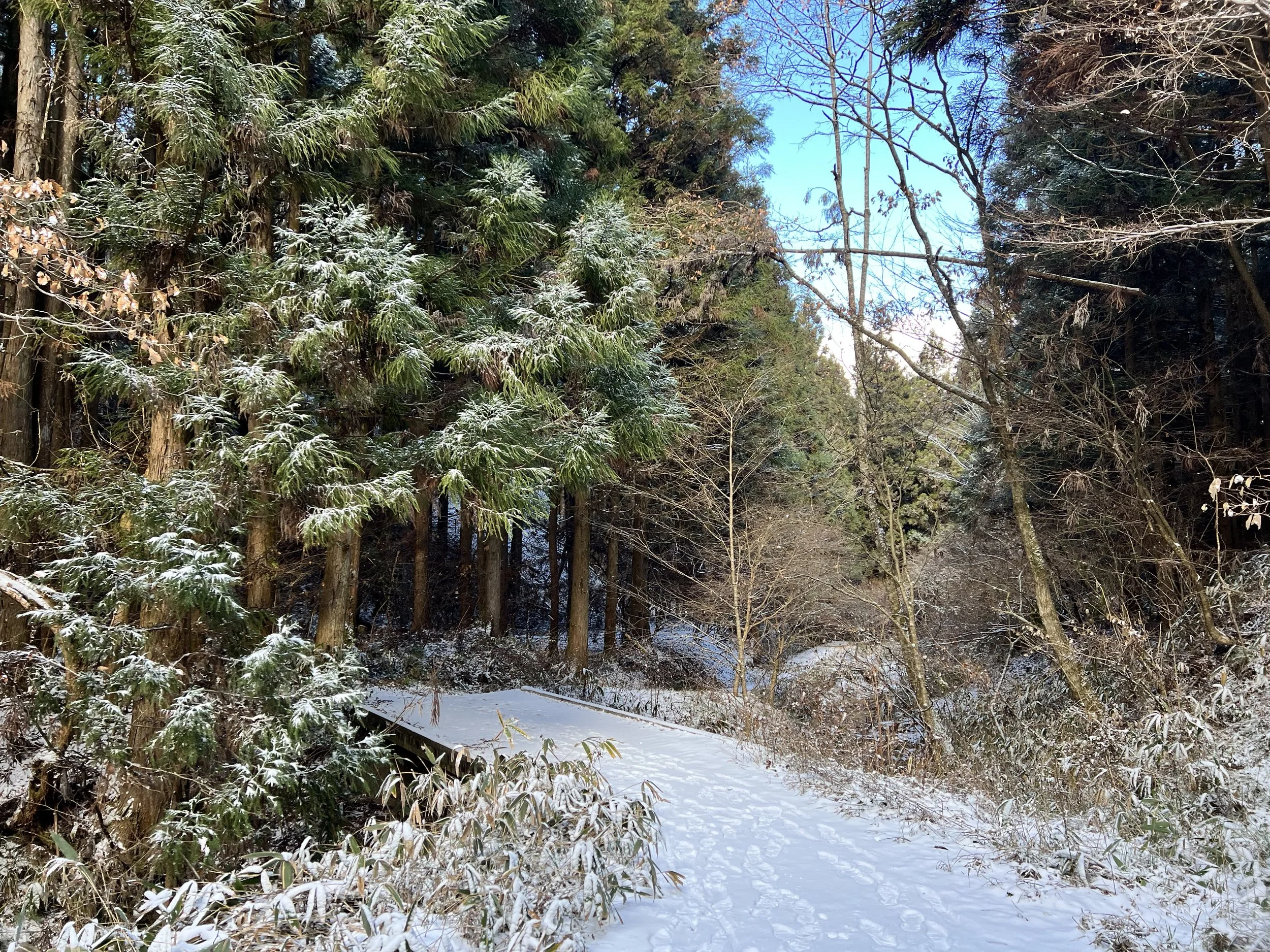
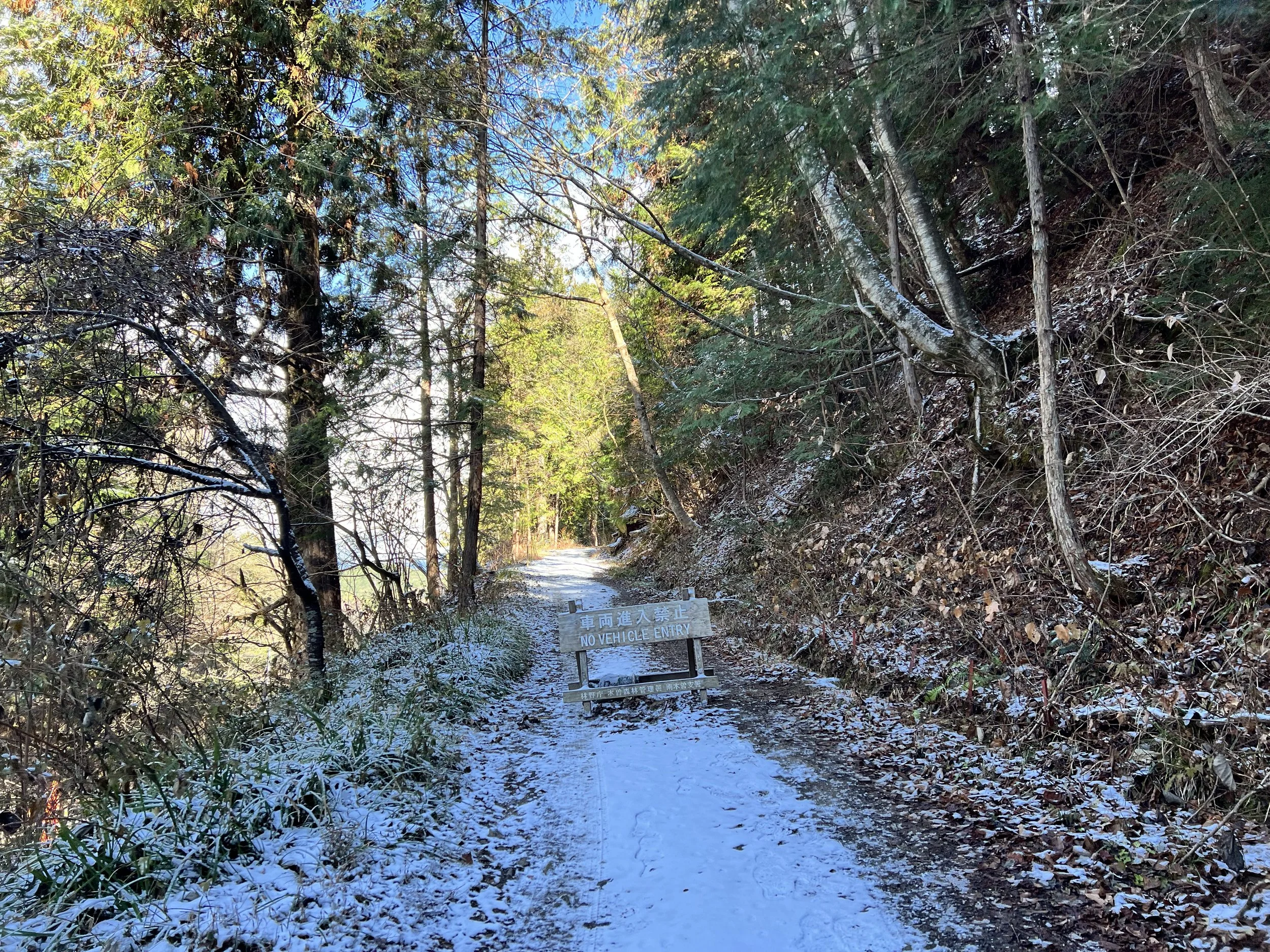
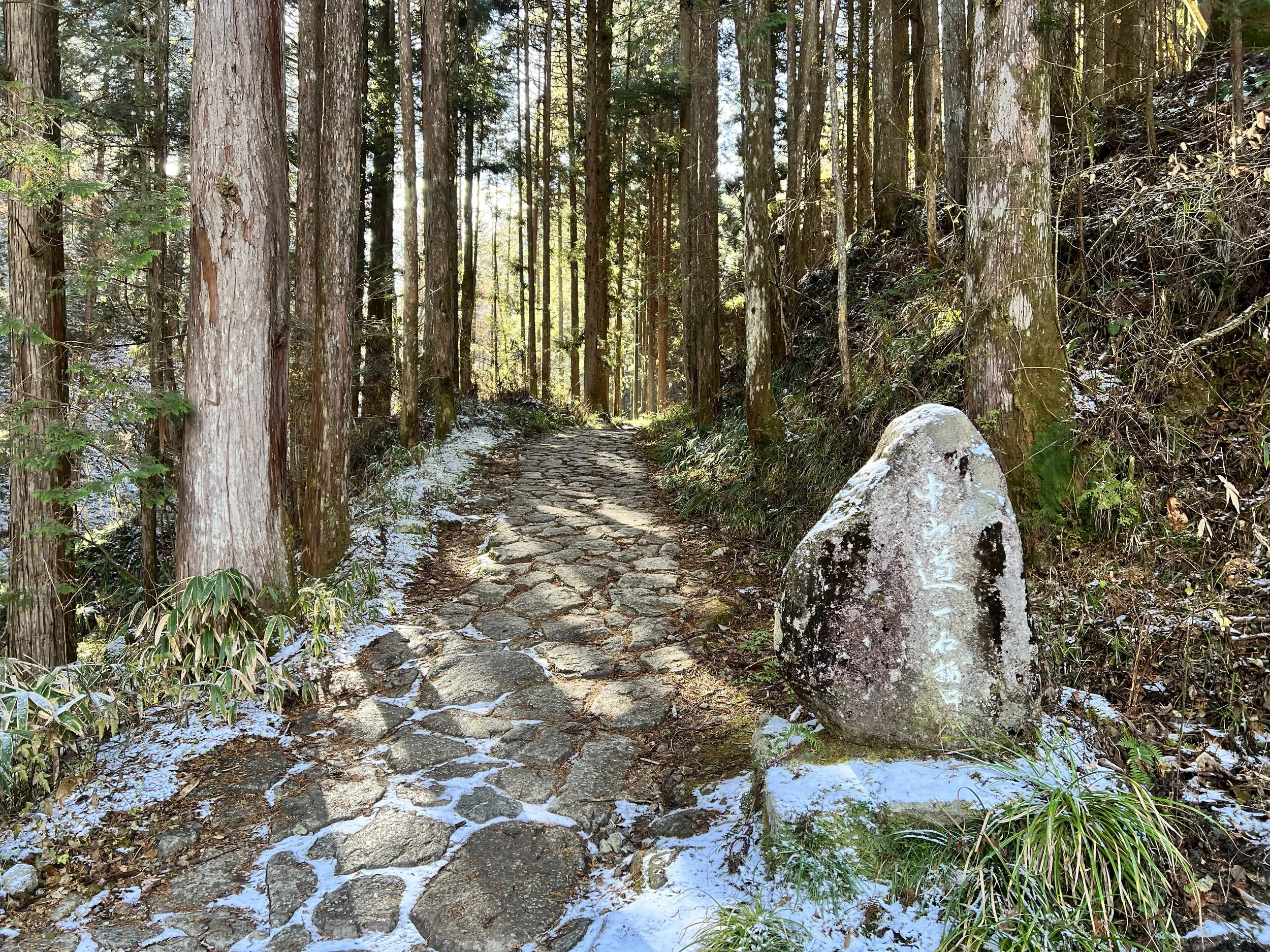
Wooden hiking sticks were available to borrow, and I took one, anticipating snow and not wanting to unpack mine. I hoped the path wouldn’t be too icy. The trail was well-marked, but I kept my offline GPS handy just in case. The first section was easy to navigate; the snow-covered trail was soft and not slippery.
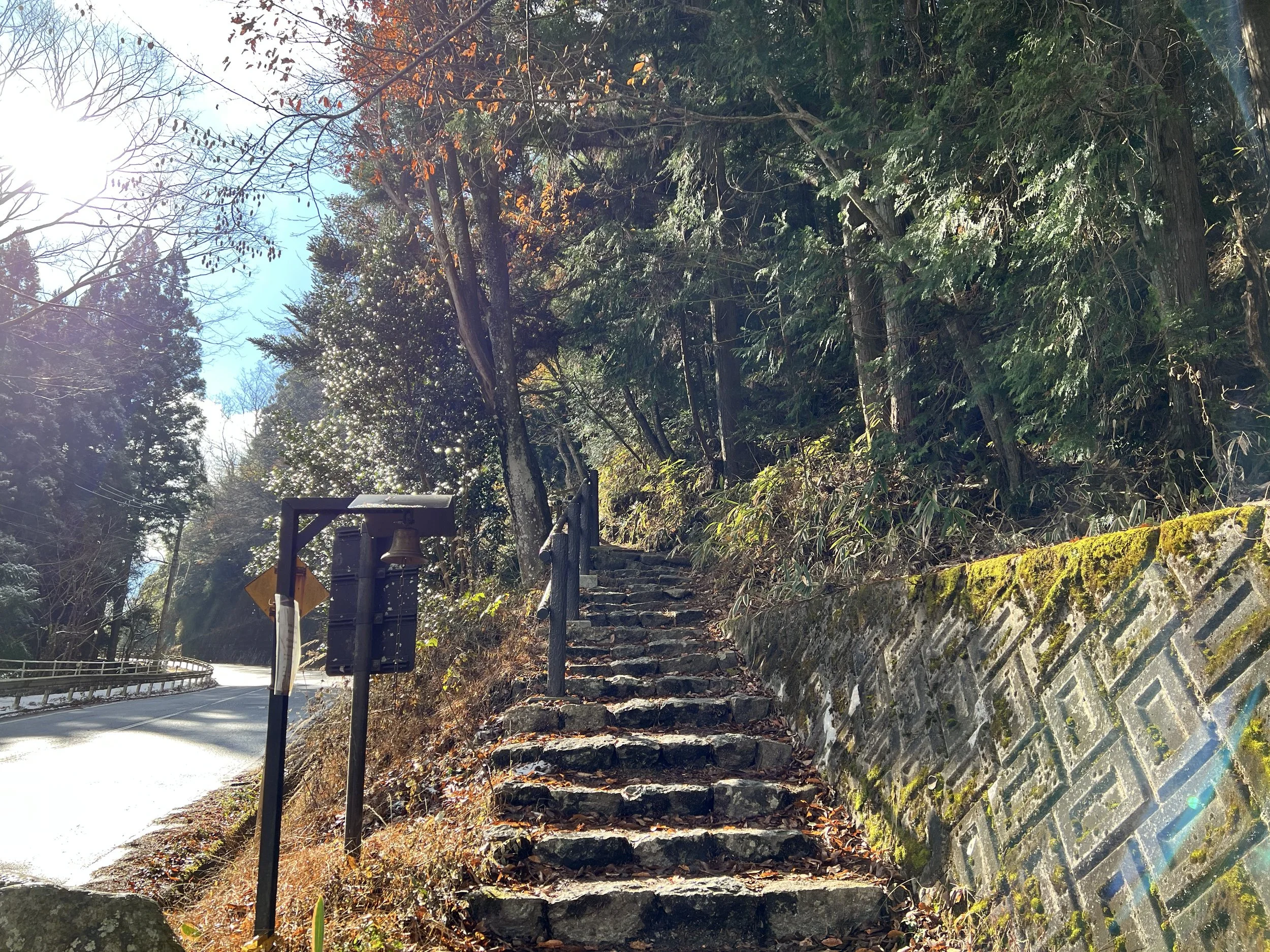
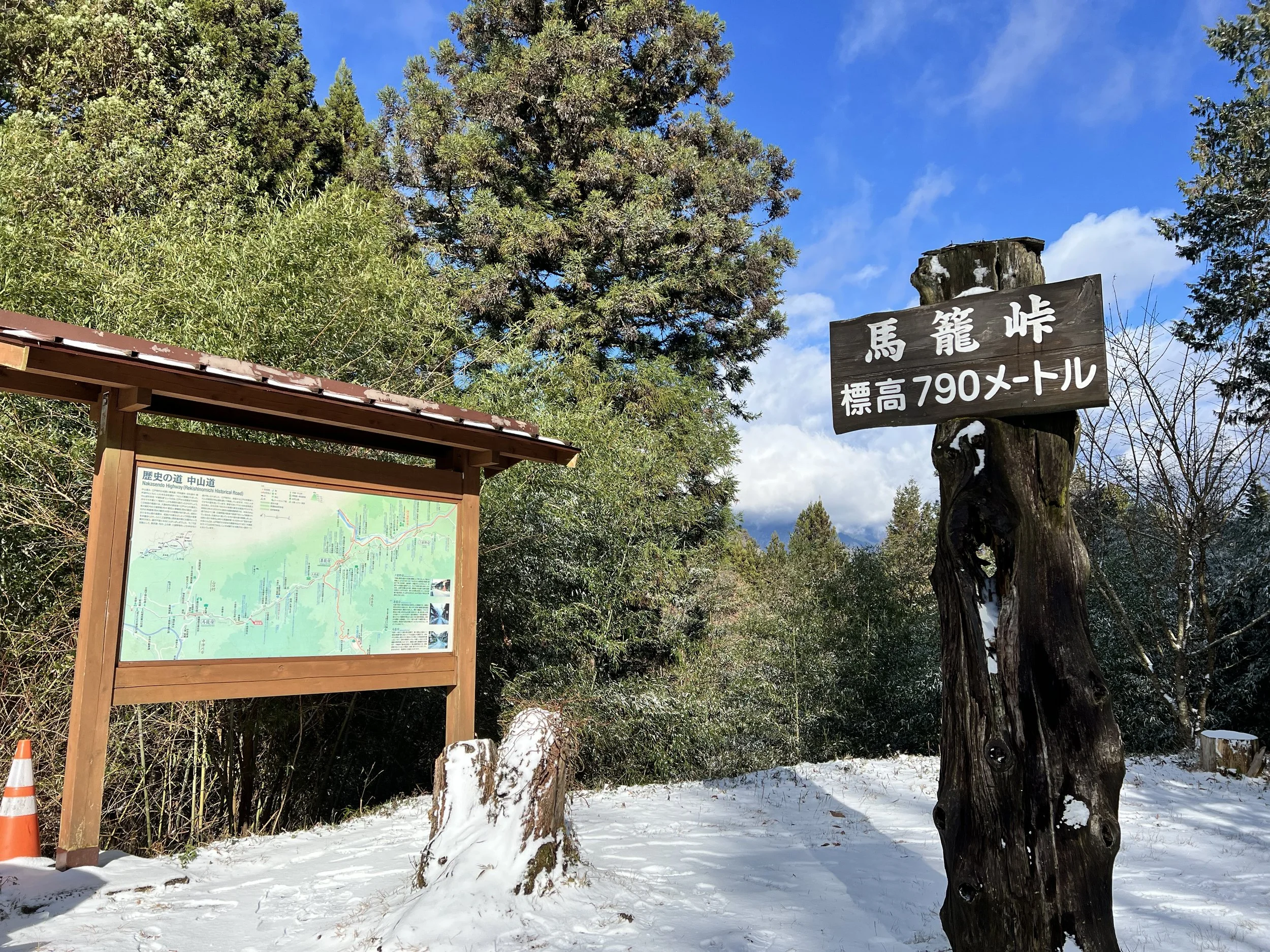
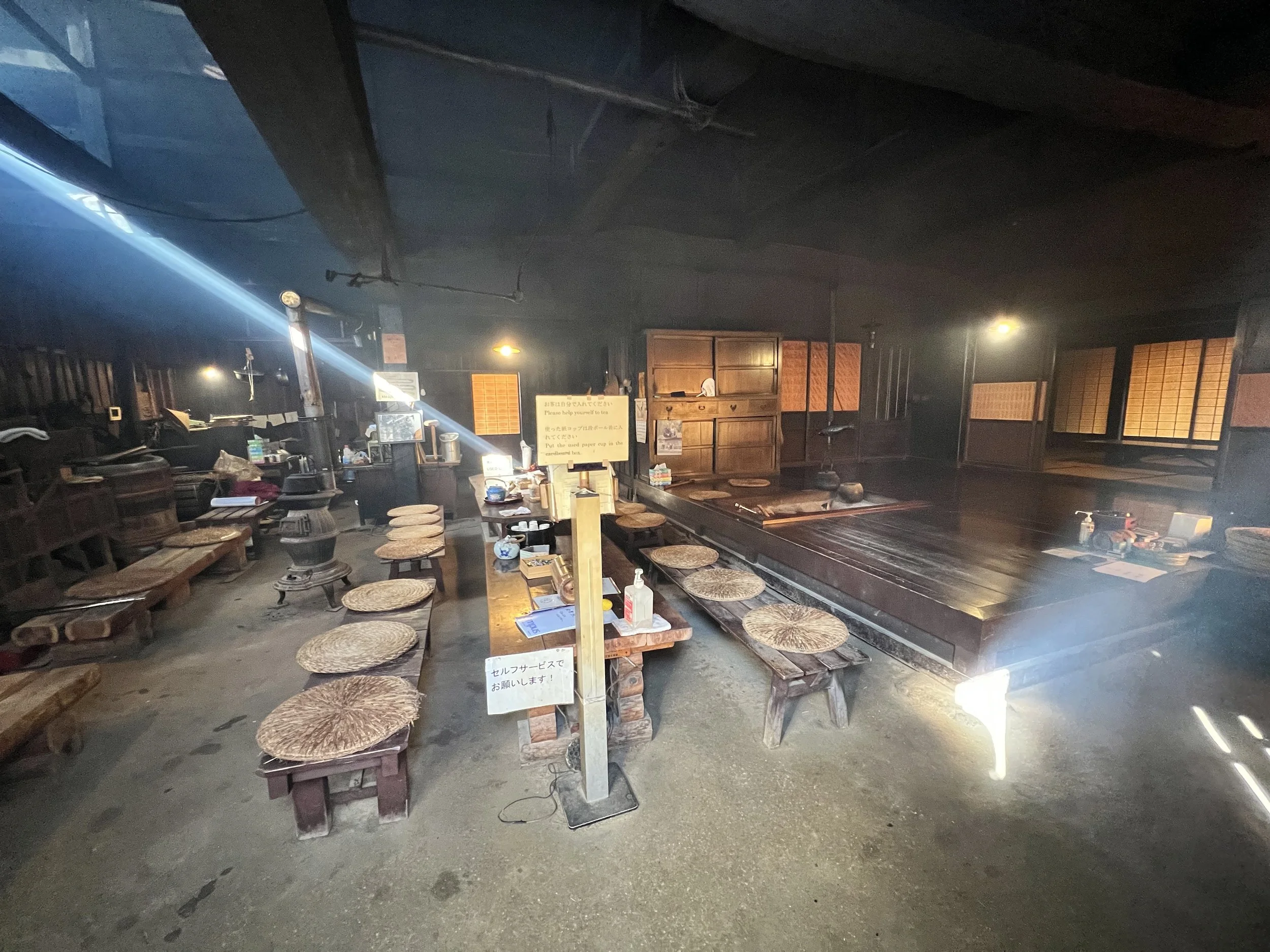
I quickly reached Magome Pass at 790 m. From there, the descent was slightly slippery but manageable. Along the way, I stopped at a rest house offering free tea and a warm break. A blackboard invited hikers to mark their country—it seemed I was the only one from Canada that day.
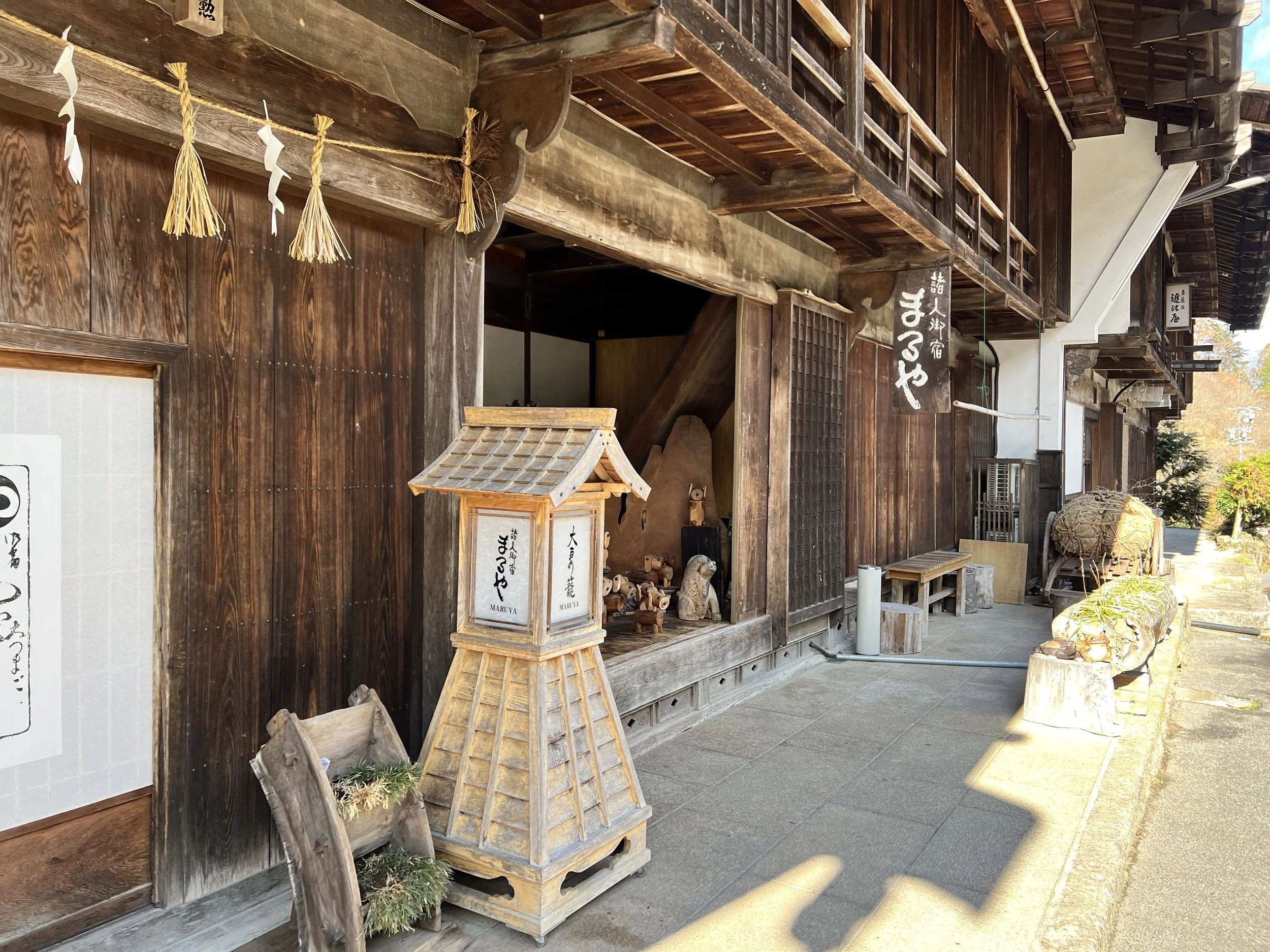
The route to Tsumago passes through small villages and old inns. I arrived in about 1 hour 45 minutes and was once again impressed by the buildings and stone-paved streets. I stopped at a small café, where friendly locals greeted me, curious about my t-shirt and shorts in winter. I told them I had hiked from Magome, wasn’t cold, and was continuing toward Nagiso. They shared insights about their town and wished me luck. After my coffee, I visited the tourist centre at Tsumago, which had a wealth of information. I found a booklet on the full Nakasendo route, and the staff happily gave me a copy. I also collected a completion certificate for the Magome–Tsumago section.
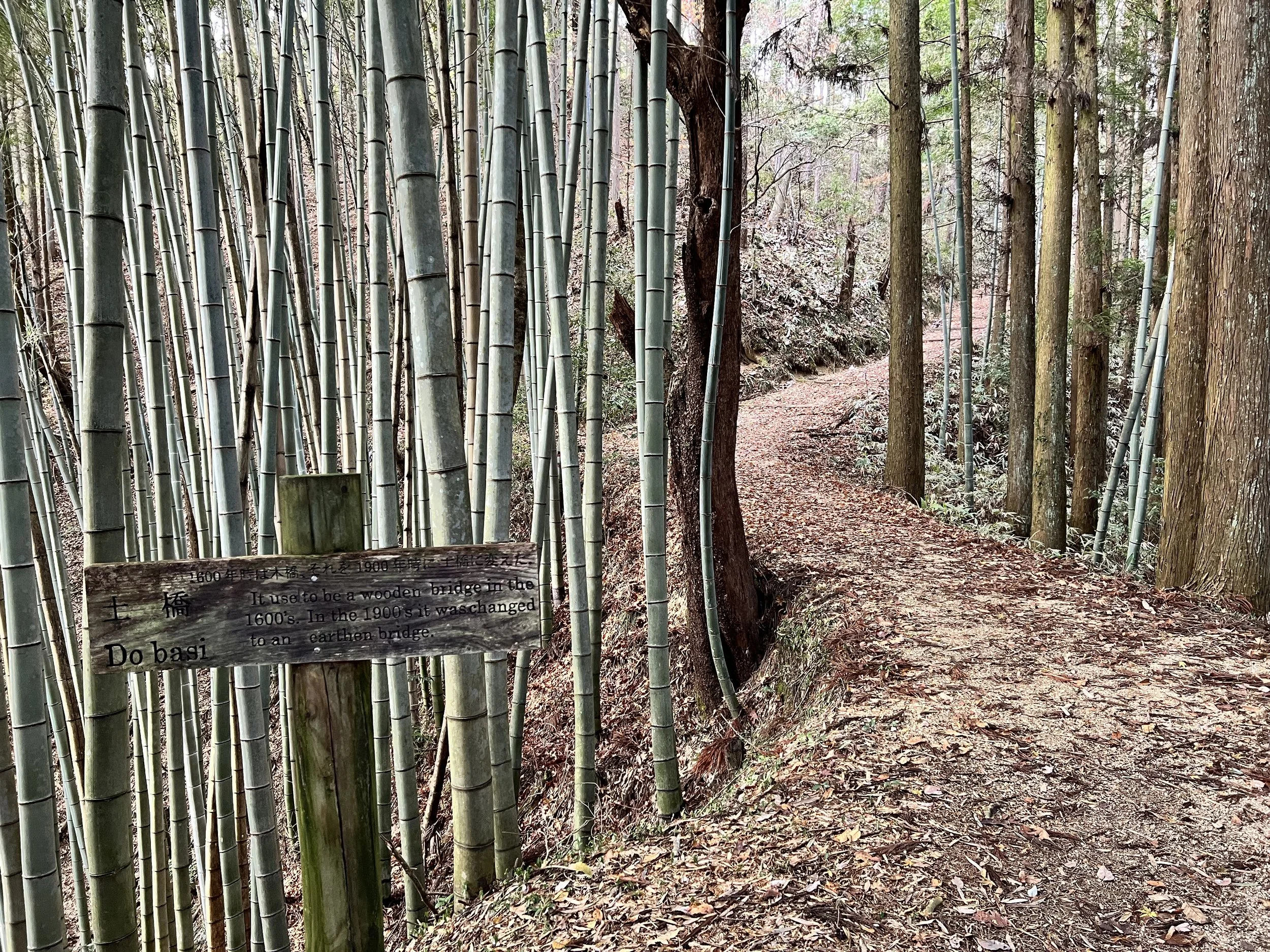
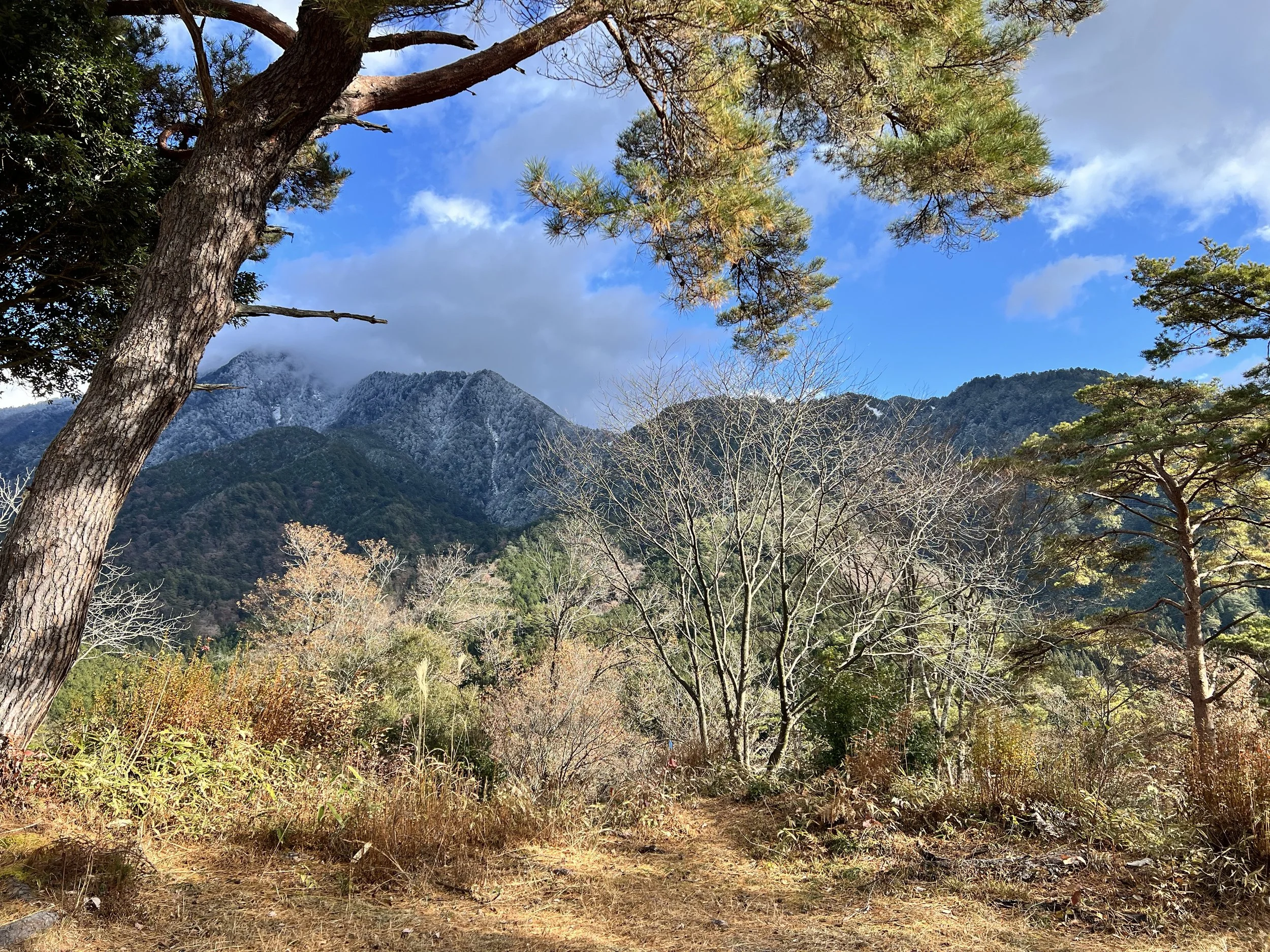
For those seeking a taste of the Nakasendo Trail, Magome to Tsumago is the most popular segment. I continued toward Minami-Nagiso Station, making a detour to the Tsumago Castle Ruins along the way. Walking through bamboo groves led to a stunning panoramic view where the castle once stood—a truly picture-perfect moment.
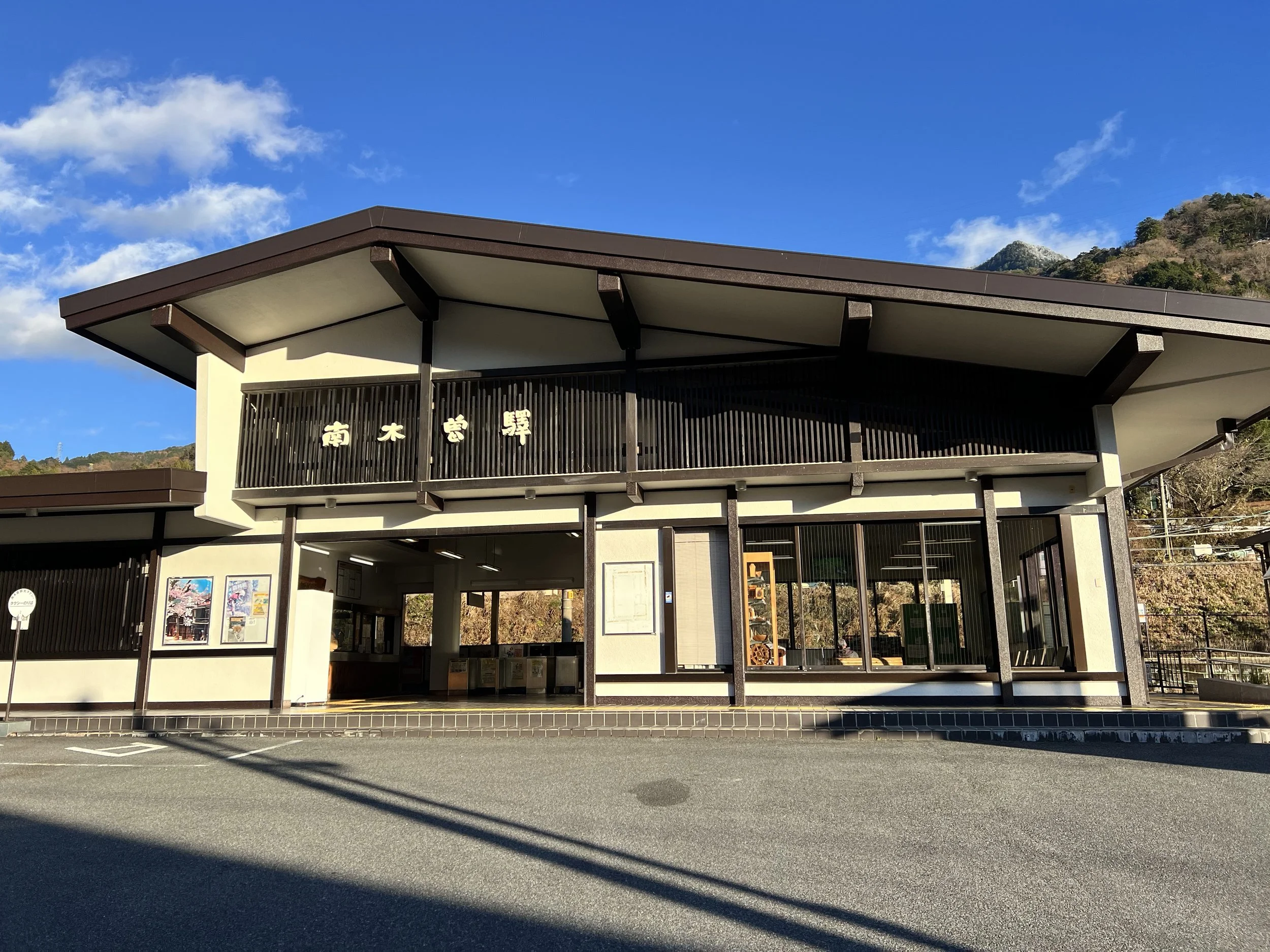
The remainder of the route to Minami-Nagiso Station was mostly on paved road. I arrived with over an hour to spare and was relieved to find a heated waiting room before catching my train to Nagano.
History & Background
The Nakasendo Trail (中山道) was one of the five main routes connecting Edo (modern Tokyo) and Kyoto during Japan’s Edo period (1603–1868). Stretching roughly 534 km, it passed through 69 post towns that provided lodging and services for travellers, merchants, and samurai.
The section from Magome to Tsumago preserves much of the Edo-period charm, with stone-paved streets, traditional wooden buildings, and scenic mountain landscapes. Walking this trail is like stepping back in time, offering a glimpse of the daily life and commerce of centuries past.
Getting There
To get to Magome, I took the JR Chuo Line from Nagoya Station to Nakatsugawa Station, then hopped on a local bus for the final 15-minute ride to the village. If you’re coming from other major cities, like Tokyo, Google Maps is a convenient way to plan the best train connections to Nakatsugawa.
Route Overview
Distance: 13.1 km (Magome Bus Stop → Minami Nagiso Station)
Total elevation gain: 440 m
Duration: 2 hr 58 min (with breaks 3 hr 40 min)
Difficulty: Intermediate
Peak: Magome Pass 馬籠峠 790m
Cost Breakdown
Bus: Nakatsugawa Station → Magome — ¥800
Magome–Tsumago Completion Certificate: ¥300