Miyagi Olle - Naruko Hot Spring Trail Course - Miyagi, Japan
Getting out to Naruko Gorge from Sendai wasn’t easy, but I had heard it was one of the most scenic gorges in the Tohoku region, so I decided it was worth the effort. With return trains to Sendai being infrequent, I had to be realistic about how much ground I could cover. I chose an easier option: I would do the majority of the trail and switch to the road once I got close to Naruko-Onsen Station to save a bit of time. If I were staying overnight in the area, I would absolutely commit to the full Miyagi Olle route.
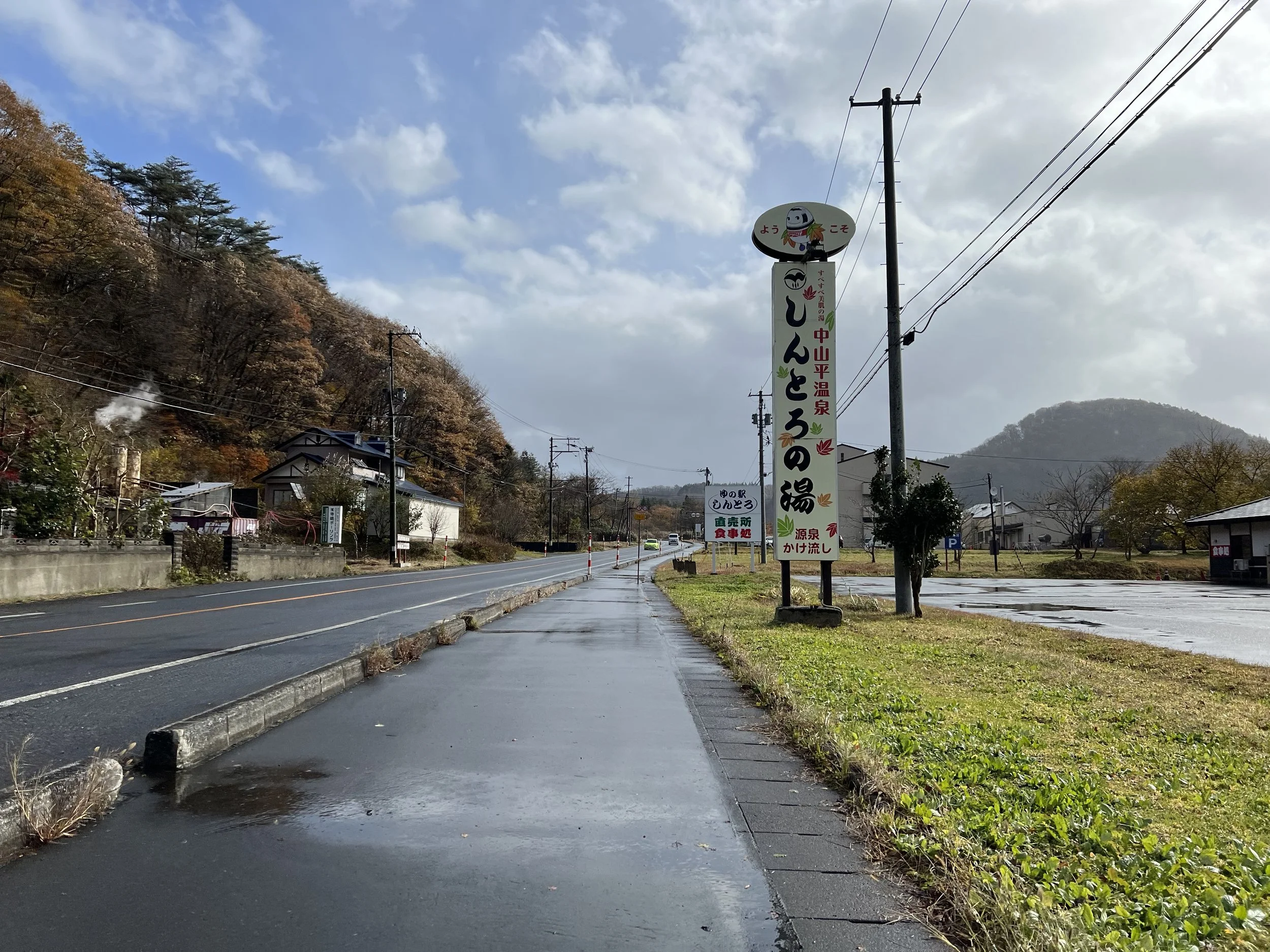
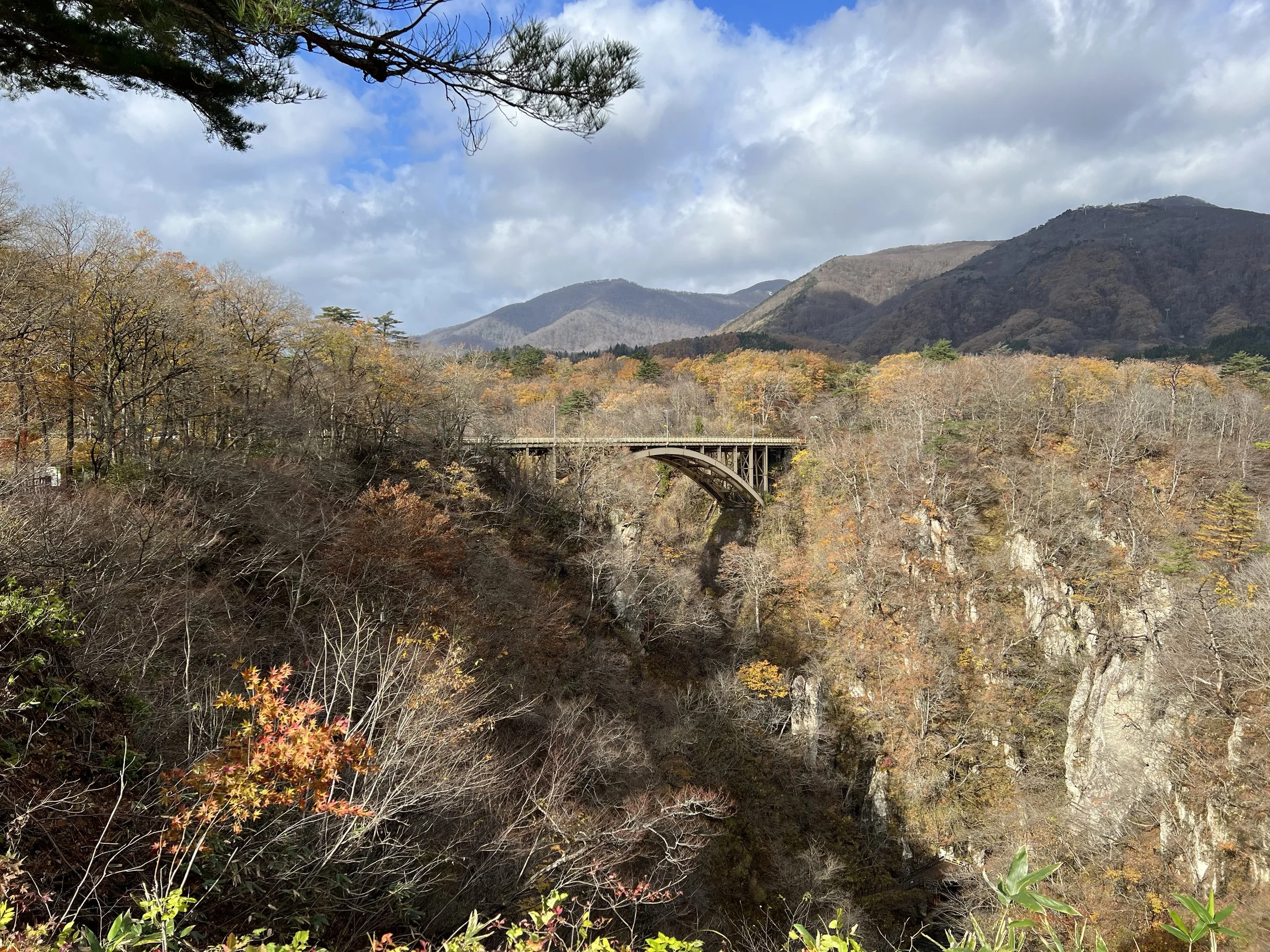
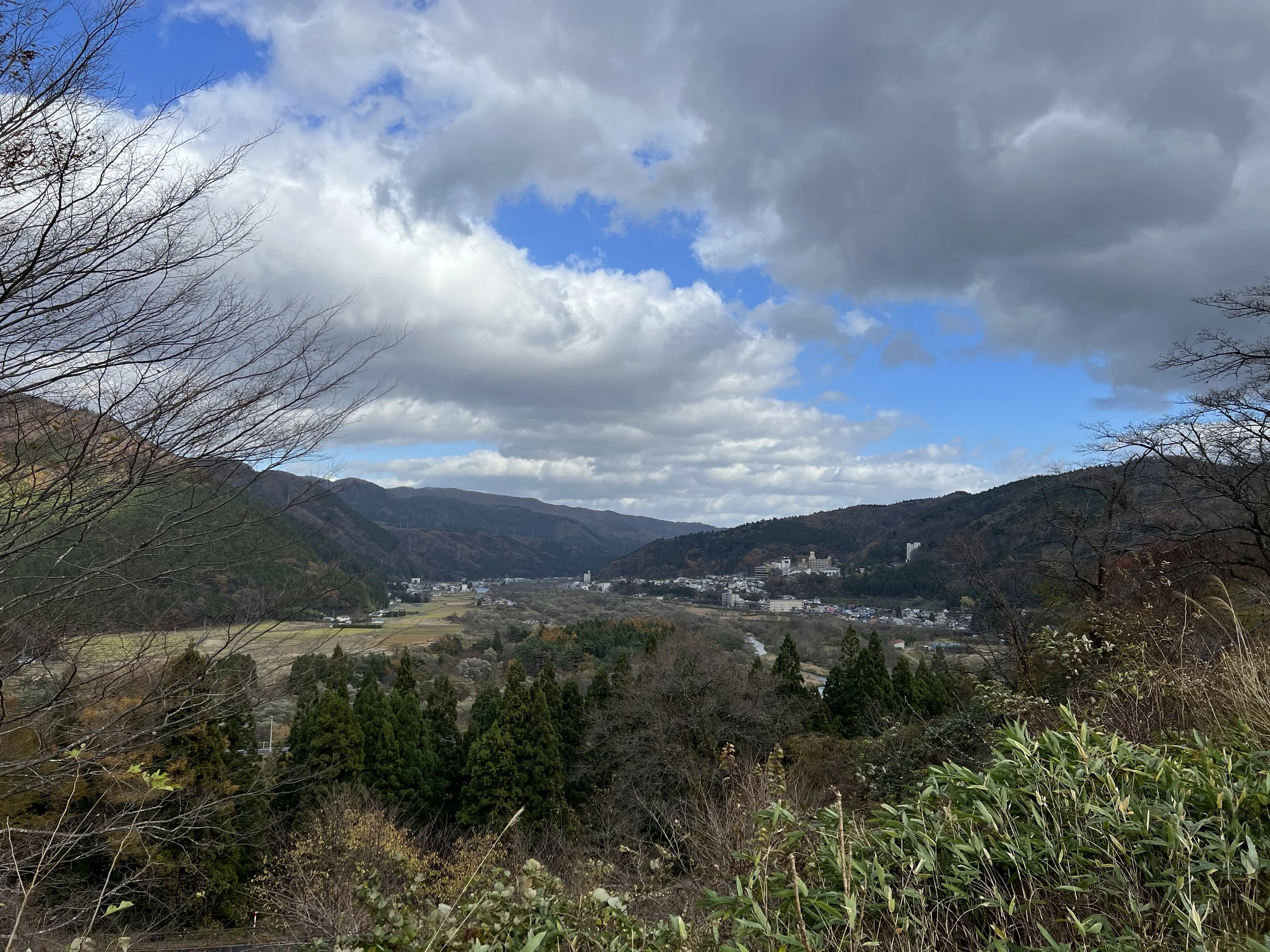
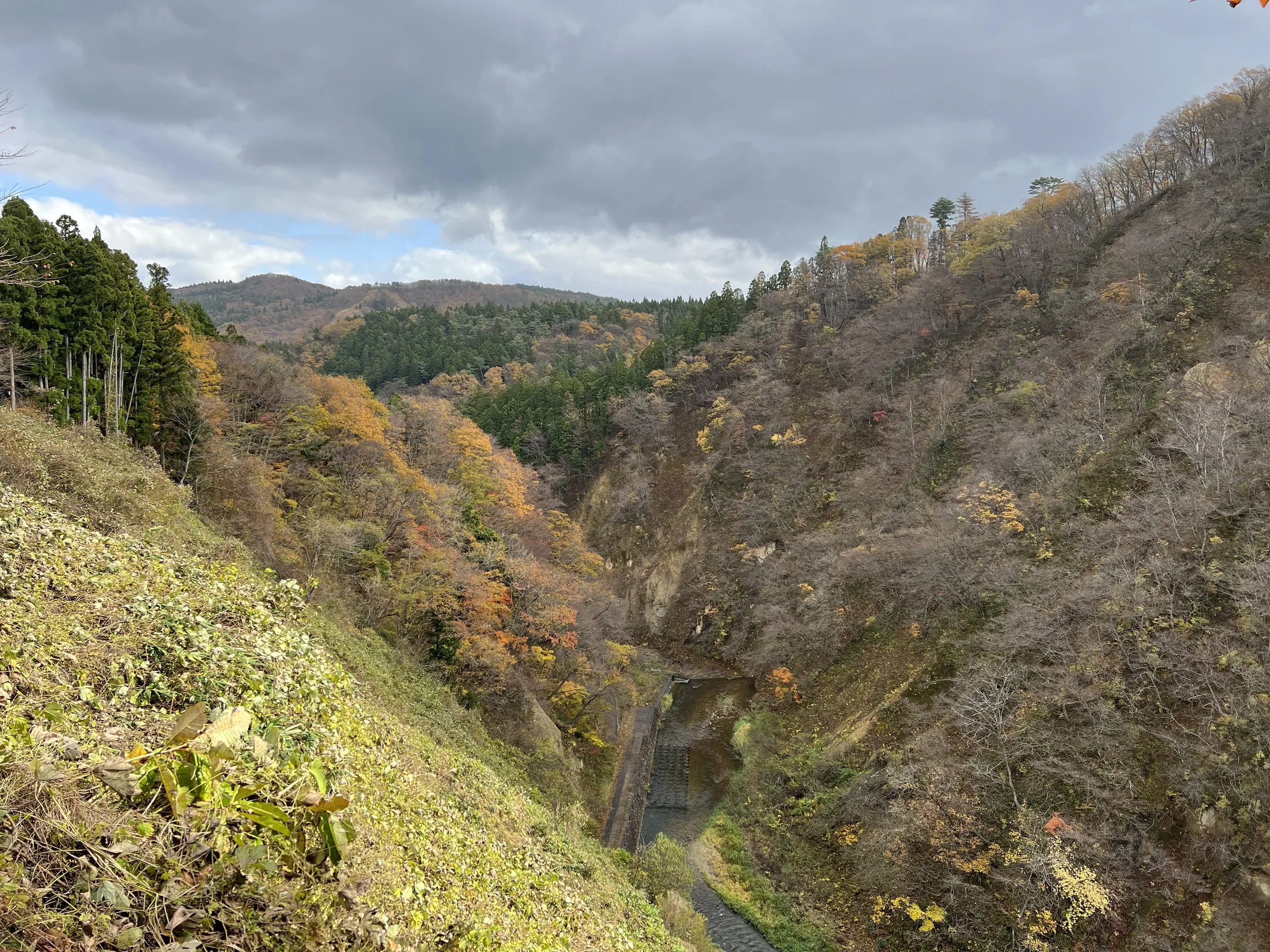
After arriving at Nakayamadairaonsen Station, I began walking toward Naruko Gorge, which sits between this station and Naruko Onsen. Naruko Gorge is especially famous for its autumn colours and draws visitors from across Japan and abroad. It’s also a popular spot for train enthusiasts, thanks to a railway bridge near the gorge that creates one of the most photogenic train scenes in the region.
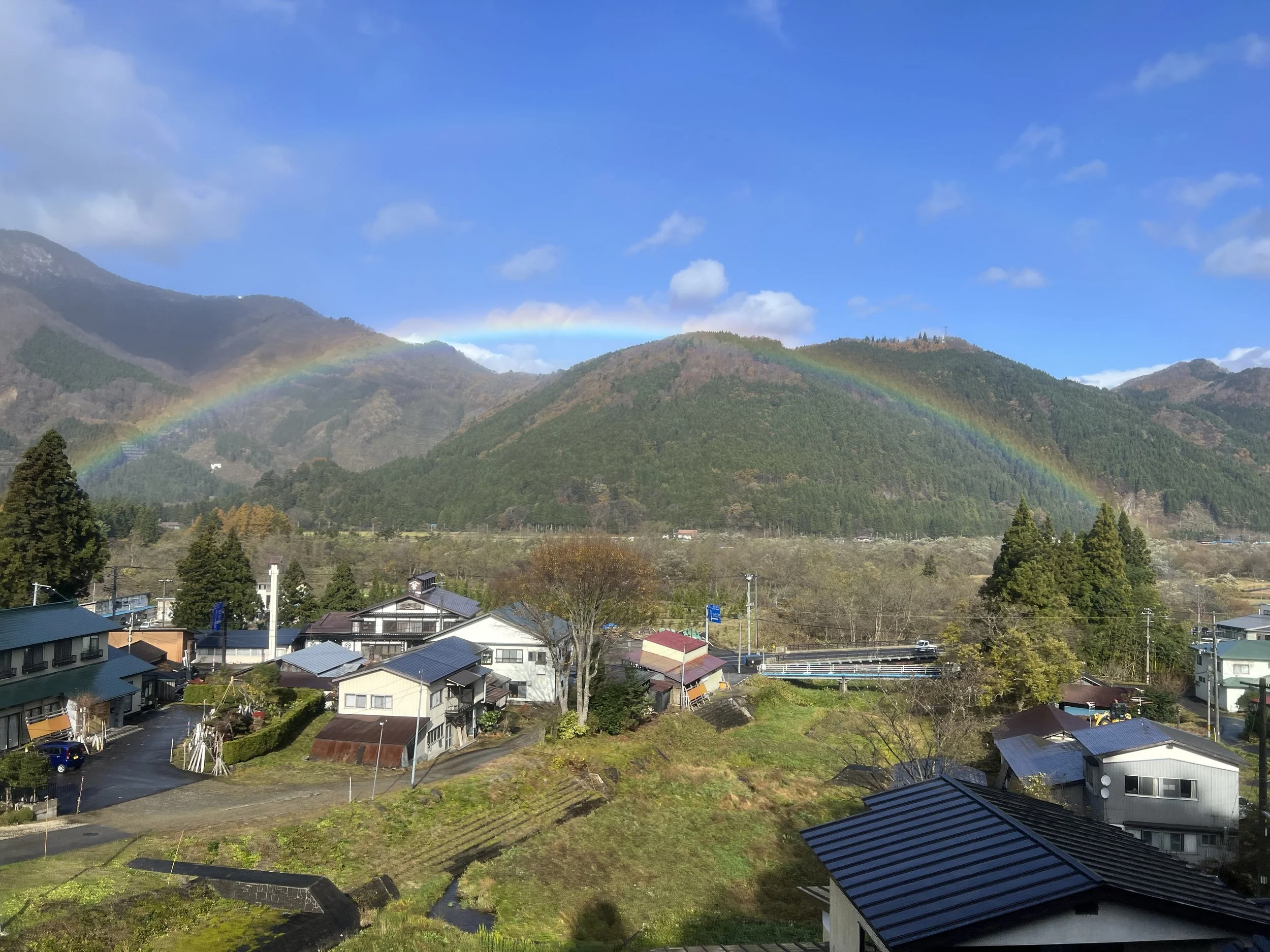
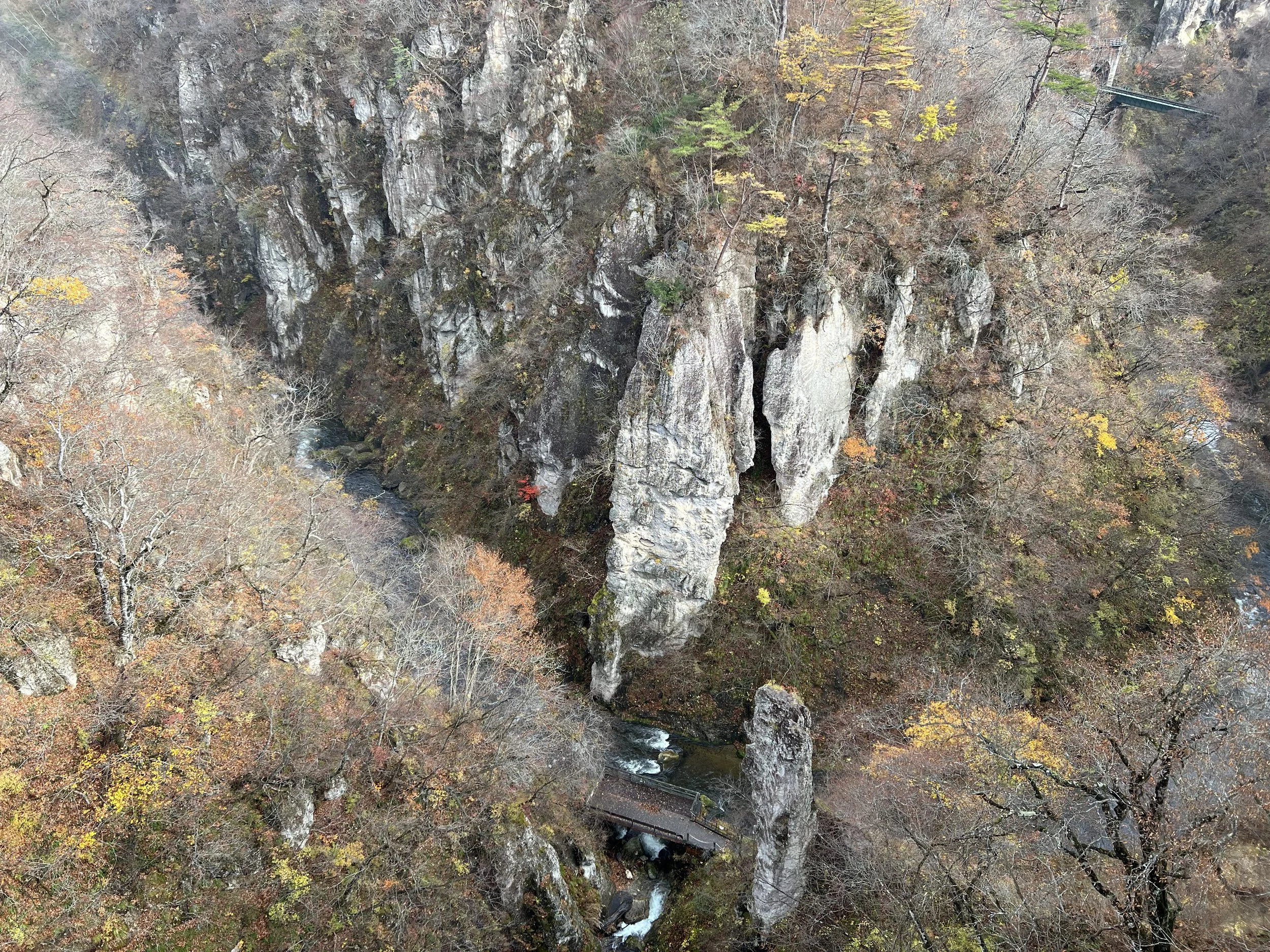
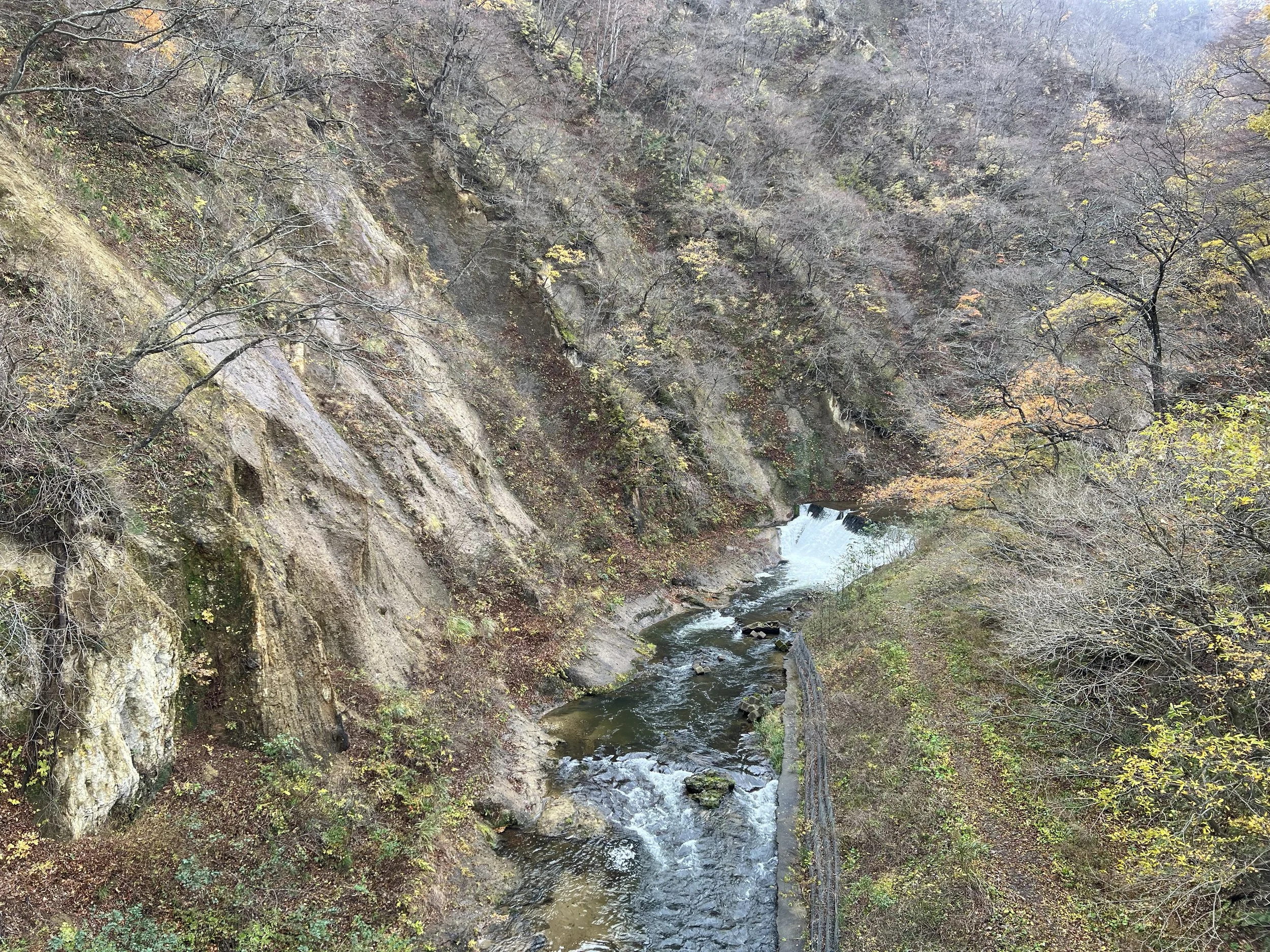
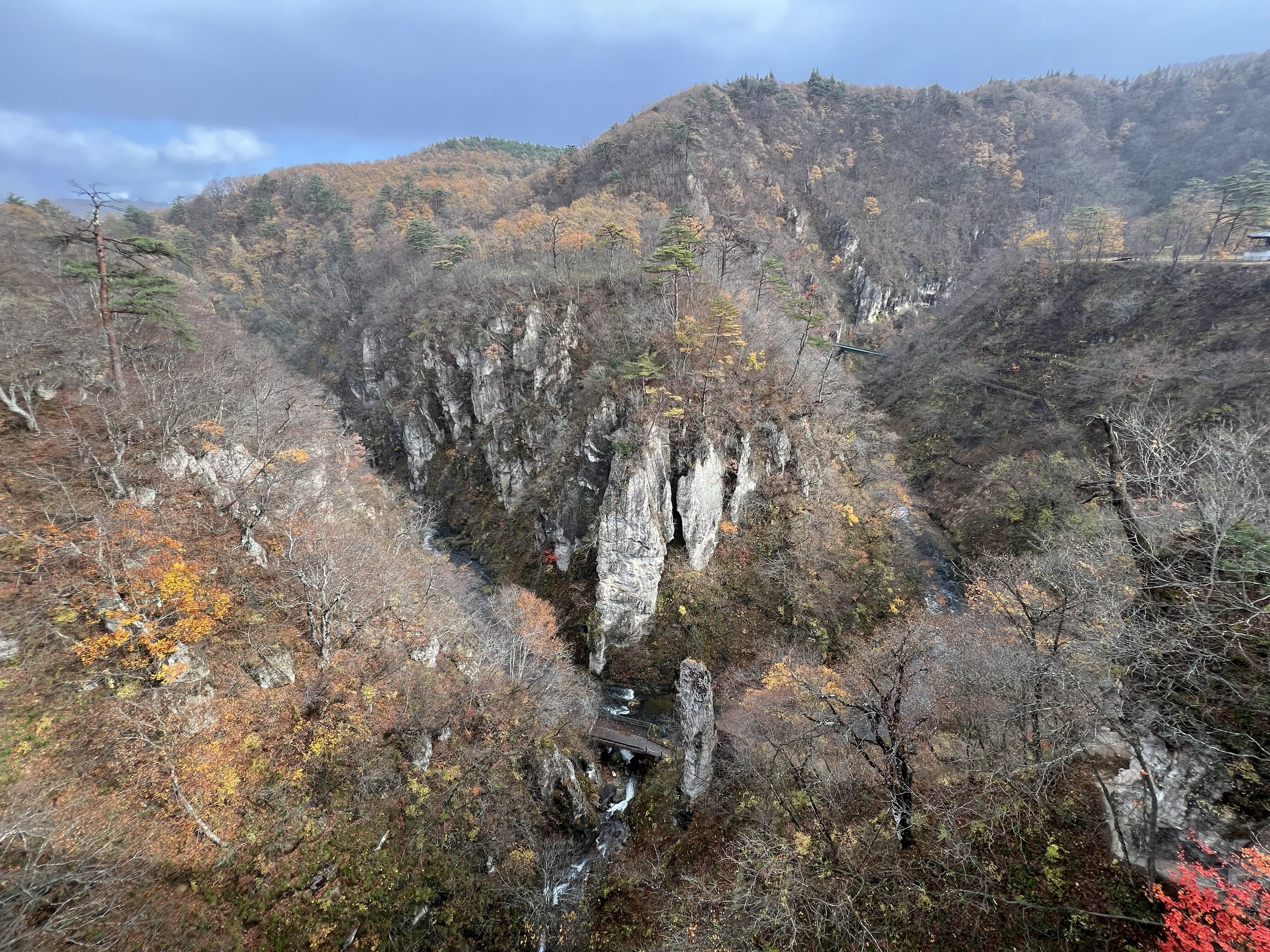
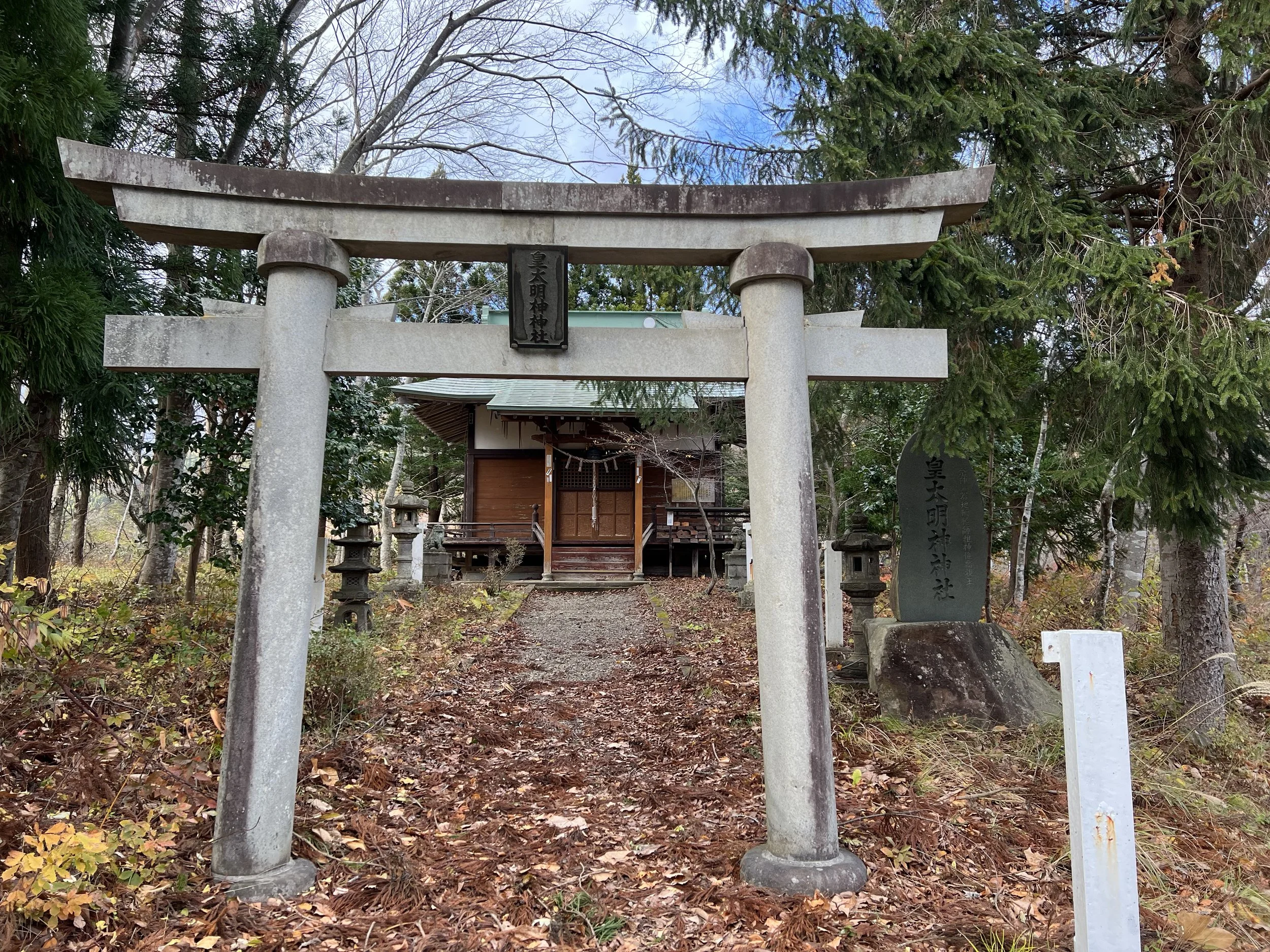
This area is also considered one of the top three onsen regions in northern Japan, and it shows. Onsen hotels line the route, and I had read that there are nearly 400 hot spring sources here, with waters ranging in colour from clear to milky white and even green. As I approached the gorge, the scenery became increasingly dramatic, with densely forested slopes dropping into the Daiya River below.
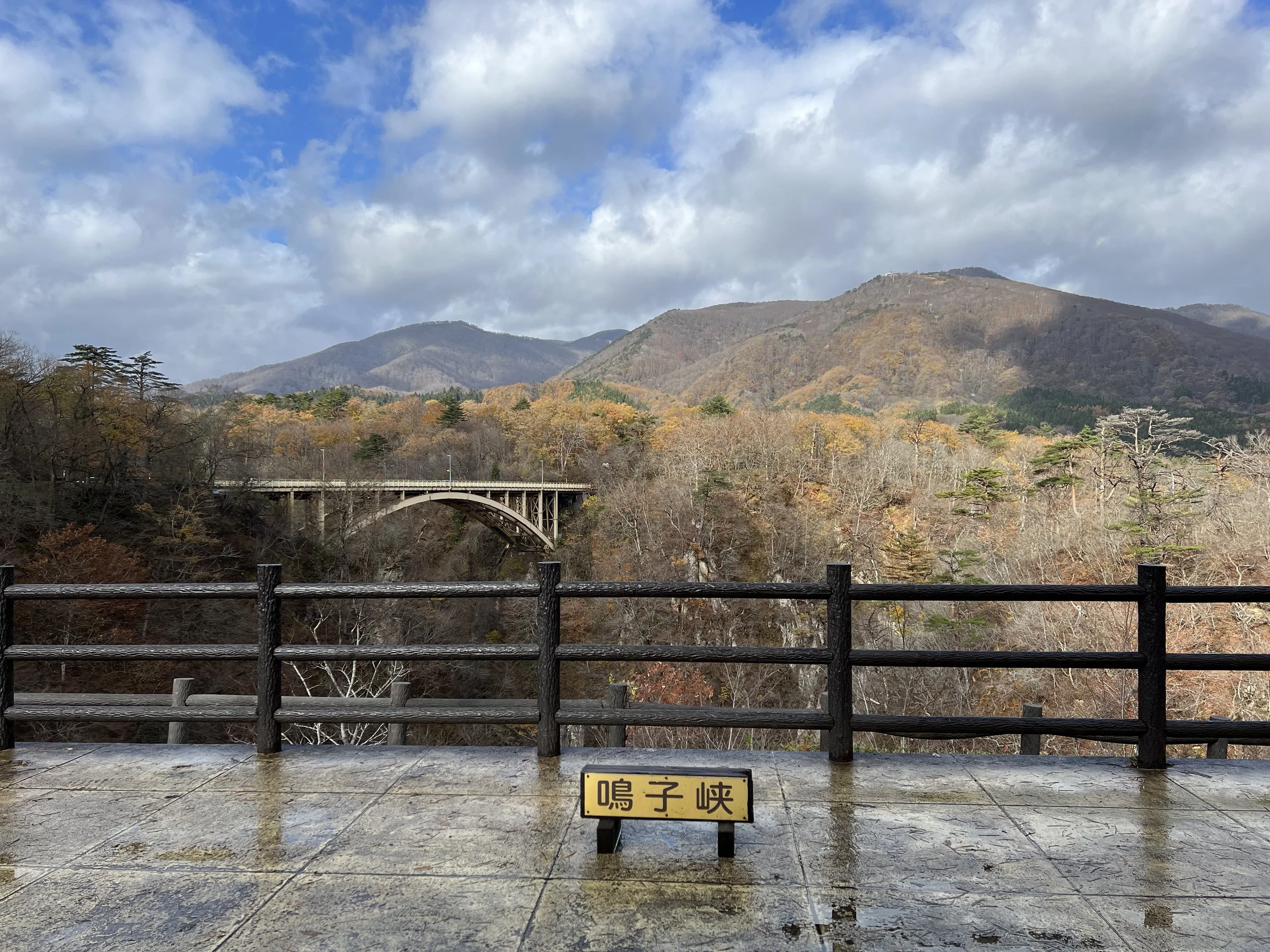
One of the best viewpoints is near the Narukokyo Rest House, where a viewing platform offers expansive views of the gorge and Ofukazawa Bridge in the distance. I continued on to another platform that overlooks the railway bridge below, a prime location for photographing trains crossing the gorge. Unfortunately, the train schedule didn’t line up with my visit, but I appreciated that the posted timetable made it easy to know whether it was worth waiting.
I took a short break at the Narukokyo Rest House to grab something to eat before continuing. One of the trails deeper into the gorge has been closed since the 2008 earthquake and remains unrestored, which limits access to the lower sections. Even so, the viewpoints that are open still offer plenty of striking perspectives, though I couldn’t help wishing I could get closer to the river.
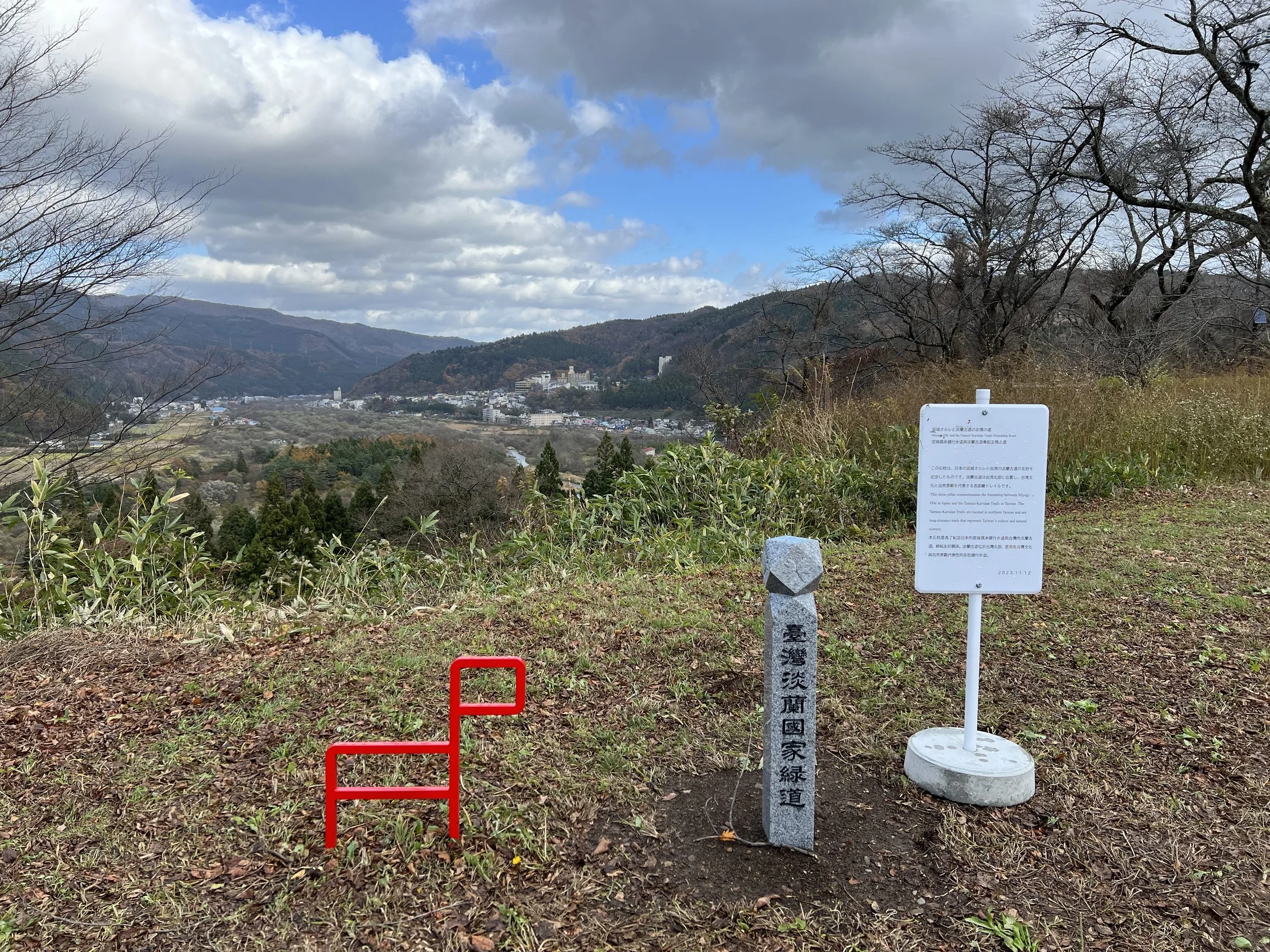
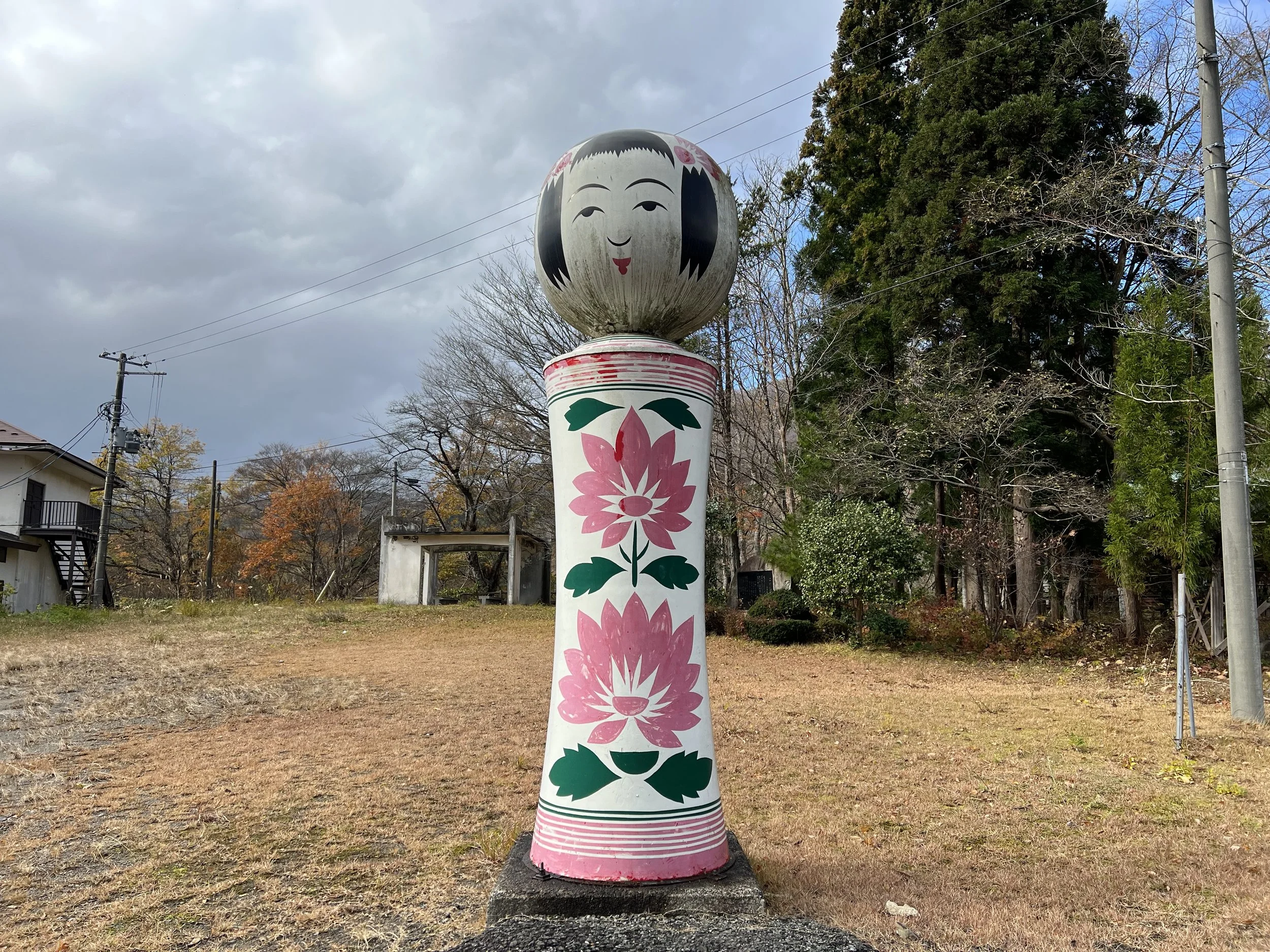
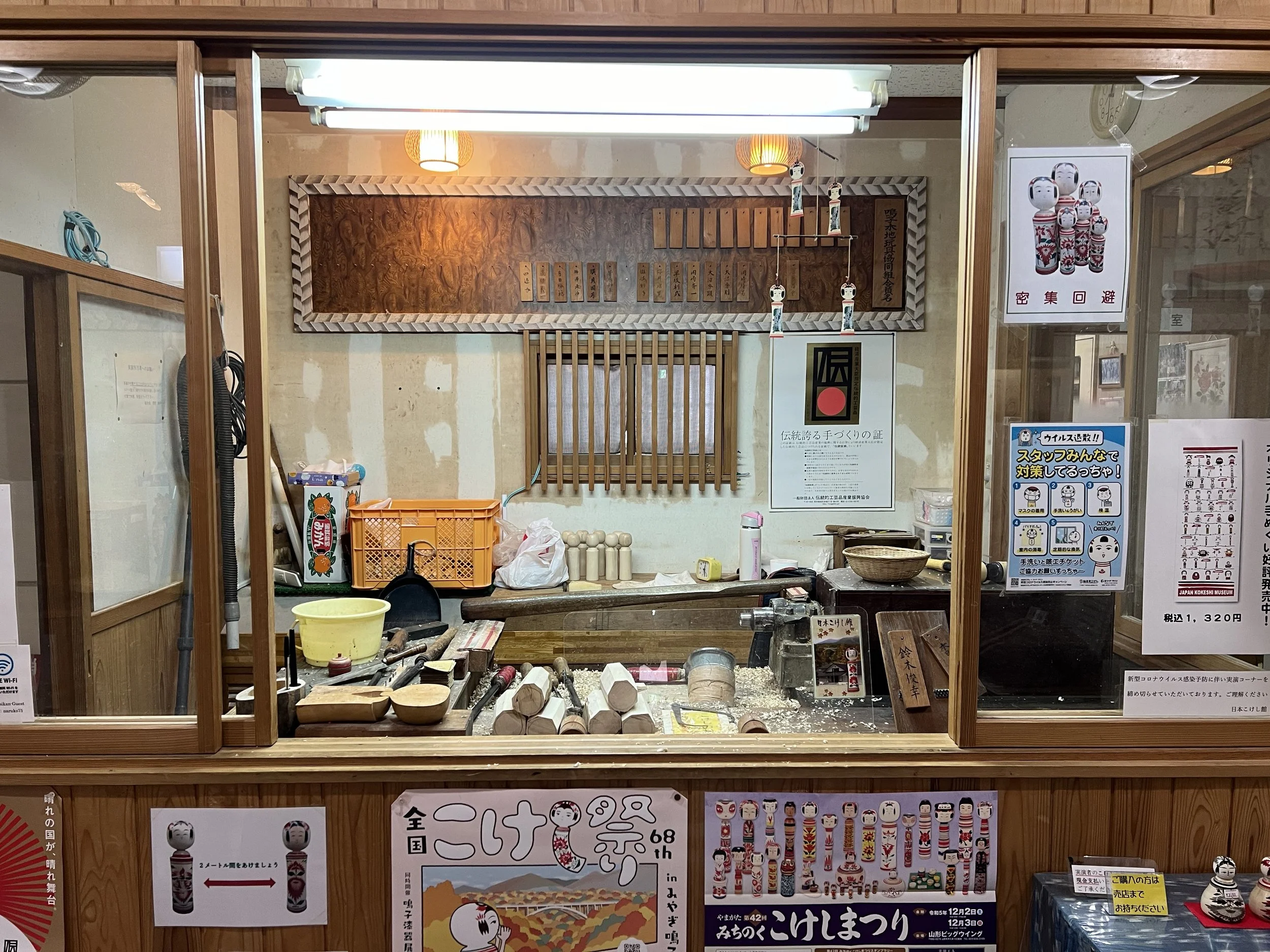
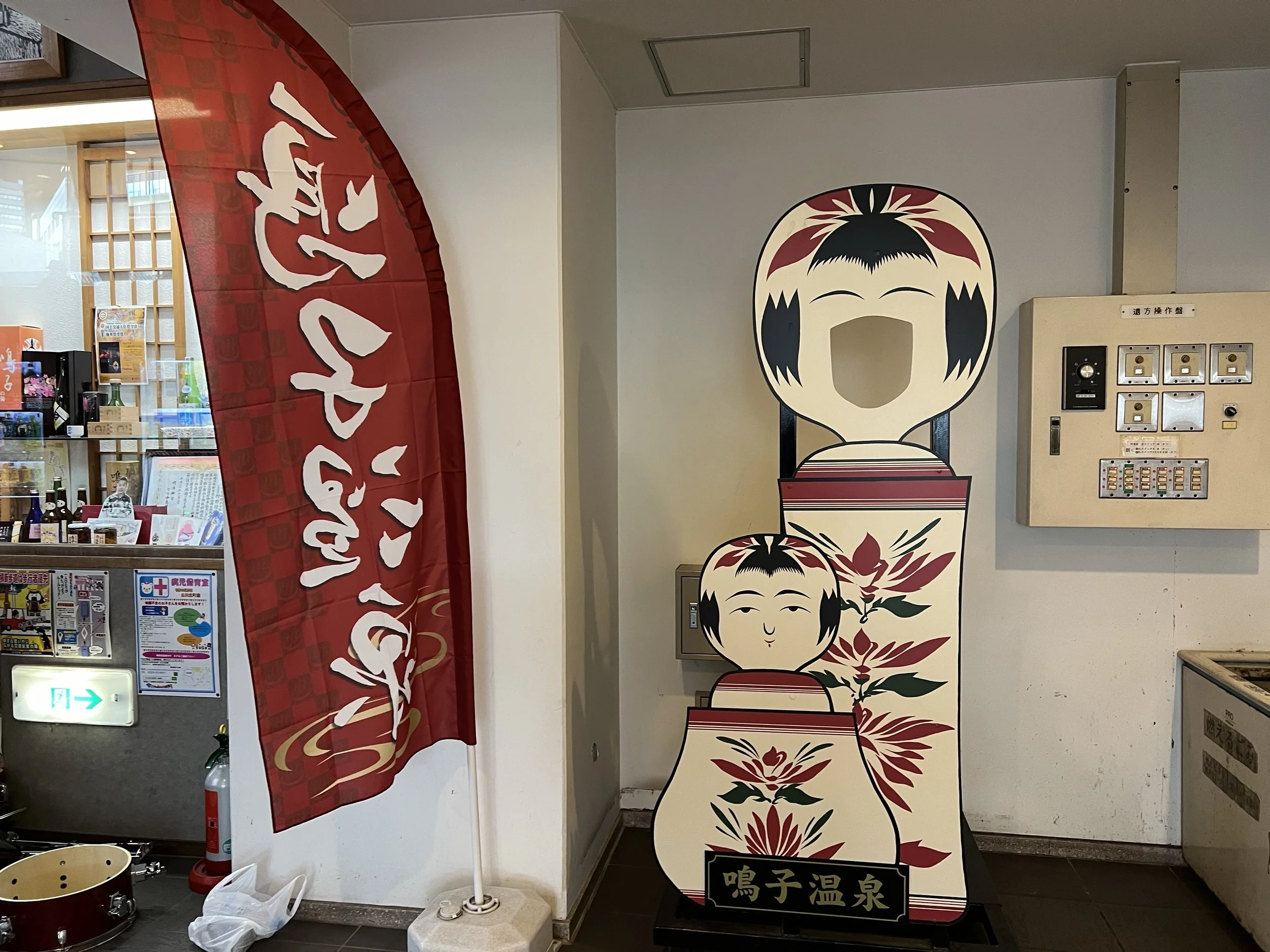
From here, I joined the Miyagi Olle Trail and followed it toward the Japan Kokeshi Museum. The area was quiet, and I debated whether to go in, but curiosity won out. Kokeshi are traditional wooden dolls from the Tohoku region, characterized by their simple cylindrical bodies and round heads with painted features. Originally made as children’s toys, they’ve since become cultural symbols, souvenirs, and talismans of good luck.
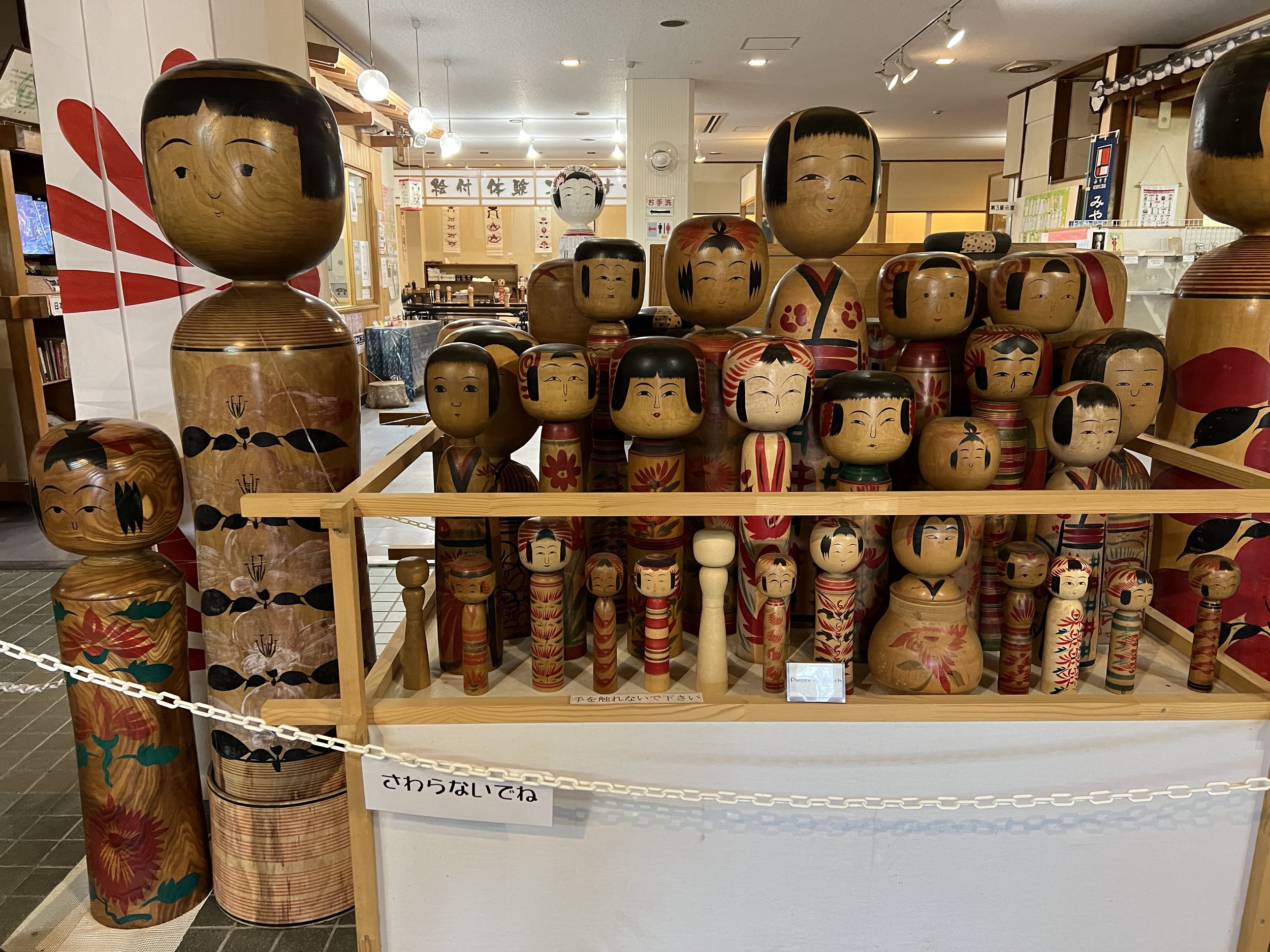
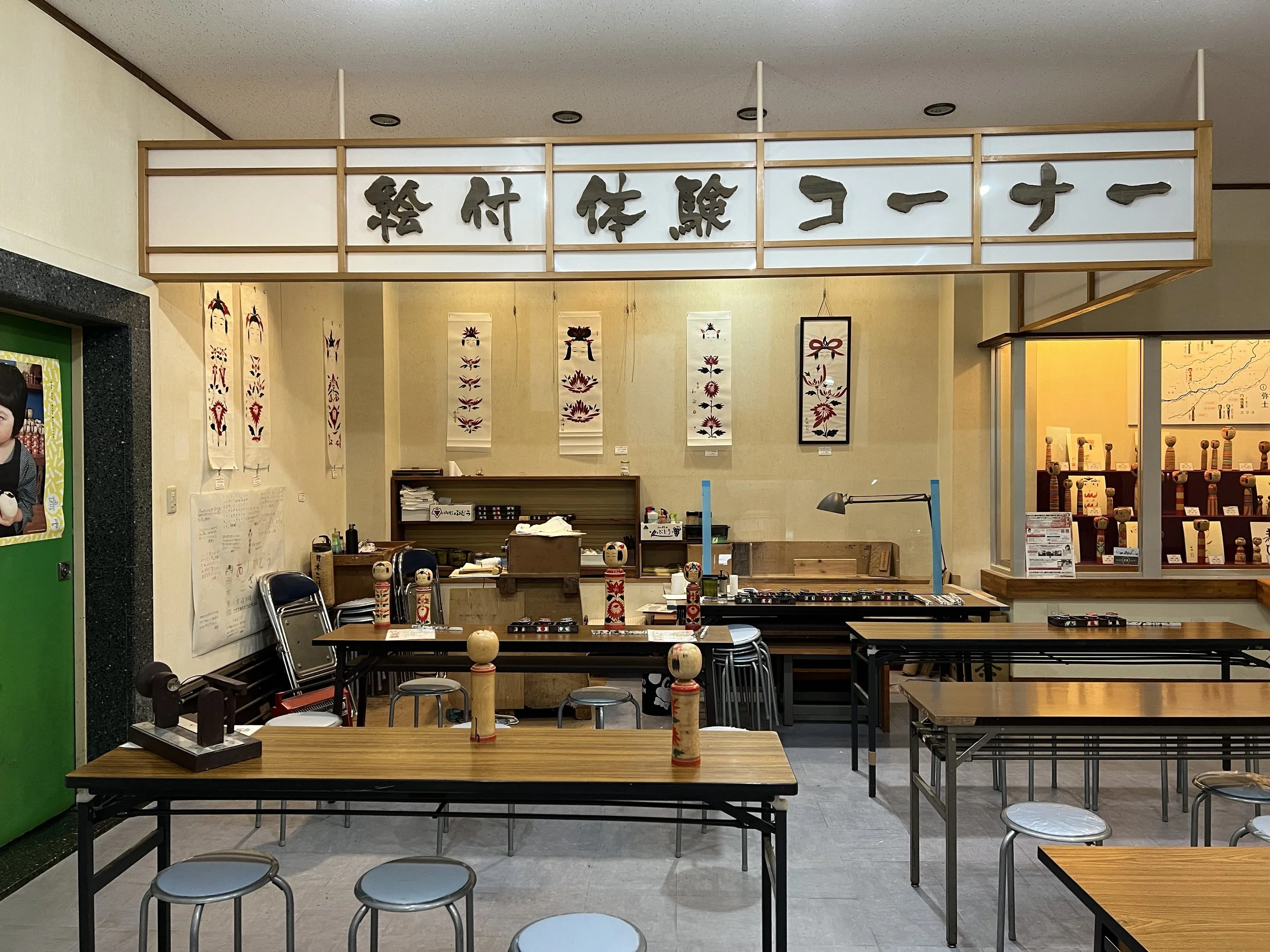
Inside the museum, I wandered through displays showcasing kokeshi of all sizes and styles. Each one felt distinct, and it was easy to see the individuality and creativity of the artisans who made them. There’s also a workshop where visitors can learn how to make kokeshi, but the timing didn’t work out during my visit. Afterward, I spent some time walking around Naruko Park just outside the museum, where the views were unexpectedly beautiful.
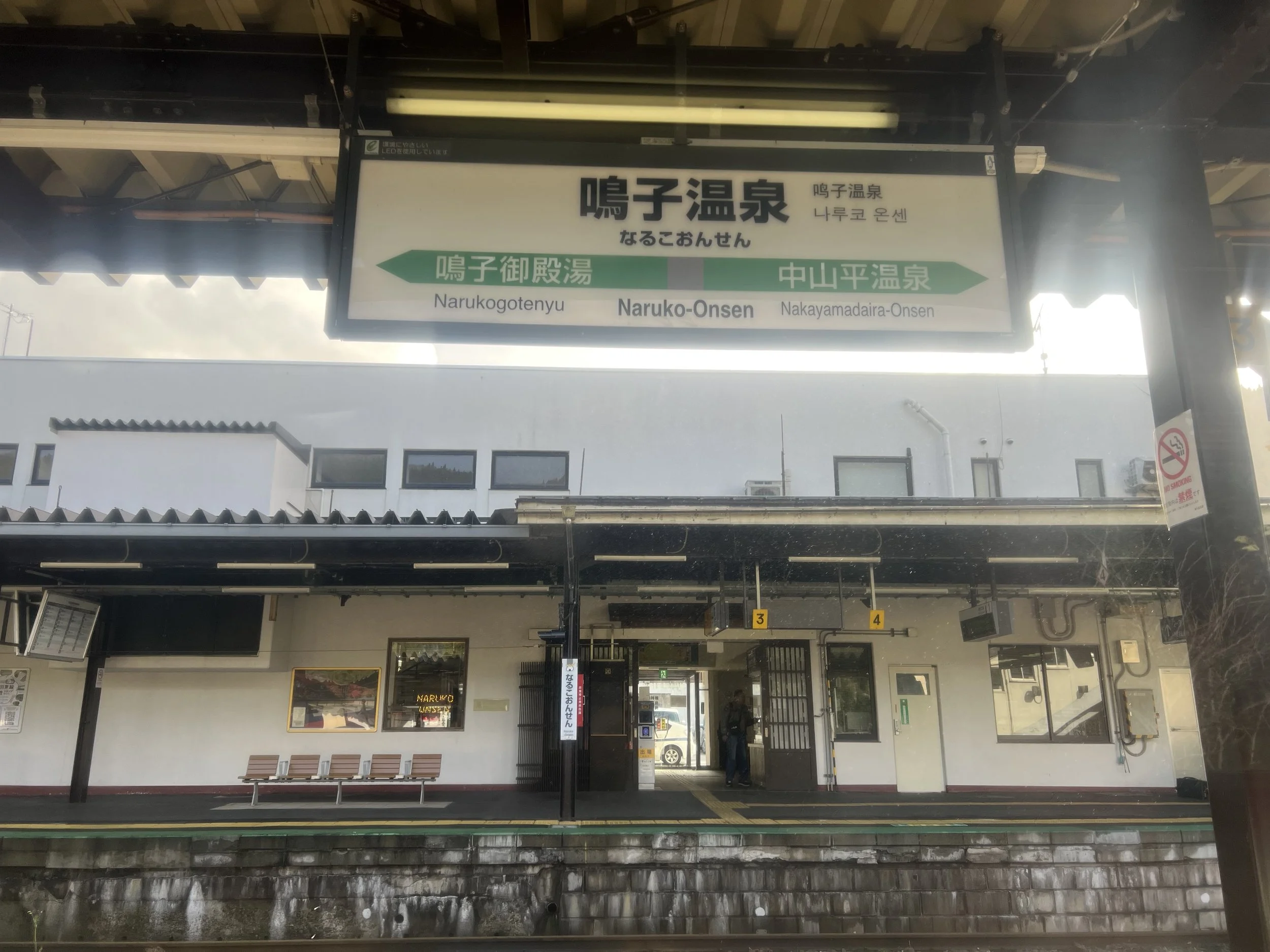
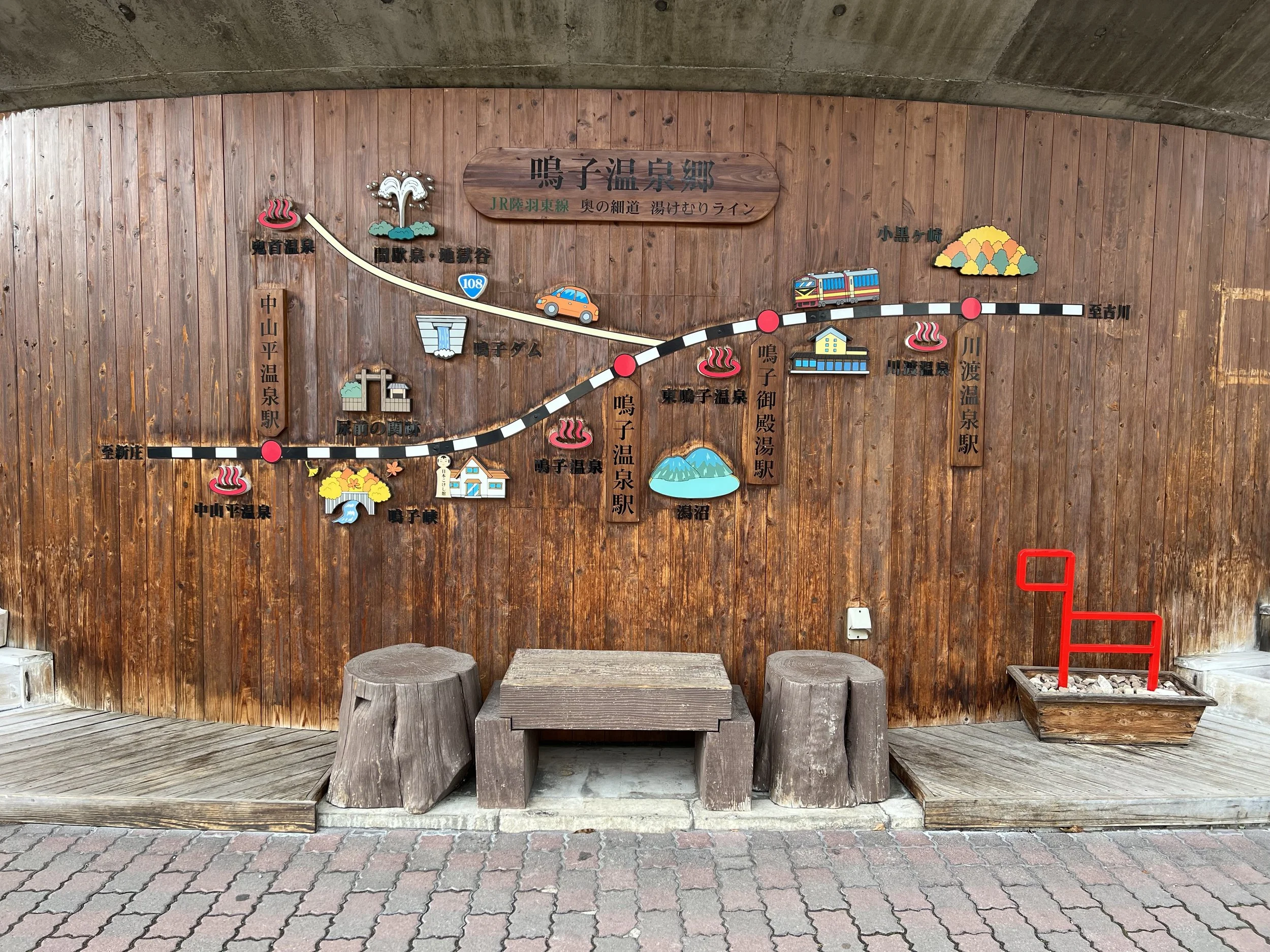
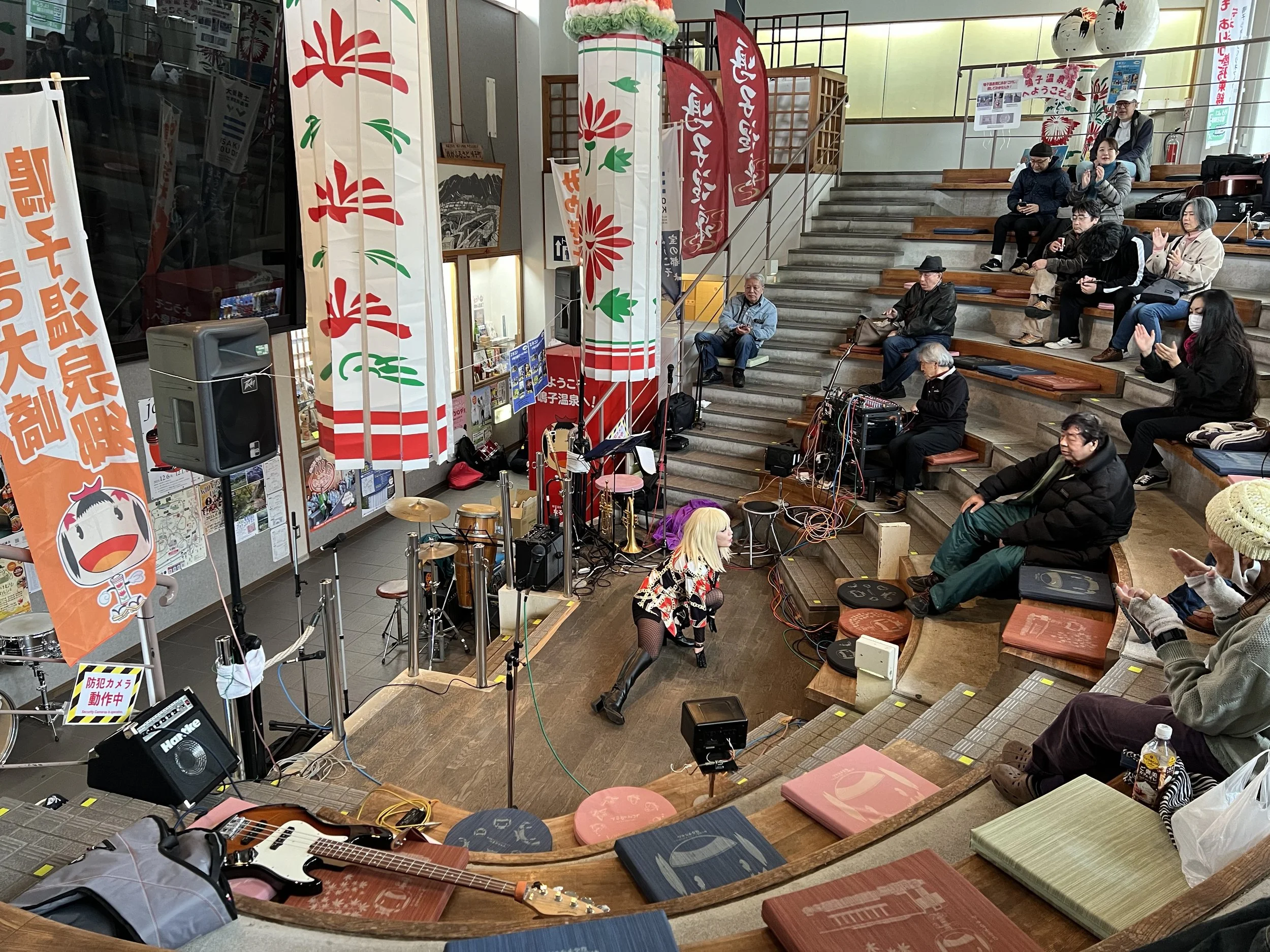
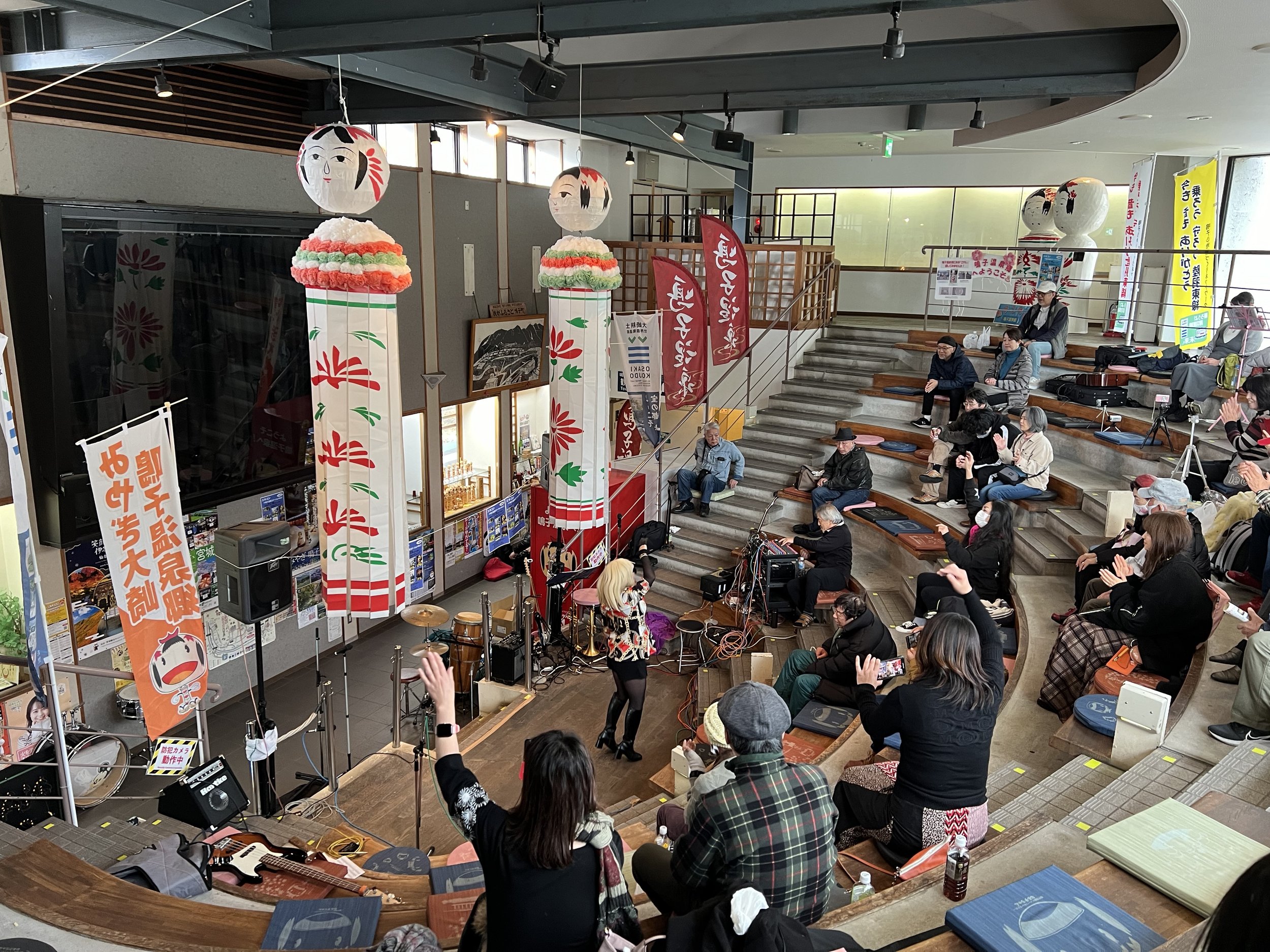
From there, I continued on to Naruko-Onsen Station. It didn’t take long to reach, and the station itself stood out as a community hub, complete with a small stage area. The town is dotted with onsen hotels, and there are free foot baths scattered throughout. While waiting for my train, I learned it was delayed due to weather conditions. At the same time, a local performance was about to begin at the station, and the delay ended up working in my favour. I stayed to watch and enjoyed the experience alongside the locals, even though it meant getting back to Sendai much later than planned.
If I’d known in advance that the train would be delayed, I probably would have tackled more of the Miyagi Olle Trail. Still, I enjoyed the portion I explored. Naruko Gorge may feel out of the way, but the scenery more than justified the effort. Next time, I’d plan an overnight stay to really do the area justice.
History & Background
Naruko Gorge (鳴子峡) was formed over thousands of years by the erosion of the Daiya River, carving a deep ravine through layers of volcanic rock in what is now northern Miyagi Prefecture. The surrounding Naruko area has long been shaped by volcanic activity, which not only created the dramatic landscape of cliffs and river valleys but also gave rise to the region’s extensive hot spring system. Today, Naruko Onsen is recognized as one of Japan’s most geologically diverse hot spring areas, with waters of varying colours and mineral compositions.
Historically, the gorge and its surrounding forests were considered both a natural barrier and a place of spiritual significance. The steep terrain limited development, helping preserve the landscape largely in its natural state. As railways expanded into the region in the early 20th century, Naruko Gorge became more accessible and gradually gained recognition as a seasonal sightseeing destination, particularly for autumn foliage viewing.
In recent decades, Naruko Gorge has also become part of the Miyagi Olle Trail network, a system of long-distance walking routes inspired by Korea’s Jeju Olle Trails. These trails were designed to connect communities, natural landscapes, and cultural sites at a slower pace, encouraging visitors to experience the region beyond its famous viewpoints. While parts of the gorge remain closed following damage from the 2008 earthquake, Naruko Gorge continues to be celebrated as one of Tohoku’s most scenic natural areas and an important link between the region’s volcanic history and its hot spring culture.
Getting There
Naruko Gorge is accessed via the JR Rikuu East Line, which connects to Sendai through a transfer at Furukawa Station. From Sendai Station, take the JR Tōhoku Shinkansen or JR Tōhoku Main Line to Furukawa Station, then transfer to the JR Rikuu East Line and alight at Nakayamadairaonsen Station or Naruko-Onsen Station, both of which provide access to different sections of the gorge. Train services on the Rikuu East Line are infrequent, particularly outside peak seasons, so careful planning around return times is essential.
Route Overview
Distance: 7.8 km (Nakayamadairaonsen Station → Naruko-Onsen Station)
Total elevation gain: 92 m
Duration: 1 hr 30 min (with breaks 2 hr 20 min)
Difficulty: Easy
Cost Breakdown
Train: Sendai Station → Furukawa Station — ¥1,650
Train: Furukawa Station → Nakayamadairaonsen Station — ¥2,370
Entrance Fee: Japan Kokeshi Museum — ¥400
Food: ¥900