Goshikinuma Ponds - Fukushima, Japan
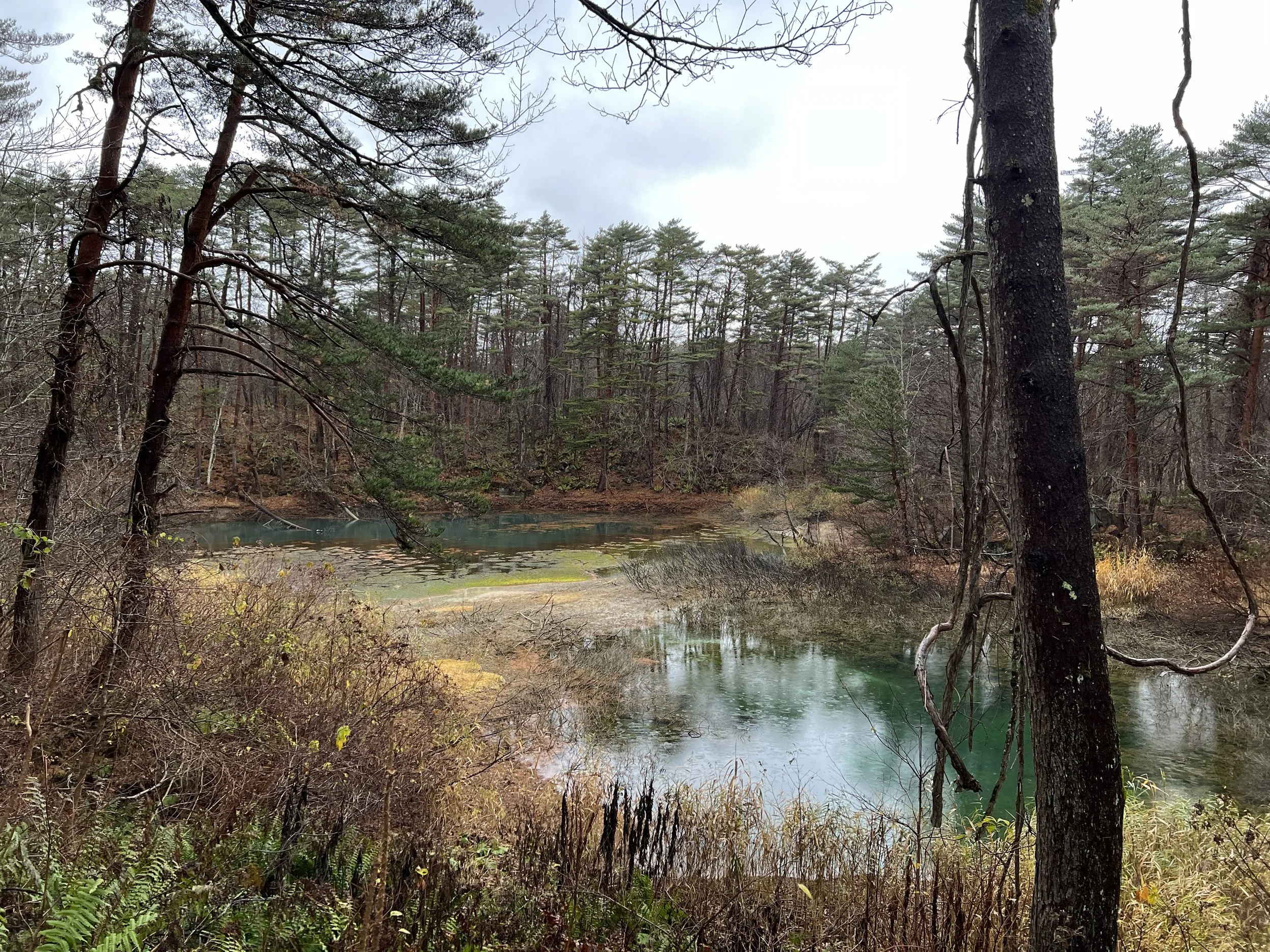
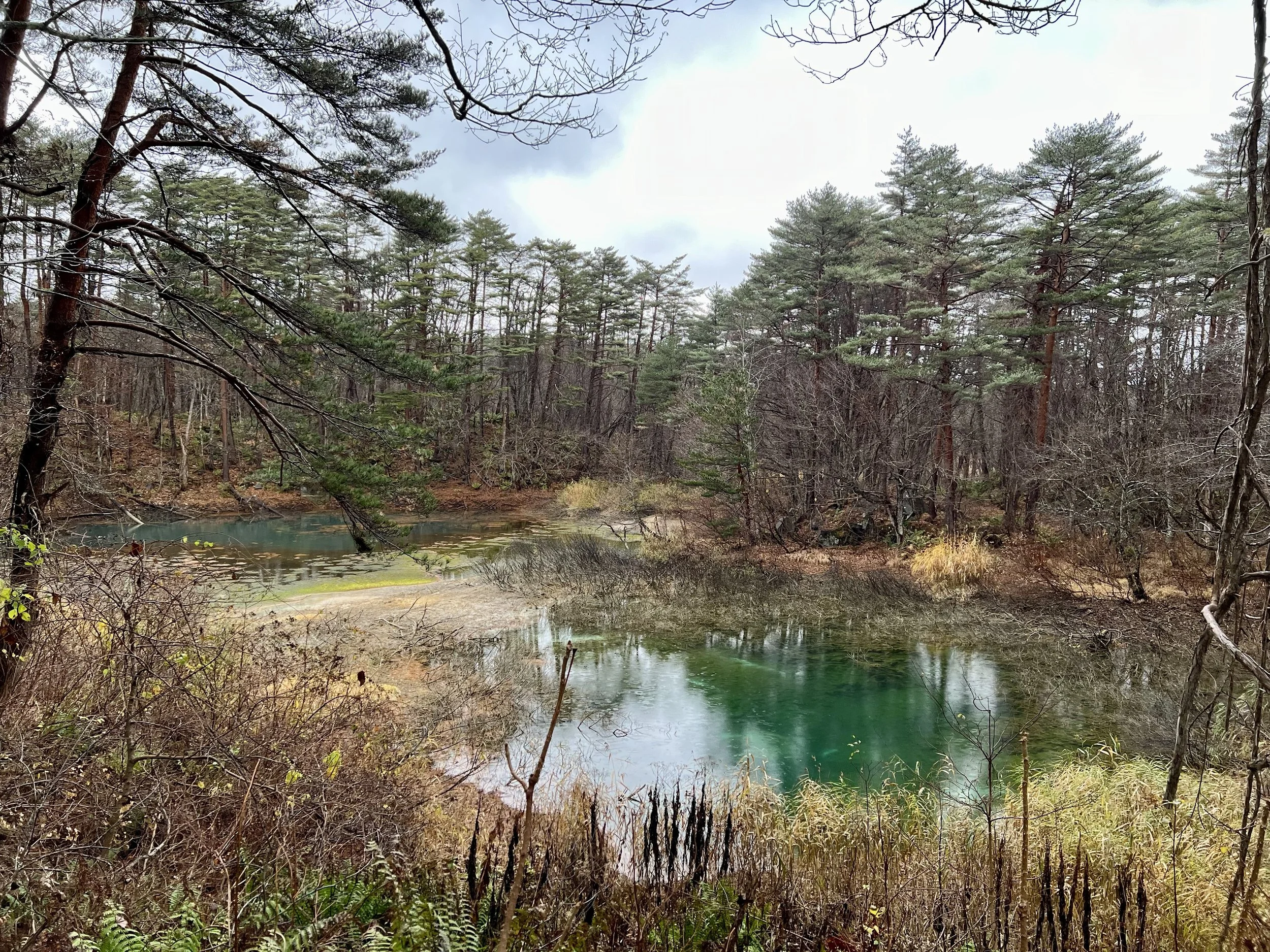
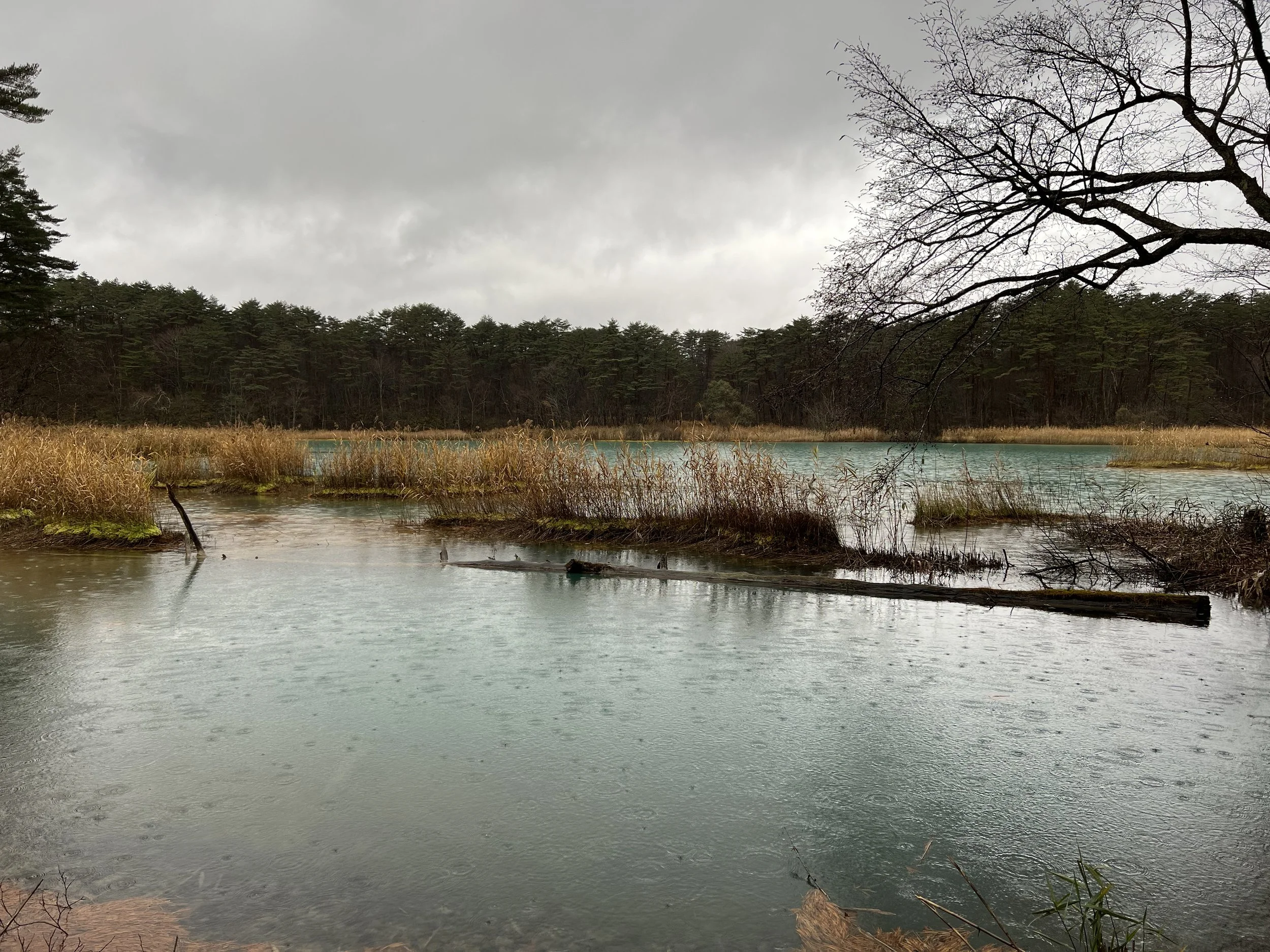
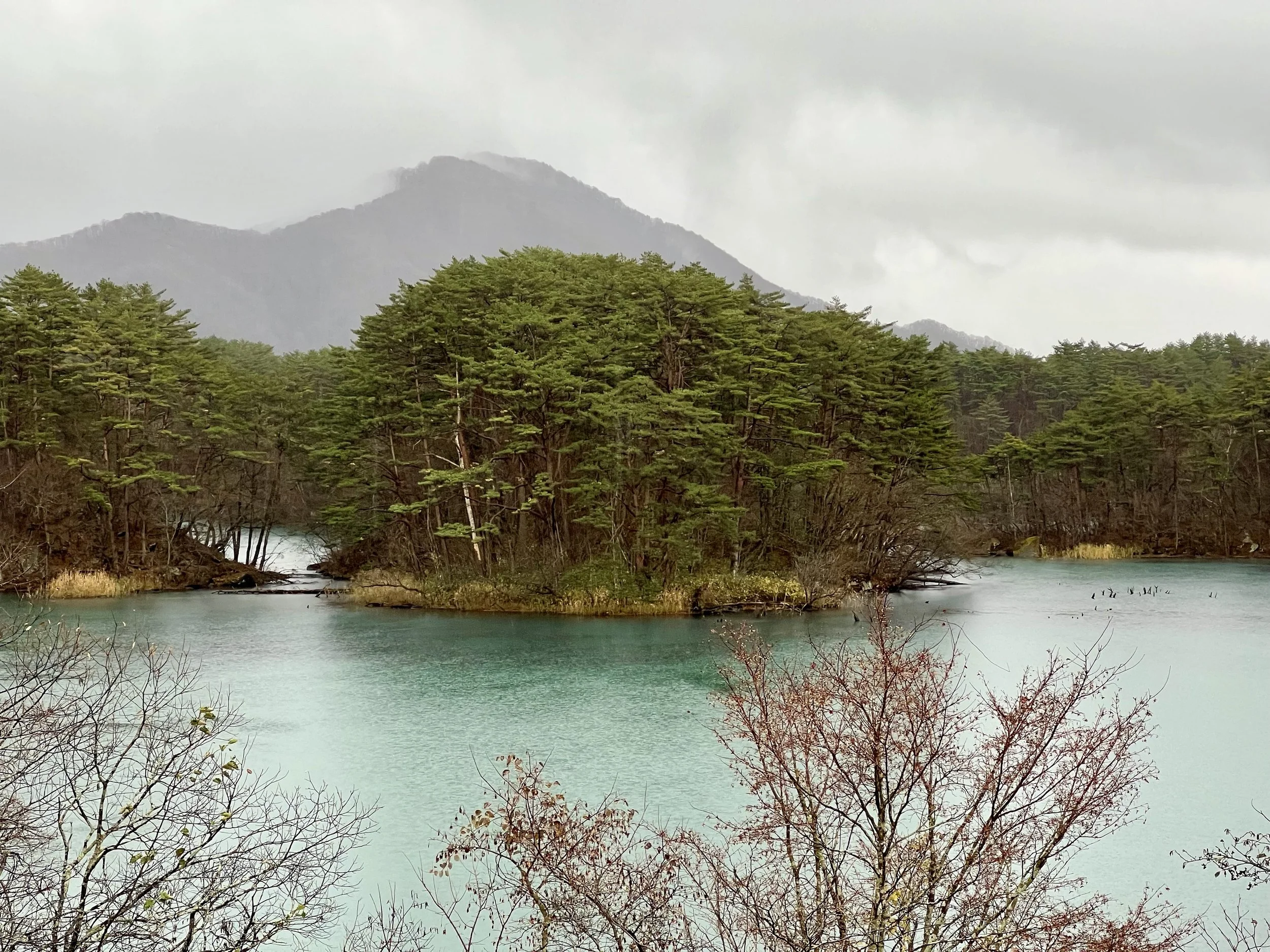
Goshikinuma Ponds is a collective term for the many lakes and ponds scattered throughout this area of Fukushima. The landscape was formed over a century ago following the eruption of Mount Bandai, and the lingering influence of volcanic elements and minerals has given each body of water its own distinctive colour.
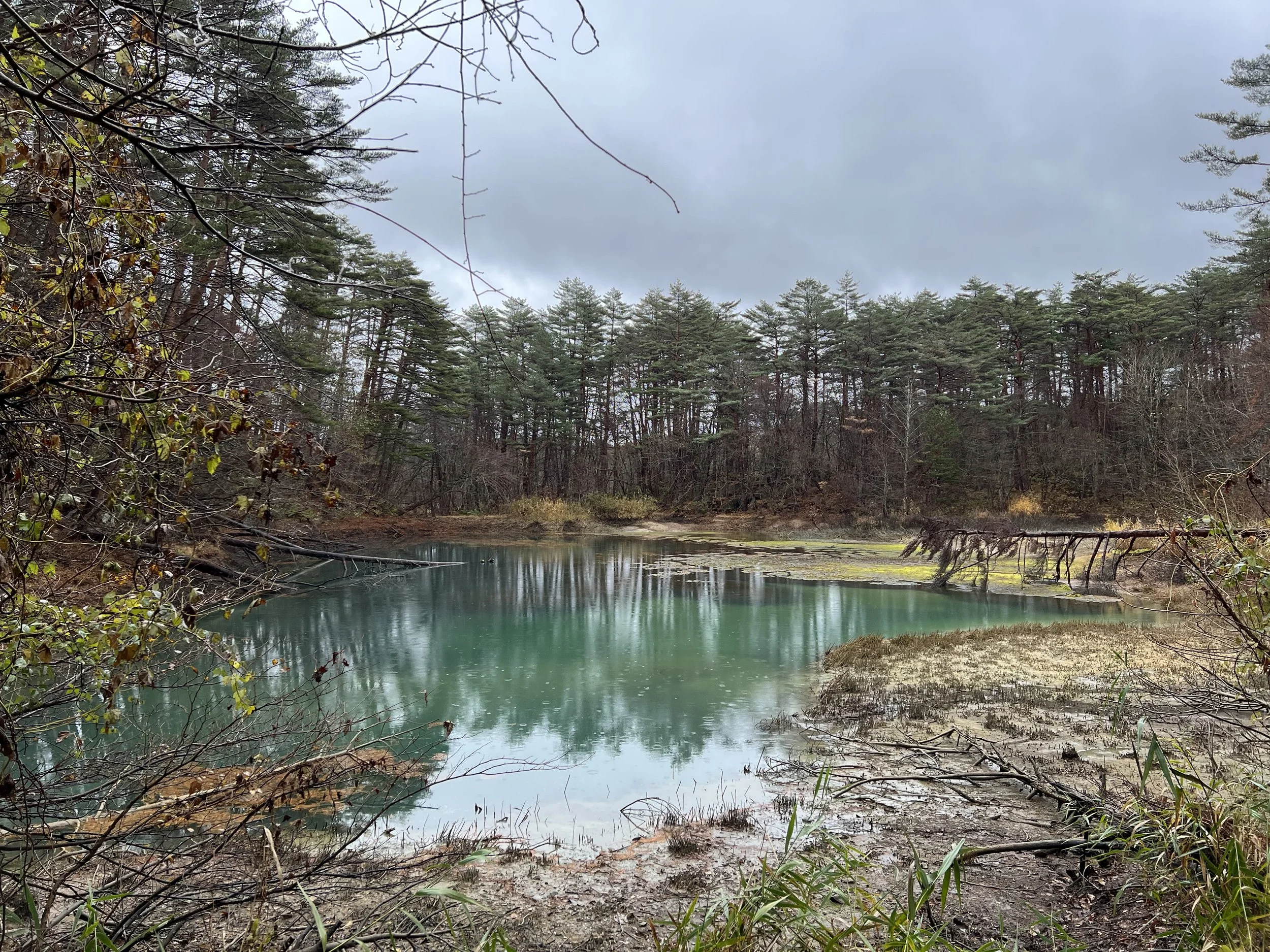
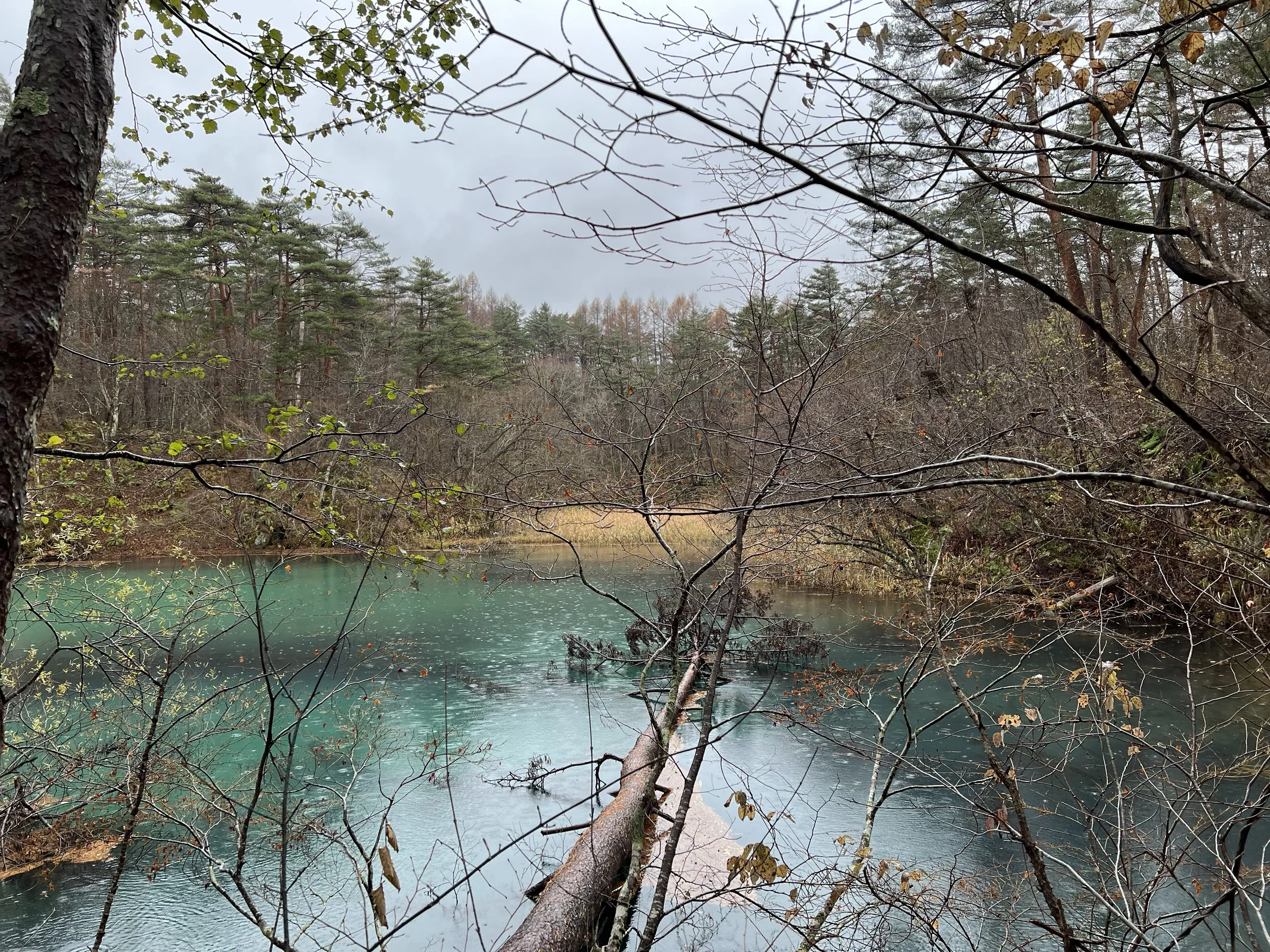
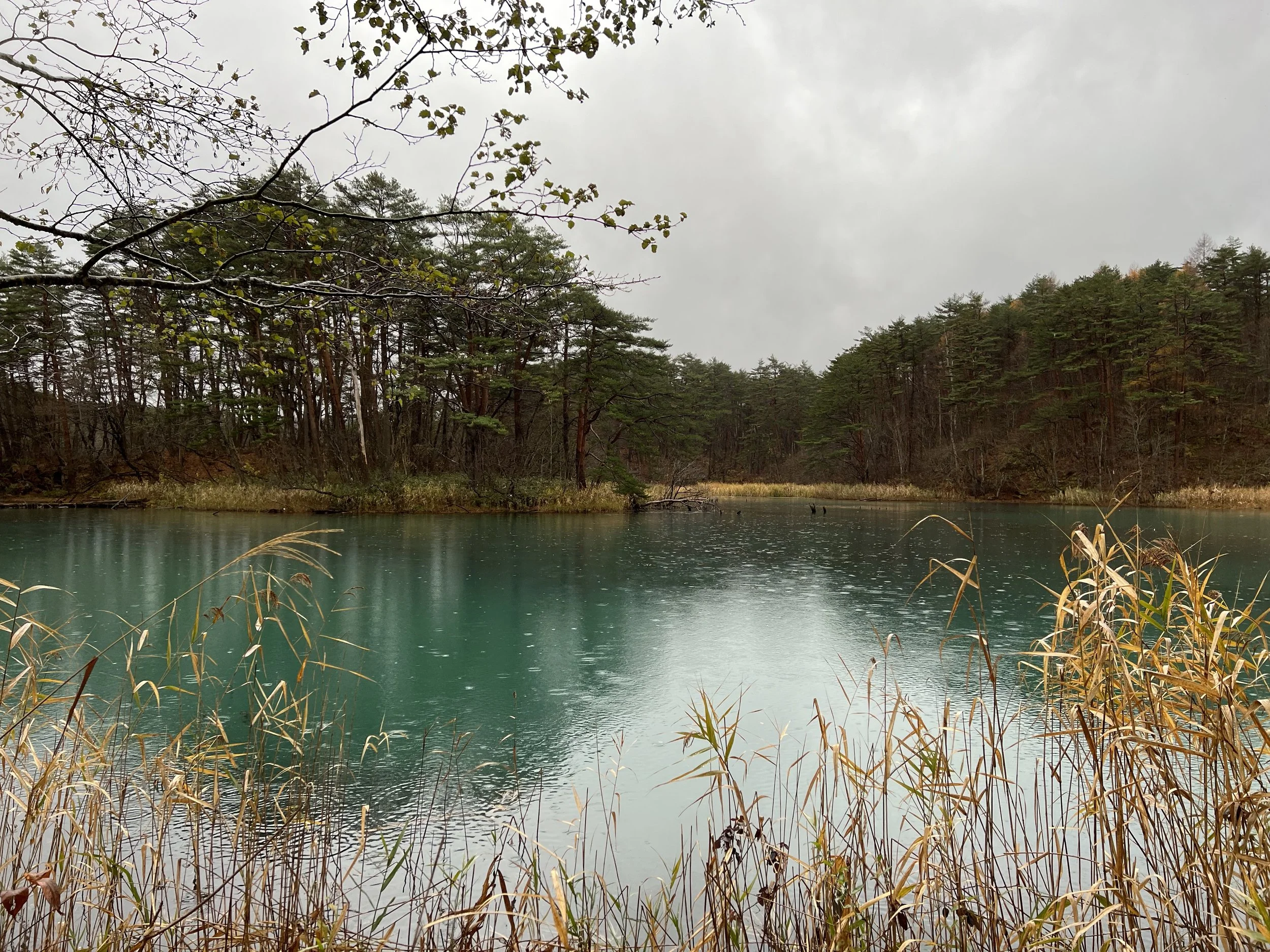
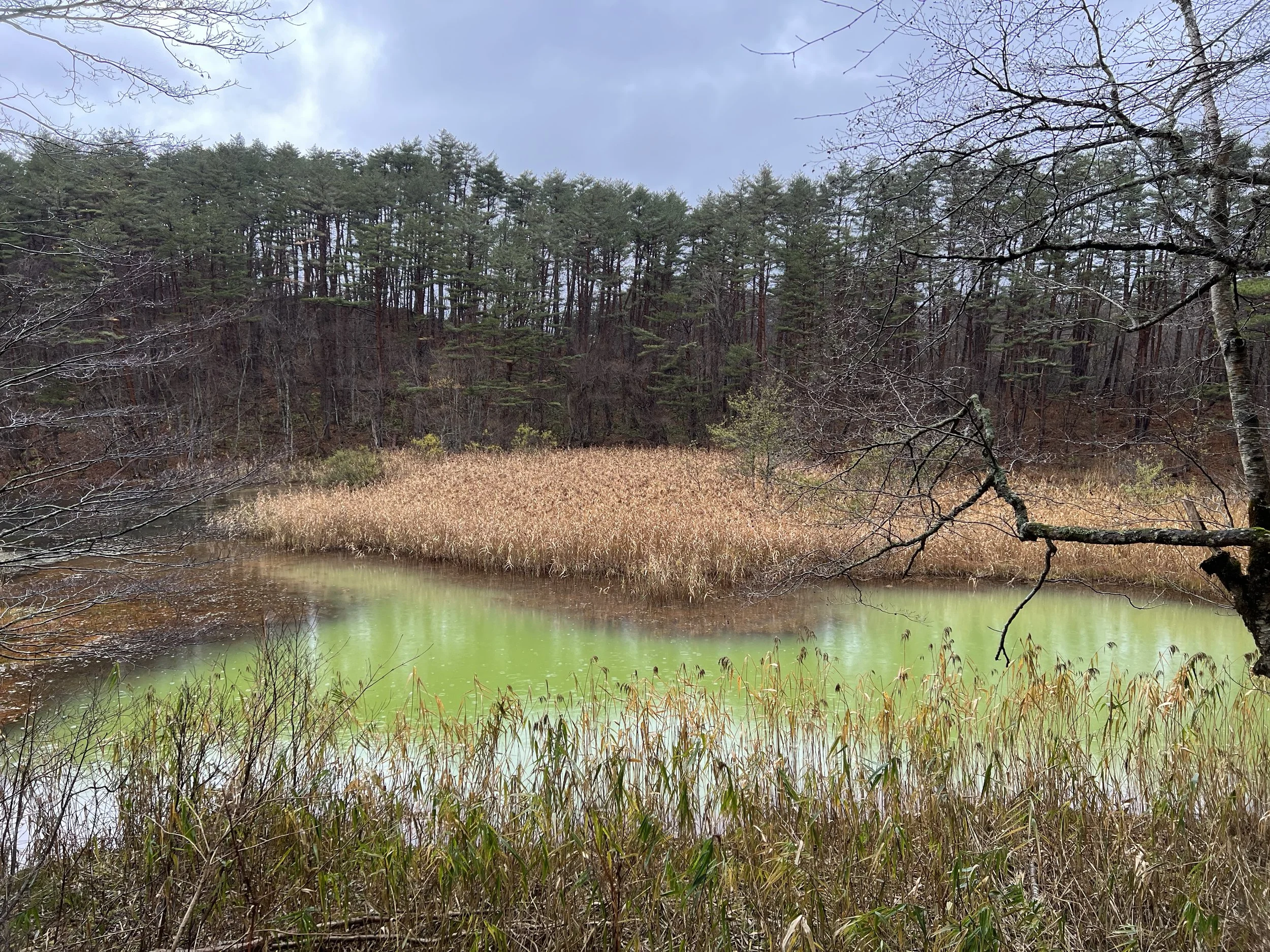
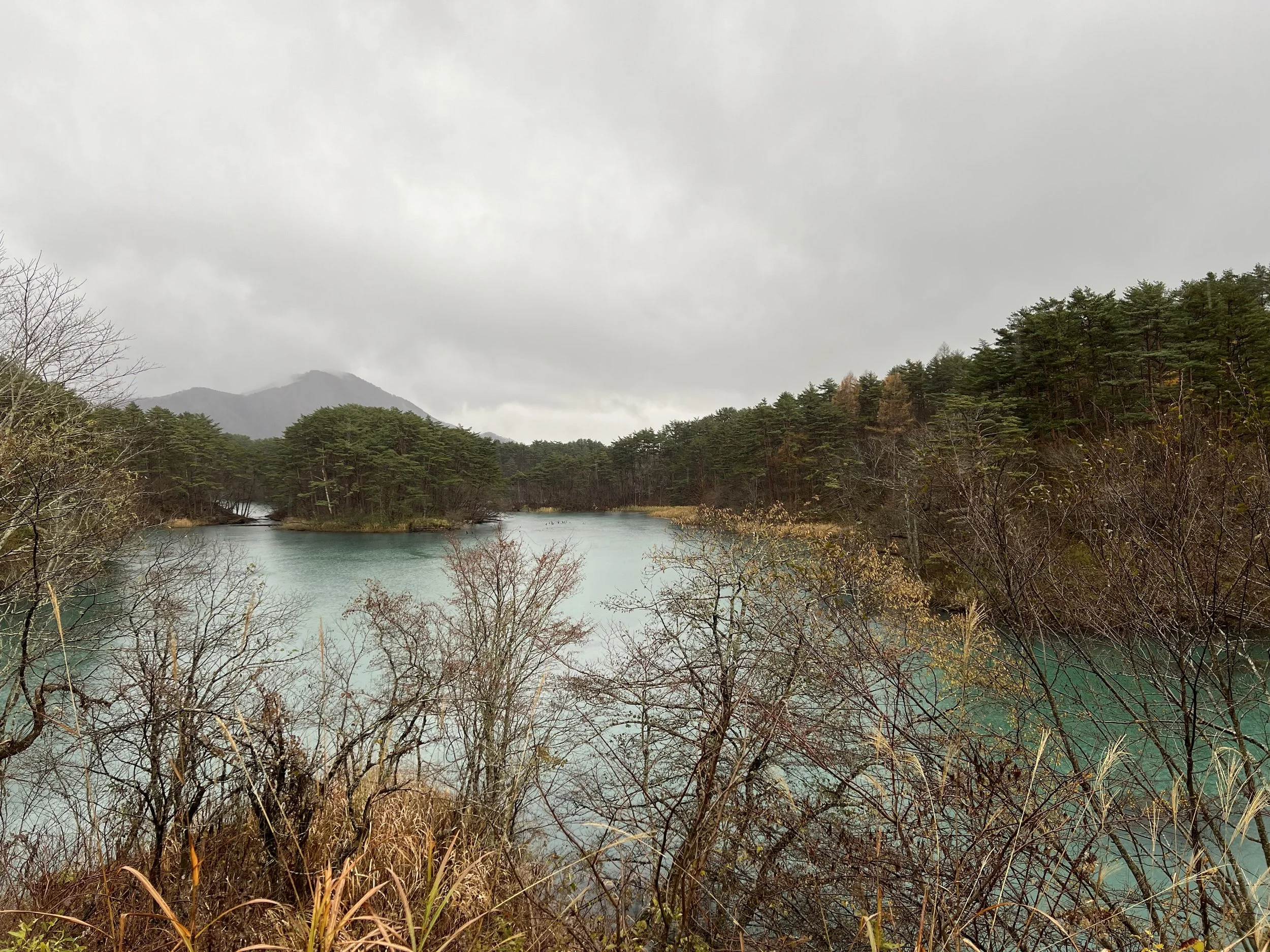
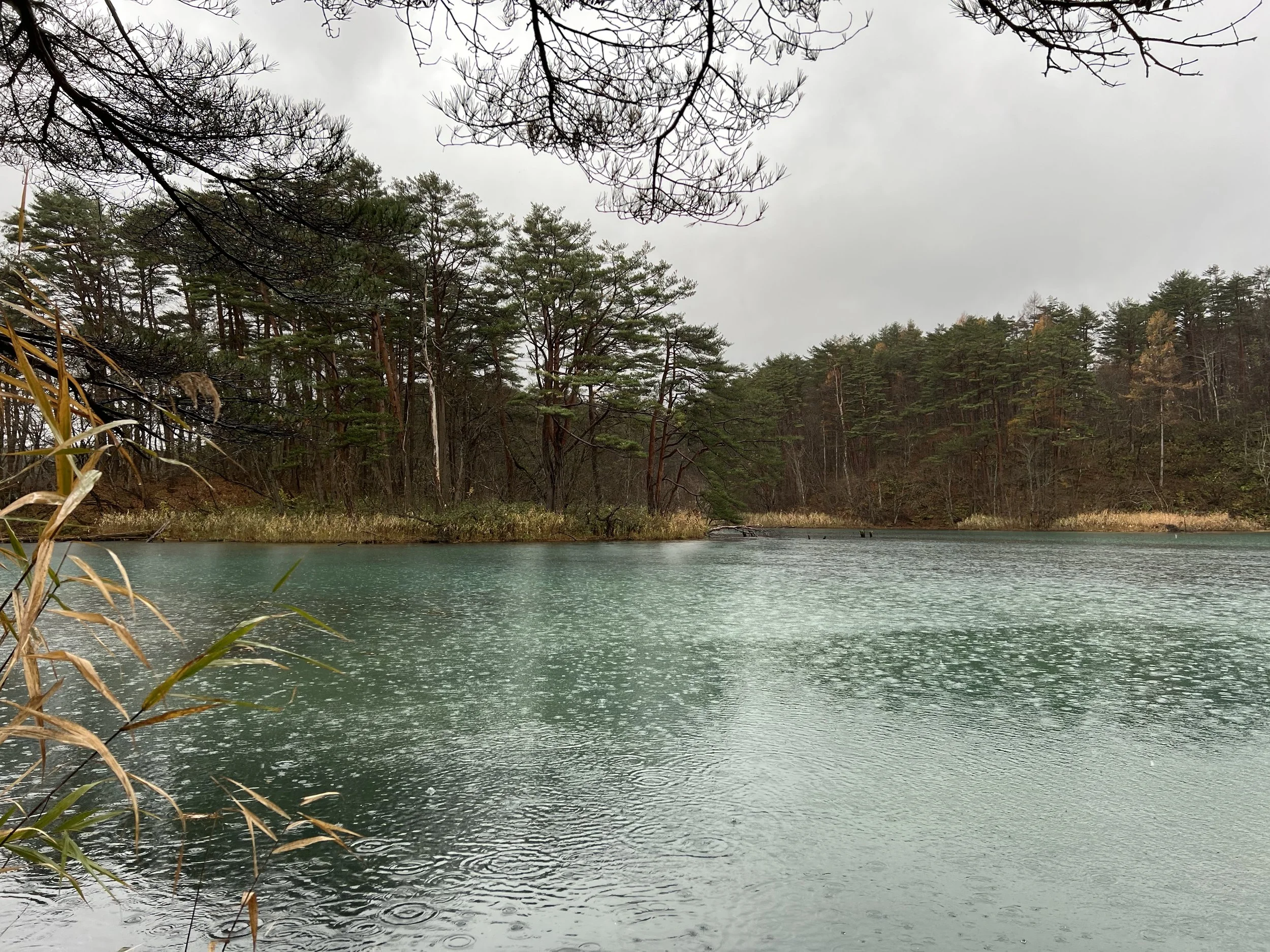
The name Goshikinuma literally means “five-coloured ponds,” which often leads people to assume there are only five. In reality, there are many more. Depending on the pond, shades of emerald green, cobalt blue, turquoise, deep navy, pastel blue, and even reddish tones can appear. These colours shift with viewing angle, season, and weather, making it nearly impossible to fully appreciate the variety in a single visit.
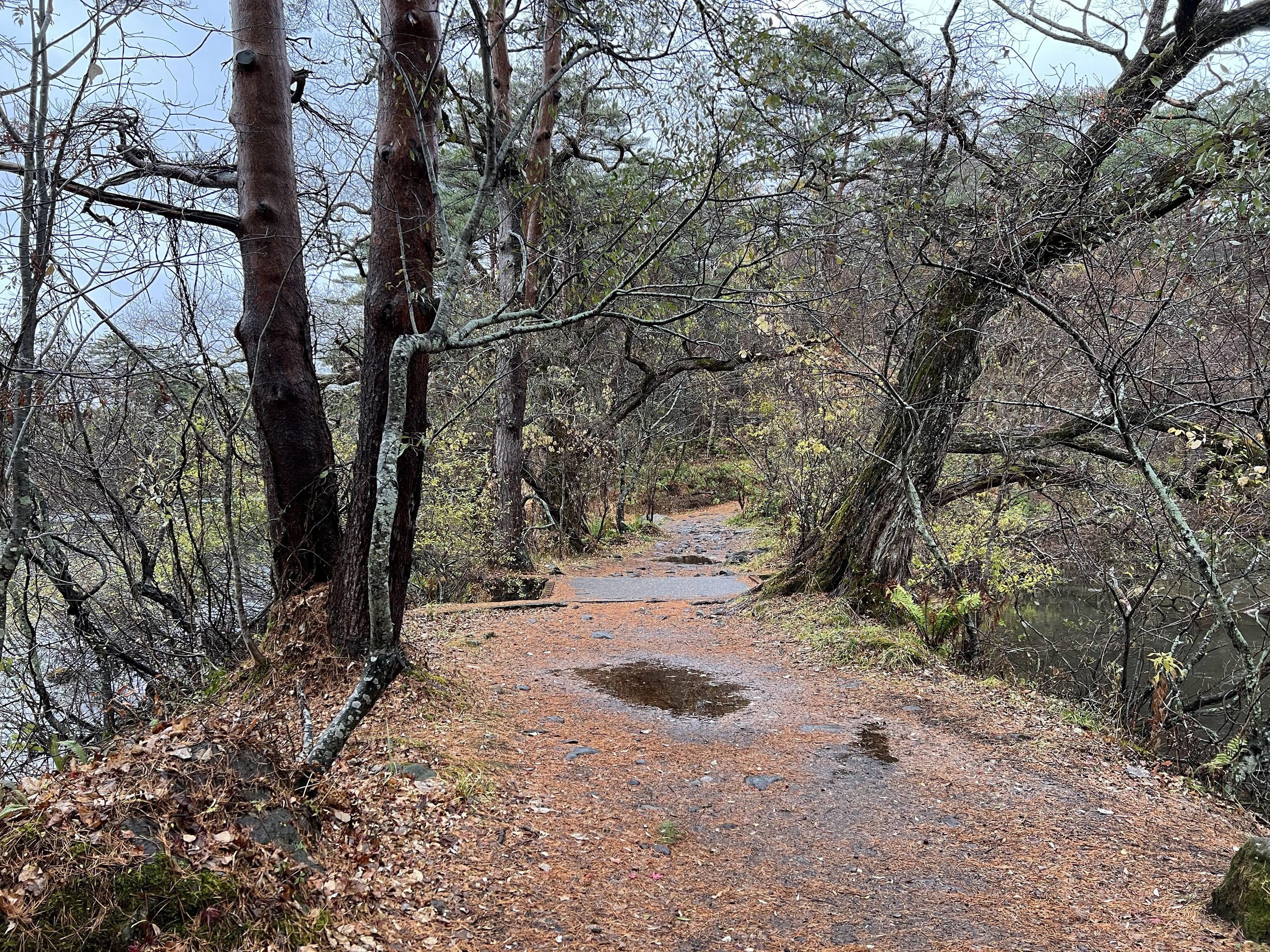
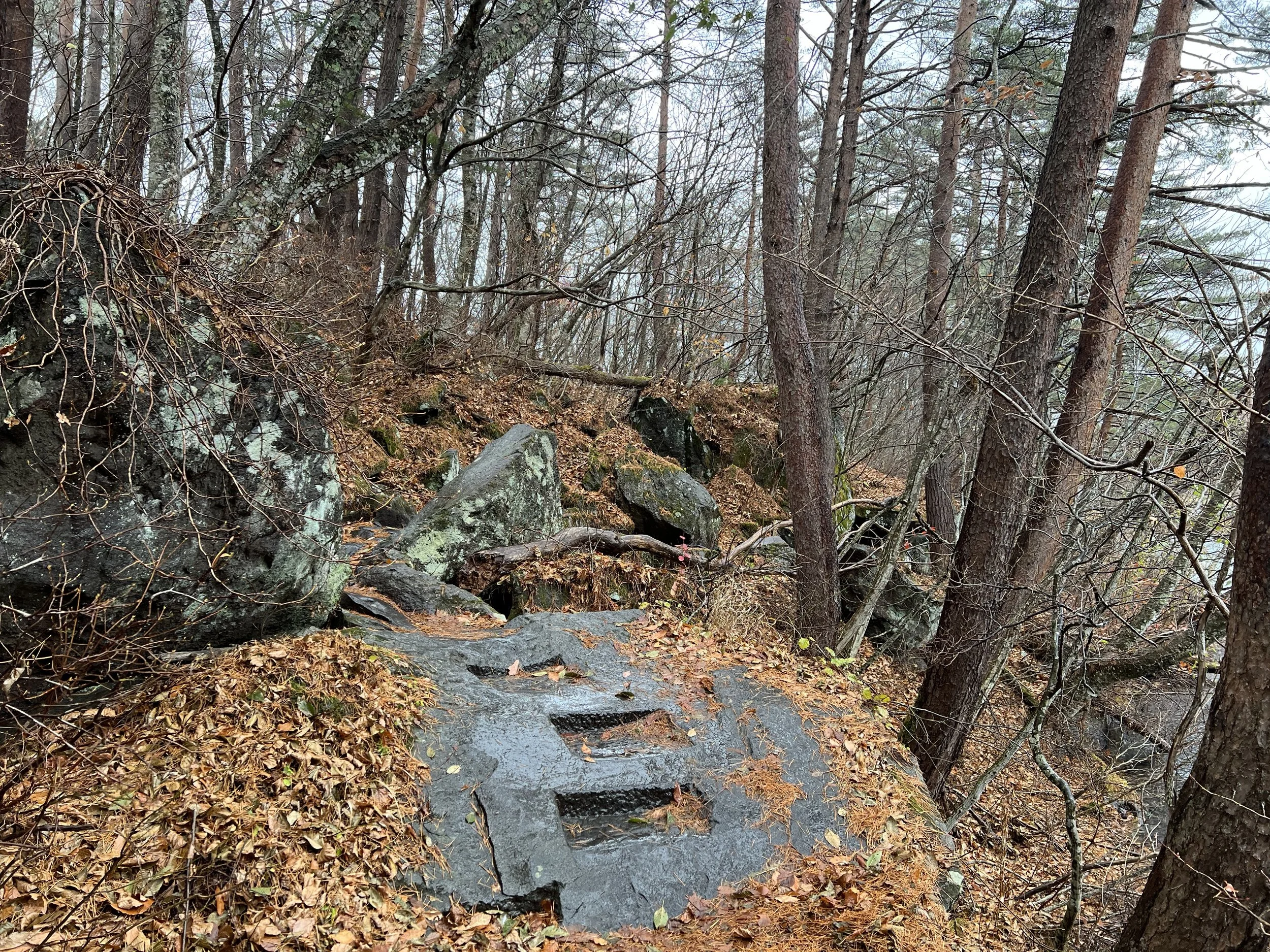
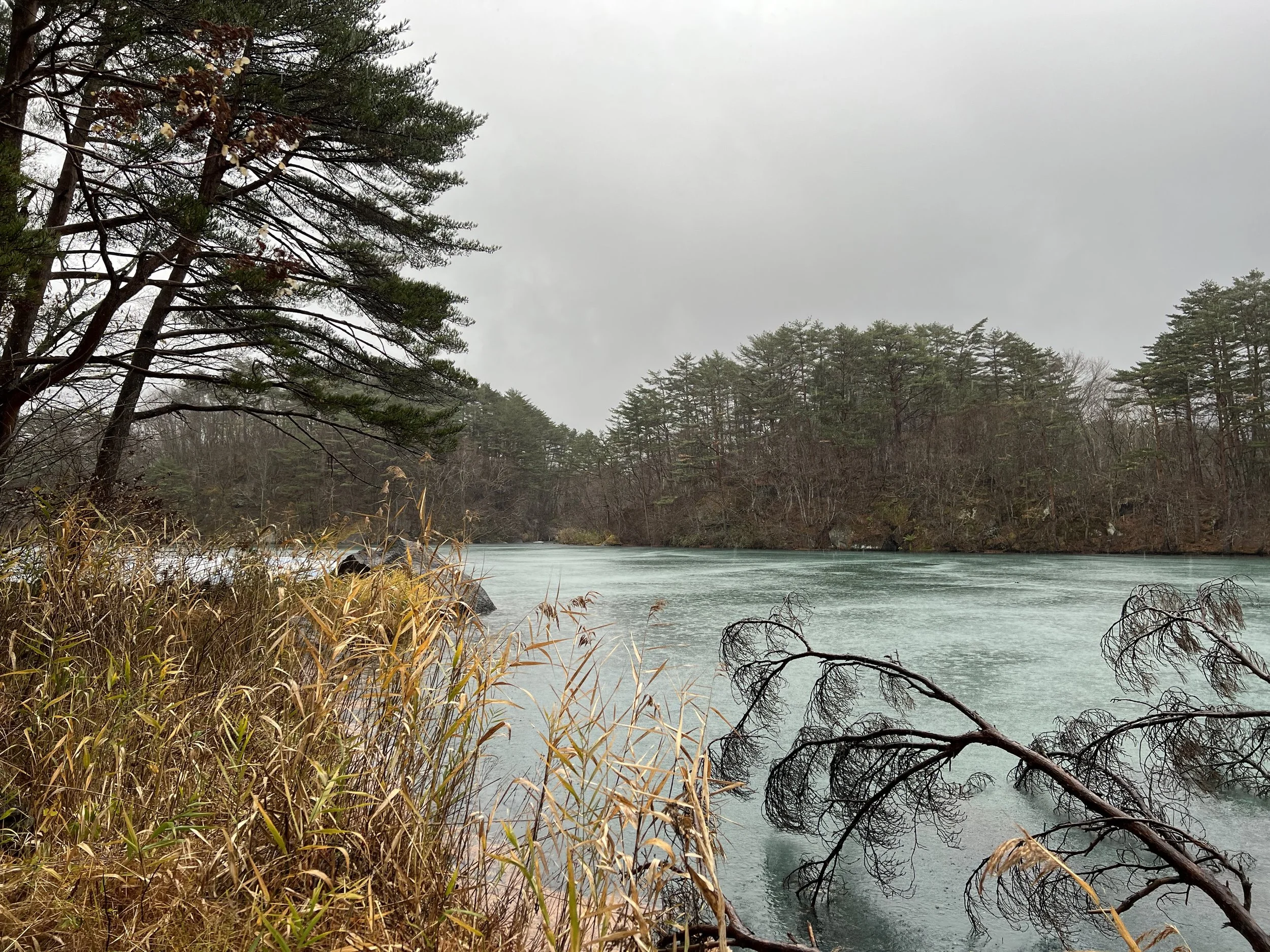
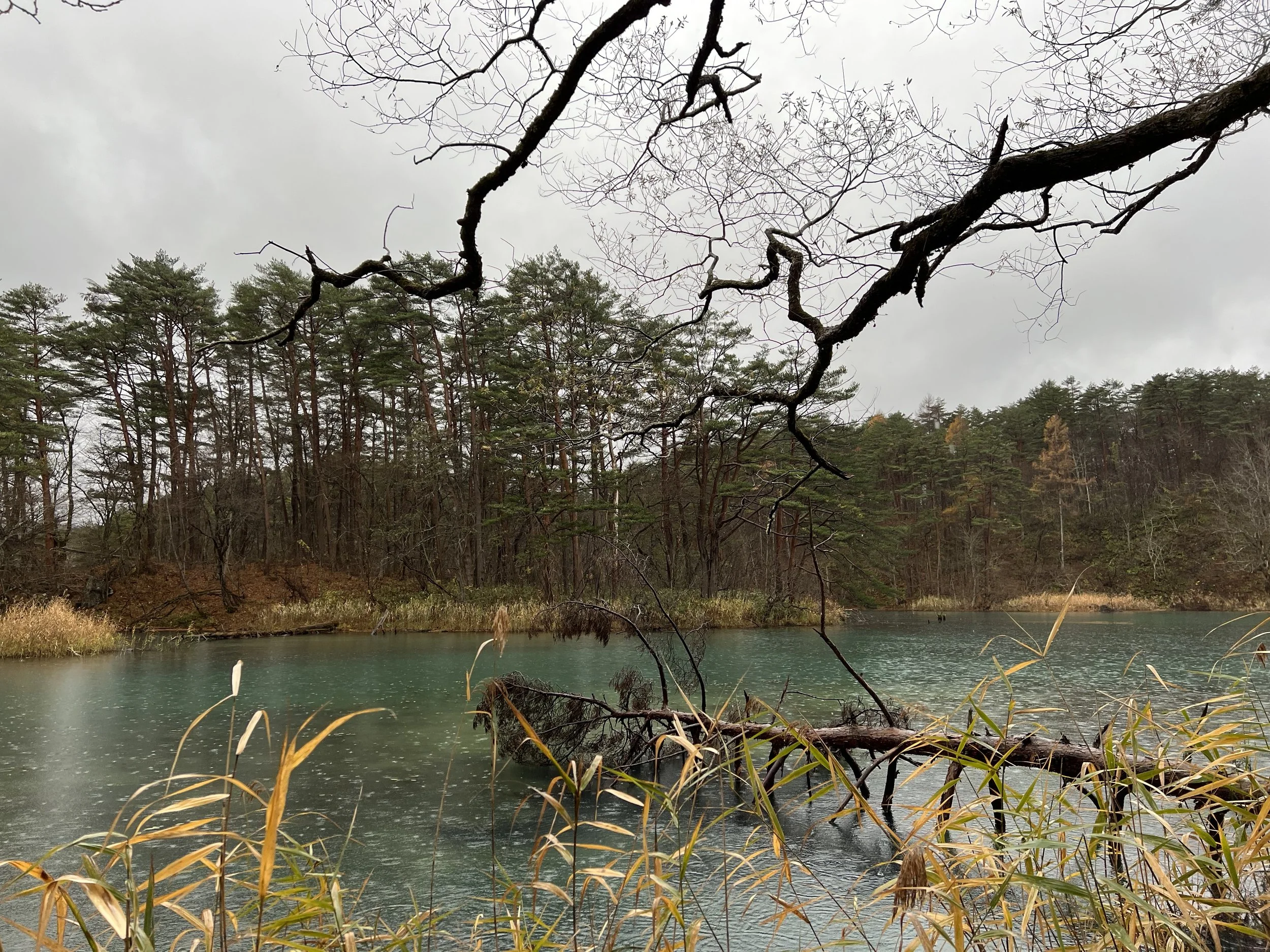
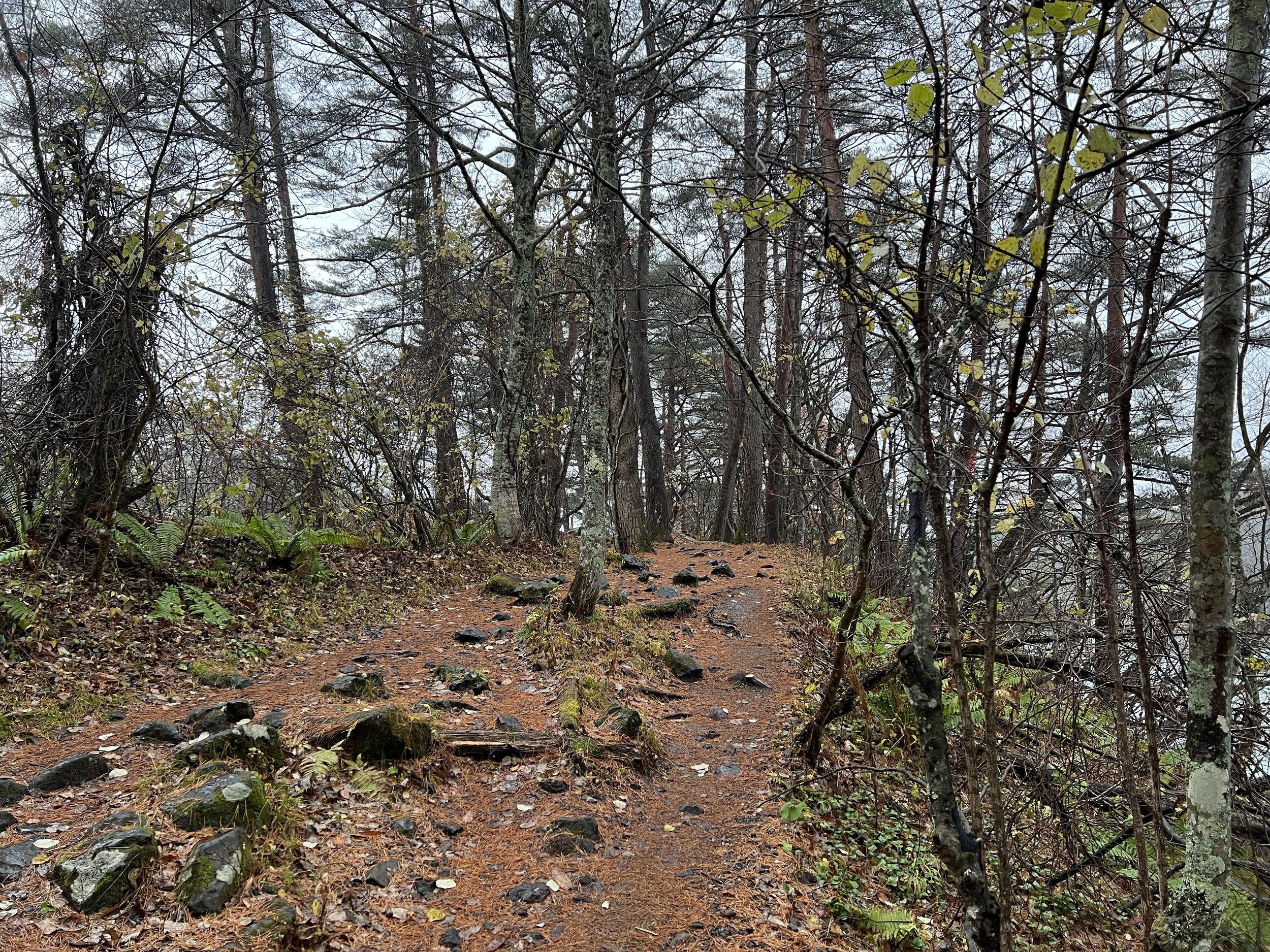
On the day I visited, it was pouring rain with strong winds, and I seriously debated whether to go out at all. A quick look at the forecast for the remainder of my stay suggested the weather wouldn’t improve, so I geared up as best I could and headed out. Reaching the trailhead required a train followed by a bus, and at the small souvenir shop near the entrance, I was advised to remain alert for bears, as sightings had been reported as recently as the day before. I grabbed a quick snack, adjusted my rain gear, and set off.
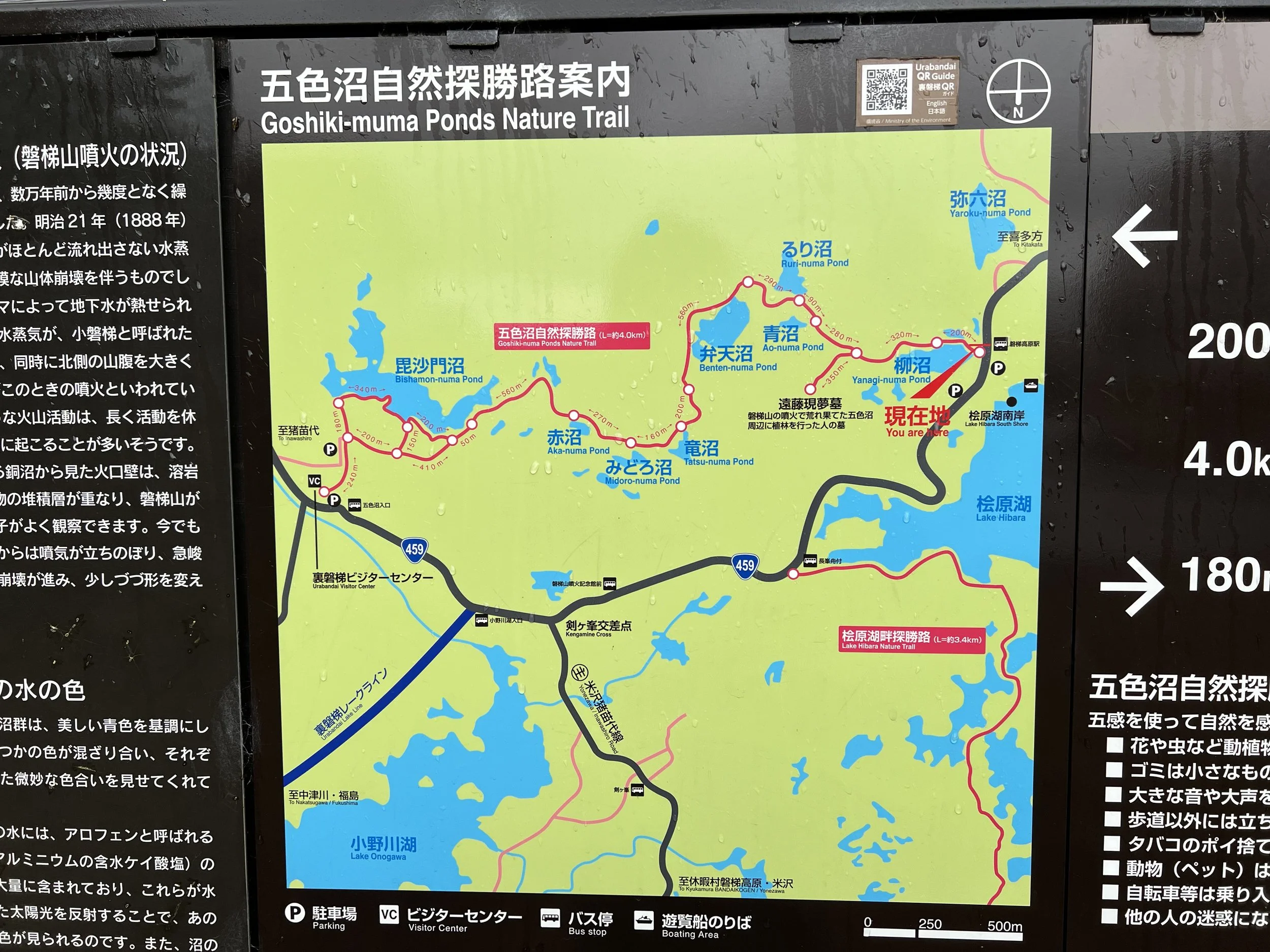
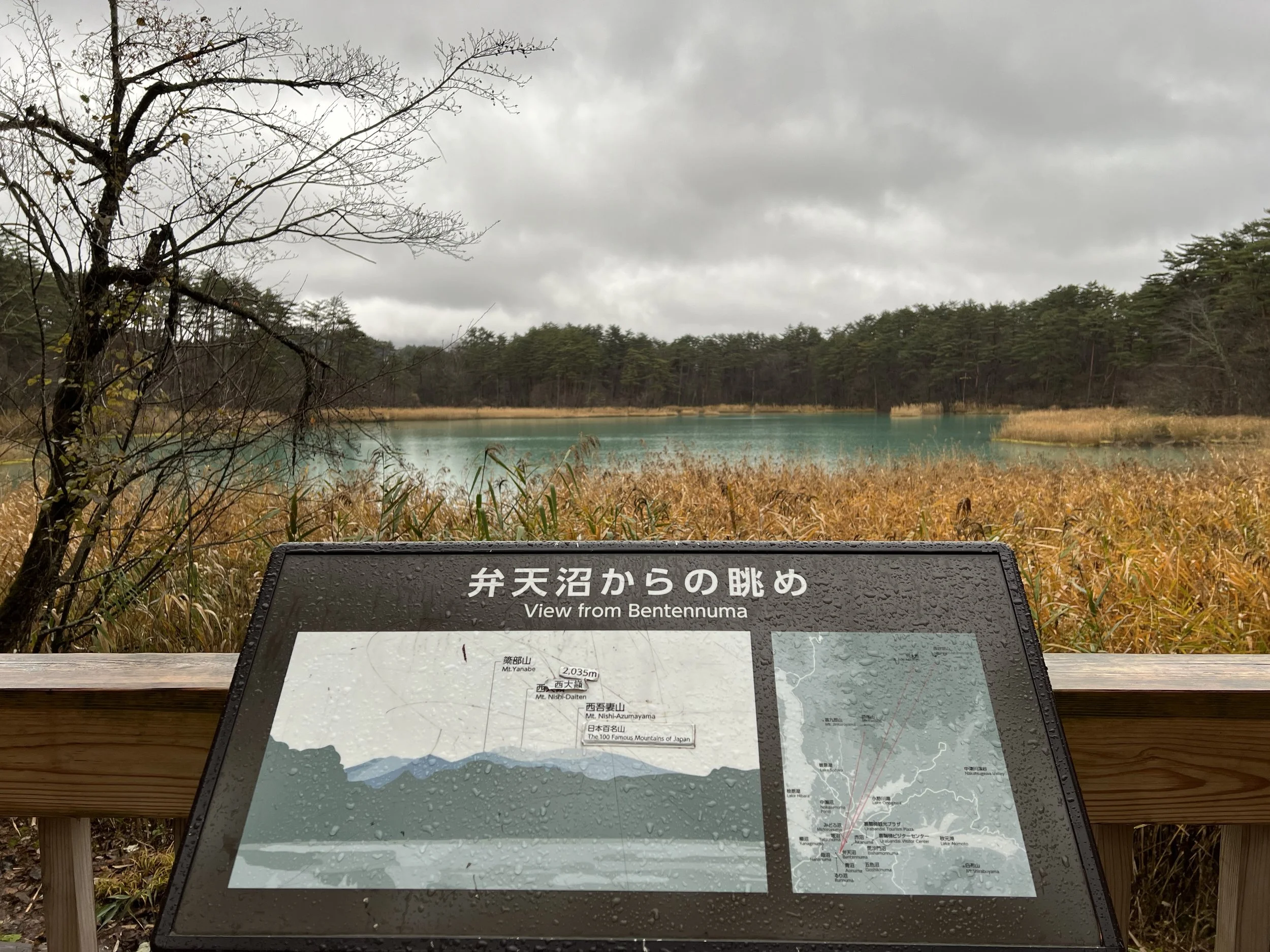
The trail is well maintained and immediately leads to Yanaginuma (Willow Pond). This pond is typically clear and transparent, sometimes appearing green, and during my visit it leaned distinctly toward green. From there, the path continues to Aonuma (Blue Pond), where the water appeared bright blue and remarkably clear. Further along is Bentennuma Pond, the second largest of the group. On clear days, this area offers views of Mount Nishi-Azuma and Mount Yanabe, but under grey skies, those views were completely obscured. The pond itself, however, displayed a beautiful turquoise hue that subtly shifted toward green as I walked around it.
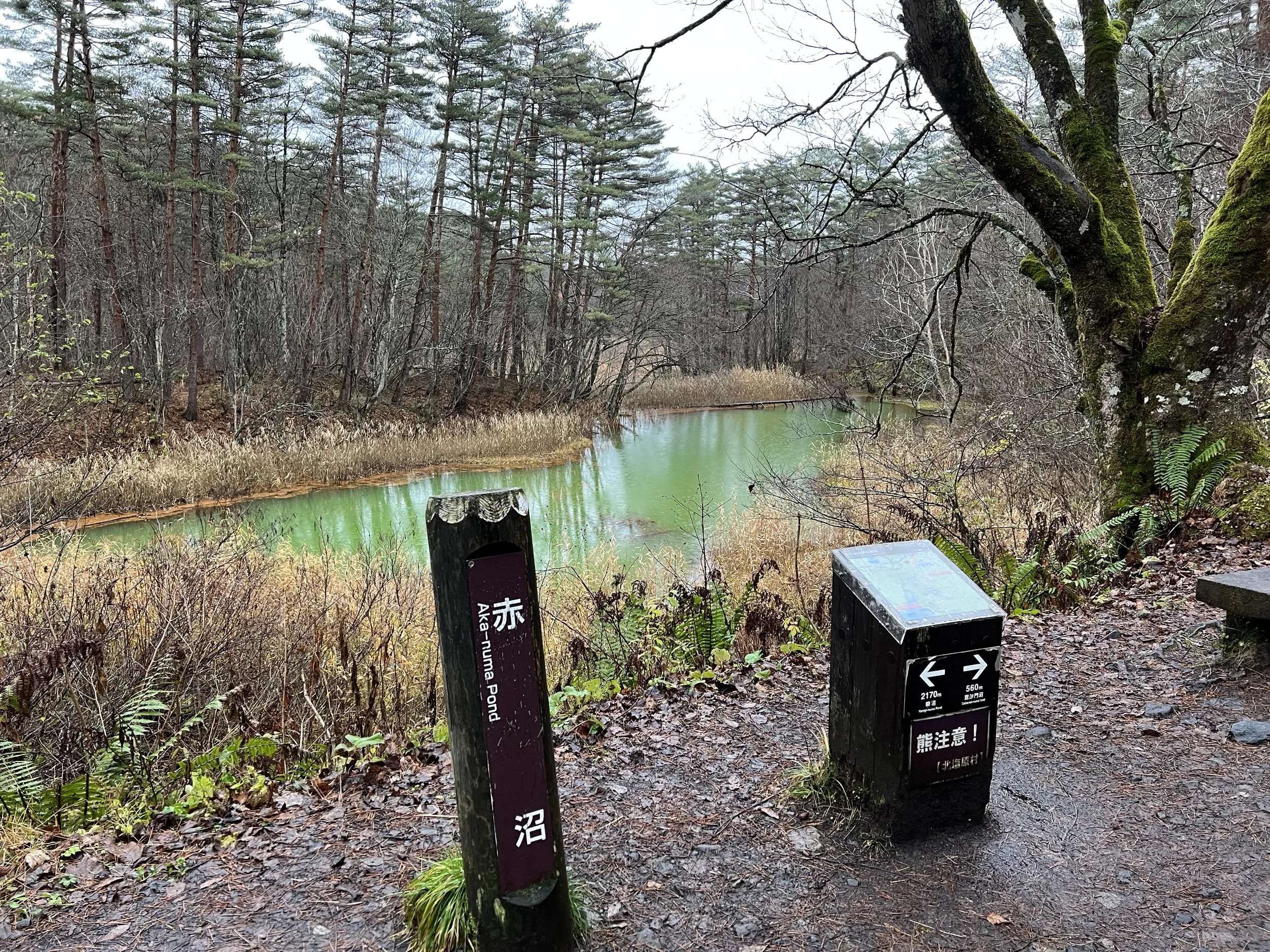
Continuing onward, I reached Tatsunuma (Dragon Pond), which is known for its vibrant green colour under ideal conditions. During my visit, the pond appeared darker and blended more into the surrounding vegetation. Nearby, Midoronuma (Deep Mud Pond) stood out with a striking emerald green, offering one of the most vivid colours in the area despite its smaller size. This pond is often contrasted with Akanuma (Red Pond), which—despite its name—is typically green or blue with occasional reddish tones. On this day, the two ponds appeared as slightly different shades of green, muting the usual contrast.
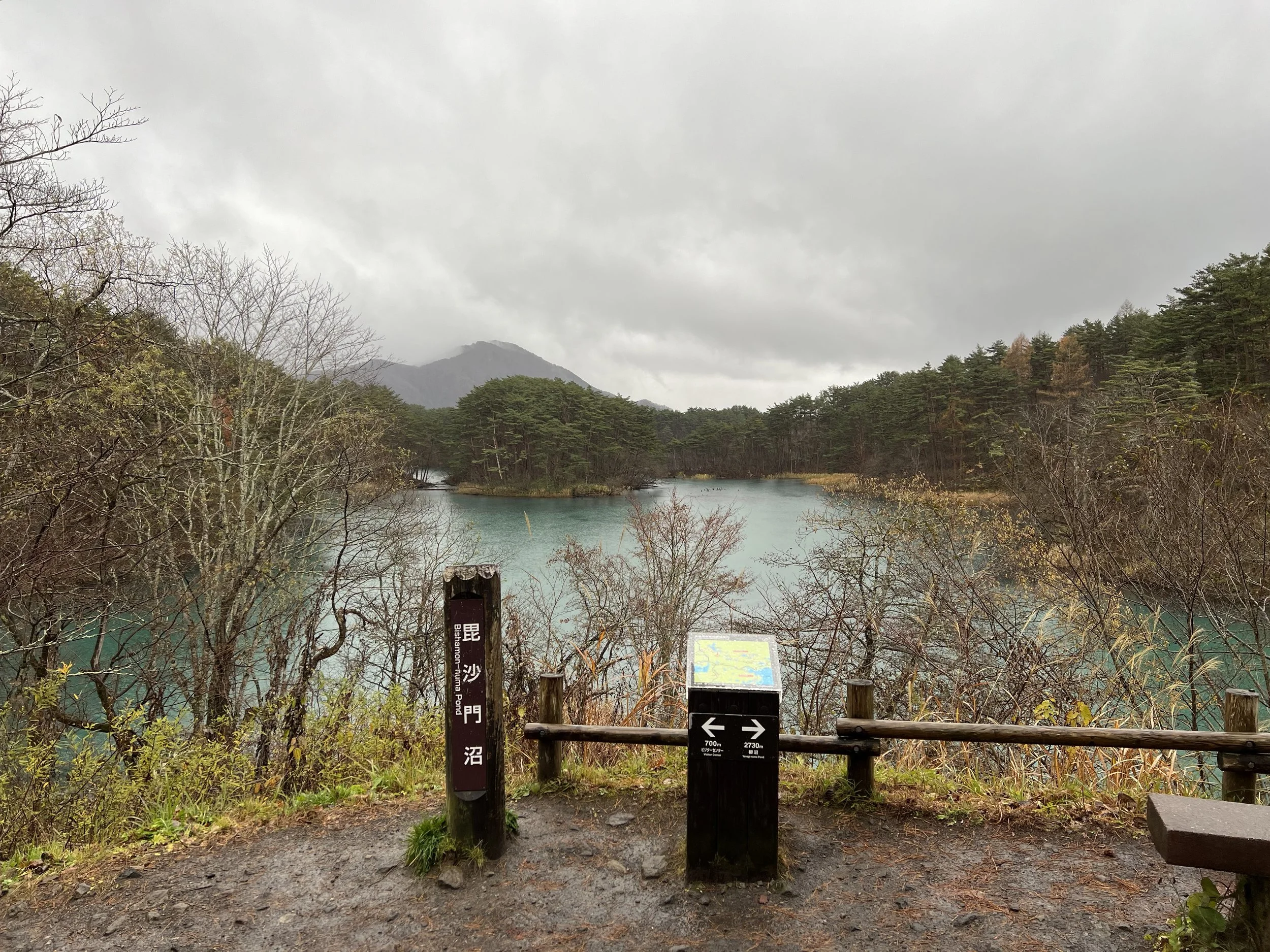
A short distance beyond Akanuma lies the Bishamonnuma Pond, the most famous pond in the area. Known for its vivid colours, this pond also offers boat rentals, allowing visitors to experience the water from a different perspective. From here, the trail exits near a rest house and café. I didn’t stop to eat but made use of the washrooms before continuing back along the trail. While many visitors end their walk here, the bus schedule made walking back the most practical option for me.
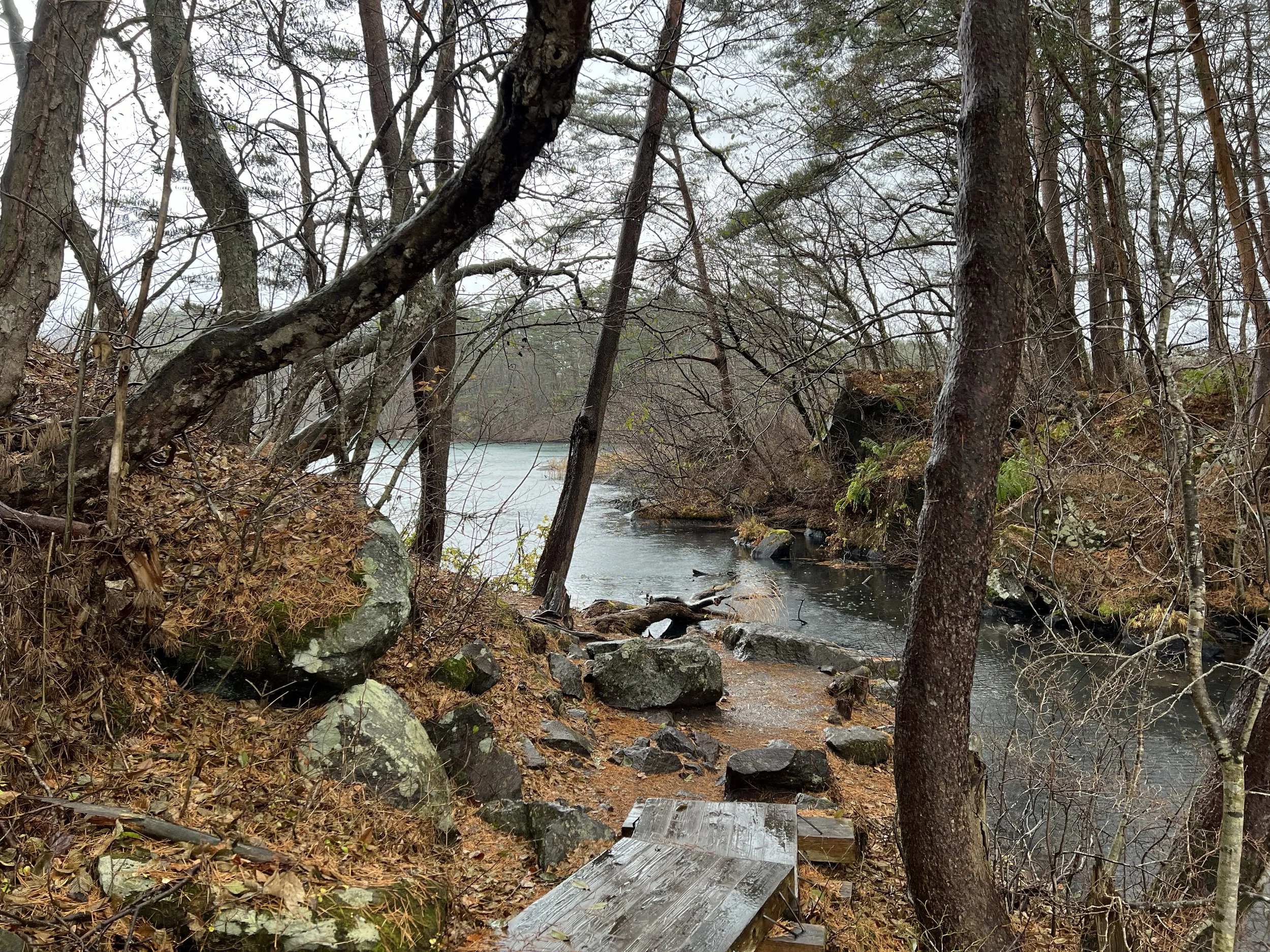
Retracing the trail turned out to be a highlight, as seeing the ponds from a different angle offered subtle changes in colour and reflection. Even under the same weather conditions, the perspective alone made the return walk worthwhile. With some time to spare before the bus, I walked over to nearby Lake Hibara. The lake is expansive, and in warmer months, sightseeing boats operate across its surface.
Despite the challenging weather, the visit left a strong impression. I can’t wait to return under better conditions, or in a different season, to see how dramatically the colours of the ponds transform.
History & Background
Goshikinuma Ponds (五色沼) were formed as a result of the 1888 eruption of Mount Bandai, which reshaped the landscape of the Urabandai region. Lava flows and volcanic debris dammed rivers and created numerous ponds and marshes, each influenced by varying mineral compositions.
The unique chemical makeup of each pond affects light absorption and reflection, producing the distinctive and shifting colours for which the area is known. Today, Goshikinuma is protected as part of Bandai-Asahi National Park and remains one of the most celebrated natural landscapes in Fukushima Prefecture.
Getting There
Goshikinuma Ponds are accessed via Inawashiro Station on the JR Ban’etsu West Line, with train connections from Aizu-Wakamatsu Station. From Inawashiro Station, local buses operate toward Urabandai, stopping at Urabandai-Kogen Eki Bus Stop near the west trailhead of the Goshikinuma Nature Trail. The trailhead is a short walk from the bus stop.
Route Overview
Distance: 7.88 km out & back (Goshikinuma Nature Trail Trailhead West Side)
Total elevation gain: 181 m
Duration: 1 hr 45 min (with breaks 1 hr 56 min)
Difficulty: Easy
Cost Breakdown
Train: Aizu-Wakamatsu Station → Inawashiro Station — ¥510
Bus: Inawashiro Station → Urabandai-Kogen Eki Bus Stop — ¥1,060
Food: ¥161