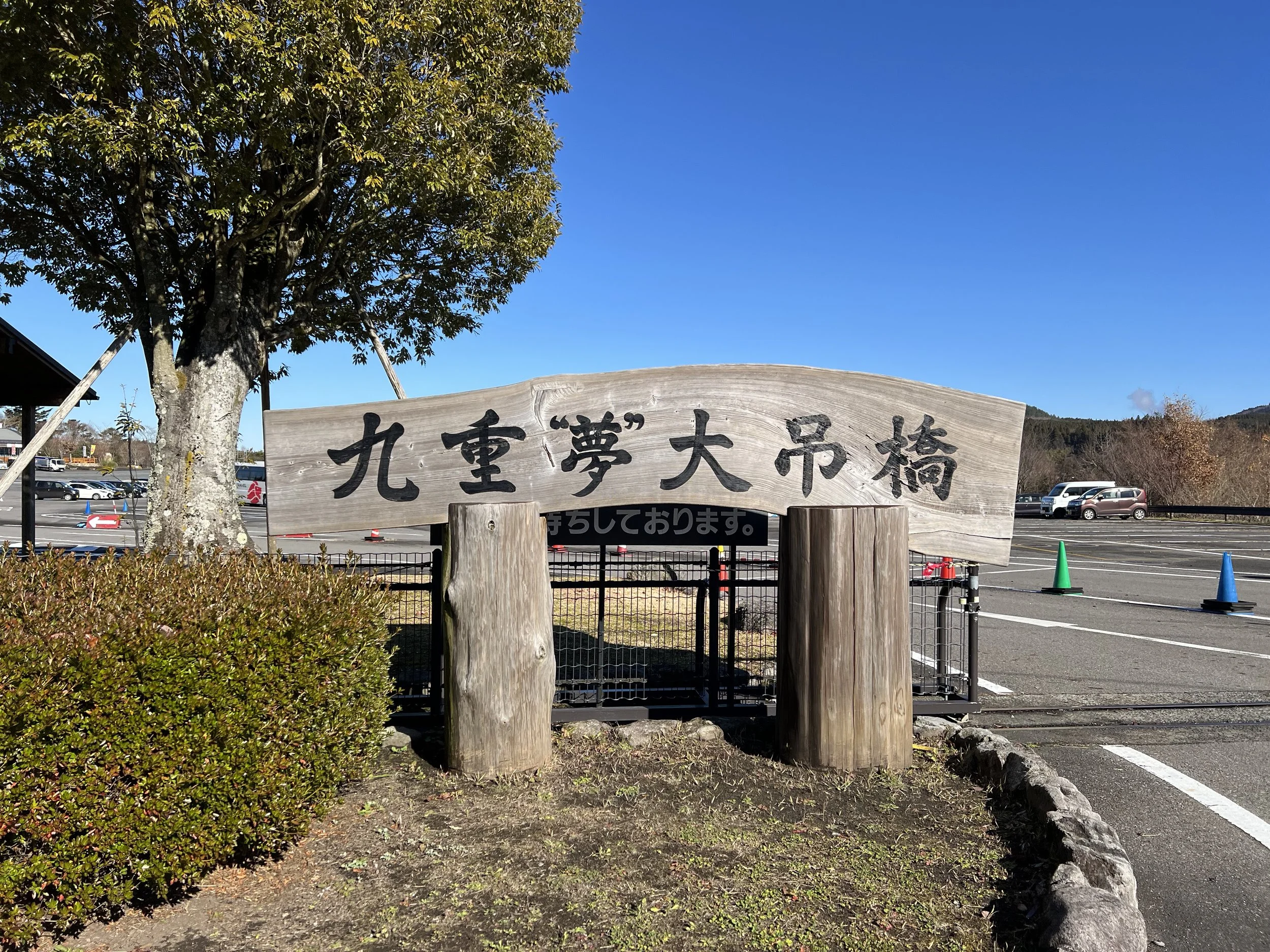
Kokonoe Yume Otsuribashi - Oita, Japan
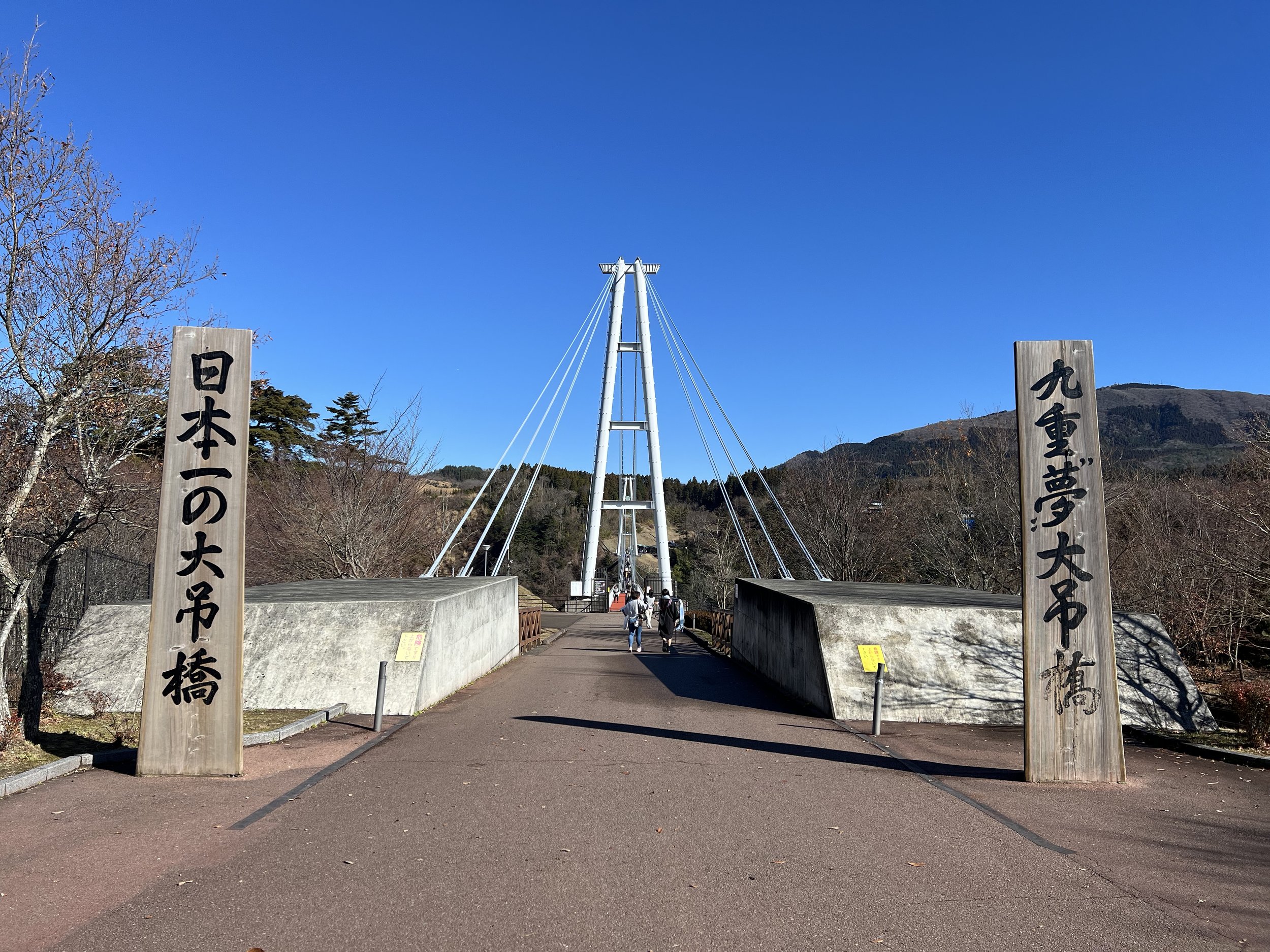
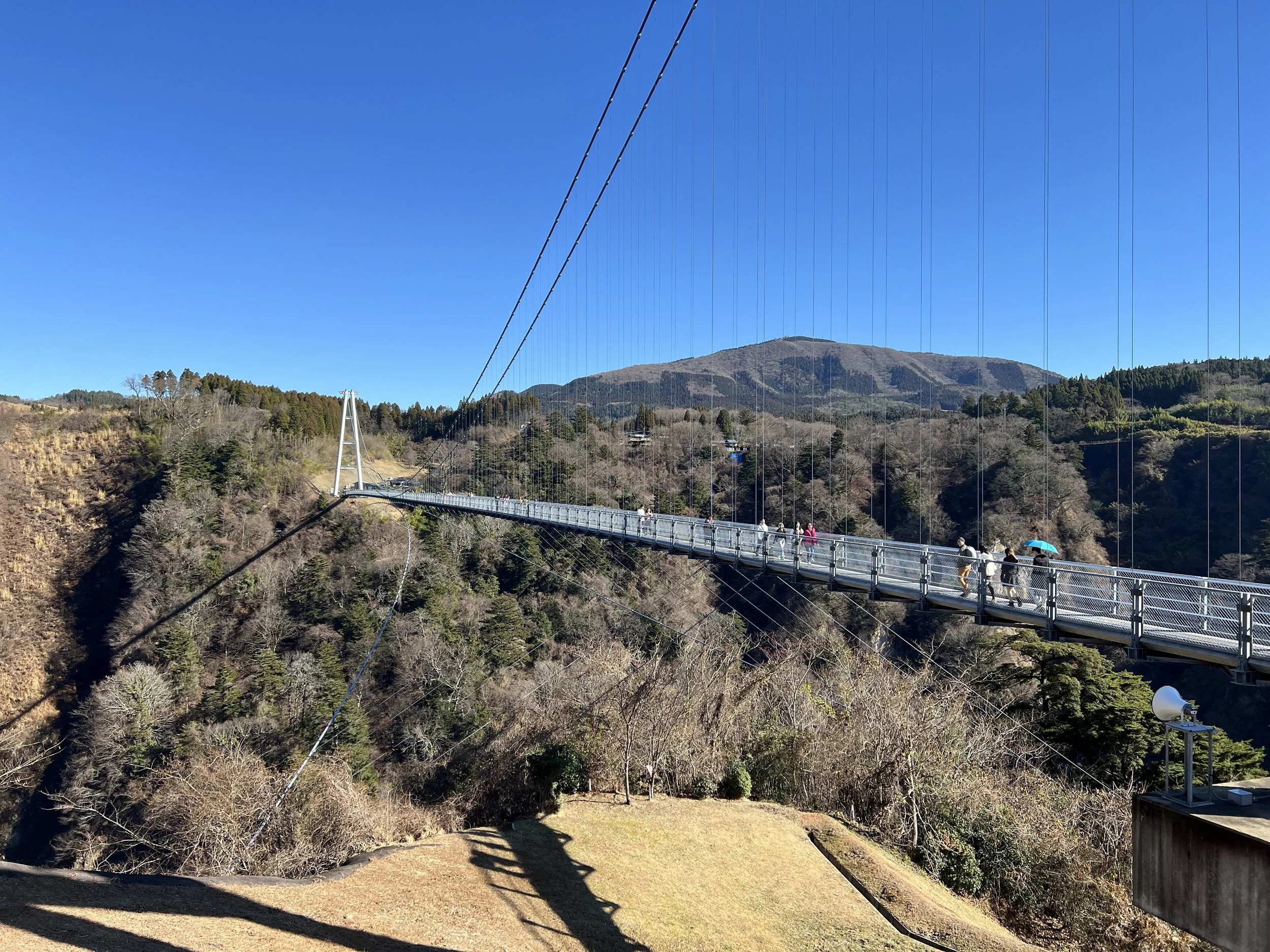
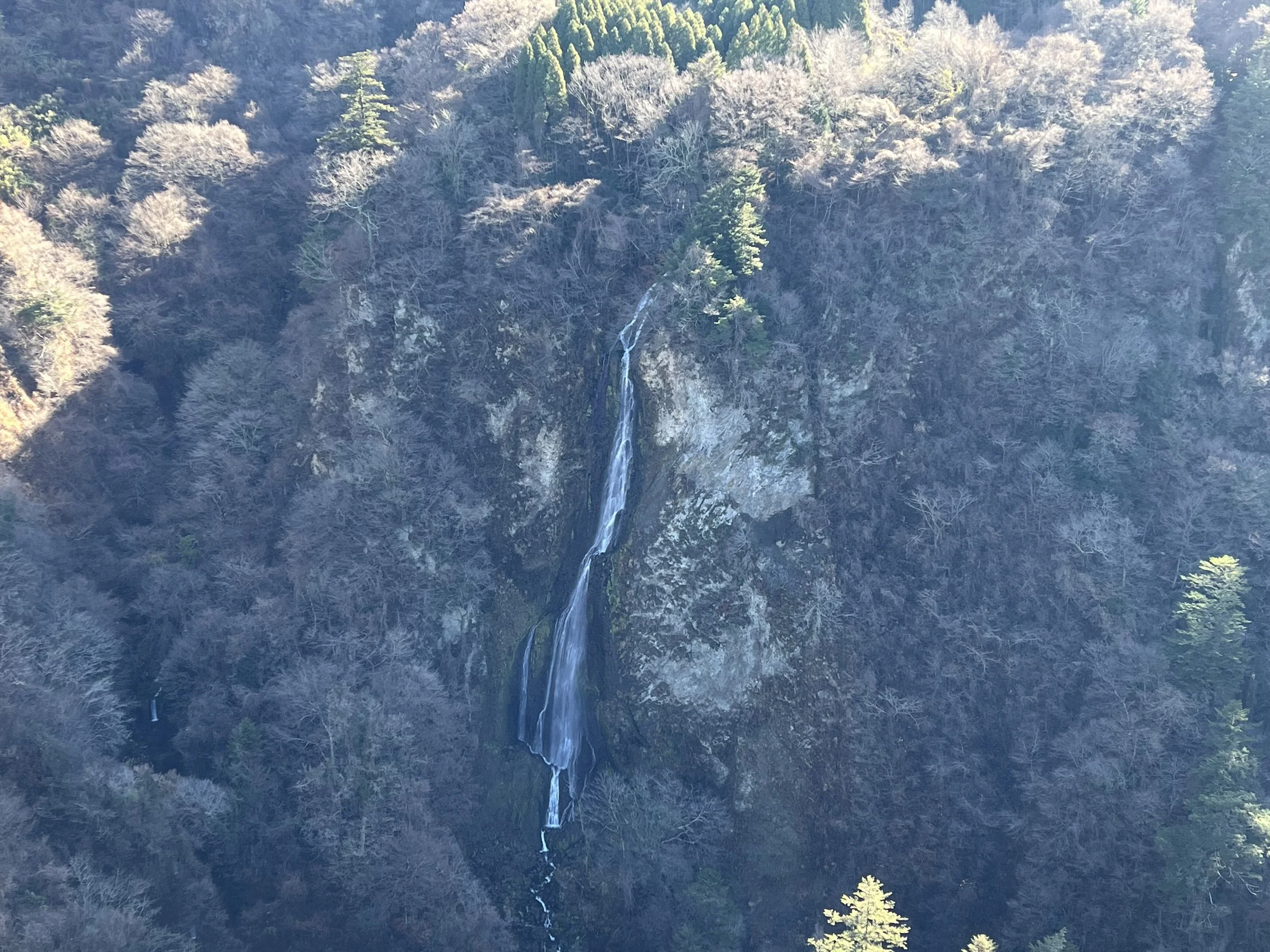
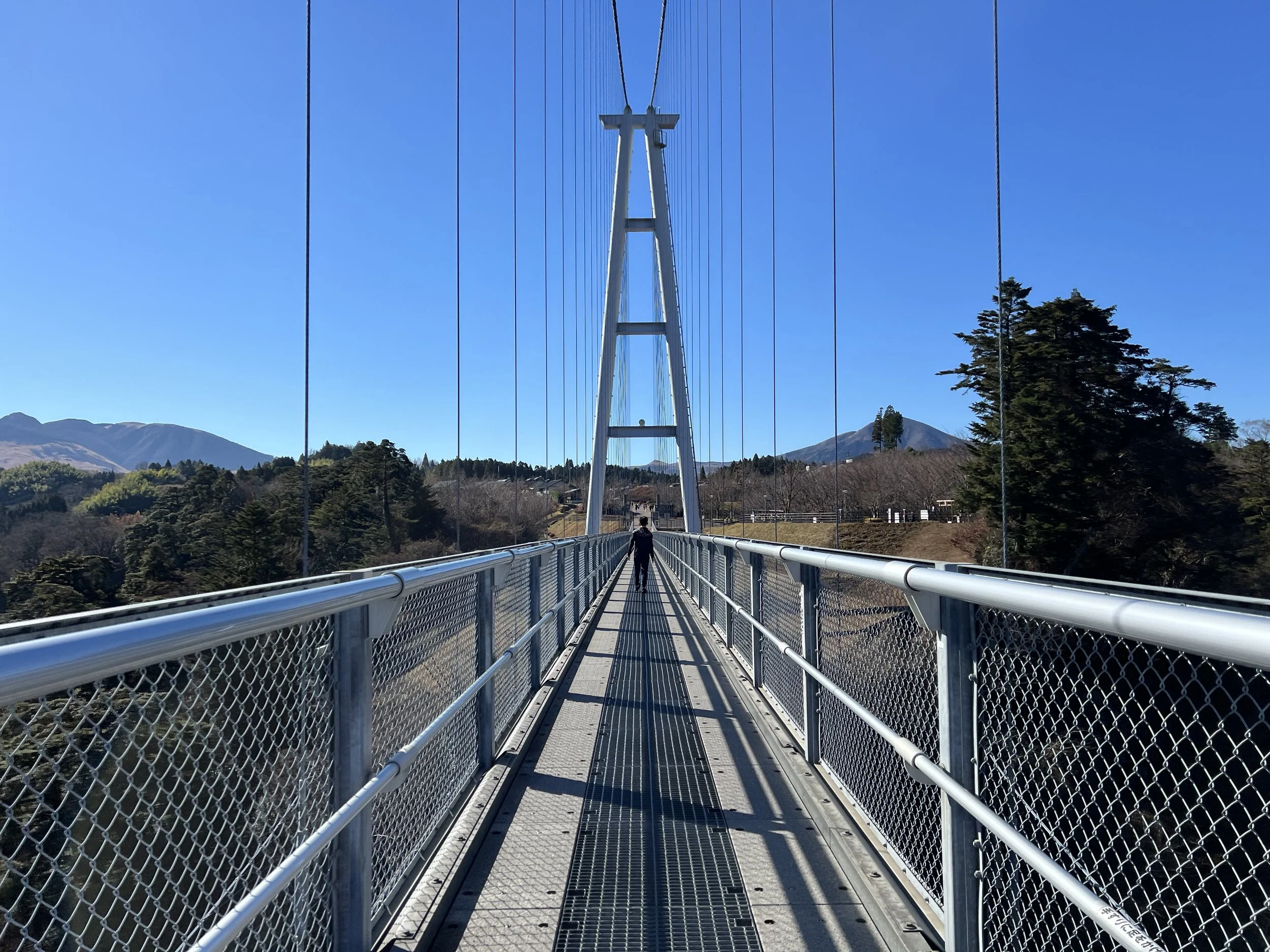
Kokonoe Yume Otsuribashi is Japan’s tallest pedestrian suspension bridge, standing 173 metres above the Narukogawa Gorge. At 1.5 metres wide and 390 metres long, the bridge stretches across a dramatic landscape, offering views straight down to the Naruko River and out toward Shindou Falls, one of Japan’s Top 100 waterfalls, in the distance.
Reaching Kokonoe Yume Otsuribashi is a journey in itself. The bridge is located in a rural area, and depending on where you are coming from, getting there requires some planning. When I first searched for transportation options, I struggled to find clear information online. It wasn’t until I checked the bridge’s official website that I discovered a community bus operating from Bungo-Nakamura Station. Upon arriving at the station, a local community volunteer approached me, asked where I was heading, and pointed me in the right direction for the bus. Without that interaction, it would have been easy to miss.
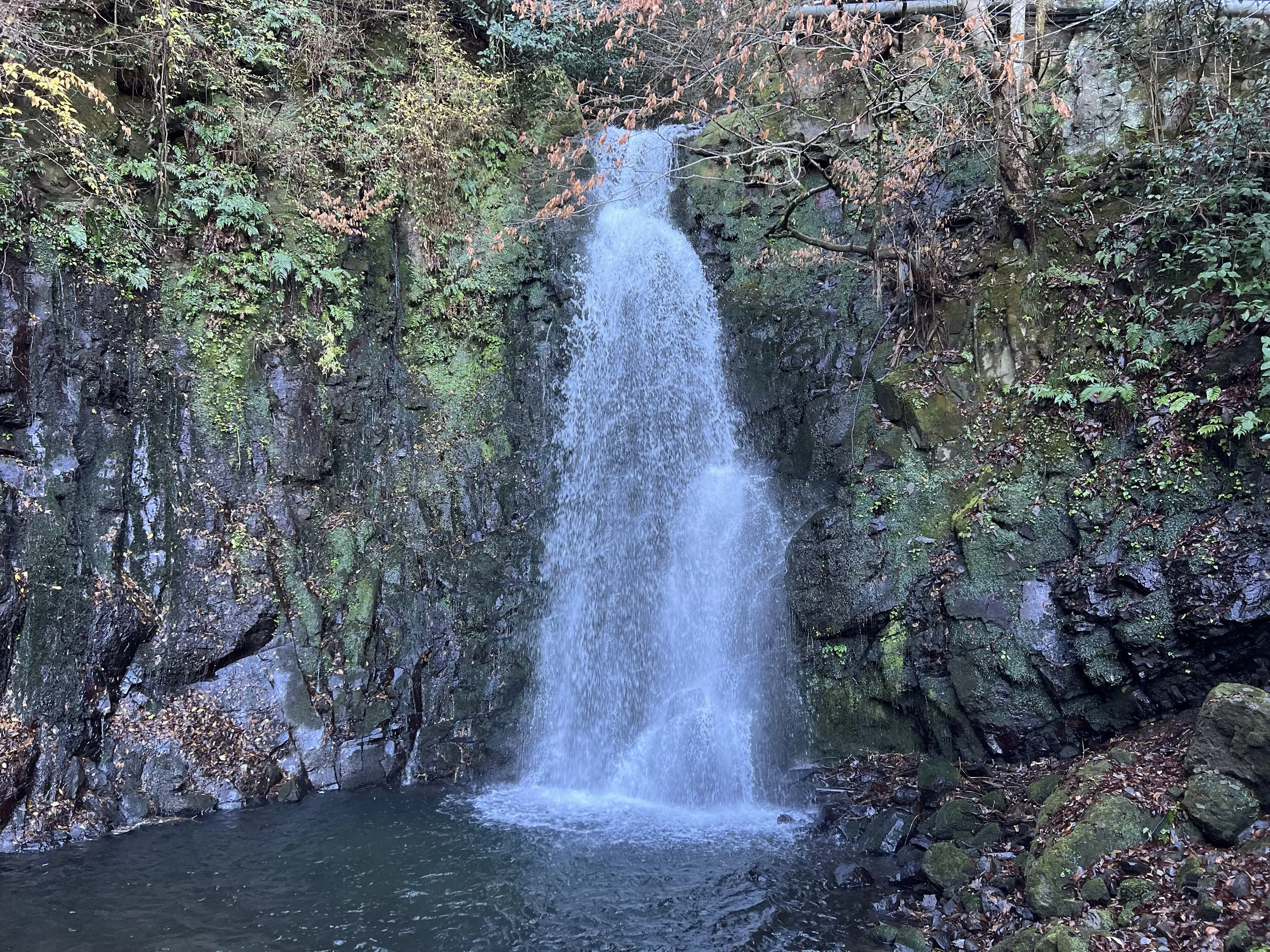
I originally planned to stay on the bus all the way to Kokonoe Yume Otsuribashi, but when the bus stopped near Katsura Chaya, I decided to get off. This traditional teahouse sits above the gorge and offers beautiful views of the river below, along with a small waterfall nearby. The area is especially popular during autumn, when the gorge is filled with vibrant fall colours. After spending some time there, I began walking up the mountain road toward the suspension bridge.
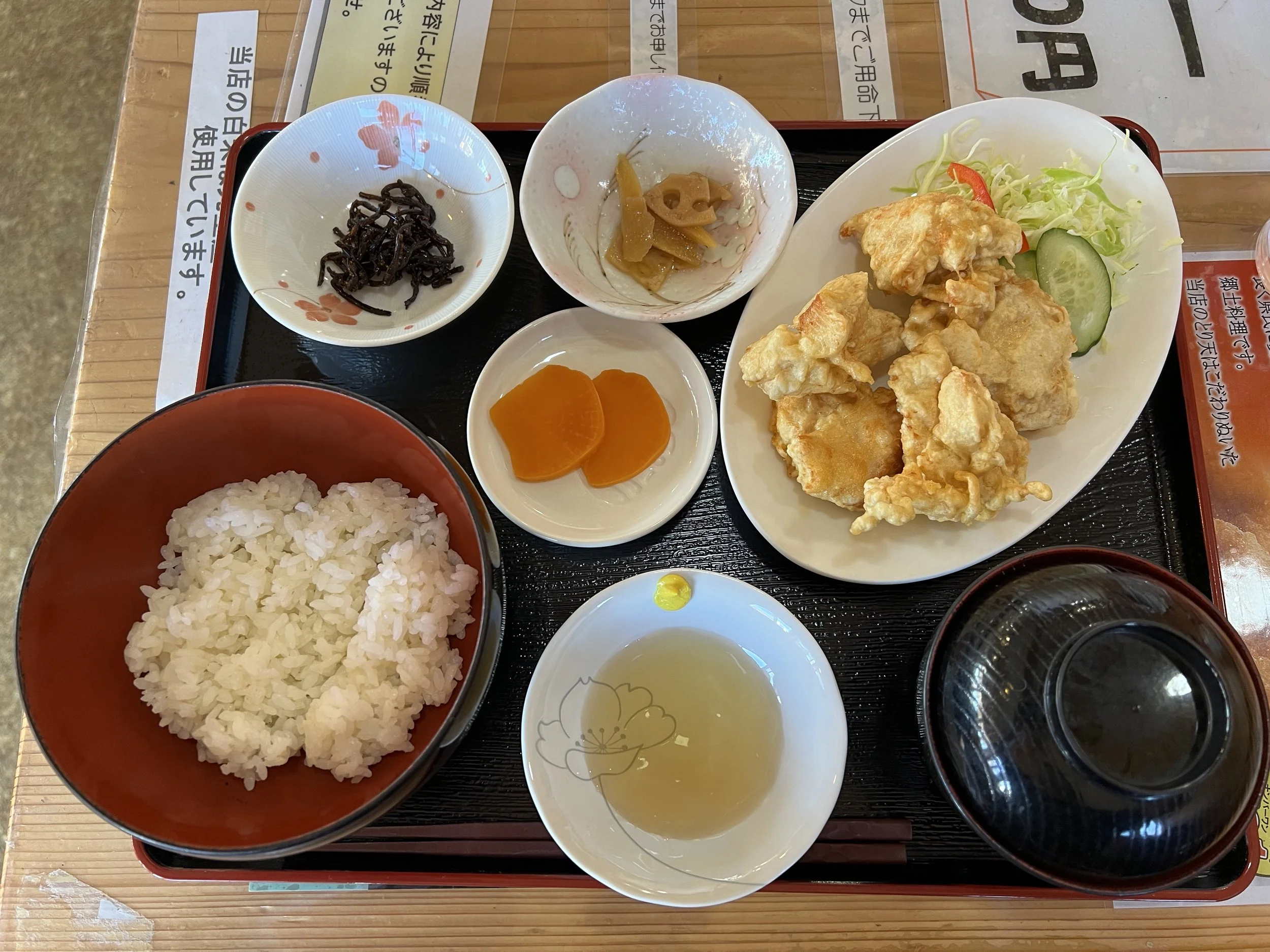
I underestimated this stretch. While the road is only about 2.6 kilometres, it was noticeably steeper than I expected. By the time I reached the bridge area, several tour buses had arrived, and a large crowd was heading in all at once. Rather than joining the rush, I opted to have a late lunch at a nearby restaurant. It turned out to be a good decision — the food was excellent, and by the time I finished, most of the tour buses were either gone or preparing to leave.
With fewer people around, I bought my ticket and headed onto the bridge. The scale of it was impressive. The bridge is engineered to hold up to 1,800 people at once, which is hard to imagine when you’re standing on it and looking down through the gaps below. Crossing didn’t take long, but I stop often to take in the views, especially toward Shindou Falls.
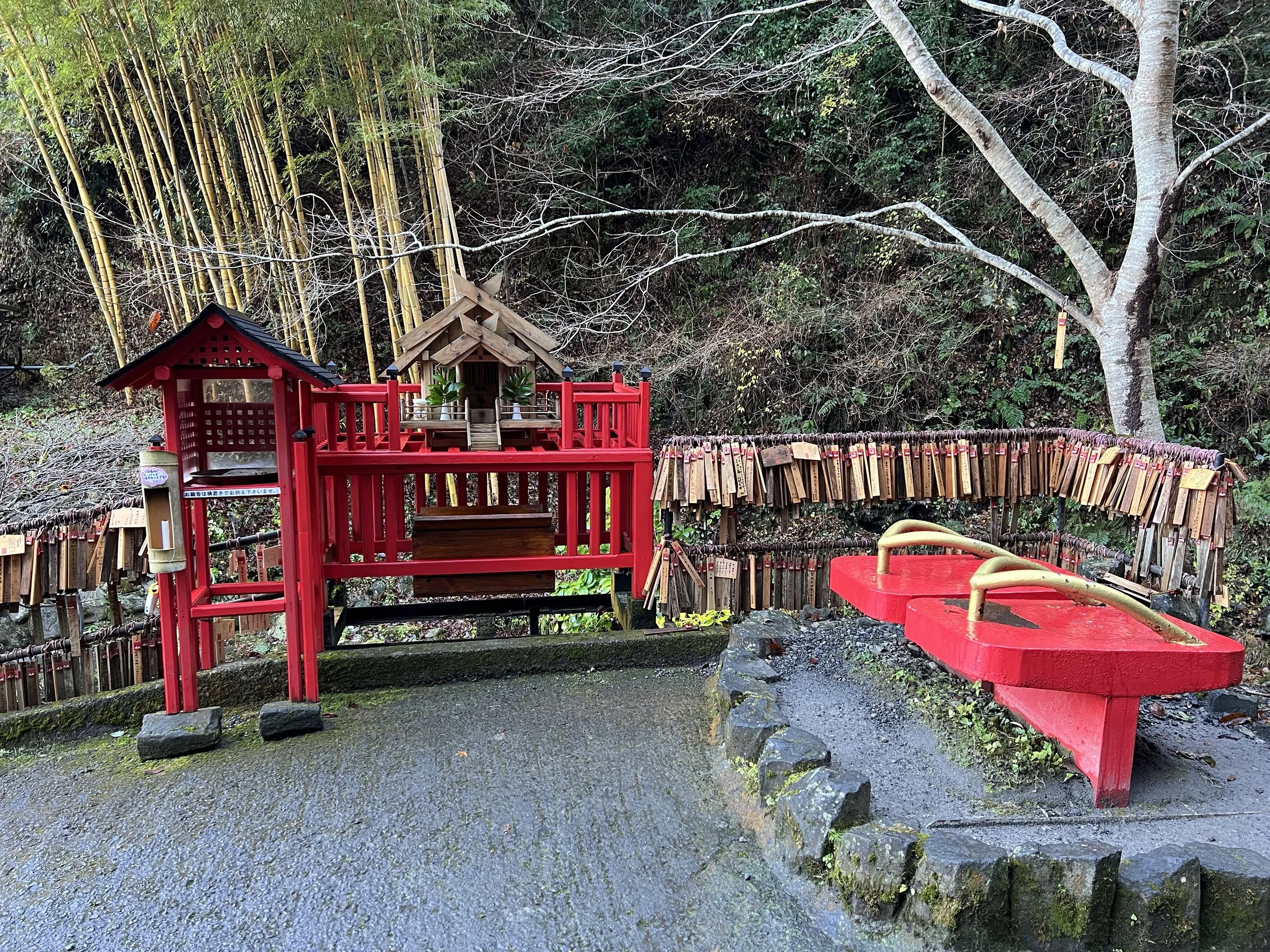
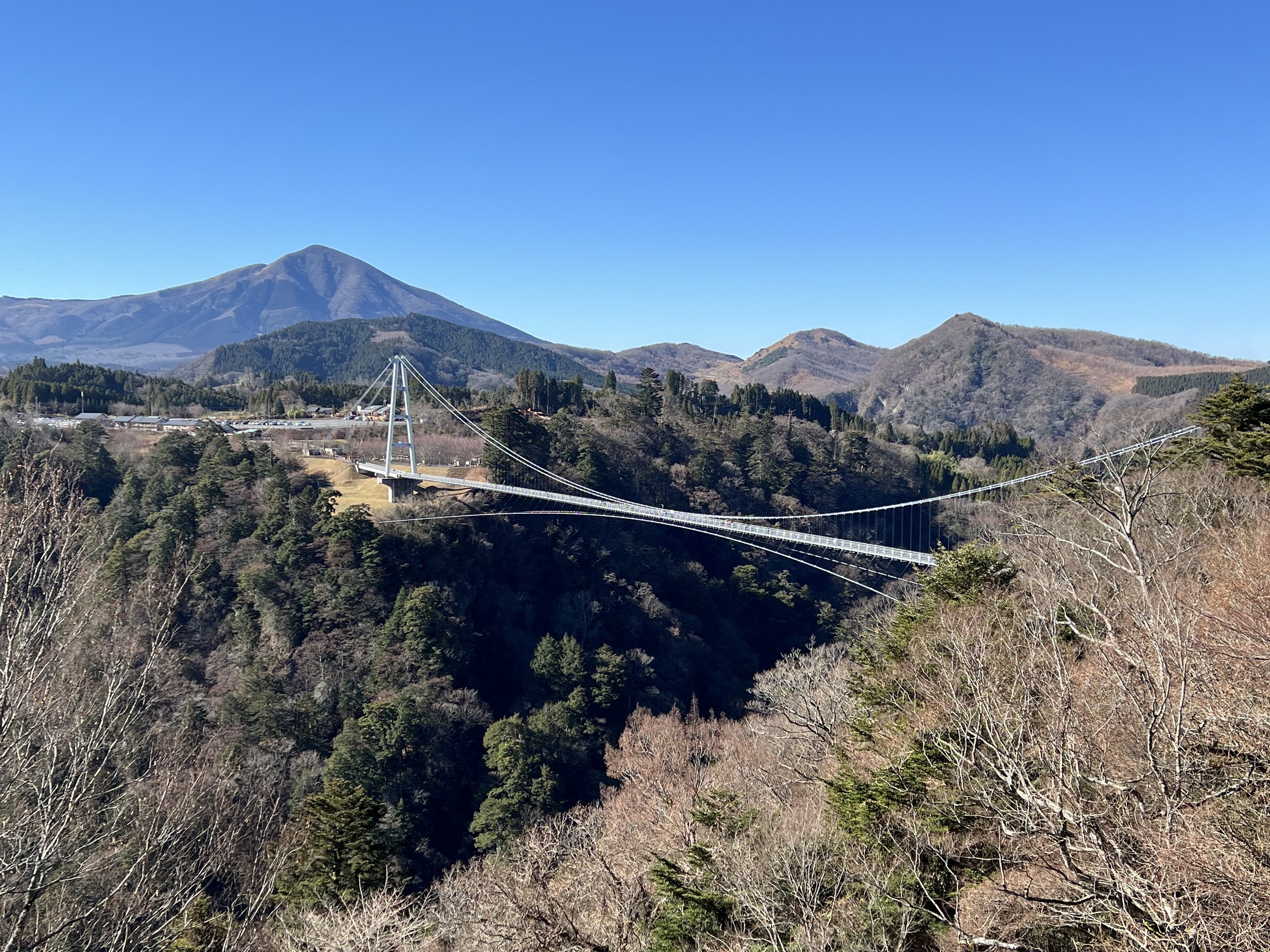
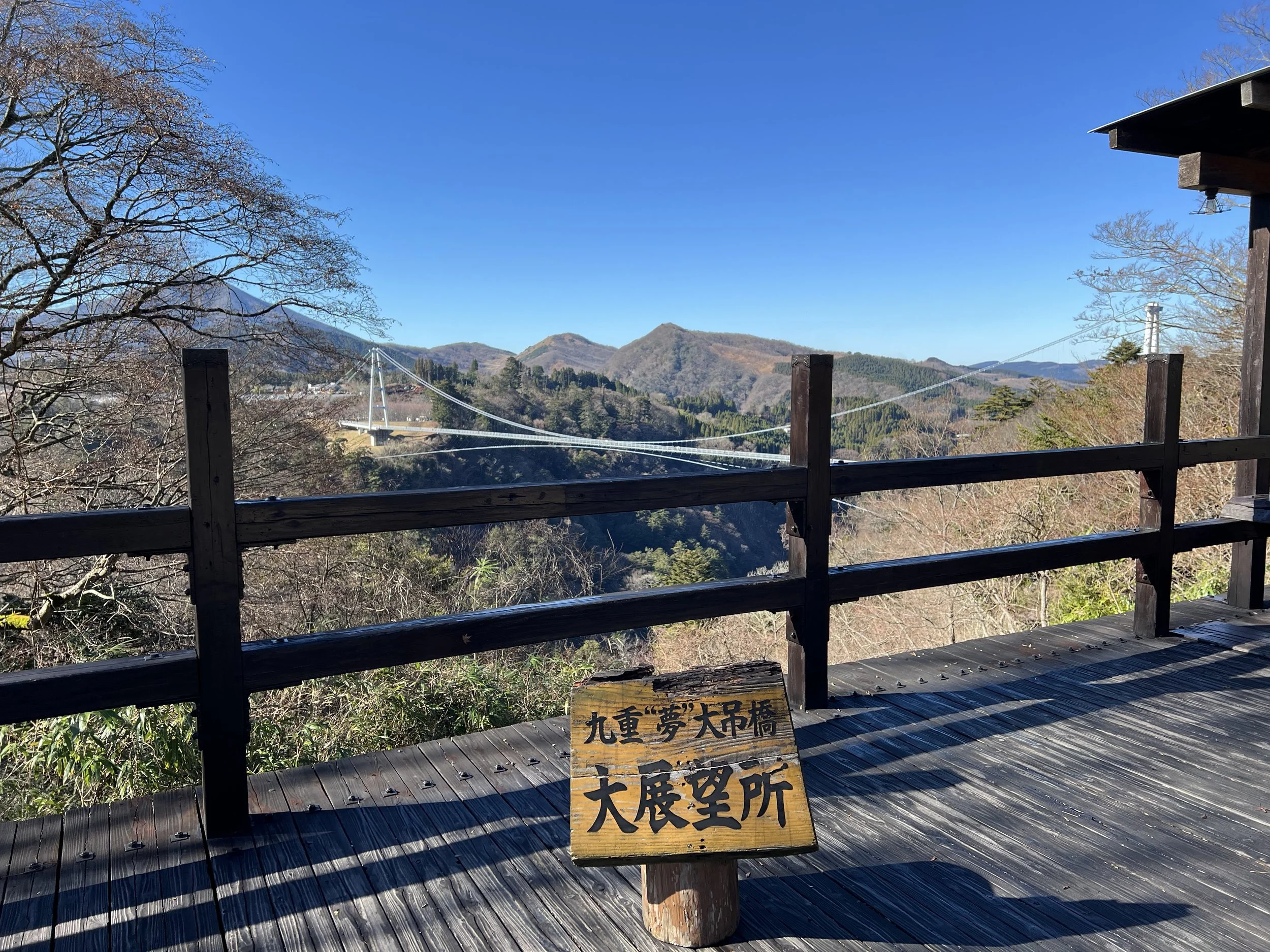
On the far side of the bridge, there are a couple of small shrines and several popular viewpoints looking back toward the bridge. These viewpoints are connected to a small teahouse, though you don’t need to purchase anything to access them. After taking photos, exploring the area, and visiting the shrines, I crossed the bridge again to head back.
The area around Kokonoe Yume Otsuribashi is also known for its nearby onsen, with several hot spring hotels located within a couple of kilometres. While I did enjoy the experience and scenery, I’m not sure I would go out of my way to visit if I weren’t already relatively close to Bungo-Nakamura Station. Still, it was an interesting stop and a striking example of how Japan blends dramatic natural landscapes with engineered viewpoints.
Background
Kokonoe Yume Otsuribashi (九重“夢”大吊橋) opened in 2006 and holds the title of Japan’s tallest pedestrian suspension bridge. It was constructed as part of a regional tourism initiative to highlight the natural beauty of the Narukogawa Gorge and surrounding mountainous landscape.
The bridge spans a deep volcanic gorge carved by the Naruko River and offers views of Shindou Falls, which has been selected as one of Japan’s Top 100 waterfalls. Beyond sightseeing, the bridge has become a symbol of the Kokonoe area and a popular stop for visitors exploring northern Oita Prefecture, especially during autumn foliage season.
Getting There
The nearest major station is Bungo-Nakamura Station on the JR Kyudai Main Line. From Bungo-Nakamura Station, a community bus operates to the Kokonoe Yume Otsuribashi area. Bus schedules are limited, and checking the official Kokonoe Yume Otsuribashi website in advance is recommended.
Route Overview
Distance: 5.19 km (Katsura Chaya → Kokonoe Yume Otsuribashi)
Total elevation gain: 194 m
Duration: 1 hr 05 min (with breaks 1 hr 10 min)
Difficulty: Intermediate
Cost Breakdown
Train: Hita Station → Bungo-Nakamura Station — ¥870
Bus: Bungo-Nakamura Station → Katsura Chaya — ¥500
Entrance Fee: Kokonoe Yume Otsuribashi — ¥500
Food: ¥1,050