Kochi Castle - Kochi, Japan
I had a bit of downtime in Kochi City and decided it was the perfect opportunity to revisit Kochi Castle. I’m not sure what it is about Kochi, but every time I’m here the weather seems determined to be gloomy. Despite the grey skies, I made my way on foot from Kochi Station toward the castle, enjoying the short walk through the city.
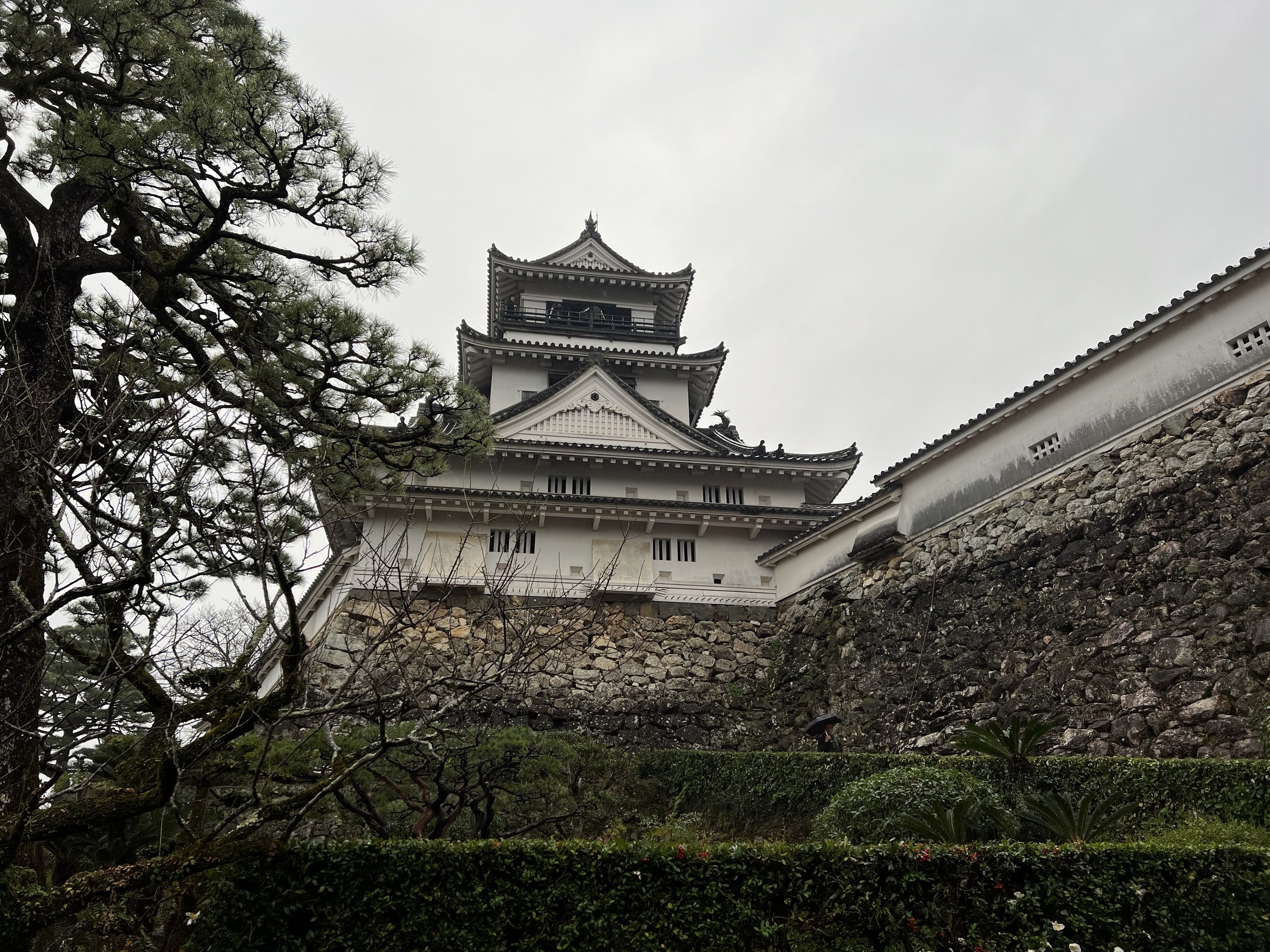
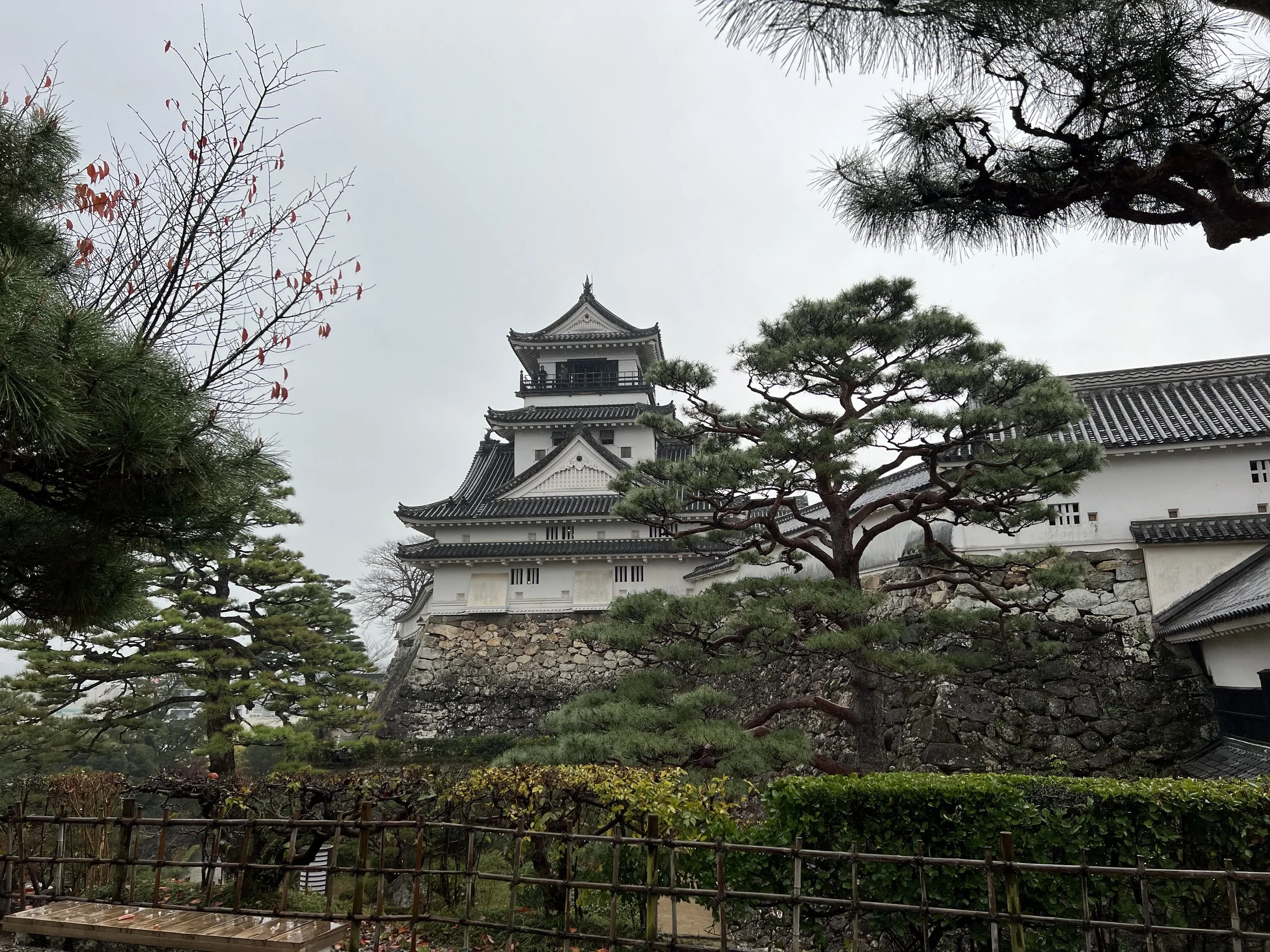
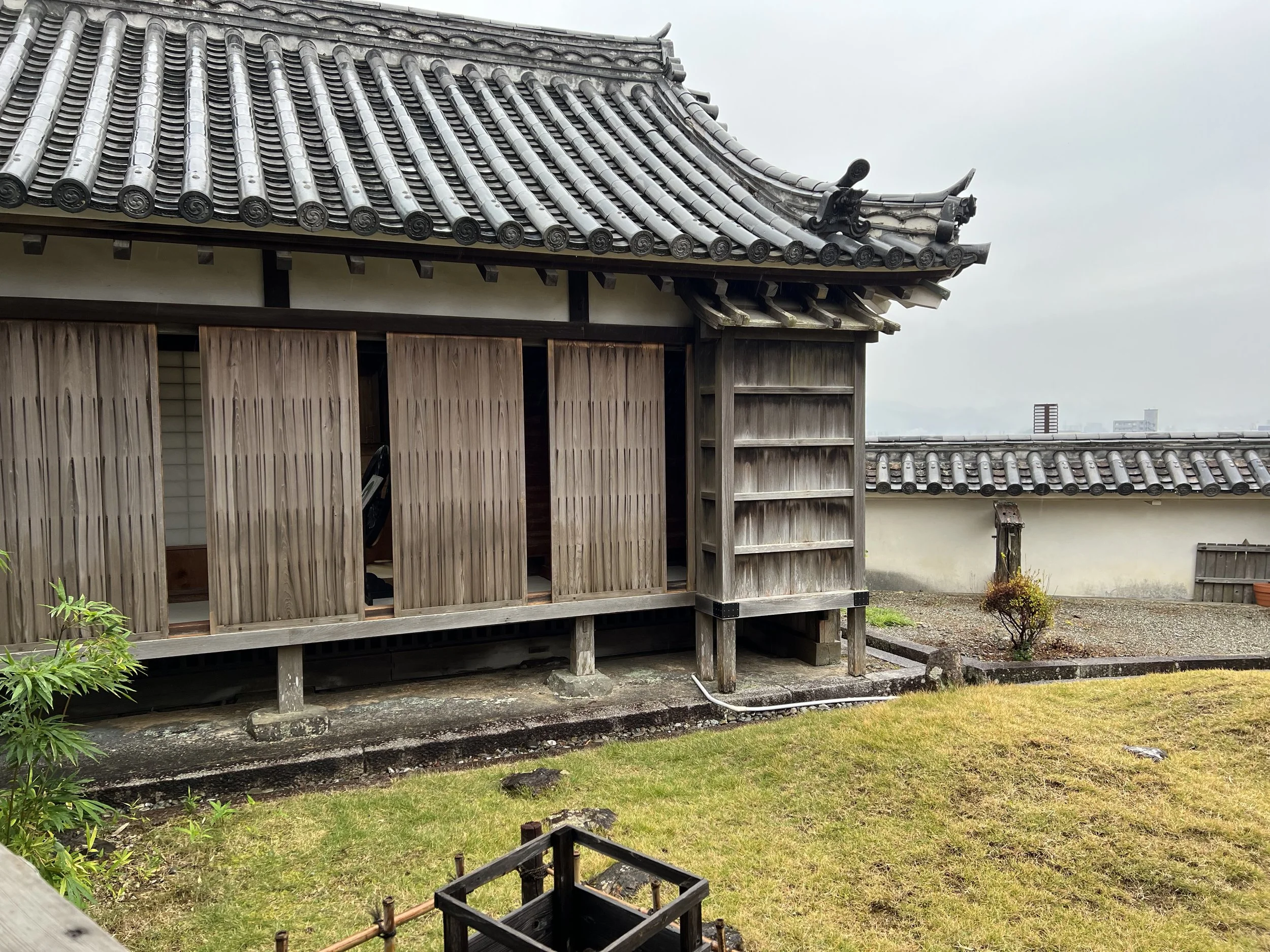
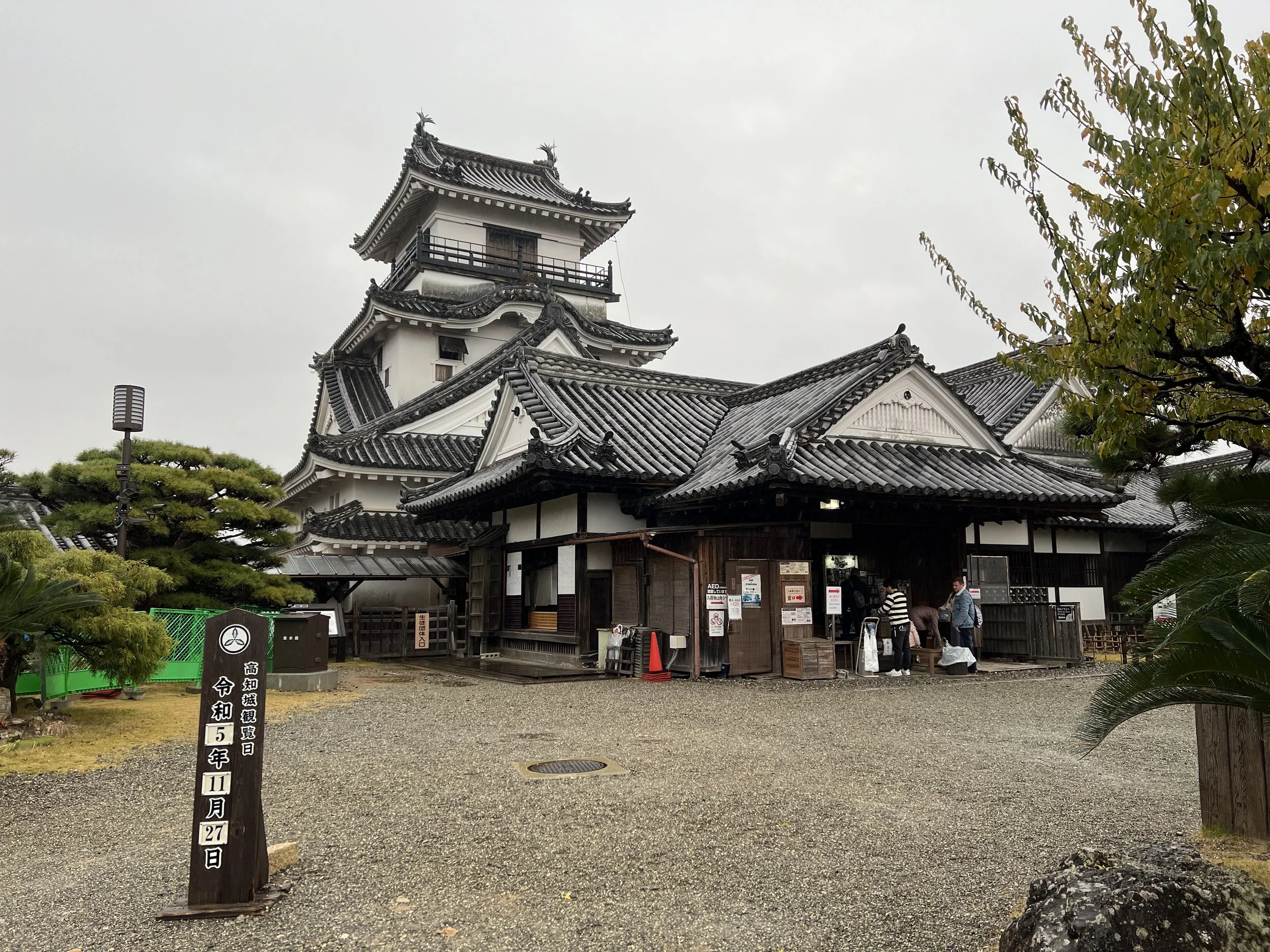
Kochi Castle is one of Japan’s twelve remaining original castles, having survived fires, war, and the sweeping demolitions of the Meiji era. Originally constructed in 1603, the castle was destroyed by fire in 1727. The current castle tower was rebuilt in 1749 and remains an exceptional example of Edo-period architecture. What makes Kochi Castle particularly unique is that it is the only original castle where not only the main keep remains intact, but all of the associated buildings within the honmaru, or main compound, have also been preserved.
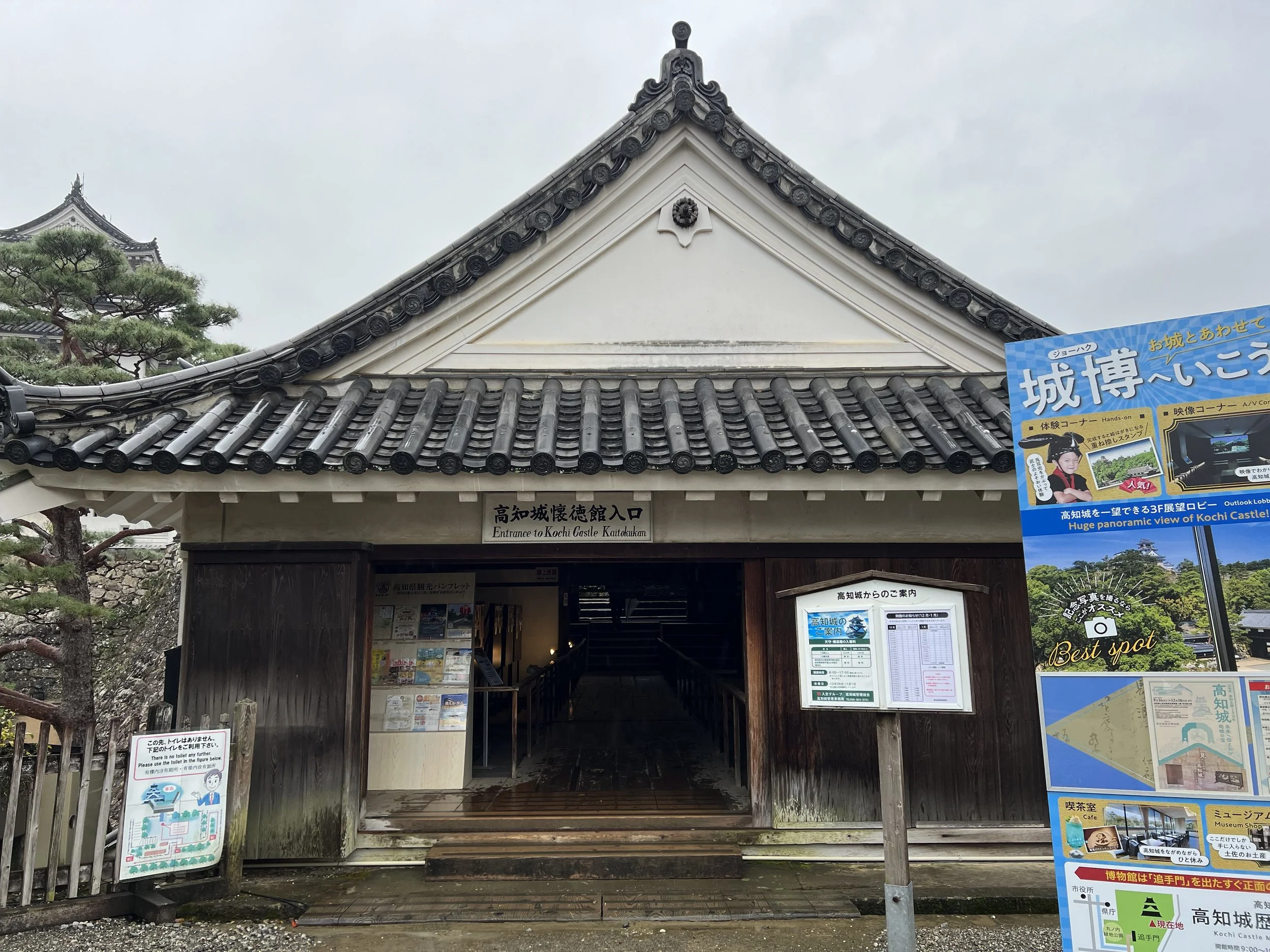
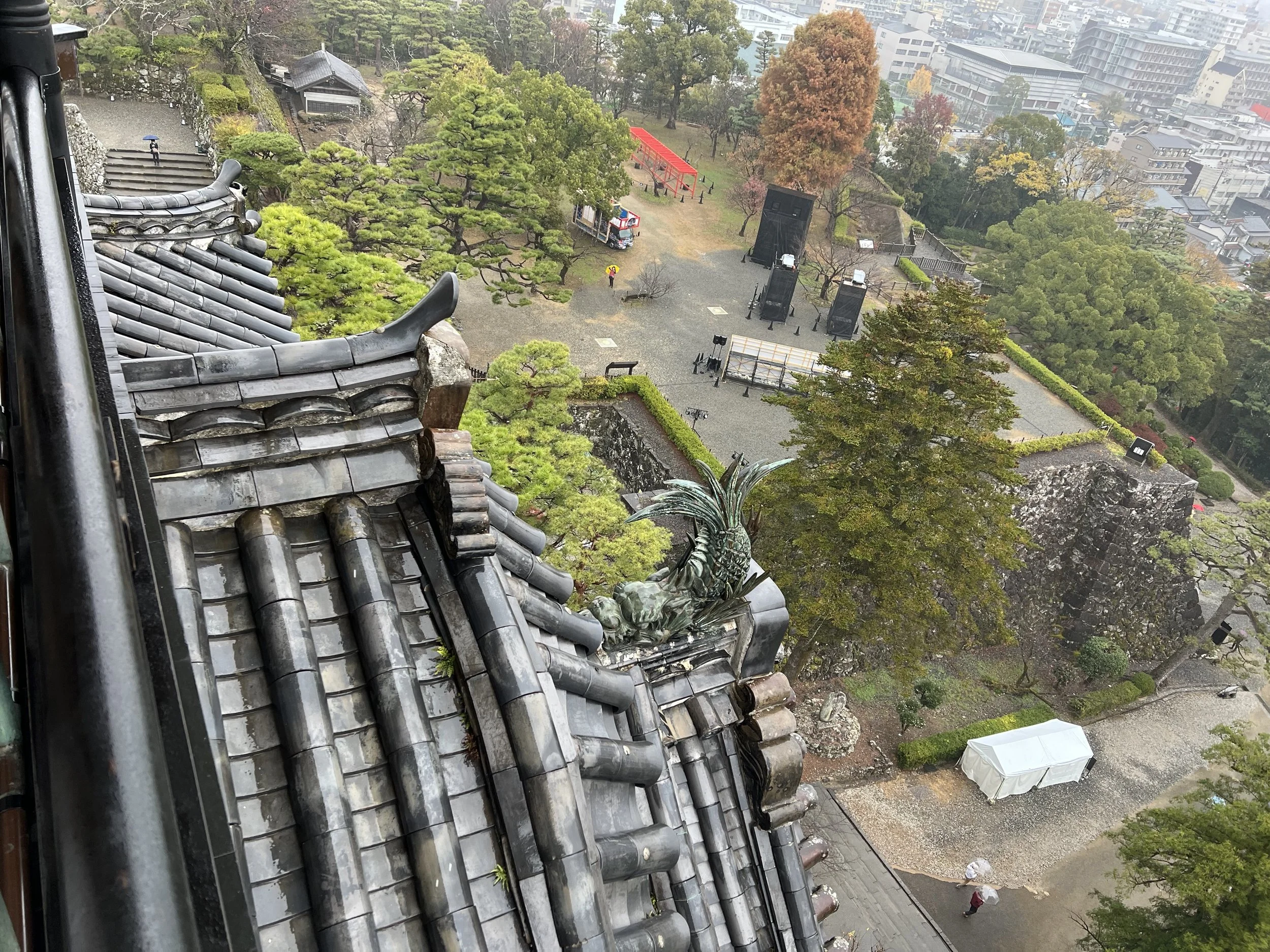
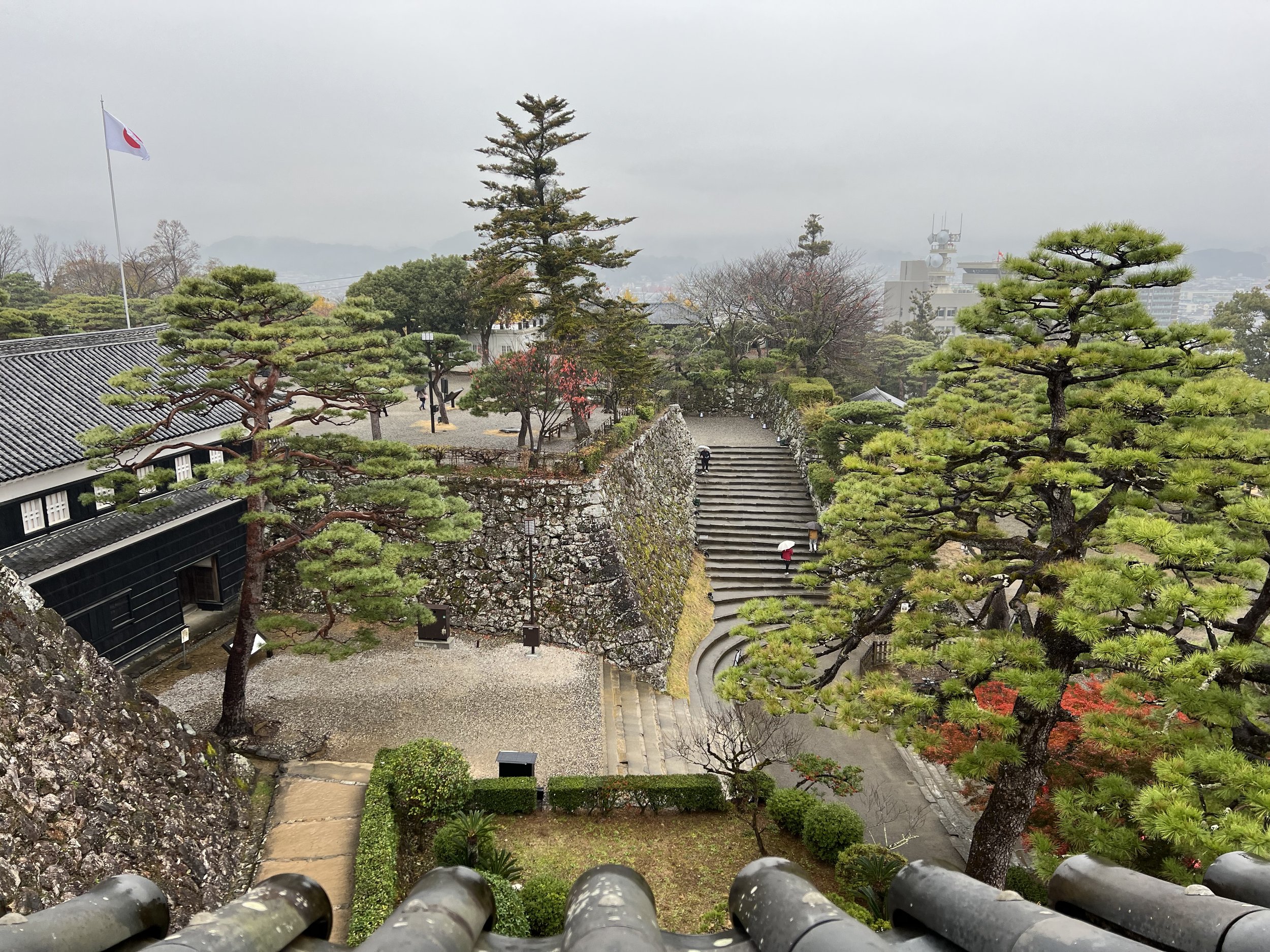
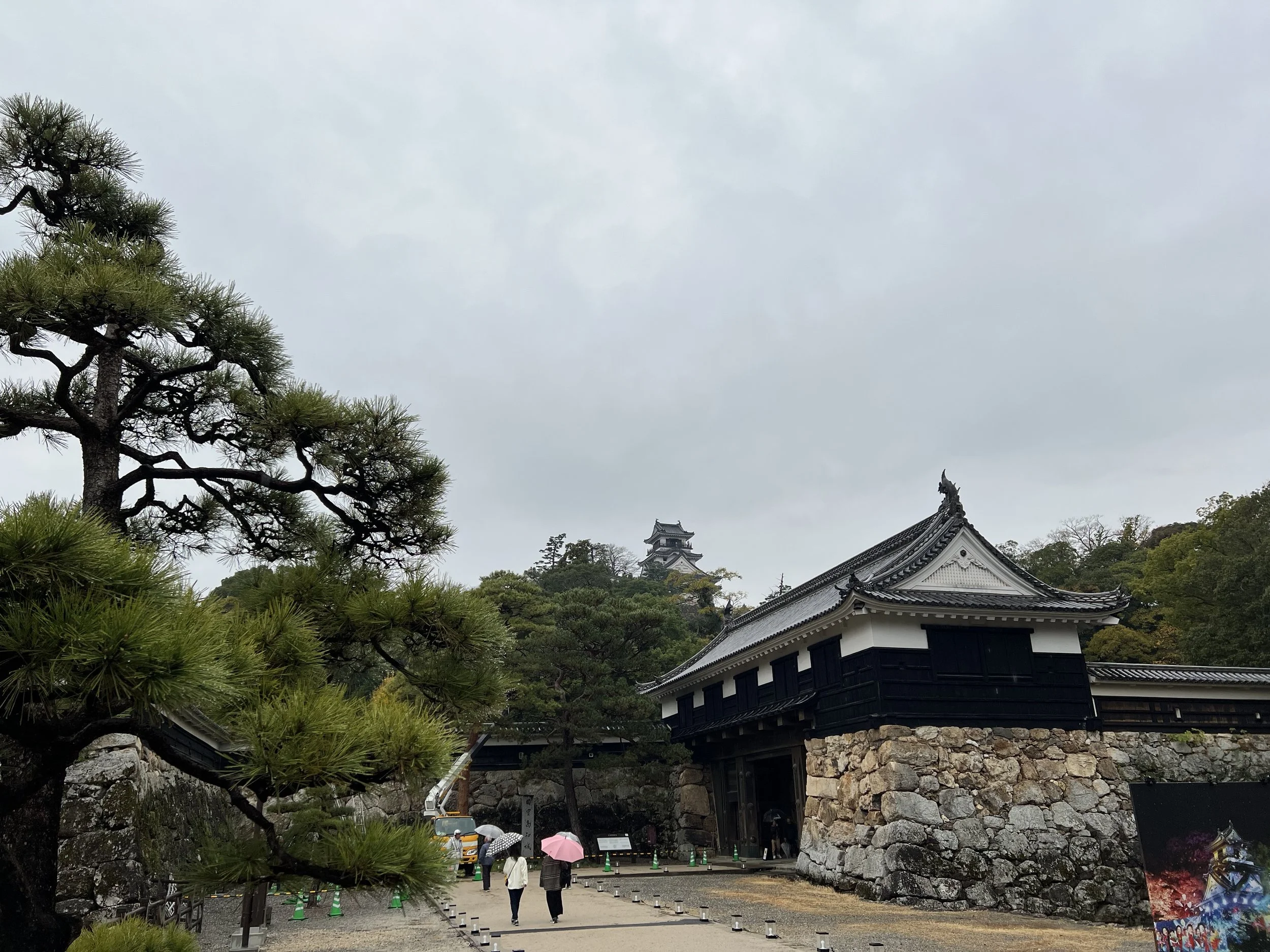
After passing through the main gate in the outer grounds, the path gradually ascends the hill toward the castle keep. Along the way, the stone walls come into view from different angles, offering a strong sense of the castle’s defensive design. One notable feature of Kochi Castle is that its main tower was designed not only for military purposes but also as a residence. In most castles, the feudal lord lived in a separate palace building, making this dual-purpose design relatively rare. The main castle area is compact, which makes it easy to explore without feeling rushed.
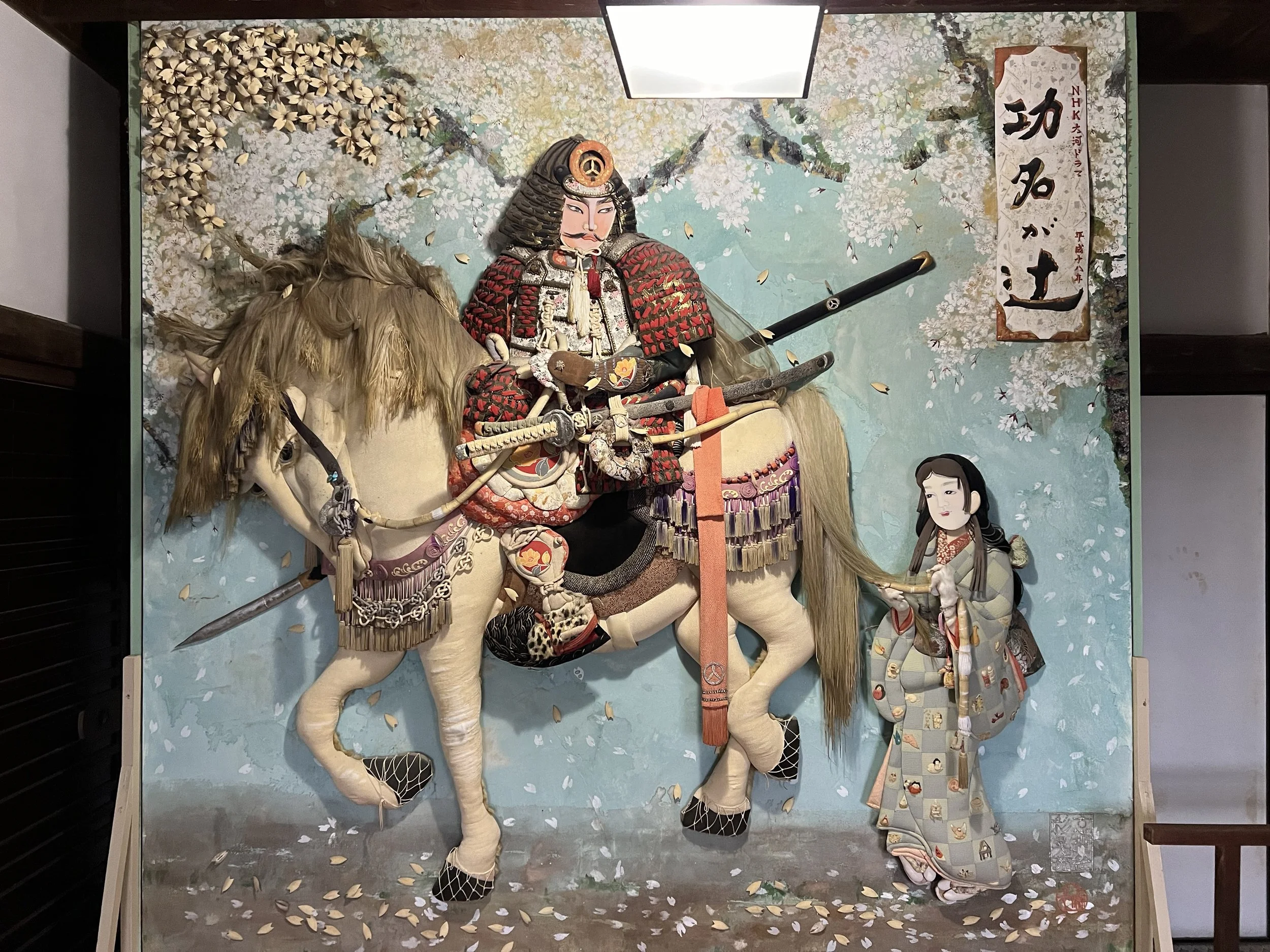
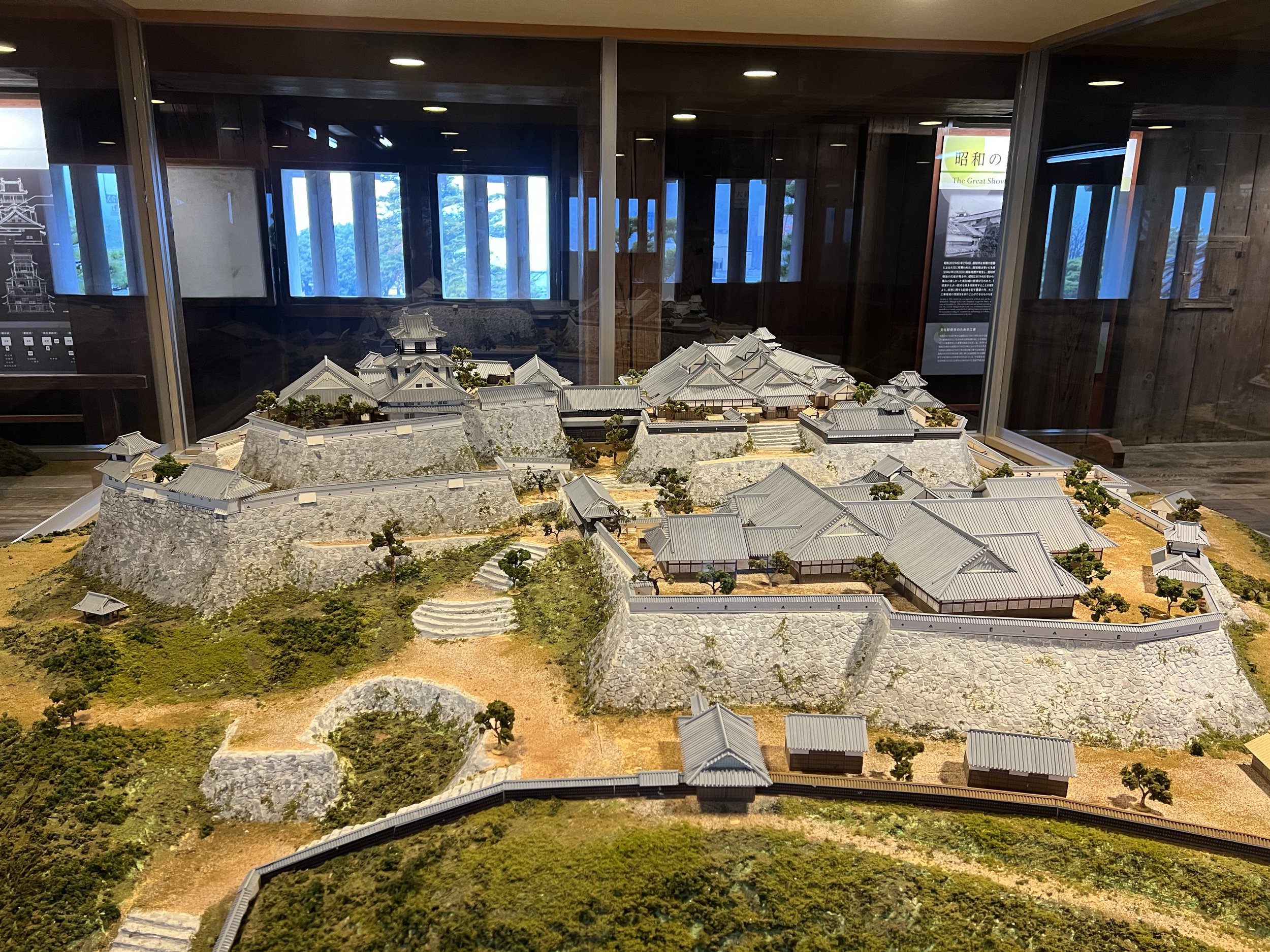
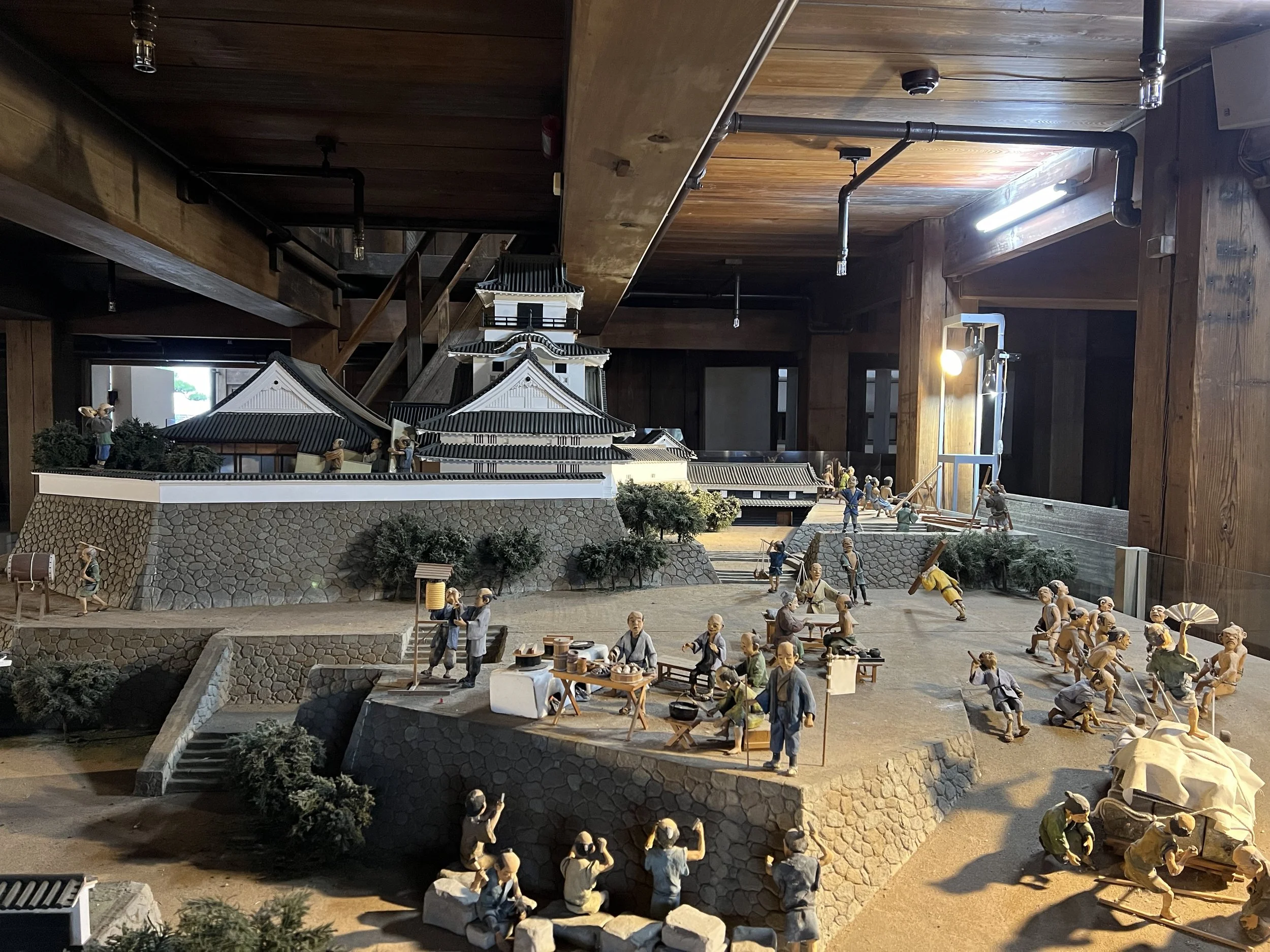
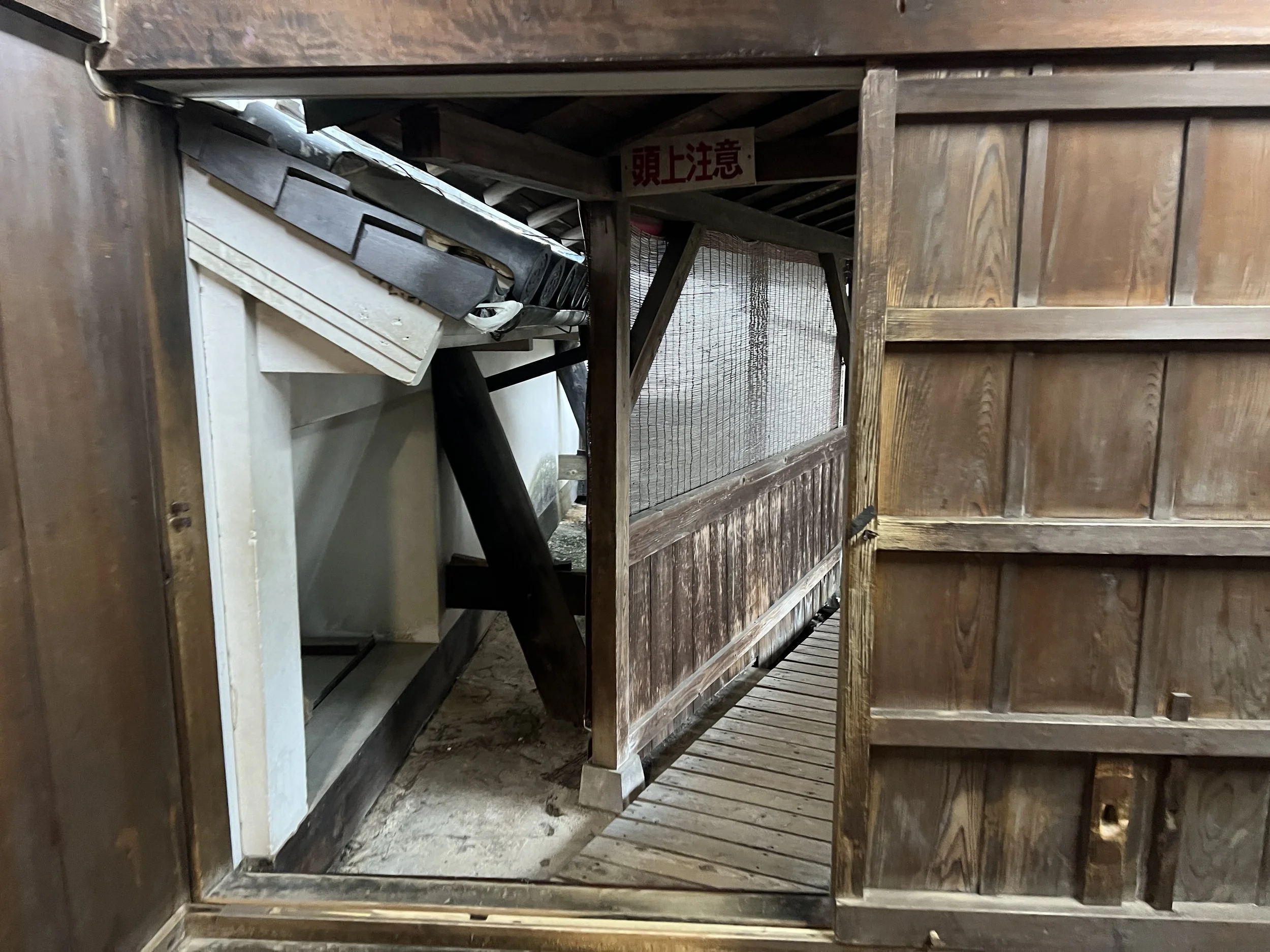
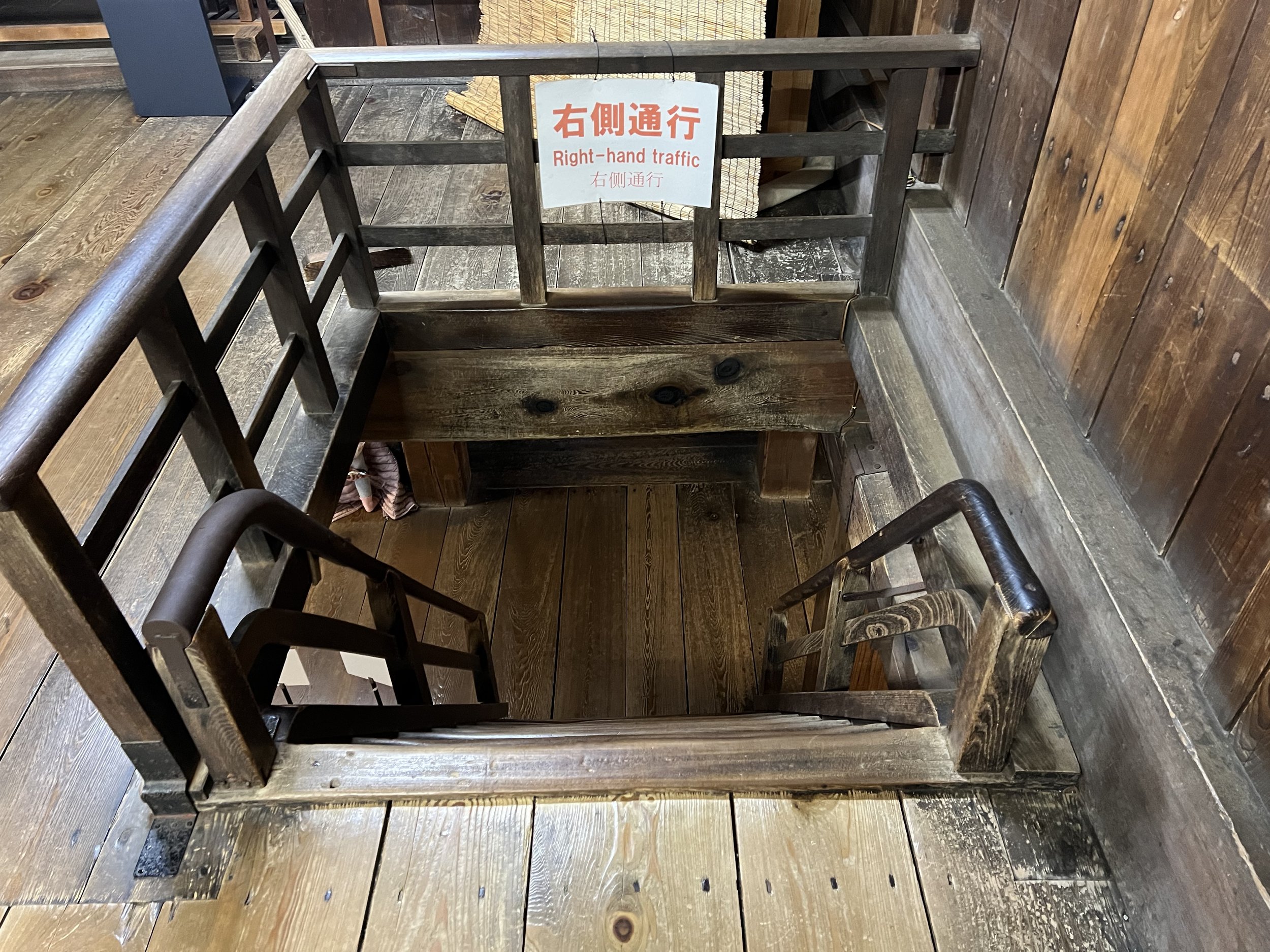
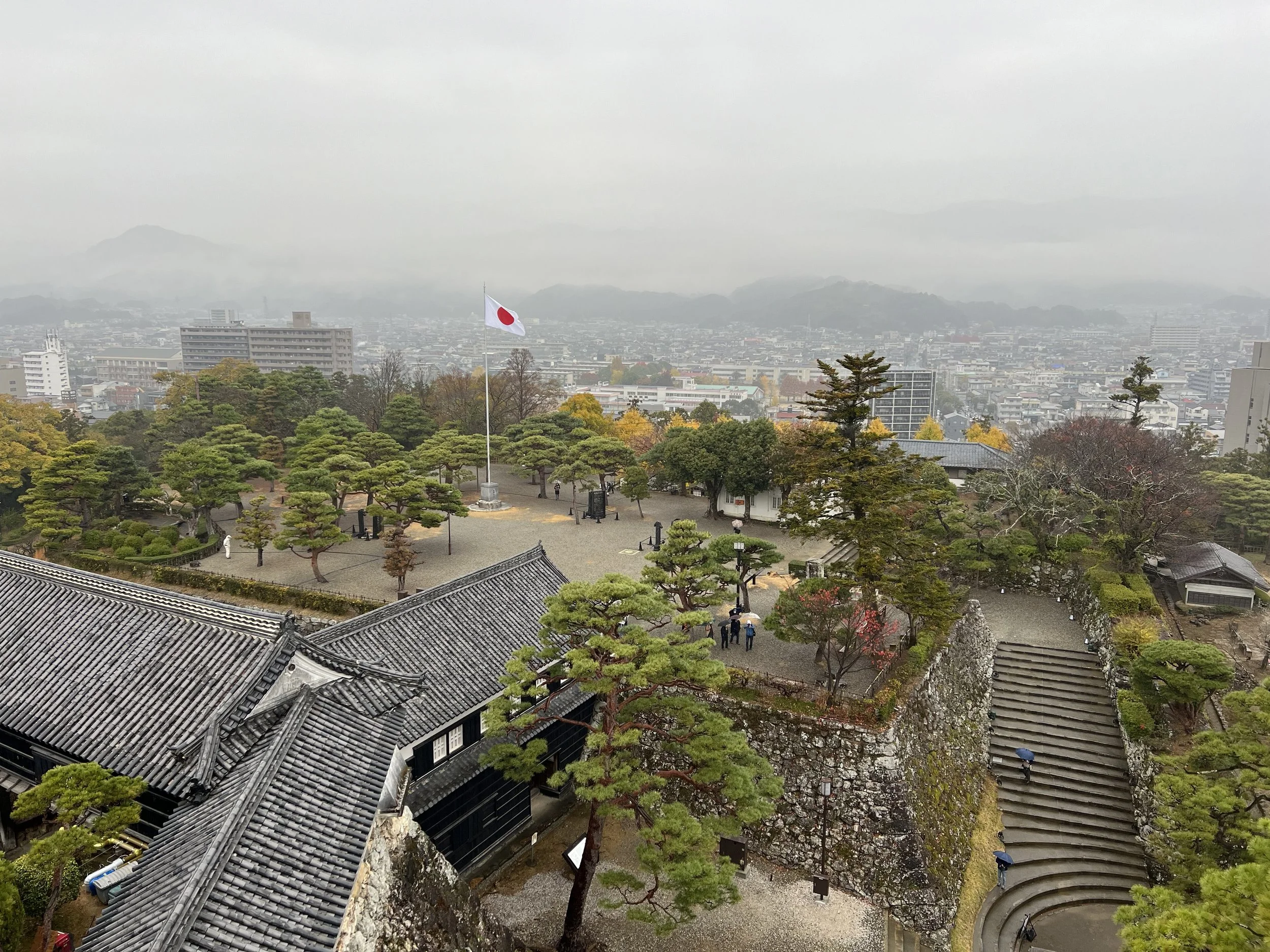
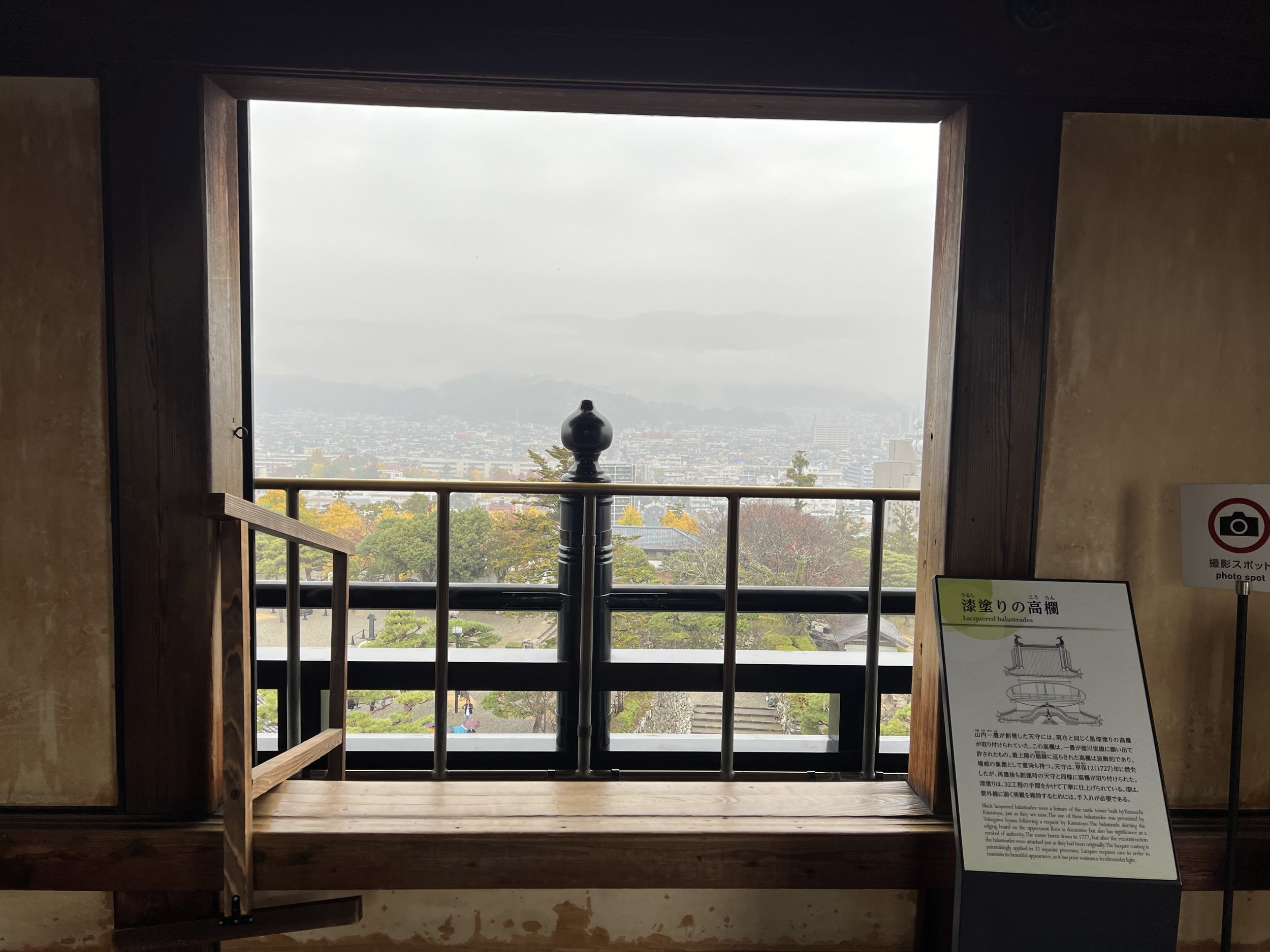
The rain made navigating the interior a bit more challenging, as shoes must be removed before entering. Balancing wet footwear and an umbrella could have been awkward, but the staff provided shoe cubbies and plastic covers for umbrellas, which made the process straightforward. Inside, the castle contains a mix of displays, including dioramas, scale models, and historical exhibits, while much of the structure itself has been left largely as it would have appeared during the Edo period. From the upper levels of the keep, there are sweeping views over the city below.
One detail that stood out to me was the relatively small size of the castle’s moat compared to others I’ve visited. This may be due to the nearby Enokuchi River, which would have provided a natural defensive barrier. After leaving the castle interior, I wandered through the surrounding castle grounds. The area is lined with cherry trees, making it especially beautiful in spring when the blossoms surround the stone walls. I’ve heard that seasonal evening light-ups are also held during cherry blossom season.
After exploring the grounds, I briefly considered visiting some of the nearby museums but ultimately decided against it. With my rain gear already soaked, the idea of repeatedly removing and putting it back on wasn’t particularly appealing. For those with more time, the Kochi Literary Museum and the Kochi Castle Museum of History are both located nearby. Before heading back to Kochi Station, I made a stop at Hirome Market to browse the food stalls and souvenir shops. Nothing caught my eye this time, so I completed the loop and continued on my way.
History & Background
Kochi Castle was built in 1603 as the seat of the Yamauchi clan, who ruled Tosa Domain during the Edo period. After a devastating fire in 1727, the castle was reconstructed in 1749 using traditional building techniques. Unlike many other castles that lost auxiliary structures over time, Kochi Castle retains its original keep, gates, and residential buildings within the main compound.
This rare level of preservation provides valuable insight into how a feudal castle functioned as both a military stronghold and a living space for the ruling lord. Today, Kochi Castle stands as a designated Important Cultural Property and remains one of the best-preserved examples of a regional daimyo castle in Japan.
Getting There
Kochi Castle is located in central Kochi City. The nearest major access point is JR Kochi Station on the JR Dosan Line, with rail connections from Takamatsu and Okayama. From JR Kochi Station, the castle is approximately a 25-minute walk. Alternatively, Kochi Kotsu tram and bus services operate throughout the city, with stops near Kochi Castle and Kochi Castle Park.
Route Overview
Distance: 4.47 km out & back (Kochi Station)
Total elevation gain: 45 m
Duration: 1 hr 07 min (with breaks 1 hr 29 min)
Difficulty: Easy
Cost Breakdown
Entrance Fee: Kochi Castle — ¥420