Kii-Tanabe - Wakayama, Japan
Kii-Tanabe is often seen as simply the gateway to the Kumano Kodo, a place where travellers stop briefly to gather maps and information before setting off on their pilgrimage. But I quickly realized there’s more to this coastal town than just being a starting point.
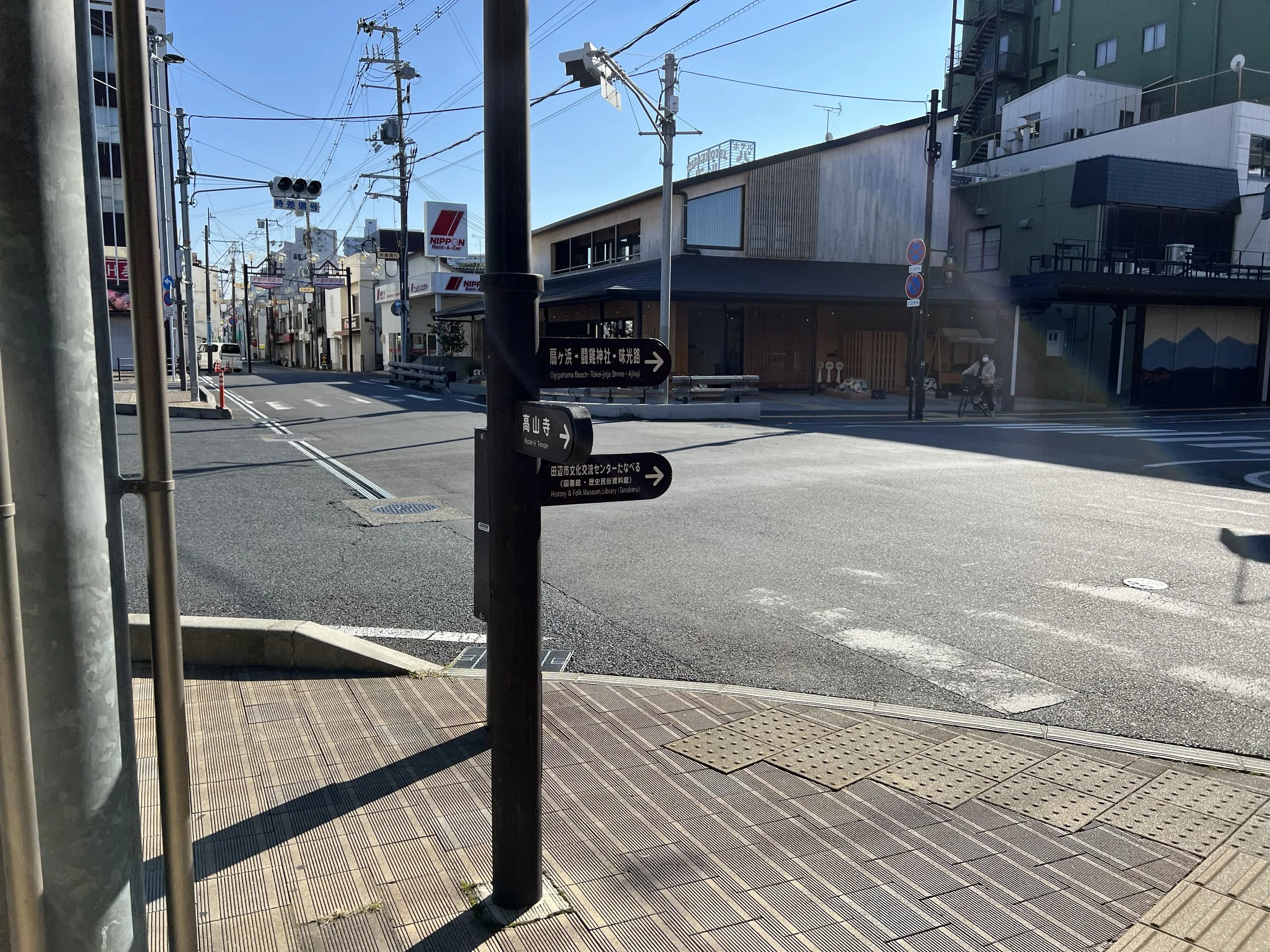
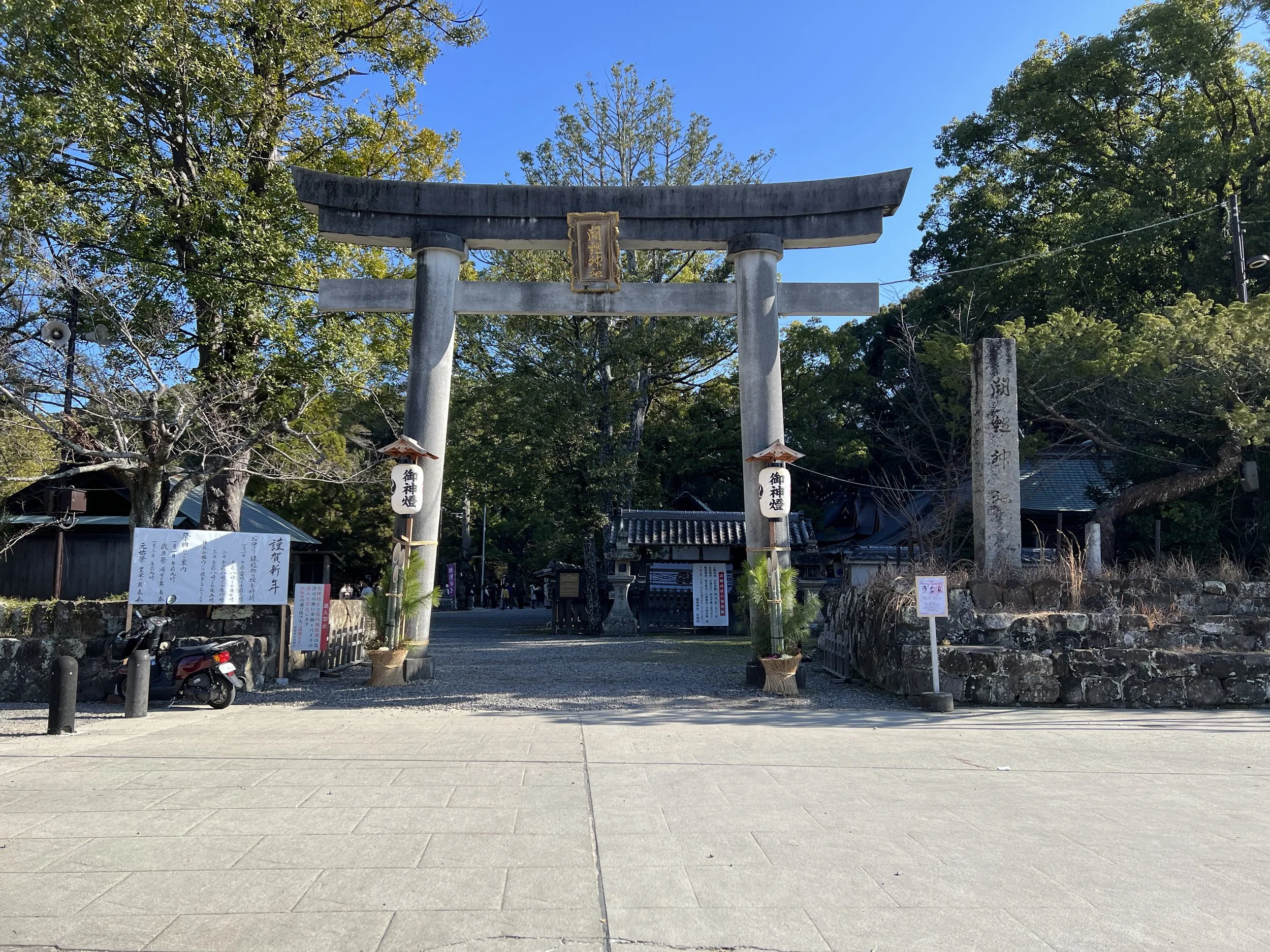
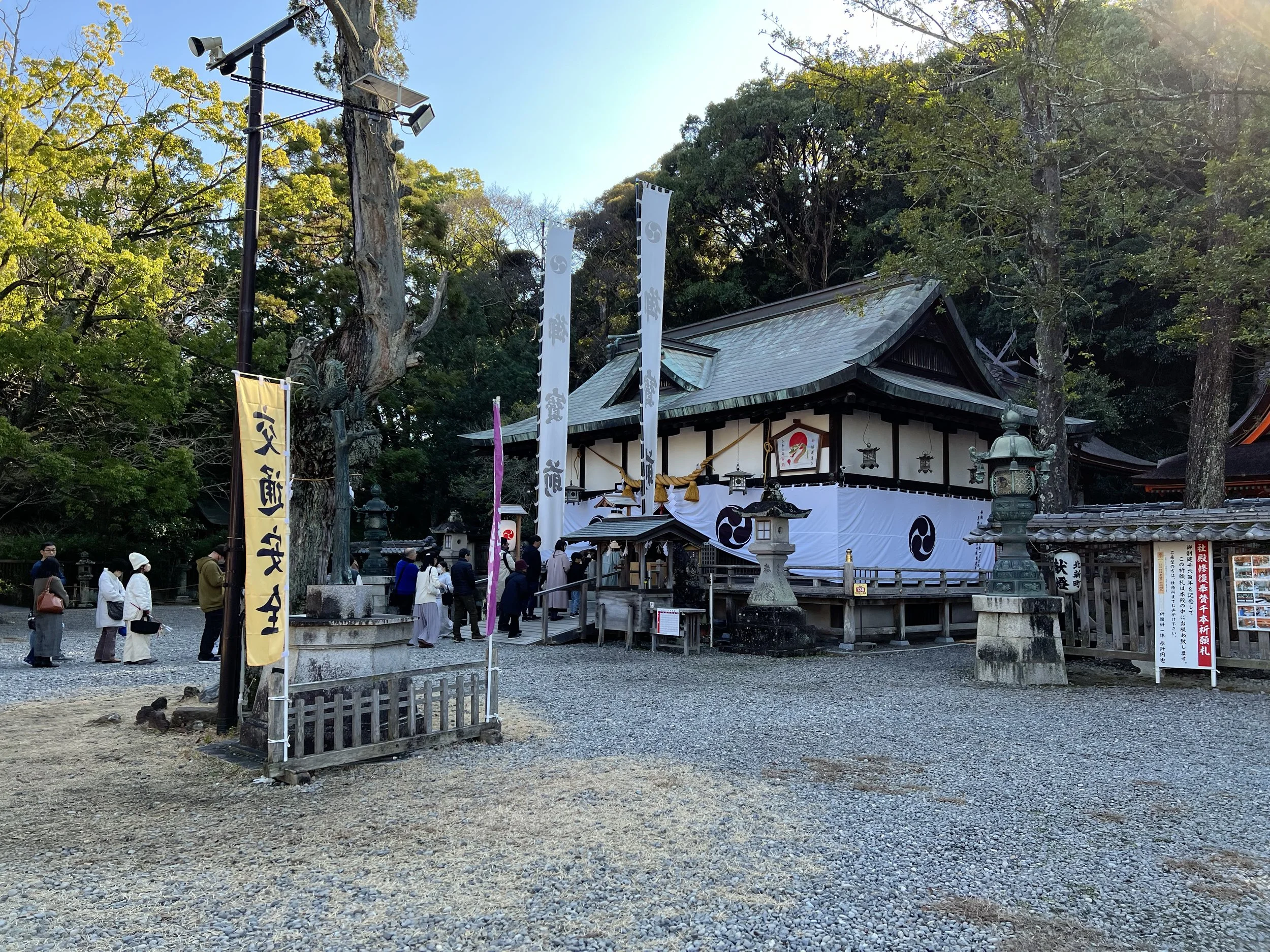
I began my walk from Kii-Tanabe Station, heading first toward Tokei Shrine. Established in 419 AD, the shrine is part of the UNESCO-listed Kumano pilgrimage network and holds a quiet but significant presence in the area. The name “Tokei,” meaning “fighting chickens,” comes from a legend during the Genpei War. It’s said that a local leader used a red and white cockfight to decide where his allegiance should lie—white representing the Genji clan, who ultimately won. The shrine grounds themselves are compact, but there’s a sense of history in every corner. I took my time wandering through and looking at the statues here.
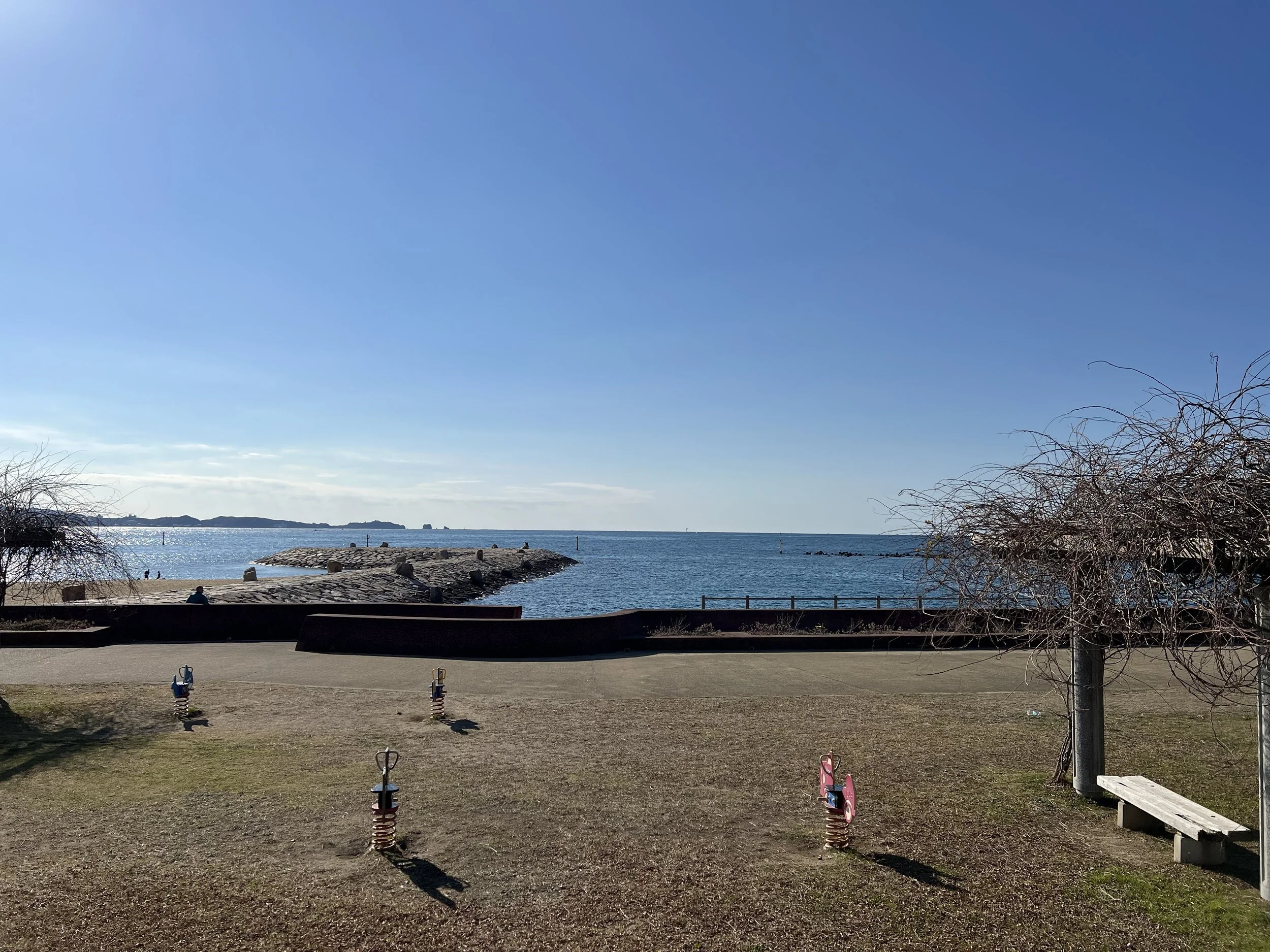
From there, I made my way toward Ogigahama Beach. Historically, this beach was used for shiogori, a saltwater purification ritual performed by pilgrims before beginning their journey along the Kumano Kodo. Today, it feels much more like a local community space, with a small park, open sandy areas, and facilities used in the summer months. I walked along the sand and eventually sat along the dyke for a few minutes, watching the calm waves roll in before heading further down the coast.
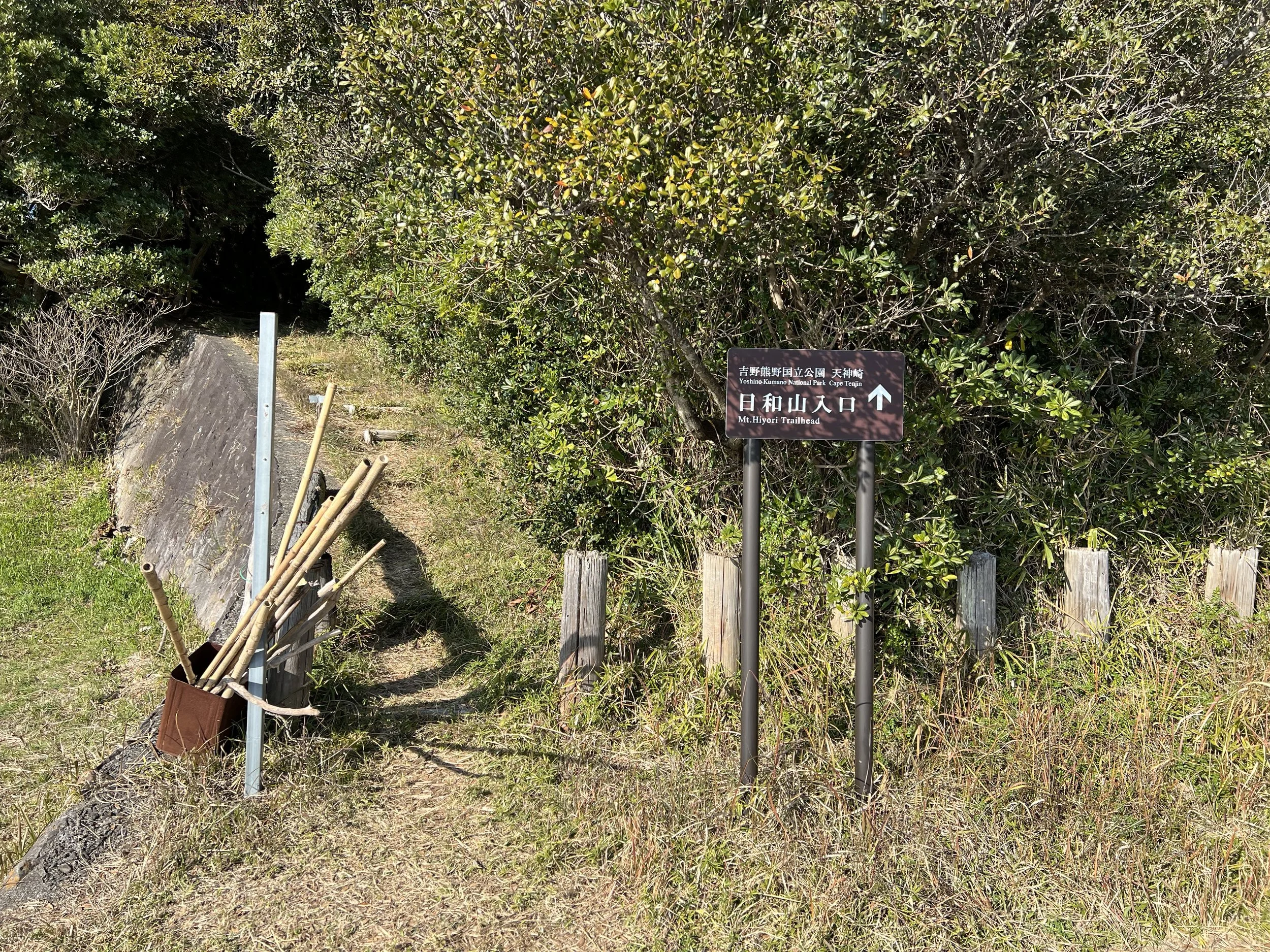
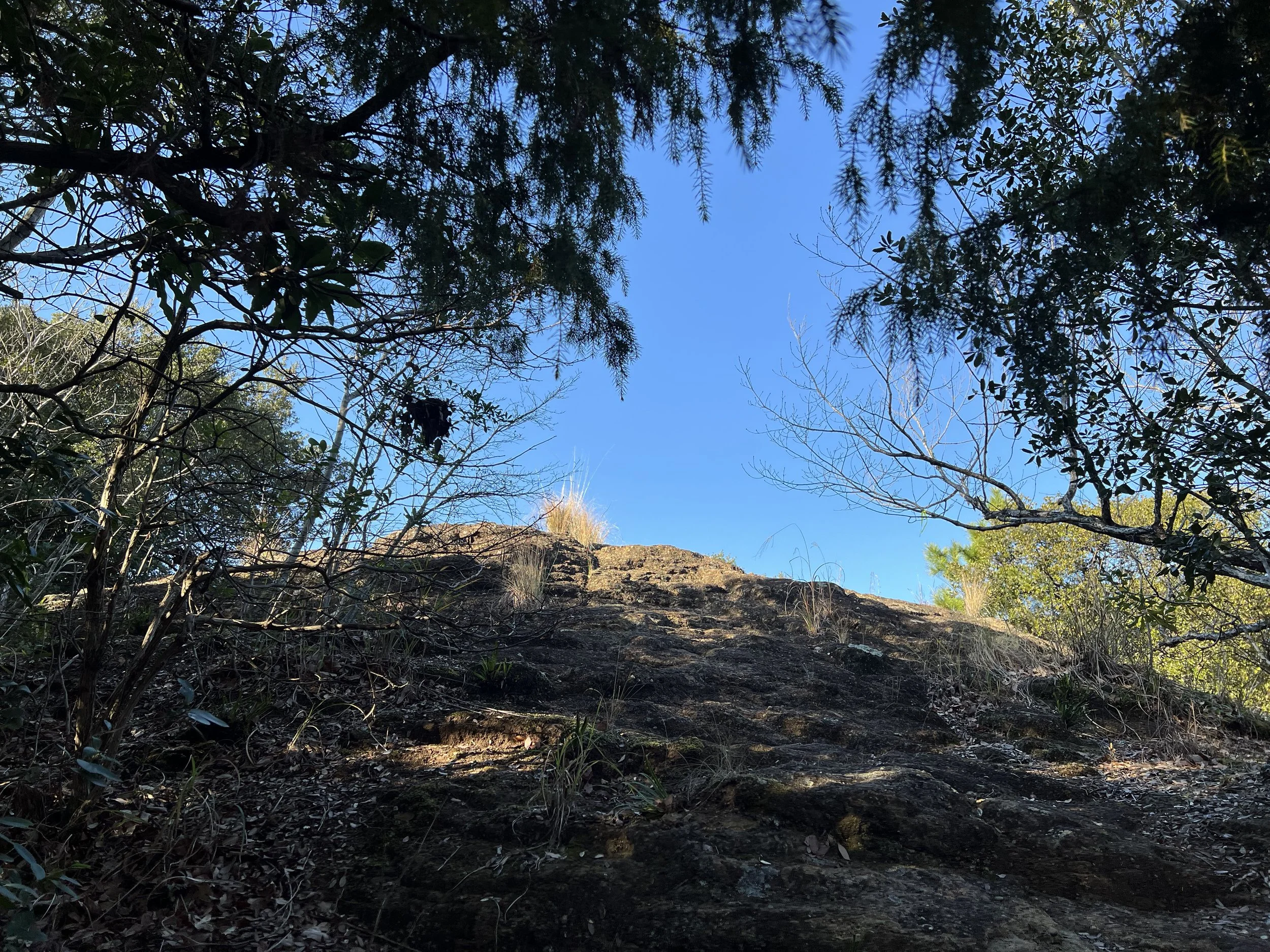
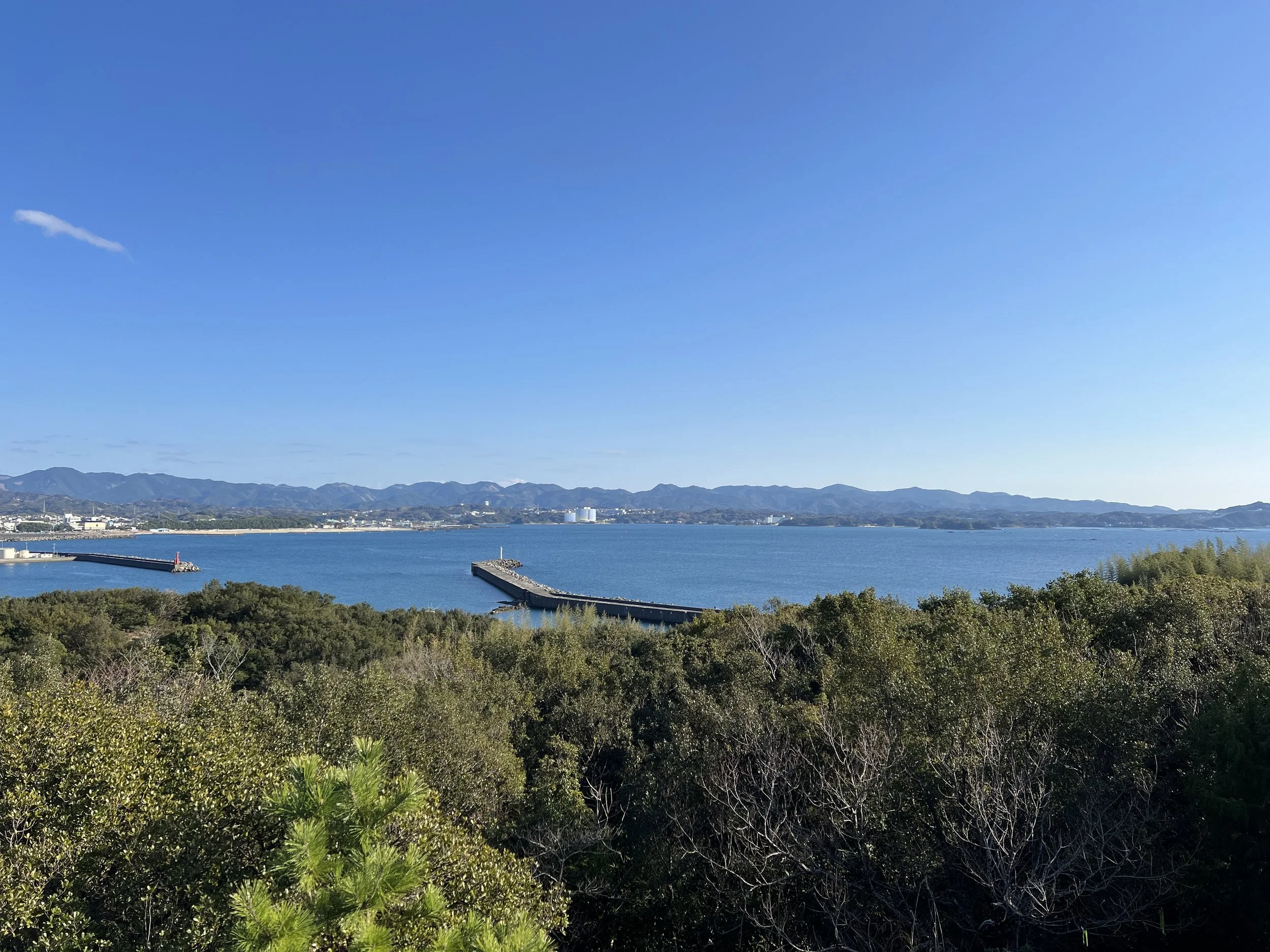
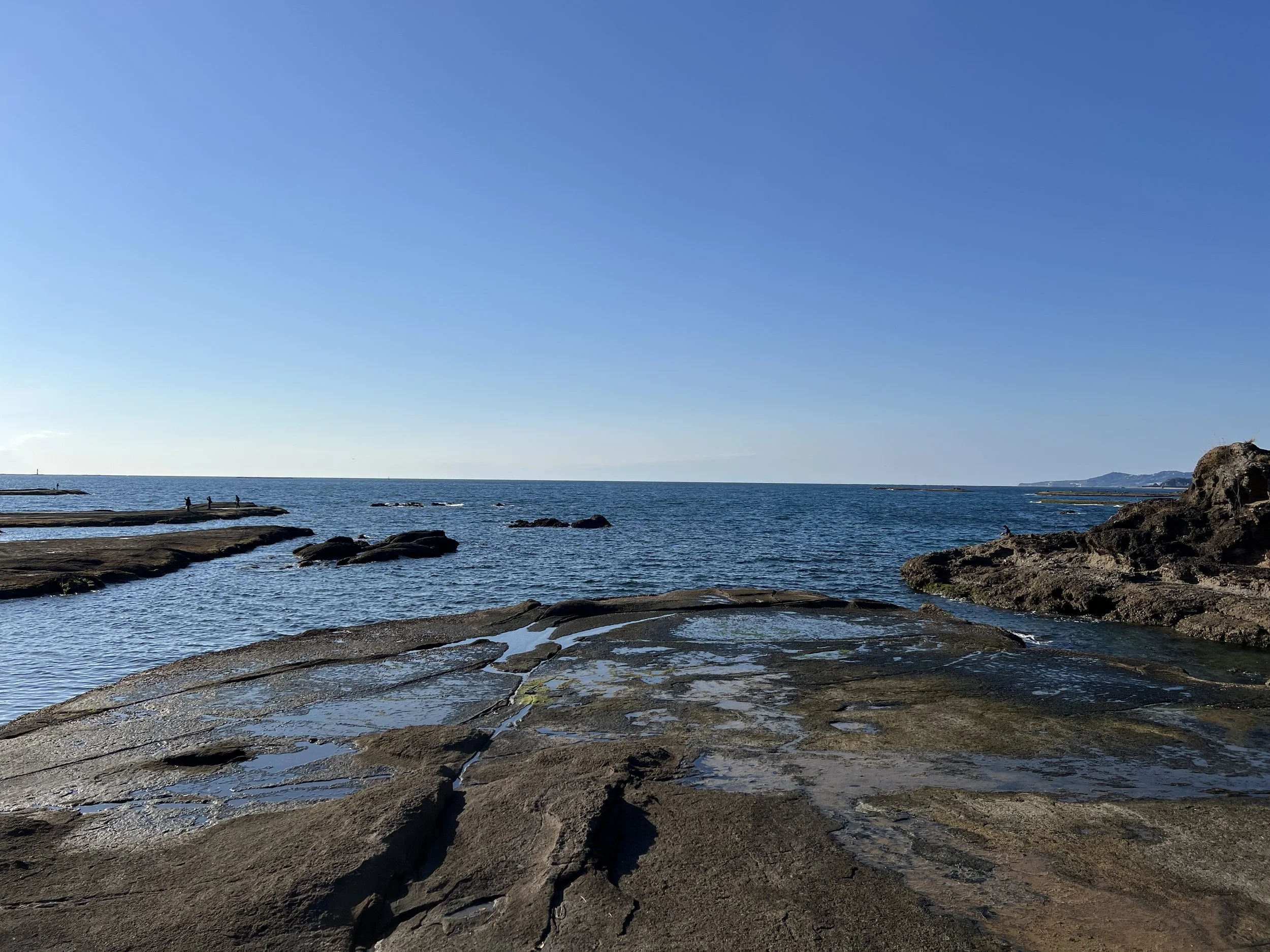
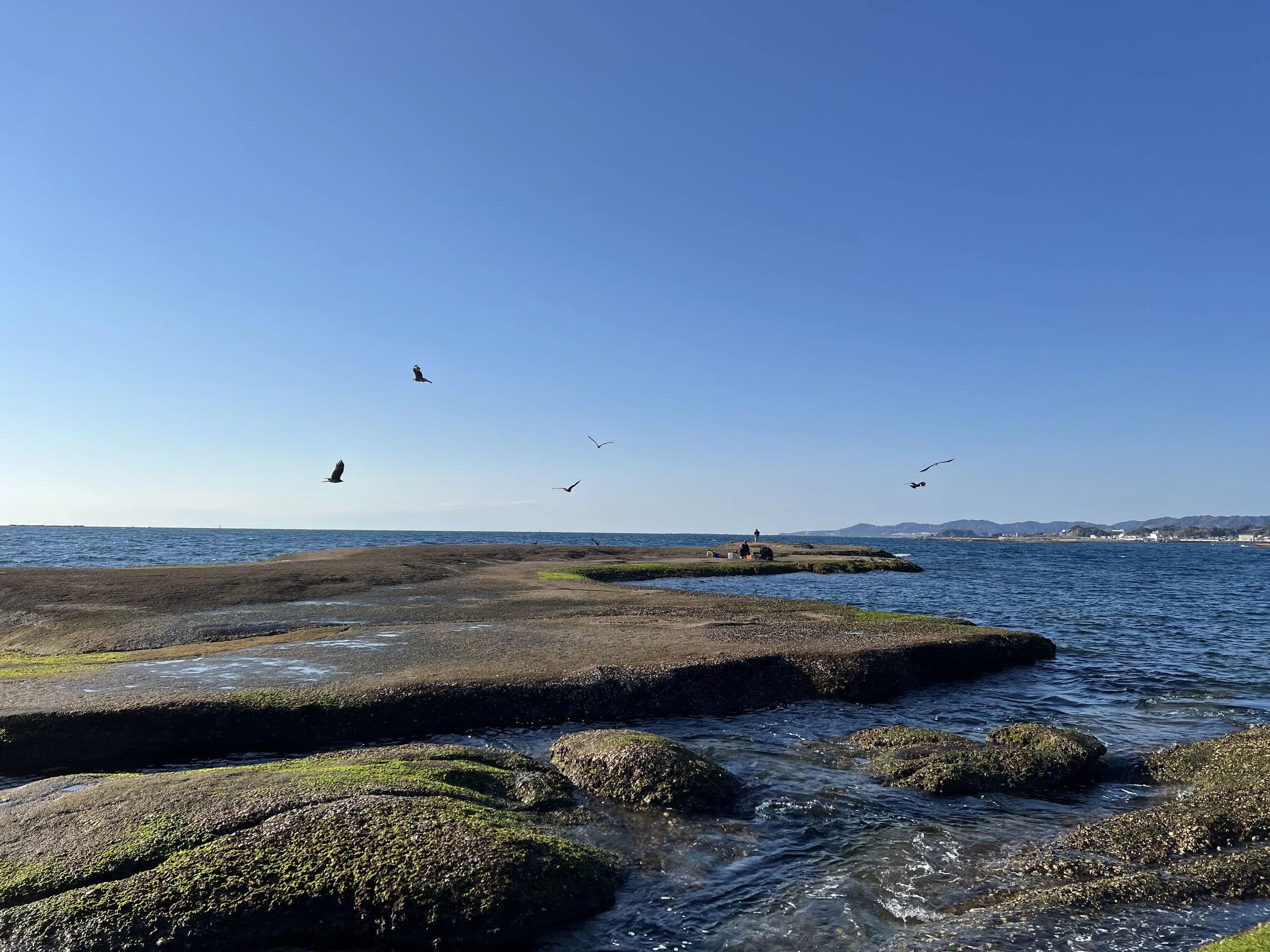
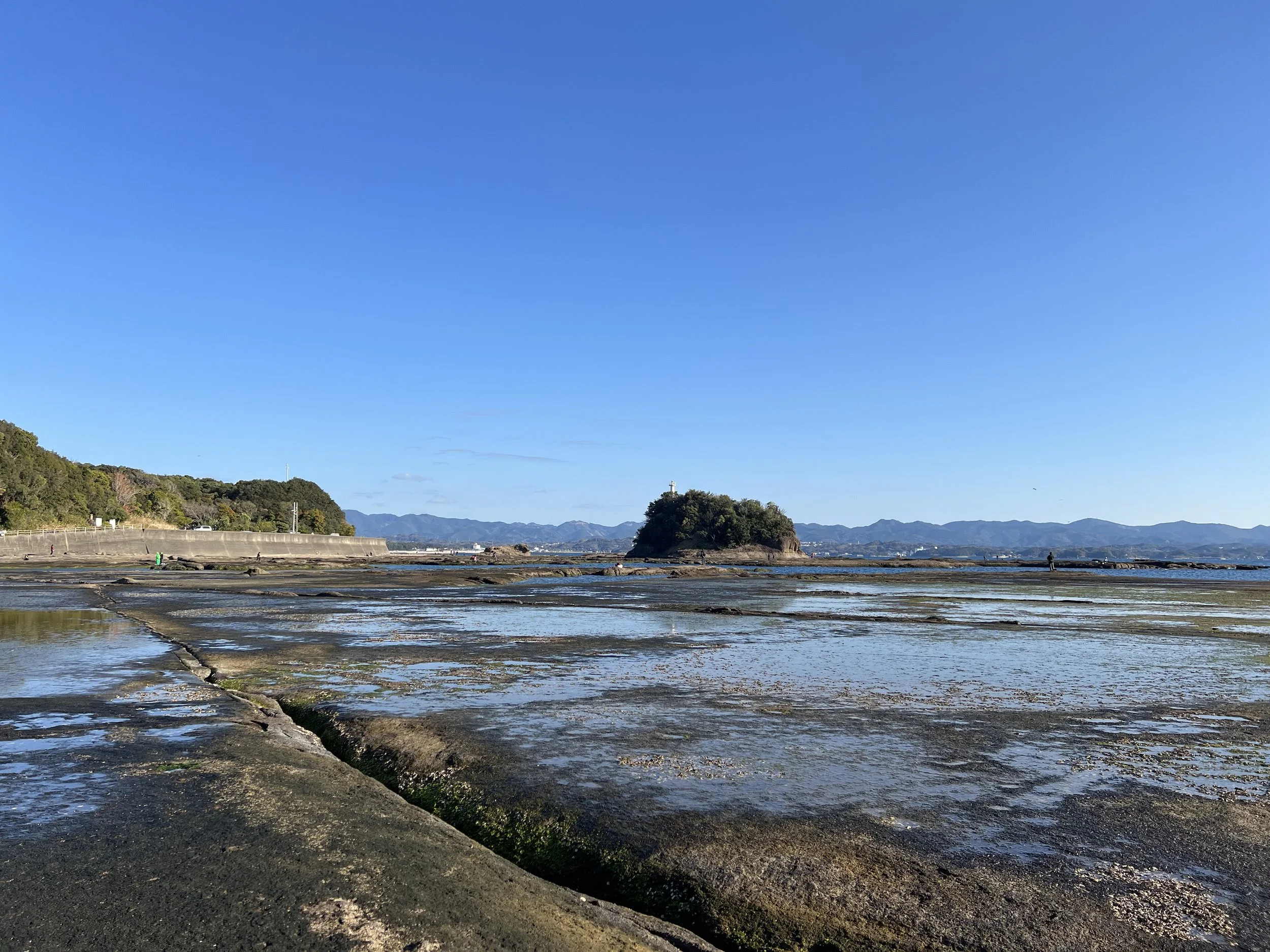
My next stop was Cape Tenjinzaki, a scenic coastal area known for its mirror-like reflections during sunset—often compared to Bolivia’s Salar de Uyuni. The cape is part of the Yoshino-Kumano National Park and is known not just for its views but also for its coastal ecosystem. When I arrived, the tide was low, and people had ventured out onto the exposed rocks, many of them fishing. I decided to climb up a small nearby hill—Mount Hiyori—for a better vantage point. The trail was a bit rough in sections, with overgrown vegetation brushing against the path, but the panoramic view at the top made it worthwhile.
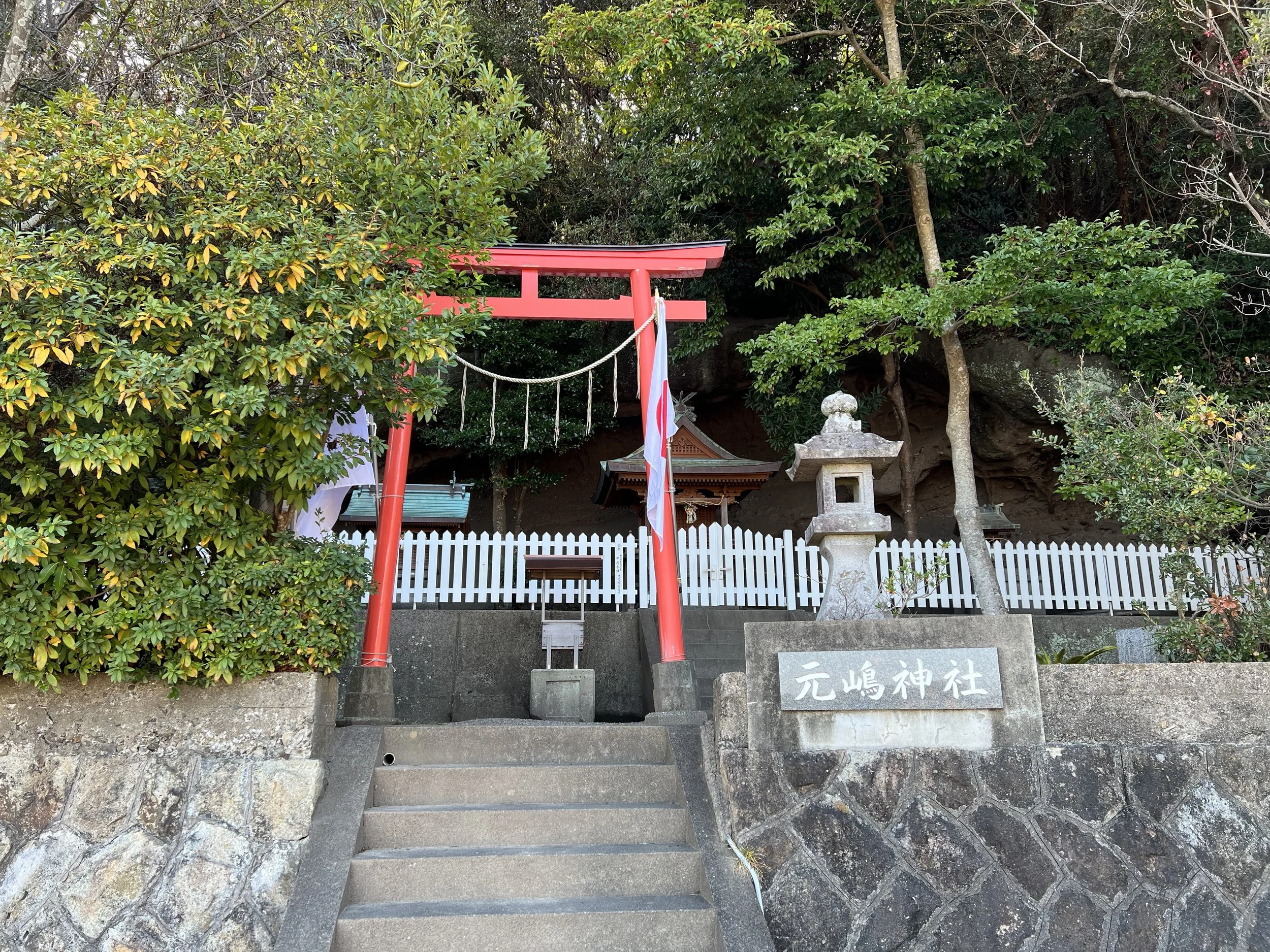
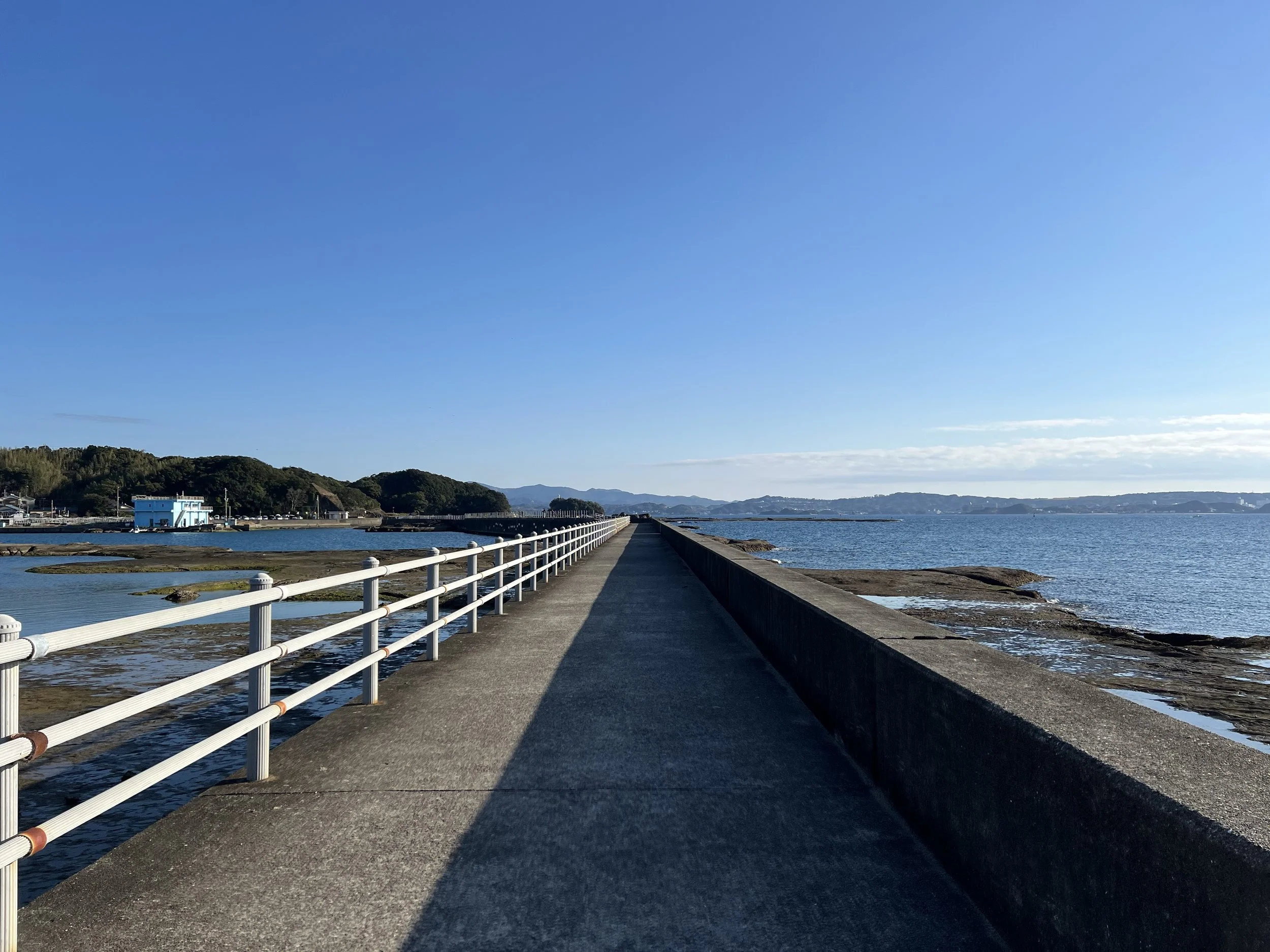
After making my way back down, I followed the coastline toward a narrow walkway known as the Kani-kun Aruki Walking Road. This path leads out toward a small offshore island called Moto Island. Out there sits Motojima Shrine, a modest shrine with deep historical roots. During the 12th and 13th centuries, imperial pilgrims are said to have performed cold-water purification rituals here before continuing their journey inland. The shrine itself is small and quiet, and I didn’t stay long, but standing there, it was easy to imagine the significance it once held.
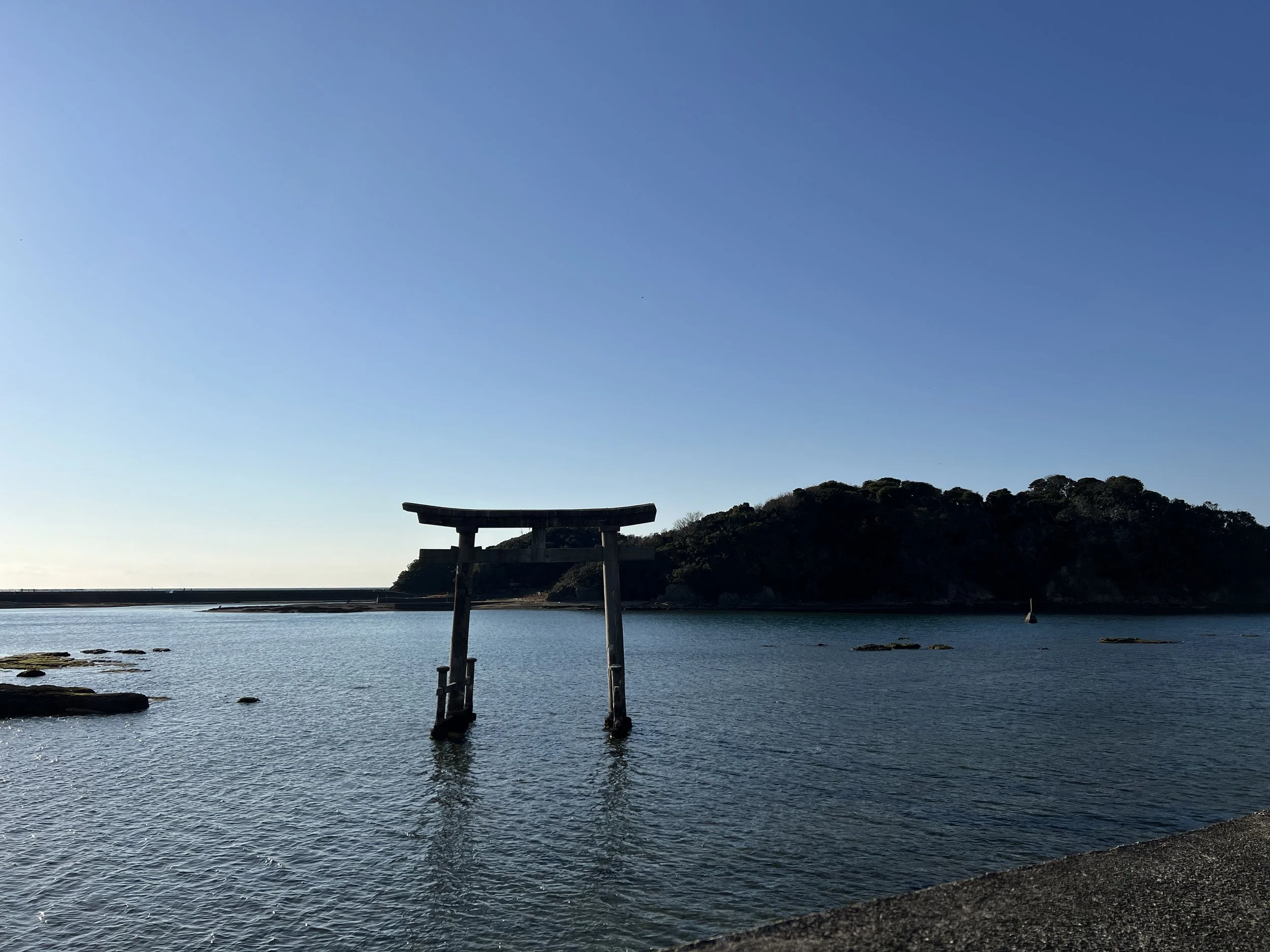
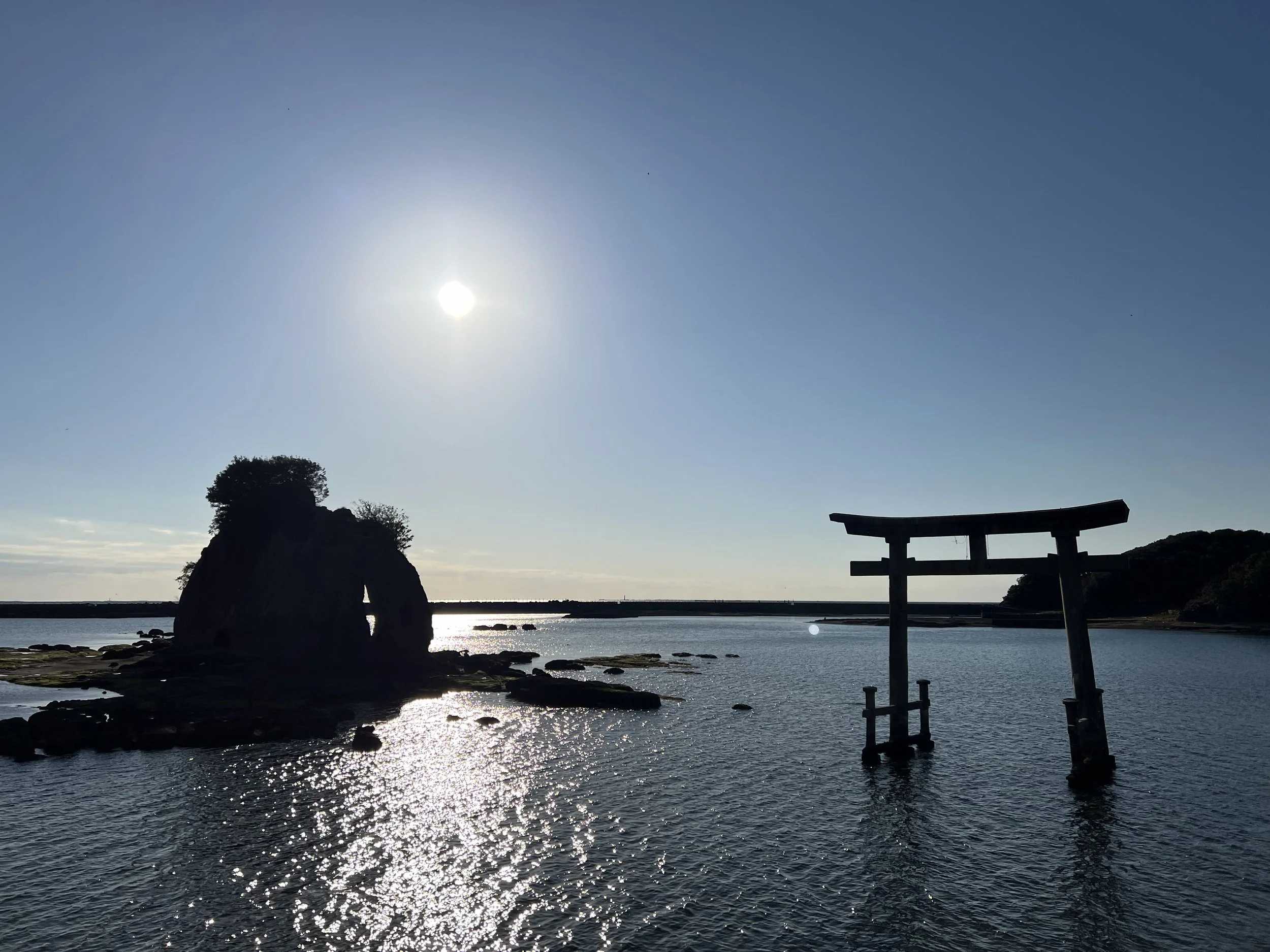
I made my way back along the path, stopping briefly to take photos of the torii gate standing in the ocean—a popular spot for sunset photography. I had originally planned to stay, but with over an hour still to go before sunset, I decided to change plans and head further down the coast instead.
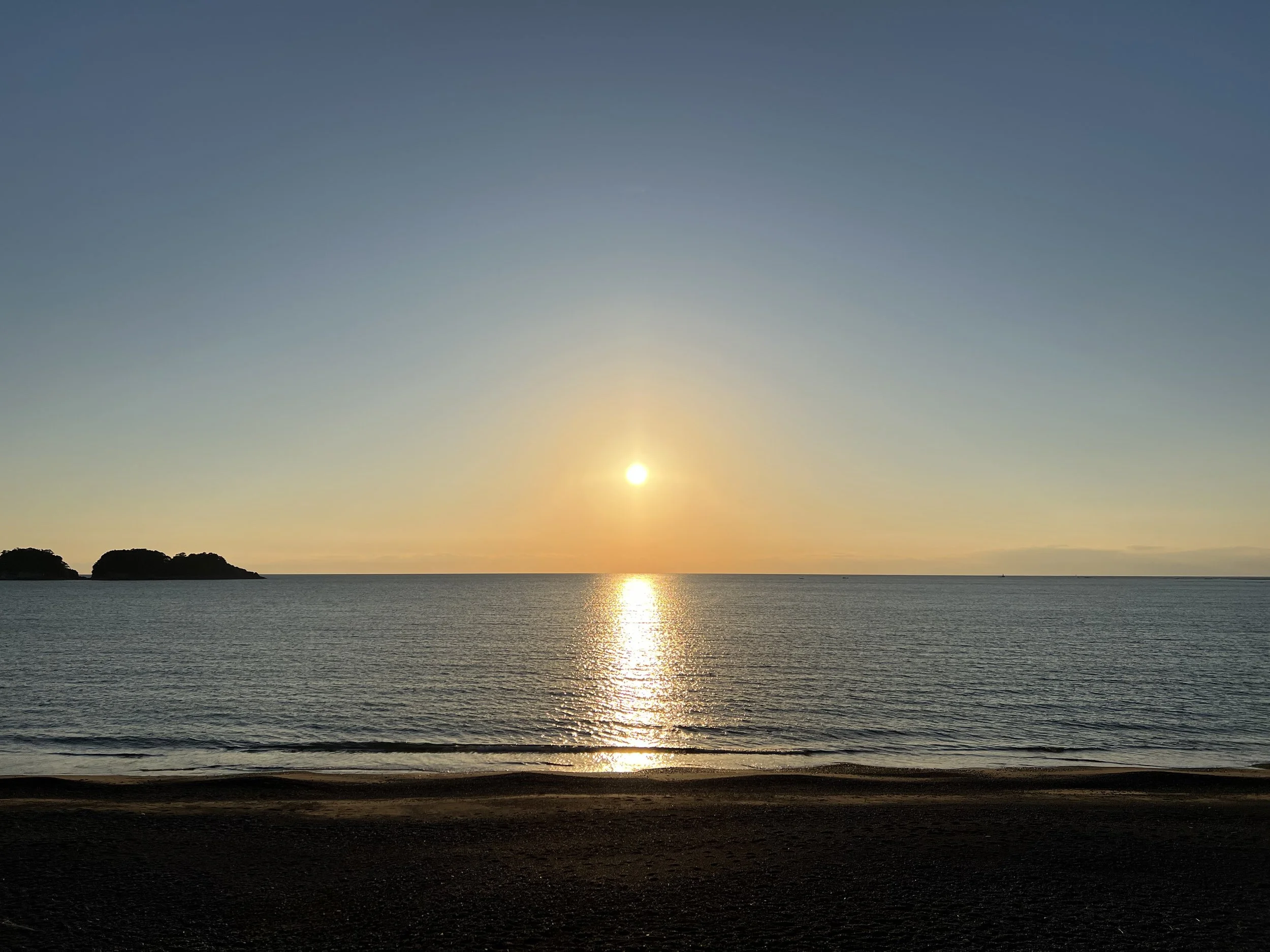
I caught a short bus ride toward Minabe Station and walked from there to the shoreline near Nanbu Bay. It turned out to be the perfect place to end the day. As the sun dipped below the horizon, casting warm light across the water. Exploring Kii-Tanabe beyond its role as a gateway added an unexpected layer to the Kumano Kodo experience.
History & Background
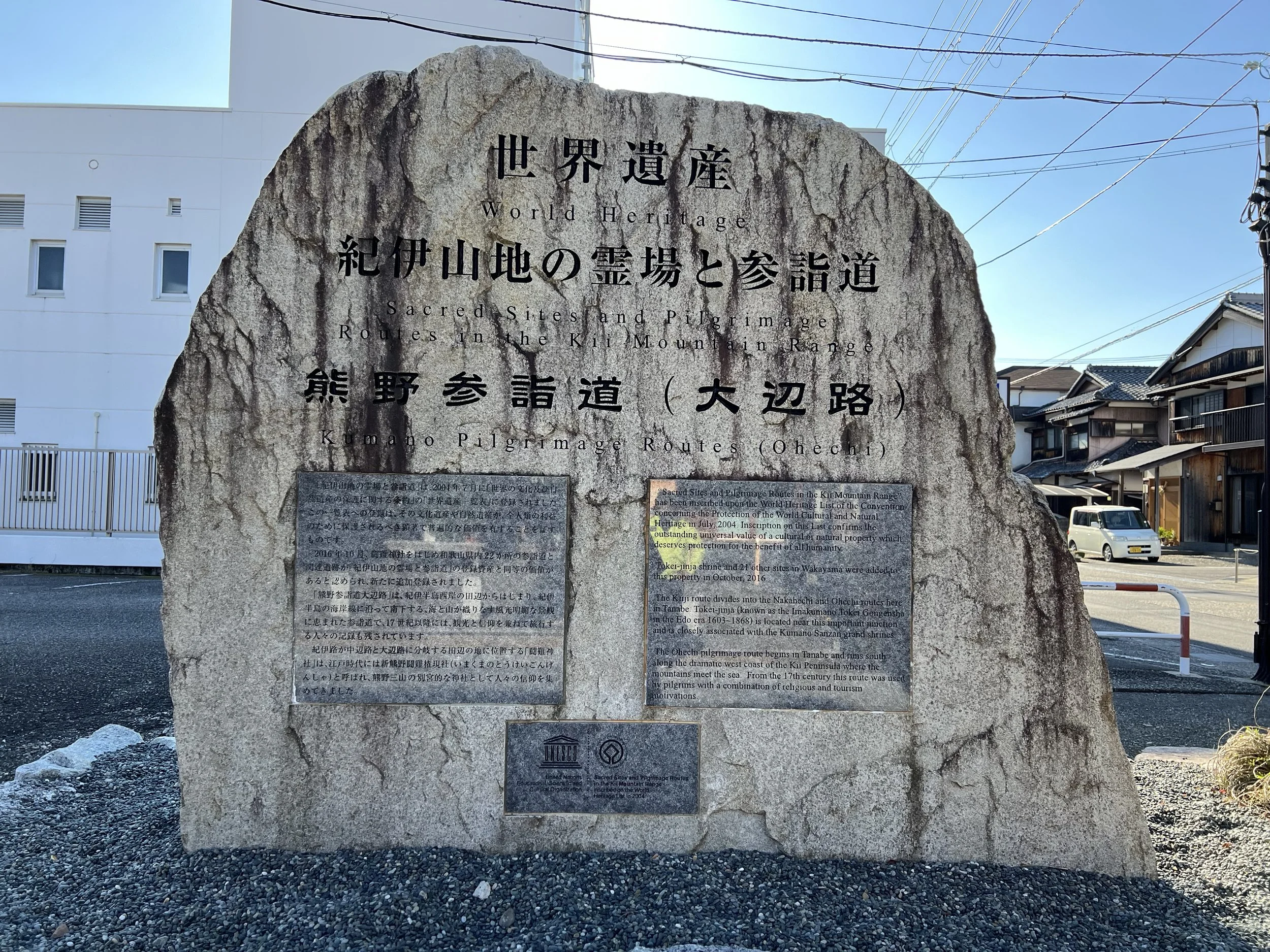
Kii-Tanabe (紀伊田辺) serves as one of the primary access points to the Kumano Kodo, a network of sacred pilgrimage routes that have been in use for over a thousand years and are designated as a UNESCO World Heritage Site.
Tokei Shrine, founded in 419 AD, is an important spiritual site connected to these pilgrimage traditions. Its name originates from a legend tied to the Genpei War, reflecting the deep historical roots of the region.
Coastal sites such as Ogigahama Beach and Motojima Shrine were historically used for purification rituals, an essential step before undertaking the Kumano pilgrimage. These practices highlight the spiritual significance of the sea in Shinto and pilgrimage traditions.
Today, Kii-Tanabe blends its historical importance with natural coastal beauty, offering visitors both cultural insight and scenic exploration.
Getting There
Kii-Tanabe is accessible via the JR Kisei Main Line. From Wakayama Station, direct trains run south to Kii-Tanabe Station, with the journey taking approximately 2 to 2.5 hours depending on the service.
Local buses operate within the area, connecting coastal spots such as Cape Tenjinzaki and nearby towns like Minabe. Many of the key locations in central Kii-Tanabe, including Tokei Shrine and Ogigahama Beach, are accessible on foot from the station.
Route Overview
Distance: 9.95 km (Kii-Tanabe Station → Meiyo-mae Bus Stop)
Total elevation gain: 68 m
Duration: 2 hr 01 min (with breaks 2 hr 10 min)
Difficulty: Easy
Cost Breakdown
Train: Wakayama Station → Kii-Tanabe Station — ¥3,420
Bus: Meiyo-mae Bus Stop → Minabe Station — ¥360
Food: ¥510