Great Barrier Reef - Queensland, Australia
Visiting the Great Barrier Reef has been a bucket-list dream of mine, so naturally it made its way into my Australia itinerary. After comparing different tour companies, I eventually chose Down Under Cruise and Dive because they offered both the Great Barrier Reef experience and the optional helicopter tour. I booked the excursion for my second day in Cairns, hoping for calm seas and clear skies.
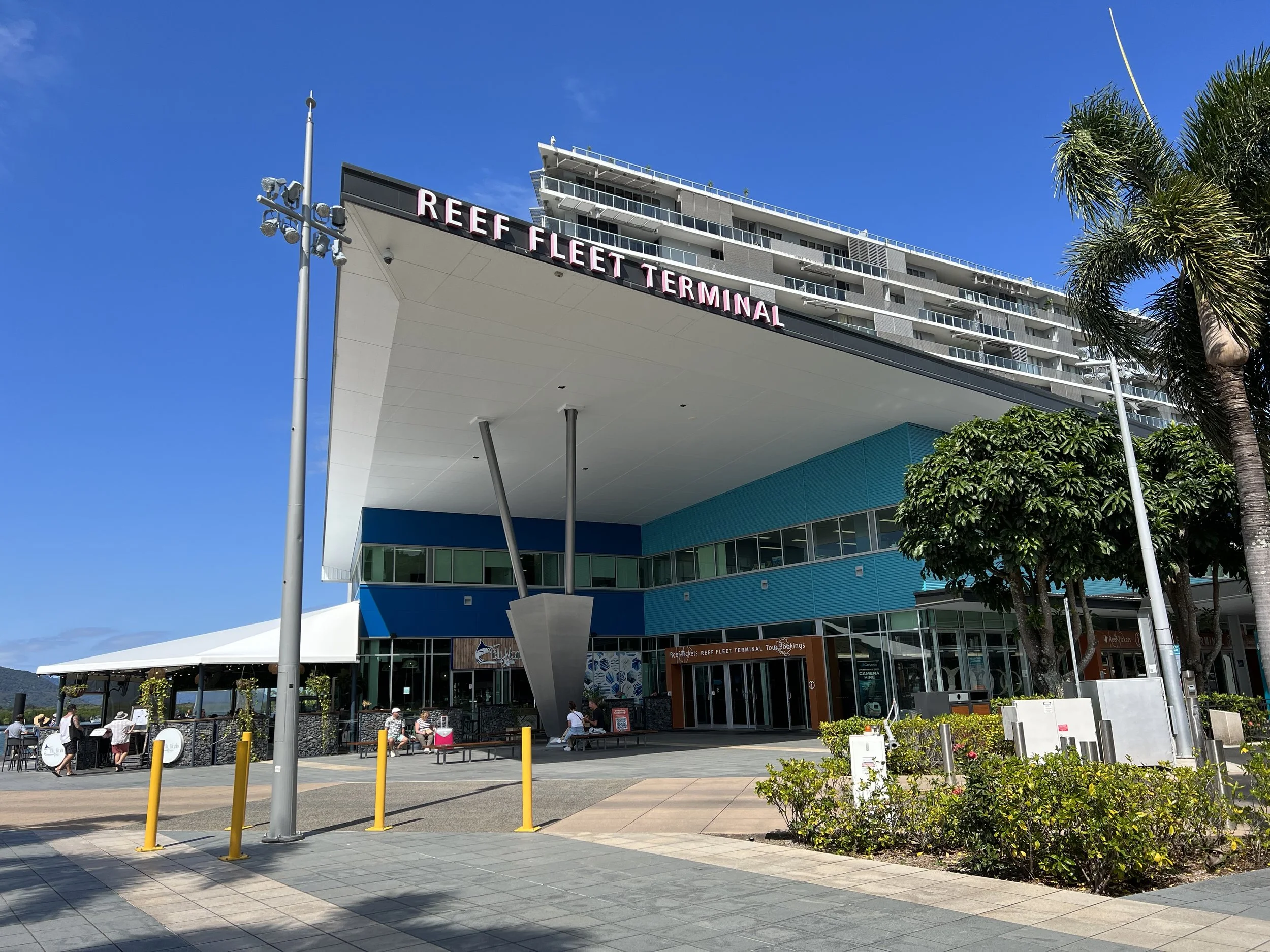
Check-in started between 7:15 and 7:45 AM, with the boat departing at 8 AM. Wanting a smooth morning, I got up early for breakfast and the short walk from my hotel to the Reef Fleet Terminal. With a small backpack packed with essentials—reef-friendly sunscreen, a hat, a water bottle, swimsuit, and towel—I headed out. The terminal was already buzzing when I arrived, with several tour counters open and travellers lining up. My line wasn’t too long yet. The staff confirmed my booking details and handed me the snorkeller form to complete—personal info, emergency contacts, health history, prior experience. They also informed me that the helicopter portion of the tour had been cancelled due to high winds, and that I’d be refunded for it. I’ll admit I was disappointed, but I reminded myself that I was still getting the full reef experience, which was the main highlight.
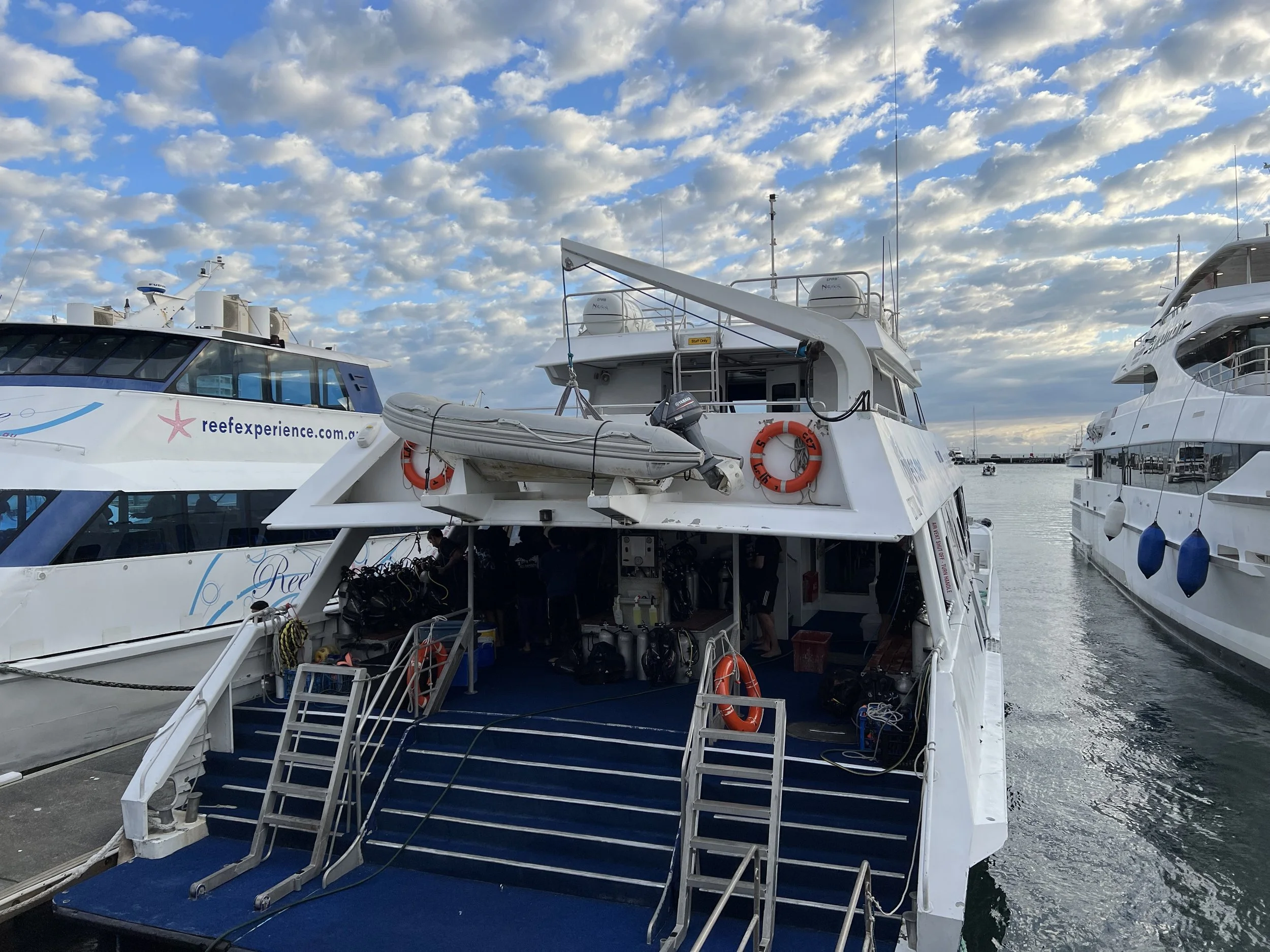
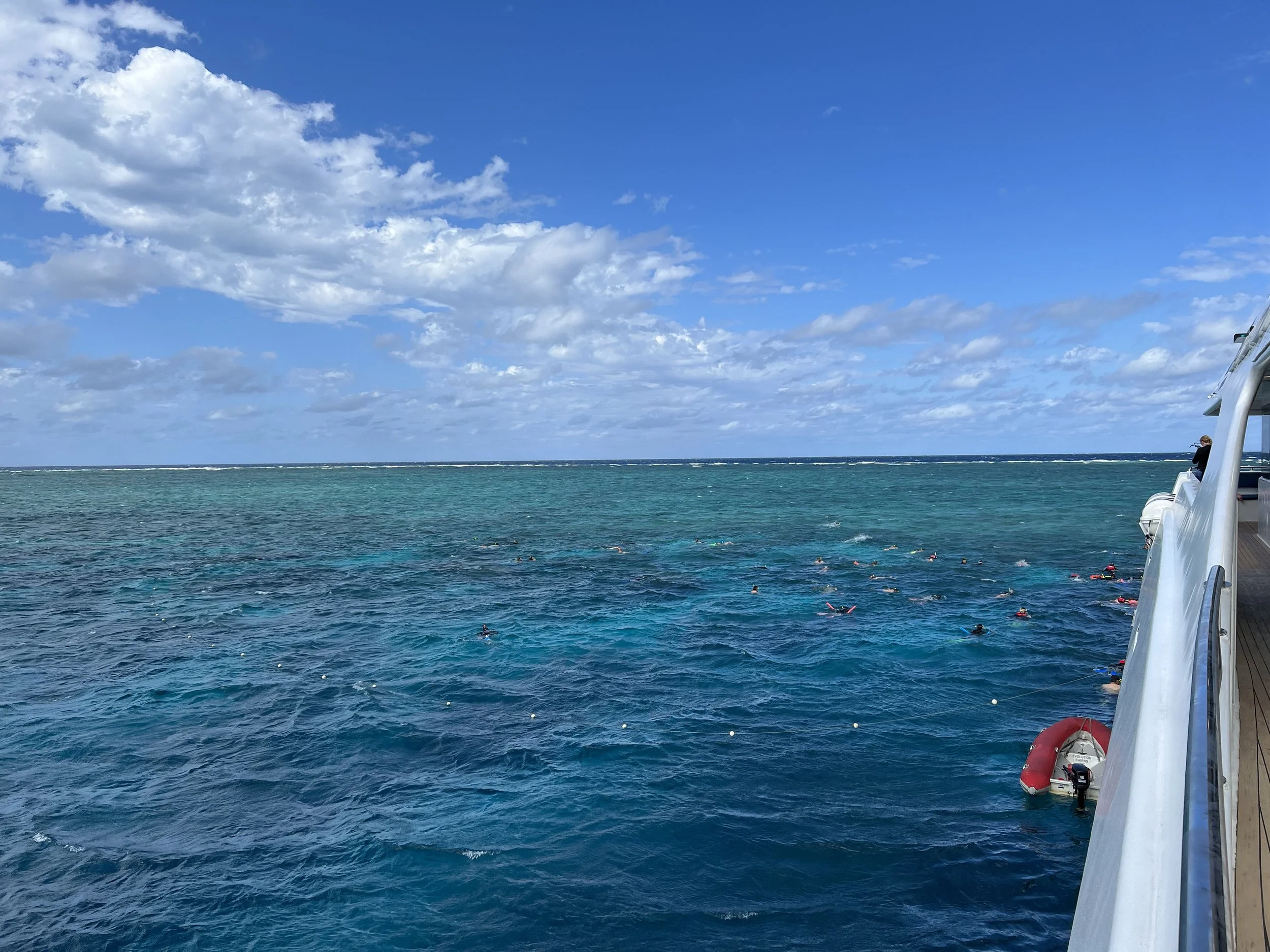
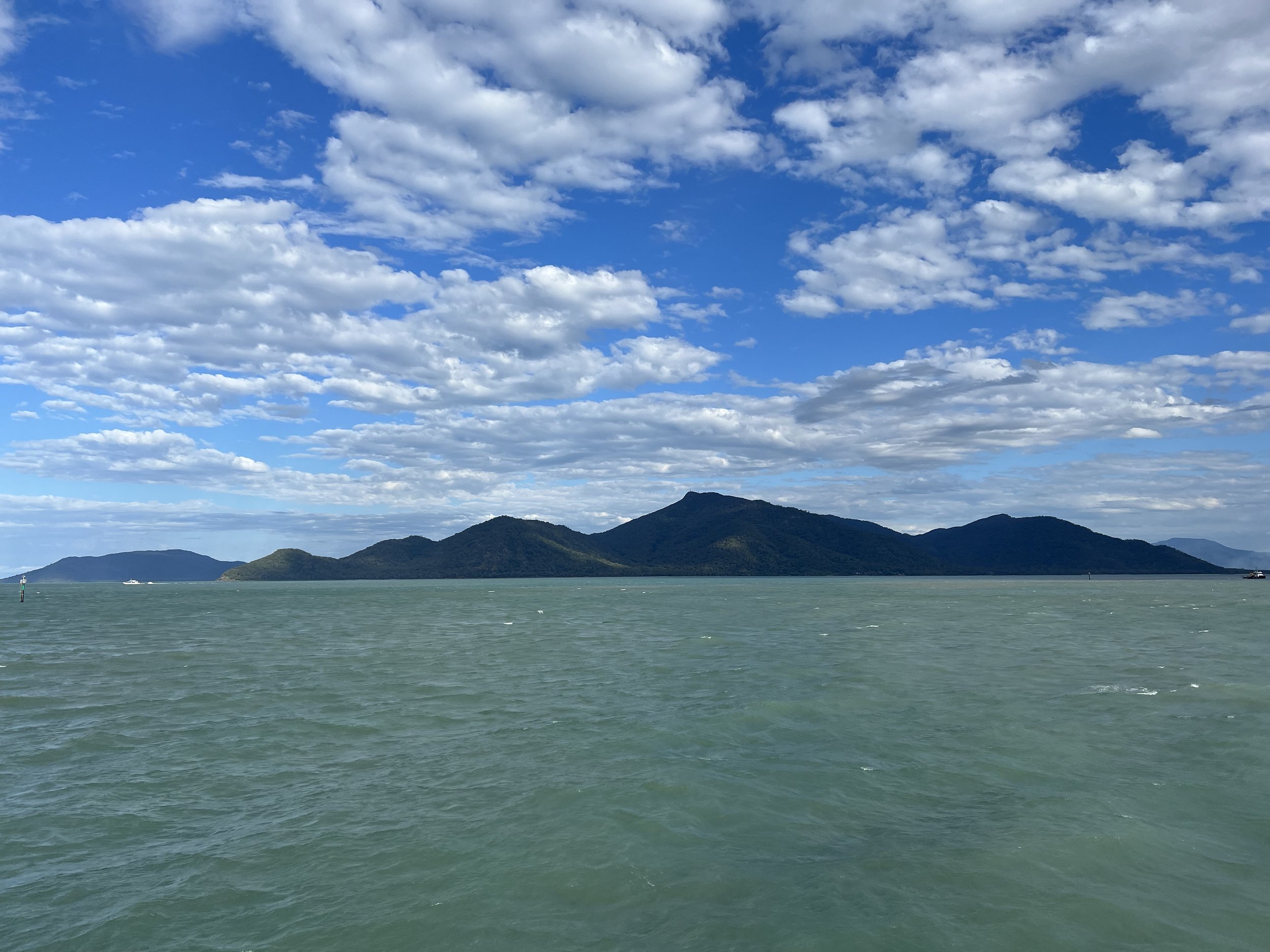
Once we boarded the boat, we were assigned to seating booths. Since I was travelling solo, I was grouped with a few other solo travellers, which gave the day a nice sense of camaraderie. The crew briefed us on safety procedures, the itinerary, the buffet lunch, and optional activities throughout the day. The captain warned us that the waves were rough, and the staff suggested taking sea sickness medication if needed. They weren’t exaggerating—once we left the harbour, the ride became quite bumpy and walking around the boat was a challenge. I went to the back deck to watch the waves and spent some time exploring the different levels of the boat before we reached our first snorkelling site.
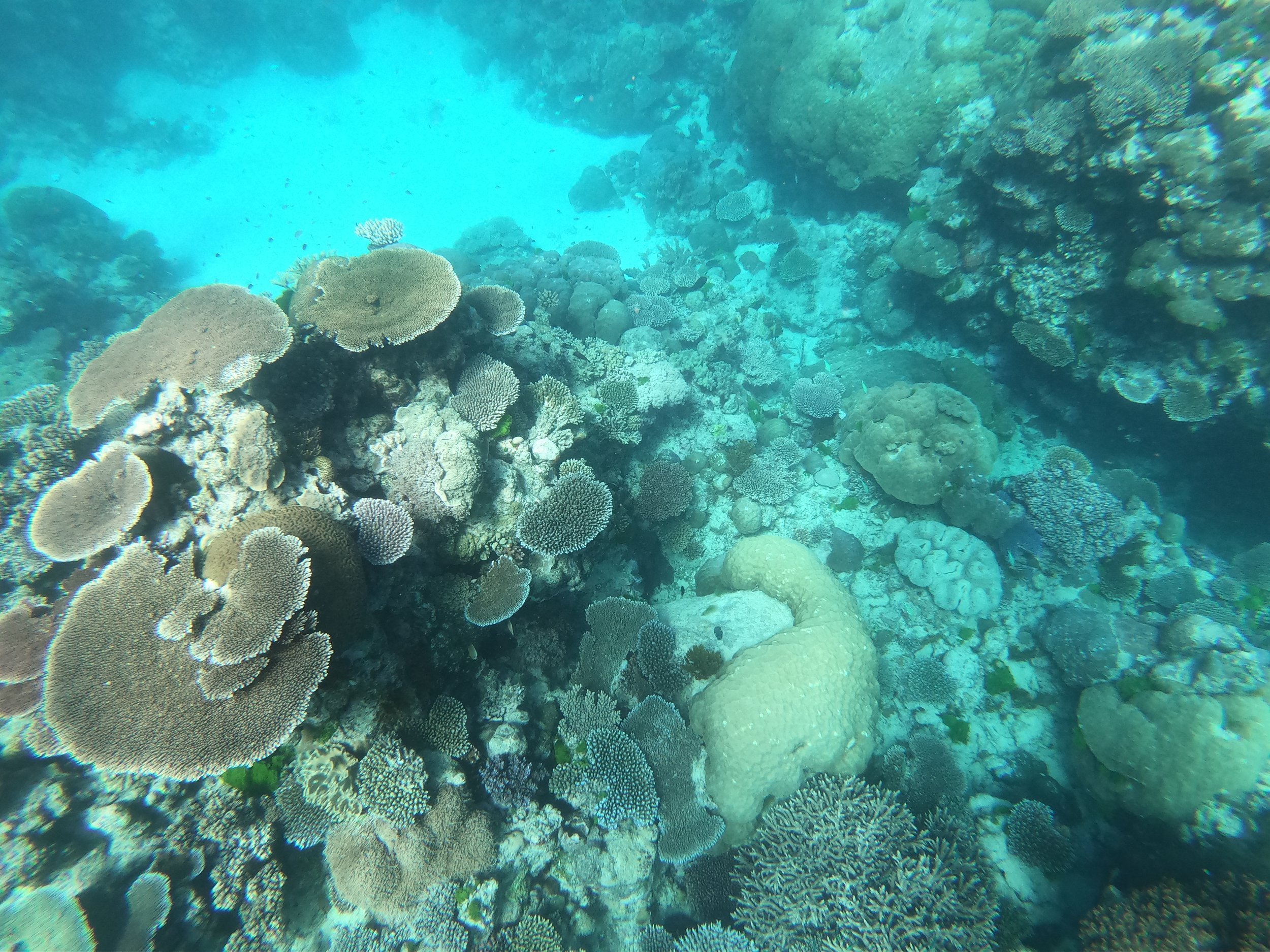
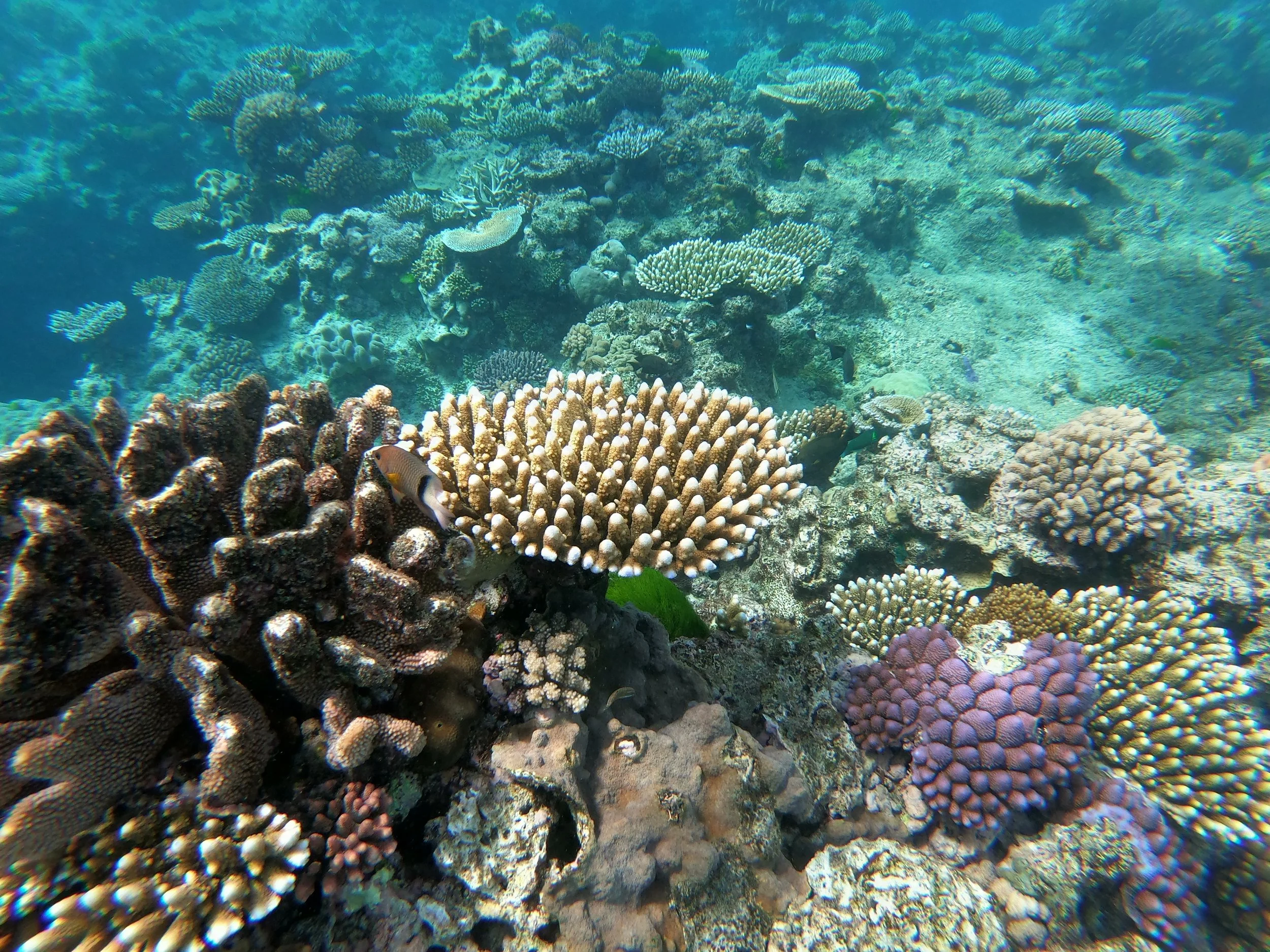
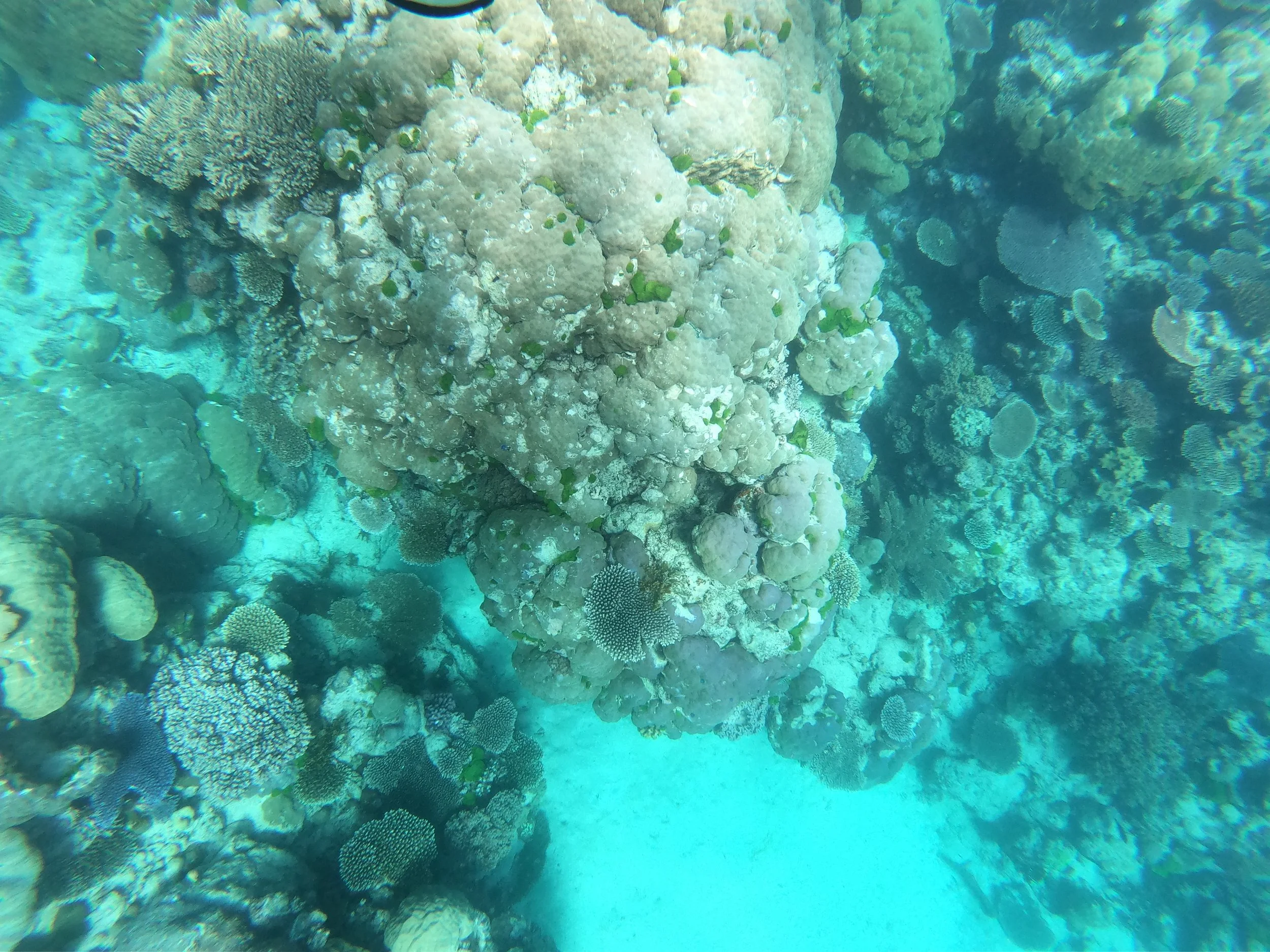
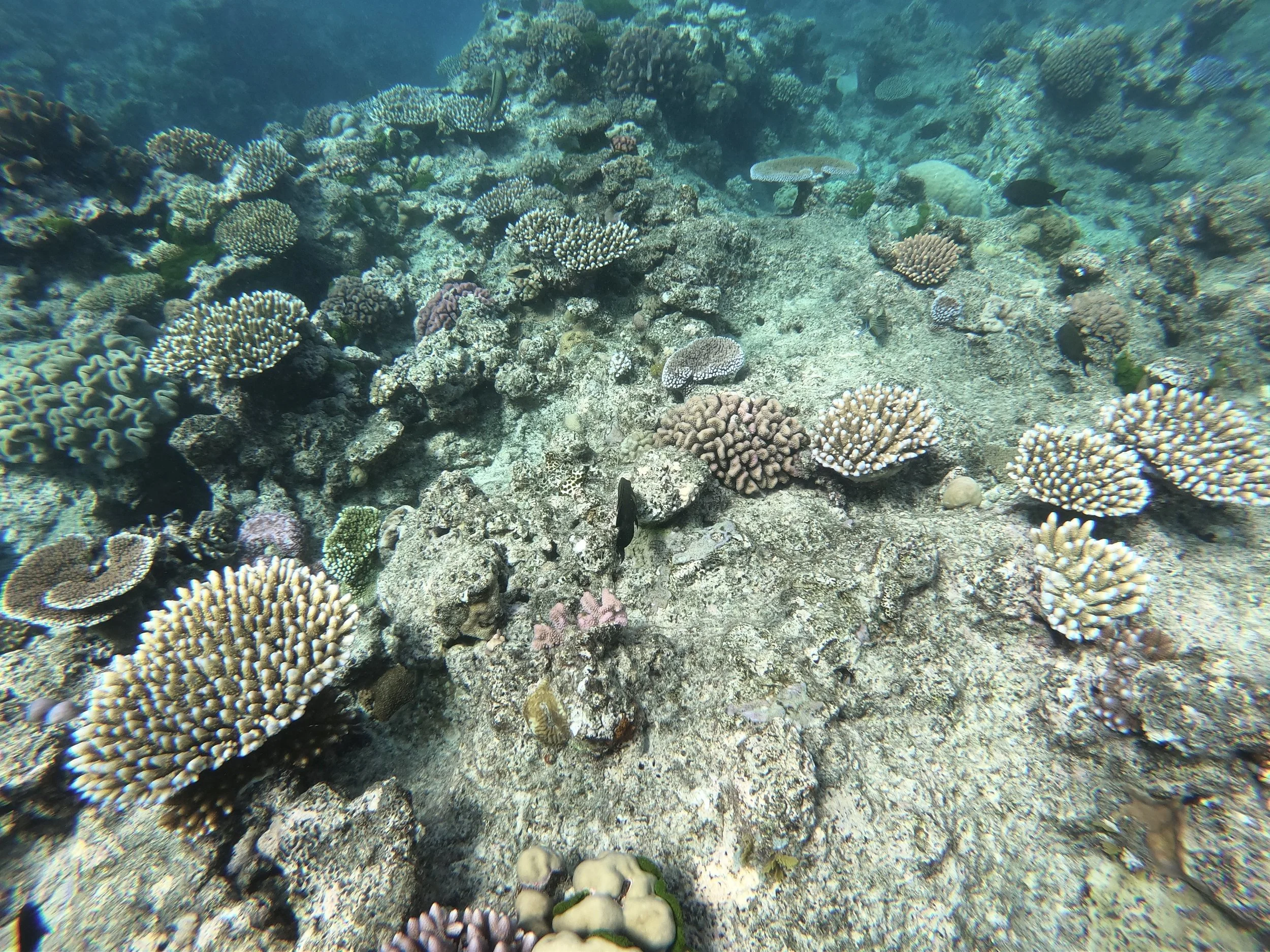
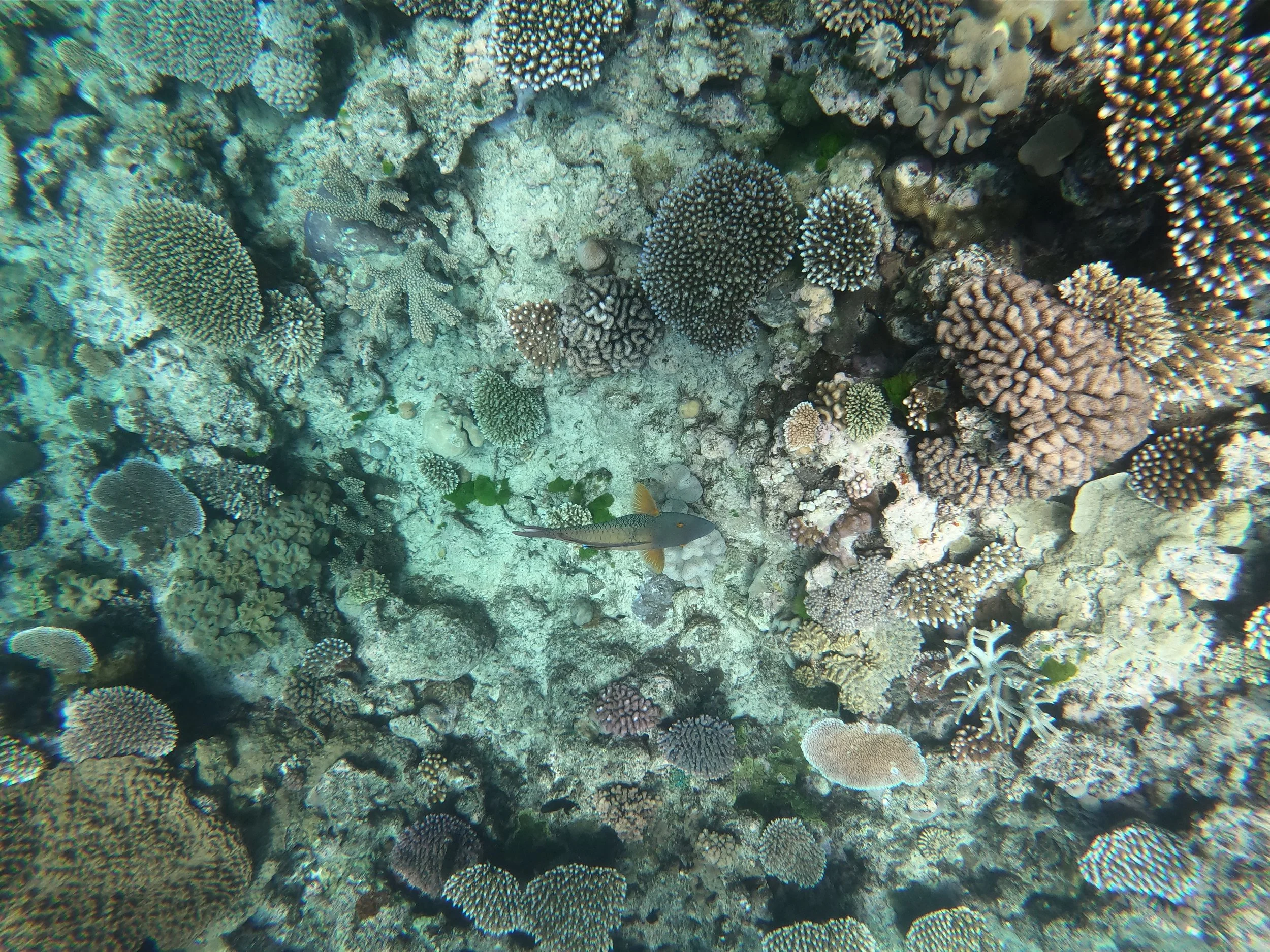
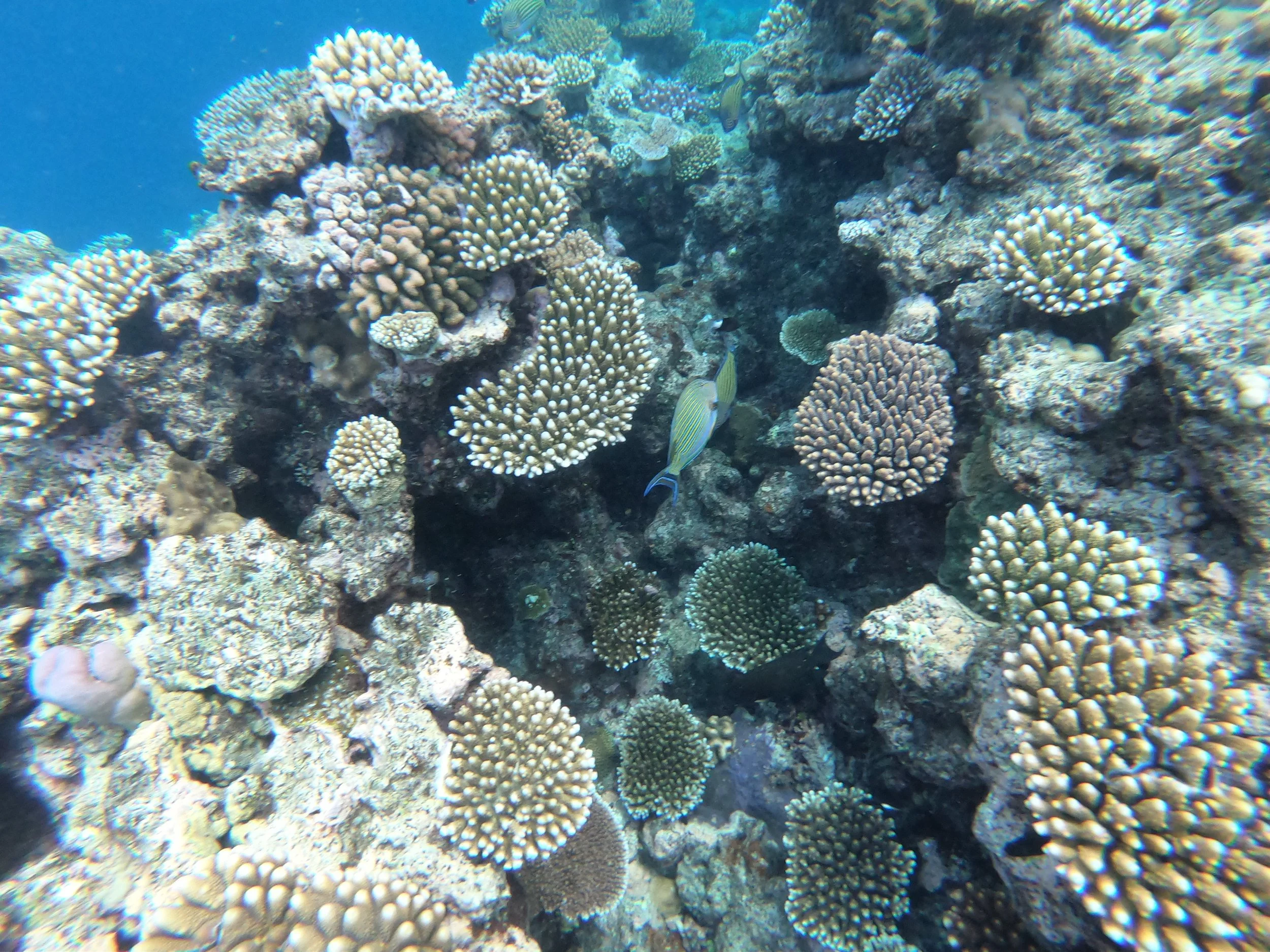
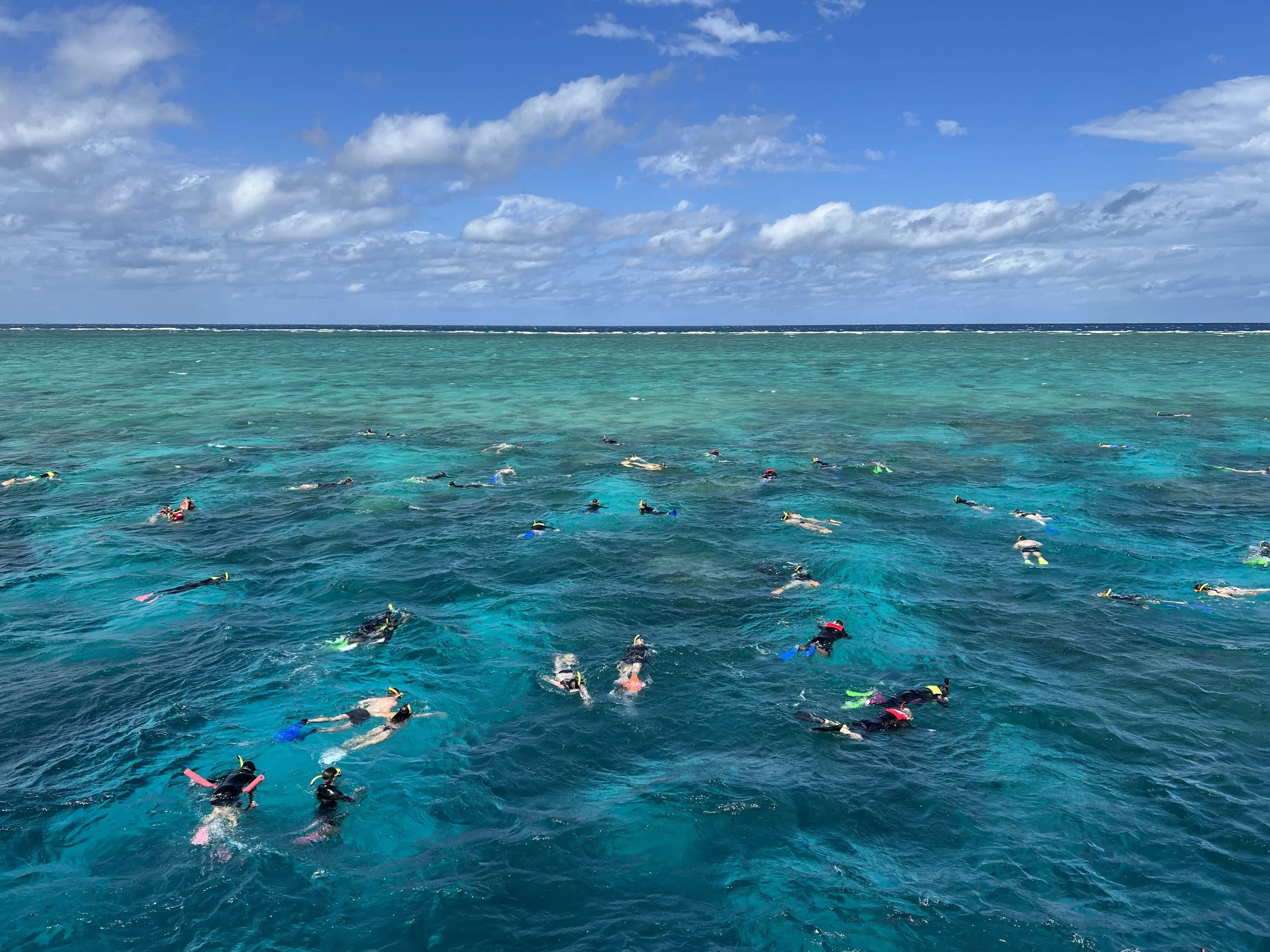
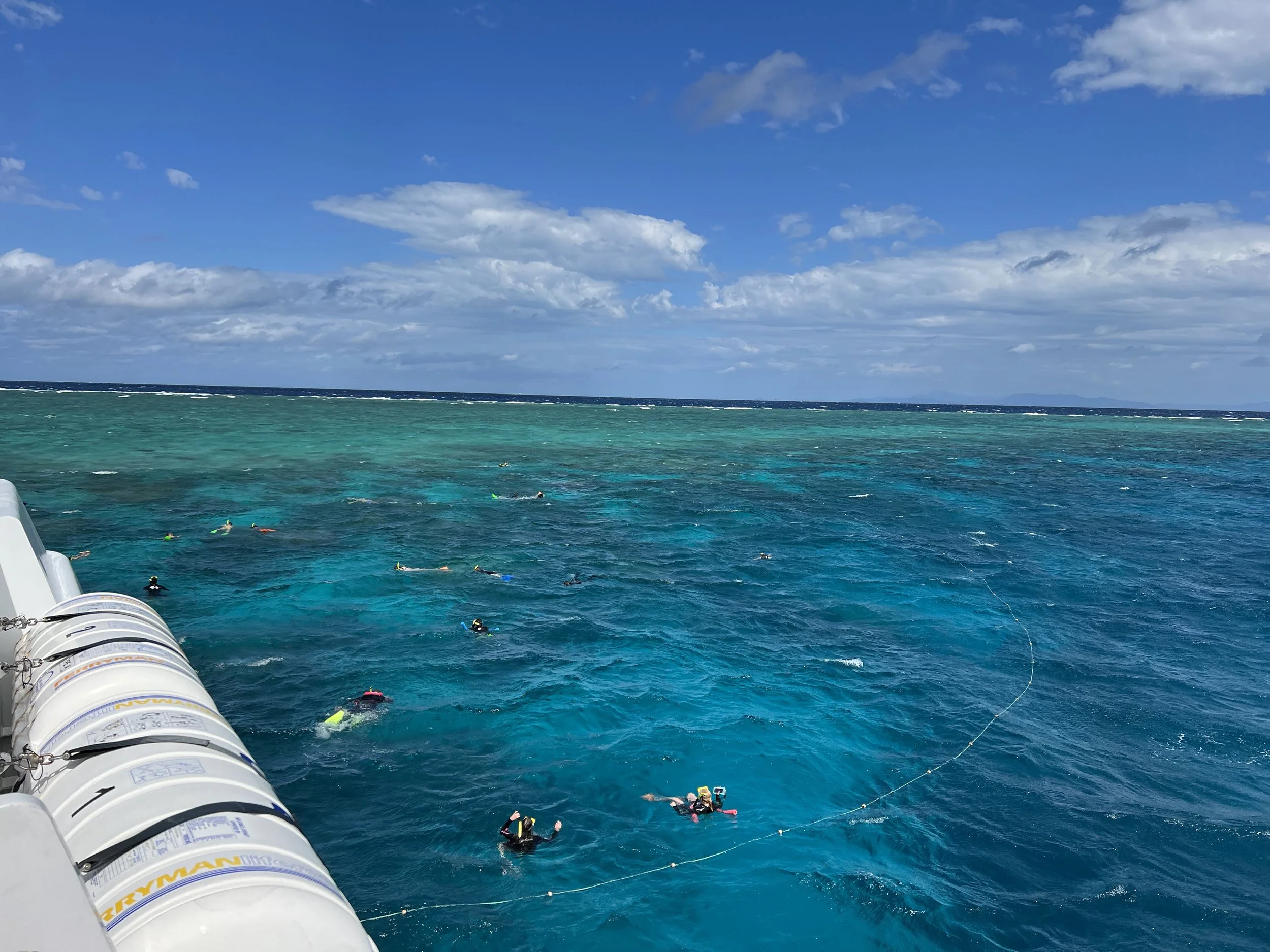
After anchoring, the staff organized snorkel zones and helped everyone get their gear. I put on my rental snorkel equipment and opted out of a life vest since I’m comfortable in the water, but they were available for extra buoyancy. I joined the marine biology snorkelling tour, only four people joined this tour. Our guide took us to several areas around the reef while explaining coral formations, marine species, and conservation efforts. It was incredibly informative—learning about the reef’s fragile ecosystem while floating above it made the experience feel even more meaningful.
After the one-hour guided tour, we still had time to snorkel independently. I took out my GoPro to capture photos and videos, though I do regret not being more familiar with its underwater settings—I definitely could’ve done more with it.
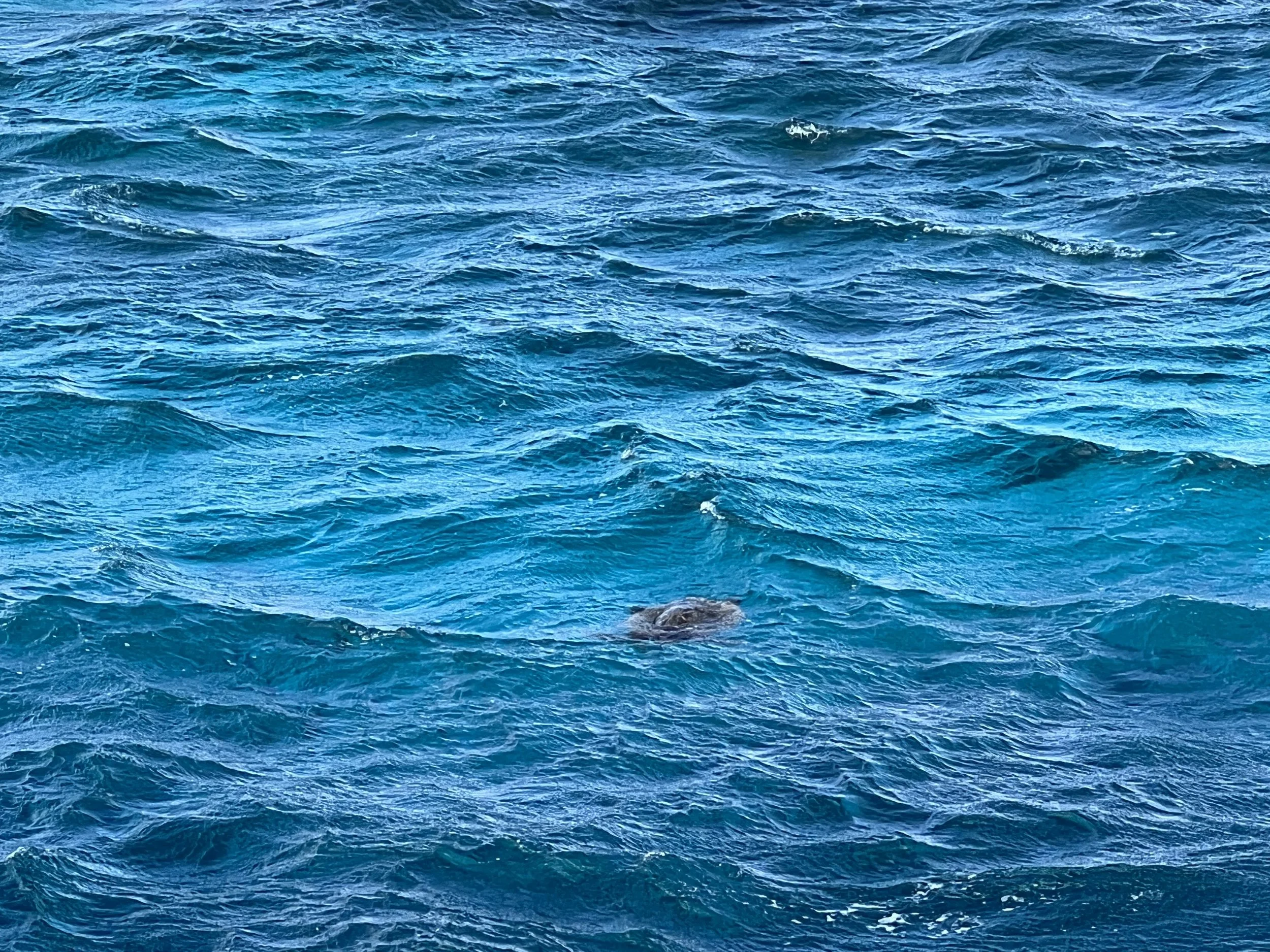
Back on the boat, the crew was preparing the BBQ buffet. There were plenty of options, and after a full morning in the water, everything tasted amazing. After lunch and headcount, we set off for the second reef site. I was still full, so I spent some time sunbathing on the upper deck before heading back into the water for another snorkel session. Later, as we were preparing to return to Cairns, we spotted sea turtles! They were farther out, but I managed to zoom in enough to get a few photos.
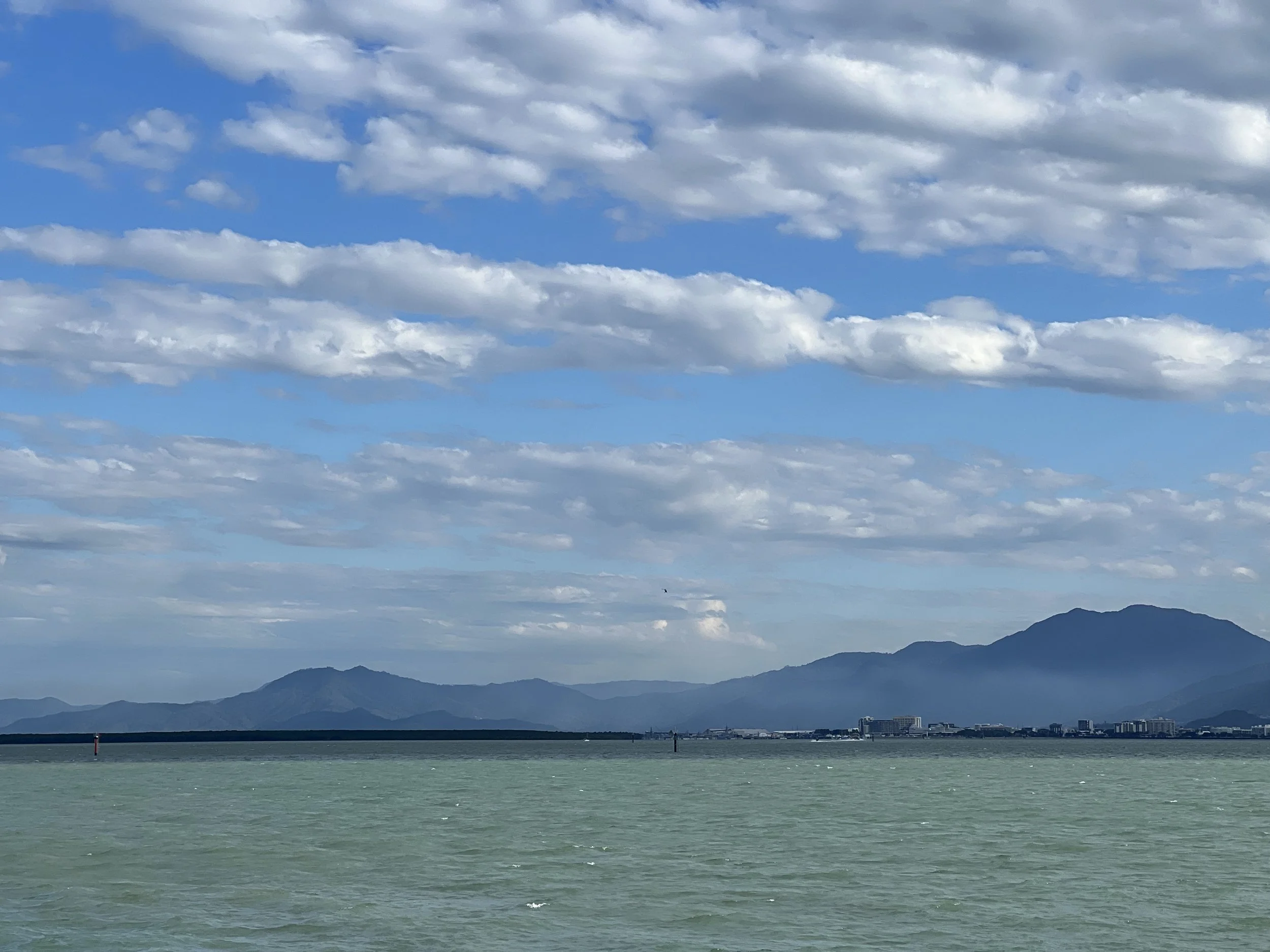
The ride back was still choppy but noticeably gentler than the outbound journey. Many of us lounged on the second level, enjoying the breeze and watching other tour boats heading back to Cairns. Even without the helicopter tour, the experience was unforgettable—immersive, educational, and a true highlight of my time in Australia.
History & Background
The Great Barrier Reef, stretching over 2,300 kilometres along the Queensland coast, is the world’s largest coral reef system and one of the most recognized natural wonders on the planet. Comprising thousands of individual reefs and hundreds of islands, it is home to an extraordinary diversity of marine life, from vibrant corals and reef fish to sea turtles, rays, and occasional reef sharks.
The reef is internationally renowned not only for its beauty but also for its cultural significance. For First Nations groups along the Queensland coastline, the reef has long played an important role in traditional knowledge, navigation, and storytelling. Today, the region is a major hub for reef research, conservation, and sustainable tourism.
Due to changing ocean conditions and human impact, ongoing efforts are in place to protect and restore the reef. Many tour operators—including the one I joined—adhere to strict environmental practices, which helps ensure that visitors can continue experiencing this incredible ecosystem responsibly.
Getting There
Cairns is the most popular base for visiting the Great Barrier Reef, with daily flights from major Australian cities such as Sydney, Melbourne, and Brisbane. Once in Cairns, the majority of reef tours depart from the Reef Fleet Terminal, located along the Esplanade. Most accommodations in central Cairns are within walking distance, but taxis and rideshares are readily available if needed.
Tours generally start early in the morning, so planning for breakfast, sunscreen, water, and extra time for check-in makes the day much smoother. Weather conditions can impact departures, so it’s wise to schedule reef activities early in your stay in case rescheduling is needed.
Route Overview
Duration: 10 hr (7:15 AM check in, tour 8 AM - 4:30 PM, getting to and from)
Difficulty: Intermediate
Booking Info: Multiple tour operators run daily departures to various reef sites, each offering a range of activities—snorkelling, scuba diving, glass-bottom boat tours, and occasionally helicopter add-ons. After researching, I chose Down Under Cruise and Dive, which offered the combination of experiences I wanted. Because weather plays a major role in reef excursions, I highly recommend booking your reef day early in your Cairns itinerary. Tours often sell out, especially in peak seasons, so booking in advance is important..
Safety Note: If you're planning to scuba dive, a medical clearance may be required, particularly if you’re over 65 or have existing health concerns. Additionally, you must avoid flying within 24 hours of your last dive. While snorkelling has fewer restrictions, you’re still in the open ocean, so awareness of your comfort level and abilities is important for safety.
Cost Breakdown
Tour: Reef Cruise — AU$240
Tour: Marine Biology Snorkelling Tour — AU$35
Food: AU$5.5