Fukiya Furusato Village - Okayama, Japan
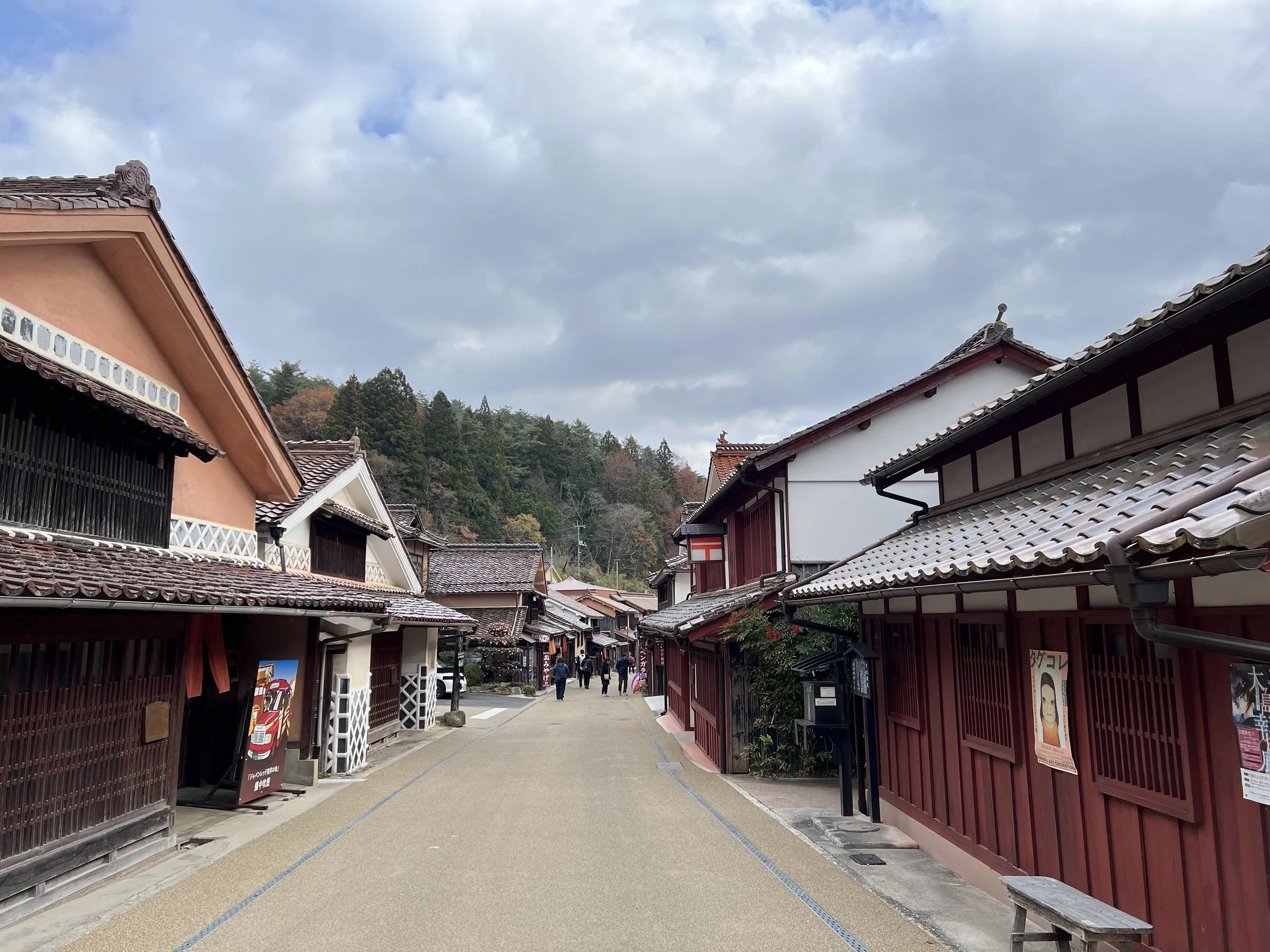
After visiting Bitchu-Matsuyama Castle in the town of Takahashi, I decided to make one more stop before leaving the area: Fukiya Furusato Village. This small mountain village is known for its deep red tones and remarkably well-preserved streetscape, shaped by the production of bengara — a red pigment made from iron oxide.
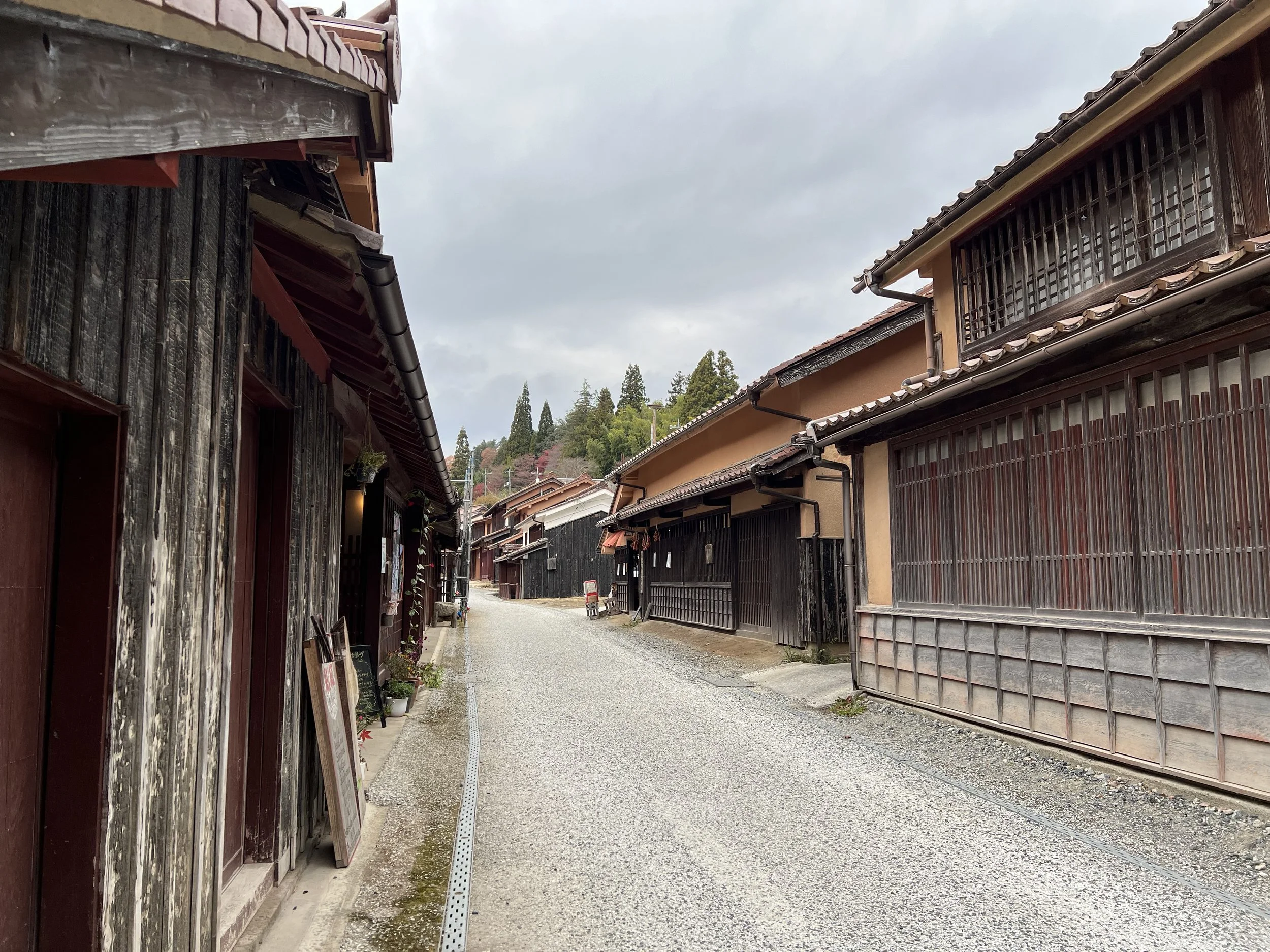
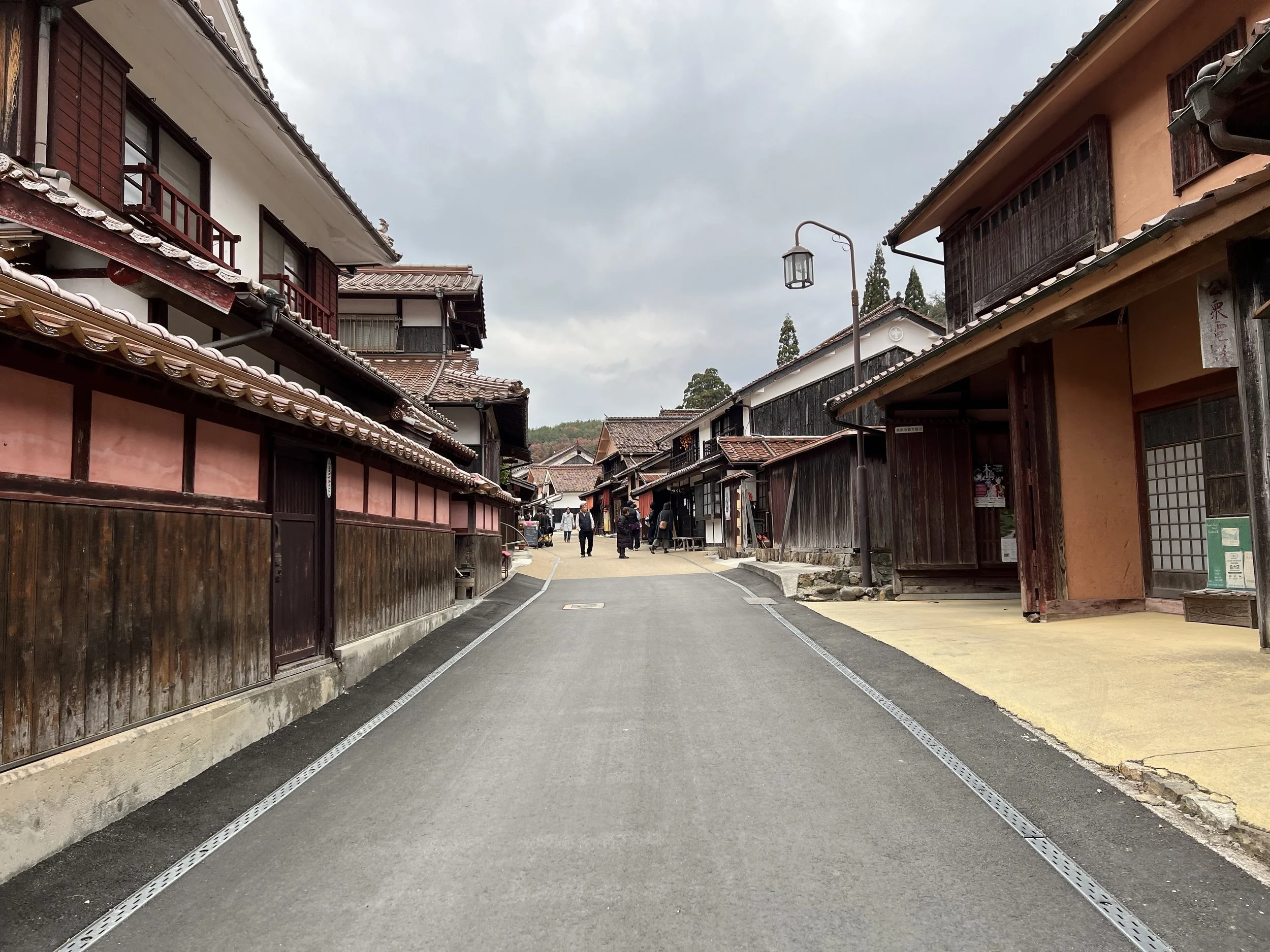
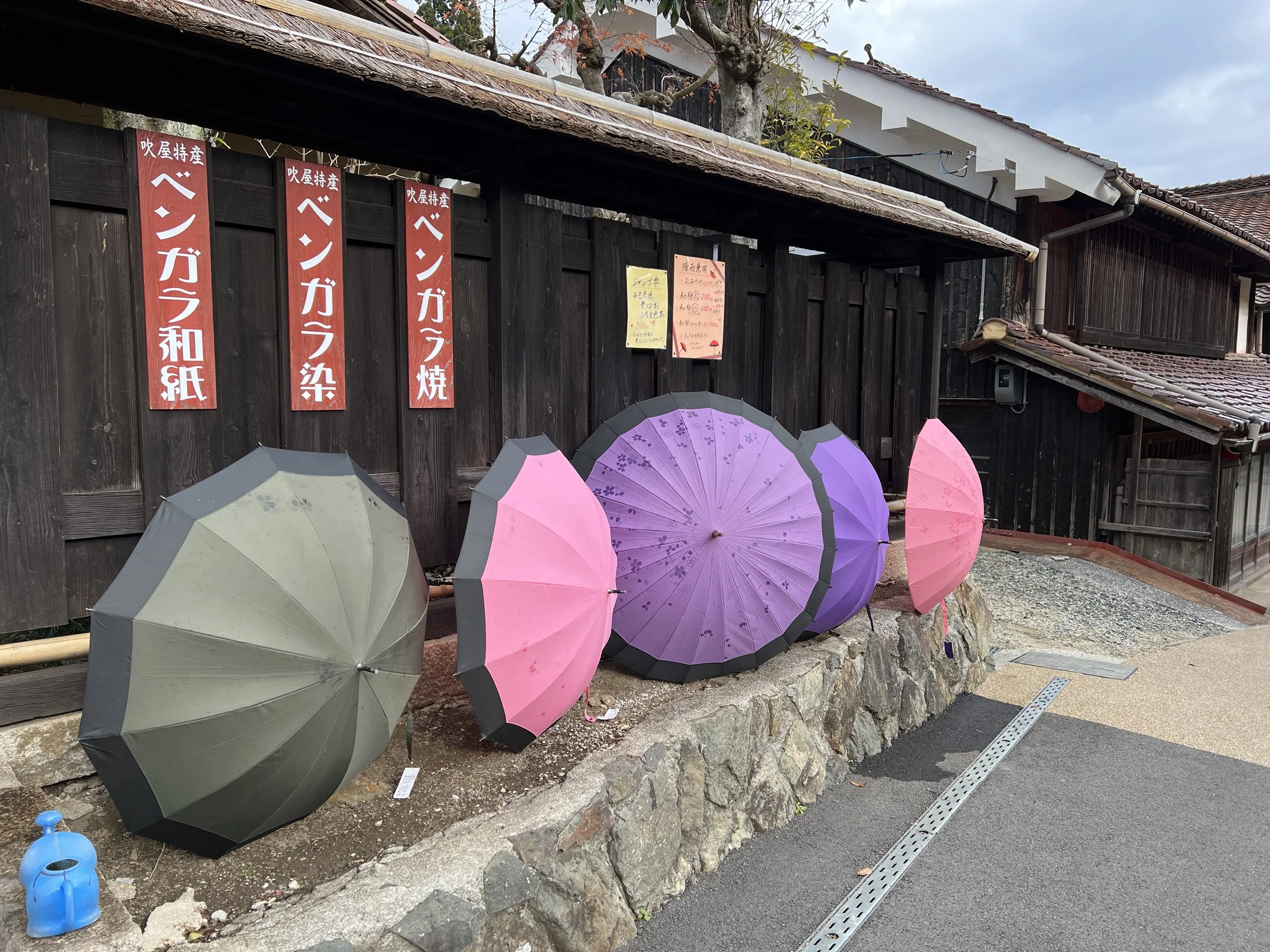
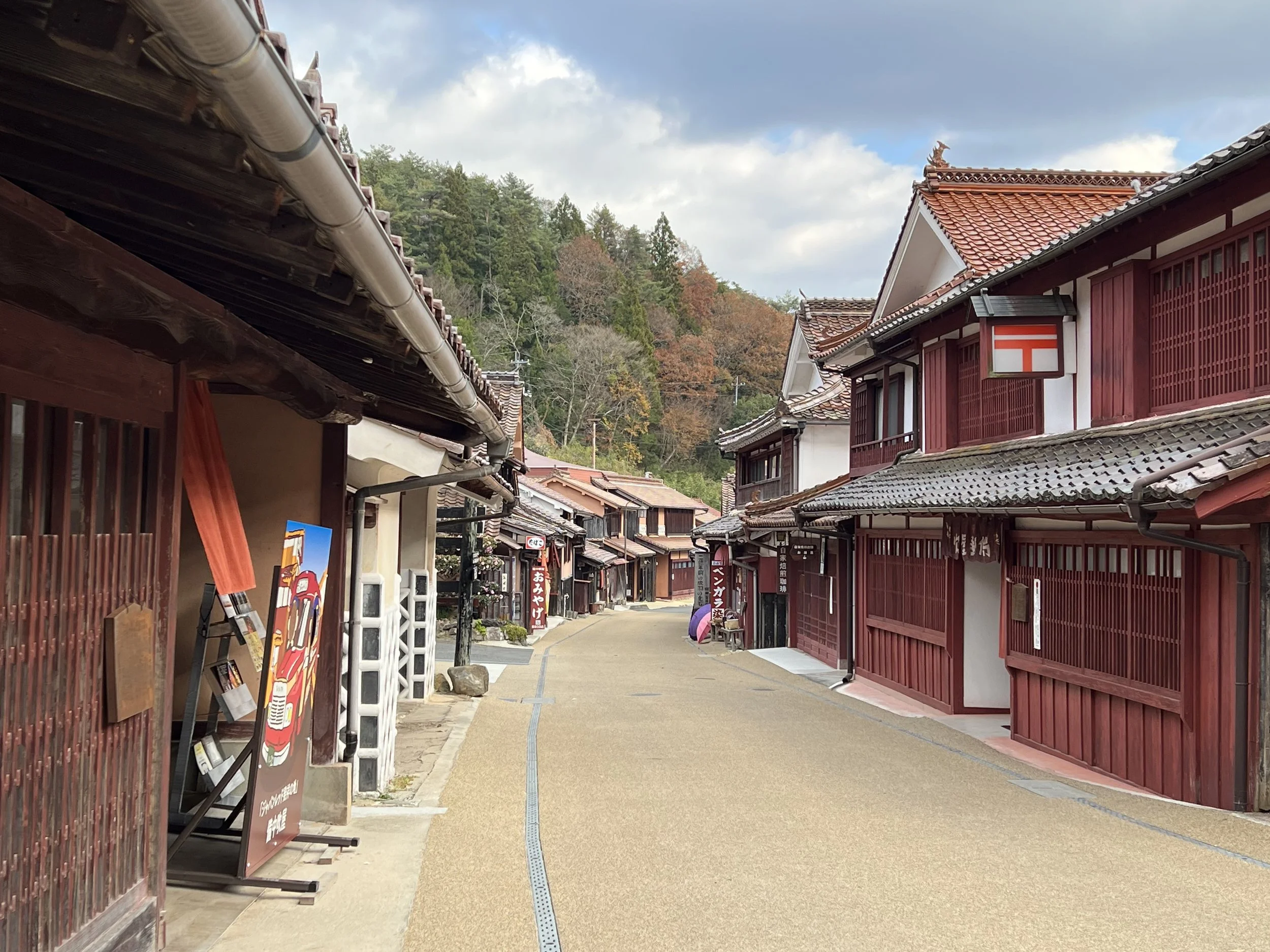
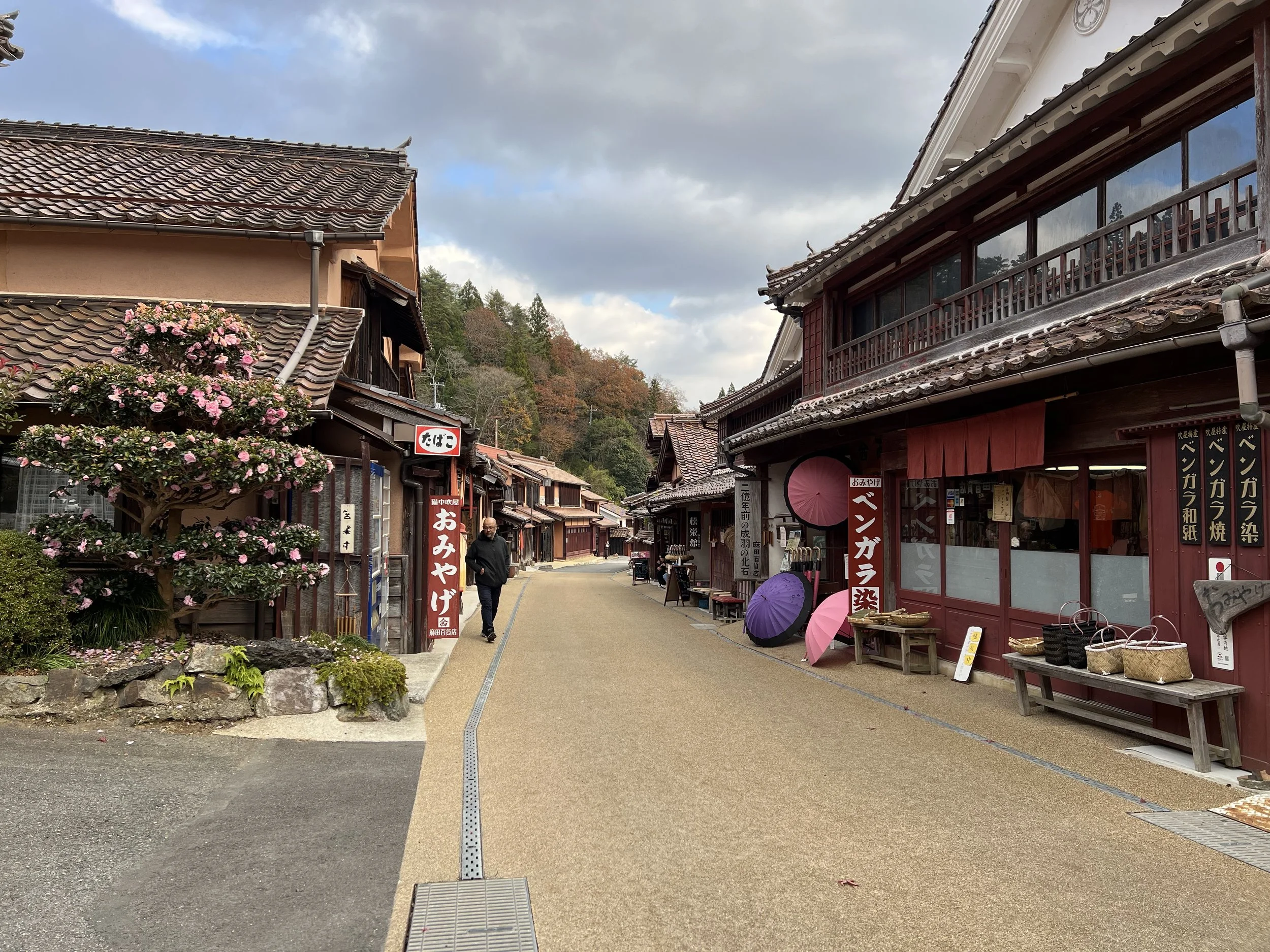
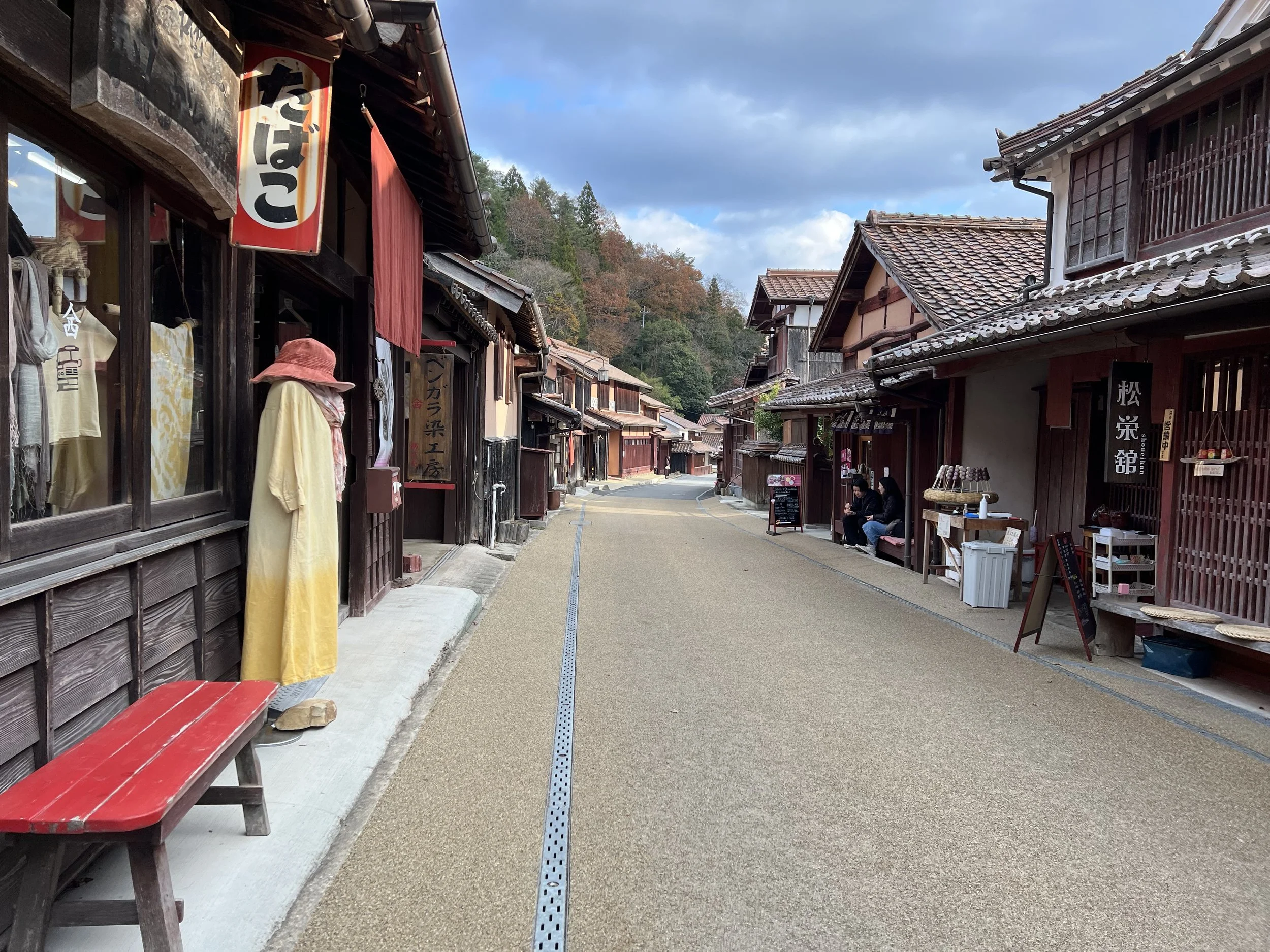
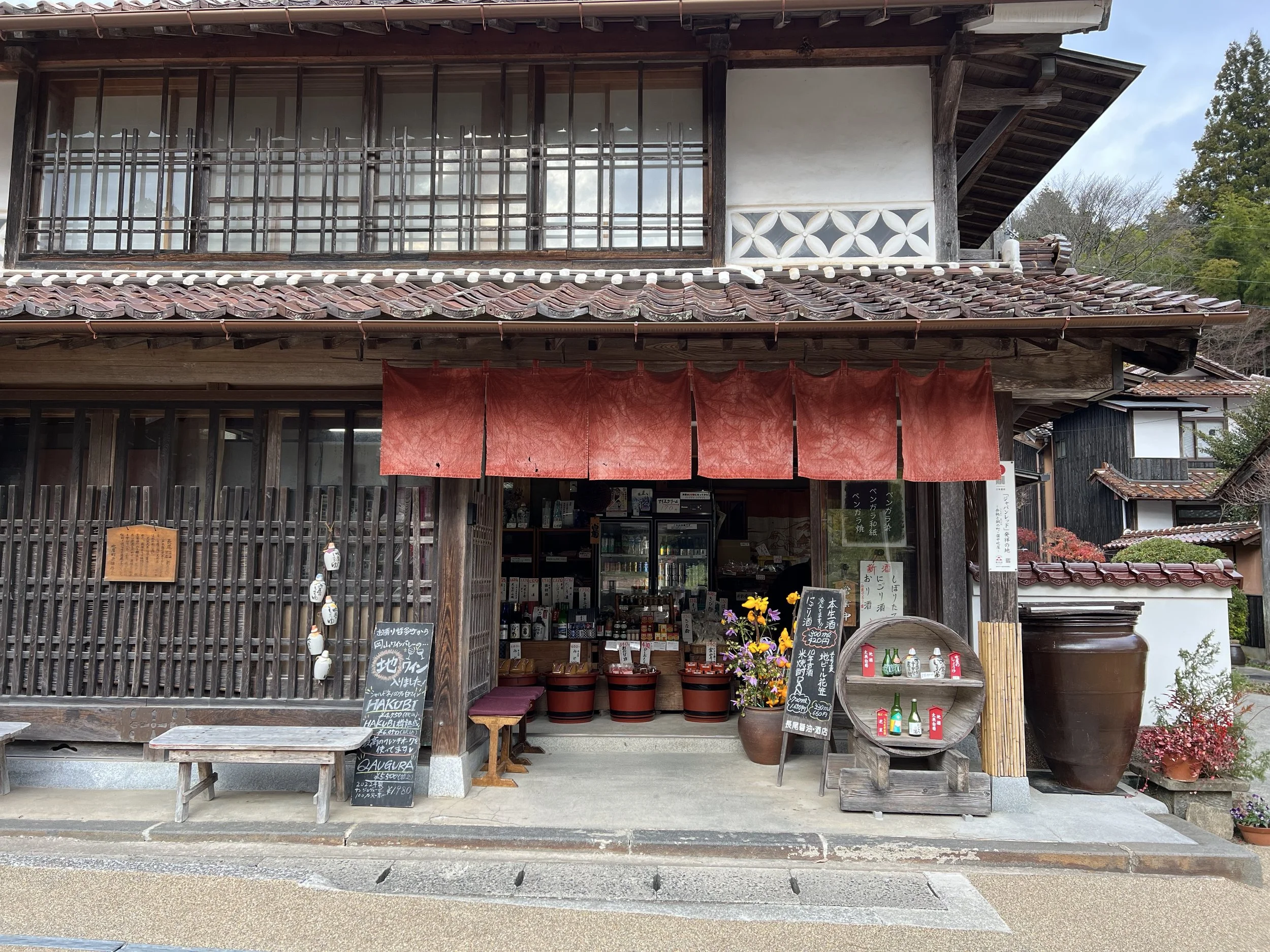
Fukiya developed and prospered around a copper mine, with bengara production becoming the backbone of the local economy. Even though mining activity declined in the early 20th century, the legacy of that industry remains clearly visible. The red pigment can still be seen everywhere: on roof tiles, wooden building exteriors treated for fire and water resistance, clothing, artwork, and even in historical ship waterproofing. Walking through the village feels like stepping into a living palette of reds.
The bus from Bitchu-Takahashi Station drops you near the village entrance, though the final stretch of road is not for the faint of heart. The narrow mountain road barely accommodates the bus, with steep drops and tight curves along the way. Watching the driver navigate it so smoothly was impressive in itself.
Once I arrived, I didn’t head straight into the village. Instead, I set out to visit two nearby sites first: Hirokane Residence and the Sasaune Kodo Mine Gallery. I began by walking along the mountain road toward Hirokane Residence, the farthest point of the day’s route. The walk is about 3.5 kilometres, with several steep sections that made it more demanding than I expected.
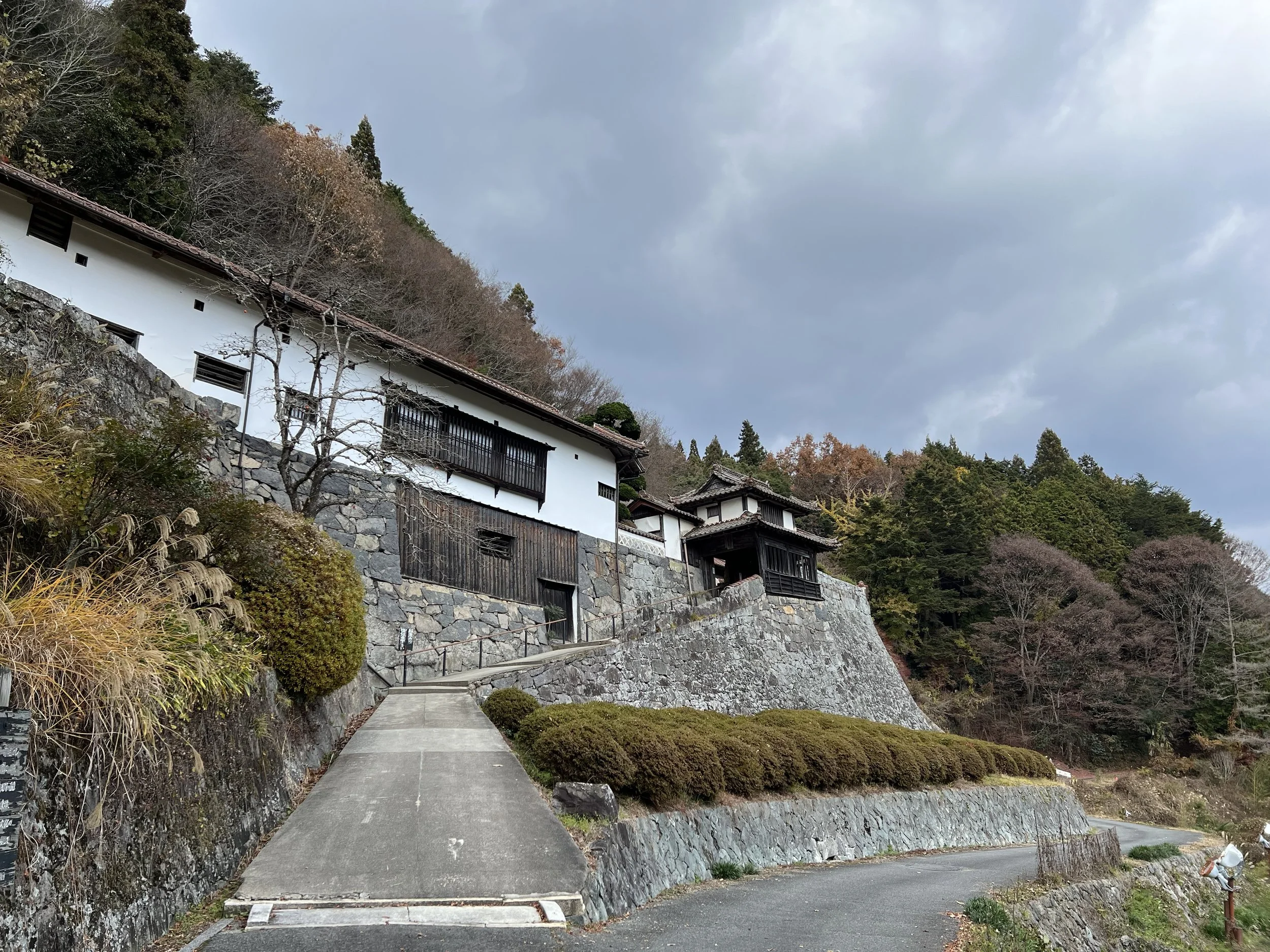
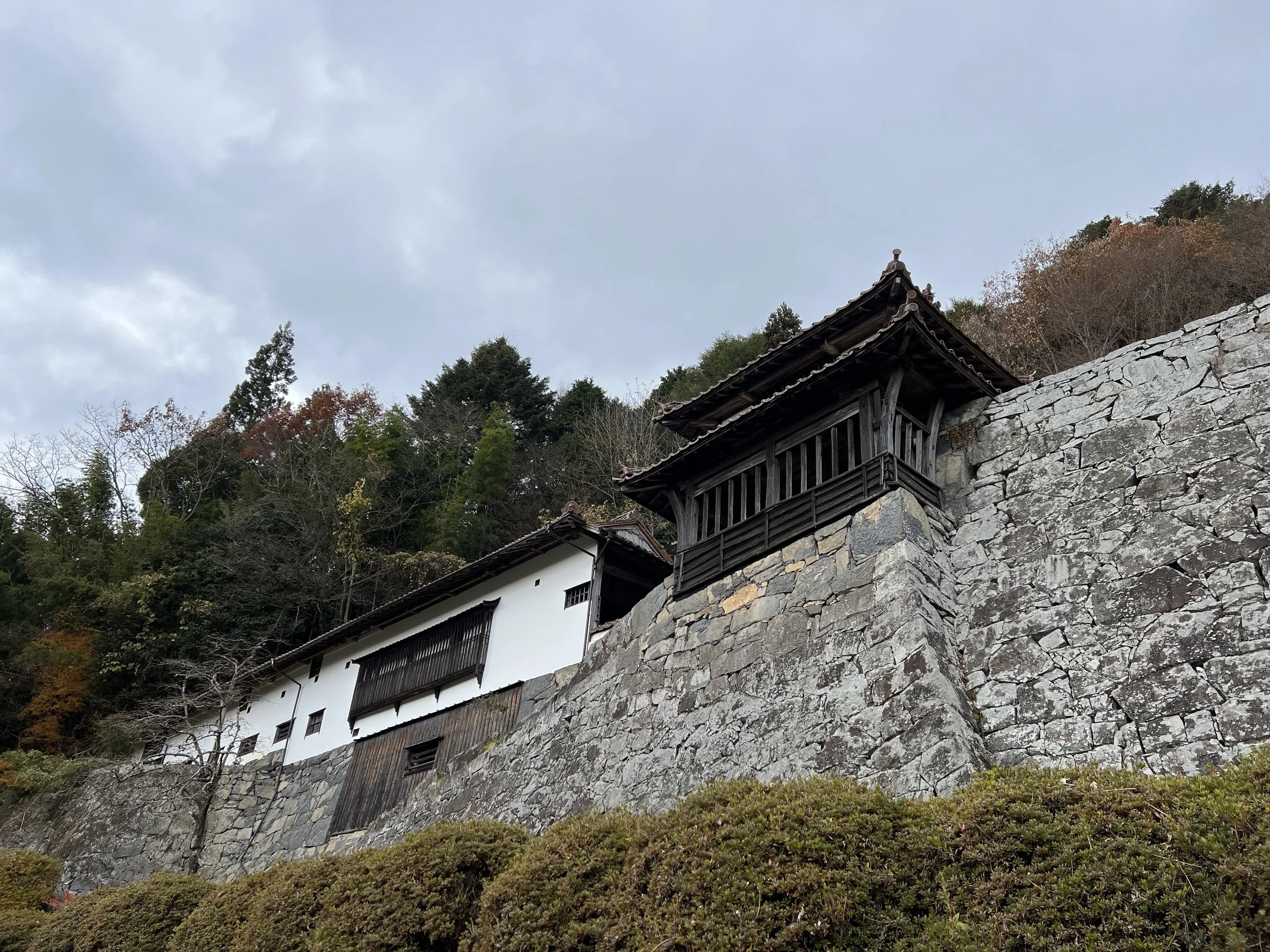
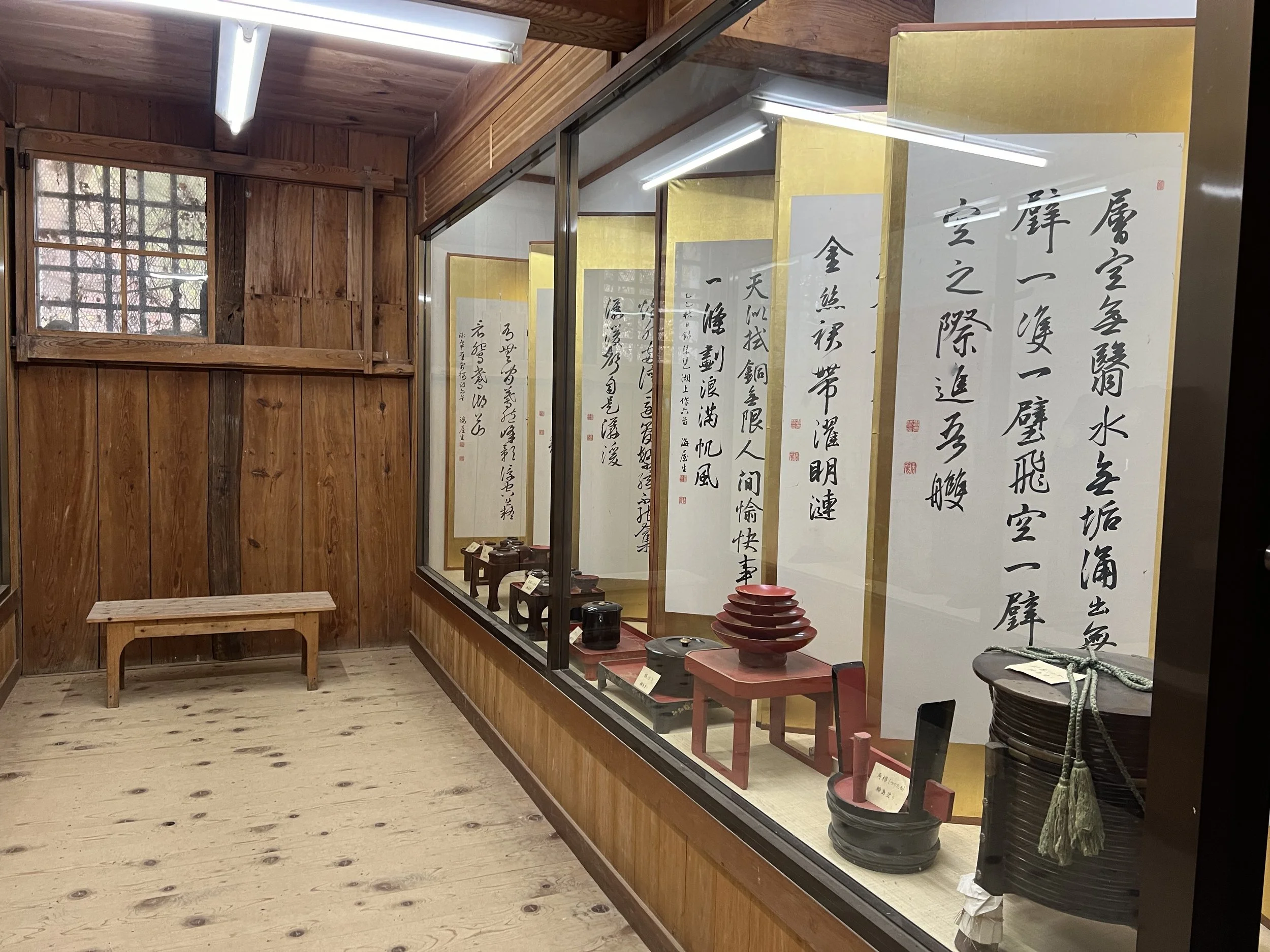
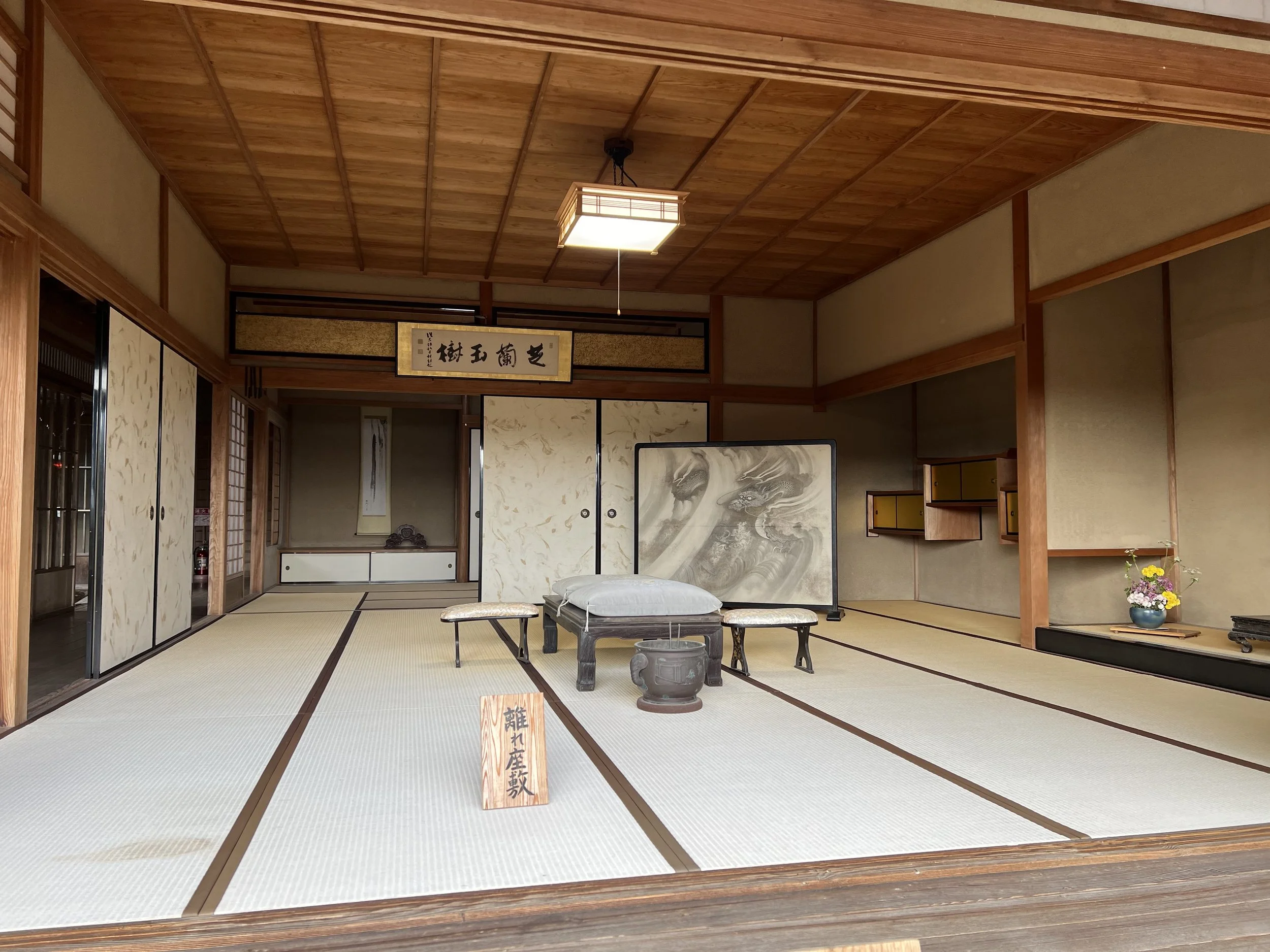
Hirokane Residence immediately stood out. The massive stone walls surrounding the property looked more like those of a castle than a private home. This residence once belonged to a wealthy merchant family who accumulated their fortune through copper mining. Given that wealth, the scale of the stonework suddenly made sense — there was a lot to protect. Inside, the residence is well preserved, with rooms and decorative elements reflecting the family’s former status. I took my time exploring the interior and walking through the manicured garden before turning back toward the mine gallery.
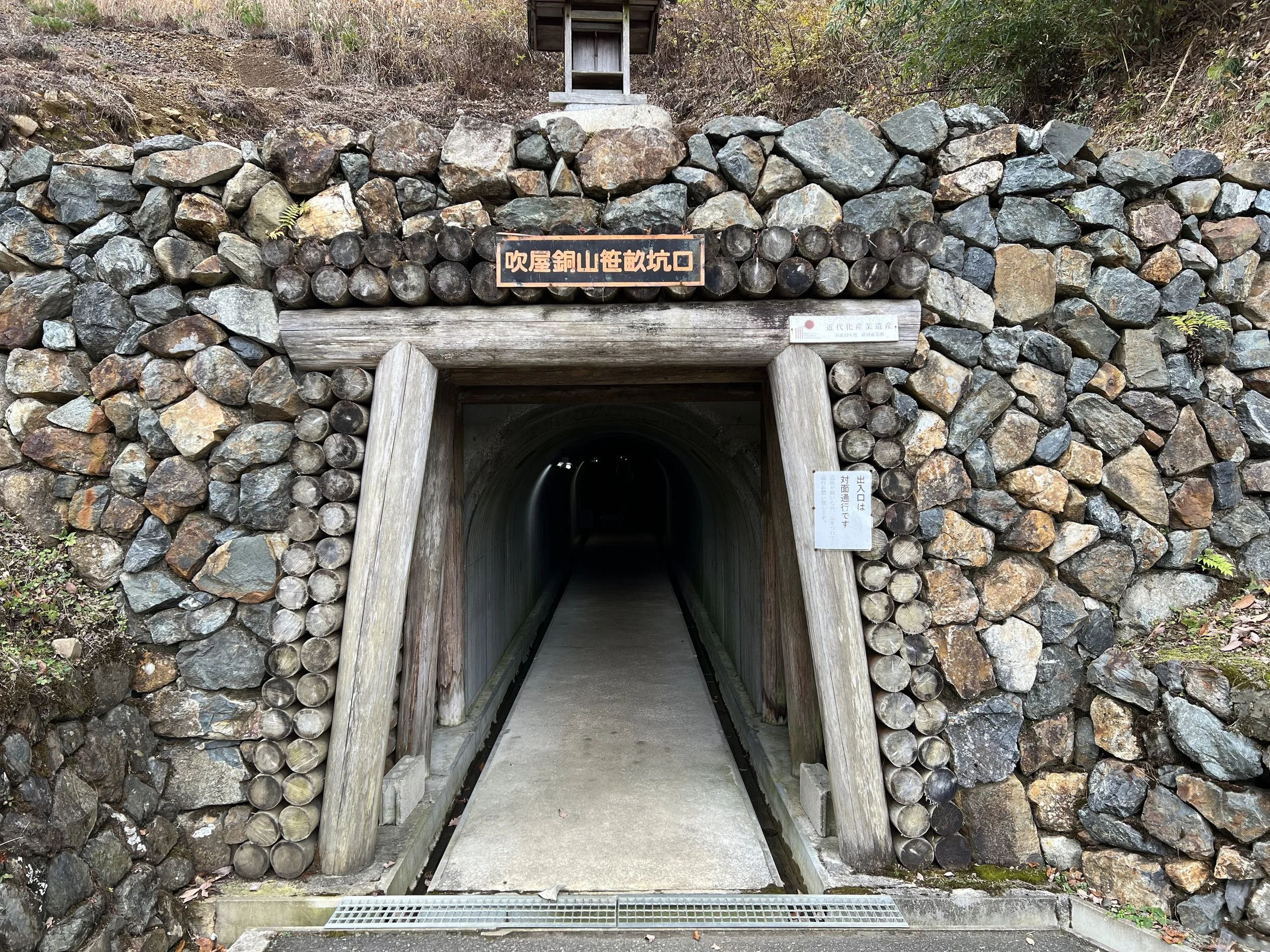
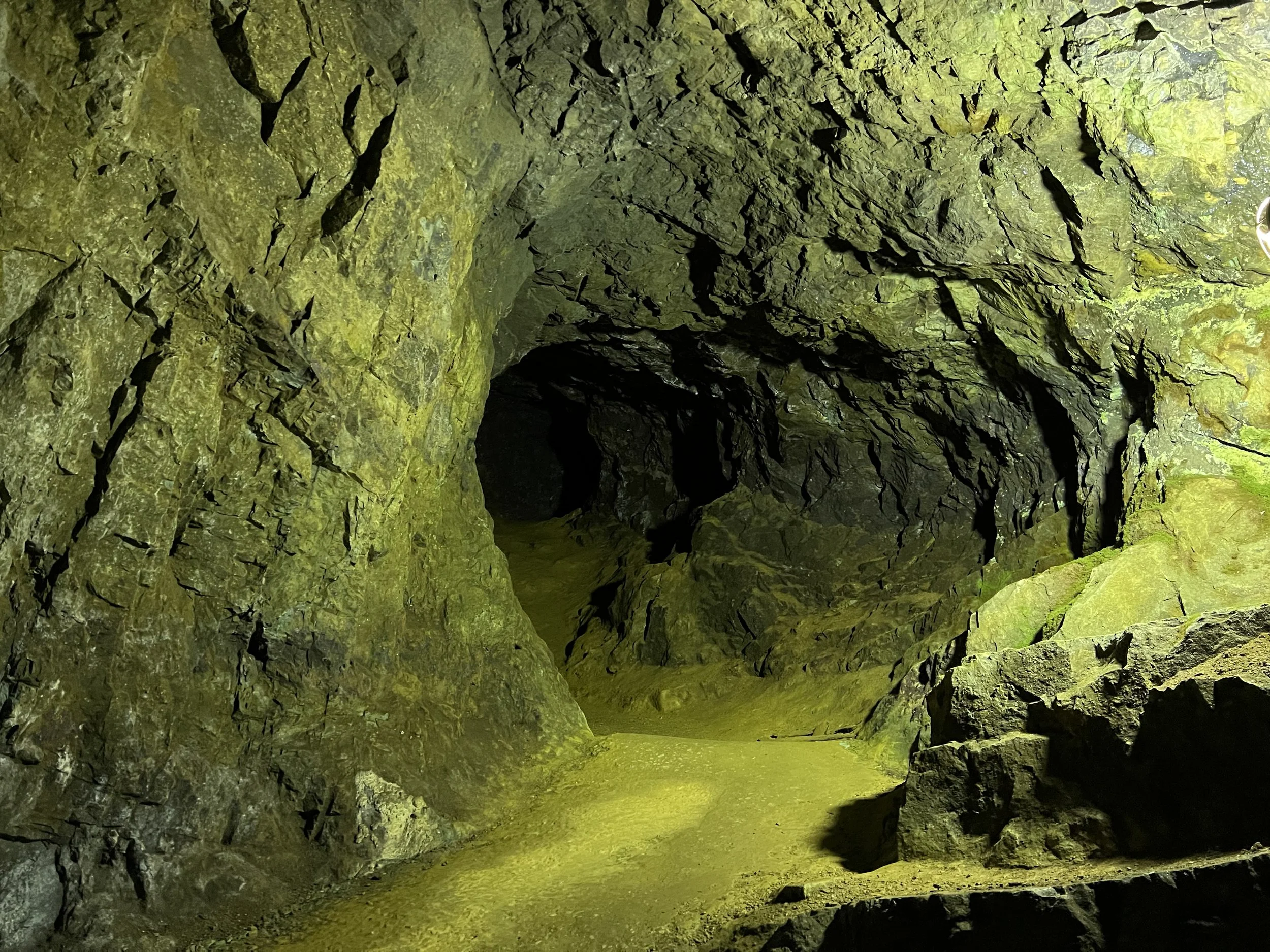
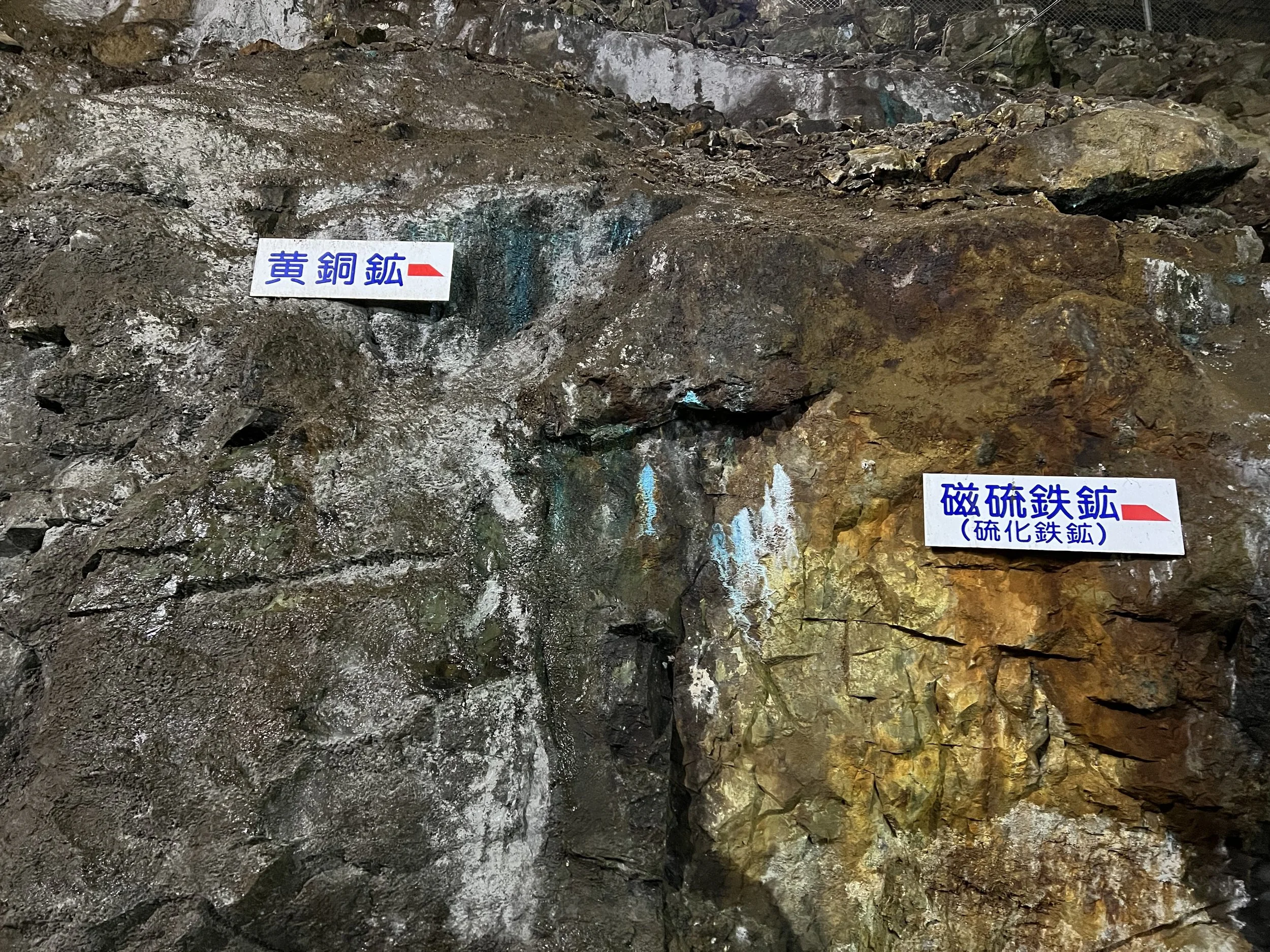
Sasaune Kodo Mine Gallery sits roughly halfway between Hirokane Residence and Fukiya Furusato Village. This copper mine operated from the Edo period through the Taisho period and has since been restored for visitors. Upon entry, visitors are required to wear a hard hat, which is provided with the ticket. Inside the tunnels, informative signage explains what you’re seeing and how the mine once functioned. While access to deeper levels is restricted, even this limited section gives a strong sense of the conditions miners worked under.
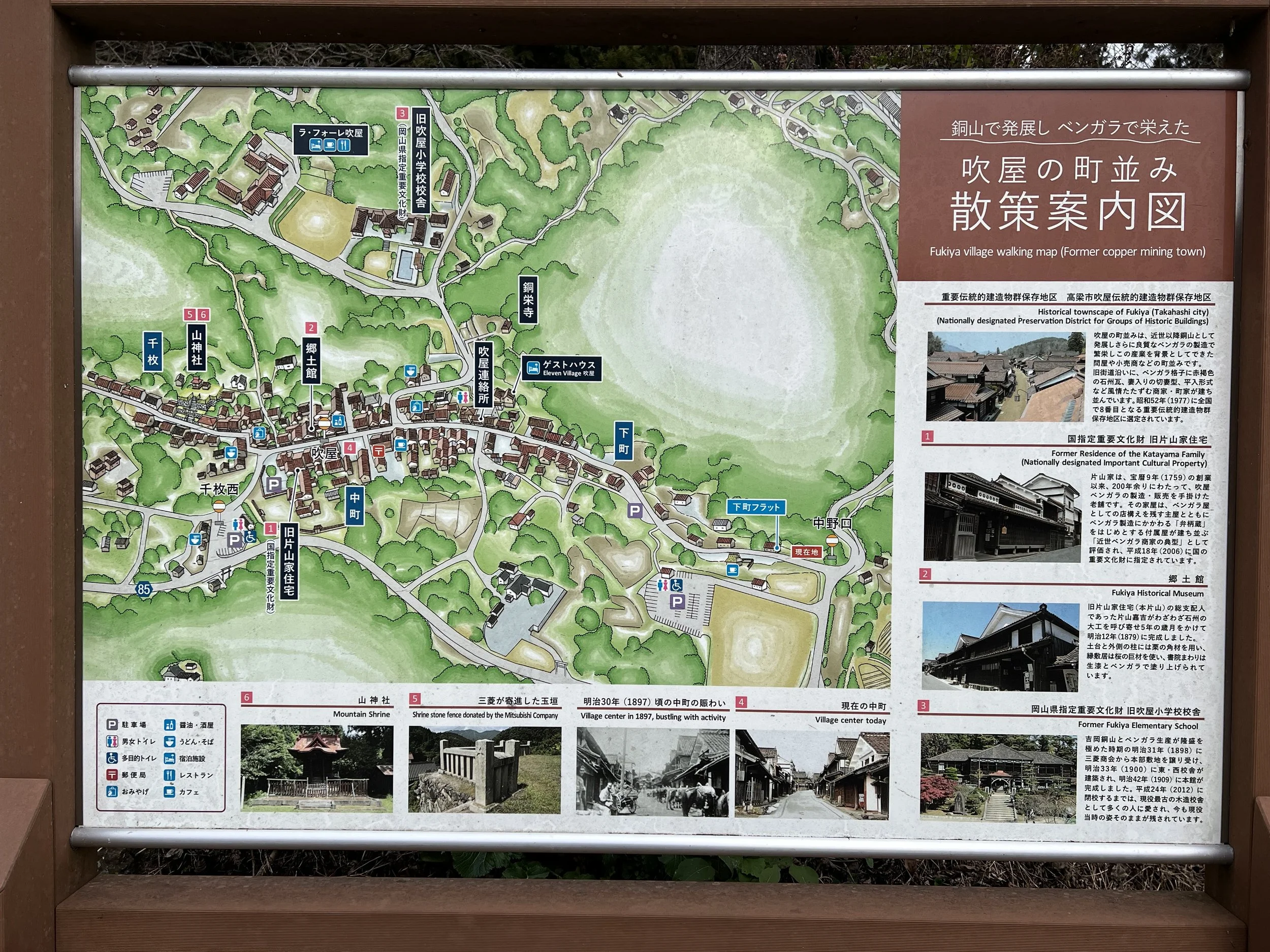
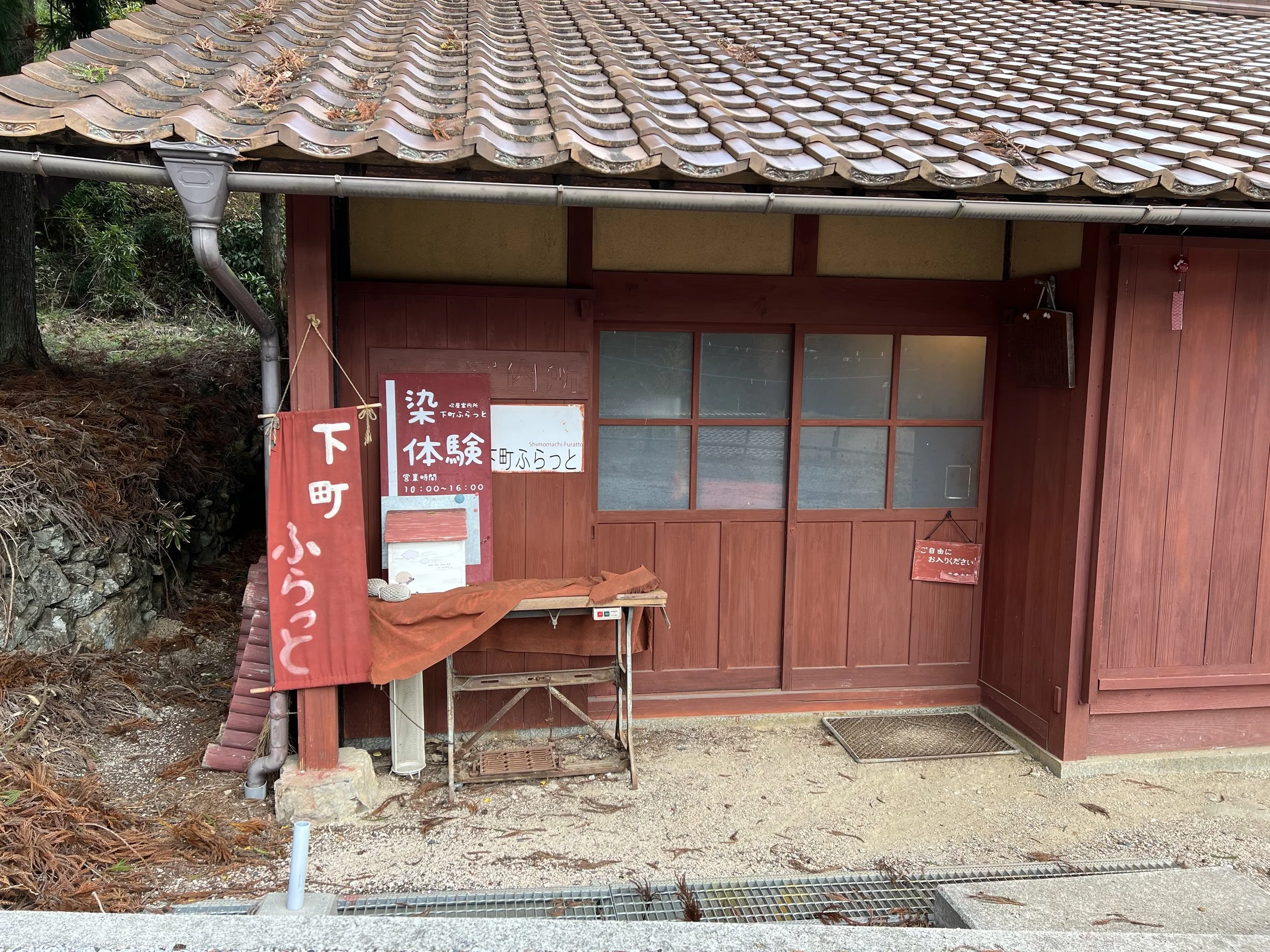
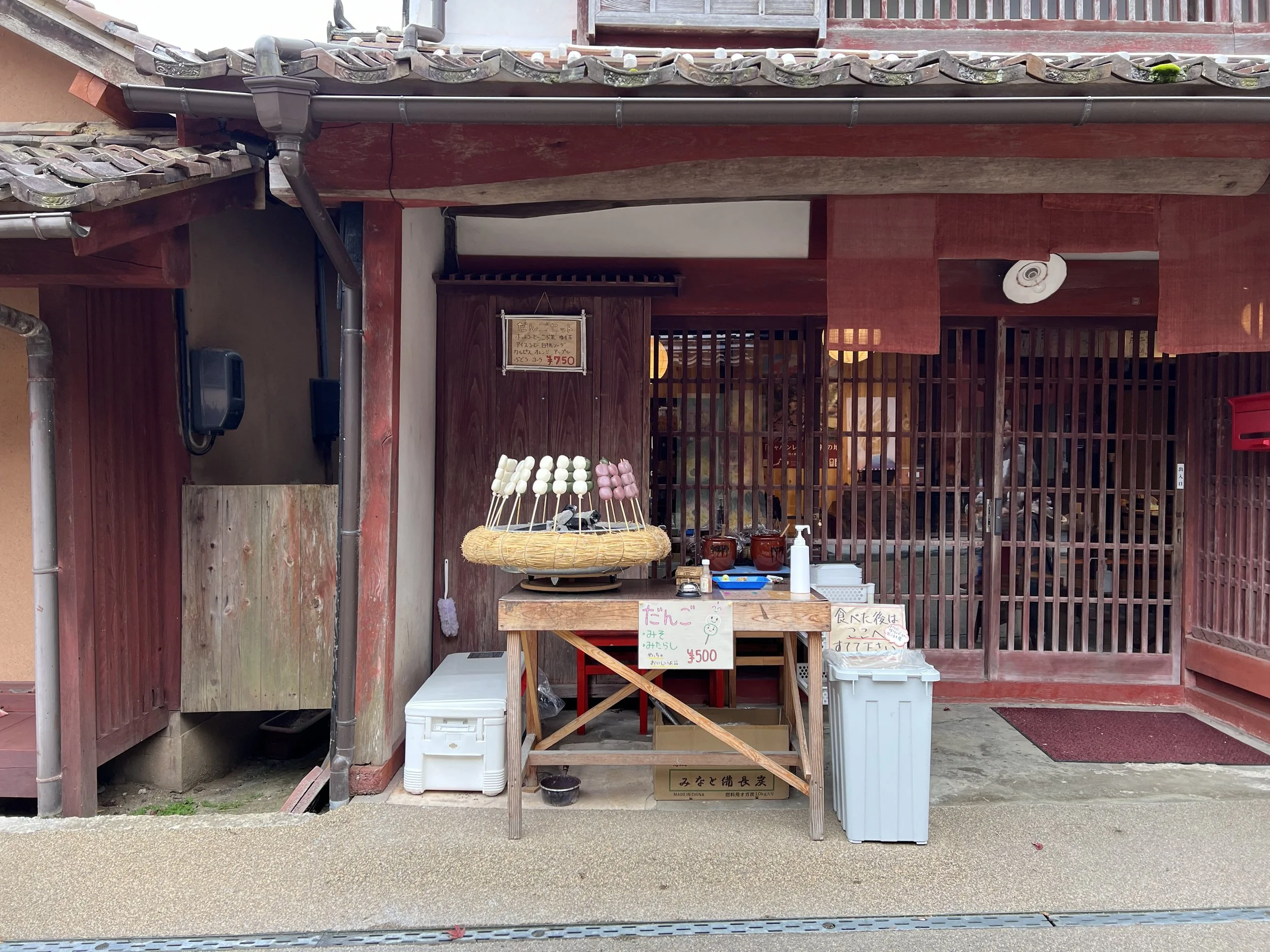
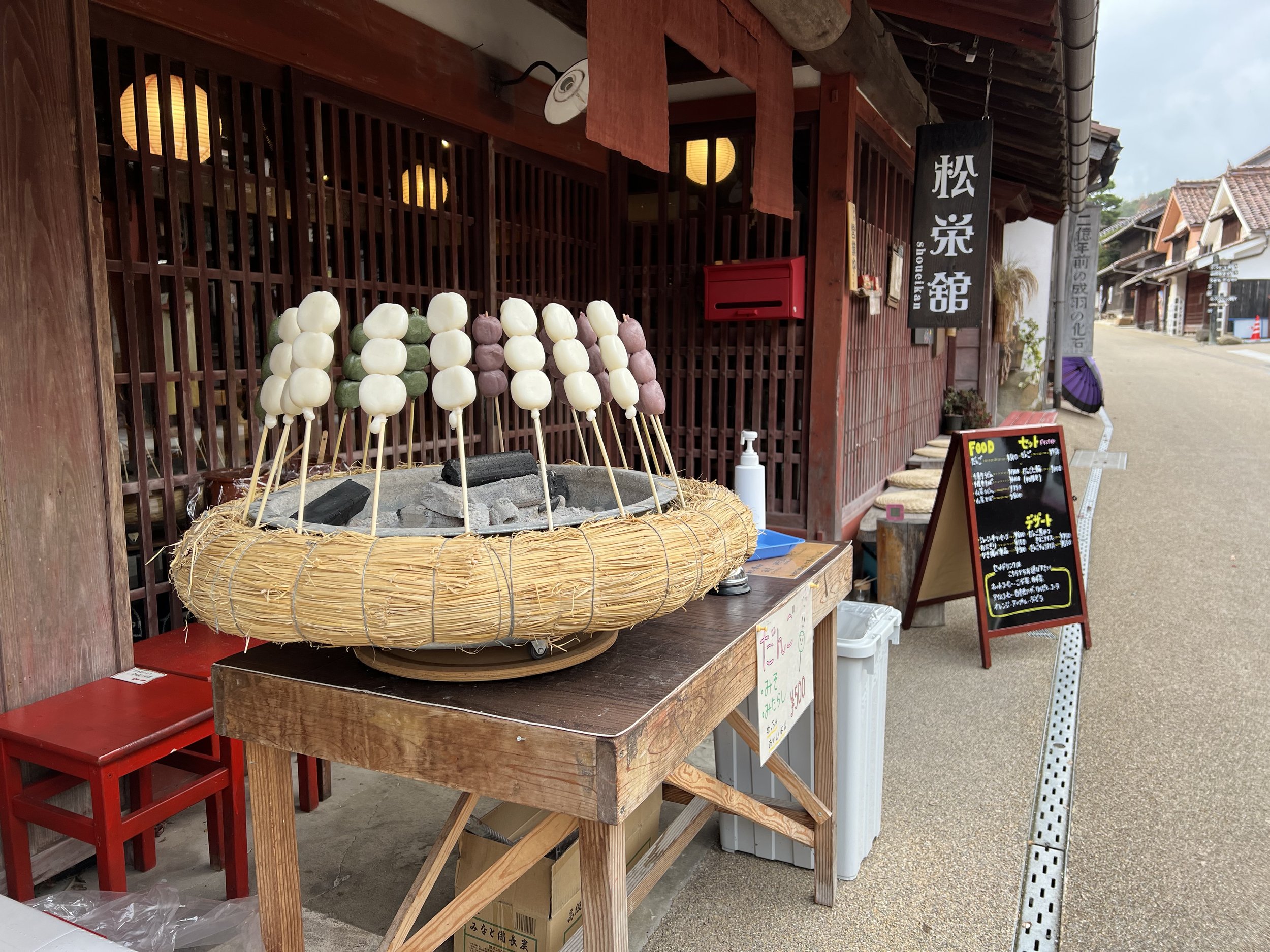
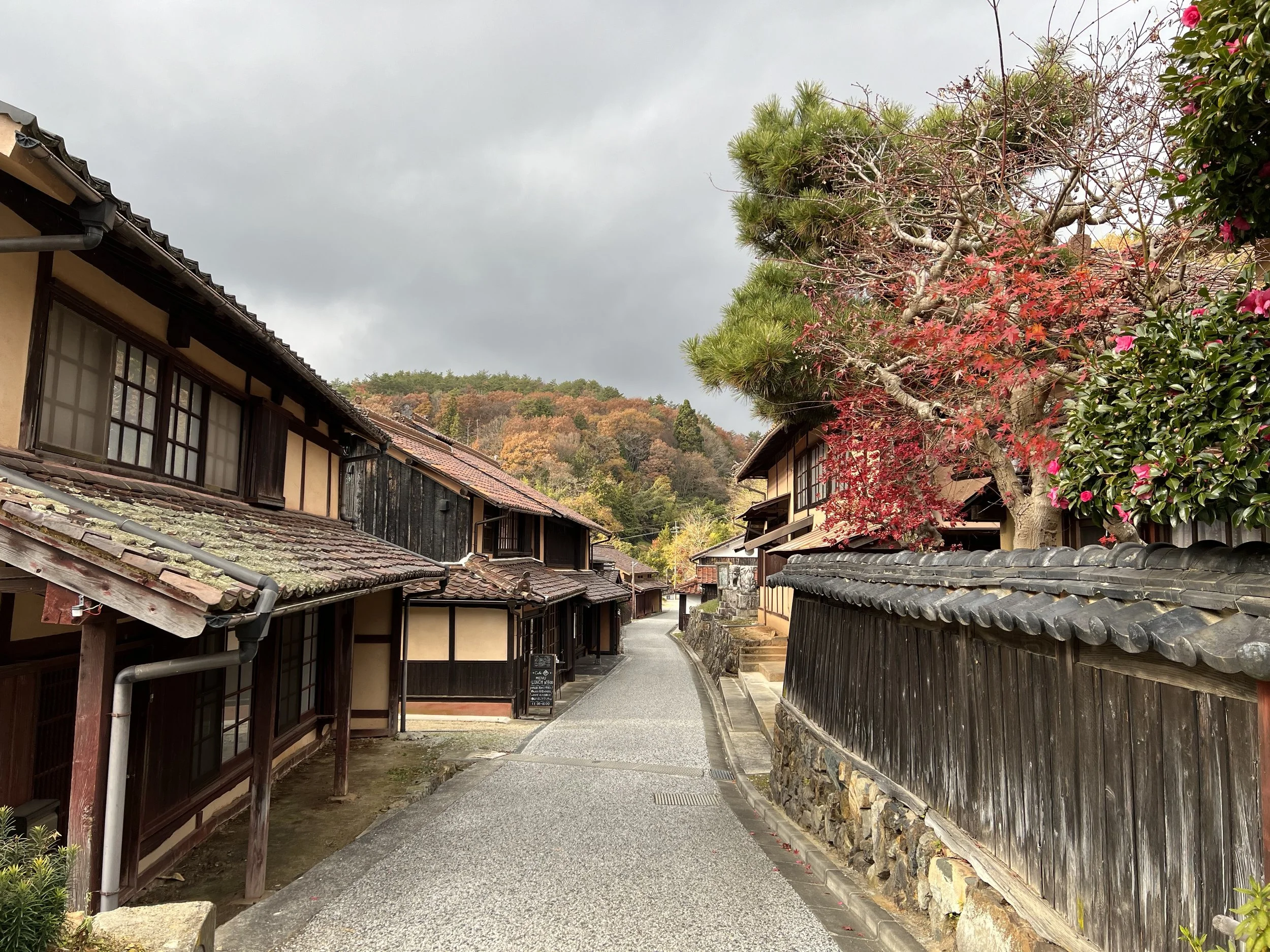
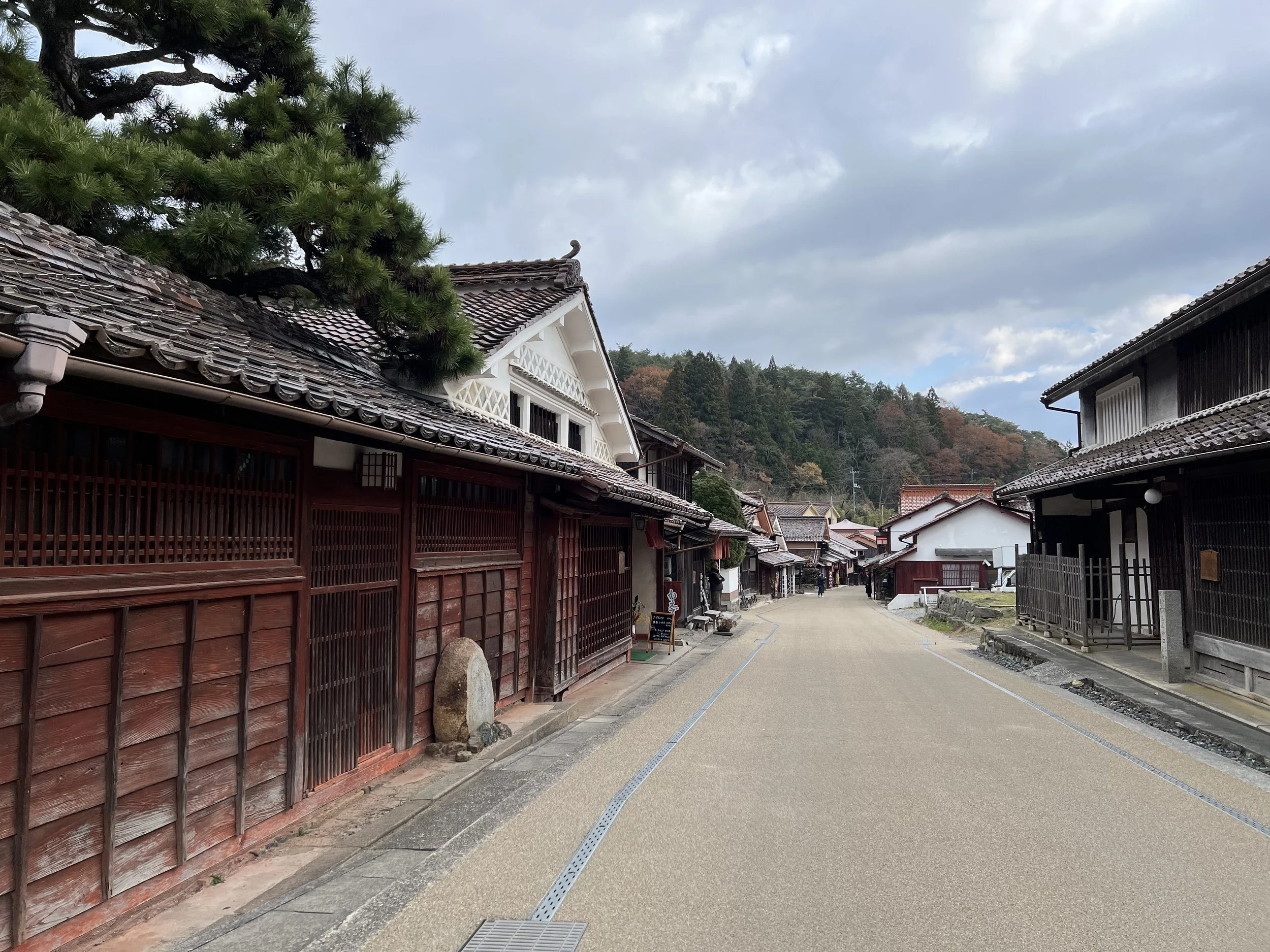
After the mine visit, I finally made my way into Fukiya Furusato Village itself. The red roofs and bengara-coloured walls immediately stood out. Shops sell bengara-dyed clothing and crafts, while museums and preserved buildings offer insight into daily life during the village’s peak. Although people still live here, the open buildings and shops provide a clear picture of traditional architecture and layout. There are also workshops where visitors can try bengara dyeing themselves.
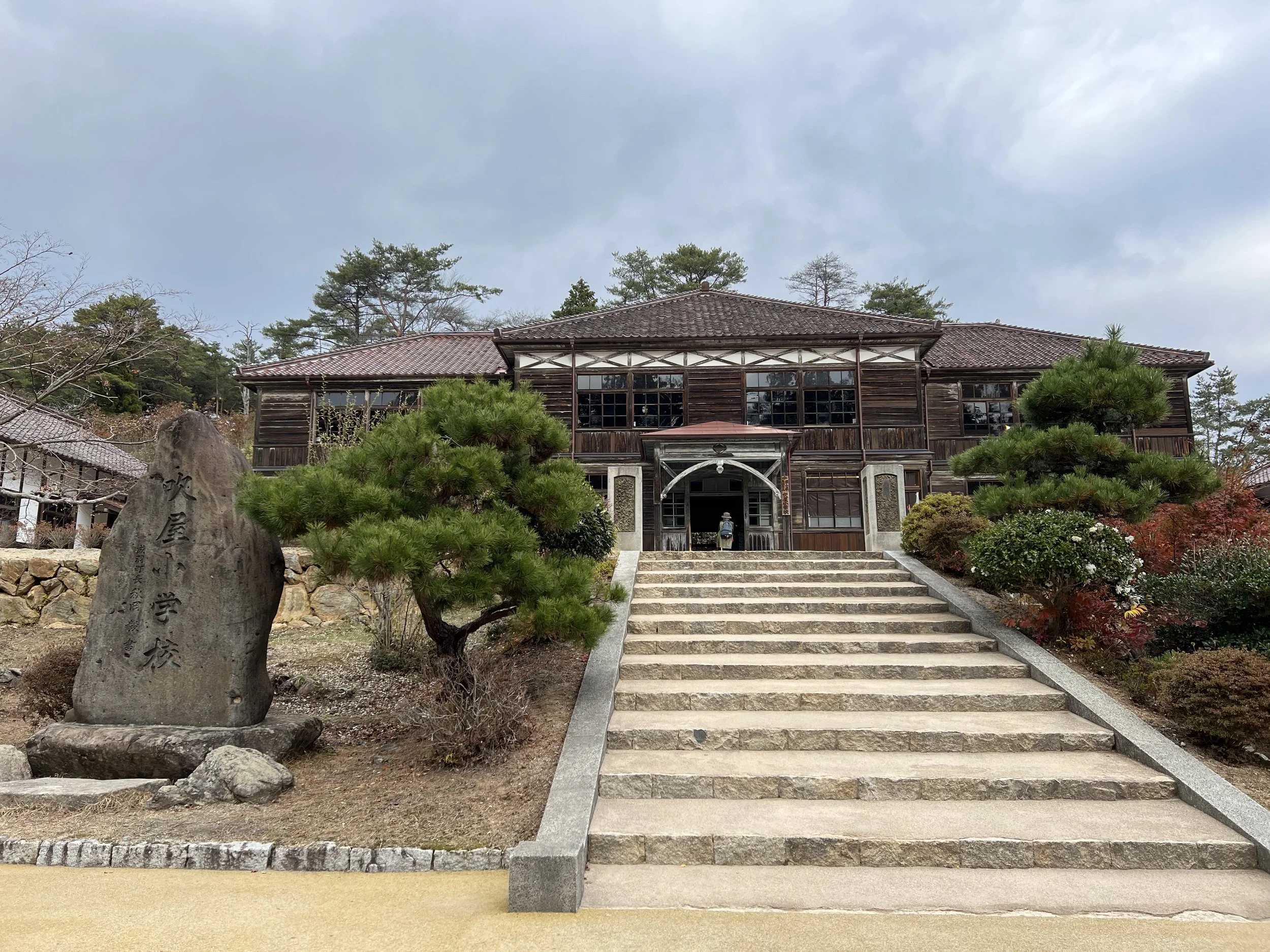
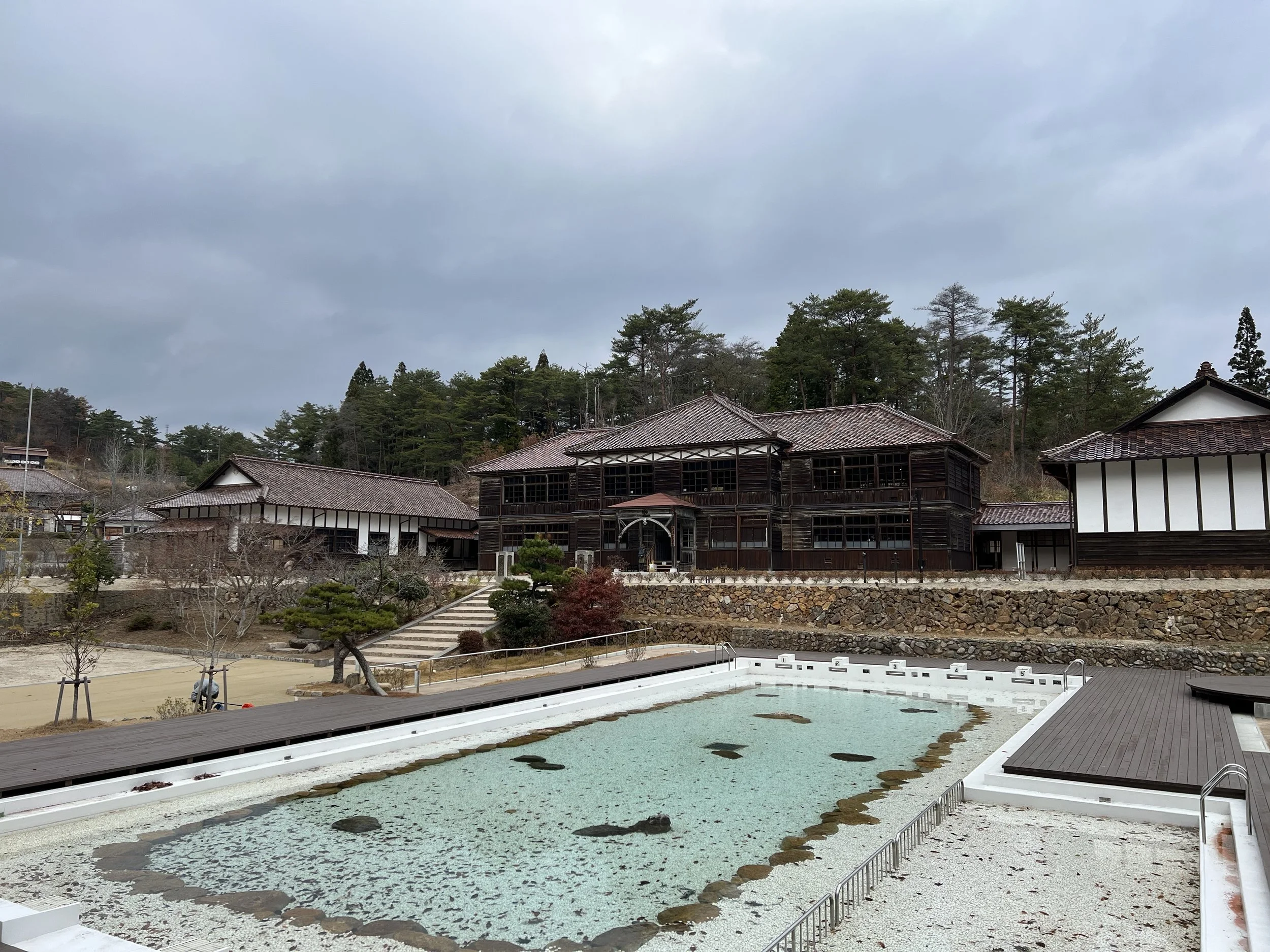
One of the standout buildings is the Former Fukiya Elementary School. Built in 1909, it is the oldest wooden schoolhouse in Japan that remained in use until its closure in 2012. Inside, the classrooms still hold old desks and teaching materials, making it easy to imagine what school life was like generations ago. The building and grounds are open to explore and are well worth the visit.
I spent a long time wandering through the village, walking its narrow streets multiple times in search of good viewpoints for photos of the red rooftops. Despite my efforts, I never quite found the angle I was hoping for. Eventually, I settled into a restaurant for a late lunch. After checking the bus schedule and realizing I still had time, I took my time enjoying a bowl of noodles.
Fukiya Furusato Village is quietly beautiful. Its preservation and distinctive colour palette make it easy to imagine how prosperous the area once was when copper mining brought wealth to this remote part of Okayama. It’s a place that rewards slow exploration and curiosity.
History & Background
Fukiya Furusato Village (吹屋ふるさと村) flourished from the Edo period through the early 20th century as a centre for copper mining and bengara production. Bengara, a red iron oxide pigment, was widely used throughout Japan for its preservative and fire-resistant properties.
At its peak, Fukiya was an important economic hub despite its remote mountain location. As copper mining declined in the 1920s, the village gradually lost prominence, but many buildings remained intact. Today, Fukiya is designated as an Important Preservation District for Groups of Traditional Buildings, recognized for its unique colour scheme and historical value.
Getting There
The nearest major station is Bitchu-Takahashi Station on the JR Hakubi Line. From the station, local buses run to Fukiya Bus Stop, which is located near the entrance to Fukiya Furusato Village. Travel time varies by service, and schedules are limited, so checking bus timetables in advance is recommended.
Route Overview
Distance: 9.43 km out & back (Fukiya Bus Stop)
Total elevation gain: 203 m
Duration: 2 hr 07 min (with breaks 2 hr 59 min)
Difficulty: Intermediate
Ticket Info: You need to make a reservation at least three days in advance to visit the Sasaune Kodo Mine Gallery, as it is currently undergoing renovations. For more information, check the Sasaune Kodo Mine Gallery page on the Takahashi City Sightseeing Guide.
Cost Breakdown
Bus: Bitchu-Takahashi Station → Fukiya Bus Stop — ¥800
Entrance Fee: Hirokane Residence — ¥400
Entrance Fee: Sasaune Kodo Mine Gallery — ¥400
Food: ¥800