Dotonbori - Osaka, Japan
Dotonbori is one of Osaka’s most iconic areas, known for its overwhelming energy, towering neon signs, and endless stretch of clubs, bars, and restaurants. It’s widely considered one of the city’s most famous nightlife districts, where the atmosphere completely transforms after sunset.
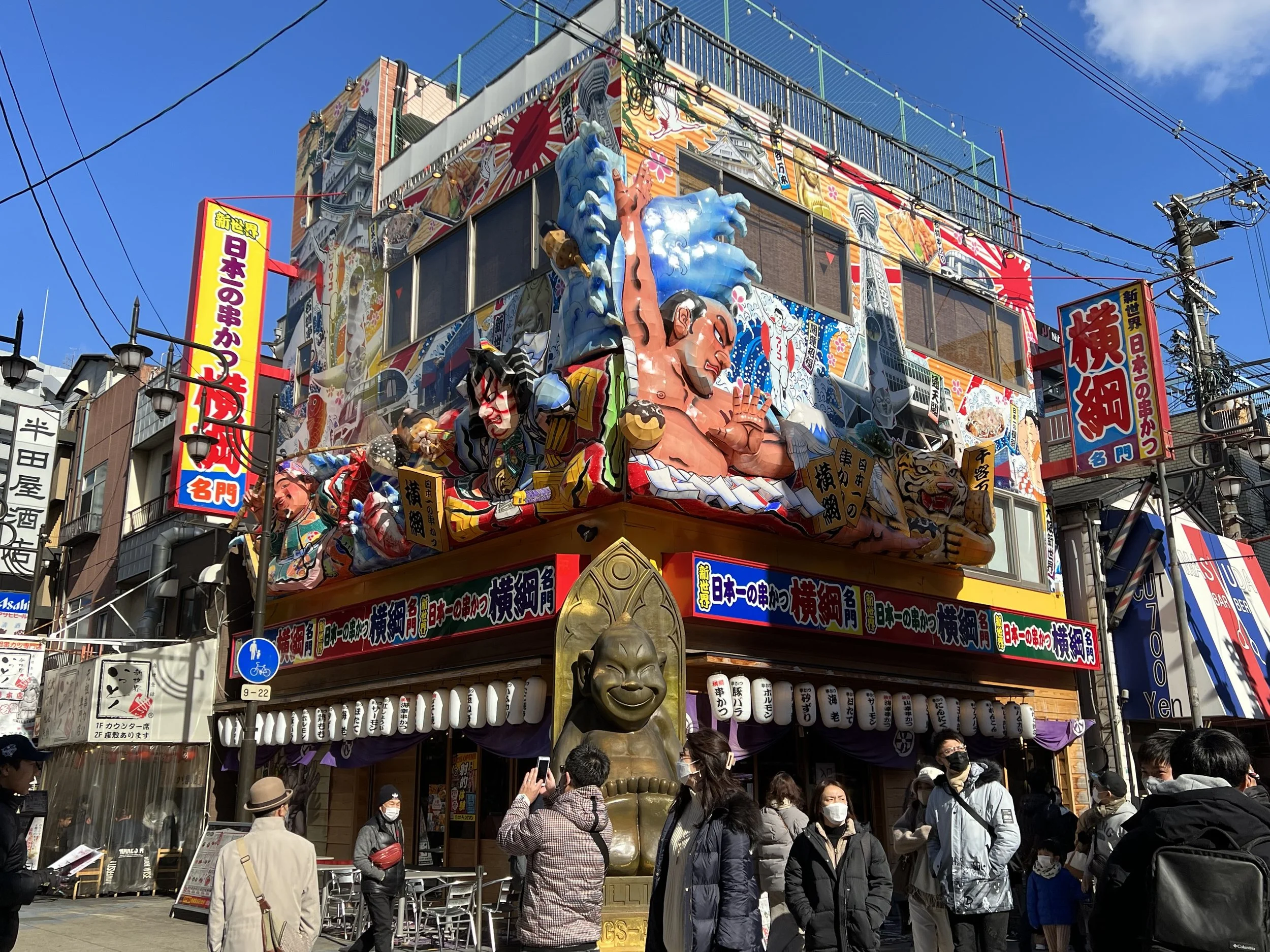
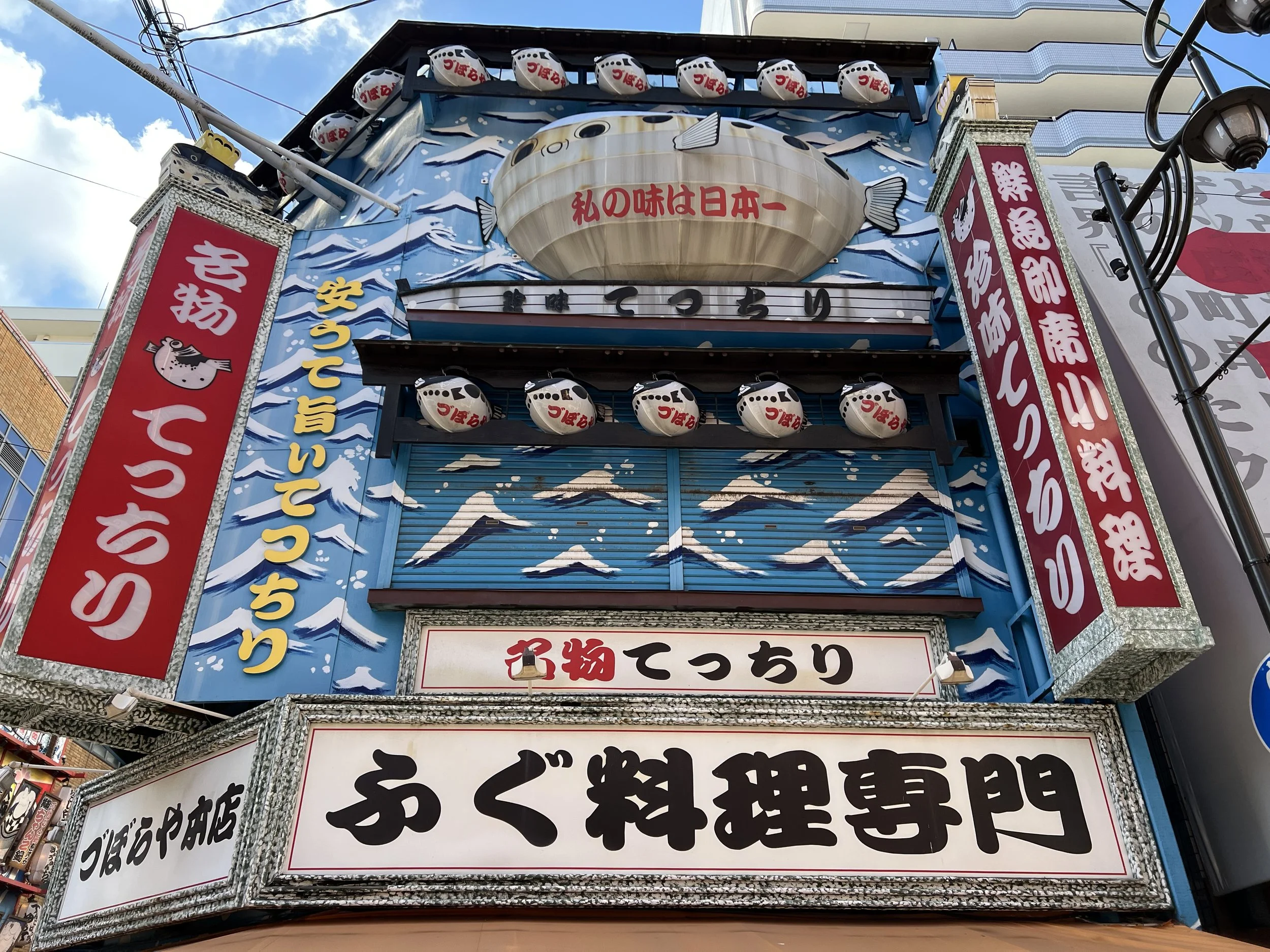
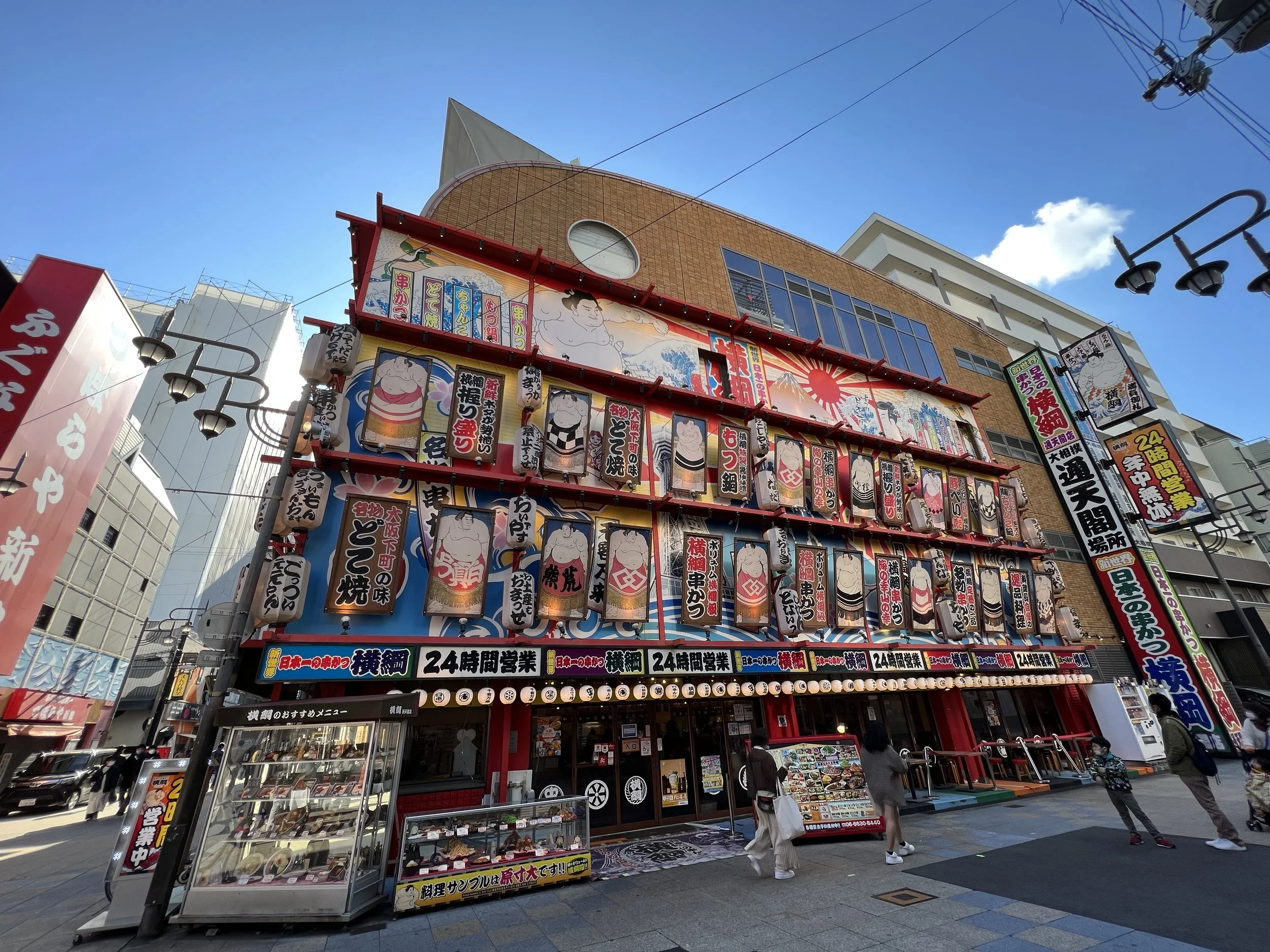
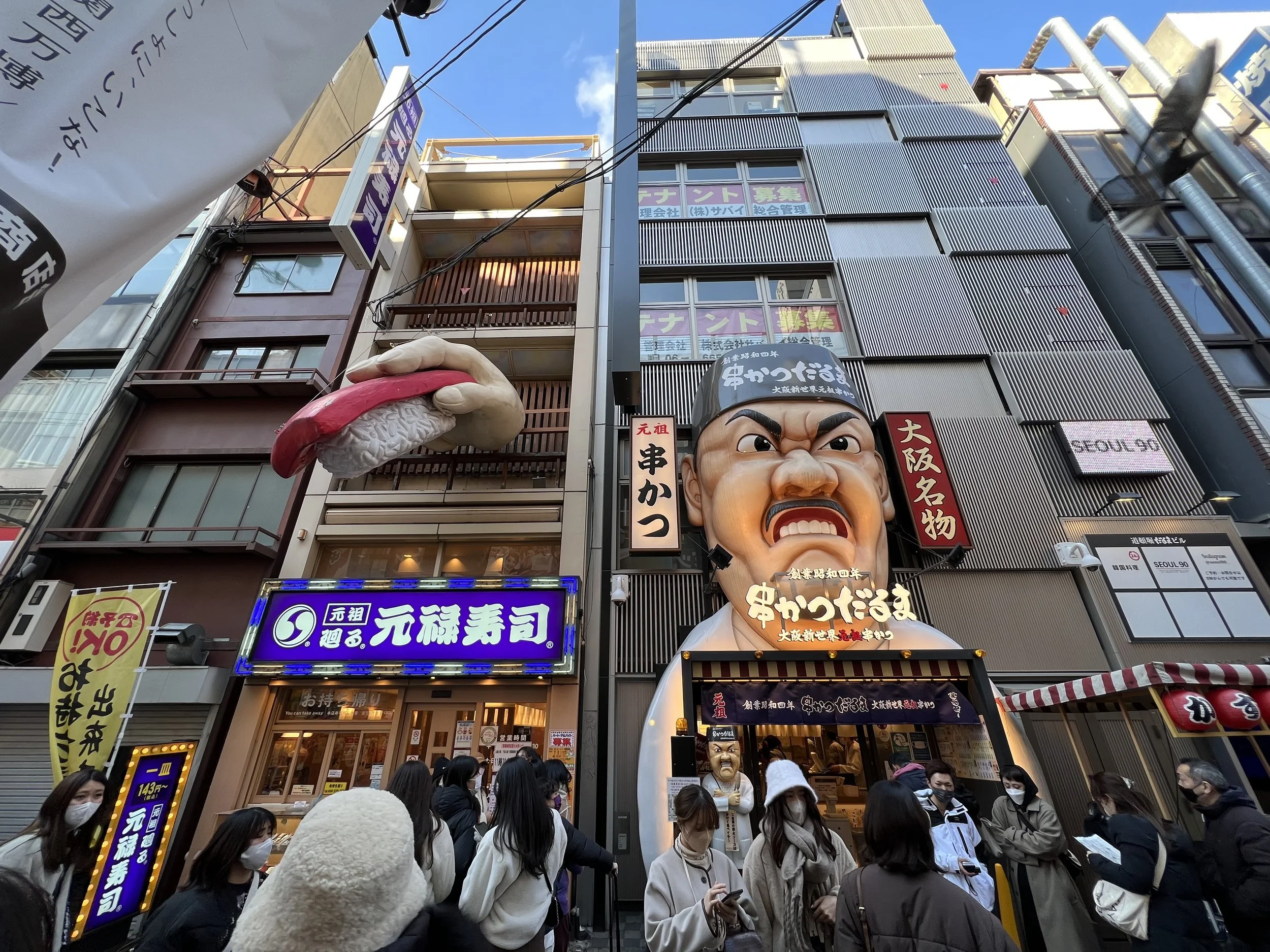
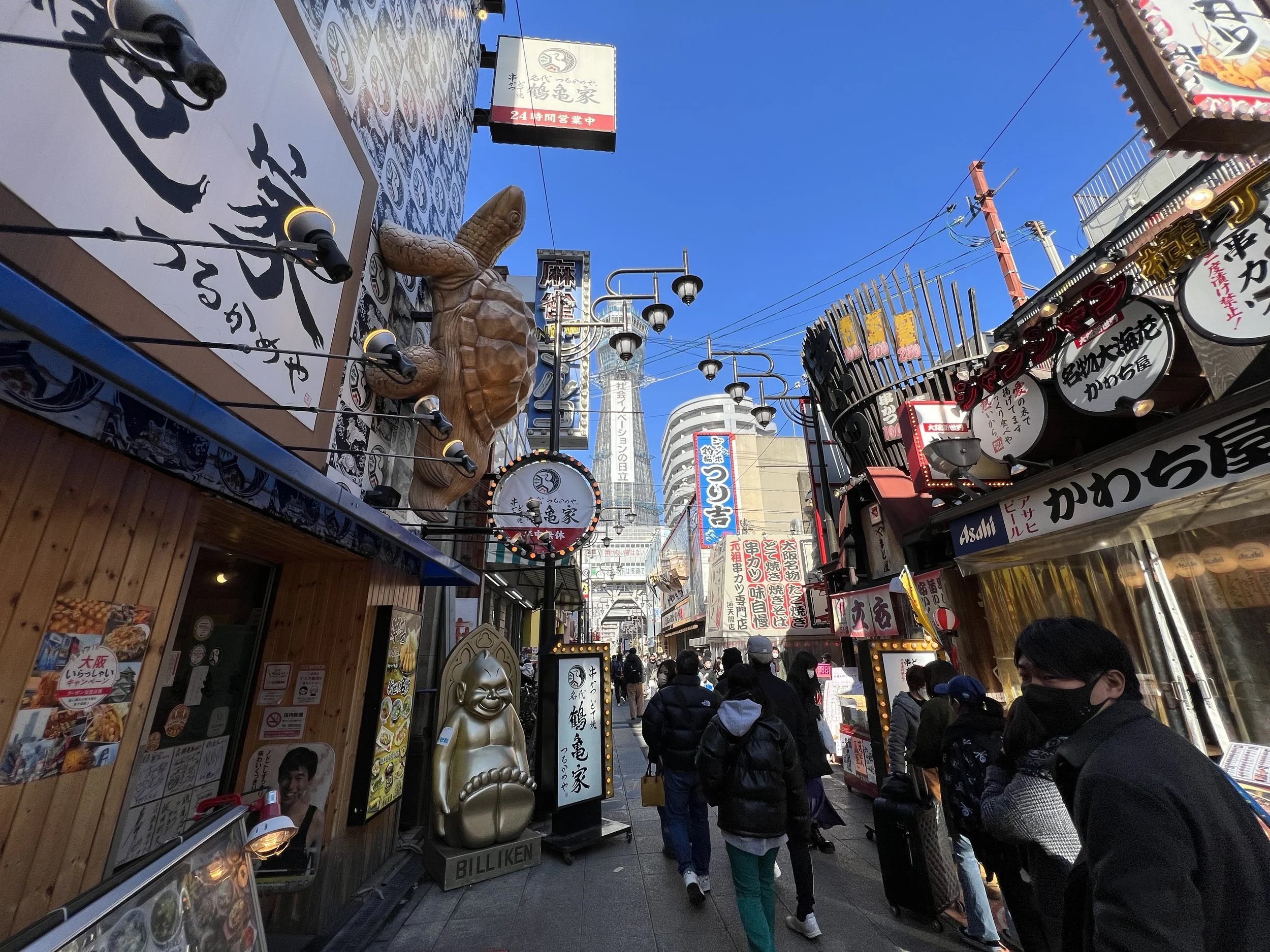
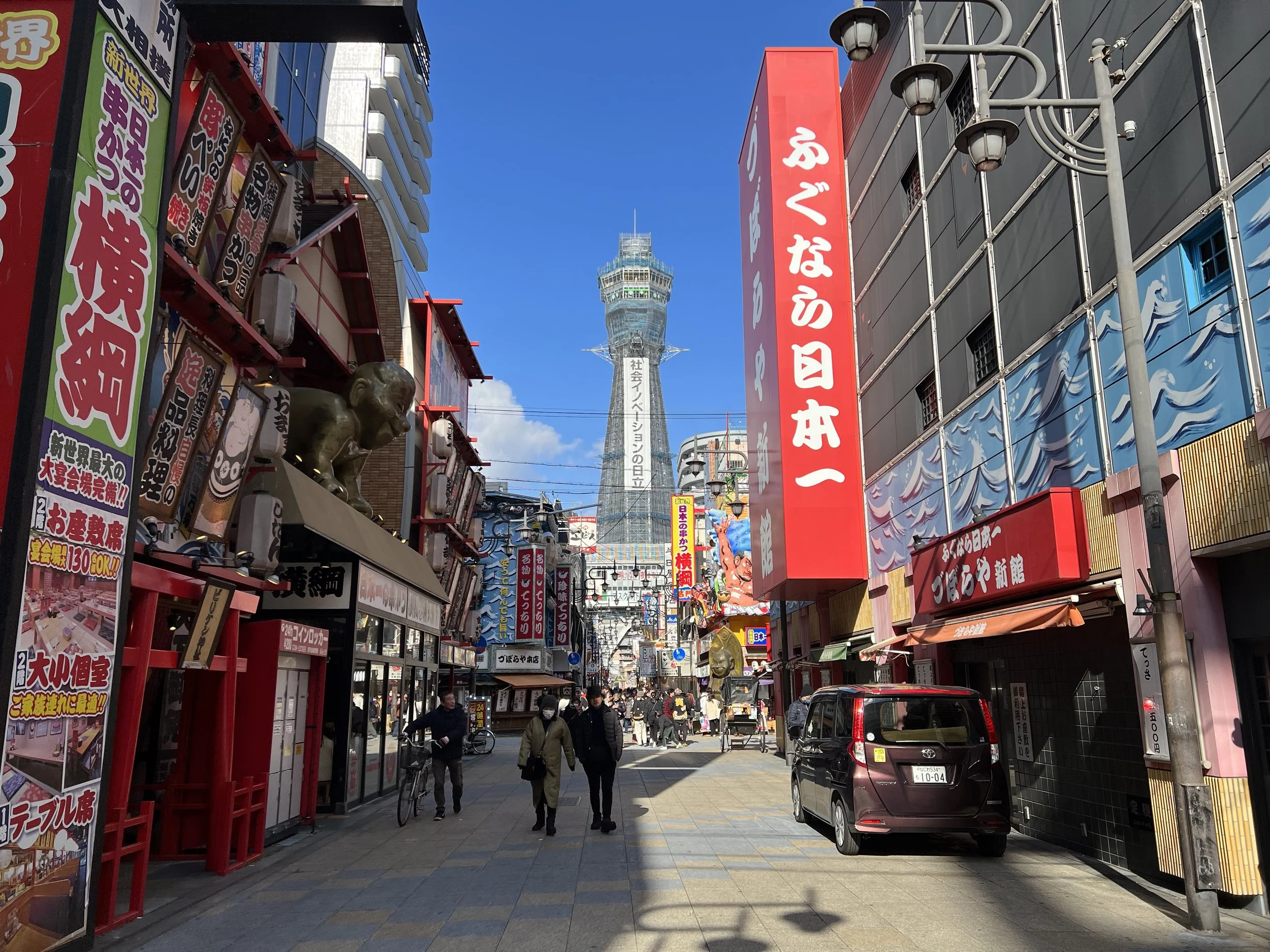
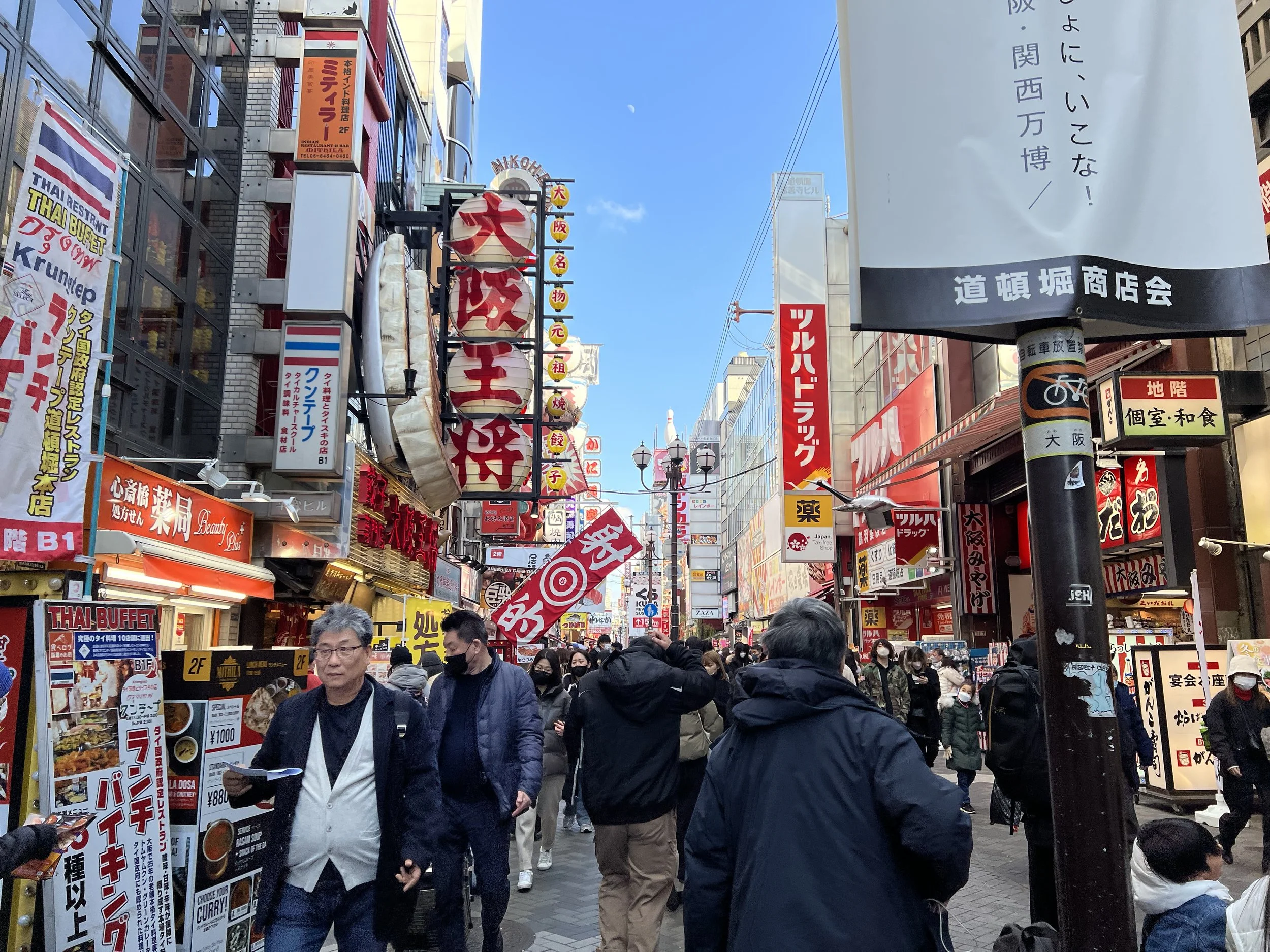
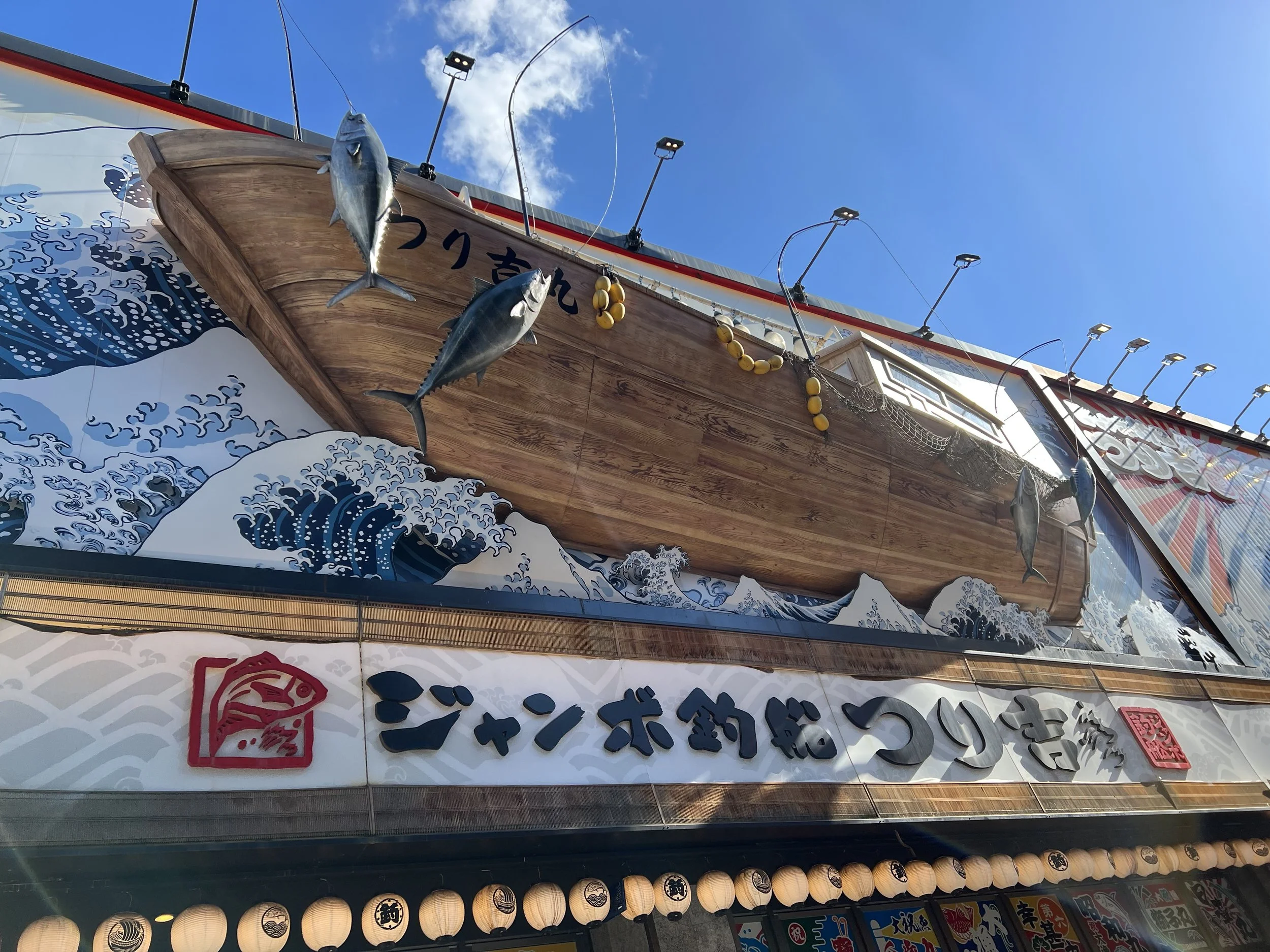
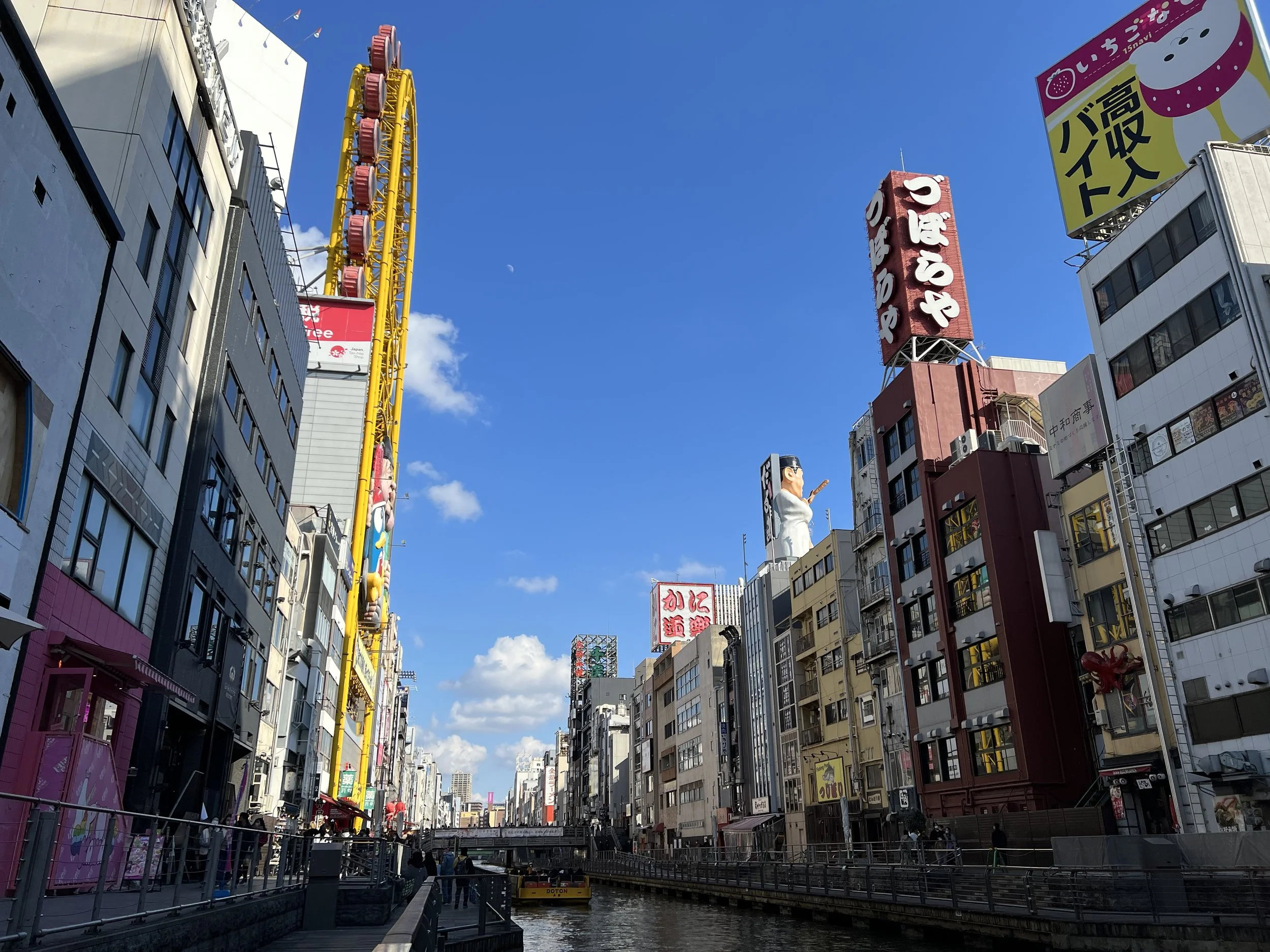
I visited during the day, as I had plans elsewhere for the evening, but even without the glow of neon lights, the area was already buzzing. I started from the Tennoji area and took the train toward Namba Station, which serves as one of the main gateways into Dotonbori. As I made my way toward the district, the visual overload began almost immediately—massive billboards, animated displays, and oversized signage loomed over the streets. Even in daylight, it was impressive, and I couldn’t help but imagine how striking it would be once everything lit up at night.
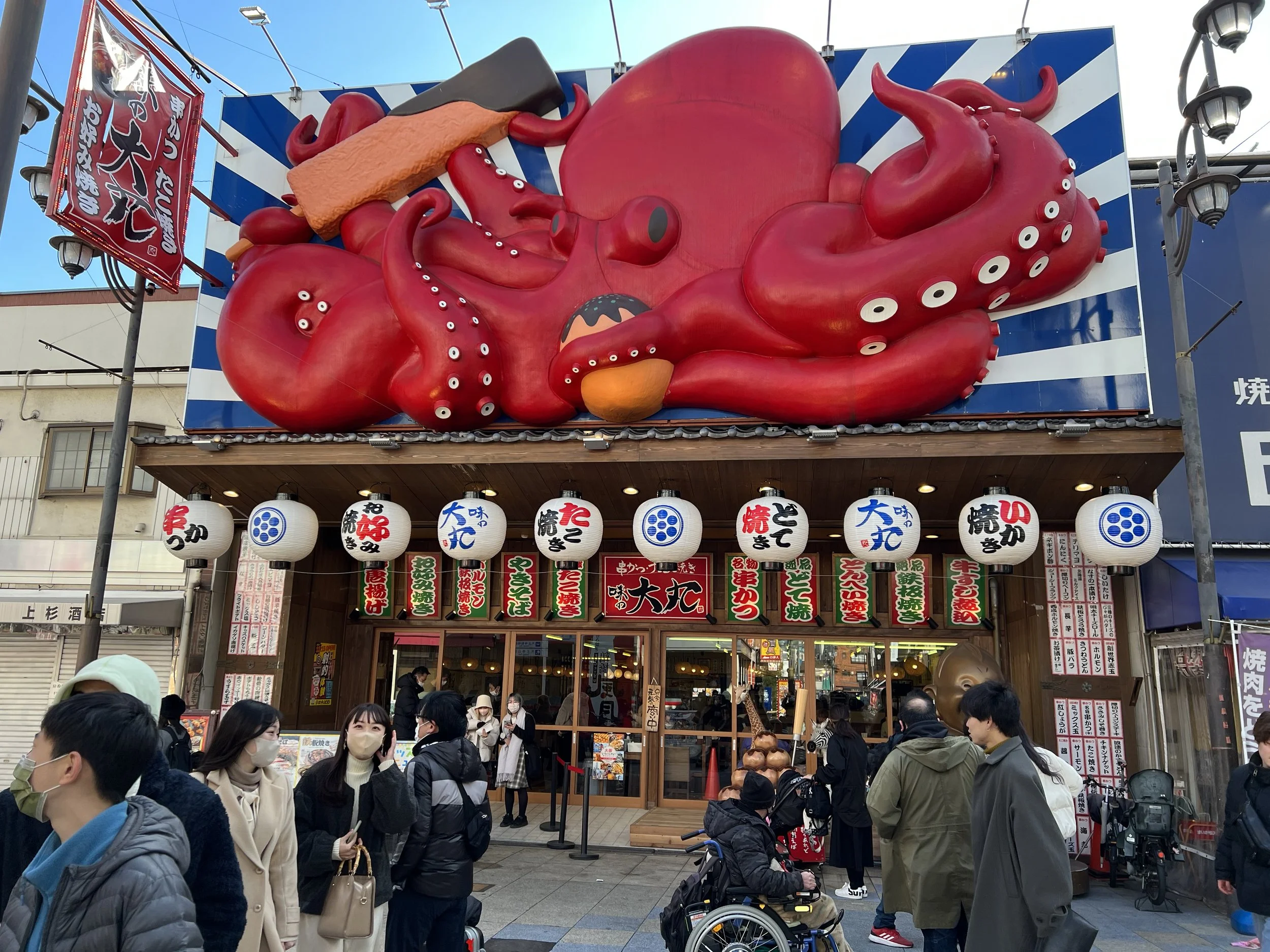
The streets were already crowded, though I’d heard that the nighttime crowd is on an entirely different level. I found myself slowing down constantly, stopping every few steps to take photos of the quirky and animated signs that caught my attention. Ironically, despite being surrounded by food stalls, I barely paid attention to them at first—I was too distracted by everything happening above eye level.
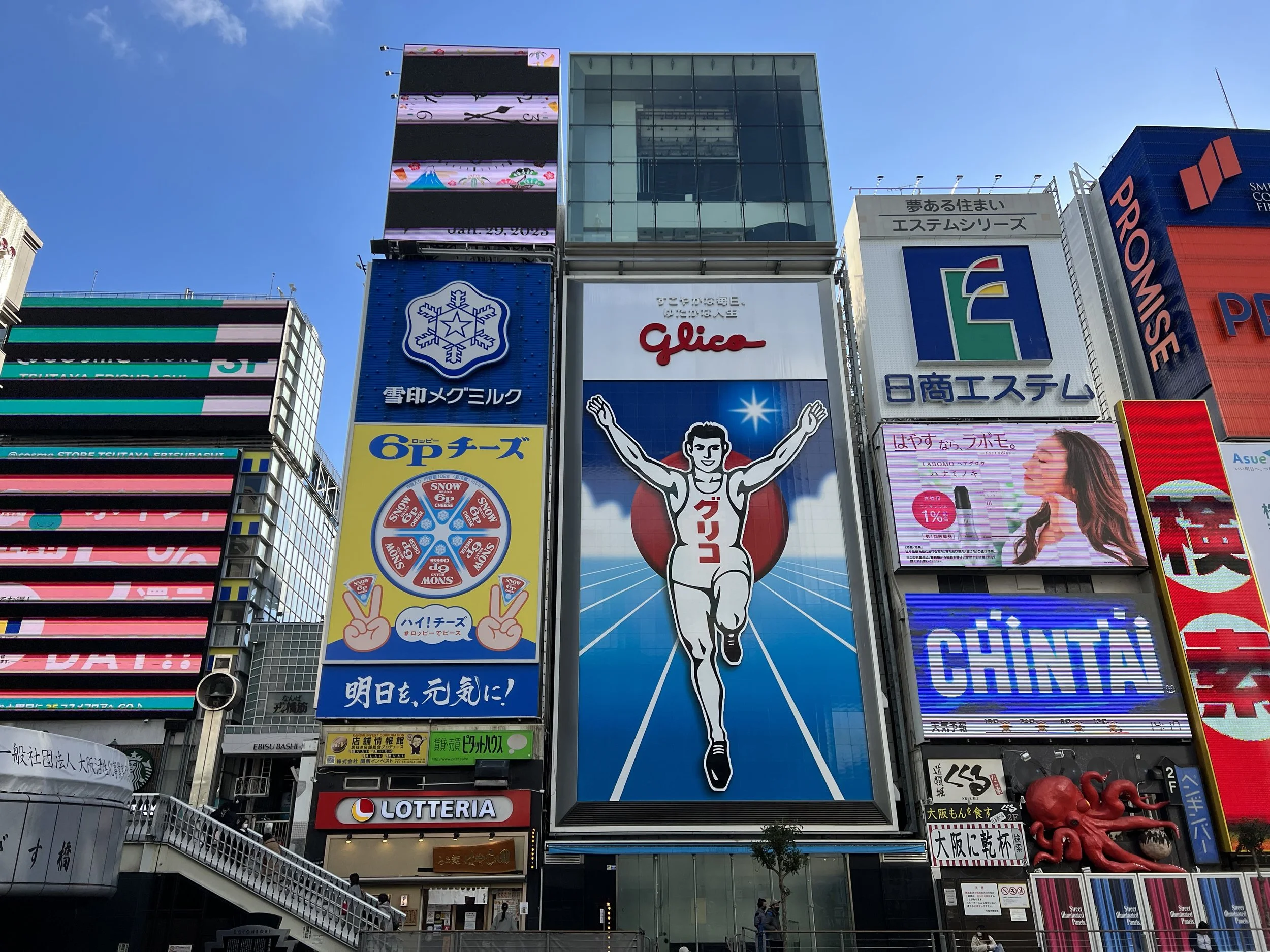
Eventually, I reached the canal and spotted the famous Glico Running Man Sign. As expected, it was surrounded by people trying to capture the perfect photo. I managed to find a quieter vantage point from a nearby building, which gave me a much better angle without the crowds.
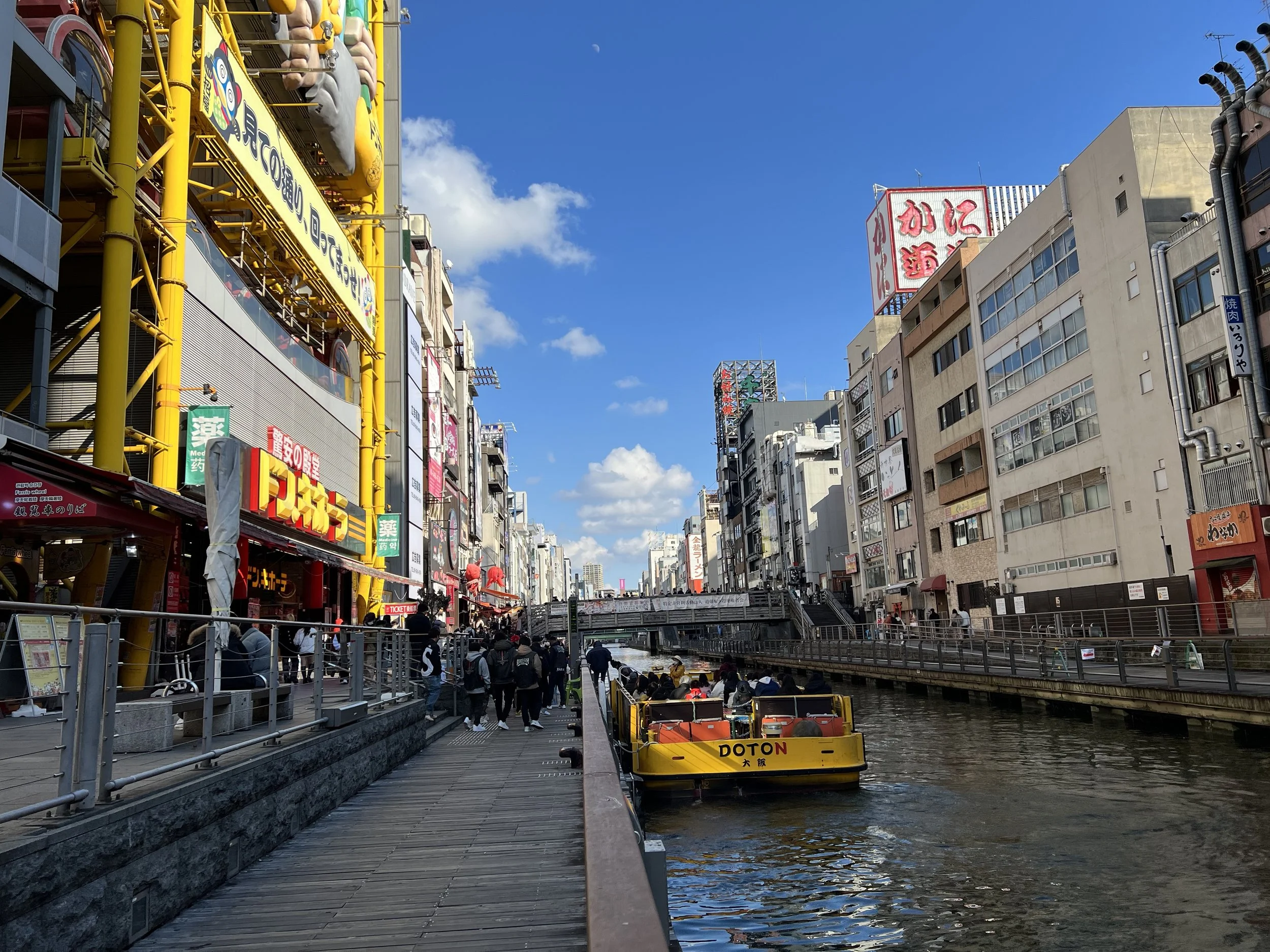
Walking along the riverside, I noticed the sightseeing boats that run along the canal, though they weren’t operating yet at that hour. That’s when I finally shifted my focus back to the food. I stopped at a stall selling takoyaki and ordered a small serving. Osaka is known for this dish, and I’d been looking forward to trying it. Said to have originated in the city in the 1930s, takoyaki lived up to the hype—it was delicious. Watching it being made was just as enjoyable, as the vendors worked with incredible speed and precision, flipping each piece effortlessly.
After a short snack break, I continued wandering through the area, taking more photos and soaking in the atmosphere. Even in the daytime, Dotonbori felt lively and chaotic in the best way. Still, I know I’ll need to return at night to see it in its full, illuminated form—it feels like a completely different experience waiting to happen.
History & Background
Dotonbori (道頓堀) dates back to the early 17th century during the Edo period, when it was originally developed as a theatre district. Named after Yasui Doton, a local merchant who financed the canal’s construction, the area quickly became a hub for entertainment, including kabuki and bunraku performances. Over time, it evolved into a vibrant dining and nightlife destination.
Today, Dotonbori is synonymous with Osaka’s reputation as “Japan’s kitchen,” offering a wide range of street food and local specialities. Its bold, oversized signage—like the Glico Running Man—reflects the city’s playful and energetic personality, making it one of the most photographed areas in Japan.
Getting There
Dotonbori is easily accessible via Osaka’s extensive public transit network. The closest and most convenient station is Namba Station, which is served by multiple lines including the Osaka Metro Midosuji Line, Yotsubashi Line, and Sennichimae Line, as well as private railways such as Nankai and Kintetsu. From Namba Station, it’s a short 5–10 minute walk to the canal area.
From major transport hubs, travellers can reach Namba directly from Shin-Osaka Station via the Midosuji Line in approximately 15 minutes. If arriving from Kansai International Airport, the Nankai Airport Express or Rapit train provides direct access to Namba in about 35–45 minutes. Driving is not recommended due to heavy congestion and limited parking in the area.
Route Overview
Distance: 1 km out & back (Namba Station)
Total elevation gain: 15 m
Duration: 14 min (with breaks 20 min)
Difficulty: Easy
Cost Breakdown
Train: Tennoji Station → Namba Station — ¥240
Food: ¥500