Cape Nagasakibana - Kagoshima, Japan
As I arrived at Nishi-Oyama Station to check out Japan’s southernmost train station, I had some time to spare before the next train lined up. Rather than wait on the platform, I decided to walk to Cape Nagasakibana and make the most of the gap in the schedule—especially since I wanted to photograph the station when the train pulled in.
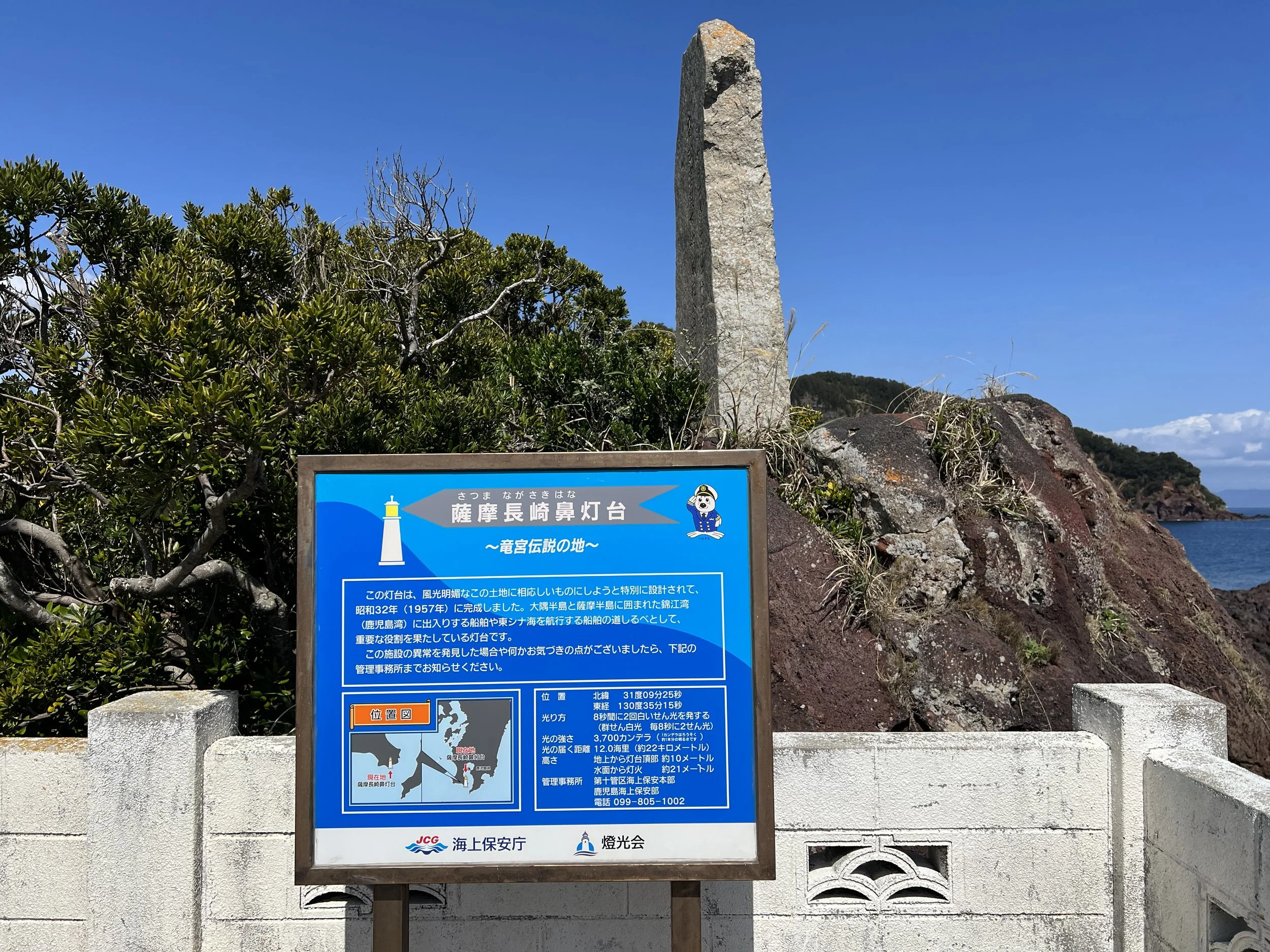
Cape Nagasakibana sits at the southern tip of the Satsuma Peninsula and is known as the birthplace of the Urashima Taro folklore. The story goes that Urashima Taro saved a sea turtle and was rewarded with a visit to the underwater Dragon Palace, where he was hosted by Princess Otohime. What felt like only a few days underwater turned out to be centuries on land. When he finally returned home, he was given a forbidden box. Opening it released a cloud of smoke that instantly turned him into an old man, revealing the true cost of time lost.
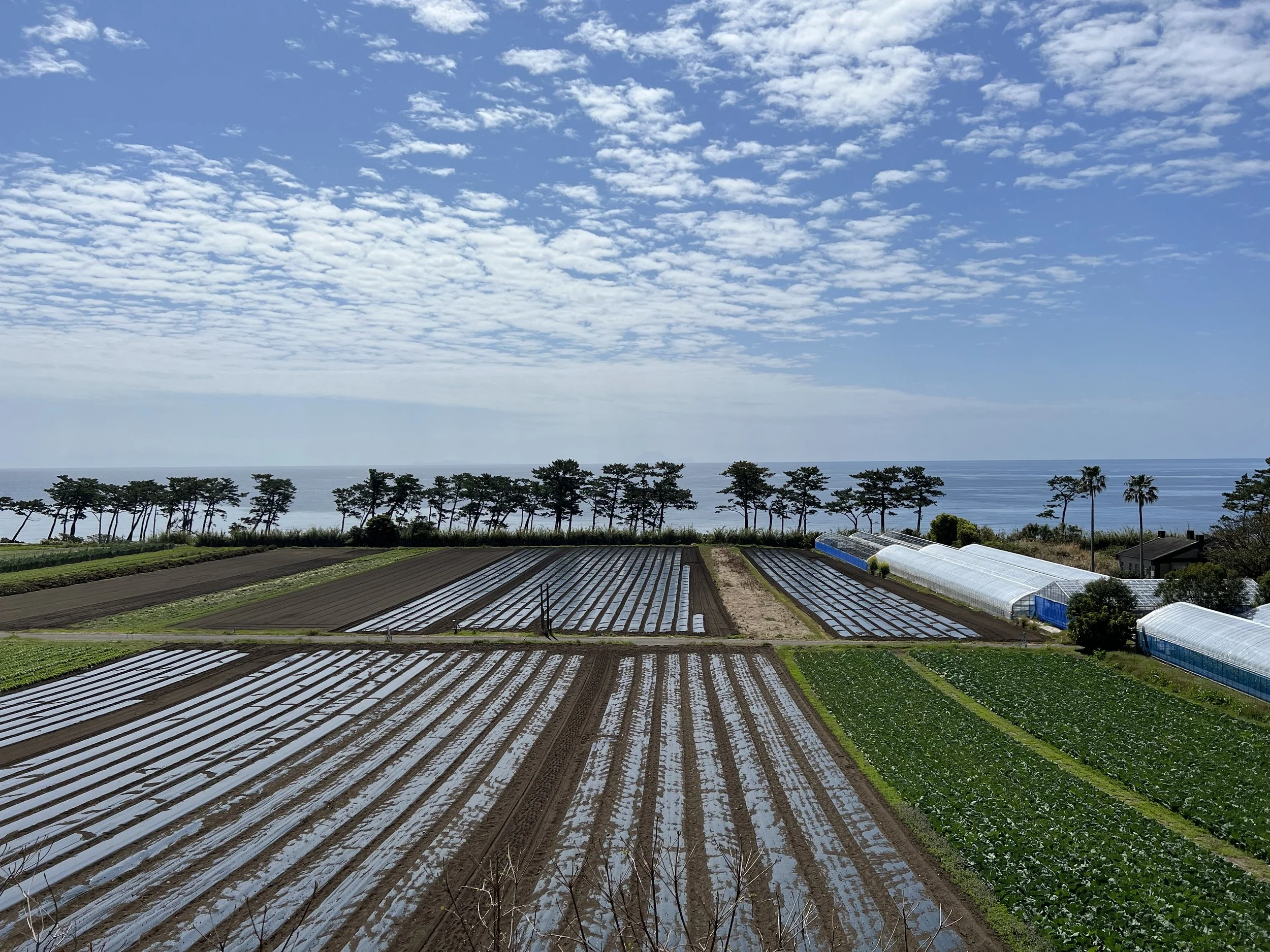
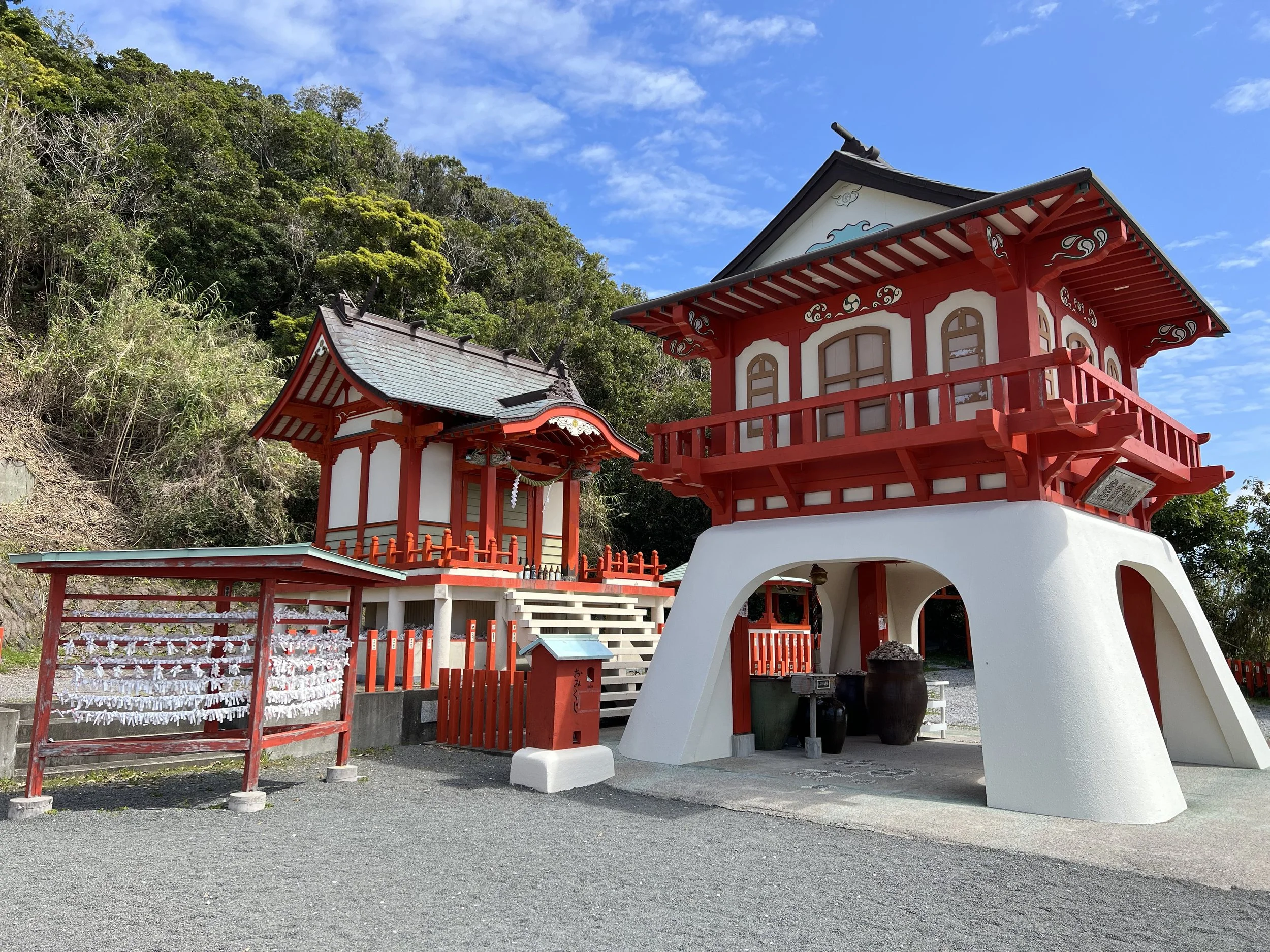
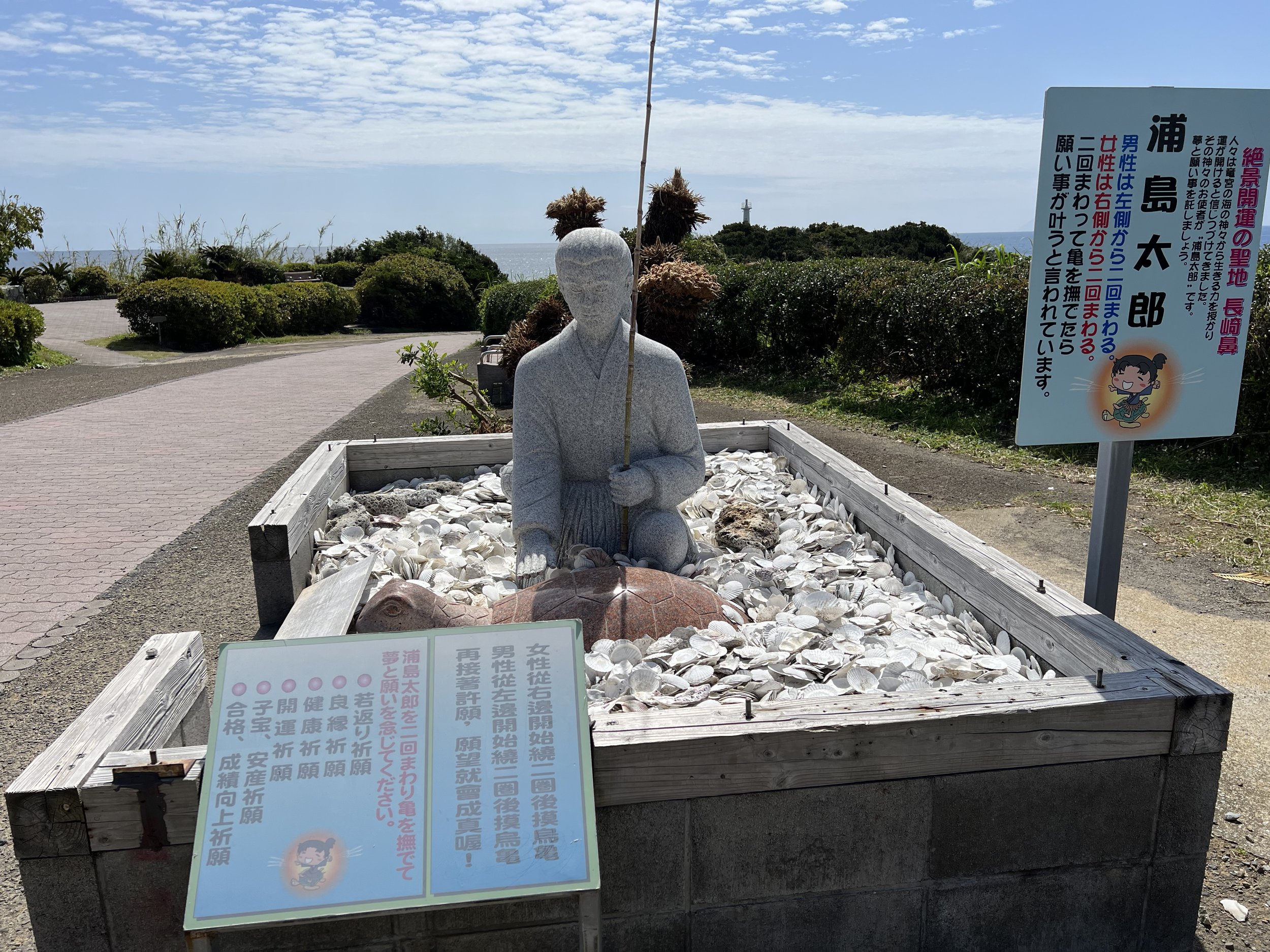
The walk from Nishi-Oyama Station passes mostly through quiet farmland. Upon arriving at the cape, the first thing I noticed was a shrine shaped like a palace. This is Ryugu Shrine—literally translated as Dragon Palace Shrine. Much like in the folklore, people come here to pray for matchmaking and good fortune. The area is said to possess special powers, and during peak seasons, it draws a steady stream of visitors. I took a few photos before continuing down the path to find the statue of the turtle and Urashima Taro.
A sign nearby explains that women should circle the statue twice from the right, and men twice from the left, before touching the turtle to have their wish come true. I didn’t have a specific wish in mind, but I followed the instructions anyway and wished for good health. Whether you believe in it or not, it’s still a fun ritual to take part in.
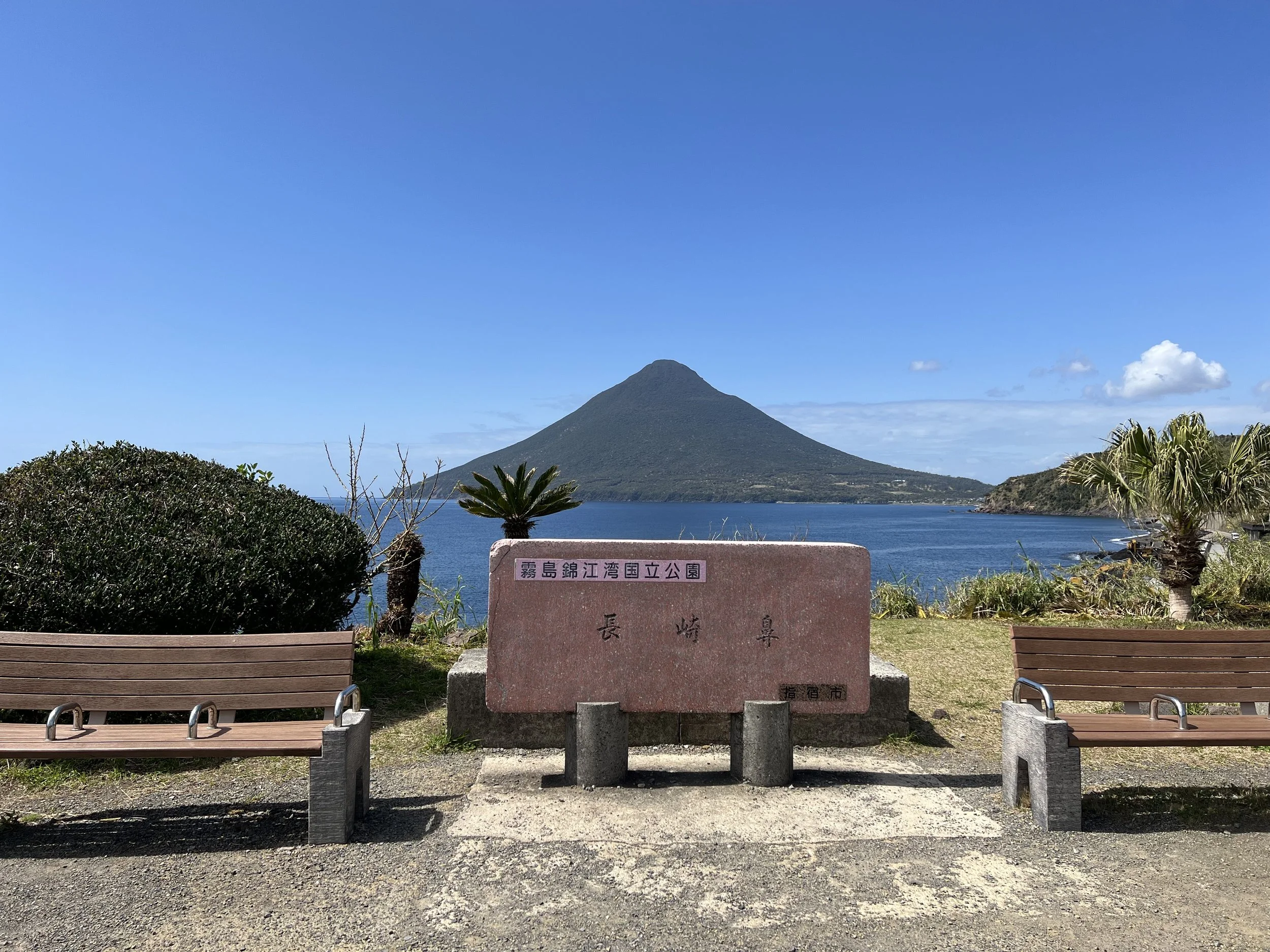
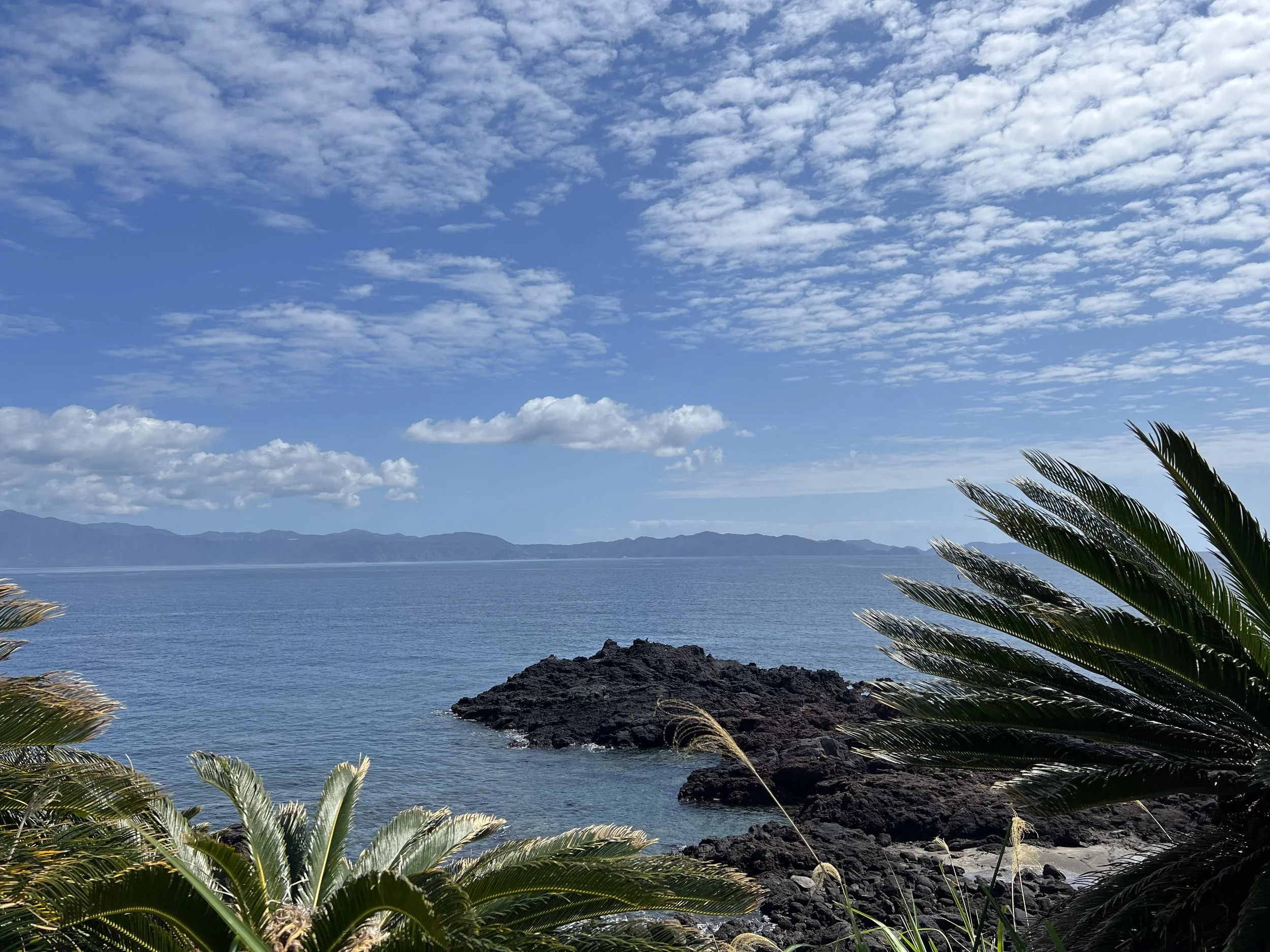
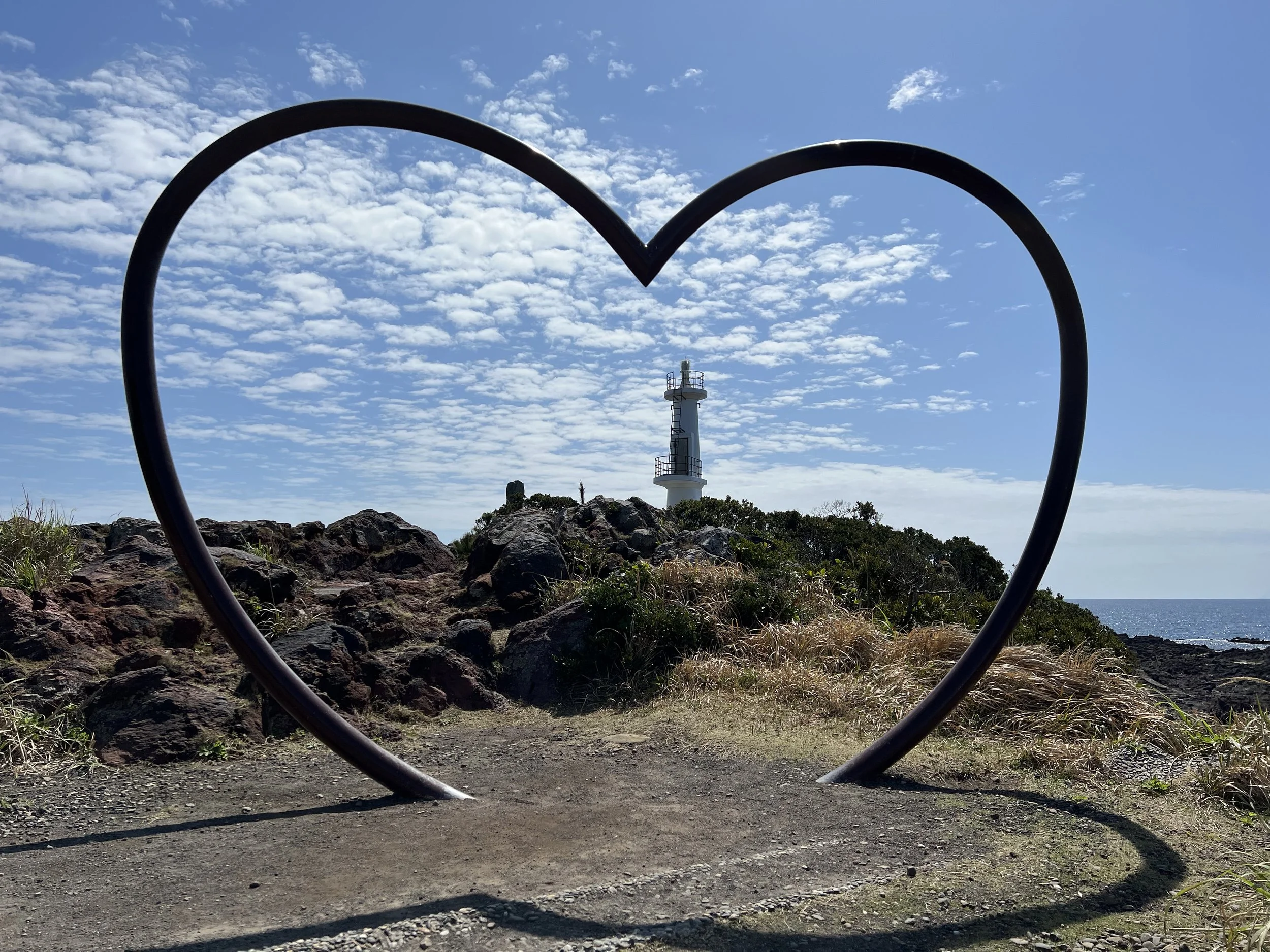
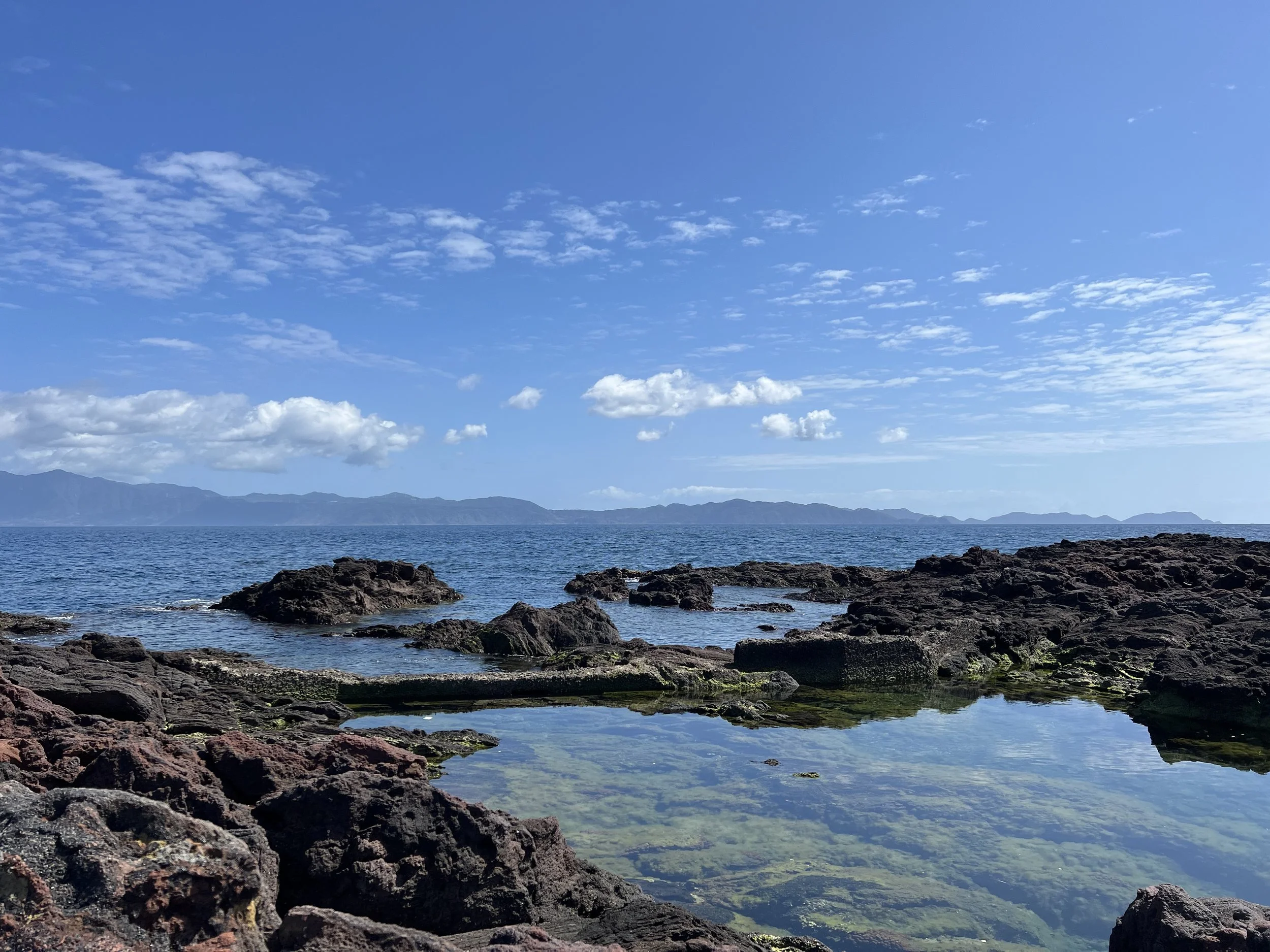
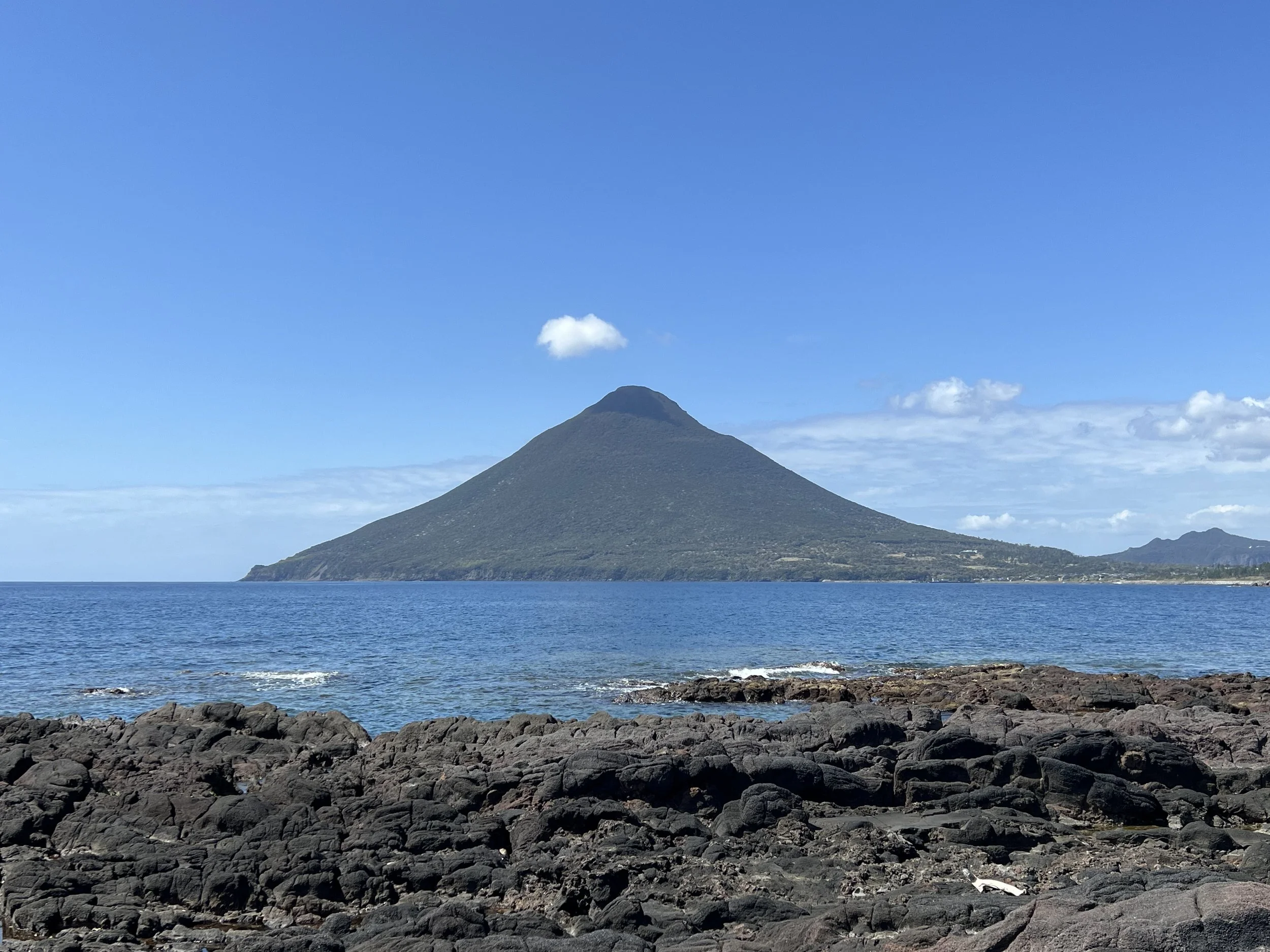
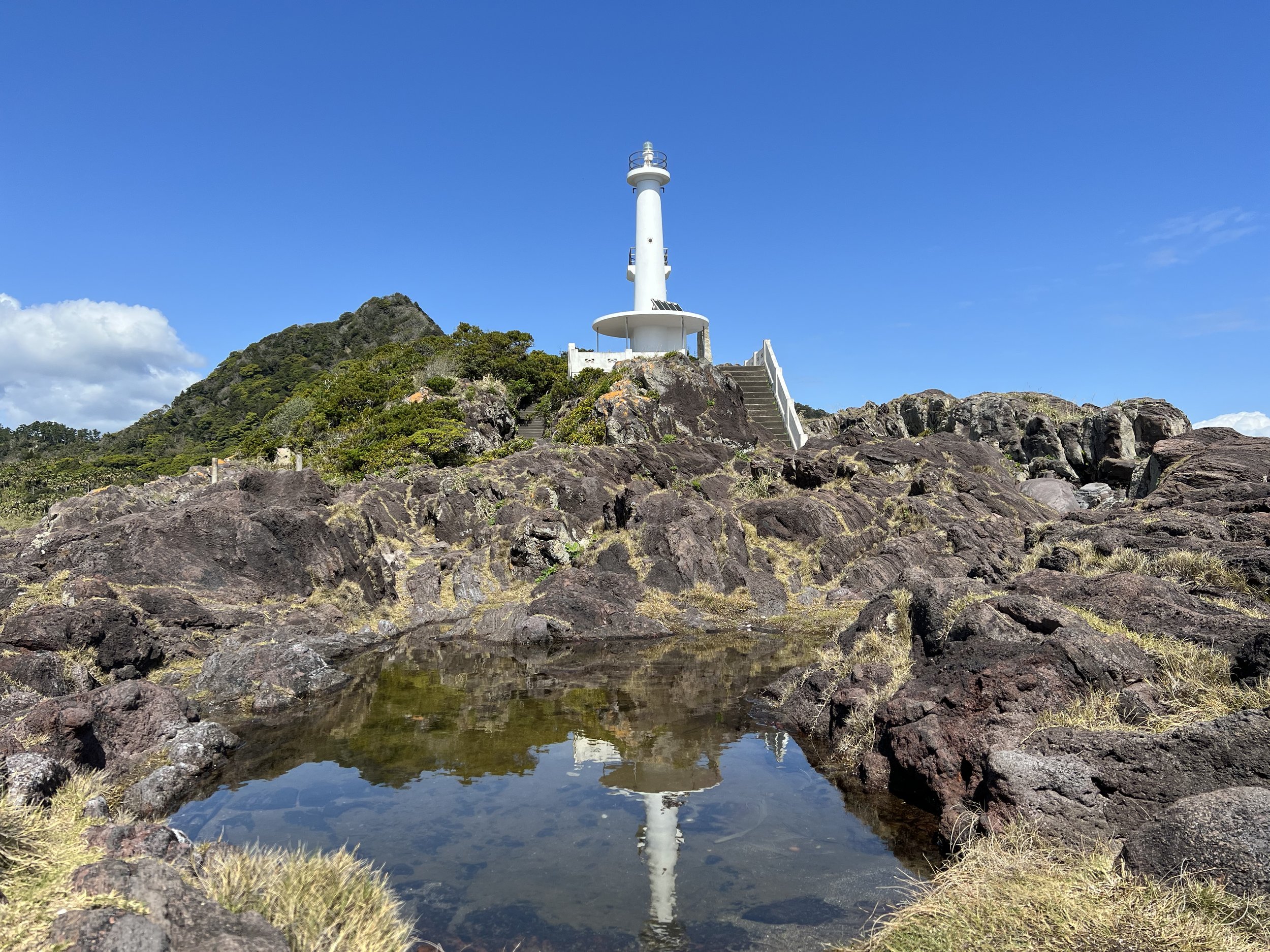
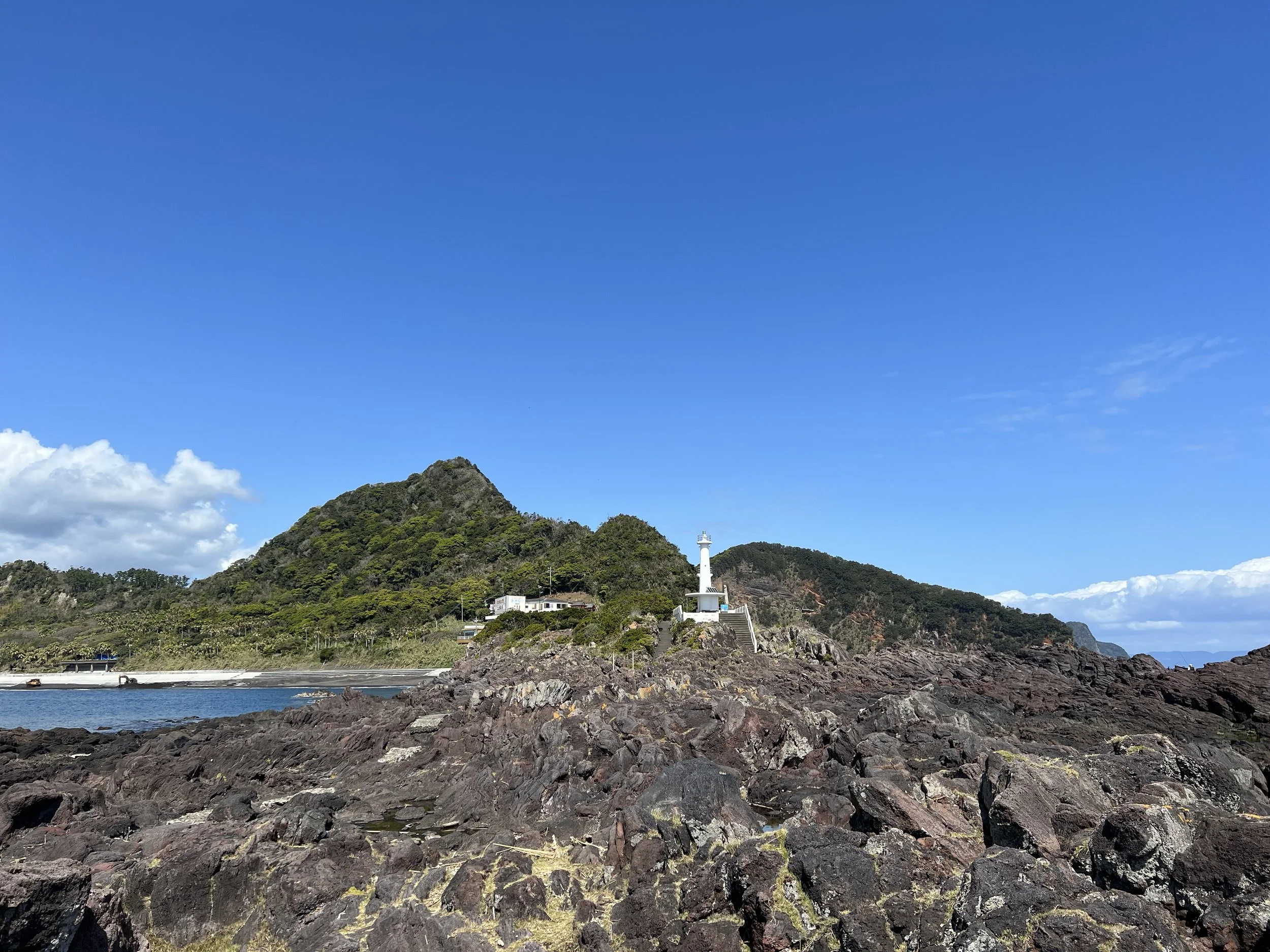
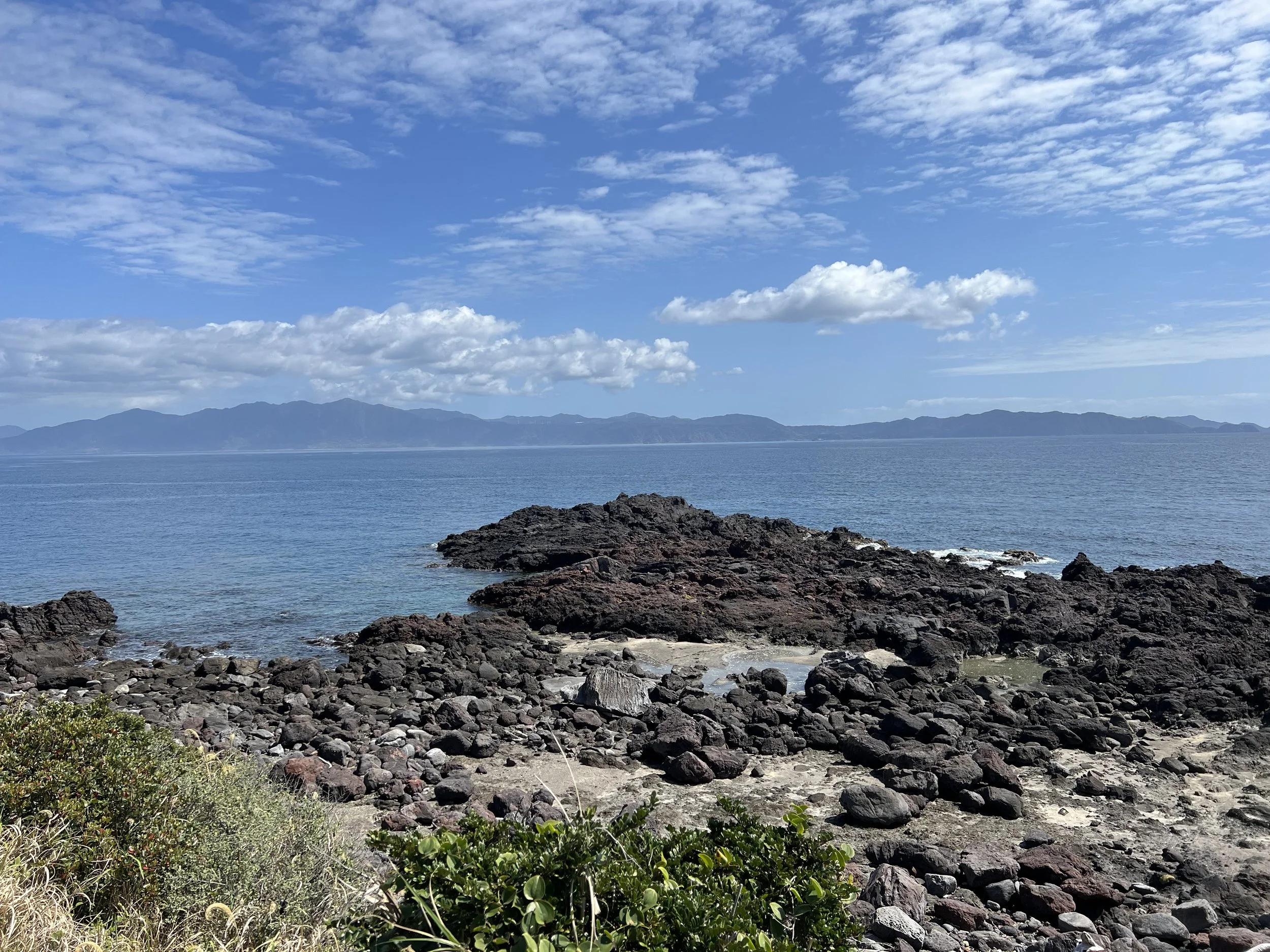
From there, I continued toward the lighthouse at the end of the cape. You can walk even closer to the ocean, but it’s important to watch your footing. The views here are stunning—dramatic coastal views, the lighthouse, and Mt. Kaimon rising in the distance. Mt. Kaimon is considered an active volcano, though it has been dormant for over a thousand years. Its near-perfect cone shape makes it a popular hiking and photography destination.
Keeping an eye on the time, I eventually turned back toward Nishi-Oyama Station to get the photo I wanted of the train pulling in. I’m glad I added this stop to my itinerary. The scenery, the folklore, and the connection to the Ibusuki no Tamatebako train I had taken before added an extra layer of meaning to the experience.
History & Background
Cape Nagasakibana (長崎鼻) is located at the southernmost point of the Satsuma Peninsula in Kagoshima Prefecture. The cape is deeply tied to the Japanese folktale of Urashima Tarō, one of Japan’s most well-known legends, which explores themes of time, reward, and consequence.
Ryūgū Shrine was built to honour the Dragon Palace from the legend and has become a local spiritual site associated with matchmaking, prosperity, and good fortune. The surrounding area blends mythology with natural beauty, offering coastal views, volcanic landscapes, and open farmland typical of southern Kagoshima.
Nearby Mt. Kaimon, often referred to as the “Satsuma Fuji,” is a stratovolcano known for its symmetrical shape. Although classified as active, it has not erupted in over a millennium and remains a prominent landmark in the region.
Getting There
Cape Nagasakibana is accessed via Nishi-Oyama Station on the JR Ibusuki Makurazaki Line. From Ibusuki Station, take a local train to Nishi-Oyama Station, a journey of approximately 25 minutes. Train services are limited, so checking the schedule in advance is recommended. From Nishi-Oyama Station, the cape is about a 5 km walk one way, following mostly flat rural roads through farmland and coastal areas. For those that do not wish to walk, rental car or taxi is the next best option.
Route Overview
Distance: 10 km out & back (Nishi-Oyama Station)
Total elevation gain: 78 m
Duration: 1 hr 57 min (with breaks 2 hr 27 min)
Difficulty: Intermediate
Cost Breakdown
Train: Ibusuki Station → Nishi-Oyama Station — ¥340
Food: ¥498