Camino Francés - Day 8: Sansol to Logroño
Last night, I went to bed worrying about accommodation in Logroño. I had planned to leave before sunrise to line up at the municipal albergue, knowing how quickly it fills. But luck was on my side. A few Spanish pilgrims I’d met earlier had booked two extra beds and ended up cancelling. They kindly passed one along to me, and after a quick call to confirm, I had my spot secured. I’m glad I didn’t have to rush out the door—I left around 8 a.m., feeling unusually relaxed.
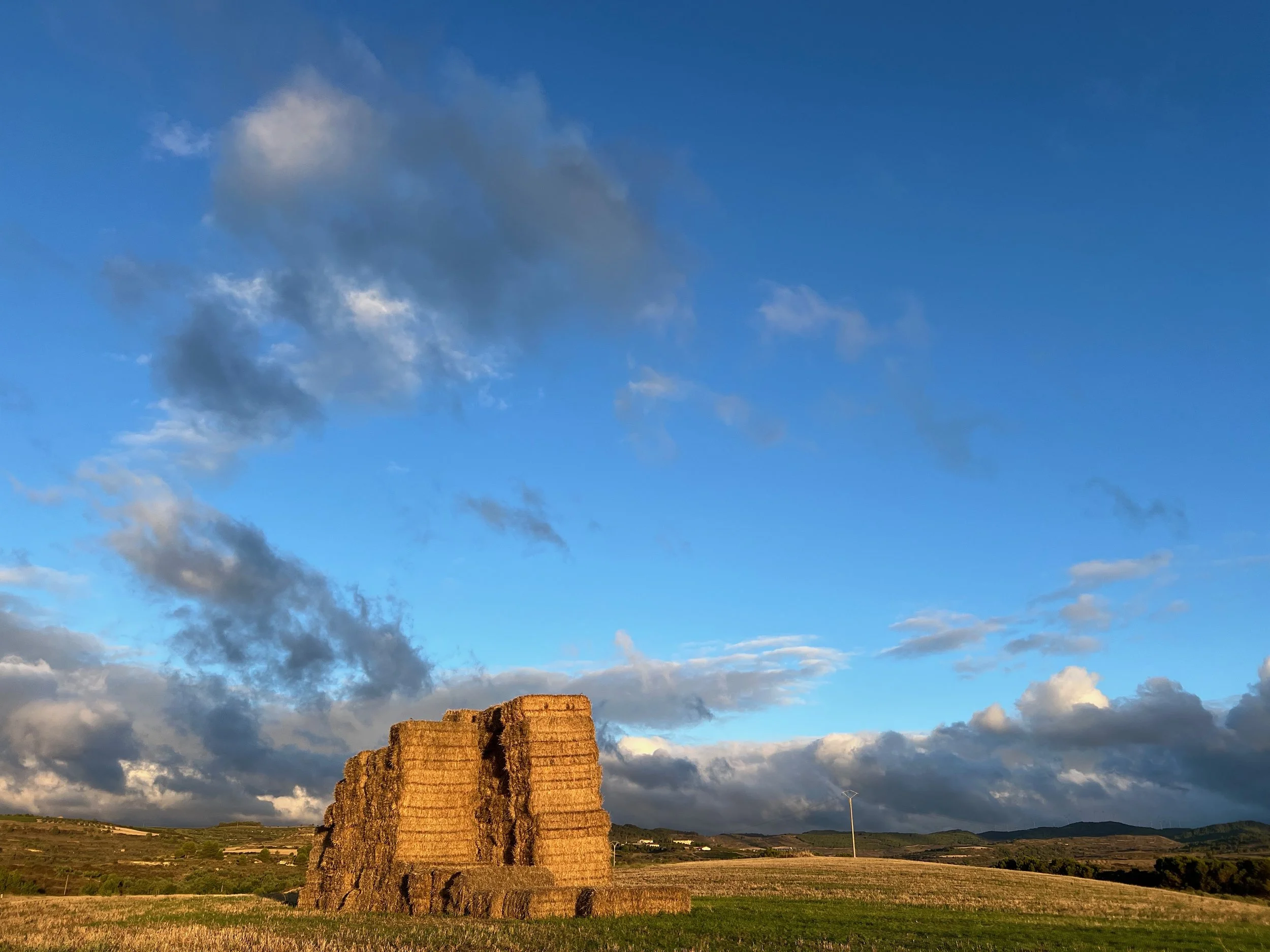
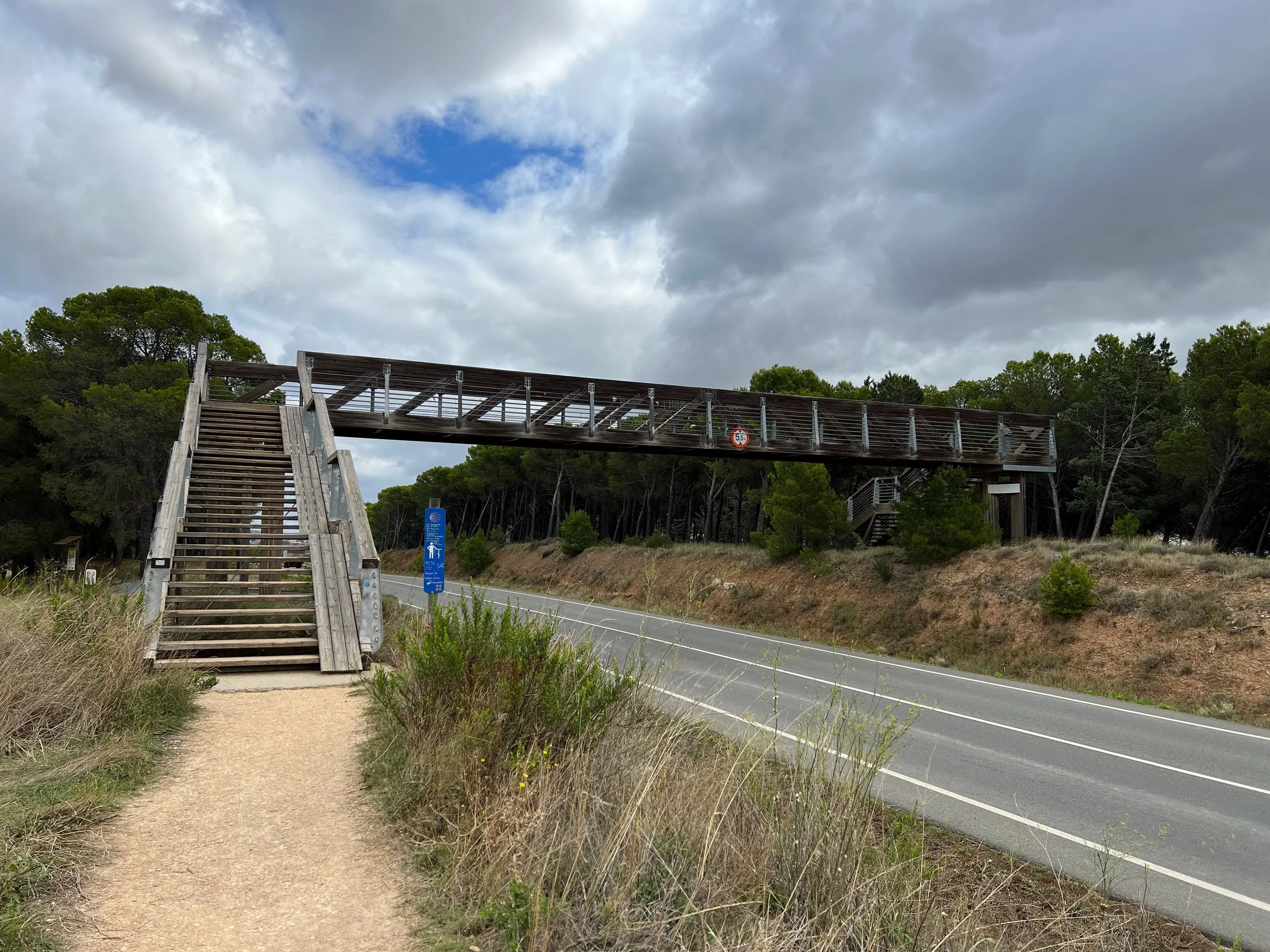
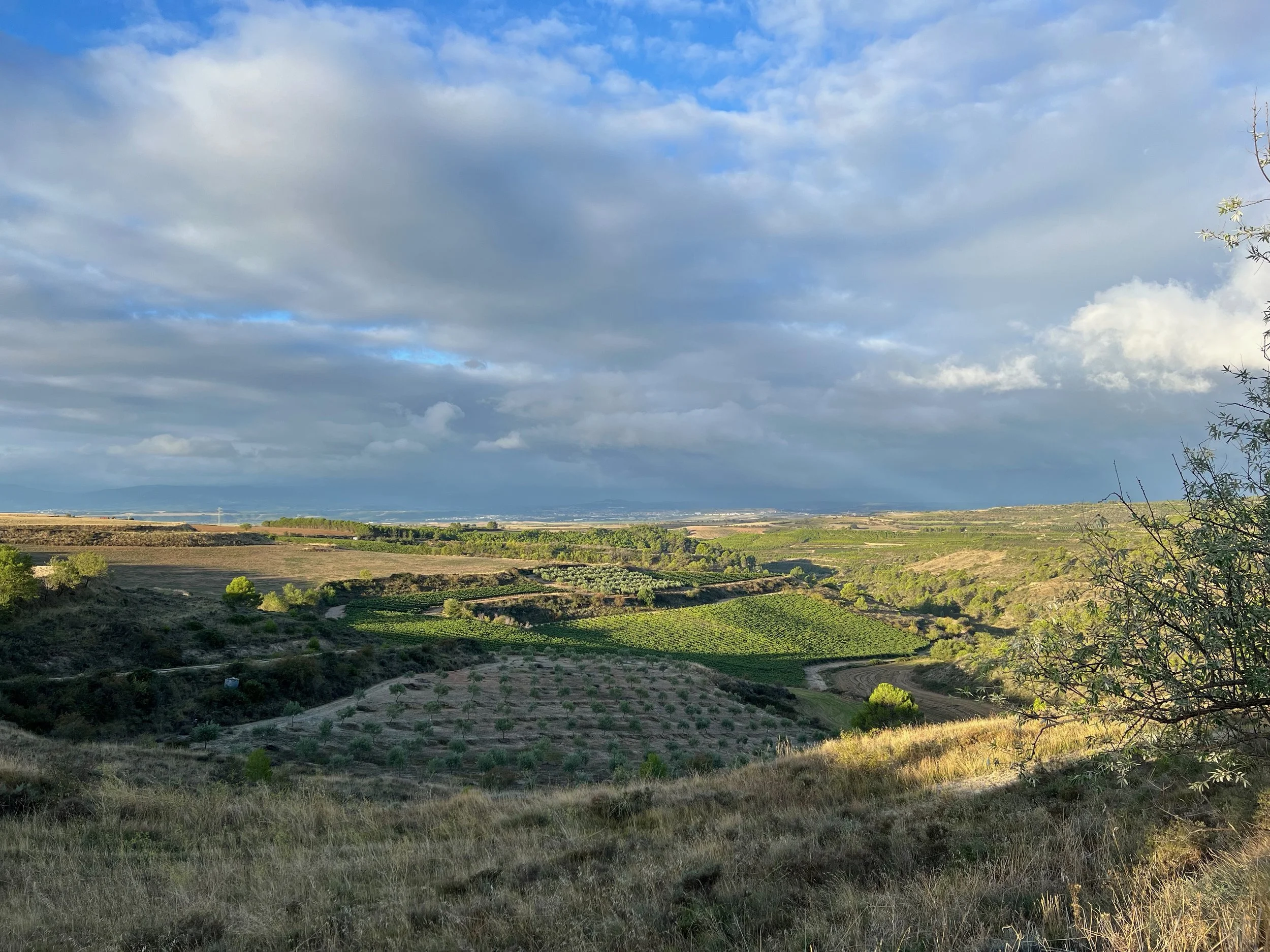
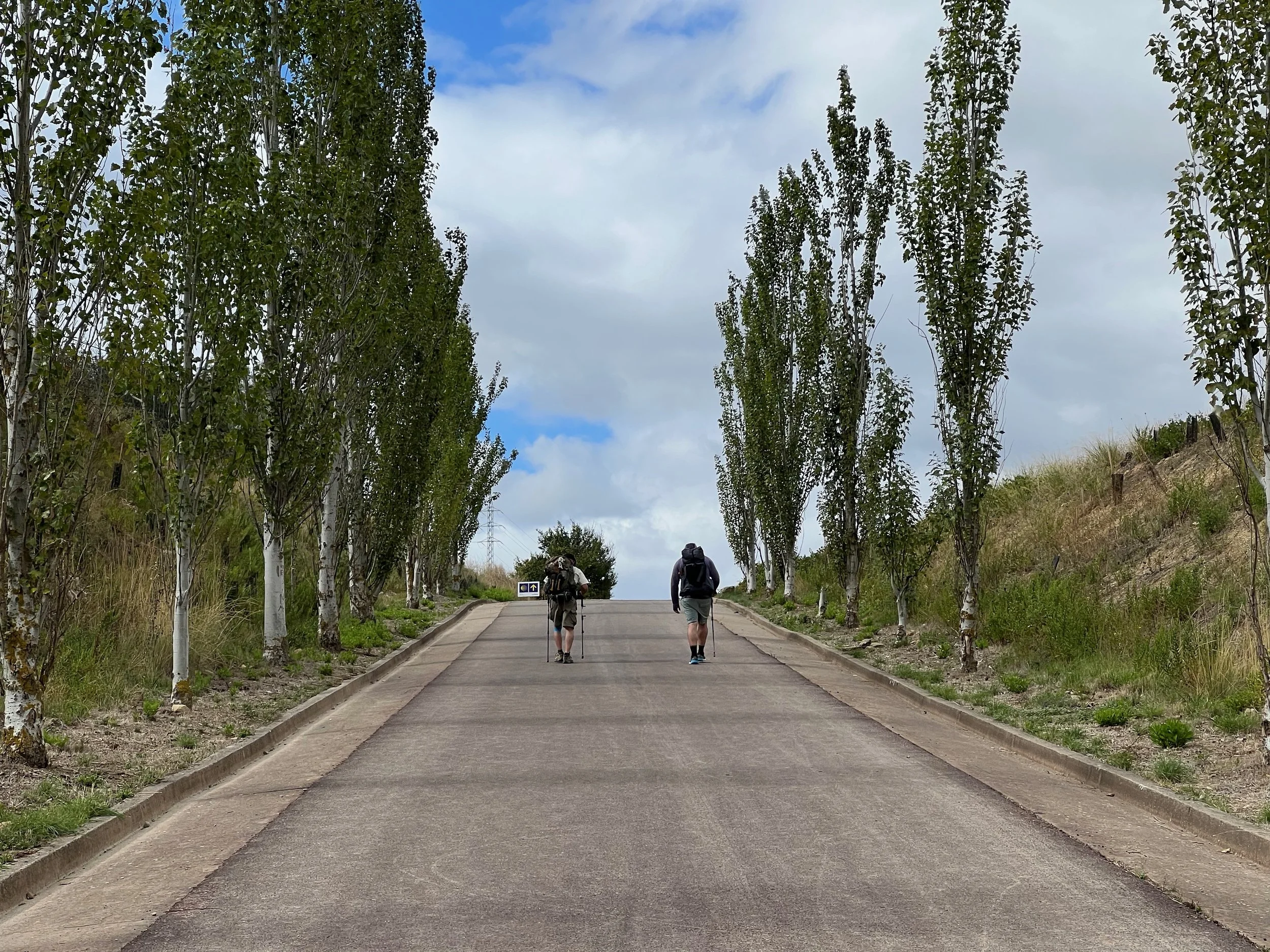
The path started gently, weaving through rolling fields and quiet farmland before a few short climbs brought me to the hilltop villages of Torres del Río and Viana. Both towns were lovely stops—Torres del Río for its distinctive octagonal church, and Viana for its lively plaza, perfect for a mid-morning coffee. The route after Viana led through open countryside, where the views stretched endlessly toward La Rioja, Spain’s famed wine region.
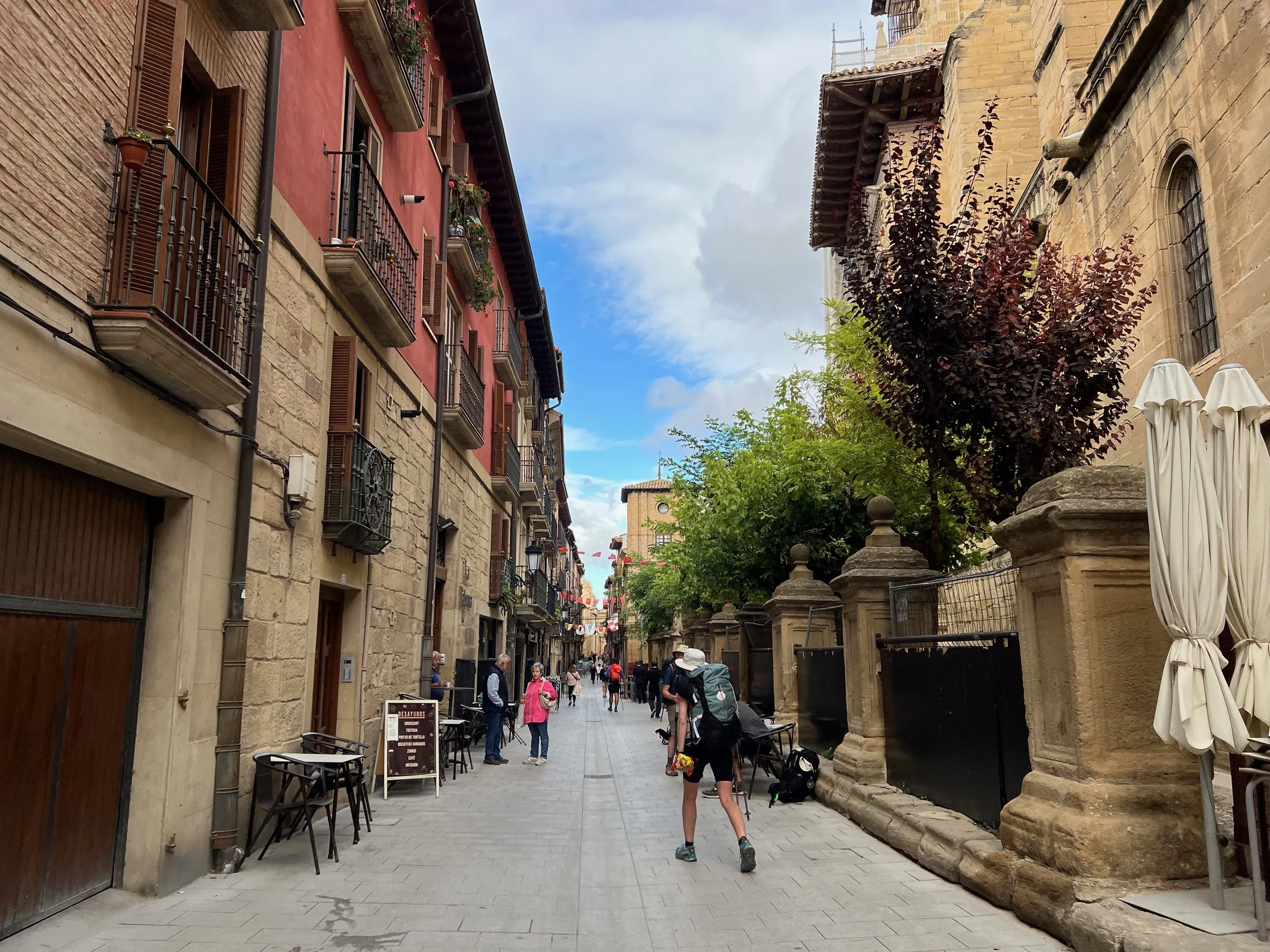
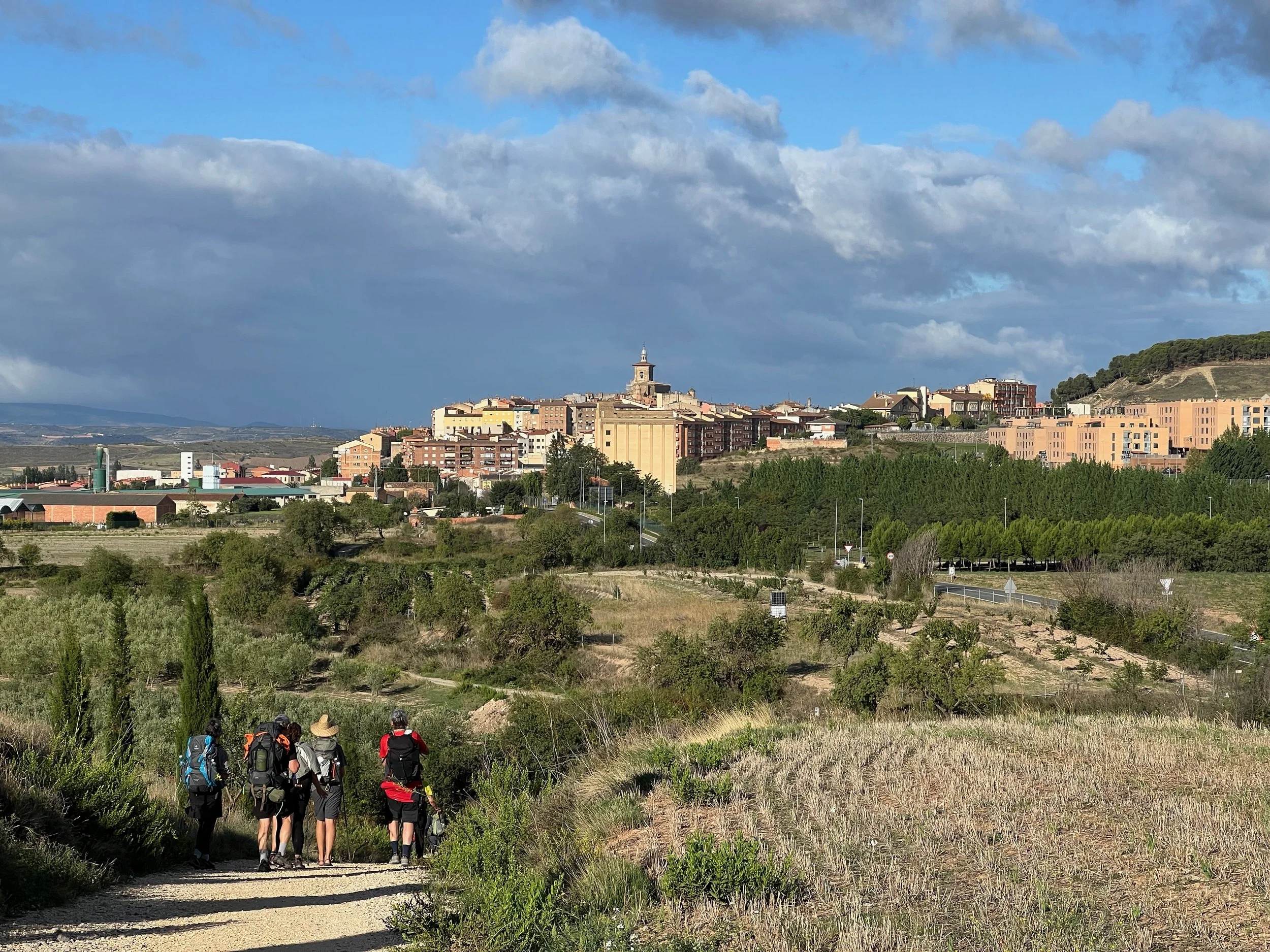
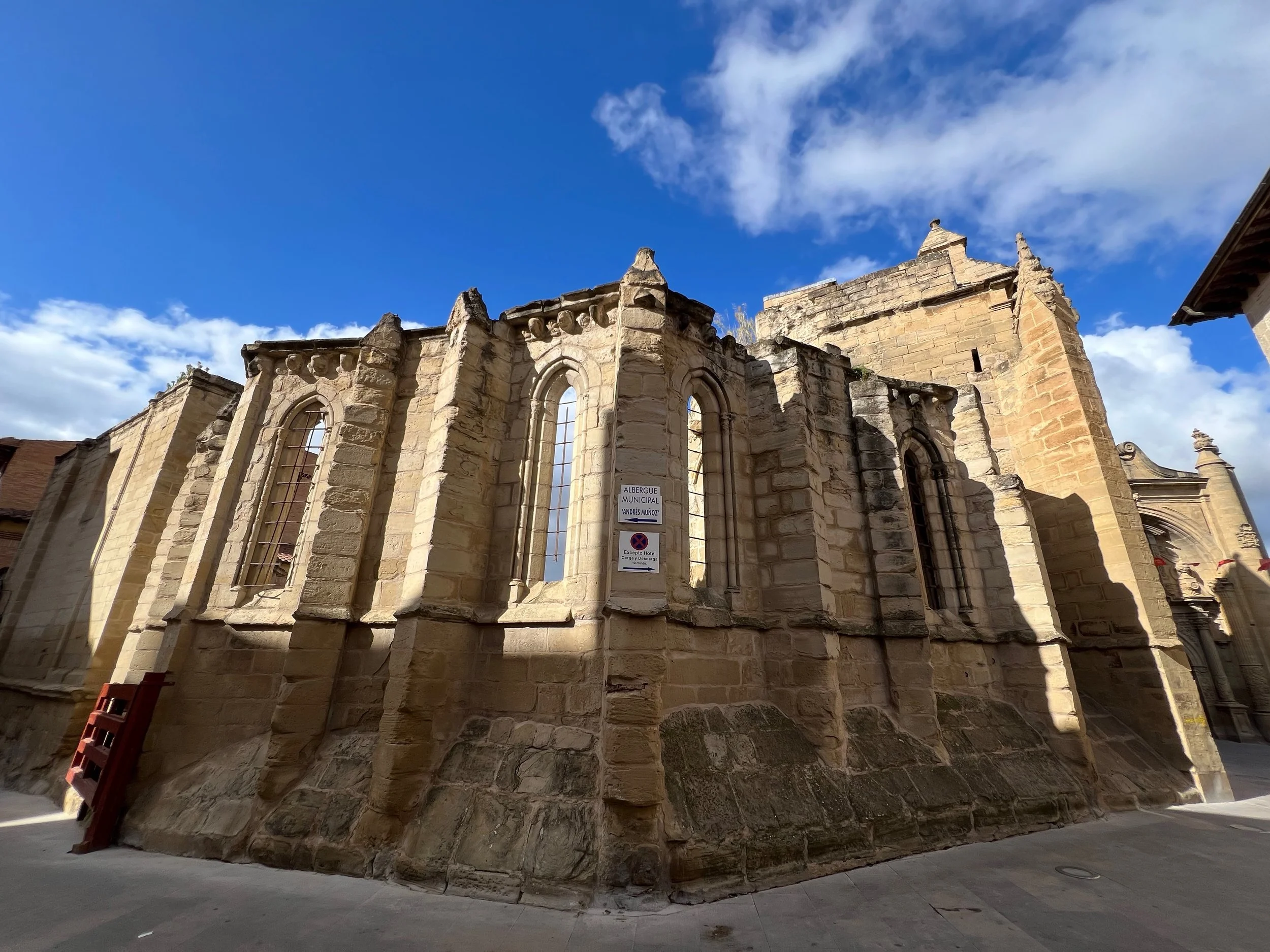
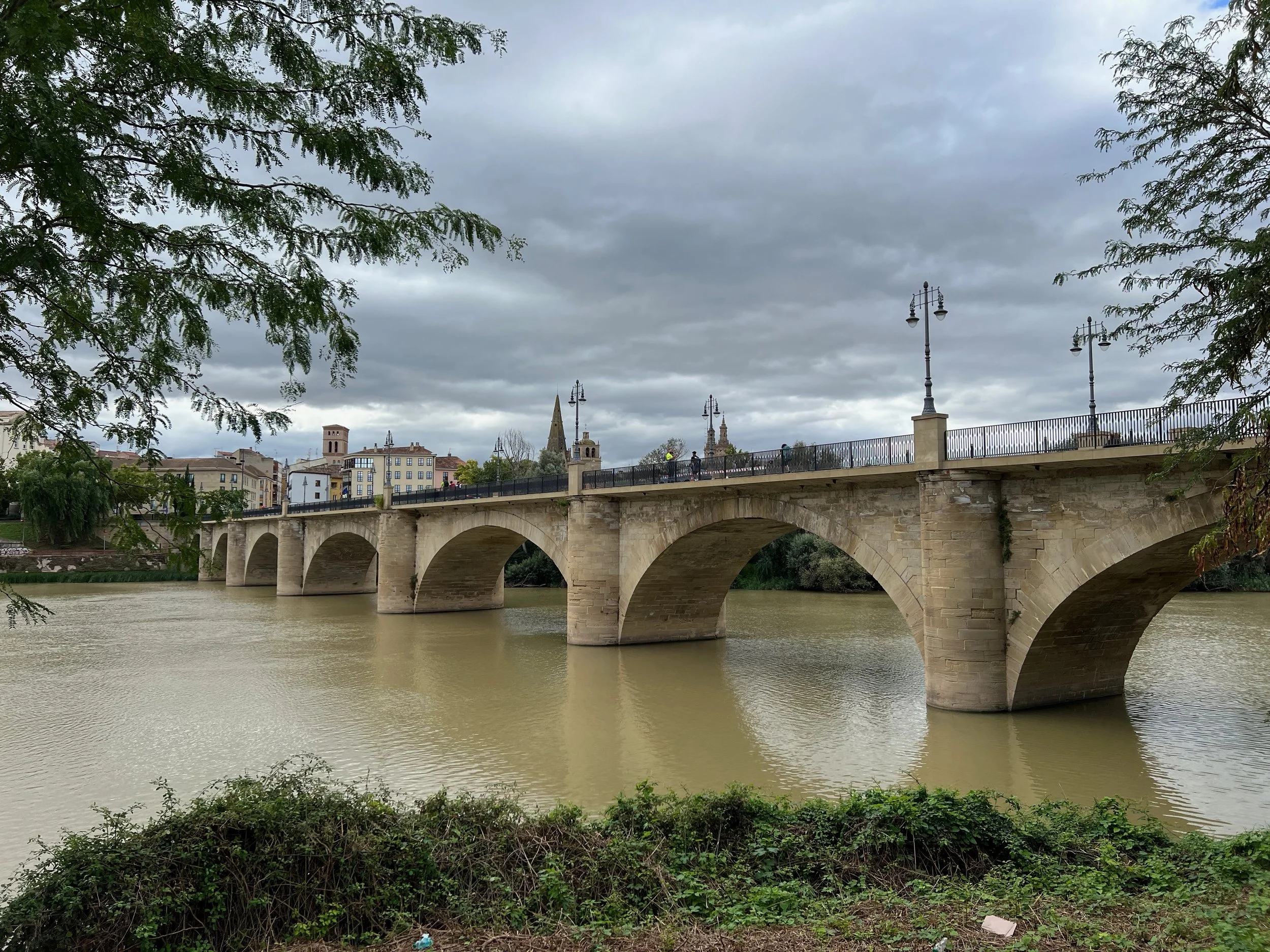
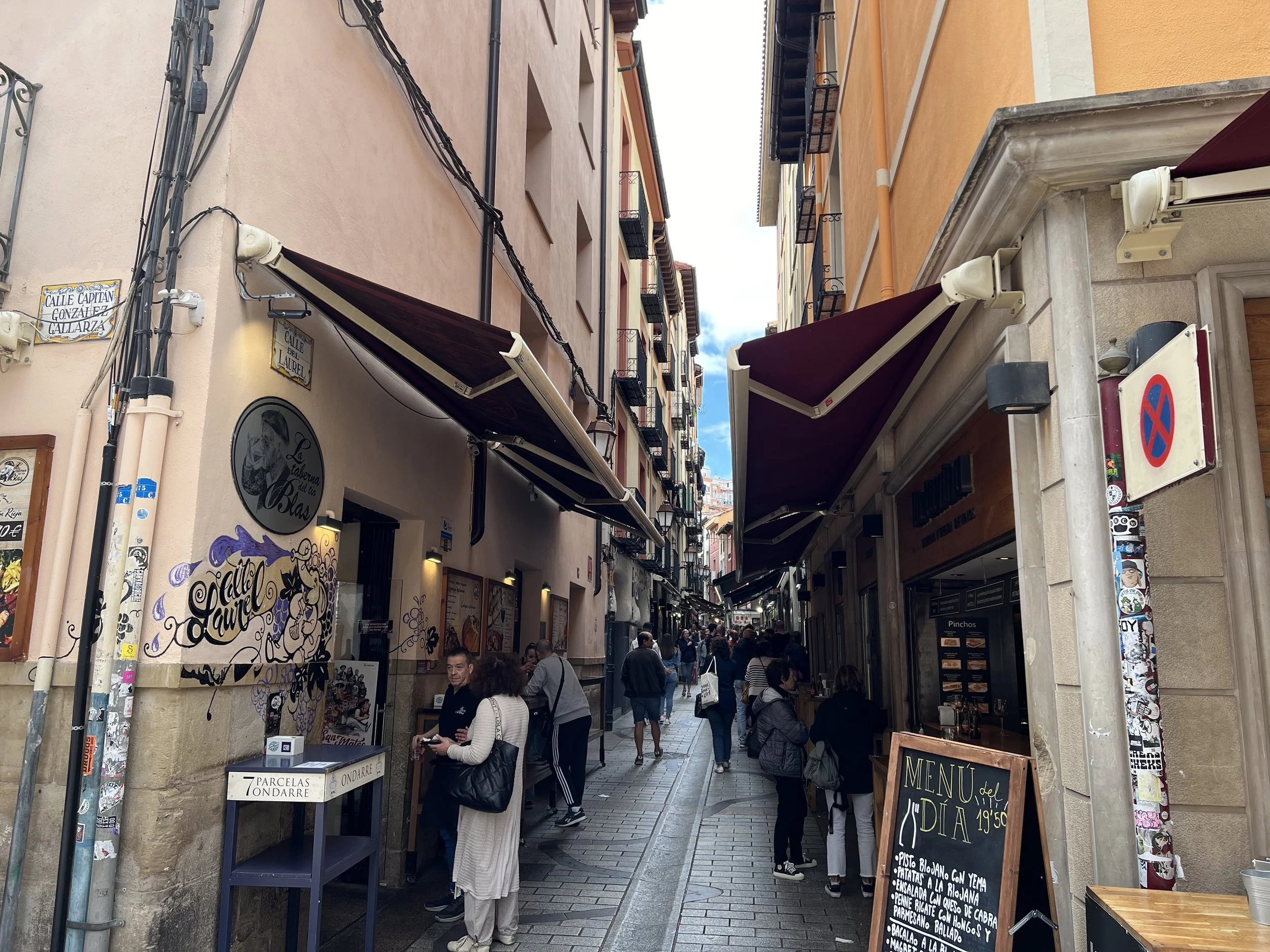
By early afternoon, I reached Logroño, a lively city that marks the transition from Navarra to La Rioja. The energy shift was immediate—cafés, parks, and bustling streets full of life. After settling into my albergue, I met up with my pilgrim friends for an evening out on Calle del Laurel, the city’s famous tapas street. We wandered from bar to bar, sampling Rioja wine and pintxos—mushrooms, grilled shrimp, spicy peppers, and croquettes. At the last bar, a local woman and her friends struck up a conversation, recommending her favourite dish before wishing us a heartfelt Buen Camino. It was the perfect way to end the day—good food, laughter, and that shared sense of Camino camaraderie.
History & Background
The stage from Sansol to Logroño is both geographically and symbolically significant—it marks the pilgrim’s farewell to the region of Navarra and entrance into La Rioja, one of Spain’s most celebrated wine regions. Along the way, the medieval towns of Torres del Río and Viana offer glimpses into centuries of Camino heritage.
Torres del Río is best known for its Church of the Holy Sepulchre (Iglesia del Santo Sepulcro), built in the 12th century by the Knights Templar. Its unusual octagonal shape mirrors the Church of the Holy Sepulchre in Jerusalem, symbolizing spiritual connection for medieval pilgrims.
Viana, once a fortified border town, was frequented by monarchs and nobles. It’s also known as the burial site of Cesare Borgia, the controversial Italian noble and Renaissance figure who died here in 1507.
Finally, Logroño has long been a hub for pilgrims and traders alike. Its location on the Ebro River made it a natural crossing point, and today it remains a cultural and culinary highlight of the Camino, especially for its lively tapas scene and deep ties to Rioja wine production.
Getting There
This stage of the Camino Francés spans roughly 21 kilometres from Sansol to Logroño. The terrain alternates between rolling farmland and gentle inclines, with a few steeper sections near Torres del Río and Viana.
Logroño is a major transportation hub, well connected by train and bus to larger cities such as Pamplona, Burgos, and Madrid. For those starting or ending their Camino here, these transport links make the city a convenient access point.
Route Overview
Distance: 21.17 km (Palacio de Sansol → Albergue Santiago Apóstol)
Total elevation gain: 367 m
Duration: 4 hr 19 min (with breaks 5 hr 17 min)
Difficulty: Hard
For the full day-by-day route breakdown, including distances and duration, see my complete Camino Francés route guide.
Cost Breakdown
Accommodation: Albergue Santiago Apóstol (booked via phone) — €15
Food: €21.20