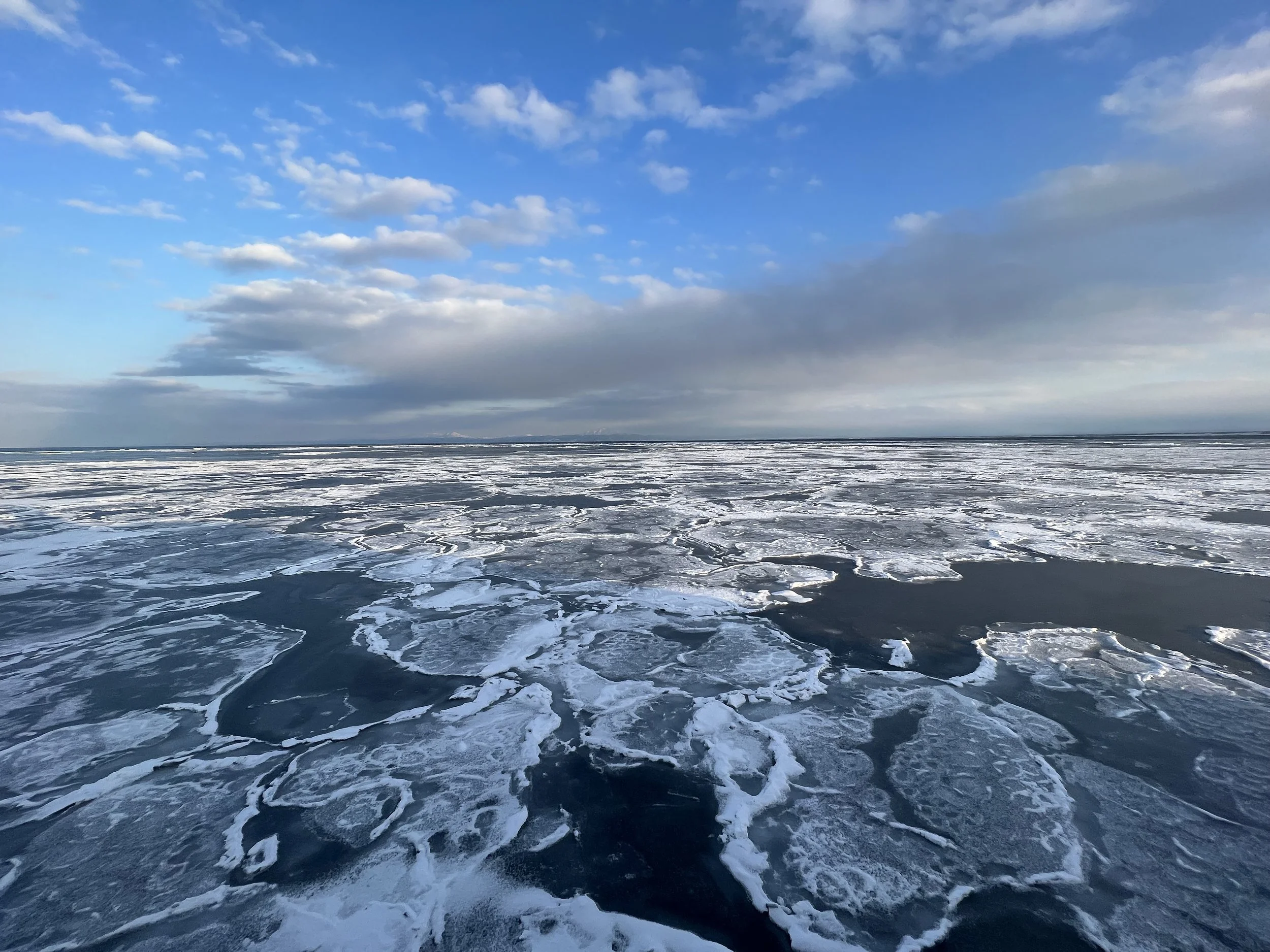
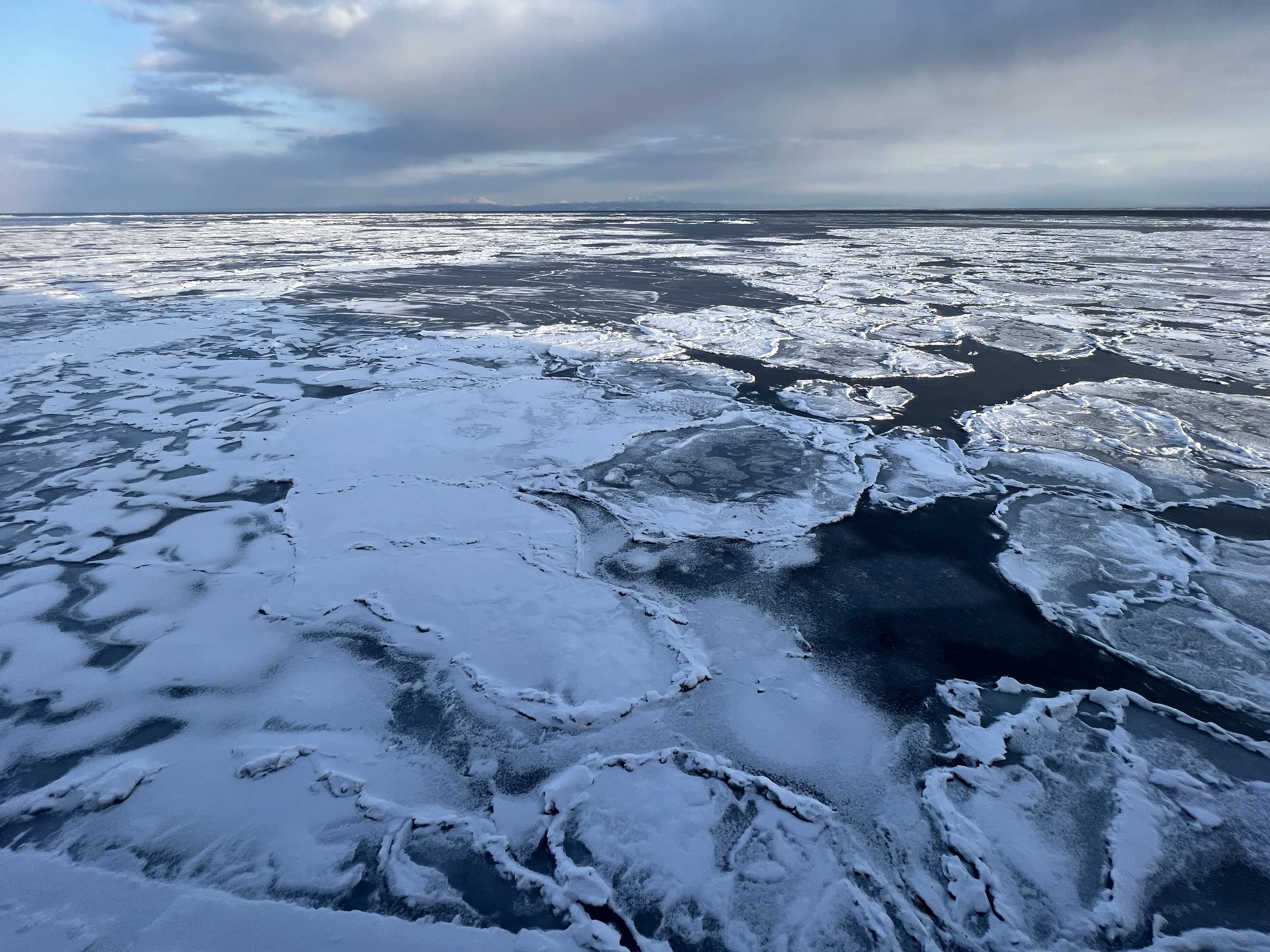
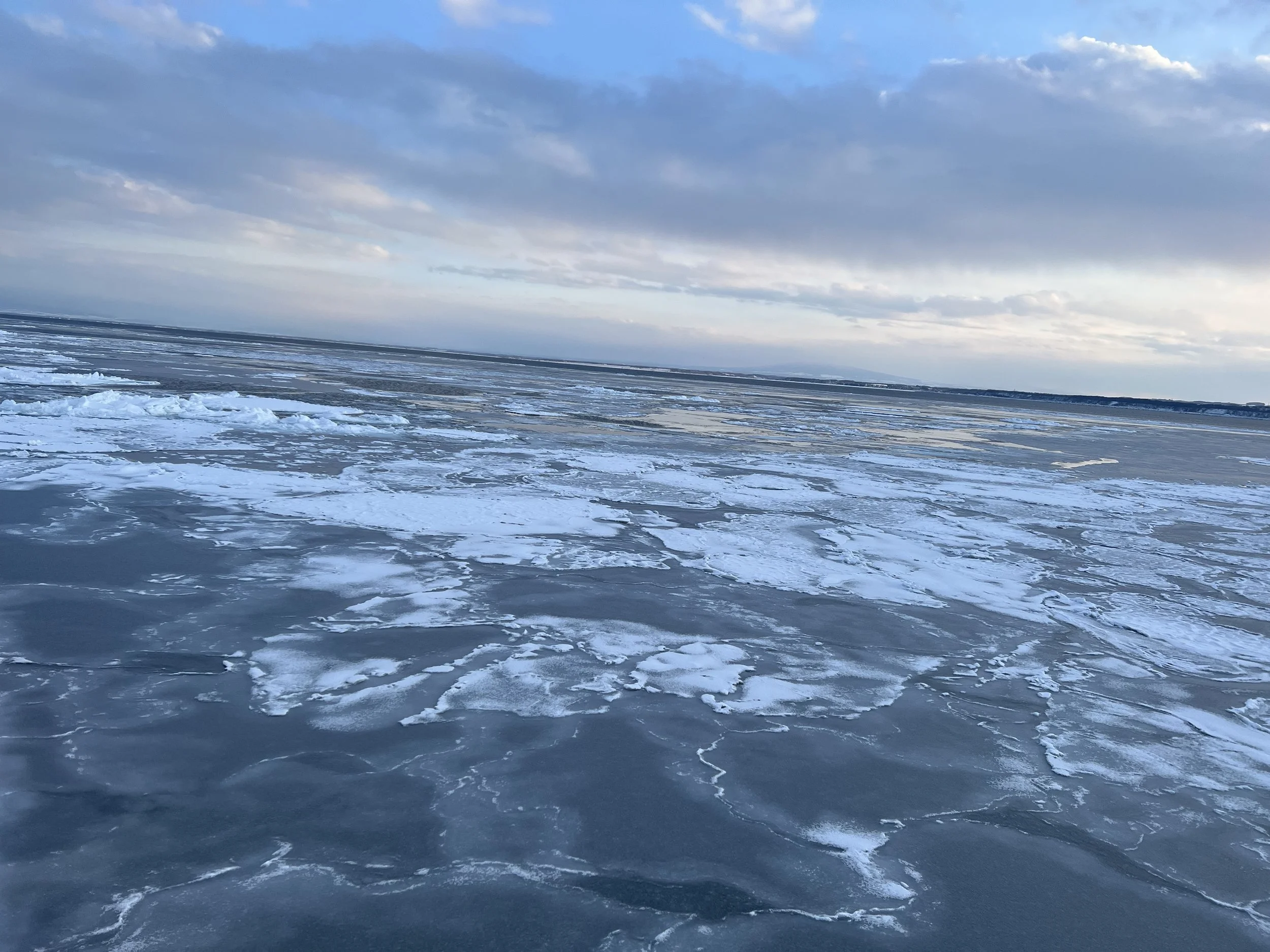
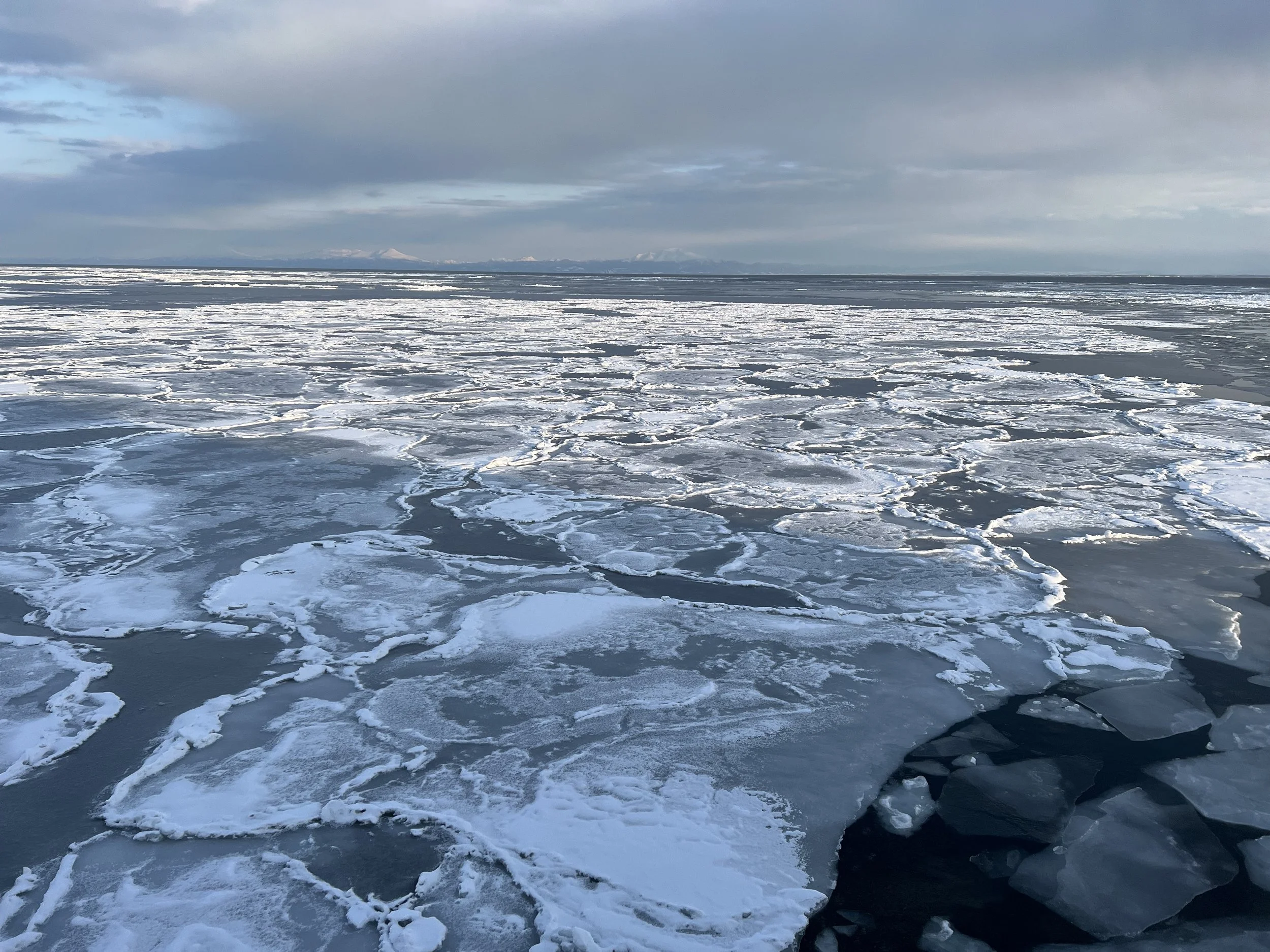
Abashiri Drift Ice Sightseeing - Hokkaido, Japan
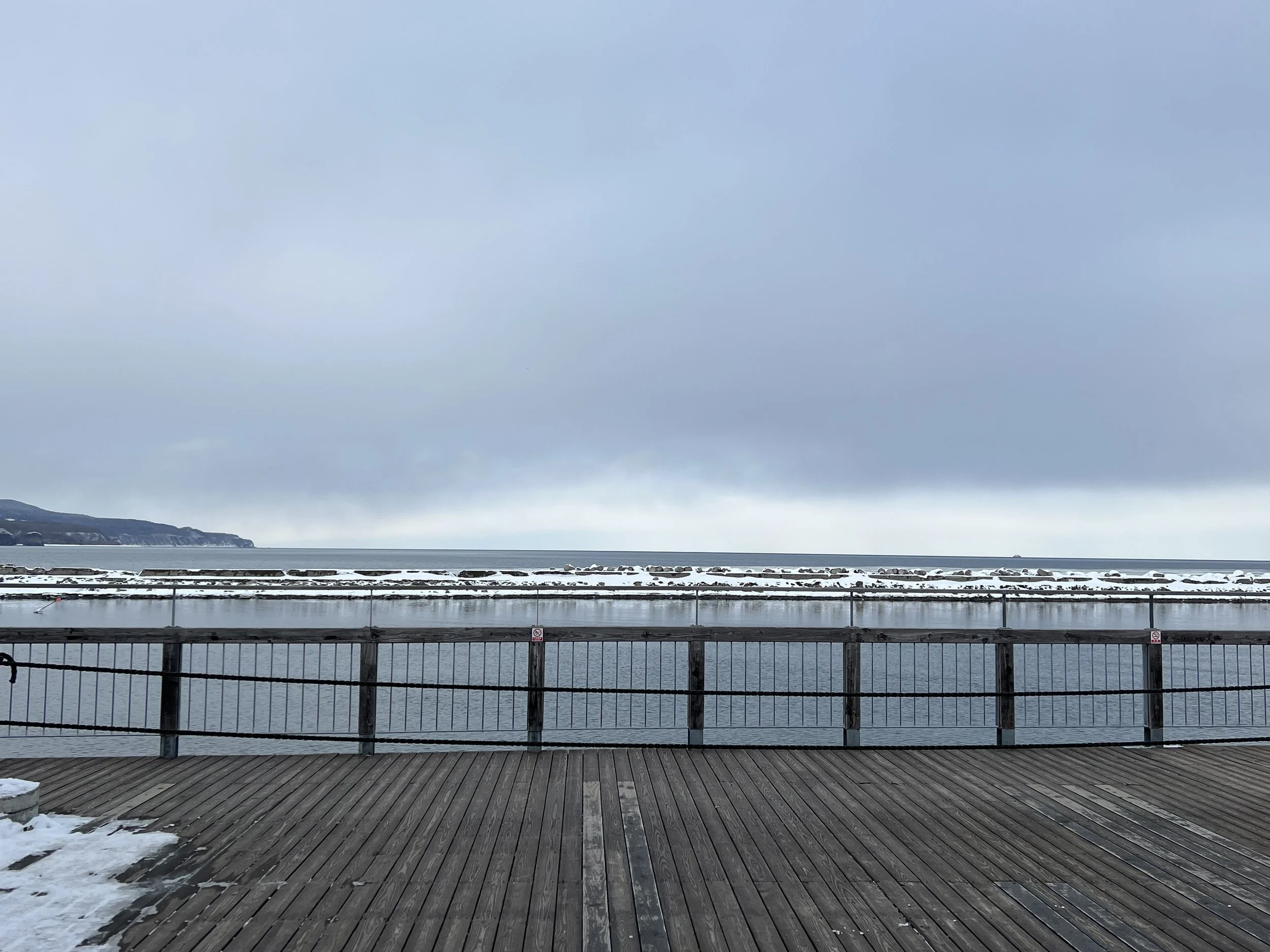
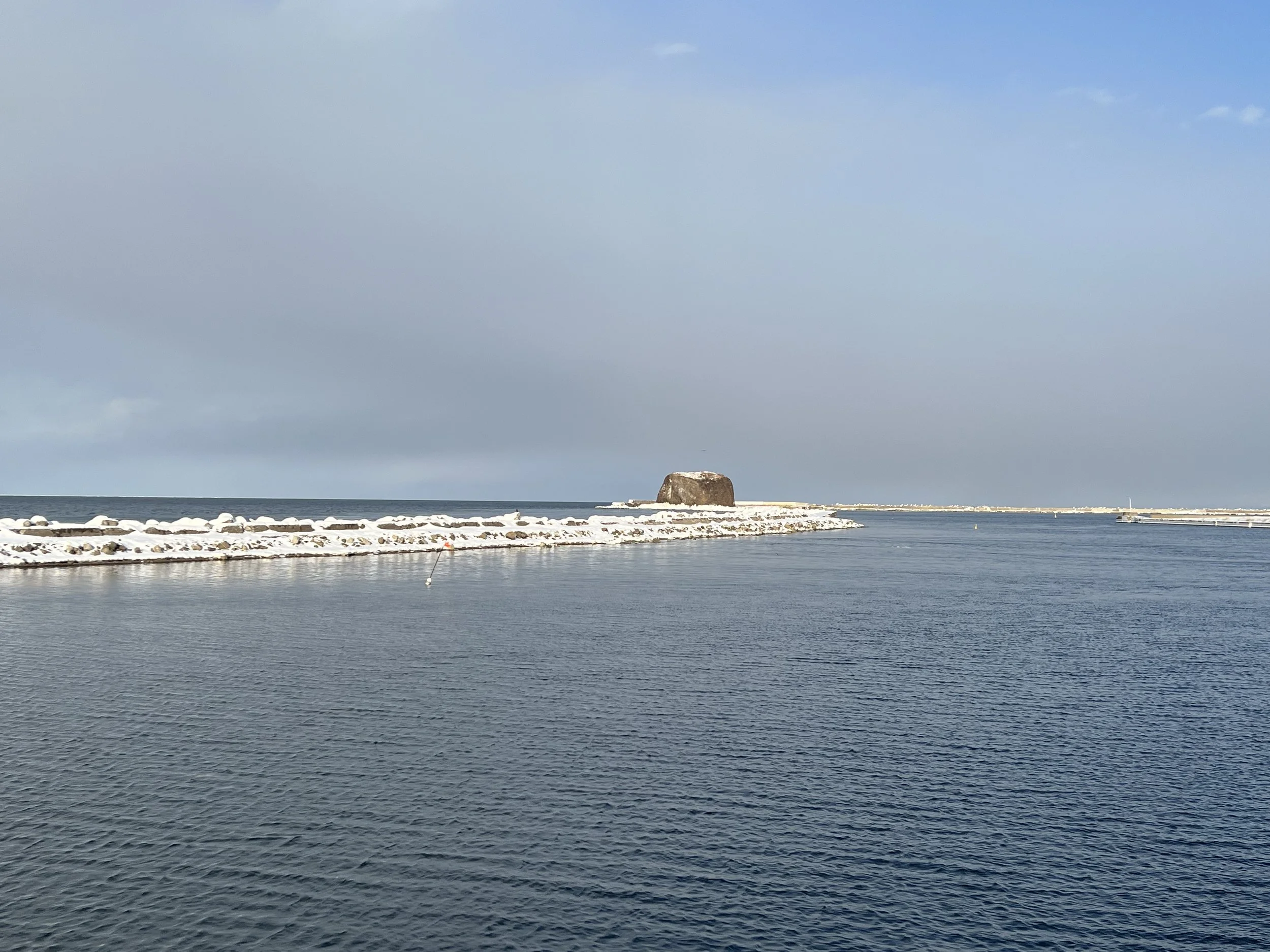
I knew I had to see the drift ice as soon as I learned about it. Abashiri sits at 44° north latitude, and the shores of the Okhotsk Sea are the southernmost point where the ocean freezes. As the name suggests, this is a winter-only experience.
I wanted to see the sunset with the drift ice, so I made a reservation in advance for the last sailing. You can buy a ticket directly at the counter, but if a large tour group shows up, you might not get a spot. I highly recommend booking ahead.
On the day of my cruise, I checked the company’s website to see if the sailing was cancelled due to lack of drift ice. I spent the morning exploring Abashiri’s historical sites before arriving at 3 p.m., relieved to see my sailing was still on and that the ice had appeared. I was especially glad since all the earlier cruises that day had been cancelled.
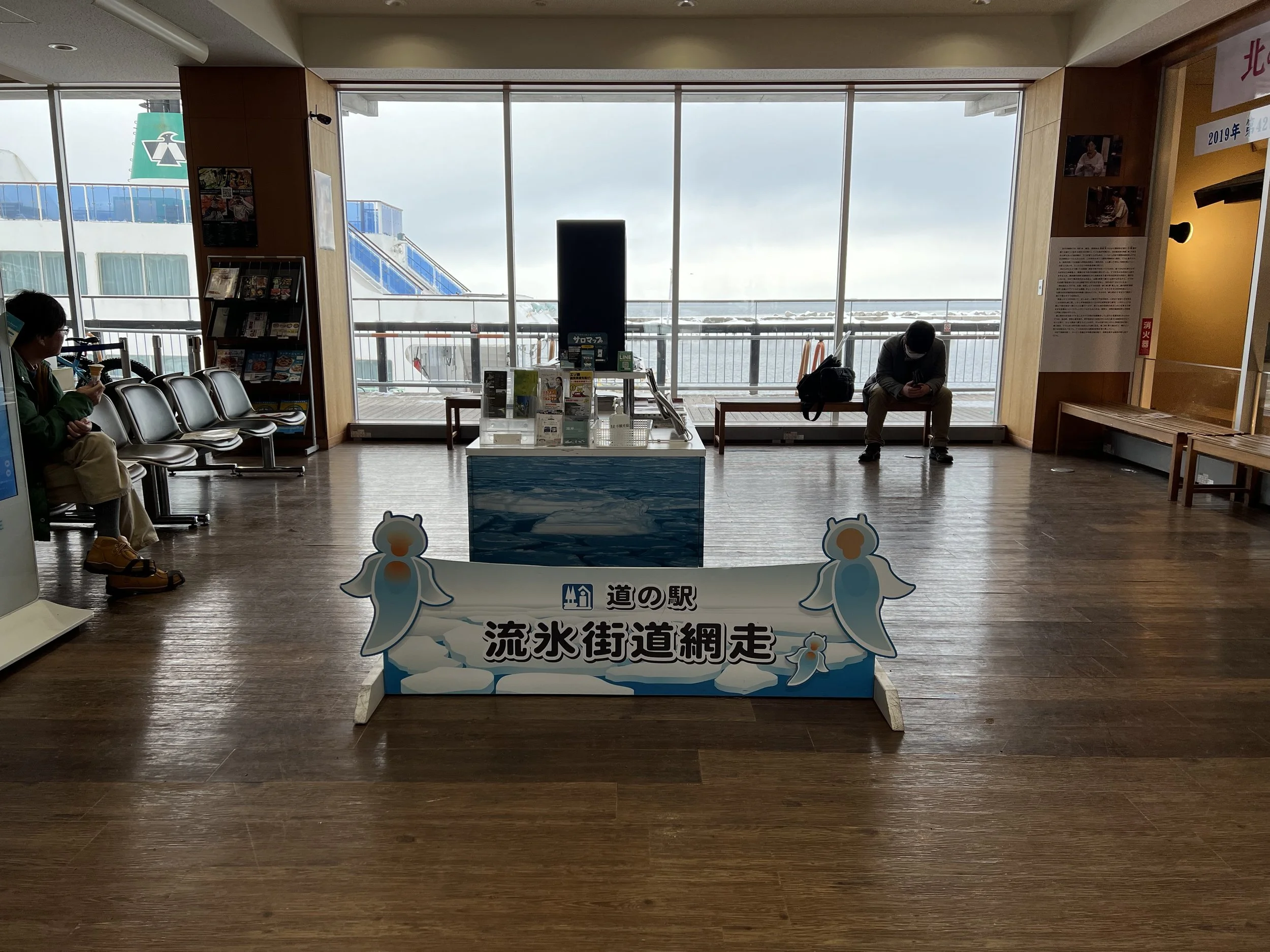
I picked up my ticket at the counter and waited in the waiting area. There are souvenir shops and a small food court, which helped pass the time before boarding.
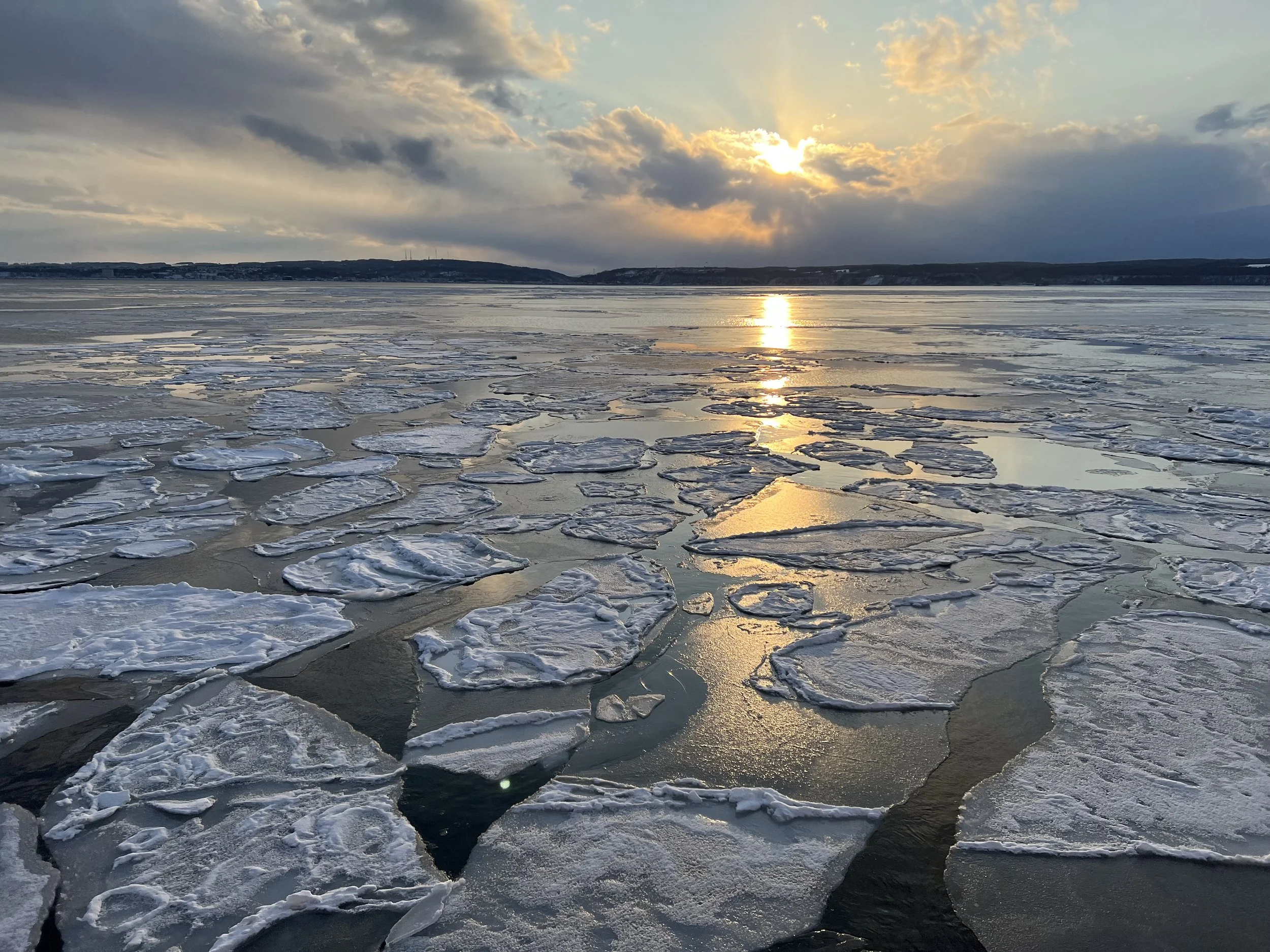
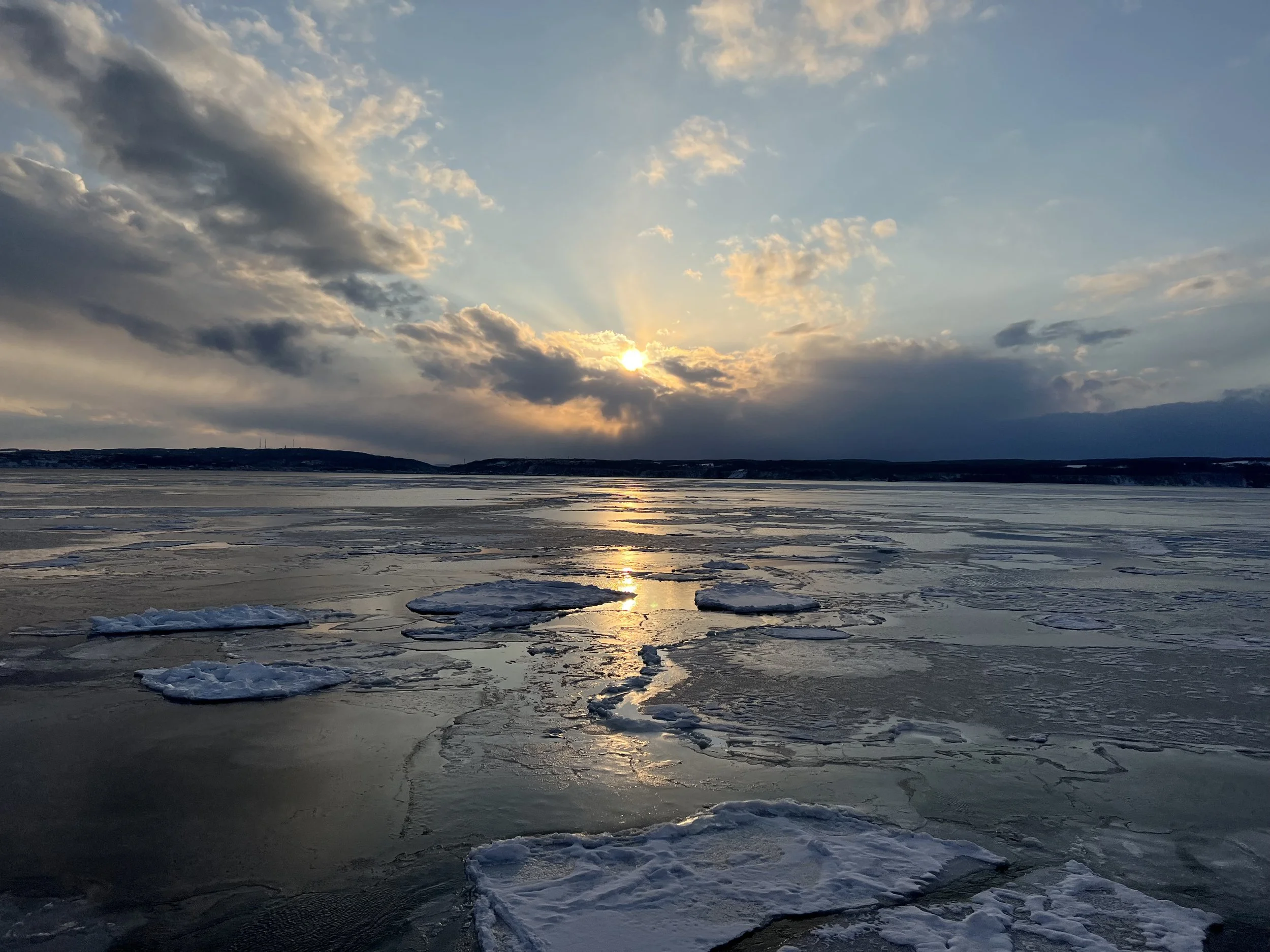
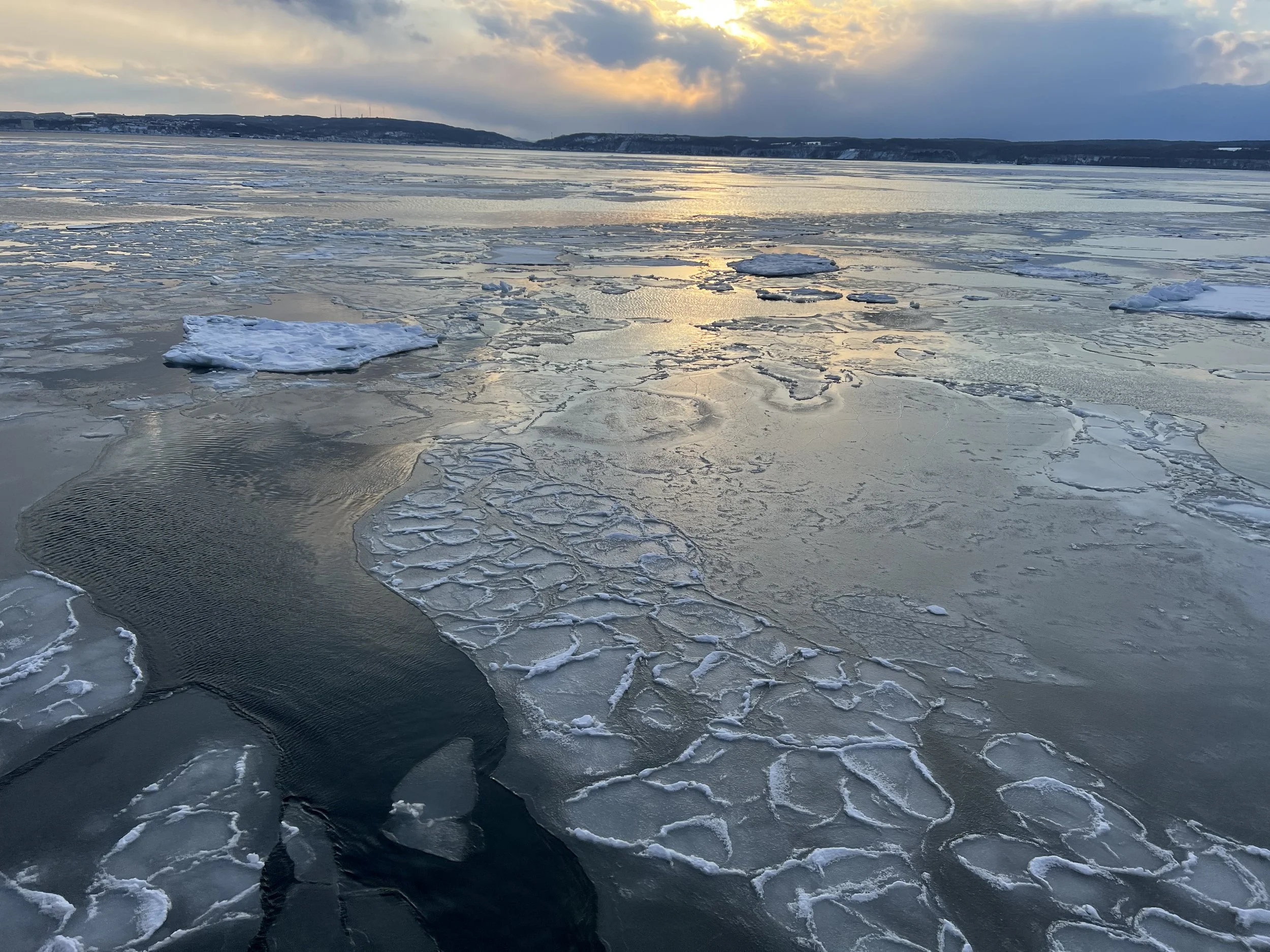
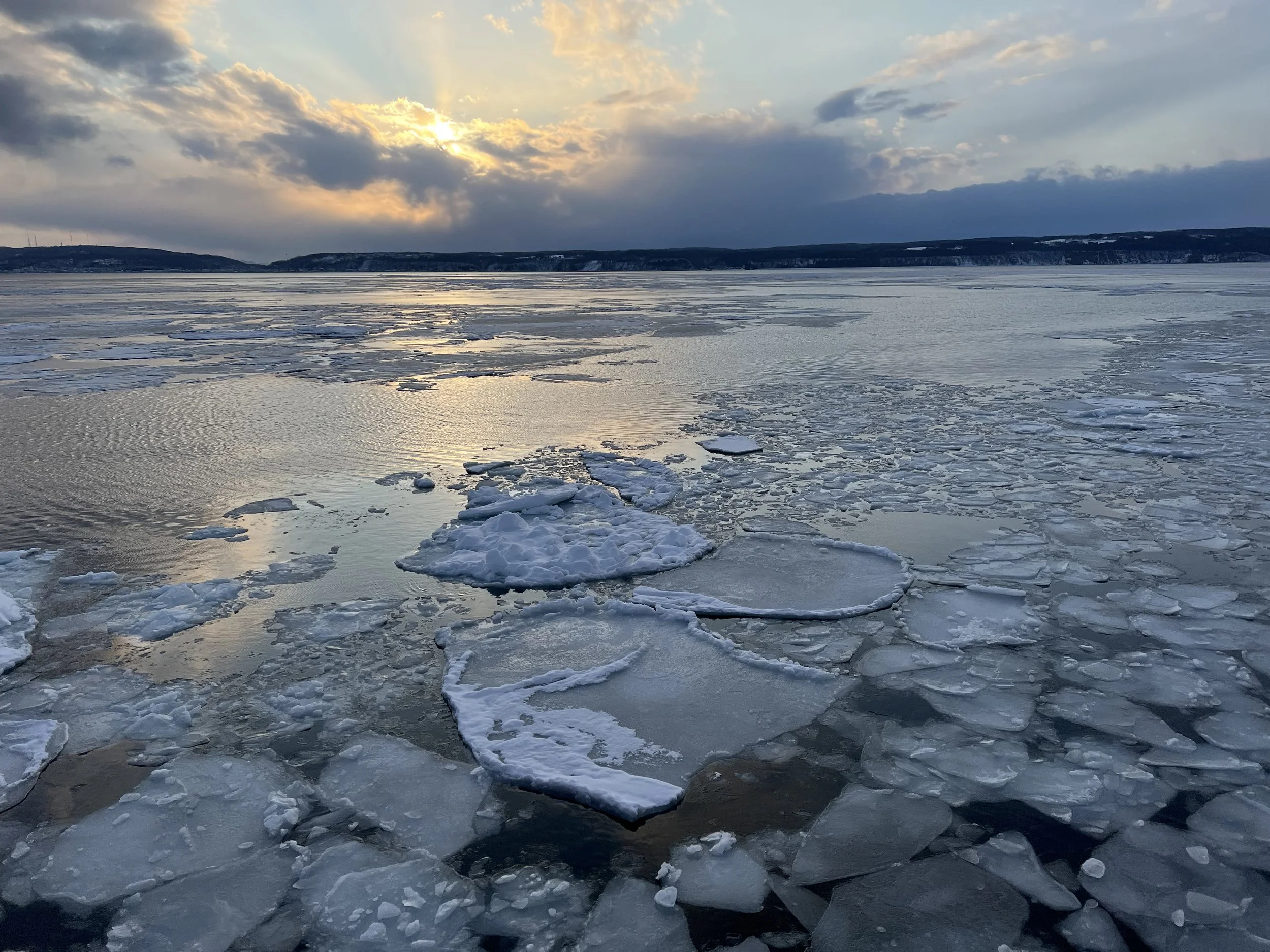
The headwind was particularly strong, so once on board, I stayed inside the cabin as we headed toward the drift ice. You can actually walk on the ice if it’s thick enough, but that’s with a different ship and company. Due to global warming, the amount of solid ice has dropped significantly since the 1980s. On my trip, the ice wasn’t thick enough to walk on, but it was still a breathtaking sight.
I took countless photos and watched in awe as the ship moved through the ice. As the sun set, the warm orange glow reflecting off the water and ice made it a truly once-in-a-lifetime experience.
If you’re thinking of seeing this icy wonder for yourself, here’s everything you need to know before you go.
Background
Every winter, Abashiri on Japan’s northern coast becomes one of the few places in the world where you can see drift ice (流氷 ryuhyo) up close. These floating ice sheets travel from the Amur River in Siberia across the Sea of Okhotsk, arriving around late January to March. Visitors can enjoy icebreaker cruises, the Okhotsk Ryuhyo Museum, and stunning coastal views of the frozen sea.
Abashiri’s drift ice isn’t just a natural spectacle—it’s a symbol of Hokkaido’s wild northern beauty and a must-see for any winter traveler to Japan.
Getting There
You can reach Abashiri by air, train, highway bus, or car. If you’re coming from outside Hokkaido, flying from a major hub is the easiest option. From within Hokkaido, especially Sapporo, the train or highway bus is the most affordable choice—just be prepared for a longer trip.
There are two direct trains daily and several daytime highway buses between Sapporo and Abashiri. The train costs around ¥10,870 and takes about 5.5 hours, while buses are roughly half the price and take about 6 hours. Driving takes a similar amount of time, but unless you’re experienced with winter driving, it’s best avoided.
Once you arrive in Abashiri, it’s a 10-minute bus ride or about a 25-minute walk to the drift ice cruise boarding area.
Route Overview
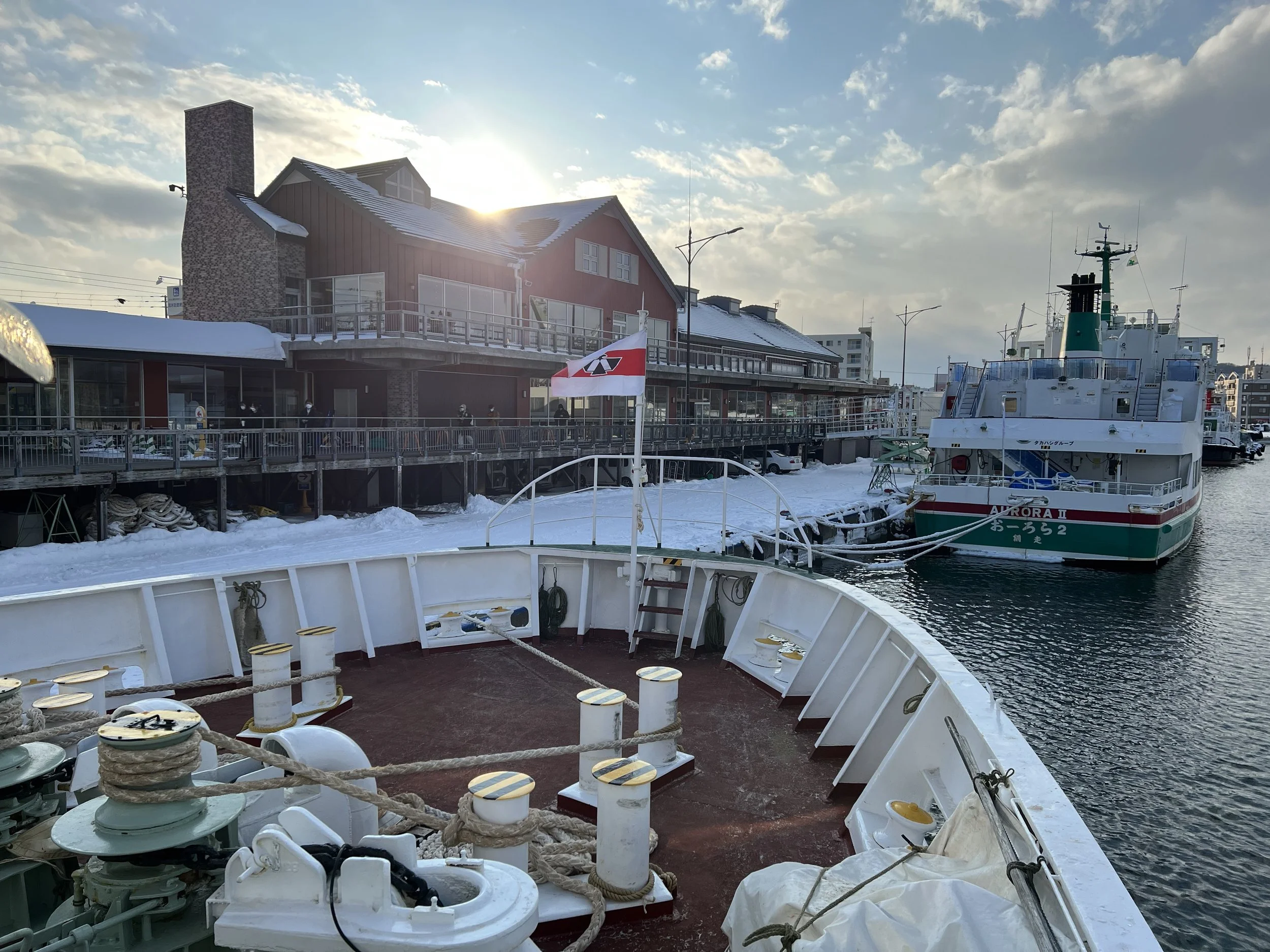
Ship: Abashiri Drift Ice Sightseeing & Icebreaker Ship Aurora (網走流氷観光砕氷船おーろら)
Duration: 1 hr
Route note: Available only from Jan. 20 to Mar. 31. Drift ice isn’t guaranteed, and the tour may be cancelled if none is visible. Dress warmly — it can feel much colder than on land.
Booking Info: To avoid disappointment, book in advance as spots are limited and tours often fill quickly. Reservations can be made online through the official website when they open (typically in November) or by phone. The website is in Japanese only, but Google Translate works well for navigating and booking.
Cost Breakdown
Icebreaker Ship Experience: ¥4,000
Souvenir: ¥2,250