Zakimi Castle Ruins - Okinawa, Japan
Zakimi Castle Ruins was the first castle site I visited in Okinawa, and it immediately felt different from any castle I had seen on mainland Japan. Located not far from Cape Zanpa, it was a quick drive inland through quiet residential streets. Parking, however, was a bit of a challenge. The main lot was full when I arrived, so I circled the nearby roads a few times before finding street parking alongside other visitors. I wasn’t entirely certain whether it was officially permitted, which made me slightly uneasy — so I decided to keep my visit concise.
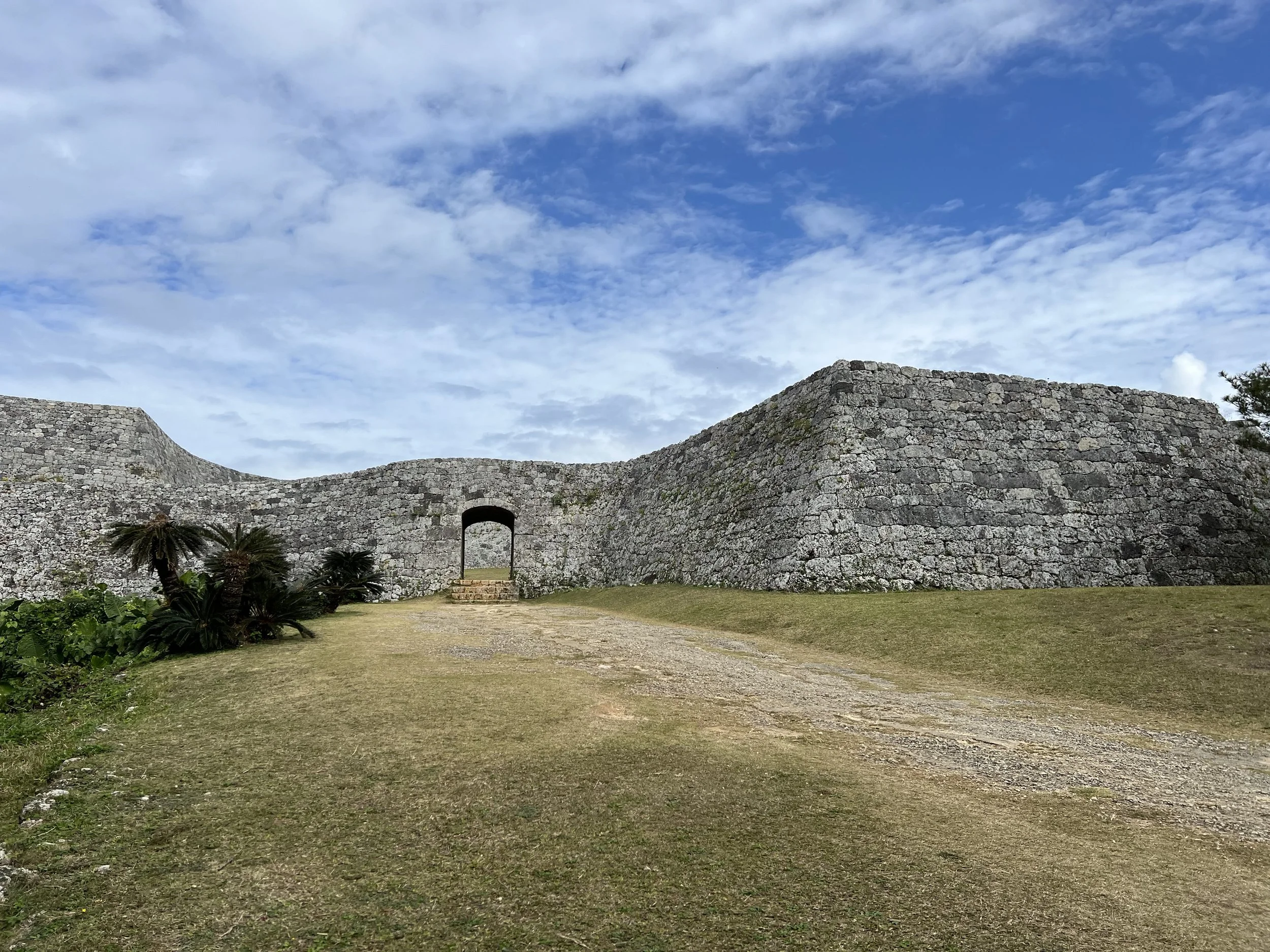
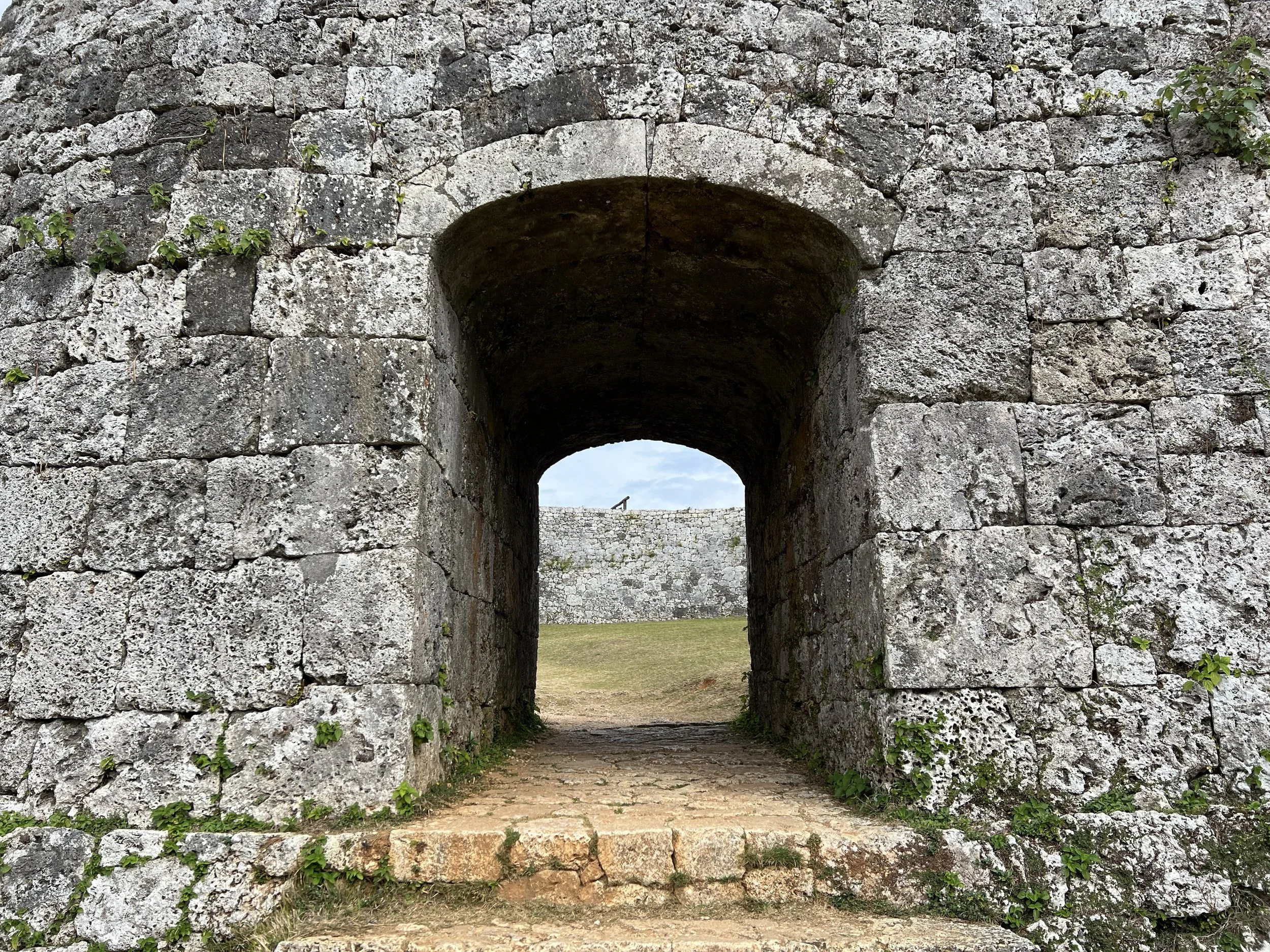
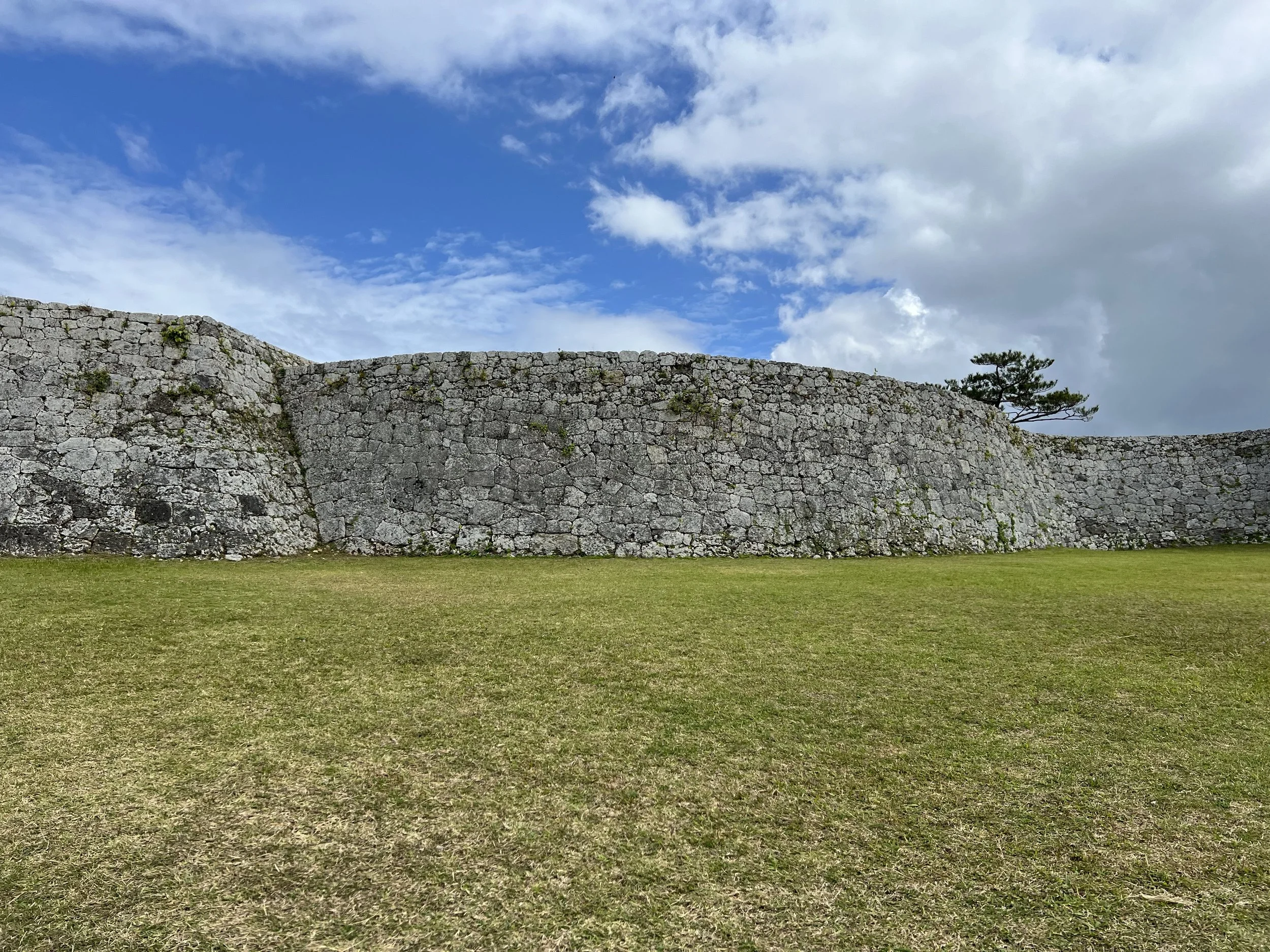
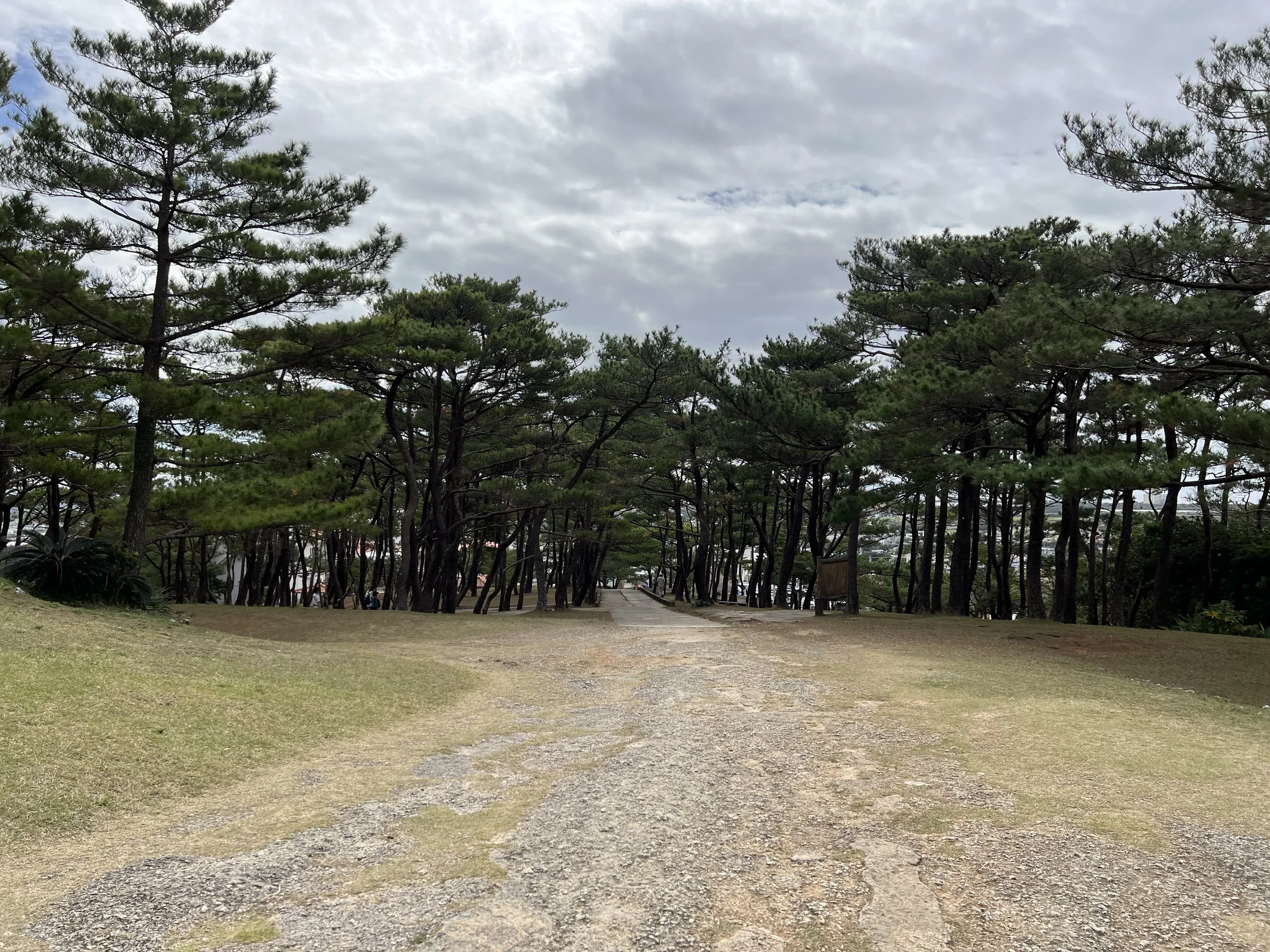
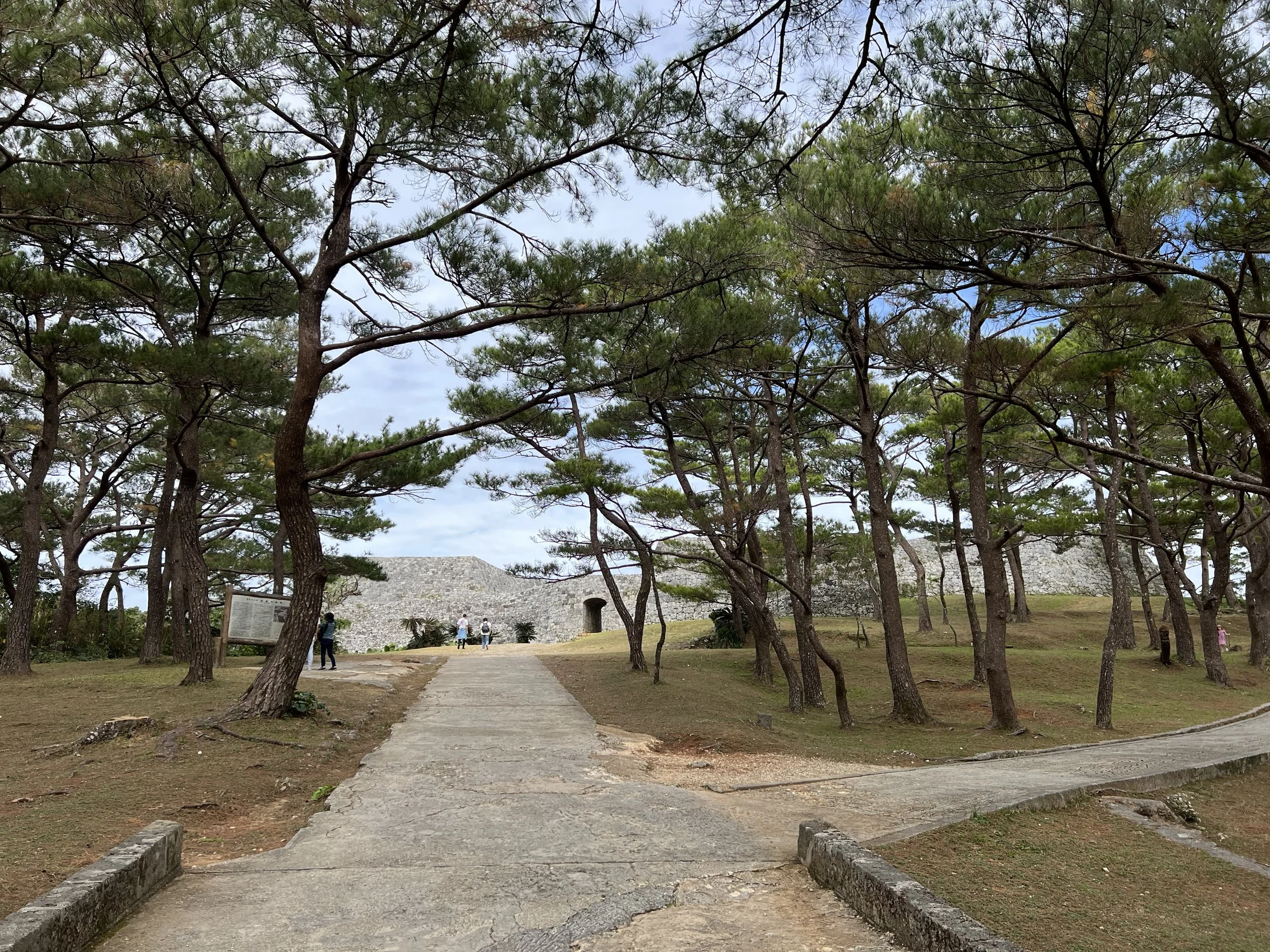
The ruins sit atop a small hill, and only the stone walls remain today. The walk from the base to the top is short and gentle, but the moment I stepped onto the grounds, I noticed how different the stonework looked compared to castles on Honshu. Instead of the tightly fitted granite blocks common on the mainland, Zakimi’s walls are built with Ryukyuan limestone — rounded, porous, and coral-based. The texture felt uneven beneath my shoes, almost as if the surface could catch the soles at any moment. I had to walk more carefully than usual.
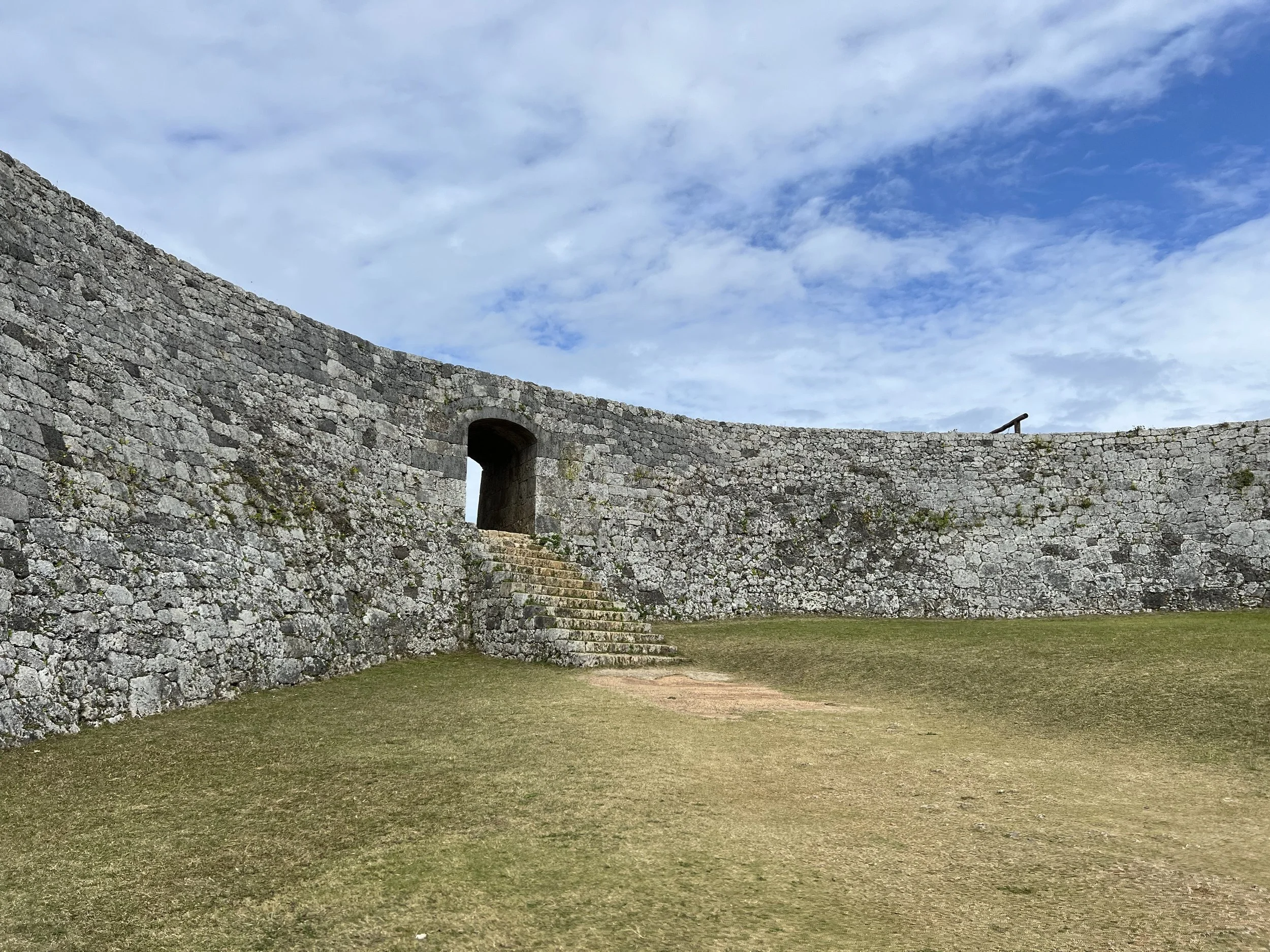
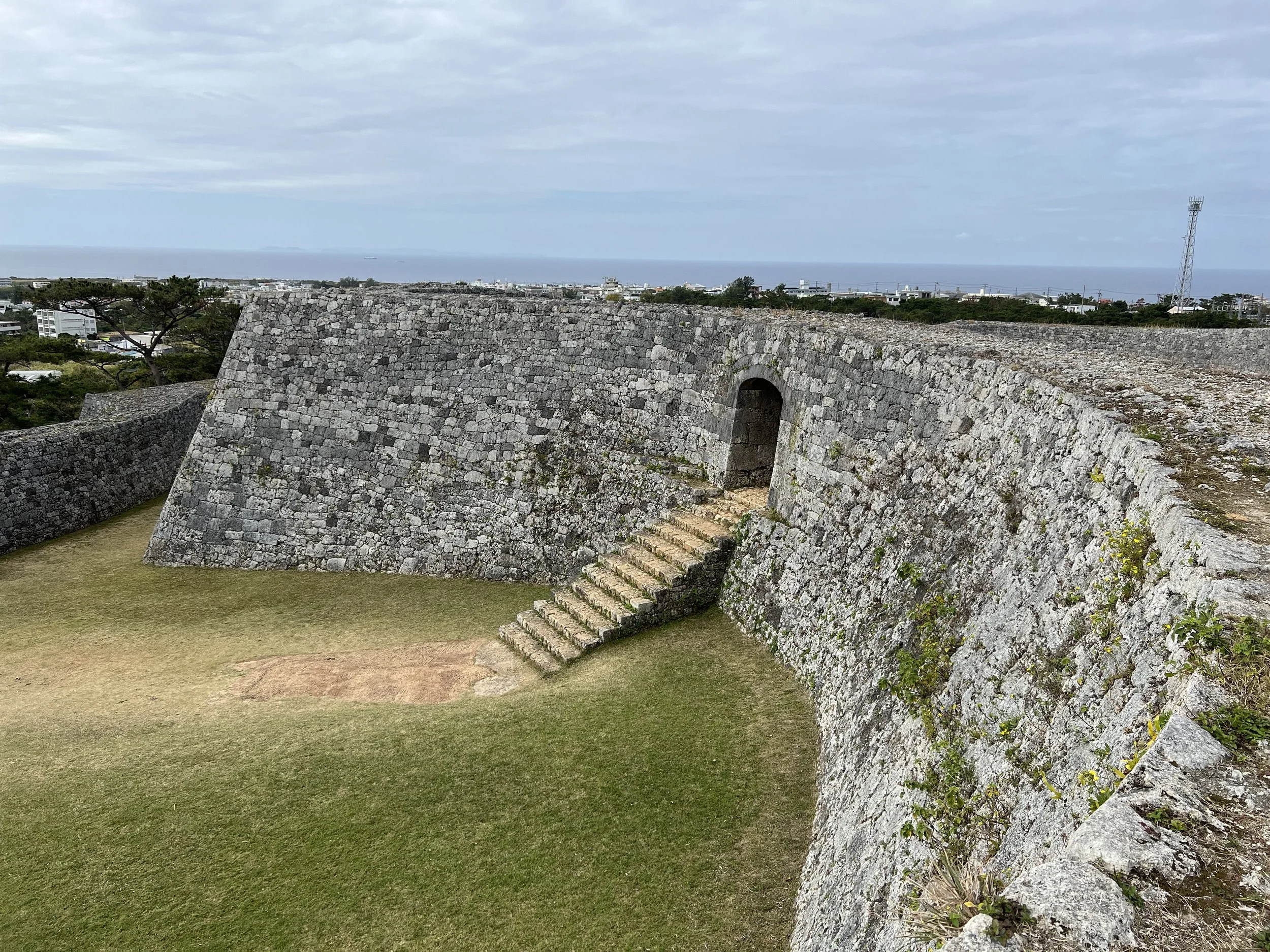
Built in the early 1400s during the Ryukyu Kingdom period, Zakimi Castle was constructed under the command of Gosamaru, a loyal retainer of the Chuzan Kingdom. It was strategically positioned to guard against potential rebellion from northern regions. The arched gates — among the earliest stone arch structures in Okinawa — are particularly striking. Standing between those curved limestone walls, I could almost imagine how the fortress once controlled access to this part of the island.
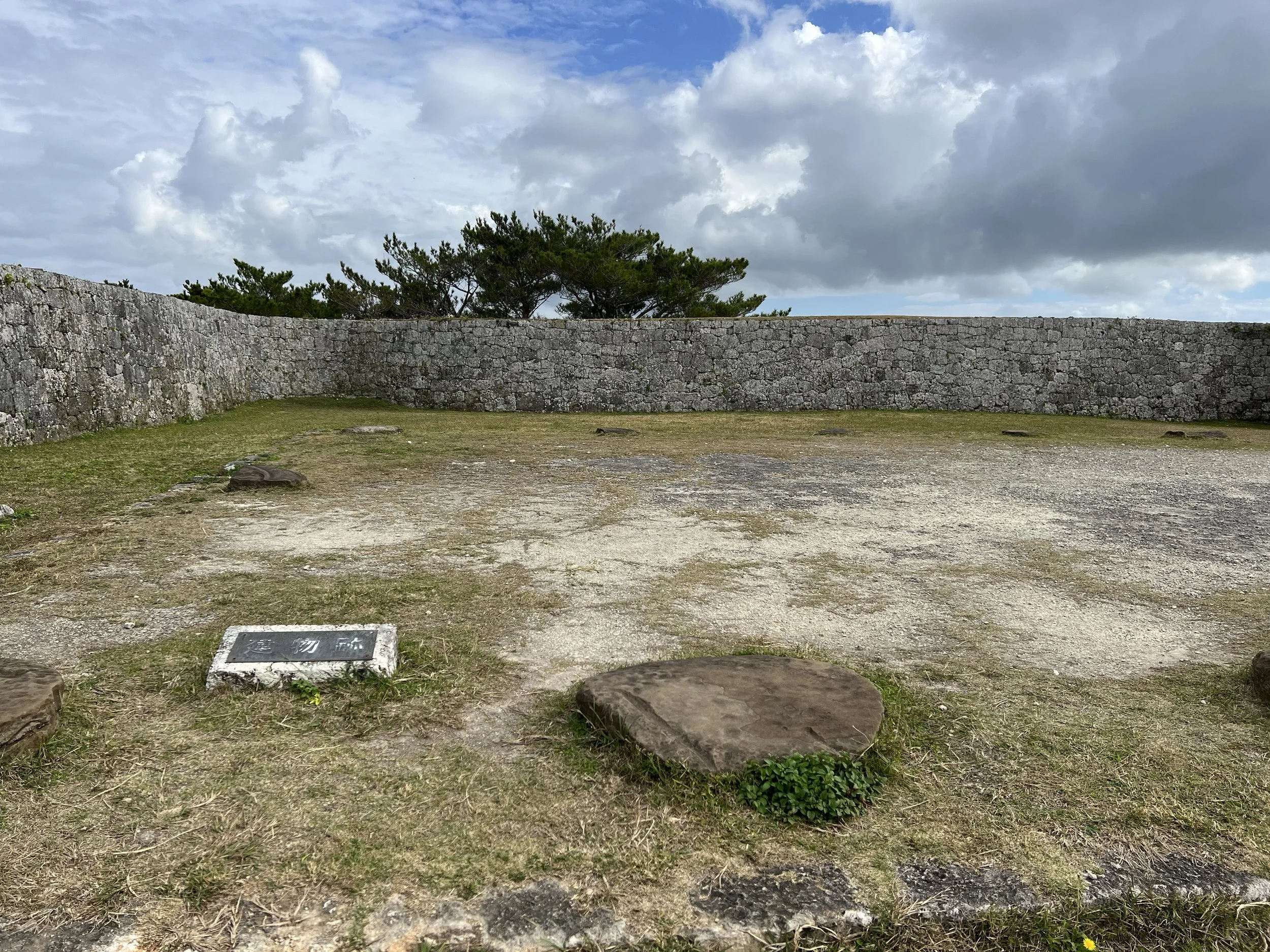
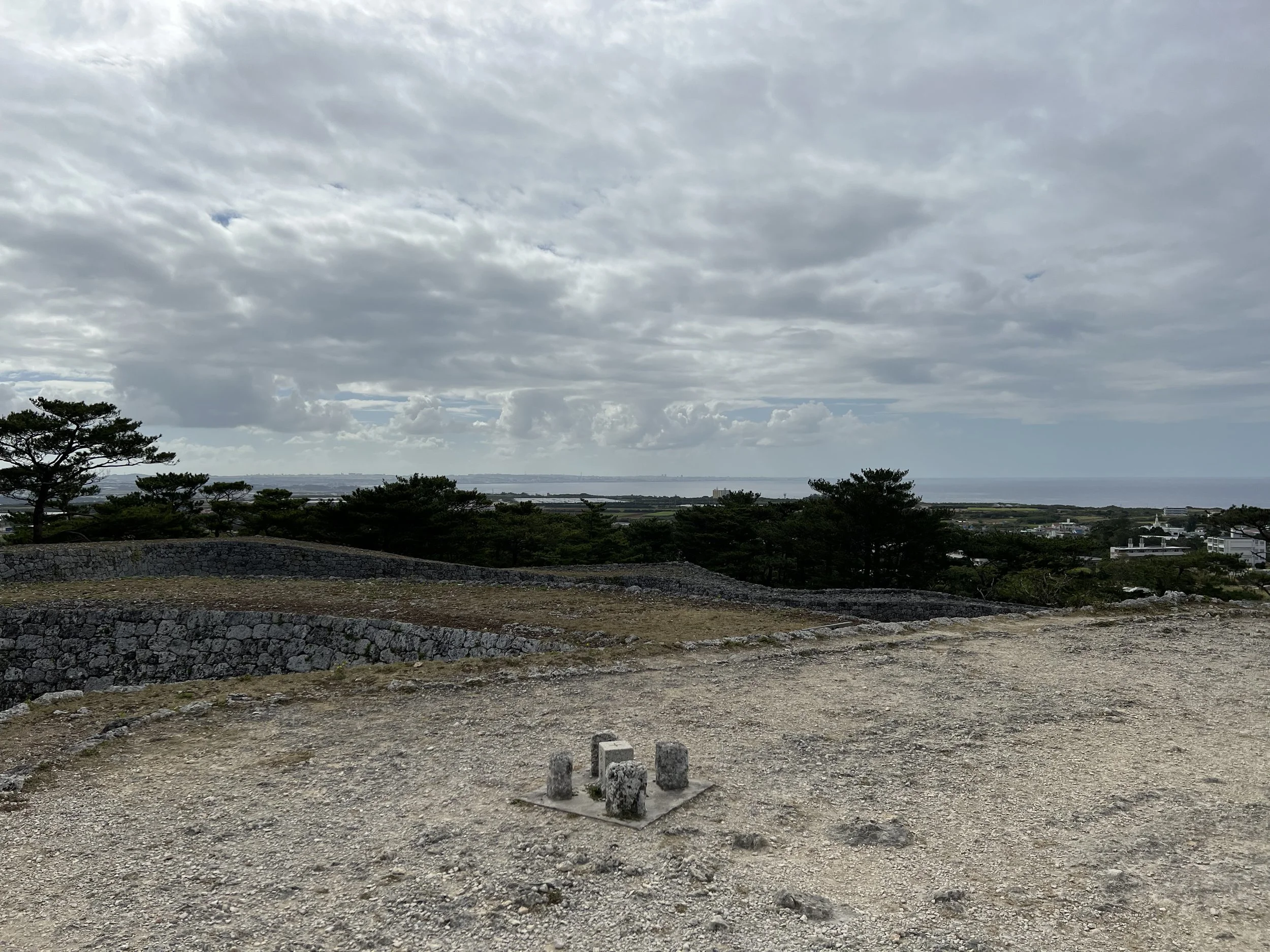
The grounds themselves are compact, and it didn’t take long to explore the remaining enclosures and walk along sections of the stone ramparts. From the higher points, there are sweeping views over Yomitan Village and, on a clear day, even glimpses of the East China Sea.
There is a nearby museum showcasing local folk crafts and providing deeper historical context about the Ryukyu Kingdom, but because I was still slightly worried about my parked car, I chose not to venture inside this time. Even so, Zakimi Castle Ruins offered a fascinating first look at Okinawa’s distinct castle architecture and history.
History & Background
Zakimi Castle (座喜味城) was built between 1416 and 1422 by Gosamaru, a military leader serving the Chuzan Kingdom — one of the three kingdoms that once ruled Okinawa before unification under the Ryukyu Kingdom in 1429. The castle functioned as a strategic stronghold to monitor northern territories and defend against rival factions.
Unlike mainland Japanese castles, which often feature wooden keeps atop stone foundations, Okinawan castles (known as gusuku) were primarily defensive stone fortresses with curved limestone walls and limited wooden superstructures. The arched gates at Zakimi are among the earliest examples of this architectural technique in Okinawa.
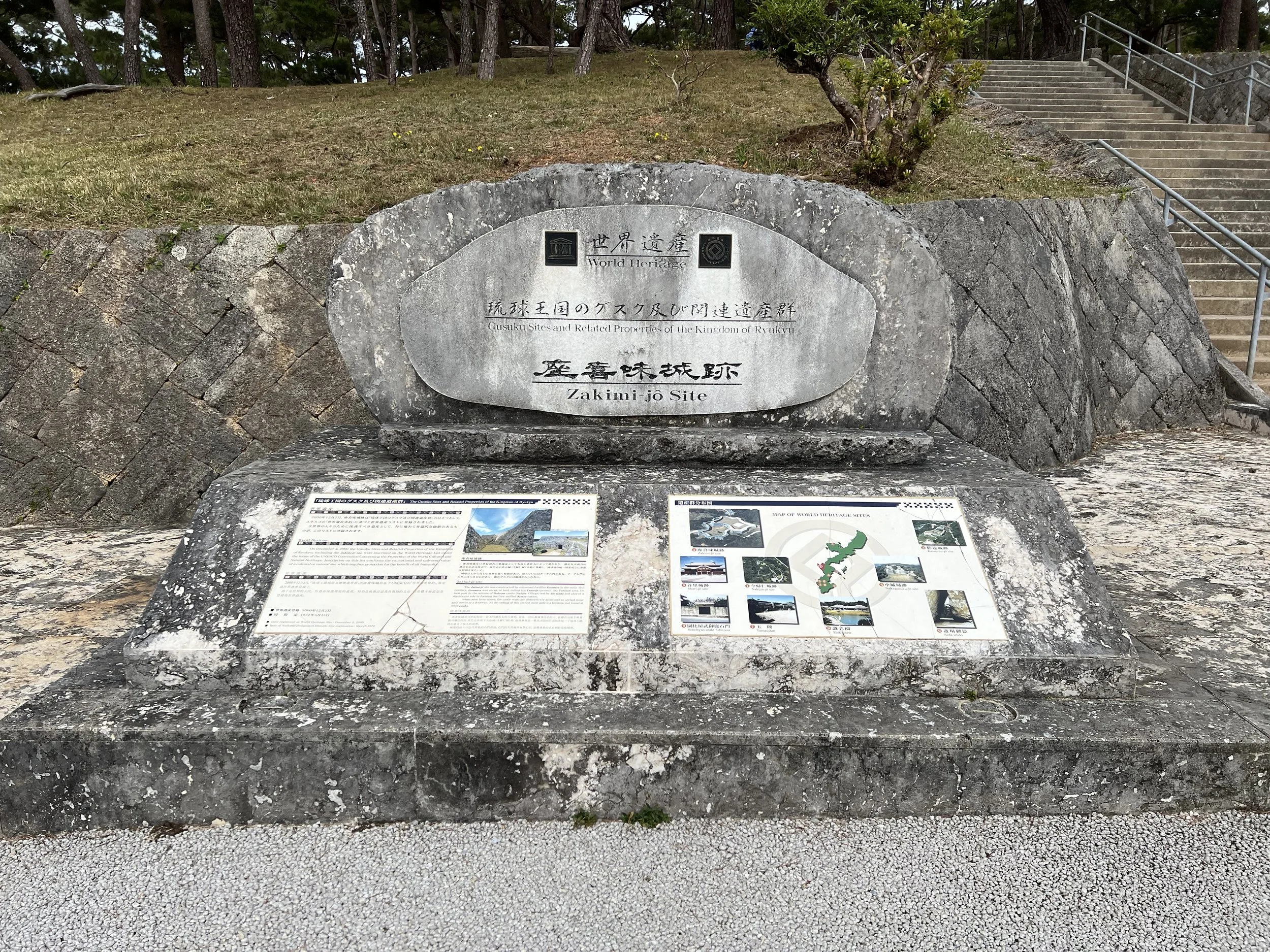
Zakimi Castle Ruins are part of the UNESCO World Heritage designation titled “Gusuku Sites and Related Properties of the Kingdom of Ryukyu,” recognized in 2000. The site reflects the unique cultural blend of Japanese, Chinese, and Southeast Asian influences that shaped the Ryukyu Kingdom.
During the Second World War, parts of the castle grounds were used by the Japanese military for anti-aircraft installations, which unfortunately caused some damage to the site. Restoration efforts have since stabilized the remaining walls.
Getting There
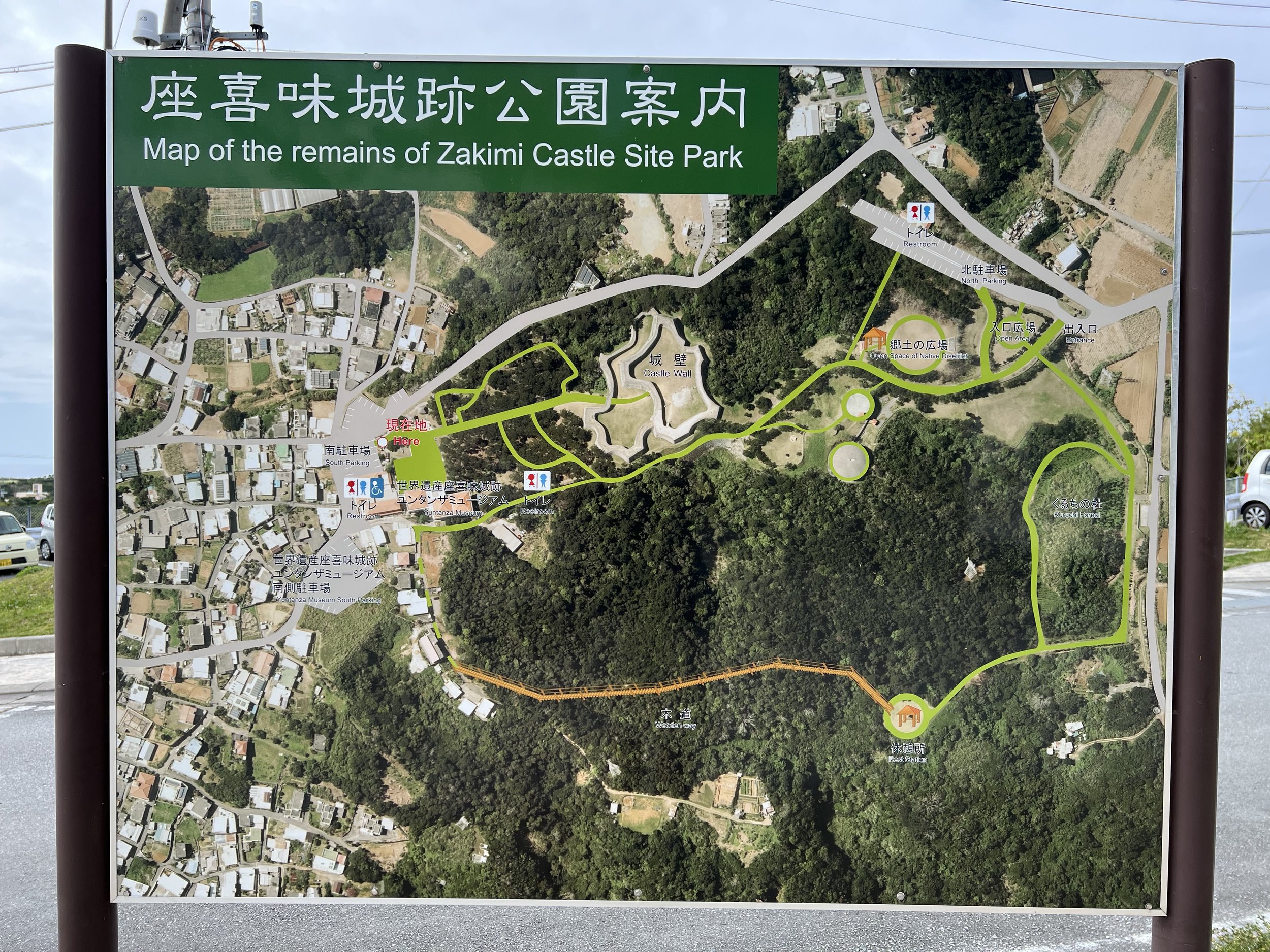
Zakimi Castle Ruins are located in Yomitan Village, approximately one hour by car from Naha. Driving is the most convenient way to reach the site, especially when combining it with nearby attractions such as Cape Zanpa. There is a designated parking lot next to the ruins, though it can fill up during peak visiting hours. Public buses from Naha to Yomitan are available, but reaching the castle from the nearest bus stop requires an additional walk of roughly 15–20 minutes uphill.
Route Overview
Distance: 552 m
Total elevation gain: 2 m
Duration: 6 min (with breaks 10 min)
Difficulty: Easy
Cost Breakdown
Entrance Fee: ¥0