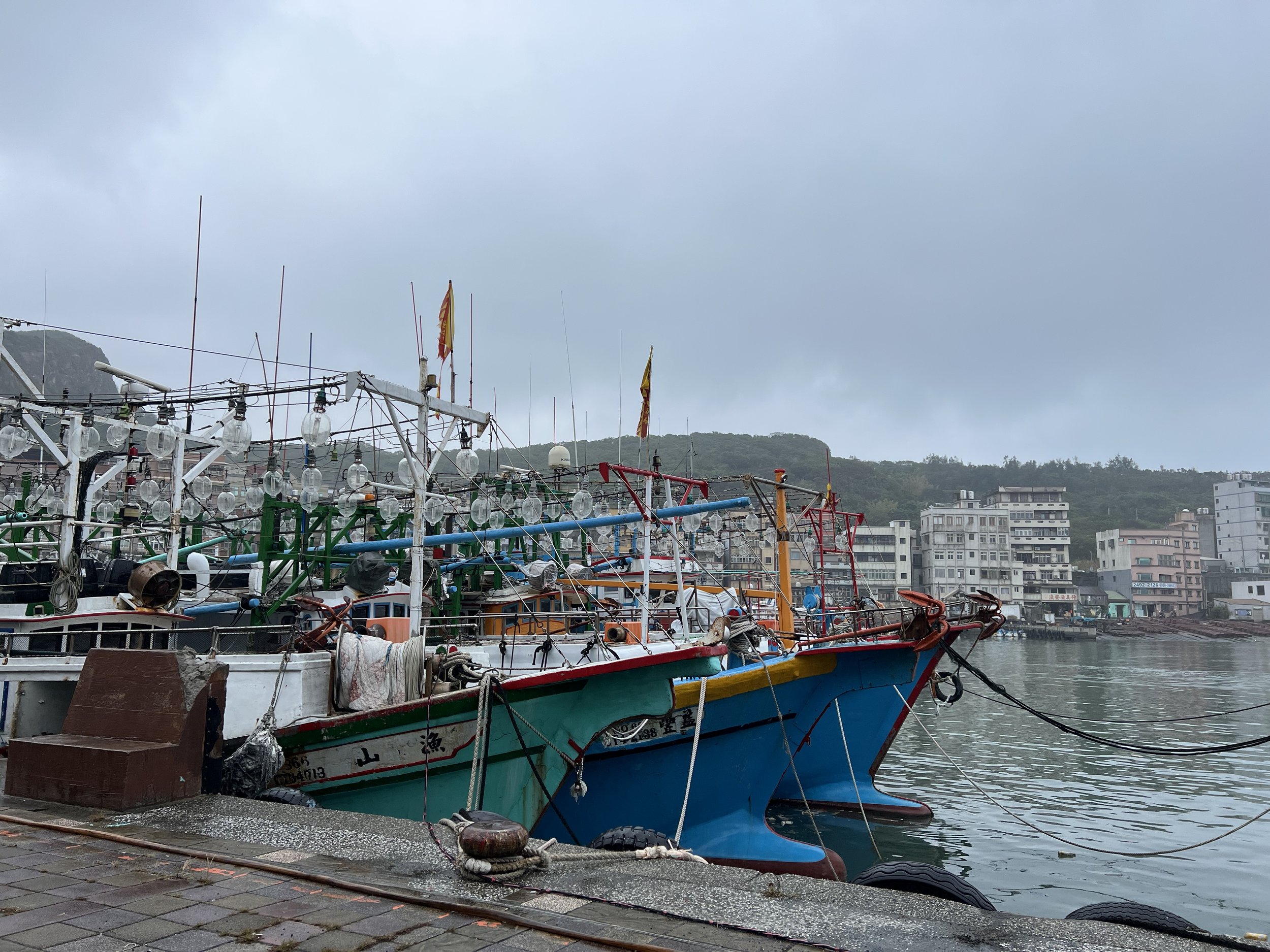
Yehliu Geopark - New Taipei, Taiwan
The day began with heavy rain as I walked from my accommodation to the bus stop. Since most of today’s activities were outdoors, I hoped the rain would ease up—and luckily, it stopped just after I arrived at the Yehliu Geopark bus stop.
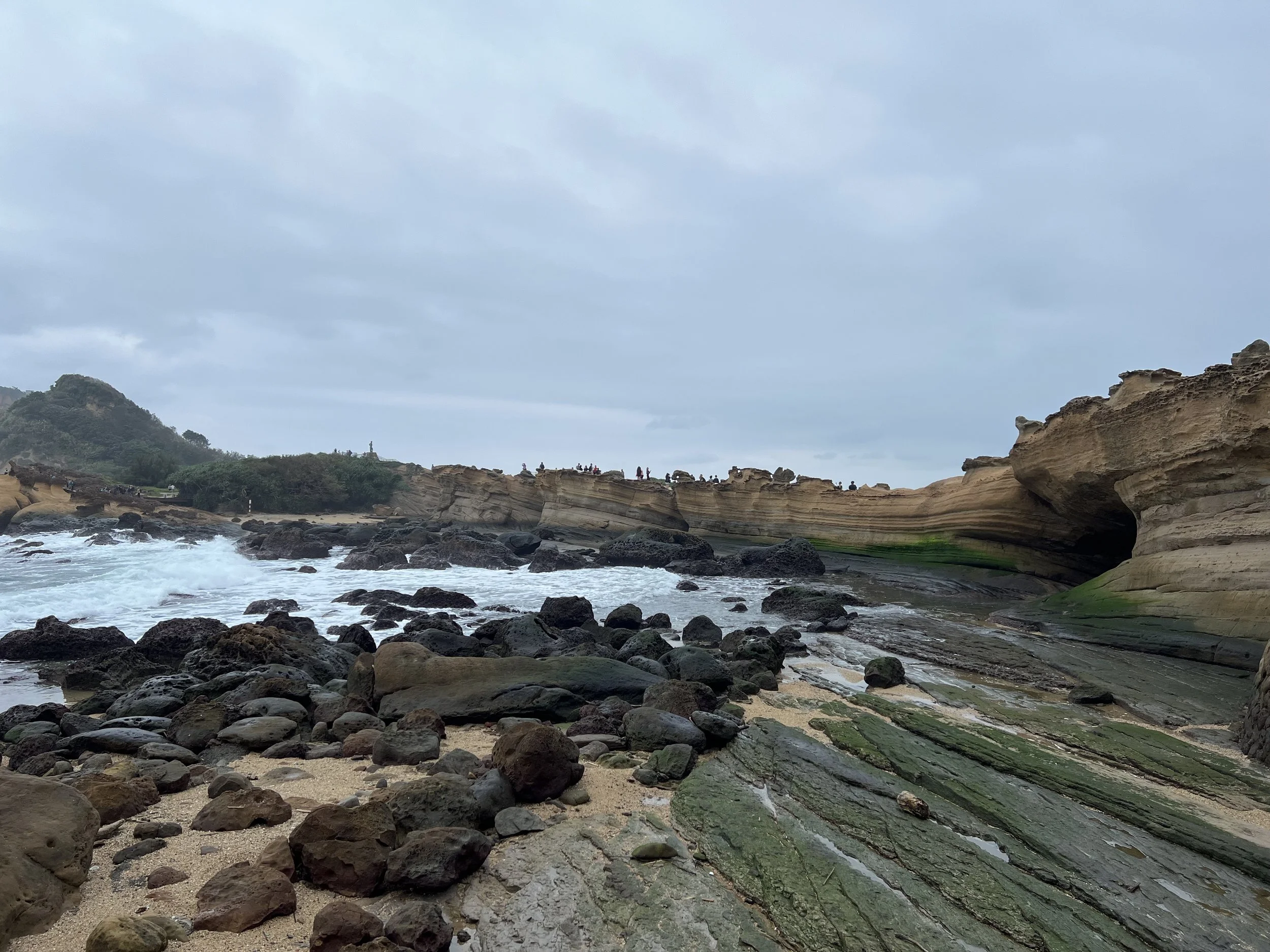
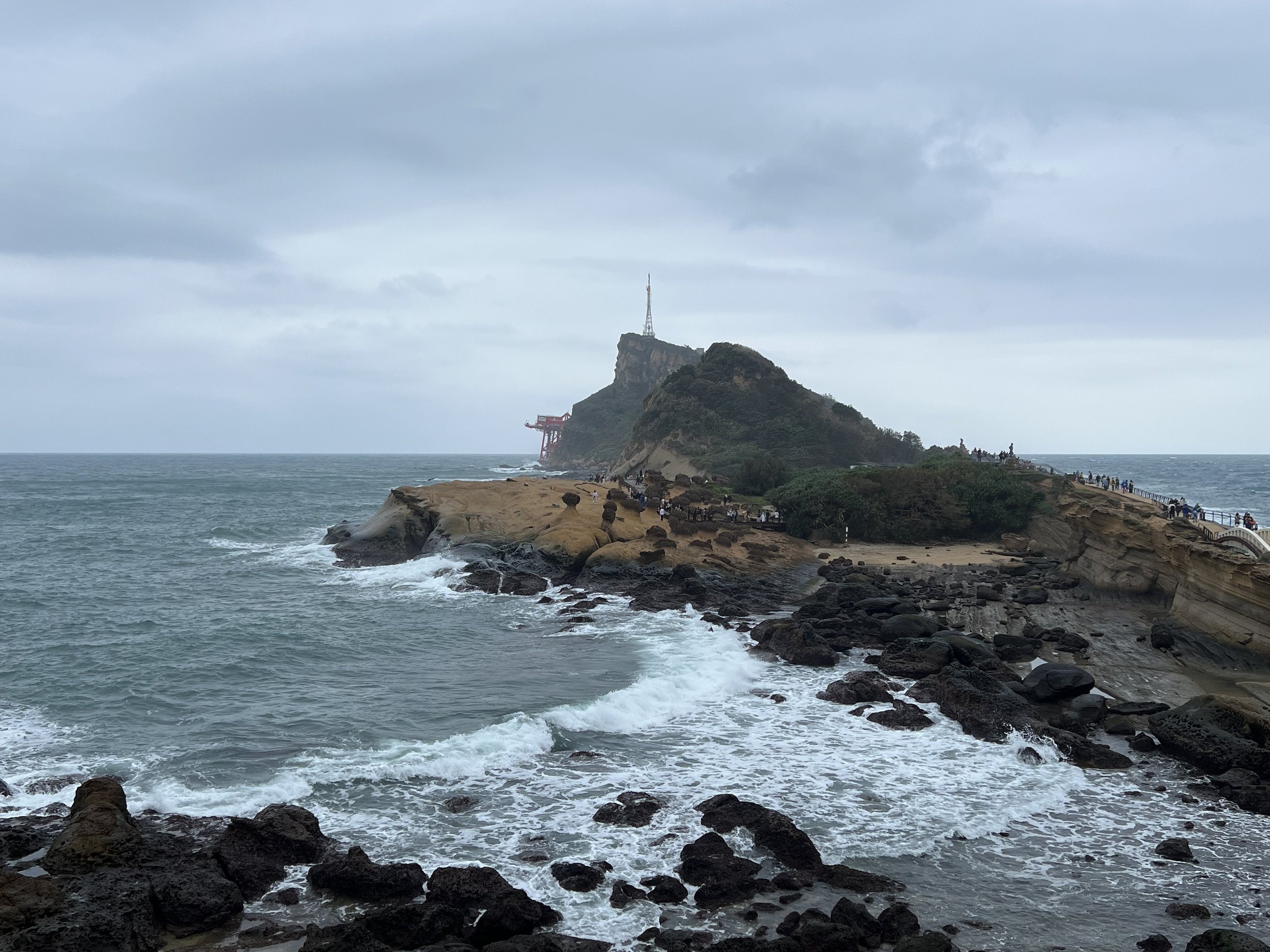
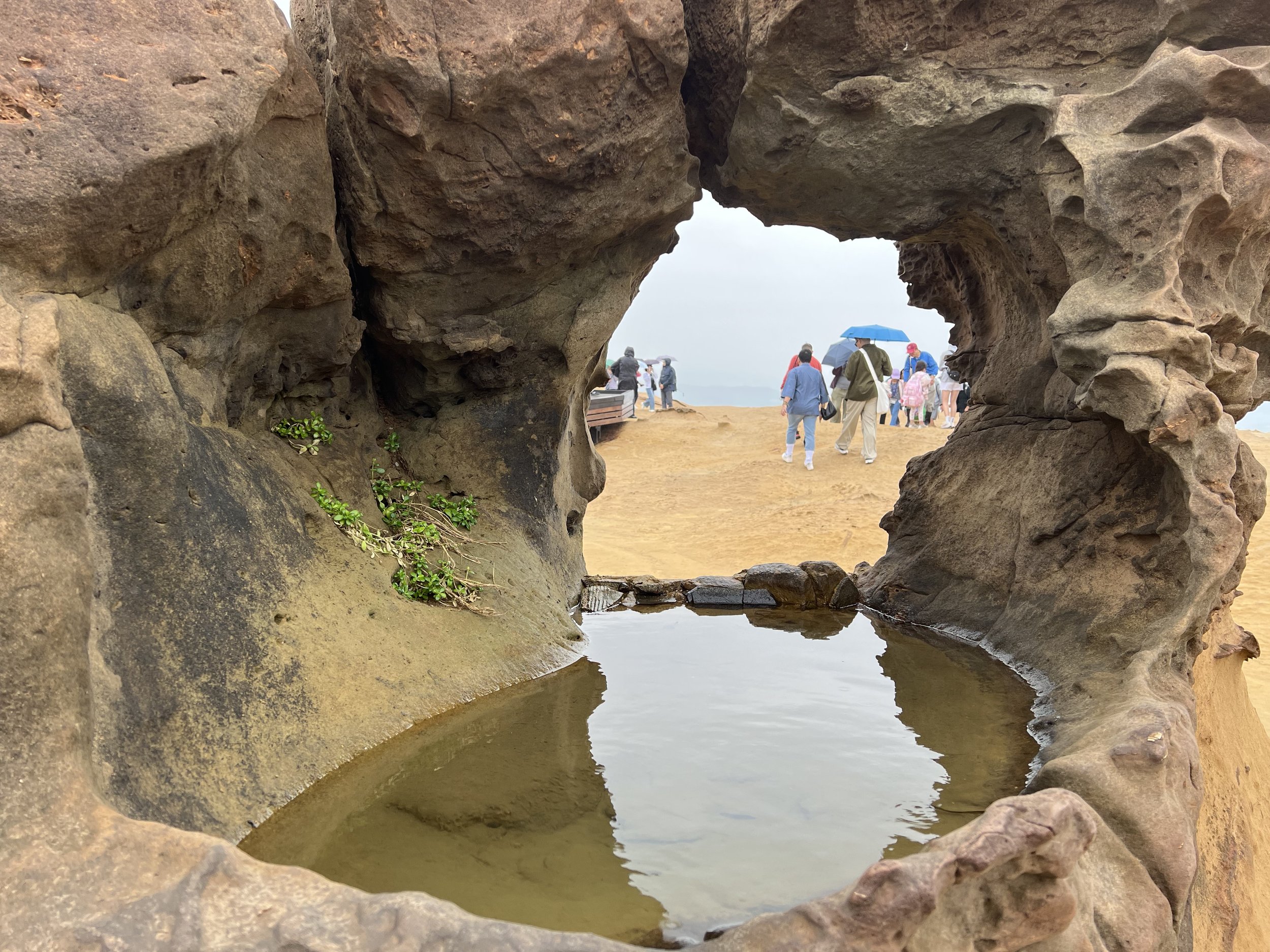
At Yehliu Geopark, I encountered many tour buses and a busy entrance, but the automatic ticket machines weren’t occupied, so I got my ticket quickly. The park was smaller than I had expected, but it was packed with unique rock formations and fossils, each with whimsical names that spark the imagination. The narrow paths were crowded with tour groups, so I took a moment to rest on a bench near a viewpoint, waiting for the crowd to thin.
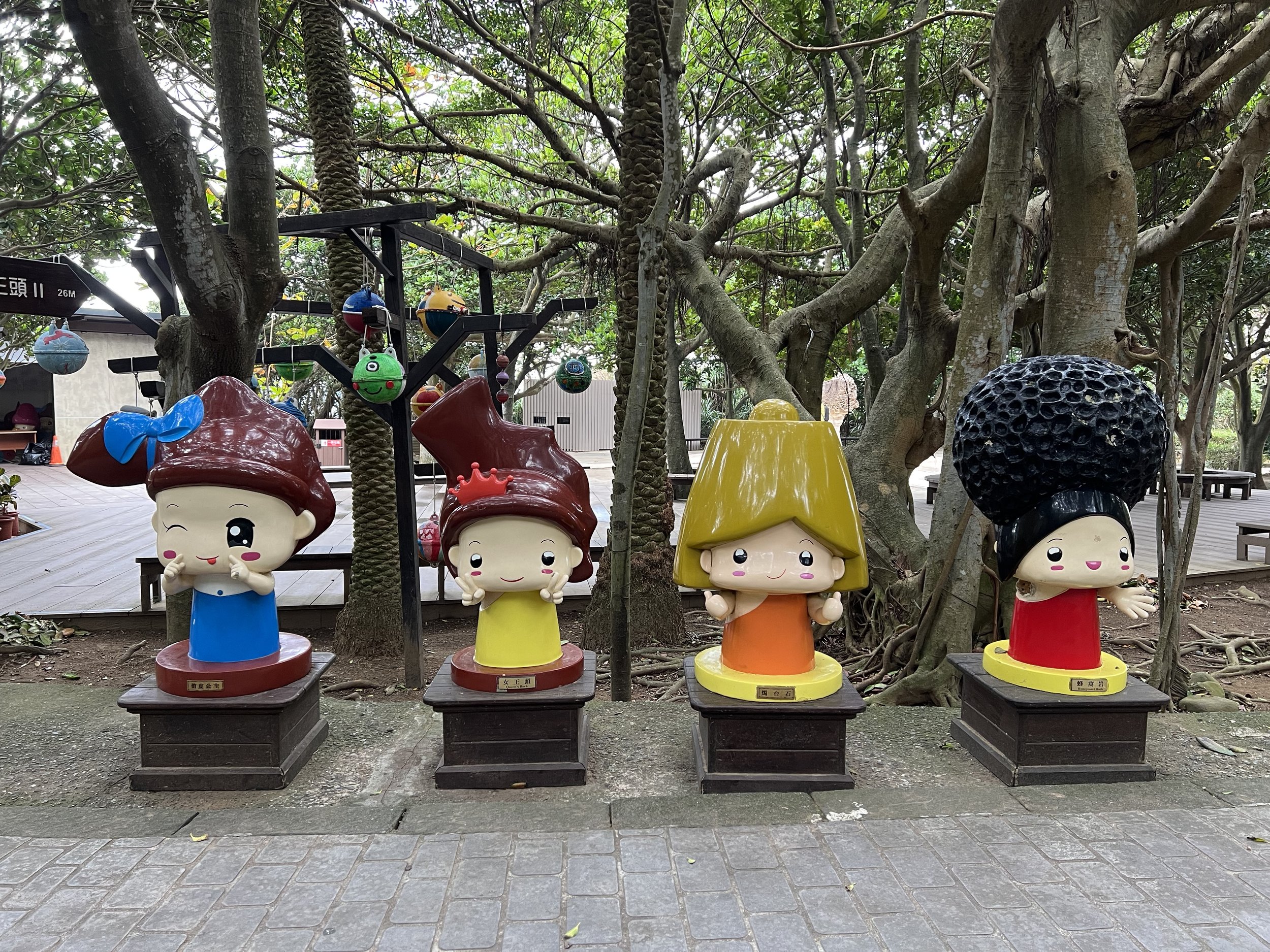
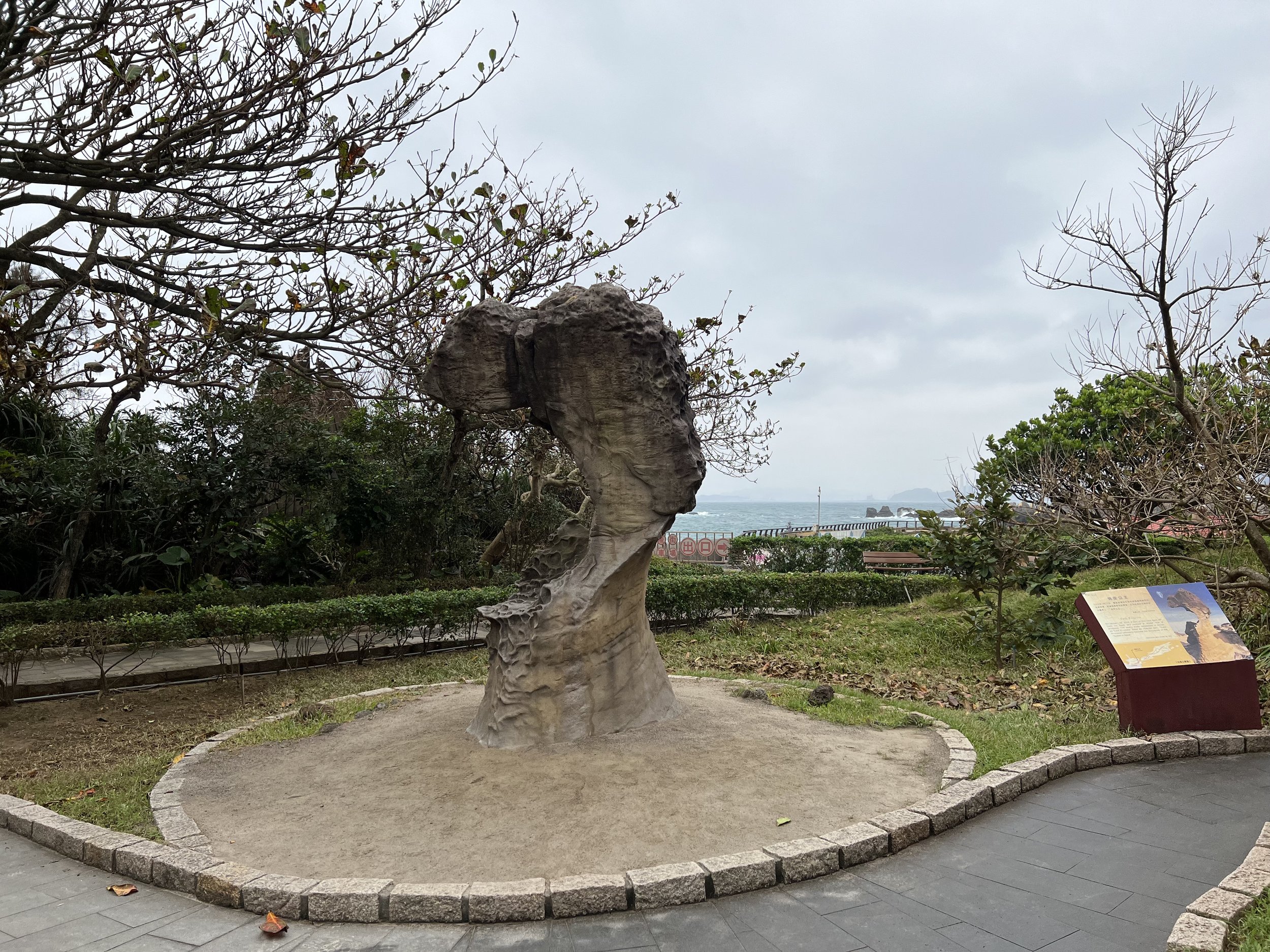
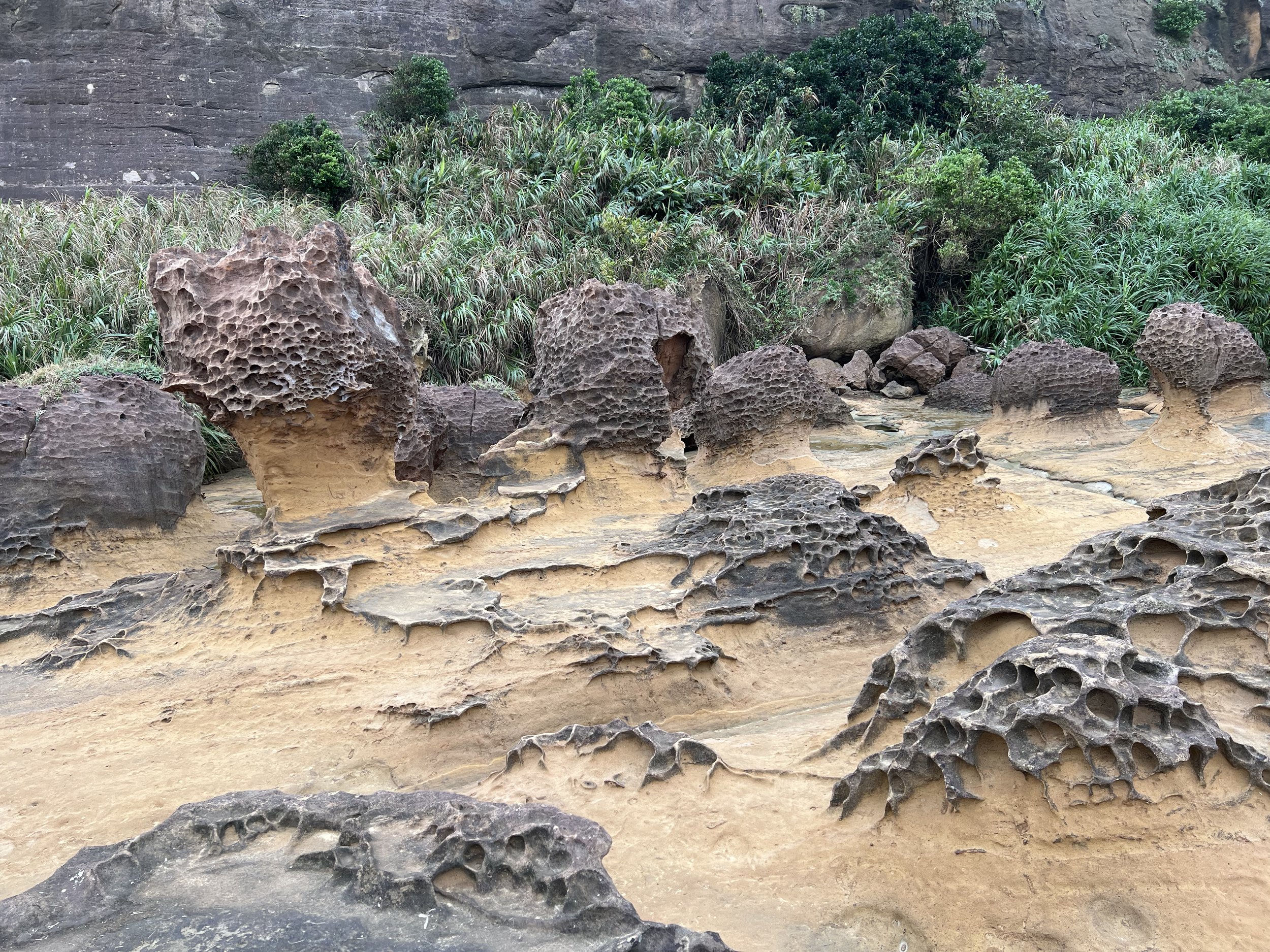
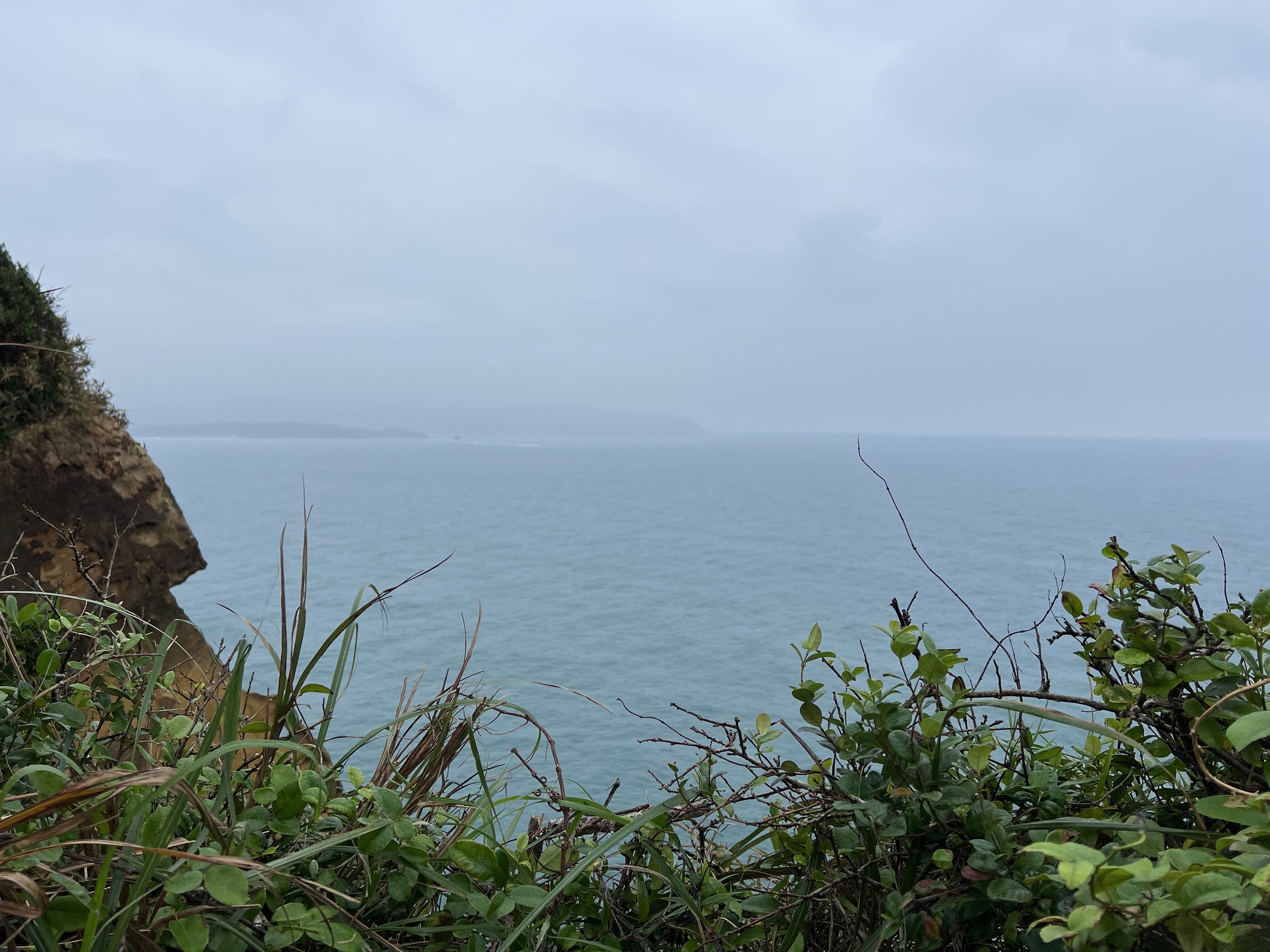
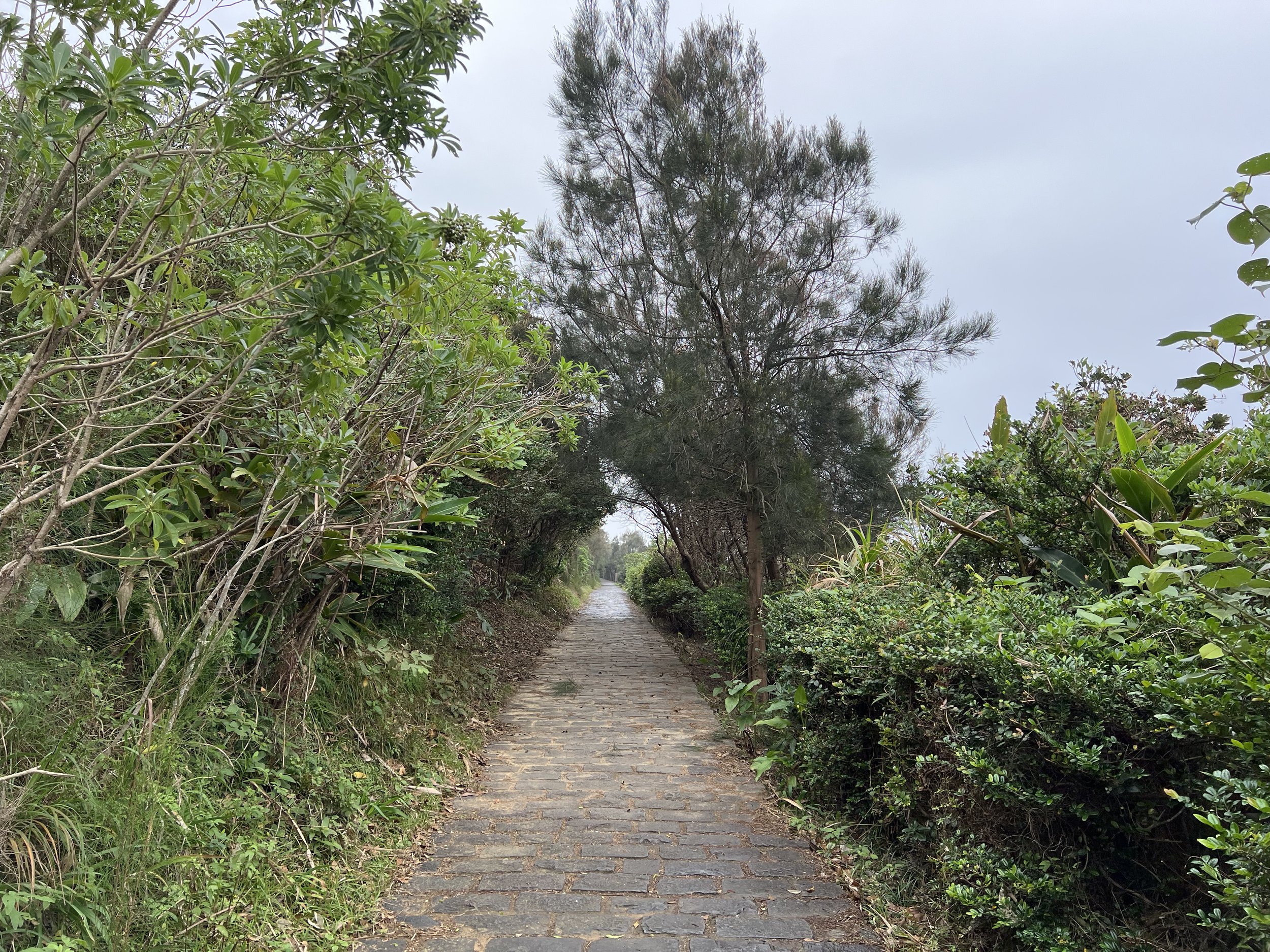
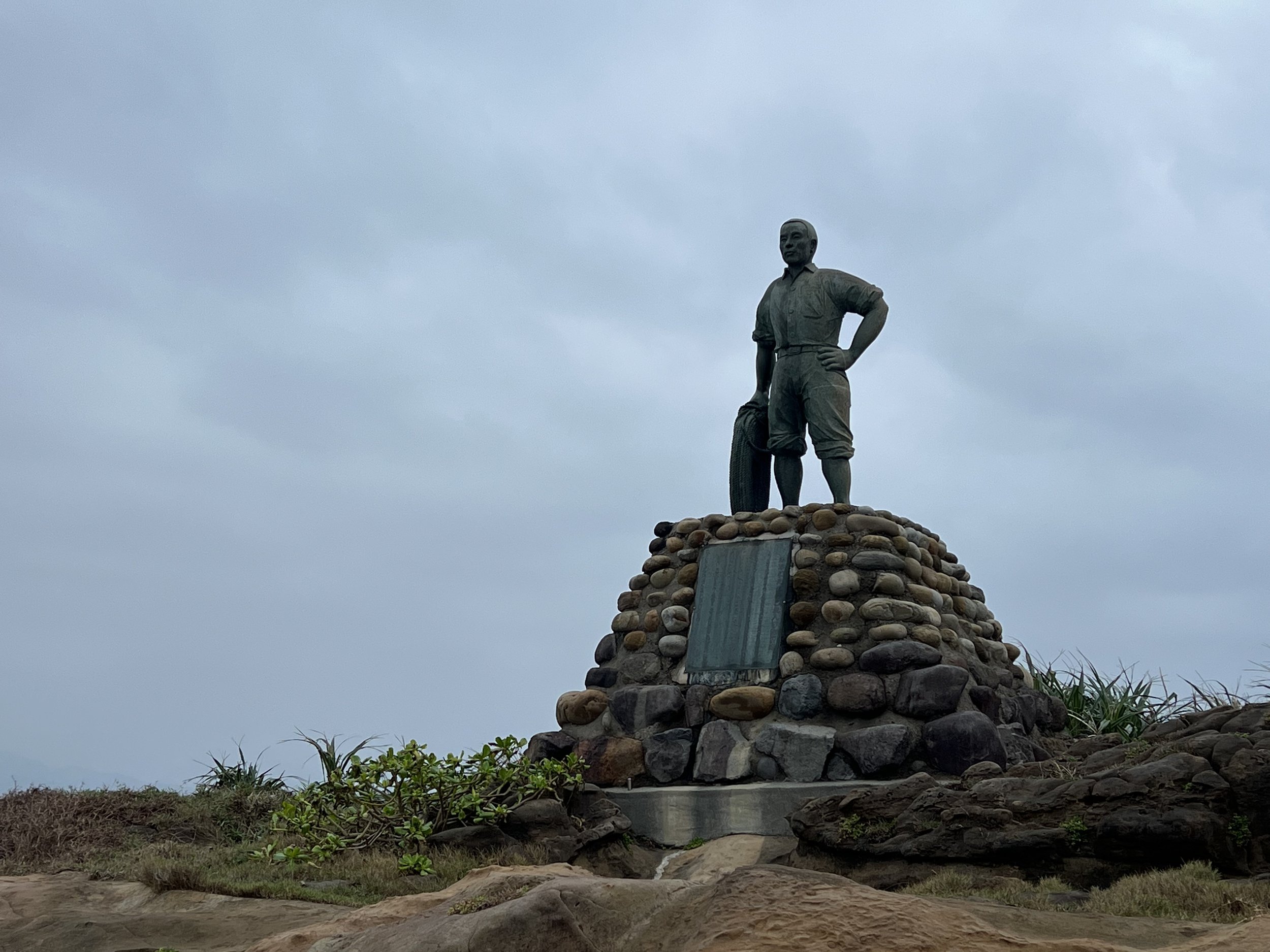
There was a long line to take a photo with the famous Queen’s Head rock, but I skipped it—waiting over 30 minutes didn’t appeal to me. Instead, I continued along the uphill path toward the lighthouse at the back of the park. The route was quieter, and I passed formations such as Tofu Rock and Beehive Rock, showcasing the variety of shapes and textures sculpted by the sea. The lighthouse view was modest, so I continued to the trail’s end, where I relaxed at an observation deck—partially closed for maintenance—and listened to the waves crashing below before turning back.
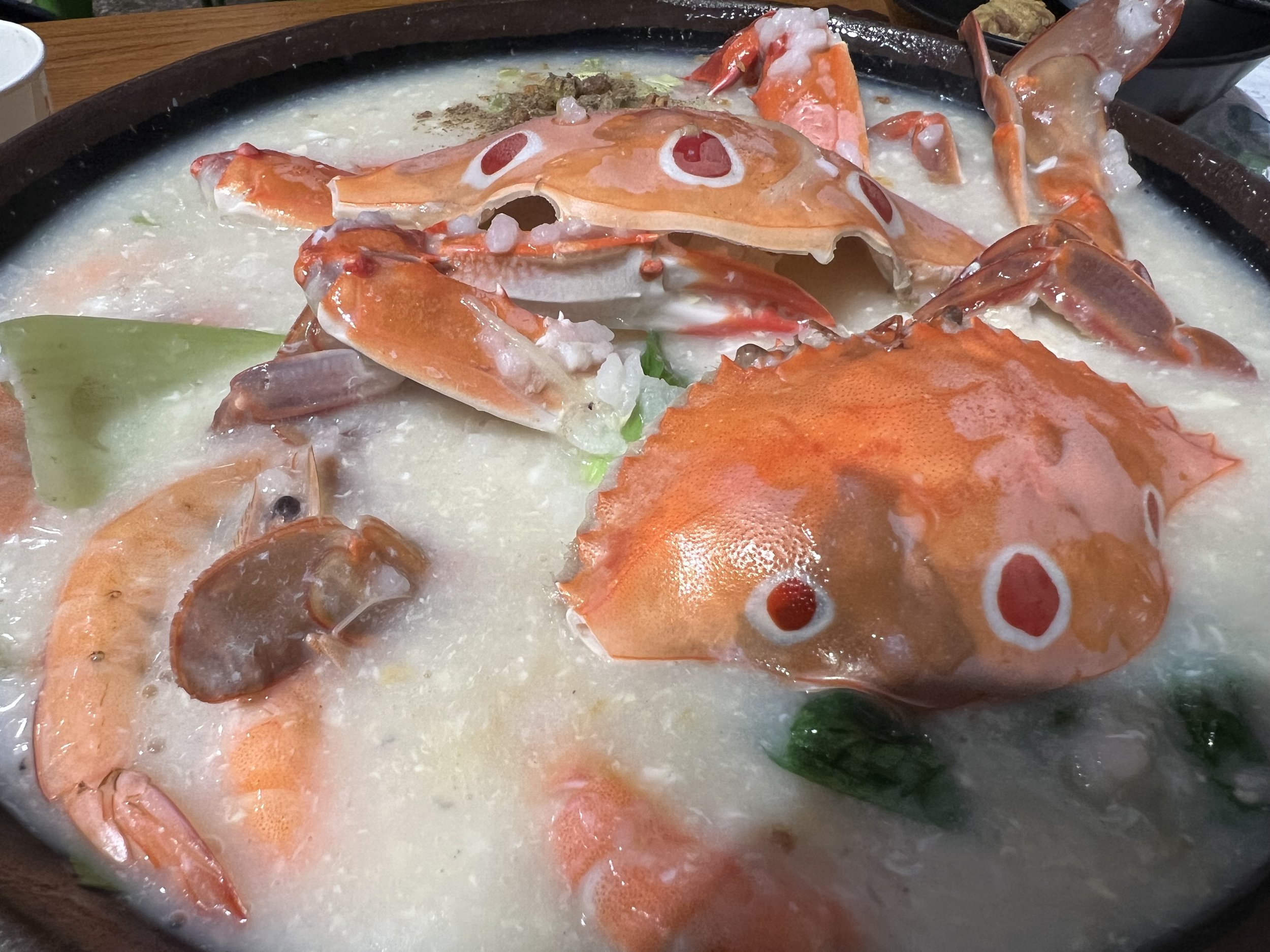
After leaving Yehliu, I caught a bus to Jinshan, a historic town nearby. I wandered along the old street, browsing shops and soaking in the small-town charm, before settling in for lunch at a well-known congee restaurant. I ordered the pricey crab congee—a local specialty. It was delicious, rich in flavour, but messy and time-consuming to eat. I savoured it anyway, knowing it was a unique taste of the region.
Despite the early rain and crowds at the park, it was a fulfilling day full of natural beauty, coastal scenery, and local culinary experiences.
Background
Yehliu Geopark (野柳地質公園) is located on Taiwan’s northern coast and is famous for its distinctive geological formations, created by thousands of years of sea erosion and weathering. Among the most iconic is the Queen’s Head, a naturally sculpted rock that has become a symbol of Taiwan’s northern coastline. The park also features formations like Tofu Rock and Beehive Rock, highlighting the diversity of shapes and textures sculpted by the sea.
Jinshan is a historic coastal town with roots dating back to the Qing Dynasty. Known for its old street and seafood cuisine, the town was once a hub for salt production and fishing. Today, it remains a cultural destination where visitors can explore traditional shops and sample local specialties like crab congee, reflecting the region’s coastal heritage.
Getting There
From Taipei, take a bus from Taipei Main Station or Zhongshan Station to Yehliu Geopark. The journey takes roughly 1–1.5 hours, depending on traffic. Buses run frequently and are the most convenient public transport option.
After visiting Yehliu, you can take a local bus south to Jinshan, which takes about 30 minutes. Walking through the old street is straightforward, and most attractions are within a short distance of the bus stop.
Driving or renting a scooter is another option for those who prefer flexibility, though parking near Yehliu can be limited during peak times.
Route Overview
Distance: 5.87 km out & back (Yehliu)
Total elevation gain: 174 m
Duration: 1 hr 42 min (with breaks 2 hr 9 min)
Difficulty: Easy
Cost Breakdown
Bus: Taipei Station → Yehliu Bus Stop — NT$99
Bus: Yehliu Bus Stop → Jinshan — NT$15
Entrance Fee: Yehliu Geopark— NT$240
Food: NT$420