Sydney Central Business District - New South Wales, Australia
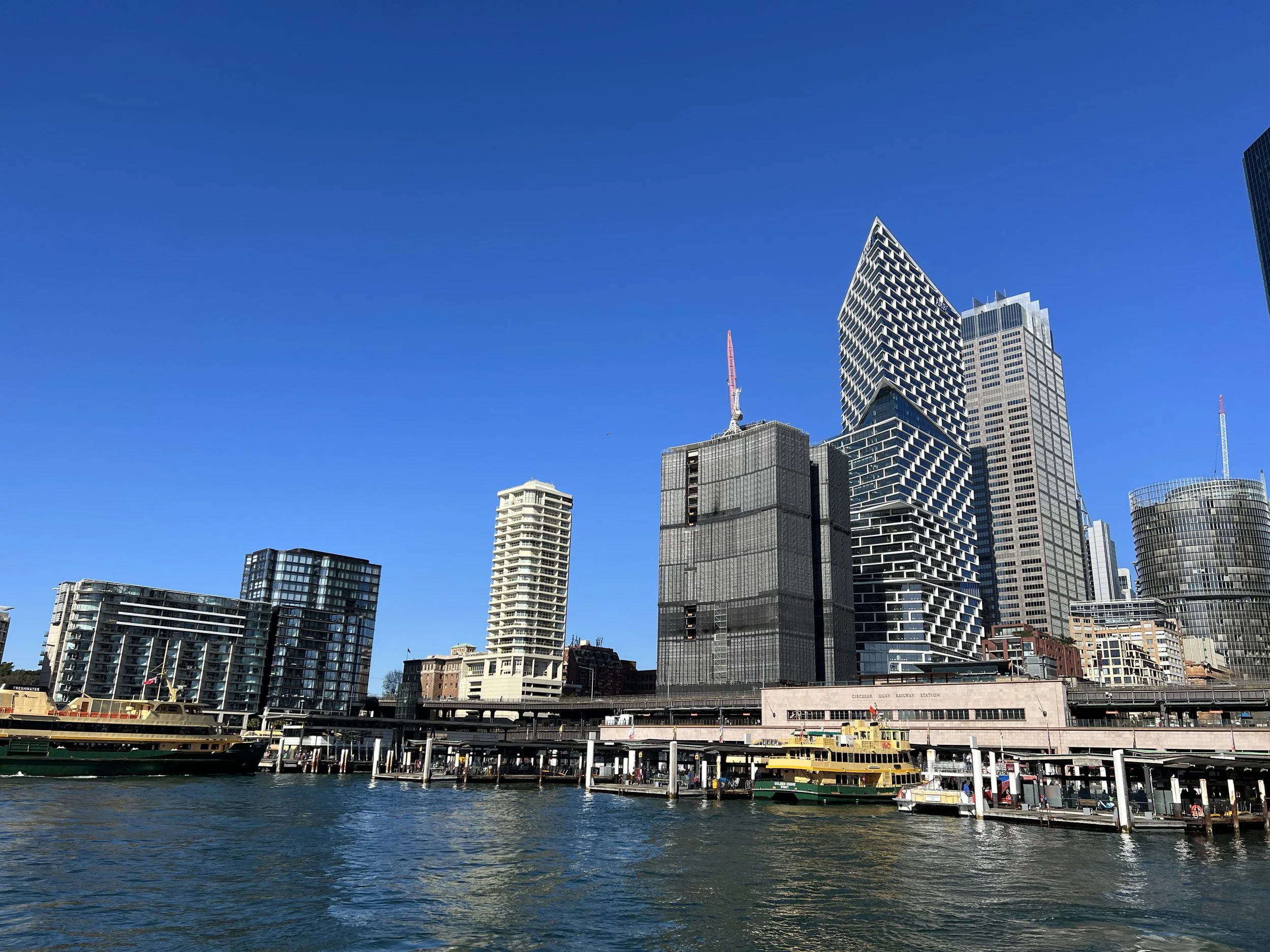
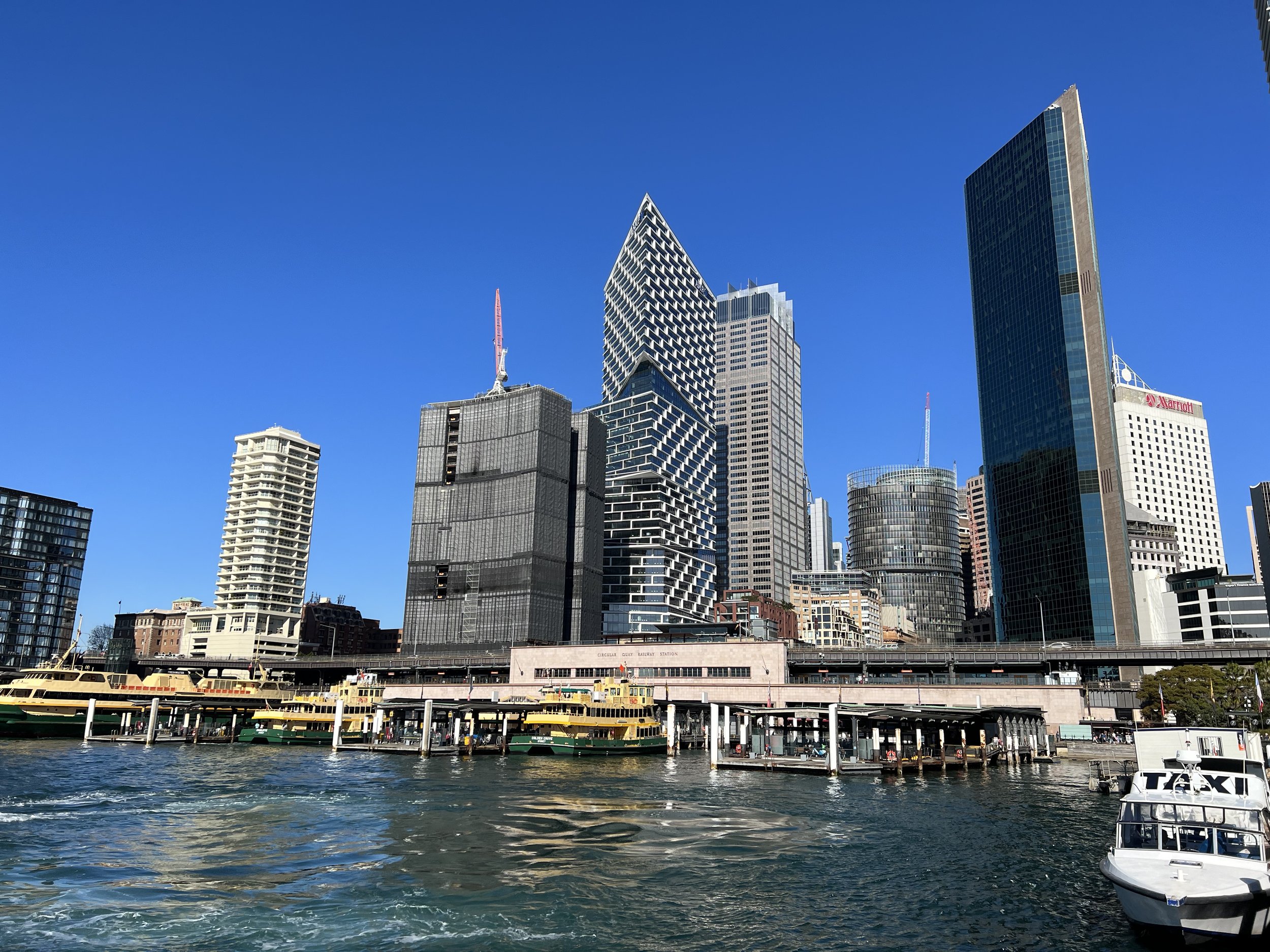
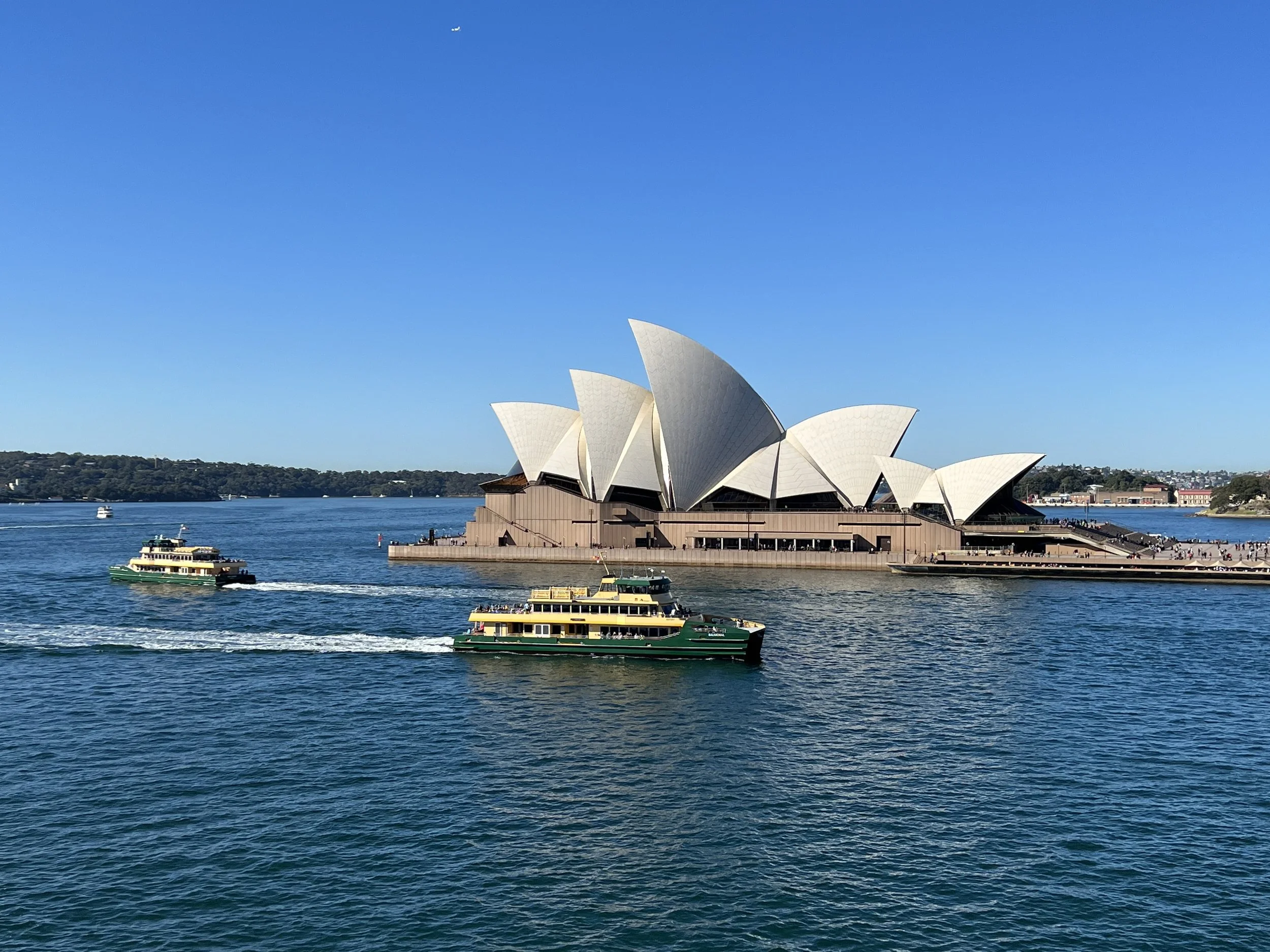
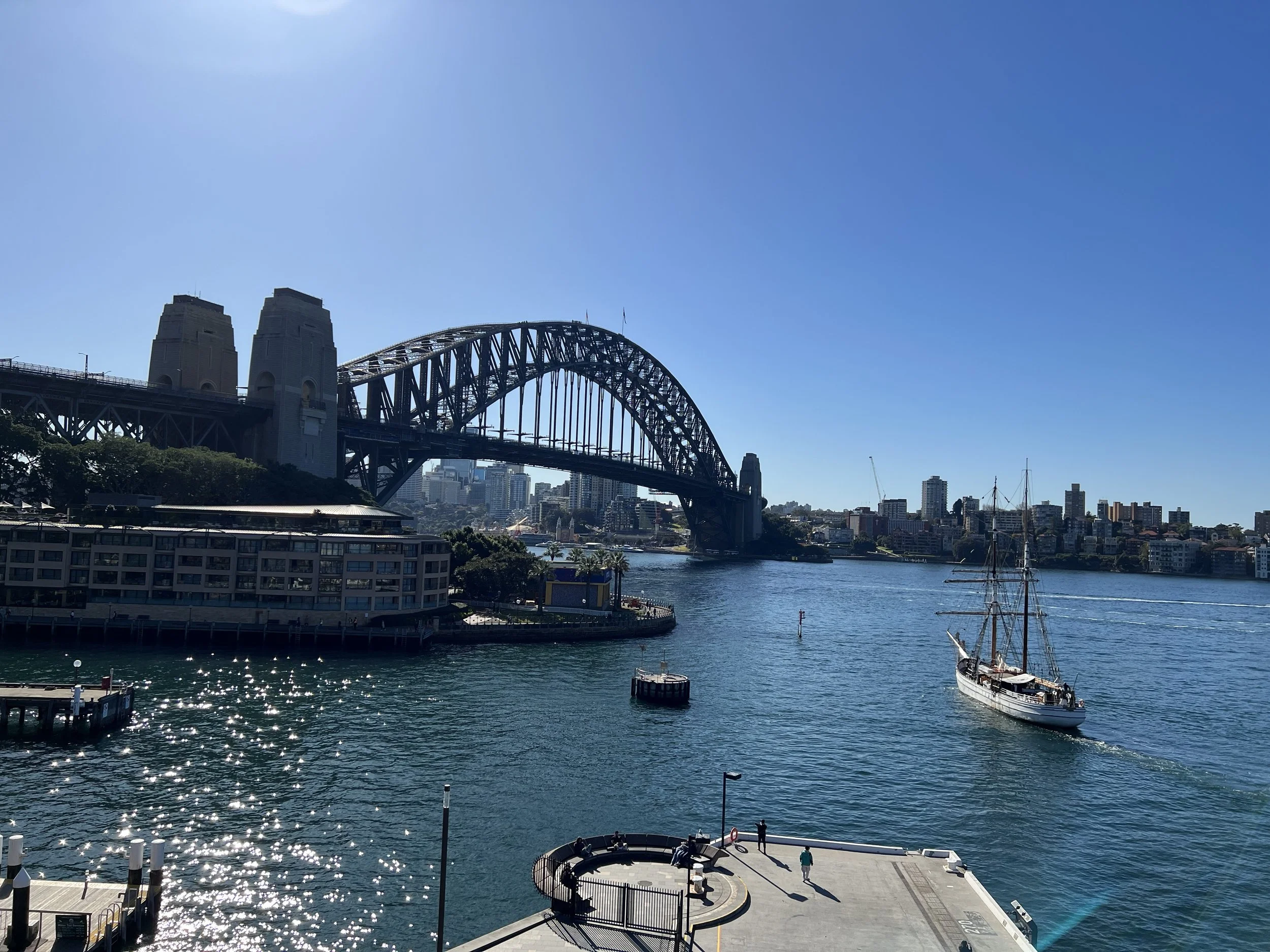
After flying into Sydney from Melbourne, I didn’t have much planned for the day, so I decided to spend the afternoon wandering through the city’s Central Business District to get my bearings. I caught the train from Sydney Airport to Circular Quay, and the moment I stepped out of the station, the energy of the city hit me—the bustle of commuters, the tourists with cameras in hand, and, most strikingly, the iconic silhouettes of the Sydney Opera House and the Sydney Harbour Bridge right before my eyes. Seeing both landmarks at once made the trip feel instantly real.
Since visiting the Opera House was high on my list, I headed there first. The walk along the waterfront was lively, with travellers from all over the world sharing the same excitement. The Opera House is open to the public, though only the exterior and public foyers are accessible without joining a guided tour. I took my time circling the building, capturing as many angles as I could while the sun reflected off the harbour. After filling my camera roll, I grabbed a snack from a nearby café and enjoyed a quiet moment overlooking the water.
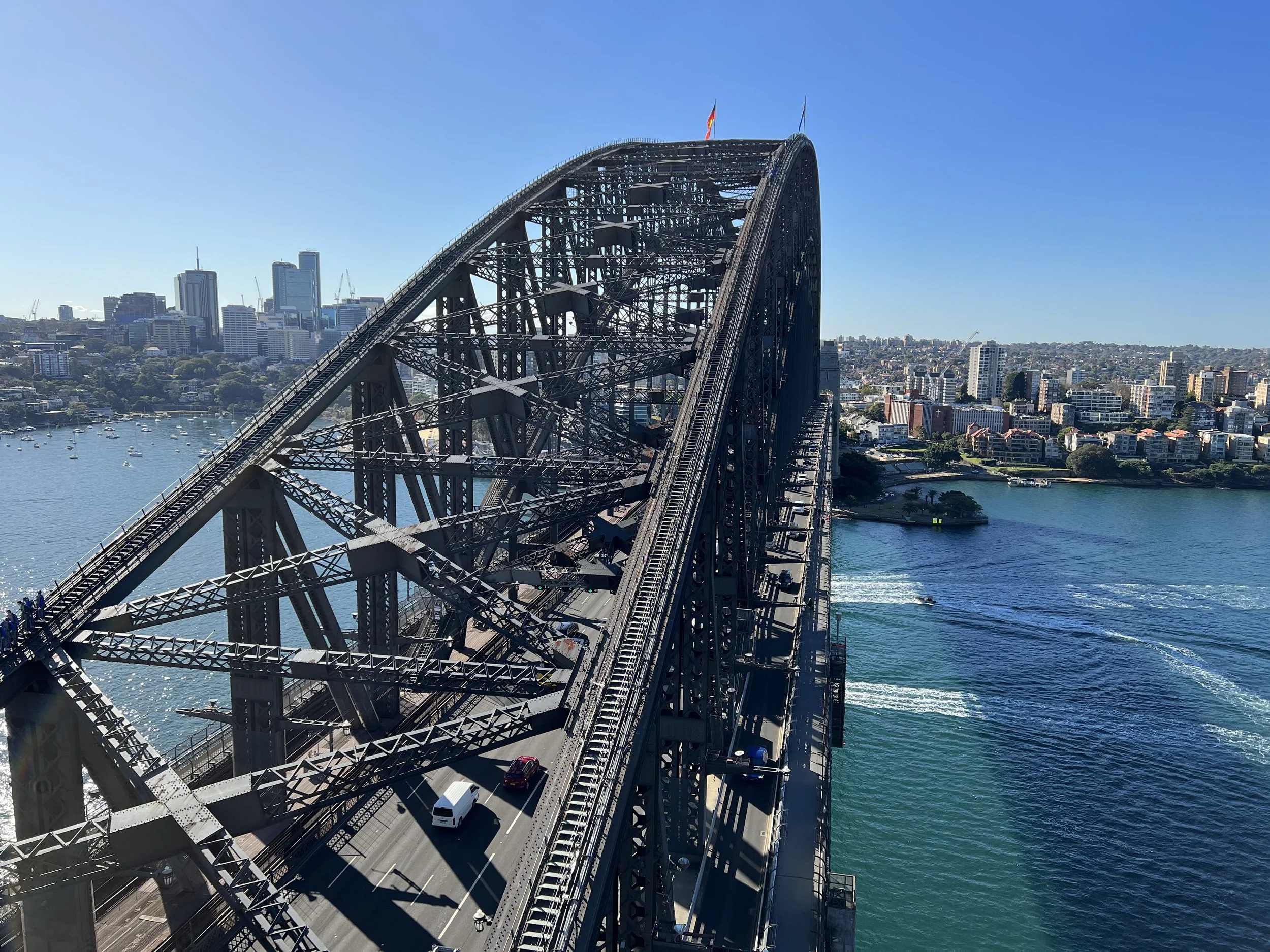
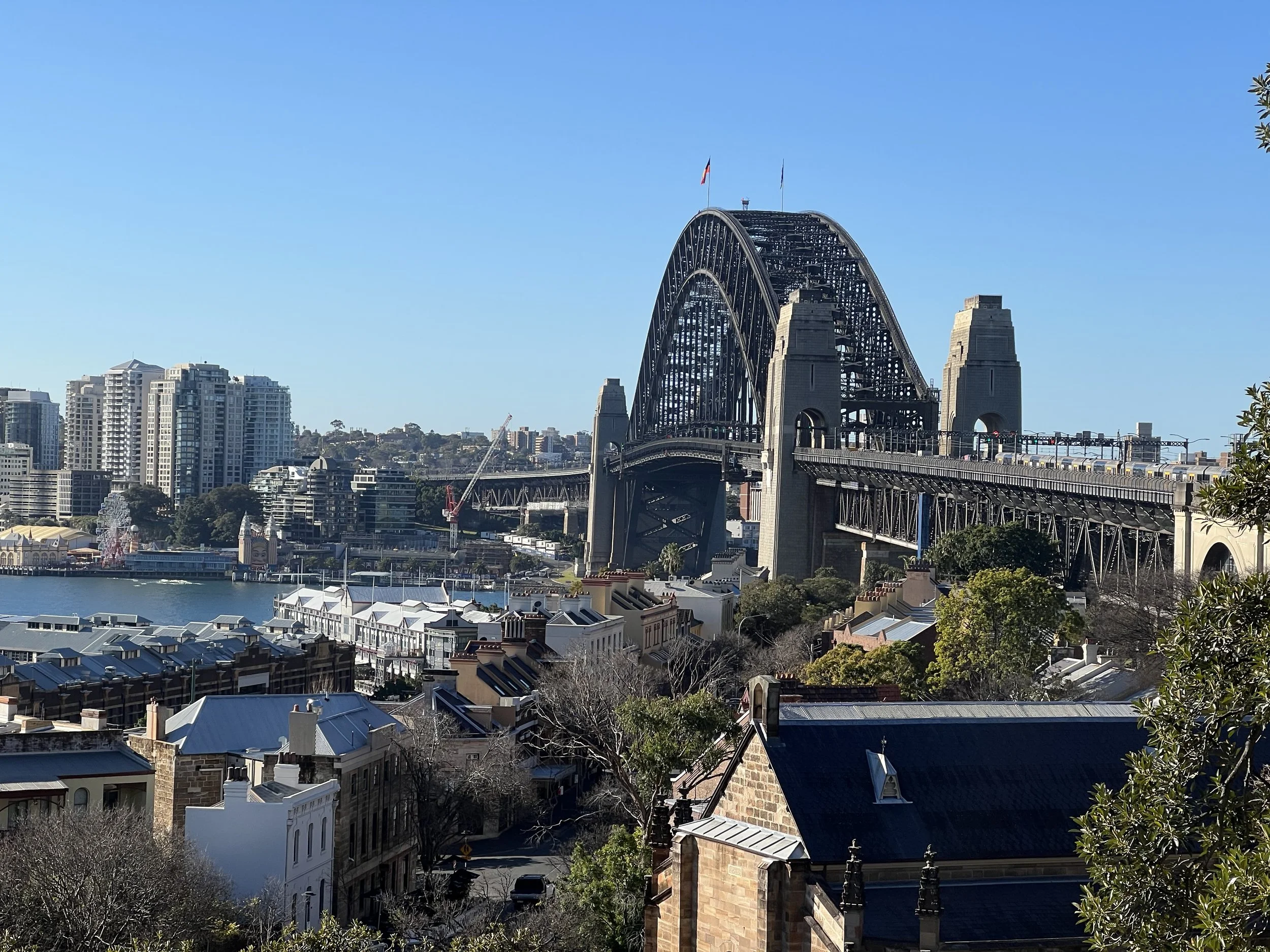
From there, I made my way into the edge of the Royal Botanic Garden before cutting across toward the Sydney Harbour Bridge. I had initially considered booking the BridgeClimb experience, but since phones aren’t allowed during the climb and I wanted some photos from above, I opted instead for the Pylon Lookout.
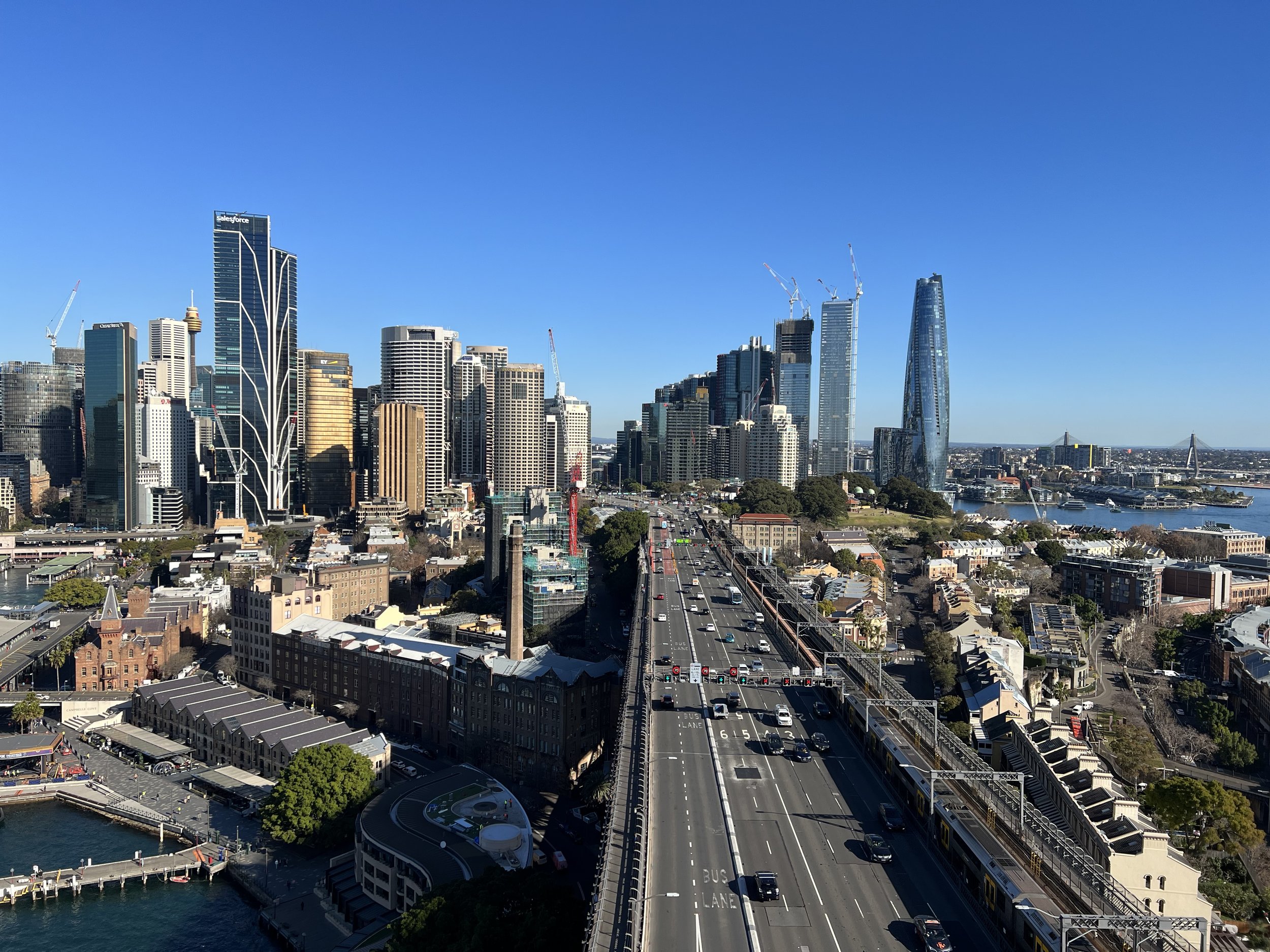
The Pylon Lookout has its own fascinating history. Opened to the public in 1934, it later served as a vantage point during World War II and housed anti-aircraft defences. Today, it functions as both a lookout and a small museum. I had been told it was free, but discovered there’s actually an entrance fee. Still, the views from the top—of the Opera House, the harbour, the skyline, and the bridge—were worth every dollar. To reach the top, you climb roughly 200 steps, but since there were few people around, I had most of the space to myself. I spent a while setting up long exposure shots of the skyline and captured some of my favourite photos of the Opera House from here. On the bridge-facing side, I could see groups doing the BridgeClimb. I was almost level with them, and after waving up at the climbers, they waved back. For a fraction of the cost and complete camera freedom, I genuinely felt that the Pylon Lookout was the better choice.
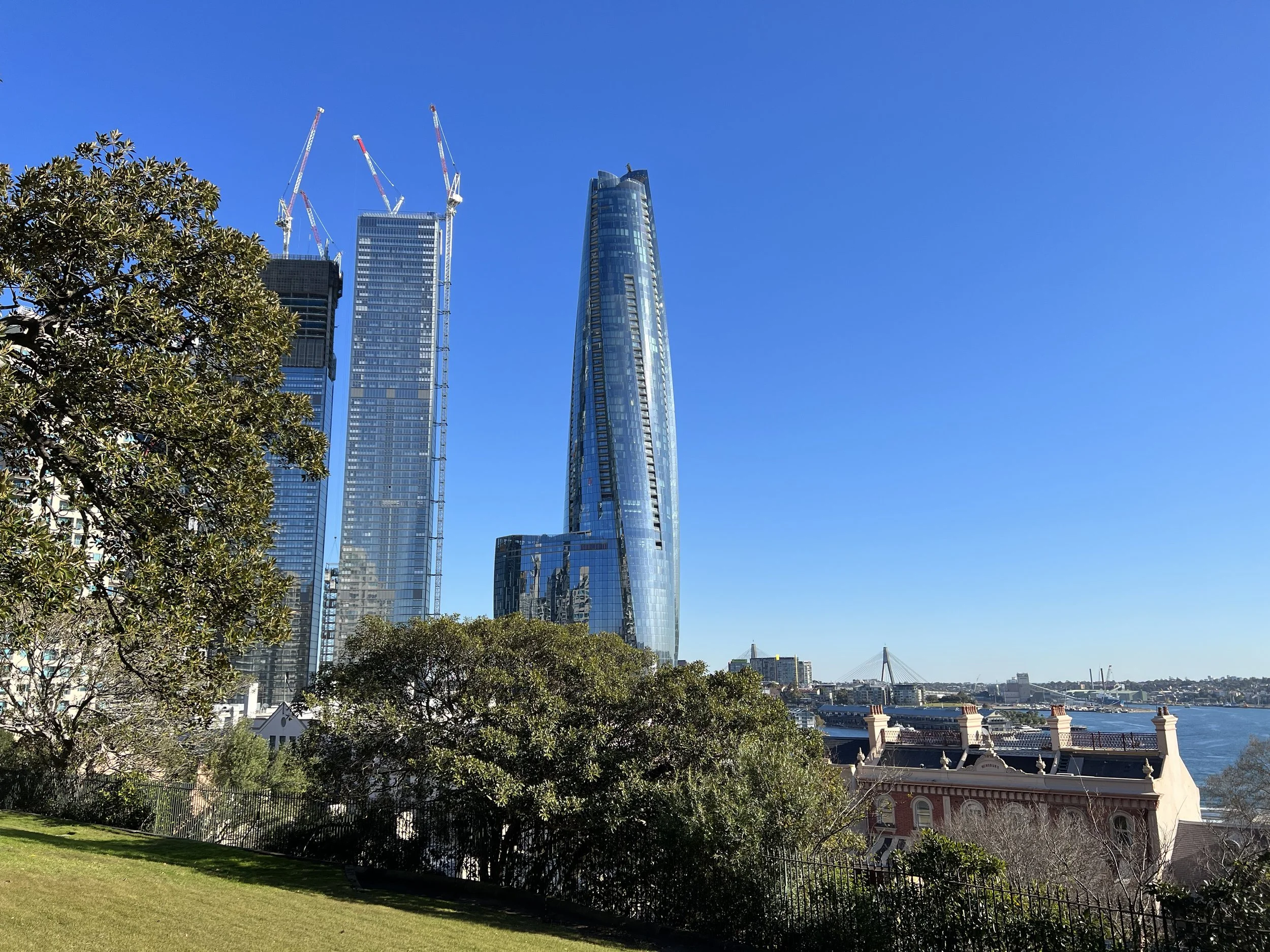
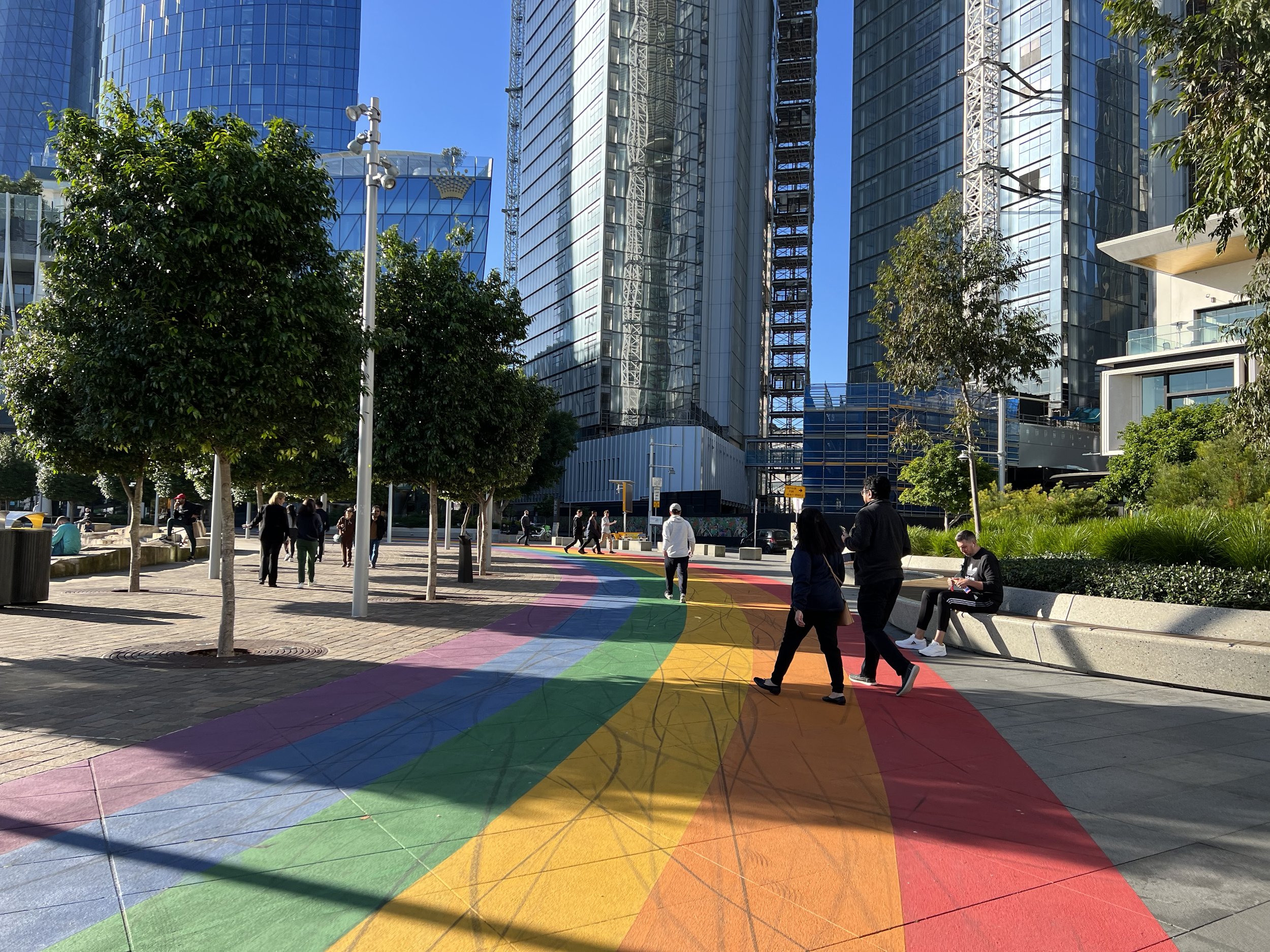
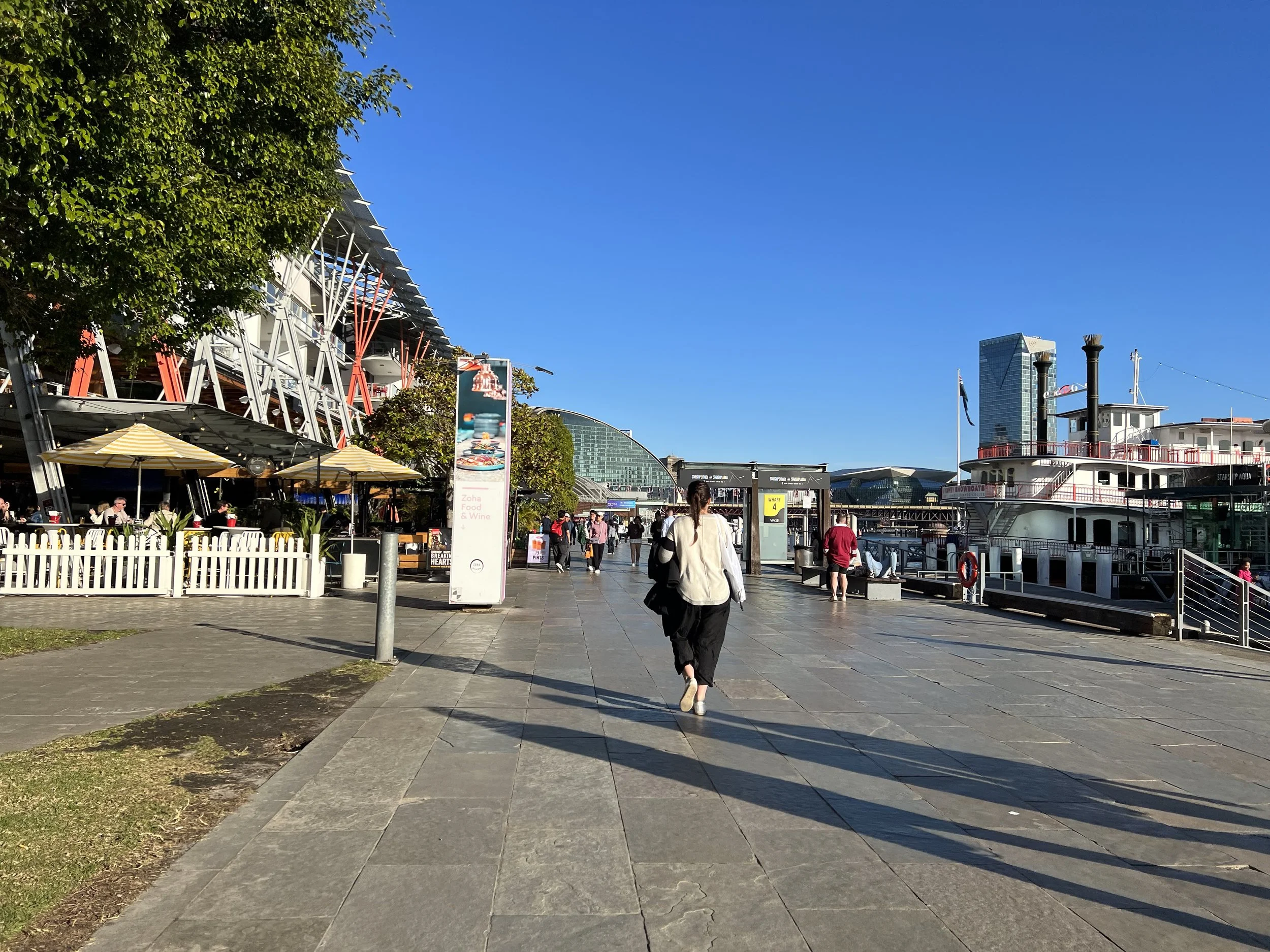
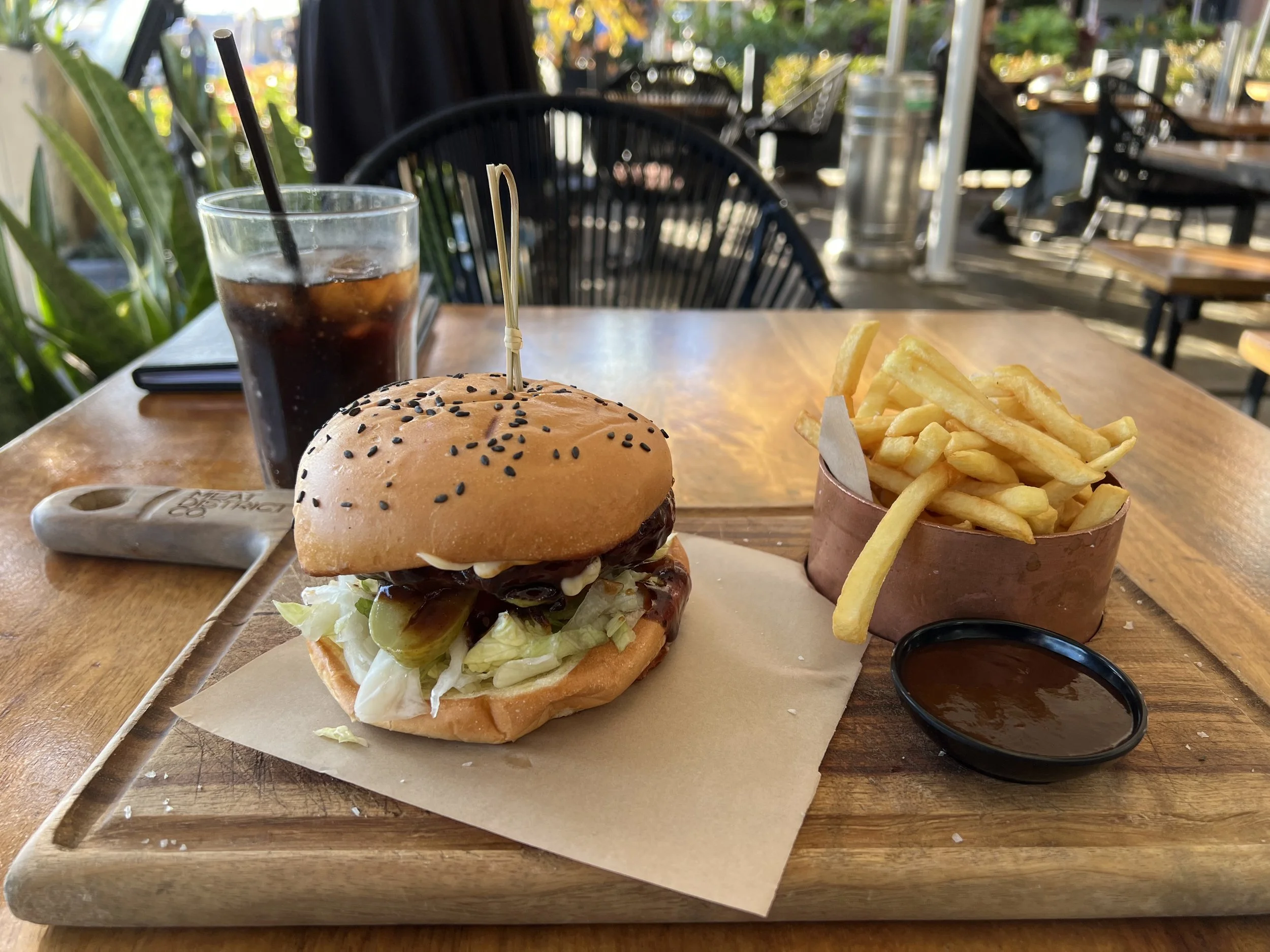
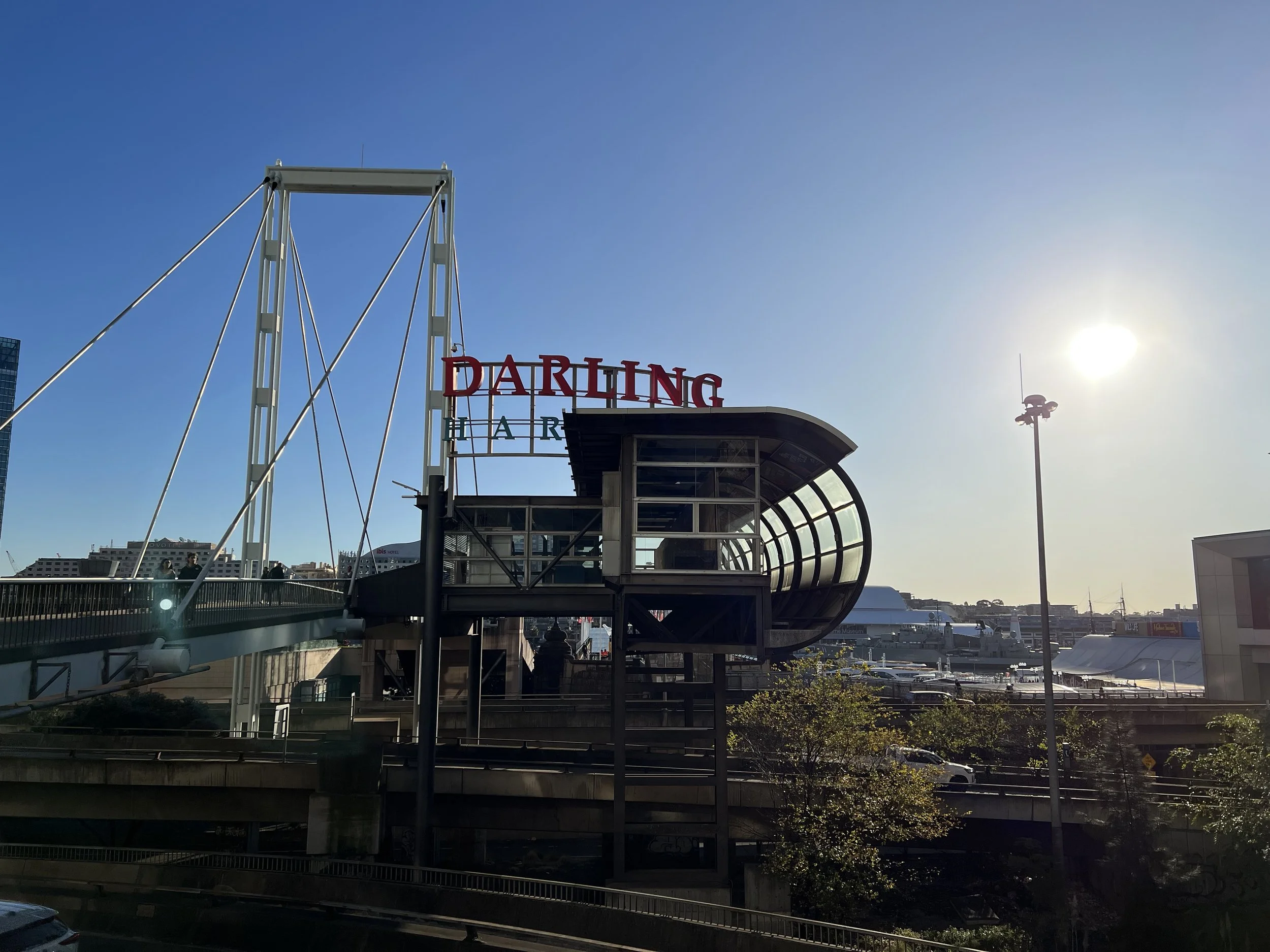
After leaving the lookout, I walked toward Observatory Hill Park. The green space, dotted with sculptures and shaded by large trees, offered sweeping views of the harbour and bridge. It was peaceful, scenic, and a perfect place to take a breather. From there, I continued toward the Barangaroo precinct and on to King Street Wharf in Darling Harbour. Once an industrial zone, this area has transformed into a vibrant mix of modern architecture, restaurants, and waterfront bars. I stopped for a late lunch at a restaurant by the water, and one item immediately caught my attention—an Australian crocodile burger. I had to try it. Surprisingly, if I hadn’t known what I ordered, I might not have guessed it was crocodile at all.
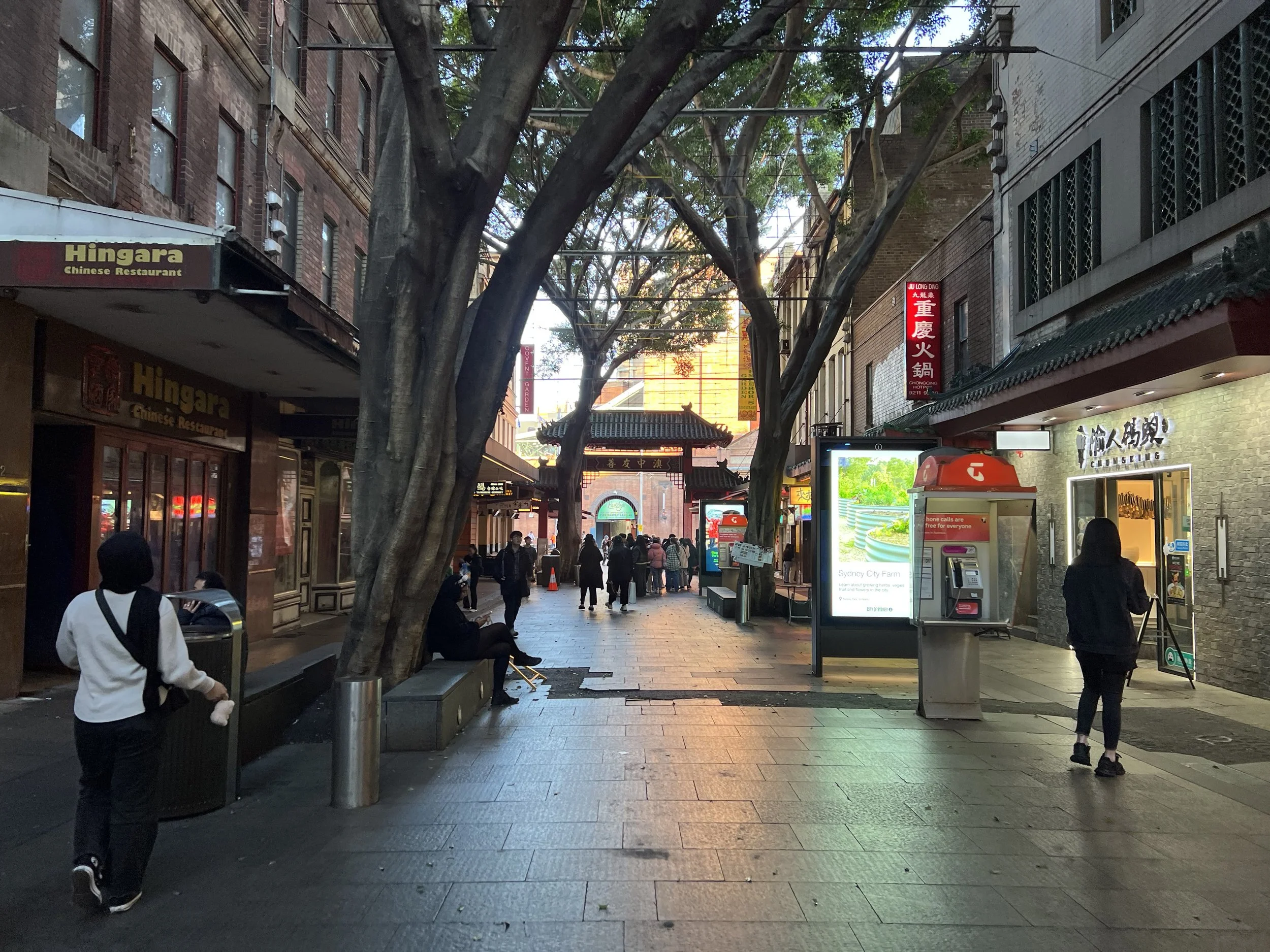
After lunch, I wandered through the Darling Harbour area before making my way toward Chinatown. Sydney’s Chinatown has roots dating back to the 1850s Gold Rush, originally centred around The Rocks before relocating to Haymarket in the 1920s. Over the 2000s, it evolved further, expanding beyond Chinese businesses to include Japanese, Korean, Thai, Indonesian, and Southeast Asian restaurants and shops. The pedestrian zone felt massive—larger than many Chinatowns I’ve visited elsewhere—and I was especially surprised by the number of bubble tea shops, each with long lineups.
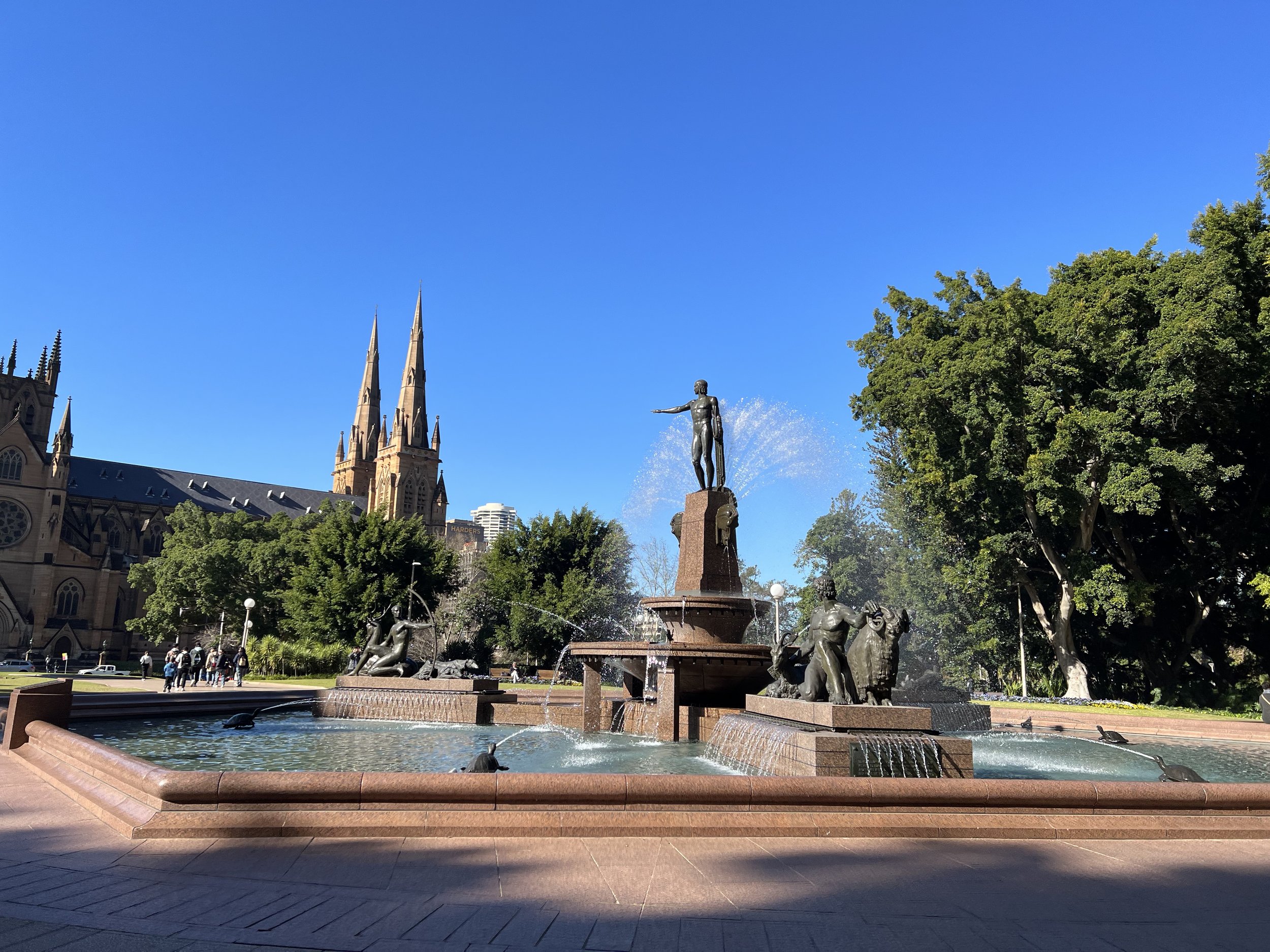
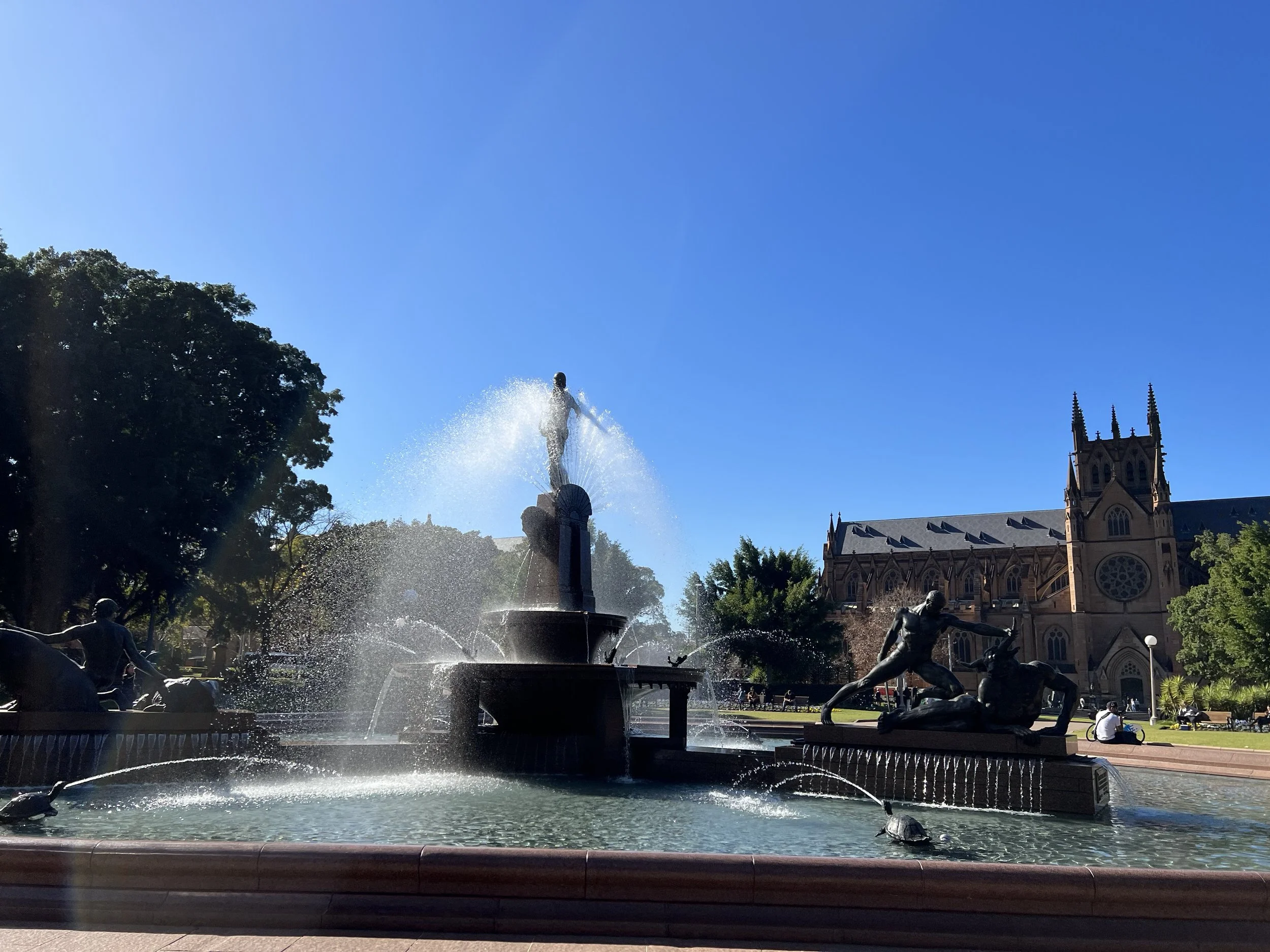
Persuaded by the crowd, I joined one of the queues and grabbed a drink myself. It turned out sweeter than I expected, but the experience was all part of exploring the neighbourhood. When I finished my drink, I continued walking until I reached Hyde Park, where my accommodation was located. I took a short walk through the tree-lined paths before checking into my hotel and calling it a day. It was an easy, scenic introduction to Sydney and a great way to start my visit.
History & Background
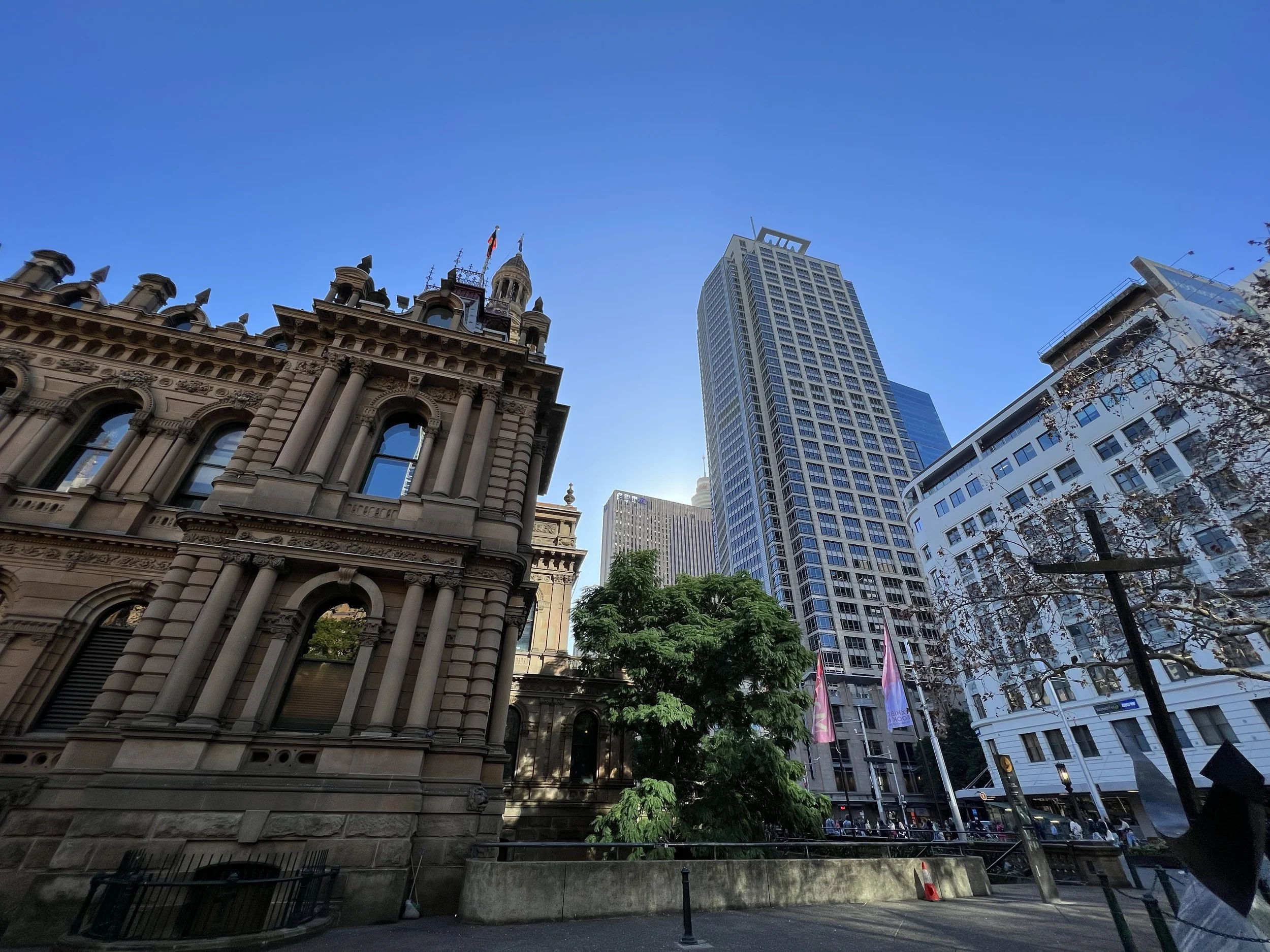
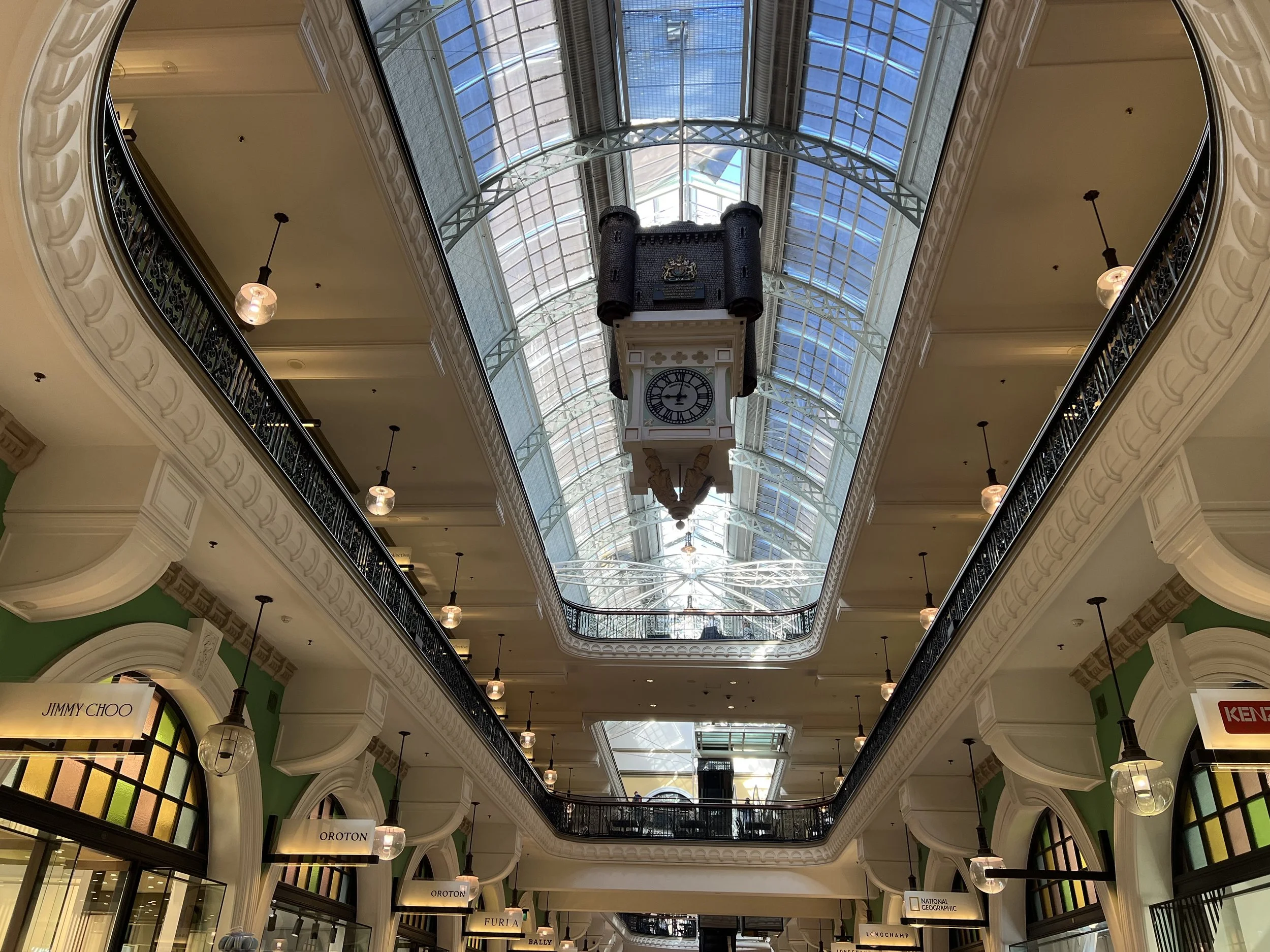
Sydney’s Central Business District is one of Australia’s most recognizable urban centres, shaped by centuries of development, migration, maritime history, and architectural evolution. Anchored between Circular Quay and Darling Harbour, the CBD hosts some of the country’s most iconic landmarks, including the Sydney Opera House, the Harbour Bridge, Queen Victoria Building, and Hyde Park. The layout dates back to the earliest days of British settlement, and many of its buildings reflect a mix of Victorian, Edwardian, and modern design. Over time, the area has become a cultural and commercial hub, home to major museums, historic districts, and waterfront promenades. With its dynamic laneways, expansive harbour views, and blend of old and new architecture, Sydney CBD remains the heart of the city’s identity and a natural starting point for travellers.
Getting There
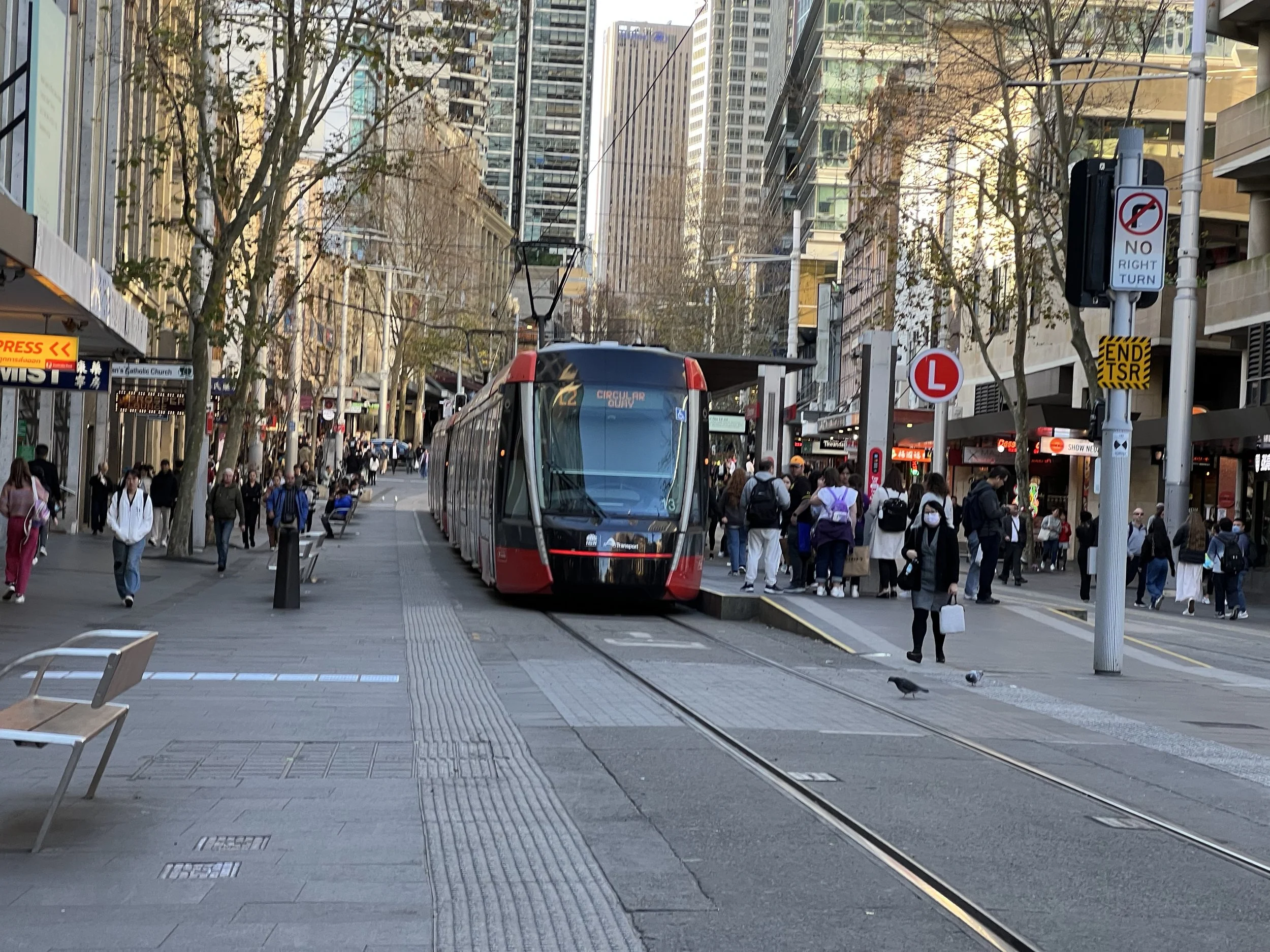
Reaching Sydney CBD from the airport is straightforward thanks to the airport rail link. The train ride takes about 15 minutes and drops you directly into the heart of the city at key stations like Circular Quay, Wynyard, or Town Hall. For this outing, I travelled from Sydney Domestic Airport to Circular Quay, stepping immediately into views of the Opera House and the Harbour Bridge. Once in the CBD, the city is extremely walkable, and many major attractions are within a few kilometres of each other. Ferries, light rail, and trains make it easy to explore farther afield, but walking allowed me to take in the streets, waterfront, and neighbourhoods at my own pace.
Route Overview
Distance: 12.65 km (Circular Quay Station → Hyde Park)
Total elevation gain: 175 m
Duration: 3hr 12 min (with breaks 5 hr 11 min)
Difficulty: Easy
Cost Breakdown
Train: Sydney Domestic Airport Station → Circular Quay Station — AU$22.25
Entrance Fee: Pylon Lookout — AU$24.95
Food: AU$51.22