Lone Pine Koala Sanctuary - Queensland, Australia
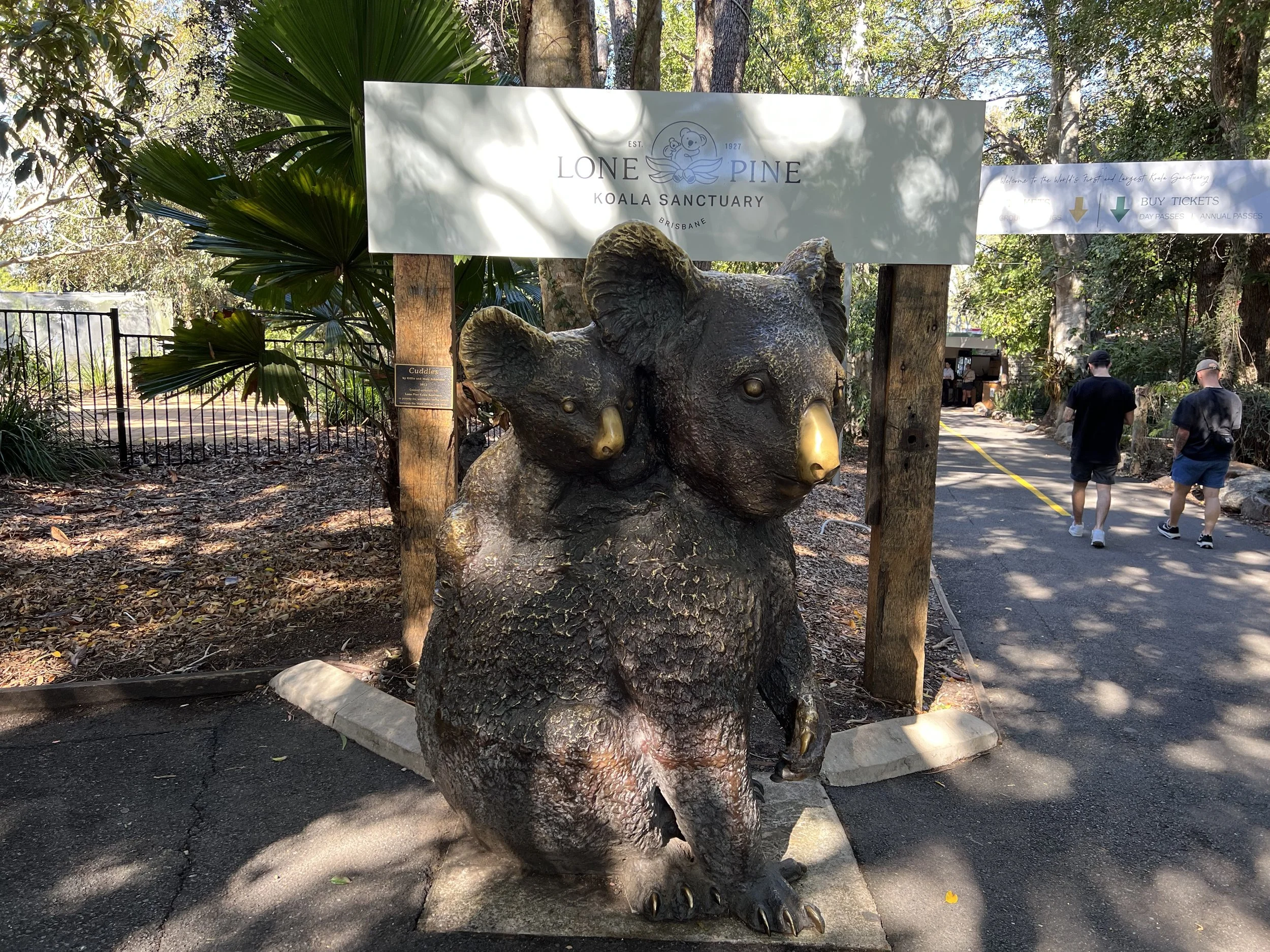
A friend who used to live in Brisbane told me that visiting Lone Pine Koala Sanctuary was well worth the trip, so when I planned my Brisbane itinerary, I made sure to include it. On the morning of my visit, I caught the bus from central Brisbane toward the sanctuary. The ride took about 40 minutes and conveniently dropped me off right outside the entrance.
I had already purchased my ticket online, which meant I could bypass the main queue and head straight to the gate to have it scanned. I had also added a grey koala pin to my order—which I received as soon as I entered—so I started my visit with a little souvenir in hand. Even though I had seen koalas during my trip to Phillip Island in Melbourne, I was still excited to get up close to them again, knowing this sanctuary offered a different experience.
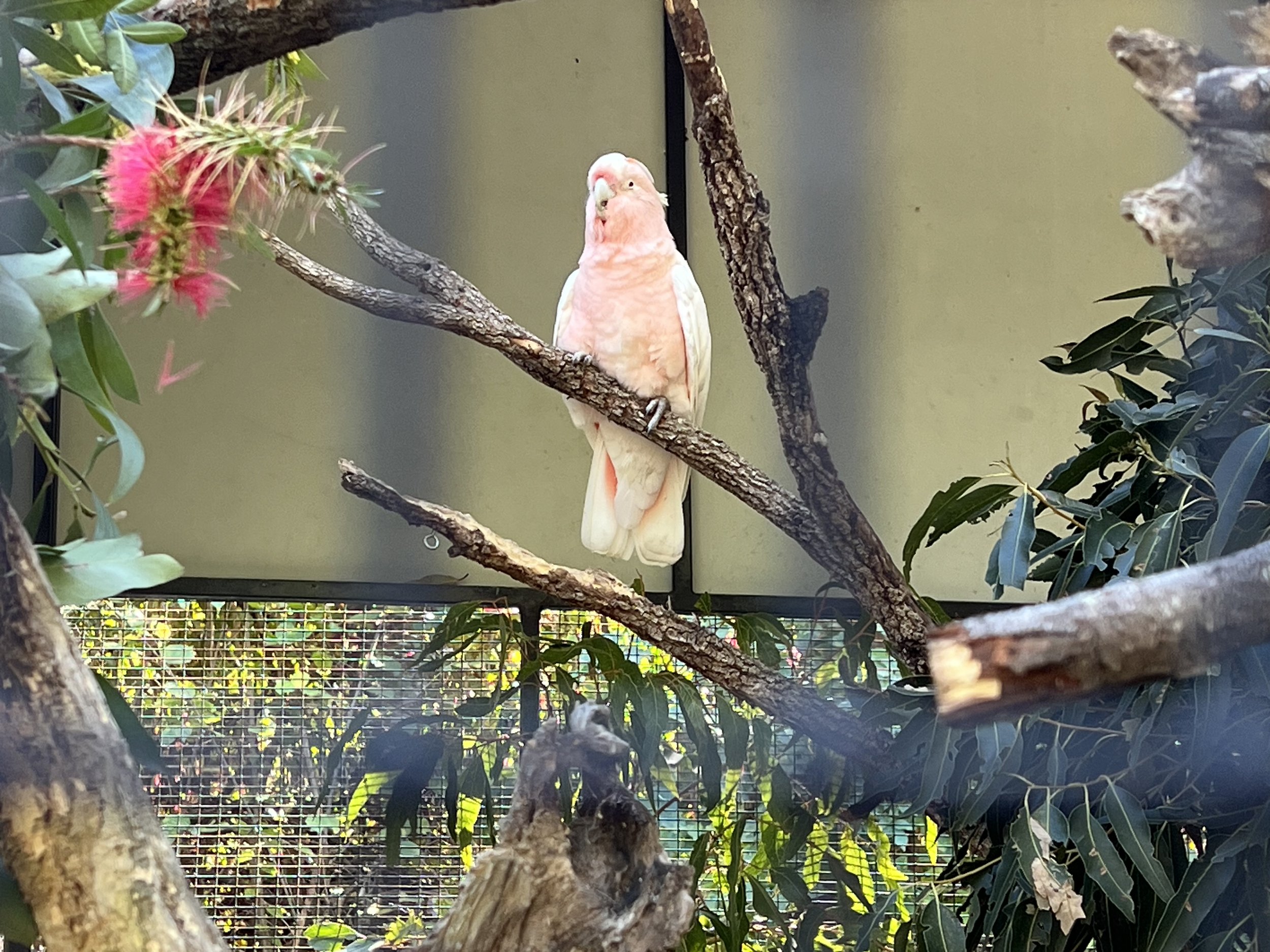
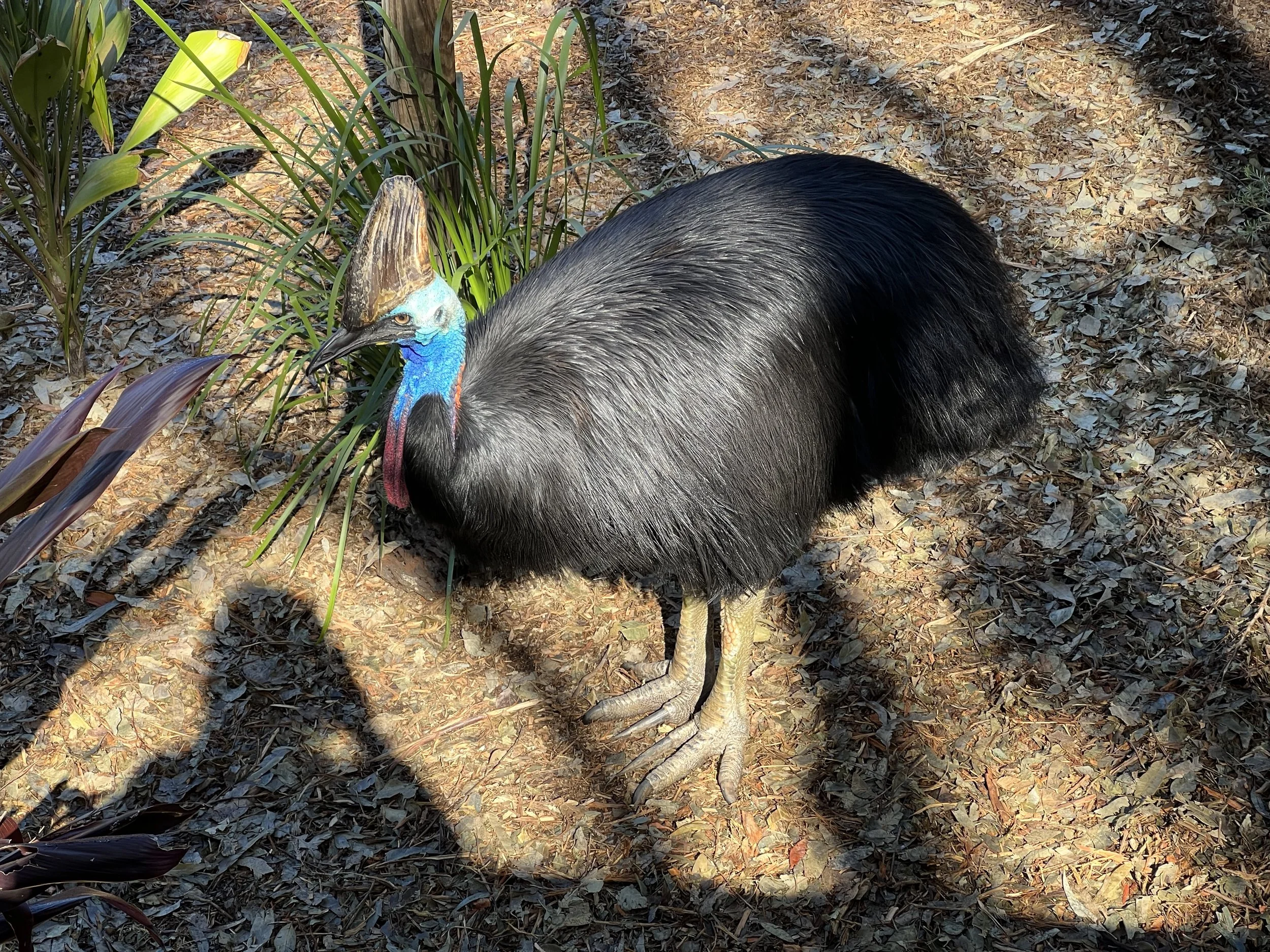
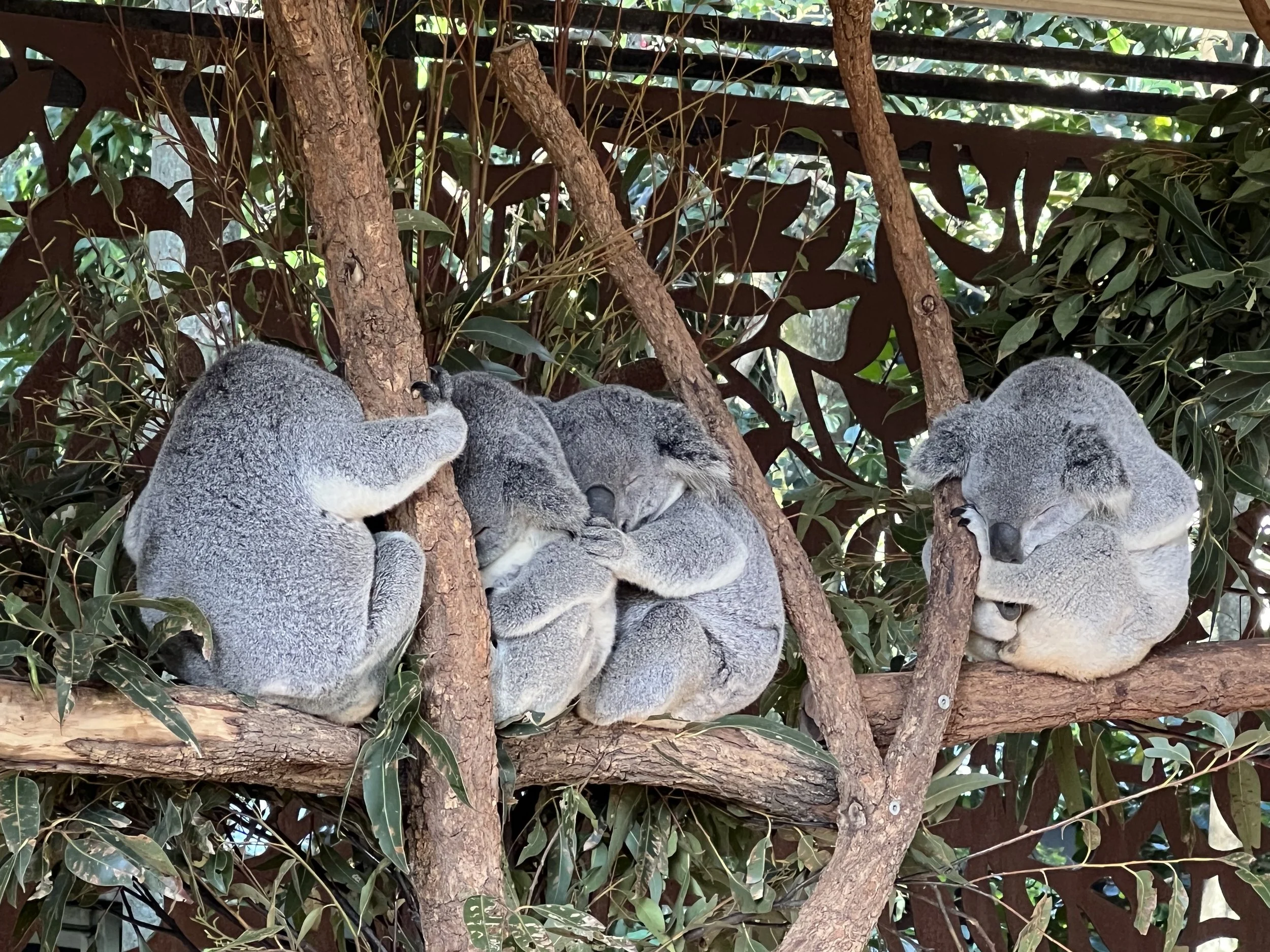
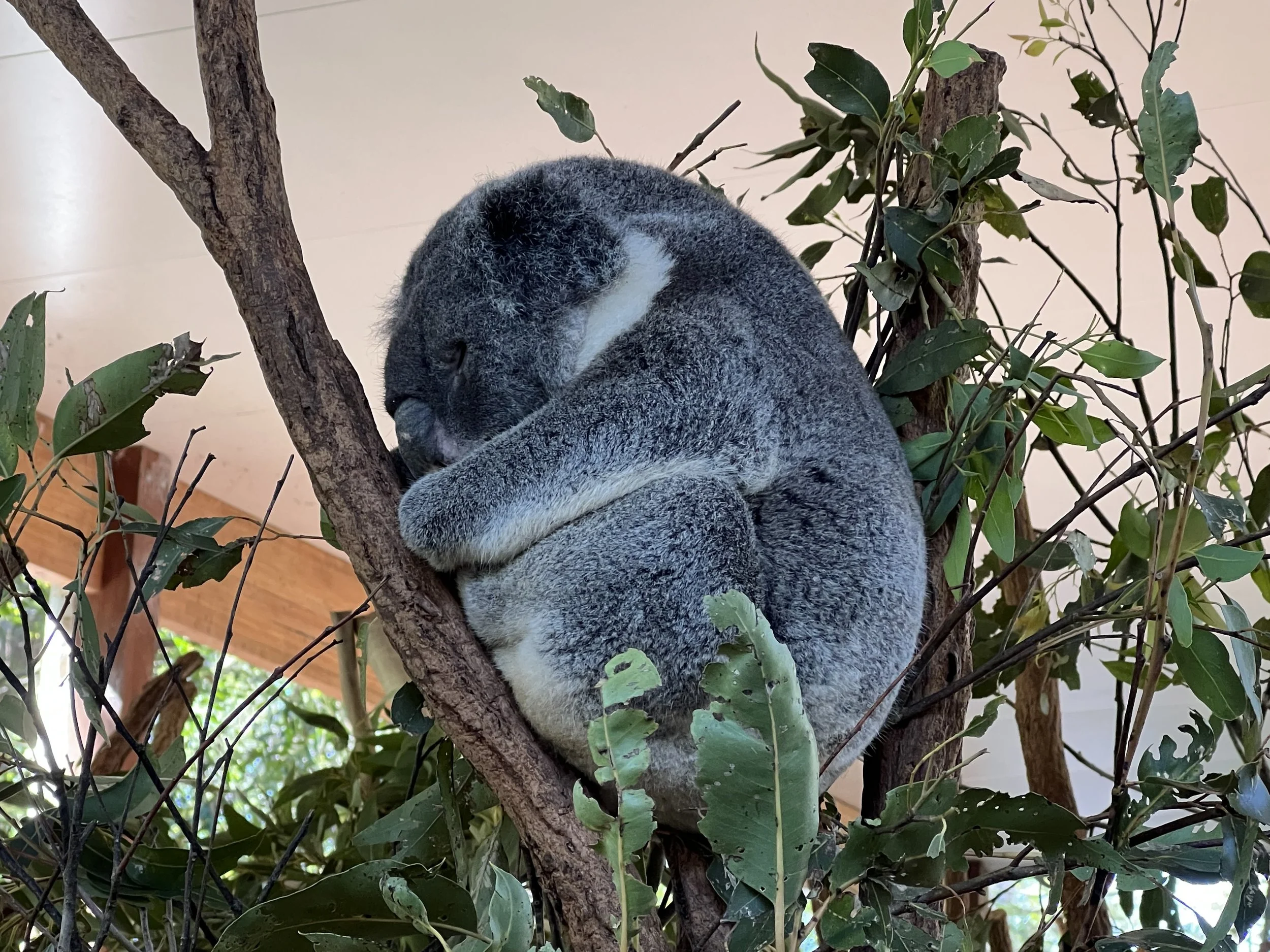
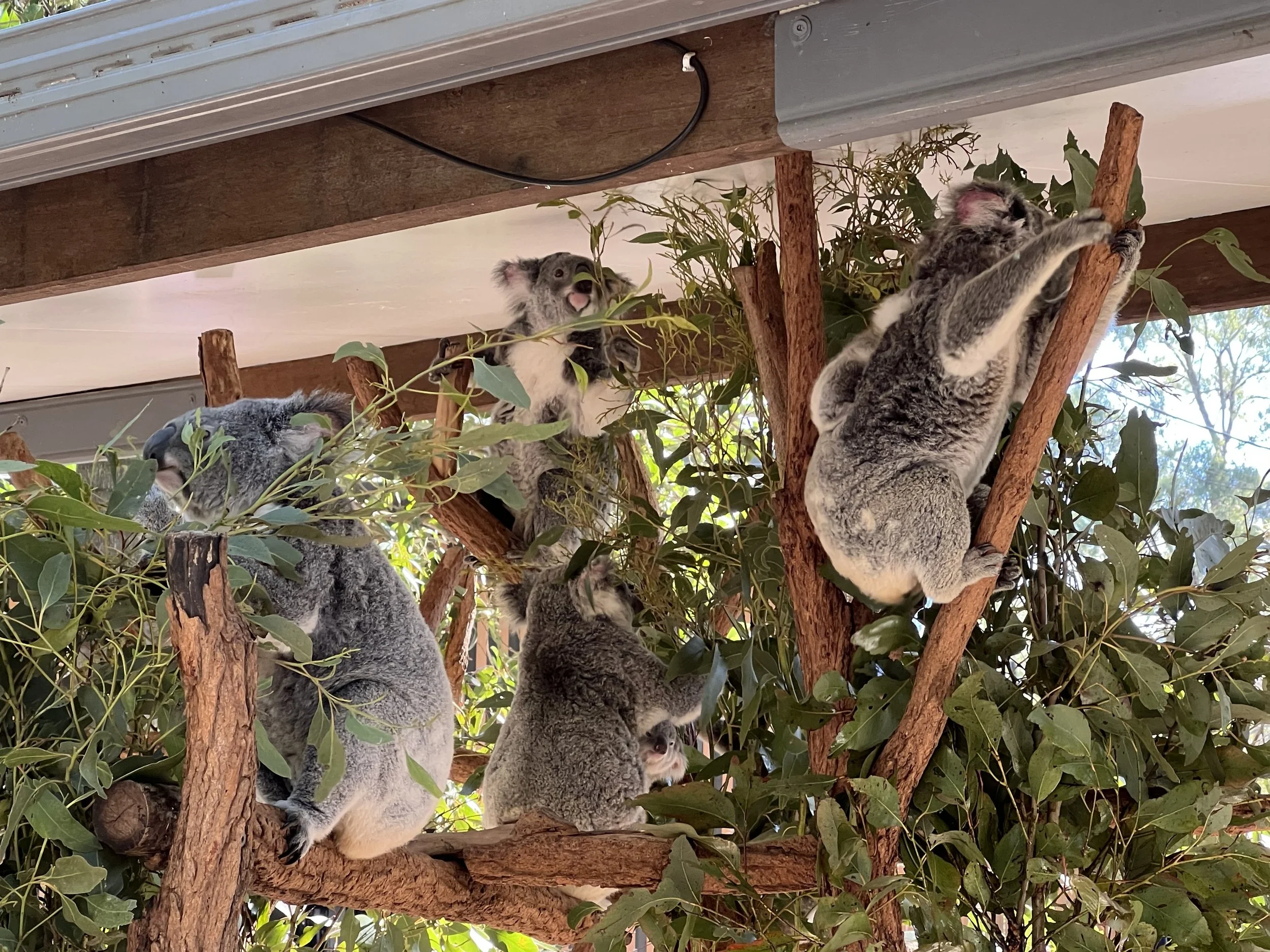
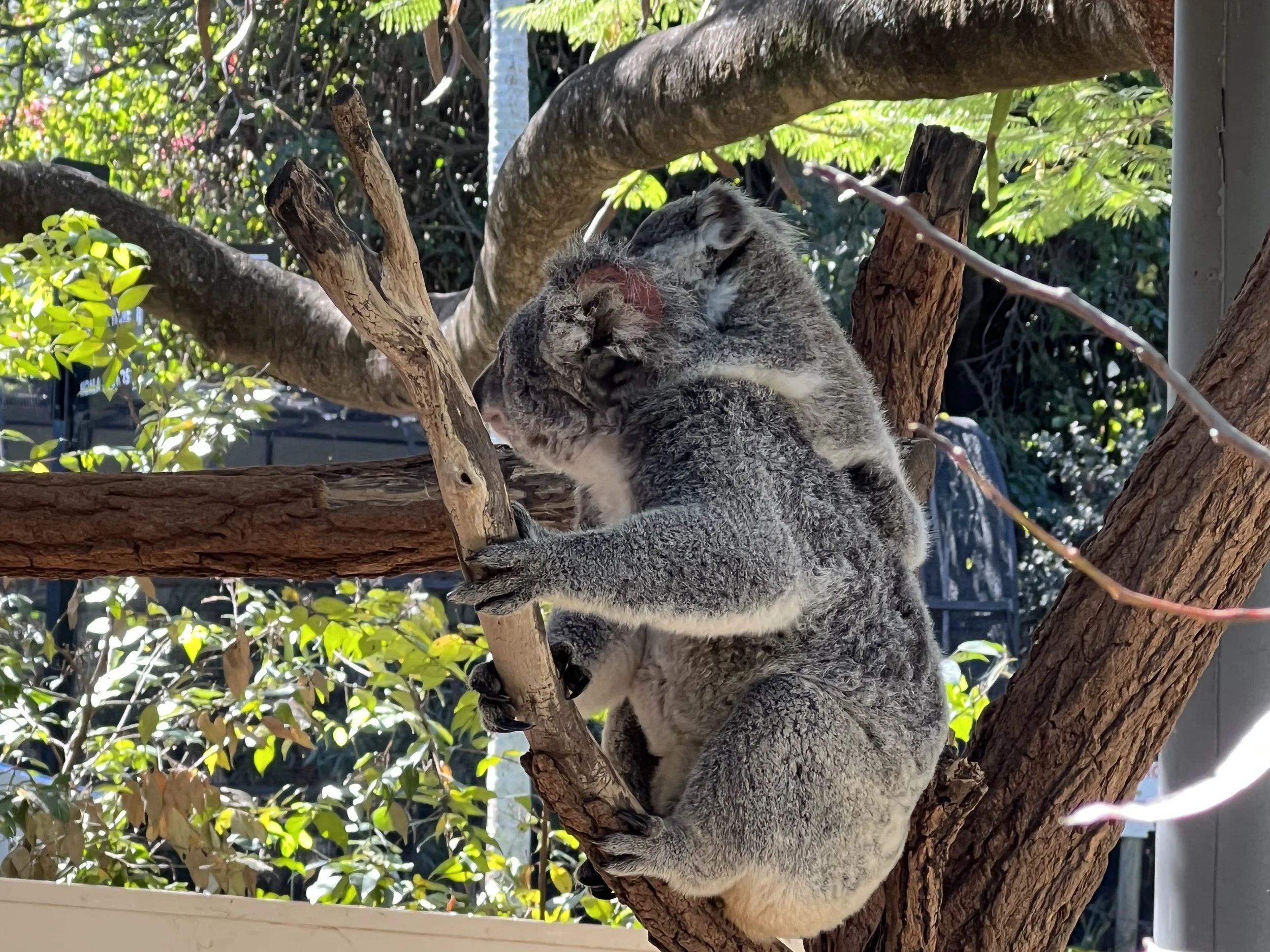
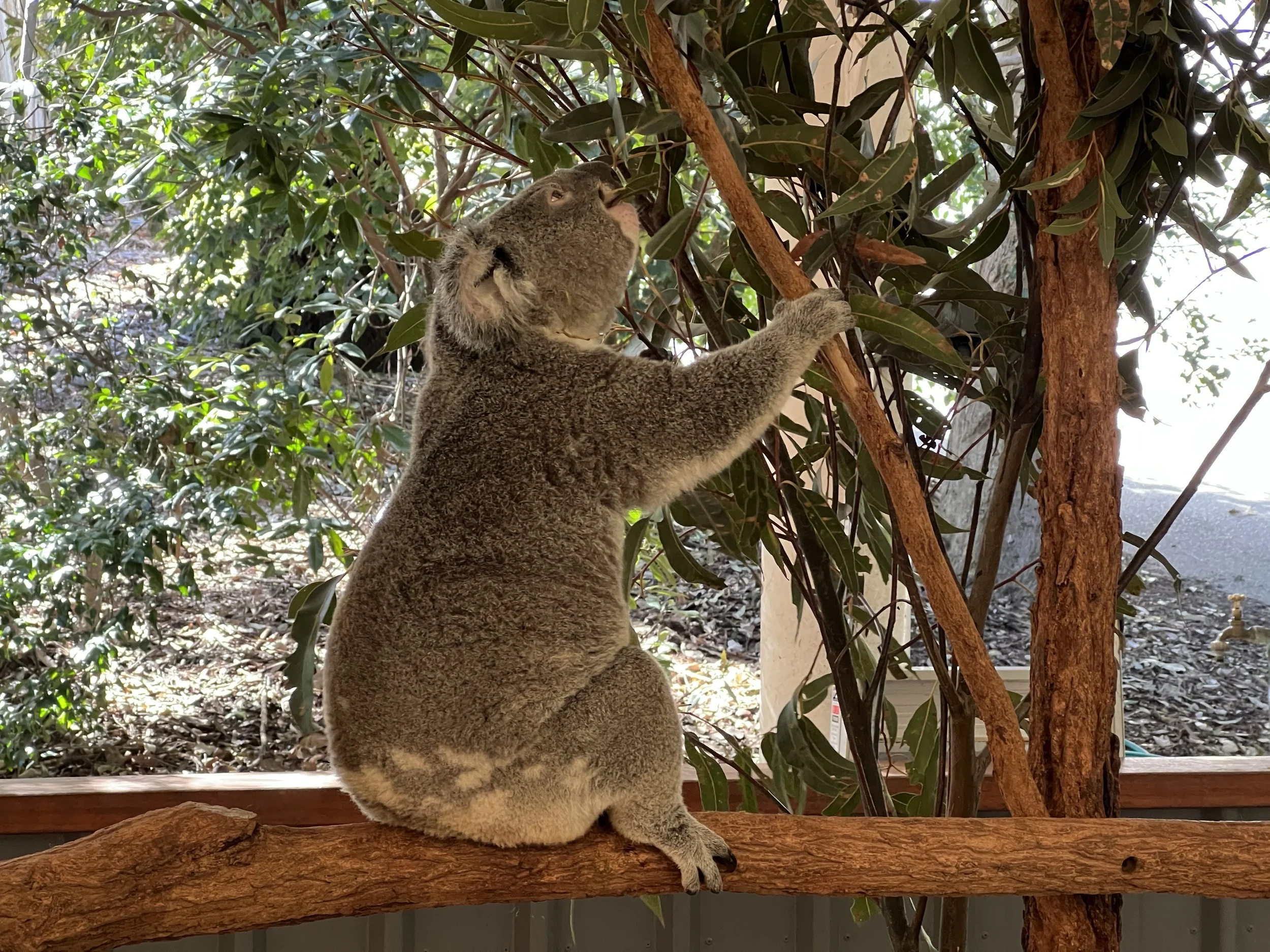
Despite its name, Lone Pine Koala Sanctuary is home to far more than just koalas. As I wandered through the park, I saw dingoes, kangaroos, Tasmanian devils, wombats, emus, reptiles, a wide range of birds, and of course, plenty of koalas. Many of these species aren’t ones you typically encounter in zoos outside of Australia, which made the visit feel especially unique.
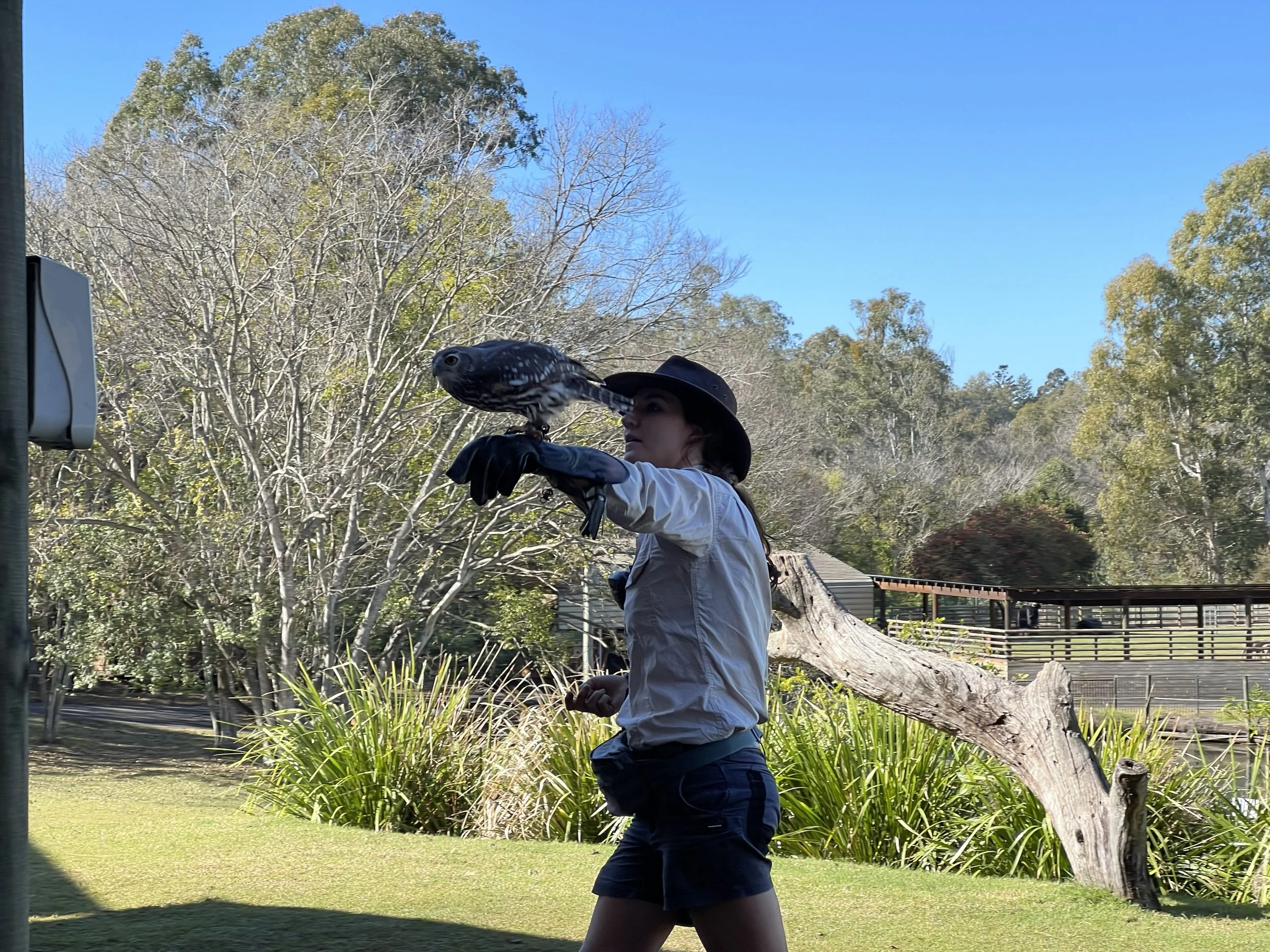
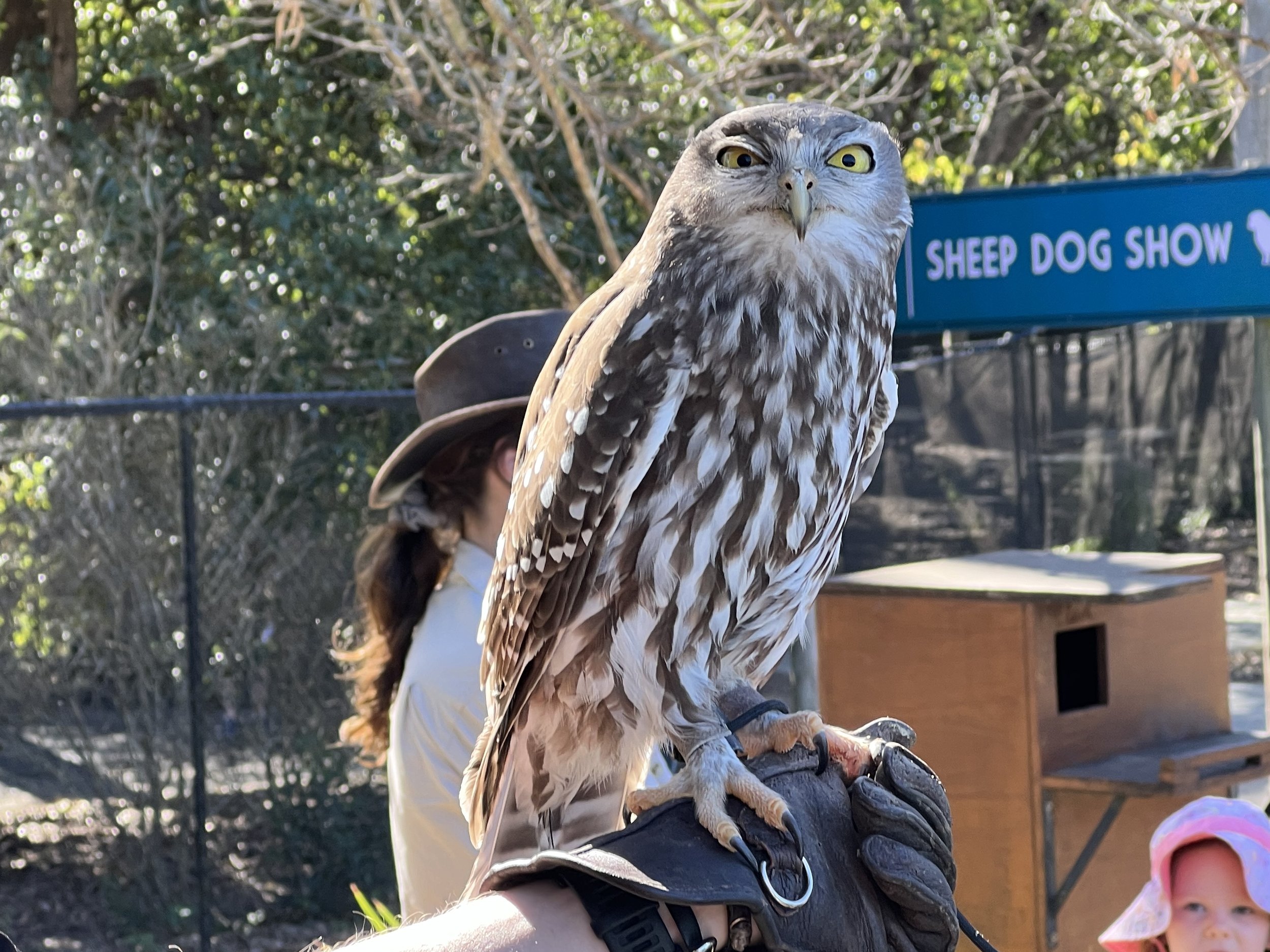
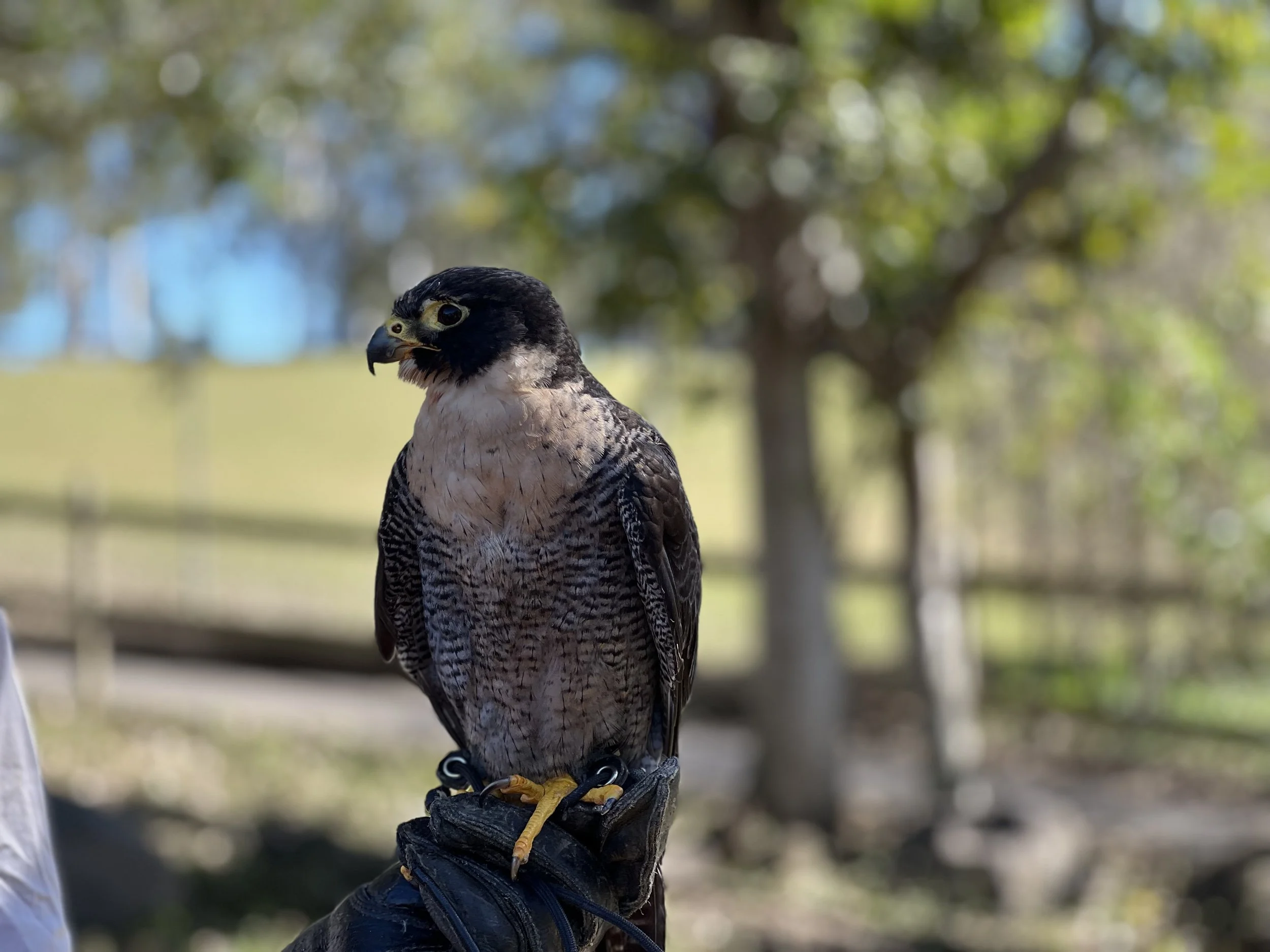
Before long, it was time for the free-flight raptor show. I arrived a few minutes early, and the stands were already filled with visitors—including groups of school kids on field trips. During the presentation, trainers introduced us to several birds of prey, including falcons and owls. Watching them demonstrate their flight abilities—soaring overhead and swooping low across the audience—was incredible. At the end, we had the chance to ask questions and take photos up close. I didn’t stay too long afterwards though, because I wanted to make it to the sheepdog show next.
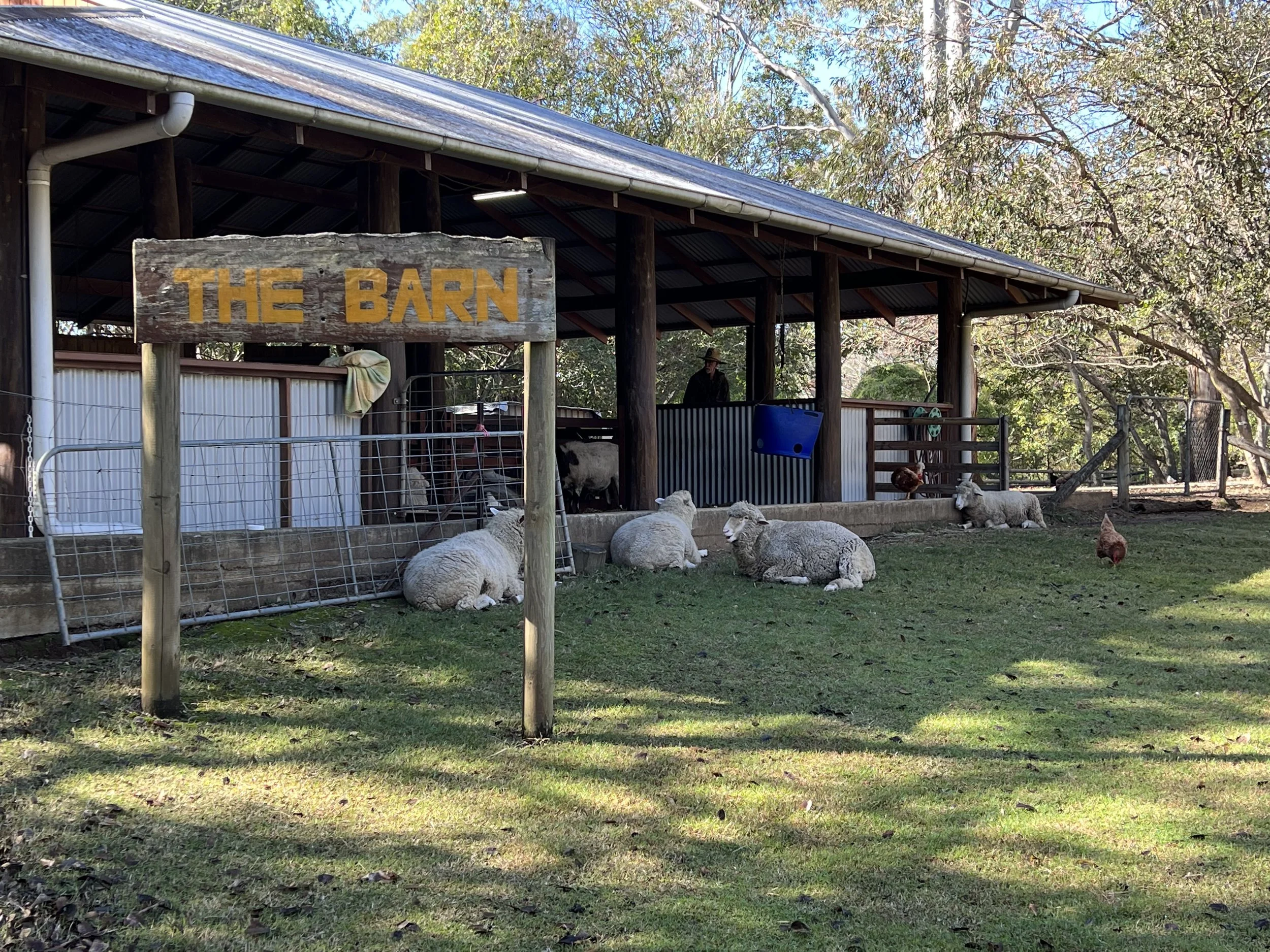
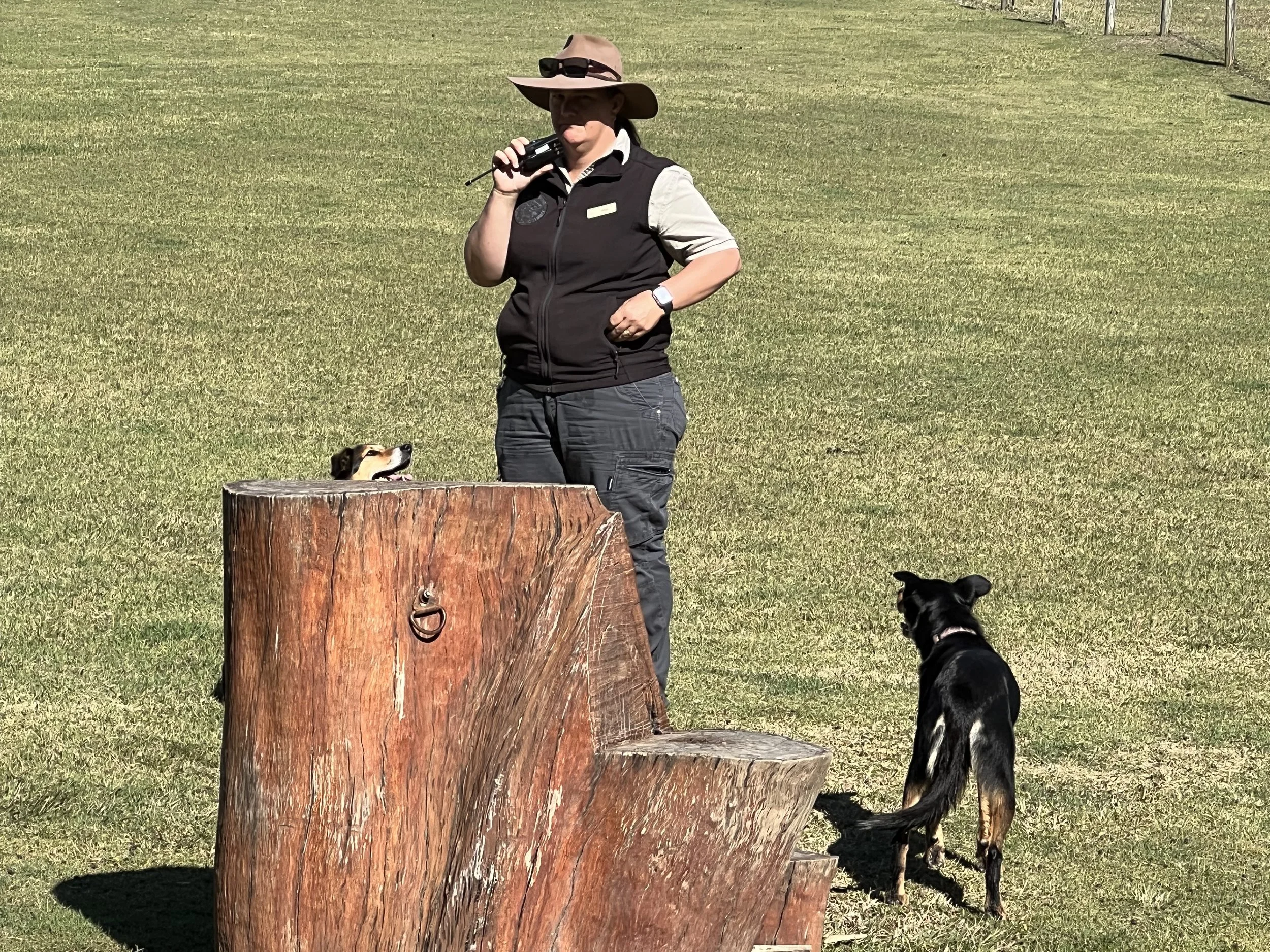
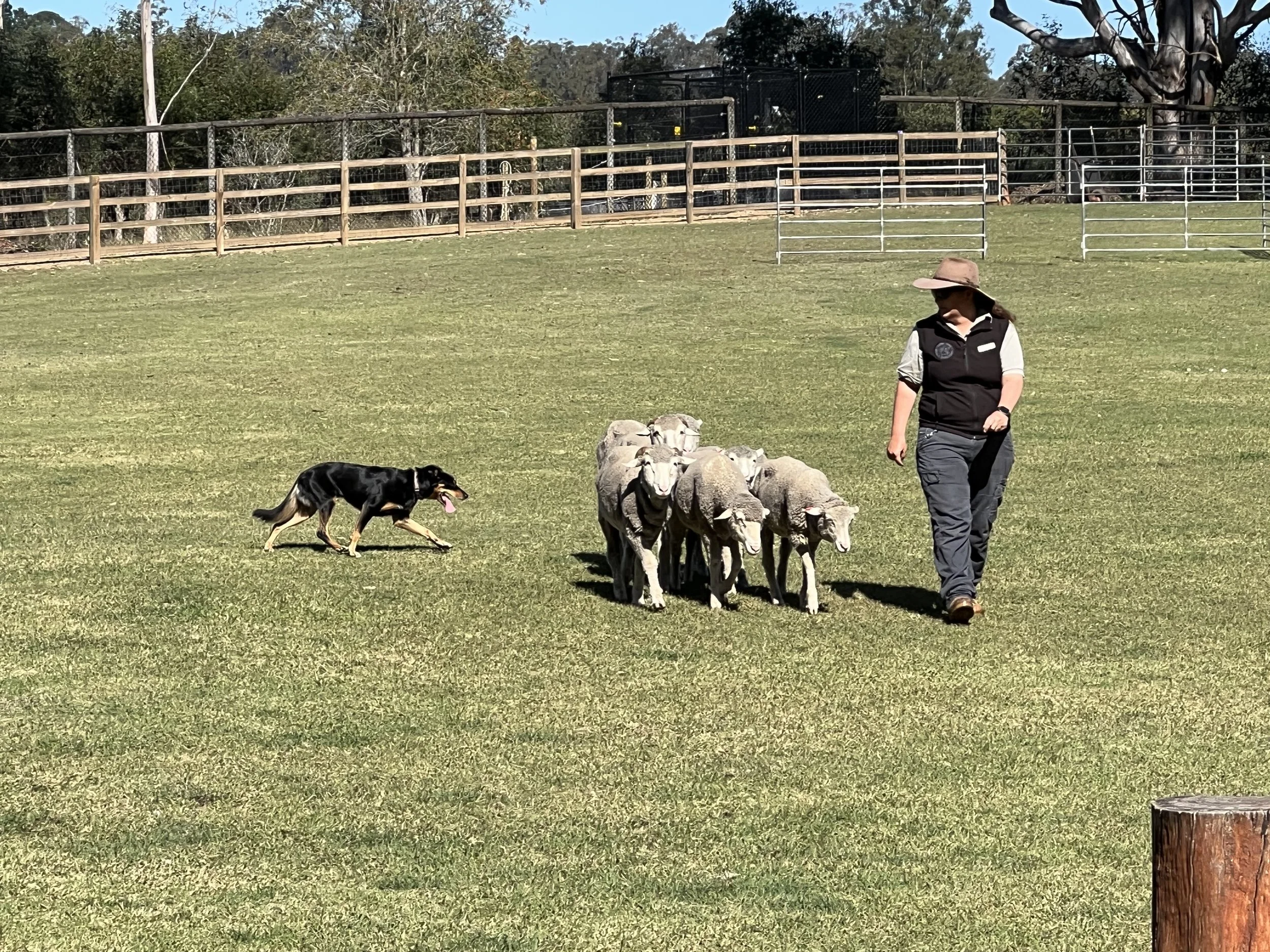
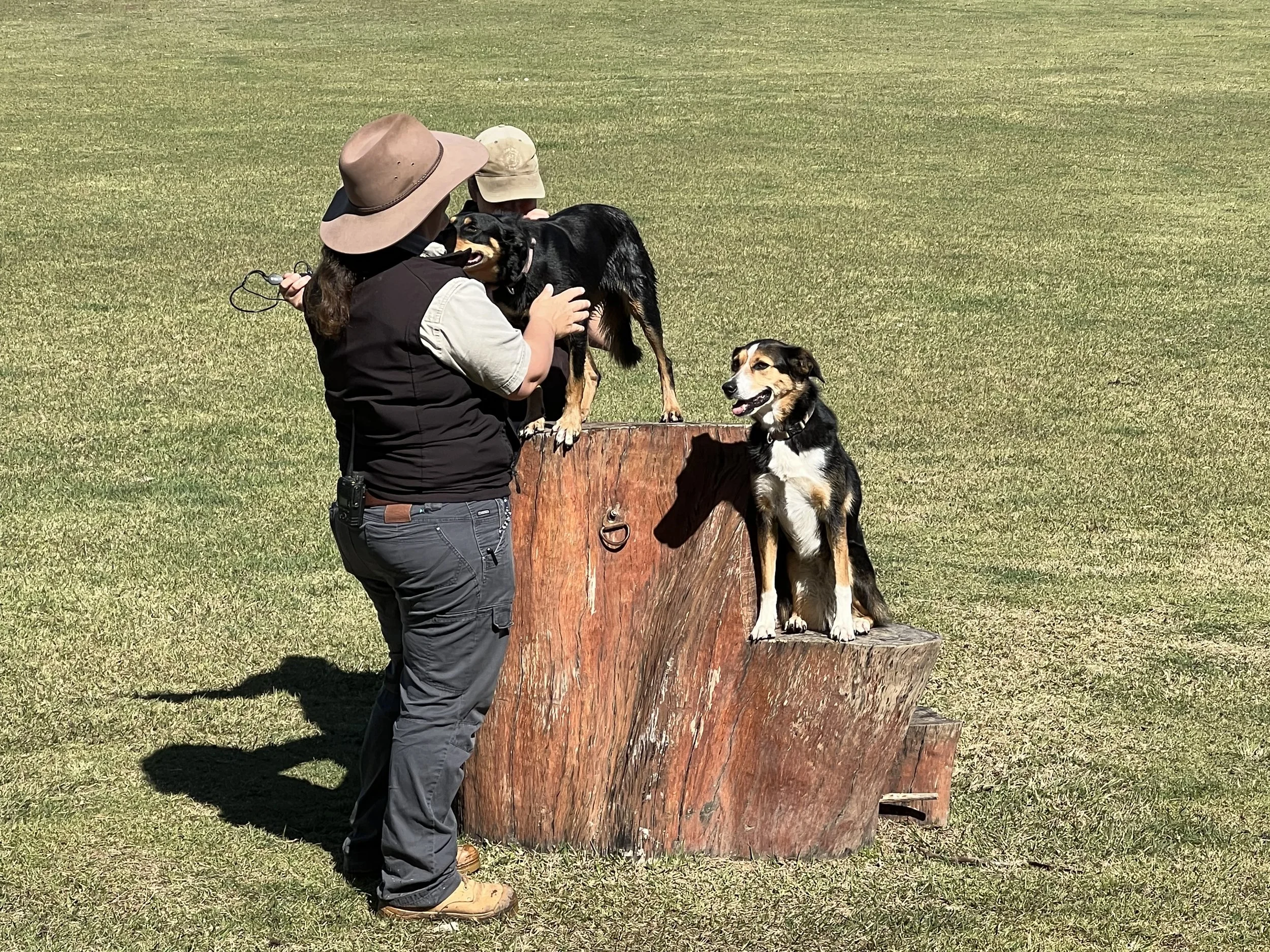
The walk between venues only took a few minutes, and I managed to find a great viewing spot. The show introduced the sheepdogs, demonstrated how they herd sheep with precision and speed, and highlighted the bond between the dogs and their trainers. It was fascinating to hear that once these dogs reach retirement age, they often get adopted by the trainers. Apparently, they’re so well-loved that trainers even compete for the chance to take them home—and after watching them in action, I completely understood why.
Riding the energy from that show, I headed to the koala talk next. Here, I learned about koala conservation, behaviours, and their role in the ecosystem. Even though many of the koalas looked similar to me, the presenter easily identified each one and shared little details about their personalities. You can sign up online to hold a koala and get your photo taken, but I was happy observing from a respectful distance.
By this point I was ready for lunch, so I stopped at the café inside the sanctuary. The seating area overlooks one of the koala habitats, so I got to enjoy my meal while watching koalas do what they do best—nap. School groups were also breaking for lunch, and the air was filled with excited chatter every time someone spotted a koala moving.
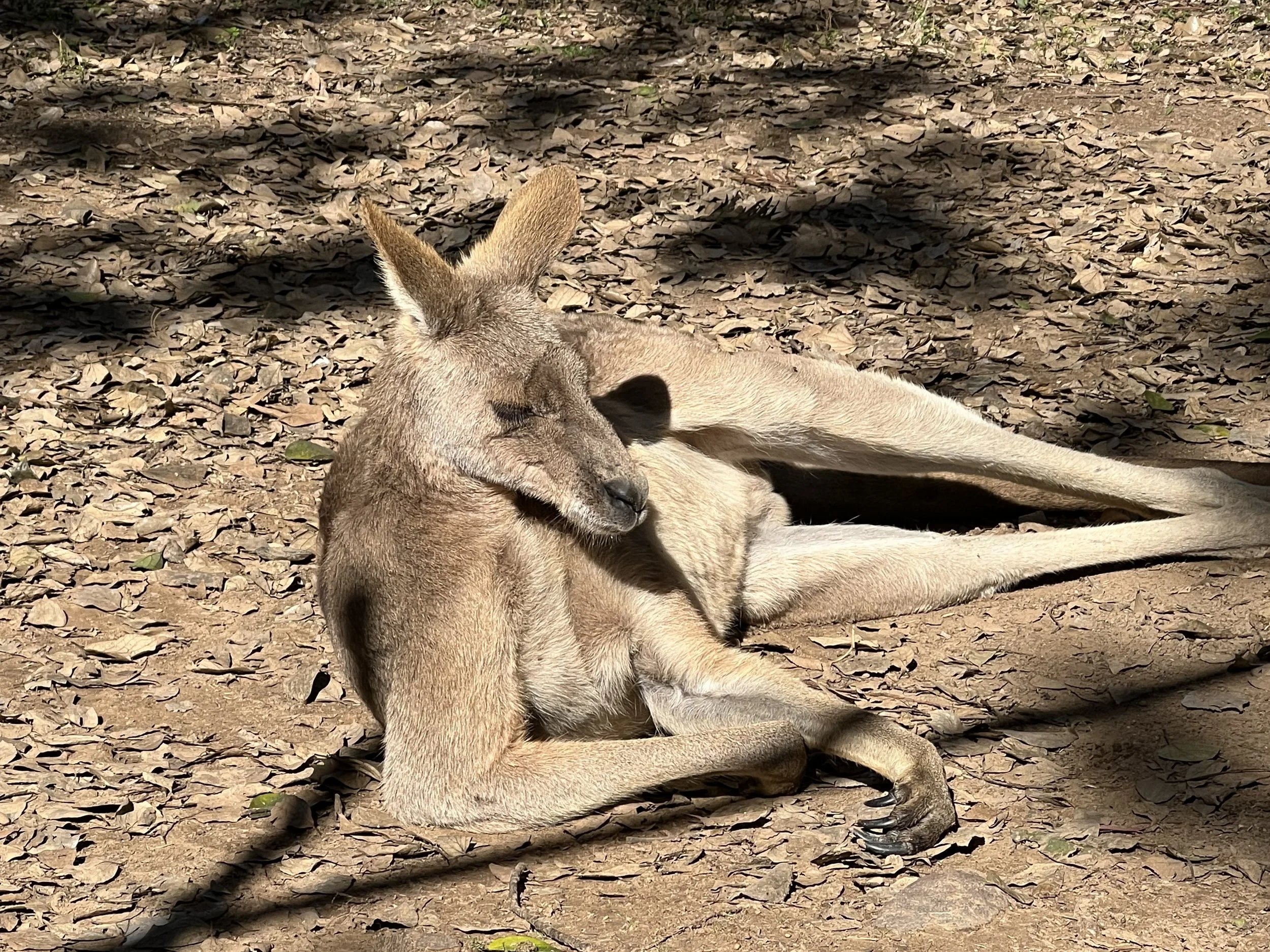
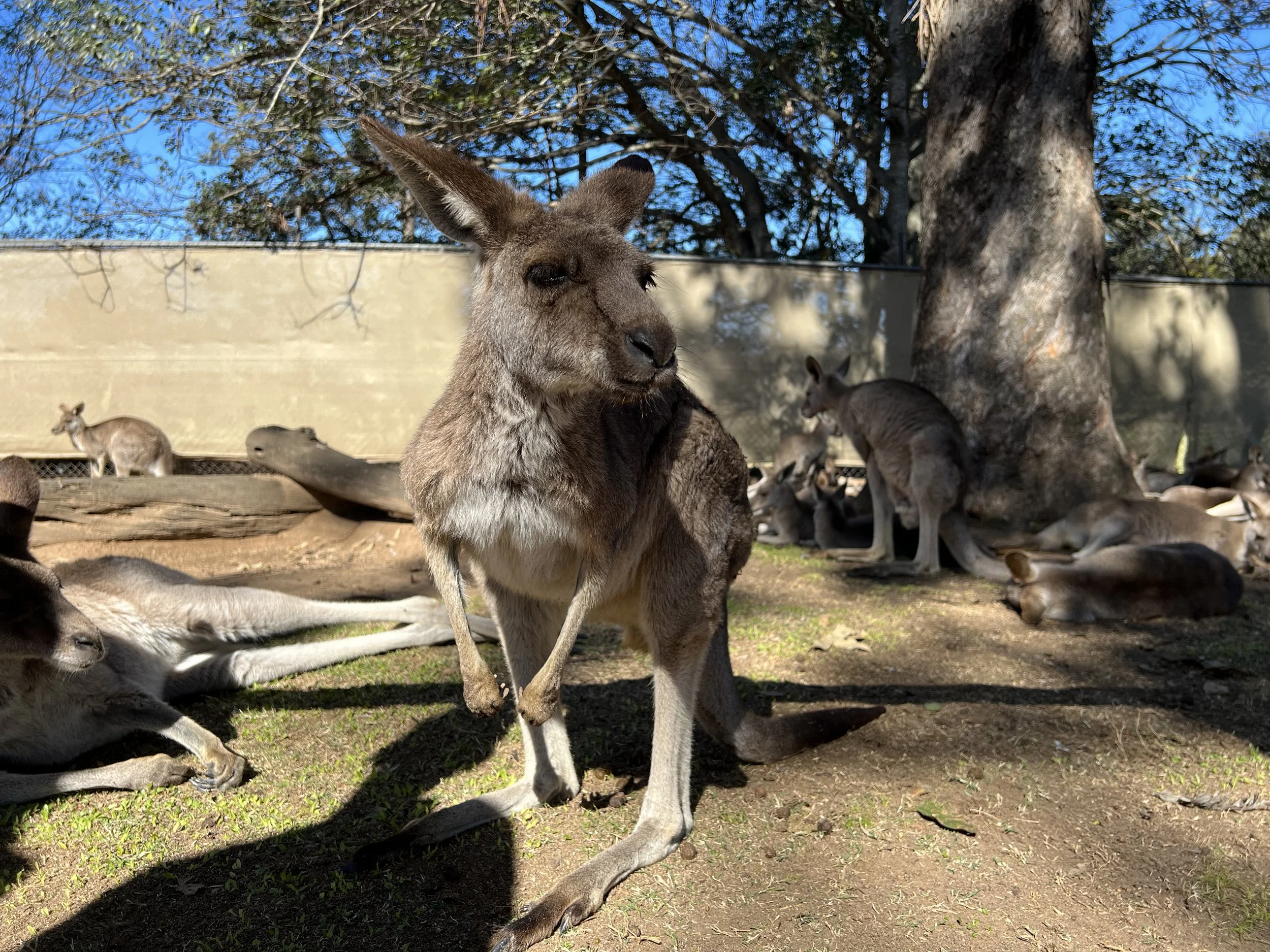
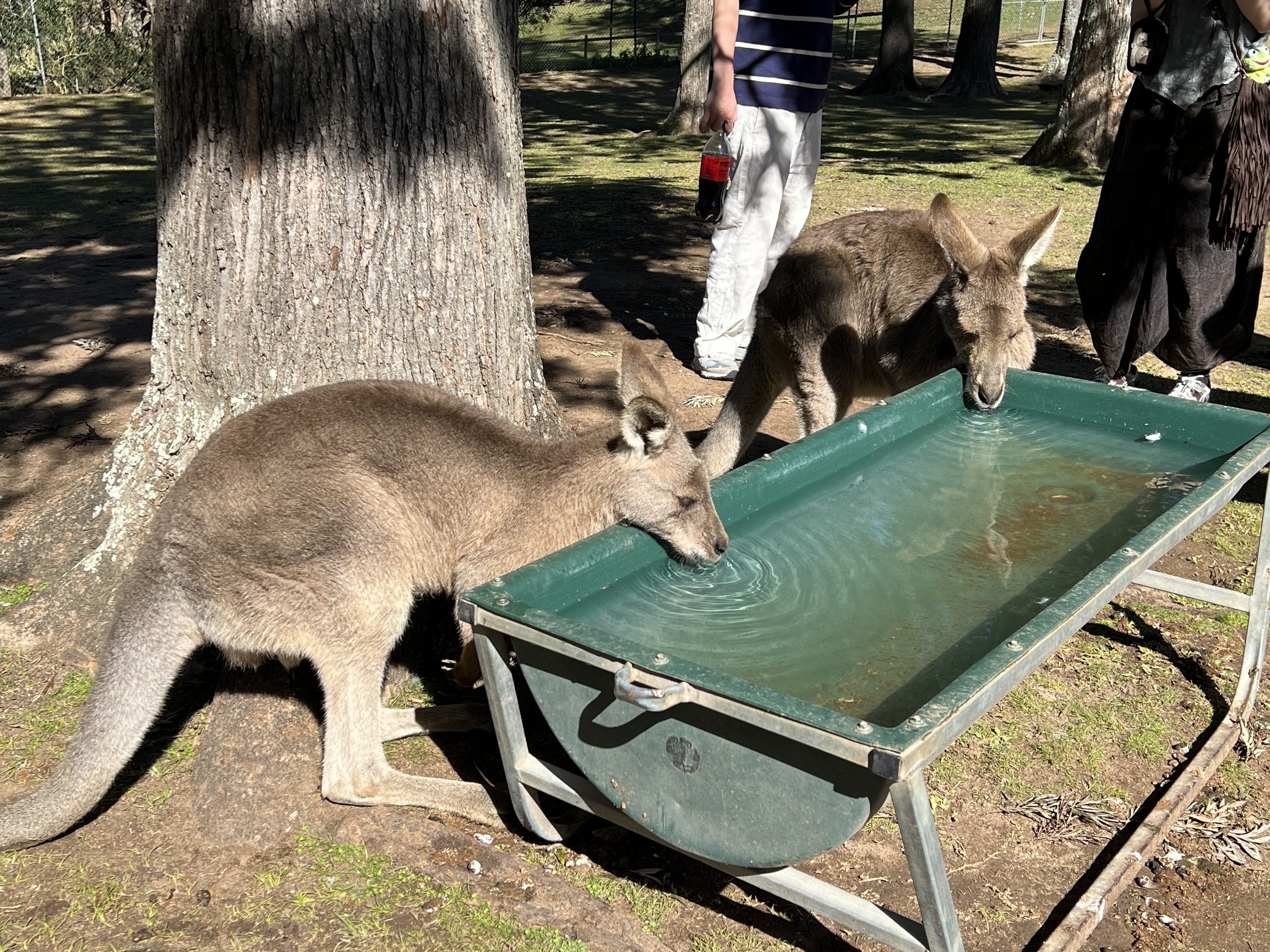
After lunch, I made my way to the free-range kangaroo area. This open space allows visitors to walk among the kangaroos and even hand-feed them if they buy the feed at the entrance. I took my time wandering through the field, watching kangaroos lounging, napping, grazing, or sipping water. With so many excited visitors around, I approached them cautiously. I did manage to gently pet one, but I mostly kept a comfortable distance and enjoyed observing them in their own environment.
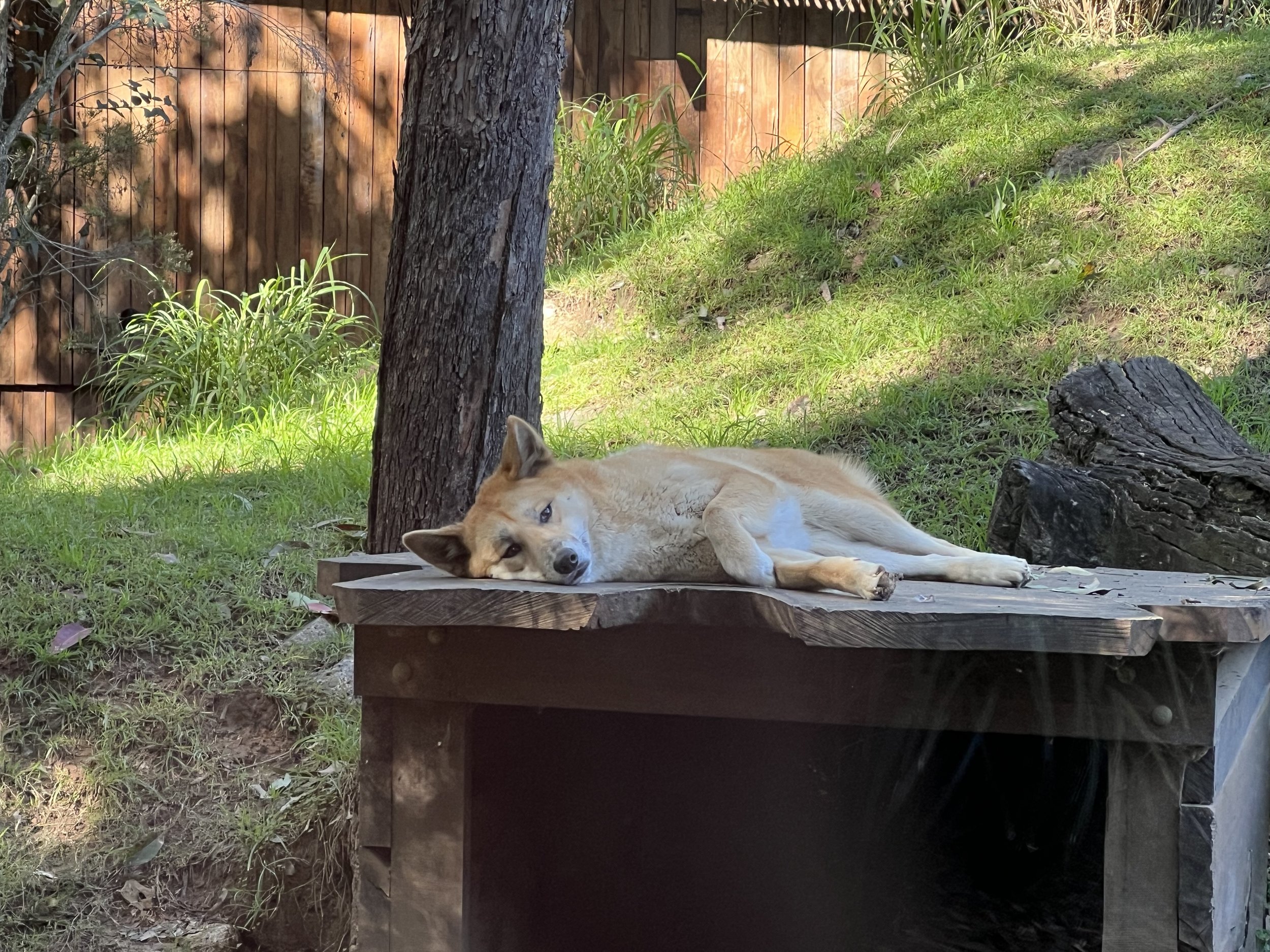
Next, I headed to the dingo habitat for the dingo talk. Similar to the koala presentation, the staff shared information about dingo behaviour, their ecological role, and how they’re cared for at the sanctuary. The dingoes themselves looked incredibly relaxed and content in their habitat.
Before leaving, I took one last walk around the sanctuary to revisit some of the other animals. It was an educational and enriching visit, made even better by checking the schedule in advance so I didn’t miss any of the shows. I left with a deeper appreciation for Australian wildlife and the conservation work happening behind the scenes.
History & Background
Lone Pine Koala Sanctuary, established in 1927, is the world’s oldest and largest koala sanctuary. It began as a safe refuge for injured, orphaned, and displaced koalas during a time when hunting and habitat loss threatened their survival. Over the decades, it expanded to include a wide range of native Australian animals and became a leading centre for education, conservation, and wildlife research.
Today, Lone Pine is known not only for its large koala population but also for its hands-on approach to conservation awareness. Visitors can observe koalas, kangaroos, dingoes, wombats, and other native species in natural, open environments while learning about the ongoing efforts to protect Australia’s unique wildlife.
Getting There
Lone Pine Koala Sanctuary is easy to reach by public transit from central Brisbane. I took the bus from King George Square, and the ride took roughly 40 minutes, dropping me off right at the entrance. With tickets purchased online ahead of time, entering the sanctuary was quick and straightforward, and booking in advance is especially helpful if you're planning to join one of the animal experience sessions.
Route Overview
Duration: 6 hr (Total time spent at the sanctuary + lunch break)
Booking Info: You can book the tickets online ahead of the visit at their official site. Experiences like getting pictures taken with the koala tend to sell out so it’s recommended to book as early as possible.
Cost Breakdown
Bus: King George Square Bus Stop → Lone Pine Koala Sanctuary — AU$0.5
Entrance Fee: Lone Pine Koala Sanctuary — AU$56.95
Food: AU$23