Kashihara Shrine - Nara, Japan
After spending the day hiking around Mount Yoshino, I decided to make one last stop before calling it a day: Kashihara Shrine.
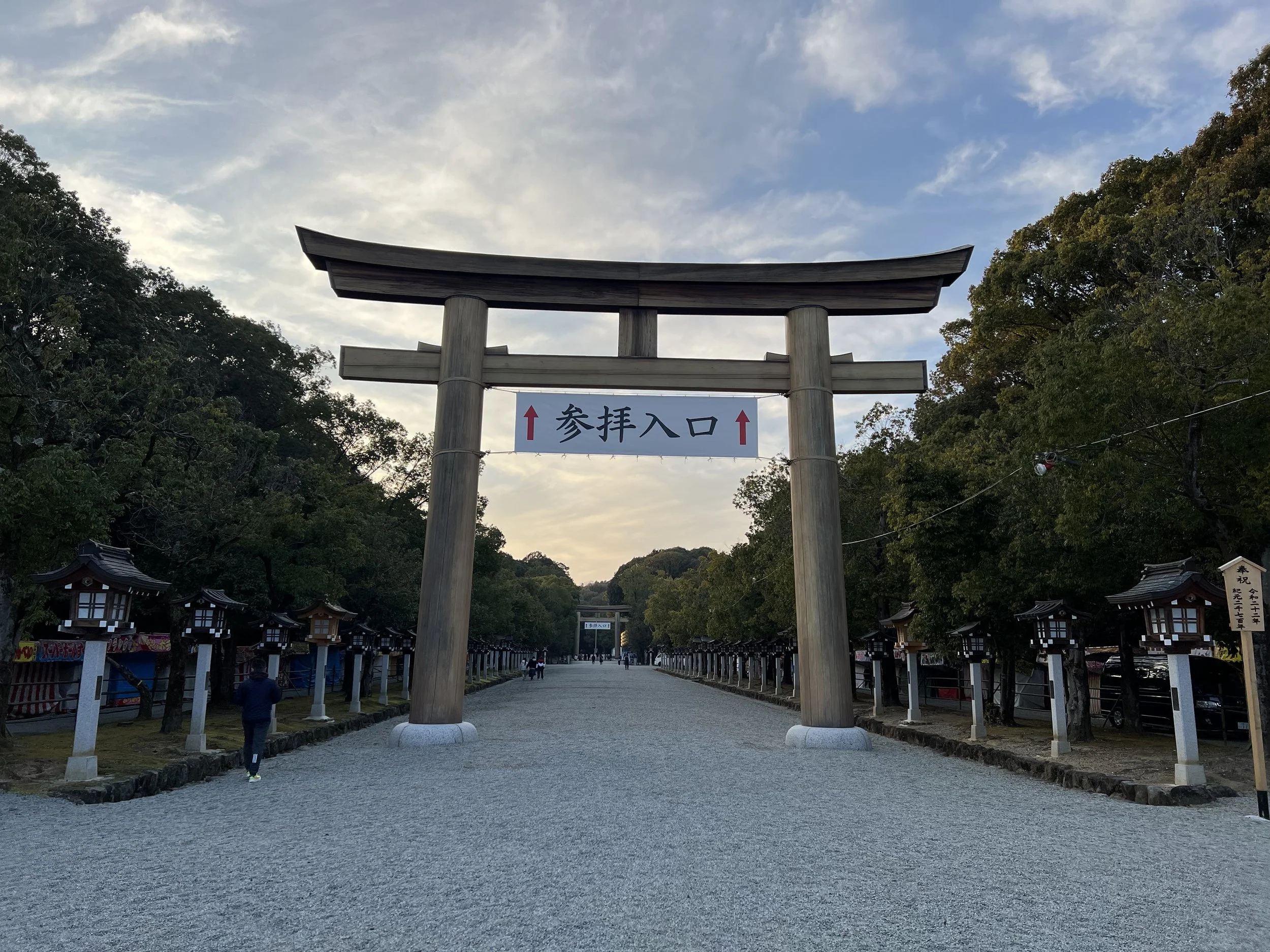
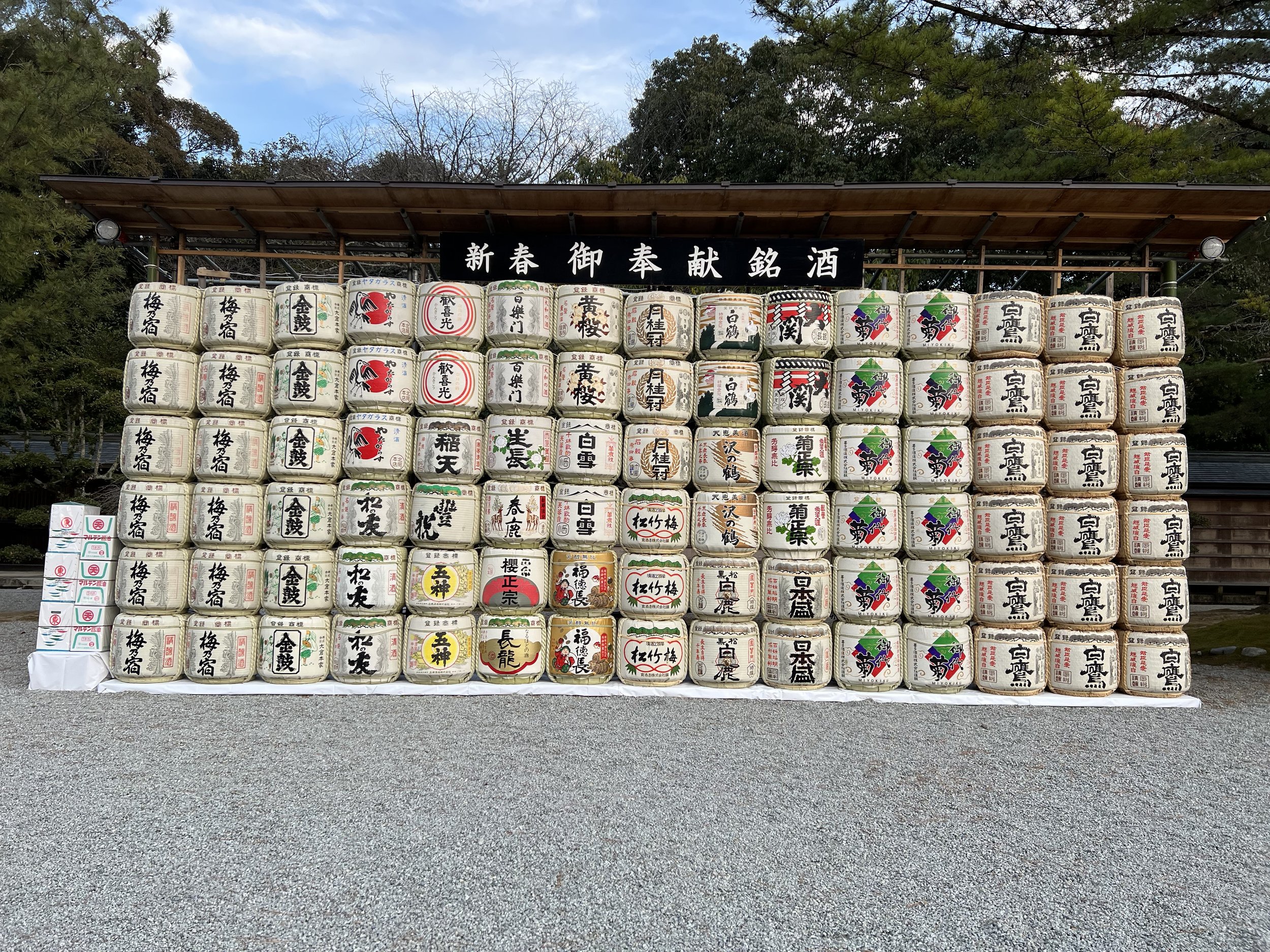
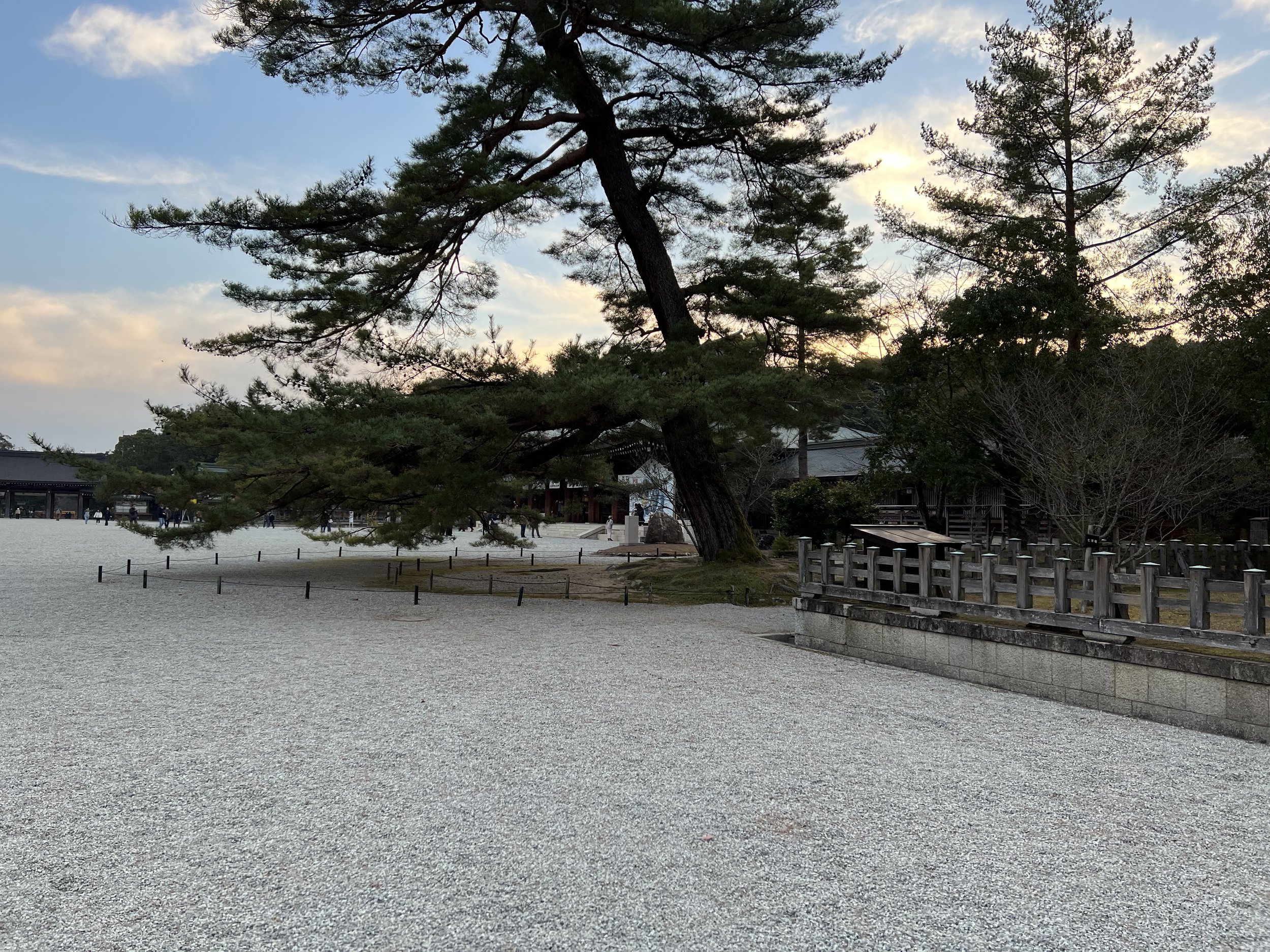
I took the train from Yoshino Station to Kashiharajingu-mae Station, and from there, it was about a one-kilometre walk to the shrine. The approach itself was straightforward, but as soon as I entered the grounds, the scale of the place became immediately clear. It’s massive. Wide open paths, expansive courtyards, and long sight lines framed by trees and it felt like the kind of place designed to hold large gatherings. And it made sense once I started noticing the preparations underway for the New Year.
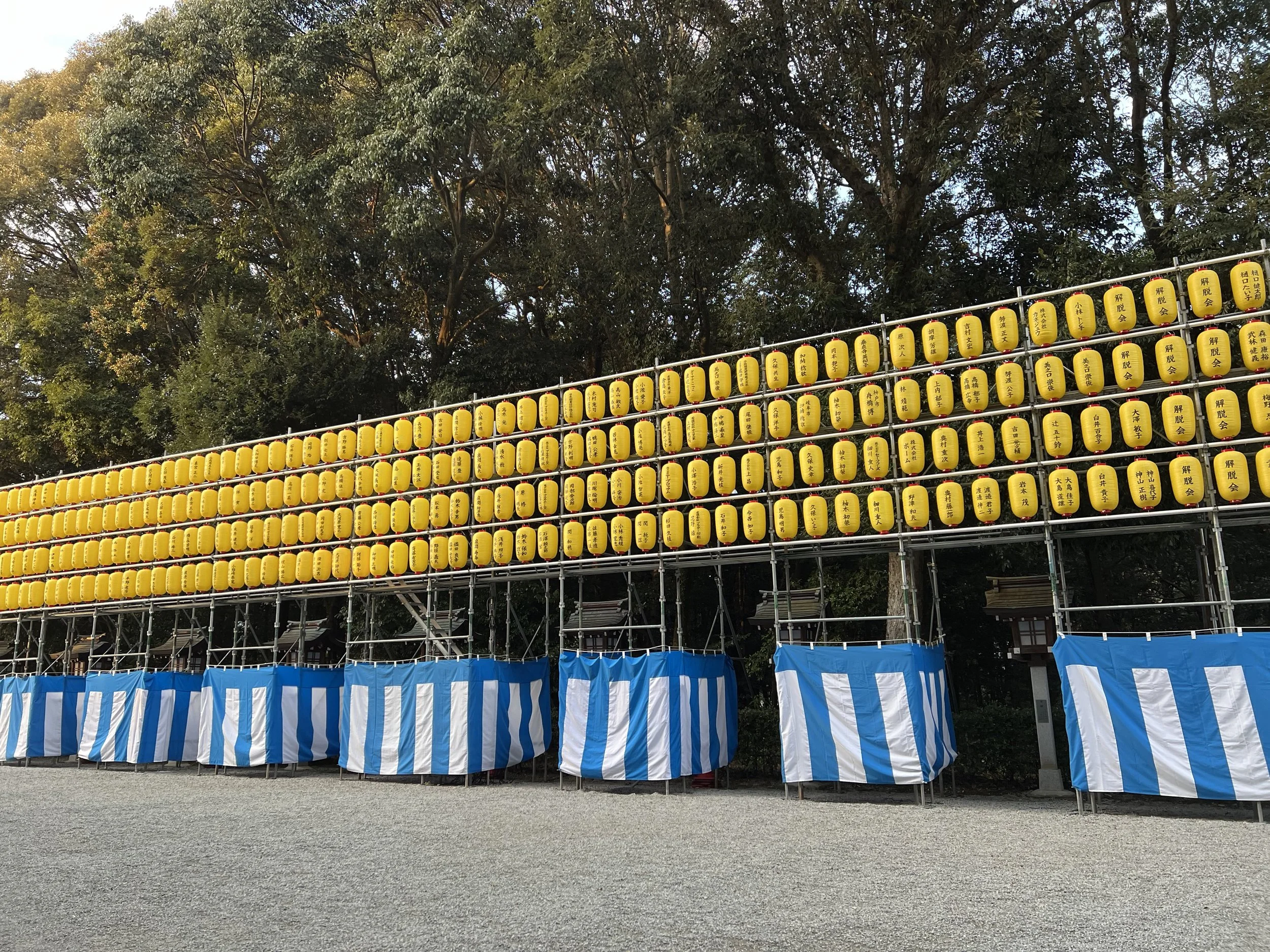
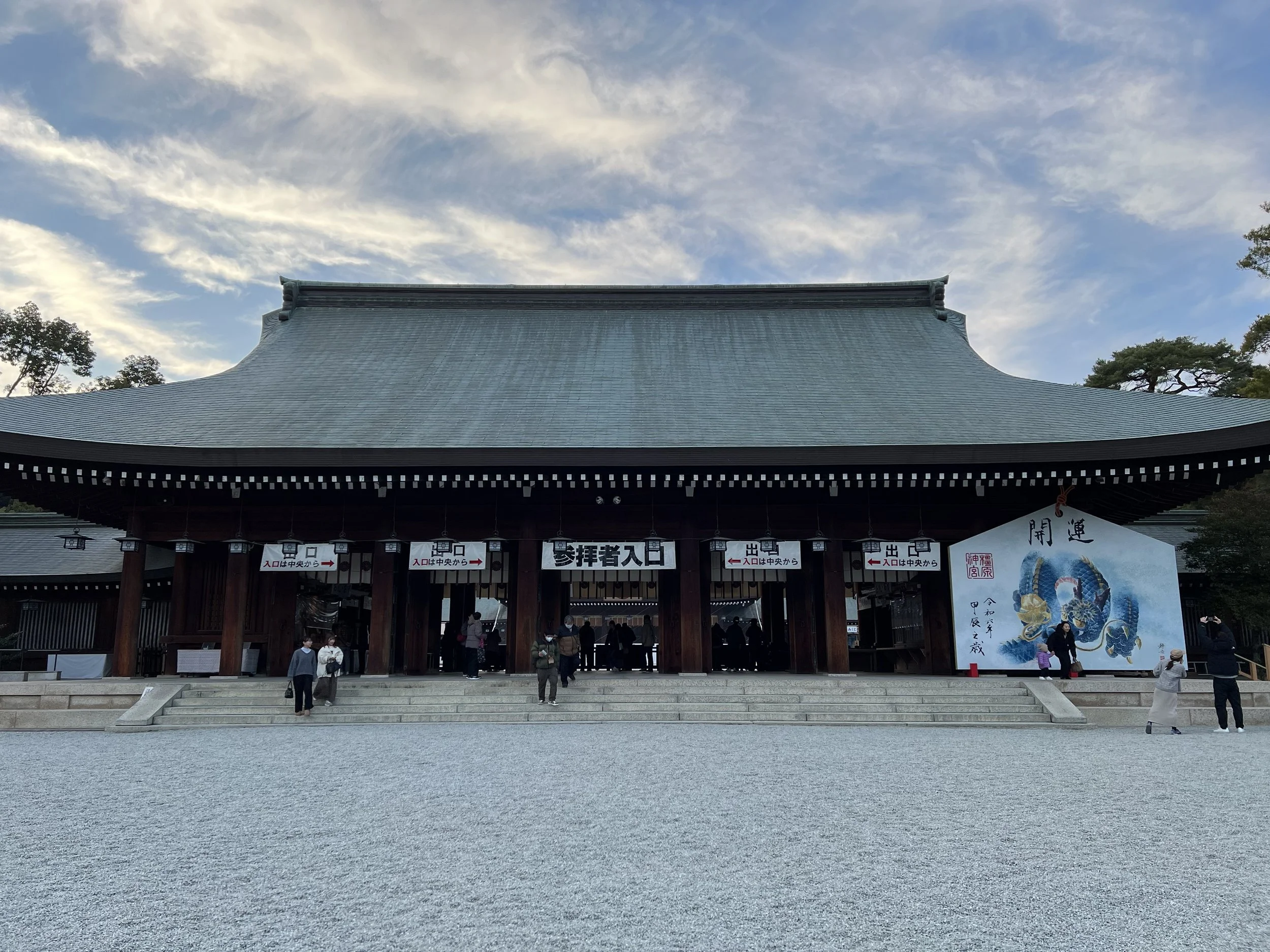
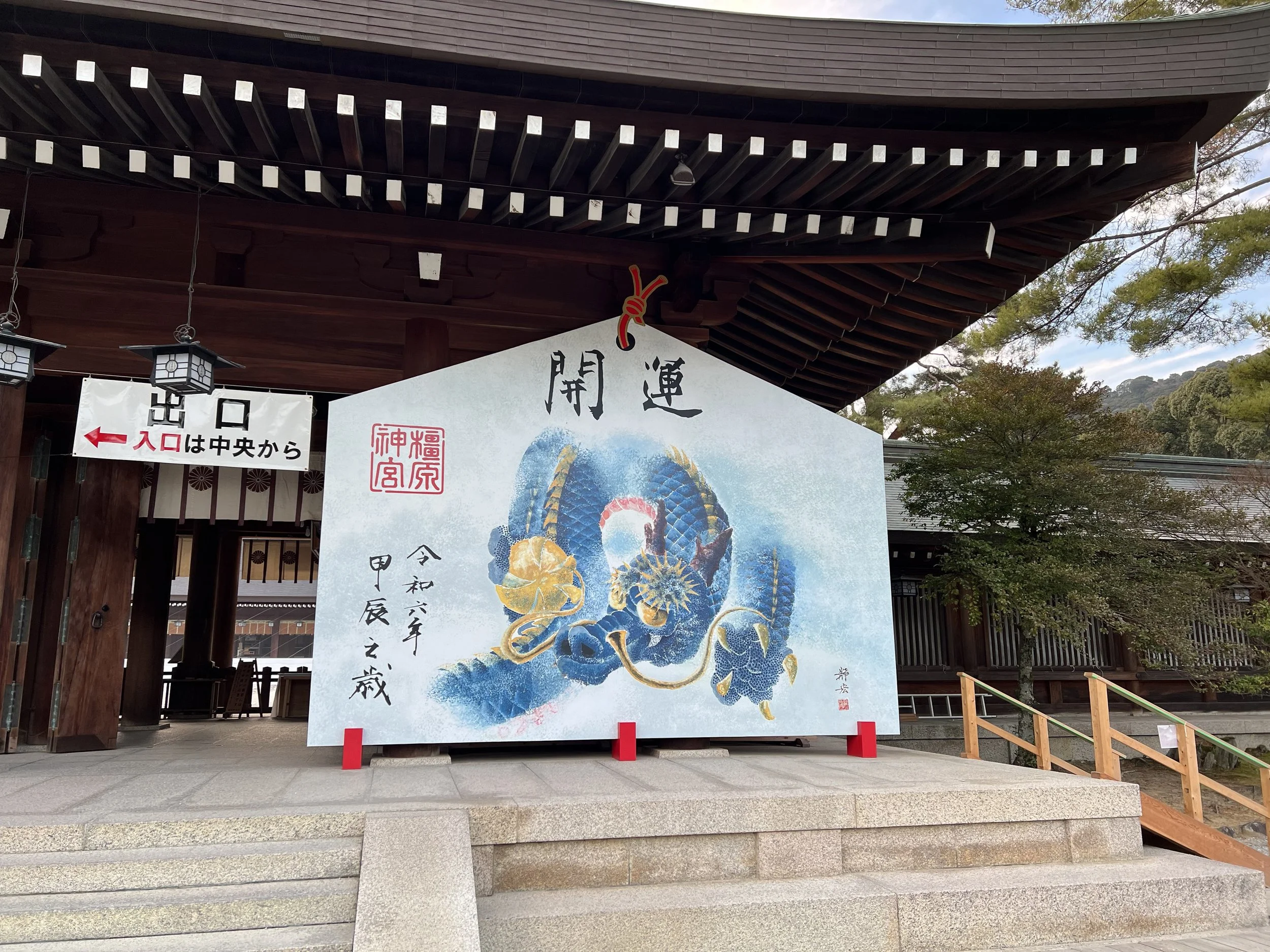
Even though it wasn’t quite that time yet, the shrine was already getting ready. Barriers and directional signage had been set up to create a one-way flow system for visitors, clearly anticipating the large crowds that would come for hatsumode—the first shrine visit of the year. Despite all that, the timing of my visit couldn’t have been more different. Arriving late in the day meant there were only a handful of people around. The near-emptiness made the space feel even larger, almost echoing in its stillness.
Located at the base of Mount Unebi—one of the three Yamato Mountains—the shrine is surrounded by forest, adding to the sense of quiet isolation. Walking through the grounds, there’s a noticeable balance between openness and enclosure, with nature softening the scale of the architecture. Although Emperor Jimmu is said to have ascended the throne at this site, the shrine itself is relatively modern, built in 1889. Still, it carries a strong historical presence.
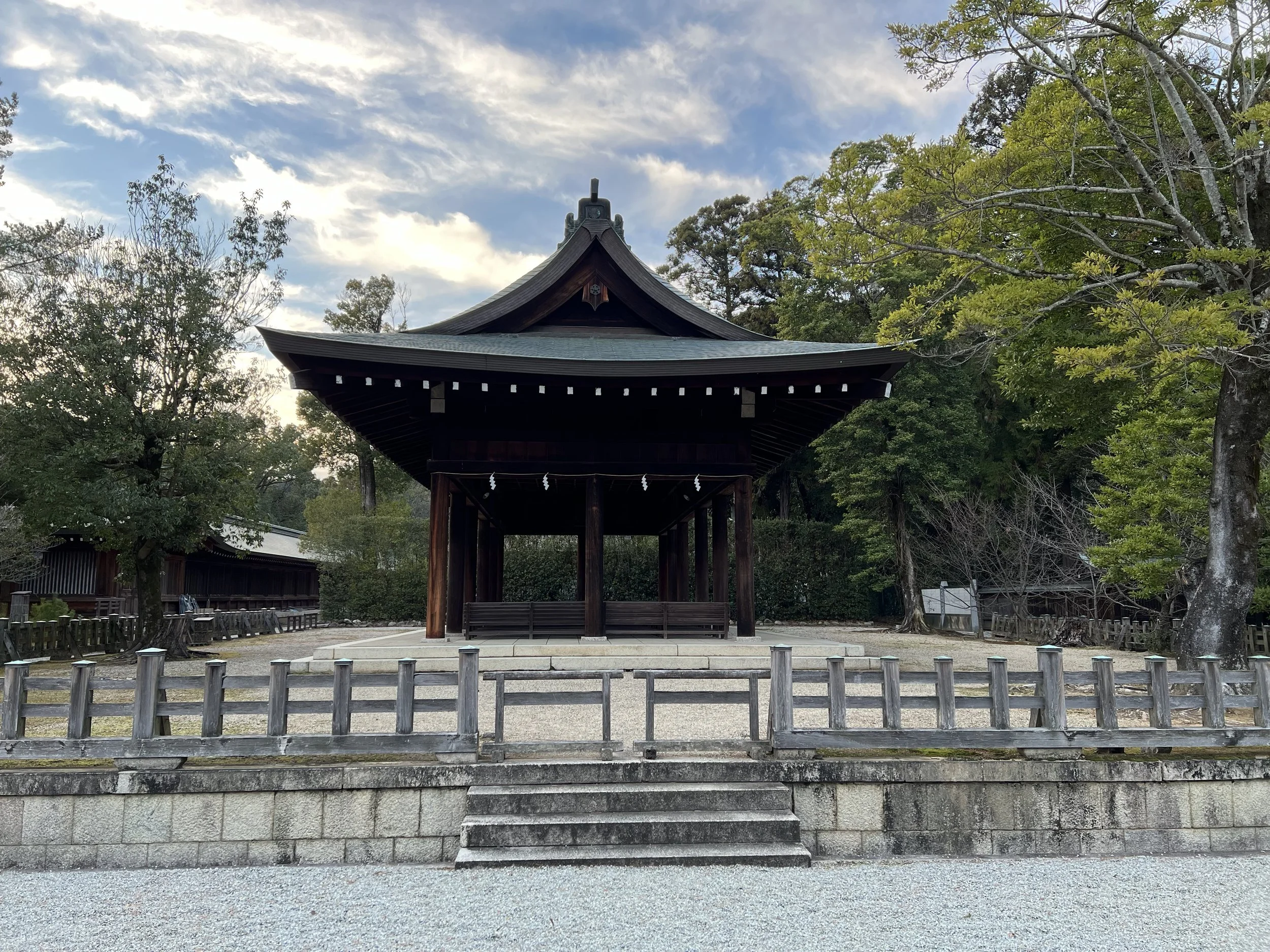
One detail I found interesting was that parts of the shrine, including the main hall, were constructed using buildings relocated from the Kyoto Imperial Palace, donated by Emperor Meiji. Knowing that added a different layer to the experience—linking it back to Japan’s imperial history in a more tangible way.
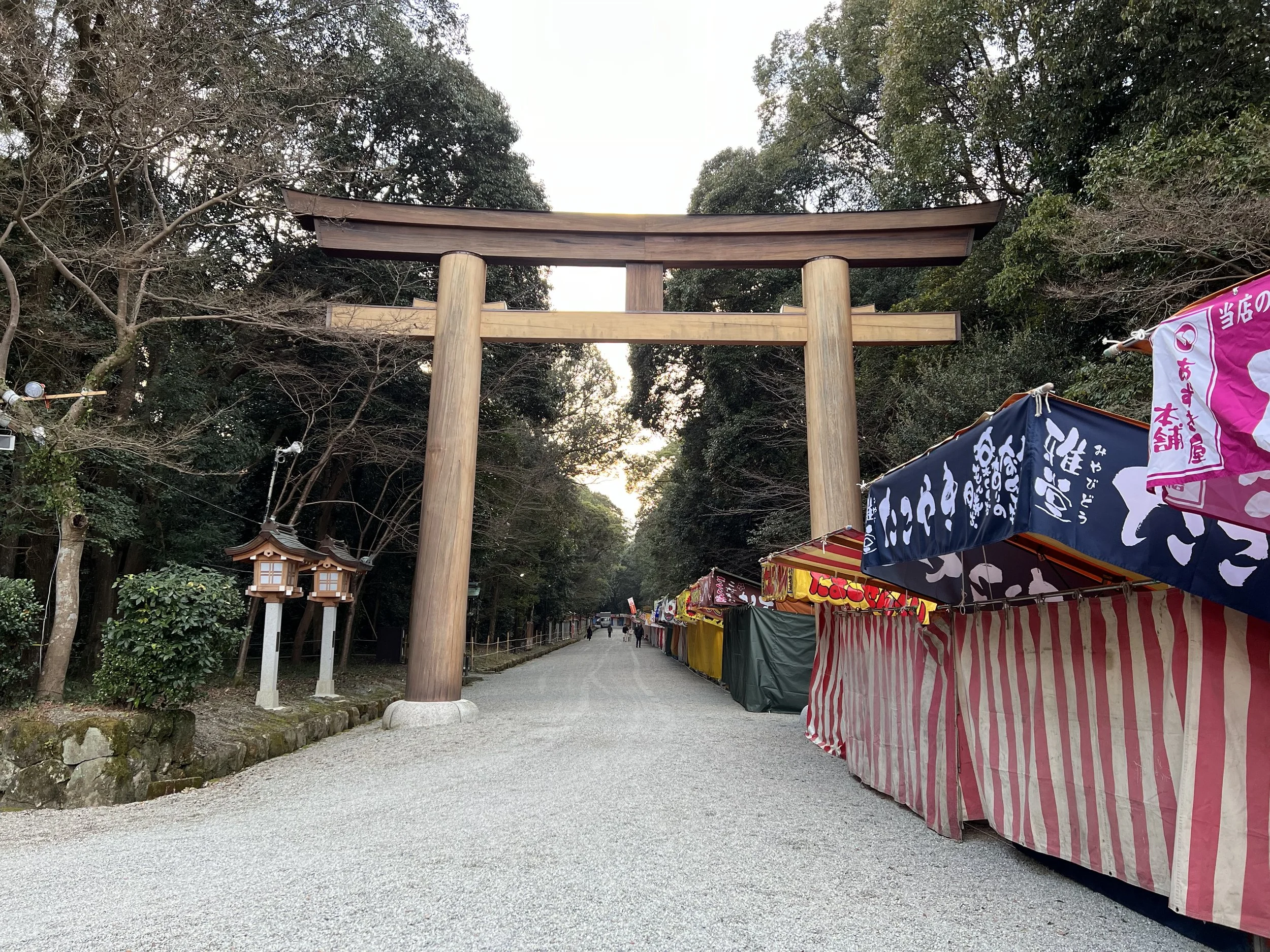
There’s actually quite a bit to explore within the grounds—smaller auxiliary shrines, a mausoleum, and even palace ruins—but with the sun starting to set, I didn’t get to see everything. Instead, I followed the designated one-way path, which eventually led me toward the northern approach. Along the way, I passed rows of stalls that had already been set up in preparation for New Year festivities.
As I made my way out, I came across the Nara Prefecture Kashihara Archaeological Institute near Unebigoryomae Station. It was closed by the time I got there, but it looked like the kind of place that would be worth visiting during the day—especially to get more context about the area’s history.
By then, the light was fading, and it felt like the right time to head back. It wasn’t a long visit, but it was a good way to end my day.
History & Background
Kashihara Shrine (橿原神宮) was established in 1889 to honour Emperor Jimmu, who is traditionally believed to be Japan’s first emperor.
According to legend, Emperor Jimmu ascended the throne at this very location, marking the beginning of Japan’s imperial lineage. The shrine was constructed during the Meiji era as part of a broader effort to reinforce imperial history and national identity.
The shrine sits at the base of Mount Unebi, one of the three Yamato Mountains, which hold cultural and historical significance in the region.
Although relatively modern compared to many ancient shrines, Kashihara Shrine is considered an important site and attracts large numbers of visitors, particularly during New Year celebrations.
Getting There
From Nara or Osaka, travellers can take the Kintetsu Line to Kashiharajingu-mae Station. From the station, it is approximately a 10–15 minute walk to the shrine. Alternatively, Unebigoryomae Station on the JR line is also within walking distance of the shrine.
Route Overview
Distance: 2.02 km out & back (Kashiharajingu-mae Station → Unebigoryomae Station)
Total elevation gain: 5 m
Duration: 20 min (with breaks 26 min)
Difficulty: Easy
Cost Breakdown
Train: Yoshino Station → Kashiharajingu-mae Station — ¥560
Food: ¥240