Hakuto Shrine - Tottori, Japan
Tucked away along the coastline of Tottori, Hakuto Shrine is best known as the home of the White Rabbit of Inaba legend. It sits a fair distance from central Tottori, but after reading about the mythology tied to this place, I knew I wanted to visit. The quiet coastal setting only added to its appeal.
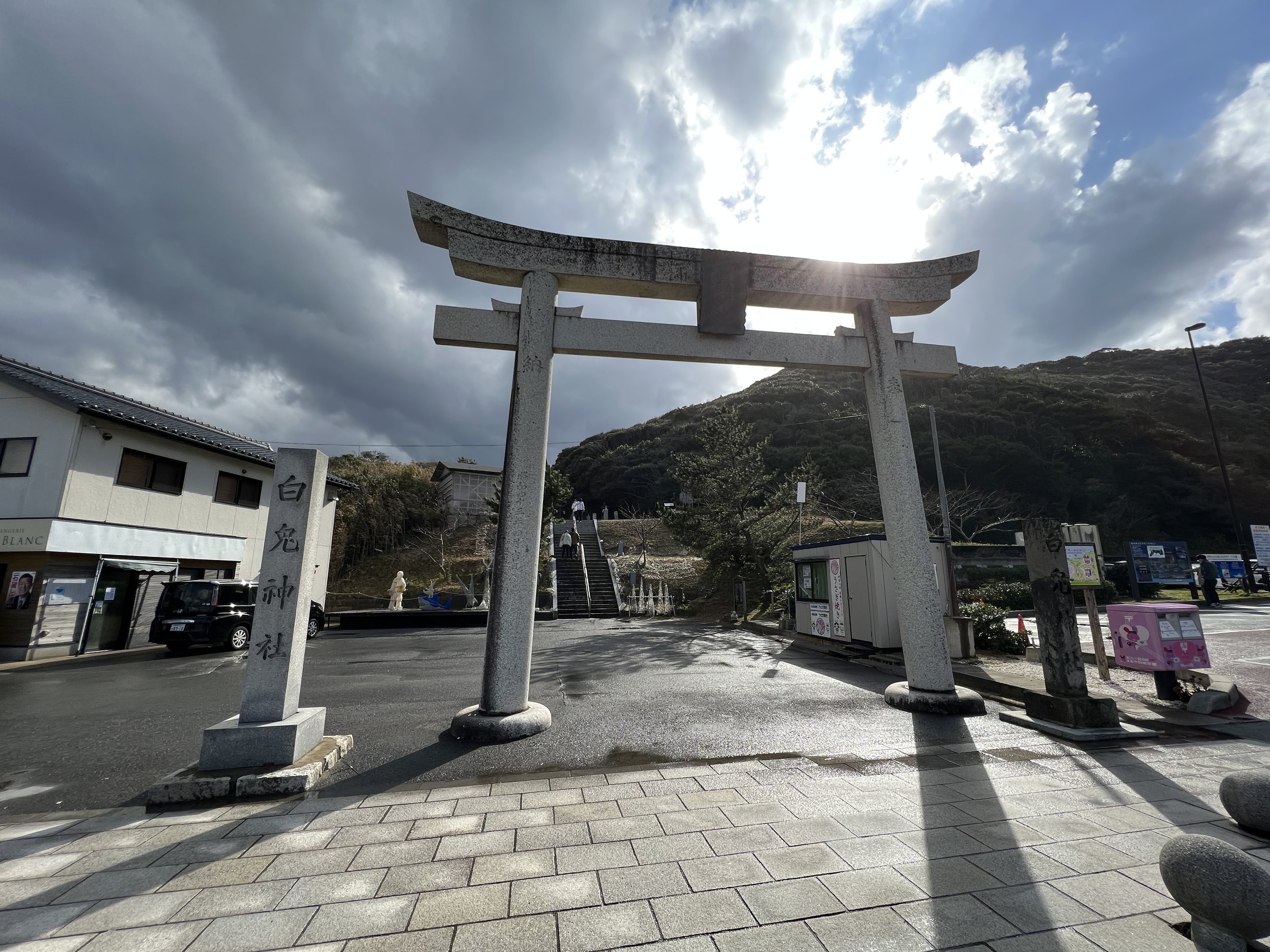
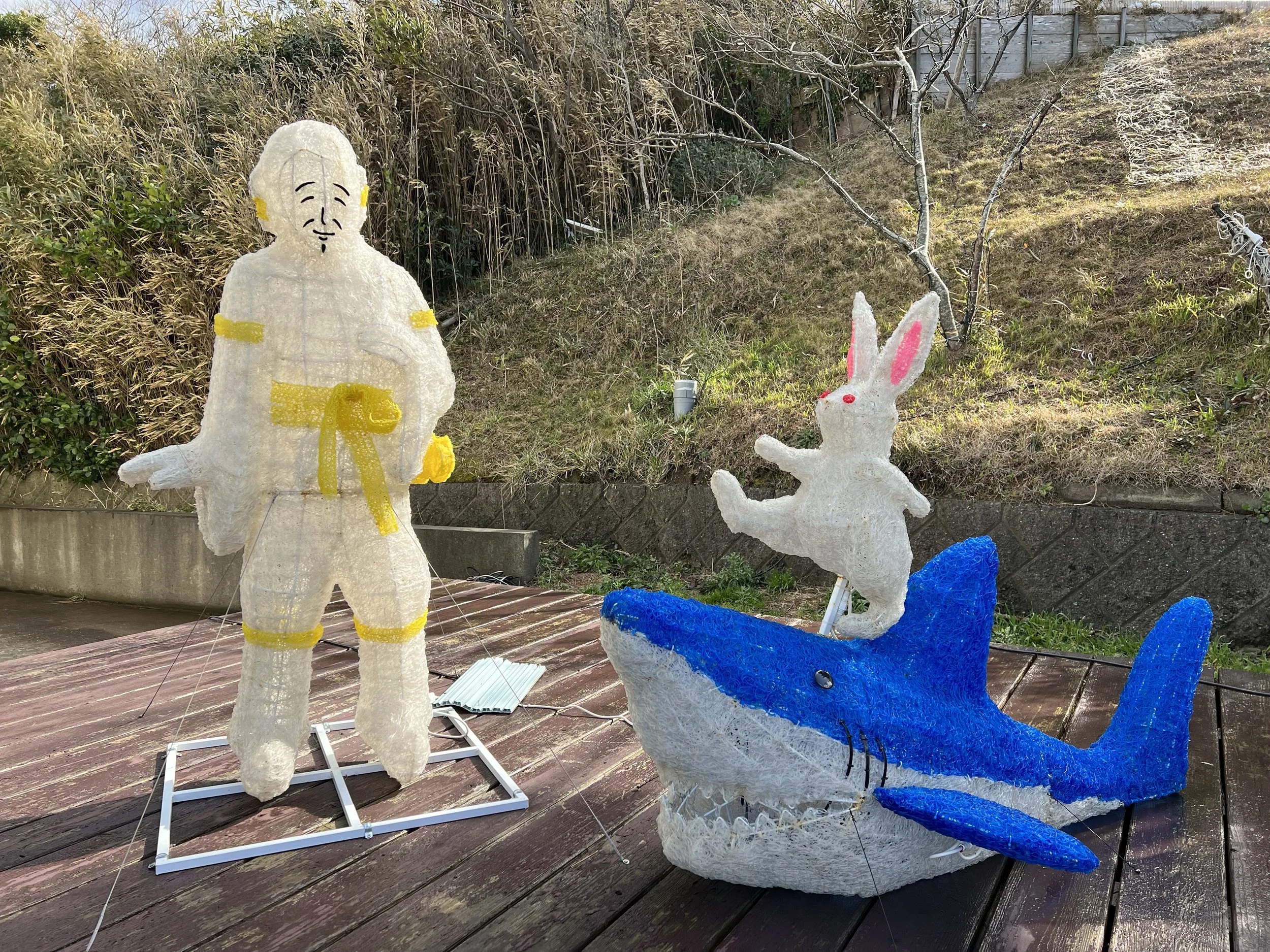
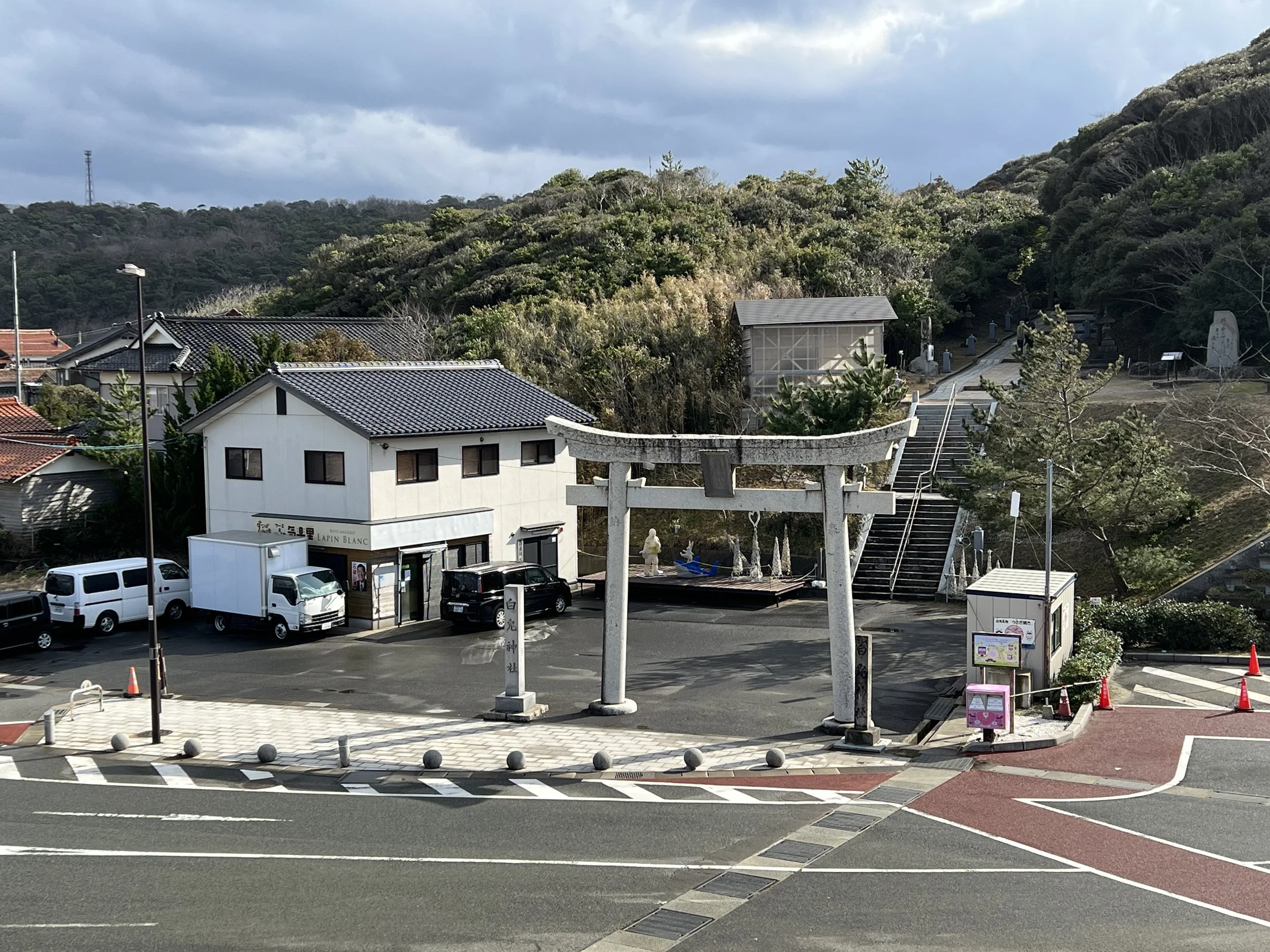
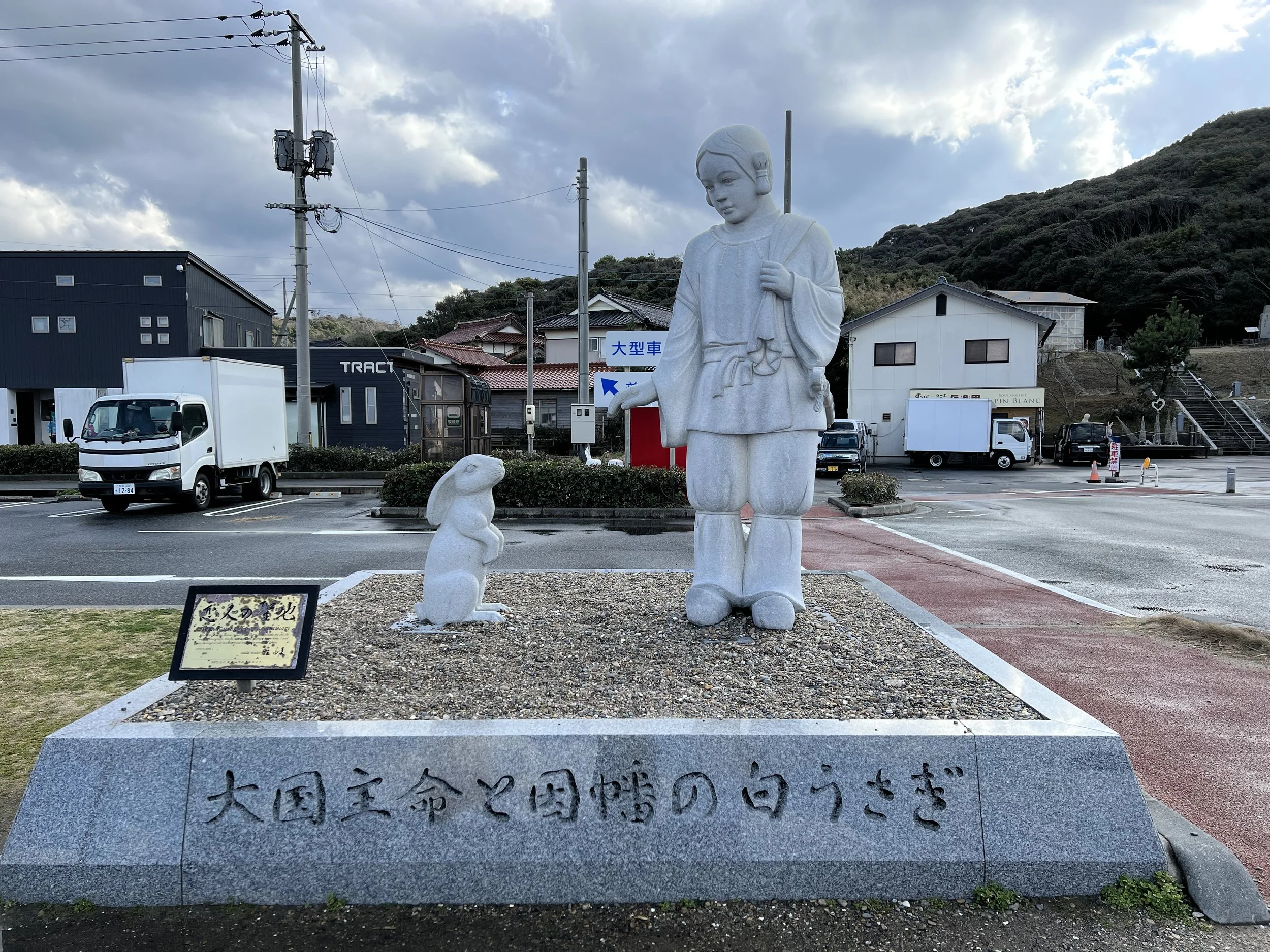
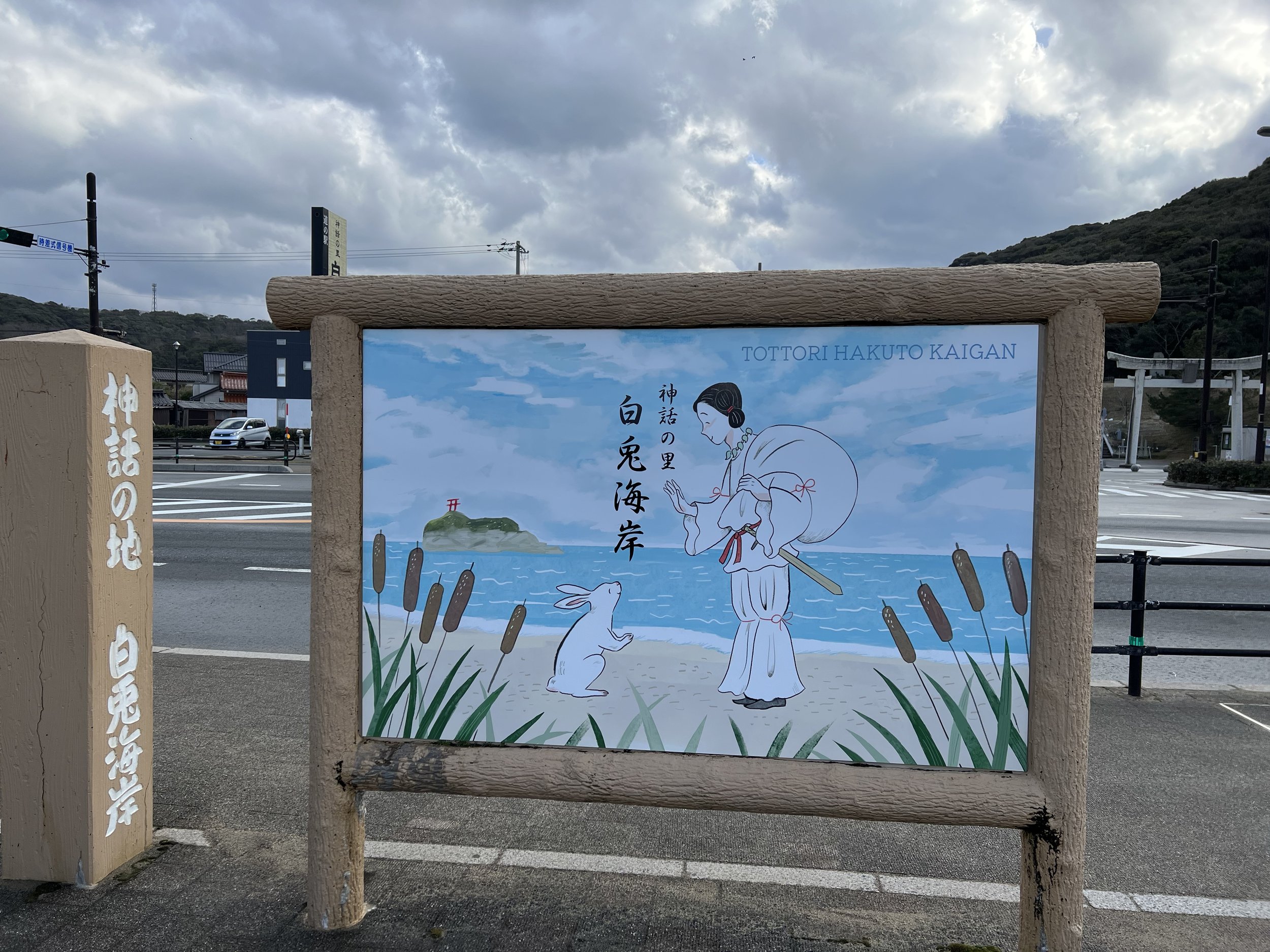
From Tottori Station, I boarded a bus heading toward Hakuto Shrine. After about a 46-minute ride, I arrived at the base of the shrine grounds, where I was immediately greeted by a torii gate and several white rabbit statues. One of the most well-known stories associated with this shrine tells of eighty brothers travelling to seek the hand of Princess Yakami. Along the way, they encountered an injured rabbit and cruelly advised it to bathe in seawater and stand in the wind to heal, which only worsened its injuries. The youngest brother, Okuninushi, who had been carrying the brothers’ luggage and lagging behind, instead advised the rabbit to wash in fresh water and wrap itself in sedge grass. The rabbit healed, and in gratitude foretold that Princess Yakami would choose Okuninushi as her husband. The prophecy came true, and the tale is considered one of the oldest love stories in Japanese mythology.
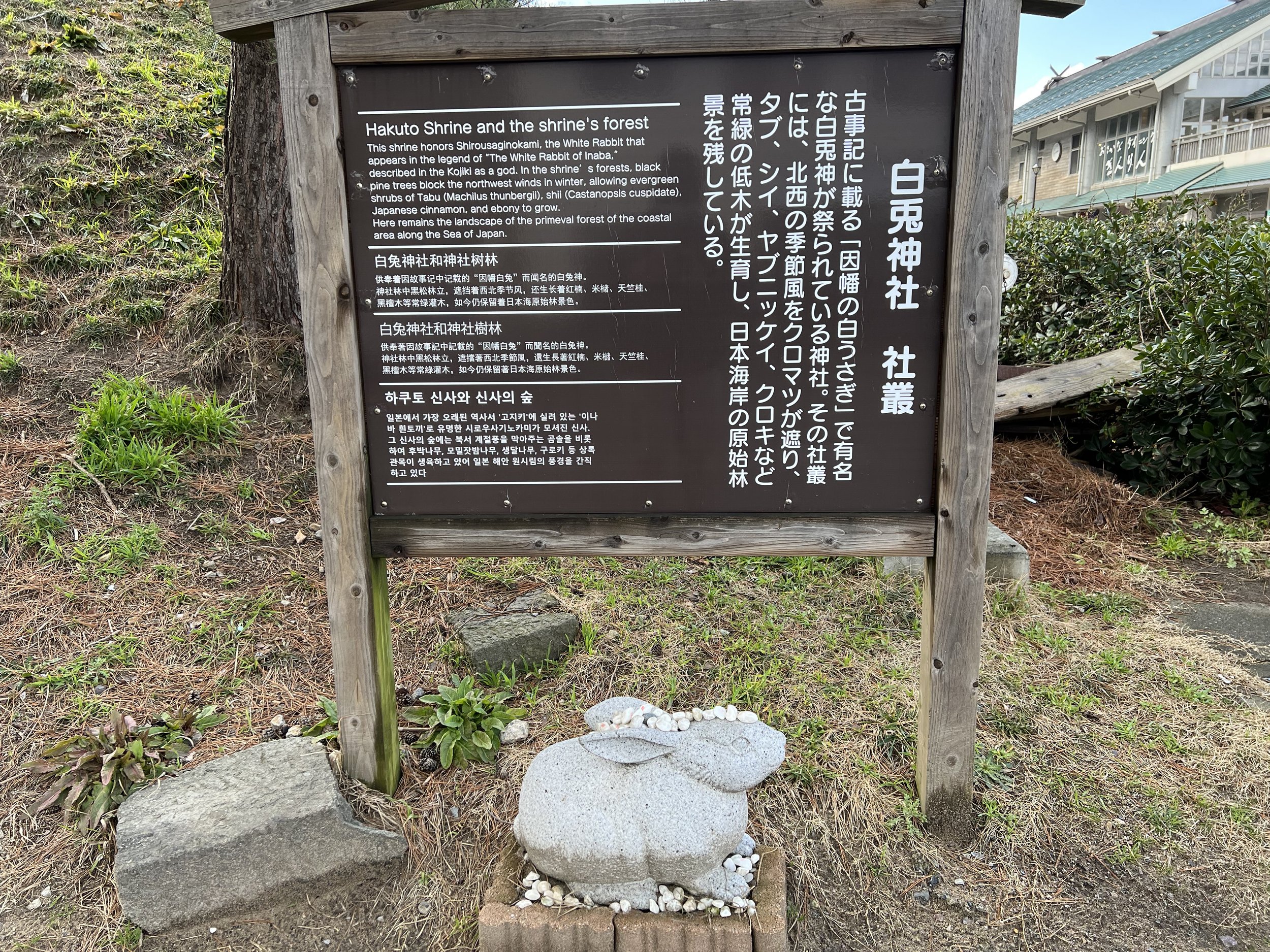
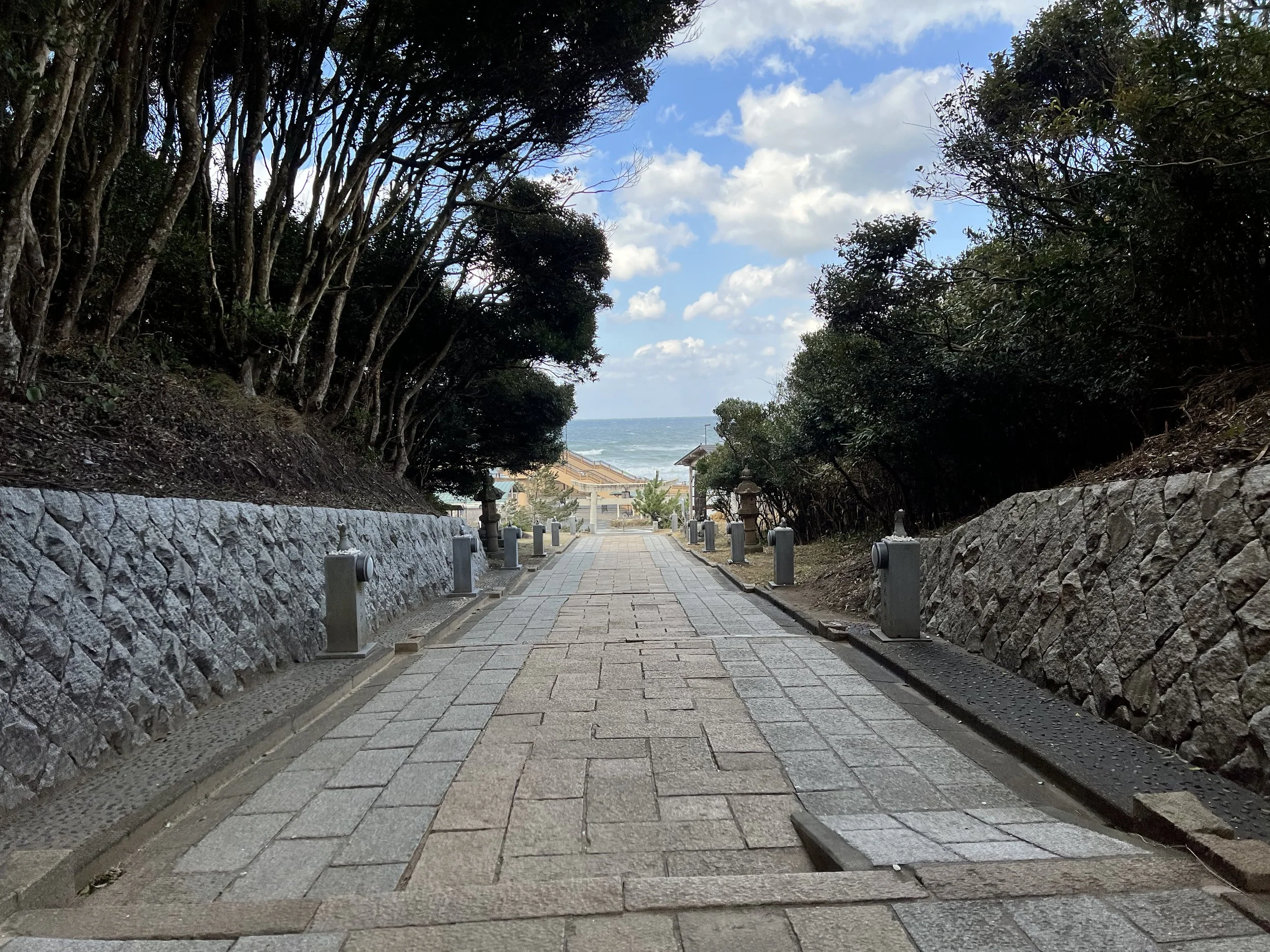
With that legend in mind, walking through the shrine grounds felt especially meaningful. White rabbit statues line the paths, and heart-shaped decorations appear throughout the area. Even the nearby mailbox is painted pink and adorned with hearts. Hakuto Shrine is widely regarded as a matchmaking shrine, and despite my winter visit, the parking area was quite large, clearly built to accommodate tour buses. It’s easy to imagine this being a popular destination for couples and those seeking love, particularly during warmer months. Visitors can also purchase omamori (good luck charms) and omikuji (paper fortunes) at the shrine office, many of which feature rabbit motifs.
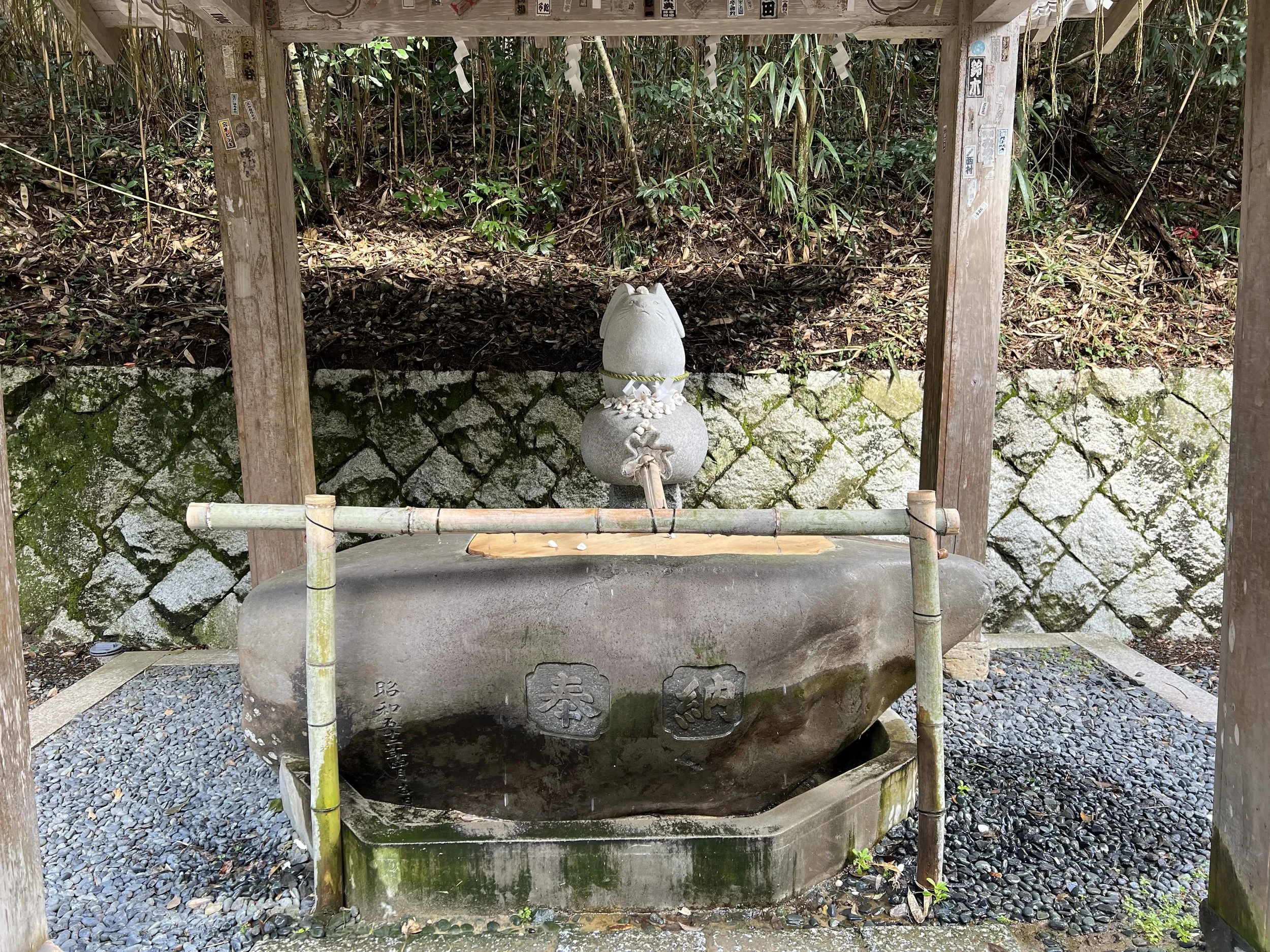
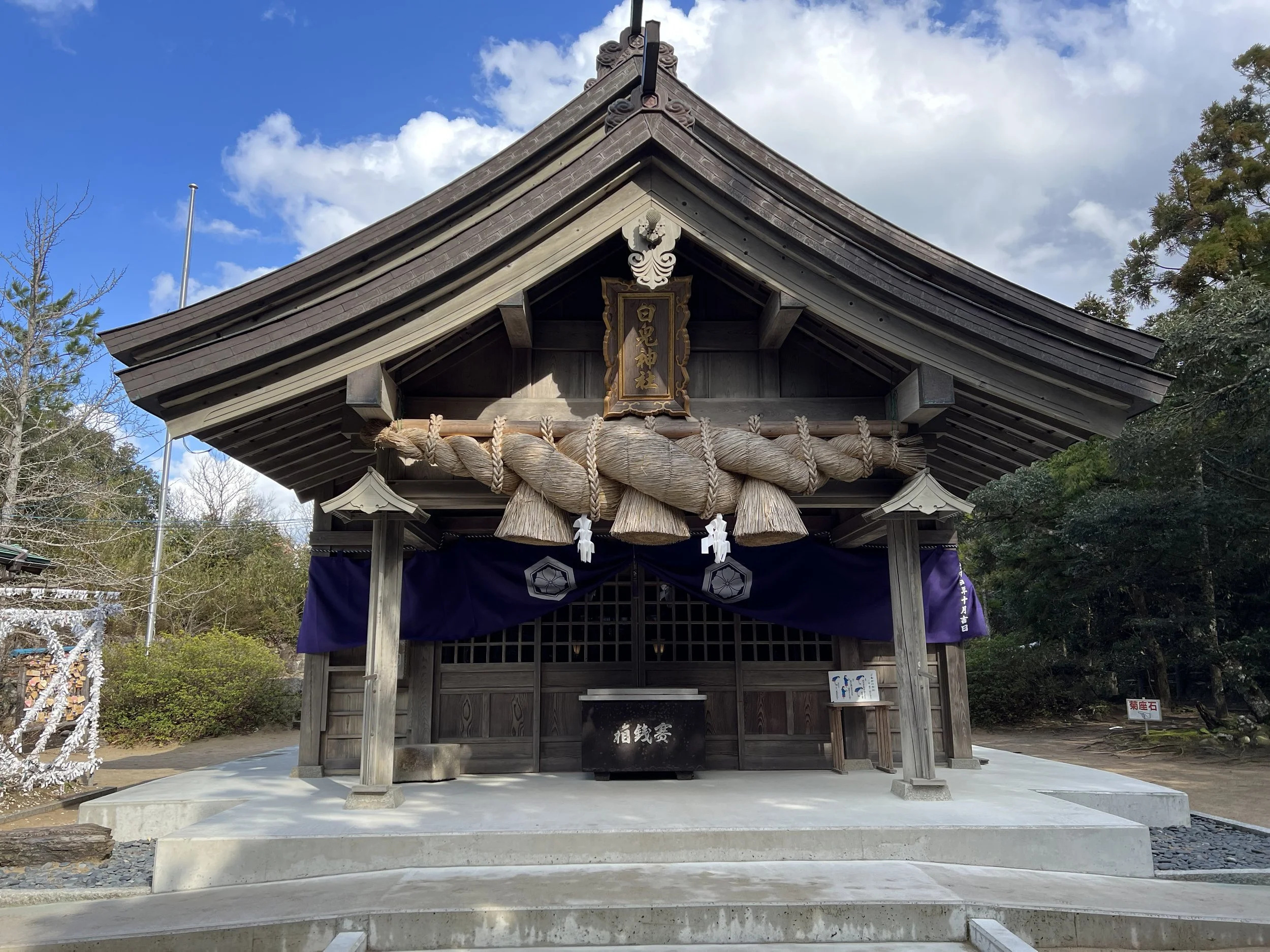
Just before reaching the main shrine building, I came across Mitarashi-ike Pond. According to legend, this is where the White Rabbit soaked itself to heal. The pond sits quietly beside the shrine, adding to the tranquil atmosphere. I walked around the grounds, paid my respects, and took a few photos before heading toward a nearby roadside station for snacks. Tottori’s connection to sand is evident even here, with a sand sculpture depicting the White Rabbit of Inaba on display.
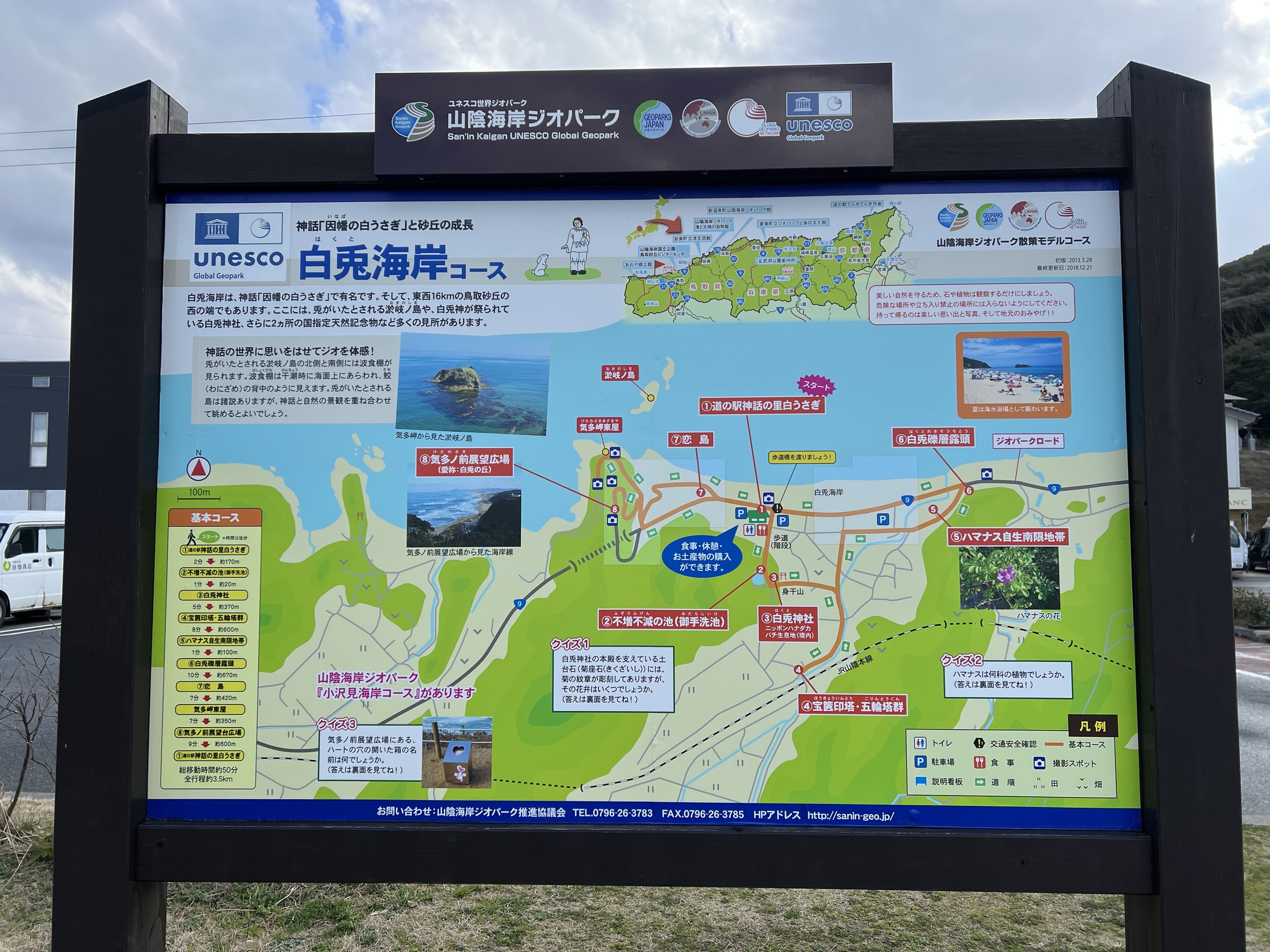
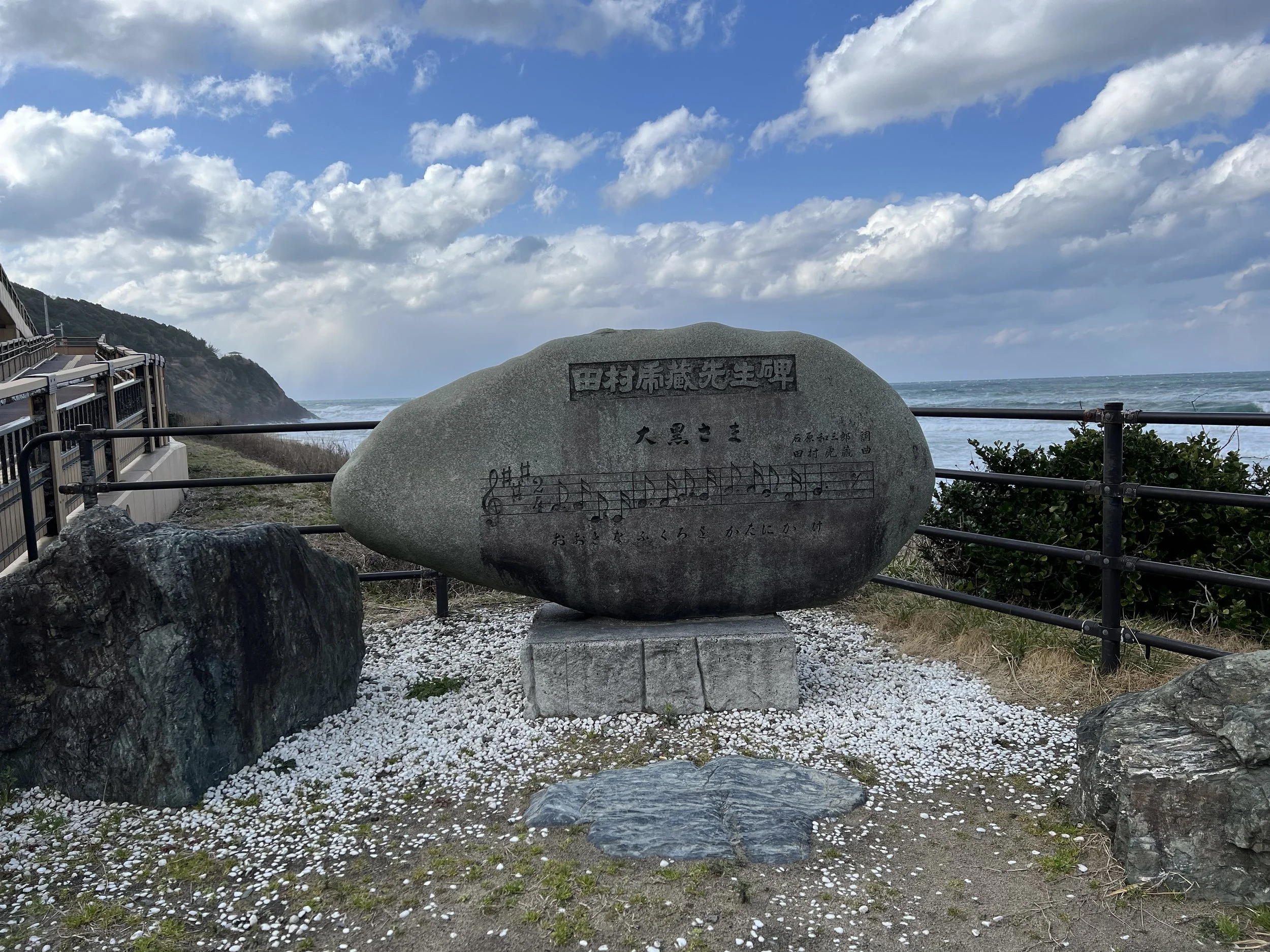
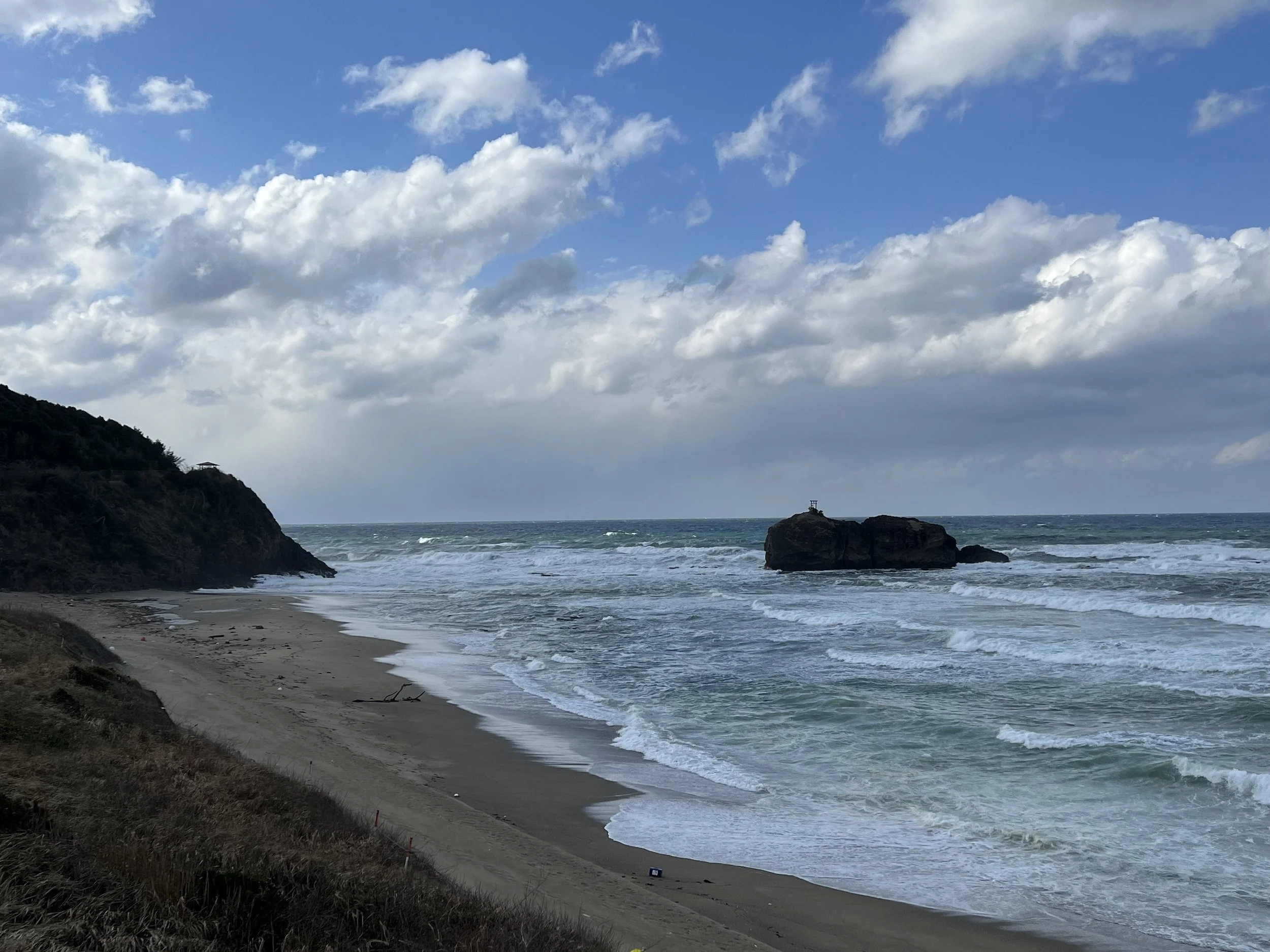
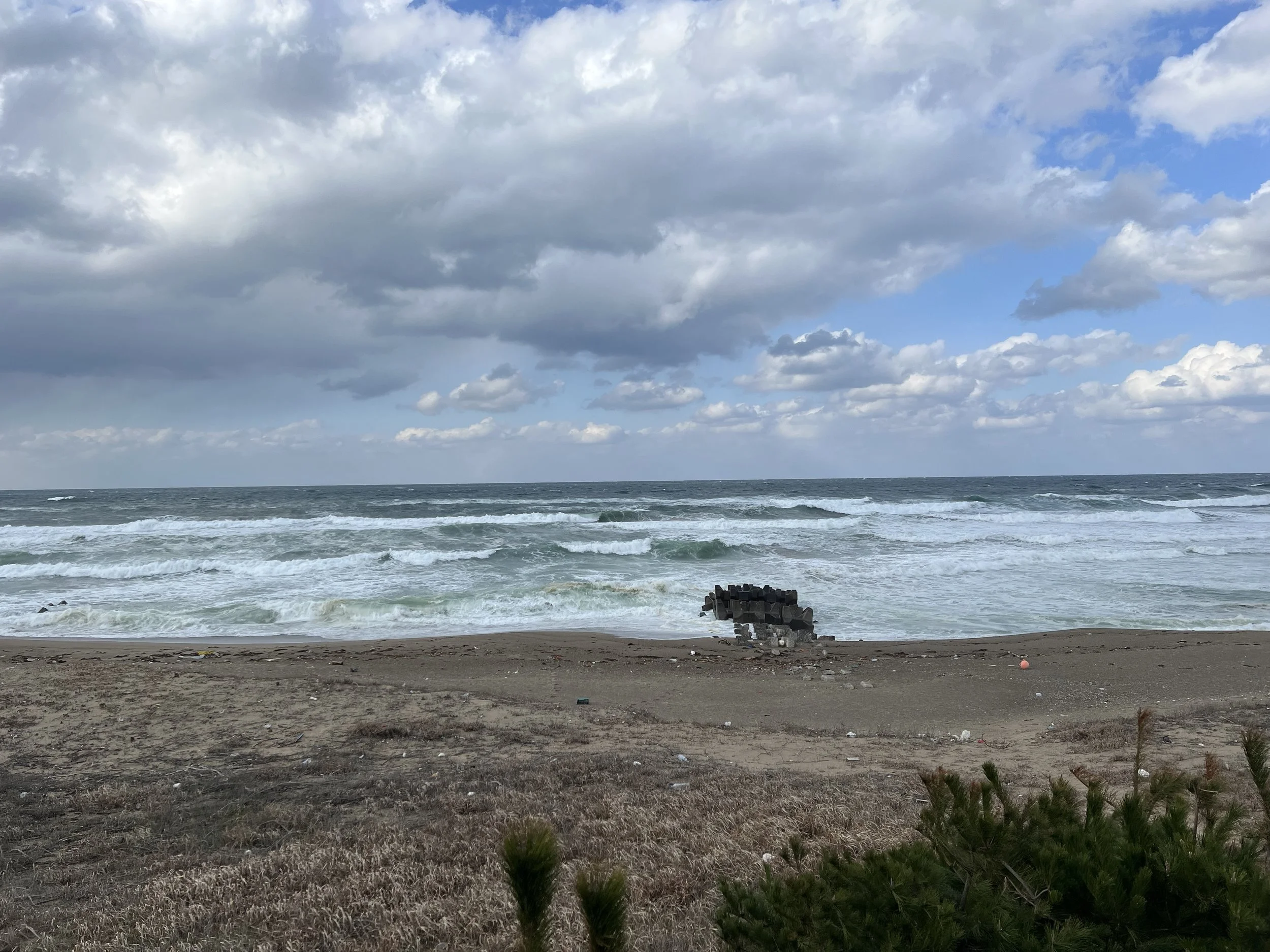
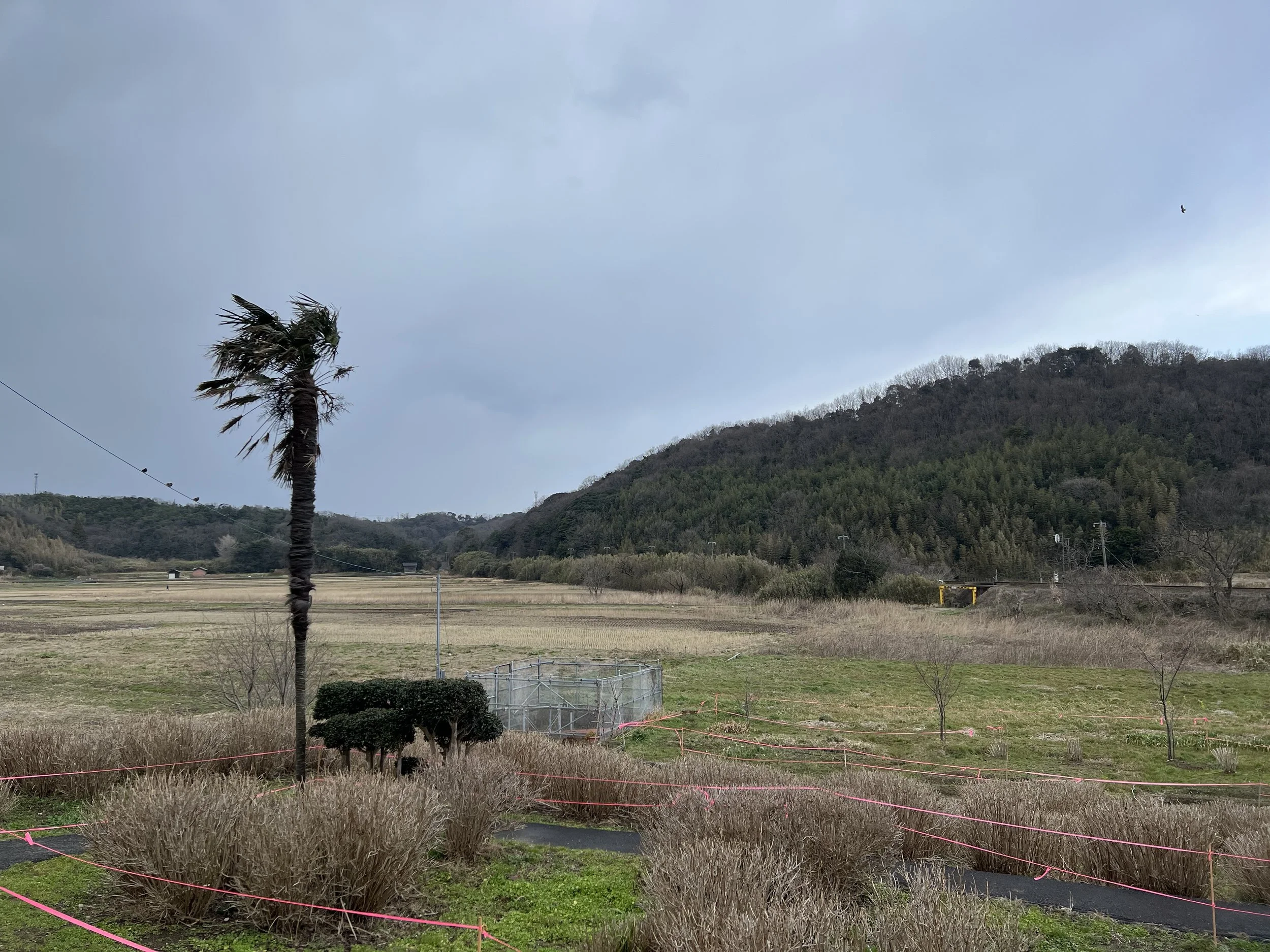
While checking transit schedules at the roadside station, I realized my departure options were limited: either wait nearly an hour and a half for the next bus or walk about 35 minutes to the nearest train station to catch a train in an hour. I opted for the train and began walking toward Suetsune Station along the Hakuto coastline. This stretch of coast is designated as a Lover’s Sanctuary, known for its beautiful sunsets and romantic atmosphere. One unexpected sight along the way was planes taking off and landing, as Tottori Airport is only about five kilometres away. Although the winter waves were rough, the beach is said to be a surfer’s paradise in summer. Walking along the shore, listening to the waves, felt incredibly serene.
I reached the small, unmanned Suetsune Station with about 25 minutes to spare and waited in the covered shelter. While this area is undoubtedly easier to explore with a car due to limited public transportation, the slower pace also allowed me to experience the landscape more deeply on foot, without feeling rushed.
History & Background
Hakuto Shrine (白兎神社) has its origins in ancient Japanese mythology, specifically the legend of the White Rabbit of Inaba as recorded in the Kojiki, compiled in the early 8th century. The myth introduces Okuninushi as a key deity, emphasizing virtues such as compassion and benevolence that became central to his worship. Over the centuries, Hakuto Shrine developed as a site dedicated to this legend, reflecting the enduring influence of early Shinto beliefs on local religious practices. In later periods, the shrine came to be associated with love and matchmaking, a role that expanded its cultural significance and attracted visitors seeking both spiritual blessings and a tangible connection to Japan’s mythological past.
Getting There
Hakuto Shrine can be reached from Tottori Station by local bus, with the journey taking just under an hour. The bus stops near the shrine entrance, making access straightforward. Public transportation in the area is limited, so checking bus and train schedules in advance is important. For greater flexibility, especially when exploring the surrounding coastline, travelling by car is the most convenient option.
Route Overview
Distance: 5 km (Hakuto Shrine → Suetsune Station)
Total elevation gain: 62 m
Duration: 1 hr 10 min (with breaks 1 hr 20 min)
Difficulty: Easy
Cost Breakdown
Bus: Tottori Station → Hakuto Jinja-mae Bus Stop — ¥610
Food: ¥987